
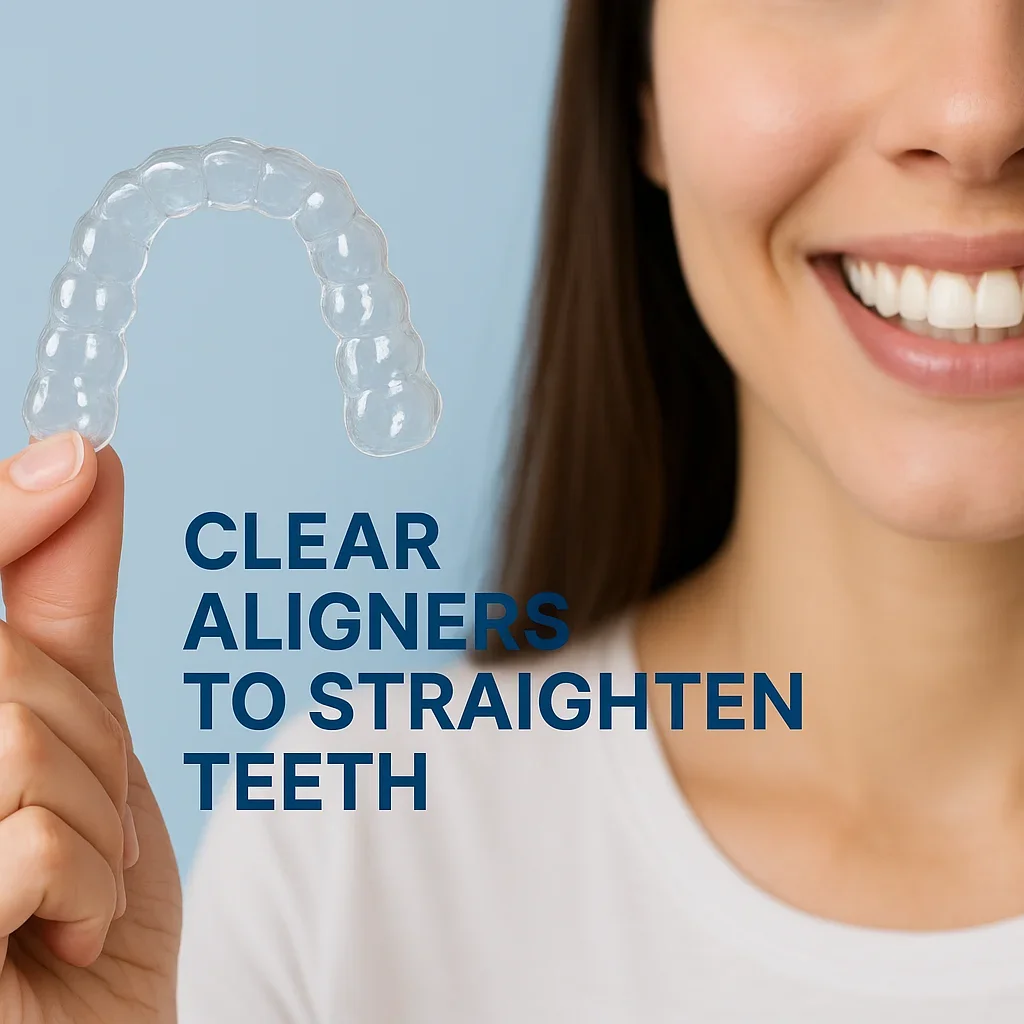
✨ A straight, radiant smile is no longer limited to those who wear metal braces. With the evolution of dental technology, clear aligners to straighten teeth have become one of the most sought-after orthodontic treatments worldwide. These transparent, removable trays are custom-made to align your teeth gradually, giving you a confident smile without the discomfort or visibility of traditional braces. 😁
Clear aligners work by applying gentle, consistent pressure to teeth, guiding them into their ideal positions. Each aligner in your series represents a small step forward in your treatment plan. Over time, these subtle adjustments lead to a perfectly aligned smile. Unlike metal braces, there are no brackets or wires, making this a comfortable and discreet option for both adults and teens. 🦷
One of the main reasons people choose clear aligners to straighten teeth is aesthetics. The nearly invisible design makes them ideal for professionals, students, and anyone who wants to maintain a natural look throughout their treatment. Additionally, aligners are removable, allowing you to eat, drink, and clean your teeth freely—something that fixed braces can’t offer. This flexibility not only improves your daily comfort but also enhances long-term oral hygiene.
From a scientific standpoint, clear aligners are based on 3D imaging and digital modeling technology. Your dentist takes a precise digital scan of your teeth to create a series of aligners that are tailor-made for your mouth. Each tray is worn for about two weeks before switching to the next in the sequence. As you progress, your teeth slowly shift according to your personalized orthodontic plan. The process is predictable, trackable, and remarkably efficient, often completing in as little as 6 to 18 months depending on your case. 🕒
Compared to traditional braces, clear aligners significantly reduce the need for in-office adjustments. Instead of frequent tightening appointments, you’ll have periodic check-ups to monitor progress. This makes the process convenient for busy individuals or those who travel often. Many patients appreciate the balance between independence and professional supervision that aligner therapy offers.
It’s important to understand that clear aligners to straighten teeth are not just a cosmetic solution—they are an orthodontic treatment designed to improve oral health. Misaligned teeth can cause bite problems, jaw discomfort, and uneven tooth wear. Aligning your teeth properly enhances not only appearance but also the function and longevity of your smile. 🪞
Another compelling aspect is hygiene. Since aligners are removable, brushing and flossing are much easier compared to traditional braces. You can maintain excellent oral hygiene throughout treatment, reducing the risk of cavities and gum disease. This is especially important for adults who have invested years into maintaining their dental health. By choosing clear aligners, you’re not only improving your smile aesthetically but also preserving your dental well-being for years to come. 🪥
For best results, consistency is key. Dentists recommend wearing your aligners for at least 20–22 hours a day. Compliance ensures that the teeth move as planned and the desired outcomes are achieved within the estimated timeframe. Skipping days or wearing them for shorter durations can delay progress or even reverse some of the achieved movement. Discipline plays a major role in how quickly and effectively your teeth straighten.
If you’re considering aligners, it’s crucial to have a professional consultation. A certified dentist will assess your bite, tooth spacing, and alignment needs using digital imaging tools. For reliable information and expert guidance, you can visit the American Dental Association website. It provides trustworthy insights into dental treatments and patient safety. Moreover, if you’re ready to take the next step toward a flawless smile, don’t hesitate to reach out through the Redent Klinik Contact Page for a personalized evaluation.
In summary, clear aligners to straighten teeth combine science, aesthetics, and convenience into one effective solution. They provide a nearly invisible way to correct misalignment, improve confidence, and enhance overall oral health. Whether you’re preparing for a major life event, a career opportunity, or simply want to feel better about your smile, clear aligners can make that transformation seamless. 🌟
By embracing this modern orthodontic innovation, you’re choosing comfort, precision, and long-lasting results. With the right dental guidance, clear aligners can give you the beautifully aligned teeth you’ve always dreamed of—without the metal, discomfort, or social inconvenience of traditional braces. 🧡
1. How Clear Aligners Work to Straighten Teeth
The process behind clear aligners to straighten teeth is a fascinating combination of dental science, biomechanics, and modern technology. These aligners are custom-designed trays made of transparent, medical-grade thermoplastic material that fits snugly over your teeth. Their main function is to apply gentle, consistent pressure to move teeth into their desired positions gradually. 😃
Understanding the Science Behind Clear Aligners
At the core of this treatment lies the principle of controlled force. Just like traditional braces, clear aligners move teeth by applying targeted pressure on specific areas. However, unlike braces that use brackets and wires, aligners distribute pressure evenly across the tooth surface, making the experience smoother and less painful. Each aligner in your treatment series is slightly different from the previous one, guiding your teeth step by step toward ideal alignment.
The movement of teeth is possible because of the periodontal ligament — the soft tissue that connects each tooth to the surrounding bone. When aligners apply pressure, one side of the ligament compresses while the other side stretches, allowing bone cells to remodel and adapt. Over time, this controlled biological process results in permanent repositioning of the teeth. It’s a delicate, scientifically calibrated sequence designed to achieve optimal results with minimal discomfort. 🦷
Digital Scanning and Treatment Planning
Every treatment with clear aligners to straighten teeth begins with an in-depth consultation and digital imaging process. Dentists use 3D scanners to capture a precise model of your teeth and bite structure. This data is used to create a virtual simulation showing how your smile will transform throughout the treatment. Patients can visualize the expected results before even starting, which builds confidence and motivation.
Once the virtual plan is approved, a series of aligners are fabricated using advanced computer-aided design (CAD) and manufacturing (CAM) technology. Each aligner corresponds to a specific phase of tooth movement and must be worn for about 10–14 days before transitioning to the next one. The number of aligners depends on your individual orthodontic needs — mild cases might require 10–12 trays, while complex misalignments may need 30 or more.
Precision Movement and Predictability
One of the standout features of modern clear aligners is predictability. With traditional braces, results depend heavily on manual adjustments made by the orthodontist. However, clear aligner systems use computer algorithms to map each stage of movement, minimizing human error and maximizing control. This ensures that your teeth move exactly as planned within safe biological limits. 🧬
Furthermore, the aligners are trimmed precisely along the gumline for optimal comfort and aesthetics. Their edges are smooth, preventing irritation to soft tissues like lips and cheeks. This small but vital design feature makes aligners an attractive option for those who want a gentle orthodontic experience without compromising comfort.
Comfort and Flexibility in Everyday Life
Unlike braces that are fixed, clear aligners to straighten teeth can be removed at any time. You can enjoy your favorite meals without restrictions—no need to worry about food getting stuck or damaging wires. 🥗 Just remove your aligners while eating or drinking anything other than water, brush your teeth afterward, and put them back in. This flexibility makes them ideal for professionals, athletes, and socially active individuals who value convenience.
Another benefit is hygiene. Because aligners are removable, you can maintain excellent oral care throughout your treatment. Brushing, flossing, and rinsing remain as simple as ever. In contrast, fixed braces often make cleaning difficult, leading to plaque buildup or staining. With clear aligners, your teeth and gums stay healthier throughout the process. 🪥
Regular Monitoring and Progress Tracking
Although aligners allow for independent progress, regular check-ups with your dentist are essential. These visits ensure that the teeth are moving as planned and that no unexpected issues arise. Many dental clinics, such as Redent Klinik Contact Page, use digital monitoring tools to track progress remotely, reducing the need for frequent in-person visits.
Most treatments with clear aligners to straighten teeth last between 6 and 18 months, depending on factors such as age, tooth complexity, and patient compliance. Wearing the aligners for 20–22 hours daily is crucial for success. Skipping hours or days can disrupt the sequence of movement and prolong the overall timeline. Consistency is key—your dedication directly impacts the speed and accuracy of your results. ⏱️
Technological Advancements in Aligner Therapy
The innovation behind clear aligners has evolved significantly over the past decade. Artificial intelligence and digital modeling have made treatment outcomes more predictable than ever. Some systems even use smart tracking devices embedded in the aligners to measure wear time and effectiveness. Others include micro-attachments—tiny, tooth-colored bumps placed temporarily on teeth—to help aligners grip and move them more effectively.
For those interested in scientific validation, the American Dental Association has published research supporting the effectiveness of clear aligner therapy for a wide range of orthodontic cases. This evidence ensures that patients can trust aligners as a medically sound, reliable method for achieving a healthy and symmetrical smile.
The Final Results: A Healthier, Straighter Smile
When used correctly, clear aligners to straighten teeth deliver not only cosmetic improvement but also functional benefits. Properly aligned teeth are easier to clean, less prone to wear, and help maintain balanced bite pressure. As a result, patients experience better oral hygiene, reduced gum inflammation, and improved confidence. 🌟
In essence, clear aligners represent a revolution in modern orthodontics—combining aesthetics, convenience, and precision. They provide a predictable and comfortable path to a perfectly aligned smile while preserving your daily routine and confidence. By choosing a professional clinic and following your treatment plan carefully, you’ll enjoy results that are both visually stunning and medically sound. 🧡
2. Key Differences Between Clear Aligners and Traditional Braces
When choosing between clear aligners to straighten teeth and traditional metal braces, understanding the differences is crucial. Both treatments aim to correct misaligned teeth and improve oral health, but they differ significantly in terms of aesthetics, comfort, technology, and maintenance. In this section, we’ll explore each distinction in detail, helping you decide which option suits your lifestyle and dental goals best. 😁
Appearance and Aesthetics
One of the most noticeable contrasts between clear aligners and braces lies in their appearance. Traditional braces consist of metal brackets and wires attached to the teeth, which are visible whenever you smile or speak. In contrast, clear aligners are virtually invisible. They’re made of transparent plastic that fits snugly over your teeth, blending seamlessly with your natural enamel. 🌟
For many adults and teenagers who value discretion, clear aligners to straighten teeth offer a major psychological advantage. You can go about your daily life—whether at school, work, or social gatherings—without feeling self-conscious. This factor alone makes clear aligners a preferred choice among professionals and young adults seeking a subtle yet effective orthodontic solution.
Comfort and Sensation
Comfort is another key factor that differentiates these two treatments. Traditional braces often cause irritation inside the mouth due to metal components rubbing against soft tissues. Patients commonly experience sore spots, especially after adjustments. In contrast, clear aligners are smooth and custom-fit to the contours of your teeth, significantly reducing discomfort. 🦷
Additionally, since clear aligners do not involve tightening wires or brackets, the pressure they apply is gentle and gradual. Most users describe the sensation as mild pressure rather than pain. Each new set of aligners may feel slightly snug at first, but this is simply a sign that the treatment is progressing effectively. Over-the-counter pain relief is rarely necessary with aligners, unlike with braces, which often require adaptation after each adjustment. 💫
Oral Hygiene and Maintenance
Maintaining oral hygiene is one of the most important aspects of orthodontic care. With braces, brushing and flossing can become challenging due to the presence of wires and brackets. Food particles tend to get trapped, leading to plaque buildup, discoloration, and even gum inflammation if not cleaned properly.
By contrast, clear aligners to straighten teeth can be easily removed before meals and cleaning. This allows patients to brush and floss normally without any obstructions. Regular cleaning of the aligners themselves is also simple—just rinse and brush them gently with lukewarm water and mild soap. Avoid hot water, as it can warp the plastic material. 🪥
Reduced Risk of Dental Issues
Because aligners promote better hygiene, they also lower the risk of secondary dental problems such as cavities, gingivitis, and enamel erosion. Braces wearers, on the other hand, often face difficulties cleaning around brackets, which can lead to staining and decay. For patients concerned about maintaining a bright, healthy smile during treatment, clear aligners provide a clear advantage.
Dietary Freedom and Lifestyle Flexibility
Another significant difference lies in dietary restrictions. Traditional braces come with a long list of “do not eat” foods, including sticky candies, crunchy snacks, and hard foods that can damage brackets or dislodge wires. 🍎
With clear aligners to straighten teeth, there are no such limitations. Since you remove the aligners before eating, you can enjoy all your favorite meals without worry. Just remember to brush your teeth and rinse your aligners before reinserting them. This level of flexibility allows patients to maintain their lifestyle without disruption—something that makes aligners particularly appealing to adults who lead active, social lives.
Treatment Duration and Predictability
The duration of treatment can vary depending on the complexity of the dental case, but clear aligners often deliver faster results. For mild to moderate misalignments, treatment may take between 6 and 18 months, whereas braces can require 18 to 36 months for similar outcomes. This difference is largely due to digital planning and precision engineering in clear aligner systems, which allow orthodontists to map out each movement with remarkable accuracy. ⏱️
In addition, clear aligners come with the advantage of virtual progress tracking. Dentists use digital scans to monitor tooth movement and adjust treatment as needed. This eliminates much of the guesswork associated with traditional orthodontics, providing patients with a transparent timeline and measurable progress. You can even visualize your expected smile transformation before you begin, offering motivation and reassurance throughout the journey.
Professional Oversight and Convenience
While both treatments require professional supervision, aligners often mean fewer in-office visits. Traditional braces need frequent tightening and adjustments every few weeks, while clear aligners to straighten teeth typically require check-ins every 6–8 weeks. This makes them ideal for individuals with busy schedules or those living far from dental clinics. If you’re considering a convenient and personalized option, the Redent Klinik Contact Page offers consultation opportunities to explore your best treatment plan.
Cost and Value Comparison
Cost is a common concern when comparing braces and aligners. While the price of clear aligners can vary depending on the brand and treatment complexity, the long-term benefits—faster results, fewer visits, and enhanced aesthetics—often make them a worthwhile investment. Braces might be less expensive upfront, but they usually involve more frequent appointments and potential repairs, adding to the total cost over time. 🪙
Effectiveness for Complex Cases
Traditional braces remain the gold standard for severe orthodontic corrections such as large gaps, complex rotations, or major bite misalignments. However, recent innovations have expanded the capabilities of clear aligners to straighten teeth, enabling them to treat a wide range of moderate to complex cases. Dentists can now combine attachments, elastics, and advanced software-guided planning to address even challenging scenarios effectively.
Final Thoughts: Choosing the Right Option
Ultimately, both braces and clear aligners are effective methods for achieving a beautiful, straight smile. The right choice depends on your priorities—whether you value invisibility, convenience, or traditional reliability. For patients seeking a discreet, comfortable, and hygienic experience, clear aligners to straighten teeth represent the future of orthodontics. 🌍
For more insights into orthodontic standards and safe practices, visit the American Dental Association. They provide evidence-based guidance on modern dental treatments, ensuring patients make informed decisions for their oral health.
In conclusion, while braces have stood the test of time, clear aligners have redefined orthodontic care with their comfort, aesthetics, and precision. Whichever path you choose, proper dental supervision ensures a healthy, confident, and long-lasting smile. 🧡
3. The Step-by-Step Process of Getting Clear Aligners
Understanding the complete journey of getting clear aligners to straighten teeth helps patients make informed decisions and feel confident throughout the treatment process. From the initial consultation to your final retainer, every stage is designed to ensure precision, safety, and stunning results. 😁 This section will walk you through each step in detail, highlighting how dental professionals personalize the experience to create a beautiful, functional smile.
Step 1: Initial Consultation and Oral Assessment
The first stage of obtaining clear aligners begins with a professional dental consultation. During this visit, your dentist or orthodontist evaluates your teeth, gums, and bite alignment. The purpose of this assessment is to determine whether you are a suitable candidate for aligner therapy. Not everyone qualifies immediately—patients with severe bite issues or unresolved gum disease may require preliminary treatment before starting aligners.
Using advanced diagnostic tools like digital scanners, intraoral cameras, and panoramic X-rays, your dental professional captures a detailed map of your mouth. These diagnostic images are crucial for developing a custom treatment plan. Some clinics, such as those accessible through the Redent Klinik Contact Page, offer free consultations to help you learn about the procedure and expected outcomes. 🌟
Step 2: Digital Impressions and 3D Treatment Planning
Once you are approved for treatment, the next step involves creating a precise digital model of your teeth. Instead of using messy physical molds, dentists now use 3D intraoral scanners to capture accurate digital impressions. These scans are then imported into specialized software that simulates your entire orthodontic journey—from start to finish.
Here, the dentist or technician digitally manipulates the model to show how each tooth will move during treatment. This simulation allows you to preview your future smile even before receiving your first set of aligners. Seeing the transformation virtually motivates many patients to commit fully to wearing their clear aligners to straighten teeth consistently. 🦷
AI-Driven Precision
Modern aligner systems often use artificial intelligence and machine learning algorithms to predict tooth movement accurately. These programs take into account variables such as bone density, tooth size, and alignment resistance. The result is a highly customized series of aligners that move your teeth efficiently while maintaining comfort and safety.
Step 3: Fabrication of Custom Clear Aligners
Once your treatment plan is finalized, the digital data is sent to a certified manufacturing facility. Using 3D printing and thermoforming technologies, technicians create your personalized aligners from BPA-free, medical-grade plastic. Each tray is slightly different, applying controlled pressure on specific teeth to guide them gradually into place.
Every set of aligners corresponds to a particular stage in your treatment, and patients typically wear each tray for 10–14 days before moving on to the next. The total number of trays can range from 10 to over 30, depending on the complexity of the case. 🧬
Step 4: Fitting and Instructions
When your clear aligners are ready, your dentist will schedule a fitting appointment. During this visit, you’ll try on your first set of aligners to ensure they fit comfortably and snugly. The dentist may attach small, tooth-colored composite bumps called “attachments” to certain teeth. These help the aligners grip and move teeth more effectively. Don’t worry—they’re barely visible and are removed at the end of treatment. 😄
You’ll also receive detailed instructions on how to wear, remove, and clean your aligners. Dentists emphasize wearing them for 20–22 hours per day for best results. Patients are reminded to remove the trays only while eating, drinking, or performing oral hygiene routines.
Getting Used to Aligners
It’s normal to experience slight pressure or tightness when wearing a new set. This sensation is a sign that the aligners are doing their job. Most patients adapt within a few days, and any initial lisp or discomfort fades quickly. Keeping aligners in consistently ensures that your teeth stay on track according to the treatment timeline.
Step 5: Progress Monitoring and Adjustments
Throughout your journey with clear aligners to straighten teeth, periodic check-ups are essential. These visits allow your dentist to evaluate progress, make adjustments if necessary, and provide your next sets of aligners. Some clinics use remote tracking apps that allow you to upload photos of your teeth for digital monitoring, reducing the need for frequent in-person visits. 📱
During these appointments, dentists ensure that tooth movement matches the digital plan. If any aligner feels loose or isn’t tracking properly, small refinements can be made. Sometimes, an additional set of aligners (called refinements) may be produced to perfect your final results.
Step 6: Completion of Treatment and Final Results
Once you’ve completed all your prescribed aligners, your teeth should now be in their ideal positions. At this stage, your dentist will perform a thorough evaluation to confirm alignment accuracy. The results are compared with the original digital scans, giving you a clear visual of how your smile has transformed. 🎉
Retention Phase: Keeping Your Smile Perfect
After completing treatment, wearing retainers is essential to prevent teeth from shifting back. Your dentist will provide clear retainers—similar to your aligners—to maintain your new smile. Initially, you may need to wear them full-time for a few months, then only at night afterward. This step ensures that the results of your clear aligners remain permanent.
Step 7: Long-Term Maintenance and Aftercare
To maintain your results, regular dental visits are encouraged. Proper hygiene, including brushing and flossing twice daily, plays a vital role in keeping your teeth healthy and aligned. Periodic professional cleanings help remove plaque and stains, ensuring your smile stays bright. 🌟
Patients are also advised to store their retainers properly and avoid exposure to heat or harsh chemicals. With the right care, your retainers can last several years, keeping your teeth in perfect alignment.
Professional Oversight and Safety Standards
All stages of getting clear aligners to straighten teeth are overseen by licensed dental professionals. The American Dental Association strongly advises patients to choose supervised treatments rather than DIY aligner kits. Professional monitoring ensures safe tooth movement and helps prevent potential complications like gum recession or bite imbalances.
By trusting expert care and following your dentist’s recommendations, you’re setting yourself up for long-term success. The structured process behind clear aligners ensures that every smile transformation is predictable, comfortable, and scientifically supported.
Conclusion: A Journey Worth Taking
From digital scans to the final reveal, the process of getting clear aligners to straighten teeth is both exciting and transformative. Each step is carefully designed to combine precision, comfort, and confidence. Whether you’re starting your orthodontic journey for aesthetic reasons or to improve oral function, clear aligners offer an advanced, patient-friendly solution that fits seamlessly into modern life. 🧡
4. Top Benefits of Choosing Clear Aligners for a Confident Smile
Opting for clear aligners to straighten teeth offers far more than just an aesthetic transformation. This modern orthodontic method provides an effective, comfortable, and hygienic approach to achieving a flawless smile without the inconvenience of metal braces. In this section, we’ll explore the major benefits that make clear aligners the preferred choice for millions worldwide — covering everything from comfort and confidence to long-term oral health. 😁
Discreet and Aesthetic Appearance
One of the standout advantages of clear aligners is their nearly invisible design. Unlike traditional braces, which use metal wires and brackets that can make many people self-conscious, aligners are made from transparent thermoplastic that blends with your natural tooth color. This makes them ideal for adults and teenagers who wish to correct their smiles without drawing attention. 🌟
When wearing clear aligners to straighten teeth, you can speak, smile, and interact with complete confidence. Whether you’re attending a business meeting, a wedding, or a social event, clear aligners ensure your orthodontic treatment remains your little secret. The discretion they offer is one of the key reasons behind their rapid rise in popularity across all age groups.
Superior Comfort Compared to Braces
Traditional braces often come with discomfort caused by wires, brackets, and periodic tightening. By contrast, clear aligners provide a smooth, customized fit that minimizes irritation to gums and cheeks. Each aligner is digitally crafted to match your dental anatomy perfectly, ensuring even pressure distribution and reducing the risk of soreness. 🦷
Since there are no metal parts, you won’t experience mouth abrasions or unexpected poking from wires. Most users report that after just a few days of adjustment, the aligners become virtually unnoticeable. This makes them an excellent choice for anyone seeking a gentle and patient-friendly treatment experience.
Removability and Lifestyle Flexibility
Another major benefit of clear aligners to straighten teeth is their removable nature. You can easily take them out while eating, drinking, or brushing your teeth. 🍽️ This flexibility allows you to enjoy your favorite meals without worrying about food restrictions — something traditional braces simply cannot offer.
This removable feature also means you can participate in sports or special occasions more comfortably. For instance, if you’re attending a special event, you can temporarily remove your aligners, enjoy your time, and put them back in afterward. However, consistent wear (20–22 hours a day) remains vital to achieve the best results within the planned treatment period.
Better Oral Hygiene and Cleanliness
Because aligners are removable, maintaining excellent oral hygiene is much easier. You can brush and floss your teeth normally, which helps prevent plaque buildup, staining, and gum problems. In comparison, braces can make cleaning difficult, leading to food accumulation and possible decay. 🪥
Aligners themselves are simple to clean — rinse them with lukewarm water and gently brush with a soft toothbrush. Some patients use special cleaning crystals or tablets to keep them clear and odor-free. This level of hygiene is one of the reasons clear aligners are favored by health-conscious individuals.
Predictable and Efficient Treatment
Modern orthodontic systems for clear aligners to straighten teeth are based on digital precision. Before treatment begins, your dentist creates a detailed 3D plan showing the projected movement of each tooth. This simulation helps visualize your future smile and provides a clear roadmap of the process. 🧭
With this level of predictability, your treatment duration and results are much more reliable than traditional methods. Each aligner tray corresponds to a specific stage, ensuring consistent progress. Patients often achieve noticeable improvements within a few months, with full results typically visible in 6–18 months depending on the case.
Less Frequent Dental Visits
Unlike braces that require monthly tightening, clear aligners demand fewer in-office visits. Check-ups are usually scheduled every 6–8 weeks, primarily to track progress and provide new sets of trays. This saves both time and effort — a huge advantage for busy professionals or those who travel frequently. Some clinics even offer virtual monitoring systems for convenience, allowing you to send digital updates to your orthodontist remotely.
Health Benefits Beyond Aesthetics
While many patients choose clear aligners to straighten teeth for cosmetic reasons, the health benefits are equally impressive. Misaligned teeth can cause uneven wear, bite problems, and difficulty cleaning, which may lead to gum disease and tooth decay. Straightening your teeth properly can significantly reduce these risks, improving overall oral health and jaw function. 🧬
Properly aligned teeth distribute chewing forces evenly, relieving pressure on individual teeth and preventing enamel wear. They also enhance digestion by allowing more efficient chewing of food. Therefore, the benefits of clear aligners extend beyond a confident smile—they contribute to a healthier mouth and better long-term well-being.
Minimal Dietary Restrictions
Traditional braces often require patients to avoid hard, sticky, or chewy foods to prevent damage to brackets and wires. With clear aligners, there are no such limitations. Since you remove the trays before eating, you can enjoy crunchy apples, popcorn, or even your favorite snacks without fear of breaking any orthodontic components. 🍏
This convenience not only enhances lifestyle freedom but also promotes better nutrition, as patients don’t have to avoid certain healthy foods like raw vegetables or nuts. Maintaining a balanced diet during treatment supports overall dental and physical health.
Boosted Self-Confidence and Social Comfort
Confidence plays a significant role in one’s quality of life. People who wear clear aligners to straighten teeth often report increased self-esteem throughout treatment. Unlike braces that draw attention, aligners let you smile naturally and interact without hesitation. Whether you’re giving a presentation or taking photos, you can feel completely at ease knowing your orthodontic appliance is nearly invisible. 😊
Additionally, this boost in confidence often carries into professional and personal life. Studies have shown that people who are proud of their smiles tend to express themselves more freely and form stronger social connections.
Safe and Effective for a Wide Range of Cases
Clear aligners are suitable for treating various orthodontic conditions — from mild crowding and spacing to moderate bite corrections. Thanks to advancements in dental technology, even complex cases can often be addressed effectively using attachments or elastics. However, it’s always essential to undergo treatment under professional supervision to ensure safety and precision. For trusted dental guidance, you can refer to the American Dental Association, which provides valuable information about aligner standards and patient care.
Professional Expertise Matters
Choosing an experienced clinic ensures that your treatment with clear aligners remains safe and successful. Clinics like Redent Klinik Contact Page offer customized plans tailored to your specific dental needs. With expert oversight, you can expect smooth progress, precise results, and long-lasting outcomes.
Conclusion: A Modern Path to a Beautiful Smile
In summary, clear aligners to straighten teeth combine comfort, aesthetics, hygiene, and health benefits into one revolutionary treatment. Their nearly invisible design, ease of maintenance, and predictable results make them the go-to choice for anyone seeking a confident, radiant smile. 🧡
By investing in clear aligners, you’re not just enhancing your appearance—you’re improving your oral health and overall well-being. With the right care and professional supervision, this modern orthodontic solution can transform your smile and your confidence for life. 🌍
5. Common Myths and Facts About Clear Aligners
Despite the growing popularity of clear aligners to straighten teeth, many misconceptions still surround this innovative orthodontic treatment. Some patients hesitate to start aligner therapy because of myths spread online or through word of mouth. To help you make an informed decision, this section debunks the most common myths and reveals the scientific truths behind clear aligners. 🦷
Myth 1: Clear Aligners Are Only for Minor Alignment Issues
One of the most persistent myths about clear aligners is that they can only fix small cosmetic imperfections. While aligners were initially designed for mild crowding or spacing, advancements in dental technology have significantly expanded their capabilities. Today, modern aligner systems can treat moderate and even complex orthodontic problems, including overbites, crossbites, and open bites. 🧬
Each set of clear aligners to straighten teeth is digitally customized to apply precise forces on targeted teeth. With the help of attachments, elastics, and AI-guided movement planning, they can correct tooth rotations and vertical discrepancies that were once only manageable with traditional braces. Clinics such as Redent Klinik Contact Page now use advanced 3D imaging tools to plan such complex treatments effectively.
Myth 2: Clear Aligners Take Longer Than Braces to Work
Another widespread misconception is that clear aligners take longer to achieve results than metal braces. In reality, treatment duration depends on several factors, such as case complexity, patient compliance, and biological response. For many patients with mild to moderate alignment issues, aligners can deliver results faster—sometimes in as little as 6–12 months. ⏱️
Because the process is planned digitally, dentists can predict tooth movement accurately and minimize delays. By wearing your aligners for 20–22 hours daily and switching them at the recommended intervals, you can often achieve results more efficiently than with traditional braces that require manual adjustments.
Myth 3: Aligners Are Painful
Discomfort is one of the biggest concerns for people considering clear aligners to straighten teeth. However, the truth is that aligners are far more comfortable than metal braces. Rather than sharp wires or brackets, aligners use smooth thermoplastic material that hugs your teeth gently. While you may feel mild pressure when switching to a new set, this sensation is temporary and a sign that your treatment is progressing correctly. 🌟
Traditional braces often cause irritation to cheeks and gums, but clear aligners eliminate these issues entirely. In addition, you can remove your aligners whenever needed, allowing short breaks during meals or brushing. Patients who follow their dentist’s guidance rarely experience more than mild, short-term discomfort.
Myth 4: Clear Aligners Affect Speech
Some people fear that wearing clear aligners will alter the way they speak. While it’s true that you may have a slight lisp during the first few days, this is completely normal and temporary. Your tongue quickly adapts to the presence of aligners, and speech returns to normal within a few days. 😄
Since clear aligners are thin and precisely molded, they don’t interfere with daily communication. Many professionals, including public speakers and actors, successfully use aligners without any long-term speech difficulties. This adaptability is one of the many reasons why aligners are a preferred choice for image-conscious individuals.
Myth 5: You Don’t Need Dental Visits with Aligners
Some people assume that once they receive clear aligners to straighten teeth, no further dental supervision is necessary. This is false—and potentially risky. Professional monitoring is essential for ensuring the treatment progresses correctly. 🩺
During check-ups, your dentist reviews your progress, makes adjustments if necessary, and ensures that your teeth are moving according to plan. Without professional oversight, patients risk poor fit, delayed progress, or even gum complications. Reputable clinics such as Redent Klinik Contact Page emphasize consistent follow-ups, whether in person or via digital tracking tools, to guarantee safety and success.
Remote Monitoring Options
Modern dental practices now offer remote progress checks through photos or apps, reducing the need for frequent in-person visits. However, these tools still operate under the guidance of a licensed dentist. The goal is to balance convenience with clinical accuracy.
Myth 6: Aligners Are Fragile and Break Easily
Clear aligners may look delicate, but they’re made from durable, medical-grade thermoplastic materials. With proper care, each aligner tray lasts the entire 10–14 day wear period without issues. 💪
To maintain their strength and clarity, avoid exposing your aligners to hot water, harsh cleaners, or rough handling. When not in use, always store them in their protective case. These small steps ensure that your clear aligners remain sturdy and effective throughout your treatment.
Myth 7: Clear Aligners Are Too Expensive
While the cost of clear aligners to straighten teeth may seem high at first glance, the investment often equals or even undercuts the total expenses of braces when factoring in fewer clinic visits and less maintenance. Additionally, aligners deliver faster results and greater comfort, enhancing long-term satisfaction. Many dental clinics also offer flexible payment plans, making treatment accessible to a wide range of patients. 💰
Moreover, the benefits extend beyond aesthetics. Straighter teeth lead to improved oral hygiene, reduced dental problems, and enhanced confidence—all valuable long-term returns on your investment.
Myth 8: Clear Aligners Don’t Work for Older Adults
Another myth claims that only teenagers can use aligners. In reality, clear aligners are effective for adults of all ages. As long as your gums and teeth are healthy, you can achieve outstanding results. In fact, many adults prefer aligners because they’re discreet and fit comfortably into professional lifestyles. 🧑💼
Aligner treatment is especially beneficial for adults who previously had braces but experienced relapse due to not wearing retainers. The modern digital precision of clear aligners to straighten teeth allows for efficient realignment without the inconvenience of traditional braces.
Customized Treatment for Every Age
Whether you’re 18 or 60, your aligner plan can be tailored to your individual dental anatomy. Clinics use age-appropriate strategies, ensuring bone density, gum health, and bite forces are all considered during treatment design.
Myth 9: Results Are Temporary
Some people believe that teeth will shift back immediately after completing aligner treatment. While teeth do have a natural tendency to move, dentists prevent this by prescribing retainers. Retainers help stabilize your new smile and are a standard part of any orthodontic treatment—aligners included. 🌙
As long as you follow your post-treatment care instructions and wear your retainers as recommended, your results will remain long-lasting. Proper maintenance ensures that the investment in clear aligners to straighten teeth continues to pay off for years to come.
Final Thoughts: Facts Prevail Over Myths
When it comes to clear aligners, knowledge truly is power. Debunking these myths reveals the truth: aligners are effective, comfortable, and suitable for nearly all ages. Their success relies on professional supervision and patient commitment, not luck or gimmicks. For scientifically backed information, always consult authoritative sources such as the American Dental Association.
Ultimately, clear aligners to straighten teeth represent one of the safest and most advanced ways to achieve a beautiful, healthy smile. By understanding the facts and trusting expert dental guidance, you can embark on your orthodontic journey with confidence and clarity. 🧡
6. How Long Does It Take for Clear Aligners to Straighten Teeth?
One of the most common questions patients ask when considering clear aligners to straighten teeth is: “How long will it take to see results?” The answer varies based on individual factors such as the severity of misalignment, age, oral habits, and treatment compliance. However, understanding the typical timeline and what affects it can help set realistic expectations for a successful smile transformation. ⏱️
Average Treatment Duration
On average, most patients wear clear aligners for 6 to 18 months. Those with mild crowding or small gaps may complete treatment in as little as six months, while individuals with more complex issues—such as overbites, underbites, or crossbites—might need up to two years. The good news is that aligners work efficiently due to precise, digitally guided movement of each tooth. 🦷
Each aligner set is worn for approximately 10–14 days before switching to the next one in the series. Every new aligner moves your teeth incrementally, following a carefully designed orthodontic map created through advanced 3D software. This method ensures gradual, predictable movement and minimizes discomfort compared to traditional braces that require manual adjustments.
Early Improvements Within Weeks
While the full process can take several months, many patients start noticing subtle improvements after just a few weeks of wearing clear aligners to straighten teeth. Slightly closing gaps, correcting mild rotations, or aligning front teeth often happens early in the process. These early visible changes provide motivation and confidence to stay consistent throughout treatment. 😁
Factors That Influence Treatment Time
Several elements determine how quickly your smile transforms with clear aligners. Understanding these factors helps patients actively participate in achieving timely results.
1. Complexity of the Case
Simple misalignments—like small gaps or minor crowding—require fewer aligners and less time. Complex cases involving multiple bite issues, significant rotations, or jaw discrepancies naturally take longer. Modern aligner technology, however, has made it possible to treat even challenging cases efficiently using attachments and elastics that guide specific tooth movements precisely. 🧬
2. Patient Compliance
Your commitment plays a major role in how quickly clear aligners to straighten teeth can deliver results. Dentists recommend wearing aligners for at least 20–22 hours daily. Removing them frequently or forgetting to wear them for extended periods disrupts progress and can add weeks or months to your timeline. Consistency ensures that teeth move as digitally planned without setbacks. 📅
3. Biological Response
Every patient’s bone structure, gum health, and cellular activity are unique. Some people’s teeth respond faster to orthodontic pressure, while others move more slowly. Younger patients often see quicker results because their bone tissue remodels more readily, but adults can still achieve excellent outcomes—especially when they follow all dental instructions.
4. Use of Attachments and Refinements
Attachments—tiny, tooth-colored dots placed on the enamel—help aligners grip and move teeth more precisely. While they improve control, they can also extend treatment slightly if additional fine-tuning is needed. Similarly, some patients require refinement aligners after the main series to perfect alignment details. These refinements are common and ensure optimal results rather than delays.
Step-by-Step Timeline Overview
Let’s break down what a typical journey with clear aligners looks like from start to finish. Though every case differs, this outline gives a realistic perspective of what to expect during each stage.
Month 1: Initial Adjustments
In the first few weeks, your mouth adapts to the feeling of wearing aligners. You may experience mild pressure or a slight lisp, which quickly subsides. Early alignment changes often become visible, particularly in the front teeth. Maintaining discipline in wearing your trays daily is essential during this stage.
Months 2–6: Noticeable Shifts
By this phase, the gradual movements of clear aligners to straighten teeth become more noticeable. Crowded or misaligned teeth begin to align properly, and you’ll see measurable improvements in your bite and smile symmetry. Regular dental check-ups ensure your teeth are tracking correctly according to your digital plan.
Months 7–12: Midpoint Refinement
In most cases, you’ll reach the halfway mark around month six or seven. At this point, your dentist may perform a progress evaluation. Adjustments or additional aligners might be ordered to refine tooth positioning. This phase requires continued dedication to wearing your aligners full-time, as each hour missed can slow progress.
Months 13–18: Final Alignments and Polishing
During the final stage, small details like rotations, spacing, and bite finishing are perfected. The last aligner trays focus on achieving a polished, symmetrical look. Patients nearing completion often feel increased motivation as they see their final smile forming. 🎉
The Role of Technology in Faster Results
Digital dentistry has revolutionized how efficiently clear aligners to straighten teeth can work. Computer-aided design (CAD) and 3D printing ensure each aligner is tailored to deliver precise, incremental force. Some systems even incorporate smart sensors that track wear time, helping patients and dentists ensure treatment adherence. 📲
Moreover, AI-driven treatment simulations allow orthodontists to map exact tooth movements with millimeter accuracy. This minimizes unnecessary stages and ensures your teeth move efficiently within biologically safe limits. Combined with periodic progress scans, these technologies guarantee a faster and safer orthodontic outcome.
Post-Treatment Retention Phase
After completing your clear aligners journey, the retention phase begins. Teeth naturally have a tendency to shift slightly after treatment, so retainers are essential to preserve results. Your dentist will provide clear retainers—similar in design to aligners—to be worn full-time for a few months, then nightly thereafter. 🌙
Proper retainer use ensures that the hard-earned results from your clear aligners to straighten teeth remain permanent. Neglecting this phase may lead to minor relapse, requiring correction later.
Long-Term Maintenance Tips
- Clean retainers daily using mild soap or cleaning tablets.
- Visit your dentist every 6–12 months for monitoring.
- Store retainers in a protective case when not in use.
- Maintain consistent oral hygiene with brushing and flossing.
6. How Long Does It Take for Clear Aligners to Straighten Teeth?
One of the most common questions patients ask when considering clear aligners to straighten teeth is: “How long will it take to see results?” The answer varies based on individual factors such as the severity of misalignment, age, oral habits, and treatment compliance. However, understanding the typical timeline and what affects it can help set realistic expectations for a successful smile transformation. ⏱️
Average Treatment Duration
On average, most patients wear clear aligners for 6 to 18 months. Those with mild crowding or small gaps may complete treatment in as little as six months, while individuals with more complex issues—such as overbites, underbites, or crossbites—might need up to two years. The good news is that aligners work efficiently due to precise, digitally guided movement of each tooth. 🦷
Each aligner set is worn for approximately 10–14 days before switching to the next one in the series. Every new aligner moves your teeth incrementally, following a carefully designed orthodontic map created through advanced 3D software. This method ensures gradual, predictable movement and minimizes discomfort compared to traditional braces that require manual adjustments.
Early Improvements Within Weeks
While the full process can take several months, many patients start noticing subtle improvements after just a few weeks of wearing clear aligners to straighten teeth. Slightly closing gaps, correcting mild rotations, or aligning front teeth often happens early in the process. These early visible changes provide motivation and confidence to stay consistent throughout treatment. 😁
Factors That Influence Treatment Time
Several elements determine how quickly your smile transforms with clear aligners. Understanding these factors helps patients actively participate in achieving timely results.
1. Complexity of the Case
Simple misalignments—like small gaps or minor crowding—require fewer aligners and less time. Complex cases involving multiple bite issues, significant rotations, or jaw discrepancies naturally take longer. Modern aligner technology, however, has made it possible to treat even challenging cases efficiently using attachments and elastics that guide specific tooth movements precisely. 🧬
2. Patient Compliance
Your commitment plays a major role in how quickly clear aligners to straighten teeth can deliver results. Dentists recommend wearing aligners for at least 20–22 hours daily. Removing them frequently or forgetting to wear them for extended periods disrupts progress and can add weeks or months to your timeline. Consistency ensures that teeth move as digitally planned without setbacks. 📅
3. Biological Response
Every patient’s bone structure, gum health, and cellular activity are unique. Some people’s teeth respond faster to orthodontic pressure, while others move more slowly. Younger patients often see quicker results because their bone tissue remodels more readily, but adults can still achieve excellent outcomes—especially when they follow all dental instructions.
4. Use of Attachments and Refinements
Attachments—tiny, tooth-colored dots placed on the enamel—help aligners grip and move teeth more precisely. While they improve control, they can also extend treatment slightly if additional fine-tuning is needed. Similarly, some patients require refinement aligners after the main series to perfect alignment details. These refinements are common and ensure optimal results rather than delays.
Step-by-Step Timeline Overview
Let’s break down what a typical journey with clear aligners looks like from start to finish. Though every case differs, this outline gives a realistic perspective of what to expect during each stage.
Month 1: Initial Adjustments
In the first few weeks, your mouth adapts to the feeling of wearing aligners. You may experience mild pressure or a slight lisp, which quickly subsides. Early alignment changes often become visible, particularly in the front teeth. Maintaining discipline in wearing your trays daily is essential during this stage.
Months 2–6: Noticeable Shifts
By this phase, the gradual movements of clear aligners to straighten teeth become more noticeable. Crowded or misaligned teeth begin to align properly, and you’ll see measurable improvements in your bite and smile symmetry. Regular dental check-ups ensure your teeth are tracking correctly according to your digital plan.
Months 7–12: Midpoint Refinement
In most cases, you’ll reach the halfway mark around month six or seven. At this point, your dentist may perform a progress evaluation. Adjustments or additional aligners might be ordered to refine tooth positioning. This phase requires continued dedication to wearing your aligners full-time, as each hour missed can slow progress.
Months 13–18: Final Alignments and Polishing
During the final stage, small details like rotations, spacing, and bite finishing are perfected. The last aligner trays focus on achieving a polished, symmetrical look. Patients nearing completion often feel increased motivation as they see their final smile forming. 🎉
The Role of Technology in Faster Results
Digital dentistry has revolutionized how efficiently clear aligners to straighten teeth can work. Computer-aided design (CAD) and 3D printing ensure each aligner is tailored to deliver precise, incremental force. Some systems even incorporate smart sensors that track wear time, helping patients and dentists ensure treatment adherence. 📲
Moreover, AI-driven treatment simulations allow orthodontists to map exact tooth movements with millimeter accuracy. This minimizes unnecessary stages and ensures your teeth move efficiently within biologically safe limits. Combined with periodic progress scans, these technologies guarantee a faster and safer orthodontic outcome.
Post-Treatment Retention Phase
After completing your clear aligners journey, the retention phase begins. Teeth naturally have a tendency to shift slightly after treatment, so retainers are essential to preserve results. Your dentist will provide clear retainers—similar in design to aligners—to be worn full-time for a few months, then nightly thereafter. 🌙
Proper retainer use ensures that the hard-earned results from your clear aligners to straighten teeth remain permanent. Neglecting this phase may lead to minor relapse, requiring correction later.
Long-Term Maintenance Tips
- Clean retainers daily using mild soap or cleaning tablets.
- Visit your dentist every 6–12 months for monitoring.
- Store retainers in a protective case when not in use.
- Maintain consistent oral hygiene with brushing and flossing. 🪥
When to Expect Your Final Results
Although general timelines provide an estimate, the true success of clear aligners depends on precision and patience. Your dentist will regularly compare your progress to the original 3D model, ensuring everything stays on track. By adhering to your aligner schedule and practicing good oral care, you’ll likely enjoy your final, perfectly aligned smile within the planned time frame—or even sooner.
For professional insight into expected timelines and safe orthodontic practices, refer to the American Dental Association. They provide expert-backed guidelines to help patients make informed decisions about aligner therapy.
Conclusion: Patience Leads to Perfection
In conclusion, the time required for clear aligners to straighten teeth depends on individual factors, but the results are well worth the wait. The process is comfortable, discreet, and guided by technology that ensures precision. Whether your treatment takes six months or eighteen, each day brings you closer to a confident, beautifully aligned smile. With expert guidance from clinics such as Redent Klinik Contact Page, your journey to dental perfection can be smooth, predictable, and rewarding. 🧡
7. Benefits of Choosing Clear Aligners Over Traditional Braces
When it comes to achieving a straight and confident smile, clear aligners to straighten teeth offer several remarkable advantages over traditional braces. From comfort and appearance to hygiene and efficiency, aligners have transformed orthodontic care into a modern, patient-friendly experience. Below, we’ll explore the many benefits that make clear aligners the preferred choice for millions of patients worldwide. 😁
Discreet and Aesthetic Appearance
One of the most obvious advantages of clear aligners is their nearly invisible appearance. Unlike metal braces that draw attention every time you smile, aligners are made from transparent thermoplastic materials that blend naturally with your teeth. This makes them especially appealing to adults and professionals who want to enhance their smile without compromising their appearance. 🌟
Whether you’re at a business meeting, social event, or family gathering, you can feel confident knowing your orthodontic treatment is virtually unnoticeable. This aesthetic advantage has made clear aligners to straighten teeth the go-to option for those who value subtlety and sophistication.
Comfort Without Wires or Brackets
Traditional braces often cause irritation, discomfort, or mouth sores due to their sharp metal components. In contrast, clear aligners are designed for comfort, featuring smooth, contoured edges that fit snugly over your teeth. Since there are no wires or brackets, there’s no risk of cuts or abrasions inside the mouth. 🩹
Patients typically experience only mild pressure when switching to a new aligner set—a normal sign that the treatment is working. This gentle, controlled movement helps teeth shift effectively while minimizing discomfort throughout the process.
Removable and Convenient
Unlike fixed braces, clear aligners to straighten teeth can be removed at any time. This flexibility allows you to enjoy all your favorite foods and drinks without restrictions. 🍎 Simply remove your aligners before meals and put them back in after brushing your teeth.
This feature not only enhances convenience but also supports better oral hygiene. You can brush and floss normally, reducing the risk of plaque buildup, cavities, and staining often seen in patients with braces. In addition, aligners make professional cleanings easier, helping maintain gum health throughout treatment.
Freedom for Special Occasions
Another benefit of removability is the ability to take out your aligners briefly for special events like weddings, photoshoots, or presentations. This flexibility ensures that your lifestyle remains uninterrupted while still keeping your treatment progress on track. 🎉
Fewer Dental Visits
With clear aligners, there’s no need for frequent in-office wire tightening or bracket adjustments. Most patients only need check-ups every 6–8 weeks to monitor progress. These visits are typically shorter and more comfortable than those required for braces, saving both time and effort.
Modern clinics such as Redent Klinik Contact Page also offer remote monitoring options, where progress can be tracked digitally using smartphone photos or apps. This convenience makes aligner therapy an excellent choice for busy individuals. 📱
Predictable and Precise Results
Each treatment plan using clear aligners to straighten teeth is custom-designed using 3D digital scanning and artificial intelligence. These technologies simulate each stage of tooth movement, ensuring accuracy and predictability that traditional braces can’t always guarantee.
Patients can even preview their expected final results before treatment begins. This transparency helps build trust and motivation throughout the orthodontic journey. 🧬
Improved Oral Hygiene and Health
Maintaining oral hygiene with braces can be challenging due to food particles getting trapped between wires and brackets. Clear aligners eliminate this problem entirely. Since they’re removable, brushing, flossing, and rinsing remain simple and effective.
Good hygiene prevents gum inflammation, tooth decay, and enamel staining—issues often linked with long-term braces use. By reducing these risks, clear aligners to straighten teeth support not just cosmetic improvement but also long-term dental health. 🪥
No Food Restrictions
With braces, sticky or hard foods like caramel, popcorn, or nuts are typically off-limits. Clear aligners, however, give you full dietary freedom. You can eat whatever you like, as long as you remove your aligners beforehand and brush before putting them back in. 🍽️
This balance of freedom and discipline makes aligners a lifestyle-friendly orthodontic solution that doesn’t interfere with your favorite meals or social activities.
Reduced Risk of Dental Emergencies
Broken wires, popped brackets, and painful abrasions are common with traditional braces—but not with clear aligners. Their flexible, durable material minimizes the risk of damage and the need for emergency dental visits. This peace of mind is a major advantage, especially for travelers or professionals with tight schedules. ✈️
Boost in Confidence and Self-Esteem
Many people experience an immediate boost in confidence after starting treatment with clear aligners to straighten teeth. Knowing that your orthodontic solution is discreet and comfortable encourages more frequent smiling and positive social interactions. 😊
As your teeth gradually align, your self-image improves alongside your oral health. This emotional benefit is one of the most rewarding aspects of the entire process.
Environmentally Friendly Materials
Modern dental manufacturers now produce aligners using recyclable, BPA-free plastics. This makes clear aligners a safer and more sustainable option for both your health and the environment. 🌍
Additionally, fewer physical appointments mean a smaller carbon footprint associated with transportation—another subtle but meaningful benefit.
Conclusion: Aligners Offer a Smarter Path to a Perfect Smile
Overall, clear aligners to straighten teeth combine innovation, aesthetics, and practicality to deliver outstanding results. They’re discreet, comfortable, and easy to manage—without sacrificing precision. When guided by professionals like those at Redent Klinik Contact Page, patients can expect not only a beautiful smile but also improved oral health and confidence. For verified orthodontic standards, refer to the American Dental Association. 🧡
8. Post-Treatment Care After Using Clear Aligners
Completing your journey with clear aligners to straighten teeth is a major achievement—but maintaining those beautiful results requires proper post-treatment care. This final phase, often called the “retention phase,” ensures that your teeth remain stable and your new smile lasts for life. Below, we’ll explore every essential step in preserving your results and keeping your oral health at its best. 🌟
The Importance of Retainers
After your aligner treatment ends, your teeth naturally want to shift back toward their original positions. To prevent this, dentists provide retainers—custom-made trays that look similar to aligners but serve to hold your teeth in place. 🦷
Retainers play a crucial role in maintaining the work achieved by clear aligners. Without them, relapse can occur, causing gaps or misalignments to reappear over time. Depending on your case, your dentist may recommend wearing retainers full-time for the first few months, then switching to nightly wear.
Types of Retainers
- Clear Plastic Retainers: Nearly invisible, removable, and easy to clean.
- Hawley Retainers: Made of acrylic and wire for durable, adjustable support.
- Fixed Retainers: Thin wires bonded to the back of teeth for continuous stability.
Proper Retainer Care
To keep retainers effective and hygienic, clean them daily using a soft brush and mild soap or specialized cleaning tablets. Avoid hot water—it can deform the plastic. Store your retainers in a protective case when not in use, and never wrap them in tissue (they can easily be lost or thrown away). 🧴
Regular Dental Check-Ups
Post-treatment care involves ongoing monitoring by your dentist. Schedule check-ups every 6–12 months to ensure your alignment remains stable and your oral health stays optimal. Clinics such as Redent Klinik Contact Page offer digital progress scans to track any subtle movements and adjust retainers if needed. 🩺
Maintaining Good Oral Hygiene
After completing treatment with clear aligners to straighten teeth, oral hygiene remains a top priority. Continue brushing twice daily with fluoride toothpaste, flossing regularly, and using an antibacterial mouthwash. A clean mouth prevents decay, gum disease, and staining—keeping your smile healthy and bright for years. 🪥
Professional Cleanings and Whitening
Many patients choose to complement their new smile with professional cleanings or whitening treatments. These services enhance the brightness of your teeth and remove any minor discoloration left from aligner use. Consult your dentist before whitening to ensure your enamel is strong and ready for cosmetic procedures.
Dietary Considerations After Treatment
Even though you’re free from aligners, maintaining a balanced diet supports oral and overall health. Limit sugary snacks, sodas, and acidic foods that can erode enamel. Eating calcium-rich foods like yogurt, cheese, and leafy greens strengthens your teeth and bones, ensuring long-lasting results from your clear aligners. 🥗
Watch for Signs of Relapse
If you notice shifting, tightness, or gaps returning, contact your dentist immediately. Early intervention prevents minor movements from becoming major setbacks. Some cases may need new refinement aligners to restore perfect alignment efficiently.
Common Signs of Relapse Include:
- Feeling pressure when wearing retainers
- Visible gaps between teeth
- Difficulty fitting your old retainers
- Changes in bite or jaw comfort
Long-Term Benefits of Consistent Retainer Use
Patients who wear their retainers consistently maintain their results for decades. The stability achieved through post-treatment discipline ensures that the benefits of clear aligners to straighten teeth remain permanent. Think of retainers as the final step in your investment—protecting your time, effort, and financial commitment. 💎
Maintaining Confidence and Lifestyle
Once you’ve completed your orthodontic journey, you can fully enjoy your new smile in every aspect of life. The confidence gained from clear aligners extends into personal, social, and professional settings. Continue smiling freely—it’s the best reflection of your dedication and transformation! 😄
When to Replace Your Retainers
Retainers generally last 6–12 months, depending on wear and maintenance. If you notice cracks, warping, or looseness, contact your dentist for a replacement. Keeping your retainers in good shape ensures your beautifully aligned smile stays flawless.
Conclusion: Lifelong Smile Maintenance
Post-treatment care is just as important as the treatment itself. With the right habits and guidance, your clear aligners to straighten teeth will deliver lifelong benefits. Visit trusted professionals such as Redent Klinik Contact Page for ongoing support and advice, and refer to the American Dental Association for trusted guidelines. By maintaining your retainers, practicing excellent hygiene, and scheduling regular check-ups, you’ll enjoy a radiant, confident smile that lasts a lifetime. 🧡

9. Choosing the Right Clinic for Clear Aligners Treatment
Selecting the right dental clinic for your clear aligners to straighten teeth treatment is one of the most crucial decisions in achieving a healthy and beautiful smile. While aligners themselves are technologically advanced, their success ultimately depends on the expertise, equipment, and patient care offered by the clinic. In this section, we’ll break down exactly what to look for when choosing a clinic, what questions to ask, and why professional supervision ensures your smile transformation is safe and effective. 🦷
The Importance of Professional Guidance
Although clear aligner kits are now widely available online, supervised dental treatment remains essential. Only a licensed dentist or orthodontist can evaluate your jaw alignment, bone density, and gum health accurately. These assessments are critical for determining whether clear aligners to straighten teeth are suitable for your specific case. ⚖️
Professional clinics use diagnostic tools such as 3D scans, panoramic X-rays, and bite analyses to plan the movement of each tooth precisely. This prevents potential complications like root resorption or uneven bite pressure—problems that can occur when aligners are used without expert supervision. In short, a qualified dentist doesn’t just straighten teeth; they preserve your long-term oral health.
What to Look for in a Reliable Clinic
When selecting a clinic for your clear aligners journey, consider the following key factors to ensure you receive safe, effective, and comfortable treatment:
1. Experience and Credentials
Choose a clinic with a proven track record in orthodontic treatments. Dentists who specialize in cosmetic and orthodontic dentistry are better equipped to design personalized treatment plans that deliver predictable results. Reputable clinics proudly display certifications and memberships in recognized organizations such as the American Dental Association. 🏅
2. Advanced Technology
Modern orthodontics relies heavily on digital technology. Look for clinics that use 3D scanners, AI-based planning tools, and digital progress tracking systems. These technologies enhance accuracy, minimize discomfort, and ensure that each stage of your clear aligners to straighten teeth treatment follows a safe, controlled path. Clinics equipped with this technology can even show you a preview of your post-treatment smile before you start! 💻
3. Personalized Treatment Plans
No two smiles are alike, so a one-size-fits-all approach won’t work. The best clinics customize every aspect of your aligner treatment—from the number of trays to the duration and attachment placements. A personalized approach ensures faster results and minimizes unnecessary refinements. Reputable clinics like Redent Klinik Contact Page create individualized digital plans tailored to your teeth and lifestyle needs.
4. Transparent Pricing and Packages
Clear, upfront pricing builds trust between the patient and the clinic. A reliable dental clinic should provide a full cost breakdown that includes consultations, aligners, progress check-ups, and post-treatment retainers. Avoid services that offer suspiciously low prices or hidden fees—these often cut corners on quality or patient care. Transparency ensures peace of mind throughout your orthodontic journey. 💳
Why Choose a Clinic Over Online Aligners
In recent years, direct-to-consumer aligner brands have gained popularity due to their convenience and lower prices. However, without in-person evaluation, such treatments carry significant risks. Misdiagnosed conditions or poorly fitting trays can lead to gum damage, bite misalignment, or permanent dental shifts. In contrast, professional clinics that offer clear aligners to straighten teeth combine digital precision with medical oversight, ensuring safe and lasting outcomes. 🚫
Safety and Medical Supervision
A dentist monitors your progress at every stage, making small adjustments if needed. If a tooth doesn’t move as planned, your treatment can be recalibrated instantly. This continuous supervision prevents potential problems from escalating and guarantees a healthier result compared to unsupervised alternatives.
Emergency Support and Adjustments
In-clinic treatment also provides access to immediate help if you lose or damage an aligner. Most clinics can quickly produce replacements using your digital 3D records, minimizing delays in your treatment timeline. Online providers often lack this flexibility, causing extended interruptions that affect results. 🕒
Evaluating Patient Reviews and Testimonials
Before committing to a clinic, read verified reviews and patient testimonials. Look for consistency in feedback regarding comfort, results, and professionalism. Authentic reviews can reveal how effectively the clinic communicates, handles challenges, and supports patients through the process. Positive word of mouth is one of the strongest indicators of a trustworthy clinic. 🌟
Initial Consultation and Diagnostic Process
A high-quality clinic will never rush your consultation. Instead, your first visit should include a detailed evaluation of your teeth, bite, and facial structure. Using digital scanners, the clinic creates a precise 3D model that guides your entire treatment plan. This data allows for accurate customization of each aligner tray in your clear aligners to straighten teeth sequence.
Virtual Smile Preview
Many advanced clinics offer “before and after” visual simulations. Seeing your predicted results before treatment begins helps you understand the full transformation process and sets realistic expectations. It’s an exciting and motivating way to envision your future smile! 😁
Aftercare and Long-Term Support
Your relationship with the clinic doesn’t end when your final aligner comes off. Post-treatment care—such as providing retainers, follow-up visits, and hygiene guidance—is just as important. Clinics dedicated to patient satisfaction offer lifelong support to ensure your smile stays perfect long after your clear aligners treatment concludes.
Monitoring for Stability
Even after treatment, subtle tooth movement is normal. A clinic that provides regular check-ups ensures that your results remain stable. They can adjust or replace retainers as needed, preventing future misalignment. 🩺
Why Redent Klinik Stands Out
Redent Klinik Contact Page exemplifies what an ideal clear aligner clinic should offer—personalized care, advanced technology, and experienced professionals. Their holistic approach emphasizes both aesthetics and oral health, ensuring every smile is as functional as it is beautiful. Patients receive digital progress tracking, comfort-focused design, and expert aftercare—all under one roof. 🧡
Conclusion: Make an Informed Choice
Choosing the right clinic for clear aligners to straighten teeth is more than a cosmetic decision—it’s an investment in your oral health, comfort, and confidence. Look for professionalism, transparency, and technology-driven care. Always prioritize dental supervision and evidence-based methods for safe, predictable outcomes. By partnering with a reputable clinic like Redent Klinik and adhering to professional guidance, you ensure that your journey toward a perfectly aligned smile is smooth, healthy, and truly transformative. 🌈