
Finding a dentist that accept payment plans can make the difference between postponing treatment and finally achieving the smile you deserve. Dental care is essential for both health and confidence, but high upfront costs often discourage patients from visiting the dentist. Thankfully, many clinics today understand these challenges and offer flexible payment options that allow patients to manage costs comfortably. These plans are designed to fit various financial situations—so you don’t have to compromise your oral health because of budget constraints.
In simple terms, a dentist that accept payment plans allows you to receive necessary treatments first and pay over time. This makes it possible for patients to schedule preventive, cosmetic, or restorative treatments without the financial burden of paying in full. Whether you’re dealing with a cavity, need a dental implant, or want to improve your smile aesthetics, flexible payment options make high-quality care more accessible to everyone.
Many people postpone dental appointments because they fear high bills. But with payment plans, dental care becomes less stressful and more approachable. You can spread the cost of your treatment into smaller, manageable monthly installments—similar to how you might finance a phone or car. This approach encourages regular checkups, which helps prevent long-term issues like tooth decay, gum disease, and jawbone deterioration.
Clinics that accept these plans often partner with financing providers or offer in-house installment options. Some even provide interest-free plans if the balance is paid within a certain time frame. Others work with third-party companies such as CareCredit or LendingClub, which specialize in medical and dental financing. This flexibility ensures that patients can choose the method that best suits their budget and schedule.
Beyond financial convenience, a dentist that accept payment plans demonstrates a commitment to patient-centered care. It shows that the clinic values accessibility and understands real-world challenges. This trust-based relationship helps patients feel more comfortable discussing treatment options, cosmetic procedures, and preventive strategies. Dentists who offer such payment options tend to attract loyal patients who appreciate transparency and empathy in healthcare.
Payment plans also benefit families. Parents can manage the costs of braces, fillings, or dental cleanings for multiple children without financial strain. It’s a realistic solution that promotes long-term oral health for every member of the household. In addition, seniors who require implants or dentures find these plans particularly helpful since many insurance policies do not cover advanced dental procedures.
According to the American Dental Association, consistent dental visits are key to preventing serious oral diseases. With flexible financial solutions, more people can follow that advice and maintain regular care. That’s why it’s crucial to find a dentist that accept payment plans who offers transparent pricing, easy approval processes, and professional guidance.
When selecting such a clinic, it’s important to ask the right questions. For example: What treatments are included in the plan? Are there any hidden fees or late payment penalties? Does the plan cover cosmetic procedures like whitening or veneers? By clarifying these details upfront, you can make an informed decision and avoid unpleasant surprises later.
At Redent Klinik Contact Page, patients can reach out for personalized assistance and discuss tailored payment solutions. Clinics like these not only focus on dental excellence but also on affordability—ensuring everyone has a fair chance to protect and enhance their smile. Whether you live in a busy city or a small town, there’s always a way to find quality dental care that fits your budget.
Ultimately, choosing a dentist that accept payment plans is an empowering step toward better oral health. It eliminates the financial stress that often keeps people from scheduling necessary treatments. With this option, dental care becomes a manageable, planned investment in your confidence and overall well-being. Remember—your smile deserves consistent care, and now it’s easier than ever to achieve it without breaking the bank. 😁
Why Choosing a Dentist That Accept Payment Plans Can Change Everything
For many people, visiting a dentist that accept payment plans is not just a financial choice—it’s a life-changing decision. Oral health is closely linked to confidence, overall wellness, and quality of life. However, the cost of dental procedures can often discourage patients from getting timely treatment. This is where flexible dental payment plans completely transform the experience, offering peace of mind, accessibility, and the freedom to prioritize health without financial fear.
Breaking the Barrier Between Cost and Care 💸
One of the biggest advantages of finding a dentist that accept payment plans is the removal of the financial barrier. Instead of paying a large amount upfront, patients can spread the cost across several months. This approach makes even high-value treatments like crowns, implants, or orthodontics manageable. It enables people from all financial backgrounds to pursue necessary care without delay.
When patients are not burdened by large immediate costs, they are more likely to follow through with recommended treatments. Early intervention means fewer complications later, saving both money and pain. Regular visits prevent conditions like periodontal disease or tooth loss, which could become expensive emergencies if ignored. So, payment flexibility indirectly promotes better long-term oral health outcomes.
How It Empowers Different Patient Groups
A dentist that accept payment plans empowers families, students, and retirees alike. Parents can manage orthodontic care for multiple children without straining their monthly budget. College students can afford wisdom tooth extraction or cleaning services while still managing tuition costs. Seniors, often on fixed incomes, gain access to dentures, bridges, and other restorative treatments that improve quality of life.
This inclusivity redefines dental care from being a privilege into a necessity available to all. It creates an environment where patients feel supported, not judged. Many modern clinics promote this approach as part of their mission to provide compassionate, community-based healthcare.
Psychological Relief: Less Stress, More Confidence 😌
Financial stress is one of the main reasons people avoid the dentist. But when you visit a dentist that accept payment plans, the anxiety linked to money disappears. Patients report feeling more relaxed and confident knowing they can focus on their treatment instead of the cost. This mindset helps build trust between patient and provider, encouraging open communication about concerns, goals, and preferences.
Moreover, individuals who previously delayed treatments often feel a renewed sense of motivation. They realize dental health isn’t just about appearance—it’s also about self-esteem, comfort, and social confidence. Being able to smile freely without worrying about debt or discomfort is a powerful emotional shift.
Encouraging Preventive Dentistry
Preventive dentistry is one of the most effective ways to reduce long-term costs, yet it’s often neglected due to budget fears. By choosing a dentist that accept payment plans, patients can schedule regular cleanings, exams, and x-rays. These simple steps detect issues early, minimizing the need for expensive interventions later. It’s a proactive rather than reactive approach to oral health.
Example: The Power of Early Care
Consider this example: treating a small cavity costs far less than a root canal. But many patients delay until pain forces action—by then, the cost has multiplied. With accessible payment plans, patients no longer postpone early treatments. The result is healthier smiles and significantly lower expenses over time.
Financial Transparency and Trust
Transparency is crucial in modern dentistry. A reputable dentist that accept payment plans provides clear written details of the agreement—no hidden fees, no confusing fine print. Patients know exactly what to expect, including monthly payments, interest (if any), and the coverage of different procedures. This clarity helps build confidence and encourages long-term relationships with the clinic.
Many dental offices also align their plans with reputable organizations such as the American Dental Association, ensuring ethical and professional standards are met. When a clinic follows ADA guidelines, patients can trust that their health and finances are both being respected.
Link Between Accessibility and Better Health Outcomes
Studies show that people who regularly visit the dentist live healthier lives overall. Access to affordable payment options increases dental attendance rates, which in turn reduces the risk of systemic conditions linked to oral health—like diabetes, cardiovascular disease, and infections. By working with a dentist that accept payment plans, patients indirectly invest in their total body wellness.
Accessibility is the cornerstone of preventive healthcare, and dentistry is no exception. By ensuring financial inclusivity, clinics make oral health achievable for everyone, regardless of their economic background. This model not only benefits individuals but also contributes to a healthier community.
Conclusion: A Smarter, Healthier Future Awaits
In today’s world, affordability should never be the reason to neglect your smile. Finding a dentist that accept payment plans gives you control over both your finances and your oral health. It eliminates excuses, reduces fear, and opens the door to consistent, high-quality care. If you’ve been delaying treatment due to cost, consider visiting the Redent Klinik Contact Page to explore your options. Flexible payment dentistry is not just about managing money—it’s about creating opportunities for lifelong wellness, one smile at a time. 😁
How Dental Payment Plans Work Step-by-Step
Understanding how a dentist that accept payment plans operates can remove the confusion and uncertainty many patients feel about paying for dental care. These plans are designed to make dental services more accessible by breaking down the total cost into affordable monthly payments. Knowing each step of the process helps you make confident, informed decisions about your treatment and budget.
Step 1: Consultation and Treatment Plan 📋
Your journey with a dentist that accept payment plans begins with a detailed consultation. During this visit, the dentist assesses your oral health through an exam, X-rays, or scans. Based on the findings, a personalized treatment plan is created outlining the recommended procedures—whether it’s fillings, crowns, braces, or implants. This stage ensures that you understand the full scope of your dental needs before any financial discussion begins.
Transparency is crucial here. The dentist will clearly list every treatment, its estimated cost, and possible alternatives. By doing this upfront, you can make an informed choice about which procedures to prioritize and how to structure your payment plan effectively.
Step 2: Financial Consultation and Payment Options
After your treatment plan is finalized, the financial coordinator or clinic manager explains available payment solutions. This is where working with a dentist that accept payment plans truly makes a difference. You’ll discuss different structures such as:
- In-house payment plans: Offered directly by the dental clinic, allowing you to make monthly payments without a third party.
- Third-party financing: Through companies like CareCredit or LendingClub, offering longer repayment terms or low-interest options.
- Hybrid models: Some clinics combine both, offering in-house plans for smaller treatments and third-party financing for major procedures.
The coordinator helps you choose the best plan according to your financial comfort. In many cases, you can start treatment immediately after signing the agreement—no long waiting periods or complex paperwork.
Step 3: Approval and Agreement Signing ✍️
Once you decide on the payment plan, approval is usually quick and straightforward. For most in-house plans, approval depends on income verification or a valid payment method. Third-party lenders may check your credit score, but they often work with patients of varying financial backgrounds. This flexibility is what makes a dentist that accept payment plans so valuable to diverse patients.
Before signing, make sure to review the agreement carefully. Key details include monthly payment amount, interest rate (if any), due date, late payment penalties, and the total duration of the plan. Reputable clinics always provide this information transparently. Some even offer interest-free periods—especially for smaller treatment costs repaid within a short timeframe.
Step 4: Beginning Treatment Without Financial Stress
Once everything is set, you can begin your dental procedures right away. This is the most empowering part of working with a dentist that accept payment plans. Instead of waiting months to save up or suffering from untreated pain, you get immediate access to care. Whether you need an emergency root canal, teeth whitening, or a set of veneers, treatment can start instantly.
Knowing that payments are spread out makes the entire process more comfortable. It encourages patients to complete full treatment plans rather than stopping midway because of cost worries. This ensures healthier outcomes and a higher satisfaction rate among patients.
Step 5: Making Monthly Payments with Ease 💳
Most clinics automate the payment process to make it easy for patients. Payments can be made online, through bank transfers, or even mobile apps. Some dentists offer auto-debit options so you never miss a due date. These systems create convenience and reliability, making the relationship between patient and clinic smoother.
Tip: Set Payment Reminders
To maintain a good standing, always keep track of your payments. Even though many systems automate them, setting personal reminders ensures there are no accidental delays. Remember, a dentist that accept payment plans depends on mutual trust—your consistency helps maintain that partnership.
Step 6: Post-Treatment Care and Plan Adjustments
After completing your treatments, your dentist that accept payment plans will likely schedule follow-up visits for maintenance or checkups. If new needs arise—like replacing a crown or whitening—you can often extend or modify your existing plan. Many dental offices are flexible and will help you readjust payments if your financial circumstances change.
This adaptability ensures continuous access to care without disruption. For example, if you start a new job or face temporary income loss, most clinics will cooperate to reschedule or pause payments. This supportive environment builds long-term loyalty between the patient and dental practice.
Step 7: Building a Long-Term Relationship Based on Trust 🤝
Finally, working with a dentist that accept payment plans creates more than just convenience—it fosters trust. Patients who experience fairness, transparency, and quality service are more likely to return for regular checkups and refer friends or family. This trust also motivates patients to maintain good oral hygiene habits, reducing the need for expensive procedures in the future.
If you’re unsure where to begin, visit the Redent Klinik Contact Page to speak with specialists who can guide you through payment options tailored to your situation. They prioritize patient comfort and affordability while ensuring professional dental care aligned with standards from the American Dental Association.
Conclusion: Turning Dental Dreams into Reality
In summary, choosing a dentist that accept payment plans transforms dental care into something achievable, not aspirational. By following this step-by-step process—from consultation to flexible payments—you take control of your health without sacrificing financial stability. It’s a simple, transparent system built to help patients smile brighter, live healthier, and feel more confident every single day. 😁
Popular Treatments Covered by Dentists That Offer Payment Plans
Choosing a dentist that accept payment plans gives you the flexibility to access a wide range of treatments—both essential and cosmetic—without the stress of upfront payment. Many patients mistakenly believe that payment plans are limited to minor services, but in reality, most modern dental clinics extend these financial options to nearly all procedures. From preventive cleanings to advanced implant surgeries, you can manage costs easily while maintaining excellent oral health. Below is a comprehensive breakdown of popular dental treatments often included in payment plan programs.
1. Preventive Dental Care 🪥
Preventive care is the foundation of a healthy smile, and it’s fully supported by most dentist that accept payment plans. These treatments include regular cleanings, fluoride applications, dental sealants, and comprehensive oral exams. Since preventive visits are relatively affordable, they are ideal candidates for short-term, interest-free payment options. Maintaining routine visits not only helps detect potential issues early but also keeps your gums and teeth in optimal condition.
Many dental professionals emphasize that prevention saves patients from future expenses. For example, addressing plaque buildup early can prevent periodontal disease, which might otherwise require costly deep cleaning or surgical intervention. By spreading out payments, patients are encouraged to stay consistent with appointments—ensuring better long-term health.
2. Restorative Dentistry: Repairing and Rebuilding Your Smile 🦷
One of the greatest advantages of working with a dentist that accept payment plans is the ability to restore damaged or missing teeth affordably. Restorative dentistry covers fillings, crowns, bridges, dentures, and implants. These procedures are essential not only for aesthetics but also for functionality—helping patients chew, speak, and smile confidently again.
For example, dental crowns can cost anywhere between $800 and $2,000 depending on materials. Instead of paying this amount all at once, a payment plan allows the patient to divide the cost into monthly installments. Similarly, dental implants—often considered a premium procedure—become accessible when payments are distributed over several months. This flexibility ensures that nobody has to live with discomfort or missing teeth due to financial limitations.
Tip: Combining Insurance and Payment Plans
Some patients use their dental insurance coverage together with in-house payment plans to minimize total out-of-pocket expenses. A reliable dentist that accept payment plans will coordinate both options efficiently to ensure maximum benefit without hidden fees.
3. Cosmetic Dentistry for a Confident Smile 😁
Cosmetic procedures like whitening, veneers, bonding, and Invisalign are often seen as luxury treatments. However, many dentist that accept payment plans now make these services accessible to everyday patients. You can achieve a Hollywood-style smile through affordable monthly payments rather than a single high-cost transaction.
For instance, professional whitening sessions or porcelain veneers can enhance self-esteem dramatically. When offered through payment plans, patients can invest in their appearance with ease and confidence. Cosmetic improvements not only enhance aesthetics but also motivate individuals to maintain better oral hygiene, further benefiting overall dental health.
4. Orthodontic Treatments: Straightening Teeth Made Easy 🧩
Orthodontics is another area where a dentist that accept payment plans provides significant relief. Traditional braces and clear aligners like Invisalign can cost several thousand dollars. Payment plans make these options attainable for both children and adults. Many orthodontic offices offer extended plans ranging from 12 to 36 months, allowing patients to spread costs over manageable periods.
Some clinics even provide in-house financing for orthodontics, bypassing third-party lenders. This personalized approach ensures that every patient—regardless of income—has access to a beautifully aligned smile.
Note: Early Consultations Matter
Starting orthodontic consultations early in life can reduce total treatment costs. Parents who work with a dentist that accept payment plans can begin early interventions for children, preventing complex misalignments that might require expensive corrective work later on.
5. Oral Surgery and Implant Procedures 🏥
Advanced treatments such as extractions, bone grafts, and dental implants are often the most expensive aspects of dentistry. However, many clinics now include them in their flexible financial programs. A dentist that accept payment plans often offers special arrangements for surgical procedures, including deferred payments or zero-interest financing for qualified patients.
Dental implants, for instance, are one of the most transformative procedures in modern dentistry. They provide a permanent solution for missing teeth, improving chewing ability and preserving facial structure. But because of their cost—ranging from $3,000 to $5,000 per implant—payment plans make these life-changing treatments realistic for the majority of patients.
6. Emergency Dental Care
Unexpected dental emergencies—like a cracked tooth, abscess, or severe pain—require immediate attention. Delaying treatment can worsen the condition, but financial concerns often cause hesitation. That’s why a dentist that accept payment plans is invaluable in emergencies. Patients can receive urgent care right away and settle payments over time, ensuring relief without additional financial pressure.
Emergency-focused clinics often streamline the approval process for payment options, providing near-instant approval so that treatment can begin immediately. This convenience can be a lifesaver for families and individuals facing sudden dental issues.
7. Pediatric Dentistry for Growing Smiles 👶
Parents searching for a dentist that accept payment plans often do so to manage their children’s dental care more efficiently. Pediatric treatments such as sealants, fluoride applications, and cavity fillings can add up quickly, especially for families with multiple children. Payment plans make it easier to maintain regular checkups, ensuring kids grow up with healthy habits and strong teeth.
Some clinics offer “family bundles” where all household members are included in one payment program. This approach helps streamline budgeting while promoting consistency in dental care for the whole family.
8. Periodontal and Gum Treatments 🌿
Gum disease treatment is often overlooked due to cost concerns, but it’s vital for long-term oral health. Scaling, root planing, and laser therapy can be expensive depending on severity. With a dentist that accept payment plans, patients can access necessary periodontal treatments before conditions worsen, avoiding the risk of tooth loss and further complications.
Gum health is directly linked to heart health, so delaying treatment can have serious consequences. Affordable plans help patients take action early, maintaining both oral and systemic wellness.
Conclusion: Expanding Access to Comprehensive Dental Care
As you can see, the services available under flexible payment plans are vast. From cleanings to implants, orthodontics to cosmetic upgrades, a dentist that accept payment plans ensures you can receive comprehensive, modern dental care without overwhelming your finances. To explore such affordable yet high-quality options, you can contact professionals via the Redent Klinik Contact Page. They collaborate with trusted institutions like the American Dental Association to ensure ethical standards and patient satisfaction. Dental health is an investment in yourself—and with flexible plans, it’s an investment anyone can afford. 🌟
Best Dental Clinics in the U.S. That Accept Payment Plans
Finding a dentist that accept payment plans in the United States can make high-quality dental care accessible for everyone—students, families, retirees, and individuals without full insurance coverage. Across the country, thousands of clinics now offer flexible financing options designed to reduce the financial stress of dental treatments. In this section, we’ll explore some of the most trusted dental networks and clinics in the U.S. known for their transparent payment systems, excellent patient care, and professional integrity.
1. Aspen Dental – Nationwide Accessibility 🏥
Aspen Dental operates more than 1,000 locations across the United States, making it one of the largest networks where patients can easily find a dentist that accept payment plans. Their clinics specialize in affordable care with in-house financing, ensuring that patients can access procedures like dentures, cleanings, and implants without overwhelming costs.
One of Aspen’s strengths is flexibility—they partner with third-party financiers and also provide customized plans for returning patients. Whether you’re in Texas, California, or New York, Aspen Dental maintains a consistent approach focused on accessibility and transparency.
Highlight:
Most Aspen Dental clinics offer free first-time consultations and interest-free plans for qualifying patients. This allows newcomers to explore options before committing financially.
2. Western Dental & Orthodontics – Ideal for Families 👨👩👧👦
Western Dental is another leading name when searching for a dentist that accept payment plans. With more than 350 locations, primarily in California, Arizona, and Nevada, the network is known for its flexible in-house payment programs and bilingual staff, making it a popular choice for families from diverse backgrounds.
Western Dental’s monthly payment programs often require no initial down payment, helping families budget efficiently. They provide a full spectrum of services—from pediatric dentistry to advanced orthodontics—all under one roof. Parents can rest assured that both their children’s and their own dental needs are covered affordably.
3. Heartland Dental – A Nationwide Partner Network 🦷
When looking for a dentist that accept payment plans supported by a corporate group, Heartland Dental stands out. Rather than operating as a single brand, Heartland partners with hundreds of independently owned practices across the U.S. They help clinics implement flexible financing options through major third-party providers like CareCredit and Sunbit.
This model allows local dentists to retain their personal approach while offering the same financial flexibility as large national brands. As a result, Heartland-supported clinics are highly trusted for combining community-driven care with modern financing systems.
4. Affordable Dentures & Implants – Specialized and Budget-Friendly
For patients in need of prosthetics, Affordable Dentures & Implants is one of the most reputable networks offering the expertise of a dentist that accept payment plans. Their clinics are located in nearly every U.S. state, providing specialized services in dentures, partials, and dental implants.
They also offer unique same-day denture options, meaning patients can walk out with new smiles on the same day of their appointment. Combined with payment plans that stretch over several months, this makes advanced prosthetic solutions attainable for those on a budget.
Did You Know?
Many Affordable Dentures & Implants clinics also provide free consultation events, allowing potential patients to receive expert evaluations before choosing a plan or treatment.
5. Pacific Dental Services – Integrating Technology with Affordability 💳
Pacific Dental Services (PDS) partners with independent dentists across the U.S., giving patients access to cutting-edge treatments with payment flexibility. Every affiliated dentist that accept payment plans under the PDS umbrella offers options such as no-interest financing for 6–12 months and extended low-interest plans for larger procedures like orthodontics or cosmetic work.
PDS practices focus heavily on digital dentistry—using advanced scanners, 3D imaging, and AI-supported diagnostics. By integrating technology with financial accessibility, they deliver modern care to patients who might otherwise delay treatment due to costs.
6. Local Independent Dental Clinics
Aside from major networks, many local independent clinics across the country provide excellent service as a dentist that accept payment plans. These smaller offices often offer greater personalization in both care and financial arrangements. Patients can directly discuss terms with the dentist, leading to more flexible and understanding agreements.
For instance, a family-owned clinic may provide a three- or six-month interest-free installment option, while another might collaborate with local community programs to support low-income patients. These local practices are often the backbone of community oral health, blending trust with affordability.
7. Nonprofit and University Dental Clinics 🎓
Dental schools and nonprofit clinics also play a crucial role in providing access to care for those who can’t afford private treatment. Most universities offering dental programs run clinics supervised by licensed professionals where services are performed by advanced students at significantly reduced rates. Even better, these institutions are typically a dentist that accept payment plans through grants or low-cost installment systems.
Examples include the UCLA School of Dentistry, University of Michigan Dental Clinics, and NYU College of Dentistry. These programs provide professional-quality services, from cleanings to full restorations, under expert supervision—all while allowing gradual payment structures.
8. How to Choose the Right Clinic for You
When selecting a dentist that accept payment plans, consider factors such as treatment options, transparency, customer service, and interest rates. Always ask about hidden fees, eligibility requirements, and approval processes. Reputable clinics provide clear documentation and welcome all questions without pressuring patients into commitments.
It’s also important to confirm whether the plan covers both preventive and elective treatments. Some may include cosmetic work, while others focus on essential care only. Asking these questions early prevents confusion and ensures the plan aligns with your needs.
Conclusion: Accessible Dental Care Across America 🇺🇸
The growth of flexible dental payment options across the United States is transforming how people approach oral healthcare. From nationwide brands like Aspen Dental to local family-run practices, finding a dentist that accept payment plans has never been easier. These programs bring peace of mind, allowing patients to focus on their smiles—not their wallets. If you’re searching for personalized, affordable care, start with trusted providers or reach out through the Redent Klinik Contact Page to explore global-level dental solutions inspired by excellence and transparency. For further professional standards and guidance, always refer to the American Dental Association, the leading authority in ethical and accessible dentistry.
Comparing In-House Payment Plans vs. Third-Party Financing
When choosing a dentist that accept payment plans, it’s essential to understand the two primary types of financing available: in-house payment plans and third-party financing. While both options make dental care more affordable, they differ in structure, interest rates, eligibility, and flexibility. Knowing how these systems work allows you to make smarter financial decisions while ensuring continuous, high-quality oral care. This section provides a complete breakdown of both models, including pros, cons, and real-world examples to help you decide which option fits your budget best.
Understanding In-House Dental Payment Plans 💳
An in-house payment plan is managed directly by the dental clinic. It allows patients to pay for treatments over time without involving banks or external lenders. This arrangement makes the dentist that accept payment plans more approachable for patients who prefer simplicity, privacy, and personal agreements.
Typically, patients agree to a monthly payment schedule spread over a few months or up to a year. Some clinics offer interest-free installments, while others apply minimal service fees. Because approval is handled internally, the process is quick—often without credit checks or third-party paperwork. This convenience appeals to patients who value flexibility and trust in a single provider.
Key Benefits of In-House Plans
- Fast approval: Since decisions are made by the clinic itself, approval is often immediate.
- No credit score impact: Patients with low or no credit history can still access care.
- Personalized terms: Dentists can adjust payment amounts and schedules based on the patient’s needs.
- Direct relationship: You only deal with your dentist, not a financial institution.
For example, a patient receiving a $1,000 crown treatment may be offered a 10-month plan of $100 per month, interest-free. This creates a straightforward and predictable system for both parties.
Limitations of In-House Payment Plans
While convenient, in-house systems may not cover large treatment costs. Some small or private clinics have limited financial capacity and can only extend short-term options. Additionally, if a patient misses several payments, the office might suspend future services until balances are cleared. Therefore, while these plans are great for smaller procedures, they may not be suitable for major restorative or cosmetic work that costs thousands of dollars.
Understanding Third-Party Dental Financing 🏦
Third-party financing, on the other hand, involves external lenders or healthcare credit companies such as CareCredit, LendingClub, Sunbit, or Proceed Finance. Many reputable dentist that accept payment plans partner with these organizations to expand payment flexibility for their patients.
With this approach, the financing company pays the clinic upfront for your treatment, and you repay the lender in installments. This method works similarly to a credit card or personal loan but is specifically tailored for medical and dental care. It’s ideal for larger treatment plans—like orthodontics, implants, or full-mouth restorations—because it allows extended repayment terms (sometimes up to 60 months).
Key Benefits of Third-Party Financing
- Higher limits: Suitable for expensive treatments such as implants or orthodontic work.
- Extended repayment periods: Patients can choose from multiple-term options with fixed interest rates.
- Immediate treatment access: The clinic receives payment instantly, so procedures can start right away.
- Online account management: Patients can monitor balances, make payments, and set reminders digitally.
Third-party plans often include promotional offers—like “6 months no interest if paid in full”—for qualified applicants. This structure allows patients to manage their finances strategically while still getting timely care from a dentist that accept payment plans.
Drawbacks of Third-Party Financing
One downside is that approval depends on your credit score and income verification. Applicants with poor credit might face higher interest rates or require a co-signer. Additionally, missing payments can affect your credit history. Therefore, while third-party options are excellent for comprehensive care, they demand responsible budgeting and on-time payments.
Head-to-Head Comparison Table 🧾
| Feature | In-House Payment Plan | Third-Party Financing |
|---|---|---|
| Approval Speed | Immediate, in-clinic | Varies; depends on credit check |
| Interest | Usually 0% if paid on time | May include low to moderate interest |
| Credit Requirement | Not required | Required |
| Best For | Short-term or minor procedures | High-cost or long-term treatments |
| Flexibility | Customizable and negotiable | Fixed by lender terms |
Which Option Is Better for You?
If you prefer simplicity, direct communication, and smaller procedures, an in-house plan is ideal. However, if you need complex treatments such as implants or orthodontics, third-party financing may provide greater flexibility and longer repayment durations. In either case, choosing a dentist that accept payment plans ensures that financial concerns never become a barrier to achieving excellent oral health.
Expert Tip: Combining Both Systems
Many clinics now offer hybrid models that combine both payment options. For example, a portion of the treatment might be paid through an in-house plan, while the remaining balance is financed via a third-party lender. This approach gives patients ultimate flexibility while maintaining affordability.
How to Find a Reliable Dentist Offering Both Options
When searching for a clinic, ask detailed questions about how their payment structures work. Reputable professionals, such as those accessible through the Redent Klinik Contact Page, provide transparent breakdowns of terms, interest, and repayment schedules. Trusted clinics also comply with ethical standards recommended by the American Dental Association, ensuring patients receive clear, honest financial guidance alongside professional care.
Conclusion: Two Paths to the Same Goal
Ultimately, whether you choose in-house plans or third-party financing, the goal is the same—accessible, stress-free dental care. A dentist that accept payment plans empowers you to focus on your health, not your wallet. By comparing both systems carefully, you can enjoy flexible treatment options, transparent costs, and long-term confidence in your smile. Remember: great oral health isn’t a luxury—it’s a necessity you can afford with the right plan. 🌟
Tips for Finding the Right Dentist That Accept Payment Plans Near You
Finding the perfect dentist that accept payment plans near you can feel overwhelming—especially when every clinic seems to promise affordability. However, not all payment options are created equal, and choosing the right provider requires careful evaluation. By following a structured approach, you can discover a dental clinic that offers flexible financing, transparent communication, and exceptional care. This section provides a detailed guide on how to identify and select the best clinic for your needs without compromising quality or comfort.
1. Start with Local Research 🔍
Your search for a dentist that accept payment plans should begin locally. Look for clinics within a 10–15-mile radius to ensure easy access for regular visits. Use online maps, dental directories, and verified review platforms to compare clinics based on reputation, location, and affordability.
Key resources include Google Maps, Yelp, Zocdoc, and Healthgrades. These platforms allow you to filter results by financing availability, specialties, and ratings. Pay attention to reviews mentioning “payment flexibility,” “monthly plans,” or “affordable installments,” as these indicate real patient experiences with payment systems.
Pro Tip:
Before visiting, call the clinic to confirm whether they are a dentist that accept payment plans. Ask for details on minimum down payments, plan duration, and whether they partner with third-party lenders.
2. Check for Transparent Financial Policies 💳
Transparency is a critical sign of a trustworthy dentist that accept payment plans. Reputable clinics will explain their financial terms clearly and provide written documentation outlining the structure, interest rates, and any penalties. Beware of clinics that give vague answers or refuse to provide written details.
Ask questions such as:
- What treatments qualify for payment plans?
- Are there interest-free options?
- Is a credit check required?
- What happens if I miss a payment?
Clinics that are open and patient-focused will answer these questions honestly and even offer to walk you through example calculations. This level of openness is a hallmark of professionals who truly care about accessibility and patient trust.
3. Evaluate the Range of Treatments Offered
When selecting a dentist that accept payment plans, ensure the clinic provides the treatments you need. Some offices only offer payment flexibility for general dentistry (like cleanings or fillings), while others include orthodontics, implants, and cosmetic services. Ideally, choose a clinic that offers both basic and advanced procedures under the same financial plan. This ensures continuity of care—you won’t have to switch dentists when you need specialized treatment later on.
4. Compare In-House vs. Third-Party Options 🏦
Many patients don’t realize that some clinics offer both in-house and third-party financing. Understanding the differences can help you choose the right one for your financial situation. In-house plans typically have faster approval and lower eligibility barriers, while third-party financing covers more expensive treatments over longer terms. A reliable dentist that accept payment plans will explain both systems clearly and help you choose the most suitable option.
Expert Advice:
If you’re undergoing a major treatment like implants or orthodontics, consider third-party financing to spread costs over an extended period. For smaller procedures, in-house plans usually offer the best convenience and zero-interest terms.
5. Look for Clinics Affiliated with Trusted Organizations
When researching dental offices, check if they are affiliated with respected professional bodies such as the American Dental Association. Clinics aligned with these organizations follow strict ethical and professional guidelines, ensuring fair pricing and transparent financial practices. A dentist that accept payment plans who is also ADA-affiliated is more likely to maintain high standards of care and integrity.
6. Ask for Recommendations from Family and Friends 👨👩👧👦
Personal referrals are often more reliable than online reviews. Ask friends, coworkers, or relatives if they know a trustworthy dentist that accept payment plans. Their first-hand experience will help you understand the quality of care, staff friendliness, and payment flexibility before you even step into the clinic.
Many patients find their long-term dental care providers through recommendations. Additionally, local community groups or social media platforms can be valuable resources for finding clinics with proven patient satisfaction.
7. Evaluate Clinic Atmosphere and Customer Service 🌿
Once you narrow down your options, visit the dental office in person. Observe how the staff interacts with patients, how clean and modern the facilities are, and how clearly they explain procedures and costs. A dentist that accept payment plans should make you feel comfortable both medically and financially. The ability to discuss payment concerns openly is a major factor in building long-term trust.
During your visit, ask whether the clinic offers a written breakdown of treatments and costs before starting any procedure. Transparent communication signals professionalism and respect for the patient’s budget.
8. Verify Digital and Online Payment Support 💻
Modern dental clinics are adopting digital systems to make financing even easier. A tech-friendly dentist that accept payment plans might allow you to view invoices, sign agreements, and make payments online. Some even offer mobile apps to track your balance and send reminders—ensuring convenience and accountability.
Digital systems also increase transparency since all transactions are recorded and accessible. This minimizes confusion and helps patients stay consistent with payments.
9. Check Reviews on Financing Experience
Don’t just focus on treatment reviews—specifically look for patient feedback about financial experiences. Comments about “clear pricing,” “flexible options,” and “helpful staff” are positive indicators. If you see multiple mentions of hidden fees or billing confusion, consider that a red flag. The best dentist that accept payment plans will have positive reviews highlighting fair, honest payment structures.
10. Contact Clinics Directly for Custom Quotes
Before making a final decision, reach out to the clinic directly or through their website. Explain your needs and ask for an estimated quote based on a treatment plan. Many dental offices will gladly provide an example of how their payment plan could work for your case. You can also contact the Redent Klinik Contact Page to discuss your budget and receive guidance on international standards of dental financing that align with your local options.
Conclusion: Smart Choices Lead to Stress-Free Smiles 😁
Finding a dentist that accept payment plans near you doesn’t have to be stressful. With thorough research, transparency checks, and trusted recommendations, you can confidently choose a clinic that offers both excellent care and manageable financial solutions. Remember: affordable dentistry is not about cheap shortcuts—it’s about sustainable, flexible access to professional oral health. Take time to evaluate your options, ask detailed questions, and prioritize clinics that value integrity, accessibility, and patient comfort. With the right guidance, your dream smile is well within reach—and you won’t have to compromise your finances to get it.
How to Qualify for a Dental Payment Plan Without Stress
Qualifying for a dentist that accept payment plans is often easier than most patients think. Many people assume they need excellent credit or high income to access flexible financing, but modern dental clinics have made the process inclusive, fast, and stress-free. Whether you’re seeking preventive care, restorative treatments, or cosmetic dentistry, understanding the qualification process helps you plan ahead and secure affordable options. This guide will walk you through every essential step to qualify confidently—without unnecessary anxiety or financial surprises.
1. Understand What Dental Payment Plans Really Mean 🏦
Before applying, it’s crucial to understand what a dentist that accept payment plans actually offers. These plans are not traditional loans—they are structured agreements between the patient and the dental provider (or a third-party lender) that allow you to pay for treatments over time. Most plans include equal monthly payments, typically ranging from three months to two years, depending on the total treatment cost.
Some clinics even provide zero-interest or low-interest options for shorter terms. Knowing these details ahead of time gives you clarity and helps you determine whether your financial situation aligns with the clinic’s policy. Being informed also shows the clinic that you’re a responsible and proactive patient—improving your chances of approval.
2. Prepare Basic Personal and Financial Information 📄
When you apply for a payment plan, you’ll typically need to provide basic information such as identification, proof of income, and contact details. Most dentist that accept payment plans require only minimal documentation, especially if they handle financing in-house. Commonly requested materials include:
- Government-issued ID (driver’s license or passport)
- Proof of employment or income (pay stub or bank statement)
- Address verification (utility bill or lease agreement)
- Preferred payment method (credit/debit card or bank account)
Providing these details upfront speeds up approval and demonstrates reliability. If you’re applying through a third-party company like CareCredit or LendingClub, you may also need to share your Social Security number for a soft credit check.
3. Choose Between In-House and Third-Party Options
To qualify efficiently, decide whether you prefer an in-house plan or third-party financing. Each option has different approval standards:
In-House Plans
Most in-house systems offered by a dentist that accept payment plans are ideal for patients with no or limited credit history. Approval is usually based on trust and your ability to make regular payments. These plans are flexible and often do not require a credit score review.
Third-Party Financing
External providers—like CareCredit, Sunbit, or Proceed Finance—may require a credit check but offer larger limits and longer payment terms. Approval here depends on creditworthiness, but co-signers are often allowed, making it easier for families or couples to share responsibility.
4. Know Your Credit Score and Improve It If Possible 📊
Even though many dentist that accept payment plans don’t heavily rely on credit scores, maintaining a healthy financial profile always helps. If you plan to apply for third-party financing, knowing your credit score beforehand gives you an advantage. You can check it for free through services like Credit Karma or Experian.
If your score is low, take a few simple steps to improve it before applying:
- Pay down small debts or credit card balances.
- Avoid applying for multiple loans simultaneously.
- Make consistent on-time payments for existing bills.
Even a small increase in your credit score can significantly improve approval odds and reduce interest rates for third-party plans.
5. Request a Personalized Quote Before Applying 💬
Before you formally apply, contact your preferred clinic to get an estimated cost of your treatment. A reputable dentist that accept payment plans will gladly provide a transparent quote, explaining how the financing would work. This step allows you to calculate monthly payment estimates and ensure they fit comfortably within your budget.
Some clinics even perform a “soft credit check,” which doesn’t affect your credit score but gives you an idea of potential approval outcomes. You can also ask about promotions such as “0% interest for 6 months” or “pay later” options, which are common in large networks and clinics like those affiliated with the American Dental Association.
6. Be Honest About Your Financial Situation
When applying for a dental payment plan, honesty is key. A trustworthy dentist that accept payment plans will work with you to find a realistic arrangement if you’re upfront about your financial challenges. Trying to overextend or hide income details may lead to approval issues or complications later on.
Many clinics have compassion-based policies and can adjust payments temporarily if you face financial hardship. By communicating openly, you establish a professional and trusting relationship that benefits both sides.
7. Ask About Discounts, Memberships, or Bundled Packages 💡
Another way to qualify easily is by combining financing with in-house discount programs. Many dental offices offer loyalty or membership plans that include preventive services at a fixed annual rate, plus additional discounts on larger treatments. A dentist that accept payment plans who offers such programs can significantly reduce your total cost, making your application even more affordable and appealing.
Example:
Some clinics might offer a “Smile Care Membership” that provides two annual cleanings, exams, and x-rays for a flat fee, along with a 15–20% discount on additional treatments when paired with a payment plan.
8. Maintain Good Communication During the Process 📞
Once your application is submitted, stay responsive. Most clinics review payment plan applications within 24–48 hours. A proactive patient—one who quickly provides documents or answers follow-up questions—shows reliability, which can expedite approval. Many dentist that accept payment plans appreciate punctual communication and even prioritize patients who demonstrate commitment and organization.
9. Sign the Agreement Carefully and Keep a Copy 📝
After approval, review all terms before signing. Check the monthly payment amount, interest rate (if applicable), and any potential late fees. Make sure the plan includes clear start and end dates. A reputable dentist that accept payment plans will provide a written document outlining every financial aspect, ensuring transparency and peace of mind. Always request a digital or printed copy for your records.
10. Where to Begin: Expert Help Awaits
If you’re ready to explore flexible dental payment options but don’t know where to start, reach out through the Redent Klinik Contact Page. Their team assists international and local patients alike in finding ethical, transparent financing options that meet ADA standards. Whether you need minor treatment or full-mouth rehabilitation, a dentist that accept payment plans can guide you toward affordable, long-term solutions for your oral health.
Conclusion: Confidence Through Clarity 😁
Qualifying for a dentist that accept payment plans isn’t about jumping through hoops—it’s about clear communication, preparation, and understanding your financial options. By following these steps—gathering documentation, comparing plans, and asking the right questions—you can easily secure the care you need without financial stress. Dental health should never be postponed due to cost, and with today’s accessible financing systems, it doesn’t have to be. Take the first step toward a healthier, brighter smile today—because confidence begins with peace of mind.
What Patients Say: Real Stories About Affordable Dental Care
When exploring the idea of finding a dentist that accept payment plans, many people wonder if the experience truly matches the promise. Real patient stories provide an honest look into how flexible payment systems have transformed smiles and lives. From overcoming dental anxiety to finally affording long-delayed treatments, these testimonials highlight the power of accessible care. In this section, you’ll discover genuine stories, emotional journeys, and expert insights that prove financial flexibility can make oral health dreams possible for everyone.
1. The Relief of Finally Saying “Yes” to Treatment 💬
Many patients delay treatment for years due to cost concerns. Sarah, a 42-year-old teacher from Chicago, shared how finding a dentist that accept payment plans changed her life. “I needed a root canal and a crown, but I kept postponing it because I couldn’t afford the full price upfront. My dentist offered a 12-month in-house plan, and suddenly it was manageable. I paid $90 per month, and now I can smile again without pain.”
Sarah’s experience mirrors that of thousands of patients who discover that flexible financing removes the fear of financial burden. Clinics that care about accessibility empower patients to take timely action before dental issues worsen.
2. Overcoming Dental Anxiety Through Financial Comfort 😌
For many people, dental anxiety isn’t just about needles or drills—it’s about money. When patients know they’re dealing with a dentist that accept payment plans, their stress level drops dramatically. They can focus on comfort and trust instead of the cost.
Take James, a 29-year-old software engineer from Seattle. “Knowing I could pay for my Invisalign treatment over time made me relax during every visit,” he explains. “I didn’t have to choose between my appearance and my budget.” Financial flexibility can be the emotional support patients need to prioritize their health confidently.
3. Family Success Stories: Affordable Smiles for Everyone 👨👩👧
Families often face the biggest financial strain, especially when multiple members need care. Lisa and Daniel, parents of two teenagers, shared how their dentist that accept payment plans made orthodontic treatment possible. “We couldn’t afford braces for both kids upfront, but our clinic offered a family plan that divided payments evenly across 24 months. It didn’t just help our budget—it helped our kids’ confidence.”
Dental clinics offering family-friendly payment options often build long-term relationships. Families stay loyal to practices that understand their financial realities, creating stability for both patients and providers.
4. Senior Citizens Finding Freedom from Financial Barriers 👵🦷
Retirees and seniors living on fixed incomes frequently benefit from finding a dentist that accept payment plans. Mary, a 67-year-old retiree from Florida, shared her story: “I needed dentures, but the cost was overwhelming. My dentist explained an interest-free 10-month plan. I could finally afford the treatment I’d been putting off for years.”
This demographic often faces limited dental insurance coverage, making flexible plans essential. Many clinics even collaborate with senior assistance programs or Medicare supplement providers to expand eligibility and comfort.
5. The Power of Compassionate Clinics ❤️
Not all financial systems are driven by numbers—many are rooted in compassion. A dentist that accept payment plans often demonstrates empathy for patients’ circumstances. Take Redent Klinik, for example: through their patient-first philosophy and easy financing models, they ensure international and local patients alike never feel excluded. You can explore their personalized approach via the Redent Klinik Contact Page.
Similarly, other reputable organizations, such as those following standards set by the American Dental Association, encourage transparency, clear agreements, and ethical payment terms. This framework creates trust—one of the most critical foundations in modern healthcare.
6. Real Transformations Through Financial Empowerment 🌟
Many patients report that flexible financing didn’t just help their wallets—it transformed their lives. Here are a few examples:
- Mark (age 34): “After years of hiding my smile, my dentist’s payment plan gave me confidence. It was the first time I could commit to a full implant restoration.”
- Julia (age 50): “I never thought veneers were possible for me. The monthly payments made it realistic, and I finally feel proud of my reflection.”
- Kevin (age 27): “I fractured a molar and thought I’d have to wait months. Thanks to financing, I got the crown the same week.”
Each story underlines a key point: a dentist that accept payment plans is more than a service provider—they are a partner in restoring self-esteem and health.
7. Online Reviews and Ratings Reflect Patient Satisfaction 🌐
Patient testimonials across review platforms confirm that flexible financing correlates with higher satisfaction. People appreciate honesty and financial empathy. A dentist that accept payment plans often receives more positive reviews mentioning “fairness,” “accessibility,” and “trustworthiness.” Clinics that integrate financing options transparently see better patient retention and stronger word-of-mouth marketing.
For instance, Yelp and Google Reviews consistently highlight patients praising affordability and comfort. Comments like “no hidden fees” or “they worked with my budget” dominate feedback sections, showing how critical payment flexibility is to overall satisfaction.
8. How Financial Flexibility Promotes Long-Term Health 📈
These stories reveal more than financial relief—they show a commitment to preventive and long-term health. When people know they can afford care, they’re more likely to schedule regular cleanings and address small issues early. A dentist that accept payment plans thus becomes a catalyst for healthier communities, reducing emergency treatments and improving overall oral wellness nationwide.
In fact, dental offices that provide structured financing report lower no-show rates and higher treatment completion percentages. Patients feel accountable and motivated, creating a win-win situation for everyone involved.
9. Beyond Affordability: Building Human Connection 🤝
The human side of payment flexibility cannot be overstated. Financial stress can make patients feel embarrassed or hesitant to seek care. When they encounter a dentist that accept payment plans who listens with empathy and provides practical options, it fosters emotional safety. That emotional comfort translates into loyalty, openness, and consistent care—core elements of a truly patient-centered experience.
Conclusion: Real Stories, Real Smiles 😁
Each of these stories paints a picture of transformation—where cost concerns no longer hold people back from health or happiness. A dentist that accept payment plans does more than make treatment affordable; they restore hope, dignity, and trust. Whether it’s a busy parent, a young professional, or a senior citizen, everyone deserves access to quality dental care. Through compassionate financing, clear communication, and professional ethics, these real-life experiences prove that the dream of a beautiful, healthy smile is no longer limited by budget—it’s simply a decision away.
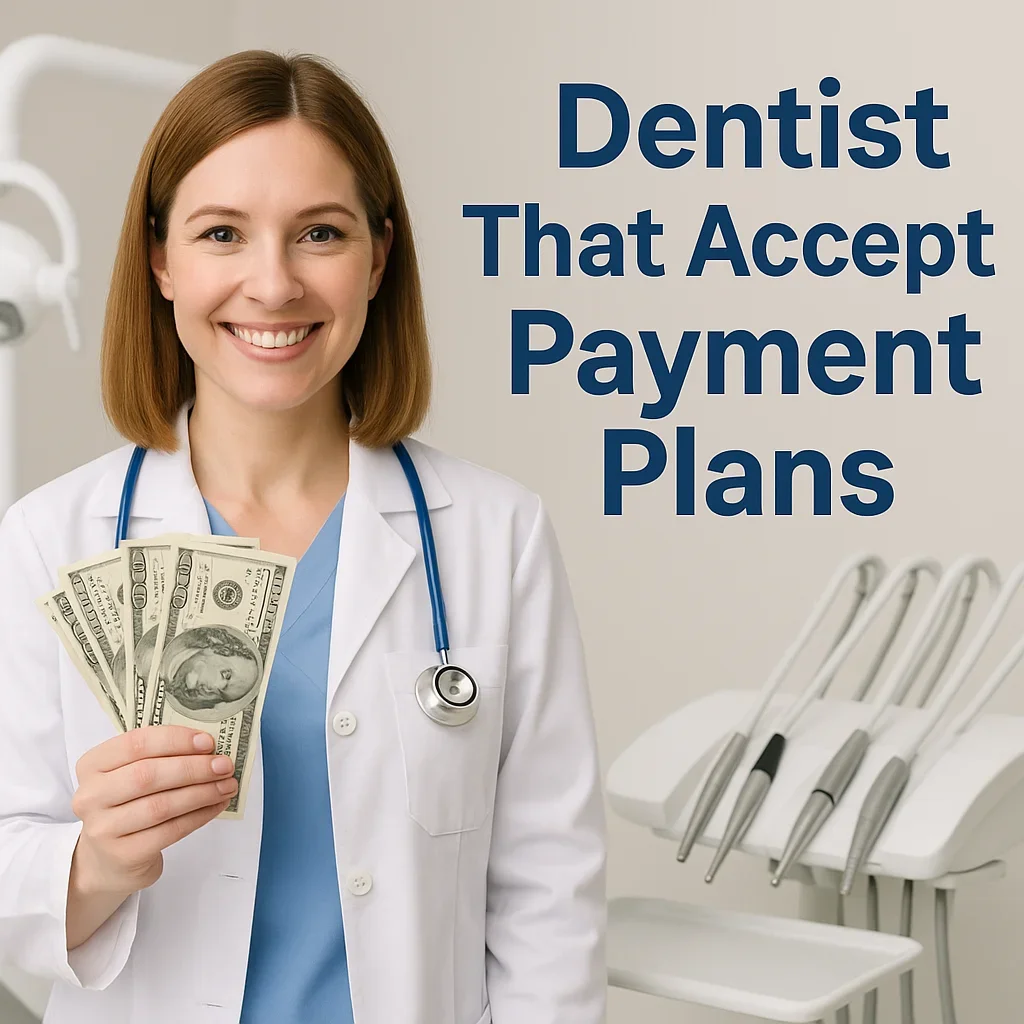
Frequently Asked Questions About Dentists With Payment Plans
Finding a dentist that accept payment plans can feel like stepping into unfamiliar territory. Many patients have similar questions about how these systems work, who qualifies, and what to expect before committing to treatment. To eliminate confusion, this section answers the most common FAQs about dental payment plans—covering costs, eligibility, interest rates, insurance coordination, and more. Whether you’re planning your first visit or considering a major procedure, this guide provides all the clarity you need to make an informed decision. 🦷
1. What Exactly Does “Dentist That Accept Payment Plans” Mean?
A dentist that accept payment plans is a dental professional or clinic that allows patients to pay for treatment gradually instead of requiring full payment upfront. These plans are designed to make dental care affordable and accessible, especially for those without insurance or with limited coverage. They can be structured as interest-free in-house arrangements or through third-party financial providers such as CareCredit, Sunbit, or LendingClub.
In most cases, you agree to a set number of monthly payments, often ranging from 3 to 24 months. The total cost and duration depend on the procedure type and clinic policy. This structure ensures patients can receive urgent treatments—like implants, crowns, or orthodontic care—without the burden of a large immediate payment.
2. Do I Need Good Credit to Qualify?
It depends on the payment model. Many dentist that accept payment plans offer in-house options that do not require a credit check at all. These clinics focus on trust and affordability, allowing nearly any patient to qualify with a small down payment. However, if you apply for third-party financing, your credit score may play a role in determining interest rates and approval limits.
Tip:
Even if your credit isn’t perfect, some lenders specialize in healthcare financing for patients with fair or limited credit history. Always ask your dentist for alternative options before assuming you won’t qualify.
3. What Treatments Are Covered by Payment Plans?
Almost any dental treatment can be financed through a dentist that accept payment plans. This includes general, cosmetic, and restorative procedures, such as:
- Dental implants and bridges
- Root canals and crowns
- Orthodontic care (braces and Invisalign)
- Teeth whitening and veneers
- Gum treatments and oral surgery
Preventive services, such as cleanings and checkups, are usually affordable enough to pay upfront, but some patients still prefer bundling them into broader payment structures for convenience.
4. Are Payment Plans Available Without Dental Insurance?
Yes! One of the greatest advantages of finding a dentist that accept payment plans is that you don’t need insurance to receive care. Many clinics actually design their financing systems specifically for uninsured patients. You can often combine a membership or loyalty program with a payment plan for maximum savings.
For example, a clinic may offer a membership package covering preventive cleanings and exams while spreading out payments for complex procedures like implants or dentures. This approach keeps care affordable without the limitations of traditional insurance networks.
5. Do Payment Plans Charge Interest?
Interest policies vary. In-house plans often offer 0% interest for short-term arrangements (typically up to 12 months), while third-party financing may apply a small interest rate based on credit score and repayment period. Always ask for written documentation before signing any agreement. Ethical providers—especially those following American Dental Association guidelines—ensure transparency about interest, fees, and payment dates.
6. How Do I Enroll in a Dental Payment Plan?
Enrolling is simple. Most clinics that advertise as a dentist that accept payment plans will guide you through a short approval process that includes:
- A brief consultation to determine treatment needs
- Submission of identification and basic income verification
- Review of payment duration and terms
- Signing a financial agreement (digital or paper-based)
Some offices approve applications on the same day, allowing you to start treatment immediately. You can often sign up directly at the front desk or online through the clinic’s website.
7. Can I Combine Payment Plans with Dental Insurance?
Absolutely. If your dental insurance covers a portion of your treatment, you can use a payment plan for the remaining balance. This hybrid approach helps minimize out-of-pocket expenses. A professional dentist that accept payment plans will help you coordinate insurance claims to maximize coverage while ensuring your payments remain predictable and affordable.
Example: If your crown costs $1,200 and insurance covers $600, the remaining $600 can be divided into six monthly payments of $100 each through the clinic’s in-house plan.
8. What Happens If I Miss a Payment?
Every clinic has its own policy, but most are understanding as long as communication is maintained. A dentist that accept payment plans typically allows a grace period or reschedules payment dates upon request. However, repeated missed payments without notice might result in late fees or suspension of future services until balances are resolved. Always contact your clinic immediately if you anticipate difficulty making a payment—they’re often willing to help you adjust your schedule.
9. Are Payment Plans Safe and Confidential?
Yes. All reputable dental practices protect patient information under strict data privacy laws, including HIPAA in the United States. Whether your financing is handled in-house or through a third party, sensitive information such as income details and credit history remains secure. A professional dentist that accept payment plans prioritizes confidentiality, ensuring financial convenience never compromises patient trust.
10. How Do I Find a Reliable Dentist Offering Payment Plans?
To find a qualified and transparent provider, research local clinics online, read reviews, and check if they are ADA-certified. Visiting the Redent Klinik Contact Page is also an excellent starting point, as they specialize in patient-centered care with flexible financial solutions for both local and international patients. You can also use the ADA’s “Find a Dentist” tool to locate certified professionals in your region.
11. Can I Pay Off My Plan Early?
Yes! Most clinics encourage early payoff and may even offer discounts for doing so. A dentist that accept payment plans appreciates patients who manage their finances responsibly. Early repayment reduces interest accumulation and simplifies your record, giving you financial freedom sooner.
12. What If My Treatment Costs Change Midway?
If your treatment plan expands (for instance, if you need an additional crown or implant), your dentist will recalculate the remaining payments accordingly. Transparency is key—reliable providers will show the updated total, new installment amounts, and revised duration before proceeding. This flexibility ensures you always know what you owe and why.
Conclusion: Clarity and Confidence for Every Patient 😁
These common questions reveal that finding a dentist that accept payment plans is not just about affordability—it’s about empowerment. Patients deserve clarity, dignity, and choice when managing healthcare costs. With flexible payment structures, transparent agreements, and patient-first ethics, anyone can access the dental treatments they need without fear or financial strain. Remember: good oral health is a lifelong investment, and with the right dentist by your side, it’s one you can comfortably afford.