
When people search for a clinic dentist, they’re often looking for a trusted professional who can provide everything from routine cleanings to complex restorative procedures—all in one place. A clinic dentist is not just a person who treats tooth pain; they represent the gateway to lifelong oral health, confidence, and a radiant smile. Whether you’re new to dental care or exploring advanced cosmetic options, understanding what a clinic dentist does will help you make better choices for your dental well-being.
In today’s fast-paced world, dental clinics have evolved far beyond basic treatments. A clinic dentist now operates within a multidisciplinary environment that combines general, cosmetic, pediatric, and restorative dentistry. This allows patients to receive complete oral care under one roof—without needing multiple appointments in different locations. 🏥 This level of convenience and professional integration is one of the main reasons why dental clinics have become the preferred choice for patients seeking quality and consistency.
At the core of a dental clinic’s success lies the expertise of its clinic dentist. These professionals handle diagnostic evaluations, preventive care, restorative procedures, and advanced aesthetic treatments. For example, a clinic dentist might perform oral examinations using digital X-rays to detect cavities or gum issues early. They can also carry out deep cleanings to remove tartar buildup and recommend personalized hygiene plans to prevent further dental problems. In more advanced cases, they may offer treatments such as root canal therapy, dental implants, veneers, or orthodontic aligners—all of which are integral parts of modern dental practice.
But what truly sets a clinic dentist apart is their ability to combine medical knowledge with patient-centered care. Every treatment starts with a detailed consultation, where the dentist assesses your oral health, lifestyle, and aesthetic preferences. Based on these findings, they create a tailored plan designed to restore both function and beauty to your smile. A well-trained clinic dentist understands that dental care is not only about fixing problems—it’s also about preventing them. They use the latest preventive measures, such as fluoride applications and sealants, to help patients maintain healthy teeth for years to come.
One of the greatest advantages of choosing a clinic dentist is access to modern technology. Today’s dental clinics are equipped with 3D imaging systems, intraoral scanners, and laser treatment tools that make dental care faster, safer, and virtually pain-free. For example, digital impressions replace messy molds, and laser-assisted cleanings reduce bleeding and discomfort. This integration of innovation ensures that each clinic dentist appointment is efficient and comfortable—ideal for both adults and children.
Another important role of a clinic dentist involves patient education. They don’t just fix cavities—they teach patients how to avoid them. Through one-on-one guidance, your clinic dentist will explain brushing techniques, dietary tips, and flossing habits that reduce plaque buildup. This proactive approach empowers individuals to take control of their oral health, lowering the risk of gum disease and tooth decay in the long run. 💡
Dental anxiety is also a major factor that many patients face, but an experienced clinic dentist is trained to provide a stress-free experience. By using gentle communication and sedation techniques when needed, they help patients feel relaxed throughout their visit. This compassionate approach transforms what could be a fearful experience into a positive, even enjoyable one. Over time, patients who regularly visit their clinic dentist tend to develop better dental habits, stronger confidence, and healthier smiles.
Furthermore, clinic dentist services often extend beyond general care. Many clinics offer cosmetic procedures like teeth whitening, veneers, and smile makeovers to enhance the appearance of your teeth. Restorative treatments such as dental crowns, bridges, and implants help replace missing or damaged teeth, ensuring both aesthetics and function are restored. For those interested in orthodontic correction, a clinic dentist may also offer Invisalign or traditional braces to achieve perfect alignment.
If you’re considering where to book your next appointment, it’s worth choosing a reputable provider such as Redent Klinik Contact Page. Professional dental clinics like this one combine top-tier technology, experienced specialists, and a patient-first philosophy—ensuring you receive personalized, evidence-based care.
For those who want to verify treatment standards or learn more about dental care in the United States, you can consult the American Dental Association, a trusted authority in the field of oral health. This organization offers guidelines and research-backed recommendations that many global dental clinics follow to maintain high-quality patient care.
In conclusion, a clinic dentist is more than a healthcare provider—they are your lifelong partner in achieving optimal oral health. By combining expertise, technology, and empathy, they deliver comprehensive dental care that enhances both your smile and overall well-being. From preventive checkups to advanced cosmetic solutions, a qualified clinic dentist ensures that every visit brings you one step closer to the confident, healthy smile you deserve. 😁
Top Benefits of Visiting a Professional Clinic Dentist 🌟
Choosing a clinic dentist offers numerous advantages that go beyond simple dental treatments. Visiting a professional dental clinic ensures not only the health of your teeth but also the long-term beauty and function of your smile. Patients who receive care from a qualified clinic dentist benefit from comprehensive treatment plans, advanced technologies, and a holistic approach that focuses on both prevention and aesthetics. This section explores the top reasons why scheduling regular visits to a clinic dentist is one of the best investments you can make for your overall health and confidence.
1. Comprehensive Dental Care Under One Roof
One of the biggest benefits of a clinic dentist is access to complete dental services all in one place. Instead of visiting separate specialists for different needs, a dental clinic offers general, cosmetic, orthodontic, and surgical treatments in a single facility. This allows the clinic dentist to coordinate your entire dental journey seamlessly. 🦷 Whether you need a routine cleaning, cavity filling, dental implant, or smile design, your treatment can be managed efficiently without unnecessary referrals or waiting times. The result is a smooth, patient-centered experience where your comfort and convenience come first.
2. Advanced Technology and Modern Equipment
A clinic dentist works in an environment equipped with cutting-edge dental technology. Modern clinics use 3D imaging, digital X-rays, laser dentistry, and computer-guided implant systems to enhance precision and safety. For example, 3D scanners allow your clinic dentist to plan procedures with remarkable accuracy, while laser devices help in painless gum treatments. These innovations reduce discomfort, shorten recovery times, and improve the success rate of treatments. In addition, the use of sterile, high-quality instruments minimizes infection risks and ensures the highest standards of hygiene for every patient visit.
3. Personalized and Preventive Approach
Unlike traditional dental offices that focus mainly on reactive treatment, a clinic dentist emphasizes prevention and early intervention. During your first visit, they perform a detailed oral examination, analyze your dental history, and create a personalized plan based on your unique needs. Regular checkups and cleanings help prevent gum disease, decay, and bad breath before they become serious issues. A clinic dentist also educates patients about daily hygiene practices, such as proper brushing and flossing techniques, to ensure long-term oral health. Prevention truly is the best cure—and your dentist is your greatest ally in achieving it. 💡
4. Enhanced Cosmetic Dentistry Options
For many people, a beautiful smile boosts confidence and personal appeal. A professional clinic dentist specializes in cosmetic procedures that can dramatically enhance your appearance. Treatments such as teeth whitening, porcelain veneers, bonding, and smile makeovers are all performed with artistic precision. The goal of a clinic dentist is to balance aesthetics with natural-looking results. They take into account facial symmetry, skin tone, and tooth alignment to design the perfect smile for you. This combination of art and science helps patients look younger, more confident, and radiant in every setting.
5. Expertise in Complex Procedures
Many dental problems, such as missing teeth or jaw alignment issues, require advanced treatments that only a highly trained clinic dentist can perform. These professionals often work with multidisciplinary teams that include oral surgeons, orthodontists, and prosthodontists to deliver complete care. For example, if you require a dental implant, the clinic dentist will handle both the surgical placement and the aesthetic restoration—ensuring a natural and durable result. By managing every stage of treatment internally, clinics maintain consistent quality and reduce the chance of complications.
Example: Dental Implants and Full-Mouth Restorations
A clinic dentist skilled in implantology can replace missing teeth with titanium-based implants that act as artificial roots. These are then capped with lifelike crowns, restoring both function and beauty. Full-mouth restorations combine several procedures—such as crowns, bridges, and veneers—to rebuild a complete, harmonious smile. The clinic dentist coordinates each step meticulously, using digital planning tools to achieve a perfect fit and bite alignment. This level of precision is rarely found outside a professional dental clinic.
6. Safe and Comfortable Environment
Professional clinics prioritize patient comfort from start to finish. Visiting a clinic dentist means entering a clean, calm, and reassuring environment where advanced sterilization protocols are strictly followed. Sedation options are available for anxious patients, ensuring pain-free experiences. Friendly staff members assist at every stage, from booking to aftercare. A clinic dentist understands that emotional comfort is as important as physical well-being, so they create an atmosphere where patients feel respected and cared for throughout their treatment.
7. Cost Efficiency and Transparent Pricing
Many people assume that visiting a clinic dentist is expensive, but in fact, it can be more cost-effective in the long term. Because most services are offered in-house, clinics reduce referral fees and ensure consistent quality. Additionally, they often provide package deals or membership plans that make preventive care more affordable. For example, a professional cleaning might cost between $80 and $150 in most clinics, while a routine examination with X-rays could range from $100 to $200. These transparent pricing models allow patients to plan their budgets while still accessing premium dental care.
8. Emergency and Long-Term Support
Life is unpredictable, and dental emergencies—like broken teeth or severe pain—can happen anytime. A clinic dentist is equipped to handle urgent cases promptly. Many clinics offer 24/7 emergency support or same-day appointments to address issues immediately. This quick access can make a huge difference in saving a damaged tooth or preventing infection. Beyond emergency care, the clinic dentist also provides long-term maintenance plans to ensure your oral health remains stable and strong for years to come.
9. Access to Trusted Professional Standards
Reputable dental clinics follow international standards of care and ethics. Many are certified by global organizations such as the American Dental Association, ensuring high-quality, evidence-based treatments. By choosing a certified clinic dentist, you gain peace of mind knowing that all procedures comply with strict safety, sterilization, and professional guidelines. You can also connect with dental experts through established institutions or schedule consultations via trusted resources like the Redent Klinik Contact Page.
In summary, visiting a professional clinic dentist is one of the smartest choices you can make for your oral and overall health. From preventive care to advanced restoration, modern dental clinics offer a complete and comfortable experience supported by innovation and compassion. Whether your goal is to treat a cavity, restore a smile, or simply maintain your dental hygiene, a clinic dentist provides the perfect combination of skill, technology, and personalized attention to keep your teeth healthy and your confidence shining bright. 😁
How to Choose the Best Clinic Dentist for Your Smile 😁
Finding the right clinic dentist can make a life-changing difference in both your oral health and your overall confidence. With so many dental clinics available today, knowing how to choose the best one is essential. A professional clinic dentist not only treats problems but also helps prevent future ones, ensuring you maintain a bright, healthy smile for years to come. This section will help you understand the key factors to consider when selecting a trusted dental clinic, from qualifications and technology to reviews, cost, and comfort.
1. Check the Dentist’s Qualifications and Expertise
The foundation of a reliable clinic dentist lies in their education, credentials, and practical experience. Always verify that your dentist holds an accredited dental degree and is licensed by recognized dental authorities. Many top clinic dentist professionals are also members of organizations such as the American Dental Association or other national dental boards, which ensures adherence to ethical and clinical standards. Additionally, dentists who pursue continuous education and attend workshops demonstrate commitment to staying updated with the latest treatment techniques, technologies, and best practices in modern dentistry.
Specialization Matters
If you have specific dental needs, such as orthodontics, implantology, or cosmetic dentistry, it’s wise to select a clinic dentist with advanced training in that area. For instance, a dentist with implant specialization can handle complex surgical procedures confidently, while a cosmetic expert can design aesthetic smiles with precision. Always ask about their specialties and years of experience in performing the procedures you require.
2. Evaluate the Clinic’s Technology and Equipment
Modern dental care relies heavily on technology. A reputable clinic dentist should use advanced diagnostic and treatment equipment such as digital X-rays, intraoral cameras, and 3D scanners. These tools not only increase accuracy but also reduce discomfort during procedures. For instance, digital impressions eliminate the need for messy molds, while laser-assisted treatments offer pain-free alternatives for gum therapy. When a clinic dentist invests in technology, it’s a strong indicator of their dedication to patient safety and treatment quality.
3. Review Patient Feedback and Online Reputation
Before booking an appointment, take time to research what other patients say about the clinic dentist. Online reviews on Google, social media platforms, or dental forums can reveal valuable insights about the clinic’s professionalism, punctuality, hygiene, and treatment results. Positive testimonials often indicate consistency in quality, while detailed negative reviews can help you spot potential red flags. A clinic that actively engages with patients online and responds to concerns transparently demonstrates reliability and care. 🌟
4. Assess Cleanliness, Comfort, and Clinic Environment
Hygiene is a top priority when choosing a clinic dentist. The moment you step into the clinic, observe whether the environment feels clean, organized, and welcoming. All instruments should be sterilized, and the staff should follow proper hygiene protocols. The atmosphere should also feel calm and professional—reducing anxiety, especially for patients who fear dental visits. Some clinics even provide soothing music, ergonomic chairs, or aromatherapy to enhance relaxation. These details may seem small, but they show how much a clinic dentist values patient comfort.
5. Understand Treatment Options and Transparency
A trustworthy clinic dentist always explains treatment options clearly before starting any procedure. They’ll describe the pros, cons, and estimated costs of each method so you can make an informed decision. Beware of clinics that push unnecessary treatments or fail to provide clear explanations. Transparency builds trust. Ask for a written treatment plan and quotation before committing, and make sure to understand any follow-up requirements or maintenance plans. This clarity ensures no hidden surprises later on.
Example: Implant Consultation
Suppose you need a dental implant. A professional clinic dentist will first perform a detailed evaluation using X-rays or 3D scans to assess bone density and gum health. They’ll explain whether bone grafting is needed and discuss implant material options (such as titanium or zirconia). You’ll receive an exact cost breakdown and recovery timeline. This step-by-step consultation prevents misunderstandings and reflects the professionalism of the clinic.
6. Compare Costs and Payment Flexibility
Dental treatments can vary significantly in price depending on location, technology, and the clinic dentist’s expertise. Always compare costs across reputable clinics, but avoid choosing the cheapest option without checking quality. Many professional clinics offer financing plans, insurance acceptance, or membership discounts for preventive care. For example, a routine cleaning might cost $100–$150, while a comprehensive exam with X-rays could range from $150–$250. Transparent pricing ensures you understand what you’re paying for, with no hidden fees. If you want personalized advice or want to schedule a consultation, you can easily reach out via the Redent Klinik Contact Page.
7. Look for Good Communication and Empathy
The best clinic dentist knows that great dental care isn’t just about skill—it’s about empathy. They take time to listen to your concerns, answer your questions, and address fears. Good communication builds trust and ensures you feel supported throughout treatment. A compassionate approach is especially vital for patients with dental anxiety or children visiting the dentist for the first time. When you feel heard and respected, your dental experience becomes more positive and stress-free. 🫶
8. Verify Accessibility and Appointment Flexibility
Location and scheduling convenience also matter when selecting a clinic dentist. Choose a clinic that’s easy to reach by public transport or offers parking options. Check whether they provide flexible hours, including evenings or weekends, to fit your lifestyle. Emergencies can happen at any time, so having a clinic dentist who offers same-day or after-hours services ensures you’ll always have reliable support when you need it most.
9. Evaluate Aftercare and Follow-Up Services
Reliable dental care doesn’t end when your procedure is complete. A top-tier clinic dentist offers follow-up appointments to monitor healing and results. They provide detailed aftercare instructions and remain available for questions or post-treatment concerns. For example, after a dental crown or implant, your clinic dentist should schedule periodic checkups to ensure proper alignment, comfort, and durability. Long-term patient relationships demonstrate a clinic’s dedication to ongoing health, not just one-time procedures.
In conclusion, choosing the best clinic dentist requires careful research, attention to detail, and trust in a professional who values your smile as much as you do. From qualifications and technology to communication and transparency, every factor plays a crucial role in ensuring your dental journey is safe, efficient, and rewarding. By taking the time to evaluate your options, you’ll find a clinic dentist who not only perfects your teeth but also enhances your overall confidence and well-being—one smile at a time. 🌿
Common Dental Treatments Offered by a Clinic Dentist 🦷
A professional clinic dentist provides a wide range of treatments designed to protect, restore, and enhance your oral health. From basic cleanings to advanced surgical procedures, a dental clinic functions as a one-stop center for comprehensive care. Understanding the most common services offered by a clinic dentist can help you make informed decisions about your dental needs, whether you’re aiming for preventive maintenance, pain relief, or cosmetic improvement. Below, you’ll find an in-depth look at the most popular dental treatments performed by a skilled clinic dentist, along with how each service contributes to a healthy, confident smile. 😁
1. Routine Dental Check-Ups and Professional Cleanings
Regular check-ups form the foundation of oral health. A clinic dentist typically recommends visiting every six months for a thorough examination and professional cleaning. During these visits, plaque and tartar are removed using specialized ultrasonic tools, preventing gum disease and tooth decay. The clinic dentist also examines your mouth for signs of oral cancer, gum inflammation, or bite misalignment. These early detections save patients from costly and painful treatments later on. In addition, fluoride treatments and dental sealants are often applied to strengthen enamel and protect teeth against bacterial buildup.
2. Fillings and Restorative Dentistry
Cavities are among the most common issues treated by a clinic dentist. Using materials such as composite resin or porcelain, the dentist restores the natural shape and color of damaged teeth. Composite fillings blend seamlessly with your natural tooth color and provide long-lasting protection. In more advanced cases of decay or structural damage, inlays, onlays, or crowns may be recommended. These restorations preserve tooth strength while maintaining an aesthetic appearance. Modern clinics use digital scanning technology to design restorations with precise fitting, improving comfort and functionality.
3. Root Canal Therapy
When tooth decay reaches the inner pulp, patients may experience severe pain and infection. A clinic dentist performs root canal therapy to remove infected tissue, disinfect the area, and seal the tooth with durable material. Contrary to outdated myths, root canal treatment is now nearly painless thanks to modern anesthesia and rotary tools. The goal is to save the natural tooth rather than extract it. Afterward, a crown is placed over the tooth for strength and long-term protection. Root canal procedures performed by a skilled clinic dentist have success rates exceeding 90%, helping patients retain their smiles for decades.
4. Dental Crowns and Bridges
When a tooth is severely damaged, broken, or after a root canal, a clinic dentist may recommend a dental crown. Crowns are custom-made caps that restore a tooth’s shape, size, and strength. They can be made from porcelain, zirconia, or metal alloys. A crown not only improves appearance but also prevents further damage. Bridges, on the other hand, are used to replace one or more missing teeth by anchoring to adjacent natural teeth. A professional clinic dentist ensures perfect alignment and bite comfort, restoring full chewing function and confidence in your smile.
Example: Zirconia Crowns for Long-Term Durability
Many clinics prefer zirconia crowns because they combine durability and aesthetics. A clinic dentist uses CAD/CAM technology to design crowns that precisely fit your bite and color-match surrounding teeth. The process usually takes two visits—one for digital impressions and another for placement. These crowns are biocompatible and resistant to chipping, making them a preferred choice for patients seeking long-lasting restorations.
5. Dental Implants
For patients with missing teeth, dental implants are the gold standard in modern restorative dentistry. A clinic dentist surgically inserts a titanium post into the jawbone, which acts as an artificial tooth root. Once healed, a lifelike crown is attached to the implant. This procedure not only restores aesthetics but also prevents bone loss and facial sagging. Unlike removable dentures, implants offer permanent stability and natural function. The average cost for a single implant in professional clinics ranges from $2,500 to $4,500, depending on complexity and material. A skilled clinic dentist ensures precision placement using 3D imaging for the most reliable outcomes.
6. Teeth Whitening and Cosmetic Enhancements
Cosmetic dentistry plays a huge role in boosting self-confidence. A clinic dentist offers professional whitening treatments that can lighten teeth by several shades in just one session. Unlike over-the-counter kits, clinic-grade whitening uses safe, concentrated agents that deliver visible and long-lasting results without damaging enamel. Other cosmetic services include veneers, bonding, and gum contouring—all performed to enhance symmetry and create a radiant smile. Many patients pair whitening with preventive cleaning for optimal results. 🌟
7. Orthodontics and Clear Aligners
Alignment issues such as crooked or crowded teeth can cause both aesthetic and functional problems. A clinic dentist may offer orthodontic solutions including metal braces, ceramic braces, or clear aligners like Invisalign. Clear aligners have become especially popular for adults due to their discreet appearance and convenience. They gradually shift teeth into proper alignment without discomfort. The clinic dentist monitors progress through digital scans, ensuring each aligner fits perfectly. Orthodontic treatments not only improve appearance but also contribute to better oral hygiene by reducing food traps and plaque buildup.
8. Gum Disease Treatment
Healthy gums are the foundation of a beautiful smile. When plaque accumulates below the gum line, it can lead to gingivitis or periodontitis. A clinic dentist performs scaling and root planing procedures to clean these areas deeply. In more advanced cases, laser-assisted therapy or surgical intervention may be necessary. Clinics often use antibacterial rinses and localized antibiotics to support healing. Early detection and treatment by a clinic dentist prevent tooth loss and reduce inflammation that can impact overall health, including heart and immune function.
9. Pediatric Dentistry
Children require special care to ensure healthy dental development. A clinic dentist trained in pediatric care uses gentle methods to build trust and make dental visits fun. Services include fluoride applications, sealants, and early orthodontic evaluations. Teaching good brushing and dietary habits at a young age sets the foundation for lifelong oral health. Parents are also guided on teething care and how to prevent cavities caused by sugary snacks. A good pediatric clinic dentist ensures that children grow up with a positive attitude toward dental care. 🧒
10. Emergency Dental Care
Accidents and sudden pain can strike anytime, and that’s when an emergency-ready clinic dentist becomes invaluable. Whether it’s a broken tooth, lost filling, or unbearable toothache, clinics provide urgent appointments and same-day treatment. Immediate intervention prevents further complications and alleviates discomfort. Many clinics also offer 24/7 hotlines for patients in distress. A responsive and skilled clinic dentist ensures quick diagnosis and relief, demonstrating commitment to patient care even beyond regular working hours.
In conclusion, a clinic dentist provides far more than just fillings or cleanings—they offer complete oral healthcare solutions that cover every stage of life. From preventive checkups to advanced restorations and cosmetic procedures, their expertise ensures that patients receive tailored, safe, and effective care. If you’re ready to experience comprehensive dentistry, don’t hesitate to reach out through the Redent Klinik Contact Page. A dedicated clinic dentist can help you achieve the healthy, confident, and radiant smile you’ve always dreamed of. 🌿
The Importance of Regular Check-Ups with a Clinic Dentist 🪥
Visiting a clinic dentist regularly is one of the most essential habits for maintaining lifelong oral health. These periodic visits help prevent dental diseases, detect potential issues early, and ensure that your teeth and gums remain strong and healthy. Unfortunately, many people only visit a dentist when they feel pain or discomfort. This reactive approach often leads to more complex and costly treatments later. A proactive schedule of check-ups with a clinic dentist can save time, money, and discomfort while preserving the beauty and functionality of your smile for years to come. Let’s explore why consistent dental visits are so critical and how they benefit your overall well-being.
1. Early Detection of Dental Problems
One of the main advantages of visiting a clinic dentist regularly is early diagnosis. Many dental issues—such as cavities, gum infections, or oral cancer—develop silently without noticeable symptoms. By scheduling check-ups every six months, your clinic dentist can identify problems in their earliest stages, when treatment is simple, affordable, and minimally invasive. For instance, detecting a small cavity early allows for a quick filling rather than an expensive root canal or crown later. Similarly, regular X-rays and oral examinations help detect bone loss, cysts, or hidden infections that would otherwise remain unnoticed until severe.
Why Early Detection Matters
Early treatment not only prevents pain but also helps you retain natural teeth longer. A clinic dentist uses diagnostic tools like digital imaging, intraoral cameras, and laser cavity detectors to catch even the smallest signs of decay or gum disease. This proactive approach improves long-term oral stability and lowers the risk of tooth loss. 🦷
2. Preventive Care to Maintain Healthy Teeth and Gums
Preventive care is the cornerstone of modern dentistry. A clinic dentist doesn’t just fix problems—they help you avoid them altogether. During routine visits, the dentist performs professional cleanings to remove plaque and tartar that regular brushing can’t eliminate. Tartar buildup can lead to gum inflammation, bleeding, and eventually periodontitis if untreated. Fluoride treatments and sealants may also be applied to strengthen enamel and protect against bacterial attacks. The clinic dentist ensures that your gums remain healthy, which is vital since gum disease is the leading cause of adult tooth loss.
3. Professional Cleanings for Fresher Breath
Persistent bad breath, or halitosis, often stems from plaque and bacteria hiding in hard-to-reach areas. A professional cleaning by a clinic dentist removes these deposits effectively, leaving your mouth feeling clean and fresh. Cleanings also polish the tooth surfaces, reducing staining from coffee, tea, or tobacco. This routine maintenance enhances your smile’s appearance and boosts confidence. Regular cleaning sessions every six months help sustain your oral hygiene between home care routines. 🌿
4. Protecting Your Overall Health
Your oral health is deeply connected to your overall health. Studies have shown links between gum disease and systemic conditions like diabetes, heart disease, and even respiratory infections. A clinic dentist plays a vital role in identifying early signs of these relationships. For example, bleeding gums or oral inflammation might indicate underlying medical issues. By addressing oral problems early, your clinic dentist contributes to better general wellness. Maintaining oral hygiene reduces harmful bacteria in the mouth that could enter the bloodstream and affect internal organs. Thus, a simple check-up has far-reaching health benefits.
Example: Oral-Systemic Connection
For instance, patients with uncontrolled diabetes often experience slower healing and higher rates of gum infection. A clinic dentist works in collaboration with physicians to manage oral symptoms while supporting overall health improvement. This integrated care helps prevent complications and enhances quality of life.
5. Cost Savings in the Long Run
Neglecting regular check-ups often leads to costly treatments. A cavity left untreated can progress to an abscess, requiring root canal therapy or extraction. Gum disease may lead to tooth loss, necessitating dental implants or bridges. Routine visits to a clinic dentist minimize these risks and reduce overall expenses. Preventive care—such as scaling, polishing, and fluoride application—is far more affordable than major dental surgery. On average, a standard check-up and cleaning might cost between $100 and $200, whereas a single root canal could exceed $1,000. Regular dental maintenance is therefore both a health and financial investment.
6. Monitoring Lifestyle and Dietary Habits
Another valuable aspect of regular dental visits is personalized advice. A clinic dentist can assess how your eating, drinking, and smoking habits affect your oral health. They may suggest dietary changes—such as reducing sugary foods, increasing calcium intake, or limiting acidic beverages—to prevent enamel erosion and decay. They also teach effective brushing and flossing techniques suited to your individual needs. Regular education from a clinic dentist empowers patients to maintain strong, clean, and cavity-free teeth at home. 💡
7. Cosmetic Maintenance and Smile Enhancement
Routine appointments aren’t just about health—they also help keep your smile bright and beautiful. A clinic dentist monitors the color, alignment, and overall appearance of your teeth during each check-up. They may recommend professional whitening, orthodontic adjustments, or minor cosmetic corrections if needed. These enhancements ensure that your smile remains radiant and harmonious. Over time, consistent care helps you avoid major aesthetic issues and boosts your confidence in social and professional settings.
8. Customized Care for Each Patient
Every patient’s mouth is unique, and a professional clinic dentist tailors care accordingly. Children may need fluoride treatments and sealants, while adults might require deep cleaning or gum therapy. Seniors, on the other hand, benefit from denture fittings or implant maintenance. Your clinic dentist tracks your dental history, monitors progress, and adapts your treatment plan as you age. This individualized attention ensures optimal outcomes at every life stage.
9. Building a Trust-Based Relationship with Your Dentist
Regular visits help establish a strong, trust-based relationship between you and your clinic dentist. This bond encourages open communication and reduces dental anxiety. Patients who visit regularly tend to feel more comfortable discussing concerns or cosmetic goals. The result is a more personalized, transparent, and enjoyable experience every time you sit in the dental chair. If you’re looking for reliable, professional care, you can connect directly through the Redent Klinik Contact Page for guidance and appointment scheduling.
10. Establishing Lifelong Oral Health Habits
Consistency is the key to success in dental care. By visiting a clinic dentist regularly, you establish a disciplined oral health routine that benefits you for life. The dentist’s guidance motivates better hygiene practices and helps you set achievable goals—like flossing daily or avoiding late-night snacks. Parents who take their children for regular check-ups also instill lifelong habits early on, ensuring the next generation enjoys healthier smiles. A good clinic dentist doesn’t just treat; they educate, support, and empower their patients to take control of their oral wellness.
In conclusion, scheduling consistent check-ups with a clinic dentist is far more than a routine—it’s a vital commitment to your overall health, beauty, and confidence. These visits ensure early detection, preventive care, and continuous support for a lasting smile. Combine this with proper home hygiene, and you’ll enjoy strong, healthy teeth that last a lifetime. For reliable and compassionate dental care, visit the trusted professionals at American Dental Association for guidance or book your next appointment through the Redent Klinik Contact Page. 🦷✨
Cosmetic Dentistry Services Provided by a Clinic Dentist 😁
In today’s world, a radiant smile is more than just a sign of good oral health—it’s a reflection of confidence, self-esteem, and personal care. A professional clinic dentist specializes not only in restoring function but also in enhancing the appearance of your teeth and gums. Cosmetic dentistry focuses on improving the color, shape, alignment, and overall aesthetic appeal of your smile. Whether you’re preparing for a special event or simply want to feel more confident in daily life, visiting a clinic dentist for cosmetic treatments can help you achieve a flawless, natural-looking smile that complements your personality.
1. The Role of a Clinic Dentist in Cosmetic Dentistry
Cosmetic dentistry combines artistry with advanced dental science. A clinic dentist evaluates your facial structure, tooth proportions, and gum health to create a balanced, harmonious smile. The process starts with a personalized consultation, where digital photos or 3D scans are used to simulate results. This helps patients visualize their new smile before any procedure begins. A skilled clinic dentist ensures that every treatment enhances not only aesthetics but also oral functionality, ensuring a comfortable bite and long-term results.
2. Teeth Whitening for a Brighter Smile
One of the most requested cosmetic services at any dental clinic is professional teeth whitening. Over time, teeth can become stained due to coffee, tea, wine, smoking, or certain medications. A clinic dentist offers in-office whitening systems that use safe, concentrated gels activated by LED or laser light. These treatments can lighten your teeth by several shades in just one visit, often lasting between 45–60 minutes. Compared to over-the-counter products, clinic-grade whitening delivers faster, longer-lasting results without damaging enamel or causing sensitivity. ✨
Home Whitening Kits Supervised by a Dentist
Some patients prefer at-home whitening for convenience. A clinic dentist provides custom-made trays that fit your teeth perfectly, along with professional whitening gel. This ensures even coverage and safe application, reducing the risk of gum irritation. Regular follow-ups allow your dentist to monitor progress and adjust treatment strength as needed.
3. Dental Veneers: The Secret to a Perfect Smile
Dental veneers are thin porcelain or composite shells that cover the front surface of teeth, correcting imperfections like discoloration, chips, or gaps. A clinic dentist customizes veneers to match your facial features and desired look. The process involves minimal enamel removal and precise bonding using strong adhesives. Porcelain veneers are particularly popular for their durability and natural appearance—they can last up to 15 years with proper care. Many celebrities rely on veneers for their flawless smiles, but thanks to modern technology, they’re now accessible to everyone seeking a confident, radiant look.
4. Dental Bonding for Minor Imperfections
Bonding is a quick and affordable cosmetic solution performed by a clinic dentist. It involves applying tooth-colored resin to repair small chips, cracks, or discoloration. The material is shaped and polished to blend seamlessly with surrounding teeth. Bonding usually requires just one visit and is ideal for minor cosmetic improvements. Though less durable than veneers, it’s an excellent option for patients seeking immediate, budget-friendly results. 🌿
5. Orthodontic Options for Straightening Teeth
A straight smile isn’t only attractive—it’s also easier to maintain. A clinic dentist may recommend orthodontic solutions like clear aligners or braces to correct misalignment and bite issues. Clear aligners, such as Invisalign, are transparent trays that gradually shift teeth into position. Unlike traditional metal braces, they are nearly invisible and can be removed while eating or brushing. The clinic dentist monitors progress through digital scans to ensure precise alignment. Orthodontic treatment not only enhances appearance but also improves oral hygiene by eliminating tight spaces where plaque can build up.
6. Gum Contouring and Smile Design
Sometimes, the gums play just as big a role in your smile as your teeth do. A clinic dentist may recommend gum contouring—a laser-assisted procedure that reshapes the gum line to create balance and symmetry. This treatment is ideal for “gummy smiles” or uneven gums. Smile design, on the other hand, is a comprehensive approach that combines several treatments—veneers, whitening, alignment correction, and contouring—to achieve a complete transformation. Using digital imaging, your clinic dentist can show before-and-after simulations, ensuring you’re fully satisfied with the projected outcome before beginning.
Laser Gum Reshaping: A Painless Modern Solution
Advanced clinics use laser technology to reshape gums with precision and minimal bleeding. This makes the procedure fast, painless, and recovery-friendly. Patients can often resume normal activities within hours. A skilled clinic dentist ensures that the gum line complements your teeth perfectly, giving your smile a clean and symmetrical appearance.
7. Dental Crowns for Cosmetic Restoration
When a tooth is cracked, discolored, or structurally weak, a dental crown offers both protection and visual enhancement. A clinic dentist creates custom crowns from porcelain or zirconia that match the color and shape of your natural teeth. Beyond aesthetics, crowns strengthen the tooth and prevent further damage. Combined with veneers or bonding, crowns can dramatically improve your overall smile harmony. Modern CAD/CAM technology allows same-day crown fabrication, eliminating the need for temporary restorations or multiple visits.
8. Smile Makeover Packages
For patients seeking a complete transformation, many dental clinics offer smile makeover packages that combine several cosmetic procedures into one personalized plan. A clinic dentist evaluates facial proportions, gum contour, and tooth color to design a balanced and stunning result. Treatments might include whitening, veneers, bonding, orthodontics, and contouring. Each makeover plan is unique, ensuring that your final result looks natural and suits your personality. Comprehensive smile design can also improve facial aesthetics by enhancing lip support and jawline definition. 😍
9. Long-Term Maintenance and Aftercare
After cosmetic treatments, your clinic dentist will provide detailed aftercare instructions. Regular check-ups ensure that restorations remain in top condition and that gums stay healthy. Avoiding excessive staining foods, practicing daily hygiene, and using recommended whitening toothpaste help prolong results. Patients are encouraged to visit their clinic dentist every six months for cleaning and evaluation. This commitment keeps your investment protected and your smile shining for years.
10. Choosing a Trusted Cosmetic Dentist
Before undergoing any aesthetic treatment, it’s vital to choose an experienced and certified clinic dentist. Look for credentials, portfolio photos, and patient testimonials. Clinics associated with reputable organizations like the American Dental Association maintain the highest standards of safety and professionalism. You can also contact reputable institutions, such as Redent Klinik Contact Page, to schedule consultations and discuss your cosmetic goals in detail.
In conclusion, cosmetic dentistry provided by a skilled clinic dentist is a blend of science, artistry, and precision. Whether you desire whiter teeth, a straighter alignment, or a complete smile makeover, modern dental techniques can help you achieve a confident, natural look. With regular maintenance, proper oral care, and expert guidance, your new smile can last a lifetime—radiant, healthy, and uniquely yours. 🌟
Pediatric Dentistry: How a Clinic Dentist Cares for Children 👶🦷
When it comes to maintaining healthy smiles from an early age, a clinic dentist plays an essential role in children’s oral development. Pediatric dentistry focuses on the prevention, diagnosis, and treatment of dental problems in infants, children, and teenagers. A clinic dentist who specializes in this field not only understands the unique anatomy of a child’s teeth but also knows how to create a friendly, stress-free environment that builds lifelong trust in dental care. Teaching children the value of oral hygiene early can prevent most future dental issues and promote confidence in their smiles. 🌟
1. The Importance of Pediatric Dentistry
Early dental visits set the foundation for healthy teeth and gums throughout life. A clinic dentist typically recommends that a child’s first visit occur by their first birthday or within six months of the first tooth erupting. These early appointments allow the dentist to monitor oral development and identify potential issues like improper bite alignment or early cavities. Regular check-ups help prevent tooth decay and establish positive dental habits. When children grow up seeing a clinic dentist regularly, they’re more likely to maintain these habits into adulthood, reducing the need for extensive treatments later in life.
2. Creating a Child-Friendly Environment
One of the biggest challenges in pediatric dentistry is overcoming dental anxiety. A professional clinic dentist designs the clinic environment to be welcoming and cheerful, often using colorful décor, toys, and interactive tools to make children feel at ease. The dentist and staff speak in gentle, reassuring tones, explaining procedures in kid-friendly language. Many clinics even offer “tell-show-do” techniques—where the dentist explains, demonstrates, and then performs the treatment—to ensure trust and comfort. This positive atmosphere helps children associate dental visits with safety and fun rather than fear. 😊
3. Preventive Treatments for Children
Preventive care is the cornerstone of pediatric dentistry. A clinic dentist performs treatments like fluoride application, dental sealants, and regular cleanings to strengthen enamel and prevent cavities. Fluoride treatments replenish minerals lost from the tooth surface and make teeth more resistant to decay. Sealants, on the other hand, act as a protective coating applied to the grooves of molars, where bacteria often accumulate. Combined with proper brushing and flossing, these preventive steps can reduce childhood tooth decay by up to 80%.
Fluoride and Sealant Applications
During a typical visit, the clinic dentist will apply fluoride gel or varnish using a small brush or tray. The process is quick, painless, and safe for children of all ages. Dental sealants are usually applied to the back teeth, sealing off deep pits that are prone to trapping food particles. These protective layers can last for several years, offering long-term cavity prevention. Parents are encouraged to maintain regular check-ups so that the clinic dentist can reapply or repair sealants when needed.
4. Monitoring Growth and Development
Children’s teeth and jaws grow rapidly, making early monitoring crucial. A clinic dentist carefully tracks tooth eruption patterns, spacing, and jaw alignment. If irregularities are detected, early intervention—such as space maintainers or orthodontic evaluation—can prevent more serious problems later. Regular X-rays help the clinic dentist identify issues like missing permanent teeth or crowding before they become visible. This proactive approach ensures that the child’s smile develops correctly and reduces the likelihood of complex orthodontic treatments in the future.
5. Addressing Common Pediatric Dental Problems
Children are especially prone to cavities, gum inflammation, and accidental injuries. A clinic dentist treats common conditions such as early childhood caries (ECC), which often result from prolonged bottle feeding or sugary snacks. Gum issues caused by plaque buildup are also treated through gentle cleanings and hygiene education. If a child experiences a dental injury—like a chipped or knocked-out tooth—the clinic dentist provides emergency care to restore function and prevent infection. Education plays a vital role as well; dentists teach children how to brush properly and help parents manage habits like thumb-sucking or pacifier use that can affect tooth alignment.
Managing Dental Emergencies in Children
Accidents happen, especially during play or sports. A professional clinic dentist is equipped to handle pediatric dental emergencies swiftly. For instance, if a permanent tooth is knocked out, parents are advised to keep it moist (in milk or saliva) and bring the child to the clinic immediately. The dentist will then reimplant the tooth if possible. Fast, expert care ensures the best possible outcome and minimizes trauma for the child.
6. Orthodontic Evaluation and Early Correction
A clinic dentist monitors the alignment of a child’s teeth as they grow and may recommend early orthodontic evaluation around age 7. Detecting issues such as crossbites, overbites, or crowding early allows for less invasive treatments later on. Simple devices like spacers, retainers, or limited braces can guide teeth into proper position, reducing the need for complex orthodontic procedures in adolescence. This proactive care ensures functional bites, better speech development, and improved facial symmetry.
7. Educating Parents and Building Healthy Habits
Parents play a critical role in maintaining their child’s dental health. A clinic dentist provides guidance on proper nutrition, brushing techniques, and the importance of limiting sugary snacks and drinks. Education also includes tips on teething discomfort, pacifier use, and avoiding bottle feeding at bedtime. By teaching these skills, the dentist empowers families to create a home environment that supports long-term oral health. Regular communication between parents and the clinic dentist ensures that small concerns are addressed before they escalate into bigger problems. 💡
8. Sedation and Anxiety Management for Young Patients
Some children experience high levels of fear or restlessness during dental visits. A clinic dentist may offer safe sedation options—such as nitrous oxide (laughing gas) or mild oral sedatives—to ensure a calm, painless experience. These techniques are administered carefully and monitored closely throughout the procedure. The goal is to make each visit smooth and positive, reducing the likelihood of dental phobia in the future.
9. Building Lifelong Confidence Through Positive Experiences
When children have positive interactions with their clinic dentist, they develop confidence and view dental care as an important, rewarding routine. This psychological benefit carries into adulthood, making them more likely to maintain consistent check-ups. Pediatric clinics often give small rewards or certificates after treatments to celebrate good behavior and reinforce positive attitudes toward oral hygiene. 🌈
10. Finding the Right Pediatric Clinic Dentist
When choosing a dental clinic for your child, prioritize experience, empathy, and a supportive environment. Certified pediatric dentists have additional training in child behavior, growth patterns, and developmental psychology. They’re also members of reputable organizations like the American Dental Association, which ensures adherence to professional standards. If you’re seeking personalized, compassionate dental care for your child, visit the Redent Klinik Contact Page to schedule a consultation with a trusted clinic dentist.
In conclusion, pediatric dentistry provided by a skilled clinic dentist is about much more than treating cavities—it’s about building a foundation of lifelong oral health, confidence, and trust. From preventive treatments to emergency care and education, every visit helps children develop the skills and habits needed for a bright, healthy smile that lasts well into adulthood. 🌼
Dental Technology Used in a Modern Clinic Dentist Office ⚙️
Modern dentistry has evolved dramatically over the last few decades, and technology now plays a vital role in enhancing both precision and patient comfort. A clinic dentist today works in a highly advanced environment equipped with cutting-edge tools designed to make diagnosis, treatment, and aftercare more efficient, comfortable, and predictable. From digital imaging and 3D scanning to laser-assisted procedures and AI-driven diagnostics, dental innovation has transformed the way patients experience oral care. Let’s explore the key technologies used by a professional clinic dentist and how they contribute to better oral health outcomes. 🦷
1. Digital X-Rays and 3D Imaging
Traditional X-rays have been largely replaced by digital radiography, a faster, safer, and more accurate method. A clinic dentist uses digital X-rays to capture detailed images of teeth, roots, and jawbones instantly on a computer screen. This not only reduces radiation exposure by up to 90% but also allows for real-time analysis and storage. Additionally, 3D cone-beam computed tomography (CBCT) has revolutionized dental diagnostics by providing comprehensive three-dimensional images of bone structure, nerves, and soft tissues. This enables the clinic dentist to plan complex treatments such as implants, orthodontics, or root canals with unmatched precision.
Advantages of 3D Cone-Beam Imaging
CBCT imaging helps a clinic dentist visualize the anatomy of a patient’s mouth in complete detail. Unlike flat, two-dimensional X-rays, CBCT offers panoramic and cross-sectional views that enhance treatment accuracy. This is particularly useful for implant placement, sinus evaluation, and identifying hidden pathologies like cysts or infections. Patients benefit from faster diagnoses, more precise procedures, and shorter recovery times. 📸
2. Intraoral Cameras and Digital Scanners
An intraoral camera is a small, pen-sized device that allows a clinic dentist to display high-resolution images of the inside of your mouth on a monitor. This technology not only aids in accurate diagnosis but also enhances communication between dentist and patient. By visually showing patients areas of concern—such as decay, fractures, or plaque buildup—a clinic dentist helps them better understand their oral condition and the need for treatment.
Additionally, digital scanners are replacing messy traditional impressions. With 3D scanning systems, the clinic dentist captures a digital model of your teeth in minutes. These scans are used to design crowns, veneers, dentures, or clear aligners with perfect accuracy. Patients enjoy a comfortable, gag-free experience while receiving superior-fitting restorations that look and feel natural.
3. Laser Dentistry: Precision and Comfort Combined
Laser technology has revolutionized the dental experience. A modern clinic dentist uses lasers for a wide range of treatments—from gum contouring and cavity detection to whitening and minor surgeries. Laser dentistry offers numerous benefits: it’s virtually painless, minimizes bleeding, and promotes faster healing. For soft tissue treatments, such as treating gum disease or reshaping the gum line, lasers provide exceptional precision without the need for stitches. For hard tissues, laser systems can remove decayed areas and prepare teeth for fillings without traditional drills—greatly reducing anxiety and discomfort. ✨
Common Laser Treatments in Dentistry
- Gum reshaping and contouring
- Removal of oral lesions and ulcers
- Teeth whitening activation
- Treatment of periodontal (gum) infections
- Minimally invasive cavity preparation
By using dental lasers, a clinic dentist ensures gentler, cleaner, and faster procedures, making the entire experience more pleasant for patients of all ages.
4. CAD/CAM Technology for Same-Day Restorations
Computer-Aided Design and Computer-Aided Manufacturing (CAD/CAM) technology allows a clinic dentist to design and create dental restorations like crowns, bridges, veneers, and inlays right in the office. This means patients can receive permanent restorations in a single visit instead of waiting for laboratory fabrication. Using digital scans, the clinic dentist designs the restoration, and a milling machine carves it from high-quality ceramic within minutes. This innovation saves time while ensuring an exact fit, beautiful aesthetics, and long-term durability.
Benefits of CAD/CAM Dentistry
CAD/CAM systems eliminate temporary crowns, multiple appointments, and messy impressions. Patients leave the clinic with fully customized, perfectly matched restorations that blend naturally with existing teeth. This technology also enhances precision, as the digital design minimizes human error and ensures optimal bite alignment.
5. 3D Printing in Dentistry
3D printing has become one of the most exciting advancements in dental technology. A clinic dentist can now create dental models, surgical guides, dentures, and aligners directly in-house using a high-resolution 3D printer. This drastically shortens turnaround times for patients and increases customization. The use of biocompatible materials ensures safety and comfort, while precision printing guarantees accuracy. Whether designing an implant guide or fabricating clear retainers, 3D printing allows a clinic dentist to deliver high-quality solutions with unprecedented speed and flexibility.
6. Digital Smile Design (DSD)
Digital Smile Design is a breakthrough technique that combines imaging software and 3D simulation to plan aesthetic treatments. During a consultation, a clinic dentist takes photographs and digital scans of your teeth, then uses specialized software to design your ideal smile based on facial proportions and personal preferences. This visual mock-up helps you preview the results before any procedure begins. DSD enhances communication between the dentist and the patient, ensuring complete satisfaction with the final outcome. 💻
7. AI and Machine Learning in Dentistry
Artificial intelligence (AI) is rapidly becoming an integral part of modern dental care. A clinic dentist may use AI-powered software to analyze X-rays, detect cavities, or predict gum disease progression. Machine learning algorithms assist in diagnosis by identifying patterns that may not be visible to the human eye. This data-driven approach allows for earlier interventions and improved treatment outcomes. AI is also used to automate appointment scheduling, record-keeping, and treatment planning, improving overall clinic efficiency and patient experience.
8. Sterilization and Infection Control Technologies
In the post-pandemic world, patient safety has become more critical than ever. A responsible clinic dentist invests in advanced sterilization systems to ensure absolute hygiene. Autoclaves that use pressurized steam, UV sanitizers, and disposable tools all help maintain a sterile environment. Digital sterilization tracking ensures that every instrument used is properly disinfected. This strict adherence to safety protocols provides peace of mind for every patient stepping into a dental clinic.
9. Virtual Consultations and Teledentistry
Digital communication tools have made dentistry more accessible than ever. Many clinic dentist offices now offer virtual consultations, allowing patients to discuss symptoms, share photos, and receive preliminary advice from the comfort of their homes. This is especially helpful for follow-ups, orthodontic monitoring, or minor emergencies. Teledentistry reduces unnecessary travel and enhances convenience for patients with busy schedules. It also allows the clinic dentist to stay connected with patients across geographical barriers.
10. The Future of Dental Technology
As innovation continues, the future of dentistry looks more precise, personalized, and comfortable than ever. Technologies like AI-guided robotics, regenerative biomaterials, and nanodentistry are already being developed to redefine how a clinic dentist provides care. These advancements promise faster recovery, more natural results, and greater accessibility for patients worldwide. 🌐
In conclusion, the integration of technology has elevated the modern clinic dentist to new heights of excellence. From diagnosis to treatment and aftercare, digital and AI-driven tools ensure accuracy, efficiency, and patient satisfaction. Whether you’re receiving a simple cleaning or a full-mouth restoration, today’s dental innovations make every experience smoother and more reliable. To experience cutting-edge dental care firsthand, visit the Redent Klinik Contact Page or explore trusted professional resources like the American Dental Association. ⚙️🦷
Choosing the Right Clinic Dentist for Your Oral Health 🏥
Finding the right clinic dentist is one of the most important decisions you can make for your oral and overall health. Your dentist is not just a medical professional who treats teeth — they become a long-term partner in your well-being, helping you maintain confidence in your smile and preventing serious dental issues before they develop. With so many dental clinics available today, it’s essential to know what to look for in a trustworthy clinic dentist. From credentials and communication style to technology and environment, every factor contributes to the quality of your dental experience. This guide explores everything you need to know when choosing the best clinic dentist for your needs. 🦷
1. The Importance of Selecting a Qualified Clinic Dentist
Choosing an experienced clinic dentist ensures that your oral care is handled with skill and precision. A qualified professional can identify early signs of decay, gum disease, and misalignment before they become costly problems. They also offer preventive education tailored to your lifestyle, diet, and health conditions. Most importantly, a licensed clinic dentist provides treatments that adhere to international safety and hygiene standards. When you select a dentist with proper credentials, you are protecting both your smile and your health.
Accreditation and Certification
Always verify whether your clinic dentist is accredited by recognized organizations such as the American Dental Association. Certification ensures that your dentist has completed rigorous training, follows ethical standards, and continues ongoing education. Many advanced dental clinics also highlight their dentists’ specializations—like orthodontics, implantology, or cosmetic dentistry—allowing you to choose the right expert for your specific needs.
2. Experience and Specialization
Different patients require different types of care. A clinic dentist with extensive experience and specialization can deliver superior results, whether you need implants, orthodontics, pediatric care, or cosmetic treatments. Ask about your dentist’s years of practice and their areas of focus. For example, if you’re considering dental implants, look for a clinic dentist who performs implant surgeries regularly and uses modern imaging technology like CBCT scans for precise planning. Experienced professionals are also better equipped to manage complex cases, dental anxiety, and emergency situations.
3. Technology and Modern Equipment
A reputable clinic dentist invests in up-to-date dental technology that improves accuracy, comfort, and safety. Look for a clinic offering digital X-rays, laser treatments, and CAD/CAM restorations. These tools ensure precise diagnoses, minimal discomfort, and faster recovery times. A technologically advanced dental clinic also indicates that your clinic dentist stays current with innovations in the field. Patients benefit from modern approaches such as digital smile design, 3D printing, and AI-assisted diagnostics—all of which elevate treatment quality and aesthetic outcomes.
4. Hygiene Standards and Safety Protocols
Hygiene is a non-negotiable factor when selecting a clinic dentist. The dental office should follow strict sterilization and infection control measures to protect patients from cross-contamination. Instruments must be sterilized in autoclaves, and surfaces disinfected after every appointment. A clean, organized, and odor-free environment reflects professionalism and patient safety. During your visit, observe whether staff wear gloves, masks, and protective eyewear. Trustworthy clinics adhere to standards set by authorities like the ADA and WHO, ensuring that every patient receives care in a safe and sanitized space. 🧴
5. Communication and Patient-Centered Care
A great clinic dentist prioritizes communication and takes time to understand each patient’s needs, fears, and expectations. They explain diagnoses clearly, discuss all available treatment options, and never pressure patients into unnecessary procedures. Empathy and transparency build trust—key components of long-term patient relationships. A professional clinic dentist will answer your questions patiently and ensure you understand the costs, timelines, and outcomes of your treatment plan. This type of patient-centered approach leads to higher satisfaction and better health results overall.
Tip: How to Evaluate Communication Skills
During your first consultation, pay attention to how the clinic dentist interacts with you. Do they listen attentively? Do they make you feel comfortable? Do they offer preventive advice instead of focusing solely on treatments? These are clear indicators of a professional who genuinely cares about your oral health.
6. Reviews and Reputation
Before choosing a clinic dentist, it’s a good idea to check online reviews, testimonials, and word-of-mouth recommendations. Patient feedback gives you insight into the clinic’s service quality, staff friendliness, and appointment handling. Look for patterns in reviews—such as consistent praise for pain-free procedures, cleanliness, and professionalism. Reputable clinics often feature case studies or before-and-after photos to showcase their success stories. Additionally, clinics that respond respectfully to negative reviews demonstrate accountability and commitment to improvement.
7. Affordability and Transparency in Pricing
Quality dental care doesn’t always mean the most expensive option. A trustworthy clinic dentist provides transparent pricing, detailed estimates, and flexible payment plans. Always request a written treatment plan with itemized costs before beginning any procedure. Avoid clinics that provide vague pricing or push unnecessary add-ons. Some treatments, such as teeth cleaning or whitening, may have standard rates, while others—like implants or orthodontics—can vary based on materials and complexity. For example, dental implants in Turkey can range between $400 to $800 per tooth, depending on brand and expertise level. Discuss options openly with your clinic dentist to make informed decisions.
8. Accessibility and Convenience
Location, hours of operation, and appointment availability are practical yet crucial factors. A reliable clinic dentist should offer convenient scheduling, emergency care, and online booking. Some clinics provide weekend or evening hours to accommodate busy lifestyles. Accessibility also extends to communication—being able to reach your dentist via phone, email, or even video consultation is a significant advantage. For instance, if you need immediate care or want to book an appointment seamlessly, you can contact your dentist directly via the Redent Klinik Contact Page for prompt assistance.
9. Emotional Comfort and Patient Experience
Dental anxiety is common, and a compassionate clinic dentist understands how to make patients feel comfortable. Clinics that offer a calm environment, soothing music, and gentle treatment methods can significantly reduce fear and stress. For more sensitive patients, options like sedation dentistry or laser treatments make the process virtually painless. A caring clinic dentist takes a holistic approach—treating not only your teeth but also considering your emotional well-being during every visit. 🌿
10. Long-Term Care and Follow-Up
The relationship with your clinic dentist shouldn’t end after one procedure. Regular check-ups, follow-up calls, and preventive guidance are all signs of a clinic that values patient continuity. Long-term care ensures that minor problems are caught early and your treatment results are maintained. This consistency builds trust and encourages patients to remain proactive about oral hygiene. A dependable clinic dentist views every patient as a lifelong partner in health, not just a one-time appointment.
In conclusion, choosing the right clinic dentist involves more than just location or cost—it’s about finding a professional who values your comfort, safety, and satisfaction. Look for experience, empathy, transparency, and a commitment to modern, ethical care. When you choose wisely, you invest in a lifetime of confident smiles and strong oral health. For expert, patient-centered dental care, you can always reach out via the Redent Klinik Contact Page or explore reputable sources like the American Dental Association to verify professional standards. 🏥💎
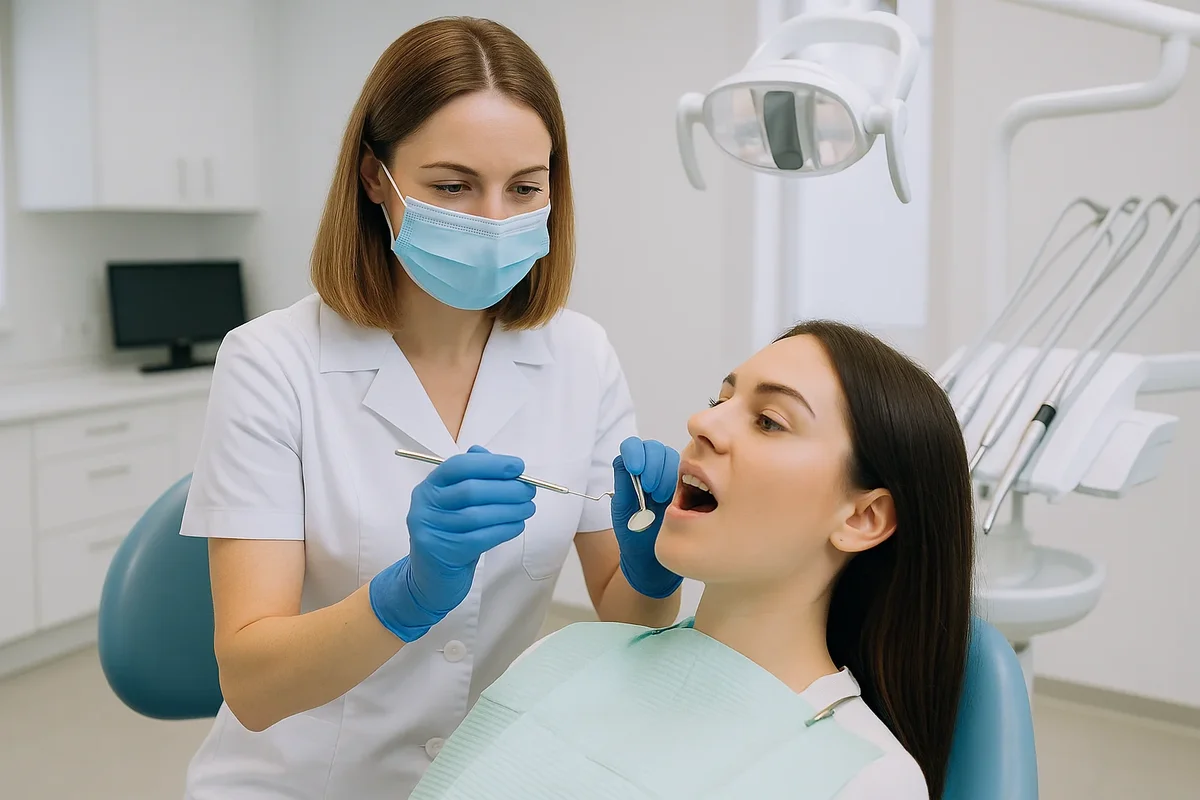
Future Trends in Dentistry: How the Clinic Dentist is Evolving 🚀
The dental industry is undergoing an exciting transformation, driven by innovation, technology, and a deeper understanding of patient needs. The role of the clinic dentist is no longer limited to treating toothaches or cavities; today’s dental professionals combine medical expertise with digital precision, aesthetic artistry, and holistic care. From artificial intelligence to regenerative dentistry, the future of oral health promises faster, safer, and more personalized solutions. This comprehensive guide explores how the modern clinic dentist is adapting to these future trends to deliver outstanding care for every patient. 🦷
1. Artificial Intelligence (AI) in Dental Diagnosis
Artificial intelligence is revolutionizing the way dental clinics operate. A clinic dentist equipped with AI-powered tools can now detect cavities, gum disease, or bone loss with unmatched precision. AI algorithms analyze X-rays, 3D scans, and even patient photos to identify abnormalities that may be invisible to the human eye. For example, AI systems can compare thousands of images to predict the likelihood of future dental issues, enabling early intervention. This technology supports the clinic dentist in creating more accurate treatment plans and reduces human error, resulting in improved patient outcomes and satisfaction. 🤖
AI for Predictive and Preventive Care
With predictive analytics, a clinic dentist can forecast potential dental issues before they appear. By analyzing patient data such as brushing habits, dietary choices, and oral imaging, AI suggests customized preventive strategies. This approach transforms dentistry from reactive to proactive care, helping patients maintain strong, healthy teeth for life.
2. 3D Printing and Custom Dental Solutions
3D printing has quickly become one of the most game-changing technologies in modern dentistry. A clinic dentist can now print crowns, dentures, aligners, surgical guides, and even temporary teeth in-house within hours. This not only reduces waiting times but also improves the accuracy and comfort of dental restorations. Using biocompatible materials, 3D-printed products are tailor-made to fit each patient’s anatomy perfectly. In the near future, 3D bioprinting could even produce living tissues for gum and bone regeneration, allowing a clinic dentist to restore natural structures rather than replacing them. 🧬
3. Regenerative Dentistry and Stem Cell Therapy
Regenerative dentistry is one of the most promising frontiers in oral healthcare. Instead of filling cavities or placing implants, researchers are developing methods to regrow damaged dental tissues using stem cells. A forward-thinking clinic dentist may soon be able to stimulate natural tooth regeneration, eliminating the need for artificial restorations. This breakthrough could completely transform how we treat tooth loss and decay. Stem cell therapy is also being studied for gum tissue repair and jawbone reconstruction, offering a future where the body heals itself naturally with minimal intervention.
Applications of Regenerative Dentistry
- Regrowth of enamel and dentin to repair cavities
- Stem-cell-based periodontal therapy for gum regeneration
- Bone regeneration before dental implant placement
The clinic dentist of tomorrow will use these biological treatments to deliver minimally invasive and long-lasting results that mimic natural structures. 🌱
4. Teledentistry and Virtual Consultations
In the digital era, convenience is everything. Many patients now prefer online consultations for initial check-ups or follow-ups. Teledentistry allows a clinic dentist to connect with patients remotely using video calls, photographs, and digital records. This service is particularly useful for rural or mobility-impaired patients who cannot visit clinics easily. Through virtual appointments, the clinic dentist can diagnose issues, provide guidance, prescribe medication, or refer patients to specialists as needed. This technology improves accessibility, saves time, and makes preventive dental care available to everyone, regardless of location. 🌐
5. Smart Dental Devices and IoT Integration
The Internet of Things (IoT) is reshaping how patients manage their oral hygiene. Smart toothbrushes now track brushing patterns and send data to mobile apps, allowing a clinic dentist to monitor a patient’s brushing efficiency remotely. These devices use sensors to detect pressure, duration, and motion—providing real-time feedback to help users improve their technique. Additionally, smart dental chairs, sterilization units, and intraoral cameras can all communicate with one another, streamlining clinic operations and enhancing patient comfort. Such innovations reflect how digital connectivity empowers both dentists and patients to maintain optimal oral health effortlessly. 📱
6. Digital Smile Design and Virtual Reality (VR)
Smile design is moving into the virtual age. A clinic dentist can now use Digital Smile Design (DSD) software to visualize how a patient’s teeth will look after cosmetic procedures like veneers or orthodontics. By combining photography, facial analysis, and 3D modeling, the dentist creates a customized “digital blueprint” of the perfect smile. Some clinics even integrate Virtual Reality (VR) and Augmented Reality (AR) to simulate the outcome in real time. This technology empowers patients to make confident decisions about their treatment, ensuring satisfaction before any work begins.
Advantages of Digital Smile Design
With DSD, the clinic dentist ensures precision in every detail—shape, color, alignment, and proportion. Patients see their potential results in advance, which enhances trust and eliminates uncertainty. It’s dentistry that feels more like art, guided by technology. 🎨
7. Eco-Friendly and Sustainable Dentistry
Environmental awareness is now an integral part of healthcare. A responsible clinic dentist is increasingly adopting eco-friendly practices to minimize waste and energy consumption. This includes digital records instead of paper files, recyclable packaging for dental tools, and energy-efficient equipment. Some dental materials are now biodegradable, reducing the ecological footprint of procedures. Moreover, water-saving devices and eco-sterilization systems help clinics align with sustainability goals. The green dentistry movement ensures that future oral healthcare is not only effective but also environmentally responsible. 🌍
8. Pain-Free and Minimally Invasive Dentistry
Advances in anesthesia, laser dentistry, and nanotechnology are making dental treatments virtually pain-free. A modern clinic dentist uses laser devices and air abrasion instead of traditional drills, eliminating vibration and discomfort. Nanomaterials are being developed for fillings that naturally bond with enamel, enhancing durability and aesthetics. These innovations reduce recovery times and patient anxiety while preserving more natural tooth structure. The future of dentistry aims for a seamless blend of comfort, precision, and efficiency, ensuring a stress-free experience for everyone. 😌
9. Personalized and Genetic-Based Treatments
Just as medicine is becoming personalized, so is dentistry. Genetic testing allows a clinic dentist to identify an individual’s predisposition to certain oral diseases such as periodontitis or enamel erosion. With this data, dentists can tailor preventive strategies and treatments specifically for each patient. In the coming years, genetic mapping may even determine the best implant materials or orthodontic plans based on DNA compatibility. Personalized dental care ensures that every patient receives the most effective and least invasive treatment possible. 🧬
10. The Human Touch: The Future Balance of Technology and Empathy
While technology is transforming dental care, the compassionate nature of the clinic dentist remains irreplaceable. No machine can replicate the empathy, reassurance, and human connection that a caring dentist provides. The ideal future blends technology with emotional intelligence—where AI assists in diagnosis, but human experience guides treatment. The clinic dentist of the future will not only use machines to perfect smiles but will also continue to comfort, educate, and empower patients on their journey to lifelong oral health.
In conclusion, the future of dentistry is dynamic, personalized, and deeply patient-focused. From artificial intelligence to regenerative science, every innovation enhances the clinic dentist’s ability to provide faster, safer, and more comfortable care. As these trends continue to shape the profession, patients can look forward to brighter smiles, healthier mouths, and sustainable, tech-driven experiences. To stay updated or book a modern dental consultation, visit the Redent Klinik Contact Page or explore insights from the American Dental Association. 🚀🦷