
When it comes to oral health, many people use the terms dentist and orthodontist interchangeably — but they actually represent two different areas of dental expertise. Understanding the distinction between them can help you make informed decisions about your smile, treatment options, and overall dental wellness. Both professionals play crucial roles in maintaining healthy teeth and gums, but their training, techniques, and focus areas vary significantly. 🦷
A dentist is a general oral health expert who diagnoses, treats, and prevents common dental issues like cavities, gum disease, and tooth decay. Dentists handle restorative work such as fillings, crowns, root canals, and teeth cleaning. On the other hand, an orthodontist specializes in correcting teeth and jaw alignment through braces, aligners, and other orthodontic appliances. While a dentist focuses on the overall health of your mouth, an orthodontist ensures that your bite, alignment, and jaw positioning function correctly and look aesthetically pleasing. 😁
To become a dentist and orthodontist, one must complete extensive education and hands-on clinical training. Dentists typically undergo a 5–6 year dental program, earning either a DDS (Doctor of Dental Surgery) or DMD (Doctor of Dental Medicine). Orthodontists, however, continue their education for an additional 2–3 years in orthodontic specialization after completing dental school. This advanced training allows them to master the art of aligning teeth, designing braces, and managing complex jaw irregularities.
Patients often visit a dentist for routine checkups, professional cleanings, or minor dental concerns such as tooth pain or bleeding gums. Regular visits help detect problems early and prevent more severe issues down the road. A dentist can also perform aesthetic procedures like whitening or bonding. But when it comes to crooked teeth, overbites, underbites, or spacing issues, that’s where the orthodontist steps in. They use advanced diagnostic tools like 3D imaging and digital impressions to create personalized treatment plans for each patient. 📸
Another key difference lies in their tools and treatment methods. Dentists primarily use instruments like drills, mirrors, and scalers for preventive and restorative procedures. Orthodontists, in contrast, work with brackets, wires, clear aligners (like Invisalign), and retainers to gradually shift teeth into proper alignment. This combination of art and science helps achieve both functional and aesthetic perfection. Many modern orthodontic treatments are nearly invisible, making them highly popular among adults and teens who wish to improve their smiles discreetly.
Choosing between a dentist and orthodontist often depends on your specific dental goals. For instance, if you’re suffering from tooth decay or gum inflammation, your first visit should be to a general dentist. However, if you’re concerned about misaligned teeth, bite correction, or jaw pain, consulting an orthodontist is the best step forward. It’s common for dentists and orthodontists to work together, especially when comprehensive oral rehabilitation is required. At Redent Klinik Contact Page, patients can find both experts under one roof for a seamless, interdisciplinary dental care experience.
It’s also worth noting that both professionals emphasize preventive care. Regular cleanings, flossing, fluoride treatments, and early orthodontic assessments in children can prevent future dental issues. According to the American Dental Association, adults should visit their dentist at least twice a year for checkups and cleaning, while children may require orthodontic evaluations by age 7. Early intervention not only promotes oral health but also reduces the duration and cost of future treatments.
Speaking of costs, the investment in your smile can vary widely. While a dental checkup may cost between $50 and $150, orthodontic treatments like braces or aligners range from $3,000 to $8,000 depending on the complexity and duration of the procedure. These treatments may seem costly upfront, but their long-term benefits — improved bite, self-confidence, and oral health — make them worthwhile. 💰
In today’s fast-paced world, people often underestimate how closely oral health is linked to overall well-being. Studies show that gum disease and misaligned teeth can lead to digestion problems, heart disease, and even diabetes. Therefore, maintaining regular appointments with both a dentist and orthodontist is not merely about aesthetics — it’s a crucial step in safeguarding your overall health. 🩺
In conclusion, while the terms dentist and orthodontist are closely related, their specialties complement rather than compete with each other. Dentists ensure your teeth and gums stay healthy, while orthodontists perfect your smile and bite. Together, they form the backbone of comprehensive oral care. Whether you’re looking for preventive checkups or advanced orthodontic corrections, scheduling regular visits with these professionals is the key to achieving a confident, radiant, and healthy smile that lasts a lifetime. 🌟
1. What Does a Dentist and Orthodontist Do? 🦷
Understanding the roles of a dentist and orthodontist is essential to know which specialist can best meet your oral health needs. While both professionals work in the dental field, their daily responsibilities, techniques, and treatment goals differ significantly. In simple terms, a dentist ensures your teeth and gums are healthy, while an orthodontist ensures that your teeth are properly aligned and your bite functions correctly. Together, they play a vital role in achieving not only a healthy mouth but also a confident smile. 😁
General Responsibilities of a Dentist
A dentist is a general oral healthcare professional who focuses on diagnosing, preventing, and treating a wide variety of dental conditions. Dentists are typically your first point of contact for oral health issues. They provide regular checkups, cleanings, and basic treatments to maintain oral hygiene. Their main responsibilities include:
- Performing oral examinations to detect cavities, gum disease, and other dental problems.
- Conducting professional cleanings to remove plaque and tartar buildup.
- Filling cavities and repairing damaged or broken teeth.
- Performing root canal treatments to save infected teeth.
- Creating and fitting dental crowns, veneers, or dentures to restore appearance and function.
Most dentists also offer cosmetic procedures such as teeth whitening, bonding, and minor alignment corrections with clear aligners. These treatments not only improve oral health but also enhance aesthetic appeal.
Core Duties of an Orthodontist
An orthodontist is a dental specialist who focuses on diagnosing and correcting teeth and jaw misalignments. The main goal of orthodontics is to create harmony between your teeth, bite, and jaw for both function and aesthetics. Orthodontists are experts in designing treatment plans that guide teeth into their proper positions using braces, retainers, or clear aligners like Invisalign. Some of their primary duties include:
- Assessing jaw and tooth alignment through X-rays and digital imaging.
- Applying fixed or removable orthodontic appliances to correct bite problems.
- Monitoring treatment progress and adjusting braces or aligners regularly.
- Providing post-treatment retainers to maintain the corrected position of teeth.
- Collaborating with oral surgeons and general dentists for complex jaw alignment cases.
In short, while a dentist focuses on preventing and treating oral disease, an orthodontist specializes in improving the structure and function of your smile.
Collaboration Between Dentist and Orthodontist
Although they have different areas of expertise, the dentist and orthodontist often work together to provide comprehensive oral care. For instance, a dentist may refer a patient to an orthodontist if they notice bite misalignment during a routine checkup. Similarly, after orthodontic treatment, patients return to their dentist for regular cleanings and checkups to maintain healthy gums and enamel.
Examples of Combined Treatments
There are many situations where dentists and orthodontists collaborate. For example:
- Before fitting braces, a dentist may remove cavities or perform a cleaning to ensure the teeth are healthy.
- After orthodontic treatment, the dentist might place veneers or perform whitening for a final aesthetic touch.
- In cases of jaw pain or temporomandibular joint (TMJ) issues, both professionals can work together to design a custom solution.
This collaboration ensures the best functional and aesthetic results for patients, combining medical precision with cosmetic improvement.
Technological Tools in Modern Dental and Orthodontic Practice ⚙️
Today, both dentists and orthodontists utilize advanced technologies to enhance precision and patient comfort. These tools include digital X-rays, 3D scanners, and computer-aided design systems. Orthodontists often use AI-based imaging to predict tooth movement and design customized aligners. Meanwhile, dentists use laser tools for cavity detection and advanced cleaning systems that minimize discomfort. The integration of technology has significantly improved the accuracy, speed, and success rate of treatments. 🔬
Preventive Role of Dentists and Orthodontists
Prevention remains the foundation of oral care. Regular visits to your dentist and orthodontist can help detect early signs of misalignment, tooth decay, or gum disease before they become major issues. For children, early orthodontic assessment — typically by age seven — can prevent serious complications later. For adults, preventive checkups ensure that previous orthodontic work remains stable and that oral hygiene is maintained even after treatment completion. 🧒👩🦳
Patient Experience and Comfort
Modern dental and orthodontic clinics prioritize patient comfort. With new anesthesia techniques, ergonomic dental chairs, and friendly clinic environments, procedures that once caused anxiety are now stress-free experiences. Clinics like Redent Klinik Contact Page are known for combining high-end technology with a personalized approach, ensuring that every patient feels informed and cared for throughout the process.
Why Both Are Essential for Lifelong Oral Health
Seeing both a dentist and orthodontist ensures complete oral wellness. Dentists protect your teeth from decay and disease, while orthodontists perfect alignment and bite for long-term stability. A healthy bite not only prevents premature tooth wear but also improves speech, chewing efficiency, and facial balance. This holistic approach ensures a lifetime of confident smiles and reduced risk of dental complications. 🌟
Trusted Guidance from Dental Associations
The American Dental Association recommends visiting a dentist twice a year and consulting an orthodontist whenever you notice teeth alignment issues. These regular appointments prevent costly treatments later and help maintain your overall well-being.
Ultimately, the distinction between a dentist and orthodontist lies in their focus — one maintains health, the other perfects structure. But together, they create harmony between function, health, and beauty. Whether you’re aiming for pain-free chewing, a bright smile, or a balanced jawline, both specialists contribute uniquely to your lifelong oral health journey. 🦷✨
2. Education and Training: How They Become Experts 🎓
The educational journey of a dentist and orthodontist is long, rigorous, and highly specialized. Becoming an expert in dental science requires not only years of study but also extensive clinical practice and continuous learning. Both professions share a common foundation in general dentistry, yet their paths diverge significantly when it comes to specialization. Understanding this educational process helps patients appreciate the expertise behind every treatment and the dedication it takes to ensure their oral health. 🦷
Academic Pathway to Becoming a Dentist
The journey to becoming a dentist typically starts with an undergraduate degree in science, focusing on biology, chemistry, and anatomy. After this, aspiring dentists enter dental school, which lasts four to six years depending on the country. Here, students earn either a Doctor of Dental Surgery (DDS) or Doctor of Dental Medicine (DMD) degree—both are equivalent in qualification and scope of practice.
During dental school, students undergo intensive theoretical and hands-on training, covering subjects like oral anatomy, pathology, pharmacology, radiology, and restorative dentistry. Clinical rotations form a major part of the curriculum, allowing students to gain real-world experience treating patients under supervision. This combination of science and practice ensures that dentists graduate with the skills to diagnose and treat a wide range of dental issues—from simple cavities to complex restorative cases.
Licensing and Certification
After graduation, every dentist must obtain a professional license to practice legally. This usually involves passing written and clinical examinations administered by dental boards or associations such as the American Dental Association (ADA). The licensing process ensures that all dentists meet strict ethical, technical, and safety standards before treating patients independently.
Specialized Training for Orthodontists
An orthodontist begins their career as a dentist but pursues additional years of advanced education to specialize in teeth and jaw alignment. After completing dental school, they apply for a postgraduate orthodontic residency program, which typically lasts 2–3 years. Admission into these programs is highly competitive and limited to the top graduates from dental schools.
Orthodontic education focuses on understanding craniofacial development, biomechanics of tooth movement, and advanced treatment planning. Orthodontists learn how to use appliances like braces, retainers, and aligners to correct bite and alignment issues. They also study facial aesthetics, ensuring that treatments not only improve function but also enhance the patient’s appearance. 📚
Clinical Residency and Research
Orthodontic residents spend thousands of hours in clinical practice during their training. Under the supervision of experienced mentors, they treat real patients with complex orthodontic needs—learning how to design customized treatment plans, manage challenging cases, and adjust appliances precisely over time. Many also engage in dental research, contributing to innovations in materials and digital orthodontics that improve patient outcomes. 🧬
Continuing Education and Professional Growth
Even after completing formal education, a dentist and orthodontist must engage in lifelong learning. Dental technology evolves rapidly, and staying updated with the latest techniques, tools, and materials is crucial. Continuing education courses, workshops, and professional conferences allow practitioners to refine their expertise and deliver the highest standard of care. For instance, courses in digital dentistry, AI-based diagnostics, and laser-assisted treatments are now part of modern dental development programs.
Many professionals join global organizations such as the American Dental Association or international orthodontic societies to gain access to cutting-edge research and peer collaboration. This ongoing education ensures that patients benefit from the latest advancements in dental and orthodontic care, whether it’s improved aligner materials or minimally invasive surgical techniques. 🌍
Difference in Career Focus and Expertise
The distinction between the educational paths of a dentist and orthodontist lies primarily in their clinical focus. Dentists are trained to diagnose and treat oral diseases, perform restorative and preventive care, and promote overall oral hygiene. Orthodontists, however, concentrate on diagnosing and correcting irregularities in teeth positioning and jaw alignment. This means while every orthodontist is a dentist, not every dentist is an orthodontist.
For example, a dentist might treat a patient with cavities, gum disease, or tooth sensitivity, while an orthodontist might handle the same patient’s crooked teeth or overbite once their oral health is stabilized. This specialization requires a unique understanding of biomechanics, facial growth, and aesthetics that only orthodontic training can provide.
Interdisciplinary Learning and Collaboration
Modern dental education encourages interdisciplinary cooperation between different dental specialties. During their training, future dentists and orthodontists often collaborate with periodontists, oral surgeons, and prosthodontists. This teamwork prepares them to handle complex cases that require integrated solutions, such as dental implants, jaw surgery, or full-mouth rehabilitation. At clinics like Redent Klinik Contact Page, these collaborative principles are applied in real practice, offering patients comprehensive treatment under one roof.
Ethics and Patient-Centered Care
Beyond technical skills, education for both professions emphasizes ethics, communication, and empathy. A successful dentist and orthodontist not only knows how to perform treatments effectively but also how to build trust with patients. Courses in patient psychology, medical ethics, and informed consent ensure that care remains transparent, compassionate, and tailored to individual needs.
Becoming a Trusted Professional
After years of study, clinical experience, and examinations, graduates emerge as highly skilled professionals dedicated to improving oral health and patient confidence. The journey of a dentist and orthodontist is a blend of science, artistry, and lifelong learning. Their expertise is earned through perseverance, education, and a deep passion for helping people smile with confidence. 🌟
In conclusion, the path to becoming a dentist and orthodontist is one of the most challenging yet rewarding in the medical field. It requires dedication, discipline, and an unwavering commitment to excellence. From foundational dental studies to advanced orthodontic specialization, these professionals invest a decade or more into mastering their craft. As a result, every patient who sits in their chair benefits from years of accumulated knowledge, skill, and care. 🩺
3. The Importance of Oral Health in Modern Life 😁
In today’s world, oral health is no longer seen as a luxury but a necessity for overall well-being. The role of a dentist and orthodontist has become more significant than ever, as modern lifestyles, dietary habits, and stress levels directly impact dental health. Healthy teeth and gums not only ensure proper nutrition but also influence our confidence, appearance, and quality of life. A clean, aligned smile can open doors in social, professional, and personal settings, making oral care a cornerstone of modern wellness. 🌍
The Connection Between Oral Health and General Health
The mouth is often described as the “mirror of the body.” Many systemic diseases, including diabetes, heart disease, and even certain cancers, show early signs in the oral cavity. Regular visits to a dentist and orthodontist help detect these symptoms early and prevent severe complications. For instance, gum inflammation (periodontitis) has been linked to cardiovascular diseases and premature birth in pregnant women. Likewise, misaligned teeth can cause chewing difficulties, leading to digestive problems. By addressing these issues proactively, dental professionals contribute to long-term systemic health. 🩺
Scientific Evidence Supporting Oral Health
Numerous studies have shown that poor oral hygiene increases the risk of chronic inflammation in the body. The bacteria that thrive in untreated dental plaque can enter the bloodstream, causing infections elsewhere. A regular dental cleaning by your dentist and corrective alignment by your orthodontist help eliminate these harmful bacteria and restore balance. According to the American Dental Association, maintaining proper oral hygiene reduces the risk of multiple systemic conditions by up to 30%.
Modern Lifestyle and Its Impact on Oral Health
Our eating habits, stress, and busy routines play a major role in determining oral health. High sugar consumption, frequent snacking, and soft drinks contribute to tooth decay, while stress can lead to bruxism (teeth grinding). Additionally, screen-based work and lack of hydration can reduce saliva flow, which is crucial for neutralizing acids and protecting enamel. A proactive dentist and orthodontist approach includes not only treatment but also education about lifestyle adjustments to prevent long-term damage.
Technology’s Role in Improving Dental Health
Advancements in technology have revolutionized oral care. From AI-driven diagnostics to laser dentistry, patients today benefit from more accurate, less painful, and faster treatments. Orthodontic technology has especially evolved — clear aligners, 3D scanning, and computer simulations allow for personalized smile design without the need for metal braces. Clinics like Redent Klinik Contact Page combine modern tools with expert human care, ensuring every patient experiences the best of both worlds — precision and empathy. 💻
Psychological Benefits of a Healthy Smile
There’s no denying the emotional power of a beautiful smile. People who maintain regular appointments with their dentist and orthodontist often experience greater self-esteem, improved social interactions, and professional confidence. A well-aligned smile signals health, hygiene, and confidence — qualities highly valued in today’s society. Moreover, orthodontic treatments can significantly improve facial harmony and speech clarity, adding to a person’s overall attractiveness and sense of well-being. 😄
Children and Early Dental Care
Children benefit immensely from early dental intervention. The collaboration between a dentist and orthodontist helps identify potential alignment issues and prevent them before they worsen. Pediatric orthodontic screenings around age seven can detect crowding, crossbites, or jaw irregularities. Correcting these problems early ensures smoother development and reduces the need for complex treatments later in life. Educating children on brushing techniques, flossing habits, and sugar control forms the foundation for lifelong oral health.
Economic Importance of Preventive Dentistry
Prevention is always more affordable than treatment. Neglecting dental checkups can lead to expensive procedures like root canals, implants, or surgery. Regular visits to a dentist and orthodontist not only save money in the long run but also reduce discomfort and downtime. According to recent health economic studies, every dollar spent on preventive dental care can save up to $8–10 in future restorative procedures. This makes oral care a wise financial and health investment.
Role of Nutrition in Oral Health
Good nutrition supports healthy teeth and gums. Foods rich in calcium, phosphorus, and vitamins A, C, and D strengthen enamel and support gum tissue. Conversely, sugary snacks, acidic beverages, and processed foods weaken enamel and foster harmful bacteria. A dentist and orthodontist can provide tailored dietary advice to maintain an ideal balance, especially for patients undergoing orthodontic treatments where hygiene becomes more challenging due to braces or aligners. 🥦
Environmental and Social Aspects of Dental Care
As sustainability gains importance, many dental practices now adopt eco-friendly methods. Digital impressions replace traditional molds, reducing waste, while modern sterilization systems minimize chemical use. Furthermore, community outreach programs led by dentists and orthodontists raise awareness about the importance of oral hygiene in underserved areas, promoting equality in access to healthcare.
Long-Term Health Implications
Neglecting oral health can have lifelong consequences. Misaligned teeth, untreated gum infections, and missing teeth can cause bone loss, chronic pain, and aesthetic issues. Regular follow-ups with a dentist and orthodontist ensure that potential problems are detected early and treated effectively. Maintaining oral hygiene through professional cleanings, orthodontic adjustments, and proper home care prevents not just dental diseases but also contributes to a longer, healthier life expectancy. 🧠
Conclusion: A Smile Reflects Total Health
Oral health is an integral part of modern living, impacting physical, emotional, and social well-being. The combined efforts of a dentist and orthodontist ensure that patients enjoy functional, beautiful, and healthy smiles throughout their lives. By prioritizing preventive care, embracing new technologies, and understanding the link between oral and general health, everyone can achieve a radiant smile that reflects true wellness. 🌟
4. Common Treatments Offered by Dentist and Orthodontist Clinics
Both a dentist and orthodontist offer a wide range of treatments that help patients achieve healthy, functional, and aesthetically pleasing smiles. While their areas of specialization differ, their work often overlaps to provide complete oral care. Dentists focus on preventive and restorative treatments, while orthodontists specialize in correcting the alignment of teeth and jaws. Understanding the types of treatments each professional offers can help you make informed decisions about your oral health and aesthetic goals. 🦷
General Dental Treatments
A dentist provides essential treatments that form the foundation of oral care. These procedures prevent disease, restore function, and enhance appearance. Here are some of the most common dental treatments you’ll encounter at a dental clinic:
- Dental Cleanings and Checkups: Regular cleanings help remove plaque and tartar, reducing the risk of cavities and gum disease. Most dentists recommend visits every six months.
- Fillings and Restorations: When cavities form, dentists remove decay and fill the tooth with composite, amalgam, or ceramic materials to restore its function and appearance.
- Root Canal Treatment: This procedure saves a tooth that has become infected or severely decayed by cleaning the inner canals and sealing them to prevent reinfection.
- Crowns and Bridges: Crowns protect damaged teeth, while bridges replace missing ones by anchoring artificial teeth to adjacent natural teeth.
- Teeth Whitening: Professional whitening treatments can brighten your smile by several shades, restoring confidence and aesthetic appeal. ✨
Cosmetic Dentistry Options
Modern dental clinics now focus heavily on aesthetics as well as health. Cosmetic dentistry treatments offered by a dentist and orthodontist may include veneers, composite bonding, and gum reshaping. Veneers are ultra-thin porcelain shells that cover imperfections like chips or discoloration, while bonding uses composite resin to improve the tooth’s appearance. For patients looking to enhance both color and alignment, a combined cosmetic and orthodontic plan is ideal.
Orthodontic Treatments
Orthodontists specialize in aligning teeth and correcting jaw irregularities. Whether you’re an adult or a teenager, orthodontic care can dramatically transform your smile and improve oral function. Common treatments include:
- Traditional Braces: Metal or ceramic braces are fixed to teeth with brackets and wires to gradually shift them into place.
- Clear Aligners: Invisalign and similar systems use transparent trays to straighten teeth discreetly, making them popular among adults.
- Retainers: After orthodontic treatment, retainers maintain the new position of teeth and prevent shifting.
- Space Maintainers: For children who lose baby teeth early, these devices ensure space remains for proper adult tooth eruption.
- Palatal Expanders: Used primarily in growing children, these widen the upper jaw to correct crossbites and improve breathing. 😁
Advanced Orthodontic Solutions
With the evolution of technology, modern orthodontists now offer customized solutions for each patient. Digital scans replace traditional molds, ensuring accuracy and comfort. Some clinics also offer accelerated orthodontic treatments using vibration devices or low-frequency ultrasound to speed up tooth movement. These innovations, combined with 3D imaging, allow orthodontists to create personalized and predictable treatment plans. Clinics like Redent Klinik Contact Page provide advanced orthodontic solutions designed to fit every age and lifestyle.
Interdisciplinary Treatments
There are many cases where a dentist and orthodontist collaborate to ensure the best possible results. This interdisciplinary approach is especially common for patients with complex dental needs, such as those requiring full-mouth reconstruction or facial symmetry correction. Examples include:
- Performing orthodontic alignment before cosmetic veneer placement for optimal results.
- Combining orthodontics with oral surgery for severe bite or jaw irregularities.
- Collaborating on cases where tooth loss requires implants after orthodontic spacing correction.
Such teamwork ensures that both functionality and aesthetics are achieved, resulting in a balanced and natural-looking smile.
Preventive Care and Maintenance
Prevention remains a cornerstone of oral healthcare. Both a dentist and orthodontist emphasize preventive strategies such as routine cleaning, fluoride treatments, and patient education. For orthodontic patients, maintaining hygiene around brackets and aligners is essential to avoid staining and decay. Regular dental visits during orthodontic treatment ensure that no hidden issues develop while your teeth are moving.
Common Preventive Practices
To protect your investment in dental or orthodontic work, professionals recommend the following preventive measures:
- Brush twice daily using fluoride toothpaste and a soft-bristle toothbrush.
- Floss daily to remove plaque between teeth and braces.
- Use antimicrobial mouthwash to prevent gum inflammation.
- Schedule regular follow-ups for professional cleaning and adjustment.
These simple habits, guided by your dentist and orthodontist, significantly improve long-term oral health and ensure lasting results after treatment completion. 🪥
Oral Surgery and Complex Procedures
For advanced cases, collaboration between dental and surgical experts becomes vital. Oral surgeries may include tooth extractions, dental implants, or corrective jaw surgery. While a dentist handles routine extractions, orthodontists coordinate with oral surgeons to align teeth after surgery or prepare the mouth for implants. This multidisciplinary approach ensures seamless healing, alignment, and restoration of function.
Emergency Dental and Orthodontic Care
Emergencies can occur at any time — a broken bracket, severe toothache, or knocked-out tooth requires immediate professional attention. A dentist and orthodontist work together to manage such situations promptly. Dentists address pain, infection, or trauma, while orthodontists fix misaligned or broken appliances. Having both specialists available ensures patients receive complete care during unexpected situations. ⚕️
Conclusion: Comprehensive Care Under One Roof
Whether it’s restoring a damaged tooth, aligning a crooked smile, or preventing future problems, both a dentist and orthodontist play indispensable roles. By combining preventive care, cosmetic enhancements, and structural corrections, they deliver total oral wellness. Modern clinics integrate all these services for convenience and consistency, giving patients the confidence that every aspect of their dental health is expertly managed. Investing in regular dental and orthodontic care not only enhances appearance but also promotes lifelong oral function and overall well-being. 🌟
5. Cosmetic Dentistry vs Orthodontics: Which One Do You Need?
When it comes to achieving a beautiful smile, both a dentist and orthodontist play essential roles — yet their approaches differ significantly. Cosmetic dentistry focuses on improving the appearance of teeth, while orthodontics corrects the alignment and structure of the bite. Understanding the difference between these two disciplines helps patients choose the right treatment based on their needs, whether it’s fixing discoloration, gaps, or jaw misalignment. 🌟
Understanding Cosmetic Dentistry
Cosmetic dentistry refers to any dental procedure that enhances the aesthetic appeal of a person’s smile. A dentist trained in this area uses advanced materials and techniques to improve the shape, color, and position of teeth. Common cosmetic treatments include teeth whitening, veneers, bonding, contouring, and dental crowns. These procedures can transform a smile quickly, often within one or two visits, providing an instant boost in confidence. 😁
Popular Cosmetic Treatments
Here are some of the most common cosmetic dental procedures offered by a dentist and orthodontist working collaboratively:
- Teeth Whitening: Removes stains and discoloration caused by food, drinks, and aging. Professional whitening is faster and more effective than over-the-counter products.
- Porcelain Veneers: Thin shells that cover the front of the teeth to correct imperfections like chips, uneven spacing, or discoloration.
- Composite Bonding: A tooth-colored resin applied to repair chips, cracks, or small gaps — a quick and affordable option for aesthetic improvements.
- Dental Crowns: Used to restore the shape, strength, and appearance of severely damaged teeth while matching natural tooth color.
- Smile Makeover: A comprehensive combination of cosmetic procedures tailored to each individual’s facial features, symmetry, and goals. 💎
What Orthodontics Focuses On
While cosmetic dentistry enhances visual appearance, orthodontics focuses on function and alignment. An orthodontist specializes in diagnosing and correcting irregularities of the teeth and jaw. They ensure that your bite is properly aligned, which not only enhances aesthetics but also prevents oral health issues such as jaw pain, tooth wear, and speech problems. Orthodontic treatment is a long-term investment in both beauty and functionality.
Common Orthodontic Treatments
Here are the key orthodontic solutions offered by a dentist and orthodontist team:
- Traditional Braces: Metal or ceramic brackets that move teeth gradually into proper alignment.
- Clear Aligners: Nearly invisible trays like Invisalign that straighten teeth discreetly, ideal for adults seeking subtle correction.
- Retainers: Custom-made appliances that maintain tooth position after braces or aligners are removed.
- Lingual Braces: Braces fixed behind the teeth, hidden from view but equally effective in correcting alignment.
- Surgical Orthodontics: In severe jaw or skeletal discrepancies, surgery may accompany orthodontic treatment for optimal results. ⚙️
Cosmetic vs Orthodontic Goals
The main difference lies in their primary objectives. Cosmetic dentistry aims to enhance visual appeal — making teeth whiter, straighter, and more harmonious in shape. Orthodontics, however, focuses on the mechanics of teeth movement and jaw alignment. A dentist and orthodontist may recommend combining both approaches when patients need comprehensive smile transformations that improve both function and aesthetics.
Functional Benefits of Orthodontics
Beyond straightening teeth, orthodontic treatments have long-term functional benefits. Properly aligned teeth make cleaning easier, reducing the risk of gum disease and tooth decay. Correct jaw positioning also minimizes strain on the temporomandibular joint (TMJ), preventing headaches and discomfort. Thus, while cosmetic dentistry provides immediate visual results, orthodontics delivers lasting oral health advantages.
Combining Cosmetic and Orthodontic Treatments
For many patients, the ideal solution is a combination of both. A dentist and orthodontist often collaborate to design personalized treatment plans. For example, orthodontic treatment may first correct alignment, followed by cosmetic enhancements like whitening or veneers. This approach ensures that aesthetics are built on a foundation of functional stability.
At Redent Klinik Contact Page, such integrated care allows patients to achieve harmonious, long-lasting results. Whether the concern is crooked teeth, uneven spacing, or discoloration, the collaboration between cosmetic and orthodontic specialists ensures optimal results for every smile. 💖
Which One Do You Need?
The decision between cosmetic dentistry and orthodontics depends on your dental goals and current oral condition:
- If your teeth are healthy but stained, chipped, or misshapen, cosmetic dentistry is the right choice.
- If your teeth are crowded, overlapping, or your bite feels misaligned, you’ll benefit from orthodontic treatment.
- For the most complete transformation, a combined plan guided by both a dentist and orthodontist is ideal.
During a consultation, dental professionals assess your oral health, take digital scans, and discuss your aesthetic goals before recommending a suitable path forward. 🧠
Pricing and Duration Differences
Cosmetic dentistry procedures are generally faster, often completed in one to three visits, with costs ranging between $200 and $2,000 per tooth depending on the treatment. Orthodontic treatments, by contrast, take several months to years but provide permanent alignment correction. Braces and clear aligners typically range from $3,000 to $8,000, depending on complexity. Although orthodontic care requires more time, it offers structural results that cosmetic procedures alone cannot achieve.
Long-Term Outcomes
Patients who undergo both cosmetic and orthodontic treatments experience the best of both worlds — strong, well-aligned, and aesthetically pleasing smiles. A dentist and orthodontist working in tandem ensure that results are stable, symmetrical, and natural. Orthodontic alignment provides the foundation, while cosmetic procedures refine the final details. The outcome is not only visually stunning but also healthier and easier to maintain. 🪞
Conclusion: A Unified Approach for a Perfect Smile
In essence, cosmetic dentistry and orthodontics serve different but complementary purposes. While cosmetic dentistry focuses on appearance, orthodontics ensures long-term functionality. Together, a dentist and orthodontist create balanced smiles that are both beautiful and healthy. Consulting both specialists allows you to choose the right treatment combination for your unique goals, ensuring that your smile remains radiant and strong for years to come. 🌈
To explore which treatment is best for you, visit trusted dental professionals or schedule a consultation with experts at Redent Klinik Contact Page. Backed by standards set by the American Dental Association, they provide world-class care that aligns with both global dental health and modern aesthetics. 🦷✨
6. How to Choose the Right Dentist and Orthodontist for You
Selecting the right dentist and orthodontist is one of the most important decisions you can make for your oral health. Whether you need routine dental care, cosmetic enhancements, or orthodontic treatment, the expertise, technology, and philosophy of your chosen professionals will directly impact your results. Choosing wisely ensures that you receive safe, personalized, and effective care that keeps your smile healthy for years to come. 🦷
Assessing Qualifications and Credentials
When choosing a dentist and orthodontist, always begin by verifying their education, training, and certifications. A qualified dentist should hold a Doctor of Dental Surgery (DDS) or Doctor of Dental Medicine (DMD) degree from an accredited institution. An orthodontist, meanwhile, must complete additional years of postgraduate education specializing in tooth and jaw alignment. It’s also wise to ensure both professionals are members of reputable organizations such as the American Dental Association (ADA) or the World Federation of Orthodontists. Membership in these organizations indicates that the practitioner adheres to ethical standards and stays updated on current advancements. 🎓
Experience in Specialized Treatments
Experience plays a major role in achieving predictable and satisfying outcomes. A dentist and orthodontist with years of hands-on experience are more likely to manage complex cases effectively. For example, a dentist with extensive cosmetic training can deliver seamless veneers, while an orthodontist familiar with clear aligner systems can customize precise smile transformations. Always ask about the number of similar cases they’ve handled, and if possible, request before-and-after photos or patient testimonials. These details provide a clear picture of the doctor’s skill level and aesthetic sense.
Technology and Modern Facilities
Advanced technology ensures accuracy, comfort, and speed in dental and orthodontic care. Clinics equipped with digital X-rays, 3D imaging, laser tools, and CAD/CAM systems can detect issues early and provide minimally invasive treatments. An orthodontist using AI-based software for treatment planning, for example, can predict tooth movement more accurately than traditional methods. Similarly, a dentist employing laser cleaning tools or digital impressions enhances patient comfort and hygiene. When you visit a clinic, pay attention to the cleanliness, sterilization procedures, and the type of equipment they use — these factors speak volumes about professionalism and patient safety. ⚙️
Comfort and Communication
A good dentist and orthodontist not only possess technical skill but also prioritize communication and patient comfort. They should take time to explain diagnoses, treatment options, and procedures in understandable terms. Transparency builds trust and helps you make informed decisions. Additionally, their approach should reflect empathy — understanding dental anxiety, providing sedation options, and ensuring painless experiences whenever possible. The best clinics, such as Redent Klinik Contact Page, combine clinical precision with a patient-centered philosophy, making each visit smooth and stress-free. 😌
Reading Reviews and Testimonials
Patient feedback is a valuable resource when evaluating a dental professional. Online reviews, testimonials, and word-of-mouth recommendations provide insight into real experiences. Look for comments about professionalism, appointment management, treatment outcomes, and overall satisfaction. However, focus on consistent patterns rather than isolated opinions. A dentist and orthodontist with numerous positive reviews and loyal patients typically indicates a trusted reputation built over years of reliable care.
Evaluating Range of Services
Comprehensive dental centers that offer both general dentistry and orthodontics under one roof are often the most convenient and effective choice. This integrated model allows for consistent communication between specialists, reducing the risk of conflicting treatment plans. For example, before starting orthodontic work, your dentist can ensure that all fillings or gum issues are addressed. Likewise, after braces or aligners, cosmetic touch-ups like whitening can be seamlessly completed. This collaborative approach ensures a holistic, functional, and aesthetic outcome.
Accessibility and Convenience
Location and scheduling flexibility are practical considerations that can’t be overlooked. A conveniently located clinic with flexible hours ensures you never skip follow-up appointments — a crucial factor in long-term success. Modern clinics offer online appointment systems, digital reminders, and emergency contact options, allowing you to manage your care efficiently. Regular visits to a nearby dentist and orthodontist are much easier to maintain than distant ones, especially during multi-month orthodontic treatments.
Pricing and Payment Options
Dental and orthodontic treatments vary in cost depending on complexity, materials, and technology used. While it’s tempting to choose the lowest price, quality should always take priority. Reputable clinics provide transparent pricing, detailed treatment plans, and flexible payment options, including installment plans or insurance partnerships. For example, orthodontic braces typically range between $3,000 and $8,000, while cosmetic veneers may cost between $800 and $2,000 per tooth. A trustworthy dentist and orthodontist will discuss all costs upfront, ensuring there are no hidden fees or surprises later. 💰
Second Opinions and Consultations
Before committing to extensive treatment, it’s always wise to seek a second opinion. This helps you compare approaches and verify that the recommended procedure aligns with your goals. A confident professional won’t hesitate to support your desire for another evaluation. Consultations also give you an opportunity to gauge the clinic’s professionalism and see how comfortable you feel with the team.
Holistic and Preventive Approach
Modern dentistry emphasizes prevention over correction. The ideal dentist and orthodontist will prioritize early detection, hygiene education, and lifestyle adjustments to prevent future complications. For instance, orthodontists may recommend early screening for children to avoid complex treatments later, while dentists might suggest fluoride applications and nutritional advice to strengthen enamel. A preventive philosophy saves both time and money while ensuring lifelong oral health. 🧠
Ethical Standards and Transparency
Finally, professionalism is rooted in ethics. The right dentist and orthodontist maintain integrity in diagnosis and recommendations, avoiding unnecessary procedures. They provide written treatment plans, respect patient privacy, and adhere to strict sterilization protocols. Clinics recognized by respected associations like the American Dental Association follow globally accepted standards of safety and care, ensuring every treatment is executed responsibly and effectively.
Conclusion: Your Smile Deserves the Best
Choosing the right dentist and orthodontist means investing in your long-term health, confidence, and happiness. Look for professionals who blend technical expertise with compassion, modern technology, and ethical practice. Evaluate their qualifications, patient reviews, communication style, and treatment philosophy. When all these elements align, you’ll know you’re in good hands — capable of delivering not just a beautiful smile, but lasting oral wellness. 🌟
To experience expert, patient-focused dental care, visit Redent Klinik Contact Page. Their skilled team of dentists and orthodontists combine advanced technology with personalized treatment to ensure every patient receives world-class care and long-term results. 💖
7. Latest Technologies Transforming Dental Care ⚙️
The field of dentistry has undergone a remarkable evolution in recent years. Thanks to innovative technologies, the work of a dentist and orthodontist has become faster, more accurate, and significantly more comfortable for patients. From digital impressions to AI-powered diagnostics, the latest advancements ensure that oral health treatments are more efficient and less invasive than ever before. Modern dental care now blends science, engineering, and artistry to create perfect, natural-looking smiles while preserving long-term oral health. 🦷
Digital Dentistry: The Foundation of Modern Practice
One of the biggest revolutions in dental science is the rise of digital dentistry. Traditional methods relied heavily on physical molds and manual measurements, which could be uncomfortable and less precise. Today, both dentist and orthodontist professionals use 3D scanning technologies to create highly detailed digital models of a patient’s teeth and gums. These models are used for crowns, bridges, aligners, and even full smile design. The accuracy of digital imaging allows for custom-fit restorations that feel natural and reduce the need for multiple adjustments. 💻
Intraoral Scanners and CAD/CAM Systems
Intraoral scanners replace the old, messy impression materials, providing real-time 3D visuals of your mouth. These digital scans are then processed through CAD/CAM (Computer-Aided Design and Manufacturing) systems to design and fabricate restorations on the same day. For instance, a patient can visit a dentist and orthodontist in the morning and walk out with a new crown or veneer by the afternoon — all thanks to computer-driven precision. This eliminates human error and enhances treatment efficiency.
Artificial Intelligence (AI) in Diagnostics
AI is revolutionizing how dental professionals diagnose and plan treatments. Using AI-driven algorithms, dentists and orthodontists can analyze X-rays, detect cavities, predict tooth movement, and assess gum health with unparalleled accuracy. AI also assists in treatment planning by simulating results before the procedure begins, helping patients visualize outcomes. This not only enhances accuracy but also improves patient trust and satisfaction. Clinics like Redent Klinik Contact Page employ such intelligent systems to ensure every treatment is personalized and outcome-driven. 🤖
Predictive Orthodontics
For orthodontists, AI brings predictive capabilities that were once impossible. By analyzing 3D imaging data, AI can forecast how teeth will shift during treatment, optimizing the movement of each tooth for faster, safer, and more comfortable results. This allows a dentist and orthodontist to design shorter and more effective aligner or braces treatment plans, reducing the overall duration while improving precision.
Laser Dentistry: Comfort Meets Precision
Laser technology has transformed many dental procedures by replacing scalpels and drills with painless, minimally invasive techniques. Dentists use lasers to remove decay, shape gums, and whiten teeth with minimal discomfort and bleeding. Orthodontists also employ lasers for procedures like gum contouring and the removal of excess tissue to improve bracket placement. A dentist and orthodontist who integrates laser tools can perform procedures faster, with less anesthesia, and significantly shorter recovery times. 🔦
Soft-Tissue and Hard-Tissue Lasers
Soft-tissue lasers are used for treatments like gum reshaping and bacterial disinfection, while hard-tissue lasers target enamel and dentin for cavity preparation. The precision of these tools protects surrounding tissues, making dental care more comfortable and safer for patients. Additionally, lasers sterilize the treated area, reducing infection risk — a crucial advancement in modern dentistry.
3D Printing and Personalized Dental Appliances
3D printing is another game-changer in the world of dental technology. It allows clinics to create custom-fit crowns, dentures, night guards, and orthodontic appliances quickly and accurately. Orthodontists can print aligners directly from digital scans, while dentists can produce surgical guides for implant placement with unmatched precision. By working together, a dentist and orthodontist can streamline the process — from design to delivery — ensuring every restoration or appliance fits perfectly. 🖨️
Biocompatible and Eco-Friendly Materials
Modern 3D printers use biocompatible resins and metals that are safe, durable, and environmentally friendly. This sustainable approach not only benefits patients but also reduces waste in dental laboratories. As a result, advanced dental practices are shifting toward eco-conscious and ethical care without compromising quality or safety.
Augmented Reality (AR) and Virtual Smile Design
Augmented reality (AR) tools are helping patients see their future smiles before committing to treatment. Using AR-based simulations, a dentist and orthodontist can display how whitening, veneers, or orthodontic realignments will transform a patient’s face. This digital preview empowers patients to participate actively in the planning process, ensuring their aesthetic goals are met. AR tools also improve communication between patients and doctors, leading to better satisfaction rates. 📱
Teledentistry and Remote Monitoring
With the increasing adoption of digital communication, teledentistry has become a vital part of modern care. Patients can now consult their dentist and orthodontist online for initial assessments, progress reviews, or post-treatment follow-ups. Using smartphone apps and remote monitoring devices, orthodontic patients can share photos and receive feedback without frequent in-office visits. This not only saves time but also ensures continuous care, especially for those with busy lifestyles or living in remote areas. 🌐
AI-Enhanced Remote Adjustments
Advanced orthodontic platforms even allow remote monitoring of tooth movement using AI algorithms. The orthodontist can adjust the treatment plan digitally and send updated aligners to the patient’s home. This fusion of convenience and technology ensures consistent results without compromising quality or safety.
Regenerative and Biomimetic Dentistry
One of the most exciting frontiers for a dentist and orthodontist is regenerative dentistry — the use of stem cells and biomimetic materials to heal and rebuild natural tooth structures. Instead of replacing damaged tissues, researchers are developing materials that encourage natural regeneration. For example, bioactive glass and calcium-phosphate composites stimulate the body’s healing processes to repair enamel and dentin naturally. These developments could soon eliminate the need for traditional fillings or root canals altogether. 🧬
Conclusion: The Future of Dentistry Is Here
From AI to lasers and 3D printing, the partnership between technology and the dentist and orthodontist is reshaping oral healthcare as we know it. These innovations not only make treatments faster and more comfortable but also elevate precision, aesthetics, and safety to new heights. Patients now benefit from minimally invasive procedures, shorter recovery times, and predictable outcomes — all powered by modern science. As technology continues to evolve, clinics like Redent Klinik Contact Page are leading the way, offering the future of dental excellence today. 🦷🚀
8. Average Costs and Treatment Prices in 2025 💰
Understanding the cost of dental care is essential before starting treatment. A dentist and orthodontist offer a wide range of procedures — from basic cleanings to complex orthodontic work — and prices can vary depending on location, materials, technology, and the complexity of each case. In 2025, advances in digital dentistry, AI-assisted diagnostics, and 3D printing have made treatments more efficient but have also influenced pricing structures. Below is a detailed breakdown of the most common dental and orthodontic procedures, along with factors that affect overall cost. 🦷
General Cost Factors
Several key elements determine how much you’ll pay at a dental clinic. Both a dentist and orthodontist consider these variables before creating a treatment plan:
- Type of Procedure: Preventive treatments cost less than cosmetic or reconstructive work.
- Technology Used: Digital scanners, lasers, and 3D-printed restorations may slightly increase upfront costs but improve precision and durability.
- Experience of the Specialist: Highly skilled dentists and orthodontists with advanced training may charge premium fees for their expertise.
- Geographic Location: Clinics in major cities or high-demand areas tend to have higher operational costs.
- Materials Used: The choice of metal, ceramic, or composite materials directly affects price and longevity.
While costs can vary greatly, investing in a qualified dentist and orthodontist ensures long-term health benefits and reduces the need for future corrective work. In most cases, the best value comes from clinics offering personalized care, transparent pricing, and proven results, such as Redent Klinik Contact Page.
Average Dental Treatment Prices in 2025
Below is a general overview of average treatment costs for common dental procedures worldwide in 2025. Prices are listed in USD for reference, though they may differ by region or clinic.
| Treatment | Average Cost (USD) | Details |
|---|---|---|
| Dental Cleaning | $80 – $200 | Routine scaling and polishing by a dentist. |
| Teeth Whitening | $250 – $600 | Professional whitening done by a dentist and orthodontist using laser or gel systems. |
| Tooth Filling | $100 – $300 | Depends on cavity size and filling material (composite, amalgam, or ceramic). |
| Root Canal Treatment | $400 – $1,200 | Performed by a dentist to remove infected pulp and save the natural tooth. |
| Dental Crown | $800 – $1,800 | Custom crowns designed with CAD/CAM technology. |
| Porcelain Veneers | $900 – $2,000 (per tooth) | Cosmetic enhancement used to improve shape and color. |
| Dental Implants | $1,500 – $4,000 | Permanent replacement for missing teeth using titanium or zirconia implants. |
| Orthodontic Braces | $3,000 – $7,000 | Fixed or ceramic braces used to correct bite and alignment issues. |
| Clear Aligners (Invisalign type) | $3,500 – $8,000 | Removable transparent aligners prescribed by an orthodontist. |
Additional Costs to Consider
Aside from the main treatment price, patients should account for additional costs such as X-rays, consultation fees, follow-up appointments, and aftercare retainers. A dentist and orthodontist will typically include these in the initial quote for clarity. Regular maintenance, such as teeth cleaning after braces or whitening touch-ups, also adds to long-term expenses but helps sustain results.
Insurance Coverage and Payment Options
Many dental procedures are partially covered by insurance, particularly preventive and restorative care. Orthodontic treatments, however, may require supplementary plans or out-of-pocket payments. Reputable clinics like Redent Klinik Contact Page often provide flexible financing, installment plans, or partnerships with third-party lenders to make treatments accessible. 💳
Understanding Value vs. Cost
While patients may be tempted to seek low-cost options, it’s crucial to evaluate value instead of price alone. A cheaper procedure performed with outdated techniques might require redoing later, increasing long-term expenses. Choosing an experienced dentist and orthodontist ensures higher-quality materials, advanced technology, and lasting results. In other words, quality care may appear costlier upfront but proves more economical in the long run.
Cost Comparison by Region
The cost of dental care varies widely by country. For instance:
- United States & Canada: Among the most expensive, due to high labor and equipment costs.
- Western Europe: Prices are moderate to high, with an emphasis on preventive care.
- Turkey & Eastern Europe: Offer top-tier treatments at significantly lower prices, attracting international patients for dental tourism.
- Asia & Latin America: Growing in popularity for affordable cosmetic and orthodontic procedures.
As dental tourism grows, patients increasingly travel to countries like Turkey to receive the same level of care from a qualified dentist and orthodontist at a fraction of the cost.
Innovations Influencing Costs
Modern dental technologies have reshaped cost dynamics. Tools like 3D printing, laser surgery, and AI diagnostics may reduce labor hours and enhance precision, but initial investments by clinics may raise service prices slightly. Over time, however, these innovations are expected to lower treatment costs as adoption becomes more widespread. A dentist and orthodontist utilizing these tools can complete treatments in fewer visits, saving patients both time and money.
Personalized Treatment Plans
Every patient’s needs differ, which is why clinics create customized treatment plans. This personalization ensures that the care you receive addresses your exact dental condition and aesthetic goals. It also allows a dentist and orthodontist to balance cost with the best available options, from basic restorations to premium cosmetic procedures. 🧠
Tips to Save on Dental and Orthodontic Care
- Schedule regular checkups to prevent costly problems later.
- Ask about package deals for multi-step treatments.
- Choose clinics offering free consultations or complimentary digital scans.
- Compare pricing transparently among qualified professionals.
- Consider clinics abroad that maintain high standards while offering lower rates.
Conclusion: Investing in Long-Term Oral Health
In 2025, the cost of seeing a dentist and orthodontist varies based on numerous factors, but one principle remains constant — your smile is an investment in health, confidence, and well-being. Prioritizing quality over low price ensures lasting results, fewer complications, and greater satisfaction. Whether you need preventive care, cosmetic enhancement, or advanced orthodontics, select professionals who combine expertise, transparency, and innovation. 🌟
To learn more about personalized dental treatment options and accurate cost estimates, visit Redent Klinik Contact Page. Their experts follow international standards, including those set by the American Dental Association, ensuring world-class results at competitive prices. 🦷✨
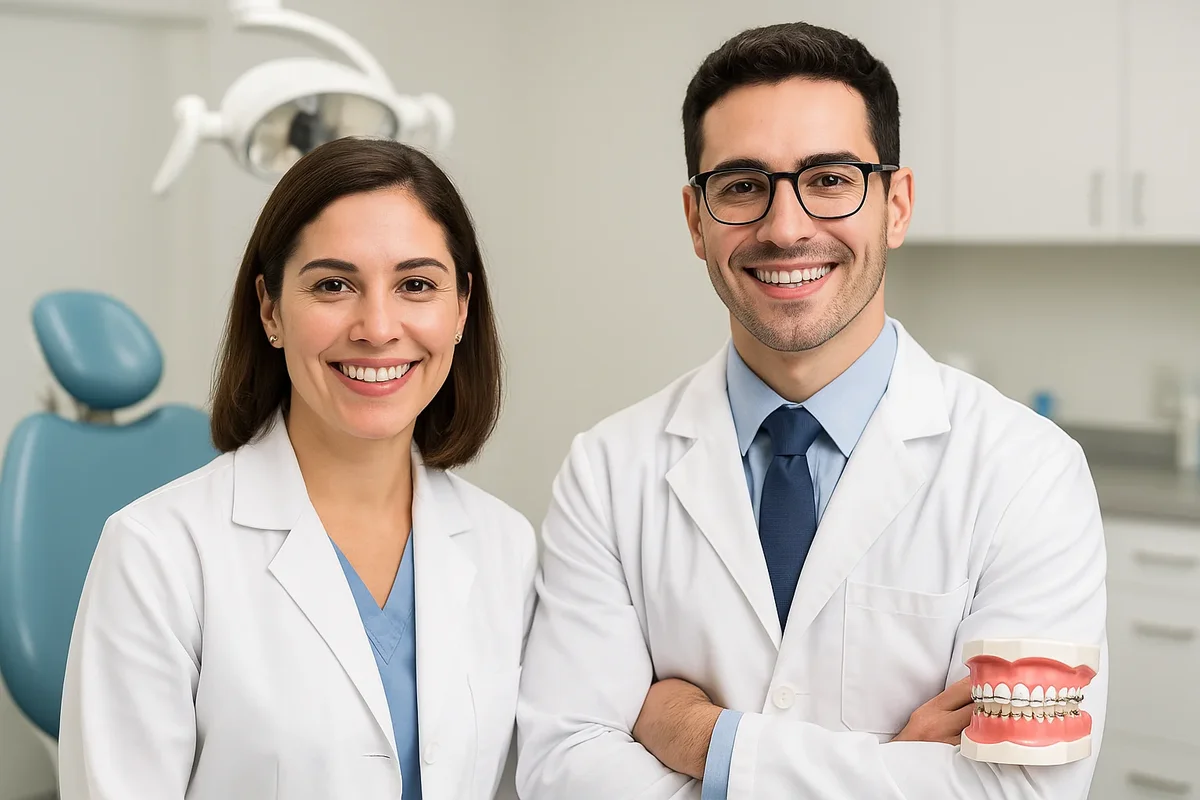
9. Tips to Maintain a Perfect Smile After Orthodontic Treatment 😁
Completing your braces or aligner treatment is a major milestone, but maintaining that beautiful result requires ongoing care. A dentist and orthodontist work together to help patients keep their teeth healthy, aligned, and bright for years after treatment. Without proper follow-up, teeth can gradually shift back to their original positions or develop new oral health issues. In this guide, we’ll explore comprehensive post-treatment strategies — from wearing retainers correctly to ensuring consistent dental hygiene — that preserve your confident smile long-term. 🌟
Understanding Post-Orthodontic Care
After braces or aligners are removed, your teeth are still adapting to their new positions. The surrounding bones and soft tissues need time to stabilize. This phase is known as the retention period, and it’s one of the most critical stages of orthodontic success. A dentist and orthodontist monitor this period closely to ensure no relapse occurs. Patients must follow instructions carefully to maintain alignment, comfort, and oral health. 🦷
Why Teeth Can Shift After Treatment
Even with perfect results, your teeth naturally attempt to move back due to memory in the surrounding ligaments and muscles. This process is known as orthodontic relapse. Skipping retainer use or neglecting dental visits can accelerate shifting. A professional dentist and orthodontist team prevents this through customized retainers, regular monitoring, and targeted maintenance plans tailored to each patient’s bite and anatomy.
The Role of Retainers in Smile Preservation
Retainers are the most important tool in maintaining the results of orthodontic treatment. They hold teeth in their corrected positions while the bone and gum tissues stabilize. There are two main types: fixed and removable retainers. Your dentist and orthodontist will recommend the best option depending on your case, habits, and age.
Fixed Retainers
These consist of thin metal wires bonded to the back of the teeth, usually on the lower front set. They are ideal for patients with a history of crowding, ensuring long-term stability. Fixed retainers are invisible and require minimal adjustment, but they do need diligent cleaning to avoid plaque buildup.
Removable Retainers
Removable options, such as Hawley or clear retainers, offer flexibility. They can be taken out for eating or brushing. However, consistency is key — wearing them as instructed by your dentist and orthodontist (usually 14–16 hours daily at first, then nightly) prevents unwanted movement. Always store them safely and clean them regularly using non-abrasive solutions.
Daily Oral Hygiene Routine
Good hygiene habits are essential to maintaining a healthy smile. After orthodontic treatment, the risk of plaque buildup, gum irritation, and staining increases temporarily as the mouth adjusts. To minimize these risks, follow these dentist-approved tips:
- Brush Twice Daily: Use a soft-bristled toothbrush and fluoride toothpaste to remove food particles and bacteria.
- Floss Regularly: Floss threaders or water flossers make it easier to clean between teeth and under fixed retainers.
- Rinse with Antibacterial Mouthwash: It helps reduce plaque and strengthen gums.
- Clean Retainers Properly: Avoid hot water and harsh chemicals that could warp or damage them.
Maintaining these habits ensures that your investment in orthodontic care continues to pay off — a dentist and orthodontist emphasize that consistency is the foundation of smile longevity. 🪥
Diet and Lifestyle Tips
Even after your braces are off, your diet still influences your oral health. Sticky, hard, or sugary foods can damage enamel and lead to plaque buildup. A balanced diet helps strengthen teeth and gums, promoting long-term stability. Here’s what professionals recommend:
- Limit sugary snacks and acidic drinks like soda or citrus juices.
- Eat calcium-rich foods such as yogurt, cheese, and leafy greens.
- Stay hydrated with water to keep your mouth clean and neutralize acid.
- Avoid biting on hard items like ice or pens that could chip teeth.
Regular nutritional balance helps reduce cavities and discoloration. Both a dentist and orthodontist agree that prevention starts with a mindful diet. 🥦
Regular Dental Checkups and Professional Cleanings
Continuing to visit your dentist and orthodontist every 6 months — or as recommended — ensures ongoing success. These visits allow for retainer checks, professional cleanings, and early detection of any developing issues such as gum recession or enamel wear. Advanced dental imaging can spot subtle shifts before they become noticeable, allowing your orthodontist to make small adjustments early. 🧠
When to Schedule Additional Visits
Contact your dentist and orthodontist immediately if you experience discomfort with your retainer, gum bleeding, or noticeable tooth movement. Early intervention prevents relapse and protects the alignment you’ve achieved. Many clinics, like Redent Klinik Contact Page, offer convenient online booking and emergency consultations for quick support.
Whitening and Cosmetic Maintenance
Once your teeth are aligned, you may want to enhance your smile further with whitening or cosmetic treatments. Always wait at least a few weeks after braces or aligners are removed before whitening, allowing enamel to stabilize. A dentist and orthodontist can recommend safe in-office or at-home whitening options that won’t damage the enamel or interfere with retainers. 💎
Preventing Stains and Discoloration
To keep your teeth bright, minimize coffee, tea, red wine, and tobacco use. Consider using a whitening toothpaste once a week and brush soon after consuming stain-causing foods. Professional cleanings every six months will help preserve your radiant smile long-term.
Handling Orthodontic Emergencies
Even after treatment, unexpected issues can arise. Retainer wires may break or loosen, or teeth may shift slightly. In such cases, contact your dentist and orthodontist immediately for repair or adjustment. Avoid DIY fixes or bending retainers, as improper handling can worsen alignment or damage enamel. 🧰
Psychological and Confidence Benefits
Maintaining a straight, healthy smile offers more than just physical advantages. Many patients report significant boosts in self-confidence and social comfort after orthodontic treatment. Regularly caring for your smile reinforces these emotional benefits. A dentist and orthodontist often emphasize that oral health and self-esteem are deeply connected — and the effort to maintain both is truly worth it. 💖
Conclusion: Commitment to a Lifetime of Healthy Smiles
Finishing orthodontic treatment is not the end of your journey — it’s the beginning of lifelong maintenance. A dentist and orthodontist work hand-in-hand to ensure your smile remains aligned, bright, and healthy through proper retention, hygiene, and consistent care. Follow professional advice, maintain your retainers, and schedule regular checkups to protect your investment. With discipline and guidance, your perfect smile can truly last a lifetime. 🌈
To receive expert aftercare and personalized retention guidance, contact the specialists at Redent Klinik Contact Page. Their experienced dentist and orthodontist team follows global standards, including those set by the American Dental Association, ensuring your beautiful smile stays that way for years to come. 🦷✨