
When you’ve lost most or all of your natural teeth, finding a reliable and long-term solution is essential not just for your smile, but also for your health and self-esteem. That’s where complete mouth dental implants come in — a revolutionary treatment designed to replace an entire set of missing teeth with lifelike, permanent restorations. Unlike dentures that slip or bridges that rely on neighboring teeth, complete mouth dental implants provide a secure, natural, and fully functional replacement for every tooth in your mouth 🦷.
This comprehensive guide will walk you through everything you need to know — from what complete mouth dental implants are and how they work, to their benefits, cost, recovery, and long-term care. Whether you’re exploring this treatment for yourself or a loved one, understanding the process will help you make an informed decision about your oral health and future smile.
What Are Complete Mouth Dental Implants?
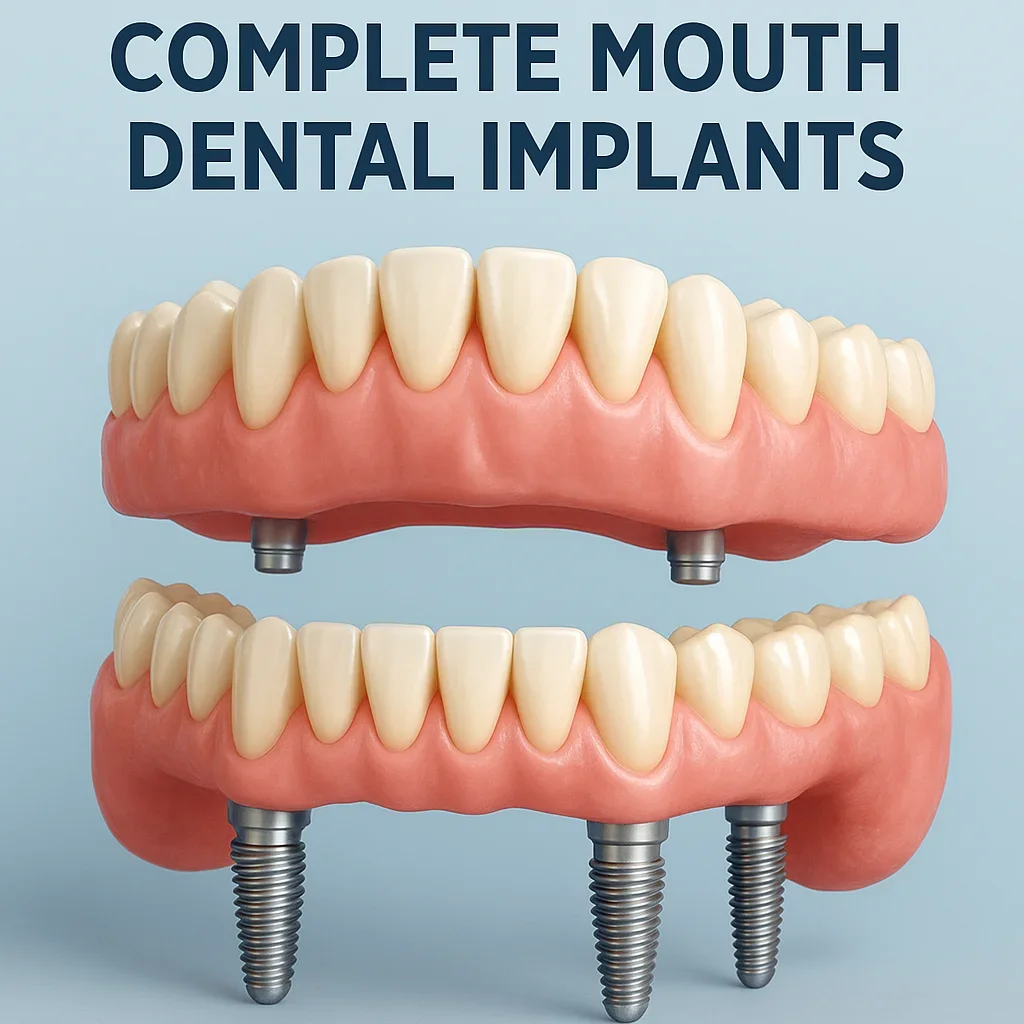
Complete mouth dental implants are full-arch restorations that replace all missing teeth in the upper or lower jaw using a series of strategically placed titanium posts. These posts act as artificial tooth roots, supporting a full dental bridge or hybrid denture that looks and feels just like real teeth. Typically, 4 to 8 implants are used per arch, depending on your bone density and individual needs. This approach provides stability and bite force similar to natural teeth, allowing patients to eat, speak, and smile confidently again. 😁
Technological advances such as 3D imaging and computer-guided surgery have made the implant process safer and more precise. During your consultation, your dentist will evaluate your bone structure, gum health, and bite alignment to determine the optimal placement of each implant. Once placed, these titanium anchors fuse with the jawbone through a process called osseointegration, ensuring long-term stability and durability.
Why Do People Choose Complete Mouth Dental Implants?
Millions of people choose complete mouth dental implants because they offer a permanent, comfortable, and aesthetically pleasing solution to tooth loss. Unlike removable dentures that can cause discomfort or limit your food choices, implants are fixed in place and mimic natural teeth in every way. They prevent bone loss, maintain facial structure, and improve speech clarity — three vital benefits that traditional dentures simply can’t match.
Moreover, these implants contribute to better overall health. By restoring proper chewing function, they allow you to eat a balanced diet rich in fruits, vegetables, and proteins — essential for cardiovascular and digestive health. In addition, full mouth dental implants reduce the risk of gum irritation and infection that can result from ill-fitting dentures or missing teeth.
Life-Changing Results
One of the most remarkable aspects of complete mouth dental implants is the transformation they bring to both appearance and confidence. Patients often describe feeling as if they’ve regained their youth. With a stable, natural-looking set of teeth, smiling, laughing, and enjoying food become effortless again. No more worrying about dentures shifting or adhesives failing — implants provide a permanent foundation for a lifetime of smiles.
According to the American Dental Association, dental implants boast a success rate of over 95%, making them one of the most reliable procedures in modern dentistry. When performed by a skilled team using high-quality materials, they can last decades — even a lifetime — with proper care and regular dental checkups.
Choosing the Right Clinic for Your Smile
Finding a trusted clinic for complete mouth dental implants is just as important as choosing the procedure itself. At Redent Klinik Contact Page, our team of experienced implant specialists provides personalized treatment plans tailored to each patient’s unique needs. Using cutting-edge technology and international standards of care, we ensure your journey to a new smile is smooth, safe, and satisfying. Our multidisciplinary approach combines aesthetics, function, and health for exceptional, long-term results.
Key Takeaways
- Complete mouth dental implants replace all missing teeth using 4–8 implants per arch.
- They restore chewing power, prevent bone loss, and maintain facial aesthetics.
- They are more stable and longer-lasting than dentures or bridges.
- With proper oral hygiene, they can last a lifetime.
- Choosing an experienced dental team is critical for success.
Ultimately, investing in complete mouth dental implants is not just about restoring teeth — it’s about restoring your confidence, health, and quality of life. By understanding the full scope of this treatment, you can take the first step toward a brighter, healthier, and more self-assured future 🌟.
Stay tuned — in the next section, we’ll explore exactly how complete mouth dental implants work, including the latest technology and techniques that make them one of the best modern dental solutions available today.
What Are Complete Mouth Dental Implants and How Do They Work?
Complete mouth dental implants are an advanced restorative dental solution designed to replace all missing teeth in both the upper and lower jaws with durable, lifelike prosthetics. Instead of using removable dentures, this treatment utilizes titanium implants that act as artificial tooth roots. These implants integrate with the jawbone and serve as a solid foundation for fixed bridges or full-arch prostheses that look and function just like natural teeth. 🦷
Unlike traditional dentures, which merely sit on top of the gums, complete mouth dental implants are anchored directly into the bone. This integration ensures stability, prevents slippage, and eliminates the discomfort and dietary restrictions often associated with removable dentures. By restoring both function and aesthetics, they offer a long-term solution for patients suffering from extensive tooth loss.
Understanding the Structure of Complete Mouth Dental Implants
Each complete mouth dental implant system consists of three primary components:
- Implant Post (Root Replacement): A small titanium or zirconia screw that is surgically placed into the jawbone to act as a root substitute.
- Abutment: A connector piece that links the implant post to the prosthetic tooth or bridge.
- Prosthetic Teeth: The visible part, often a custom-designed bridge or hybrid denture that replicates the appearance of natural teeth.
These three elements work harmoniously to create a stable and natural-looking restoration. Titanium, in particular, is highly biocompatible, which allows it to bond effectively with the bone through a biological process known as osseointegration. This fusion is what gives complete mouth dental implants their unparalleled strength and longevity.
The Science Behind Osseointegration
Osseointegration is the cornerstone of successful implant treatment. When the titanium implant is placed in the bone, the body responds by growing new bone cells around it, effectively locking it in place. This process typically takes three to six months, depending on the patient’s bone quality and healing ability. Once integration is complete, the implant becomes a permanent part of the jaw structure.
This scientific breakthrough allows complete mouth dental implants to mimic natural tooth roots, distributing biting and chewing forces evenly across the jaw. The result is improved oral function, a more natural feel, and a restoration that can last decades when properly maintained.
How the Procedure Works: Step by Step
1. Consultation and Evaluation
The first step involves a detailed consultation with an implant specialist. Using 3D imaging and digital scans, your dentist will assess bone density, gum health, and overall oral condition. This helps determine whether you’re a good candidate for complete mouth dental implants and how many implants will be required for each arch — typically four to eight per jaw.
2. Treatment Planning
After assessment, a customized treatment plan is created. This plan includes implant placement sites, restoration type (fixed bridge or hybrid denture), and surgical approach. The goal is to achieve the best aesthetic and functional outcome while minimizing healing time.
3. Implant Placement Surgery
During this phase, the dental surgeon places the titanium posts into pre-determined positions within the jawbone. Local anesthesia or sedation ensures the procedure is comfortable and pain-free. Once implanted, healing caps are placed over the posts to protect the surgical sites.
4. Healing and Integration
Over the next few months, the implants fuse with the bone through osseointegration. Temporary teeth may be fitted during this phase to maintain appearance and function. As healing progresses, patients experience improved stability and strength in the jaw.
5. Final Restoration
Once healing is complete, custom prosthetic teeth are attached to the abutments. These restorations are crafted from high-quality ceramic or zirconia to achieve a natural look and feel. The final result is a fully restored mouth that functions and appears indistinguishable from natural teeth. 😁
Benefits of the Complete Mouth Dental Implant System
Compared to other restorative methods, complete mouth dental implants offer several unique advantages:
- Permanent Stability: No slipping, clicking, or movement during eating or speaking.
- Improved Chewing Power: Nearly identical to that of natural teeth, allowing you to enjoy all types of food.
- Bone Preservation: Prevents bone resorption and facial collapse often caused by missing teeth.
- Aesthetic Excellence: Each prosthetic is designed to complement your facial features and smile line.
- Long-Term Durability: With proper care, implants can last 25 years or longer.
Technological Innovations in Implant Dentistry
Modern dentistry has made remarkable progress in the field of implantology. Today’s complete mouth dental implants benefit from 3D-guided placement, computer-aided design (CAD/CAM) technology, and advanced bone grafting materials. Digital impressions replace messy molds, ensuring precision and comfort. Immediate load implants, also known as “same-day implants,” allow certain candidates to leave the clinic with a brand-new smile on the same day of surgery — a major advancement in patient satisfaction.
Aftercare and Maintenance
Maintaining complete mouth dental implants is simple but crucial. Brushing twice daily with a soft-bristle toothbrush, using non-abrasive toothpaste, and flossing around the implants help prevent plaque buildup. Regular dental checkups (at least twice a year) ensure early detection of any potential issues. Avoiding smoking and excessive alcohol intake further enhances the lifespan of the implants.
Success Rates and Reliability
According to research published by the American Dental Association, the success rate for complete mouth dental implants exceeds 95% when performed by skilled professionals. This reliability, combined with their natural feel and functionality, makes them one of the most recommended tooth replacement solutions worldwide. In comparison, traditional dentures have a much shorter lifespan and require regular adjustments to maintain comfort.
To get expert advice and a personalized evaluation, you can reach out via the Redent Klinik Contact Page and schedule your consultation. Our experienced implantologists specialize in high-precision treatment planning, ensuring every patient receives a perfectly balanced, functional, and aesthetic result.
In essence, complete mouth dental implants combine art and science to recreate not just your smile, but your confidence and overall well-being. By understanding how they work and what makes them effective, you can take the next step toward transforming your smile and reclaiming a healthy, radiant appearance for life 🌟.
Benefits of Complete Mouth Dental Implants Over Traditional Dentures
When it comes to restoring a full set of missing teeth, patients are often faced with two primary options: removable dentures or complete mouth dental implants. While dentures have been used for centuries, they come with a range of limitations — from instability and discomfort to reduced chewing efficiency. In contrast, complete mouth dental implants provide a modern, permanent, and natural-feeling solution that enhances both function and aesthetics. Let’s explore in detail why implants are the superior choice for long-term oral health and confidence. 😁
1. Stability and Comfort Beyond Comparison
Traditional dentures simply rest on the gums and are held in place with suction or adhesive. Over time, the underlying jawbone shrinks due to the absence of tooth roots, causing dentures to loosen and slip. This can lead to discomfort, irritation, and even embarrassment while eating or speaking.
On the other hand, complete mouth dental implants are anchored directly into the jawbone using titanium posts that act as artificial roots. This integration offers a level of stability that dentures can never achieve. Because the implants become part of your bone structure, you can eat, talk, and laugh freely without worrying about movement or noise. The result is a natural, secure fit that feels like your own teeth — no adhesives, no slipping, no hassle.
2. Preservation of Jawbone and Facial Structure
One of the biggest hidden dangers of tooth loss is bone resorption — a process where the jawbone deteriorates over time. Dentures do nothing to stop this because they only replace the visible portion of the teeth. As a result, the bone gradually shrinks, leading to sunken cheeks and premature aging.
Complete mouth dental implants prevent bone loss by stimulating the jawbone just like natural tooth roots. This preserves your facial structure, keeping your cheeks firm and your jawline defined. Maintaining bone density not only supports your appearance but also ensures long-term oral health, preventing further complications down the line.
3. Natural Appearance and Confidence
Complete mouth dental implants are custom-designed to match the shape, color, and alignment of your natural teeth. Advanced digital imaging and 3D planning allow dentists to create prosthetics that blend seamlessly with your smile. Unlike dentures, which can look artificial or bulky, implants provide a natural, lifelike appearance that enhances your overall facial harmony. 🌟
Patients who choose complete mouth dental implants often report a dramatic boost in self-confidence. They can smile, eat, and speak freely without fear of embarrassment. The psychological impact of regaining a permanent, beautiful smile cannot be understated — it’s truly transformative.
4. Superior Chewing Power and Food Freedom
Traditional dentures restore only about 20–25% of your original chewing ability. This means many foods — such as steak, nuts, or crusty bread — are off-limits. By contrast, complete mouth dental implants restore up to 90–95% of natural bite strength, allowing you to enjoy virtually any type of food with confidence. 🍎🥩
Because implants are securely anchored to the bone, they distribute bite forces evenly across the jaw. This not only makes chewing easier but also protects the remaining bone structure from stress and wear. Whether it’s biting into an apple or savoring your favorite meal, the freedom that comes with dental implants is unparalleled.
5. Long-Term Durability and Cost Efficiency
Although complete mouth dental implants may initially seem more expensive than dentures, they are actually far more cost-effective in the long run. High-quality implants can last a lifetime with proper care, while dentures typically need replacement every 5–7 years due to wear and jawbone shrinkage. Additionally, dentures often require frequent relining, adjustments, and adhesives — all of which add to the ongoing cost.
With implants, once they are placed and fully integrated, maintenance is minimal. Regular brushing, flossing, and professional cleanings are all that’s required. In fact, according to the American Dental Association, dental implants have a success rate of over 95%, making them one of the most predictable and reliable treatments in modern dentistry.
6. Enhanced Speech and Pronunciation
Ill-fitting dentures can make speaking clearly difficult. Because they rest loosely on the gums, they often slip during conversation, causing a clicking sound or lisping. This can affect confidence in both personal and professional interactions.
With complete mouth dental implants, speech is completely natural. Since the prosthetics are securely fixed in place, there’s no worry about shifting or slipping. The result is improved pronunciation, clearer enunciation, and restored self-assurance in social settings. 🗣️
7. Comfort and Oral Health Benefits
Dentures can sometimes cause sore spots, irritation, and mouth ulcers because of friction against the gums. In contrast, complete mouth dental implants eliminate this problem entirely. The implants integrate into the bone, and the attached bridge or hybrid denture rests securely on the implant abutments — not the gums. This ensures maximum comfort and a more natural feel.
Moreover, implants do not require the alteration or grinding down of neighboring healthy teeth, as is often necessary with bridges. This preserves your natural dental structure and promotes long-term oral health.
8. Psychological and Lifestyle Advantages
The benefits of complete mouth dental implants extend beyond physical health. Many patients experience improved mental well-being and self-esteem after treatment. Regaining the ability to eat confidently in public, smile without restraint, and speak naturally can profoundly improve social interactions and overall happiness. This renewed confidence often leads to better relationships, more career opportunities, and an enhanced quality of life.
9. Environmentally Friendly and Hygienic Solution
Complete mouth dental implants are not only a medical investment but also an environmentally responsible choice. Since they last for decades and require minimal replacement materials, they produce less waste compared to dentures, which are frequently remade and discarded. Additionally, cleaning implants is simpler and more hygienic — standard brushing and flossing are sufficient to maintain excellent oral hygiene.
10. The Verdict: Why Implants Win
When evaluating long-term comfort, aesthetics, and health outcomes, complete mouth dental implants are clearly superior to traditional dentures. They provide permanent, stable, and highly functional teeth that enhance both oral and general well-being. At Redent Klinik Contact Page, our dental experts specialize in full-mouth restorations using state-of-the-art techniques to ensure lasting satisfaction and natural results.
In conclusion, choosing complete mouth dental implants is an investment in comfort, confidence, and health — a solution that restores not only your teeth but also your quality of life. By replacing outdated dentures with this advanced approach, you can enjoy a lifetime of beautiful smiles and functional teeth, supported by world-class technology and expertise. 🌟
Who Is the Ideal Candidate for Complete Mouth Dental Implants?
Not everyone who has lost teeth is automatically a candidate for complete mouth dental implants. This advanced dental procedure requires a specific combination of bone health, gum stability, and overall medical readiness to ensure successful long-term results. Determining your candidacy involves a detailed dental evaluation, imaging scans, and a review of your medical history. In this section, we’ll explore who makes the best candidates, which factors may require special attention, and how you can prepare for this life-changing procedure. 🦷
Understanding What Complete Mouth Dental Implants Require
Complete mouth dental implants involve inserting multiple titanium or zirconia posts into the jawbone, which then support a full arch of prosthetic teeth. To achieve long-lasting success, these implants must fuse naturally with the bone — a process called osseointegration. For that to happen, the patient must have sufficient bone density and healthy gum tissue. Unlike dentures, which simply rest on the gums, implants rely on bone structure for stability and function, making bone health a key factor in determining candidacy.
Core Eligibility Criteria
To qualify for complete mouth dental implants, you should ideally meet the following conditions:
- Good Oral Health: Healthy gums and absence of active periodontal disease are essential. Gum infections can interfere with implant healing and compromise stability.
- Adequate Bone Density: Strong jawbone structure is needed to anchor implants securely. If bone volume is insufficient, bone grafting may be recommended.
- Non-Smoker or Willing to Quit: Smoking restricts blood flow, slows healing, and increases implant failure rates. Smokers must commit to quitting before and after surgery.
- Overall Health Stability: Chronic illnesses like uncontrolled diabetes, immune disorders, or severe heart disease must be well-managed before surgery.
- Commitment to Oral Hygiene: Regular brushing, flossing, and dental checkups are critical for maintaining implant longevity.
When these conditions are met, patients can expect a predictable and successful outcome with complete mouth dental implants.
Ideal Candidates: Who Benefits the Most?
Generally, ideal candidates are those who have lost most or all of their teeth due to decay, injury, or periodontal disease and want a permanent replacement that mimics natural teeth. Here’s a closer look at specific groups who benefit most from complete mouth dental implants:
1. Full Denture Wearers Seeking Stability
People currently wearing removable dentures often experience slippage, speech difficulties, and discomfort while eating. For them, complete mouth dental implants offer life-changing stability. They eliminate the need for adhesives and allow patients to chew and smile confidently without fear of movement.
2. Individuals With Extensive Tooth Loss
Patients missing most or all of their teeth in one or both jaws can regain full function and aesthetics through complete mouth dental implants. Even if the teeth have been missing for several years, modern bone regeneration techniques such as grafting or sinus lifting can make implantation possible.
3. Those Suffering From Bone Loss
While bone loss used to disqualify patients from receiving implants, today’s dental technology has changed that. Advanced bone grafting materials, 3D imaging, and computer-guided implant placement enable dentists to rebuild bone and create a stable foundation for complete mouth dental implants. In some cases, techniques like “All-on-4” or “Zygomatic implants” allow for successful treatment even in patients with minimal bone.
4. Patients Seeking Long-Term Value
Those who prefer a one-time investment in a permanent solution rather than ongoing denture maintenance are excellent candidates. While implants may cost more upfront, their long lifespan and minimal maintenance make them a cost-effective solution over time.
Medical Conditions That Require Special Consideration
Although most healthy adults can undergo implant surgery safely, certain medical conditions require careful evaluation and collaboration between your dentist and physician:
- Diabetes: Patients with well-controlled diabetes can have successful implants, but poor control can delay healing.
- Osteoporosis: Reduced bone density may require bone grafting or the use of special implant systems.
- Cardiovascular Disease: Those taking blood thinners must coordinate surgery timing with their doctor.
- Autoimmune Disorders: May require additional precautions to ensure the immune system doesn’t interfere with healing.
- Radiation Therapy Patients: Radiation in the jaw area can affect bone health; however, options like hyperbaric oxygen therapy can improve outcomes.
If any of these apply to you, don’t worry — experienced implant specialists can adapt your treatment plan accordingly. Clinics like Redent Klinik Contact Page specialize in evaluating complex cases, using advanced diagnostics and personalized planning to ensure safe, predictable results.
Psychological and Lifestyle Factors
Candidacy for complete mouth dental implants isn’t limited to physical health — mental readiness and lifestyle also play roles. Since the procedure involves multiple stages and healing periods, candidates must be patient and committed to post-surgical care. Emotional motivation, such as the desire to restore confidence, is often a strong indicator of success. Those who maintain a positive attitude and follow dental care instructions typically achieve the best outcomes.
Alternative Options for Non-Candidates
If a patient isn’t currently a good fit for complete mouth dental implants, there are still several alternatives and preparatory treatments:
- Bone Grafting: Builds sufficient bone volume for future implant placement.
- Mini Implants: Ideal for patients with less bone who cannot undergo full-size implants.
- Implant-Supported Dentures: A hybrid solution offering more stability than traditional dentures without full arch restoration.
Through proper evaluation and preparatory care, even those initially unsuitable for implants can often become viable candidates later.
How to Know If You Qualify
The only way to confirm your candidacy for complete mouth dental implants is to schedule a professional consultation. During your visit, your dentist will perform a 3D CT scan, assess bone density, and review your medical history. This process helps determine the best treatment approach and whether supplemental procedures are necessary.
The American Dental Association emphasizes that patient selection and treatment customization are critical for implant success. Therefore, working with an experienced team ensures both safety and long-term satisfaction.
Conclusion: Are You Ready for the Change?
If you’re tired of removable dentures or have struggled with multiple missing teeth, complete mouth dental implants could be the solution you’ve been waiting for. By combining cutting-edge surgical techniques, personalized care, and world-class technology, dental specialists can restore not only your smile but also your ability to live, eat, and laugh freely again. 😄
Book a consultation with the experts at Redent Klinik Contact Page to assess your eligibility today — your path to a confident, permanent smile starts here.
The Step-by-Step Procedure of Getting Complete Mouth Dental Implants
Understanding how complete mouth dental implants are placed can help you prepare mentally and physically for the journey ahead. This isn’t just a quick dental fix — it’s a transformative process that restores your smile, function, and confidence for life. Although the procedure is intricate, it follows a predictable and systematic approach led by advanced dental technology and expert surgical planning. Below, we’ll walk through every step of the process in detail — from your first consultation to your final smile reveal. 🦷
1. Initial Consultation and Examination
The first stage in getting complete mouth dental implants begins with a thorough dental examination. Your dentist will perform a comprehensive assessment that includes X-rays, 3D CBCT scans, and a full oral health evaluation. These diagnostic tools allow for precise visualization of your bone structure, nerve pathways, and sinus areas, ensuring accurate planning for implant placement.
During this visit, you’ll discuss your goals, expectations, and medical history. Your dentist will evaluate whether you have enough jawbone to support implants and whether any preparatory treatments (like bone grafting or sinus lifting) are necessary. This is also the time to address concerns about anesthesia, recovery, and overall treatment duration. Transparency and planning are key at this stage, ensuring you feel comfortable and informed from the very beginning.
2. Customized Treatment Planning
Once you’ve been deemed a suitable candidate for complete mouth dental implants, your dental team will design a customized treatment plan. Using digital impressions and 3D computer modeling, they’ll map out the ideal implant positions for each arch (upper and lower). These digital tools allow for virtual surgery simulations, reducing risks and improving precision.
Computer-Guided Surgery and Digital Mock-Ups
Modern clinics utilize computer-guided implant surgery to achieve millimeter-perfect placement. A surgical guide is printed from your digital scan to assist the surgeon in positioning implants exactly where the bone density and alignment are optimal. This level of precision minimizes trauma, reduces surgery time, and enhances healing.
Additionally, digital mock-ups allow you to preview your new smile even before surgery. This preview helps ensure your final results align with your aesthetic expectations, offering reassurance and motivation throughout the process.
3. Preparatory Procedures (If Needed)
Some patients may require additional treatments before implant placement. These can include:
- Bone Grafting: If your jawbone has thinned or deteriorated, bone grafting strengthens it to hold the implants securely.
- Sinus Lift: For patients receiving upper jaw implants, the sinus cavity may need to be lifted to create adequate space for implant roots.
- Tooth Extraction: Any remaining damaged or decayed teeth are carefully removed to prepare for the new prosthesis.
These procedures ensure that your mouth provides a strong foundation for complete mouth dental implants, improving success rates and long-term durability.
4. Implant Placement Surgery
The implant placement stage is the core of the procedure. Under local anesthesia or conscious sedation, small incisions are made in the gums to expose the bone. The surgeon then drills tiny sockets where the titanium posts (implants) will be placed. Each implant is positioned with precision, ensuring proper spacing, angulation, and depth.
Typically, four to eight implants are inserted per arch, depending on bone volume and the prosthetic design. Once in place, healing caps or temporary abutments are attached to protect the implant sites during the healing period. The surgical process usually takes two to four hours per arch, and most patients report minimal discomfort thanks to modern anesthetic techniques.
5. Healing and Osseointegration
After the implants are placed, your body begins the critical healing process known as osseointegration — where the bone naturally fuses to the titanium implant surface. This fusion is what gives complete mouth dental implants their exceptional strength and stability. The healing period typically lasts between three and six months, during which the implants become permanently anchored within the jawbone.
In many cases, patients are fitted with temporary teeth on the same day of surgery. These immediate-load prosthetics allow you to smile and eat soft foods while your implants heal. Once integration is complete, they are replaced with your final, custom-designed restoration.
Tips for a Smooth Recovery
- Stick to soft foods and avoid chewing hard items for the first few weeks.
- Maintain excellent oral hygiene, brushing gently around the surgical area.
- Follow your dentist’s instructions for medication and follow-up visits.
- Refrain from smoking, as it delays healing and increases failure risk.
6. Attaching the Abutments
Once healing is complete, the next step involves exposing the implant posts and attaching abutments — small connector pieces that link the implants to your prosthetic teeth. This is typically done under local anesthesia and involves minimal discomfort. The gum tissue is then allowed to heal around these abutments, creating a natural contour for your new smile.
7. Fabrication and Placement of the Final Prosthesis
The final stage of the complete mouth dental implants procedure is the creation and fitting of your permanent prosthesis. Using digital impressions, your dentist will design custom-made bridges or hybrid dentures that perfectly match your facial features, bite, and speech. The prosthesis is then securely attached to the abutments, completing your transformation.
The final result is a full set of natural-looking, fixed teeth that restore both aesthetics and function. You can smile confidently, speak clearly, and enjoy all your favorite foods again — often with even better chewing efficiency than your original teeth. 🌟
8. Follow-Up and Maintenance
Even though complete mouth dental implants are built to last decades, maintenance is key to ensuring longevity. Routine dental checkups every six months allow your dentist to monitor bone stability, gum health, and the integrity of the prosthesis. Brushing twice daily with a soft toothbrush, flossing with specialized implant floss, and using an antibacterial mouthwash help maintain hygiene around the implants.
Clinics like Redent Klinik Contact Page provide long-term care programs for implant patients, ensuring that your restored smile remains healthy and beautiful for life.
9. Longevity and Success Rates
According to the American Dental Association, dental implants — when placed under proper conditions and cared for correctly — have success rates exceeding 95%. With good oral hygiene, complete mouth dental implants can last for 25 years or even longer. Their strength and resistance to decay make them the most durable and dependable tooth replacement solution available today.
10. Summary of the Full Process
To summarize, the journey to a new smile with complete mouth dental implants typically includes:
- Initial consultation and digital imaging
- Customized treatment planning
- Preparatory procedures (if needed)
- Implant placement surgery
- Healing and osseointegration
- Abutment placement
- Permanent prosthesis attachment
- Regular maintenance and lifelong care
Each step is designed with precision and patient comfort in mind. When performed by an experienced dental team using state-of-the-art technology, this process can completely transform your oral health, confidence, and quality of life. 🌿
With proper care, complete mouth dental implants offer a lifelong solution that goes beyond restoring teeth — they restore who you are. From your first consultation to your radiant new smile, this treatment truly represents the pinnacle of modern dentistry.
Healing and Recovery After Complete Mouth Dental Implants Surgery
The healing process after complete mouth dental implants surgery is one of the most crucial phases in ensuring long-term success. While the procedure itself is typically pain-free thanks to modern anesthesia and guided surgical techniques, the post-operative period requires patience, proper care, and adherence to dental guidance. Understanding how your body heals and what to expect during each stage of recovery will help you achieve the best possible outcome — a healthy, stable, and beautiful new smile. 🦷
1. The First 24 Hours After Surgery
Immediately following the placement of complete mouth dental implants, your mouth begins the natural healing process. During the first 24 hours, mild bleeding, swelling, and tenderness are normal. These symptoms are a natural response to surgery and usually subside within a few days. Your dentist will provide gauze pads to help manage bleeding and may prescribe pain relievers or antibiotics to prevent infection.
To minimize swelling, applying a cold compress on the outside of your cheeks for 10–15 minutes at a time can help. It’s also recommended to rest and avoid strenuous physical activity during this initial phase. Remember, the first day sets the foundation for your recovery — follow every instruction precisely.
What to Eat on the First Day
Stick to a soft diet that includes soups, smoothies, yogurt, and mashed potatoes. Avoid hot, spicy, or crunchy foods, as they can irritate the surgical sites. Hydration is key, but avoid drinking through a straw, as suction can dislodge the blood clot and interfere with healing.
2. Days 2 to 7: Managing Swelling and Discomfort
During the first week, you may still experience mild discomfort or swelling, especially around the gums and jaw. This is a normal part of recovery from complete mouth dental implants surgery. The swelling typically peaks around day two or three, then gradually decreases.
At this stage, you can transition from cold compresses to warm compresses to promote blood circulation and faster healing. Continue taking prescribed medication as directed, and rinse your mouth gently with a saltwater solution (half a teaspoon of salt in a glass of warm water) after meals to reduce bacteria and aid healing.
Oral Hygiene During the First Week
While brushing directly over the implant sites should be avoided for a few days, you can gently brush the remaining teeth using a soft-bristle toothbrush. Maintaining oral hygiene is vital, as bacteria can interfere with implant healing. After 4–5 days, you may resume brushing near the implant area carefully, ensuring you don’t disturb the sutures.
3. The First Month: Osseointegration Begins
By the second week, the initial healing phase is largely complete, and your body shifts focus to internal recovery — specifically, osseointegration. This is the biological process where the jawbone bonds with the titanium implants, creating a solid foundation for your future prosthetics. It’s the defining factor that makes complete mouth dental implants so durable and natural-feeling.
During this period, you’ll start to feel more comfortable. Minor stiffness or mild soreness when chewing is normal. Follow-up visits will allow your dentist to check healing progress, remove any sutures if needed, and ensure that there are no signs of infection or implant movement.
Diet and Lifestyle Adjustments
- Continue eating soft foods like scrambled eggs, pasta, steamed vegetables, and fish.
- Avoid smoking and alcohol completely, as they can delay bone fusion and increase implant failure risk.
- Get adequate sleep — your body heals best when it’s well-rested.
4. Months 2 to 6: Bone Fusion and Long-Term Healing
Osseointegration can take between 3 to 6 months, depending on your bone quality and general health. During this time, the implants fuse firmly with the bone, becoming as strong as natural tooth roots. Most patients notice that any initial tenderness disappears completely after the first few weeks.
Regular checkups are essential during this phase. Your dentist will use digital imaging to monitor bone integration and ensure your complete mouth dental implants are healing as expected. Once osseointegration is confirmed, you’ll move on to the next step — attaching the abutments and final prosthetic teeth.
5. Managing Potential Post-Operative Concerns
Although complications are rare, understanding what’s normal and what’s not helps you stay proactive during recovery:
- Normal Signs: Mild swelling, bruising, or temporary numbness around the lips or cheeks.
- Warning Signs: Persistent pain, pus discharge, excessive bleeding, or implants that feel loose. Contact your dentist immediately if you experience any of these symptoms.
Most issues can be managed easily if addressed early, underscoring the importance of regular communication with your dental provider during healing.
6. Tips for an Excellent Recovery
Follow Your Dentist’s Instructions
Adhering to post-operative care instructions is the single most important factor for successful recovery. Every patient’s healing process is unique, and your dentist tailors the plan to your specific needs.
Stay Consistent With Oral Hygiene
Once your gums start healing, gently brush and floss around the implant areas. Specialized floss and interdental brushes are ideal for cleaning around implants without causing irritation.
Attend All Scheduled Follow-Ups
Follow-up visits allow your dental team to assess healing and detect any early signs of infection or implant movement. Even if you feel fine, never skip these appointments — prevention is key.
7. Emotional and Psychological Healing
Recovering from complete mouth dental implants surgery isn’t just physical — it’s also emotional. Many patients describe a sense of renewed confidence and relief after years of struggling with missing or damaged teeth. The anticipation of your new, permanent smile often brings joy and motivation during recovery. Remember, every day brings you closer to smiling freely again. 😊
8. When Can You Return to Normal Life?
Most patients return to work within 2–3 days after complete mouth dental implants surgery, depending on the complexity of their case. Light physical activities can resume after one week, while strenuous exercise should wait at least two weeks to avoid disturbing the healing process.
By the end of the third month, you’ll be able to eat most foods again, and once osseointegration is complete, your final prosthetic teeth can be attached — marking the completion of your transformation.
9. Long-Term Maintenance After Healing
Once fully healed, maintaining your new smile is simple. Brushing twice daily, flossing carefully, and visiting your dentist twice a year are sufficient to keep your complete mouth dental implants in perfect shape. Because implants don’t decay like natural teeth, their maintenance focuses on keeping the gums and surrounding bone healthy.
For ongoing care and professional monitoring, you can reach out to Redent Klinik Contact Page — our specialists provide personalized aftercare plans that ensure your implants remain healthy and functional for decades.
10. The Result: A Lifetime of Smiles
Once recovery is complete, complete mouth dental implants offer a stable, natural, and lifelong solution. The new teeth not only look identical to natural ones but also feel and function the same way. According to the American Dental Association, most implant patients experience life-changing improvements in both health and confidence. The healing journey may take time, but the results — a strong bite, radiant smile, and improved quality of life — make it worth every step.
Healing after complete mouth dental implants surgery is a gradual but rewarding journey. With commitment, care, and professional guidance, you’ll soon enjoy the freedom of a natural smile that lasts a lifetime. 🌟
Cost of Complete Mouth Dental Implants: What to Expect in 2025
One of the most common questions patients ask when considering complete mouth dental implants is: “How much does it cost?” While there’s no one-size-fits-all answer, understanding the factors that influence pricing helps you plan both financially and medically. In 2025, the cost of complete mouth dental implants varies widely depending on geography, materials, surgeon expertise, and the complexity of your case. This section provides a detailed breakdown of the expenses involved, what affects the total cost, and why investing in implants is a long-term value for your health and confidence. 💰
1. Understanding the Components of Cost
The total cost of complete mouth dental implants covers several individual elements. These typically include:
- Initial Consultation and 3D Imaging: Digital scans, panoramic X-rays, and detailed evaluations of bone structure are the foundation of your treatment plan.
- Implant Surgery: This includes the surgical placement of 4–8 titanium implants per arch, anesthesia fees, and any required surgical guides or consumables.
- Abutments and Prosthetic Bridge: These are the connecting components and visible teeth that form your permanent restoration.
- Follow-Up Visits and Maintenance: Routine checkups, cleanings, and adjustments to ensure long-term success.
- Preparatory Procedures: Bone grafting, tooth extractions, or sinus lifts if necessary before implant placement.
When all these are combined, the full cost reflects not just the materials but also the advanced surgical expertise and technology involved in creating a new, functional smile.
2. Average Price Ranges in 2025
Estimated Global and Regional Costs
As of 2025, average pricing for complete mouth dental implants can range widely by region:
- 🇺🇸 United States: $25,000 – $55,000
- 🇬🇧 United Kingdom: £15,000 – £35,000
- 🇪🇺 Western Europe (Germany, France): €18,000 – €40,000
- 🇹🇷 Turkey: $7,000 – $15,000 (including high-quality materials and full service)
- 🇨🇦 Canada: $20,000 – $45,000
It’s important to remember that these are average estimates and can vary depending on clinic reputation, dentist experience, and chosen materials. Turkey, for example, has become one of the leading destinations for complete mouth dental implants due to its combination of affordable pricing, advanced dental technology, and internationally accredited clinics like Redent Klinik.
3. Factors That Influence the Total Cost
Number of Implants Required
Some patients may need only four implants per jaw (“All-on-4”), while others may require six or eight for enhanced stability (“All-on-6” or “All-on-8”). Each additional implant increases surgical time and material cost.
Type of Implant Material
Standard titanium implants are widely used for their durability, while zirconia implants are a more aesthetic, metal-free option that can increase the total price by 15–25%. Both offer excellent long-term success rates for complete mouth dental implants.
Bone Quality and Grafting
If your jawbone lacks sufficient volume, bone grafting or sinus lifts may be necessary to strengthen the foundation before implant placement. These preparatory procedures add to the cost but are essential for lasting results.
Clinic Location and Dentist Expertise
Clinics in metropolitan areas or countries with higher living costs usually charge more. Similarly, experienced implant surgeons and those using advanced 3D-guided surgery systems may charge higher fees — but their precision often leads to faster healing and better aesthetics, making it a worthwhile investment.
4. Comparing Implants vs. Other Tooth Replacement Options
While complete mouth dental implants may appear expensive upfront, they provide long-term financial and health benefits that other treatments simply can’t match. Traditional dentures, for instance, typically cost between $1,000–$3,000 per arch, but they require regular replacement, adhesives, and frequent relining. Over a lifetime, these ongoing expenses can exceed the one-time cost of implants.
Dental bridges are another alternative, but they require grinding down adjacent healthy teeth and may last only 10–15 years before needing replacement. In contrast, complete mouth dental implants can last 25 years or more with minimal maintenance — providing both cost efficiency and lasting peace of mind.
5. Financing and Payment Options
Many clinics offer flexible financing solutions to make complete mouth dental implants accessible. These include:
- Installment Plans: Monthly payment options over 12–36 months with little or no interest.
- Medical Loans: Specialized dental financing services available in the U.S., UK, and EU.
- Insurance Contributions: Although most insurance plans classify implants as elective, some policies partially cover diagnostics or prosthetics.
- Dental Tourism Packages: Clinics in Turkey, such as Redent Klinik Contact Page, often provide all-inclusive packages that include travel, accommodation, and treatment — making them a cost-effective and convenient option.
6. Quality vs. Cost: Finding the Right Balance
When choosing complete mouth dental implants, price should never be the only consideration. Lower costs at non-certified clinics can lead to complications, poor aesthetics, or implant failure. Always choose a clinic that uses FDA-approved materials, provides transparent pricing, and has verified patient testimonials. Remember, your implants are a lifelong investment — and cutting corners can result in costly revisions later.
7. Long-Term Value of Implants
Beyond cost, the real value of complete mouth dental implants lies in their health benefits and lifestyle improvements. They preserve bone density, improve speech clarity, restore full chewing power, and boost confidence. Most importantly, they eliminate the discomfort and inconvenience of removable dentures. According to the American Dental Association, patients who choose dental implants report a 90%+ satisfaction rate and significantly improved oral health outcomes compared to denture users.
8. Realistic Cost Expectations for 2025 and Beyond
Due to inflation, increased material quality, and enhanced digital technology, implant costs are expected to rise slightly in 2025. However, competition among global dental tourism destinations — especially in countries like Turkey — continues to keep pricing competitive without compromising quality. Many clinics now offer same-day implant options using digital workflows, reducing both costs and recovery time.
9. Example Cost Comparison (2025)
| Treatment Type | Average Cost (USD) | Longevity |
|---|---|---|
| Traditional Dentures (Full Mouth) | $2,000 – $3,500 | 5–7 years |
| Dental Bridges (Full Mouth) | $8,000 – $15,000 | 10–15 years |
| Complete Mouth Dental Implants | $15,000 – $40,000 | 25+ years |
As the data shows, while the initial cost of implants may seem higher, their durability and natural performance make them the most cost-effective long-term option for total oral restoration.
10. Final Thoughts: An Investment in Health and Confidence
Ultimately, complete mouth dental implants are not just a cosmetic upgrade — they’re a life-changing health investment. The ability to chew comfortably, speak clearly, and smile confidently without the limitations of dentures is invaluable. Patients often describe the experience as “priceless” because it restores not only their teeth but their sense of self.
If you’re ready to take the next step toward a permanent, confident smile, reach out to the Redent Klinik Contact Page for a personalized consultation and cost estimate tailored to your specific needs. Investing in implants today means enjoying a lifetime of comfort, beauty, and strength tomorrow. 🌟
Longevity and Maintenance of Complete Mouth Dental Implants
One of the most remarkable advantages of complete mouth dental implants is their potential to last a lifetime. Unlike dentures or bridges, which often need replacement every few years, implants are designed for durability, stability, and long-term oral health. However, their lifespan depends on proper care, good oral hygiene, and regular dental follow-ups. In this section, we’ll explore exactly how long implants can last, what factors influence their longevity, and how to maintain them for decades of healthy smiles. 🦷
1. Expected Lifespan of Complete Mouth Dental Implants
When placed correctly and cared for properly, complete mouth dental implants can last 25 years or longer — many even last a lifetime. The titanium posts that serve as artificial tooth roots are biologically compatible and fuse directly with the jawbone through osseointegration. Once this process is complete, the implants become a permanent part of the bone structure, providing a foundation that’s just as strong as natural tooth roots.
The visible prosthetic teeth (crowns, bridges, or hybrid dentures) typically last between 10 to 20 years before they may need minor adjustments or replacement due to normal wear. However, with proper maintenance, both the implant and prosthetic can remain functional and aesthetically pleasing for decades.
Clinical Success Rates
According to the American Dental Association, dental implants boast a success rate of over 95%. This rate remains consistent over decades, demonstrating their reliability and effectiveness as a long-term solution. The key to maintaining such success lies in professional care and consistent oral hygiene habits.
2. Factors That Affect Implant Longevity
Several biological and behavioral factors can influence the lifespan of complete mouth dental implants:
- Bone Quality and Density: The stronger and denser your jawbone, the better the implant integrates and remains stable over time.
- Oral Hygiene Habits: Daily brushing and flossing are vital to prevent bacterial buildup and gum inflammation around implants.
- Diet and Lifestyle: Avoiding hard foods, smoking, and excessive alcohol helps preserve the bone and gum tissue supporting implants.
- Regular Dental Checkups: Routine professional cleanings allow early detection of any potential issues.
- Systemic Health Conditions: Conditions like diabetes or osteoporosis can affect bone health and implant longevity if not managed properly.
Smoking and Implant Failure
Smoking remains one of the most significant risk factors for implant failure. It restricts blood flow, reduces oxygen supply to the bone, and slows healing. Studies show that smokers are twice as likely to experience implant complications compared to non-smokers. For the best long-term outcome, patients are strongly encouraged to quit smoking before undergoing complete mouth dental implants surgery.
3. Daily Maintenance Routine for Long-Term Success
Just like natural teeth, complete mouth dental implants require consistent care to prevent issues such as peri-implantitis (inflammation around the implant). Fortunately, maintenance is simple and easily incorporated into your daily routine:
Essential Daily Care Tips
- Brush Twice a Day: Use a soft-bristled toothbrush and non-abrasive toothpaste to clean around the implants gently.
- Floss Daily: Use implant-specific floss or interdental brushes to clean areas where your toothbrush cannot reach.
- Use Antibacterial Mouthwash: This helps reduce harmful bacteria and promotes gum health.
- Clean the Tongue and Gums: Maintain overall oral cleanliness to prevent bacteria from affecting the implants.
These habits protect both the gum tissue and the bone that supports the implants. Over time, a consistent cleaning routine becomes the most important factor in ensuring your complete mouth dental implants last as long as possible.
4. Professional Maintenance and Checkups
While daily home care is critical, professional maintenance is equally important. Regular checkups (every 6 months) allow your dentist to evaluate bone integrity, gum health, and prosthetic condition. During these visits, your dentist will:
- Perform digital X-rays to monitor bone density around implants.
- Check for early signs of peri-implantitis or gum inflammation.
- Tighten or adjust prosthetic components if necessary.
- Polish and clean hard-to-reach areas using professional tools.
Clinics like Redent Klinik Contact Page specialize in long-term implant maintenance, offering advanced aftercare programs to ensure your implants remain stable and aesthetic throughout your life.
5. Common Issues and How to Prevent Them
Although implant complications are rare, they can occur if maintenance is neglected. The most common concerns include:
- Peri-Implant Mucositis: Early gum inflammation that can be reversed with professional cleaning and improved hygiene.
- Peri-Implantitis: A more severe condition where bone loss occurs around the implant due to infection.
- Mechanical Wear: Minor wear and tear on prosthetics, easily repaired or replaced by your dentist.
Preventive Measures
To avoid these issues, patients should never use their teeth as tools, avoid grinding (bruxism), and use a night guard if recommended. Maintaining proper bite alignment through regular evaluations ensures equal pressure distribution, minimizing mechanical strain on implants.
6. The Role of Diet in Implant Longevity
Diet plays a significant role in maintaining the health of complete mouth dental implants. A nutrient-rich diet supports bone density, gum health, and immune function. Incorporate foods high in calcium, vitamin D, and protein — such as dairy, leafy greens, salmon, and eggs — to strengthen the jawbone and surrounding tissues.
Limiting sugary and acidic foods also helps prevent gum inflammation. Drinking plenty of water keeps the mouth hydrated and aids in cleansing food particles that could lead to bacterial buildup.
7. How Long Do Complete Mouth Dental Implants Really Last?
Clinical studies and real-world data show that over 90% of complete mouth dental implants remain fully functional even after 20 years. Many patients maintain them for life with consistent hygiene and checkups. The prosthetic components may eventually require replacement due to natural wear, but the titanium roots typically remain intact indefinitely.
Comparison to Other Tooth Replacement Methods
| Treatment Type | Average Lifespan | Maintenance Level |
|---|---|---|
| Traditional Dentures | 5–7 years | High (frequent relining and adhesives) |
| Dental Bridges | 10–15 years | Moderate (depends on adjacent teeth) |
| Complete Mouth Dental Implants | 25+ years (often lifetime) | Low (routine hygiene and annual checks) |
8. Psychological and Lifestyle Benefits
Maintaining complete mouth dental implants doesn’t just preserve oral health — it also promotes mental well-being. Patients with long-lasting implants enjoy improved self-confidence, greater social comfort, and the ability to eat and smile without restriction. These emotional benefits reinforce why taking care of your implants is an investment in your quality of life as much as your dental health. 😁
9. Professional Cleaning and Implant Polishing
Over time, even the cleanest mouths can develop plaque and tartar. Professional implant polishing removes bacterial buildup that at-home care cannot reach. Special ultrasonic tools designed for titanium surfaces prevent scratching while ensuring deep cleaning. Scheduling such cleanings at least once a year significantly extends the life of your complete mouth dental implants.
10. Final Thoughts: A Lifetime of Strength and Beauty
The longevity of complete mouth dental implants is a testament to modern dental innovation. With proper maintenance, they can provide you with a stable, natural-looking, and confident smile for life. Following a consistent oral care routine, attending professional checkups, and maintaining a balanced diet are simple steps that guarantee your investment pays off for decades to come.
For professional guidance and tailored aftercare, visit the Redent Klinik Contact Page — where long-term implant maintenance meets excellence in patient care. 🌟
Benefits of Choosing Complete Mouth Dental Implants Over Other Treatments
When it comes to restoring a full smile, complete mouth dental implants stand far above traditional dentures or bridges in both functionality and aesthetics. They don’t just replace missing teeth — they rebuild confidence, restore natural chewing ability, and preserve long-term oral health. In this section, we’ll explore the many benefits of choosing this modern solution, from its natural look and feel to its life-changing health and psychological advantages. 🌟
1. A Permanent and Natural-Looking Solution
Unlike removable dentures that shift or click while talking or eating, complete mouth dental implants are fixed securely into the jawbone, mimicking the strength and stability of natural teeth. This means you can laugh, speak, and eat freely without worrying about your prosthetic moving or slipping. The crowns attached to the implants are designed to match the color, shape, and size of your original teeth — resulting in an incredibly realistic smile.
Improved Aesthetic Appeal
With the latest digital smile design technology, dentists can craft a custom appearance that complements your facial structure and complexion. The result is a naturally proportioned smile that enhances both your confidence and your overall facial harmony.
Restoration of Confidence and Speech
Traditional dentures often cause speech difficulties due to poor fit or movement. Complete mouth dental implants eliminate this problem entirely. They restore your ability to pronounce words naturally and clearly — just as you did with your original teeth. This improvement in speech clarity significantly boosts confidence in social and professional situations. 🗣️
2. Enhanced Chewing Power and Food Freedom
One of the greatest frustrations of dentures is the limited ability to eat tough or crunchy foods. Because implants are anchored directly to your jawbone, they restore nearly 90% of your natural biting force. With complete mouth dental implants, you can enjoy a wide variety of foods — from crunchy apples to grilled steaks — without discomfort or fear of slippage.
Digestive Health Benefits
Being able to chew properly improves digestion. When food is broken down effectively in the mouth, your stomach and intestines can process nutrients more efficiently. Many patients report improved energy and overall health after switching from dentures to implants due to better nutrition intake.
3. Long-Term Oral Health Preservation
Complete mouth dental implants are more than cosmetic — they actively protect your jawbone and surrounding structures. When teeth are missing, the underlying bone begins to deteriorate over time, leading to facial sagging and premature aging. Implants prevent this by stimulating the bone, keeping it strong and dense just like natural tooth roots would.
Prevention of Bone Loss
Studies show that within the first year of tooth loss, up to 25% of bone volume can be lost in that area. However, dental implants stop this process entirely by re-establishing pressure points that encourage natural bone regeneration.
Protecting Neighboring Teeth
Unlike dental bridges, which require grinding down adjacent healthy teeth for support, complete mouth dental implants leave surrounding teeth untouched. This preserves the integrity of your natural dentition and reduces the risk of future dental problems.
4. Unmatched Comfort and Stability
Because they integrate directly into the jawbone, implants feel and function like your original teeth. There are no adhesives, no slipping, and no irritation of the gums. The comfort level of complete mouth dental implants is so high that most patients forget they even have them after a few weeks.
Zero Gum Irritation or Pain
Traditional dentures often rub against the gums, leading to sore spots and discomfort. Implants eliminate this issue completely, making them the ideal choice for patients with sensitive or thin gum tissue.
5. Easy Maintenance and Hygiene
Maintaining complete mouth dental implants is simple and hassle-free. There’s no need for messy adhesives or nightly soaking. You clean them just as you would your natural teeth — with daily brushing, flossing, and routine dental visits.
Simple Daily Care Routine
- Brush twice daily using a soft toothbrush and non-abrasive toothpaste.
- Use dental floss designed for implants or a water flosser for thorough cleaning.
- Rinse with an antibacterial mouthwash to prevent plaque buildup.
- Attend professional cleanings every 6 months to ensure long-term success.
Following these steps ensures that your complete mouth dental implants stay healthy and functional for decades — maintaining both beauty and strength.
6. Long-Term Cost Efficiency
Although the initial investment in complete mouth dental implants is higher than that of dentures or bridges, their longevity and low maintenance make them far more cost-effective over time. Traditional dentures require frequent relining and replacement, while implants rarely need major adjustments after healing.
- Complete Mouth Dental Implants: One-time investment, 25+ years lifespan.
- Traditional Dentures: Replacements every 5–7 years, ongoing adhesive costs.
- Dental Bridges: Replacement every 10–15 years, possible damage to adjacent teeth.
By choosing implants, patients avoid repeated expenditures and achieve permanent peace of mind.
7. Improved Facial Aesthetics and Youthful Appearance
Tooth loss causes the jawbone to shrink and facial muscles to sag, resulting in an older appearance. Complete mouth dental implants maintain facial structure by preventing bone resorption, preserving the natural contours of your face, cheeks, and jawline. The result is a more youthful and symmetrical appearance — one that radiates confidence.
The Anti-Aging Effect of Implants
Implants not only restore your smile but also lift and support facial tissues that may have collapsed over time. This natural “lifting” effect contributes to a younger, more vibrant look without the need for cosmetic surgery.
8. Better Speech and Pronunciation
Traditional dentures can slip, causing slurred or unclear speech. With complete mouth dental implants, you regain full control of your articulation. Words sound clearer, and you can speak freely without the worry of your prosthetic moving out of place. This improvement in speech enhances personal and professional communication significantly.
9. Boosted Self-Esteem and Psychological Well-Being
Beyond the physical transformation, complete mouth dental implants profoundly impact emotional well-being. Many patients report feeling more attractive, more social, and more confident after their treatment. The freedom to smile naturally without hesitation can greatly improve self-image and overall happiness. 😊
Social and Professional Confidence
A confident smile often translates into better first impressions and more positive social interactions. Whether it’s a business meeting or a family gathering, implants empower you to engage with ease and authenticity.
10. Backed by Global Dental Associations
The effectiveness and reliability of complete mouth dental implants are supported by extensive research and endorsements from reputable organizations like the American Dental Association. With a success rate exceeding 95%, they’re considered the gold standard in full-mouth tooth replacement worldwide.
For those looking to experience these transformative benefits firsthand, clinics such as Redent Klinik Contact Page provide expert care using the latest technology, ensuring each implant is placed with precision, comfort, and lasting results.
Final Thoughts
Choosing complete mouth dental implants over traditional options is a life-changing decision that combines science, aesthetics, and health. They restore not just your teeth, but your ability to live fully — to smile confidently, eat freely, and express yourself without limits. With proper care, your implants will serve you faithfully for decades, providing beauty, strength, and peace of mind for a lifetime. 🌿
Choosing the Right Clinic for Complete Mouth Dental Implants
Selecting the right dental clinic for complete mouth dental implants is one of the most important decisions you’ll make in your journey toward a permanent, confident smile. The success of your implants depends heavily on the clinic’s expertise, technology, hygiene standards, and aftercare. Not every dental center offers the same level of skill or equipment — and choosing wisely can make all the difference between an average result and a truly life-changing transformation. 🏥
1. Importance of Experience and Specialization
The first and most crucial factor when choosing where to get complete mouth dental implants is the experience of the dental team. Implantology is a specialized field that requires years of training and precision. A general dentist may place implants occasionally, but a specialized implantologist or oral surgeon performs such procedures daily — with deep knowledge of bone anatomy, surgical protocols, and prosthetic design.
Why Experience Matters
- Fewer Complications: Experienced surgeons anticipate and avoid issues such as nerve interference or bone perforation.
- Better Aesthetics: They ensure perfect alignment, symmetry, and bite comfort.
- Higher Success Rate: Skilled professionals consistently achieve 95–98% success, ensuring long-term implant stability.
Always ask how many full-mouth implant procedures the dentist performs each month and whether they have any before-and-after patient results. Reviewing testimonials and case studies will give you confidence in their expertise.
2. Use of Advanced Technology and Equipment
Modern dental technology significantly increases the accuracy, safety, and comfort of complete mouth dental implants. Clinics equipped with the latest tools can provide faster recovery, less pain, and better long-term outcomes.
Essential Technologies to Look For
- 3D CBCT Scanning: Offers precise digital imaging of the jawbone to plan implant placement with millimeter accuracy.
- Digital Impressions: Replaces traditional molds with high-resolution scans for perfectly fitting prosthetics.
- Computer-Guided Surgery: Enables implants to be placed with exact positioning, reducing surgical risks.
- Laser-Assisted Healing: Promotes faster gum recovery and reduced inflammation post-surgery.
Choosing a clinic with these innovations ensures your complete mouth dental implants procedure is minimally invasive and highly precise.
3. Credentials, Certifications, and Accreditation
Accreditation is a strong indicator of a clinic’s quality and compliance with international dental standards. Reputable centers are often certified by recognized associations such as the American Dental Association (ADA), the European Federation of Periodontology, or ISO-standard healthcare organizations. These credentials confirm that the clinic maintains strict safety, sterilization, and procedural standards.
Questions to Ask Before Treatment
- Is the clinic or dentist certified by an international dental organization?
- Do they follow globally recognized sterilization and hygiene protocols?
- Are their dental implants sourced from trusted manufacturers with lifetime guarantees?
Such due diligence ensures that your complete mouth dental implants procedure meets the highest safety and ethical standards.
4. Transparent Pricing and Detailed Treatment Plans
Transparency is another critical factor when selecting your clinic. A trustworthy clinic provides a clear cost breakdown — from consultation to post-surgical care. Hidden charges or vague pricing should be a red flag. The right clinic explains every component of the treatment, including implant type, prosthetic materials, anesthesia, and follow-up care.
- Comprehensive written quotation (no hidden costs)
- Clear timeline of each treatment phase
- Explanation of implant brands and warranty terms
- Information on financing or installment plans
Some high-quality clinics, such as Redent Klinik Contact Page, provide customized all-inclusive packages for complete mouth dental implants, covering accommodation, transfers, and follow-up care for international patients — making the process smooth and stress-free.
5. Hygiene Standards and Sterilization Protocols
Hygiene is non-negotiable in implant dentistry. Even minor lapses in sterilization can lead to infection or implant failure. Always ensure that the clinic follows hospital-grade sterilization procedures and uses disposable tools where necessary.
Key Hygiene Practices to Verify
- Use of autoclave sterilization for all instruments
- One-time-use surgical gloves, masks, and drapes
- Regular surface disinfection between every patient
- Fully sanitized operatory rooms and clean air filtration systems
A clean, organized environment is a direct reflection of the clinic’s professionalism and care for patient safety. High hygiene standards are essential for the long-term success of your complete mouth dental implants.
6. Communication and Patient-Centered Care
The best clinics prioritize open communication and patient comfort. Before proceeding with treatment, the dental team should discuss your expectations, explain possible outcomes, and answer all your questions. A compassionate approach helps reduce anxiety and builds trust throughout the treatment process.
Personalized Care Benefits
- Detailed consultations tailored to your medical history
- Customized smile design based on facial analysis
- Realistic previews of your post-treatment results
- Continuous support before, during, and after surgery
Clinics that focus on patient-centered care achieve higher satisfaction and better long-term relationships with their patients.
7. Reviews, Testimonials, and Case Studies
Patient reviews and before-and-after galleries are invaluable for assessing the quality of complete mouth dental implants services. Look for authentic testimonials, verified Google reviews, and real photographic case studies. Consistent five-star feedback indicates professionalism and proven results.
What to Watch For
- Detailed patient stories describing their treatment experience
- Visual transformation galleries (before and after)
- Consistency in results across multiple cases
Genuine feedback gives insight into a clinic’s strengths — and helps you feel confident in your decision.
8. Aftercare and Long-Term Support
High-quality clinics go beyond surgery — they offer comprehensive post-operative support to ensure your implants last a lifetime. Regular follow-ups, professional cleaning, and progress checks are vital parts of successful implant care.
Ask whether the clinic offers free post-surgery consultations, annual maintenance plans, or digital follow-ups. Clinics like Redent Klinik provide lifelong support for patients worldwide, ensuring their complete mouth dental implants remain strong and beautiful.
9. Dental Tourism and Global Accessibility
Dental tourism has made complete mouth dental implants more accessible and affordable for patients globally. Countries like Turkey have gained international recognition for combining world-class dentistry with competitive prices and luxurious patient experiences.
Benefits of Dental Tourism
- Up to 70% lower cost compared to the U.S. or U.K.
- High-quality care with modern technology
- All-inclusive packages (travel, hotel, and treatment)
- Highly experienced, English-speaking dental teams
For example, Redent Klinik in Turkey provides internationally accredited implantology services with advanced 3D-guided techniques — ensuring exceptional quality and comfort for patients traveling from abroad.
10. Making the Right Decision
Choosing the right clinic for complete mouth dental implants means investing in quality, safety, and long-term results. Don’t rush the process — research thoroughly, compare multiple clinics, and trust those with proven experience, cutting-edge technology, and transparent patient care.
When you find a clinic that combines skill, compassion, and innovation, you’re not just getting new teeth — you’re reclaiming your confidence, comfort, and quality of life. 🌿
For patients seeking excellence and reliability, Redent Klinik Contact Page stands as one of the leading destinations for complete mouth dental implants, offering personalized treatment, lifetime support, and unmatched care from consultation to smile completion. 🦷✨