
Dental implants for entire mouth have become one of the most sought-after solutions in modern dentistry, helping patients restore full functionality, confidence, and aesthetics after losing most or all of their teeth. In 2025, advancements in dental implant technology have made it easier, faster, and more comfortable than ever to regain a natural-looking smile that can last a lifetime. Whether you’re struggling with dentures or missing multiple teeth, this comprehensive guide will explain everything you need to know about dental implants for entire mouth — from how they work, to cost, benefits, and care. 🦷✨
Unlike traditional dentures that merely sit on top of your gums, dental implants for entire mouth replace the missing tooth roots with titanium posts anchored into your jawbone. These posts act as artificial roots that support a full arch of prosthetic teeth. The result is an incredibly stable, natural-looking restoration that doesn’t slip or move while speaking or eating. Thanks to innovations like All-on-4 and All-on-6 techniques, patients can now receive full mouth implants with minimal surgery and downtime, even if they have reduced bone density.
From a functional standpoint, dental implants for entire mouth offer unmatched stability. You can chew tough foods like steak or apples confidently, which isn’t possible with traditional dentures. The implants also stimulate your jawbone, preventing the bone loss and sagging facial appearance often associated with missing teeth. This benefit alone makes them a life-changing investment for many patients worldwide. 💪
Esthetically, these implants are designed to look indistinguishable from natural teeth. Each prosthetic arch is custom-made based on your facial structure, bite alignment, and gum contour. This personalized approach ensures not only an attractive smile but also proper bite mechanics and long-term oral health. Modern digital dentistry now allows clinics to use 3D imaging and computer-guided surgery to place implants with extreme precision. This technology drastically improves the success rate and reduces healing time for dental implants for entire mouth.
In terms of longevity, full mouth dental implants can last 20 years or longer with proper oral hygiene and regular dental check-ups. Titanium, being biocompatible, fuses seamlessly with the jawbone through a process called osseointegration. Once healed, the implants serve as a permanent base for fixed bridges or dentures. This makes them a superior long-term solution compared to removable dentures, which typically require replacement or adjustment every 5 to 7 years.
When considering dental implants for entire mouth, it’s crucial to understand the different treatment options available. The most common approaches are:
- All-on-4 implants: Four implants support an entire arch of teeth — ideal for patients with moderate bone loss.
- All-on-6 implants: Six implants provide added support and stability for those needing a stronger bite.
- Full-arch fixed bridges: A completely permanent structure fixed to multiple implants for maximum durability.
Another major reason why people opt for dental implants for entire mouth is their impact on overall health and self-esteem. Missing teeth can cause nutritional deficiencies because it limits your ability to eat healthy foods. Restoring your teeth allows you to chew properly and maintain a balanced diet. Psychologically, patients often report a renewed sense of confidence, improved speech, and enhanced social interactions after their smile restoration. 🌟
Financially, while dental implants for entire mouth are a significant investment upfront, they often prove more cost-effective in the long run. Unlike dentures, which may require adhesives, relines, and replacements, implants offer a permanent, low-maintenance solution. Moreover, patients frequently find that the convenience and comfort they provide justify the cost over time. For up-to-date pricing and treatment options, you can visit our Redent Klinik Contact Page to get personalized information and expert guidance from dental professionals.
It’s important to rely on trusted authorities in dentistry when researching dental implants for entire mouth. The American Dental Association provides reliable information about implant safety, materials, and dental health standards. Consulting certified implantologists and reviewing their clinical experience ensures you receive top-quality care and long-lasting results.
Ultimately, dental implants for entire mouth represent the gold standard in modern full-mouth rehabilitation. They combine advanced materials, innovative techniques, and digital precision to create a solution that feels, functions, and looks just like your natural teeth. Whether you’ve lost teeth due to decay, trauma, or aging, this life-changing procedure can help you smile confidently again — with stability, comfort, and beauty that lasts for decades. 🦷💎
Understanding Full Mouth Dental Implants and How They Work
When people hear the phrase dental implants for entire mouth, they often imagine a lengthy and complicated procedure. However, understanding how full mouth dental implants actually work helps ease concerns and clarifies why they’ve become the most advanced, durable, and natural-looking solution for total tooth replacement. In essence, this treatment is designed to restore both aesthetics and function by replacing all missing teeth in the upper or lower jaw — or both — with a fixed, implant-supported bridge. 🦷
What Are Full Mouth Dental Implants?
Dental implants for entire mouth are composed of small titanium or zirconia posts that are surgically embedded into the jawbone. These implants serve as artificial tooth roots, providing a solid foundation for an entire arch of replacement teeth. Each implant integrates with the bone through a biological process called osseointegration, ensuring stability comparable to that of natural teeth. This permanent solution not only improves chewing ability but also prevents bone loss, facial collapse, and gum irritation — common problems associated with traditional dentures.
Unlike removable dentures, full mouth dental implants are fixed in place, allowing patients to talk, eat, and smile with complete confidence. They do not require adhesives or daily removal for cleaning. Instead, they function just like natural teeth, enabling long-term oral comfort and improved hygiene.
The Structure of Dental Implants for Entire Mouth
A full mouth dental implant system typically consists of three main parts:
- Implant post: This titanium or zirconia screw is placed into the jawbone to replace the natural tooth root.
- Abutment: A small connector piece that attaches to the implant post and supports the prosthetic teeth.
- Prosthetic arch: The visible portion — a full set of artificial teeth custom-designed to fit your mouth perfectly.
Depending on the patient’s needs and bone density, dental professionals can choose between techniques such as All-on-4, All-on-6, or Full-Arch Fixed Bridge systems. Each offers a different level of support and stability, but they all serve the same purpose — to restore an entire smile using just a few strategically placed implants.
How Do Dental Implants for Entire Mouth Work?
The magic behind dental implants for entire mouth lies in the way the implants fuse with the jawbone. Once the implant posts are surgically inserted, the bone begins to grow around them, creating an unbreakable bond through osseointegration. This process can take a few months, but once it’s complete, the implants become a permanent part of your oral anatomy.
After healing, the dentist attaches a fixed bridge or a full arch of prosthetic teeth onto the abutments. These teeth are crafted from durable materials like zirconia or porcelain, ensuring both strength and aesthetics. The result is a seamless, natural-looking smile that doesn’t move or slip, regardless of what you eat or how much you speak. 😁
Digital Planning and Precision Placement
Modern clinics like Redent Klinik Contact Page now use advanced 3D imaging, intraoral scanners, and computer-guided surgical planning to achieve exceptional accuracy when placing dental implants for entire mouth. This technology ensures that each implant is positioned at the perfect angle and depth to provide the best support possible. It also minimizes surgical risks, shortens recovery time, and enhances long-term success rates — which now exceed 98% for most patients.
Step-by-Step Digital Workflow
Here’s a simplified outline of how digital implantology supports this treatment:
- 3D scanning: The dentist takes a digital scan of your mouth to assess bone density and oral structure.
- Treatment simulation: Using specialized software, the dentist virtually places implants before surgery for perfect precision.
- Surgical guide fabrication: A 3D-printed surgical guide ensures each implant is inserted in the exact pre-planned location.
- Immediate temporary teeth: Some patients can leave the clinic with a temporary full set of teeth the same day!
Healing and Integration Period
After the surgical placement, the healing phase begins. During this time, the jawbone naturally bonds with the titanium implants. This period can last anywhere between 3 to 6 months depending on the patient’s overall health and bone density. While the healing process is taking place, temporary bridges can be used so that patients never have to go without teeth. Once osseointegration is complete, the permanent prosthesis is attached, marking the end of the journey toward a fully restored smile.
Benefits of the Osseointegration Process
This natural fusion of bone and implant offers several benefits:
- Provides unmatched stability for chewing and speaking.
- Prevents further bone loss and gum shrinkage.
- Improves facial structure by maintaining jaw integrity.
- Reduces discomfort caused by removable dentures.
Maintenance and Longevity
Full mouth dental implants are designed to last decades, even a lifetime, with proper care. Daily brushing, flossing, and routine dental visits are essential for maintaining implant health. Avoiding smoking and controlling gum disease can also extend their lifespan. According to the American Dental Association, long-term implant success depends on a combination of surgical expertise, patient compliance, and regular professional checkups.
In conclusion, dental implants for entire mouth work by combining cutting-edge engineering and biological science. They provide the foundation for a healthy, confident, and fully functional smile — one that feels just as natural as your original teeth. With innovations in digital dentistry and material science, full mouth dental implants now represent the pinnacle of restorative dental care, offering patients the comfort, stability, and beauty they deserve for life. 🌟
Who Is a Good Candidate for Dental Implants for Entire Mouth?
One of the most important factors in the success of dental implants for entire mouth is patient selection. Not everyone who has missing teeth is automatically eligible for full mouth implants, but modern dental technology has expanded candidacy to a much wider range of patients. Understanding the criteria for suitability helps ensure the best outcomes and long-lasting results. This section explains the ideal candidate profile, medical and oral conditions to consider, and how you can prepare for the procedure. 🦷
Ideal Candidates for Full Mouth Dental Implants
The perfect candidate for dental implants for entire mouth is someone who has lost most or all of their teeth and seeks a permanent, stable, and natural-looking replacement. This procedure is particularly suitable for patients who:
- Struggle with removable dentures that slip or cause discomfort.
- Have sufficient jawbone density to support implant posts.
- Are in generally good health, with no uncontrolled chronic diseases.
- Do not smoke or are willing to quit before and after the procedure.
- Maintain good oral hygiene habits and commit to regular dental visits.
Full mouth dental implants are a life-changing option for people who want to restore not only their appearance but also their ability to eat and speak confidently. They are especially beneficial for individuals who have experienced bone loss or gum recession due to long-term tooth absence.
Medical Health Considerations
Before proceeding with dental implants for entire mouth, your dentist or implant specialist will conduct a thorough health evaluation. This includes assessing medical history, medications, and any conditions that may affect healing. Patients with the following conditions require special attention:
- Diabetes: Controlled diabetes is usually not a barrier, but uncontrolled blood sugar can delay healing.
- Heart disease or hypertension: These conditions must be medically managed before surgery.
- Osteoporosis: Low bone density can impact osseointegration, but bone grafts or zygomatic implants can help.
- Autoimmune disorders: Patients may need adjusted treatment plans depending on their immune response.
The good news is that advancements in implantology now make it possible for patients with mild to moderate health concerns to safely undergo treatment. Dentists often collaborate with medical specialists to ensure safe planning and recovery.
Bone Density and Jaw Health
One of the most crucial factors in determining whether you’re a good candidate for dental implants for entire mouth is bone density. The implants require sufficient jawbone mass to anchor securely. If you’ve experienced bone resorption (loss) due to long-term tooth loss, procedures like bone grafting or sinus lifting may be necessary to rebuild bone structure before implant placement.
Advanced Solutions for Low Bone Volume
Even if you have limited bone mass, you may still qualify thanks to modern alternatives such as:
- Zygomatic implants: Anchored in the cheekbone for patients with upper jaw bone loss.
- All-on-4 technique: Uses four implants strategically angled to maximize contact with available bone.
- All-on-6 implants: Adds two more implants for enhanced strength and stability.
Through these innovative approaches, even patients who were once told they lacked sufficient bone can now enjoy the benefits of full mouth reconstruction.
Age and Lifestyle Factors
There is no strict upper age limit for dental implants for entire mouth. Many successful implant patients are in their 60s, 70s, and even 80s. The main requirements are good health, healthy gums, and enough bone support. Younger patients who have lost teeth due to trauma or severe decay can also be candidates once their jawbone has fully developed (typically after age 18).
Smoking and heavy alcohol consumption are known to negatively affect healing and implant success. Tobacco reduces blood flow to the gums and slows osseointegration, while alcohol can interfere with medication and increase inflammation. For this reason, dentists often recommend quitting smoking at least two weeks before and after implant surgery.
Psychological and Motivational Readiness
Full mouth implant procedures require patience and commitment. They may take several months from consultation to final restoration. Ideal candidates are those who understand this timeline and are motivated to follow post-operative care instructions closely. Maintaining oral hygiene and attending follow-up visits are critical for long-term success. 🪥
Diagnostic Evaluation and Planning
Before approving you for dental implants for entire mouth, your dental team will perform several diagnostic tests, including:
- 3D cone beam computed tomography (CBCT): Provides detailed images of bone structure and nerve pathways.
- Digital impressions: Allow precise design of prosthetic arches for a natural bite and appearance.
- Occlusion analysis: Ensures proper alignment and bite pressure distribution.
This digital workflow not only confirms your candidacy but also helps plan the most efficient and minimally invasive procedure. Clinics like Redent Klinik Contact Page use these modern techniques to ensure safe and predictable outcomes.
When Dental Implants May Not Be Recommended
Although most patients qualify, dental implants for entire mouth may not be suitable for individuals with:
- Untreated gum disease (periodontitis).
- Severe bone loss without the possibility of grafting.
- Uncontrolled diabetes or immune disorders.
- Active chemotherapy or radiation therapy in the jaw region.
- Substance abuse or poor oral hygiene habits.
However, even in these cases, patients may improve their eligibility with pre-treatment care. For example, controlling diabetes, quitting smoking, or undergoing periodontal therapy can make a big difference. The American Dental Association also emphasizes personalized evaluations to determine implant suitability and reduce the risk of complications.
Conclusion: Assessing Your Eligibility
In summary, being a candidate for dental implants for entire mouth depends on your oral health, bone condition, lifestyle, and overall medical fitness. Thanks to new surgical techniques and materials, more people than ever before can qualify for this transformative treatment. If you’re unsure about your eligibility, scheduling a professional consultation is the best first step. An experienced implantologist will evaluate your specific case and design a treatment plan that restores your smile, confidence, and quality of life — permanently. 🌟
Step-by-Step Process: How Full Mouth Dental Implants Are Placed
The journey to getting dental implants for entire mouth is a highly structured, carefully planned process that combines digital technology, surgical expertise, and restorative artistry. Understanding each step in detail helps patients feel more confident and prepared for the transformation ahead. Whether you’re considering All-on-4, All-on-6, or another type of full arch restoration, the process generally follows a systematic approach from consultation to final placement. 🦷
Step 1: Comprehensive Consultation and Evaluation
The first stage of receiving dental implants for entire mouth begins with a detailed consultation with your implant dentist or oral surgeon. During this visit, your medical and dental history is thoroughly reviewed. The specialist examines your oral health, bone density, gum condition, and bite alignment. Advanced diagnostic imaging such as 3D cone beam computed tomography (CBCT) scans are taken to create a precise digital model of your mouth.
This digital mapping allows the dental team to visualize your bone structure and identify the best implant sites. You’ll also discuss treatment options, potential costs, estimated recovery times, and the type of prosthetic teeth that will suit your smile design. Clinics like Redent Klinik Contact Page offer customized consultations to ensure every aspect of your treatment plan aligns with your goals and health status.
Step 2: Treatment Planning and Digital Design
Once candidacy is confirmed, the dentist uses advanced digital software to plan the placement of each implant post. This stage ensures optimal precision and long-term stability. The virtual design process includes:
- Determining the number and location of implants needed (usually 4–8 per arch).
- Simulating the ideal angles and depths for implant insertion.
- Designing the final prosthetic teeth to complement facial aesthetics and bite.
Computer-Guided Surgery Preparation
Using the digital model, a surgical guide is fabricated — a 3D-printed template that ensures the implants are placed exactly as planned. This technology eliminates guesswork, increases precision, and minimizes the risk of surgical errors. For patients receiving dental implants for entire mouth, this step dramatically improves comfort and post-operative recovery.
Step 3: Tooth Extraction and Bone Grafting (If Needed)
Before placing the implants, any remaining damaged or decayed teeth must be extracted. If there’s insufficient bone volume, bone grafting may be performed to strengthen the jaw and provide a solid foundation for the implants. Bone grafting materials are often natural or synthetic minerals that encourage bone regeneration. Depending on the extent of the graft, healing can take a few weeks to several months before implant surgery proceeds.
Step 4: Implant Placement Surgery
This is the most critical phase of the dental implants for entire mouth procedure. The surgery is performed under local anesthesia, sedation, or general anesthesia — depending on patient comfort and complexity. The dentist makes small incisions in the gum tissue to expose the jawbone, followed by the careful insertion of the titanium or zirconia implant posts into pre-planned positions.
Each implant is strategically angled to provide maximum support for the prosthetic arch. In the All-on-4 method, for example, two implants are placed vertically at the front and two at a slight angle at the back to ensure full stability even in areas with limited bone. Once the implants are placed, the gums are sutured and left to heal. Temporary teeth may be attached on the same day, allowing patients to leave the clinic with a functional smile immediately. 😁
Minimally Invasive Techniques
Thanks to modern advances, most full mouth implant surgeries are minimally invasive. Computer-guided approaches reduce tissue trauma, bleeding, and swelling. Patients typically experience less pain and faster recovery times compared to traditional methods. Antibiotics and anti-inflammatory medications are prescribed to prevent infection and promote smooth healing.
Step 5: Osseointegration Phase (Healing Period)
After the surgical placement, the implants need time to integrate with the jawbone through a process called osseointegration. This natural biological bonding gives the implants their exceptional strength and stability. Depending on bone quality, this phase may take 3 to 6 months. During this time, temporary prosthetics are used to maintain function and appearance.
Patients are advised to follow a soft diet during healing and maintain good oral hygiene using non-abrasive toothbrushes and antimicrobial rinses. Avoiding smoking and alcohol during this stage is crucial, as both can delay healing and affect implant success rates.
Step 6: Abutment Placement and Impression Taking
Once osseointegration is confirmed, the next step is to attach abutments — small connectors that link the implants to the final prosthetic arch. This stage also involves taking precise digital impressions of the mouth using intraoral scanners. These digital impressions help the dental lab fabricate the permanent bridge or prosthesis with impeccable fit and aesthetics.
Step 7: Final Prosthetic Attachment
When your customized prosthesis is ready, it’s securely fixed onto the implants using screws or cement. The dentist checks bite alignment, aesthetics, and comfort to ensure everything feels natural. The final result is a stable, lifelike set of teeth that looks and functions just like the real thing.
Material Choices for Full Mouth Restorations
The prosthetic teeth can be made from several materials, including:
- Zirconia: Known for durability, biocompatibility, and natural translucency.
- Porcelain-fused-to-metal (PFM): Aesthetic yet strong option for long-term use.
- Acrylic: Often used for temporary prosthetics during healing.
Step 8: Aftercare and Maintenance
Once the procedure is complete, maintaining the implants is crucial for long-term success. Regular brushing, flossing, and professional cleanings help prevent peri-implantitis (inflammation around implants). Dentists typically recommend follow-up visits every six months to monitor implant stability and oral hygiene.
Proper care ensures dental implants for entire mouth can last 20 years or longer. Following a balanced diet and avoiding hard or sticky foods can further protect your new teeth. Clinics often provide detailed maintenance instructions tailored to each patient’s needs.
Step 9: Follow-Up Visits and Adjustments
During follow-up appointments, your dentist will check bite alignment, gum health, and bone stability around the implants. Minor adjustments can be made if needed to ensure comfort and proper function. Most patients adapt to their new smile within a few weeks, enjoying restored confidence and full chewing ability. 🌟
Conclusion: The Road to a Permanent Smile
To sum up, the placement of dental implants for entire mouth is a step-by-step journey involving assessment, planning, surgery, healing, and restoration. Each phase is meticulously executed using state-of-the-art tools and materials to deliver life-changing results. For anyone seeking a permanent, natural, and functional full-mouth solution, this treatment represents the gold standard in modern dentistry. For expert consultation and advanced care, you can reach out via the Redent Klinik Contact Page and learn more about how this transformative procedure can give you back your smile and quality of life. 🦷💎
For further professional insights on safety and implant standards, consult the American Dental Association, which provides comprehensive information on implant materials and long-term oral health practices.
Comparing Dental Implants for Entire Mouth vs. Dentures and Bridges
When it comes to restoring missing teeth, patients often wonder whether to choose dental implants for entire mouth, traditional dentures, or fixed bridges. Each option has its pros and cons, but the differences in comfort, longevity, and aesthetics are dramatic. Understanding these distinctions will help you make a well-informed decision for your oral health and long-term satisfaction. 🦷
Overview of Tooth Replacement Options
There are three primary solutions for replacing multiple or all missing teeth: full dentures, dental bridges, and dental implants for entire mouth. While dentures and bridges have been used for decades, implant-supported restorations represent the modern gold standard for full-mouth rehabilitation. Let’s explore how they compare in terms of design, performance, and patient experience.
1. Traditional Full Dentures
Dentures are removable prosthetics made from acrylic or resin materials. They rest directly on the gums and are held in place using suction or adhesives. Although dentures provide a quick and affordable way to restore appearance, they have significant drawbacks:
- They can slip or move while talking or eating, causing discomfort.
- They do not stimulate the jawbone, leading to bone loss over time.
- They require frequent adjustments or replacements every 5–7 years.
- Many patients report difficulty eating tough foods and speaking clearly.
Because dentures rest on soft tissue rather than bone, they often feel unstable. Over time, the bone beneath the gums continues to shrink due to lack of stimulation, causing the denture to fit poorly and alter the shape of the face. This is why dental implants for entire mouth have become the superior alternative — they directly address the bone loss issue by acting as artificial tooth roots.
2. Fixed Dental Bridges
Dental bridges are a more permanent option than dentures. They involve attaching artificial teeth (pontics) to adjacent natural teeth using crowns. Bridges can effectively fill small gaps or replace a few missing teeth, but they are not ideal for full-mouth restoration. Their limitations include:
- Requiring the grinding down of healthy teeth for support.
- Not preventing bone loss in areas where teeth are missing.
- Potential weakening of supporting teeth over time.
- Limited lifespan (typically 10–15 years with proper care).
While bridges offer a more stable feel than dentures, they still rely on natural teeth for support rather than directly anchoring into the jawbone. This makes them unsuitable for patients missing all or most teeth. In contrast, dental implants for entire mouth provide full arch stability without sacrificing healthy tooth structure.
Advantages of Dental Implants for Entire Mouth
Full-mouth implants represent the most advanced, long-lasting solution for total tooth loss. Here’s how they outperform dentures and bridges in every key category:
🦷 Stability and Comfort
Because dental implants for entire mouth are anchored directly into the jawbone, they feel and function like real teeth. There’s no slipping, clicking, or need for adhesives. Patients can chew confidently, speak clearly, and enjoy all types of food — even crunchy apples or steak.
💪 Jawbone Preservation
One of the biggest advantages of implants is their ability to preserve bone structure. When you lose teeth, the jawbone begins to deteriorate due to lack of stimulation. Implants replicate the pressure and movement of natural tooth roots, keeping the bone healthy and strong. In contrast, dentures and bridges allow bone loss to progress, often resulting in facial collapse or premature aging.
😁 Aesthetic Appeal
Dental implants for entire mouth are custom-designed to perfectly match your facial features, gumline, and bite. The prosthetic arches are made from lifelike materials such as zirconia or porcelain, which mimic the translucency of natural enamel. Dentures, on the other hand, often look artificial and can become discolored over time. Implants offer a permanent, radiant smile that boosts confidence and looks completely natural.
🕒 Longevity and Durability
With proper care, full mouth dental implants can last a lifetime. The titanium posts fuse with your bone through osseointegration, creating an unbreakable foundation. Dentures, in contrast, typically need replacement every few years due to wear, while bridges may require repair or rebonding after a decade. Implants are a one-time investment that pays off for decades.
🧼 Hygiene and Maintenance
Maintaining dental implants for entire mouth is much easier than caring for dentures. There’s no need to remove them for cleaning or use adhesives. Daily brushing, flossing, and professional cleanings keep implants healthy. Dentures require soaking overnight, and bridges demand meticulous care to prevent decay in the supporting teeth. Overall, implants provide the lowest maintenance with the highest level of comfort.
Cost Comparison
While dental implants for entire mouth cost more initially, they are more economical in the long term due to their durability and minimal upkeep. Let’s compare typical cost ranges (prices vary by country and clinic):
Estimated Costs (2025 Averages)
- Full Dentures: $1,000 – $3,000 per arch
- Fixed Bridge (3–4 teeth): $3,000 – $8,000
- Full Mouth Implants (All-on-4/All-on-6): $15,000 – $30,000 per arch
Although the upfront investment for dental implants for entire mouth is higher, their long lifespan and superior functionality make them more cost-effective over time. Unlike dentures or bridges, implants rarely need replacement and eliminate the ongoing costs of adhesives, adjustments, and relines.
Psychological and Functional Impact
Patients who switch from dentures to dental implants for entire mouth often describe an immediate improvement in quality of life. They report feeling younger, more confident, and free from the embarrassment of slipping dentures. Being able to eat normally again has a profound emotional and physical impact — improving nutrition, digestion, and overall well-being. 🌟
Expert Insights
The American Dental Association notes that dental implants are now considered the safest and most predictable tooth replacement option available. Their long-term success rate exceeds 95%, compared to 60–70% for dentures and bridges after ten years. Clinics like Redent Klinik Contact Page use advanced digital imaging and minimally invasive techniques to ensure maximum precision, comfort, and long-lasting results.
Final Thoughts: Why Implants Win
In summary, when comparing dental implants for entire mouth with dentures and bridges, implants consistently emerge as the superior choice. They offer unmatched stability, bone preservation, aesthetics, and longevity. While dentures and bridges may seem appealing initially due to lower costs, they cannot match the life-changing comfort, function, and confidence that implants deliver. If you value lasting results and a natural-looking smile, full mouth implants are the clear winner — combining science, technology, and artistry to restore not just your teeth, but your quality of life. 💎
Cost Breakdown: How Much Do Full Mouth Dental Implants Cost in 2025?
When considering dental implants for entire mouth, one of the most common questions patients ask is, “How much does it cost?” While this treatment offers life-changing benefits, the investment required can vary significantly depending on several factors such as the number of implants, materials used, country of treatment, and the complexity of your case. In 2025, advances in dental technology have made implants more accessible and predictable — but understanding the cost structure in detail is essential before committing to treatment. 💰
Average Cost Range for Full Mouth Dental Implants
The price of dental implants for entire mouth can range widely. In most clinics around the world, the cost per arch (upper or lower jaw) generally falls between $15,000 and $30,000. For a complete full-mouth restoration (both arches), patients can expect a total cost ranging from $30,000 to $60,000. However, costs can be significantly lower in certain countries such as Turkey, where advanced clinics offer the same level of care at more affordable prices due to lower operational expenses. 🌍
Estimated 2025 Price Range (Per Arch)
- United States: $20,000 – $30,000
- United Kingdom: £15,000 – £25,000
- Germany: €14,000 – €22,000
- Turkey: $6,000 – $10,000
- Thailand: $8,000 – $12,000
These prices include the implant posts, abutments, prosthetic arch, and surgical procedures. However, additional costs may arise depending on pre-treatment requirements such as tooth extractions or bone grafts.
Factors That Influence the Cost of Dental Implants for Entire Mouth
The total expense of full mouth dental implants depends on several components. Let’s break them down in detail:
1. Number of Implants Used
The more implants required, the higher the overall cost. Most full-mouth restorations use either the All-on-4 or All-on-6 method. The All-on-4 technique uses four implants per arch, while All-on-6 provides extra stability with six. The price difference per arch can range from $2,000 to $5,000 depending on the chosen approach.
2. Type of Prosthetic Material
The quality and durability of the prosthetic arch greatly influence the price. Common materials include:
- Acrylic (PMMA): Affordable but less durable, often used for temporary prosthetics.
- Porcelain-fused-to-metal (PFM): Offers a natural look and strong resistance to wear.
- Zirconia: Premium material known for its exceptional strength, biocompatibility, and aesthetics.
Zirconia-based restorations can increase the total cost by 20–30%, but they offer unparalleled longevity and beauty. Patients who opt for this material enjoy a more natural, translucent smile that can last for decades.
3. Bone Grafting and Additional Procedures
Patients with insufficient bone density may require bone grafting, sinus lifting, or gum tissue correction before placing dental implants for entire mouth. These procedures add to the total expense but are essential for ensuring implant stability and long-term success.
Approximate costs for these pre-treatments include:
- Bone Grafting: $500 – $2,000 per area
- Sinus Lift: $1,500 – $3,000
- Tooth Extractions: $100 – $300 per tooth
4. Technology and Equipment Used
Clinics that utilize advanced 3D imaging, computer-guided surgery, and digital smile design may charge slightly more. However, these technologies increase accuracy, safety, and overall treatment success. Many premium clinics, such as Redent Klinik Contact Page, include these technologies in their standard packages, ensuring world-class care for every patient.
5. Geographic Location and Clinic Reputation
The country and city where you receive treatment play a major role in determining cost. For example, while prices in the United States and Western Europe remain high due to labor and insurance costs, dental tourism destinations like Turkey and Hungary offer equally high-quality care at a fraction of the price. These countries are now global leaders in providing affordable dental implants for entire mouth treatments without compromising on technology or materials.
Cost Comparison: Dental Implants vs. Alternatives
When comparing the cost of dental implants for entire mouth to dentures and bridges, the difference in initial investment can seem large. However, implants are a lifetime solution, whereas dentures and bridges often require repeated replacements, maintenance, and adjustments — increasing long-term expenses. Here’s a comparison:
| Treatment Type | Initial Cost (Per Arch) | Average Lifespan | Maintenance Cost Over 20 Years |
|---|---|---|---|
| Dentures | $1,500 – $3,000 | 5–7 years | $10,000+ |
| Fixed Bridges | $4,000 – $8,000 | 10–15 years | $12,000+ |
| Full Mouth Implants | $15,000 – $30,000 | 20+ years | $2,000–$4,000 |
As shown, dental implants for entire mouth have a higher initial cost but far lower lifetime maintenance expenses. Over 20 years, implants are the most economical choice, offering permanent comfort and reliability.
Insurance, Financing, and Payment Options
Dental insurance plans may cover a portion of implant-related costs, particularly for diagnostic procedures, extractions, or temporary prosthetics. However, many providers categorize implants as a cosmetic procedure, limiting reimbursement. To make treatment more affordable, most clinics offer flexible financing options, such as:
- Monthly installment plans with zero or low interest.
- Medical credit programs like CareCredit or MediFinance.
- Discounts for upfront full payments.
- Dental tourism packages that combine treatment and accommodation.
Patients traveling abroad, especially to countries like Turkey, often find that the total cost of dental implants for entire mouth — including flights and hotels — is still 50–70% lower than the same treatment in the U.S. or U.K.
Return on Investment: Why It’s Worth It
Beyond the financial aspect, dental implants for entire mouth deliver a priceless return in quality of life. They restore confidence, chewing ability, and natural aesthetics — allowing patients to eat, laugh, and speak freely without worry. The improved nutrition and oral health that come with implants can also prevent future medical costs related to poor diet or gum disease. 🌟
Conclusion: Making a Smart Long-Term Choice
While the upfront cost of dental implants for entire mouth may seem high, the long-term value, durability, and health benefits make it a wise investment. When performed by experienced professionals using high-quality materials, implants can last a lifetime with minimal maintenance. Before deciding, it’s best to consult a reputable dental clinic such as Redent Klinik Contact Page to receive a personalized treatment quote and explore financing options. For more general cost guidance and dental standards, refer to the American Dental Association — a trusted resource for implant safety and patient education.
Ultimately, the cost of full mouth dental implants represents not just a financial investment but a life investment — one that brings back your smile, function, and self-esteem for decades to come. 💎
Benefits of Choosing Full Mouth Dental Implants for a Perfect Smile 😁
Opting for dental implants for entire mouth is not just about restoring teeth—it’s about regaining confidence, improving oral health, and enjoying a better quality of life. These implants represent the most advanced and long-lasting solution for patients who have lost all or most of their teeth. Unlike removable dentures or temporary fixes, full mouth dental implants offer a permanent foundation for natural-looking, functional teeth that feel just like the real thing. In this section, we’ll explore the physical, psychological, and lifestyle benefits that make this treatment life-changing. 🦷✨
1. A Permanent and Natural-Looking Solution
One of the biggest advantages of dental implants for entire mouth is their ability to mimic natural teeth perfectly. Each implant is surgically anchored into the jawbone, acting as an artificial root that provides exceptional stability for the prosthetic arch. This allows you to smile, eat, and speak confidently without worrying about movement or discomfort. The result is a realistic and permanent smile that restores both beauty and function.
Advanced materials such as zirconia and porcelain are used to craft prosthetic teeth that replicate the translucency and texture of natural enamel. The customized design process ensures that every patient receives a unique smile that complements their facial structure, skin tone, and bite alignment. With proper care, these implants can last a lifetime — a truly permanent investment in your appearance and well-being.
2. Improved Chewing Power and Nutrition
Traditional dentures often slip, making it difficult to chew hard or sticky foods. In contrast, dental implants for entire mouth provide bite strength that rivals natural teeth. The implants are fused into the jawbone through osseointegration, creating a stable base that allows you to chew normally again. 🍎🥩
This enhanced chewing power enables patients to enjoy a wide variety of healthy foods, from fruits and vegetables to proteins and nuts. The nutritional improvement that comes from being able to eat properly supports better digestion, metabolism, and overall health. Many patients also report increased energy and vitality after switching from dentures to implants.
3. Prevention of Bone Loss and Facial Sagging
When teeth are lost, the jawbone no longer receives stimulation from chewing forces, leading to gradual bone resorption. Over time, this causes the face to appear sunken or prematurely aged. Dental implants for entire mouth prevent this issue by acting as artificial tooth roots that stimulate bone regeneration. This helps preserve natural facial contours and provides a youthful appearance.
By maintaining jawbone density, implants also ensure that your prosthetic teeth remain securely attached for decades. Patients who undergo full mouth implant treatment often notice that their facial features look more lifted and natural compared to when they wore removable dentures.
4. Enhanced Comfort and Convenience
Unlike dentures, which can cause gum irritation, sores, or slippage, dental implants for entire mouth are fixed permanently. There is no need for adhesives, pastes, or special cleaning solutions. You brush and floss them just like real teeth, making maintenance easy and stress-free. 🪥
The comfort level is unmatched because the implants become an integral part of your oral anatomy. This allows for normal speech, effortless chewing, and a natural feel inside your mouth. You can laugh, yawn, and eat in public without fear of your teeth moving or falling out.
5. Long-Term Durability and Cost Efficiency
Although the initial cost of dental implants for entire mouth may seem higher than that of dentures or bridges, their longevity makes them the most cost-effective choice in the long run. Implants can last over 20 years — often a lifetime — with minimal maintenance. In contrast, dentures and bridges require frequent replacements, relining, and adhesive products that add up over time.
With proper care and professional checkups, full mouth implants maintain their function and aesthetics for decades, offering one of the best returns on investment in modern dentistry. Patients also avoid the inconvenience of periodic replacements, making implants both economical and practical.
6. Improved Speech and Self-Confidence
Missing teeth or ill-fitting dentures often cause speech difficulties, such as slurred or muffled pronunciation. With dental implants for entire mouth, these issues are eliminated. The fixed prosthetics allow for clear, natural speech and normal tongue movement. Patients no longer have to worry about embarrassing moments while talking or laughing in public.
Equally important is the boost in self-esteem. Many people feel self-conscious about smiling or eating in front of others when they have missing teeth or unstable dentures. Dental implants restore not just the smile, but the confidence to express yourself freely and enjoy social interactions again. 🌟
7. Healthier Mouth and Improved Oral Hygiene
Since dental implants for entire mouth do not require adhesives or support from neighboring teeth, they help maintain better oral hygiene. There’s no need to grind down healthy teeth (as required for bridges), and no gaps where food particles can get trapped. The gums remain cleaner, reducing the risk of inflammation and infections.
Additionally, modern prosthetic materials are resistant to decay, ensuring long-term oral health. Regular brushing, flossing, and professional cleanings are all it takes to keep implants in perfect condition.
8. Enhanced Quality of Life
Beyond physical improvements, full mouth implants profoundly impact emotional well-being and daily life. Patients report feeling more attractive, youthful, and free from the limitations caused by missing teeth. Eating favorite foods, engaging in social activities, and smiling for photos all become enjoyable again.
In studies conducted by the American Dental Association, implant patients consistently report higher satisfaction rates than those with dentures or bridges. The ability to live confidently, without worrying about your teeth, is one of the greatest benefits of modern implantology.
9. Customization and Aesthetic Excellence
Every smile restored with dental implants for entire mouth is fully customized. Digital smile design (DSD) software allows dentists to preview your future smile before surgery, ensuring that the final result complements your facial harmony and personal style. Clinics like Redent Klinik Contact Page specialize in creating natural, radiant smiles tailored to each patient’s needs and preferences.
Patients can choose from various tooth shades, shapes, and sizes for a result that feels uniquely theirs. This customization not only enhances appearance but also ensures proper bite alignment and comfort.
10. Long-Term Health Benefits
By restoring full chewing function and preventing bone loss, dental implants for entire mouth contribute to better systemic health. Proper chewing improves digestion and nutrient absorption, which can enhance metabolism, immunity, and even cardiovascular health. Additionally, maintaining strong bone and gum structure reduces the risk of further oral complications down the line.
Conclusion: A Smile That Changes Everything
Choosing dental implants for entire mouth is more than a dental decision — it’s a life transformation. This treatment restores the natural harmony of your smile, enhances facial aesthetics, improves nutrition, and renews self-confidence. Whether you’ve suffered from tooth loss for years or recently lost multiple teeth, full mouth implants can give you back the function, beauty, and confidence you deserve. 💎
For personalized guidance, reach out to trusted professionals through the Redent Klinik Contact Page. They can provide customized treatment plans, transparent pricing, and expert advice. Always refer to reputable organizations like the American Dental Association for credible information about implant safety and long-term care standards. Investing in full mouth implants is ultimately an investment in yourself — a step toward a brighter, healthier, and more confident future. 😁
Potential Risks and Aftercare Tips for Dental Implants for Entire Mouth
While dental implants for entire mouth boast one of the highest success rates in modern dentistry — often exceeding 95% — they still require careful surgical execution, proper aftercare, and long-term maintenance to ensure lasting success. Like any medical procedure, understanding the potential risks and knowing how to minimize them is essential. In this section, we’ll explore the possible complications associated with full mouth implants, how to prevent them, and the best aftercare practices to maintain a healthy, confident smile for life. 🦷
Common Risks Associated with Full Mouth Dental Implants
Most patients experience smooth recoveries after receiving dental implants for entire mouth, but a small percentage may encounter mild to moderate issues during the healing process. These risks can generally be prevented through proper care, regular dental check-ups, and following post-operative instructions closely.
1. Infection at the Implant Site
One of the most common risks is infection around the implant area, known as peri-implantitis. This condition occurs when bacteria accumulate around the gums and bone surrounding the implant. Symptoms include redness, swelling, pain, or bleeding when brushing.
To prevent infection, patients should maintain strict oral hygiene habits, including brushing twice a day with a soft-bristled toothbrush, using antibacterial mouthwash, and cleaning around the implant abutments carefully. Dentists may prescribe antibiotics after surgery as a precaution. Regular professional cleanings are also critical for keeping the area free of plaque and bacteria.
2. Implant Failure or Poor Osseointegration
Successful osseointegration — the fusion of the implant with the jawbone — is crucial for the stability of dental implants for entire mouth. In rare cases, this process can fail due to factors like insufficient bone density, infection, or smoking. When osseointegration doesn’t occur properly, the implant may feel loose and need replacement.
To minimize the risk, it’s vital to ensure proper pre-surgical planning, including bone grafting if necessary. Avoiding smoking and following all dietary and hygiene instructions during healing significantly increases success rates. Clinics like Redent Klinik Contact Page use advanced digital imaging and guided surgery to ensure accurate placement and enhance long-term outcomes.
3. Nerve Damage or Sinus Complications
Although rare, nerve irritation can occur if an implant is placed too close to a nerve in the lower jaw. Patients may experience temporary tingling or numbness in the lips, gums, or chin. Similarly, in upper jaw implants, improper positioning near the sinus cavity can cause sinus issues. However, advanced 3D scanning and surgical guides have nearly eliminated these risks in modern dentistry.
4. Gum Recession Around Implants
Gum recession may occur if oral hygiene is neglected or if implants are positioned too close to the gum line. This can expose part of the implant and affect aesthetics. Maintaining good oral care and attending regular follow-ups can prevent this issue. Your dentist may also recommend gum grafts in severe cases to restore tissue health and appearance.
5. Mechanical or Prosthetic Complications
Just like natural teeth, the prosthetic arches attached to dental implants for entire mouth can experience wear or minor mechanical issues over time. These include screw loosening, chipped crowns, or minor bite misalignments. Such problems are typically easy to fix during a routine dental visit.
Aftercare Tips for Full Mouth Dental Implants
Proper post-operative care is the cornerstone of implant longevity. Following your dentist’s recommendations closely can dramatically reduce the risk of complications and ensure the implants last a lifetime.
1. Immediate Post-Surgery Care
After the surgical placement of dental implants for entire mouth, patients should rest and avoid strenuous activity for at least 24–48 hours. Applying an ice pack can reduce swelling, while mild painkillers may be used to manage discomfort. Avoid rinsing the mouth aggressively or touching the surgical site to allow blood clots to stabilize. Soft foods like yogurt, soup, and mashed potatoes are recommended during the first few days.
2. Maintaining Oral Hygiene
Even though implants are artificial, the surrounding gum tissue must remain healthy. Use a soft toothbrush and fluoride-free toothpaste during the first week to avoid irritation. After healing, regular brushing and flossing should resume. An interdental brush or water flosser can help clean hard-to-reach areas around the implants. 🪥
3. Avoid Smoking and Alcohol
Smoking severely hampers the healing process by restricting blood flow to the gums and bone, leading to higher implant failure rates. Alcohol consumption can also interfere with prescribed medications and delay recovery. For optimal results, avoid smoking and drinking for at least two weeks before and after surgery — ideally quitting altogether for long-term oral health.
4. Follow a Soft Diet During Healing
During the osseointegration phase, it’s crucial to avoid hard or crunchy foods that could stress the implants. Stick to soft, nutritious meals like scrambled eggs, smoothies, and steamed vegetables. Gradually reintroduce firmer foods once your dentist confirms that healing is sufficient. Proper nutrition aids tissue regeneration and speeds up recovery.
5. Regular Dental Check-Ups
Ongoing dental visits every 3–6 months are vital for monitoring the health of dental implants for entire mouth. Your dentist will check the fit of the prosthesis, inspect gum health, and perform professional cleanings to remove plaque buildup. Early detection of minor issues prevents costly repairs or complications later on.
6. Use Protective Mouthguards if Necessary
If you grind your teeth at night (bruxism) or play contact sports, wearing a mouthguard can protect your implants and prosthetics from damage. Custom-made guards designed by your dentist provide optimal comfort and protection without affecting sleep or speech.
7. Managing Minor Discomfort
It’s normal to experience mild swelling, bruising, or sensitivity for a few days after surgery. These symptoms usually subside within a week. If pain persists or increases, it’s important to contact your dentist immediately to rule out infection or inflammation. Clinics such as Redent Klinik Contact Page provide comprehensive aftercare guidance and check-ins to ensure smooth healing and patient satisfaction.
Long-Term Maintenance for Lasting Results
Once fully healed, dental implants for entire mouth require minimal but consistent maintenance. Daily care routines, healthy eating habits, and regular dental visits are the keys to long-term success. Unlike dentures, which require adhesives and frequent adjustments, implants remain firmly anchored, allowing you to live without restrictions. 🏆
1. Daily Cleaning Routine
- Brush twice daily with a soft or electric toothbrush.
- Use implant-safe toothpaste to prevent abrasion.
- Floss or use an oral irrigator to remove debris under the prosthesis.
- Rinse with an alcohol-free antibacterial mouthwash.
2. Professional Polishing and Maintenance
Over time, minor stains or plaque may accumulate on the prosthetic teeth. Professional polishing by your dentist once or twice a year keeps your smile bright and clean. These visits also allow the dentist to check for any loosening or minor mechanical issues before they escalate.
Possible Long-Term Complications (and How to Avoid Them)
While rare, long-term complications such as chronic peri-implantitis or implant loosening can occur if oral hygiene is neglected. Following your dentist’s instructions, avoiding smoking, and addressing any early symptoms like bleeding or swelling can prevent these issues entirely.
Conclusion: A Lifetime Investment in Health and Confidence
In summary, although there are minor risks associated with dental implants for entire mouth, they are overwhelmingly safe and successful when performed by skilled professionals and cared for properly. With modern techniques and rigorous hygiene routines, these risks are minimal and easily managed. The rewards — a strong bite, radiant smile, and youthful appearance — far outweigh the temporary discomforts of surgery.
For professional aftercare and expert evaluation, schedule an appointment through the Redent Klinik Contact Page. You can also consult trusted resources like the American Dental Association for guidelines on implant safety, oral hygiene, and long-term maintenance. By following these aftercare practices, you’ll enjoy a healthy, confident smile that lasts for decades — the ultimate reward of choosing full mouth dental implants. 🌟
Comparing Dental Implants for Entire Mouth with Other Tooth Replacement Options
Choosing the right tooth replacement solution is a major decision that affects your health, comfort, and confidence for years to come. While dental implants for entire mouth are widely regarded as the gold standard in restorative dentistry, it’s worth comparing them to alternatives such as dentures, dental bridges, and partial implants. Understanding these differences helps patients make informed choices that fit their lifestyle, oral health, and budget. In this section, we’ll explore how full mouth dental implants stack up against other solutions in terms of durability, function, comfort, maintenance, and aesthetics. 🦷
1. Traditional Dentures vs. Dental Implants for Entire Mouth
For decades, traditional dentures were the go-to option for patients who lost all or most of their teeth. They are removable prosthetics that rest on the gums, often requiring adhesives to stay in place. While they are initially cheaper, dentures come with a variety of disadvantages that modern implant dentistry has effectively solved.
Advantages of Dentures
- Low initial cost and quick fabrication process.
- Non-surgical option for patients unable to undergo implant procedures.
- Useful as a temporary solution during implant healing stages.
Disadvantages of Dentures
Despite their affordability, dentures can cause ongoing problems such as:
- Slippage while speaking or eating, leading to embarrassment or discomfort.
- Difficulty chewing firm foods like meat or vegetables.
- Accelerated bone loss due to lack of root stimulation.
- Gum irritation, soreness, and need for frequent relining or replacement.
In contrast, dental implants for entire mouth provide fixed stability and stimulate the jawbone just like natural tooth roots, preventing bone loss and gum recession. Patients report a dramatic improvement in chewing ability, confidence, and comfort compared to dentures. 💪
2. Dental Bridges vs. Full Mouth Implants
Dental bridges are another traditional method for replacing missing teeth. A bridge typically consists of artificial teeth anchored by crowns on adjacent natural teeth. While effective for replacing one or a few missing teeth, this option has limitations when addressing complete tooth loss.
Advantages of Bridges
- Suitable for small gaps or limited tooth loss.
- Faster treatment timeline compared to implants.
- Less expensive for single-tooth replacement.
Disadvantages of Bridges
- Requires grinding down healthy adjacent teeth to fit crowns.
- Does not prevent bone loss beneath the missing teeth area.
- Shorter lifespan — typically 10–15 years before replacement is needed.
- Harder to clean underneath, increasing the risk of gum disease.
By contrast, dental implants for entire mouth do not rely on neighboring teeth for support. Each implant is independently anchored into the jawbone, preserving natural tooth structure and bone health. This makes implants not only a functional upgrade but also a healthier long-term choice. 🏆
3. Partial Implants vs. Full Mouth Dental Implants
Some patients receive partial implants (like single or multiple implants) when only a few teeth are missing. While these treatments are effective for localized tooth loss, they cannot replicate the structural and aesthetic restoration that dental implants for entire mouth provide for edentulous (toothless) patients.
When to Choose Partial Implants
- If only one or two teeth are missing in a localized area.
- If the patient has sufficient bone density in those specific sites.
- If budget limitations make full mouth treatment impractical at the moment.
When to Choose Full Mouth Implants
- When all or most teeth are missing in one or both jaws.
- When dentures cause discomfort or embarrassment.
- When long-term stability and natural aesthetics are top priorities.
Full mouth implants restore complete bite function and aesthetic balance, improving both facial structure and confidence. The difference in comfort and chewing efficiency compared to removable dentures or partial replacements is often described by patients as “life-changing.”
4. Comparison Table: Dental Implants vs. Other Options
| Feature | Full Mouth Implants | Dentures | Dental Bridges |
|---|---|---|---|
| Longevity | 20+ years (often lifetime) | 5–7 years | 10–15 years |
| Bone Preservation | Prevents bone loss ✅ | Causes bone shrinkage ❌ | No stimulation ❌ |
| Chewing Efficiency | 95–100% of natural teeth | 30–40% of natural ability | 60–70% of natural ability |
| Maintenance | Brush & floss normally | Daily removal and cleaning | Special flossing required |
| Aesthetics | Highly natural-looking | Can look artificial | Moderate realism |
5. Functional and Psychological Advantages of Full Mouth Implants
Beyond physical restoration, dental implants for entire mouth dramatically improve emotional well-being and confidence. Patients no longer face the embarrassment of removable dentures slipping or making clicking sounds during conversation. They can smile freely, eat without restrictions, and feel younger and healthier. Psychologists and dental experts agree that restoring a full, natural-looking smile has profound impacts on self-esteem and quality of life. 🌟
6. Longevity and Maintenance Comparison
Full mouth implants outperform dentures and bridges by a wide margin in durability. With regular cleaning, professional checkups, and proper oral hygiene, implants can last 25 years or longer. Dentures, on the other hand, typically need replacement every 5–7 years, while bridges may fail after 10–15 years due to decay in supporting teeth. The stability of implants also eliminates the ongoing costs of adhesives, replacements, or adjustments, making them the most economical long-term solution.
7. Comfort and Lifestyle Factors
Another key distinction between dental implants for entire mouth and other options is comfort. Implants are permanently fixed, meaning there’s no bulky plate covering the roof of your mouth or rubbing against the gums. This natural fit improves speech clarity, taste perception, and overall oral comfort. Patients can live without the fear of slipping dentures or dietary restrictions — a major lifestyle improvement.
8. Cost Comparison: Short-Term vs. Long-Term Investment
While dentures and bridges are cheaper initially, their maintenance costs add up over time. Full mouth implants may cost more upfront, but they eliminate replacement expenses and reduce medical risks associated with poor oral function. Over a 20-year period, implants often prove to be the more affordable option. For transparent cost estimates, patients can consult professionals via the Redent Klinik Contact Page.
9. The Verdict: Why Full Mouth Implants Lead the Way
When comparing functionality, comfort, aesthetics, and long-term value, dental implants for entire mouth clearly outperform traditional dentures and bridges. They provide a stable, natural, and permanent solution that feels just like real teeth — without the frustrations of slipping, discomfort, or repeated replacements. For anyone seeking a lasting transformation in oral health and confidence, full mouth implants represent the ultimate advancement in restorative dentistry.
10. Final Recommendation
Every patient’s situation is unique, and the best choice depends on bone health, budget, and personal expectations. That’s why consulting a trusted dental expert is essential. You can reach out through the Redent Klinik Contact Page to receive a personalized assessment. For scientific and safety guidelines, visit the American Dental Association website, where experts provide evidence-based insights on dental restoration procedures. 🧠
Ultimately, dental implants for entire mouth stand as the most comprehensive, durable, and natural solution for complete tooth loss — delivering not just a perfect smile, but a renewed sense of freedom and confidence that lasts a lifetime. 💎
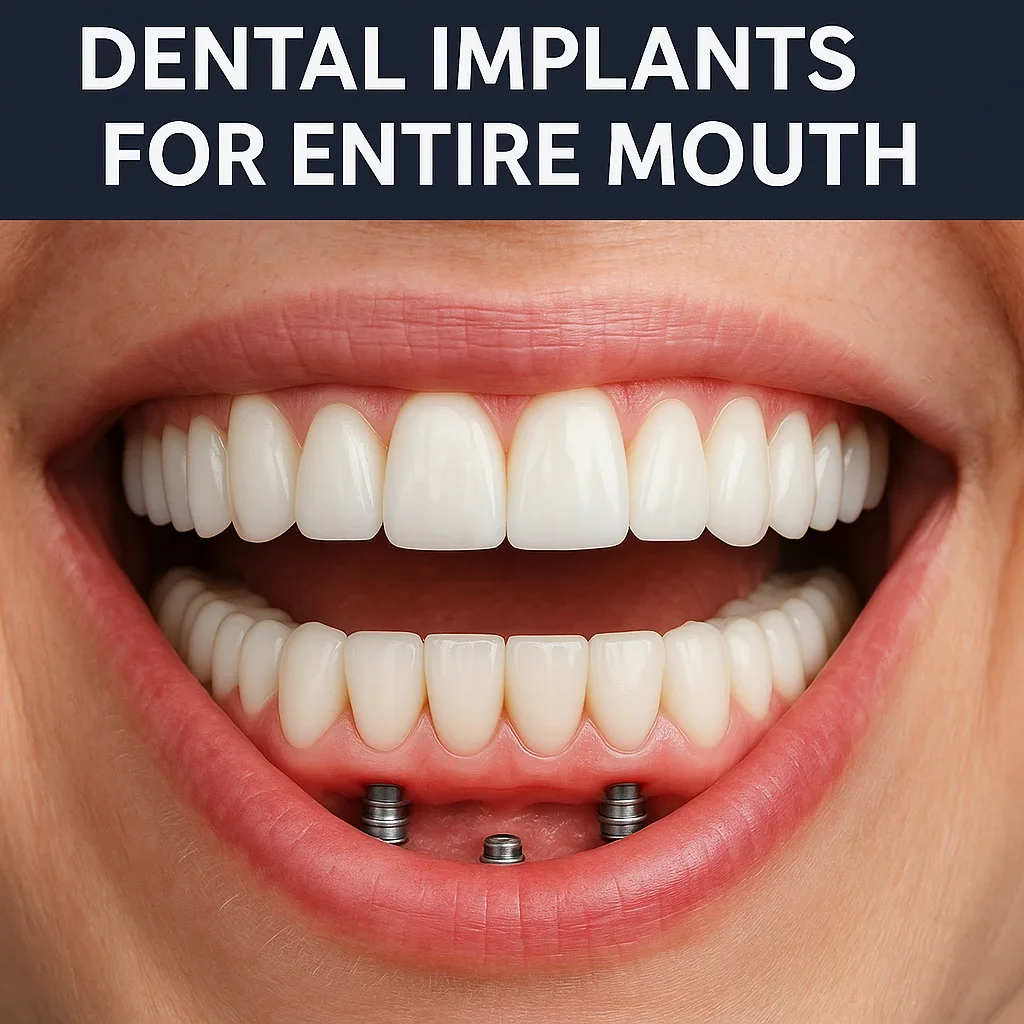
Choosing the Right Clinic for Dental Implants for Entire Mouth
Selecting the right dental clinic is the most critical decision when considering dental implants for entire mouth. The success, longevity, and natural look of your implants depend largely on the expertise of your dental team, the technology used, and the overall treatment environment. A well-equipped, experienced clinic can transform a complex procedure into a smooth, comfortable, and life-changing experience. This section provides a detailed guide on how to identify the best dental clinic for full mouth implants, what factors to evaluate, and how to ensure you receive the highest standard of care. 🦷✨
1. The Importance of Expertise and Experience
Full mouth implant treatment is one of the most advanced dental procedures available, requiring precision, skill, and artistry. Not all dentists are trained in implantology, so it’s essential to seek a clinic with certified oral surgeons or prosthodontists who specialize in dental implants for entire mouth.
Experienced implant specialists understand the nuances of bone density, nerve mapping, bite alignment, and aesthetic restoration. They also manage complex cases such as patients with bone loss or pre-existing dental conditions. Before choosing a clinic, check the credentials of the dental professionals — they should hold certifications from reputable institutions and have a proven track record of successful implant placements. 📜
Key Questions to Ask Your Dentist
- How many full mouth implant cases have you completed?
- Do you use 3D imaging and guided surgery for implant placement?
- Can you show before-and-after photos of previous patients?
- Which implant systems and materials do you use (e.g., titanium, zirconia)?
- What kind of warranty or aftercare support do you provide?
Choosing a skilled professional dramatically reduces risks such as implant failure, misalignment, or nerve injury, and ensures your smile looks natural and harmonious.
2. Advanced Technology and Digital Dentistry
The best clinics for dental implants for entire mouth use cutting-edge technology to plan and execute procedures with microscopic precision. These tools minimize errors, reduce healing time, and maximize comfort. Some of the most important technologies to look for include:
- 3D Cone Beam CT (CBCT) Scanning: Produces a detailed image of your jawbone and nerves, ensuring precise implant placement.
- Computer-Guided Surgery: Uses digital mapping to position implants in the ideal locations for maximum strength and aesthetics.
- Digital Smile Design (DSD): Allows you to preview your future smile before the procedure begins.
- Intraoral Scanners: Replace messy impressions with fast, accurate digital scans of your mouth.
Clinics equipped with this technology provide a more comfortable, predictable, and efficient implant experience. For example, advanced centers like Redent Klinik Contact Page integrate all these technologies under one roof to deliver precision-engineered results.
3. Quality of Materials and Implant Systems
The durability and success of dental implants for entire mouth depend heavily on the materials used. Reputable clinics use globally recognized implant brands such as Nobel Biocare, Straumann, or Astra Tech — systems known for high success rates and biocompatibility.
Types of Implant Materials
- Titanium Implants: The most common and time-tested option, offering strength and biocompatibility.
- Zirconia Implants: A metal-free, hypoallergenic alternative known for superior aesthetics and gum compatibility.
High-quality prosthetics — whether made of zirconia, porcelain, or hybrid acrylic — also play a key role in achieving a natural smile and long-term functionality. Avoid clinics that use generic or unbranded implants, as they may lack the research and quality assurance necessary for lasting success.
4. Comprehensive Treatment Planning
Another indicator of a top-tier clinic is a customized, step-by-step treatment plan. Dental implants for entire mouth are not one-size-fits-all. A personalized approach ensures that every aspect — from bone structure to facial symmetry — is considered for optimal results.
Steps in a Professional Treatment Plan
- Comprehensive consultation and 3D imaging analysis.
- Assessment of bone density and soft tissue condition.
- Digital mock-up of the final prosthetic design.
- Computer-guided surgery for accurate implant placement.
- Healing and osseointegration monitoring phase.
- Attachment of the final zirconia or porcelain prosthesis.
Clinics that provide full transparency during these stages demonstrate professionalism and reliability. Patients should also receive detailed pre- and post-surgery care instructions to ensure smooth recovery.
5. Hygiene Standards and Sterilization Protocols
Safety is non-negotiable when undergoing dental implants for entire mouth. The clinic should follow international hygiene protocols, use sterilized surgical tools, and maintain an aseptic operating environment. Check whether the facility adheres to standards set by recognized health authorities or organizations such as the American Dental Association.
Cleanliness extends beyond surgical rooms. Reception areas, dental chairs, and tools should all reflect a high standard of hygiene. A reputable clinic prioritizes patient safety above all else.
6. Patient Testimonials and Case Studies
Reading patient testimonials and viewing before-and-after photos provide valuable insight into a clinic’s quality of work. Reviews that highlight professionalism, comfort, and natural-looking outcomes are signs of a trusted provider. Video testimonials, if available, can also reveal real patient experiences with dental implants for entire mouth treatments.
Many top clinics publish their success rates and detailed case studies online, showcasing complex restorations and long-term results. This transparency helps patients make confident decisions based on proven performance.
7. Aftercare and Follow-Up Services
Full mouth implant treatment doesn’t end with the placement of prosthetics. Proper follow-up is essential for long-term success. Choose a clinic that provides regular checkups, professional cleanings, and ongoing maintenance advice. Reliable clinics schedule follow-ups at 1 month, 3 months, 6 months, and annually thereafter to monitor gum health and implant stability.
Additionally, the clinic should offer prompt assistance for any post-surgical concerns, such as minor discomfort or adjustments. Clinics like Redent Klinik Contact Page ensure continued care through dedicated aftercare programs designed to maintain optimal oral health and aesthetics.
8. Cost Transparency and Financing Options
Trustworthy clinics are transparent about the total cost of dental implants for entire mouth and provide detailed breakdowns before treatment begins. This includes all stages — consultation, surgery, prosthesis, anesthesia, and aftercare. Be cautious of clinics offering unrealistically low prices, as they may use inferior materials or lack proper expertise.
Many international clinics offer flexible payment plans or dental tourism packages that include accommodation and transportation. Always confirm that there are no hidden charges or additional fees before committing.
9. Global Standards and Accreditation
When choosing a clinic abroad, look for international accreditation from organizations like ISO, Joint Commission International (JCI), or local health authorities. Accredited clinics must meet strict safety, hygiene, and ethical standards, ensuring that patients receive world-class care. 🌍
10. Final Checklist: Finding the Perfect Clinic
Before making your final decision, use this quick checklist to ensure you’ve covered all essential points:
- ✅ Experienced implant specialists with a proven track record.
- ✅ Use of 3D imaging, guided surgery, and digital smile design.
- ✅ Transparent pricing and detailed treatment plans.
- ✅ High-quality materials and implant brands.
- ✅ Exceptional hygiene and sterilization standards.
- ✅ Positive patient reviews and visual case studies.
- ✅ Reliable aftercare and follow-up services.
Conclusion: Trust and Technology Lead to Lasting Smiles
The choice of where to receive dental implants for entire mouth treatment can determine not only your smile’s beauty but also your overall comfort, confidence, and long-term oral health. By prioritizing expertise, technology, and patient safety, you can ensure a successful and stress-free implant experience. Clinics that uphold international standards and transparency — like Redent Klinik Contact Page — offer the best foundation for achieving a radiant, functional, and lifelong smile.
Always remember to consult trusted authorities such as the American Dental Association for additional guidance and research-based information. With the right team, cutting-edge equipment, and personalized care, dental implants for entire mouth can truly redefine your confidence and restore your smile for decades to come. 🌟