
Getting a complete set of dental implants has become one of the most advanced and life-changing solutions for people who have lost most or all of their teeth. In 2025, this procedure is more efficient, comfortable, and natural-looking than ever before. If you are searching for a permanent replacement for missing teeth, this detailed guide will help you understand what a complete set of dental implants really means, how the procedure works, what results to expect, and why it’s considered the gold standard in full-mouth restoration. 😁
The term complete set of dental implants refers to a full-mouth implant system designed to replace all missing teeth in the upper, lower, or both jaws. Unlike removable dentures, which can shift or cause discomfort, a full dental implant set provides fixed, durable, and highly aesthetic teeth that look and function just like natural ones. This treatment can dramatically improve your ability to chew, speak, and smile with confidence — giving you back not only your oral health but also your self-esteem.
Understanding What a Complete Dental Implant Set Involves
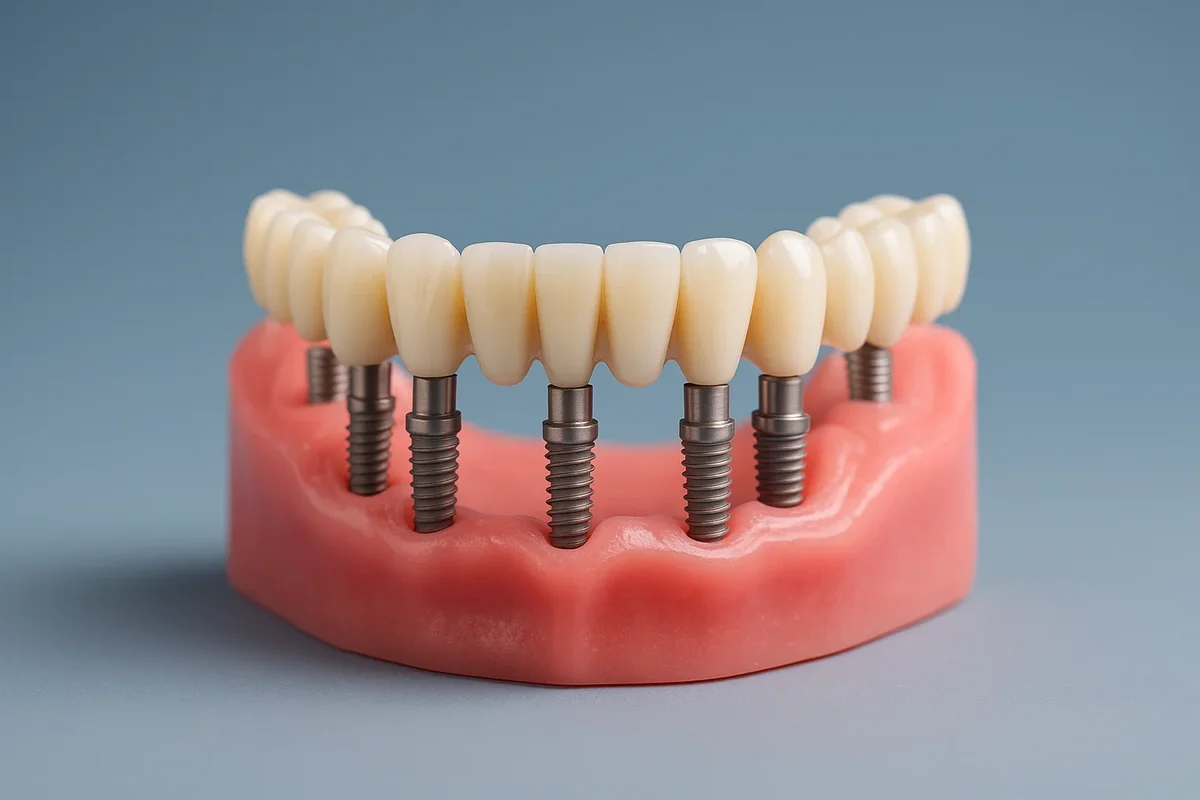
In a typical case, the process of getting a complete set of dental implants involves placing between four and eight titanium posts in each jawbone. These posts act as artificial roots and integrate with the bone through a process called osseointegration. Once healed, a fixed bridge or a custom-designed prosthesis is securely attached to these implants. The final result is a full arch of strong, natural-looking teeth that can last for decades with proper care.
There are different methods depending on your oral health, bone density, and desired outcome. The most common systems include the All-on-4 and All-on-6 dental implant techniques, where either four or six implants are used to support an entire arch of teeth. These methods are efficient, cost-effective, and provide immediate results — many patients walk out with a brand-new smile in just one day. 🌟
Why the Procedure Has Become So Popular
In recent years, the demand for a complete set of dental implants has surged because people are seeking long-term, maintenance-free alternatives to dentures. The comfort, stability, and natural look of implants make them the top choice for full-mouth restorations. Dentists worldwide agree that implants stimulate the jawbone, preventing bone loss and facial sagging — something that dentures cannot achieve. For patients who value aesthetics, function, and oral health, this procedure is a permanent solution worth the investment.
According to the American Dental Association, dental implants have a success rate of over 95%, and when maintained properly, they can last a lifetime. The materials used — primarily titanium and zirconia — are biocompatible, meaning they are safe and integrate naturally with the body’s tissues. Modern technology such as 3D imaging and guided surgery ensures precise placement, faster recovery, and minimal discomfort.
Benefits That Go Beyond Aesthetics
One of the greatest benefits of a complete set of dental implants is that they restore your ability to eat all types of foods without worry. Crunchy fruits, nuts, and even steak can be enjoyed again with full confidence. Implants also eliminate the common problems caused by dentures such as slipping, sore spots, or speech difficulties. Patients often report feeling like they’ve regained their natural teeth and even forget they have implants after a short adaptation period.
Additionally, the psychological and social benefits are undeniable. Smiling freely, laughing in public, and engaging in social activities become second nature again. This transformation can significantly improve mental health, self-image, and overall quality of life. 🦷💪
How Much Does a Complete Set of Dental Implants Cost?
The price of a complete set of dental implants can vary based on location, the dental clinic, and the chosen technique. As of 2025, the average cost for a full-mouth implant procedure in Turkey ranges from $6,000 to $10,000 per jaw, depending on the materials and complexity. Compared to prices in the United States (which can exceed $25,000 per arch), Turkey offers highly skilled professionals, advanced technology, and affordable care — making it a leading destination for dental tourism.
💰 Estimated Price Range (2025):
Complete Set of Dental Implants in Turkey: $6,000 – $10,000 (per jaw)
Complete Set of Dental Implants in the USA: $25,000 – $45,000 (per jaw)
Choosing the Right Dental Clinic
For optimal results, it’s essential to choose a reputable and experienced clinic specializing in full-mouth dental implant restoration. A qualified dental surgeon will perform a detailed examination, including panoramic X-rays or CBCT scans, to evaluate bone density and oral health. If you’re considering treatment abroad, you can contact Redent Klinik Contact Page for professional consultation and transparent pricing. They provide international patients with world-class service, modern facilities, and a personalized treatment plan.
Final Thoughts
In conclusion, getting a complete set of dental implants is a transformative decision that restores both functionality and confidence. It’s not merely about replacing teeth — it’s about regaining a better quality of life. With modern advances in implantology, faster recovery times, and increasing accessibility, 2025 marks the perfect time to invest in your smile. Whether you need an upper, lower, or full-mouth implant set, this solution stands as the most natural, durable, and aesthetically pleasing option available today.
If you’re ready to take the next step, schedule a consultation with a trusted dental specialist. A complete set of dental implants can help you smile again — beautifully, confidently, and for a lifetime. 🌍✨
What Is a Complete Set of Dental Implants and How Does It Work?
A complete set of dental implants is a modern, permanent solution for patients who have lost most or all of their natural teeth. Unlike removable dentures, which rest on the gums and can slip or cause discomfort, a complete dental implant set uses titanium or zirconia posts that are surgically anchored into the jawbone. These posts act as artificial tooth roots, securely holding a full arch of replacement teeth in place. 🦷
Each implant fuses with the bone through a biological process known as osseointegration. This fusion provides exceptional stability and strength, ensuring that the new teeth look, feel, and function like natural ones. Whether you are missing teeth in your upper or lower jaw, or both, this treatment can completely restore your bite, smile, and confidence. The goal of a complete set of dental implants is not just aesthetic—it’s about restoring full oral health and long-term functionality.
How a Complete Set of Dental Implants Differs from Traditional Dentures
Traditional dentures rest on the gums and rely on suction or adhesives to stay in place. While they can be cost-effective, they often lead to issues like slipping, sore spots, and difficulty eating certain foods. Over time, dentures can even accelerate bone loss in the jaw because they do not stimulate bone growth. By contrast, a complete set of dental implants is permanently fixed into the jawbone, acting like real tooth roots. This constant stimulation prevents bone deterioration and maintains facial structure, which keeps your face looking youthful and natural.
Another key difference is longevity. Dentures usually last about five to eight years before needing replacement, whereas dental implants can last a lifetime with proper care. This makes implants a more economical and practical choice in the long term, even though the initial cost might be higher.
The Core Components of a Complete Dental Implant System
When we talk about a complete set of dental implants, we are referring to an entire system consisting of several integrated parts:
- Implant posts: Titanium or zirconia screws surgically placed into the jawbone to serve as artificial roots.
- Abutments: Connectors that attach the implants to the final prosthesis.
- Prosthetic teeth: Custom-made bridges or full-arch dentures designed to match your facial aesthetics and bite alignment.
Each of these components works together to form a seamless, natural-looking restoration. The complete set of dental implants is precisely engineered for durability, aesthetics, and comfort, creating a bite that feels strong and secure.
Step-by-Step: How the Treatment Works
1. Consultation and 3D Imaging
The process begins with a thorough consultation and 3D imaging. A dental surgeon evaluates your oral health, bone density, and medical history to determine whether you are a good candidate. Using advanced digital scanning and CBCT (Cone Beam Computed Tomography), your dentist creates a precise map of your jaw structure. This technology allows for extremely accurate implant placement and helps minimize surgical risks.
2. Surgical Implant Placement
During the surgery, four to eight implants are strategically placed into the jawbone. This can be done under local anesthesia, sedation, or general anesthesia, depending on patient comfort and the complexity of the procedure. The implants are positioned to maximize stability and distribute bite pressure evenly.
3. Healing and Osseointegration Phase
After placement, the healing phase begins. Over the next 3–6 months, the implants bond with the jawbone through osseointegration. This process is crucial, as it ensures a solid foundation for your new teeth. Temporary teeth may be attached during this period, allowing patients to smile and function normally.
4. Final Restoration and Smile Design
Once healing is complete, a permanent prosthetic bridge or denture is attached to the implants. Dentists use digital smile design techniques to customize the color, shape, and alignment of each tooth, ensuring a natural and harmonious result. The completed complete set of dental implants provides full chewing function, comfort, and a lifelike appearance.
Advantages of the Full-Arch Implant Method
The full-arch method (commonly known as All-on-4 or All-on-6 implants) is one of the most efficient approaches to restoring a full mouth of teeth. This system allows a dentist to anchor a complete arch of teeth using only four to six implants. By using angled implants at the back of the jaw, it eliminates the need for bone grafting in many cases — saving time and cost for the patient.
Patients can often receive a temporary prosthesis on the same day as the surgery, meaning they walk out of the clinic with a full set of functional teeth. This immediate-loading concept is a breakthrough that has made the complete set of dental implants procedure far more convenient and accessible than before.
How Long Does the Procedure Take?
The timeline for a complete set of dental implants can vary, but most treatments are completed within three to six months. The initial surgery may take 2–4 hours per jaw, followed by the healing period for osseointegration. Afterward, the permanent prosthesis is placed. Patients traveling abroad for dental tourism—especially to Turkey—can benefit from streamlined treatment plans that minimize the number of visits while maintaining high-quality results.
Success Rates and Longevity
With proper care, a complete set of dental implants can last 25 years or longer. Clinical studies show a success rate exceeding 95%, especially when performed by experienced dental surgeons and supported by good oral hygiene habits. Routine check-ups and professional cleanings ensure the implants remain in optimal condition.
Aftercare and Maintenance
Just like natural teeth, implants require consistent care. Brushing twice a day, using interdental brushes, and scheduling professional cleanings every six months help maintain long-term success. Avoiding smoking and excessive alcohol also improves implant longevity. Your dentist may recommend using a soft-bristle brush and non-abrasive toothpaste to preserve the shine and integrity of the prosthetic teeth.
Final Thoughts: The Future of Implant Dentistry
The innovation behind the complete set of dental implants continues to evolve with the integration of digital dentistry, AI-assisted planning, and regenerative techniques. Modern materials like zirconia have enhanced the aesthetics and biocompatibility of implants, while computer-guided surgery ensures precision. As technology advances, more patients can access predictable, pain-free, and affordable implant solutions globally.
In summary, a complete set of dental implants offers unmatched stability, comfort, and longevity. It restores not just your teeth but your entire lifestyle. Whether you’ve struggled with dentures or have multiple missing teeth, this treatment stands as the most advanced and rewarding option available today. 🌟
Top Reasons to Choose a Complete Set of Dental Implants Over Dentures
When deciding between traditional dentures and a complete set of dental implants, understanding the long-term impact on your oral health, comfort, and confidence is crucial. Many patients initially choose dentures because they seem simple and affordable, but over time, they discover limitations such as slippage, discomfort, and bone loss. Dental implants, on the other hand, provide a permanent, secure, and natural-looking solution that truly restores both the function and beauty of your smile. 😁
1. Superior Stability and Functionality
One of the main reasons people choose a complete set of dental implants is the exceptional stability they provide. Dentures rely on suction and adhesives to stay in place, but implants are anchored directly into the jawbone through titanium posts. This integration creates an unshakeable foundation for your artificial teeth, allowing you to chew tough foods like apples, steak, and nuts with ease. 🍎🥩
The difference is dramatic — while dentures can shift or cause sore spots, implants remain firmly in place at all times. This improved stability also enhances speech clarity and eliminates the worry of dentures slipping during laughter or conversation. Patients often describe the sensation of implants as identical to natural teeth.
Bone Integration: The Key to Stability
Implants undergo a biological process called osseointegration, where the titanium posts fuse with the jawbone. This connection acts as an artificial root system that strengthens over time. The result? A complete set of dental implants that provides unmatched durability and chewing strength — something no removable denture can replicate.
2. Prevents Bone Loss and Facial Collapse
One of the most serious drawbacks of dentures is jawbone resorption — a gradual loss of bone density that occurs when there is no tooth root stimulation. When you chew with natural teeth, the roots stimulate the jawbone, keeping it healthy. Dentures cannot replicate this stimulation, leading to bone shrinkage and a sunken facial appearance over time.
A complete set of dental implants solves this problem by acting like natural roots. The implants continuously stimulate the bone whenever you eat or speak, preserving both bone mass and facial contours. This ensures your jawline remains strong and youthful-looking even decades after the procedure. 👏
3. Long-Term Cost Efficiency
While the upfront cost of a complete set of dental implants may be higher than dentures, the long-term savings are significant. Dentures often need replacement every 5–8 years, along with maintenance products like adhesives, cleaners, and relining services. Over 20 years, these recurring expenses can surpass the one-time investment in implants.
Implants, on the other hand, are designed to last a lifetime with proper care. They require no special adhesives or removals at night, making them a cost-effective and low-maintenance solution in the long run. 💰
4. Natural Look and Feel
The aesthetics of a complete set of dental implants are unmatched. Each prosthetic tooth is custom-designed to match your facial features, skin tone, and jaw alignment. Unlike dentures, which may appear bulky or artificial, implants mimic the translucency and natural light reflection of real enamel. The result is a radiant smile that feels authentic both in appearance and sensation.
Advanced materials like zirconia and ceramic crowns further enhance realism. These materials are stain-resistant and maintain their shine for decades, unlike dentures that can discolor over time. Whether you’re smiling, speaking, or eating, your implants move in perfect harmony with your facial muscles, providing a truly natural experience.
5. Unparalleled Comfort and Convenience
Traditional dentures often cause gum irritation, especially when food particles get trapped underneath. They can also slip out during speech or while eating, leading to embarrassing situations. With a complete set of dental implants, you can say goodbye to these inconveniences. Implants don’t press on the gums, don’t require adhesives, and don’t need to be removed for cleaning. They simply become a permanent part of your mouth.
Ease of Maintenance
Maintaining implants is as simple as maintaining natural teeth: brushing twice daily, flossing, and attending regular check-ups. This simplicity adds immense value to your oral hygiene routine, ensuring your complete set of dental implants remains clean, strong, and healthy for years to come.
6. Boost in Confidence and Self-Esteem
People who switch from dentures to a complete set of dental implants often report a tremendous improvement in confidence. With implants, you can smile, eat, and laugh freely without fear of your teeth slipping or clicking. This psychological comfort significantly improves quality of life and social interactions. 😃
Beyond the physical transformation, implants also restore a sense of normalcy. You no longer need to remove your teeth at night or hide your smile in photos. For many, this freedom represents an emotional renewal — one that profoundly enhances mental well-being and self-assurance.
7. Enhanced Taste and Oral Sensation
Traditional dentures cover a portion of the palate, blocking taste buds and reducing the sensation of food textures. In contrast, a complete set of dental implants leaves the palate uncovered, allowing you to fully enjoy the taste and texture of every meal. Eating becomes a pleasure again, not a challenge. 🍽️
This benefit often goes overlooked but is one of the most appreciated aspects of implant treatment, particularly for food lovers. Implants restore the sensory experience of eating — something dentures can never truly replicate.
8. Durability and Longevity
Dental implants are designed to last for decades. Titanium and zirconia are both biocompatible materials that resist corrosion and wear. With proper maintenance, studies have shown that more than 90% of implants last over 25 years without failure. This makes a complete set of dental implants a lifelong investment in oral health.
Clinical Success Rates
According to global dental studies and data from the American Dental Association, full-mouth dental implant success rates exceed 95%. The key to this success lies in precision diagnostics, patient-specific planning, and modern surgical techniques such as guided implant placement. These advancements ensure predictable, stable, and long-lasting outcomes for patients worldwide.
9. Better Overall Oral Health
Unlike bridges or partial dentures, which require grinding down adjacent teeth for support, implants leave surrounding teeth untouched. This preserves the integrity of your entire dental structure. A complete set of dental implants acts independently, promoting better long-term oral health and reducing the risk of gum disease and jawbone deterioration.
Final Thoughts: Why Implants Win Every Time
When comparing dentures and implants, the choice is clear. A complete set of dental implants offers unmatched comfort, beauty, and function. They eliminate the frustrations of removable dentures and restore your confidence in every aspect of life. Whether you are seeking better chewing efficiency, bone preservation, or a naturally radiant smile, implants are the definitive solution. 🌟
If you’re considering transforming your smile, you can contact Redent Klinik Contact Page for expert consultation and personalized treatment planning. Their specialists can help you experience the long-term advantages of a complete set of dental implants and rediscover the joy of a permanent, beautiful smile.
The Step-by-Step Process of Getting a Full Dental Implant Set
Undergoing a complete set of dental implants is one of the most transformative dental procedures available today. However, it’s also a multi-stage process that requires careful planning, precision surgery, and dedicated aftercare. Understanding each step of the journey helps patients feel confident and prepared for what’s ahead. From your first consultation to the final smile reveal, every stage is meticulously designed to ensure optimal function, aesthetics, and long-term success. 🦷✨
1. Comprehensive Consultation and Examination
The journey toward a complete set of dental implants begins with a comprehensive dental examination. During this first stage, your implant specialist will assess your oral health, jawbone density, gum condition, and medical history. Advanced diagnostic tools such as 3D cone beam computed tomography (CBCT) scans and digital X-rays are used to create a precise model of your mouth.
This digital model helps your dentist determine the optimal placement for each implant and identify potential challenges like bone loss or sinus proximity. Patients with insufficient bone may need bone grafting or sinus lift surgery before implants can be placed. The ultimate goal is to establish a strong, stable foundation for your complete set of dental implants.
Customized Treatment Planning
After the assessment, the dentist creates a personalized treatment plan. This plan outlines the number of implants required (usually 4–8 per jaw), the type of implant system (such as All-on-4 or All-on-6), the healing timeline, and the type of prosthesis that will be attached. Every step is explained in detail so the patient knows exactly what to expect.
2. Pre-Surgical Preparation
Before surgery, patients are given pre-operative instructions to ensure a smooth procedure. These may include dietary restrictions, medication adjustments, and oral hygiene routines. For those with anxiety or dental phobia, sedation options are available — from local anesthesia to conscious sedation or general anesthesia. This ensures a relaxed and pain-free experience during the placement of your complete set of dental implants.
Temporary Restorations and Impressions
In some cases, temporary dentures or mock-ups are designed before surgery to maintain aesthetics during the healing process. Impressions are taken to fabricate these provisional teeth, which will later be replaced by the final prosthesis once the implants have healed and stabilized.
3. Surgical Placement of the Implants
The surgical stage is where the foundation of your new smile is built. Using a computer-guided implant placement system, your dentist inserts the titanium posts into predetermined positions in the jawbone. Each post acts as an artificial root that will anchor the future teeth. The number of implants varies depending on your treatment plan — typically four implants for the All-on-4 method or six for the All-on-6 technique.
The precision of this step is crucial. Modern techniques use digital surgical guides to ensure perfect angulation and depth, minimizing trauma and accelerating recovery. Once placed, the gums are sutured, and temporary teeth may be attached immediately (a process known as immediate loading), allowing you to leave the clinic with a brand-new functional smile on the same day. 🌟
Healing and Osseointegration
Over the next few months, the implants fuse with the bone in a process known as osseointegration. This biological bond creates an incredibly stable foundation for your final restoration. During this period, you may be asked to follow a soft-food diet and maintain impeccable oral hygiene to promote healing.
For most patients, osseointegration takes about 3–6 months. Regular check-ups are scheduled to monitor progress and ensure that the complete set of dental implants is integrating successfully.
4. Abutment Placement
Once the implants have fully integrated with the bone, the next step is to attach abutments — small metal connectors that link the implant posts to the final prosthesis. This minor procedure involves reopening the gum tissue and securing each abutment in place. Afterward, impressions are taken once again to create a perfectly fitted dental bridge or full-arch prosthesis.
Temporary Prosthesis Adjustment
During this stage, temporary teeth may be refined for better comfort and aesthetics. These provisional restorations help the patient adapt to chewing and speaking normally before the permanent bridge is ready.
5. Fabrication of the Final Prosthesis
The final prosthesis, often made from high-quality materials like zirconia or porcelain fused to titanium, is custom-designed to replicate natural teeth. Dental technicians use advanced CAD/CAM technology to achieve ideal alignment, color, and shape. Every detail — from gum line curvature to tooth translucency — is meticulously crafted to ensure your complete set of dental implants looks entirely natural.
Before final placement, the dentist checks bite alignment, comfort, and aesthetics. Adjustments are made until the smile feels completely natural and balanced. Once satisfied, the prosthesis is permanently attached to the implants using screws or dental cement.
6. Post-Operative Care and Recovery
After the final attachment, your dentist provides detailed instructions for post-operative care. Proper oral hygiene is critical during this phase. Patients should brush twice daily using a soft-bristle brush, floss with implant-safe tools, and rinse with an antibacterial mouthwash. Follow-up appointments are scheduled to evaluate the healing of gums, stability of implants, and overall comfort.
Diet and Healing Recommendations
In the initial weeks, a soft diet consisting of soups, smoothies, and mashed foods is advised. Avoid hard or sticky foods that can strain the new implants. Gradually, as healing completes, patients can return to a normal diet — enjoying everything from crunchy vegetables to tender meats.
7. Long-Term Maintenance and Follow-Up
With proper care, a complete set of dental implants can last decades or even a lifetime. Maintenance involves regular dental check-ups, professional cleanings every six months, and daily oral hygiene. Avoiding smoking and maintaining a balanced diet can also enhance the long-term success of your implants. 🪥
Many clinics offer implant maintenance packages to ensure ongoing health monitoring. This includes checking the implant’s stability, the condition of the prosthesis, and early detection of any potential gum inflammation (peri-implantitis).
8. What to Expect from the Final Results
Once fully completed, your complete set of dental implants will provide an incredibly natural appearance and function. You’ll be able to chew comfortably, speak clearly, and smile with full confidence. Unlike dentures, your new teeth will never shift, slip, or require removal at night. They truly feel like your own.
The transformation extends beyond aesthetics — patients often report a dramatic improvement in quality of life. From enjoying social meals without embarrassment to laughing freely in public, dental implants restore not just your smile but your overall well-being. 🌍
9. Summary: A Life-Changing Process
The entire journey toward a complete set of dental implants is a well-structured and scientifically advanced process. Each stage plays a vital role in ensuring a safe, long-lasting, and aesthetically perfect outcome. From precise diagnostics to final restoration, every detail is customized for your comfort and confidence. When performed by an experienced implant specialist, this procedure can truly transform your oral health and your life.
If you’re ready to take the first step, you can reach out to Redent Klinik Contact Page for a personalized consultation. Their expert team specializes in full-mouth implant restorations and offers modern, patient-centered care that ensures the highest success rates. For more scientific resources on implant standards, you can also visit the American Dental Association.
In the end, investing in a complete set of dental implants means investing in your confidence, health, and happiness — a decision that pays lifelong dividends in both comfort and beauty. 💎
Who Is the Ideal Candidate for a Complete Dental Implant Set?
Getting a complete set of dental implants is one of the most effective ways to restore a full, healthy smile — but it’s not suitable for everyone. The success of the treatment depends on a combination of medical, dental, and lifestyle factors. Understanding who qualifies as the ideal candidate helps ensure optimal healing, stability, and long-term success. In this detailed section, we’ll explore the specific conditions, requirements, and evaluations dentists consider before approving patients for full-mouth dental implants. 🦷✨
1. General Health Requirements
Before moving forward with a complete set of dental implants, your overall health must be stable enough to support surgery and healing. Implant procedures involve both soft tissue and bone recovery, so your body’s ability to heal efficiently is critical. Healthy patients typically recover quickly and integrate implants successfully, while certain medical conditions may require special precautions or treatment modifications.
Ideal Health Conditions
- Non-smokers: Smoking significantly reduces blood flow and oxygen levels in tissues, impairing bone healing and increasing the risk of implant failure. Non-smokers or those who quit before surgery have a much higher success rate.
- Controlled medical conditions: Patients with conditions like diabetes, hypertension, or cardiovascular disease can still qualify for a complete set of dental implants as long as their health is well-managed.
- Good immune response: A strong immune system helps fight infections and promotes faster recovery following implant placement.
Your dentist will likely collaborate with your physician if you have any chronic health concerns to ensure you can safely undergo dental implant surgery. A comprehensive medical evaluation ensures that no underlying issues compromise healing.
2. Oral Health and Bone Structure
A healthy oral environment is fundamental for the success of a complete set of dental implants. This means having healthy gums, sufficient bone density, and no active infections. The implants need strong bone support to anchor securely and provide long-term stability.
Key Oral Health Indicators
- Healthy gums: Gums should be free from periodontal disease, which can cause inflammation and implant rejection.
- Adequate bone density: Patients with sufficient jawbone structure can support implants directly. Those with bone loss may require a bone graft or sinus lift before implant placement.
- No untreated cavities or infections: Any existing decay or infection must be resolved prior to implant surgery to prevent complications.
If a patient’s jawbone has deteriorated due to long-term tooth loss, a bone grafting procedure may be recommended. This adds volume and strength to the bone, creating the proper foundation for a complete set of dental implants. Advanced 3D imaging technologies allow dentists to measure bone density precisely and plan accordingly.
3. Patients Who Have Lost Most or All Teeth
The primary candidates for a complete set of dental implants are individuals who have lost most or all of their natural teeth in one or both jaws. This often includes patients who have worn dentures for years and are seeking a more stable, permanent alternative. Whether tooth loss resulted from decay, trauma, or gum disease, implants can restore full functionality and aesthetics.
Many of these patients experience problems with traditional dentures — such as discomfort, instability, or difficulty eating — and seek a more secure, natural solution. A complete set of dental implants eliminates these challenges and restores normal chewing, speaking, and smiling abilities.
4. Age Considerations
There is no strict upper age limit for dental implants. Many patients in their 60s, 70s, and even 80s successfully receive a complete set of dental implants. The determining factor is not age but health. As long as the patient’s gums and jawbone are in good condition, implant surgery is a viable and safe option.
Minimum Age Requirement
For younger individuals, the key requirement is that jawbone growth must be complete — usually by age 18 for females and 20 for males. Performing implants before bone maturation can lead to misalignment as the jaw continues to grow.
5. Psychological Readiness and Commitment
Implant treatment is a multi-stage process that requires patience, discipline, and commitment. Candidates for a complete set of dental implants should understand that it involves multiple appointments, healing periods, and strict oral hygiene. Patients who are motivated and follow aftercare instructions are far more likely to achieve lasting success.
Since the process can take several months, emotional readiness also plays a role. Patients must be willing to commit to follow-up visits and maintain good communication with their dental team throughout the treatment timeline.
6. Habits and Lifestyle Factors
Certain habits can significantly affect the outcome of dental implant surgery. Smoking, excessive alcohol consumption, and poor oral hygiene are the top risk factors for implant complications. These behaviors slow healing and increase the risk of peri-implantitis (inflammation around the implants). For best results, your dentist may require you to quit smoking before and after surgery.
Patients who follow a balanced diet, stay hydrated, and maintain consistent dental care routines are excellent candidates for a complete set of dental implants. Regular exercise and healthy nutrition also contribute to better healing outcomes. 🥗💪
7. Special Considerations for Complex Cases
Even patients with challenging oral conditions can often receive implants thanks to modern advancements in implantology. For example, those with bone resorption can benefit from zygomatic implants, which anchor into the cheekbone instead of the jawbone. Patients with systemic diseases like osteoporosis or diabetes can still be treated successfully with proper planning and close medical supervision.
Digital and 3D Surgical Planning
Cutting-edge technologies like digital smile design and 3D guided surgery have expanded the eligibility for full-mouth restorations. With computer-assisted planning, dental surgeons can safely place a complete set of dental implants even in patients with reduced bone volume or complex anatomy.
8. Patients Seeking a Permanent Solution
Ideal candidates are those who desire a permanent, hassle-free alternative to dentures. They want to chew, smile, and speak confidently without fear of movement or discomfort. The complete set of dental implants provides exactly that — a lifelong solution that looks and feels completely natural.
Patients who frequently travel or have busy lifestyles particularly appreciate the convenience of implants, as they require no nightly removal or adhesive maintenance. Once placed, they become a natural part of the mouth and require only standard oral care.
9. Evaluation by an Implant Specialist
Ultimately, the best way to determine candidacy for a complete set of dental implants is through professional evaluation by an experienced implantologist. This assessment includes a clinical exam, imaging scans, and sometimes lab tests to confirm health readiness. A qualified specialist can then recommend the best treatment approach — whether All-on-4, All-on-6, or another custom plan.
For personalized consultation and detailed eligibility evaluation, you can visit the Redent Klinik Contact Page. Their expert team specializes in full-mouth implant restorations and uses the latest digital technologies for precision planning. For scientific standards on implant safety, refer to the American Dental Association.
10. Final Thoughts
The ideal candidate for a complete set of dental implants is someone in good general and oral health, committed to long-term maintenance, and seeking a permanent replacement for missing teeth. Thanks to modern innovations in dental surgery, even patients once deemed unsuitable can now enjoy the life-changing benefits of implants. With expert care and proper preparation, you can achieve a radiant, functional smile that lasts a lifetime. 🌟
Types of Complete Dental Implant Systems: All-on-4, All-on-6, and Beyond
The field of implant dentistry offers several advanced systems for those seeking a complete set of dental implants. Each system—such as All-on-4, All-on-6, or Full-Arch Implants—is designed to restore full-mouth function, aesthetics, and stability while accommodating different patient needs. Understanding these systems helps patients make informed decisions about which method best suits their oral health, bone density, and aesthetic goals. This comprehensive guide breaks down the main types of full-mouth dental implant systems and what makes each unique. 🦷
1. The All-on-4 Dental Implant System
The All-on-4 system is one of the most revolutionary techniques in modern dentistry. As the name suggests, this method uses just four strategically placed implants to support a full arch of replacement teeth. It’s a highly efficient approach for patients who have lost most or all of their teeth and want a fast, permanent restoration. The system’s success lies in the careful positioning of two vertical implants at the front and two angled implants at the back of the jaw to maximize bone contact and stability.
Key Advantages of All-on-4
- Immediate functionality: Patients often leave the clinic with a temporary but fully functional set of teeth on the same day of surgery.
- No bone grafting required: The angled posterior implants allow for maximum bone support, even in cases with reduced bone volume.
- Cost-effective: Since it requires fewer implants, the All-on-4 system is more affordable than full-mouth procedures using 6–8 implants per arch.
For many patients, the All-on-4 system offers a life-changing transformation in just one appointment. It provides the foundation for a natural-looking, permanent smile while keeping costs manageable.
2. The All-on-6 Dental Implant System
The All-on-6 dental implant system takes the same concept as All-on-4 but adds two more implants for extra stability and load distribution. It’s often chosen for patients who have stronger bone density or desire added support for their complete set of dental implants. With six implants placed strategically across the jaw, this technique provides an even greater foundation for chewing, speaking, and smiling confidently.
When to Choose All-on-6
- Enhanced strength and durability: More implants mean more even pressure distribution and less strain on each post.
- Ideal for upper jaw restorations: The upper jawbone is naturally softer, so six implants offer superior stability compared to four.
- Long-term reliability: All-on-6 systems typically show higher resistance to wear and tear over decades of use.
Patients who choose the All-on-6 system often do so for its robust performance and longevity. It’s especially beneficial for those seeking a highly secure and natural-feeling complete set of dental implants with full bite strength and long-lasting comfort.
3. The All-on-8 Dental Implant System
In some cases, dental specialists recommend the All-on-8 method for maximum stability and bite force. This approach uses eight implants per jaw to anchor the full arch of teeth. While it’s more invasive and expensive than the All-on-4 or All-on-6, it delivers unparalleled strength and is ideal for patients with excellent bone structure who want the absolute best in implant performance.
Benefits of All-on-8
- Exceptional chewing efficiency and comfort.
- Ideal load distribution for larger jaw structures.
- Long-term solution for those with strong, dense bone tissue.
The All-on-8 system is often used for patients who want to replicate the strength and precision of natural teeth as closely as possible. It’s the closest full-mouth implant option to having a complete natural dentition restored.
4. Zygomatic Implant System
For patients with severe bone loss in the upper jaw, zygomatic implants are an excellent alternative. Instead of being placed in the jawbone, these longer implants anchor directly into the cheekbone (zygoma), which offers exceptional density and stability. This technique allows patients who were previously ineligible for implants to still receive a complete set of dental implants without the need for bone grafting.
Advantages of Zygomatic Implants
- No bone graft required: Avoids months of healing time associated with grafts.
- Immediate loading possible: Many patients can receive provisional teeth the same day.
- Ideal for advanced bone loss cases: Expands eligibility for full-mouth reconstruction.
This technique requires a skilled surgeon but yields outstanding outcomes for patients who previously had limited treatment options. With zygomatic implants, even individuals with extreme bone resorption can enjoy the benefits of a complete set of dental implants.
5. Full-Arch Hybrid Prosthesis
The hybrid prosthesis system is another innovative solution for patients seeking a complete set of dental implants. This design combines the strength of dental implants with the aesthetics of a fixed denture. The prosthetic teeth are attached to a titanium or zirconia framework that is permanently secured to the implants. It’s a lightweight, durable, and visually appealing option that closely resembles natural teeth.
Customization and Design
Each hybrid prosthesis is custom-made to match the patient’s facial features, gum line, and bite pattern. Modern digital design tools allow dentists to fine-tune the aesthetics down to the smallest details, ensuring a smile that feels completely authentic. The result is a full-mouth restoration that blends seamlessly with your natural appearance.
6. Comparing the Systems: Which Is Best for You?
Choosing between All-on-4, All-on-6, and other systems depends on several key factors, including bone volume, aesthetic expectations, and budget. While the All-on-4 is efficient and affordable, the All-on-6 offers extra security, and the All-on-8 provides maximum stability. Patients with bone loss can consider zygomatic implants as a life-changing alternative.
| System Type | Implants Per Jaw | Ideal Candidate | Main Advantage |
|---|---|---|---|
| All-on-4 | 4 | Patients with limited bone density | Affordable and fast recovery |
| All-on-6 | 6 | Patients with moderate bone density | Extra support and longevity |
| All-on-8 | 8 | Patients with excellent bone health | Maximum stability and bite strength |
| Zygomatic Implants | 4–6 | Patients with severe bone loss | No bone graft needed |
7. Materials Used in Dental Implant Systems
The success of any complete set of dental implants also depends on the materials used. The most common are titanium and zirconia, both known for their durability and biocompatibility. Titanium implants have been used for decades and are highly resistant to corrosion, while zirconia provides a metal-free, aesthetic alternative ideal for patients with metal sensitivities.
Prosthetic Materials
The crowns and bridges attached to implants are typically made of porcelain, zirconia, or composite resins. Porcelain and zirconia offer the best combination of strength and natural appearance, closely mimicking the translucency of real enamel. These materials ensure your new smile is not only functional but visually stunning.
8. Innovations in Full-Arch Implantology
Modern technology has transformed how complete set of dental implants are designed and placed. 3D scanning, digital smile design, and AI-assisted surgical planning allow for unparalleled precision. Guided surgery reduces recovery time and minimizes complications. Moreover, same-day implant procedures (immediate loading) have made it possible for patients to receive new teeth in just one visit.
9. Long-Term Outlook and Maintenance
Regardless of which system you choose, success ultimately depends on maintenance. Proper oral hygiene, regular dental check-ups, and professional cleanings ensure your complete set of dental implants remains healthy for decades. Most systems have a 95–98% success rate when properly maintained, making them one of the most reliable solutions in restorative dentistry.
10. Final Thoughts
Each full-mouth implant system offers unique advantages tailored to different patient profiles. Whether it’s the efficiency of All-on-4, the reinforced strength of All-on-6, or the advanced zygomatic method, every approach leads to a functional, beautiful, and confident smile. To determine the most suitable treatment for your case, you can schedule a consultation via the Redent Klinik Contact Page. For global implant standards and research, refer to the American Dental Association.
With a professional evaluation and modern technology, your journey toward a complete set of dental implants can be smooth, predictable, and life-changing — giving you a smile that truly lasts a lifetime. 🌟
Average Cost of a Complete Set of Dental Implants in 2025 💰
The complete set of dental implants cost in 2025 varies significantly depending on several factors, including the clinic’s location, the implant brand, materials used, and the complexity of the patient’s case. While this treatment is considered an investment in long-term oral health, it’s important to understand how pricing is determined and what options are available worldwide. This section provides an in-depth breakdown of costs, financing opportunities, and factors that affect pricing — helping patients make informed, budget-conscious decisions without compromising quality. 💎
1. Understanding What’s Included in the Price
A complete set of dental implants typically includes all the components required to restore full-mouth functionality. This means the implants (titanium or zirconia posts), abutments (connectors), the final prosthesis (the visible teeth), and surgical fees. However, additional procedures such as bone grafting or sinus lifts may increase the total cost.
Basic Inclusions
- Initial consultation and diagnostic imaging (X-rays, CBCT scans)
- Surgical placement of implants (4–8 per jaw)
- Temporary teeth (used during healing)
- Final fixed prosthesis (zirconia or porcelain bridge)
- Post-operative care and follow-up appointments
High-quality clinics also include computer-guided surgery and digital smile design in their packages, ensuring a customized and precise treatment outcome. When comparing prices, it’s crucial to confirm whether these services are part of the quoted amount, as hidden costs can significantly affect the total expense.
2. Global Price Comparison for 2025
The cost of a complete set of dental implants varies by country due to differences in labor, materials, and healthcare standards. Below is a general overview of 2025 average prices:
| Country | Average Cost per Jaw | Full-Mouth Cost (Both Jaws) | Notes |
|---|---|---|---|
| United States 🇺🇸 | $25,000 – $45,000 | $50,000 – $90,000 | Highest quality but expensive; insurance rarely covers implants. |
| United Kingdom 🇬🇧 | £18,000 – £30,000 | £35,000 – £60,000 | High expertise, but long waiting times and high costs. |
| Germany 🇩🇪 | €15,000 – €25,000 | €30,000 – €50,000 | Excellent medical infrastructure and materials. |
| Turkey 🇹🇷 | $6,000 – $10,000 | $12,000 – $20,000 | Top-quality implants and experienced surgeons at affordable prices. |
| India 🇮🇳 | $5,000 – $8,000 | $10,000 – $15,000 | Budget-friendly with growing dental tourism. |
As shown, Turkey remains one of the most cost-effective destinations for high-quality full-mouth restorations. Clinics such as Redent Klinik in Antalya and Istanbul offer premium implants, world-class sterilization standards, and internationally accredited specialists — often at a fraction of the price compared to Western Europe or the U.S.
3. Factors Influencing Implant Costs
Several key elements determine the final price of a complete set of dental implants:
a) Type of Implant System
Systems like All-on-4 or All-on-6 differ in cost. All-on-4 requires fewer implants and less surgical time, making it more affordable, while All-on-6 or All-on-8 systems use additional implants for greater stability and higher price points.
b) Material Quality
Titanium implants are durable and cost-effective, while zirconia implants (metal-free) are more expensive but preferred for their aesthetic appearance and biocompatibility. The prosthetic material — porcelain, zirconia, or composite resin — also affects total cost.
c) Surgeon Expertise
Implantology is a highly specialized field. Experienced surgeons using advanced technology may charge more, but their precision significantly increases the success rate and reduces complications. Choosing an accredited clinic ensures your complete set of dental implants lasts for decades.
d) Additional Procedures
If bone grafting, sinus lift, or tooth extractions are necessary, these add-on treatments increase the total expense. However, they are vital for ensuring sufficient bone support and implant longevity.
4. Cost Breakdown Example
Here’s an example of a typical cost distribution for a complete set of dental implants in Turkey (approximate figures for 2025):
Consultation & Diagnostics: $200 – $400
Implant Surgery (4–6 Implants): $3,000 – $4,500
Temporary Prosthesis: $800 – $1,200
Final Zirconia Bridge: $2,500 – $3,500
Aftercare & Follow-ups: $500 – $800
Total: $7,000 – $10,000 per jaw
This example shows how Turkey combines affordability with exceptional quality. The total package includes advanced imaging, anesthesia, surgery, and customized restorations — all performed in state-of-the-art facilities with international standards.
5. Financing and Payment Options
Many dental clinics now offer flexible payment plans for patients seeking a complete set of dental implants. Options may include monthly installments, third-party financing companies, or credit-based healthcare programs. In some countries, insurance may partially cover diagnostics or preparatory procedures, though full implant coverage remains rare.
Common Financing Solutions
- 0% interest payment plans (6–24 months)
- Medical credit cards for dental procedures
- International patient discounts for dental tourism
- Corporate insurance partnerships (in select regions)
Some patients choose to travel abroad because even with flight and accommodation costs, they still save 50–70% compared to local prices. Dental tourism in destinations like Turkey or Hungary also includes concierge services and post-operative monitoring for international clients.
6. Long-Term Value vs. Short-Term Cost
While dentures and bridges may seem cheaper upfront, their long-term maintenance costs can easily exceed the one-time expense of implants. A complete set of dental implants offers permanent functionality, preventing bone loss and avoiding future dental repairs. With proper care, implants last 25 years or more — making them the most cost-effective solution in the long run.
Moreover, implants preserve facial structure, confidence, and overall health — benefits that go far beyond the initial price tag. 🌟
7. Hidden Costs to Watch Out For
Some clinics advertise low prices that exclude essential items like anesthesia, temporary teeth, or aftercare. Always request a detailed, written quotation before committing to treatment. Transparent clinics such as Redent Klinik provide all-inclusive pricing, ensuring no unpleasant surprises later on.
8. How to Evaluate the Price-Quality Ratio
When comparing quotes for a complete set of dental implants, don’t focus solely on the lowest price. Evaluate:
- The qualifications of the implantologist and team.
- The technology used (3D imaging, digital design).
- The implant brand and warranty (e.g., Straumann, Nobel Biocare, Medentika).
- Success rate and patient testimonials.
Choosing a clinic with a proven track record ensures not only beautiful results but also a lifetime of reliability. The American Dental Association recommends working only with certified professionals who adhere to international sterilization and quality standards.
9. Final Thoughts: Balancing Quality and Affordability
In summary, the cost of a complete set of dental implants in 2025 depends on several individual and regional factors. While prices vary worldwide, countries like Turkey continue to offer exceptional value — combining advanced surgical expertise with affordability. Investing in implants means investing in your comfort, health, and confidence for life.
If you’re ready to explore your personalized options or receive a detailed cost estimate, you can reach out through the Redent Klinik Contact Page. Their international patient coordinators can provide transparent quotes and guide you through every step of your implant journey.
Remember — the cheapest option isn’t always the best. A professionally placed complete set of dental implants delivers decades of function, beauty, and peace of mind, making it one of the wisest long-term investments in dental care. 💖
Recovery Timeline and Aftercare Tips for Full-Mouth Implants
Recovering from a complete set of dental implants is a process that requires time, patience, and consistent care. While modern implant techniques have made recovery faster and less invasive than ever before, understanding the timeline and aftercare protocols ensures successful healing and long-term stability. This section provides a comprehensive overview of what to expect during each stage of recovery, how to manage post-surgical symptoms, and practical tips to maintain your new smile for decades. 🦷💪
1. The Immediate Post-Surgery Phase (First 48 Hours)
Right after the placement of a complete set of dental implants, it’s normal to experience mild discomfort, swelling, and tenderness in the gums and jaw area. These symptoms usually peak within the first 24–48 hours and begin to subside thereafter. Your dental team will prescribe painkillers and antibiotics to help minimize discomfort and prevent infection.
Key Aftercare Recommendations:
- Apply cold compresses: Ice packs on the cheeks (15 minutes on/off) can help reduce swelling.
- Avoid touching or rinsing the area: Let the surgical sites clot and heal naturally without disruption.
- Stick to soft foods: Soups, smoothies, yogurt, and mashed potatoes are gentle and nutritious choices.
- Sleep with your head elevated: This reduces swelling and speeds recovery.
During this early stage, maintaining good oral hygiene without disturbing the surgical site is crucial. Rinsing gently with a saltwater solution or a prescribed mouthwash (chlorhexidine) helps keep bacteria at bay while the tissue begins to heal.
2. The Early Healing Phase (Week 1–2)
In the first one to two weeks following the procedure, your gums will start to heal over the implant posts. Most patients notice a significant reduction in swelling, and stitches (if used) may dissolve or be removed. You can gradually return to your regular diet, avoiding crunchy or sticky foods that could irritate the gums or disrupt the implant site.
Oral Care Routine:
- Brush gently with a soft-bristle toothbrush twice daily.
- Avoid using electric brushes for at least two weeks.
- Rinse with antibacterial mouthwash once daily.
- Stay hydrated to promote faster tissue regeneration.
Your dentist may also schedule a follow-up appointment during this phase to assess healing and confirm that the implants are integrating properly. This step is critical to ensure the long-term success of your complete set of dental implants.
3. Osseointegration Phase (Months 2–6)
This is the most vital part of the recovery journey. During osseointegration, the implant posts fuse naturally with your jawbone, creating a strong and permanent foundation for your new teeth. Depending on your bone density, general health, and the implant system used, this phase can take anywhere from 8 weeks to 6 months.
What to Expect:
- Minimal discomfort: Pain should be almost nonexistent after the first few weeks.
- Gradual restoration of chewing strength: You may begin eating semi-solid foods comfortably.
- Regular check-ups: X-rays help monitor bone integration progress.
During osseointegration, patience is essential. Although the healing process occurs beneath the surface, it’s critical to avoid excessive pressure on the implants until your dentist confirms complete bone fusion. This ensures your complete set of dental implants remains securely anchored and stable for decades.
4. Temporary Teeth and Adjustments
Many patients receive temporary teeth while waiting for the final prosthesis. These temporary crowns or bridges allow you to smile and eat normally, though softer foods are still recommended. They also help maintain the shape of your gums and bone structure during healing.
Your dentist will perform minor adjustments as your gums settle. Any discomfort or uneven bite sensations should be reported immediately to prevent implant strain. This transitional phase is key to ensuring your permanent restorations fit perfectly once osseointegration is complete.
5. Placement of the Final Prosthesis
Once healing is confirmed, the final stage involves attaching your custom-made zirconia or porcelain bridge to the implants. This step officially completes your complete set of dental implants. The new teeth are designed to match your facial proportions, bite alignment, and natural tooth shade.
Final Adjustments Include:
- Checking bite force and alignment
- Polishing the prosthesis for comfort and aesthetics
- Confirming stability and proper fit
After this stage, you can resume a completely normal lifestyle — eating, speaking, and smiling with total confidence. 🌟
6. Long-Term Care and Maintenance
While implants don’t decay like natural teeth, maintaining them still requires daily care. The gums and surrounding tissue remain susceptible to inflammation (peri-implantitis) if hygiene is neglected. To protect your complete set of dental implants and ensure longevity, follow these golden rules:
Essential Maintenance Tips:
- Brush twice daily with non-abrasive toothpaste.
- Use interdental brushes or water flossers to clean between implants.
- Schedule professional cleanings every 6 months.
- Avoid smoking or excessive alcohol, which can delay healing.
Modern maintenance tools such as ultrasonic scalers and air polishers are safe for implants and can remove plaque without damaging the titanium or zirconia surfaces. Regular professional care extends the lifespan of your complete set of dental implants to 25+ years.
7. Managing Possible Complications
Although rare, complications can arise. Common issues include gum inflammation, minor bleeding, or sensitivity during healing. These are typically manageable with proper care and medication. However, persistent pain, swelling, or implant mobility may indicate infection or improper osseointegration and require immediate attention.
When to Contact Your Dentist:
- Continuous pain beyond one week
- Pus or unusual discharge around implants
- Feeling of looseness in the implant bridge
- Prolonged bleeding or foul odor
Early intervention can prevent major complications and preserve your complete set of dental implants for the long term. Always follow your dentist’s instructions and attend scheduled reviews to catch issues early.
8. Diet and Nutrition for Faster Recovery
Diet plays an important role in healing after implant surgery. Nutrient-rich, soft foods help tissue regeneration and bone healing. Include protein sources (eggs, fish, tofu), vitamin C (citrus, berries), and calcium-rich options (yogurt, milk). Avoid sticky candies, nuts, and hard foods for at least six weeks.
Sample Post-Implant Meal Plan:
- Breakfast: Greek yogurt with honey and soft fruits 🍓
- Lunch: Creamy vegetable soup or mashed lentils 🥣
- Dinner: Baked salmon with steamed vegetables 🐟
- Snacks: Smoothies, cottage cheese, or protein shakes
Good nutrition accelerates the healing of your complete set of dental implants and reduces the risk of infection or inflammation.
9. Emotional and Lifestyle Adaptation
Beyond physical healing, adapting emotionally and socially is part of the recovery process. Many patients regain confidence, smile more often, and enjoy social activities they once avoided. It’s common to experience an adjustment period as you get used to the new sensation of implants, but this quickly fades as your new teeth become part of you.
10. Final Thoughts and Professional Support
Recovery from a complete set of dental implants is a journey — from the initial healing phase to long-term maintenance. By following professional aftercare instructions, maintaining a healthy lifestyle, and attending regular dental visits, you can enjoy lifelong benefits with minimal complications. Implants not only restore your smile but also rejuvenate your overall quality of life. 🌼
For personalized aftercare guidance and follow-up support, you can contact the professionals at Redent Klinik Contact Page. Their post-surgical care team ensures that every patient recovers smoothly and comfortably. For additional international standards on dental implant care and maintenance, refer to the American Dental Association.
With patience, proper care, and expert supervision, your complete set of dental implants will look, feel, and function just like natural teeth — giving you the confidence to smile brightly every day. 😁
Common Myths and Facts About Complete Dental Implants
Despite their incredible success rate and life-changing results, there are still many misconceptions about getting a complete set of dental implants. These myths can cause unnecessary fear or confusion for patients considering treatment. To help you make an informed decision, this section separates fact from fiction — providing evidence-based insights into how full-mouth dental implants actually work, their safety, longevity, and benefits. 🦷✨
1. Myth: Dental Implants Are Painful
One of the most common fears is that implant surgery is extremely painful. In reality, this is far from the truth. Modern dental technology and anesthesia have made implant procedures virtually painless. During the placement of a complete set of dental implants, patients are numbed locally or sedated, ensuring complete comfort throughout the process.
Fact:
Most patients report minimal discomfort, comparable to tooth extraction or less. Post-surgery soreness typically subsides within a few days and can be managed easily with prescribed painkillers or over-the-counter medications. Moreover, clinics that specialize in digital and guided implant surgery — such as Redent Klinik — use 3D mapping to reduce trauma and accelerate healing.
2. Myth: Implants Don’t Look Natural
Some people believe that dental implants appear artificial or bulky. This misconception often arises from outdated denture technology or poorly designed prosthetics. A complete set of dental implants is custom-made to replicate natural teeth, both in color and shape.
Fact:
High-quality materials such as zirconia and porcelain allow dental professionals to match the exact translucency and tone of real enamel. Digital smile design ensures each implant-supported tooth fits perfectly with your facial aesthetics. The result? A radiant, natural smile that feels entirely your own. 😁
3. Myth: Dental Implants Are Only for the Elderly
Another widespread myth is that dental implants are only suitable for older adults. While many seniors benefit from them, people of various ages can qualify for a complete set of dental implants, provided their jawbone is fully developed and they meet the health criteria.
Fact:
Implants can be placed in adults of any age once growth is complete — typically after age 18. Younger individuals who lose teeth due to trauma or decay can also enjoy long-term benefits. In fact, early placement helps preserve bone density and prevents future dental complications.
4. Myth: Dental Implants Are Too Expensive
Many patients assume that implants are unaffordable, especially when compared to traditional dentures. However, while the initial cost of a complete set of dental implants is higher, it is actually the most economical option in the long run.
Fact:
Unlike dentures, implants do not need replacement every few years. They prevent bone loss, maintain facial structure, and last 25 years or longer with proper care. When you factor in the comfort, confidence, and durability they provide, implants are an outstanding lifetime investment. Additionally, many clinics offer flexible payment plans or financing options to make them accessible to more patients.
5. Myth: The Surgery Has a Long Recovery Time
There’s a misconception that recovering from implant surgery takes months of pain and inconvenience. This is inaccurate for most cases. While healing is a gradual process, the immediate recovery period after a complete set of dental implants is surprisingly short.
Fact:
Patients can typically resume normal activities within 48–72 hours. Thanks to minimally invasive surgical techniques, most experience mild swelling or tenderness for just a few days. In many cases, temporary teeth are attached on the same day, allowing patients to leave the clinic with a new functional smile. 🌟
6. Myth: Implants Require High Maintenance
Some people avoid implants, believing they are complicated to maintain. In truth, caring for a complete set of dental implants is nearly identical to caring for natural teeth.
Fact:
All you need to do is brush twice daily, floss or use an interdental cleaner, and attend regular dental check-ups. Unlike dentures, there’s no need for adhesives, soaking, or removal. With proper oral hygiene, your implants can last a lifetime with no special maintenance requirements.
7. Myth: Implants Are Unsafe or Can Cause Rejection
Some patients worry about implant rejection or health complications. This myth stems from misunderstanding the biocompatibility of implant materials. Modern implant systems are designed to integrate seamlessly with human bone tissue.
Fact:
Implants are made from medical-grade titanium or zirconia — materials that are 100% biocompatible and non-allergenic. The success rate of dental implants worldwide exceeds 97%. Rejection is extremely rare and usually linked to poor oral hygiene or underlying health conditions. Reputable clinics follow strict sterilization standards and use FDA-approved implants to ensure maximum safety. For more information on safety guidelines, refer to the American Dental Association.
8. Myth: Smoking Makes Implants Impossible
While smoking does increase the risk of complications, it doesn’t automatically disqualify you from getting a complete set of dental implants.
Fact:
Smokers can still receive implants if they are committed to quitting or reducing smoking before and after surgery. Nicotine reduces blood flow and slows healing, but many ex-smokers enjoy successful implant results after adopting healthier habits. Dentists often recommend temporary cessation (at least 2 weeks before and 8 weeks after surgery) to maximize implant success.
9. Myth: Implants Are Not as Strong as Natural Teeth
It’s often assumed that artificial replacements can’t match the strength of natural teeth. However, this couldn’t be further from the truth. A professionally placed complete set of dental implants provides equal — and sometimes greater — bite force compared to natural dentition.
Fact:
Because implants are anchored directly into the jawbone, they act as artificial tooth roots, distributing pressure evenly while chewing. Advanced materials like zirconia and titanium provide unmatched resilience. Patients can enjoy their favorite foods — from apples to steak — without any fear of breakage or movement. 🥩🍎
10. Myth: Implants Don’t Last Long
One of the biggest misconceptions is that dental implants wear out quickly. In fact, studies show that over 90% of implants remain functional even after 25–30 years, especially when maintained correctly.
Fact:
With good oral hygiene, professional check-ups, and a balanced lifestyle, your complete set of dental implants can last a lifetime. Unlike bridges or dentures that need replacements, implants are a one-time investment that protects your oral and facial health for decades. They are resistant to decay and preserve bone density — making them the gold standard in permanent tooth replacement.
11. Bonus Myth: You Can’t Get Implants Abroad Safely
Some patients believe that receiving implants in another country is unsafe or low-quality. However, many international dental destinations, particularly Turkey, have world-class clinics adhering to global standards of care.
Fact:
Clinics like Redent Klinik employ internationally trained surgeons, use advanced equipment, and follow sterilization guidelines identical to European and American regulations. Dental tourism has become a thriving industry, offering patients premium-quality implants at affordable rates.
12. Final Thoughts
Myths about a complete set of dental implants can easily deter people from pursuing the best solution for missing teeth. In truth, implants are safe, natural-looking, and designed for lifelong durability. With modern advancements in technology, recovery is faster, pain is minimal, and results are stunningly realistic.
Before making a decision, always consult a certified implant specialist who can provide personalized advice and evaluation. For expert guidance and accurate information, reach out through the Redent Klinik Contact Page. Their team will help you separate fact from fiction and design a treatment plan tailored to your needs.
By understanding the real facts, you can confidently invest in a complete set of dental implants and enjoy the benefits of a healthy, confident smile that lasts a lifetime. 🌟
How to Choose the Right Dental Clinic for a Full Implant Set
Selecting the right clinic for your complete set of dental implants is one of the most critical decisions in your oral health journey. The expertise of the dental team, the technology used, and the clinic’s overall approach to patient care directly influence the success, comfort, and longevity of your implants. In this section, we’ll guide you step-by-step on how to identify a trustworthy dental implant provider — from researching credentials to evaluating treatment methods and aftercare quality. 🦷🌟
1. Verify Credentials and Experience
The foundation of a successful complete set of dental implants lies in the skill and experience of your implantologist. Always verify that your dentist is board-certified, licensed, and has specialized training in implantology or oral surgery. Implant procedures require advanced surgical knowledge that general dentists may not possess.
Key Qualifications to Look For:
- Specialization in implant dentistry or prosthodontics.
- Membership in professional bodies like the American Dental Association or European Association for Osseointegration.
- Continuing education certificates in modern implant systems (e.g., All-on-4, All-on-6).
- Portfolio of completed full-mouth implant cases with before-and-after results.
When you choose an experienced dental surgeon, you minimize the risk of complications and maximize the long-term success of your complete set of dental implants. Don’t hesitate to ask about their success rate — reputable clinics often boast rates above 95%.
2. Evaluate Technology and Equipment
Advanced technology is a major factor in the precision and success of implant surgery. Clinics equipped with digital planning tools, 3D scanners, and guided surgery systems can offer safer, faster, and more predictable results. These innovations also reduce recovery time and improve comfort for patients.
Essential Technologies in Modern Implantology:
- 3D Cone Beam CT (CBCT) Imaging: Provides detailed bone structure analysis for accurate implant placement.
- Computer-Guided Surgery: Enables minimally invasive and precise positioning of implants.
- Digital Smile Design (DSD): Simulates your final smile before surgery, ensuring perfect aesthetics.
- CAD/CAM Fabrication: Allows custom-made prosthetics for a natural fit and look.
When a clinic invests in cutting-edge technology, it reflects their commitment to high standards of care and patient safety. This is especially crucial for a complete set of dental implants, where accuracy and balance are key for both jaws.
3. Assess the Quality of Materials
The materials used in your implants and prosthetics play a significant role in their longevity and appearance. High-quality titanium or zirconia implants ensure durability and compatibility with your jawbone. Similarly, the crowns or bridges should be made from premium materials like zirconia or porcelain for a natural look and lasting performance.
Ask Your Clinic:
- What brand of implants do you use? (Top brands include Nobel Biocare, Straumann, and Medentika.)
- Are the implants FDA or CE certified?
- Do the materials come with a manufacturer’s warranty?
Transparent clinics are proud to discuss their materials and certifications. This is a clear sign of professionalism and reliability, ensuring your complete set of dental implants is built to last decades.
4. Check Patient Reviews and Testimonials
Real patient experiences reveal a lot about the quality of care you can expect. Look for detailed reviews that mention communication, cleanliness, comfort, and post-surgery support. High-quality clinics display testimonials and before-and-after galleries to showcase their results.
How to Research Effectively:
- Read verified Google or Trustpilot reviews.
- Watch video testimonials when available.
- Ask the clinic for patient case studies similar to yours.
- Look for long-term follow-up feedback rather than just post-surgery impressions.
Positive reviews that emphasize professionalism and successful outcomes are strong indicators that the clinic can deliver exceptional results for your complete set of dental implants.
5. Compare Treatment Plans and Pricing
Before committing, request detailed treatment plans from multiple clinics. The plan should include a breakdown of each procedure, estimated recovery time, total cost, and any additional fees (e.g., bone grafting or anesthesia). Avoid vague quotes — transparency is essential for trust.
What to Look for in a Treatment Quote:
- All surgical and prosthetic steps clearly listed.
- Inclusive of imaging, temporary teeth, and follow-ups.
- Clear mention of implant brand and prosthesis material.
- Post-care and warranty coverage.
While price is important, it should not be the only deciding factor. A low-cost clinic might compromise on quality or hygiene. Remember, your complete set of dental implants is a lifelong investment — choose quality over the cheapest offer.
6. Consider the Clinic’s Hygiene and Sterilization Standards
Implant surgery involves direct access to bone and soft tissues, making sterility non-negotiable. Ensure the clinic follows international infection control protocols, including single-use surgical tools and sterilized environments. Top clinics maintain ISO or ADA certification for their safety standards.
Indicators of Excellent Hygiene:
- Staff wear gloves, masks, and disposable gowns.
- Equipment is sterilized in autoclaves after each use.
- Clinical rooms are disinfected between patients.
These standards protect you from infections and ensure a safe experience throughout your complete set of dental implants procedure.
7. Evaluate Communication and Patient Support
A good dental clinic doesn’t just perform surgeries — it builds relationships. From the first consultation to post-surgery check-ups, communication should be clear, friendly, and responsive. Clinics offering multilingual support and detailed aftercare instructions make patients feel secure, especially for international visitors.
Questions to Ask:
- Is there a dedicated patient coordinator?
- Do they provide 24/7 post-operative support?
- Are follow-up visits included in the package?
Excellent communication ensures you’re fully informed about each stage of your complete set of dental implants journey and feel confident in your treatment decisions.
8. Prioritize Clinics Offering Personalized Care
Every mouth is unique. The best implant clinics customize each treatment plan according to bone structure, bite pattern, facial aesthetics, and patient goals. Personalized planning not only improves implant success but also ensures a comfortable and natural-looking smile.
Why Personalization Matters:
- Improves implant placement accuracy.
- Optimizes the fit and comfort of prosthetics.
- Enhances smile harmony and confidence.
Choose a clinic that uses digital planning software and conducts a full diagnostic scan before recommending a complete set of dental implants. One-size-fits-all approaches often lead to poor results and complications later.
9. Evaluate Aftercare and Warranty Policies
Post-surgery care is just as important as the implant placement itself. Ensure your chosen clinic offers structured follow-up visits, regular cleaning sessions, and warranty coverage for the implants and prosthesis.
Ideal Aftercare Features:
- Free follow-ups during the first year after surgery.
- Guided oral hygiene instructions for implant care.
- Warranty of 10–15 years on implants and 5+ years on prosthetics.
Comprehensive aftercare guarantees the long-term success of your complete set of dental implants and helps you maintain your investment for life.
10. Final Thoughts: Finding a Trusted Clinic
Choosing the right dental clinic involves more than comparing prices — it’s about finding expertise, safety, and compassion under one roof. When researching, focus on transparency, verified results, and patient-centered values. 🌍
For international patients seeking affordable, world-class treatment, clinics like Redent Klinik in Turkey are highly recommended. They combine digital dentistry, European sterilization standards, and multilingual patient care — offering one of the best options for a complete set of dental implants worldwide.
Take your time to research, ask questions, and trust your instincts. The right clinic will not only give you a new smile but also restore your confidence, health, and quality of life for decades to come. 🦷💖