
Are you tired of loose dentures, missing teeth, or feeling self-conscious when you smile? A full set of dental implants may be the life-changing solution you’ve been searching for. 🌟 This advanced treatment allows patients to restore their entire mouth with permanent, natural-looking teeth that function just like real ones. In this detailed guide, we’ll explore what a full set of implants involves, how it works, and why it’s considered one of the most effective long-term solutions for complete tooth replacement.
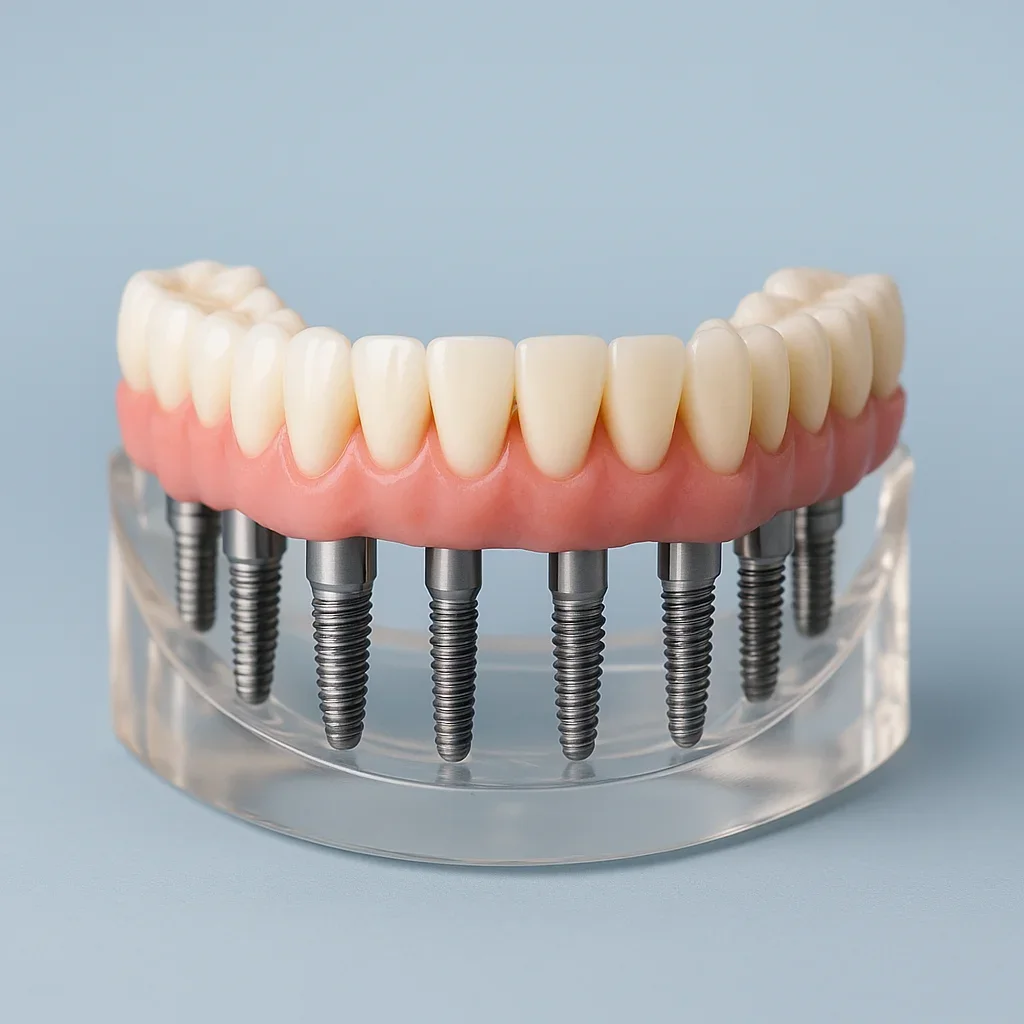
The term full set of dental implants refers to replacing all missing teeth in either the upper or lower jaw (or both) using strategically placed titanium implants that support a full-arch prosthesis. Unlike removable dentures that sit on the gums, implants are embedded directly into the jawbone, acting as artificial roots. This provides unparalleled stability, comfort, and aesthetics. With modern techniques like the “All-on-4” and “All-on-6” systems, even patients with bone loss can achieve a full smile restoration in just a few visits. 🦷
One of the main reasons people choose a full set of dental implants is the ability to regain confidence and function. Chewing becomes effortless, speech improves, and facial structure is preserved. Traditional dentures, while cheaper initially, can slip or cause sore spots, and they often need adhesives. In contrast, full mouth dental implants are anchored firmly in place, allowing patients to enjoy their favorite foods again without fear of movement or discomfort.
Understanding the Basics: How a Full Set of Dental Implants Works
The process typically begins with a comprehensive dental evaluation, including 3D scans and impressions. The dentist will plan the exact placement of each implant based on your bone density and oral anatomy. Then, titanium posts are surgically inserted into the jawbone—these act as anchors for your new teeth. After a short healing period known as osseointegration (usually 3–6 months), the implants fuse with the bone, creating a strong foundation for the permanent prosthetic bridge. The final step involves attaching lifelike crowns or bridges that look and feel like natural teeth. 😁
Unlike single-tooth implants that replace individual gaps, a full set of dental implants uses only 4 to 8 implants per jaw to support an entire arch of teeth. This reduces cost, surgery time, and recovery duration while maintaining outstanding durability. It’s an efficient and predictable solution suitable for patients who have lost most or all their teeth due to decay, trauma, or gum disease.
Longevity and Success Rate
With proper care, a full mouth dental implant system can last 20 years or even a lifetime. According to the American Dental Association, dental implants have a success rate of over 95%, making them one of the most reliable restorative procedures in modern dentistry. Regular brushing, flossing, and professional cleanings are enough to keep them healthy and functional for decades.
Who Is a Good Candidate for Full Mouth Dental Implants?
Ideal candidates for a full set of dental implants are adults who have lost most or all their teeth and have healthy gums and sufficient bone structure. Even if bone loss has occurred, advanced techniques like bone grafting or zygomatic implants can help rebuild the foundation for successful treatment. Smokers, diabetics, and those with gum disease may require extra care and evaluation before proceeding.
Emotional and Functional Benefits
Beyond the physical transformation, the emotional impact of restoring your full smile is immense. Patients often report improved self-esteem, better social interactions, and a more youthful appearance. Because implants integrate seamlessly with the jawbone, they prevent the bone shrinkage that occurs with dentures, preserving your facial contours. You can laugh, eat, and speak with confidence again—something priceless for anyone who has struggled with missing teeth.
Full Set of Dental Implants in Turkey
Turkey has become one of the most popular destinations for affordable, high-quality dental implant treatments. Clinics like Redent Klinik Contact Page specialize in international dental tourism, offering experienced implantologists, advanced technology, and competitive prices—often 60–70% cheaper than in the US or UK. Patients can combine their dental care with a relaxing holiday in a beautiful country while receiving world-class results.
Cost Overview (2025 Estimates)
- Turkey: $3,500 – $6,500 🇹🇷
- United Kingdom: £8,000 – £15,000 🇬🇧
- United States: $18,000 – $30,000 🇺🇸
- Germany: €10,000 – €20,000 🇩🇪
Prices vary depending on bone quality, implant brand, and prosthetic material used.
Why It’s Worth the Investment
While a full set of dental implants may initially seem expensive, it’s an investment in your health, appearance, and quality of life. Dentures need frequent adjustments and replacements, while implants offer a one-time, permanent solution. Over time, the comfort, convenience, and confidence they provide far outweigh the cost.
In conclusion, choosing a full set of dental implants is one of the best decisions you can make for your oral health and well-being. Whether you’re seeking a complete smile makeover or simply want to restore the ability to eat and speak naturally, dental implants offer a reliable, aesthetic, and long-lasting solution. With advanced care from trusted clinics like Redent Klinik, you can rediscover the joy of smiling again. 🌿
What Is a Full Set of Dental Implants and How Does It Work?
When people lose several or all of their teeth, they often look for a permanent solution that restores both function and aesthetics. A full set of dental implants is the gold standard treatment for complete tooth replacement. Unlike removable dentures, this system provides a long-term, fixed restoration that feels and functions like natural teeth. 🦷
Definition and Concept
A full set of dental implants refers to a complete restoration of either the upper or lower jaw—or both—using multiple titanium implant posts that serve as artificial tooth roots. These posts are placed in the jawbone and support a fixed bridge or denture. Depending on bone density and patient needs, the dentist may use four, six, or eight implants per jaw. This configuration is commonly known as “All-on-4,” “All-on-6,” or “All-on-8.” The implants integrate directly into the jawbone, forming a stable base for the replacement teeth.
How It Differs from Traditional Dentures
Traditional dentures simply rest on the gums and rely on suction or adhesive to stay in place. Over time, bone loss and gum shrinkage can make them loose or uncomfortable. By contrast, a full set of dental implants provides permanent anchorage. Because the implants fuse with the jawbone—a process called osseointegration—they prevent bone resorption, maintaining the facial structure and providing a secure foundation for chewing, speaking, and smiling confidently. 😁
The Science Behind Dental Implants
Dental implants are made of medical-grade titanium or zirconia, both of which are biocompatible materials that encourage bone tissue to grow around them. During surgery, each implant is placed strategically into the bone under local anesthesia or sedation. After healing, a customized prosthetic arch is attached to the implants using abutments. This creates a seamless, natural-looking smile that functions just like real teeth.
Osseointegration Explained
The success of a full set of dental implants depends on osseointegration—the process by which bone cells attach to the implant surface. This typically takes three to six months. Once the bone and implant become one unit, the structure becomes incredibly strong. In fact, a well-integrated implant can withstand greater bite forces than natural teeth. Proper healing, good oral hygiene, and avoiding smoking are key factors for achieving full osseointegration.
The Implant Procedure: Step by Step
The journey toward a new smile involves several carefully planned stages:
- Initial Consultation and 3D Imaging: The dentist performs a comprehensive oral examination, including digital X-rays and 3D scans, to assess bone density and gum health.
- Treatment Planning: A personalized plan is created, determining the number and placement of implants needed for a full arch.
- Surgical Placement: Titanium implants are inserted into the jawbone. Some patients receive temporary teeth on the same day using advanced guided-surgery systems.
- Healing Period: Over the next few months, the implants integrate with the bone tissue.
- Final Restoration: Once healing is complete, a permanent prosthesis—usually a full-arch bridge or hybrid denture—is attached to the implants, completing the transformation. ✨
All-on-4 and All-on-6 Techniques
The All-on-4 technique uses four implants to support a full-arch prosthesis. Two implants are placed vertically in the front, and two at an angle in the back to maximize bone contact. This method is ideal for patients with limited bone volume. The All-on-6 approach adds two more implants, offering even greater stability and load distribution, especially for patients with high bite forces. Both systems deliver fast results and are minimally invasive compared to placing individual implants for each tooth.
Immediate Load Implants
With modern advances, patients can often receive a temporary full set of dental implants on the same day as surgery. Known as “teeth-in-a-day,” this procedure allows patients to leave the clinic with a functional and aesthetic smile immediately after implant placement. The final, permanent teeth are fitted after full healing, ensuring maximum comfort and precision.
Advantages of a Full Set of Dental Implants
The advantages extend beyond aesthetics. A full set of dental implants helps maintain oral health by preventing bone loss and stabilizing the bite. They also improve digestion by enabling efficient chewing. Additionally, they restore clear speech, boost self-confidence, and eliminate the embarrassment associated with removable dentures. Because implants stimulate the jawbone like natural roots, they help maintain youthful facial contours and prevent premature aging.
Materials Used in Full Mouth Implants
High-quality materials are essential for long-lasting results. Titanium implants are the most common choice due to their strength and biocompatibility. However, zirconia implants are gaining popularity among patients who prefer a metal-free option. The prosthetic teeth themselves are usually made from ceramic, porcelain, or high-strength acrylic materials that mimic the translucency of natural enamel.
Durability and Maintenance
When maintained properly, a full set of dental implants can last for decades. Patients should brush and floss daily, use non-abrasive toothpaste, and visit their dentist regularly. Unlike dentures, implants don’t require adhesives or soaking solutions. Routine professional cleanings and periodic X-rays ensure the implants remain in excellent condition for years to come.
Integration with Bone and Soft Tissue
One of the most remarkable aspects of dental implants is how naturally they integrate with the body. Once healing is complete, the implants become an inseparable part of the bone structure. This prevents the “sunken face” look common with denture wearers and ensures a balanced bite. The soft tissue around the implants forms a tight seal that protects against bacterial infection, ensuring long-term oral health.
Trusted Global Standards and Clinical Support
Reputable dental institutions, such as the American Dental Association, establish clinical standards that ensure patient safety and implant reliability. Clinics adhering to these guidelines use sterilized equipment, certified materials, and precise digital imaging technologies to guarantee the highest treatment success rates. 🌍
Ultimately, understanding what a full set of dental implants is and how it works helps patients make informed decisions about their oral health. This solution combines modern science, aesthetic design, and surgical precision to restore smiles permanently. For anyone dreaming of eating, laughing, and smiling freely again, a full set of dental implants offers not just a dental restoration—but a renewed sense of confidence and quality of life.
Top Benefits of Getting a Full Set of Dental Implants
Choosing a full set of dental implants is one of the most rewarding decisions you can make for your oral health and confidence. 🦷 Unlike traditional dentures or bridges, full mouth dental implants offer permanent stability, natural aesthetics, and long-term functionality. Whether you’ve lost your teeth due to decay, injury, or gum disease, dental implants can restore your smile and transform your quality of life in ways that go far beyond appearance.
1. Restores Natural Chewing Power 🍎
One of the most significant advantages of a full set of dental implants is that they restore up to 90–95% of your natural chewing ability. Traditional dentures can only provide around 20–25%, which limits your diet and nutrition. With implants, you can enjoy steak, apples, nuts, and other foods that would be impossible to eat comfortably with removable dentures. Because the implants are anchored directly into your jawbone, they act as artificial tooth roots, providing the strength and stability you need for powerful and efficient chewing.
Improved Digestion and Nutrition
Proper chewing is essential for good digestion and nutrient absorption. Many patients who switch from dentures to a full mouth of implants notice improved gastrointestinal health because they can eat fibrous fruits, vegetables, and protein-rich foods again. Over time, this can lead to better overall wellness and energy levels.
2. Long-Term Durability and Cost Efficiency 💰
Although the initial cost of a full set of dental implants can seem high, they are actually more economical over the long run. Traditional dentures need regular adjustments, relining, and eventual replacement every 5–8 years. Implants, on the other hand, can last decades—or even a lifetime—when properly maintained. Their titanium foundations integrate with the bone, creating a permanent solution. This durability translates into fewer dental visits, less discomfort, and long-term savings.
Investment in Lifetime Value
Many dental experts, including the American Dental Association, recognize dental implants as the most cost-effective tooth replacement option when considering lifespan and performance. The long-term satisfaction and reduced maintenance costs make implants a wise investment rather than an expense.
3. Prevents Bone Loss and Facial Sagging
When teeth are lost, the jawbone begins to shrink due to lack of stimulation. This leads to a sunken or aged facial appearance over time. A full set of dental implants prevents this problem by continuously stimulating the jawbone, just like natural tooth roots. The bone remains strong and dense, which helps preserve your youthful facial contours. This biological benefit not only protects your oral structure but also enhances your overall facial symmetry and appearance. 🌟
The Science of Bone Preservation
Osseointegration—the fusion of the implant with the bone—encourages natural bone remodeling. Studies show that implant-supported restorations can reduce bone resorption by up to 80% compared to conventional dentures. This makes full mouth implants not just a cosmetic solution but a medical necessity for preserving long-term oral health.
4. Natural Look and Feel
Modern dental implants are designed with advanced materials such as titanium and zirconia, covered with lifelike ceramic or porcelain crowns. This combination perfectly replicates the translucency, color, and contour of natural teeth. Once your full set of dental implants is placed, you can smile, laugh, and talk with total confidence—no one will be able to tell the difference between your implants and real teeth!
Confidence in Every Smile
Many patients report a dramatic boost in self-esteem after their implant procedure. The ability to smile freely, take photos, and interact socially without fear of dentures slipping is priceless. You’ll enjoy renewed confidence in both personal and professional settings.
5. Easy Maintenance and Oral Hygiene
Maintaining a full set of dental implants is simple. There’s no need for adhesives, soaking solutions, or special cleaning routines. You can brush and floss them just like natural teeth. Regular dental check-ups and professional cleanings are enough to keep your implants in perfect condition. Additionally, implants don’t decay, so you’ll never have to worry about cavities again—only gum health needs monitoring.
Hygiene and Lifestyle Benefits
Unlike dentures, which can harbor bacteria and lead to bad breath, implants are firmly fixed and easy to clean. Patients who maintain proper oral hygiene often report fresher breath and improved gum health. This simplicity contributes to the long-term success of the treatment.
6. Enhanced Speech and Comfort 🗣️
Dentures can slip or move while speaking, often causing slurred words or mumbling. A full set of dental implants eliminates this issue entirely. Since they’re anchored securely, your speech remains clear and natural. There’s no need to worry about clicking sounds or discomfort from loose dentures. You’ll also experience greater comfort, as the prosthesis doesn’t irritate the gums or require constant adjustments.
7. Improved Self-Confidence and Quality of Life
Beyond physical improvements, full mouth implants have profound psychological benefits. Patients report feeling younger, more attractive, and more socially active. The transformation from missing teeth to a full, radiant smile often leads to renewed motivation in daily life, career advancement, and stronger interpersonal relationships.
8. Stability and Predictable Results
Modern implant dentistry uses digital imaging, 3D scanning, and guided surgery to ensure precise placement. This means that a full set of dental implants offers highly predictable outcomes with minimal complications. The long-term success rate is above 95%, making it one of the safest and most reliable dental procedures available today.
Technology and Precision
Digital tools help dentists map nerve locations, bone density, and implant angles with micrometer accuracy. This ensures optimal stability and aesthetic outcomes, reducing healing time and enhancing comfort.
9. Freedom from Denture Limitations
With traditional dentures, daily life can feel restricted—you must avoid sticky foods, worry about slipping during meals, and rely on messy adhesives. A full set of dental implants removes all these inconveniences. You can bite, chew, and speak naturally without limitations. This newfound freedom brings back a sense of normalcy and independence that many patients had lost for years.
In summary, the benefits of a full set of dental implants go far beyond aesthetics—they improve your health, confidence, and overall lifestyle. From restoring bone density to enhancing your smile, this treatment is a permanent, life-changing investment. Whether you’re considering implants for the first time or upgrading from dentures, modern clinics such as Redent Klinik Contact Page can help you achieve a durable, natural, and truly transformative smile. 🌿
Full Mouth Dental Implants vs. Traditional Dentures
When choosing between dentures and a full set of dental implants, it’s important to understand the major differences in comfort, durability, functionality, and overall quality of life. Both treatments aim to restore missing teeth, but they work in completely different ways. Traditional dentures are removable and rest on the gums, while full mouth implants are permanent, fixed restorations anchored to the jawbone. 🦷
Understanding the Core Difference
The biggest distinction lies in how each solution interacts with your bone and tissue. A full set of dental implants mimics natural tooth roots, stimulating the jawbone and maintaining bone density. Dentures, on the other hand, do not engage the bone at all, leading to gradual bone loss and gum shrinkage over time. This difference directly affects not only the stability of your teeth but also your facial appearance and long-term oral health.
The Role of Jawbone Stimulation
Natural teeth and implants both transmit chewing forces to the bone, which helps maintain bone strength and structure. Without this stimulation, the bone begins to resorb (shrink), causing a collapsed look around the mouth and cheeks. Patients who switch from dentures to implants often notice an immediate improvement in facial definition and a more youthful appearance. 🌟
Comfort and Fit Comparison
Dentures are often associated with discomfort, especially after long-term use. They can rub against the gums, create sore spots, and require messy adhesives to stay in place. Eating hard or sticky foods can cause them to slip. In contrast, a full set of dental implants feels completely natural because they are fixed into the bone. They don’t move, slip, or cause irritation. This level of stability makes chewing and speaking effortless, enhancing overall comfort and confidence.
Day-to-Day Experience
Imagine waking up, brushing your teeth, and going about your day without removing or cleaning dentures. With a full set of dental implants, this convenience becomes reality. You can smile, laugh, and enjoy your meals just as you would with natural teeth—no adhesive creams, no nightly soaking, and no fear of embarrassment in social settings. 😁
Longevity and Maintenance
Another major difference between dentures and a full set of dental implants is durability. Dentures typically last between five and eight years before they need replacement due to wear, discoloration, or changes in gum structure. Implants, on the other hand, can last a lifetime with proper care. Their titanium foundation integrates with the bone through osseointegration, making them as strong as—or stronger than—natural teeth.
Maintenance Routine
Maintaining dentures requires regular soaking, special cleaning solutions, and careful handling to avoid breakage. In contrast, caring for a full set of dental implants is as simple as regular brushing, flossing, and routine dental checkups. There are no adhesives, no overnight removals, and no risk of misplacement. Over time, this simplicity adds tremendous value to your oral hygiene routine.
Functionality and Bite Force
Functionally, dentures provide only about 20–25% of the natural bite force of real teeth, while a full set of dental implants restores up to 90–95%. This means patients with implants can chew meat, raw vegetables, nuts, and other dense foods comfortably—something nearly impossible with removable dentures. The difference in function also affects nutrition, as people with implants are able to eat a balanced, diverse diet, improving digestion and overall health.
Speech and Pronunciation
Dentures can cause speech difficulties due to movement within the mouth. Common issues include lisping, clicking sounds, or the fear of dentures falling out while talking. A full set of dental implants eliminates these problems entirely. Because they are fixed, the tongue and lips can move naturally, resulting in clear pronunciation and natural speech patterns. 🗣️
Aesthetic Results
In terms of aesthetics, dentures may initially look natural but often lose their fit as the bone and gums change shape. This leads to gaps, slippage, and an aged appearance. A full set of dental implants maintains a consistent, realistic look for years. Implant-supported restorations are custom-crafted from high-quality materials like porcelain or zirconia, providing a perfect match for your facial features and skin tone.
Youthful Appearance Retention
Because implants preserve bone mass and facial structure, they prevent the “sunken face” effect that often develops in long-term denture wearers. This retention of facial support gives patients a more youthful, rejuvenated appearance—one of the most valued benefits of implant dentistry.
Cost and Long-Term Value
At first glance, dentures seem like the more affordable choice, but over time, their maintenance and replacement costs add up. A full set of dental implants represents a one-time investment that pays off for decades. When considering comfort, confidence, and functionality, implants provide significantly greater long-term value.
- Dentures (Full Upper and Lower): $1,500 – $3,500
- Full Set of Dental Implants (Per Arch): $4,000 – $7,000 (in Turkey 🇹🇷)
- Full Set of Dental Implants (USA): $18,000 – $30,000 🇺🇸
Source: Clinical averages and pricing reports from the American Dental Association.
Emotional and Lifestyle Impact
The psychological benefits cannot be overlooked. Patients with dentures often experience anxiety about their prosthetics slipping in public, affecting confidence and social interactions. By contrast, those with a full set of dental implants feel free to engage in conversations, laugh openly, and live without fear of embarrassment. This newfound self-assurance has a profound effect on overall mental well-being and quality of life.
Which Option Is Right for You?
For patients seeking an immediate, low-cost solution, dentures may still serve as a temporary fix. However, anyone looking for a long-term, stable, and natural-feeling restoration should consider a full set of dental implants. They offer unmatched strength, comfort, and appearance—restoring not only your smile but also your self-confidence and freedom.
In conclusion, while dentures can provide short-term relief, a full set of dental implants delivers a permanent, reliable, and life-changing solution. From preserving bone structure to restoring chewing function, the advantages are undeniable. Clinics like Redent Klinik Contact Page offer advanced implant technology and experienced specialists who can help you transition from dentures to a confident, radiant smile. 🌿
Step-by-Step Process of Full Set of Dental Implants
Getting a full set of dental implants is a life-changing procedure that restores both your smile and confidence. The process may sound complex, but when broken down into clear stages, it’s a precise and well-organized treatment that ensures lasting results. From your first consultation to the moment you smile with your permanent new teeth, every step is designed for safety, comfort, and predictable success. 🦷
1. Initial Consultation and Comprehensive Assessment
The journey to a full set of dental implants begins with a detailed consultation with a qualified implant dentist or oral surgeon. During this visit, your oral health, bone density, and overall medical condition are thoroughly evaluated. Advanced diagnostic tools such as 3D CBCT scans, panoramic X-rays, and digital impressions are used to create a complete view of your mouth. This helps the dentist plan implant placement with absolute precision and ensures that the treatment is customized to your needs.
Medical History and Expectations
At this stage, your dental team will also discuss your medical history, medications, and lifestyle habits such as smoking or bruxism (teeth grinding), which may affect healing. Clear communication about your expectations is crucial, as it allows your dentist to design the ideal implant plan—whether it’s an All-on-4, All-on-6, or All-on-8 system. You’ll also receive a detailed explanation of the treatment cost, timeline, and recovery plan.
2. Digital Planning and Treatment Design 🖥️
Once your eligibility is confirmed, digital technology plays a vital role in designing your new smile. Using computer-aided design (CAD) software, the dentist maps out where each implant will be placed to ensure even force distribution and aesthetic alignment. This virtual blueprint guarantees that your full set of dental implants will look natural and feel completely stable once completed. Many clinics, including Redent Klinik Contact Page, use advanced 3D simulation tools to show you a preview of your future smile before surgery.
Customized Surgical Guides
To achieve perfect accuracy, a surgical guide is often created using your digital scans. This guide acts like a GPS for your dentist, ensuring each implant is inserted at the exact angle and depth planned during the design phase. This step significantly reduces surgery time and minimizes the risk of complications.
3. Preparatory Procedures (If Needed)
Not every patient can receive implants immediately. Some may need preparatory treatments to ensure the success of their full set of dental implants. Common preparatory procedures include:
- Bone Grafting: If you’ve experienced bone loss, grafting adds bone material to strengthen the jaw and provide a solid foundation for the implants.
- Sinus Lift: For upper jaw implants, the sinus cavity may need to be lifted to create more vertical space for implant placement.
- Tooth Extractions: Any remaining damaged teeth may be removed before implant surgery.
These procedures ensure that your implants have the best possible support for long-term success.
4. Implant Surgery: Placing the Foundations 🏥
The surgical placement of implants is performed under local anesthesia or sedation for maximum comfort. The dentist carefully inserts titanium implant posts into the jawbone according to the digital treatment plan. Typically, a full set of dental implants requires 4 to 8 implants per jaw, depending on bone structure and chosen technique. Once the implants are inserted, healing caps are placed over them to protect the site during recovery.
Immediate Load Option (“Teeth in a Day”)
Thanks to modern implant technology, some patients can receive a temporary bridge or denture immediately after surgery. This allows them to leave the clinic with a functional and aesthetic set of teeth while their implants heal beneath the gums. This approach is often referred to as “immediate load” or “same-day implants.”
5. Healing and Osseointegration Phase
The next stage is one of the most critical in the process. Over the next 3–6 months, the implants fuse naturally with the bone through a process called osseointegration. This creates a solid, biological connection between the implant and jawbone, ensuring your new teeth will be as stable as natural roots. During this time, it’s essential to maintain good oral hygiene, avoid smoking, and follow a soft food diet to support healing.
Monitoring Progress
Your dental team will schedule follow-up visits to monitor healing and confirm that the implants are integrating properly. If needed, minor adjustments can be made to temporary restorations to maintain comfort and balance during this phase.
6. Attaching the Abutments and Prosthesis
Once healing is complete, small connector pieces known as abutments are attached to the implants. These abutments serve as the link between the implant posts and your permanent prosthetic teeth. Impressions of your mouth are then taken to fabricate the final prosthesis—typically a full-arch bridge or hybrid denture designed to match your facial symmetry, gum line, and bite pattern.
Final Smile Design and Fitting
During the final fitting, the prosthesis is securely attached to the abutments. The result is a completely natural-looking smile that feels just like real teeth. Patients can eat, speak, and smile freely, often reporting an immediate improvement in confidence and overall comfort.
7. Post-Treatment Care and Maintenance
Even though a full set of dental implants is permanent, proper care is crucial to ensure longevity. Patients should brush twice daily with a soft toothbrush, floss carefully around the implants, and use an antibacterial mouthwash. Regular dental check-ups (every 6 months) help identify and prevent potential issues early. Professional cleanings are also important to remove any plaque or tartar that builds up around the prosthesis.
Long-Term Care Tips 🌿
- Avoid using your teeth to open packages or bite hard objects.
- Maintain a balanced diet rich in calcium and vitamins for bone health.
- Schedule professional cleaning and implant inspections twice a year.
8. Enjoying the Results
After completing all stages, patients can finally enjoy the incredible benefits of their new smile. A full set of dental implants restores not only aesthetics but also the ability to eat, speak, and laugh naturally. It provides lifelong stability and confidence that dentures simply cannot match. Most importantly, implants prevent further bone loss, keeping your facial structure youthful and healthy for decades to come.
To summarize, the step-by-step process of receiving a full set of dental implants is a blend of precision, technology, and artistry. From diagnosis and planning to surgery and final restoration, each phase plays a crucial role in achieving exceptional results. If you’re ready to begin your transformation, world-class clinics like Redent Klinik Contact Page offer personalized implant treatment with advanced technology and experienced professionals. According to the American Dental Association, dental implants have one of the highest success rates in modern dentistry—making this procedure a reliable and rewarding investment in your smile. 😁
How Much Does a Full Set of Dental Implants Cost in 2025?
If you’re considering a full set of dental implants, one of the very first questions you’ll ask is: “How much will this cost?” The answer: it depends a lot. But let’s break down the numbers, the influencing factors, and how you can budget for this transformative procedure. 🦷
Typical Cost Ranges Around the World
In 2025, the cost of a full mouth restoration with a full set of dental implants can vary significantly depending on region, clinic reputation, materials, and preparatory work. For example:
- In Canada, full-arch dental implant costs are typically between **$7,000 and $30,000 CAD per arch**. [oai_citation:0‡The Dental Team](https://thedentalteam.ca/full-mouth-dental-implants-cost-in-canada/?utm_source=chatgpt.com)
- In the U.S., some full-mouth cases report ranges of **$20,000 to $90,000 USD** or more, depending on procedure complexity. [oai_citation:1‡Dentist Rockville MD](https://rockvilledentalarts.com/dental-services/dental-implants/all-on-4-dental-implants/?utm_source=chatgpt.com)
- Global packaged options in dental-tourism destinations (including everything from surgery to accommodation) list full-mouth implants starting from much lower figures (though always verify quality and reputation). [oai_citation:2‡Bookimed](https://us-uk.bookimed.com/article/full-mouth-dental-implants-cost/?utm_source=chatgpt.com)
Here’s a rough summary: for one arch (upper or lower) you might expect perhaps $20,000-$30,000 USD in a typical U.S. mainstream clinic, and for both arches the price could double. In other jurisdictions it may cost considerably less, but you must account for travel, follow-up care, material standards and warranty terms.
Sample Breakdown
For instance, one article states: “full mouth dental implants … typically range between $21,000 and $26,000 per upper or lower jaw.” [oai_citation:3‡TeethXpress](https://www.teethxpress.com/cost-of-dental-implants/?utm_source=chatgpt.com) Another source gives a broader range: “For whole mouth implants … prices can range between $20,000 and $90,000.” [oai_citation:4‡Dentist Rockville MD](https://rockvilledentalarts.com/dental-services/dental-implants/all-on-4-dental-implants/?utm_source=chatgpt.com)
What Factors Influence the Cost?
Understanding the factors that drive pricing will help you evaluate quotes and budget realistically. These include the following major variables:
1. Number of Implants and Technique
The technique used for your full set of dental implants matters a lot. For example, using an “All-on-4” system (typically four implants supporting a full arch) tends to be less than placing individual implants for every missing tooth. The more implants required, the higher the cost. Additional complexity (such as angled implants or hybrid designs) also adds to cost. [oai_citation:5‡Curso de Implantología](https://implanttrainingcourses.com/blog/how-much-are-dental-implants/?utm_source=chatgpt.com)
2. Material Quality: Implants, Abutments & Prosthetics
High-end brands of implants (e.g., premium titanium or zirconia) cost more. The prosthetic teeth (crowns, bridges, full arch restoration) may use premium ceramics rather than standard acrylic. These upgrades raise the cost for your full set of dental implants. [oai_citation:6‡ClearChoice](https://www.clearchoice.com/dental-implant-financing-and-costs/full-mouth-dental-implants-cost/?utm_source=chatgpt.com)
3. Preparatory Procedures: Bone Grafting, Sinus Lifts, Extractions
If you have experienced bone loss, gum disease, or need extractions, your dentist may need to perform bone grafts or sinus lifts before placing implants. These add thousands to the cost. Without these, the cost might be lower; with them, it can increase significantly. [oai_citation:7‡Nuvia Smiles](https://www.nuviasmiles.com/blog/how-much-are-full-mouth-dental-implants?utm_source=chatgpt.com)
4. Clinic Location, Specialist Skill & Technology Used
Clinics in high-cost urban centres or with highly experienced surgeons charge more. Digital planning, guided surgery, 3D imaging, sedation also add to cost. Your full set of dental implants cost will reflect these service levels and geographic factors. [oai_citation:8‡Curso de Implantología](https://implanttrainingcourses.com/blog/how-much-are-dental-implants/?utm_source=chatgpt.com)
5. Follow-Up Care, Prosthetic Design & Warranty
Post-operative checkups, follow-up visits, maintenance, and warranty coverage affect the total value. A lower upfront price may come with less support or fewer included services. Always ask about long-term maintenance when budgeting a full set of dental implants.
Evaluating Value: Why the Cost Can Be Worth It
Because a full set of dental implants is a long-term investment, paying more upfront often means fewer replacements, less discomfort, and better function for years to come. Unlike dentures, which may need periodic replacement, implants are designed to last decades. One source notes that, though the upfront cost is higher, implants may provide a better lifetime value. [oai_citation:9‡Dental Depot DFW](https://dentaldepotdfw.com/services/restorative-dentistry/dental-implants/how-much-do-dental-implants-cost/?utm_source=chatgpt.com)
For instance, instead of replacing dentures every 5-10 years, a well-maintained implant-supported arch might last 20-30 years or more—reducing long-term costs, inconvenience and improving quality of life. This is especially important when you consider the functional benefits of chewing, speaking and bone preservation.
Ways to Budget and Reduce Cost
Here are several strategies to help make the cost of your full set of dental implants more manageable:
- Seek multiple quotes: Compare clinics both locally and internationally, but always check credentials, standards and after-care service.
- Financing plans: Many clinics offer payment plans or partner with third-party financiers. One U.S. provider noted they help design a payment plan suited to patients’ budgets. [oai_citation:10‡ClearChoice](https://www.clearchoice.com/dental-implant-financing-and-costs/full-mouth-dental-implants-cost/?utm_source=chatgpt.com)
- Consider dental tourism (carefully): Some countries offer lower cost full mouth implants packages. But verify the clinic’s quality, follow-up procedures and guarantee. [oai_citation:11‡Bookimed](https://us-uk.bookimed.com/article/full-mouth-dental-implants-cost/?utm_source=chatgpt.com)
- Early intervention: Fixing problems before bone loss or major complications can reduce preparatory procedure cost.
Example Price Block (Estimates for 2025)
- Upper arch only (All-on-4) in the U.S.: ~$21,000-$30,000 USD
- Both arches (full mouth) in the U.S.: ~$40,000-$60,000 USD+
- Lower-cost region (including some international clinics): ~$10,000-$20,000 USD per arch (but verify quality!)
Questions to Ask When Comparing Quotes
When you receive cost estimates, make sure the quote includes:
- Number of implants per arch and whether permanent prosthetics are included
- Material types (implant brands, prosthetic materials, abutments)
- Preparatory procedures (bone grafts, sinus lift, extractions) included or separate
- Follow-up care, warranty terms and maintenance schedule
These considerations help you understand when a cheaper quote might omit something important—and when a higher quote is justified for better long-term outcome.
In conclusion, while the cost of a full set of dental implants may seem high, when evaluated as an investment in oral health, facial aesthetics and long‐term functionality, it often offers exceptional value. As you research treatment, comparing not just price but quality, credentials, materials and after-care will ensure you get the best result for your smile and your budget.
Best Countries for Affordable Full Mouth Dental Implants
For many patients, the idea of restoring their smile with a full set of dental implants can feel financially out of reach—especially in countries like the United States, Canada, or the United Kingdom, where costs can exceed $40,000–$60,000 for both arches. However, dental tourism has revolutionized access to high-quality implant care at a fraction of the cost. 🌍 In 2025, several countries are recognized globally for offering affordable yet world-class dental implant treatments. These destinations combine skilled surgeons, advanced technology, and excellent patient care—all at significantly lower prices.
Why Travel Abroad for a Full Set of Dental Implants?
The global demand for dental tourism continues to grow each year. Patients are no longer limited to their local providers. Instead, they can choose top international clinics that meet or even exceed Western standards of dental care. A full set of dental implants can cost 50–70% less abroad, even after including travel and accommodation expenses. The affordability doesn’t come from lower quality—it often comes from reduced labor costs, favorable currency exchange rates, and efficient healthcare systems that allow for competitive pricing.
Important Considerations Before Traveling
Before booking your dental trip, it’s vital to ensure the clinic is accredited, uses certified implant systems, and provides transparent treatment plans. Always look for international certifications such as ISO or affiliations with trusted organizations like the American Dental Association or the International Congress of Oral Implantologists (ICOI). Also, confirm that aftercare or follow-up services are available in your home country in case of emergencies.
🇹🇷 Turkey: Global Leader in Affordable and High-Quality Dental Implants
Turkey is consistently ranked among the best destinations for patients seeking a full set of dental implants. Clinics in Istanbul, Antalya, and Izmir offer state-of-the-art technology, English-speaking staff, and internationally certified implantologists. The average cost for a full mouth restoration ranges from $3,500 to $6,500 per arch—roughly 70% cheaper than in Western Europe or the U.S. 🇹🇷
Why Turkey Stands Out
- Highly skilled dentists trained in Europe and the U.S.
- Cutting-edge 3D imaging and guided surgery systems
- Short waiting times and personalized treatment plans
- Beautiful tourism opportunities for recovery and relaxation
Clinics such as Redent Klinik Contact Page in Antalya have become popular among international patients seeking reliable and affordable implant care. Many centers offer “dental holiday” packages that include airport transfers, hotel stays, and a complete implant treatment—all managed in one seamless experience.
🇲🇽 Mexico: North America’s Dental Tourism Hub
Mexico is another leading choice for patients from the United States and Canada looking to reduce the cost of their full set of dental implants. Cities like Los Algodones (“Molar City”), Cancun, and Tijuana are home to hundreds of reputable dental clinics offering treatments at 50–65% lower prices than in the U.S. A full mouth dental implant procedure in Mexico typically ranges between $8,000 and $15,000 per arch, depending on materials and clinic reputation.
Benefits of Choosing Mexico
- Proximity to the U.S. and easy travel for follow-ups
- Bilingual dental teams with international certifications
- Lower laboratory and labor costs with Western-grade materials
- Strong emphasis on patient comfort and sedation options
For North American patients, Mexico offers a convenient balance between affordability and quality. Most clinics use the same implant brands found in the U.S., such as Straumann, Nobel Biocare, and Zimmer Biomet.
🇭🇺 Hungary: Europe’s Implant Capital
Known as the “Dental Capital of Europe,” Hungary—particularly Budapest—has long been a preferred destination for Europeans seeking affordable implants. The country’s dentists are highly trained, and clinics adhere to strict EU healthcare regulations. The average cost for a full set of dental implants in Hungary is about €5,000–€8,000 per arch, making it a top choice for patients from the UK, Germany, and Scandinavia.
Why Patients Choose Hungary
- Decades of experience with international dental tourism
- Clinics operating under European Union medical standards
- Accessible location for European patients
- Excellent success rates and long-term patient satisfaction
🇹🇭 Thailand: High-End Care in a Tropical Setting
Thailand offers an excellent combination of dental expertise, luxurious facilities, and vacation appeal. Bangkok and Phuket are home to world-renowned clinics that attract patients from Australia, the Middle East, and Asia. The price for a full set of dental implants in Thailand ranges between $9,000 and $14,000 per arch, with many clinics providing same-day procedures and premium hospitality services. 🏖️
Highlights of Dental Tourism in Thailand
- Internationally accredited hospitals and dental centers
- English-speaking specialists trained abroad
- Top-quality materials and advanced surgical technologies
- Relaxing recovery in luxury resorts or spas
🇵🇱 Poland: Affordable Excellence in Central Europe
Poland has emerged as a budget-friendly option for patients across Europe. Clinics in Warsaw, Krakow, and Gdansk offer exceptional care with modern facilities and strict hygiene standards. A full set of dental implants costs around €4,000–€6,500 per arch, while maintaining high European standards.
Why Poland Is Growing in Popularity
- Short waiting times and high patient satisfaction
- Clinics equipped with German and Swiss implant systems
- Strong reputation for cosmetic and restorative dentistry
Comparative Cost Overview (2025 Averages)
- 🇺🇸 United States: $20,000 – $30,000
- 🇬🇧 United Kingdom: £8,000 – £15,000
- 🇩🇪 Germany: €10,000 – €20,000
- 🇹🇷 Turkey: $3,500 – $6,500
- 🇲🇽 Mexico: $8,000 – $15,000
- 🇭🇺 Hungary: €5,000 – €8,000
- 🇵🇱 Poland: €4,000 – €6,500
- 🇹🇭 Thailand: $9,000 – $14,000
Costs vary based on implant brand, bone structure, and clinic technology.
Choosing the Right Destination for You
The best country for your full set of dental implants depends on your location, travel flexibility, budget, and desired experience. Turkey and Mexico lead the field for cost-to-quality ratio, while Hungary and Poland are perfect for European patients seeking reliability within the EU. Thailand offers a premium blend of dental excellence and vacation-style recovery.
Ultimately, success depends not just on location but on selecting a clinic with proven results, verified credentials, and clear post-operative care. Before deciding, consult reputable dental professionals and compare multiple treatment plans. By combining research with professional guidance, you can achieve your dream smile without breaking the bank. ✈️🦷
Recovery and Aftercare Tips for Full Dental Implant Patients
Undergoing a full set of dental implants is a significant step toward restoring both function and confidence in your smile. However, the long-term success of this procedure depends heavily on proper recovery and consistent aftercare. Post-operative healing requires patience, attention, and adherence to professional advice. By following best practices during recovery, patients can ensure that their implants integrate smoothly with the bone and last for decades. 🦷
Understanding the Recovery Phase
After receiving a full set of dental implants, the body begins a natural healing process known as osseointegration. This biological process allows the titanium implants to fuse with the jawbone, creating a strong, stable foundation for your new teeth. Recovery times vary depending on each patient’s health, bone density, and the complexity of the procedure, but typically range between 3 and 6 months. During this period, gentle care and proper oral hygiene are essential.
Immediate Post-Surgery Timeline
- First 24–48 Hours: Mild bleeding and swelling are normal. Ice packs and prescribed pain medication can help minimize discomfort.
- First Week: Swelling begins to subside, and stitches start to dissolve. Soft foods and hydration are critical for maintaining nutrition.
- 2–4 Weeks: Most patients return to normal daily activities, although chewing should still be limited to softer foods.
- 3–6 Months: Osseointegration continues, and the implants become fully fused with the bone. Permanent prosthetic teeth can be attached after this stage.
Essential Aftercare Tips
Proper aftercare following a full set of dental implants ensures faster recovery and long-term implant health. While each dentist provides specific instructions, there are universal principles that all implant patients should follow.
1. Maintain Excellent Oral Hygiene 🪥
Even though implants don’t decay like natural teeth, the surrounding gum tissue can still develop inflammation or infection. Brush gently twice a day with a soft-bristled toothbrush and use non-abrasive toothpaste. Floss carefully using dental threaders or water flossers designed for implants. Antibacterial mouth rinses can also help keep harmful bacteria under control.
2. Follow a Soft Food Diet
Eating soft, nutrient-rich foods is one of the most important parts of recovery. Hard or crunchy foods can disturb healing implants or put excess pressure on the surgical sites. Ideal post-surgery meals include yogurt, mashed potatoes, scrambled eggs, oatmeal, smoothies, and soups. Gradually reintroduce solid foods after your dentist confirms that healing is progressing well.
3. Avoid Smoking and Alcohol
Smoking can severely affect the success of a full set of dental implants by reducing blood flow and slowing bone healing. Alcohol can also irritate tissues and interfere with prescribed medications. Most dentists recommend avoiding both for at least two weeks before and after surgery—preferably longer for optimal results.
4. Keep Follow-Up Appointments
Regular check-ups allow your dentist to monitor osseointegration and ensure no early signs of infection or implant mobility are present. Professional cleanings help remove plaque buildup that home brushing might miss. Follow-up visits are typically scheduled 1 week, 1 month, 3 months, and 6 months post-surgery, depending on your dentist’s protocol.
Managing Pain and Swelling
Some mild discomfort, swelling, or bruising is normal after implant surgery. Using a cold compress for 10–15 minutes at a time during the first day helps minimize inflammation. Your dentist may prescribe anti-inflammatory medication or recommend over-the-counter pain relief. If pain worsens after several days, contact your dental clinic immediately to rule out infection or implant complications.
Home Remedies for Relief 🌿
- Rinse gently with warm saltwater after 48 hours to reduce bacteria and promote healing.
- Sleep with your head elevated for the first few nights to prevent fluid accumulation.
- Avoid using straws or spitting forcefully, as this may dislodge blood clots.
Long-Term Implant Maintenance
Once your implants have fully integrated and the permanent crowns are attached, consistent maintenance is key to ensuring your full set of dental implants lasts a lifetime. Although implants are durable, neglecting gum care can lead to peri-implantitis—a condition similar to gum disease that can cause implant failure if untreated.
Daily Care Routine
Your long-term care should include:
- Brushing twice daily with an electric toothbrush for effective plaque removal
- Flossing daily or using interdental brushes for hard-to-reach areas
- Using mouthwash containing chlorhexidine or fluoride as recommended
- Visiting your dentist every 6 months for deep cleaning and check-ups
Diet and Lifestyle for Implant Longevity
Healthy eating habits contribute to long-lasting implant success. Calcium-rich foods, vitamin D, and omega-3 fatty acids support bone health and gum integrity. Avoid frequent sugary snacks and acidic drinks that can promote bacterial growth around the implant area. Remember, while implants are artificial, the surrounding tissues are living and need proper nutrition and care. 🥦
Potential Issues to Watch For
While complications are rare, being alert to early warning signs can help you act quickly. If you experience persistent swelling, pain, or mobility in your implants, contact your dentist immediately. Early intervention ensures minor issues don’t escalate into major problems. According to the American Dental Association, with proper aftercare, dental implants have a success rate of over 95%—but only when maintenance guidelines are followed diligently.
Importance of Professional Support
Post-surgery care doesn’t end when your implants are placed. Regular visits to your dental professional ensure the continued success of your full set of dental implants. Your dentist will evaluate the gum tissue, check for bite alignment issues, and provide professional cleanings that protect against long-term complications. Partnering with an experienced clinic like Redent Klinik Contact Page ensures you receive tailored follow-up care and education on maintaining your implants effectively.
Embracing Your New Smile
By adhering to these recovery and aftercare tips, you’re not just healing—you’re investing in a lifetime of confident smiles. A full set of dental implants offers freedom from the limitations of dentures, renewed chewing function, and enhanced aesthetics. With mindful aftercare, the result is a strong, beautiful smile that lasts for decades. 🌟
In conclusion, proper recovery and aftercare determine the long-term success of your dental implants. From maintaining oral hygiene to attending follow-ups and leading a healthy lifestyle, each action plays a vital role in preserving your investment. With patience and discipline, your new smile will remain bright, stable, and natural for years to come.
Potential Risks and How to Avoid Implant Complications
Although a full set of dental implants is considered one of the safest and most reliable treatments in modern dentistry, no surgical procedure is completely without risk. Understanding potential complications—and more importantly, how to prevent them—is essential to ensuring long-term success. With proper planning, surgical expertise, and diligent aftercare, most issues can be avoided entirely. This section provides a comprehensive look at common risks, warning signs, and preventive strategies to protect your investment in your smile. 🦷
Understanding the Safety of Dental Implants
The success rate for a full set of dental implants is impressively high—over 95%, according to the American Dental Association. However, complications can arise due to poor bone quality, systemic health issues, improper surgical techniques, or neglect during aftercare. By recognizing these factors early and addressing them proactively, patients can ensure long-term functionality and stability.
Common Risks Associated with Full Set of Dental Implants
1. Infection at the Implant Site
One of the most common risks after implant surgery is infection. Bacteria can enter the surgical site, especially if oral hygiene is not maintained properly. Symptoms include redness, swelling, pus, or persistent pain near the implant area. In advanced cases, the infection may lead to peri-implantitis—a serious condition that can damage surrounding bone and gum tissue.
How to Prevent: Maintain excellent oral hygiene by brushing twice daily, using antibacterial mouthwash, and attending professional cleanings. Avoid smoking and ensure all equipment used during surgery is sterilized in a reputable clinic like Redent Klinik Contact Page, where strict infection-control protocols are followed.
2. Implant Failure or Rejection
Implant failure occurs when the implant does not properly fuse with the bone—a process known as osseointegration. This may result from insufficient bone density, excessive pressure on the implant during healing, or untreated medical conditions like diabetes. While true “rejection” is rare (since titanium is biocompatible), poor healing can still lead to loosening or complete loss of the implant.
How to Prevent: Choose a qualified implantologist, undergo 3D bone scans before treatment, and follow post-operative instructions closely. Patients with chronic conditions should coordinate with both their dentist and physician to ensure stability before surgery.
3. Nerve Damage or Sinus Issues
In rare cases, improper implant placement can affect nearby nerves or sinus cavities. This may cause temporary or persistent numbness, tingling, or discomfort in the lips, cheeks, or tongue. For upper jaw implants, if the sinus membrane is not handled properly, it may lead to sinus perforation.
How to Prevent: Opt for clinics that use advanced 3D imaging and guided surgery techniques. Digital planning ensures implants are positioned safely and accurately, minimizing anatomical risks during placement of a full set of dental implants.
4. Bone Loss Around Implants
Bone resorption may occur if implants are overloaded (too much bite force) or if gum inflammation develops. This can cause gradual instability of the implant structure over time.
How to Prevent: Ensure proper bite alignment and regularly monitor implant stability. Routine dental visits every 6 months will allow early detection of bone loss, and professional cleaning helps preserve surrounding bone tissue.
5. Peri-Implantitis: The “Gum Disease” of Implants
Peri-implantitis is an inflammatory condition similar to periodontitis but affecting implants instead of natural teeth. It is usually caused by poor hygiene, smoking, or excess plaque buildup. If left untreated, it can lead to bone loss and implant failure.
How to Prevent: Use soft brushes and interdental cleaners to remove plaque around the implants. Follow your dentist’s maintenance plan, and never skip professional check-ups after your full set of dental implants is placed.
Other Rare but Notable Complications
Allergic Reactions to Materials
Although rare, some patients may be sensitive to titanium or other metals used in implant components. In these cases, zirconia implants may be a suitable alternative.
Implant Overload or Mechanical Failure
Chewing excessively hard foods or teeth grinding (bruxism) can stress the implants and cause screw loosening or prosthetic fractures. Patients with bruxism should consider wearing a night guard to protect their investment.
Sinus Lift Complications
When a sinus lift is performed for upper jaw implants, improper healing or infection can lead to discomfort. Working with experienced professionals and following pre- and post-operative guidelines minimizes such risks.
Key Prevention Strategies
Choose the Right Dental Clinic and Specialist
Selecting a reputable clinic with experienced implant surgeons is the most critical step. Look for professionals who specialize in full-mouth reconstruction and use guided implant technology. Clinics like Redent Klinik Contact Page in Turkey provide advanced imaging, high-grade materials, and strict sterilization standards to reduce all potential risks.
Prioritize Comprehensive Pre-Treatment Evaluation
Before getting a full set of dental implants, you should undergo a thorough assessment that includes:
- 3D CBCT scans for precise bone mapping
- Medical history review (including diabetes, cardiovascular health, and medications)
- Smoking cessation guidance if applicable
- Evaluation for bruxism or bite misalignment
Follow Strict Post-Operative Care Instructions
Post-operative care directly determines the success of your implants. Avoid touching the surgical area, rinse with salt water after 48 hours, and follow dietary restrictions (soft foods only). Never skip follow-up visits, as early professional monitoring can prevent small issues from turning into serious complications.
Lifestyle Habits That Promote Implant Health
- Quit Smoking: Nicotine reduces blood flow to the gums, hindering healing.
- Eat a Balanced Diet: Include foods rich in calcium, vitamin D, and omega-3s to support bone health.
- Stay Hydrated: Water helps maintain saliva production, which protects gum tissues from bacteria.
- Use Mouthguards: If you grind your teeth at night, wearing a protective guard can prevent mechanical stress on your implants.
Recognizing Warning Signs Early
Early detection is the best defense against complications. Watch for signs such as persistent swelling, bleeding, gum recession, pain while chewing, or implant mobility. Contact your dentist immediately if you notice any of these symptoms. Early professional intervention often saves the implant and prevents bone damage.
Final Thoughts: Success Through Prevention
While complications with a full set of dental implants are rare, awareness and prevention are key to maintaining long-term success. By choosing an experienced clinic, following strict aftercare routines, and maintaining a healthy lifestyle, you can enjoy a stable, radiant smile for decades. 🪥
Ultimately, implants are one of the most predictable and durable solutions in restorative dentistry. With mindful attention and regular professional care, you can confidently protect your new smile and ensure your investment in dental implants delivers lifelong benefits. 🌟
Why Choose Redent Klinik for a Full Set of Dental Implants in Turkey?
When it comes to restoring your smile with a full set of dental implants, choosing the right clinic can make all the difference. Turkey has become one of the world’s most sought-after destinations for dental implant treatment—and among the leading names, Redent Klinik stands out for its exceptional quality, advanced technology, and patient-centered care. 🌟 Whether you are traveling from Europe, the Middle East, or North America, Redent Klinik offers world-class implant dentistry with transparent pricing, internationally trained doctors, and life-changing results.
Redent Klinik: Excellence Rooted in Expertise
Redent Klinik, based in Antalya, is a modern dental center specializing in advanced implantology and full-mouth rehabilitation. Their approach combines digital dentistry, state-of-the-art facilities, and personalized care to deliver optimal results for every patient. With a strong reputation among international clients, the clinic’s mission is to make a full set of dental implants both affordable and accessible without compromising safety or aesthetics.
Globally Trained Implantologists
The implant team at Redent Klinik includes highly experienced oral surgeons and prosthodontists who have trained in top European universities and regularly participate in global dental conferences. Their knowledge of the latest techniques—such as guided surgery and immediate-load implants—ensures precision and long-term success. Every full set of dental implants case is planned meticulously using 3D digital imaging and customized for the patient’s bone structure and aesthetic needs.
Advanced Technology for Superior Results 🖥️
Modern dental care requires modern tools. Redent Klinik uses the latest diagnostic and surgical technology to ensure safe, accurate, and comfortable treatment for patients from around the world.
Digital 3D Scanning and Imaging
Every treatment begins with a 3D CBCT (Cone Beam Computed Tomography) scan. This advanced imaging technology allows the dental team to assess jawbone quality, nerve positions, and sinus structures in detail. The result? A perfectly planned full set of dental implants placement that maximizes precision and minimizes risk.
Computer-Guided Surgery
Redent Klinik employs computer-guided surgery to position implants with microscopic accuracy. This approach reduces surgery time, improves healing, and guarantees that implants are placed in ideal positions for long-term stability. It’s the same advanced method used by top implant centers in Europe and the United States.
In-House Dental Laboratory
Unlike many clinics that outsource prosthetic design, Redent Klinik has an in-house dental lab equipped with CAD/CAM (Computer-Aided Design and Manufacturing) systems. This allows them to design and create custom crowns, bridges, and full arches that perfectly match your facial structure. Having on-site technicians means faster turnaround times and consistent quality control for your full set of dental implants.
Comprehensive Treatment Packages
One of the reasons international patients choose Redent Klinik is its all-inclusive treatment packages. These packages typically cover consultation, X-rays, anesthesia, implant placement, temporary prosthesis, permanent restoration, and even travel support. This transparent approach eliminates hidden fees and ensures you know exactly what to expect before your procedure.
Affordable Without Compromise
Redent Klinik’s treatment prices are up to 70% lower than those in Western Europe or the U.S., yet the clinic maintains strict international standards. This affordability, combined with exceptional care, makes Redent Klinik an unbeatable choice for those seeking a full set of dental implants in Turkey.
- All-on-4 (Per Arch): $3,800 – $5,500
- All-on-6 (Per Arch): $4,500 – $6,200
- Full Mouth (Both Arches): $7,000 – $10,000
Prices include consultation, implants, surgery, and prosthetics. Actual costs may vary depending on case complexity.
Personalized Care and Communication
From the first contact to post-treatment follow-ups, Redent Klinik provides a personalized experience. The staff is fluent in English, German, French, and Arabic—ensuring that every international patient feels comfortable and understood. Each treatment plan is created with attention to your unique anatomy, goals, and budget, resulting in a smile that looks natural and feels authentic.
Patient-Centered Philosophy ❤️
Unlike chain-style clinics, Redent Klinik prioritizes individualized care over volume. Each patient receives dedicated time with their dentist to discuss expectations and review results. This human-centered philosophy contributes to the clinic’s high patient satisfaction rates and numerous positive testimonials online.
Safety and Hygiene Standards
All procedures at Redent Klinik are performed in accordance with international safety protocols. The clinic adheres to sterilization and cross-infection standards recommended by the American Dental Association and the World Health Organization. Surgical rooms are equipped with HEPA filtration systems, sterile instruments, and single-use materials where applicable.
Comprehensive Aftercare
After completing your full set of dental implants, the clinic provides detailed aftercare instructions and offers remote follow-up consultations. This ensures that healing progresses smoothly even after patients return home. Redent Klinik also maintains communication through video calls and email to support ongoing care.
Travel Convenience and Location Advantages ✈️
Antalya, where Redent Klinik is located, is a world-famous coastal city known for its natural beauty and hospitality. Many patients combine their dental treatment with a relaxing holiday—enjoying scenic beaches and resorts during recovery. The clinic’s travel coordinators help with airport transfers, hotel bookings, and itinerary planning, making your dental journey stress-free and enjoyable.
Dental Tourism Done Right
Dental tourism can be intimidating, but Redent Klinik eliminates the guesswork. Their transparent communication, certified professionals, and clear post-treatment care make it one of the safest choices for international patients seeking a full set of dental implants abroad.
Testimonials and Success Stories
Thousands of patients from Europe, the UK, the U.S., and the Middle East have chosen Redent Klinik for their smile transformations. Reviews frequently highlight the professionalism of the staff, the comfort of the facilities, and the stunning aesthetic outcomes. Patients often describe the experience as life-changing, regaining not only their smile but also their confidence and quality of life. 😁
Final Thoughts: Trust Redent Klinik with Your Smile
Choosing Redent Klinik means choosing precision, transparency, and care. Their combination of cutting-edge technology, experienced professionals, and exceptional service makes them a trusted leader in implant dentistry. Whether you need an All-on-4, All-on-6, or full-mouth restoration, Redent Klinik provides comprehensive solutions that meet international standards and exceed expectations.
If you’re ready to transform your life with a full set of dental implants, reach out through the Redent Klinik Contact Page today. From consultation to completion, their dedicated team will guide you every step of the way—ensuring you achieve a perfect smile that lasts a lifetime. 🌍✨