
Whole set of dental implants are a revolutionary solution for people who have lost most or all of their teeth. Unlike traditional dentures that only sit on the gums, this treatment provides a permanent, stable, and natural-looking replacement for your entire set of teeth. 🦷 It restores not only your smile but also your chewing function, speech clarity, and confidence. In this detailed guide, we’ll explore how a whole set of dental implants works, who can benefit from it, and why it’s one of the best long-term solutions for complete oral rehabilitation.
When a person loses several or all of their teeth, bone loss in the jaw often follows. This happens because the jawbone no longer receives the stimulation it needs from the tooth roots. A whole set of dental implants replaces this function by anchoring artificial titanium roots directly into the bone, helping maintain bone density and facial structure. Over time, these implants fuse with the jawbone through a natural process called osseointegration, making them as stable as natural teeth. This is why more patients worldwide are choosing full-mouth implant procedures instead of removable dentures.
The concept behind the whole set of dental implants is simple yet effective. Instead of replacing each tooth individually, dentists typically use four to eight implants per jaw to support a complete arch of teeth. This approach, sometimes called “All-on-4” or “All-on-6,” reduces the need for excessive surgery while providing full coverage for the upper or lower jaw. The results are both functional and aesthetic: you can bite into apples, smile freely, and speak without worrying about dentures slipping or clicking.
One of the key benefits of a whole set of dental implants is its long-term durability. With proper care and professional maintenance, they can last decades — often a lifetime. Patients report a dramatic improvement in quality of life after the procedure. The implants look so natural that most people won’t even notice they’re artificial. Moreover, since they’re anchored firmly in the jawbone, you can eat all your favorite foods again — from crunchy vegetables to juicy steaks — without fear. 🍎🥩
Let’s also talk about the psychological and social aspects. Losing teeth can significantly affect self-esteem. Many people feel embarrassed when smiling or speaking in public. A whole set of dental implants can completely change this. Patients often describe feeling rejuvenated and more confident after completing their treatment. Smiling freely can have profound effects on mental health, personal relationships, and even career opportunities. In essence, this treatment restores not only teeth but also emotional well-being.
From a technical standpoint, the success of a whole set of dental implants depends on several factors, including bone density, gum health, and overall oral hygiene. Before starting, a dentist conducts a comprehensive examination using digital X-rays or 3D CT scans. These scans help identify the best positions for implants to ensure maximum strength and symmetry. Once the implants are placed, a healing period of three to six months allows the bone to integrate with the titanium roots. After this, custom-made prosthetic teeth are attached to the implants, completing your new smile.
It’s important to highlight that whole set of dental implants are not only cosmetic but also medical in nature. They prevent bone resorption, which can cause facial sagging over time. By maintaining the natural contour of your face, they contribute to a younger and healthier appearance. Furthermore, because implants don’t rely on neighboring teeth for support (unlike bridges), they preserve your remaining natural teeth and overall oral structure.
Patients often ask whether a whole set of dental implants is painful. The truth is that modern implantology uses advanced anesthesia and minimally invasive techniques. Most patients report feeling minimal discomfort during the procedure, and any mild pain afterward can usually be managed with over-the-counter medication. Recovery times are generally short, and many people return to normal activities within a few days. 🕒
Another frequent concern is cost, which varies depending on the country and clinic. However, many clinics — including those in Turkey — offer world-class dental implant services at affordable rates without compromising quality. For example, Redent Klinik Contact Page provides personalized consultations for patients seeking a whole set of dental implants at international standards. Turkey has become a global hub for dental tourism, combining expertise, technology, and affordability.
Finally, anyone considering a whole set of dental implants should ensure they choose a qualified dental professional accredited by reputable organizations like the American Dental Association. This ensures high-quality care, safety, and reliable outcomes. The decision to get full-mouth implants is a significant one, but for most patients, it’s life-changing. It restores health, confidence, and happiness — the pillars of a better life.
In summary, the whole set of dental implants treatment offers a complete and permanent solution for tooth loss. It’s a blend of science, artistry, and advanced technology designed to bring back the natural function and appearance of your teeth. Whether you’ve lost teeth due to age, injury, or gum disease, this treatment can help you reclaim your smile and your confidence. 🌟
What Is a Whole Set of Dental Implants and How Does It Work?
A whole set of dental implants is a comprehensive dental solution designed for patients who have lost most or all of their natural teeth. Instead of using removable dentures or partial bridges, this advanced method restores the entire mouth using strategically placed titanium implants that permanently anchor a full arch of prosthetic teeth. The result is a fixed, natural-looking, and fully functional smile that can last a lifetime. 🦷
Understanding the Concept Behind a Whole Set of Dental Implants
The science of a whole set of dental implants revolves around osseointegration — a biological process where the titanium implant fuses with the jawbone. Titanium is biocompatible, meaning the body recognizes it as a natural substance, allowing bone cells to grow tightly around it. This fusion gives the implants the same strength and stability as natural tooth roots. Once the implants are fully integrated, custom-made dental bridges or full-arch prosthetics are attached, giving patients a natural, permanent smile.
Typically, a whole set of dental implants consists of four to eight implants per jaw. These implants serve as anchors for a full arch of replacement teeth. Common variations of this procedure include the “All-on-4,” “All-on-6,” or “All-on-8” methods — the numbers represent how many implants are used to support the arch. The placement pattern is carefully designed to distribute bite pressure evenly across the jaw, ensuring long-term durability and comfort.
The Structure of a Whole Set of Dental Implants
To understand how a whole set of dental implants works, it’s essential to break down the structure:
- Implant Fixture: The titanium screw placed into the jawbone, acting as an artificial tooth root.
- Abutment: A small connector that joins the implant fixture to the crown or bridge.
- Prosthetic Arch: The visible part — a custom-designed full arch of artificial teeth made from zirconia or acrylic materials for a lifelike appearance.
Each component works together to create a solid, reliable system that restores both aesthetics and function. Unlike removable dentures, the prosthetic arch does not shift or slip. This allows patients to speak, chew, and smile with complete confidence.
Step-by-Step Functioning of a Whole Set of Dental Implants
The process of placing a whole set of dental implants involves several stages, each critical to the success of the final result. Let’s examine these steps in detail:
1. Initial Consultation and Evaluation
The journey begins with a thorough dental examination. Dentists assess bone density, gum health, and overall oral condition using X-rays or 3D CT scans. These images help determine the precise implant positions. If bone loss has occurred, a bone graft may be recommended before implant placement to ensure stability.
2. Surgical Implant Placement
During surgery, the dentist places the titanium implants into the jawbone under local anesthesia or sedation for comfort. This step typically takes two to three hours per arch. Once the implants are inserted, the gums are sutured, and healing begins. The implants will gradually bond with the bone through osseointegration over the next few months.
3. Healing and Integration Phase
Osseointegration is the key to the longevity of a whole set of dental implants. Over 3–6 months, bone tissue grows around the implant surface, anchoring it firmly. Temporary teeth may be fitted during this phase, allowing patients to maintain normal speech and appearance while healing occurs.
4. Abutment and Prosthesis Attachment
Once healing is complete, abutments are connected to the implants. These connectors hold the permanent prosthetic arch in place. The final step involves attaching the custom-made teeth that perfectly match the patient’s facial structure and color preferences. The result: a durable, natural-looking smile that feels just like real teeth. 😁
How a Whole Set of Dental Implants Improves Oral Function
One of the most remarkable benefits of a whole set of dental implants is functional restoration. Since the implants are firmly anchored, they allow patients to bite and chew foods as they would with natural teeth. They also restore proper jaw alignment, reducing strain on facial muscles and preventing joint discomfort. In contrast, traditional dentures often cause slippage or gum irritation, but implants remain stable under pressure.
Speech improvement is another key advantage. Missing teeth or unstable dentures can distort pronunciation, leading to communication difficulties. Full-mouth implants eliminate this issue by maintaining proper tongue placement and airflow during speech. This means clearer pronunciation and more natural conversation flow.
Longevity and Maintenance of a Whole Set of Dental Implants
A whole set of dental implants can last for decades — often a lifetime — if maintained correctly. Regular oral hygiene is essential: brushing twice a day, flossing, and visiting the dentist for routine checkups. Because the implants are made of titanium, they do not decay like natural teeth. However, gum health must be preserved to prevent peri-implantitis, an inflammatory condition that can threaten implant stability.
Professional cleanings and maintenance appointments are recommended every six months. Many clinics, such as Redent Klinik Contact Page, provide specialized aftercare services for patients who receive a whole set of dental implants. Following these maintenance guidelines ensures the longevity and success of the treatment.
Scientific Validation and Global Recognition
The success rate of whole set of dental implants is exceptionally high — often exceeding 95% when performed by experienced professionals. The materials used are approved by top authorities such as the American Dental Association, ensuring safety and reliability. Scientific studies confirm that implants not only restore function but also stimulate bone growth, preventing further bone loss in the jaw.
Conclusion: A Permanent Solution for Complete Oral Rehabilitation
To summarize, a whole set of dental implants represents the gold standard in modern restorative dentistry. It combines surgical precision, biological compatibility, and aesthetic design to rebuild a full set of functional, natural-looking teeth. Whether due to trauma, decay, or aging, this treatment restores both form and function with unmatched success. Patients regain not just their ability to eat and speak comfortably, but also their confidence and quality of life. 🌟
For anyone considering a whole set of dental implants, consulting with a qualified dental professional is the best first step toward achieving a complete smile transformation. With advanced technology and expert care, your dream smile is closer than ever.
Benefits of Getting a Whole Set of Dental Implants 🦷✨
Choosing a whole set of dental implants is one of the most transformative decisions a person can make for their oral health and overall well-being. Unlike removable dentures or partial restorations, full-mouth implants provide a permanent, stable, and natural-looking solution that restores function, comfort, and confidence. In this section, we’ll explore in depth the major physical, psychological, and aesthetic benefits that make this treatment a global standard in modern dentistry.
1. Restores Full Chewing Functionality and Comfort
One of the most significant benefits of a whole set of dental implants is the complete restoration of chewing strength. Traditional dentures can slip, click, or even fall out when eating certain foods — leading many patients to avoid crunchy or chewy meals. With implants, titanium roots anchor directly into the jawbone, mimicking natural tooth roots and creating a solid foundation for biting and chewing.
This stability means you can enjoy all your favorite foods again, from crispy apples to tender steak, without worrying about movement or discomfort. 🍎 Patients report a 90–95% improvement in bite force compared to dentures, allowing for a more balanced diet that includes essential nutrients from fruits, vegetables, and proteins. Improved nutrition contributes to better digestion and general health, which is an indirect but major benefit of having a whole set of dental implants.
2. Prevents Jawbone Deterioration and Facial Sagging
After tooth loss, the jawbone gradually starts to deteriorate because it no longer receives stimulation from tooth roots. Over time, this bone loss leads to facial collapse, wrinkles, and a sunken appearance. However, a whole set of dental implants prevents this by integrating directly with the bone — a process called osseointegration. This stimulates bone tissue, maintaining jaw density and preserving the natural facial structure.
Patients who undergo this treatment often look younger because the implants keep the facial muscles supported. The cheeks remain full, the jawline defined, and the smile vibrant. In other words, implants don’t just restore your teeth — they help preserve your facial identity.
3. Permanent and Long-Lasting Dental Solution
While dentures typically last 5–8 years before needing replacement, a whole set of dental implants can last a lifetime with proper care. The titanium material is resistant to decay, corrosion, and wear. Moreover, because the implants are securely fused into the bone, they offer unmatched durability compared to removable options. Even the prosthetic crowns or bridges attached to implants can last 15–20 years before requiring replacement.
Implant Longevity Statistics
- Average implant success rate: 95–98%
- Expected lifespan with good hygiene: 25 years or more
- Risk of failure with smoking or poor care: under 5%
These numbers confirm why dental professionals worldwide consider a whole set of dental implants the most reliable long-term tooth replacement solution.
4. Improves Speech and Pronunciation
Missing teeth or unstable dentures often cause speech difficulties, such as slurred words or clicking sounds. A whole set of dental implants eliminates these issues by providing a secure and fixed structure that mimics natural teeth. The tongue and lips interact with the teeth as they should, allowing for clear pronunciation and confident communication. Many patients describe this as “getting their voice back.” 🗣️
5. Enhances Appearance and Natural Smile Aesthetics
Modern implant restorations are designed to look, feel, and shine just like real teeth. Dental labs use high-quality materials such as zirconia or porcelain to create prosthetic arches that match your facial proportions and skin tone. As a result, a whole set of dental implants gives patients a radiant, symmetrical, and youthful smile that enhances self-esteem and social confidence.
Additionally, because implants maintain the jaw structure, the smile line remains natural over time. This means your face won’t change shape as it might with traditional dentures. Whether you’re laughing, eating, or speaking, the implants stay perfectly aligned, maintaining both aesthetics and comfort.
6. Boosts Confidence and Quality of Life
Beyond the physical advantages, the psychological benefits of a whole set of dental implants are profound. People who once avoided smiling, laughing, or attending social events due to missing teeth often experience a dramatic confidence boost after treatment. This newfound self-assurance can improve relationships, career opportunities, and emotional well-being.
Smiling confidently affects the brain’s serotonin and dopamine levels — the “happiness hormones.” Therefore, dental restoration is not just about physical reconstruction; it’s about emotional healing and renewed self-worth. 🌟
7. Simplified Maintenance and Oral Hygiene
Unlike dentures, which require adhesives, soaking solutions, and frequent removal, a whole set of dental implants is easy to maintain. Patients can brush and floss just like with natural teeth. Routine checkups every six months help ensure the implants remain clean and healthy. Since the prosthetics are fixed, there’s no need to worry about slippage, bad odors, or gum irritation.
Simple Maintenance Routine
- Brush twice daily with a soft-bristled toothbrush
- Use interdental brushes or water flossers to clean between implants
- Schedule professional cleaning at least twice a year
- Avoid smoking and hard foods during the first months of healing
Proper hygiene extends the lifespan of a whole set of dental implants and ensures healthy gums and surrounding tissues for years to come.
8. Better Long-Term Value Compared to Other Treatments
Although the initial investment for a whole set of dental implants may seem higher than dentures, it proves to be more cost-effective over time. Dentures require regular replacements, adhesives, and repairs — costs that accumulate significantly. Implants, on the other hand, are a one-time procedure with minimal long-term expenses. Considering their durability, health benefits, and improved quality of life, they offer superior value for money.
9. Clinically Proven and Supported by Global Standards
The technology behind whole set of dental implants has been tested and refined for decades. Organizations like the American Dental Association recognize implants as one of the safest and most successful dental treatments available. The high success rates and clinical backing give patients peace of mind knowing they are receiving scientifically validated care.
For patients seeking world-class care and affordability, clinics such as Redent Klinik Contact Page specialize in performing whole set of dental implants using advanced digital scanning, 3D-guided surgery, and custom prosthetics tailored to each individual’s anatomy.
Conclusion: A Complete Transformation for Life
Ultimately, the benefits of a whole set of dental implants go far beyond aesthetics. They restore oral health, protect the jawbone, improve function, and dramatically enhance confidence. With proper care, they can provide a lifetime of smiles, comfort, and security. For anyone suffering from extensive tooth loss, full-mouth implants represent not just a dental treatment — but a total life transformation. 🦷✨
Who Is the Right Candidate for a Full-Mouth Implant Treatment?
Not everyone is automatically eligible for a whole set of dental implants, but thanks to modern technology and advanced surgical techniques, most adults with missing teeth can qualify for this life-changing procedure. Understanding who makes the ideal candidate helps ensure successful results and long-term oral health stability. In this section, we’ll discuss the key factors that determine candidacy, medical and lifestyle considerations, and how to prepare for treatment to maximize success. 🦷
1. General Requirements for Getting a Whole Set of Dental Implants
A whole set of dental implants requires a healthy foundation — particularly sufficient jawbone density and healthy gums. Since implants integrate directly into the bone, a strong and stable bone structure is crucial for proper support. During your initial consultation, your dentist will perform a detailed 3D CT scan to evaluate bone volume, nerve positions, and sinus proximity. This allows precise planning for implant placement, ensuring long-term durability.
- Jawbone Health: Patients must have adequate bone mass to anchor the titanium implants securely. If bone loss is significant, a bone graft or sinus lift may be recommended before implant placement.
- Healthy Gums: Gum tissue must be free from infection or advanced periodontal disease. Healthy gums provide the soft-tissue seal necessary to protect the implants from bacteria.
- Age Consideration: Candidates should be adults with fully developed jawbones — typically over the age of 18.
Even patients who have worn dentures for years can often qualify for a whole set of dental implants after bone restoration procedures. In fact, the treatment can reverse years of jawbone deterioration caused by tooth loss.
2. Medical Conditions That May Affect Implant Candidacy
While most healthy adults can undergo the procedure, certain medical conditions may require special attention. Your dentist will evaluate your medical history to ensure your safety and the success of the implants. Common considerations include:
- Diabetes: Controlled diabetes is not a contraindication, but uncontrolled blood sugar can slow healing and increase infection risk.
- Heart Disease: Patients with cardiovascular conditions may require pre-approval from their physician before undergoing surgery.
- Osteoporosis: Low bone density can affect implant stability, though modern implant designs and bone grafting often overcome this issue.
- Smoking: Tobacco use reduces blood flow to the gums, delaying healing and increasing implant failure rates.
When properly managed, these conditions don’t necessarily disqualify patients from receiving a whole set of dental implants. Instead, individualized treatment plans are created to ensure safety and predictable outcomes.
3. Lifestyle and Oral Hygiene Factors
Commitment to good oral hygiene is vital for long-term implant success. Because a whole set of dental implants mimics natural teeth, they must be maintained with the same care — regular brushing, flossing, and professional cleanings. Candidates who demonstrate consistent dental care habits are typically excellent candidates for full-mouth restoration.
Smoking and heavy alcohol use can negatively affect healing and increase the risk of implant complications. Patients are strongly encouraged to quit smoking at least two weeks before surgery and refrain for several months afterward. Maintaining a healthy diet rich in vitamins and minerals also accelerates bone healing and improves implant stability.
4. Psychological and Motivational Readiness
Undergoing a whole set of dental implants is a transformative process that involves multiple stages — from surgical placement to final prosthetic attachment. Candidates should be mentally prepared for the journey, including temporary healing phases. Realistic expectations and motivation for long-term maintenance play a major role in success.
Patients who understand the benefits and responsibilities associated with implants — such as attending follow-up visits and maintaining oral hygiene — are more likely to achieve excellent, long-lasting results. The decision is not just cosmetic; it’s a lifelong commitment to oral wellness and confidence.
5. Bone Grafting and Sinus Lift for Non-Ideal Candidates
If your dentist determines that your jawbone is too thin or soft to support a whole set of dental implants, don’t worry — bone grafting can help. This procedure uses synthetic or natural bone material to rebuild bone volume. Within a few months, the grafted bone integrates with your existing jawbone, creating a stable base for implants.
Types of Bone Grafting Procedures
- Socket Preservation: Performed immediately after tooth extraction to prevent bone loss.
- Ridge Augmentation: Restores width and height to a deteriorated jawbone.
- Sinus Lift: Adds bone material under the sinus cavity in the upper jaw to support implants in the molar region.
Modern grafting materials and minimally invasive techniques make these procedures highly predictable. Many patients who initially weren’t eligible for implants become perfect candidates after bone regeneration.
6. The Role of Age in Full-Mouth Implant Candidacy
There’s no upper age limit for a whole set of dental implants. In fact, many patients in their 60s, 70s, and even 80s have successfully undergone the procedure. As long as the individual is in good general health and has sufficient bone density, implants can be placed safely. Advanced age does not prevent bone integration; in many cases, elderly patients heal just as effectively as younger adults.
7. Comprehensive Evaluation Before Implant Placement
Before proceeding, the dentist performs an in-depth assessment including medical review, oral examination, and digital imaging. This allows for customized treatment planning. Clinics like Redent Klinik Contact Page offer comprehensive consultations for patients considering a whole set of dental implants, ensuring each case is carefully analyzed before surgery. This patient-centered approach maximizes success rates and minimizes complications.
8. Alternative Solutions for Non-Candidates
For those who cannot receive implants due to severe bone loss or certain medical conditions, there are still alternative treatments. Implant-supported overdentures, mini implants, or fixed bridges can provide partial solutions. However, none match the stability, aesthetics, or bone-preserving benefits of a whole set of dental implants. Whenever possible, patients are encouraged to pursue bone restoration so they can later qualify for full-mouth implants.
9. Consultation with Certified Professionals
Choosing a qualified and experienced implantologist is crucial. Clinics accredited by the American Dental Association or equivalent professional organizations uphold strict standards of care, safety, and quality. These specialists use advanced 3D planning and guided surgery techniques to minimize risk and improve precision, making it easier for more patients to qualify for implants.
Conclusion: You May Be Closer to Eligibility Than You Think
Thanks to innovations in modern dentistry, the majority of people missing all or most of their teeth can now qualify for a whole set of dental implants. Whether you’re a long-term denture wearer, someone with bone loss, or simply seeking a permanent smile restoration, this treatment offers life-changing results. With the right preparation, commitment, and expert guidance, nearly everyone can enjoy the comfort, function, and confidence that comes with a brand-new, natural-looking smile. 🌟
Step-by-Step Process of Installing a Whole Set of Dental Implants
Understanding the step-by-step procedure for a whole set of dental implants is essential for anyone considering full-mouth restoration. This advanced treatment combines surgical precision, digital planning, and aesthetic craftsmanship to create a permanent replacement for an entire arch of teeth. Below is a comprehensive breakdown of every stage in the process—from consultation to the final smile—so you can know exactly what to expect during your implant journey. 🦷
1. Comprehensive Consultation and Digital Planning
The process begins with an in-depth evaluation. During the first visit, your dentist assesses your oral health, bone structure, and gum condition. A 3D CBCT (Cone Beam Computed Tomography) scan is taken to visualize bone density, nerve locations, and sinus cavities. These digital images allow precise mapping of where each implant should be placed for maximum strength and alignment.
At this stage, your dentist will discuss your expectations, smile design preferences, and medical history. You’ll receive a detailed treatment plan outlining how your whole set of dental implants will be placed, the estimated duration, and the overall cost. Some clinics, such as Redent Klinik Contact Page, even provide a virtual smile simulation so patients can preview their results before the surgery. 🖥️
2. Pre-Surgical Preparations and Oral Conditioning
Before the actual surgery, the oral environment must be prepared. This includes treating any existing gum infections, removing damaged teeth, and performing bone grafting if necessary. A whole set of dental implants requires strong jawbone support, so this preparatory phase ensures optimal conditions for long-term success.
Common Pre-Surgery Procedures Include:
- Tooth Extraction: Removing any remaining non-viable teeth.
- Bone Grafting: Strengthening thin or weak jawbone areas with synthetic or natural bone material.
- Sinus Lift: Adding bone material to the upper jaw beneath the sinus cavity to support implants in the molar region.
These preparatory treatments might extend the total duration of the implant process, but they significantly improve long-term outcomes. Once the jawbone is ready, the next step can begin.
3. Surgical Placement of the Implants
The main phase of the whole set of dental implants treatment involves inserting titanium posts into the jawbone. This is typically done under local anesthesia, sedation, or sometimes general anesthesia depending on the patient’s comfort level and medical condition. The procedure can take 2–4 hours per arch, depending on complexity.
During the surgery, the dentist makes small incisions in the gum to expose the bone and drills precise holes for the implants. Advanced navigation systems or computer-guided templates ensure pinpoint accuracy. The titanium implants are then inserted and positioned to distribute chewing forces evenly across the jaw.
Common Techniques Used:
- All-on-4: Four implants are placed strategically to support a full arch of teeth.
- All-on-6: Six implants are used for added strength and stability, ideal for patients with strong bone density.
- All-on-8: Eight implants per arch for maximum support in cases requiring superior reinforcement.
Once the implants are in place, the gums are sutured, and healing begins. A temporary set of teeth (provisional prosthesis) may be attached so you can eat and smile normally during recovery.
4. Healing Phase and Osseointegration
After the implants are placed, the jawbone needs time to fuse with the titanium surfaces. This natural process is known as osseointegration and typically takes three to six months. During this time, the implants become permanently anchored in the bone, ensuring the durability of your whole set of dental implants.
While healing, patients are encouraged to follow a soft-food diet to reduce strain on the new implants. Regular check-ups allow the dentist to monitor progress and ensure no signs of infection or discomfort. Proper hygiene, including gentle brushing and antiseptic mouthwash use, supports rapid and complication-free recovery.
5. Attaching the Abutments
Once the implants have successfully integrated with the bone, small connector pieces called abutments are attached. These serve as links between the implant post and the final prosthetic arch. This minor surgical step requires reopening the gums, placing the abutments, and allowing the soft tissue to heal for a few weeks.
During this phase, impressions or digital scans are taken to design your permanent teeth with precise fit and natural aesthetics. These scans ensure that the final result looks and feels as close as possible to real teeth.
6. Fabrication of the Custom Dental Prosthesis
The next step involves creating your personalized prosthetic arch. Dental technicians use advanced CAD/CAM (Computer-Aided Design/Manufacturing) technology to craft teeth that match your desired shape, color, and alignment. The materials used — typically zirconia or high-quality porcelain — are chosen for their durability, biocompatibility, and natural appearance.
Once ready, the prosthetic is tested for fit, comfort, and bite precision. Minor adjustments are made to ensure that your whole set of dental implants feels perfectly natural in every movement, from chewing to speaking. 🗣️
7. Final Placement and Smile Reveal
The most exciting phase is attaching the final prosthesis to the implants. The permanent teeth are secured using screws or dental cement, ensuring stability and seamless integration with your gums. When you look in the mirror, you’ll see a complete, radiant smile that looks and feels just like natural teeth.
At this point, your dentist provides a detailed guide on maintenance, including proper brushing techniques, dietary recommendations, and follow-up schedules. Many patients describe this moment as life-changing — finally being able to smile, eat, and speak with full confidence after years of discomfort or embarrassment.
8. Post-Surgery Care and Recovery Monitoring
After receiving your whole set of dental implants, you’ll need to attend follow-up visits to monitor healing and implant stability. Most patients experience minimal pain after surgery, which can be managed with prescribed medications. Swelling or minor bruising may occur but typically subsides within a week. Dentists recommend avoiding hard foods and maintaining excellent oral hygiene during this time.
Post-Operative Care Tips
- Rinse gently with saltwater or antiseptic mouthwash.
- Sleep with your head slightly elevated for the first few nights.
- Avoid smoking or alcohol for at least 10 days post-surgery.
- Stick to soft foods like soups, mashed potatoes, and smoothies.
9. Long-Term Maintenance and Regular Check-Ups
The success of your whole set of dental implants depends on consistent maintenance. Brushing twice a day, flossing with special interdental brushes, and attending biannual professional cleanings keep your implants healthy. Your dentist may also schedule annual X-rays to verify bone stability around the implants.
Clinics accredited by the American Dental Association follow standardized follow-up protocols to ensure each implant continues functioning perfectly. Regular check-ups allow early detection of any potential gum issues or mechanical wear, preserving your investment for decades.
Conclusion: A Seamless Path to a Permanent Smile
The step-by-step process of getting a whole set of dental implants is a combination of science, art, and precision. Each stage — from digital planning to final placement — plays a crucial role in creating a long-lasting, beautiful, and functional smile. While it requires patience and professional care, the outcome is worth every moment: restored confidence, improved health, and a renewed quality of life. 🌟
With experienced professionals and proper maintenance, your new teeth will not only look stunning but also serve you faithfully for a lifetime. A whole set of dental implants isn’t just a dental procedure — it’s a complete transformation of your smile and your life.
Comparing a Whole Set of Dental Implants vs. Dentures and Bridges
When deciding between different tooth replacement options, many patients ask whether a whole set of dental implants is truly worth the investment compared to dentures or traditional bridges. To make an informed decision, it’s essential to understand the functional, aesthetic, and long-term differences between these treatments. In this section, we will explore how implants outperform other methods in durability, comfort, health benefits, and cost-effectiveness — giving you a clear understanding of why full-mouth implants have become the gold standard in modern restorative dentistry. 🦷
1. Overview of the Three Major Tooth Replacement Options
Tooth replacement technology has evolved dramatically over the past few decades. The three primary options available today are:
- Traditional Dentures: Removable prosthetics that rest on the gums and replace all missing teeth in one or both arches.
- Dental Bridges: Fixed restorations that replace one or several missing teeth by anchoring to neighboring natural teeth.
- Whole Set of Dental Implants: Permanent replacements using titanium posts inserted into the jawbone to support a full arch of teeth.
While dentures and bridges have served millions of patients, they have limitations that full-mouth implants effectively overcome. Let’s break down each factor to see how they compare.
2. Structural Stability and Chewing Efficiency
The most remarkable advantage of a whole set of dental implants is stability. Since implants are embedded directly into the jawbone, they act as artificial roots. This allows you to chew and bite with nearly the same force as natural teeth. In contrast, dentures rely solely on suction and adhesives, which can cause slippage while eating or speaking. Bridges offer better stability than dentures but still depend on adjacent teeth for support, which weakens those teeth over time.
Comparison of Bite Force Retention
- Whole Set of Dental Implants: 90–100% of natural bite strength
- Bridges: 60–70% of natural bite strength
- Dentures: 20–30% of natural bite strength
Patients with full-mouth implants report the freedom to enjoy crunchy foods like apples, nuts, and crusty bread without discomfort — something often impossible with removable dentures. 🍎
3. Bone Health and Facial Structure Preservation
One of the major drawbacks of dentures and bridges is their inability to prevent bone resorption — the gradual loss of jawbone density after tooth extraction. A whole set of dental implants solves this issue by stimulating the bone through osseointegration, just like natural roots. This stimulation maintains bone volume and keeps facial features intact.
Dentures, on the other hand, accelerate bone loss because they apply constant pressure on the gums without stimulating the bone beneath. Over time, this leads to sunken cheeks and an aged appearance. Bridges also fail to support bone growth, as they only replace the visible part of missing teeth without integrating with the jawbone.
4. Longevity and Durability
When properly maintained, a whole set of dental implants can last a lifetime, making them the most durable tooth replacement solution available. Titanium — the material used for implants — is resistant to corrosion and can withstand decades of chewing force. In contrast, dentures typically need replacement every 5–8 years due to wear and bone shrinkage, while bridges last about 10–15 years before needing repair or replacement.
Average Lifespan Comparison
- Whole Set of Dental Implants: 25 years to lifetime
- Dental Bridges: 10–15 years
- Dentures: 5–8 years
This longevity means that although implants may seem more expensive initially, they actually provide greater long-term value than dentures or bridges.
5. Comfort and Convenience
Comfort is one of the biggest reasons patients choose a whole set of dental implants. Because they are fixed in place, implants feel and function like natural teeth — there’s no shifting, irritation, or need for adhesives. Dentures, however, often cause sore spots, gum irritation, and even difficulty speaking due to constant movement. Bridges are more comfortable but can sometimes place excessive pressure on the anchor teeth, leading to potential damage.
Implants also eliminate the embarrassment associated with removable dentures, such as clicking sounds or accidental slipping during conversations. For many patients, this psychological comfort is just as important as the physical one. 😁
6. Maintenance and Hygiene
Maintaining a whole set of dental implants is simple — brush, floss, and visit the dentist regularly, just as you would with natural teeth. There’s no need for soaking solutions or special adhesives. Dentures, on the other hand, must be removed nightly for cleaning and soaking, which can feel inconvenient and unhygienic. Bridges require careful cleaning under the pontic (false tooth) to prevent gum infections, which some patients find challenging.
Since implants preserve gum and bone health, they also help maintain fresh breath and reduce the risk of oral infections commonly associated with dentures. Regular dental checkups ensure longevity and hygiene, keeping your new smile healthy and sparkling. ✨
7. Cost-Effectiveness Over Time
At first glance, dentures and bridges may appear more affordable, but over time their maintenance, repair, and replacement costs can surpass the initial price of a whole set of dental implants. Implants are a one-time investment that provides permanent results, while dentures often require relining, rebasing, or replacement due to bone changes.
Approximate Lifetime Cost Comparison
- Whole Set of Dental Implants: Higher initial cost, low maintenance (most economical over decades)
- Dental Bridges: Moderate cost, requires periodic replacements
- Dentures: Low initial cost, high maintenance and frequent replacements
Many clinics, including Redent Klinik Contact Page, offer personalized treatment plans and financing options to make implants more accessible for patients who desire long-term benefits without financial strain.
8. Aesthetic and Psychological Benefits
The aesthetics of a whole set of dental implants are unmatched. Custom-designed to match your natural teeth and facial proportions, implants restore the authentic look of your smile. Dentures, while visually improved in modern dentistry, often appear bulkier and less natural due to their acrylic base. Bridges can also look less realistic if gum recession occurs over time.
Psychologically, full-mouth implants eliminate the anxiety associated with removable prosthetics. Patients can laugh, talk, and eat freely, knowing their teeth are secure. This boost in confidence contributes to better social interaction and overall happiness. 🌟
9. Professional Consensus and Global Standards
The American Dental Association and other international dental organizations recognize dental implants as the most effective long-term replacement for missing teeth. Clinical research confirms that implant-supported restorations offer superior functional outcomes and patient satisfaction compared to dentures and bridges.
Conclusion: Why Dental Implants Are the Clear Winner
When comparing all aspects — function, comfort, aesthetics, health, and cost-effectiveness — a whole set of dental implants clearly outperforms dentures and bridges. It is the only solution that integrates seamlessly with your body, prevents bone loss, and delivers a lifelong smile transformation. For those seeking a permanent, confident, and natural-looking smile, full-mouth implants are not just an option — they are the ultimate solution for total oral restoration. 🦷💎
Cost of a Whole Set of Dental Implants – Price Breakdown by Country 💰
The cost of a whole set of dental implants is one of the most common questions patients have when considering full-mouth restoration. The total price can vary dramatically depending on factors such as location, materials, the number of implants used, the dentist’s expertise, and any additional procedures like bone grafting or sinus lifts. Understanding these cost elements helps patients plan effectively and avoid unexpected expenses. In this detailed section, we’ll analyze price ranges in different countries, explain what affects the final cost, and provide practical insights for those looking to make a smart and affordable decision. 💡
1. Factors Influencing the Cost of a Whole Set of Dental Implants
The total expense of a whole set of dental implants isn’t simply the cost of the implants themselves. It’s a comprehensive package that includes diagnostics, surgery, materials, and prosthetics. Let’s look at the primary components that determine the final cost:
Main Cost Components
- Implant Type and Brand: Premium implant systems like Straumann or Nobel Biocare cost more but offer exceptional precision and longevity.
- Number of Implants: Procedures such as All-on-4, All-on-6, or All-on-8 differ in price due to varying implant counts and complexity.
- Material of Prosthesis: Zirconia bridges cost more than acrylic alternatives because they are stronger, more aesthetic, and longer-lasting.
- Additional Procedures: Bone grafting, sinus lifts, or extractions increase the total cost but ensure long-term success.
- Geographical Location: Prices vary widely by region, reflecting local economic conditions and clinic standards.
Other minor factors include anesthesia type, lab fees, and follow-up care, which collectively impact the cost of a whole set of dental implants.
2. Average Cost Comparison by Country 🌍
One of the biggest determinants of implant pricing is the country where treatment is performed. Let’s break down the average price for a whole set of dental implants across popular destinations for dental care.
Average Full-Mouth Implant Costs (2025 Estimates)
| Country | Average Cost (USD) | Notes |
|---|---|---|
| United States | $35,000 – $60,000 per arch | High labor and material costs; excellent quality and insurance options. |
| United Kingdom | $25,000 – $50,000 per arch | Advanced clinics with strict regulation; NHS rarely covers implants. |
| Germany | $20,000 – $40,000 per arch | Renowned precision dentistry and durable implant brands. |
| Turkey | $6,000 – $10,000 per arch | Leading dental tourism destination with top-tier quality at affordable rates. |
| Mexico | $8,000 – $12,000 per arch | Popular for North American patients seeking affordable care. |
| Thailand | $9,000 – $14,000 per arch | Advanced facilities and experienced implant specialists. |
| India | $5,000 – $8,000 per arch | Cost-effective option with a growing reputation for dental excellence. |
From this comparison, it’s clear that countries like Turkey offer exceptional value. Clinics such as Redent Klinik Contact Page provide international-standard care at a fraction of Western European and U.S. prices, making Turkey a top destination for patients seeking affordable whole set of dental implants.
3. Why Prices Differ Between Countries
Several factors explain the global price variation for a whole set of dental implants:
- Labor Costs: Dentist and technician wages differ drastically by country, affecting total treatment cost.
- Material Costs: Some regions import implant components, increasing prices due to shipping and taxes.
- Currency Exchange Rates: Fluctuations in foreign exchange can make treatment abroad more affordable.
- Medical Tourism Incentives: Countries like Turkey and Mexico offer comprehensive implant packages with hotel stays and transfers included.
These differences mean that the same high-quality implants can cost up to 70% less in certain countries without compromising on standards.
4. Full-Mouth Implant Packages Explained
Most clinics offer all-inclusive packages for a whole set of dental implants. These bundles typically include consultation, imaging, implant surgery, temporary teeth, and final prosthetics. Some also include travel arrangements and accommodation, especially for international patients.
Typical Package Inclusions
- Initial consultation and digital 3D scans
- All-on-4 or All-on-6 implant procedure
- Temporary fixed teeth within 48 hours
- Final zirconia or porcelain bridge after 3–6 months
- Post-operative care and medications
- Accommodation and airport transfers (in select clinics)
These packages simplify the process and provide transparent pricing, which is ideal for international patients traveling for a whole set of dental implants.
5. Financing and Insurance Considerations
Many patients worry about how to finance their whole set of dental implants. While most dental insurance policies don’t cover implants fully, some reimburse partial costs, especially for medically necessary cases. Financing options like monthly payment plans or low-interest medical loans are widely available at reputable clinics.
Patients in countries with national healthcare programs may not receive implant coverage under public systems, but private insurance add-ons can help offset expenses. Always check coverage terms and ask your clinic about available financing programs before proceeding with treatment.
6. Cost vs. Value – Why Cheap Doesn’t Always Mean Better
It’s important to remember that the lowest price doesn’t always equal the best value. A poorly executed whole set of dental implants can lead to complications, infections, or the need for costly revisions. Choosing a clinic with experienced surgeons, certified implant brands, and positive patient reviews is essential for long-term satisfaction.
Accredited clinics recognized by the American Dental Association or equivalent international bodies guarantee safe, ethical, and standardized treatment practices. Always prioritize quality over cost alone — implants are a lifelong investment, not a temporary fix.
7. Realistic Example of a Full-Mouth Implant Cost Breakdown
Here’s an approximate breakdown for an All-on-4 procedure in Turkey as an example of an affordable, high-quality solution:
- Consultation and imaging: $150
- Implant surgery (per arch, 4 implants): $4,000
- Temporary prosthesis: $600
- Final zirconia bridge: $3,000
- Medications and follow-up visits: $250
- Total: $7,800 per arch (average)
Compared to U.S. pricing, this represents savings of up to 75% while maintaining equal or superior quality. 🌍✈️
Conclusion: Affordable Excellence Is Possible
The cost of a whole set of dental implants may seem significant initially, but when viewed as a long-term investment in comfort, confidence, and oral health, it offers outstanding value. With global dental tourism making top-quality treatment accessible, patients now have more affordable and reliable options than ever before. By selecting an experienced, accredited clinic like Redent Klinik, you can achieve a permanent, beautiful smile — without financial strain or compromise on quality. 💎
Healing and Aftercare Tips for Your Whole Set of Dental Implants
Proper healing and aftercare are critical for the long-term success of your whole set of dental implants. Once the surgical procedure is complete, the recovery process determines how well the implants integrate with your jawbone and how soon you can enjoy your new smile comfortably. Following the right care instructions helps reduce the risk of infection, accelerate bone healing, and ensure your implants remain stable for life. In this section, we’ll provide a comprehensive guide on how to care for your full-mouth implants after surgery, including hygiene routines, diet tips, follow-up care, and long-term maintenance advice. 🦷💪
1. The Immediate Post-Surgery Period
The first 48–72 hours after receiving your whole set of dental implants are crucial for recovery. It’s normal to experience mild swelling, bruising, or minor bleeding during this time. These symptoms usually subside within a few days. To promote optimal healing and comfort, your dentist will provide detailed post-operative instructions tailored to your condition.
Key Tips for the First 3 Days:
- Apply an ice pack on your cheek for 10–15 minutes at a time to minimize swelling.
- Keep your head elevated while resting to reduce pressure and fluid accumulation.
- Avoid touching the surgical area or disturbing stitches with your tongue or fingers.
- Do not smoke or consume alcohol, as they delay healing and increase infection risk.
- Follow your dentist’s medication plan for pain management and antibiotics precisely.
During this period, you’ll likely have temporary teeth in place. These are designed for aesthetics and basic function but should not be subjected to heavy chewing forces until healing is complete.
2. Managing Discomfort and Swelling
Most patients describe discomfort after a whole set of dental implants as mild to moderate — comparable to a tooth extraction. Pain peaks within 24 hours post-surgery and gradually diminishes. Over-the-counter painkillers such as ibuprofen or acetaminophen are usually sufficient. To further ease recovery, staying hydrated and resting adequately can accelerate healing.
Swelling and bruising are normal immune responses and indicate that the body is repairing tissues. Using a cold compress and keeping your head slightly elevated when sleeping can significantly reduce these effects. If swelling persists beyond a week or worsens, contact your dentist for an evaluation.
3. Diet Recommendations During Healing
What you eat plays a vital role in your recovery process. A balanced, soft-food diet supports the osseointegration phase — when the implant fuses with the bone — while preventing unnecessary strain on the surgical sites. Here’s what to eat and what to avoid while healing from a whole set of dental implants.
Foods to Eat (Soft and Nutritious Choices):
- Mashed potatoes, scrambled eggs, and smoothies
- Soups and broths (lukewarm, not hot)
- Yogurt, oatmeal, and protein shakes
- Soft fruits like bananas or avocados
- Cooked vegetables and soft fish like salmon
Foods to Avoid:
- Hard foods (nuts, chips, raw vegetables)
- Sticky foods (caramel, chewing gum)
- Spicy or very hot foods that can irritate surgical areas
- Carbonated or alcoholic drinks during the healing period
Following this dietary guidance will protect your whole set of dental implants during the early integration phase and minimize complications. Once the dentist confirms stability, you can gradually return to a normal diet.
4. Oral Hygiene During the Healing Phase
Good oral hygiene is essential to prevent infection and ensure the longevity of your implants. However, you must clean carefully to avoid disturbing the surgical sites. The first week is especially sensitive, so gentle cleaning techniques are recommended.
Safe Cleaning Practices:
- Use a soft-bristled toothbrush or a surgical brush with gentle circular motions.
- Rinse your mouth with warm salt water or an antibacterial mouthwash (chlorhexidine) twice daily.
- Avoid vigorous rinsing or spitting, as this can disrupt healing tissues.
- After the first week, introduce interdental brushes and floss designed for implants.
Maintaining hygiene prevents peri-implantitis — an inflammatory condition that can compromise implant stability. Even though implants cannot decay, the surrounding gums and bone need consistent care to stay healthy.
5. Follow-Up Appointments and Professional Monitoring
After placing your whole set of dental implants, your dentist will schedule several follow-up visits to track your progress. The first checkup usually happens within a week of surgery, with additional visits at one month, three months, and six months. These appointments ensure that osseointegration is occurring properly and that no infection or implant mobility is present.
During these visits, your dentist may take X-rays to verify bone bonding and check the health of your gums. Adjustments may be made to your temporary teeth to relieve pressure on specific implants. Regular monitoring helps identify potential problems early, ensuring smooth recovery and long-term success.
6. Long-Term Maintenance and Care
Once your final prosthesis is attached, maintaining your whole set of dental implants becomes part of your daily oral care routine. Implants can last decades — even a lifetime — with the right attention. Brush at least twice a day using a non-abrasive toothpaste and an electric toothbrush if possible. Flossing or using a water flosser removes debris around the prosthetic base where plaque may accumulate.
Professional Maintenance Tips:
- Schedule professional cleanings every six months.
- Have your dentist perform annual X-rays to assess bone stability.
- Avoid grinding or clenching teeth (ask about night guards if needed).
- Limit sugary and acidic foods to prevent gum inflammation.
Patients who maintain good oral hygiene typically experience over 95% success rates for their whole set of dental implants. Neglecting care, however, can lead to gum infections or mechanical wear that may require intervention.
7. Common Healing Challenges and How to Manage Them
Although rare, complications can occur if aftercare instructions are not followed. Common issues include prolonged bleeding, infection, or implant discomfort. Recognizing these symptoms early ensures timely treatment and prevents further damage.
- Prolonged Swelling: Use cold compresses and contact your dentist if swelling persists beyond 10 days.
- Bleeding: Bite on sterile gauze and avoid physical exertion. Persistent bleeding should be evaluated immediately.
- Infection: Symptoms such as foul taste, pus, or fever require urgent medical attention.
- Loose Temporary Teeth: Avoid chewing hard foods and inform your dentist right away.
By following aftercare advice closely, you can minimize these risks and ensure that your whole set of dental implants integrates perfectly.
8. Lifestyle Adjustments for Long-Term Success
Healthy lifestyle habits contribute greatly to the longevity of your implants. Smoking, excessive alcohol consumption, and poor diet can slow healing and increase the risk of implant failure. Adopting a balanced lifestyle that supports bone and gum health will keep your whole set of dental implants in excellent condition.
Regular exercise, proper hydration, and a nutrient-rich diet — especially foods high in calcium and vitamin D — all promote strong bones and gums. 🌿
9. Professional Support and Dental Follow-Up Care
Clinics accredited by the American Dental Association follow strict aftercare standards, ensuring that patients receive continuous support during healing. Trusted centers such as Redent Klinik Contact Page provide detailed post-operative follow-ups, ensuring each patient’s whole set of dental implants heals correctly and remains functional for decades.
Conclusion: Caring for Your Smile for Life
Recovery from a whole set of dental implants requires patience, discipline, and careful maintenance — but the results are life-changing. With proper aftercare, you can enjoy a lifetime of strong, healthy, and beautiful teeth. From the first few days of healing to long-term hygiene routines, every step you take contributes to the lasting success of your implants. A confident, radiant smile is not just restored — it’s protected for the future. 🌟
Longevity and Maintenance of a Whole Set of Dental Implants
The durability of a whole set of dental implants is one of its greatest advantages over other tooth replacement options. When properly maintained, dental implants can last a lifetime — offering patients a stable, natural-looking, and functional smile for decades. However, achieving such longevity depends heavily on maintenance routines, professional follow-ups, and lifestyle habits. In this detailed section, we’ll explore how long implants typically last, what can shorten their lifespan, and how to ensure they stay strong and healthy for life. 🦷💎
1. Expected Lifespan of a Whole Set of Dental Implants
Unlike traditional dentures or bridges, which often require replacement every 5–15 years, a whole set of dental implants can last 25 years or more. The titanium implants — the “roots” of the new teeth — are designed to fuse permanently with your jawbone through a process known as osseointegration. This fusion ensures the implant becomes part of your bone structure, providing the strength and stability needed for chewing and speaking with confidence.
While the implant posts themselves can last a lifetime, the prosthetic teeth (crowns or bridges) attached on top may need replacement after 15–20 years due to natural wear or cosmetic updates. However, with modern materials such as zirconia and porcelain, even the prosthetic parts can maintain their appearance and function for decades.
Average Lifespan Comparison:
- Whole Set of Dental Implants: 25 years to lifetime
- Dental Bridges: 10–15 years
- Dentures: 5–8 years
With consistent hygiene, regular dental visits, and healthy habits, patients can expect their whole set of dental implants to serve them indefinitely — effectively making them a lifelong investment in oral health and confidence.
2. Factors That Influence Implant Longevity
The success and lifespan of a whole set of dental implants depend on a combination of biological, mechanical, and lifestyle factors. Understanding these helps patients maintain the optimal condition of their implants and surrounding tissues.
Key Influencing Factors:
- Bone Density and Quality: A strong, dense jawbone provides the best foundation for long-term implant stability.
- Oral Hygiene: Regular brushing, flossing, and professional cleaning prevent gum inflammation and infection.
- Smoking and Alcohol: Nicotine and alcohol reduce blood flow to the gums, slowing healing and weakening bone integration.
- Diet and Nutrition: Calcium- and vitamin D-rich diets strengthen bone health and improve osseointegration.
- Medical Conditions: Diabetes, osteoporosis, and autoimmune disorders can impact implant healing and longevity.
Patients who avoid smoking and maintain proper oral hygiene have success rates exceeding 95%, demonstrating how lifestyle choices directly affect the lifespan of their whole set of dental implants.
3. Daily Maintenance Routine for Implants
Just like natural teeth, dental implants require consistent care to prevent plaque buildup and gum disease. Though titanium doesn’t decay, the tissues around the implants must remain healthy to ensure long-term stability. Here’s how to keep your new smile in optimal condition. 🌿
Recommended Daily Care Routine:
- Brush at least twice a day using a soft-bristled or electric toothbrush.
- Use a non-abrasive toothpaste formulated for implants to protect prosthetic surfaces.
- Floss daily with implant-specific floss or an interdental brush.
- Rinse with an alcohol-free antibacterial mouthwash to reduce harmful bacteria.
- Stay hydrated to maintain saliva production and neutralize oral acids.
Following this regimen minimizes the risk of peri-implantitis — a gum infection that can cause bone loss around implants — ensuring the longevity of your whole set of dental implants.
4. Professional Checkups and Cleanings
Even with impeccable home care, professional maintenance is vital. Dentists recommend biannual checkups and cleanings to ensure that your implants remain stable and functional. During these visits, the dentist inspects the implant’s alignment, gum condition, and bite pressure, making adjustments when needed. X-rays may also be taken to confirm bone health and detect early signs of complications.
Clinics that adhere to international standards, such as those accredited by the American Dental Association, follow strict maintenance protocols. They use specialized tools designed for implants to prevent scratching or damaging the prosthetic surface during cleanings.
5. Warning Signs That Require Immediate Attention
Although whole set of dental implants have extremely high success rates, it’s important to recognize potential warning signs of complications early. Ignoring symptoms can lead to serious problems that compromise the implant’s longevity.
Watch for These Warning Signs:
- Red, swollen, or bleeding gums near implants
- Persistent pain or sensitivity during chewing
- Bad breath or unpleasant taste despite good hygiene
- Loose or wobbly implant components
- Receding gums or visible metal posts
If any of these symptoms occur, contact your dental specialist immediately. Clinics such as Redent Klinik Contact Page provide expert aftercare and repair services to resolve such issues promptly and effectively.
6. Replacing or Repairing Prosthetic Components
Over time, the crowns or bridges attached to your implants may experience wear from chewing or staining from food and drinks. Fortunately, replacing these components is simple and does not affect the titanium implants themselves. Most prosthetic replacements are completed in a single appointment, restoring both function and aesthetics.
The need for replacement typically occurs after 15–20 years, depending on materials and usage. Zirconia bridges, for instance, are more resistant to wear than acrylic alternatives, making them ideal for patients seeking durability and a natural appearance for their whole set of dental implants.
7. Long-Term Benefits of Proper Maintenance
Regular maintenance not only extends the lifespan of your implants but also enhances your overall health and well-being. With a stable and comfortable bite, patients can eat a balanced diet rich in fiber and protein, which contributes to better digestion and general health. Additionally, the confidence of having a beautiful smile improves self-esteem and social interactions — key factors in long-term happiness. 🌟
8. Implant Longevity Statistics and Clinical Data
Clinical studies have consistently shown exceptional longevity rates for implants. Research published by global dental organizations reports success rates of 94–98% after 10 years and over 90% even after 20 years. These results confirm that a whole set of dental implants is one of the most reliable and durable dental treatments available today.
Advancements in digital dentistry, such as guided surgery and 3D imaging, further improve outcomes by enhancing precision during placement — ensuring better long-term integration and stability.
9. Tips for a Lifetime of Healthy Implants
- Attend every scheduled dental appointment and follow post-care guidelines.
- Quit smoking — it is the leading cause of implant failure.
- Limit sugary foods and carbonated drinks to protect gum health.
- Use night guards if you grind your teeth while sleeping.
- Maintain a balanced diet with adequate calcium and vitamin D.
By following these simple but crucial habits, your whole set of dental implants can remain as strong, functional, and beautiful as the day they were placed.
Conclusion: Lifelong Strength and Confidence
A whole set of dental implants offers more than just replacement teeth — it provides lifelong stability, natural beauty, and a renewed sense of confidence. With proper maintenance, professional care, and healthy daily habits, your implants can truly last a lifetime. Investing time in aftercare ensures that your radiant smile remains strong and beautiful for decades to come, allowing you to live, eat, and laugh freely without limitations. 🦷✨
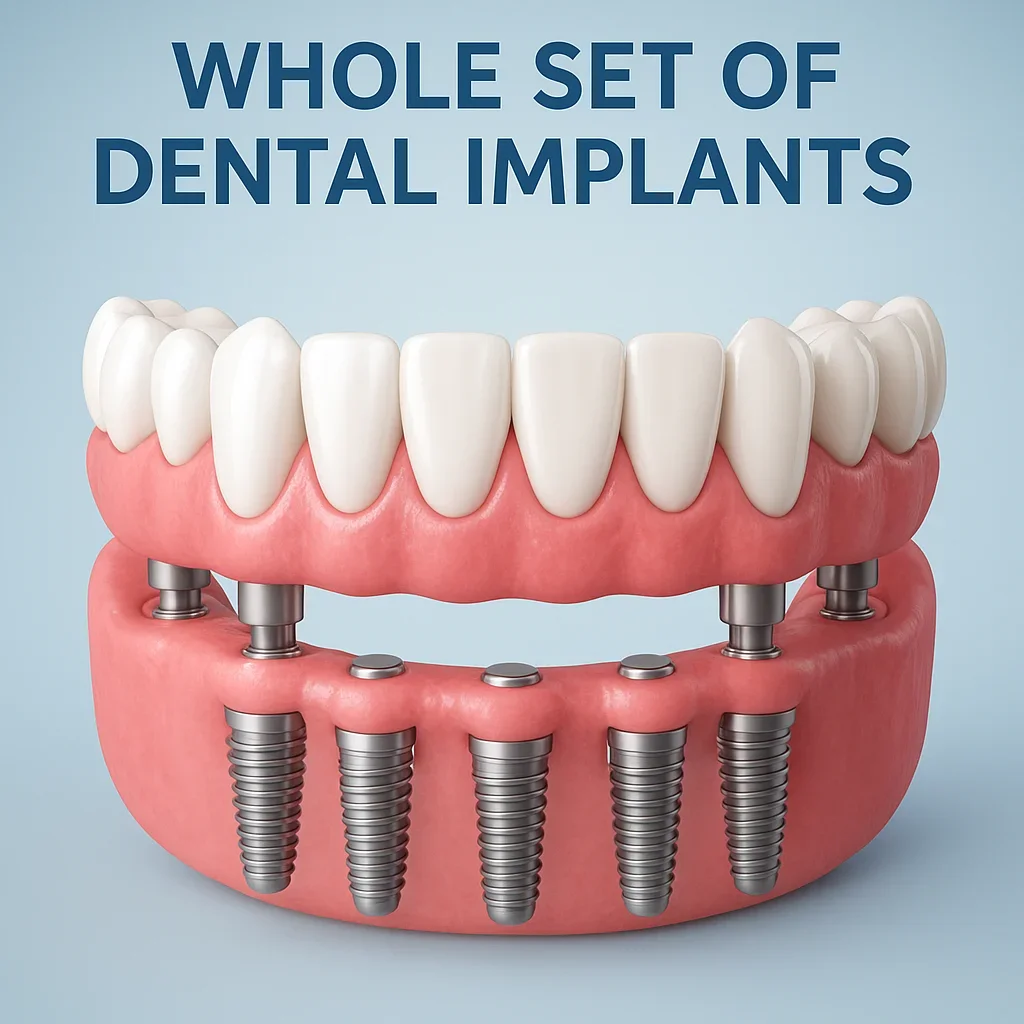
Why Choose a Whole Set of Dental Implants for Complete Smile Restoration
Choosing a whole set of dental implants is one of the most transformative decisions you can make for your oral health and overall well-being. Unlike traditional dentures or bridges, a full-mouth implant system restores not only your smile’s appearance but also its full functionality. Patients regain the ability to eat, speak, and laugh without discomfort or embarrassment — a life-changing improvement that goes beyond aesthetics. This section explains why full-mouth implants have become the gold standard in modern dentistry, highlighting their functional, psychological, and long-term health benefits. 🌟
1. Restoring Complete Oral Functionality
The primary advantage of a whole set of dental implants is the restoration of natural chewing and speaking ability. Because implants integrate directly with the jawbone, they replicate the strength and performance of real tooth roots. Patients can eat a wide variety of foods — including steak, nuts, and raw vegetables — without worrying about movement or instability.
Functional Benefits Include:
- Stable Bite Force: Implants provide 90–100% of the biting efficiency of natural teeth.
- Enhanced Speech Clarity: Unlike dentures, implants don’t slip, improving pronunciation and confidence.
- Balanced Chewing: Even distribution of pressure prevents strain on the jaw joints.
- No Adhesives Needed: Permanent fixation eliminates the need for glues or suction.
This functional stability improves digestion and nutrition, as patients can enjoy healthier and more diverse diets — a benefit that directly supports overall health and vitality.
2. Natural Aesthetics and Facial Harmony
Another key reason patients choose a whole set of dental implants is aesthetics. Each prosthetic arch is custom-designed to match your facial structure, skin tone, and smile line. The result is a natural, youthful appearance that restores self-esteem and makes you look years younger.
When teeth are missing, the jawbone gradually deteriorates, causing facial sagging and wrinkles around the mouth. Implants prevent this bone loss by stimulating the jawbone just like real tooth roots. This preserves your facial contours, keeping your smile full and your face well-balanced. 💎
Design Features for a Natural Look:
- Customized tooth color and translucency
- Proportional alignment for a symmetrical smile
- Gum-colored bases for a realistic appearance
- Digital smile design to preview results before surgery
The aesthetic transformation that a whole set of dental implants offers often boosts confidence in social and professional settings, empowering patients to smile freely again.
3. Preventing Bone Loss and Preserving Jaw Health
When teeth are lost, the jawbone loses stimulation and begins to shrink — a process known as bone resorption. Over time, this leads to sagging facial muscles and a prematurely aged look. Dental implants are the only solution that halts this process by mimicking natural tooth roots and preserving bone mass.
Studies show that patients who receive a whole set of dental implants experience up to 80% less bone loss compared to those using dentures. This not only maintains facial shape but also ensures a stronger foundation for long-term oral health.
How Implants Preserve Bone Structure:
- Stimulate natural bone growth through chewing pressure
- Maintain gum and jaw alignment
- Prevent collapse of facial features and jaw joints
This functional bone stimulation is essential to maintaining lifelong oral health and facial symmetry.
4. Boosting Psychological and Emotional Well-Being
The psychological benefits of a whole set of dental implants are profound. Many patients report an immediate boost in confidence, self-image, and emotional stability after treatment. Being able to smile without hesitation has a ripple effect on mental health, relationships, and quality of life.
Emotional Advantages Include:
- Renewed confidence in personal and professional life
- Freedom from the embarrassment of loose dentures
- Improved self-esteem and social engagement
- Reduced anxiety about eating or speaking in public
The permanent, natural feel of implants helps patients forget they ever lost their teeth — a benefit that profoundly enhances daily happiness and self-worth. 😊
5. Long-Term Financial and Health Investment
While the initial cost of a whole set of dental implants may seem significant, it’s a one-time investment with lifelong returns. Unlike dentures that require adhesives, relines, and frequent replacements, implants rarely need major maintenance once placed successfully. This makes them far more cost-effective in the long term.
Additionally, maintaining full chewing function contributes to better digestion and nutrition, which in turn supports systemic health — reducing risks of diabetes, heart disease, and digestive issues linked to poor chewing ability.
Cost and Value Benefits:
- Minimal long-term maintenance
- Reduced dental visits for repairs or replacements
- Improved general health due to better nutrition
- Permanent enhancement to appearance and confidence
When comparing overall lifetime costs, most patients find that a whole set of dental implants offers unparalleled value.
6. Comfort and Convenience Compared to Dentures
Unlike dentures that often shift, cause irritation, or require adhesives, implants are permanently anchored. They feel just like natural teeth and eliminate the discomfort of removable prosthetics. You can brush and floss as usual — no soaking or special cleaners required. 🪥
Implants also remove the daily inconvenience of taking out dentures for cleaning or sleeping. This sense of normalcy and simplicity is one of the reasons patients overwhelmingly prefer full-mouth implants.
7. High Success and Satisfaction Rates
Dental implants are one of the most successful procedures in modern dentistry, with reported success rates exceeding 95%. Clinical studies show that patients who receive a whole set of dental implants experience higher satisfaction compared to those using dentures or bridges — both in function and appearance.
Clinics following standards set by the American Dental Association emphasize precision, hygiene, and proper follow-up care, ensuring the long-term success of each implant.
8. Suitable for Most Adults with Good Oral Health
Contrary to common misconceptions, age is not a barrier to receiving a whole set of dental implants. What matters most is bone density and gum health. Adults in their 50s, 60s, and even 70s can successfully undergo full-mouth implant treatment and enjoy decades of benefits. Modern techniques such as bone grafting and sinus lifts have expanded eligibility to a wider group of patients than ever before.
9. The Role of Professional Care in Long-Term Success
Choosing a skilled and experienced dental team is crucial. Clinics like Redent Klinik Contact Page specialize in digital planning, minimally invasive surgery, and advanced implant materials. This ensures precision placement, faster recovery, and exceptional long-term outcomes for every patient.
Conclusion: A Permanent Solution for a Confident Future
Opting for a whole set of dental implants means choosing a permanent, natural-looking, and health-enhancing solution for total smile restoration. It restores not only your teeth but also your quality of life — improving confidence, nutrition, and oral health for decades. Whether you seek comfort, durability, or beauty, full-mouth implants represent the pinnacle of modern dentistry, offering a smile that’s as strong and radiant as it is everlasting. 🌟