
Composite dental bonding is one of the most popular cosmetic dentistry treatments for patients who want to improve their smile quickly, safely, and conservatively 😊. It is a minimally invasive procedure that uses a tooth-colored composite resin to repair, reshape, or enhance the appearance of natural teeth. Because the material closely mimics natural enamel, composite dental bonding can deliver highly aesthetic results without extensive dental work.
Many people search for composite dental bonding because they are dealing with chipped teeth, small gaps, discoloration, uneven edges, or minor misalignment. Unlike more complex treatments, this approach focuses on preserving as much natural tooth structure as possible. In most cases, little to no enamel removal is required, which makes composite dental bonding a preferred option for patients who value conservative dental care.
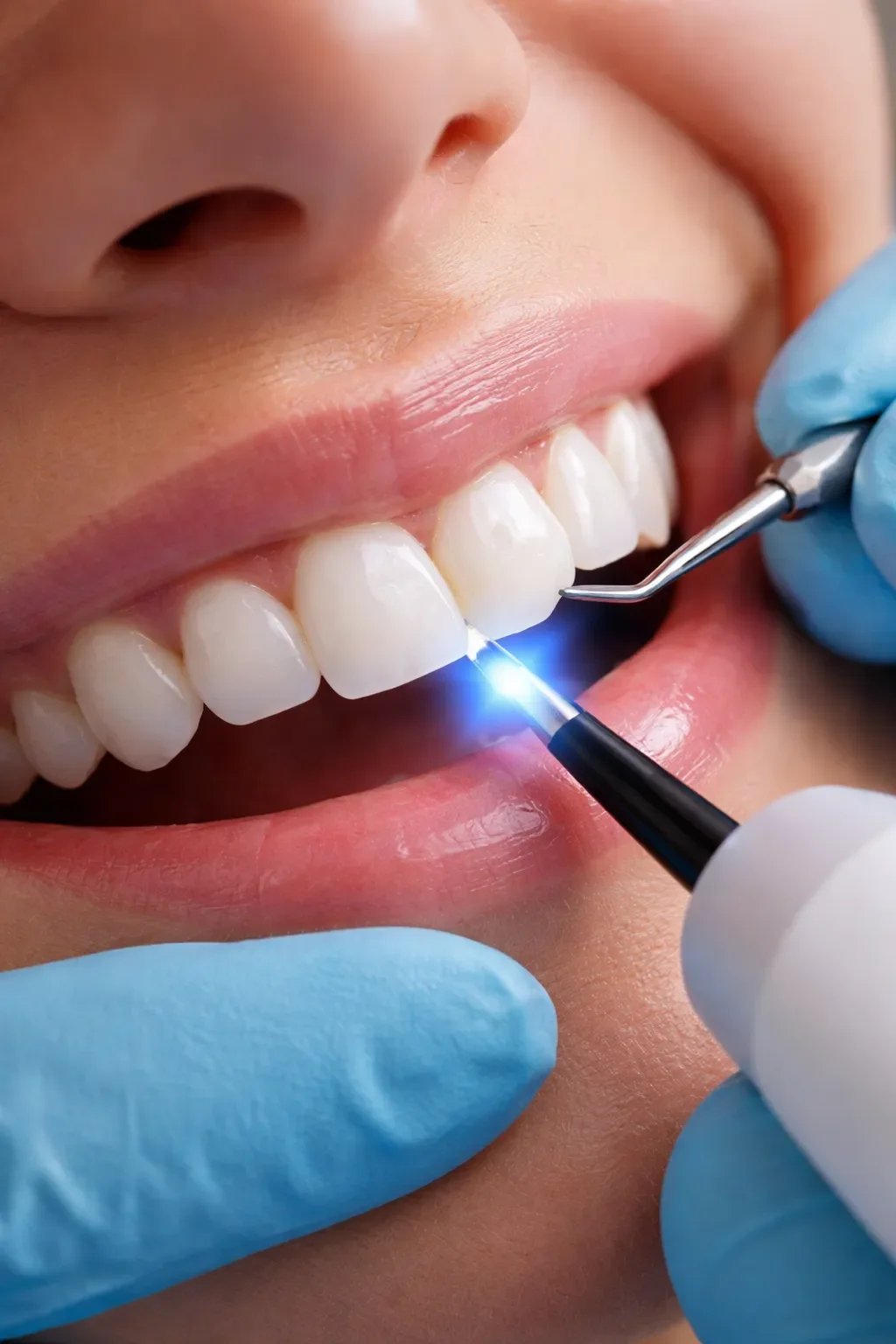
The concept behind composite dental bonding is straightforward. A dentist applies a malleable composite resin to the tooth surface, carefully shapes it, and then hardens it using a special curing light. Once polished, the bonded area blends seamlessly with surrounding teeth. This technique is sometimes referred to as dental bonding or tooth-colored resin bonding, both of which are closely related terms used in cosmetic dentistry.
One of the biggest advantages of composite dental bonding is how quickly results can be achieved. In many cases, the entire procedure can be completed in a single appointment ⏱️. This makes it especially attractive for patients who want an immediate smile improvement without multiple visits. Compared to indirect restorations like veneers or crowns, composite dental bonding offers a faster and often more affordable solution.
Another reason composite dental bonding is so widely recommended is patient comfort. The procedure is typically painless and rarely requires anesthesia unless the bonding is being used to repair a cavity or protect exposed dentin. Because the dentist works directly on the tooth, adjustments can be made in real time to ensure both comfort and aesthetics are optimized.
From a functional perspective, composite dental bonding is not only cosmetic. It can also restore tooth integrity by reinforcing weakened areas and protecting exposed tooth surfaces. For example, patients with minor enamel erosion or early-stage wear may benefit from composite dental bonding as a preventive and restorative measure.
Modern composite materials have significantly improved over the years. Today’s resins are more durable, stain-resistant, and lifelike than earlier generations. When applied by an experienced dentist, composite dental bonding can look virtually indistinguishable from natural teeth 😁. This is one reason why many dental clinics recommend it as a first-line cosmetic solution.
It is important to understand that composite dental bonding is a technique-sensitive procedure. The final result depends heavily on the dentist’s skill, artistic ability, and understanding of smile aesthetics. Proper shade selection, layering, and polishing are essential to achieving a natural appearance. Clinics that follow guidelines from trusted organizations like the American Dental Association tend to emphasize both safety and quality in bonding procedures.
Patients considering composite dental bonding should also think about long-term expectations. While the results can be impressive, composite resin is not as strong as natural enamel or porcelain. With good oral hygiene and regular dental check-ups, composite dental bonding can last for several years, making it a reliable medium-term solution for many smile concerns.
If you are exploring cosmetic dental treatments and want professional guidance tailored to your needs, speaking directly with a dental clinic is the best next step. You can reach out through the Redent Klinik Contact Page to get personalized advice and determine whether composite dental bonding is the right option for your smile goals.
In summary, composite dental bonding stands out as a versatile, patient-friendly treatment that balances aesthetics, function, and tooth preservation. Whether you want to repair minor imperfections or enhance your overall smile appearance, composite dental bonding offers a proven and widely trusted solution in modern cosmetic dentistry 🌟.
What Is Composite Dental Bonding and How Does It Work?
Composite dental bonding is a cosmetic and restorative dental technique designed to improve the appearance and function of teeth using a tooth-colored resin material. It is called “bonding” because the composite resin is bonded directly to the natural tooth surface, creating a strong and visually seamless result. This procedure is widely used to correct minor dental imperfections while preserving the natural structure of the tooth 😊.
Patients often choose composite dental bonding because it is conservative, efficient, and versatile. Whether the concern is a chipped tooth, uneven edges, small gaps, or surface discoloration, composite dental bonding provides a solution that looks natural and feels comfortable. Unlike more invasive procedures, this method typically requires minimal preparation and can often be completed in a single visit.
Understanding the Composite Resin Material
The success of composite dental bonding depends largely on the composite resin itself. This material is a blend of plastic and fine glass particles, engineered to mimic the translucency and color of natural tooth enamel. Dentists can customize the shade to match surrounding teeth precisely, which is why composite dental bonding is so effective for aesthetic corrections.
Modern composite resins are designed to bond chemically and mechanically to the tooth surface. This dual bonding mechanism helps ensure that composite dental bonding remains stable under normal biting and chewing forces. Although the material is not as strong as porcelain, it is more than sufficient for minor to moderate cosmetic enhancements.
The Science Behind How Composite Dental Bonding Works
The process of composite dental bonding relies on controlled adhesion. First, the dentist gently roughens the surface of the tooth to create microscopic texture. This step allows the bonding agent and composite resin to adhere securely. A conditioning liquid is then applied, followed by the composite material itself.
Once the resin is placed, the dentist shapes it carefully to achieve the desired contour. This artistic step is crucial, as it determines how natural the final result will look. After shaping, a special curing light is used to harden the material. This light activates the resin’s polymers, transforming it from a soft, moldable substance into a durable bonded restoration.
Shaping, Curing, and Polishing Explained
Shaping and polishing are often overlooked, but they are essential parts of composite dental bonding. After curing, the dentist refines the bonded area using fine dental instruments. The surface is polished to a smooth finish, which not only enhances aesthetics but also helps reduce plaque accumulation.
A properly polished composite dental bonding surface reflects light similarly to natural enamel, making it nearly invisible to the naked eye 😁. This final step is what elevates composite dental bonding from a simple repair to a high-quality cosmetic solution.
Why Composite Dental Bonding Is Considered Minimally Invasive
One of the defining characteristics of composite dental bonding is its conservative nature. In most cases, no significant enamel removal is required. This means the natural tooth remains largely intact, which is always a priority in modern dentistry. Because the procedure is reversible in many situations, composite dental bonding is often recommended for younger patients or those seeking a low-commitment cosmetic option.
Anesthesia is usually unnecessary unless the bonding is combined with cavity treatment. Patients typically experience little to no discomfort during composite dental bonding, making it an appealing choice for individuals with dental anxiety.
Common Dental Issues Addressed by Composite Dental Bonding
Composite dental bonding is extremely versatile. It can be used to repair chips and cracks, close small gaps between teeth, reshape uneven or worn teeth, and mask discoloration that does not respond to whitening. In some cases, composite dental bonding is also used to protect exposed tooth roots caused by gum recession.
Because the dentist works directly on the tooth, adjustments can be made instantly. This flexibility allows for a highly personalized outcome, tailored to the patient’s smile and facial features.
Is Composite Dental Bonding a Permanent Solution?
While composite dental bonding is durable, it is not considered permanent. Over time, the resin may wear down or become stained, especially without proper oral hygiene. However, one advantage of composite dental bonding is that it can be easily repaired or refreshed without replacing the entire restoration.
With good care, composite dental bonding can last several years and continue to look natural and functional. Regular dental check-ups and adherence to professional guidelines, such as those supported by the American Dental Association, play an important role in maintaining long-term results.
In essence, composite dental bonding works by combining advanced dental materials with precise clinical technique. It bridges the gap between cosmetic improvement and tooth preservation, offering patients a reliable, efficient, and aesthetically pleasing solution for minor dental concerns 🌟.
Benefits of Composite Dental Bonding for Smile Enhancement
Composite dental bonding has become one of the most widely chosen cosmetic dental treatments because it offers a unique combination of aesthetics, comfort, and practicality. Patients who want noticeable smile improvements without aggressive dental procedures often find composite dental bonding to be the ideal solution 😊. Its benefits go beyond appearance, making it a well-rounded option in modern dentistry.
Unlike many cosmetic treatments that require extensive preparation, composite dental bonding focuses on enhancing what is already there. By preserving natural tooth structure and delivering immediate visual improvements, composite dental bonding aligns perfectly with today’s minimally invasive dental philosophy.
Natural-Looking Aesthetic Results
One of the most significant benefits of composite dental bonding is how natural the results look. The composite resin used in the procedure is carefully color-matched to the surrounding teeth. This allows the bonded area to blend seamlessly with natural enamel, making it extremely difficult to distinguish between treated and untreated teeth.
Because the dentist sculpts the resin directly on the tooth, composite dental bonding allows for precise control over shape, length, and contour. This artistic flexibility makes it possible to correct asymmetries, smooth rough edges, and improve overall smile harmony 😁.
Fast and Convenient Treatment Process
Time efficiency is another major advantage of composite dental bonding. In most cases, the procedure can be completed in a single dental visit. There is no need for laboratory fabrication or multiple appointments, which is often required for treatments like veneers or crowns.
For patients with busy schedules, composite dental bonding provides immediate results without extended treatment timelines. This makes it especially appealing for individuals preparing for special events, professional commitments, or social occasions.
Immediate Smile Transformation
Unlike orthodontic treatments or indirect restorations, composite dental bonding delivers instant visual improvement. Patients can walk out of the clinic with a noticeably enhanced smile on the same day. This instant gratification is one of the reasons composite dental bonding continues to grow in popularity worldwide.
Minimally Invasive and Tooth-Conserving
Preserving natural tooth structure is a core principle of modern dentistry, and composite dental bonding excels in this area. In most cases, little to no enamel needs to be removed. This conservative approach reduces the risk of sensitivity and maintains the tooth’s natural strength.
Because composite dental bonding is often reversible or easily adjustable, it is considered a low-risk cosmetic option. This makes it suitable for younger patients or those who are hesitant to commit to permanent dental alterations.
Comfortable and Painless Experience
Patient comfort is another key benefit of composite dental bonding. The procedure is usually painless and rarely requires anesthesia unless combined with restorative treatment. The absence of drilling or aggressive tooth preparation makes the experience more comfortable compared to many traditional dental procedures.
For patients with dental anxiety, composite dental bonding can be an excellent entry point into cosmetic dentistry. The gentle nature of the treatment helps build confidence and trust in dental care 🦷.
Cost-Effective Smile Enhancement
Compared to other cosmetic dental options, composite dental bonding is generally more affordable. While costs can vary depending on the number of teeth treated and the complexity of the case, composite dental bonding typically requires less financial investment than porcelain veneers or crowns.
This cost-effectiveness allows patients to improve their smile without compromising on quality or aesthetics. It also makes composite dental bonding accessible to a wider range of patients seeking cosmetic improvements.
Easy Repairs and Maintenance
Another advantage of composite dental bonding is ease of maintenance. If the bonded material chips or wears over time, it can usually be repaired quickly without replacing the entire restoration. This flexibility adds to the long-term value of composite dental bonding.
With proper oral hygiene and regular dental visits, composite dental bonding can maintain its appearance for years. Professional guidelines from organizations such as the American Dental Association emphasize the importance of routine care to extend the lifespan of bonded restorations.
Versatility Across Cosmetic and Functional Needs
Composite dental bonding is not limited to cosmetic use alone. It can also restore minor functional issues, such as reinforcing weakened enamel or protecting exposed tooth roots. This dual-purpose capability makes composite dental bonding a versatile treatment option.
Whether the goal is purely aesthetic or partially restorative, composite dental bonding adapts to individual patient needs. Dentists can tailor the treatment to address specific concerns while maintaining a natural and balanced smile.
In summary, composite dental bonding offers a powerful combination of beauty, comfort, efficiency, and affordability 🌟. Its ability to deliver natural-looking results with minimal invasiveness makes it one of the most patient-friendly cosmetic dental treatments available today.
Who Is an Ideal Candidate for Composite Dental Bonding?
Composite dental bonding is a highly versatile treatment, but like any dental procedure, it is most successful when used for the right patients and the right indications. Understanding who is an ideal candidate for composite dental bonding helps set realistic expectations and ensures long-term satisfaction 😊. This treatment is best suited for individuals seeking conservative, aesthetic improvements rather than extensive structural changes.
In general, composite dental bonding works best for patients with healthy teeth and gums who want to correct minor cosmetic or functional issues. Because the procedure relies on bonding material to the natural tooth surface, a stable oral environment is essential for predictable and durable results.
Patients With Minor Cosmetic Imperfections
One of the most common reasons people choose composite dental bonding is to correct small aesthetic flaws. Ideal candidates often have chipped teeth, slightly uneven edges, narrow gaps between teeth, or localized discoloration. Composite dental bonding can smooth, reshape, and enhance these areas without the need for aggressive treatment.
For example, patients who are unhappy with the shape of a single tooth or who want to subtly improve smile symmetry often benefit greatly from composite dental bonding. Because the dentist can sculpt the resin directly, the results are highly customized and natural-looking 😁.
Individuals Seeking a Conservative Dental Solution
Composite dental bonding is particularly well-suited for patients who prefer minimally invasive dental care. Since little to no enamel removal is required, it appeals to those who want to preserve their natural tooth structure. This makes composite dental bonding a popular choice for younger patients or first-time cosmetic dentistry patients.
Patients who are hesitant about permanent treatments like veneers often choose composite dental bonding as a reversible or low-commitment alternative. In many cases, the bonding can be modified or removed with minimal impact on the original tooth.
Patients With Dental Anxiety or Sensitivity
Another group that often benefits from composite dental bonding includes individuals with dental anxiety or sensitivity. The procedure is usually painless and does not involve extensive drilling or anesthesia. This gentle approach makes composite dental bonding more approachable for patients who may otherwise avoid cosmetic dental care.
The relatively short appointment time and immediate results further enhance patient comfort and confidence during treatment.
Patients With Healthy Teeth and Gums
Oral health plays a critical role in determining candidacy for composite dental bonding. Ideal candidates have healthy gums and teeth free from active decay or advanced periodontal disease. Bonding material adheres best to clean, healthy enamel, which helps ensure long-lasting results.
If underlying dental issues are present, such as cavities or gum inflammation, these should be addressed before composite dental bonding is performed. A comprehensive dental examination is always recommended prior to treatment.
Who May Not Be the Best Candidate for Composite Dental Bonding?
While composite dental bonding is effective for many people, it may not be suitable for everyone. Patients with severe tooth damage, large fractures, or extensive decay may require more robust restorations such as crowns. Similarly, individuals with significant bite problems or heavy teeth grinding habits may place excessive stress on bonded restorations.
In such cases, composite dental bonding may still be used temporarily, but alternative treatments could offer better long-term durability. A skilled dentist will evaluate bite forces, tooth condition, and lifestyle factors before recommending composite dental bonding.
Habits That Can Affect Bonding Longevity
Ideal candidates for composite dental bonding are also willing to maintain good oral habits. Chewing on hard objects, biting fingernails, or using teeth as tools can shorten the lifespan of bonded restorations. Patients who are committed to proper oral hygiene and mindful habits are more likely to enjoy long-lasting results.
Age Considerations and Lifestyle Factors
There is no strict age limit for composite dental bonding, but lifestyle and expectations matter. Younger patients often appreciate the conservative nature of the treatment, while adults value its efficiency and affordability. Composite dental bonding fits well into a wide range of lifestyles, provided the patient understands its limitations.
According to professional guidance supported by organizations such as the American Dental Association, treatment planning should always be personalized. This ensures that composite dental bonding is chosen for the right reasons and applied in the most appropriate clinical situations.
In conclusion, the ideal candidate for composite dental bonding is someone with healthy teeth, minor cosmetic concerns, and realistic expectations 🌟. When used appropriately, composite dental bonding offers a safe, effective, and highly satisfying solution for smile enhancement.
The Step-by-Step Composite Dental Bonding Procedure
Composite dental bonding is often praised for its simplicity, but behind the scenes, it is a highly precise and technique-sensitive procedure. Understanding each step of the composite dental bonding process helps patients feel more confident and sets realistic expectations about results 😊. While the treatment is usually completed in a single visit, every phase plays a crucial role in achieving a natural, durable outcome.
Unlike laboratory-made restorations, composite dental bonding is performed directly on the tooth. This allows the dentist to adjust, refine, and perfect the result in real time. Below is a detailed breakdown of how composite dental bonding is typically performed from start to finish.
Initial Consultation and Smile Assessment
The composite dental bonding procedure begins with a comprehensive consultation. During this visit, the dentist evaluates the patient’s teeth, gums, bite alignment, and overall oral health. This step ensures that composite dental bonding is the most appropriate treatment for the patient’s needs.
At this stage, the dentist also discusses aesthetic goals. Whether the patient wants to close a small gap, repair a chipped tooth, or improve tooth shape, these goals guide how the composite dental bonding will be designed. Shade selection is often done during this phase to ensure the resin matches the natural teeth perfectly.
Tooth Preparation: Minimal but Essential
One of the defining features of composite dental bonding is minimal tooth preparation. In most cases, no drilling or enamel removal is required. The tooth surface is gently cleaned and slightly roughened to improve adhesion. This step is critical for ensuring that the composite dental bonding material bonds securely to the enamel.
A conditioning liquid is then applied to the tooth. This bonding agent acts as an intermediary layer, creating a strong connection between the natural tooth and the composite resin. Despite being a subtle step, it is fundamental to the longevity of composite dental bonding.
Is Anesthesia Needed?
In most cosmetic cases, composite dental bonding does not require anesthesia. The procedure is painless because it typically does not involve the inner layers of the tooth. However, if composite dental bonding is used to repair decay or protect exposed dentin, local anesthesia may be used for comfort.
Application of the Composite Resin
Once the tooth is prepared, the composite resin is applied in layers. This resin is soft and moldable, allowing the dentist to sculpt it carefully. This is where composite dental bonding truly becomes an art form 🎨. The dentist shapes the resin to achieve ideal contours, symmetry, and proportions.
Layering the material improves both strength and aesthetics. Each layer is positioned strategically to mimic the natural translucency of tooth enamel. This technique is one of the reasons composite dental bonding can look so natural when performed correctly.
Curing and Hardening the Material
After the resin is shaped, a special curing light is used to harden it. This light activates the polymers in the composite material, transforming it from a pliable substance into a solid, durable restoration. Each layer is cured individually to ensure maximum strength.
The curing process is quick, usually taking only a few seconds per layer. Despite its speed, this step is critical to the success of composite dental bonding, as incomplete curing can compromise durability.
Fine Shaping and Bite Adjustment
Once fully cured, the dentist refines the bonded tooth. Excess material is removed, edges are smoothed, and the bite is checked to ensure proper alignment. This step prevents uneven pressure that could lead to premature wear of the composite dental bonding.
Polishing for a Natural Finish
The final step in composite dental bonding is polishing. Using specialized polishing tools, the dentist smooths the surface until it closely resembles natural enamel. A high-quality polish not only enhances appearance but also reduces plaque buildup and staining.
A well-polished composite dental bonding restoration reflects light similarly to natural teeth, making it nearly invisible 😁. This attention to detail is what separates average results from exceptional ones.
Post-Procedure Evaluation and Instructions
After the procedure, the dentist reviews the results with the patient and provides care instructions. Patients are advised to avoid biting hard objects and to maintain good oral hygiene. Composite dental bonding does not require special maintenance, but mindful habits help extend its lifespan.
Professional dental organizations, including the American Dental Association, emphasize the importance of regular check-ups to monitor bonded restorations and overall oral health.
In summary, the composite dental bonding procedure is a carefully structured process that balances science and artistry 🌟. Each step—from preparation to polishing—plays a vital role in delivering a result that is natural-looking, comfortable, and long-lasting.
Composite Dental Bonding vs Veneers: Key Differences
Composite dental bonding and porcelain veneers are two of the most frequently compared cosmetic dental treatments. Patients often find themselves choosing between these options when seeking to improve the appearance of their smile 😊. While both treatments can deliver beautiful results, they differ significantly in terms of procedure, durability, cost, and long-term commitment. Understanding these differences is essential for making an informed decision.
Both composite dental bonding and veneers aim to enhance tooth shape, color, and alignment. However, they are designed for different clinical situations and patient preferences. The best choice depends on individual goals, oral health, and lifestyle factors.
Material Differences: Composite Resin vs Porcelain
The most fundamental difference lies in the materials used. Composite dental bonding utilizes a tooth-colored resin that is applied directly to the tooth surface. This resin is sculpted and polished chairside, allowing immediate results.
Porcelain veneers, on the other hand, are thin ceramic shells fabricated in a dental laboratory. They are custom-made to fit over the front surface of teeth and require a more involved process. While porcelain is stronger and more stain-resistant, composite dental bonding offers greater flexibility and ease of modification.
Procedure Complexity and Time Investment
Composite dental bonding is typically completed in a single appointment. There is no need for temporary restorations or laboratory involvement. This makes composite dental bonding ideal for patients seeking fast results with minimal disruption.
Veneers usually require multiple visits. The process involves tooth preparation, impressions, temporary veneers, and final placement. For patients who prefer a quicker and simpler solution, composite dental bonding often feels more accessible ⏱️.
Tooth Preparation and Enamel Preservation
One of the strongest advantages of composite dental bonding is its conservative nature. In most cases, little to no enamel is removed. This preserves the natural tooth structure and reduces the risk of sensitivity.
Veneers require enamel removal to create space for the porcelain shell. This makes veneers an irreversible procedure. Patients who prioritize tooth preservation often lean toward composite dental bonding as a less aggressive option.
Aesthetic Outcomes and Customization
Both treatments can produce highly aesthetic results when performed by skilled dentists. Composite dental bonding allows real-time customization, as the dentist shapes the resin directly on the tooth. Adjustments can be made immediately to refine the look.
Porcelain veneers are known for their exceptional translucency and long-term color stability. However, modern composite dental bonding materials have significantly narrowed this aesthetic gap, especially for minor to moderate cosmetic concerns 😁.
Durability and Longevity Comparison
Porcelain veneers are generally more durable and can last 10–15 years or longer with proper care. Composite dental bonding typically lasts several years, depending on oral habits and maintenance.
That said, composite dental bonding has a key advantage: repairability. If a bonded area chips or wears, it can usually be repaired easily without replacing the entire restoration. Veneers often require full replacement if damaged.
Maintenance and Lifestyle Considerations
Composite dental bonding is more susceptible to staining over time, especially for patients who consume coffee, tea, or tobacco. Good oral hygiene and regular dental cleanings help minimize discoloration.
Veneers are more stain-resistant, but they are not immune to damage from habits like teeth grinding. Protective measures such as night guards may be recommended for both treatments.
Cost Differences and Accessibility
Cost is a major factor for many patients. Composite dental bonding is generally more affordable than veneers, making it accessible to a wider audience. This affordability allows patients to enhance their smile without a significant financial commitment.
Veneers involve laboratory fees and multiple appointments, which increases overall cost. For patients seeking cosmetic improvement on a budget, composite dental bonding often provides excellent value.
Which Option Is Right for You?
The choice between composite dental bonding and veneers should always be made in consultation with a qualified dentist. Factors such as tooth condition, aesthetic expectations, and long-term goals all play a role. Professional guidance, aligned with standards supported by organizations like the American Dental Association, helps ensure the right treatment is selected.
In summary, composite dental bonding stands out for its simplicity, affordability, and conservative approach 🌟. Veneers offer superior longevity and stain resistance but require greater commitment. Understanding these key differences empowers patients to choose the solution that best aligns with their smile goals and lifestyle.
How Long Does Composite Dental Bonding Last?
Composite dental bonding is well known for delivering fast and natural-looking results, but one of the most common questions patients ask is how long those results will last. The longevity of composite dental bonding depends on several factors, including material quality, dentist expertise, oral habits, and daily care routines 😊. While it is not considered a permanent solution, composite dental bonding can provide reliable and attractive results for many years when properly maintained.
Understanding the lifespan of composite dental bonding helps patients set realistic expectations and make informed decisions about their cosmetic dental care. It also highlights the importance of aftercare and professional follow-up.
Average Lifespan of Composite Dental Bonding
On average, composite dental bonding lasts between 3 to 7 years. In some cases, it can last even longer, especially when applied by an experienced dentist and maintained with excellent oral hygiene. Compared to porcelain restorations, composite dental bonding has a shorter lifespan, but it compensates with easier repairability and lower initial commitment.
The bonded resin is durable enough to withstand normal chewing forces, but it is not as strong as natural enamel or porcelain. This means that composite dental bonding is best suited for low- to moderate-stress areas of the mouth, such as front teeth.
Factors That Affect the Longevity of Composite Dental Bonding
Several key factors influence how long composite dental bonding remains intact and aesthetically pleasing. Understanding these factors allows patients to take proactive steps to extend the lifespan of their treatment.
Location of the Bonded Tooth
The position of the bonded tooth plays a significant role. Composite dental bonding on front teeth generally lasts longer because these teeth experience less biting pressure than molars. Bonding on edges used for biting or tearing may wear down faster over time.
Quality of the Composite Material
Modern composite resins are far superior to earlier versions, offering better strength and stain resistance. High-quality materials used in composite dental bonding contribute significantly to longevity. Dental clinics that follow professional standards, such as those promoted by the American Dental Association, typically use advanced, well-tested materials.
Dentist Skill and Technique
Composite dental bonding is highly technique-sensitive. Proper layering, curing, shaping, and polishing all affect durability. A well-executed composite dental bonding procedure distributes bite forces evenly and minimizes weak points that could lead to chipping or wear.
Impact of Oral Habits on Bonding Longevity
Daily habits have a major influence on how long composite dental bonding lasts. Patients who bite their nails, chew on pens, or open packaging with their teeth place unnecessary stress on bonded areas. These habits can shorten the lifespan of composite dental bonding significantly.
Teeth grinding or clenching, especially at night, is another important factor. Excessive force can cause bonded resin to crack or wear down. In such cases, dentists may recommend a night guard to protect composite dental bonding restorations.
Staining and Color Stability Over Time
Composite dental bonding is more prone to staining than porcelain. Beverages such as coffee, tea, red wine, and habits like smoking can gradually discolor the resin. While professional polishing can restore some brightness, long-term exposure may eventually require repair or replacement.
Maintaining good oral hygiene and limiting stain-causing foods and drinks can significantly improve the color stability of composite dental bonding 😁.
Maintenance and Regular Dental Visits
Routine dental check-ups play a crucial role in extending the life of composite dental bonding. During these visits, the dentist evaluates the bonded areas for signs of wear, staining, or minor damage. Early detection allows for small repairs that prevent larger issues later.
Professional cleanings also help maintain smooth surfaces and reduce plaque buildup around composite dental bonding restorations. These visits are essential for both oral health and aesthetic longevity.
Can Composite Dental Bonding Be Repaired?
One of the greatest advantages of composite dental bonding is repairability. If a bonded area chips or wears, it can often be repaired quickly without removing the entire restoration. This flexibility extends the functional life of composite dental bonding and makes maintenance more convenient and cost-effective.
When Replacement May Be Necessary
Eventually, composite dental bonding may need to be refreshed or replaced due to wear, discoloration, or changes in bite alignment. Replacement is usually straightforward and far less invasive than replacing indirect restorations.
In conclusion, composite dental bonding can last many years with proper care and realistic expectations 🌟. While it may not offer the same longevity as porcelain veneers, its conservative nature, ease of repair, and aesthetic results make composite dental bonding a highly valuable option for smile enhancement.
Aftercare Tips to Maintain Composite Dental Bonding Results
Composite dental bonding delivers immediate and natural-looking improvements, but long-term success depends heavily on proper aftercare. While the procedure itself is conservative and efficient, maintaining composite dental bonding requires daily attention, mindful habits, and regular professional care 😊. Patients who follow recommended aftercare guidelines often enjoy better aesthetics, improved durability, and a longer lifespan for their bonded restorations.
Understanding how to care for composite dental bonding helps protect your investment and ensures that your smile continues to look healthy and attractive over time. Unlike natural enamel, composite resin requires a bit more awareness to prevent unnecessary wear or discoloration.
Daily Oral Hygiene Practices
Good oral hygiene is the foundation of maintaining composite dental bonding. Brushing at least twice a day with a soft-bristled toothbrush helps prevent plaque buildup around bonded areas. Using a non-abrasive toothpaste is especially important, as harsh formulas can gradually dull the surface of composite dental bonding.
Flossing daily is equally essential. While composite dental bonding does not decay, the natural tooth underneath can still be affected by cavities if plaque accumulates along the margins. Proper flossing protects both the bonded restoration and the surrounding gum tissue 🦷.
Choosing the Right Dental Products
Patients with composite dental bonding should avoid whitening toothpastes that contain aggressive abrasives. These products can scratch the resin surface, making it more susceptible to staining. A dentist can recommend bonding-safe oral care products that preserve smoothness and shine.
Dietary Habits and Stain Prevention
Composite dental bonding is more prone to staining than porcelain, so dietary awareness plays a key role in aftercare. Beverages such as coffee, tea, red wine, and dark sodas can gradually discolor the resin. Limiting consumption or rinsing with water afterward can help minimize staining.
Foods with strong pigments, such as berries or tomato-based sauces, may also affect color over time. While complete avoidance is unnecessary, moderation supports long-lasting composite dental bonding results 😁.
Avoiding Harmful Oral Habits
One of the most important aftercare principles for composite dental bonding is avoiding excessive force. Using teeth as tools to open packaging, biting fingernails, or chewing on pens can chip or crack bonded areas. These habits significantly shorten the lifespan of composite dental bonding.
Patients who grind or clench their teeth, especially during sleep, should discuss protective options with their dentist. A custom night guard can shield composite dental bonding from excessive pressure and prevent premature wear.
Sports and Physical Activities
For patients involved in contact sports, wearing a mouthguard is highly recommended. Sudden impact can damage composite dental bonding just as easily as natural teeth. Preventive protection helps preserve both function and aesthetics.
Professional Dental Check-Ups and Maintenance
Regular dental visits are essential for maintaining composite dental bonding. During routine check-ups, the dentist examines bonded areas for early signs of wear, staining, or minor damage. These visits allow small issues to be addressed before they become more serious.
Professional dental cleanings help keep the bonded surface smooth and free from plaque accumulation. Polishing during these appointments can restore some of the original shine of composite dental bonding and extend its visual appeal.
Polishing and Touch-Ups Over Time
Over time, composite dental bonding may lose some of its gloss due to normal wear. Fortunately, professional polishing can often refresh its appearance without replacing the restoration. In some cases, small touch-ups may be added to restore shape or color consistency.
This ability to repair and refresh composite dental bonding is one of its greatest advantages compared to indirect restorations. Minor adjustments can significantly extend the life of the bonding without invasive procedures.
When to Seek Professional Evaluation
If you notice rough edges, discoloration, or sensitivity around bonded teeth, it is important to contact your dentist promptly. Early intervention helps preserve composite dental bonding and prevents complications affecting the natural tooth structure.
Long-Term Care Mindset
Maintaining composite dental bonding is not about strict limitations but about awareness and consistency. Patients who treat bonded teeth with the same care as natural enamel—while avoiding excessive stress—typically enjoy stable and attractive results for years.
Professional organizations such as the American Dental Association emphasize the importance of preventive care and patient education in preserving all dental restorations, including composite dental bonding.
In summary, proper aftercare is the key to maximizing the benefits of composite dental bonding 🌟. Through good hygiene, mindful habits, and regular dental visits, patients can protect their smile and enjoy long-lasting, confident results.
Potential Risks and Limitations of Composite Dental Bonding
Composite dental bonding is widely regarded as a safe, conservative, and effective cosmetic dental treatment. However, like any dental procedure, it comes with certain risks and limitations that patients should fully understand before moving forward 😊. Being informed about these potential drawbacks helps set realistic expectations and ensures long-term satisfaction with composite dental bonding results.
While most patients experience excellent outcomes, composite dental bonding is not a one-size-fits-all solution. Its suitability depends on tooth condition, bite dynamics, lifestyle habits, and aesthetic goals. A transparent discussion of limitations allows patients to make confident, well-informed decisions.
Durability Compared to Other Restorations
One of the primary limitations of composite dental bonding is durability. Composite resin is strong, but it is not as hard or wear-resistant as natural enamel or porcelain. Over time, bonded areas may experience minor chipping, surface wear, or edge breakdown, especially in high-stress areas of the mouth.
For patients with heavy biting forces or habits such as teeth grinding, composite dental bonding may wear faster than expected. In such cases, dentists may recommend alternative treatments or protective appliances to reduce stress on bonded teeth.
Risk of Staining and Color Changes
Another important consideration is staining. Composite dental bonding is more porous than porcelain, which makes it more susceptible to discoloration over time. Frequent consumption of coffee, tea, red wine, or tobacco products can gradually affect the color of the resin.
Although professional polishing can help restore some brightness, composite dental bonding does not respond to whitening treatments in the same way natural teeth do. This means that color mismatches may develop if surrounding teeth are whitened after bonding 😁.
Managing Staining Risks
Patients can reduce staining risks by maintaining good oral hygiene, limiting exposure to stain-causing substances, and attending regular dental cleanings. Dentists may also recommend periodic polishing to maintain a smooth surface.
Chipping and Wear Over Time
Composite dental bonding can chip if exposed to excessive force. Biting on hard foods, chewing ice, nail biting, or using teeth as tools increases the likelihood of damage. While chips are usually repairable, repeated stress can shorten the lifespan of composite dental bonding.
Wear over time is a natural process, especially on biting edges. As the resin wears, it may lose its original shape or gloss, requiring maintenance or replacement.
Technique Sensitivity and Operator Skill
The success of composite dental bonding depends heavily on the dentist’s skill and experience. Proper layering, curing, shaping, and polishing are essential for long-term durability and aesthetics. Poor technique can lead to premature failure, rough surfaces, or unnatural appearance.
This is why it is important to seek treatment from a qualified dental professional who follows established clinical guidelines, such as those supported by the American Dental Association.
Not Suitable for Major Structural Damage
Composite dental bonding is best suited for minor to moderate cosmetic concerns. Teeth with extensive decay, large fractures, or significant structural weakness may require stronger restorations like crowns. In such cases, composite dental bonding may not provide sufficient protection or longevity.
Using composite dental bonding beyond its ideal indications can lead to repeated repairs and dissatisfaction. Proper case selection is essential for predictable outcomes.
Temporary vs Long-Term Expectations
It is important to understand that composite dental bonding is not always intended as a permanent solution. For some patients, it serves as a transitional or medium-term treatment while planning future restorative work. Clear communication between dentist and patient helps align expectations.
Maintenance Commitment
Composite dental bonding requires ongoing maintenance. Patients must commit to good oral hygiene, regular dental visits, and mindful habits. Without proper care, the risk of staining, wear, or damage increases.
While this maintenance is not complex, it does require consistency. Patients unwilling or unable to follow aftercare recommendations may find composite dental bonding less satisfying in the long run.
Balancing Benefits and Limitations
Despite these risks and limitations, composite dental bonding remains an excellent option for many patients when used appropriately. Its conservative nature, repairability, and immediate results often outweigh its drawbacks, especially for minor cosmetic enhancements.
In conclusion, understanding the potential risks and limitations of composite dental bonding empowers patients to make informed choices 🌟. When applied in suitable cases and maintained properly, composite dental bonding continues to be a reliable, patient-friendly solution in modern cosmetic dentistry.
Cost of Composite Dental Bonding and What Affects Pricing
Composite dental bonding is widely appreciated not only for its aesthetic benefits but also for its relative affordability compared to other cosmetic dental treatments. For many patients, understanding the cost of composite dental bonding is a key part of the decision-making process 😊. While it is generally considered a cost-effective option, pricing can vary depending on several important factors.
Knowing what influences the cost of composite dental bonding helps patients plan realistically and avoid surprises. Unlike one-size-fits-all procedures, composite dental bonding is highly customized, which means prices are shaped by individual clinical needs and treatment goals.
Average Cost of Composite Dental Bonding
On average, the cost of composite dental bonding per tooth typically falls within a moderate range when compared to other cosmetic procedures. In many regions, patients can expect composite dental bonding to be significantly less expensive than porcelain veneers or crowns.
General price range (per tooth):
- Simple bonding (minor chip or edge repair): lower range
- Moderate reshaping or gap closure: mid-range
- Complex aesthetic bonding involving detailed sculpting: higher range
These costs usually reflect chairside time, material quality, and the dentist’s expertise. Because composite dental bonding is performed in a single visit, there are no laboratory fees, which helps keep overall pricing more accessible.
Key Factors That Affect Composite Dental Bonding Costs
The total cost of composite dental bonding is influenced by multiple variables. Understanding these factors allows patients to better evaluate quotes and treatment plans.
Number of Teeth Being Treated
One of the most obvious factors is how many teeth require composite dental bonding. Treating a single chipped tooth will naturally cost less than bonding multiple teeth to enhance the entire smile. Some patients choose composite dental bonding for one or two problem areas, while others opt for a more comprehensive smile makeover.
Complexity of the Case
Not all composite dental bonding cases are equal in complexity. Minor touch-ups require less time and material, while advanced aesthetic cases demand detailed layering, shaping, and polishing. The more artistic and time-intensive the procedure, the higher the cost of composite dental bonding is likely to be.
Dentist’s Experience and Skill Level
Composite dental bonding is a technique-sensitive procedure. Dentists with advanced cosmetic training and extensive experience often charge more, reflecting their expertise and ability to deliver natural-looking results 😁. While lower-cost options may exist, quality and longevity are closely tied to professional skill.
Geographic Location and Clinic Standards
Location plays a significant role in pricing. Composite dental bonding costs may vary between cities, regions, and countries due to differences in operating expenses and local market conditions. Clinics that invest in modern technology, high-quality materials, and strict hygiene standards