
Searching for where to get help with dental implants is often the first step for people who are dealing with missing teeth, discomfort, or a loss of confidence in their smile. Dental implants are not just a cosmetic solution; they are a long-term medical treatment that restores chewing function, jawbone health, and overall oral stability. Because the procedure involves surgery, materials like titanium implants, and long-term planning, choosing the right place and the right professionals is absolutely critical. 😊
Many patients feel overwhelmed when trying to decide where to get help with dental implants. Should you go to a local dental clinic, a specialized implant center, or even consider treatment abroad? The answer depends on several factors, including your oral health condition, bone structure, budget, and personal expectations. This guide is designed to help you clearly understand your options and make a confident, informed decision.
First, it’s important to understand what dental implant treatment actually involves. Dental implants are artificial tooth roots, usually made of titanium, that are surgically placed into the jawbone. Over time, the implant fuses with the bone in a process called osseointegration. Once healed, a crown, bridge, or denture is attached to restore function and appearance. Because of this complexity, knowing where to get help with dental implants means finding a provider with experience, advanced technology, and a patient-centered approach.
One of the most common mistakes patients make is assuming that all dentists provide the same level of implant care. In reality, dental implant treatment often requires additional training beyond general dentistry. Oral surgeons, periodontists, and implant-focused dental clinics are usually better equipped to handle complex cases such as bone loss, gum disease, or full-mouth restorations. If you are serious about long-term results, your search for where to get help with dental implants should prioritize expertise over convenience.
Trust and safety are also key considerations. Reputable clinics follow strict hygiene protocols, use certified implant brands, and provide detailed treatment plans. Many patients find reassurance in clinics that openly explain each step, from initial consultation and 3D imaging to surgery and aftercare. Educational resources from trusted organizations like the American Dental Association can also help you understand professional standards and what questions to ask before starting treatment.
Another important factor when deciding where to get help with dental implants is accessibility and communication. A good clinic will offer clear consultations, either in person or online, and be responsive to your concerns. Some international patients prefer clinics that provide online consultations before travel, allowing them to share X-rays and medical history in advance. If you would like to speak directly with a professional team, you can reach out through the Redent Klinik Contact Page to get personalized guidance.
Cost is also part of the decision-making process. While prices vary by country and clinic, it’s essential to understand what is included in the treatment plan. Some clinics offer comprehensive packages that include consultation, surgery, implant materials, crowns, and follow-up care. When evaluating where to get help with dental implants, avoid focusing solely on the lowest price. Instead, look for transparency, quality materials, and long-term warranties, which often indicate a higher standard of care.
Patient reviews and real-life case results can provide valuable insight as well. Reading testimonials, looking at before-and-after photos, and understanding how complications are handled can help you feel more confident about your choice. A clinic that openly shares success stories and addresses potential risks shows professionalism and honesty. This level of openness is a strong indicator that you have found a reliable answer to where to get help with dental implants.
Finally, remember that dental implants are a long-term investment in your health and quality of life. Choosing the right provider can mean fewer complications, faster healing, and results that last for decades. By focusing on expertise, communication, safety standards, and patient support, you can confidently decide where to get help with dental implants and move forward toward a healthier, more confident smile. 😁
Why Knowing Where to Get Help With Dental Implants Matters
Understanding where to get help with dental implants is one of the most important decisions a patient can make when considering tooth replacement. Dental implants are a medical procedure that directly affects your oral health, facial structure, and overall well-being. Choosing the wrong provider can lead to complications such as implant failure, infection, bone loss, or long-term discomfort. That is why knowing exactly where to get help with dental implants is not just a matter of convenience, but a matter of safety and long-term success.
Unlike fillings or routine cleanings, dental implants involve surgery, advanced diagnostics, and careful treatment planning. The provider you choose will determine the quality of materials used, the accuracy of implant placement, and the effectiveness of aftercare. Patients who thoroughly research where to get help with dental implants are far more likely to achieve stable, natural-looking, and long-lasting results. 😊
The Impact of Provider Experience on Implant Success
One of the main reasons why knowing where to get help with dental implants matters is the experience level of the dental team. Implant dentistry requires advanced training in surgical techniques, anatomy, and prosthetic design. Dentists who regularly perform implant procedures are more skilled at identifying potential risks, such as insufficient bone density or gum disease, before they become serious problems.
Experienced providers also use advanced diagnostic tools like 3D cone beam CT scans, which allow for precise planning and safer implant placement. When patients choose randomly or base their decision solely on price, they may miss out on this level of expertise. This is why reputable professional organizations such as the American Dental Association emphasize the importance of proper training and credentials when performing implant treatments.
Long-Term Health Benefits Depend on the Right Choice
Dental implants do more than replace missing teeth; they help preserve jawbone structure and prevent facial collapse. However, these benefits only occur when implants are placed correctly and maintained properly. Knowing where to get help with dental implants ensures that the implant integrates successfully with the bone and functions like a natural tooth.
Poorly planned implant treatments can result in uneven bite pressure, nerve damage, or chronic inflammation. Over time, these issues can affect neighboring teeth and even overall oral health. Patients who take the time to research where to get help with dental implants are investing in their future health, not just their appearance.
Why Follow-Up Care Is Just as Important
Another often-overlooked reason why knowing where to get help with dental implants matters is follow-up care. Implant treatment does not end after surgery; it includes healing, crown placement, and long-term maintenance. A reliable clinic provides structured follow-up appointments, hygiene guidance, and ongoing support in case of complications.
Clinics that prioritize aftercare help patients maintain their implants for decades. This includes professional cleanings, bite adjustments, and regular evaluations of the implant site. When deciding where to get help with dental implants, patients should ask about aftercare protocols and long-term support options.
Patient Communication and Trust Play a Major Role
Clear communication is essential in implant dentistry. Patients need to understand their treatment plan, expected outcomes, possible risks, and recovery timeline. Knowing where to get help with dental implants also means choosing a clinic that listens, answers questions honestly, and provides realistic expectations.
Trustworthy clinics offer detailed consultations and encourage patients to seek second opinions if needed. Some clinics also provide online consultations, making it easier for international or busy patients to access expert advice. If you are looking for direct professional guidance, you can contact a trusted team through the Redent Klinik Contact Page to discuss your specific needs.
The Emotional and Financial Impact of the Right Decision
Dental implant treatment is often a significant emotional and financial investment. Choosing wisely can reduce anxiety, prevent unexpected costs, and improve overall satisfaction. Patients who clearly understand where to get help with dental implants feel more confident and prepared throughout the treatment process.
Financial transparency is also closely linked to provider quality. Reliable clinics provide clear treatment plans, explain what is included in the cost, and avoid hidden fees. This transparency allows patients to plan effectively and avoid stress. Ultimately, knowing where to get help with dental implants protects both your health and your peace of mind.
In summary, the importance of knowing where to get help with dental implants cannot be overstated. From clinical expertise and long-term health benefits to communication, aftercare, and emotional reassurance, the right choice impacts every stage of the journey. By prioritizing experience, transparency, and patient-focused care, you set yourself up for a successful and lasting implant result. 🦷✨
Dental Implant Specialists vs General Dentists: Who Should You Trust?
When patients search for where to get help with dental implants, one of the most confusing decisions is choosing between a general dentist and a dental implant specialist. While many general dentists offer implant services, not all have the same level of training, experience, or technological support required for complex implant cases. Understanding the difference between these providers can significantly affect the safety, durability, and aesthetics of your final results.
Dental implants are a surgical and restorative procedure combined into one treatment journey. This means the provider must be skilled not only in placing the implant into the jawbone but also in designing a crown or prosthetic that functions and looks natural. Knowing where to get help with dental implants often starts with knowing who is best qualified to perform each stage of the process. 🦷
What Is a Dental Implant Specialist?
A dental implant specialist is usually an oral surgeon, periodontist, or prosthodontist with advanced education specifically focused on implant dentistry. These professionals undergo years of additional training beyond dental school, often including hospital-based surgical experience. When patients are unsure where to get help with dental implants, specialists are typically the safest choice for complex or high-risk cases.
Implant specialists are particularly experienced in managing complications such as bone loss, sinus issues, gum disease, and full-mouth implant restorations. They also tend to use advanced diagnostic tools like 3D CBCT imaging and digital implant planning software, which increases accuracy and reduces surgical risks.
The Role of General Dentists in Implant Treatment
General dentists play an important role in oral healthcare and may offer dental implants as part of their services. For patients with good bone structure and straightforward needs, a skilled general dentist with implant training can sometimes provide successful treatment. However, not all general dentists receive the same level of implant education.
This is why patients researching where to get help with dental implants should ask specific questions about experience. How many implants has the dentist placed? What implant systems do they use? Do they manage complications themselves or refer patients to specialists? Clear answers to these questions help determine whether a general dentist is the right choice.
Training and Certification Differences
One major difference between specialists and general dentists is formal training. Implant specialists often hold certifications from recognized institutions and participate in continuous education focused exclusively on implantology. Trusted organizations like the American Dental Association highlight the importance of proper credentials and ongoing education for advanced dental procedures.
General dentists may attend short-term implant courses, which vary widely in quality and depth. While some dentists are highly committed to excellence, others may have limited hands-on experience. This makes it essential for patients to carefully evaluate where to get help with dental implants rather than assuming all providers offer the same standard of care.
Case Complexity Determines Who You Should Trust
The complexity of your dental condition plays a major role in deciding where to get help with dental implants. Patients with missing single teeth and healthy bone may do well with a trained general dentist. However, those with multiple missing teeth, bone resorption, or medical conditions such as diabetes should strongly consider a specialist.
Specialists are trained to handle advanced procedures like bone grafting, sinus lifts, and immediate-load implants. These treatments require precise planning and surgical skill. Choosing the wrong provider for a complex case can lead to implant failure, additional costs, and prolonged recovery.
Team-Based Clinics and Hybrid Models
Many modern dental clinics use a team-based approach, combining the skills of general dentists and implant specialists under one roof. This model offers patients a comprehensive solution when deciding where to get help with dental implants. In such clinics, the surgical phase may be handled by a specialist, while the restorative phase is managed by a prosthetic-focused dentist.
This collaborative approach often results in better outcomes, smoother communication, and higher patient satisfaction. If you are exploring your options, clinics that clearly explain who performs each part of the treatment tend to be more transparent and trustworthy.
How to Make the Right Decision as a Patient
Ultimately, the best answer to where to get help with dental implants depends on your individual needs. Patients should prioritize experience, transparency, and patient-centered care over convenience or low prices. Asking for before-and-after cases, understanding the treatment plan, and discussing possible risks are all signs of a responsible provider.
If you want personalized guidance from a clinic experienced in implant dentistry, you can reach out through the Redent Klinik Contact Page to discuss your situation in detail.
In conclusion, trusting the right professional is a critical step in dental implant success. Whether you choose a specialist, a highly trained general dentist, or a collaborative clinic, knowing where to get help with dental implants ensures safer treatment, better long-term results, and peace of mind throughout your journey. 😁
Where to Get Help With Dental Implants If You Have Bone Loss
Many patients searching for where to get help with dental implants are surprised to learn that bone loss can affect their eligibility for treatment. Bone loss often occurs after tooth loss due to lack of stimulation in the jawbone, gum disease, trauma, or long-term denture use. While this can sound discouraging, modern implant dentistry offers advanced solutions. The key is knowing where to get help with dental implants when bone volume or density is compromised.
Bone loss does not automatically disqualify you from dental implants. However, it does mean that you need a provider with advanced diagnostic tools, surgical expertise, and experience managing complex cases. Patients who carefully evaluate where to get help with dental implants in these situations are far more likely to achieve successful, long-lasting outcomes. 😊
Understanding Bone Loss and Its Impact on Dental Implants
Jawbone health is critical for implant stability. Dental implants rely on the surrounding bone to anchor securely and integrate properly. When bone loss is present, standard implant placement may not be possible without additional procedures. This is why understanding where to get help with dental implants becomes especially important for patients with reduced bone volume.
Bone loss can occur vertically (loss of height), horizontally (loss of width), or both. Advanced imaging, such as 3D CBCT scans, allows clinicians to assess bone quality accurately. Clinics that invest in this technology demonstrate a higher level of care and are often better equipped to guide patients who are unsure where to get help with dental implants in challenging cases.
Advanced Solutions for Patients With Bone Loss
Modern implant dentistry offers several solutions for patients with insufficient bone. Bone grafting is one of the most common techniques, where natural or synthetic bone material is added to rebuild the jaw. Sinus lift procedures are often used for upper jaw implants when bone height is limited near the sinus cavity.
In addition, alternative implant techniques such as short implants, angled implants, or zygomatic implants may be suitable in certain cases. These procedures require advanced surgical skills and should only be performed by experienced professionals. This further highlights why knowing where to get help with dental implants is critical for patients with bone loss.
Bone Grafting: What Patients Should Know
Bone grafting is a well-established procedure that can significantly improve implant success rates. Healing time varies depending on the graft type and patient health, but it is a vital step for many individuals. Clinics that clearly explain the grafting process, risks, and recovery timeline are often more trustworthy.
Patients researching where to get help with dental implants should ask whether bone grafting is performed in-house, what materials are used, and how healing is monitored. Transparency in these areas is a strong indicator of professional standards.
Choosing the Right Clinic for Bone Loss Cases
Not all dental clinics are equipped to manage implant cases involving bone loss. Specialized implant centers, oral surgeons, and periodontists are typically better prepared for these situations. They have the training and experience to adapt treatment plans and manage complications if they arise.
Authoritative organizations like the American Dental Association emphasize the importance of proper diagnosis and specialist involvement for complex dental procedures. This guidance reinforces the need for patients to carefully consider where to get help with dental implants, especially when bone loss is present.
Second Opinions and Treatment Planning Matter
Patients with bone loss are often told they are not candidates for dental implants without being offered alternative solutions. Seeking a second opinion can make a significant difference. Different providers may have access to different techniques, technologies, and levels of expertise.
Knowing where to get help with dental implants also means finding a clinic that welcomes second opinions and provides comprehensive treatment plans. These plans should include diagnostic imaging, step-by-step procedures, estimated timelines, and long-term maintenance strategies.
Communication and Patient Support
Clear communication is essential when dealing with bone loss and implant treatment. Patients should feel comfortable asking questions and fully understanding their options. Clinics that offer detailed consultations, visual explanations, and ongoing support create a more positive experience.
If you would like expert guidance on complex implant cases, including bone loss, you can reach out through the Redent Klinik Contact Page to discuss your individual situation with a professional team.
In summary, bone loss does not mean the end of your implant journey. With the right expertise, technology, and treatment planning, successful outcomes are possible. By carefully researching where to get help with dental implants, patients with bone loss can access advanced solutions that restore both function and confidence. 🦷✨
Hospitals, Dental Clinics, and Private Practices: Pros and Cons
When people search for where to get help with dental implants, they often encounter several types of healthcare providers: hospitals, specialized dental clinics, and private dental practices. Each option has its own advantages and limitations, and understanding these differences is essential for making an informed decision. Dental implants are a long-term medical solution, so choosing the right setting can directly affect safety, comfort, treatment outcomes, and overall satisfaction.
Not all treatment environments offer the same level of focus, technology, or patient experience. Knowing where to get help with dental implants means evaluating which setting aligns best with your medical needs, expectations, and budget. 😊
Hospitals: When Are They the Right Choice?
Hospitals are typically associated with complex medical and surgical care. In some cases, especially when patients have serious systemic health conditions, hospitals may be an appropriate place to receive dental implant treatment. Patients with heart conditions, severe diabetes, immune disorders, or those requiring general anesthesia may be referred to a hospital-based dental department.
However, hospitals are not always the most efficient or comfortable option for routine implant treatment. While they offer advanced emergency support, they may lack the specialized focus and personalized approach found in implant-centered clinics. For many patients researching where to get help with dental implants, hospitals are best reserved for high-risk or medically complex cases.
Advantages of Hospital-Based Implant Care
Hospitals provide access to multidisciplinary medical teams, advanced monitoring, and emergency resources. This can be reassuring for patients with complex medical histories. In addition, hospital-based oral surgeons often have extensive surgical training.
That said, hospital environments can feel impersonal, and appointment availability may be limited. Costs may also be higher due to facility fees. These factors are important to consider when deciding where to get help with dental implants.
Specialized Dental Clinics: A Balanced and Popular Option
Specialized dental clinics are often the preferred choice for patients seeking dental implants. These clinics focus specifically on dental treatments and frequently invest in advanced implant technology, such as 3D imaging, digital planning, and modern surgical equipment. For many patients, this is the most practical answer to where to get help with dental implants.
Implant-focused clinics usually employ teams that include implantologists, oral surgeons, prosthodontists, and hygienists working together. This collaborative approach allows for efficient treatment planning and consistent care from consultation to aftercare.
Patient Experience and Technology
One of the biggest advantages of specialized clinics is the patient-centered experience. Appointments are often longer, consultations more detailed, and communication clearer. Clinics that specialize in implants understand patient concerns and take the time to explain procedures, recovery, and maintenance.
Professional bodies such as the American Dental Association emphasize the importance of proper training and modern technology in implant dentistry. Clinics that align with these standards are often a reliable choice when determining where to get help with dental implants.
Private Dental Practices: Convenience With Considerations
Private dental practices, especially general dentistry offices, may also offer dental implant services. For patients with straightforward cases and good oral health, a well-trained private dentist can sometimes provide successful treatment. Convenience, familiarity, and location are common reasons patients choose this option.
However, not all private practices have the same level of implant experience or equipment. Some may refer surgical components to external specialists, which can fragment care. This is why patients should carefully assess credentials and experience when deciding where to get help with dental implants in a private practice setting.
Questions to Ask Before Choosing a Private Practice
Patients should ask how many implants the dentist has placed, what implant systems are used, and how complications are managed. Transparency is key. A trustworthy provider will clearly explain whether procedures are done in-house or referred out.
Clinics that welcome questions and provide clear treatment plans tend to be more reliable. If you are seeking a professional consultation to explore your options, you can reach out through the Redent Klinik Contact Page for personalized guidance.
Comparing Costs, Quality, and Outcomes
Cost differences between hospitals, specialized clinics, and private practices can be significant. Hospitals often have higher overhead costs, while specialized clinics may offer package pricing. Private practices may appear more affordable initially but could involve additional referrals or fees.
When evaluating where to get help with dental implants, patients should look beyond price and focus on value, experience, and long-term success. Clear communication, documented outcomes, and structured aftercare are strong indicators of quality.
In conclusion, there is no single answer that fits everyone. Hospitals are ideal for complex medical cases, specialized dental clinics offer comprehensive implant-focused care, and private practices provide convenience for selected patients. By carefully comparing these options, you can confidently determine where to get help with dental implants and choose a setting that supports safe, effective, and lasting results. 🦷✨
Where to Get Help With Dental Implants Abroad: Medical Tourism Options
For many patients researching where to get help with dental implants, medical tourism has become an increasingly attractive option. Rising treatment costs in some countries, long waiting times, and limited access to advanced implant procedures have encouraged patients to look beyond their borders. Dental implant treatment abroad can offer high-quality care, modern technology, and significant cost advantages—when done correctly.
However, choosing where to get help with dental implants outside your home country requires careful planning, research, and an understanding of both the benefits and potential risks. Medical tourism can be life-changing when handled responsibly, but poor choices can lead to complications, unexpected expenses, or inadequate follow-up care. 😊
Why Patients Choose Dental Implant Treatment Abroad
The most common reason patients explore where to get help with dental implants abroad is cost. In countries like the United States, the UK, and parts of Western Europe, dental implant prices can be extremely high. In contrast, countries with strong medical tourism infrastructure often provide the same treatments at a fraction of the cost, without compromising quality.
Another major factor is access to specialized clinics. Many international implant centers focus exclusively on advanced procedures, including full-mouth restorations, bone grafting, and immediate-load implants. These clinics often treat international patients daily and are experienced in managing travel logistics, consultations, and post-treatment care.
Quality of Care and Technology Standards
Reputable dental tourism destinations invest heavily in modern technology such as 3D imaging, digital smile design, and computer-guided implant placement. Clinics that serve international patients understand global expectations and often exceed basic standards to remain competitive.
Organizations like the American Dental Association emphasize that quality implant care depends on training, materials, and proper planning—regardless of location. This means that knowing where to get help with dental implants abroad is less about geography and more about credentials and transparency.
Popular Destinations for Dental Implant Medical Tourism
Certain countries have become well-known for dental implant tourism due to their strong healthcare systems and affordability. These destinations often combine skilled professionals, internationally certified materials, and patient-focused services.
When evaluating where to get help with dental implants abroad, patients should look for clinics that openly share dentist qualifications, implant brands used, and real patient results. Clinics that cater to international patients often provide multilingual support, airport transfers, and accommodation assistance.
Risks and How to Avoid Common Mistakes
While medical tourism can be beneficial, it is not without risks. One of the biggest concerns is continuity of care. Dental implants require healing time and follow-up visits, which can be challenging when treatment is performed abroad. This is why choosing where to get help with dental implants should include a clear plan for aftercare.
Another risk is choosing clinics based solely on low prices. Extremely cheap offers may involve low-quality materials, insufficient sterilization standards, or inexperienced practitioners. Patients should be cautious and verify certifications, clinic reviews, and implant brand authenticity.
The Importance of Online Consultations
Online consultations play a critical role in safe dental tourism. Reputable clinics offer virtual assessments, allowing patients to share X-rays, CT scans, and medical histories before traveling. This helps determine eligibility and reduces surprises upon arrival.
Knowing where to get help with dental implants includes choosing clinics that provide honest evaluations, even if that means recommending additional procedures or delaying treatment for safety reasons.
Travel Planning and Treatment Timeline
Dental implant treatment often requires multiple visits spread over several months, especially if bone grafting is involved. Some clinics offer staged treatment plans, where surgery is performed during the first visit and final crowns are placed later.
Patients considering where to get help with dental implants abroad should fully understand the timeline, number of visits required, and what is included in the treatment package. Clear scheduling helps avoid rushed procedures and ensures proper healing.
Communication, Trust, and Legal Considerations
Clear communication is essential when receiving treatment abroad. Clinics should provide written treatment plans, warranties, and consent forms in a language the patient understands. Transparency builds trust and reduces misunderstandings.
If you are considering international implant treatment and want professional guidance, you can start by contacting a trusted provider through the Redent Klinik Contact Page to explore safe and structured options.
In conclusion, medical tourism can be a smart and effective solution for patients exploring where to get help with dental implants. With careful research, reputable clinics, and clear aftercare planning, patients can achieve excellent results while benefiting from affordability and advanced care. The key is informed decision-making and prioritizing quality over shortcuts. 🌍🦷
How to Find Trusted Dental Implant Help Near You
For many patients searching for where to get help with dental implants, staying close to home feels like the safest and most convenient option. Local treatment makes follow-up visits easier, reduces travel stress, and allows you to build a long-term relationship with your dental provider. However, not all nearby clinics offer the same quality of implant care. Knowing how to properly evaluate local options is essential to finding the right answer to where to get help with dental implants.
Dental implants are a long-term investment, and choosing a trusted local provider requires more than a quick online search. From credentials and technology to communication and patient reviews, several key factors determine whether a nearby clinic is truly qualified. 😊
Start With Credentials and Professional Background
The first step in determining where to get help with dental implants near you is verifying professional credentials. Dentists who offer implant treatment should have documented training in implantology, oral surgery, or prosthetic dentistry. This information is often available on clinic websites, but patients should not hesitate to ask directly.
Membership in recognized professional organizations and ongoing education are strong indicators of commitment to quality. Authoritative institutions such as the American Dental Association emphasize continuous learning as a cornerstone of safe and effective dental care. Providers who follow these standards are more likely to deliver predictable implant outcomes.
Evaluate Technology and Diagnostic Capabilities
Modern dental implant treatment relies heavily on advanced diagnostics. Clinics that use 3D cone beam CT scans, digital impressions, and computer-guided implant planning offer greater precision and safety. When researching where to get help with dental implants locally, patients should look for clinics that clearly mention these technologies.
Advanced imaging allows dentists to assess bone density, nerve positions, and anatomical limitations before surgery. This reduces risks and improves implant success rates. A clinic that invests in technology demonstrates a serious commitment to implant dentistry.
Why Technology Matters for Long-Term Success
Accurate implant placement minimizes complications such as nerve damage, sinus issues, and implant failure. Clinics that rely on outdated methods may increase risks unnecessarily. For patients seeking where to get help with dental implants, technology is not a luxury—it is a necessity.
Read Patient Reviews With a Critical Eye
Online reviews are a valuable resource when evaluating local dental implant providers, but they should be interpreted carefully. Look for detailed reviews that mention implant procedures specifically, not just general dental visits. Consistent feedback about professionalism, communication, and successful outcomes is a positive sign.
Patients searching for where to get help with dental implants should also pay attention to how clinics respond to negative reviews. Professional, respectful responses indicate accountability and patient-focused care.
Schedule a Consultation and Ask the Right Questions
A face-to-face consultation is one of the most important steps in deciding where to get help with dental implants locally. During the visit, pay attention to how thoroughly the dentist evaluates your case and explains your options. A trustworthy provider will review your medical history, take appropriate scans, and discuss both benefits and risks.
Key questions to ask include how many implants the dentist has placed, what implant brands are used, and how complications are handled. Clear, confident answers suggest experience and transparency.
Red Flags to Watch
How to Find Trusted Dental Implant Help Near You
For many patients searching for where to get help with dental implants, staying close to home feels like the safest and most convenient option. Local treatment makes follow-up visits easier, reduces travel stress, and allows you to build a long-term relationship with your dental provider. However, not all nearby clinics offer the same quality of implant care. Knowing how to properly evaluate local options is essential to finding the right answer to where to get help with dental implants.
Dental implants are a long-term investment, and choosing a trusted local provider requires more than a quick online search. From credentials and technology to communication and patient reviews, several key factors determine whether a nearby clinic is truly qualified. 😊
Start With Credentials and Professional Background
The first step in determining where to get help with dental implants near you is verifying professional credentials. Dentists who offer implant treatment should have documented training in implantology, oral surgery, or prosthetic dentistry. This information is often available on clinic websites, but patients should not hesitate to ask directly.
Membership in recognized professional organizations and ongoing education are strong indicators of commitment to quality. Authoritative institutions such as the American Dental Association emphasize continuous learning as a cornerstone of safe and effective dental care. Providers who follow these standards are more likely to deliver predictable implant outcomes.
Evaluate Technology and Diagnostic Capabilities
Modern dental implant treatment relies heavily on advanced diagnostics. Clinics that use 3D cone beam CT scans, digital impressions, and computer-guided implant planning offer greater precision and safety. When researching where to get help with dental implants locally, patients should look for clinics that clearly mention these technologies.
Advanced imaging allows dentists to assess bone density, nerve positions, and anatomical limitations before surgery. This reduces risks and improves implant success rates. A clinic that invests in technology demonstrates a serious commitment to implant dentistry.
Why Technology Matters for Long-Term Success
Accurate implant placement minimizes complications such as nerve damage, sinus issues, and implant failure. Clinics that rely on outdated methods may increase risks unnecessarily. For patients seeking where to get help with dental implants, technology is not a luxury—it is a necessity.
Read Patient Reviews With a Critical Eye
Online reviews are a valuable resource when evaluating local dental implant providers, but they should be interpreted carefully. Look for detailed reviews that mention implant procedures specifically, not just general dental visits. Consistent feedback about professionalism, communication, and successful outcomes is a positive sign.
Patients searching for where to get help with dental implants should also pay attention to how clinics respond to negative reviews. Professional, respectful responses indicate accountability and patient-focused care.
Schedule a Consultation and Ask the Right Questions
A face-to-face consultation is one of the most important steps in deciding where to get help with dental implants locally. During the visit, pay attention to how thoroughly the dentist evaluates your case and explains your options. A trustworthy provider will review your medical history, take appropriate scans, and discuss both benefits and risks.
Key questions to ask include how many implants the dentist has placed, what implant brands are used, and how complications are handled. Clear, confident answers suggest experience and transparency.
Red Flags to Watch For
Be cautious of clinics that rush consultations, avoid detailed explanations, or guarantee unrealistic results. Dental implant treatment is highly individual, and no ethical provider promises perfection without proper evaluation. These warning signs can help you avoid poor choices when deciding where to get help with dental implants.
Accessibility and Aftercare Support
One of the biggest advantages of choosing a local provider is accessibility. Dental implants require follow-up visits for healing assessment, crown placement, and long-term maintenance. Knowing where to get help with dental implants nearby ensures you can easily attend these appointments.
Ask about aftercare protocols, emergency availability, and long-term monitoring. Clinics that prioritize follow-up care demonstrate a commitment to lasting results rather than one-time procedures.
When Local Help Isn’t Enough
In some cases, local clinics may not have the expertise required for complex implant treatments such as severe bone loss or full-mouth restoration. When this happens, a good local dentist will refer you to a specialist or advanced clinic rather than attempting procedures beyond their scope.
If you are unsure about your options or want expert guidance, you can begin with a professional consultation through the Redent Klinik Contact Page to explore safe and reliable solutions.
In summary, finding trusted local care requires careful research, informed questions, and attention to detail. By evaluating credentials, technology, patient feedback, and aftercare support, you can confidently determine where to get help with dental implants near you and move forward with peace of mind. 🦷✨
Online Consultations and Second Opinions for Dental Implants
In today’s digital healthcare environment, online consultations have become an essential part of deciding where to get help with dental implants. Patients no longer need to rely solely on in-person visits to begin their implant journey. Virtual consultations and professional second opinions allow individuals to gather accurate information, compare treatment plans, and feel confident before committing to a clinic or traveling for care.
For many people, especially those feeling uncertain or overwhelmed, online consultations are the safest first step in determining where to get help with dental implants. They provide clarity, reduce unnecessary risks, and help patients avoid rushed or poorly informed decisions. 😊
What an Online Dental Implant Consultation Includes
A professional online dental implant consultation is far more than a casual conversation. Reputable clinics use structured systems that allow patients to upload panoramic X-rays, CBCT scans, intraoral photos, and medical histories. Based on this information, experienced clinicians can assess candidacy, identify risks, and outline potential treatment approaches.
When patients are unsure where to get help with dental implants, online consultations help narrow down suitable options without pressure. A qualified provider will explain whether implants are feasible, if additional procedures such as bone grafting are needed, and what kind of timeline to expect.
The Value of Getting a Second Opinion
Second opinions play a critical role in implant dentistry. Treatment plans, costs, and approaches can vary significantly between providers. Seeking another professional opinion allows patients to compare recommendations and avoid unnecessary or overly aggressive procedures.
Patients researching where to get help with dental implants often discover that one clinic may reject them as candidates, while another offers advanced solutions. This difference usually reflects experience and available technology, not contradictions in dental science.
When a Second Opinion Is Especially Important
Second opinions are particularly valuable for patients who have been told they are not suitable for implants, need extensive bone grafting, or require full-mouth restoration. These cases benefit greatly from expert review.
Clinics that welcome second opinions demonstrate confidence and ethical practice. According to standards supported by organizations like the American Dental Association, informed consent and patient education are fundamental to quality care.
Online Consultations for International and Local Patients
Online consultations are equally beneficial for local and international patients. For those considering treatment abroad, virtual evaluations are essential for planning travel, budgeting, and scheduling. For local patients, they provide a convenient way to explore options without committing time or money upfront.
Knowing where to get help with dental implants often becomes much clearer after speaking with multiple professionals online. Patients can evaluate communication style, transparency, and professionalism before choosing a clinic.
What to Look for in a Reliable Online Consultation
Not all online consultations are equal. Trustworthy providers offer personalized feedback rather than generic responses. They explain both benefits and limitations and avoid unrealistic promises.
Patients deciding where to get help with dental implants should look for clinics that provide written summaries, visual explanations, and clear next steps after the consultation. These details reflect a structured and patient-focused approach.
Red Flags in Virtual Implant Advice
Be cautious of clinics that provide instant treatment approvals without reviewing medical records or imaging. Implant dentistry requires careful evaluation, and shortcuts increase risk.
Similarly, clinics that focus only on price during online consultations may prioritize sales over safety. Ethical providers focus first on suitability, health, and long-term outcomes when guiding patients on where to get help with dental implants.
Using Online Consultations to Plan Your Next Steps
Online consultations empower patients to take control of their dental health journey. They help clarify expectations, identify qualified providers, and avoid costly mistakes. Whether you choose local care or international treatment, virtual evaluations are a smart and responsible step.
If you are considering professional guidance or would like a detailed implant evaluation, you can begin with a trusted online consultation through the Redent Klinik Contact Page. This allows you to receive expert insight before making any commitments.
In conclusion, online consultations and second opinions are powerful tools for patients seeking where to get help with dental implants. They improve transparency, increase safety, and support confident decision-making. By using digital consultations wisely, patients can move forward with clarity, confidence, and peace of mind. 🦷💻
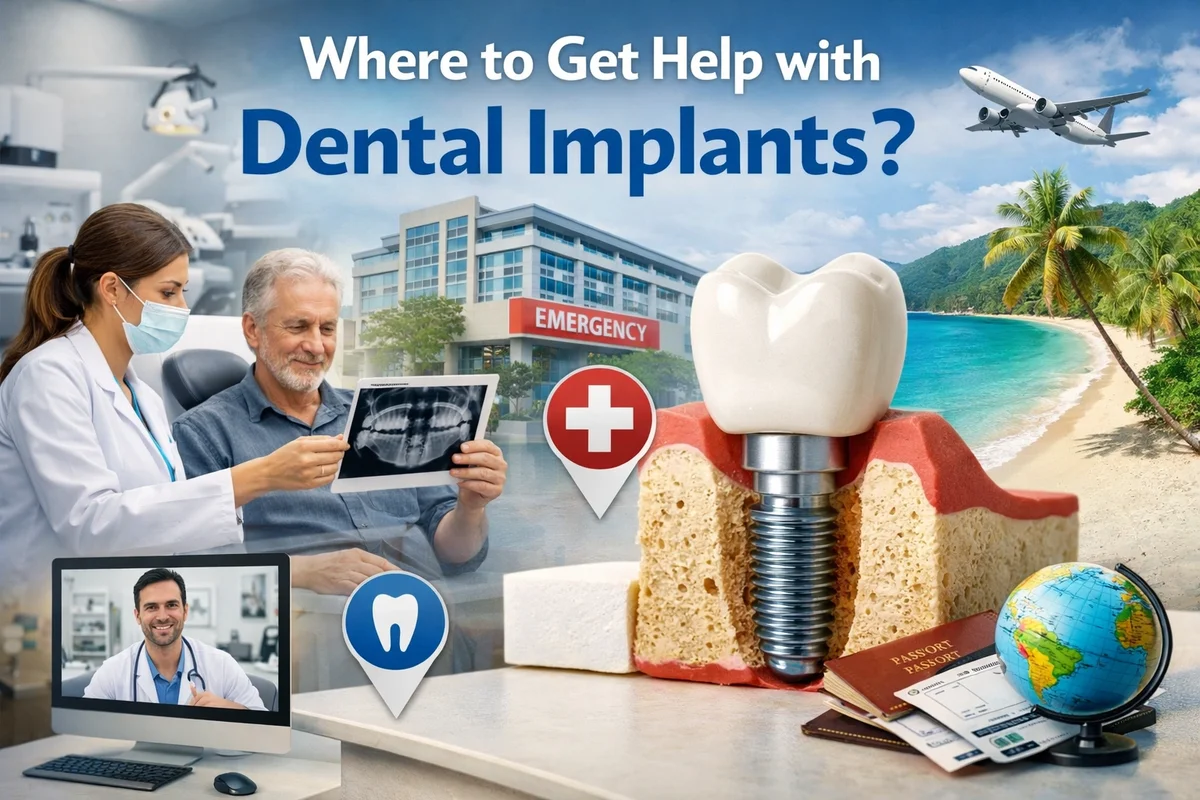
Emergency Situations: Where to Get Immediate Help With Dental Implants
Emergency situations related to dental implants can be stressful and frightening, especially when patients are unsure where to get help with dental implants quickly and safely. While dental implants are designed to be durable and long-lasting, complications can occasionally occur due to trauma, infection, bite issues, or underlying health conditions. Knowing how to respond and where to get help with dental implants in an emergency can prevent minor problems from turning into serious health risks.
Dental implant emergencies require prompt evaluation, but not all issues require panic. Understanding the difference between urgent and non-urgent situations is essential. Patients who are informed about where to get help with dental implants during emergencies are better prepared to act calmly and effectively. 🚑🦷
What Counts as a Dental Implant Emergency?
A dental implant emergency is any situation that involves sudden pain, swelling, bleeding, mobility of the implant, or signs of infection around the implant site. Trauma to the mouth, such as a fall or accident, can also damage the implant or surrounding tissues.
Patients often wonder where to get help with dental implants if the implant feels loose or painful. A loose implant is always considered urgent because it may indicate failed osseointegration or infection. Immediate professional assessment is critical to prevent bone loss or implant removal.
Common Emergency Symptoms to Watch For
Symptoms that require urgent attention include severe or increasing pain, pus or discharge from the implant area, fever, facial swelling, bleeding that does not stop, or sudden changes in bite alignment. These signs should never be ignored.
If you experience any of these symptoms and are unsure where to get help with dental implants, contacting a qualified dental professional immediately is the safest course of action.
First Steps to Take During an Implant Emergency
The first step in an emergency is not to attempt self-treatment. Avoid touching, tightening, or removing any implant components. Rinsing gently with saltwater may help reduce irritation, but it does not replace professional care.
Patients should contact their implant provider as soon as possible. If the original clinic is unavailable, knowing where to get help with dental implants locally becomes essential. Many implant-focused clinics offer emergency appointments or referrals to oral surgeons.
Where to Seek Emergency Implant Care
Emergency dental implant care is best handled by implant specialists, oral surgeons, or advanced dental clinics familiar with implant systems. General emergency rooms may manage pain or infection temporarily, but they are not equipped to diagnose or treat implant-specific problems.
This is why patients should research where to get help with dental implants before an emergency occurs. Having a plan in place reduces delays and improves outcomes.
Local Emergency Clinics vs Implant Specialists
Some local emergency dental clinics can provide temporary relief, such as managing pain or infection. However, long-term solutions often require implant-specific expertise. Implant specialists use diagnostic imaging to assess the implant’s stability and surrounding bone.
Organizations like the American Dental Association highlight the importance of seeking appropriately trained professionals for complex dental issues, including implant complications.
Emergency Care for International Implant Patients
Patients who received implants abroad may worry about follow-up care during emergencies. While this situation can feel challenging, most implant systems are internationally recognized. A qualified implant dentist can often identify the system used and provide appropriate care.
Knowing where to get help with dental implants locally after international treatment involves contacting experienced implant clinics that are open to managing external cases. Clear documentation from the original clinic greatly helps in these situations.
Prevention: Reducing the Risk of Implant Emergencies
Many implant emergencies are preventable with proper care. Good oral hygiene, regular dental checkups, and avoiding excessive biting force all reduce risks. Wearing protective gear during sports and addressing teeth grinding also help protect implants.
Clinics that emphasize preventive care and patient education demonstrate responsibility. When evaluating where to get help with dental implants, ask about maintenance protocols and emergency availability.
Having an Emergency Plan
Every implant patient should know who to call in case of an emergency. This includes saving clinic contact details and understanding after-hours procedures. Prepared patients are less likely to experience complications.
If you need guidance or want to establish a reliable point of contact for implant care, you can reach out through the Redent Klinik Contact Page for professional support.
In conclusion, emergencies related to dental implants require prompt, informed action. By understanding warning signs, knowing the right steps to take, and planning ahead, patients can protect their health and their investment. Being prepared means always knowing where to get help with dental implants, even when unexpected situations arise. 🦷⚕️