
Composite edge bonding is one of the most effective, minimally invasive, and affordable cosmetic dental procedures available today. If you are looking to improve the shape, length, or symmetry of your teeth without undergoing complex treatments, composite edge bonding offers a fast and highly aesthetic solution. This modern technique involves applying a tooth-colored composite resin to the edges of the teeth to correct imperfections such as chips, cracks, uneven edges, and minor gaps.
In recent years, composite edge bonding has become increasingly popular among patients who want immediate results with minimal discomfort. Unlike traditional restorations, composite edge bonding does not usually require drilling or removal of healthy tooth structure. This makes it a conservative approach that preserves your natural teeth while enhancing your smile.
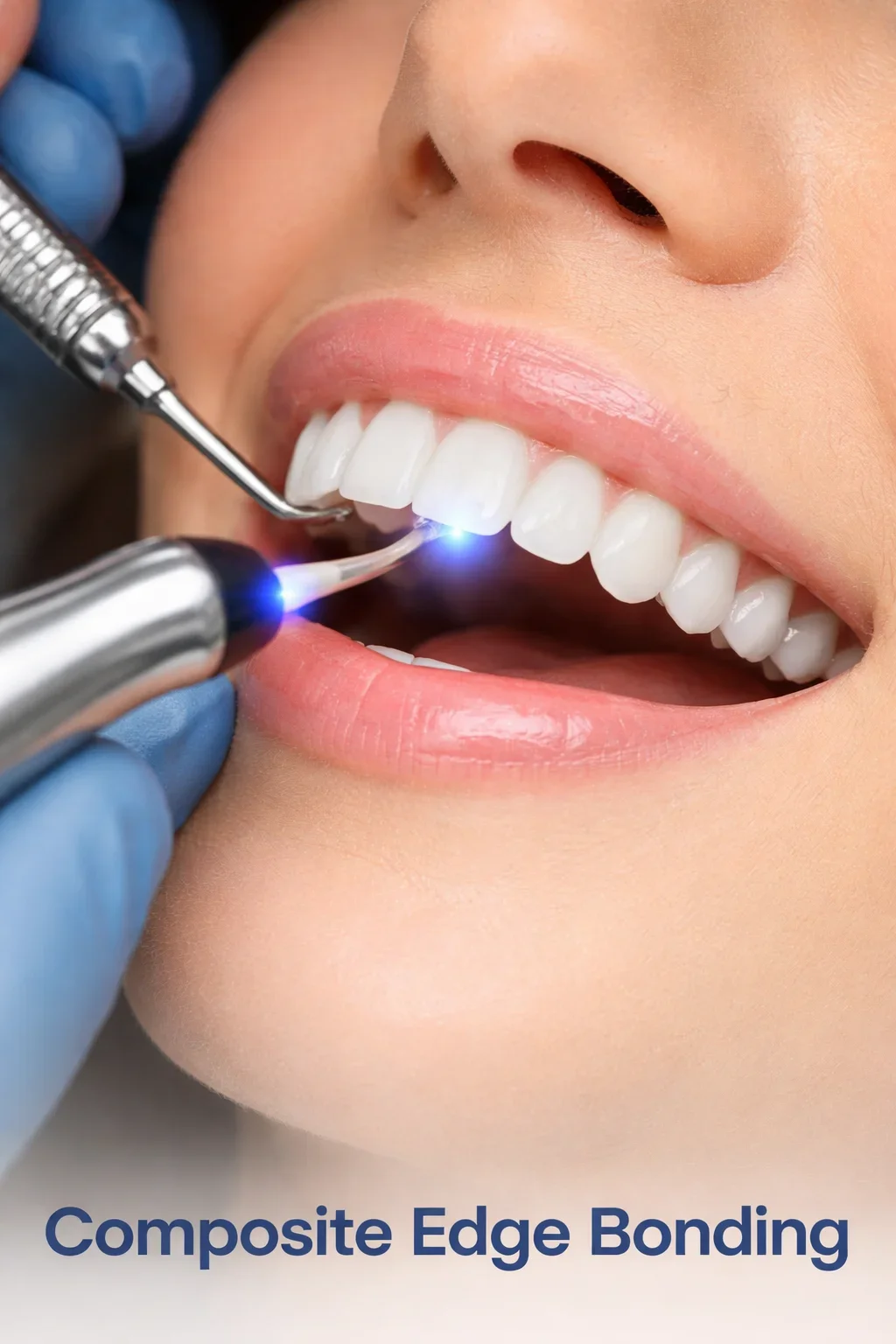
The procedure works by carefully applying a specially formulated composite material to the edge of the tooth. This material is then sculpted and shaped by the dentist to achieve a natural and harmonious appearance. Once the desired shape is achieved, the material is hardened using a curing light and polished to match the surrounding teeth perfectly. The result is a seamless, natural-looking enhancement that blends flawlessly with your smile.
One of the key advantages of composite edge bonding is its versatility. It can be used to address a wide range of cosmetic concerns, including worn-down teeth, slight misalignment, and irregular tooth shapes. Whether you want to lengthen your teeth, close small gaps, or create a more balanced smile, composite edge bonding can be customized to meet your specific needs.
Another important benefit of composite edge bonding is the speed of the treatment. In most cases, the entire procedure can be completed in a single dental visit. This makes it an excellent option for individuals who want quick results without multiple appointments. Additionally, composite edge bonding is generally painless and does not require anesthesia unless combined with other procedures.
From an aesthetic perspective, composite edge bonding provides outstanding results. The composite resin used in the procedure is carefully color-matched to your natural teeth, ensuring a highly realistic finish. Dentists can also adjust the translucency and texture of the material to mimic natural enamel, making composite edge bonding virtually undetectable.
Durability is another factor that makes composite edge bonding appealing. While it may not last as long as porcelain restorations, with proper care, composite edge bonding can last several years. Avoiding habits such as biting hard objects, maintaining good oral hygiene, and attending regular dental check-ups will help extend the lifespan of your composite edge bonding.
It is also important to understand that composite edge bonding is a reversible procedure in most cases. Since little to no enamel is removed, the treatment can often be adjusted or replaced in the future if needed. This flexibility makes composite edge bonding an excellent entry point for patients who are new to cosmetic dentistry.
Patients considering composite edge bonding should consult with an experienced dental professional to determine if they are suitable candidates. Factors such as oral health, bite alignment, and personal expectations will influence the treatment plan. A professional evaluation ensures that composite edge bonding delivers both functional and aesthetic benefits.
If you are ready to enhance your smile with composite edge bonding, it is crucial to choose a trusted clinic that prioritizes precision and patient satisfaction. You can easily get professional advice and personalized treatment planning by visiting the Redent Klinik Contact Page. Additionally, for general dental guidelines and standards, you can refer to the American Dental Association.
In summary, composite edge bonding is a powerful cosmetic solution that combines artistry, technology, and patient comfort. It offers a fast, affordable, and minimally invasive way to achieve a more attractive and confident smile. Whether you want subtle improvements or noticeable transformations, composite edge bonding stands out as one of the most practical and effective options in modern dentistry.
What Is Composite Edge Bonding and How Does It Work?
Composite edge bonding is a highly advanced cosmetic dental procedure designed to enhance the appearance of your teeth by correcting imperfections along their edges. This treatment uses a tooth-colored composite resin to reshape, rebuild, and refine the natural contours of teeth. Whether you are dealing with chipped enamel, uneven tooth edges, or slight gaps, composite edge bonding provides a minimally invasive and effective solution.
At its core, composite edge bonding focuses on restoring both aesthetics and function. Unlike more invasive treatments, this procedure preserves the natural tooth structure while delivering immediate improvements. This is why composite edge bonding has become a preferred option for patients seeking fast, affordable, and natural-looking smile enhancements.
Understanding the Basics of Composite Edge Bonding
Composite edge bonding involves the application of a specially formulated resin material that mimics the color and translucency of natural enamel. The dentist carefully selects a shade that blends seamlessly with your existing teeth, ensuring that the final result looks completely natural.
The process begins with a thorough cleaning of the tooth surface. This step is crucial because it ensures proper adhesion of the composite material. Once the tooth is prepared, a conditioning solution is applied to create a slightly rough surface. This allows the composite resin to bond securely to the tooth.
After preparation, the dentist applies the composite material in layers. Each layer is carefully shaped to match the desired tooth contour. This is where the artistic skill of the dentist plays a significant role, as achieving a natural look requires precision and attention to detail. Composite edge bonding is not just a technical procedure—it is also a form of dental artistry 🎨.
Layering Technique in Composite Edge Bonding
One of the defining features of composite edge bonding is the layering technique. Instead of applying the material all at once, the dentist builds up the composite gradually. Each layer is hardened using a special curing light before the next one is added. This technique enhances strength and ensures a more lifelike appearance.
The layering process allows the dentist to control the shape, thickness, and translucency of the restoration. This level of customization is what makes composite edge bonding so effective in creating natural-looking results.
Step-by-Step Process of Composite Edge Bonding
The composite edge bonding procedure typically follows a structured and efficient process:
- Consultation: The dentist evaluates your teeth and discusses your goals for composite edge bonding.
- Shade Selection: A matching composite color is chosen to ensure a natural finish.
- Tooth Preparation: The tooth surface is cleaned and conditioned for optimal bonding.
- Application: The composite resin is applied in layers and sculpted carefully.
- Curing: Each layer is hardened using a specialized light.
- Polishing: The final shape is refined and polished for a smooth, glossy appearance.
In most cases, composite edge bonding can be completed in a single visit, making it a convenient option for busy individuals. The entire process is typically painless and does not require anesthesia unless additional treatments are involved.
How Composite Edge Bonding Improves Smile Aesthetics
Composite edge bonding significantly enhances the overall harmony of your smile. By correcting minor imperfections, it creates a more symmetrical and balanced appearance. Patients often notice an immediate boost in confidence after undergoing composite edge bonding, as their teeth appear more uniform and attractive.
This procedure is especially effective for:
- Repairing chipped or cracked teeth
- Smoothing uneven tooth edges
- Closing small gaps between teeth
- Improving the length and shape of teeth
Because composite edge bonding is customizable, it can be tailored to suit individual facial features and smile goals. This personalized approach ensures that the results look natural rather than artificial.
Natural Appearance and Texture
One of the most impressive aspects of composite edge bonding is its ability to replicate the natural texture of enamel. Dentists use advanced polishing techniques to create a surface that reflects light similarly to natural teeth. This attention to detail ensures that composite edge bonding blends seamlessly with the rest of your smile ✨.
Is Composite Edge Bonding Safe?
Composite edge bonding is considered a safe and reliable procedure when performed by a qualified dental professional. The materials used are biocompatible and widely accepted in modern dentistry. Additionally, since the procedure is minimally invasive, it carries fewer risks compared to more complex treatments.
Patients should still maintain proper oral hygiene and attend regular dental check-ups to ensure the longevity of their composite edge bonding results. Following professional advice will help prevent staining, wear, or damage over time.
If you are considering composite edge bonding and want expert guidance, you can reach out through the Redent Klinik Contact Page. For additional information about dental standards and safety, you may also visit the American Dental Association.
In conclusion, composite edge bonding is a powerful combination of science and artistry. It offers a practical, efficient, and aesthetically pleasing way to improve your smile without invasive procedures. By understanding how composite edge bonding works, you can make an informed decision and take the first step toward achieving the smile you’ve always wanted.
Top Benefits of Composite Edge Bonding for Modern Dentistry
Composite edge bonding has become one of the most preferred cosmetic dental treatments in modern dentistry, thanks to its unique combination of affordability, effectiveness, and minimally invasive nature. Patients today are increasingly seeking treatments that provide fast and natural-looking results without compromising their natural teeth. Composite edge bonding perfectly meets these expectations, making it a leading choice for smile enhancement.
One of the main reasons for the growing popularity of composite edge bonding is its ability to deliver immediate aesthetic improvements. Unlike more complex procedures that may require multiple visits, composite edge bonding can often be completed in a single session. This makes it ideal for individuals who want quick yet noticeable transformations in their smile.
Minimally Invasive and Tooth-Preserving
Perhaps the most significant advantage of composite edge bonding is that it preserves the natural tooth structure. Traditional treatments such as crowns or veneers often require removing a portion of the enamel. In contrast, composite edge bonding typically involves little to no drilling. This means your natural teeth remain largely untouched, reducing the risk of sensitivity and long-term complications.
Because composite edge bonding is conservative, it is also considered a reversible procedure in many cases. Patients who are hesitant about permanent changes often find reassurance in this flexibility. This makes composite edge bonding an excellent first step into cosmetic dentistry.
Why Preservation Matters
Maintaining your natural enamel is crucial for long-term oral health. Enamel acts as a protective barrier for your teeth, and once it is removed, it cannot regenerate. By choosing composite edge bonding, patients can enhance their smile while preserving this essential structure 🦷.
Cost-Effective Cosmetic Solution
Another major benefit of composite edge bonding is its affordability compared to other cosmetic dental procedures. Treatments like porcelain veneers or crowns can be significantly more expensive, especially when multiple teeth are involved. Composite edge bonding offers a budget-friendly alternative without compromising on aesthetics.
Because composite edge bonding requires fewer materials and less chair time, the overall cost remains accessible for a wider range of patients. This affordability makes it possible for more people to achieve their desired smile without financial strain.
Value for Money
When considering the cost-to-benefit ratio, composite edge bonding stands out as one of the most efficient treatments. Patients receive immediate visual improvements, durability, and customization—all at a fraction of the cost of more invasive options.
Immediate Results and Convenience
In today’s fast-paced world, convenience is a key factor when choosing dental treatments. Composite edge bonding offers immediate results, allowing patients to walk out of the clinic with a transformed smile in just one visit. There is no need for temporary restorations or waiting periods, which is often required for lab-based procedures.
This efficiency is especially beneficial for individuals preparing for important events such as weddings, job interviews, or public appearances. Composite edge bonding ensures you achieve a confident smile exactly when you need it 😊.
Highly Customizable and Natural Appearance
One of the standout features of composite edge bonding is its ability to deliver highly natural results. The composite resin used in the procedure is available in various shades and translucencies, allowing dentists to match it perfectly to your natural teeth.
Additionally, the material can be sculpted with precision to create the ideal tooth shape and contour. Whether you want subtle refinements or more noticeable changes, composite edge bonding can be tailored to your specific aesthetic goals.
Artistic Precision in Dentistry
Composite edge bonding is often described as a blend of science and art. Dentists use their expertise to carefully shape and polish the material, ensuring that the final result looks natural and harmonious with your overall facial features.
Versatility in Treating Multiple Issues
Composite edge bonding is incredibly versatile and can address a wide range of dental imperfections. This makes it a comprehensive solution for patients with multiple concerns. Common issues treated with composite edge bonding include:
- Chipped or cracked teeth
- Worn enamel edges
- Uneven tooth lengths
- Minor gaps between teeth
- Slight misalignment
Because composite edge bonding can solve multiple problems simultaneously, it reduces the need for additional treatments. This not only saves time but also simplifies the overall treatment plan.
Quick Repair and Maintenance
Another practical benefit of composite edge bonding is the ease of repair. Unlike porcelain restorations, which may require complete replacement if damaged, composite materials can often be repaired directly in the clinic. This makes maintenance simpler and more cost-effective over time.
With proper care, composite edge bonding can last for several years. Regular dental visits, good oral hygiene, and avoiding habits such as biting hard objects will help maintain its longevity.
Boost in Confidence and Self-Esteem
The psychological benefits of composite edge bonding should not be overlooked. A well-balanced and attractive smile can significantly improve self-confidence. Patients often report feeling more comfortable in social and professional situations after undergoing composite edge bonding.
This boost in confidence can positively impact various aspects of life, from personal relationships to career opportunities. A simple enhancement through composite edge bonding can make a lasting difference in how you feel about yourself.
Safe and Trusted Treatment Option
Composite edge bonding is widely recognized as a safe and reliable dental procedure. The materials used are biocompatible and approved for use in modern dentistry. When performed by experienced professionals, the risks are minimal, and the results are highly predictable.
If you are considering this treatment, consulting a trusted clinic is essential. You can get expert advice and personalized care through the Redent Klinik Contact Page. Additionally, you can explore general dental guidelines from the American Dental Association.
In conclusion, composite edge bonding offers a powerful combination of aesthetic enhancement, affordability, and convenience. Its minimally invasive nature, immediate results, and versatility make it one of the most attractive options in modern cosmetic dentistry. Whether you are looking for subtle improvements or a noticeable transformation, composite edge bonding provides a reliable and effective solution.
Who Is the Ideal Candidate for Composite Edge Bonding?
Composite edge bonding is a highly versatile cosmetic dental treatment, but it is not suitable for everyone. Understanding whether you are an ideal candidate for composite edge bonding is essential before starting the procedure. This treatment is best suited for individuals who want to improve the appearance of their teeth without undergoing invasive dental work. Because composite edge bonding focuses on enhancing the edges and contours of teeth, it is particularly effective for minor to moderate cosmetic concerns.
Patients who seek composite edge bonding are often looking for a fast, affordable, and natural-looking solution to improve their smile. However, a proper dental evaluation is necessary to determine whether composite edge bonding will deliver the desired results. Factors such as oral health, bite alignment, and lifestyle habits all play a role in determining candidacy.
Common Dental Conditions Suitable for Composite Edge Bonding
Composite edge bonding is ideal for patients with minor cosmetic imperfections. It is not designed to replace major restorative procedures but rather to enhance the natural beauty of the teeth. The most suitable candidates for composite edge bonding typically have:
- Small chips or cracks on the edges of teeth
- Uneven or worn tooth edges
- Minor gaps between teeth
- Slightly short or irregularly shaped teeth
- Surface-level aesthetic concerns
These issues can be corrected quickly and effectively with composite edge bonding, often in a single visit. Because the procedure is minimally invasive, it is an excellent option for patients who want visible improvements without extensive dental work.
Why Minor Imperfections Matter
Even small imperfections can significantly impact the overall appearance of your smile. Composite edge bonding allows dentists to refine these details, creating a more balanced and symmetrical look. This subtle transformation can make a noticeable difference in your confidence 😊.
Age and Oral Health Considerations
Composite edge bonding is suitable for a wide range of age groups, from young adults to older individuals. However, candidates must have healthy teeth and gums before undergoing the procedure. Any underlying issues such as cavities, gum disease, or severe enamel erosion must be treated first.
Healthy oral conditions ensure that composite edge bonding adheres properly and lasts longer. Dentists will typically perform a comprehensive examination to confirm that your teeth are in good condition before proceeding with composite edge bonding.
Importance of a Healthy Foundation
Composite edge bonding relies on strong enamel for proper adhesion. If the enamel is compromised, the bonding material may not attach securely. This is why maintaining good oral hygiene is essential for anyone considering composite edge bonding 🪥.
Patients Seeking Non-Invasive Cosmetic Solutions
One of the main reasons patients choose composite edge bonding is its non-invasive nature. Ideal candidates are those who prefer to avoid procedures that require drilling, anesthesia, or permanent alterations to their teeth. Composite edge bonding offers a conservative alternative that preserves natural tooth structure.
This makes it particularly appealing to first-time cosmetic dentistry patients. If you are exploring ways to improve your smile without committing to more permanent treatments like veneers, composite edge bonding is an excellent starting point.
Lifestyle and Habits That Affect Suitability
Your daily habits can influence whether composite edge bonding is the right choice for you. Ideal candidates should avoid habits that may damage the bonding material, such as:
- Biting nails or hard objects
- Teeth grinding (bruxism)
- Using teeth as tools
Patients who grind their teeth may still be candidates for composite edge bonding, but they may require a night guard to protect the restorations. Discussing your lifestyle with your dentist will help determine if composite edge bonding is suitable for your specific situation.
Protecting Your Investment
Composite edge bonding is durable, but like natural teeth, it requires care. Avoiding harmful habits ensures that your results last longer and maintain their appearance over time.
When Composite Edge Bonding May Not Be Suitable
While composite edge bonding is highly effective for many patients, there are situations where alternative treatments may be recommended. Composite edge bonding may not be suitable for individuals with:
- Severely damaged or decayed teeth
- Large gaps or significant misalignment
- Extensive enamel loss
- Heavy bite pressure or severe bruxism
In such cases, treatments like crowns, orthodontics, or veneers may provide better long-term results. A professional consultation is essential to determine the most appropriate treatment plan.
Personal Expectations and Aesthetic Goals
Ideal candidates for composite edge bonding should have realistic expectations about the results. While composite edge bonding can significantly improve the appearance of teeth, it is not a substitute for more comprehensive cosmetic procedures in cases of severe dental issues.
Patients who understand the capabilities and limitations of composite edge bonding are more likely to be satisfied with the outcome. Clear communication with your dentist about your goals will ensure that the treatment aligns with your expectations.
Customized Smile Design
One of the advantages of composite edge bonding is its flexibility. Dentists can tailor the treatment to match your unique facial features and smile preferences. This personalized approach ensures that the results look natural and harmonious ✨.
Consultation and Professional Evaluation
The best way to determine if you are an ideal candidate for composite edge bonding is through a professional consultation. During this process, the dentist will assess your oral health, discuss your concerns, and create a customized treatment plan.
If you are considering composite edge bonding, you can schedule a consultation through the Redent Klinik Contact Page. For additional information about dental care standards, you can also visit the American Dental Association.
In conclusion, composite edge bonding is an excellent option for individuals seeking a minimally invasive way to enhance their smile. Ideal candidates are those with minor cosmetic imperfections, good oral health, and realistic expectations. With proper care and professional guidance, composite edge bonding can deliver natural, long-lasting, and confidence-boosting results.
Step-by-Step Procedure of Composite Edge Bonding Treatment
Understanding the full procedure of composite edge bonding helps patients feel more confident and prepared before starting treatment. Composite edge bonding is known for being quick, minimally invasive, and highly effective, but the precision behind each step is what truly ensures long-lasting and natural-looking results. From consultation to final polishing, every stage of composite edge bonding is carefully designed to enhance both aesthetics and function.
Unlike complex dental restorations, composite edge bonding does not involve extensive preparation or long recovery periods. Instead, it focuses on detailed craftsmanship and careful material application. Below is a complete breakdown of how composite edge bonding is performed step by step.
Initial Consultation and Smile Assessment
The composite edge bonding journey begins with a comprehensive consultation. During this stage, the dentist evaluates your oral health, examines your teeth, and discusses your aesthetic goals. This step is crucial because it determines whether composite edge bonding is the right treatment for your needs.
The dentist may take photographs, digital scans, or impressions to analyze your smile in detail. This allows for a customized treatment plan tailored specifically to your facial features and dental structure. Composite edge bonding is not a one-size-fits-all procedure; it is highly personalized to achieve the most natural outcome.
Smile Design Planning
In many cases, dentists use digital smile design tools to simulate the expected results of composite edge bonding. This helps patients visualize their future smile and make informed decisions before proceeding. It also ensures that the final result aligns with expectations 😊.
Tooth Preparation for Composite Edge Bonding
One of the biggest advantages of composite edge bonding is that tooth preparation is minimal. Unlike veneers or crowns, there is usually no need to remove significant enamel. The dentist begins by cleaning the tooth surface thoroughly to remove plaque, debris, and any stains.
After cleaning, a mild etching solution is applied to the tooth. This creates a slightly rough texture on the enamel, which helps the composite material adhere more effectively. This step is essential for ensuring the durability and longevity of composite edge bonding.
Ensuring Strong Adhesion
Proper surface preparation directly impacts how well the composite material bonds to the tooth. A well-prepared surface ensures that composite edge bonding remains secure and resistant to daily wear and tear.
Application of Composite Material
Once the tooth is prepared, the dentist begins applying the composite resin. This is the most artistic part of the composite edge bonding process. The material is placed in small increments and carefully shaped to achieve the desired contour and length of the tooth.
The dentist sculpts the composite to match the natural anatomy of your teeth. This includes adjusting the edges, smoothing transitions, and ensuring symmetry with adjacent teeth. Composite edge bonding requires a high level of precision to create a seamless and natural appearance.
Layering Technique for Natural Results
The composite material is applied in layers rather than all at once. Each layer is shaped and then hardened using a special curing light. This layering technique enhances strength and allows the dentist to control translucency, giving composite edge bonding a more realistic look ✨.
Curing and Hardening Process
After each layer of composite is applied, it is cured using a high-intensity light. This process hardens the material within seconds, ensuring that it becomes durable and stable. The curing step is repeated multiple times until the desired thickness and shape are achieved.
The use of modern curing technology ensures that composite edge bonding is both strong and long-lasting. It also allows the dentist to work efficiently without compromising on quality.
Shaping and Contouring
Once the composite material has fully hardened, the dentist refines the shape of the bonded area. This step involves trimming, contouring, and adjusting the edges to ensure a perfect fit and natural alignment with surrounding teeth.
Composite edge bonding is carefully adjusted to match your bite and ensure that there are no functional issues. The dentist checks how your teeth come together when you bite and makes any necessary modifications.
Precision Detailing
Fine detailing is what separates average results from exceptional ones. Dentists use specialized tools to create subtle grooves and textures that mimic natural enamel, making composite edge bonding virtually indistinguishable from real teeth.
Polishing for a Natural Finish
The final step in composite edge bonding is polishing. The dentist uses polishing discs and tools to smooth the surface and create a glossy finish. This step enhances the appearance of the bonded teeth and ensures that they reflect light similarly to natural enamel.
A well-polished surface also helps reduce staining and plaque accumulation, contributing to the longevity of composite edge bonding.
Post-Treatment Evaluation
After completing the procedure, the dentist performs a final evaluation to ensure that everything looks and feels perfect. Patients are often amazed at how natural their teeth appear immediately after composite edge bonding.
The dentist will also provide aftercare instructions to help maintain the results. Following these guidelines is essential for preserving the beauty and durability of composite edge bonding.
Time Required for Composite Edge Bonding
One of the most appealing aspects of composite edge bonding is its efficiency. In most cases, the entire procedure can be completed within 30 minutes to 1 hour per tooth. This makes it a convenient option for individuals with busy schedules.
Because there is no need for laboratory work or multiple appointments, composite edge bonding allows patients to achieve their desired smile quickly and effectively.
Professional Care and Expert Guidance
For the best results, composite edge bonding should always be performed by experienced dental professionals. Skilled dentists combine technical expertise with artistic vision to deliver outstanding outcomes.
If you are ready to transform your smile with composite edge bonding, you can get expert consultation through the Redent Klinik Contact Page. Additionally, for general dental care standards, you can refer to the American Dental Association.
In conclusion, the composite edge bonding procedure is a carefully structured process that blends precision, artistry, and modern technology. Each step plays a vital role in achieving a natural, durable, and aesthetically pleasing result. By understanding how composite edge bonding works step by step, patients can approach the treatment with confidence and clarity.
Composite Edge Bonding vs Veneers: Key Differences Explained
When considering cosmetic dental treatments, many patients find themselves choosing between composite edge bonding and veneers. Both options are designed to enhance the appearance of your smile, but they differ significantly in terms of procedure, cost, durability, and overall approach. Understanding these differences is essential to determine which solution best aligns with your needs and expectations.
Composite edge bonding is known for its minimally invasive nature and affordability, while veneers are often associated with long-lasting, highly aesthetic transformations. However, the right choice depends on various factors, including your dental condition, budget, and desired outcome. Let’s explore the key differences between composite edge bonding and veneers in detail.
What Are Veneers?
Veneers are thin shells, typically made of porcelain or composite material, that are custom-designed to cover the front surface of teeth. Unlike composite edge bonding, which focuses primarily on the edges of teeth, veneers provide a complete surface transformation. They are often used to address more extensive cosmetic concerns such as severe discoloration, larger gaps, and significant misalignment.
While both treatments improve aesthetics, veneers require a more involved process compared to composite edge bonding. This includes removing a thin layer of enamel to ensure proper fit and adhesion.
Types of Veneers
- Porcelain Veneers: Highly durable and stain-resistant, offering long-lasting results.
- Composite Veneers: More affordable but generally less durable than porcelain options.
Procedure Differences Between Composite Edge Bonding and Veneers
The procedure for composite edge bonding is significantly simpler and faster than that of veneers. Composite edge bonding is usually completed in a single visit, with no need for laboratory work. The dentist directly applies and sculpts the composite material on the tooth.
In contrast, veneers typically require multiple appointments. The process involves tooth preparation, impression taking, temporary veneers, and final placement. This makes veneers a more time-consuming option compared to composite edge bonding.
Chair Time and Convenience
Composite edge bonding is ideal for patients seeking immediate results with minimal disruption to their schedule. Veneers, on the other hand, require more planning and time but may offer more dramatic transformations.
Invasiveness and Tooth Preservation
One of the most important distinctions between composite edge bonding and veneers is the level of invasiveness. Composite edge bonding is a conservative procedure that preserves natural tooth structure. Little to no enamel is removed, making it a reversible option in many cases.
Veneers, especially porcelain ones, require the removal of a thin enamel layer. This process is irreversible and permanently alters the natural tooth. For patients who prioritize preserving their natural teeth, composite edge bonding is often the preferred choice.
Long-Term Impact on Teeth
Because composite edge bonding does not significantly alter the tooth, it allows for future treatment flexibility. Veneers, while durable, commit the patient to long-term maintenance and eventual replacement.
Aesthetic Results and Natural Appearance
Both composite edge bonding and veneers can produce highly aesthetic results, but there are subtle differences. Veneers are often considered superior in terms of color stability and translucency, especially porcelain veneers, which closely mimic natural enamel.
However, advancements in composite materials have significantly improved the appearance of composite edge bonding. Skilled dentists can achieve remarkably natural results that blend seamlessly with surrounding teeth.
Customization and Artistic Control
Composite edge bonding allows for real-time adjustments during the procedure. Dentists can shape and refine the material directly on the tooth, offering immediate customization. Veneers, while customizable, rely on laboratory fabrication, which may limit on-the-spot modifications 🎨.
Durability and Longevity
Durability is another key factor when comparing composite edge bonding and veneers. Porcelain veneers are known for their long lifespan, often lasting 10–15 years or more with proper care. They are also highly resistant to staining.
Composite edge bonding, while durable, typically lasts between 4–7 years. It may be more prone to staining and wear over time, especially if proper care is not maintained.
Maintenance Requirements
Composite edge bonding can be easily repaired if damaged, whereas veneers may require complete replacement. This makes composite edge bonding more flexible in terms of maintenance and cost over time.
Cost Comparison
Cost is often a deciding factor for many patients. Composite edge bonding is significantly more affordable than veneers. Because it requires fewer materials and less time, it offers a budget-friendly solution for cosmetic improvements.
Veneers, particularly porcelain ones, are more expensive due to laboratory work, materials, and multiple appointments. However, their longevity may justify the higher initial investment for some patients.
Investment vs Affordability
If you are looking for a cost-effective and immediate solution, composite edge bonding is an excellent choice. For those seeking a long-term, comprehensive transformation, veneers may be worth the investment 💰.
Which Option Is Right for You?
The choice between composite edge bonding and veneers ultimately depends on your individual needs and goals. Composite edge bonding is ideal for minor corrections, quick improvements, and preserving natural teeth. Veneers are better suited for more extensive cosmetic changes and long-term solutions.
A professional consultation is essential to determine the best approach for your smile. Dentists will evaluate your oral health, aesthetic goals, and budget before recommending the most suitable treatment.
If you are considering composite edge bonding or veneers, you can get expert advice through the Redent Klinik Contact Page. For additional dental guidelines and information, you may also visit the American Dental Association.
In conclusion, both composite edge bonding and veneers offer unique advantages. Composite edge bonding stands out for its affordability, speed, and minimally invasive nature, while veneers excel in durability and comprehensive smile transformation. By understanding these key differences, you can make an informed decision and choose the treatment that best suits your needs.
How Long Does Composite Edge Bonding Last?
One of the most common questions patients ask before choosing a cosmetic dental procedure is how long the results will last. When it comes to composite edge bonding, durability is a key advantage, especially considering its minimally invasive nature. While composite edge bonding may not last as long as some alternatives like porcelain veneers, it still offers impressive longevity when properly maintained.
On average, composite edge bonding can last between 4 to 7 years. In many cases, patients enjoy even longer results depending on their oral care habits and lifestyle. The lifespan of composite edge bonding is influenced by several factors, including the quality of the procedure, the materials used, and how well the patient follows aftercare recommendations.
Factors That Affect the Longevity of Composite Edge Bonding
The durability of composite edge bonding is not fixed; it varies from person to person. Understanding the factors that impact its lifespan will help you maximize the results of your treatment.
- Oral Hygiene: Regular brushing, flossing, and dental check-ups play a critical role in maintaining composite edge bonding.
- Bite Force: Patients with strong bite pressure or teeth grinding may experience faster wear.
- Dietary Habits: Consuming hard or staining foods can affect the longevity of composite edge bonding.
- Dentist Skill: The precision and expertise of the dentist significantly influence how long composite edge bonding lasts.
The Role of Daily Habits
Simple daily habits can either extend or shorten the lifespan of composite edge bonding. Avoiding behaviors like biting nails, chewing ice, or using teeth as tools can make a significant difference in maintaining the integrity of the bonding material 🦷.
Material Strength and Wear Resistance
The composite resin used in composite edge bonding is designed to be durable and resistant to everyday wear. However, it is not as strong as natural enamel or porcelain. Over time, the material may experience minor wear, especially on the edges where pressure is most concentrated.
Despite this, modern advancements in dental materials have significantly improved the strength and resilience of composite edge bonding. High-quality composites used today provide better resistance to chipping and discoloration compared to older materials.
Advancements in Composite Technology
New-generation composite resins are engineered to mimic natural enamel more closely, both in appearance and performance. These improvements contribute to the increased longevity of composite edge bonding and better overall patient satisfaction ✨.
Signs That Composite Edge Bonding Needs Maintenance
While composite edge bonding is long-lasting, it is not permanent. Over time, you may notice signs that indicate the need for maintenance or repair. These include:
- Minor chipping or rough edges
- Loss of shine or surface smoothness
- Discoloration or staining
- Slight changes in shape
One of the advantages of composite edge bonding is that it can often be repaired quickly and easily. Unlike veneers, which may require full replacement, composite edge bonding can usually be touched up in a single visit.
How to Extend the Life of Composite Edge Bonding
Taking proper care of your teeth is essential for maximizing the lifespan of composite edge bonding. By following a few simple guidelines, you can keep your smile looking great for years.
- Brush your teeth at least twice a day with a non-abrasive toothpaste
- Floss daily to prevent plaque buildup
- Avoid biting hard objects like ice or pens
- Limit consumption of staining foods and beverages such as coffee and red wine
- Visit your dentist regularly for check-ups and professional cleaning
Protective Measures for Long-Term Results
If you grind your teeth at night, your dentist may recommend wearing a night guard. This protective device helps prevent excessive pressure on composite edge bonding, reducing the risk of damage.
Professional Maintenance and Check-Ups
Regular dental visits are essential for maintaining composite edge bonding. During check-ups, your dentist will examine the condition of the bonding material and make any necessary adjustments. Professional polishing can also restore the shine and smoothness of composite edge bonding.
Early detection of minor issues can prevent more significant problems later on. This proactive approach ensures that your composite edge bonding remains in excellent condition for as long as possible.
Comparison with Other Treatments
When comparing composite edge bonding to other cosmetic treatments, it is important to consider both lifespan and maintenance. While veneers may last longer, they are more expensive and invasive. Composite edge bonding offers a balance between durability, affordability, and flexibility.
Additionally, the ability to repair composite edge bonding easily makes it a practical choice for many patients. Instead of replacing the entire restoration, small adjustments can keep your smile looking fresh.
Is Composite Edge Bonding Worth It Long-Term?
Despite having a shorter lifespan than some alternatives, composite edge bonding remains a highly worthwhile investment. Its affordability, quick results, and natural appearance make it an attractive option for many individuals.
With proper care and regular maintenance, composite edge bonding can provide years of aesthetic improvement. Many patients find that the benefits far outweigh the need for occasional touch-ups.
If you are considering this treatment and want personalized advice, you can contact professionals through the Redent Klinik Contact Page. For additional information on dental care and best practices, you may also visit the American Dental Association.
In conclusion, composite edge bonding offers a reliable and long-lasting solution for enhancing your smile. While it may require maintenance over time, its ease of repair and affordability make it one of the most practical cosmetic dental treatments available today. By following proper care guidelines, you can enjoy the benefits of composite edge bonding for many years.
Cost of Composite Edge Bonding: What to Expect
The cost of composite edge bonding is one of the most important factors for patients considering this cosmetic dental procedure. Compared to other treatments such as veneers or crowns, composite edge bonding is widely regarded as a cost-effective solution that delivers excellent aesthetic results without a high financial burden. However, the exact price of composite edge bonding can vary depending on several factors, including location, dentist expertise, and the complexity of the treatment.
Understanding the cost structure of composite edge bonding helps patients make informed decisions and plan their budgets accordingly. While the procedure is generally affordable, it is essential to evaluate what is included in the total price and how it compares to alternative treatments.
Average Cost of Composite Edge Bonding
On average, the cost of composite edge bonding ranges between $100 and $600 per tooth in many countries. In some premium clinics or specialized cosmetic dentistry centers, the price may go up to $800 per tooth, depending on the level of expertise and materials used.
Here is a general overview of pricing:
- Basic cases: $100 – $250 per tooth
- Moderate aesthetic work: $250 – $500 per tooth
- Advanced cosmetic reshaping: $500 – $800 per tooth
In countries known for dental tourism, such as Turkey, composite edge bonding can often be performed at significantly lower costs while maintaining high quality standards. This makes it an attractive option for international patients seeking affordable yet professional care.
Why Prices Vary
The variation in cost is influenced by factors such as clinic reputation, the dentist’s experience, and the quality of composite materials used. High-end clinics may charge more due to advanced technology and superior aesthetic outcomes 💎.
Factors That Influence the Cost of Composite Edge Bonding
Several variables determine the final price of composite edge bonding. Understanding these factors will help you evaluate quotes and choose the best option for your needs.
- Number of Teeth: The more teeth treated, the higher the total cost.
- Complexity of Case: Minor repairs cost less than full smile reshaping.
- Dentist Expertise: Experienced cosmetic dentists may charge higher fees.
- Clinic Location: Prices vary significantly between countries and cities.
- Material Quality: Premium composite materials can increase costs.
Each of these factors contributes to the overall investment required for composite edge bonding. A personalized consultation is the best way to receive an accurate estimate.
Balancing Cost and Quality
While it may be tempting to choose the lowest price, quality should never be compromised. Well-executed composite edge bonding not only looks better but also lasts longer, making it more cost-effective in the long run.
Composite Edge Bonding vs Other Treatment Costs
When comparing composite edge bonding to other cosmetic dental treatments, the difference in cost becomes even more apparent. For example:
- Porcelain Veneers: $800 – $2,500 per tooth
- Dental Crowns: $700 – $1,500 per tooth
- Orthodontic Treatments: $3,000 – $8,000 total
In comparison, composite edge bonding offers a much more affordable entry point into cosmetic dentistry. It provides noticeable improvements without the financial commitment required for more extensive procedures.
Cost vs Longevity Trade-Off
While veneers may last longer, composite edge bonding offers flexibility and lower upfront costs. For many patients, this balance makes composite edge bonding the preferred option 💰.
Is Composite Edge Bonding Covered by Insurance?
In most cases, composite edge bonding is considered a cosmetic procedure and is not covered by dental insurance. However, if the treatment is required to repair damage caused by injury or decay, partial coverage may be possible.
Patients are encouraged to check with their insurance providers to understand their specific coverage policies. Some clinics also offer payment plans or financing options to make composite edge bonding more accessible.
Hidden Costs to Consider
Although composite edge bonding is relatively affordable, patients should be aware of potential additional costs. These may include:
- Consultation fees
- Follow-up visits
- Maintenance or touch-ups
- Protective appliances like night guards
Discussing all potential costs during your consultation ensures there are no surprises later. Transparency is key when planning your composite edge bonding treatment.
Long-Term Financial Planning
Because composite edge bonding may require occasional maintenance, it is important to consider long-term costs. However, these expenses are typically lower than replacing more permanent restorations.
Is Composite Edge Bonding Worth the Cost?
For many patients, composite edge bonding offers exceptional value. It combines affordability, speed, and aesthetic improvement in a single treatment. The ability to achieve immediate results without significant financial investment makes composite edge bonding highly appealing.
Additionally, the flexibility of the procedure allows for adjustments and repairs, further enhancing its cost-effectiveness. Patients who prioritize convenience and budget often find composite edge bonding to be the ideal solution.
Choosing the Right Clinic for Cost Efficiency
Selecting a reputable clinic is essential to ensure you receive the best value for your investment. Experienced dentists can deliver superior results that last longer, reducing the need for frequent repairs.
If you are interested in learning more about composite edge bonding costs and personalized treatment options, you can contact professionals through the Redent Klinik Contact Page. For general dental care guidelines, you may also visit the American Dental Association.
In conclusion, the cost of composite edge bonding is one of its strongest advantages. It provides a budget-friendly pathway to achieving a more attractive smile without compromising quality. By understanding the factors that influence pricing, patients can make informed decisions and confidently invest in their dental aesthetics.
Aftercare Tips to Maintain Composite Edge Bonding Results
After completing your composite edge bonding treatment, proper aftercare is essential to maintain the beauty, durability, and longevity of your results. While composite edge bonding is a strong and reliable cosmetic solution, it still requires consistent care to ensure it remains in optimal condition over time. By following the right habits and professional recommendations, you can significantly extend the lifespan of your composite edge bonding and keep your smile looking flawless.
Unlike natural enamel, the composite material used in composite edge bonding is slightly more susceptible to wear and staining. This makes daily care routines even more important. Fortunately, maintaining composite edge bonding is simple and does not require complex steps—just consistency and awareness.
Daily Oral Hygiene for Composite Edge Bonding
The foundation of maintaining composite edge bonding starts with proper oral hygiene. Brushing and flossing regularly helps prevent plaque buildup, staining, and gum issues that can affect both your natural teeth and the bonded areas.
- Brush your teeth at least twice a day using a soft-bristled toothbrush
- Use non-abrasive toothpaste to avoid scratching the composite surface
- Floss daily to remove plaque between teeth
- Consider using an alcohol-free mouthwash for added protection
Consistent hygiene ensures that your composite edge bonding retains its smooth finish and natural shine. It also reduces the risk of discoloration and decay around the bonded areas.
Choosing the Right Products
Using gentle dental products is key when caring for composite edge bonding. Abrasive toothpaste or hard-bristled brushes can damage the surface, making it more prone to staining and wear 🪥.
Foods and Drinks to Avoid
Your diet plays a significant role in the longevity of composite edge bonding. Certain foods and beverages can stain or weaken the bonding material over time. Being mindful of what you consume will help preserve the appearance of your smile.
Limit or avoid:
- Coffee, tea, and red wine
- Dark-colored sauces like soy sauce or tomato-based sauces
- Hard foods such as ice, nuts, and hard candies
- Sticky foods that may pull on the bonding material
If you do consume staining beverages, using a straw and rinsing your mouth afterward can help minimize discoloration. These small habits can make a big difference in maintaining composite edge bonding.
Smart Eating Habits
Being cautious while eating does not mean restricting your diet entirely. Instead, focus on balance and moderation to protect your composite edge bonding while still enjoying your favorite foods 🍽️.
Avoiding Harmful Habits
Everyday habits can have a major impact on the durability of composite edge bonding. Certain actions can put unnecessary stress on the bonded areas and lead to chipping or damage.
Avoid the following habits:
- Biting nails or pens
- Opening packages with your teeth
- Grinding or clenching your teeth
If you grind your teeth at night, your dentist may recommend a night guard. This protective device helps prevent excessive pressure on composite edge bonding and ensures long-term stability.
Protecting Your Smile
Think of composite edge bonding as an investment in your smile. Protecting it from avoidable damage will help you enjoy long-lasting results without frequent repairs.
Regular Dental Check-Ups and Maintenance
Routine dental visits are essential for maintaining composite edge bonding. Your dentist will monitor the condition of the bonding, check for signs of wear, and perform professional cleanings to keep your teeth in excellent shape.
During these visits, minor issues can be addressed early, preventing more significant problems later. Professional polishing can also restore the shine and smoothness of composite edge bonding, keeping it looking as good as new.
Importance of Professional Care
Even with perfect at-home care, professional maintenance is necessary to ensure the longevity of composite edge bonding. Regular check-ups help detect potential issues before they become serious.
Managing Stains and Discoloration
Over time, composite edge bonding may develop slight discoloration, especially if exposed to staining agents. Unlike natural teeth, composite materials do not respond to traditional whitening treatments.
If staining occurs, your dentist can polish the surface or apply a thin new layer of composite to restore the original color. This makes composite edge bonding a flexible and easily maintainable option.
Maintaining a Bright Smile
Preventing stains is easier than removing them. Practicing good habits and visiting your dentist regularly will help keep your composite edge bonding bright and attractive ✨.
Long-Term Care Strategies
Maintaining composite edge bonding is not just about daily care—it also involves long-term strategies. Being proactive about your dental health ensures that your results remain stable and aesthetically pleasing.
- Schedule professional cleanings every 6 months
- Use protective devices if recommended by your dentist
- Address minor issues immediately to avoid further damage
- Follow all aftercare instructions provided by your dental professional
These strategies will help you maximize the lifespan of your composite edge bonding and reduce the need for repairs.
When to Seek Professional Help
If you notice any changes in your composite edge bonding, such as rough edges, chips, or discoloration, it is important to consult your dentist promptly. Early intervention can prevent more extensive damage and maintain the integrity of the bonding.
For expert advice and personalized care, you can reach out through the Redent Klinik Contact Page. Additionally, for general dental care guidelines, you may visit the American Dental Association.
In conclusion, proper aftercare is essential for maintaining the results of composite edge bonding. By adopting good oral hygiene habits, avoiding harmful behaviors, and attending regular dental check-ups, you can enjoy a beautiful and long-lasting smile. Composite edge bonding offers excellent results, but its success largely depends on how well you care for it after the procedure.
Common Risks and Limitations of Composite Edge Bonding
While composite edge bonding is a highly effective and minimally invasive cosmetic dental treatment, it is important for patients to understand that, like any procedure, it comes with certain risks and limitations. Being fully informed about these aspects allows you to set realistic expectations and make confident decisions about your dental care. Although composite edge bonding is generally safe and widely used, understanding its boundaries ensures long-term satisfaction with your results.
Composite edge bonding is designed primarily for minor to moderate cosmetic corrections. It excels in enhancing the appearance of teeth, but it is not intended to replace more complex restorative treatments. By recognizing where composite edge bonding performs best—and where it may fall short—you can determine whether it is the right solution for your needs.
Durability Limitations of Composite Edge Bonding
One of the most notable limitations of composite edge bonding is its durability compared to other cosmetic options such as porcelain veneers. While composite materials are strong, they are not as resistant to wear and fracture as porcelain or natural enamel.
Over time, composite edge bonding may experience minor chipping, especially on the edges of teeth where pressure is highest. This is particularly true for patients who frequently bite hard foods or have habits like nail biting.
Impact of Daily Use
Teeth are subjected to constant pressure from chewing, speaking, and other daily activities. Because composite edge bonding is applied to the edges, it is more exposed to these forces. This makes proper care essential to prevent premature wear 🦷.
Staining and Discoloration
Another limitation of composite edge bonding is its susceptibility to staining. Unlike porcelain restorations, composite resin is more porous and can absorb pigments from foods and beverages over time. This may lead to discoloration, especially if proper oral hygiene is not maintained.
Common staining agents include coffee, tea, red wine, and tobacco products. While composite edge bonding can be polished to reduce stains, it does not respond to traditional whitening treatments in the same way natural teeth do.
Preventing Discoloration
Limiting exposure to staining substances and maintaining good oral hygiene can significantly reduce the risk of discoloration. Regular professional cleaning also helps preserve the appearance of composite edge bonding ✨.
Risk of Chipping or Damage
Composite edge bonding is durable, but it is not indestructible. Sudden impacts or excessive force can cause the bonded material to chip or break. This risk is higher for individuals who grind their teeth or engage in activities that place stress on their teeth.
Fortunately, one of the advantages of composite edge bonding is that it can be repaired relatively easily. Minor chips can often be fixed in a single dental visit without replacing the entire restoration.
Protective Measures
Using a mouthguard during sports or a night guard for teeth grinding can help protect composite edge bonding from damage. These preventive measures are simple yet highly effective.
Limited Suitability for Major Dental Issues
Composite edge bonding is best suited for minor cosmetic enhancements. It is not ideal for addressing severe dental problems such as large cavities, significant tooth loss, or major alignment issues.
In cases where structural damage is extensive, treatments like crowns, implants, or orthodontics may be more appropriate. Composite edge bonding works best as a finishing touch rather than a primary solution for complex dental conditions.
Understanding Treatment Scope
Knowing the limitations of composite edge bonding helps avoid unrealistic expectations. It is a powerful cosmetic tool, but it must be used in the right context to achieve optimal results.
Maintenance Requirements Over Time
Unlike permanent restorations, composite edge bonding requires periodic maintenance. Over time, the material may need polishing, reshaping, or minor repairs to maintain its appearance and function.
While these maintenance procedures are generally quick and affordable, they should be considered as part of the long-term commitment to composite edge bonding.
Long-Term Commitment
Patients who choose composite edge bonding should be prepared for occasional touch-ups. This ongoing care ensures that the results remain aesthetically pleasing and functional.
Potential Sensitivity Issues
Although rare, some patients may experience temporary tooth sensitivity after composite edge bonding. This is usually mild and short-lived, often resolving within a few days.
Sensitivity may occur if the tooth surface was slightly altered during preparation. Using desensitizing toothpaste and following your dentist’s recommendations can help manage this issue effectively.
Skill-Dependent Results
The success of composite edge bonding heavily depends on the skill and experience of the dentist. Since the procedure involves manual shaping and artistic precision, the quality of the outcome can vary significantly.
Choosing a qualified and experienced dental professional is essential to achieving natural-looking and long-lasting results. Poorly executed composite edge bonding may result in uneven surfaces, improper color matching, or reduced durability.
Importance of Expertise
Composite edge bonding is both a science and an art. A skilled dentist can create seamless results that enhance your smile while maintaining functionality 🎨.
Balancing Benefits and Limitations
Despite these risks and limitations, composite edge bonding remains one of the most popular cosmetic dental treatments. Its affordability, speed, and minimally invasive nature make it an attractive option for many patients.
The key to success lies in understanding its capabilities and maintaining realistic expectations. With proper care and professional guidance, the benefits of composite edge bonding often far outweigh its limitations.
If you are considering this treatment and want expert evaluation, you can consult professionals through the Redent Klinik Contact Page. For additional information on dental standards and patient care, you may also visit the American Dental Association.
In conclusion, composite edge bonding is a reliable and effective cosmetic solution when used appropriately. By being aware of its risks and limitations, patients can make informed decisions and achieve satisfying, long-lasting results. Proper care, realistic expectations, and choosing the right dental professional are the keys to maximizing the benefits of composite edge bonding.