
The implant ti base has become a cornerstone in modern implant dentistry, offering a reliable and highly aesthetic solution for restoring missing teeth. Whether you are a patient exploring treatment options or simply researching dental innovations, understanding how an implant ti base works can help you make informed decisions about your oral health. 🦷
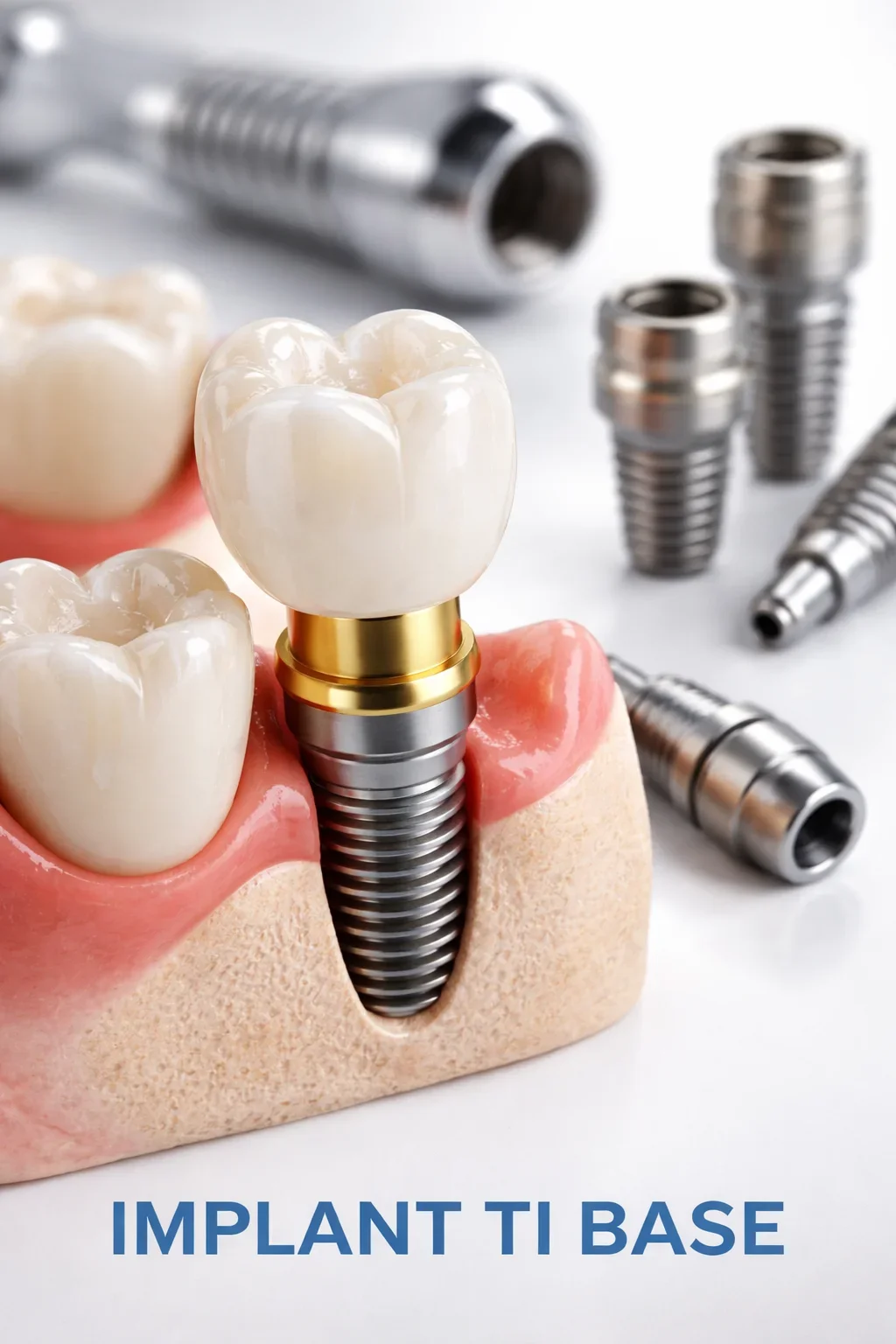
At its core, an implant ti base is a titanium base component that connects a dental implant (placed inside the jawbone) with a custom-made prosthetic restoration, such as a crown or bridge. This connection is critical because it ensures stability, durability, and long-term success of the dental restoration. Unlike traditional abutments, the implant ti base is often used in digital dentistry workflows, making it more precise and predictable.
One of the key reasons why the implant ti base is widely preferred today is its compatibility with CAD/CAM technology. This allows dental professionals to design highly accurate restorations that fit perfectly on the implant. The titanium base acts as a strong and biocompatible foundation, while the upper structure—often made of zirconia or ceramic—provides natural aesthetics. This combination ensures both strength and beauty. ✨
From a clinical perspective, the implant ti base plays a vital role in distributing chewing forces evenly across the implant. This reduces stress on the surrounding bone and helps maintain long-term implant stability. Proper load distribution is essential to prevent complications such as bone loss or implant failure. Therefore, the use of an implant ti base contributes significantly to the overall success rate of dental implants.
Another important advantage of the implant ti base is its versatility. It can be used in both single-tooth restorations and full-arch prosthetics. Dentists can customize the prosthetic part according to the patient’s anatomy, ensuring optimal function and aesthetics. This adaptability makes the implant ti base suitable for a wide range of clinical cases.
Patients also benefit from improved hygiene and maintenance when an implant ti base is used. The precise fit between components minimizes gaps where bacteria could accumulate. This reduces the risk of peri-implant diseases, such as peri-implantitis. Maintaining good oral hygiene is still essential, but the design of the implant ti base makes it easier to keep the area clean.
In terms of materials, titanium is the gold standard due to its excellent biocompatibility and resistance to corrosion. The implant ti base integrates seamlessly with the implant fixture and supports the prosthetic crown effectively. This ensures long-term durability even under constant chewing forces. 💪
The digital workflow associated with the implant ti base also enhances patient comfort. Traditional methods often required multiple adjustments and longer chair time. With modern techniques, dentists can scan, design, and produce restorations with minimal discomfort. This not only improves efficiency but also enhances the patient experience.
If you are considering dental implants, choosing a clinic experienced in implant ti base solutions is crucial. Advanced clinics like Redent Klinik Contact Page offer modern implant techniques tailored to individual needs. Additionally, staying informed through trusted sources like the American Dental Association can help you understand best practices and treatment standards.
In summary, the implant ti base represents a major advancement in dental implantology. It combines strength, precision, and aesthetics to deliver superior results. By integrating digital technology with biocompatible materials, the implant ti base ensures long-lasting and natural-looking restorations. For anyone seeking a reliable tooth replacement option, the implant ti base stands out as a modern, effective, and patient-friendly solution. 😊
What Is an Implant Ti Base and How Does It Work?
The implant ti base is a crucial component in modern implant dentistry, acting as the interface between the dental implant fixture embedded in the jawbone and the visible prosthetic restoration such as a crown or bridge. Understanding how an implant ti base works is essential for both patients and professionals because it directly influences the success, longevity, and aesthetics of dental implant treatments. 🦷
Definition and Core Function of Implant Ti Base
An implant ti base is typically made of high-grade titanium, a material known for its exceptional strength and biocompatibility. It is designed to securely connect to the implant body through a screw-retained mechanism. This connection forms a stable platform onto which a custom-designed prosthetic restoration is attached.
The main function of the implant ti base is to serve as a foundation for the restoration while ensuring precise alignment and strong mechanical retention. Because it is manufactured with high accuracy, the implant ti base minimizes micro-movements, which could otherwise lead to complications such as screw loosening or implant failure.
Why Titanium Is Used
Titanium is the material of choice for every implant ti base because it integrates well with human bone and soft tissues. This property, known as osseointegration, ensures that the implant remains stable over time. Additionally, titanium resists corrosion and can withstand the forces generated during chewing, making the implant ti base highly durable. 💪
How the Implant Ti Base Works in the Oral System
The working mechanism of an implant ti base involves multiple coordinated steps. First, the dental implant is surgically placed into the jawbone. After healing, the implant ti base is attached to the implant fixture using a precise screw system. This connection is critical because it ensures that the forces from chewing are transferred evenly to the implant and surrounding bone.
Once the implant ti base is secured, a custom-made crown or prosthesis—often created using CAD/CAM technology—is bonded or cemented onto it. This layered structure allows the implant ti base to provide mechanical strength, while the upper restoration offers natural aesthetics that match the patient’s existing teeth.
Digital Workflow Integration
Modern dentistry relies heavily on digital workflows, and the implant ti base is fully compatible with these systems. Dentists use intraoral scanners to capture precise digital impressions. These scans are then used to design restorations that fit perfectly onto the implant ti base, reducing errors and improving treatment outcomes. ✨
Connection Types and Stability
The implant ti base is designed to fit various implant systems, each with its own connection type, such as internal hex, conical, or Morse taper connections. These connections ensure a tight seal between the implant and the implant ti base, preventing bacterial infiltration and maintaining long-term stability.
Stability is one of the most important factors in implant success. The implant ti base ensures that the prosthetic restoration remains firmly in place even under significant biting forces. This makes it a preferred choice for both single-tooth restorations and more complex full-mouth rehabilitations.
Advantages Over Traditional Systems
Compared to traditional abutments, the implant ti base offers superior precision and customization. Because it is often used in conjunction with digital design tools, it allows for highly personalized restorations. This ensures better fit, improved comfort, and enhanced aesthetics.
Another advantage of the implant ti base is its ability to reduce chair time. Since much of the design and fabrication process is done digitally, fewer adjustments are needed during placement. This not only benefits the dentist but also improves the patient experience.
Clinical Importance and Patient Benefits
From a clinical standpoint, the implant ti base contributes significantly to the long-term success of dental implants. It helps distribute occlusal forces evenly, reducing the risk of bone loss and implant failure. Additionally, the precise fit of the implant ti base minimizes gaps where bacteria could accumulate, promoting better oral hygiene.
Patients benefit from improved comfort, durability, and aesthetics when an implant ti base is used. The final restoration looks natural and functions like a real tooth, allowing patients to eat, speak, and smile with confidence. 😊
If you are considering treatment, consulting experienced professionals is essential. You can reach out through the Redent Klinik Contact Page to explore personalized solutions. Additionally, guidelines from the American Dental Association provide valuable insights into safe and effective dental practices.
In conclusion, the implant ti base is a highly advanced component that bridges the gap between implant fixtures and prosthetic restorations. Its precision, strength, and compatibility with digital workflows make it a key element in achieving successful, long-lasting dental implant results.
Key Components of an Implant Ti Base System
The implant ti base system is not just a single component but a combination of precisely engineered parts working together to ensure stability, functionality, and aesthetics in dental implant restorations. Understanding the key components of an implant ti base system is essential for appreciating how modern implant dentistry achieves such predictable and long-lasting results. 🦷
1. The Implant Fixture (Foundation of the System)
The first and most fundamental part of the implant ti base system is the implant fixture itself. This is a titanium screw-like structure that is surgically inserted into the jawbone. It acts as an artificial tooth root and provides the base onto which the entire implant ti base system is built.
The success of the implant ti base depends heavily on the stability of this fixture. Once placed, the implant undergoes a healing process called osseointegration, during which it fuses with the surrounding bone. This biological integration ensures that the implant ti base can function under normal chewing forces without movement.
Material and Design Features
Implant fixtures used with an implant ti base are typically made from medical-grade titanium or titanium alloys. Their surface is often treated or textured to enhance bone integration. These design features directly support the long-term success of the implant ti base system. 💪
2. The Implant Ti Base (Connector Component)
The central element of the system is the implant ti base itself. This component acts as the connector between the implant fixture and the prosthetic restoration. It is precisely manufactured to fit the implant interface, ensuring a secure and stable connection.
The implant ti base is typically screw-retained, meaning it is attached to the implant using a fixation screw. This design allows for easy removal and maintenance if necessary. Additionally, the implant ti base provides a standardized platform for attaching custom restorations, making it highly versatile.
Precision Engineering and Fit
One of the most important features of an implant ti base is its precision. Even microscopic inaccuracies can lead to complications such as screw loosening or bacterial infiltration. Therefore, modern implant ti base components are manufactured using advanced technologies to ensure a perfect fit. ✨
3. Prosthetic Restoration (Visible Tooth Structure)
The prosthetic restoration is the visible part of the implant ti base system. This can be a crown, bridge, or full-arch prosthesis, depending on the patient’s needs. The restoration is typically made from materials such as zirconia, porcelain, or composite resins.
In an implant ti base system, the prosthetic restoration is either cemented or bonded onto the titanium base. This combination allows the implant ti base to provide structural strength, while the restoration delivers natural aesthetics that closely mimic real teeth.
Customization and Aesthetic Benefits
Each restoration used with an implant ti base is custom-designed to match the patient’s tooth shape, color, and bite. This ensures that the final result is both functional and visually appealing. Patients often cannot distinguish an implant ti base restoration from their natural teeth. 😊
4. Fixation Screw (Securing the System)
The fixation screw is a small but critical component of the implant ti base system. It is used to attach the titanium base securely to the implant fixture. Despite its size, the screw plays a major role in maintaining the integrity of the entire system.
The screw used in an implant ti base system is designed to withstand repeated loading cycles from chewing. Proper torque application during placement is essential to ensure that the implant ti base remains stable over time.
Importance of Proper Torque
If the fixation screw is not tightened correctly, it can lead to complications such as loosening or even failure of the implant ti base. Therefore, dentists use specialized tools to apply the exact torque recommended by the manufacturer.
5. Digital Interface and CAD/CAM Compatibility
A modern implant ti base system is fully integrated with digital dentistry workflows. Using intraoral scanners and CAD/CAM software, dentists can design restorations that fit perfectly onto the implant ti base.
This digital integration allows for increased accuracy, reduced treatment time, and improved patient comfort. The implant ti base serves as a standardized interface that ensures compatibility between the implant and the digitally fabricated restoration.
Advantages of Digital Design
Digital workflows eliminate many of the errors associated with traditional impression techniques. As a result, restorations placed on an implant ti base are more precise, durable, and aesthetically pleasing. 🚀
Clinical Importance of Each Component
Each part of the implant ti base system plays a vital role in its overall success. The implant fixture provides stability, the titanium base ensures a strong connection, the prosthetic restoration delivers aesthetics, and the fixation screw maintains structural integrity.
Together, these components create a cohesive system that allows the implant ti base to function like a natural tooth. This synergy is what makes modern implant dentistry so effective and reliable.
If you are considering treatment, it is important to choose a clinic experienced in handling all aspects of the implant ti base system. You can learn more or schedule a consultation through the Redent Klinik Contact Page. For additional guidance on dental standards, visit the American Dental Association.
In conclusion, the implant ti base system is a sophisticated combination of components designed to deliver strength, precision, and aesthetics. Understanding each part helps patients appreciate the complexity and effectiveness of modern dental implant solutions.
Benefits of Using an Implant Ti Base in Modern Dentistry
The implant ti base has revolutionized modern implant dentistry by offering a combination of strength, precision, and aesthetics that traditional systems often struggle to match. As dental technologies evolve, the implant ti base continues to stand out as a preferred solution for both clinicians and patients seeking long-lasting and natural-looking results. Understanding the benefits of an implant ti base can help you see why it is widely used in advanced dental treatments today. 🦷
Enhanced Mechanical Strength and Durability
One of the most significant advantages of the implant ti base is its exceptional strength. Made from high-quality titanium, the implant ti base is designed to withstand intense chewing forces without deforming or breaking. This durability ensures that restorations supported by an implant ti base can last for many years, often decades, with proper care.
The robust nature of the implant ti base also reduces the risk of mechanical complications such as fractures or loosening. Compared to alternative materials, titanium offers superior resistance to wear and fatigue, making the implant ti base an ideal choice for long-term dental solutions. 💪
Resistance to Corrosion and Wear
The implant ti base is highly resistant to corrosion, even in the challenging environment of the oral cavity. Saliva, temperature changes, and food acids do not easily affect titanium, ensuring that the implant ti base maintains its integrity over time.
Superior Aesthetic Outcomes
While the implant ti base itself is not visible, it plays a crucial role in supporting highly aesthetic restorations. By providing a stable and precise platform, the implant ti base allows for the placement of crowns made from materials like zirconia or porcelain, which closely mimic natural teeth.
This combination of a strong titanium base and a lifelike ceramic restoration ensures that the final result looks completely natural. Patients often cannot distinguish a restoration supported by an implant ti base from their original teeth. 😊
Improved Soft Tissue Response
The implant ti base also contributes to healthy gum tissue adaptation. Its precise fit minimizes irritation and promotes better soft tissue healing, which enhances the overall aesthetic appearance of the restoration.
Precision and Accuracy with Digital Dentistry
The implant ti base is fully compatible with digital workflows, including CAD/CAM systems. This allows dentists to design restorations with exceptional accuracy. Digital impressions and computer-aided design ensure that the implant ti base fits perfectly with the prosthetic crown.
Precision is critical in implant dentistry because even minor discrepancies can lead to complications. The implant ti base minimizes these risks by providing a standardized and highly accurate interface. ✨
Reduced Chair Time
Because of its compatibility with digital technology, the implant ti base reduces the number of appointments required. Patients benefit from quicker procedures and fewer adjustments, making the treatment process more convenient.
Versatility Across Different Cases
The implant ti base is incredibly versatile and can be used in a wide range of clinical situations. Whether replacing a single tooth or supporting a full-arch restoration, the implant ti base adapts to various treatment needs.
This flexibility allows dentists to customize solutions for each patient. The implant ti base works seamlessly with different implant systems and prosthetic designs, making it a universal component in modern dentistry.
Compatibility with Multiple Materials
The implant ti base can support restorations made from zirconia, lithium disilicate, or composite materials. This compatibility ensures that patients receive both functional and aesthetic benefits tailored to their needs.
Improved Hygiene and Maintenance
Another key benefit of the implant ti base is its contribution to better oral hygiene. The precise fit between the implant and the implant ti base reduces micro-gaps where bacteria can accumulate. This lowers the risk of infections such as peri-implantitis.
Patients find it easier to clean around restorations supported by an implant ti base, which helps maintain long-term oral health. Proper hygiene combined with the design of the implant ti base significantly increases the success rate of dental implants.
Long-Term Stability
The stability provided by the implant ti base ensures that the restoration remains secure over time. This reduces the need for repairs or replacements, making it a cost-effective solution in the long run.
Patient Comfort and Confidence
Comfort is a major factor in dental treatments, and the implant ti base excels in this area. Because of its precise fit and stability, patients experience minimal discomfort after placement. The restoration feels natural, allowing them to eat and speak without difficulty.
Confidence is another important benefit. With an implant ti base, patients regain a natural-looking smile, which can significantly improve self-esteem and overall quality of life. 😁
Clinical Reliability and Success Rates
From a professional perspective, the implant ti base offers high reliability and predictable outcomes. Its design ensures proper load distribution, reducing stress on the implant and surrounding bone. This contributes to higher success rates compared to older systems.
Dentists often prefer the implant ti base because it simplifies complex procedures and provides consistent results across different cases.
If you are considering this advanced treatment, you can explore personalized options through the Redent Klinik Contact Page. Additionally, guidelines from the American Dental Association can help you understand the standards of safe and effective dental care.
In conclusion, the implant ti base offers a wide range of benefits, including strength, precision, aesthetics, and long-term reliability. Its integration with modern digital workflows and high-quality materials makes the implant ti base an essential component in contemporary implant dentistry. For patients seeking durable and natural-looking restorations, the implant ti base is undoubtedly one of the best solutions available today. 🚀
Implant Ti Base vs Traditional Abutments: Main Differences
When comparing modern dental solutions, one of the most important distinctions lies between the implant ti base and traditional abutments. Both components serve as connectors between the dental implant and the prosthetic restoration, but their design, performance, and clinical outcomes differ significantly. Understanding these differences helps patients and clinicians choose the most effective solution for long-term success. 🦷
Design and Structural Differences
The implant ti base is specifically engineered for use with digital workflows and custom restorations. It is a prefabricated titanium interface that allows a prosthetic crown to be bonded or cemented with high precision. In contrast, traditional abutments are often one-piece or stock components that may not offer the same level of customization.
The modular nature of the implant ti base allows dentists to create highly personalized restorations tailored to each patient’s anatomy. Traditional abutments, on the other hand, may require more manual adjustments, which can affect fit and overall performance.
Precision Fit and Adaptation
The implant ti base is manufactured with advanced technology, ensuring a precise fit between the implant and the restoration. This reduces micro-gaps and enhances stability. Traditional abutments may not always achieve this level of accuracy, potentially leading to complications over time.
Compatibility with Digital Dentistry
One of the most significant advantages of the implant ti base is its seamless integration with CAD/CAM systems. Dentists can scan, design, and fabricate restorations digitally, ensuring optimal accuracy and efficiency. The implant ti base acts as a standardized interface that simplifies the entire workflow.
Traditional abutments, while still effective, are often associated with conventional impression techniques. These methods can introduce errors and require additional adjustments. The implant ti base eliminates many of these challenges by supporting a fully digital approach. ✨
Reduced Human Error
With the implant ti base, digital workflows minimize the risk of human error during impression taking and fabrication. This leads to better-fitting restorations and fewer complications compared to traditional abutments.
Mechanical Strength and Load Distribution
The implant ti base is designed to distribute occlusal forces evenly across the implant and surrounding bone. Its titanium construction ensures high strength and resistance to mechanical stress. This is particularly important for long-term implant success.
Traditional abutments can also provide adequate strength, but they may not offer the same level of optimized load distribution as the implant ti base. Uneven force distribution can lead to bone loss or implant instability over time.
Long-Term Stability
The implant ti base enhances long-term stability by reducing stress concentrations. This makes it especially beneficial in high-load areas such as molars, where chewing forces are strongest. 💪
Aesthetic Outcomes
In terms of aesthetics, the implant ti base offers superior results. It allows for the use of high-quality ceramic materials like zirconia, which provide a natural tooth-like appearance. The precise fit of the implant ti base also supports better soft tissue adaptation, improving the overall look of the restoration.
Traditional abutments may limit aesthetic options, particularly in cases where customization is required. The implant ti base enables more control over the final appearance, making it ideal for visible areas such as front teeth. 😊
Gum Tissue Integration
The implant ti base promotes healthier gum tissue by minimizing irritation and ensuring a snug fit. This contributes to a more natural and pleasing smile compared to some traditional abutment designs.
Maintenance and Retrievability
Another key difference between the implant ti base and traditional abutments is maintenance. The implant ti base is often screw-retained, allowing dentists to easily remove and adjust the restoration if needed. This retrievability is a major advantage in long-term care.
Traditional abutments, especially those that are cemented, can be more difficult to remove. This may complicate repairs or adjustments, making the implant ti base a more practical choice in many cases.
Ease of Repairs
With the implant ti base, repairs and modifications can be performed without damaging the implant or surrounding structures. This flexibility improves overall treatment outcomes and patient satisfaction.
Clinical Applications and Versatility
The implant ti base is highly versatile and suitable for a wide range of applications, from single crowns to full-arch restorations. Its compatibility with various implant systems and materials makes it a universal solution in modern dentistry.
Traditional abutments may still be used in certain cases, but they often lack the adaptability of the implant ti base. This versatility allows clinicians to address complex cases more effectively.
Cost Considerations
While the implant ti base may have a slightly higher initial cost compared to traditional abutments, its long-term benefits often outweigh this difference. Reduced complications, fewer adjustments, and improved durability make the implant ti base a cost-effective solution over time.
Patients seeking reliable and modern treatments often find that investing in an implant ti base leads to better overall value.
Expert Recommendations
Dental professionals increasingly recommend the implant ti base due to its precision, reliability, and compatibility with modern technologies. Clinics that specialize in advanced implant solutions, such as the Redent Klinik Contact Page, often prioritize the use of implant ti base systems.
For additional information on best practices in implant dentistry, the American Dental Association provides valuable resources and guidelines.
In conclusion, the implant ti base offers clear advantages over traditional abutments in terms of precision, aesthetics, durability, and ease of maintenance. As dental technology continues to evolve, the implant ti base is becoming the preferred choice for achieving predictable and high-quality implant restorations. 🚀
Step-by-Step Procedure of Implant Ti Base Placement
The placement of an implant ti base is a carefully planned and executed procedure that combines surgical precision with advanced prosthetic design. Understanding each step of the implant ti base process helps patients feel more confident and informed before undergoing treatment. This modern approach ensures optimal results in both function and aesthetics. 🦷
Initial Consultation and Treatment Planning
The journey of an implant ti base begins with a comprehensive consultation. During this stage, the dentist evaluates the patient’s oral health, bone structure, and overall suitability for implant treatment. Digital imaging tools such as CBCT scans are often used to assess bone density and determine the ideal implant position.
Planning is crucial for the success of the implant ti base. The dentist creates a customized treatment plan that outlines the surgical placement of the implant and the subsequent attachment of the implant ti base. This stage ensures that every detail is optimized for long-term success.
Digital Smile Design
In many modern clinics, digital smile design is integrated into the implant ti base workflow. This allows patients to preview the final outcome and ensures that the restoration aligns with their aesthetic expectations. ✨
Surgical Placement of the Dental Implant
The next step involves placing the dental implant into the jawbone. This is a minor surgical procedure performed under local anesthesia. The implant acts as the foundation for the implant ti base and must be positioned with high precision.
Once the implant is inserted, it is left to heal and integrate with the bone through a process called osseointegration. This phase is essential because the stability of the implant ti base depends on the strength of this bond.
Healing Period
The healing period typically lasts several weeks to a few months, depending on the patient’s bone quality and overall health. During this time, the implant becomes securely anchored, preparing it for the placement of the implant ti base. 💪
Attachment of the Implant Ti Base
After successful healing, the dentist proceeds with attaching the implant ti base to the implant fixture. This step involves securing the titanium base using a specialized fixation screw. The implant ti base serves as the connector between the implant and the final restoration.
Precision is critical during this stage. The implant ti base must be aligned perfectly to ensure proper function and aesthetics. Any misalignment can affect the final outcome, so dentists use advanced tools and techniques to achieve optimal placement.
Torque Application
The fixation screw of the implant ti base is tightened using a calibrated torque device. This ensures that the connection is secure and stable, reducing the risk of loosening over time.
Digital Impression and Restoration Design
Once the implant ti base is in place, the next step is to capture a digital impression of the patient’s mouth. Intraoral scanners are used to create a highly accurate 3D model. This model is then used to design the prosthetic restoration that will sit on the implant ti base.
The use of digital technology ensures that the restoration fits perfectly onto the implant ti base. This reduces the need for adjustments and enhances the overall efficiency of the treatment process. 🚀
CAD/CAM Fabrication
The restoration is fabricated using CAD/CAM technology, which allows for precise customization. Materials such as zirconia or porcelain are commonly used to create a natural-looking crown that complements the implant ti base.
Placement of the Final Restoration
The final step in the implant ti base procedure is the placement of the prosthetic restoration. The custom-made crown is either cemented or bonded onto the titanium base. This creates a strong and aesthetically pleasing result.
The dentist carefully checks the fit, bite alignment, and overall appearance to ensure that the implant ti base restoration functions like a natural tooth. Minor adjustments may be made to achieve optimal comfort and performance.
Final Adjustments
After placement, the dentist ensures that the implant ti base restoration does not interfere with the patient’s bite. Proper alignment is essential to prevent excessive stress on the implant.
Post-Procedure Care and Follow-Up
After the implant ti base placement is complete, patients receive detailed instructions on how to care for their new restoration. Maintaining good oral hygiene is essential to ensure the longevity of the implant ti base.
Regular follow-up visits allow the dentist to monitor the condition of the implant ti base and address any potential issues early. With proper care, the restoration can last for many years.
Daily Maintenance Tips
Patients are advised to brush and floss regularly, avoid excessive force on the restoration, and attend routine dental check-ups. These practices help maintain the health and stability of the implant ti base. 😊
Choosing the Right Clinic for Implant Ti Base Treatment
The success of an implant ti base procedure depends on the expertise of the dental team. Clinics that specialize in advanced implant techniques offer better outcomes and patient satisfaction. You can explore treatment options through the Redent Klinik Contact Page.
For additional guidance on dental procedures and standards, the American Dental Association provides reliable and up-to-date information.
In conclusion, the step-by-step placement of an implant ti base involves careful planning, precise surgical techniques, and advanced digital technology. Each stage is designed to ensure optimal results, making the implant ti base a highly effective and reliable solution for tooth replacement. 🌟
Materials and Technology Behind Implant Ti Base Solutions
The success of an implant ti base in modern dentistry is not only due to its design but also the advanced materials and cutting-edge technologies used in its production and application. These innovations ensure that every implant ti base delivers exceptional strength, precision, and long-term performance. Understanding the materials and technologies behind the implant ti base helps patients and professionals appreciate why it has become a gold standard in implant restorations. 🦷
Primary Material: Titanium and Its Advantages
The most critical material used in an implant ti base is titanium. This metal is widely recognized in dentistry and medicine for its superior biocompatibility. The implant ti base made from titanium integrates seamlessly with surrounding tissues, minimizing the risk of rejection or inflammation.
Titanium also offers remarkable mechanical properties. The implant ti base must withstand significant chewing forces daily, and titanium provides the strength and resilience required for long-term durability. Additionally, the corrosion resistance of titanium ensures that the implant ti base remains stable in the moist and chemically active oral environment. 💪
Biocompatibility and Osseointegration
The implant ti base supports osseointegration by maintaining a stable interface between the implant and the prosthetic restoration. Although osseointegration occurs at the implant fixture level, the implant ti base plays a vital role in preserving that stability over time.
Advanced Prosthetic Materials Used with Implant Ti Base
While the implant ti base itself is made of titanium, the restoration attached to it is often crafted from highly aesthetic materials. Common options include zirconia, lithium disilicate, and porcelain. These materials are chosen for their ability to mimic natural teeth while working harmoniously with the implant ti base.
Zirconia, in particular, is a popular choice due to its strength and natural translucency. When paired with an implant ti base, zirconia restorations offer both durability and excellent aesthetics. This combination allows patients to achieve a natural-looking smile without compromising function. 😊
Material Compatibility
The implant ti base is designed to bond effectively with these restorative materials. Special adhesives and surface treatments ensure a secure connection between the titanium base and the ceramic crown.
CAD/CAM Technology and Digital Dentistry
One of the most transformative aspects of the implant ti base is its compatibility with CAD/CAM (Computer-Aided Design and Manufacturing) technology. This digital workflow allows dentists to design and produce restorations with unparalleled accuracy.
Using intraoral scanners, a precise digital model of the patient’s mouth is created. This data is then used to design a restoration that fits perfectly onto the implant ti base. The result is a highly customized solution that reduces errors and improves treatment outcomes. ✨
Benefits of Digital Precision
The integration of CAD/CAM technology with the implant ti base ensures consistent results. It minimizes manual errors, reduces treatment time, and enhances patient comfort by eliminating the need for traditional impressions.
Surface Engineering and Micro-Design
The surface of the implant ti base is engineered to enhance its performance. Advanced manufacturing techniques create micro-textures that improve the bonding between the titanium base and the prosthetic material.
These micro-design features also contribute to better load distribution. The implant ti base ensures that chewing forces are evenly transferred, reducing stress on the implant and surrounding bone.
Precision Manufacturing Techniques
Modern implant ti base components are produced using high-precision milling machines and laser technologies. These methods guarantee exact dimensions and a perfect fit, which are essential for long-term success. 🚀
Connection Technologies and Stability
The connection between the implant and the implant ti base is a critical factor in the system’s performance. Various connection designs, such as conical or Morse taper interfaces, are used to create a tight seal.
This secure connection prevents micro-movements and reduces the risk of bacterial infiltration. The implant ti base plays a key role in maintaining this stability, ensuring that the restoration remains functional and secure over time.
Anti-Rotation Features
Many implant ti base designs include anti-rotation mechanisms that prevent the restoration from shifting. This feature is particularly important for single-tooth restorations, where stability is crucial.
Innovation in Adhesive and Bonding Systems
The bonding between the implant ti base and the prosthetic crown is achieved using advanced adhesive systems. These materials are specifically designed to create a strong and durable connection.
Proper bonding ensures that the restoration remains securely attached to the implant ti base even under continuous stress. This innovation significantly enhances the longevity of the entire system.
Long-Term Bond Strength
Modern adhesives used with the implant ti base are resistant to moisture and temperature changes. This ensures that the bond remains stable in the oral environment for many years.
Clinical Impact of Material and Technology Choices
The combination of high-quality materials and advanced technology makes the implant ti base a highly reliable solution in implant dentistry. Each component is designed to work together seamlessly, ensuring optimal performance and patient satisfaction.
Clinics that utilize these technologies can provide more predictable outcomes. If you are considering treatment, you can explore your options through the Redent Klinik Contact Page. Additionally, the American Dental Association offers valuable information on dental materials and standards.
In conclusion, the materials and technology behind the implant ti base are key to its success. From biocompatible titanium to advanced digital workflows, every aspect of the implant ti base is designed to deliver strength, precision, and aesthetic excellence. This makes it an essential component in achieving modern, high-quality dental restorations. 🌟
Common Indications and When to Choose Implant Ti Base
The implant ti base is widely used in modern dentistry due to its versatility, precision, and long-term reliability. However, knowing when to choose an implant ti base is crucial for achieving optimal clinical outcomes. Dentists carefully evaluate each patient’s oral condition to determine whether the implant ti base is the most suitable solution. This section explores the most common indications and scenarios where an implant ti base is the preferred choice. 🦷
Single Tooth Replacement
One of the most common indications for an implant ti base is the replacement of a single missing tooth. In such cases, the implant ti base provides a strong and stable connection between the implant fixture and the custom crown.
The precision of the implant ti base ensures that the final restoration fits perfectly, both functionally and aesthetically. Patients benefit from a natural-looking result that blends seamlessly with surrounding teeth. This makes the implant ti base an ideal option for both anterior (front) and posterior (back) tooth replacements. 😊
Anterior vs Posterior Applications
In front teeth, the implant ti base is chosen for its superior aesthetic support, while in back teeth, its strength and durability make it highly effective under heavy chewing forces.
Multiple Tooth Restorations and Bridges
The implant ti base is also commonly used in cases where multiple teeth need to be replaced. In bridge restorations, several implants may be connected using multiple implant ti base components to support a fixed prosthesis.
This approach ensures even distribution of forces and enhances the stability of the restoration. The adaptability of the implant ti base allows it to be used in complex cases involving partial tooth loss.
Load Distribution Benefits
Using an implant ti base in multi-unit restorations helps distribute occlusal forces evenly, reducing stress on individual implants and improving long-term success rates. 💪
Full-Arch Restorations
In cases of complete tooth loss, the implant ti base plays a critical role in full-arch restorations such as All-on-4 or All-on-6 systems. These treatments involve placing multiple implants to support a full set of teeth.
The implant ti base ensures a stable and precise connection between the implants and the prosthetic arch. This allows patients to regain full chewing function and a confident smile.
Immediate Loading Options
With proper planning, an implant ti base can be used in immediate loading protocols, where temporary restorations are placed shortly after implant surgery. This reduces treatment time and enhances patient satisfaction. 🚀
Cases Requiring High Aesthetic Demands
The implant ti base is particularly beneficial in cases where aesthetics are a top priority. Patients seeking natural-looking results, especially in visible areas, often benefit from the precision and customization offered by the implant ti base.
Because it supports ceramic restorations like zirconia, the implant ti base allows for lifelike translucency and color matching. This ensures that the final restoration is virtually indistinguishable from natural teeth.
Soft Tissue Management
The design of the implant ti base promotes healthy gum tissue adaptation, which is essential for achieving optimal aesthetic outcomes.
Digital Dentistry and CAD/CAM Workflows
Another key indication for using an implant ti base is when digital workflows are employed. Dentists who use CAD/CAM technology prefer the implant ti base because it integrates seamlessly with digital design and manufacturing processes.
This compatibility ensures precise restorations, reduced chair time, and improved patient comfort. The implant ti base acts as a standardized interface that simplifies the entire workflow. ✨
Accuracy and Efficiency
The use of an implant ti base in digital dentistry minimizes errors and enhances treatment efficiency, making it a preferred choice in modern clinics.
Patients with High Functional Demands
Patients who require strong and durable restorations—such as those with heavy bite forces or bruxism—can benefit greatly from the implant ti base. Its titanium structure provides the strength needed to withstand intense mechanical stress.
The implant ti base ensures that restorations remain stable even under challenging conditions, making it suitable for long-term use.
Durability in Challenging Conditions
The resilience of the implant ti base makes it an excellent option for patients who need reliable and robust dental solutions.
When Implant Ti Base May Not Be Ideal
Although the implant ti base is highly versatile, there are situations where alternative solutions may be considered. For example, in cases with limited interocclusal space or specific anatomical constraints, other abutment types might be more suitable.
However, in the majority of cases, the implant ti base remains the preferred option due to its numerous advantages.
Clinical Decision-Making and Expert Guidance
The decision to use an implant ti base ultimately depends on a thorough clinical evaluation. Dentists consider factors such as bone quality, aesthetic requirements, and functional demands before recommending the most appropriate treatment.
If you are considering dental implants, consulting experienced professionals is essential. You can learn more or schedule a consultation through the Redent Klinik Contact Page. Additionally, the American Dental Association provides valuable resources on implant treatments and best practices.
In conclusion, the implant ti base is indicated in a wide range of clinical scenarios, from single-tooth replacements to full-arch restorations. Its versatility, precision, and compatibility with modern technologies make the implant ti base a top choice for achieving successful and long-lasting dental outcomes. 🌟
Longevity and Maintenance of Implant Ti Base Restorations
The long-term success of an implant ti base restoration depends not only on the quality of the materials and placement but also on proper maintenance and patient care. One of the main advantages of the implant ti base is its durability, but even the most advanced systems require attention to ensure optimal performance over time. Understanding how to maintain an implant ti base can significantly extend its lifespan and preserve oral health. 🦷
Expected Lifespan of Implant Ti Base Restorations
An implant ti base restoration is designed to last for many years, often decades, when properly maintained. The titanium structure of the implant ti base is highly resistant to wear, corrosion, and mechanical stress, making it one of the most durable components in implant dentistry.
Clinical studies and real-world outcomes show that the implant ti base can maintain its integrity for 10–20 years or more. In many cases, the implant itself may last a lifetime, while the prosthetic crown attached to the implant ti base may require occasional replacement due to normal wear.
Factors Influencing Longevity
The lifespan of an implant ti base depends on several factors, including oral hygiene, bite force, lifestyle habits, and regular dental visits. Patients who follow proper care routines typically experience longer-lasting results. 💪
Daily Maintenance and Oral Hygiene
Maintaining good oral hygiene is essential for preserving the health of an implant ti base. Although the implant itself cannot develop cavities, the surrounding gum tissue and bone must remain healthy to support the structure.
Patients should brush at least twice a day using a soft-bristled toothbrush and non-abrasive toothpaste. Flossing or using interdental brushes around the implant ti base helps remove plaque and prevent inflammation. Special attention should be given to cleaning the area where the restoration meets the gum line.
Recommended Hygiene Tools
Tools such as water flossers and antimicrobial mouth rinses can enhance cleaning around the implant ti base. These tools are particularly useful for reaching areas that are difficult to access with traditional brushing. 😊
Professional Check-Ups and Monitoring
Regular dental visits play a crucial role in maintaining the health of an implant ti base. Dentists can monitor the condition of the implant, the titanium base, and the surrounding tissues to detect any early signs of complications.
Professional cleanings help remove hardened plaque (tartar) that cannot be eliminated through daily brushing. During these visits, the dentist may also check the stability of the implant ti base and ensure that the restoration remains properly aligned.
Frequency of Visits
Most patients are advised to visit their dentist every 6 months, although some cases may require more frequent check-ups depending on individual needs.
Common Issues and How to Prevent Them
Although the implant ti base is highly reliable, certain issues can arise if proper care is not maintained. Common problems include peri-implantitis (inflammation around the implant), screw loosening, and wear of the prosthetic crown.
Preventing these issues involves maintaining excellent oral hygiene, avoiding excessive force on the restoration, and attending regular dental check-ups. The design of the implant ti base helps minimize these risks, but patient cooperation is essential for long-term success.
Avoiding Excessive Force
Patients with habits such as teeth grinding (bruxism) should consider using a night guard to protect the implant ti base from excessive stress. This simple measure can significantly extend the lifespan of the restoration. 😁
Role of Material Quality in Longevity
The materials used in an implant ti base system play a major role in its durability. High-quality titanium ensures that the base remains strong and stable, while advanced ceramic materials provide long-lasting aesthetics.
The combination of these materials allows the implant ti base to withstand daily wear while maintaining its appearance and function. Choosing a reputable clinic that uses high-quality components is essential for achieving the best results.
Importance of Precision Fit
A well-fitted implant ti base reduces micro-movements and prevents complications. Precision in design and placement directly contributes to the longevity of the restoration.
Lifestyle Factors Affecting Implant Ti Base
Certain lifestyle habits can impact the lifespan of an implant ti base. Smoking, poor diet, and inadequate oral hygiene can negatively affect the health of the surrounding tissues and compromise the stability of the implant.
Patients who adopt a healthy lifestyle and follow their dentist’s recommendations are more likely to enjoy long-term success with their implant ti base. 🚀
Dietary Considerations
A balanced diet rich in vitamins and minerals supports bone health and helps maintain the stability of the implant ti base. Avoiding excessively hard or sticky foods can also prevent damage to the restoration.
Repair and Replacement Possibilities
One of the advantages of the implant ti base is its retrievability. If the prosthetic crown becomes damaged or worn, it can often be replaced without removing the entire implant system. This makes maintenance more convenient and cost-effective.
The ability to repair or replace components without affecting the implant itself is a key benefit of the implant ti base system.
Expert Care and Long-Term Success
Choosing an experienced dental clinic is essential for ensuring the longevity of an implant ti base. Skilled professionals can provide proper placement, high-quality materials, and ongoing care.
If you are considering or already have an implant ti base, you can get expert guidance through the Redent Klinik Contact Page. Additionally, the American Dental Association offers valuable information on maintaining oral health and implant care.
In conclusion, the implant ti base is a durable and reliable solution that can last for many years with proper care. By maintaining good oral hygiene, attending regular dental visits, and adopting healthy habits, patients can maximize the lifespan and performance of their implant ti base restoration. 🌟
Costs and Factors Affecting Implant Ti Base Treatments
The cost of an implant ti base treatment is one of the most frequently asked questions by patients considering dental implants. While the implant ti base offers superior durability, aesthetics, and precision, its pricing can vary depending on several important factors. Understanding these cost elements helps patients make informed decisions and plan their treatment effectively. 🦷
Average Cost of Implant Ti Base Treatments
The price of an implant ti base restoration can differ significantly depending on the country, clinic, and complexity of the case. On average, patients can expect the following approximate price ranges:
Estimated Price Range (Per Tooth)
- United States: $2,500 – $5,500
- United Kingdom: £2,000 – £4,000
- Europe (general): €1,800 – €4,000
- Turkey: $800 – $2,500
These prices typically include the implant, the implant ti base, and the final crown. However, additional procedures may increase the total cost of the implant ti base treatment. 💰
Key Factors Affecting Implant Ti Base Costs
The overall cost of an implant ti base procedure is influenced by multiple variables. Each factor plays a role in determining the final price and the quality of the outcome.
1. Number of Implants Required
The more implants and implant ti base components needed, the higher the overall cost. Single-tooth restorations are less expensive than full-arch treatments involving multiple implant ti base units.
2. Material Quality
The materials used in the implant ti base system significantly affect the cost. High-quality titanium bases and premium ceramic crowns (such as zirconia) may increase the price but offer better durability and aesthetics.
3. Technology and Equipment
Clinics that use advanced digital technologies like CAD/CAM systems and 3D imaging often provide more precise results. However, these technologies can also increase the cost of an implant ti base procedure due to the investment in equipment and expertise. ✨
4. Dentist’s Expertise
The experience and skill of the dental professional play a crucial role in the success of an implant ti base treatment. Highly qualified specialists may charge more, but they also reduce the risk of complications and ensure better outcomes.
5. Additional Procedures
Some patients may require additional treatments before placing an implant ti base. These can include:
- Bone grafting
- Sinus lifting
- Tooth extraction
These procedures add to the total cost but are often necessary to ensure the stability of the implant ti base.
Cost vs Value: Why Implant Ti Base Is Worth It
Although the initial cost of an implant ti base may seem high, it is important to consider the long-term value. The implant ti base offers durability, reliability, and aesthetic excellence that can last for many years.
Unlike traditional dental solutions that may require frequent replacements, the implant ti base provides a more permanent solution. This reduces long-term maintenance costs and improves overall patient satisfaction. 😊
Long-Term Savings
By investing in an implant ti base, patients often save money in the long run due to fewer repairs and replacements compared to other treatment options.
Insurance and Financing Options
Dental insurance coverage for implant ti base treatments varies depending on the provider and policy. Some plans may cover part of the procedure, while others may not include implant treatments at all.
Many clinics offer financing options to make implant ti base treatments more accessible. Payment plans allow patients to spread the cost over time, making high-quality dental care more affordable. 💳
Flexible Payment Plans
Clinics often provide customized payment plans that suit different budgets, enabling more patients to benefit from implant ti base solutions.
Cost Differences by Location
The cost of an implant ti base can vary significantly based on geographic location. Countries like Turkey have become popular for dental tourism due to high-quality treatments at more affordable prices.
Patients traveling abroad for an implant ti base procedure can often save a substantial amount while still receiving care from experienced professionals.
Dental Tourism Benefits
Choosing a reputable clinic in a cost-effective location allows patients to combine treatment with travel, making the implant ti base procedure both affordable and convenient. 🌍
Choosing the Right Clinic for Value and Quality
While cost is an important factor, it should not be the only consideration when selecting a clinic for an implant ti base. Quality, expertise, and patient care are equally important for achieving successful results.
You can explore treatment options and receive personalized advice through the Redent Klinik Contact Page. Additionally, the American Dental Association provides trusted information on dental procedures and standards.
Final Thoughts on Implant Ti Base Costs
In conclusion, the cost of an implant ti base treatment depends on multiple factors, including materials, technology, expertise, and additional procedures. While the initial investment may be higher than other options, the long-term benefits of the implant ti base make it a valuable and cost-effective solution.
By understanding the pricing structure and choosing a reputable clinic, patients can achieve excellent results with their implant ti base restoration while maintaining control over their budget. 🌟