
When patients lose a back tooth, one of the first questions they ask their dentist is about the cost for molar implant. Molars play a critical role in chewing, jaw stability, and overall oral health. Because these teeth handle the majority of biting force, replacing a missing molar with a durable and long-lasting solution is essential. Dental implants have become the gold standard for replacing missing teeth, especially molars, because they mimic the natural structure of a tooth root and provide exceptional stability.
The cost for molar implant can vary depending on several factors, including the clinic location, the experience of the dentist, the materials used, and whether additional procedures are required. However, understanding the structure of the treatment and what contributes to the overall molar implant price helps patients make informed decisions about their oral health. Dental implants are not just cosmetic procedures; they are long-term medical solutions designed to restore function, prevent bone loss, and improve quality of life.
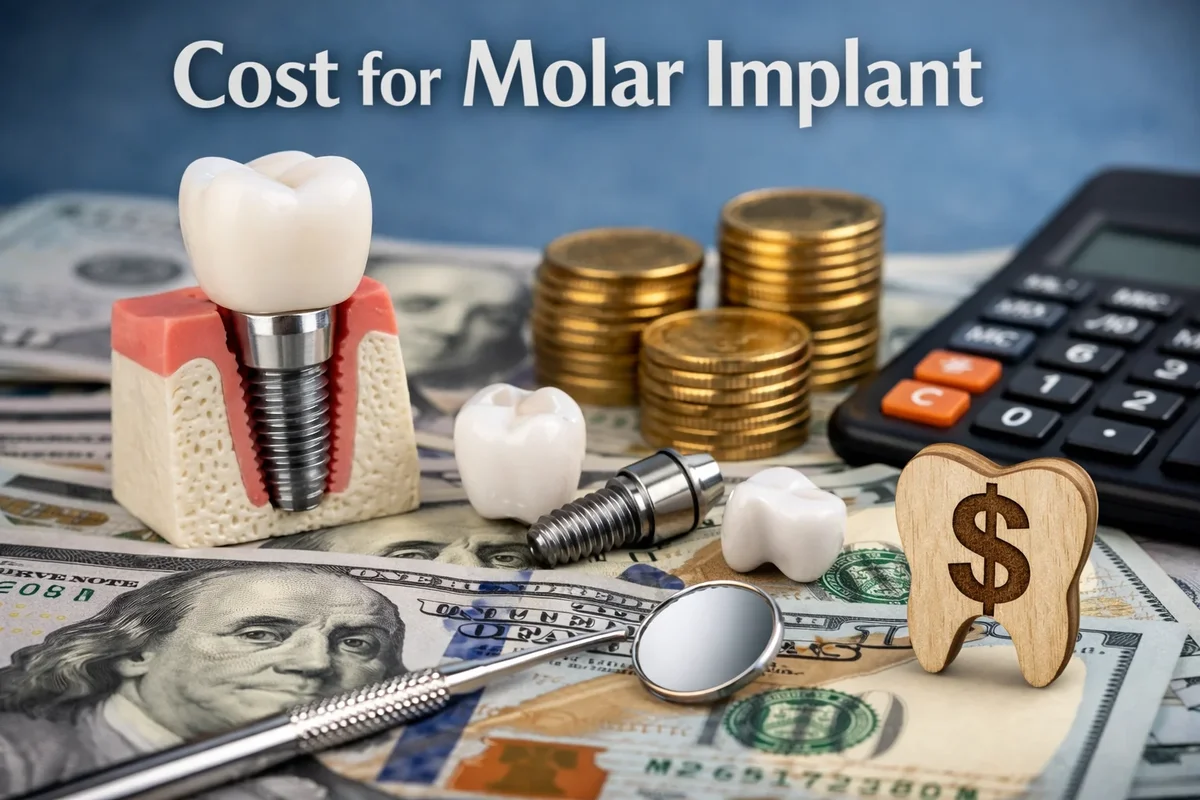
A molar implant typically consists of three main components: the titanium implant post, the abutment that connects the implant to the crown, and the dental crown itself. Together, these parts recreate the structure of a natural tooth. Because molars must withstand strong chewing forces, dentists often recommend high-quality materials and precise surgical techniques to ensure durability and longevity.
Understanding the cost for molar implant also requires knowing that dental implants involve multiple stages. The treatment process usually includes consultation, imaging, surgical placement of the implant, healing time for osseointegration (the process where the implant fuses with the jawbone), and finally the placement of the permanent crown. This comprehensive approach ensures the implant integrates properly and functions like a natural tooth.
Patients often compare the cost for molar implant with alternative tooth replacement methods such as dental bridges or dentures. While bridges may appear less expensive initially, they often require replacement after several years and may affect adjacent teeth. Dental implants, on the other hand, can last decades with proper care. Because of this long-term durability, many dentists consider the molar implant cost a valuable investment in oral health.
Another important factor affecting the cost for molar implant is diagnostic preparation. Dentists often perform digital X-rays or 3D scans to evaluate bone density and determine the ideal placement of the implant. These advanced imaging techniques increase precision and success rates, ensuring the implant integrates safely with the jawbone.
Patients who have experienced bone loss may also require additional procedures such as bone grafting before implant placement. Bone grafting strengthens the jawbone so that it can properly support the implant. While this can increase the total cost for molar implant, it significantly improves the long-term stability and success of the treatment.
It is also important to consider the benefits of replacing a missing molar as soon as possible. When a molar is lost, the surrounding teeth may shift, and the jawbone in that area can begin to deteriorate. Dental implants help prevent this bone loss by stimulating the jawbone similarly to natural tooth roots. This biological stimulation is one of the main reasons dental professionals recommend implants for molar replacement.
The cost for molar implant may also include anesthesia, surgical equipment, sterilization procedures, and post-treatment follow-ups. Modern dental clinics use advanced technology and strict sterilization protocols to ensure patient safety and comfort. These factors contribute to the overall price but are essential for a successful and safe procedure.
According to the American Dental Association, dental implants are among the most reliable solutions for replacing missing teeth, with success rates often exceeding 95%. This high success rate makes implants a trusted choice among dental professionals worldwide.
Patients considering treatment often contact clinics directly to receive personalized evaluations. If you would like professional guidance or a detailed treatment plan, you can reach out through the Redent Klinik Contact Page. A consultation allows dentists to assess your oral health, determine whether additional procedures are necessary, and provide a more accurate estimate of the cost for molar implant.
Many patients are surprised to learn that the cost for molar implant reflects a comprehensive medical procedure rather than a single treatment. The expertise of the dental surgeon, the quality of implant materials, and the advanced technology used during surgery all contribute to the success of the implant. For this reason, choosing a reputable clinic with experienced professionals is just as important as considering the price.
In addition, dental implants offer functional benefits that go beyond aesthetics. A properly placed molar implant restores the ability to chew comfortably, supports facial structure, and prevents neighboring teeth from drifting out of position. These advantages make the cost for molar implant a long-term investment in both oral health and overall well-being.
Ultimately, the cost for molar implant depends on the unique needs of each patient. Some cases require straightforward implant placement, while others involve preparatory procedures to ensure optimal results. By understanding the components of the treatment and the factors that influence pricing, patients can make confident decisions about restoring their smiles.
In the following sections of this guide, we will explore the average pricing, factors influencing the cost, insurance considerations, and strategies to make molar implant treatment more affordable. This comprehensive approach will help you fully understand the real value behind the cost for molar implant and why dental implants remain one of the most effective solutions for replacing missing molars.
What Is the Average Cost for Molar Implant Treatment?
The cost for molar implant treatment is one of the most common concerns patients have when considering dental implants. Molars are the large teeth at the back of the mouth responsible for grinding food, and replacing them requires a strong and durable solution. Dental implants are widely recognized as the most reliable method for replacing missing molars because they mimic the structure and function of natural teeth. However, understanding the cost for molar implant requires examining several factors, including procedure steps, geographic location, clinic expertise, and additional treatments that may be necessary.
In general, the cost for molar implant treatment ranges widely depending on the country and clinic. Patients in the United States may encounter significantly higher prices than those seeking treatment in international dental tourism destinations. The reason for this difference often relates to operational costs, healthcare systems, and the cost of advanced dental technology used during implant procedures.
Average Cost for Molar Implant Around the World
When evaluating the cost for molar implant, it is helpful to compare global averages. The price typically includes the implant post, abutment, and dental crown, but additional procedures such as bone grafting may increase the total cost.
Estimated Global Price Ranges
United States:      $3,000 – $6,000 per molar implant
United Kingdom:     $2,800 – $5,000 per molar implant
Canada:             $3,000 – $5,500 per molar implant
Australia:          $3,500 – $6,000 per molar implant
Turkey:             $700 – $1,500 per molar implant
Mexico:             $900 – $1,800 per molar implant
Thailand:           $1,000 – $2,000 per molar implant
As shown above, the cost for molar implant can vary significantly depending on the country where the procedure is performed. Countries that specialize in dental tourism often offer competitive pricing while maintaining high standards of care and advanced technology.
However, patients should remember that the cost for molar implant is not only about the implant itself. The overall price often includes diagnostic imaging, consultation, surgical procedures, laboratory work for the crown, and follow-up visits.
What Is Included in the Cost for Molar Implant?
Many patients assume that the cost for molar implant covers only the surgical placement of the implant. In reality, implant treatment involves multiple components and stages that contribute to the total price.
Main Components of the Treatment Cost
- Initial dental consultation and examination
- Digital X-rays or 3D CT scan
- Titanium implant post placement
- Healing period and monitoring
- Abutment placement
- Custom dental crown fabrication
- Final crown placement
- Post-treatment follow-up visits
Because molars are exposed to high chewing forces, dentists often use high-quality implant systems designed for durability and stability. These premium materials may slightly increase the cost for molar implant, but they significantly improve long-term results.
In addition, experienced implant surgeons often use advanced digital planning systems. These technologies allow dentists to place implants with extreme precision, reducing complications and improving success rates. As a result, clinics that use advanced technology may have a higher cost for molar implant, but the investment typically leads to better long-term outcomes.
Additional Procedures That Affect the Cost for Molar Implant
Not all patients have the same oral health conditions when they begin treatment. Some individuals may require preparatory procedures before receiving an implant. These treatments can affect the final cost for molar implant.
Common Additional Treatments
- Bone grafting: Strengthens the jawbone if bone loss has occurred.
- Sinus lift: Required for upper molar implants when sinus space interferes with placement.
- Tooth extraction: If the damaged molar has not yet been removed.
- Temporary crown: Used during healing before the permanent crown is placed.
These procedures ensure the implant integrates successfully with the jawbone, improving stability and longevity. While they may increase the cost for molar implant, they are often necessary to achieve the best possible results.
Why Quality Matters More Than Price
Patients sometimes focus solely on finding the lowest cost for molar implant, but choosing a qualified dentist and reputable clinic is far more important. Dental implants are surgical procedures that require precise planning, sterile conditions, and expert surgical skills.
Clinics that maintain high safety standards, use internationally recognized implant brands, and follow strict sterilization protocols may charge a higher cost for molar implant. However, these factors dramatically reduce the risk of complications and implant failure.
According to the American Dental Association, dental implants have a success rate of over 95% when performed by experienced professionals. This makes implants one of the most reliable treatments available for replacing missing teeth.
Getting an Accurate Cost Estimate
Because every patient has unique dental needs, the exact cost for molar implant cannot be determined without a professional evaluation. Dentists must examine the patient’s oral health, jawbone density, and medical history before recommending the appropriate treatment plan.
If you are considering replacing a missing molar and would like a personalized estimate for the cost for molar implant, you can contact a dental specialist through the Redent Klinik Contact Page. A consultation allows dentists to determine whether additional procedures are necessary and provide a clear breakdown of the expected treatment costs.
Ultimately, while the cost for molar implant may initially seem significant, the long-term benefits often outweigh the investment. Dental implants restore chewing ability, protect jawbone health, and provide a natural-looking smile that can last for decades. For many patients, this makes the cost not just a dental expense but a long-term investment in oral health and overall well-being. 😊
Breakdown of the Cost for Molar Implant Procedure
Understanding the cost for molar implant treatment becomes much easier when patients see a clear breakdown of each stage of the procedure. Many people assume the price refers only to the implant itself, but in reality, the total cost for molar implant includes several essential medical and laboratory steps. Each phase of treatment contributes to the stability, safety, and long-term success of the implant. Because molars are responsible for handling significant chewing pressure, dentists must carefully plan and execute every step of the process.
The overall cost for molar implant usually covers diagnostics, surgical placement, implant materials, prosthetic restoration, and follow-up care. When these components are combined, they create a complete tooth replacement that closely replicates the structure and function of a natural molar. Below is a detailed explanation of the elements that typically make up the cost for molar implant.
Initial Consultation and Diagnostic Imaging
The first step that contributes to the cost for molar implant is the initial consultation. During this appointment, the dentist evaluates your oral health, examines the missing tooth area, and determines whether dental implant treatment is suitable. This stage is essential because the dentist must assess jawbone density, gum health, and surrounding teeth before placing an implant.
Diagnostic Tools Used in Implant Planning
- Digital dental X-rays
- 3D cone beam CT scans
- Oral health examination
- Bite analysis and jaw evaluation
Advanced imaging technology allows dentists to map the exact placement of the implant. While these diagnostic tools add to the cost for molar implant, they dramatically improve accuracy and reduce the risk of complications.
For example, a 3D CT scan provides a complete view of the jawbone structure, helping dentists avoid nerves and sinus cavities during implant surgery. This level of precision ensures the implant integrates successfully with the bone.
Surgical Placement of the Implant Post
The surgical phase is one of the most important components affecting the cost for molar implant. During this procedure, a titanium implant post is placed directly into the jawbone. This post acts as the artificial root of the missing molar.
Because molars must handle heavy chewing forces, implant placement must be extremely precise. Skilled oral surgeons use specialized tools and sterile techniques to position the implant at the correct angle and depth. The surgical placement typically accounts for a significant portion of the cost for molar implant.
What Happens During Implant Surgery?
- Local anesthesia or sedation is administered
- The gum tissue is gently opened
- A small hole is prepared in the jawbone
- The titanium implant post is inserted
- The area is sutured and allowed to heal
This procedure is usually completed in one visit and often takes less than an hour for a single molar implant. After surgery, the implant begins a healing phase known as osseointegration, where the bone grows around the implant post.
Healing Period and Osseointegration
The healing stage is another factor included in the cost for molar implant. During this phase, which can last three to six months, the implant fuses with the jawbone. This biological bonding process is what makes dental implants incredibly stable.
Although the healing stage does not involve additional surgery, dentists typically schedule follow-up appointments to monitor progress. These visits are often included in the overall cost for molar implant treatment plan.
Patients are usually able to resume normal activities shortly after the procedure, but dentists may recommend avoiding excessive chewing pressure on the implant site during the healing period.
Abutment Placement and Crown Fabrication
Once the implant has successfully fused with the bone, the next stage of the cost for molar implant involves placing the abutment and attaching the dental crown. The abutment is a small connector piece that attaches to the implant post and holds the crown securely in place.
Components of the Final Restoration
- Titanium or zirconia abutment
- Custom-designed dental crown
- Laboratory fabrication
- Final crown placement appointment
The crown is carefully designed to match the color, size, and shape of your natural teeth. Because molars require strong chewing capability, crowns are typically made from durable materials such as zirconia or porcelain fused to metal.
This stage represents another portion of the cost for molar implant, as the crown must be custom manufactured by a dental laboratory to ensure a perfect fit and natural appearance.
Additional Procedures That May Affect the Cost
Not every patient requires additional procedures, but some treatments may increase the total cost for molar implant. These procedures ensure the implant is placed in a stable and healthy environment.
Examples of Additional Treatments
- Bone grafting to strengthen the jawbone
- Sinus lift for upper molar implants
- Extraction of a damaged molar
- Temporary crown placement
While these treatments can increase the cost for molar implant, they significantly improve the chances of long-term success.
Typical Price Breakdown Example
Consultation and imaging:      $100 – $500
Implant surgical placement:    $1,000 – $2,500
Abutment placement:            $300 – $600
Custom dental crown:           $800 – $2,000
---------------------------------------------
Estimated total cost:          $2,200 – $5,600
This example shows how the cost for molar implant is composed of multiple treatment stages rather than a single fee.
Why Understanding the Cost Breakdown Matters
By understanding the breakdown of the cost for molar implant, patients can better evaluate treatment plans and compare clinics more accurately. Instead of focusing only on the total price, patients should consider what services are included and whether high-quality materials and advanced technology are used.
Reliable information about dental implant treatment can also be found through trusted organizations such as the American Dental Association, which provides guidance about oral health treatments and dental procedures.
If you would like a personalized treatment plan and detailed explanation of your cost for molar implant, you can reach out through the Redent Klinik Contact Page. A professional consultation allows dentists to assess your oral health and provide an accurate estimate based on your specific needs.
Ultimately, the cost for molar implant reflects a comprehensive medical treatment designed to restore chewing function, prevent bone loss, and protect long-term oral health. When patients understand what each stage involves, they can appreciate the true value of dental implant therapy and make confident decisions about replacing a missing molar. 😊
Factors That Influence the Final Cost for Molar Implant Surgery
The cost for molar implant treatment is rarely a fixed price because several medical, technical, and geographic factors influence the final amount patients pay. While many dental clinics advertise a general estimate, the real cost for molar implant depends on the specific needs of the patient, the complexity of the case, and the technology used during treatment.
A molar implant must be strong enough to handle intense chewing pressure. Because molars are responsible for grinding food, dentists must use durable implant systems and precise surgical techniques. These requirements often affect the cost for molar implant procedure. In this section, we will explore the most important factors that determine the final price of molar implant treatment.
Geographic Location of the Dental Clinic
One of the biggest factors affecting the cost for molar implant is the country or city where the treatment is performed. Dental clinics in countries with higher healthcare costs tend to charge more for implant procedures.
Average Cost Differences by Region
- United States – high operational and insurance costs
- United Kingdom – expensive dental laboratory fees
- Canada and Australia – high professional service costs
- Turkey, Mexico, and Thailand – lower operational costs and competitive pricing
Because of these differences, the cost for molar implant in some countries may be three to four times higher than in international dental tourism destinations. Many patients travel abroad for treatment because they can receive high-quality implant care at a significantly lower price.
However, when comparing the cost for molar implant, it is important to ensure that the clinic uses certified implant systems and follows international sterilization standards.
Dentist Experience and Surgical Expertise
The skill and experience of the dentist performing the implant surgery also play a major role in determining the cost for molar implant. Experienced implant surgeons often charge higher fees because they have advanced training and extensive experience with complex cases.
Dental implant placement is a precise surgical procedure that requires careful planning and execution. An experienced dentist can position the implant correctly to maximize stability and long-term success. Because molars handle heavy chewing forces, proper placement is essential.
While choosing a highly qualified specialist may slightly increase the cost for molar implant, it can greatly reduce the risk of complications such as implant failure, nerve damage, or improper bite alignment.
Type and Quality of Implant Materials
The materials used in dental implants can significantly influence the cost for molar implant. Most modern implants are made from titanium, which is biocompatible and integrates well with bone tissue.
Common Implant Material Options
- Titanium implants – the most widely used and highly durable
- Zirconia implants – metal-free option with excellent aesthetics
- Premium implant brands – often used by specialized clinics
High-quality implant systems are designed to last for decades, which is why they may increase the cost for molar implant. However, investing in reliable materials helps ensure the implant remains stable and functional for many years.
Need for Additional Preparatory Procedures
Some patients require additional treatments before implant placement. These procedures can increase the total cost for molar implant, but they are often necessary to create a stable foundation for the implant.
Common Preparatory Procedures
- Bone grafting: Strengthens the jawbone if bone density is insufficient
- Sinus lift: Required for upper molar implants when sinus cavities limit implant placement
- Tooth extraction: Removal of a damaged molar before implant surgery
- Gum treatment: Addressing periodontal disease before implant placement
These procedures help improve the long-term success of the implant. Although they may increase the cost for molar implant, they ensure the implant integrates properly with the jawbone.
Advanced Technology and Diagnostic Equipment
Modern dental clinics often use advanced technology to improve implant precision. These tools enhance surgical accuracy and patient safety, but they can also influence the cost for molar implant.
Technologies Used in Modern Implant Dentistry
- 3D cone beam CT scanning
- Digital implant planning software
- Computer-guided implant surgery
- CAD/CAM crown fabrication
Using these technologies allows dentists to plan implant placement with exceptional accuracy. For molars, which require strong structural support, precise positioning is critical. Clinics that invest in advanced equipment may charge a higher cost for molar implant, but the improved success rate often justifies the investment.
Laboratory Costs for the Dental Crown
The dental crown attached to the implant is another component that influences the cost for molar implant. Molars require durable crowns capable of handling heavy chewing pressure.
Common Crown Materials
- Porcelain fused to metal crowns
- Zirconia crowns
- Full ceramic crowns
Zirconia crowns are particularly popular for molar implants because they are extremely strong and resistant to wear. However, premium materials may slightly increase the cost for molar implant.
Follow-Up Care and Long-Term Maintenance
The cost for molar implant may also include follow-up visits and post-treatment monitoring. These appointments allow the dentist to ensure the implant heals properly and functions correctly.
Regular dental check-ups are essential for maintaining implant health. Dentists often recommend professional cleanings and routine examinations to prevent complications such as peri-implantitis.
Reliable information about implant care and oral health can also be found through trusted organizations such as the American Dental Association, which provides guidelines for maintaining healthy teeth and implants.
Choosing the Right Clinic
Because many factors influence the cost for molar implant, patients should focus on quality, safety, and long-term results rather than price alone. Selecting a reputable clinic ensures that the procedure is performed using high-quality materials and modern technology.
If you are considering implant treatment and would like a professional evaluation of your expected cost for molar implant, you can contact specialists through the Redent Klinik Contact Page. A consultation allows dentists to examine your oral health and develop a personalized treatment plan.
Ultimately, the cost for molar implant reflects a comprehensive dental procedure designed to restore function, protect jawbone health, and provide a long-lasting tooth replacement. Understanding the factors that influence pricing helps patients make informed decisions about their dental care and invest confidently in their oral health.
Cost for Molar Implant vs Other Tooth Replacement Options
When evaluating the cost for molar implant, many patients compare dental implants with other tooth replacement solutions such as dental bridges and removable dentures. While the initial price of these alternatives may appear lower, the long-term value and durability of implants often make them the preferred choice for replacing missing molars. Molars are essential for chewing efficiency and maintaining jaw stability, so the replacement option must be strong, reliable, and long-lasting.
The cost for molar implant reflects a treatment designed to replicate the full structure of a natural tooth, including the root and crown. In contrast, other tooth replacement options usually address only the visible portion of the tooth and may rely on surrounding teeth for support. Understanding these differences helps patients determine whether the cost for molar implant represents a worthwhile investment for their oral health.
Dental Implants vs Dental Bridges
A dental bridge is a common alternative used to replace missing teeth. In this procedure, the dentist places crowns on the neighboring teeth to support an artificial tooth in the middle. While bridges may initially seem more affordable than the cost for molar implant, they have several limitations that patients should consider.
Key Differences Between Implants and Bridges
- Dental Implant: Replaces both the tooth root and crown
- Dental Bridge: Replaces only the visible tooth
- Implant Longevity: Often lasts 20–30 years or more
- Bridge Longevity: Typically lasts 7–15 years
- Impact on Adjacent Teeth: Implants do not affect neighboring teeth
- Bridge Requirement: Adjacent teeth must be filed down
While a dental bridge may cost less initially, it can compromise healthy teeth because they must be reshaped to support the bridge structure. Over time, this can weaken the surrounding teeth and increase the need for additional treatments. In contrast, the cost for molar implant covers a self-supporting solution that does not rely on neighboring teeth.
Dental Implants vs Partial Dentures
Partial dentures are another alternative for replacing missing molars. These removable devices attach to surrounding teeth and can restore basic chewing ability. However, they often lack the stability and comfort provided by implants.
Patients considering the cost for molar implant often compare it with removable dentures because dentures are generally less expensive at the beginning. However, dentures may require frequent adjustments, replacements, and additional maintenance.
Common Issues with Dentures
- Movement or slipping while eating
- Reduced chewing strength
- Discomfort during long-term wear
- Bone loss in the jaw over time
Because dentures do not replace the tooth root, they cannot stimulate the jawbone like implants do. This can lead to bone loss in the area of the missing tooth. One of the reasons dentists recommend implants is that the implant post integrates with the jawbone, preserving bone structure. This benefit is included in the overall value of the cost for molar implant.
Long-Term Financial Comparison
Although the cost for molar implant may initially appear higher than bridges or dentures, long-term expenses often tell a different story. Dental bridges and dentures may need replacement several times throughout a patient’s lifetime, while implants can last decades when properly maintained.
Estimated Long-Term Cost Comparison
Dental Bridge:
Initial cost: $1,500 – $3,000
Replacement every 10–15 years

Partial Denture:
Initial cost: $500 – $1,500
Replacement every 5–10 years

Dental Implant:
Initial cost: $2,500 – $5,500
Potential lifespan: 20–30+ years
When evaluating these options over a long period, the cost for molar implant often becomes more cost-effective because it requires fewer replacements and maintenance procedures.
Functional Benefits of Dental Implants
The cost for molar implant also reflects functional advantages that other tooth replacement options cannot fully replicate. Dental implants restore chewing strength almost completely, allowing patients to eat foods that may be difficult with dentures or bridges.
Functional Advantages of Molar Implants
- Restores up to 90–95% of natural chewing strength
- Prevents shifting of surrounding teeth
- Preserves jawbone density
- Provides stable and permanent tooth replacement
Because molars handle the majority of chewing pressure, a stable and durable replacement is essential. This is why dentists often recommend implants despite the higher cost for molar implant.
Aesthetic and Comfort Considerations
In addition to functionality, dental implants provide superior comfort and aesthetics. Unlike removable dentures, implants remain fixed in the jaw and feel similar to natural teeth. Patients do not need to remove them for cleaning or worry about movement while speaking or eating.
The natural appearance and stability offered by implants contribute to the overall value of the cost for molar implant. Modern implant crowns are custom-designed to match the surrounding teeth in color, shape, and size, ensuring a seamless smile.
Professional Recommendations
Dental organizations worldwide recognize implants as one of the most effective methods for replacing missing teeth. According to the American Dental Association, dental implants offer excellent long-term outcomes when placed by trained professionals and properly maintained.
Patients who want to explore whether implants are the best option for replacing a missing molar should consider scheduling a professional consultation. A dentist can evaluate bone density, oral health, and the expected cost for molar implant based on individual needs.
If you are interested in learning more about implant treatment or receiving a personalized estimate for the cost for molar implant, you can contact specialists through the Redent Klinik Contact Page. During a consultation, dental professionals can explain treatment options and help you choose the most suitable solution for your oral health.
Ultimately, while the cost for molar implant may appear higher than alternative treatments at first glance, the durability, functionality, and long-term benefits often make implants the most reliable choice for replacing missing molars. By understanding the advantages and limitations of each tooth replacement option, patients can make informed decisions that support both their oral health and long-term financial planning.
Does Insurance Cover the Cost for Molar Implant?
One of the most common questions patients ask before starting treatment is whether dental insurance will help cover the cost for molar implant. Because dental implants are considered advanced restorative procedures, insurance coverage can vary significantly depending on the provider, the type of plan, and the specific circumstances of the tooth loss. While some policies may partially cover implant-related procedures, others classify implants as elective treatments, which may limit reimbursement.
Understanding how insurance interacts with the cost for molar implant is essential for planning your treatment budget. Dental implants are designed to replace the full structure of a missing tooth, including the root and crown, which makes them more complex than traditional tooth replacement methods. This complexity is one of the reasons why insurance companies sometimes treat implant procedures differently from standard restorative treatments.
Why Insurance Coverage for Molar Implants Varies
The level of insurance support for the cost for molar implant depends on several factors. Each insurance provider defines implant procedures differently, and coverage often depends on whether the treatment is considered medically necessary or purely cosmetic.
Factors Insurance Companies Consider
- Whether the tooth loss was caused by injury or disease
- The specific terms of the dental insurance policy
- Whether implants are included in the restorative coverage category
- The annual maximum coverage limit
- Waiting periods for major dental procedures
Many insurance policies have annual limits, typically ranging between $1,000 and $2,500 per year. Because the total cost for molar implant can exceed these limits, patients may need to pay a portion of the treatment themselves.
Procedures That Insurance May Partially Cover
Even when insurance does not fully cover the cost for molar implant, some parts of the treatment may still qualify for reimbursement. Dental insurance providers sometimes cover associated procedures rather than the implant itself.
Examples of Covered Components
- Initial dental examination and consultation
- Diagnostic X-rays or 3D scans
- Tooth extraction prior to implant placement
- Bone grafting if medically necessary
- Part of the crown restoration
In these cases, insurance reduces the total out-of-pocket cost for molar implant by covering specific stages of the treatment process. Patients should always review their policy details or consult their insurance provider to understand exactly what is included.
Medical Insurance vs Dental Insurance
Some patients are surprised to learn that medical insurance may occasionally contribute to the cost for molar implant under certain conditions. If tooth loss occurs due to a traumatic accident, tumor removal, or other medical issues affecting the jaw, medical insurance may provide partial coverage.
However, when the implant is placed primarily for routine dental restoration, the treatment usually falls under dental insurance rather than medical insurance. This distinction is important because it affects how the cost for molar implant is reimbursed.
Payment Options When Insurance Is Limited
Because insurance coverage for the cost for molar implant can be limited, many dental clinics offer flexible payment options to make treatment more accessible. These financial plans allow patients to spread the cost of implant treatment over several months or years.
Common Payment Solutions
- Dental financing programs
- Monthly installment plans
- Healthcare credit providers
- Clinic-specific payment plans
By using financing options, patients can manage the cost for molar implant without delaying essential dental treatment. Delaying treatment can sometimes lead to bone loss or shifting teeth, which may make future treatment more complex and expensive.
Why Dental Implants Are Often Worth the Investment
Although insurance coverage for the cost for molar implant may be limited, many dental professionals emphasize the long-term value of implants. Unlike bridges or dentures, dental implants replace the root of the tooth and integrate with the jawbone, providing superior stability and durability.
Dental implants also help prevent jawbone deterioration, which can occur when a tooth is missing for an extended period. By stimulating the bone through normal chewing forces, implants help maintain facial structure and oral health.
According to information provided by the American Dental Association, dental implants have a very high long-term success rate and are considered one of the most reliable treatments for replacing missing teeth.
Consulting a Dental Professional About Coverage
Because every patient has unique dental needs and insurance policies vary, the best way to understand your expected cost for molar implant is through a professional consultation. During this appointment, the dentist can review your oral health condition and determine whether additional procedures are required.
Dental clinics often help patients communicate with insurance providers to determine coverage eligibility. This support can make it easier to estimate the final cost for molar implant after insurance reimbursement.
If you would like to receive a personalized evaluation and learn more about the expected cost for molar implant, you can schedule a consultation through the Redent Klinik Contact Page. Dental specialists can assess your case, explain treatment options, and provide a clear financial overview before treatment begins.
Planning Your Implant Treatment Budget
When preparing for implant treatment, patients should consider both insurance contributions and out-of-pocket expenses. While the cost for molar implant may initially appear higher than alternative treatments, the long lifespan and durability of implants often make them more economical in the long run.
With proper care and regular dental checkups, implants can last for decades. This long-term stability is one of the reasons why many patients choose implants despite limited insurance coverage.
Ultimately, understanding how insurance interacts with the cost for molar implant allows patients to plan their treatment more confidently and explore financing options that make this advanced dental solution accessible.
How to Choose a Clinic When Considering the Cost for Molar Implant
Choosing the right dental clinic is one of the most important steps when evaluating the cost for molar implant. While price is an important factor, patients should remember that dental implant treatment is a surgical procedure requiring advanced expertise, precise planning, and high-quality materials. A lower price does not always mean better value, and focusing only on the cost for molar implant without considering the clinic’s qualifications can lead to complications or unsatisfactory results.
Dental implants are designed to last for decades when placed correctly. Because molars must withstand heavy chewing forces, implant placement requires careful surgical planning and experienced professionals. Therefore, when researching clinics, patients should evaluate not only the cost for molar implant but also the clinic’s reputation, technology, and patient care standards.
Check the Dentist’s Experience and Credentials
The experience of the dentist performing the procedure directly affects the success of implant treatment. When reviewing the cost for molar implant, patients should verify that the dentist has specialized training in implant dentistry and extensive experience with molar implant procedures.
Important Qualifications to Look For
- Advanced training in implant dentistry
- Membership in professional dental organizations
- Experience with surgical implant placement
- Documented patient success cases
An experienced implant dentist understands how to properly position the implant within the jawbone, ensuring long-term stability. While this expertise may influence the cost for molar implant, it significantly increases the likelihood of successful treatment.
Evaluate the Technology Used by the Clinic
Modern dental clinics use advanced technology to improve implant precision and patient safety. The type of equipment used during diagnosis and surgery can influence the cost for molar implant, but it also plays a critical role in achieving optimal results.
Advanced Technology That Improves Implant Success
- 3D cone beam CT scanning
- Digital implant planning software
- Computer-guided implant surgery
- CAD/CAM dental crown design systems
These technologies allow dentists to analyze jawbone structure in detail and plan the implant placement with exceptional accuracy. Clinics that invest in such technology may have a higher cost for molar implant, but the increased precision can greatly reduce surgical risks.
Review Implant Materials and Brands
The materials used in implant treatment are another critical factor when considering the cost for molar implant. High-quality implant systems are designed to integrate effectively with the jawbone and remain stable for decades.
Common Implant System Types
- Titanium dental implants
- Zirconia implants for metal-free solutions
- Premium implant brands used by specialized clinics
Premium implant brands often have extensive clinical research supporting their reliability and long-term success rates. Although these systems may increase the cost for molar implant, they provide superior durability and predictability.
Read Patient Reviews and Testimonials
Patient feedback can provide valuable insight when comparing clinics and evaluating the cost for molar implant. Reviews often reveal important details about patient experience, treatment quality, and overall satisfaction.
Key Review Factors to Consider
- Patient satisfaction with implant results
- Communication and professionalism of the dental team
- Clinic cleanliness and safety standards
- Post-treatment care and follow-up support
Positive patient reviews can indicate that the clinic consistently provides high-quality implant treatments. When combined with professional credentials and advanced technology, these reviews help patients feel more confident about the cost for molar implant they are paying.
Ask for a Detailed Treatment Plan
Before committing to treatment, patients should request a complete breakdown of the cost for molar implant. A reputable clinic will provide a transparent treatment plan outlining each stage of the procedure and associated costs.
Items That Should Be Included in the Treatment Plan
- Consultation and diagnostic imaging
- Implant surgical placement
- Healing and follow-up visits
- Abutment placement
- Custom dental crown fabrication
Understanding these details allows patients to evaluate whether the quoted cost for molar implant reflects a complete treatment package or if additional expenses may arise later.
Consider Long-Term Value Instead of Initial Price
While comparing clinics, it is important to focus on long-term outcomes rather than only the immediate cost for molar implant. Dental implants can last decades with proper care, making them one of the most durable tooth replacement solutions available.
A clinic that provides high-quality materials, experienced surgeons, and modern technology may charge a higher cost for molar implant, but the investment often results in fewer complications and longer-lasting results.
According to the American Dental Association, dental implants have one of the highest success rates among restorative dental procedures when placed by trained professionals.
Consult a Trusted Dental Clinic
If you are considering implant treatment and want a personalized evaluation of the cost for molar implant, consulting with experienced dental professionals is the best first step. A consultation allows dentists to evaluate your oral health, determine whether additional procedures are necessary, and explain the expected timeline for treatment.
For patients interested in learning more about molar implant treatment or receiving a detailed cost estimate, you can reach out through the Redent Klinik Contact Page. During the consultation, specialists can discuss treatment options and provide a clear explanation of the expected cost for molar implant based on your specific dental needs.
Ultimately, selecting the right clinic is just as important as understanding the cost for molar implant. By prioritizing expertise, technology, patient satisfaction, and transparent treatment planning, patients can ensure they receive safe, reliable, and long-lasting dental implant results.
Ways to Reduce the Cost for Molar Implant Treatment
The cost for molar implant treatment can seem significant at first, but many patients are surprised to learn that there are several ways to reduce the overall expense without compromising quality. Dental implants are considered one of the most reliable and long-lasting solutions for replacing missing molars, and when planned carefully, the cost for molar implant can become much more manageable.
Because molars play a crucial role in chewing and maintaining jawbone stability, delaying treatment can sometimes lead to additional complications such as bone loss or shifting teeth. These complications may actually increase the future cost for molar implant. For this reason, dentists often recommend exploring cost-saving strategies early in the treatment planning process.
Choose Clinics That Offer Transparent Treatment Packages
One of the simplest ways to manage the cost for molar implant is to select a clinic that offers clear and transparent pricing packages. Some dental clinics provide comprehensive implant packages that include consultations, imaging, surgical placement, and the final crown.
Benefits of All-Inclusive Implant Packages
- Predictable total cost for molar implant
- Reduced risk of unexpected fees
- Clear breakdown of included services
- Better treatment planning and budgeting
When clinics bundle services into a single package, patients can better understand the overall cost for molar implant and avoid surprise expenses during treatment.
Consider Dental Tourism Options
Dental tourism has become a popular strategy for reducing the cost for molar implant. Many patients travel to countries where dental treatments are more affordable but still performed with modern equipment and internationally trained specialists.
Popular Dental Tourism Destinations
- Turkey
- Mexico
- Thailand
- Hungary
In these locations, the cost for molar implant can be significantly lower than in countries such as the United States, Canada, or the United Kingdom. Lower operating costs, favorable exchange rates, and specialized dental tourism infrastructure allow clinics to provide competitive prices.
However, patients should always verify the clinic’s certifications, dentist qualifications, and sterilization standards before choosing a dental tourism destination.
Use Dental Financing or Payment Plans
Another effective way to manage the cost for molar implant is by using financing options offered by dental clinics or healthcare credit providers. Instead of paying the entire treatment cost upfront, patients can divide the payment into smaller monthly installments.
Common Dental Financing Options
- Monthly installment payment plans
- Healthcare credit programs
- Clinic-sponsored financing
- Low-interest dental loans
These financing programs allow patients to proceed with treatment immediately while spreading the cost for molar implant over a longer period. This approach helps ensure that necessary dental care is not delayed due to financial concerns.
Compare Multiple Treatment Quotes
Obtaining treatment quotes from multiple dental clinics is another practical way to evaluate the cost for molar implant. Prices may vary depending on the dentist’s experience, clinic location, and implant system used.
Questions to Ask During Consultation
- What is included in the quoted cost for molar implant?
- Are imaging and consultations included?
- Does the price include the abutment and crown?
- Are follow-up visits included?
By comparing several treatment plans, patients can better understand the typical cost for molar implant and select a clinic that offers the best balance of price and quality.
Maintain Good Oral Health Before Implant Treatment
One often overlooked factor influencing the cost for molar implant is the patient’s existing oral health. Patients with healthy gums and sufficient jawbone density usually require fewer preparatory procedures before implant placement.
Preventive Steps That Reduce Treatment Costs
- Regular dental cleanings
- Early treatment of gum disease
- Maintaining strong oral hygiene habits
- Replacing missing teeth promptly
If gum disease or bone loss develops, additional procedures such as bone grafting may become necessary, increasing the overall cost for molar implant. Maintaining good oral health helps reduce the likelihood of these extra treatments.
Take Advantage of Insurance Contributions
While many insurance plans do not fully cover the cost for molar implant, some policies may reimburse portions of the treatment such as consultations, imaging, or crown placement. Patients should carefully review their insurance policies to determine what components may be covered.
Even partial insurance reimbursement can help reduce the final cost for molar implant. Dental clinics often assist patients in submitting insurance documentation to maximize available benefits.
Understand the Long-Term Value of Dental Implants
Although the initial cost for molar implant may appear higher than other tooth replacement options, implants often provide better long-term value. Unlike dentures or bridges, implants are designed to last decades when properly maintained.
Dental implants also help prevent bone loss, maintain facial structure, and restore natural chewing ability. These long-term benefits contribute to the overall value of the cost for molar implant treatment.
Trusted organizations such as the American Dental Association emphasize that dental implants are one of the most predictable and durable solutions for replacing missing teeth.
Consult a Specialist to Explore Cost-Saving Options
The most reliable way to understand how to manage the cost for molar implant is to consult with a qualified dental professional. Dentists can evaluate your oral health, recommend the most suitable implant system, and explain financing or package options available.
If you would like personalized guidance regarding the expected cost for molar implant, you can schedule a consultation through the Redent Klinik Contact Page. During the consultation, specialists can assess your specific dental needs and create a treatment plan that balances affordability with high-quality care.
Ultimately, the cost for molar implant should be viewed as an investment in long-term oral health. By exploring cost-saving strategies such as financing, dental tourism, and preventive care, patients can make this advanced dental treatment more accessible while still receiving reliable and lasting results.
Long-Term Value: Is the Cost for Molar Implant Worth It?
Many patients initially focus on the cost for molar implant, but a deeper look reveals that dental implants often provide exceptional long-term value. While the upfront investment may appear higher than other tooth replacement options, implants are designed to function like natural teeth and can last for decades with proper care. When evaluating whether the cost for molar implant is worthwhile, it is important to consider durability, oral health benefits, long-term maintenance costs, and improvements in quality of life.
Molars play a critical role in chewing, jaw stability, and maintaining the alignment of surrounding teeth. When a molar is missing, the jawbone can gradually shrink and nearby teeth may shift into the empty space. Dental implants help prevent these issues because they replace the tooth root as well as the visible crown. This structural advantage significantly contributes to the overall value of the cost for molar implant.
Longevity of Dental Implants
One of the most compelling reasons patients choose implants is their durability. While other tooth replacement solutions may need to be replaced periodically, implants are designed to be long-lasting. With proper oral hygiene and routine dental checkups, the implant post itself can remain stable for decades.
Typical Lifespan Comparison
- Dental Implants: 20–30 years or longer
- Dental Bridges: 7–15 years on average
- Partial Dentures: 5–10 years
Because implants last significantly longer than many alternatives, the long-term value of the cost for molar implant often becomes clear when comparing replacement and maintenance costs over time.
Protection of Jawbone Health
A major advantage of dental implants is their ability to preserve jawbone density. When a natural tooth is lost, the bone that once supported the tooth root can gradually deteriorate. This process is known as bone resorption.
Dental implants stimulate the jawbone during chewing, much like natural teeth do. This stimulation helps maintain bone structure and prevents facial changes that can occur after tooth loss. The preservation of bone health is a key reason dentists emphasize the long-term value of the cost for molar implant.
Benefits of Bone Preservation
- Prevents facial sagging
- Maintains jaw strength
- Supports surrounding teeth
- Reduces risk of further tooth loss
These long-term health benefits are rarely achievable with removable dentures or traditional bridges.
Improved Chewing Function
Molars are responsible for grinding food, which means they experience significant pressure during everyday chewing. Replacing a molar with a stable solution is essential for maintaining proper digestion and oral comfort.
Dental implants restore up to 90–95% of natural chewing strength. Because the implant integrates with the jawbone, it provides a stable base for the crown. This stability is one of the reasons patients often find the cost for molar implant worthwhile.
Functional Advantages of Molar Implants
- Strong biting and chewing ability
- No slipping or movement while eating
- Comfort comparable to natural teeth
- Improved ability to eat a wide variety of foods
These improvements can significantly enhance everyday comfort and nutrition.
Reduced Maintenance Over Time
Another factor supporting the value of the cost for molar implant is the relatively low maintenance required after treatment. Dental implants do not require special adhesives or removal for cleaning like dentures. Instead, they can be cared for using the same oral hygiene habits recommended for natural teeth.
Basic Implant Maintenance Tips
- Brush twice daily with fluoride toothpaste
- Floss regularly around the implant crown
- Attend routine dental checkups
- Avoid excessive chewing on extremely hard objects
Because implants are durable and easy to maintain, many patients experience fewer long-term dental expenses after treatment.
Aesthetic and Psychological Benefits
The benefits of dental implants extend beyond oral health. Patients who restore missing molars often experience improved confidence and comfort when speaking, smiling, and eating.
The natural appearance of implant crowns contributes to the perceived value of the cost for molar implant. Modern crowns are carefully designed to match the surrounding teeth in color and shape, creating a seamless and natural-looking smile.
Unlike removable dentures, implants remain securely in place, which allows patients to speak and laugh without worrying about movement or discomfort.
Professional Endorsements of Dental Implants
Dental implants are widely recognized as one of the most reliable tooth replacement methods available today. According to the American Dental Association, implants have a high success rate when placed by trained dental professionals and maintained with proper oral care.
This strong clinical success rate reinforces the long-term value associated with the cost for molar implant. For many patients, the investment provides decades of reliable tooth replacement.
Getting Personalized Advice
Every patient’s dental situation is unique, which is why consulting with a qualified dental professional is essential before beginning treatment. A dentist can evaluate bone density, gum health, and overall oral condition to determine whether implants are the most suitable solution.
If you would like to learn more about treatment options or receive a personalized estimate for the cost for molar implant, you can contact dental specialists through the Redent Klinik Contact Page. During a consultation, experts can assess your needs and provide a detailed treatment plan.
Ultimately, while the cost for molar implant may initially appear higher than other solutions, the durability, comfort, and long-term oral health benefits often make implants the most valuable investment for replacing missing molars.
Step-by-Step Process and Total Cost for Molar Implant Treatment
Understanding the full treatment journey helps patients better evaluate the cost for molar implant. Dental implant treatment is not a single procedure but a carefully planned multi-stage process designed to ensure stability, long-term success, and natural functionality. Because molars endure heavy chewing pressure, dentists must follow a precise protocol to ensure the implant integrates properly with the jawbone. Each stage of treatment contributes to the overall cost for molar implant, but it also ensures the final restoration is durable and reliable.
In this section, we will walk through the typical stages involved in molar implant treatment and explain how each phase contributes to the final cost for molar implant. By understanding the step-by-step process, patients can better appreciate why implants are considered one of the most advanced solutions in restorative dentistry.
Step 1: Initial Consultation and Treatment Planning
The first stage of the treatment process involves a comprehensive dental evaluation. During this appointment, the dentist examines the patient’s oral health, reviews medical history, and determines whether implant treatment is suitable. This stage is an important component of the cost for molar implant because accurate diagnosis ensures the implant will be placed safely and effectively.
What Happens During the Consultation?
- Detailed oral examination
- Evaluation of jawbone density
- Assessment of gum health
- Review of medical history
- Discussion of treatment goals
Digital imaging tools such as panoramic X-rays or 3D CT scans are often used during this stage. These technologies allow the dentist to map the exact position where the implant will be placed, improving surgical precision and contributing to the final cost for molar implant.
Step 2: Preparatory Procedures (If Needed)
Some patients require preparatory treatments before implant placement. These procedures help create a stable foundation for the implant and ensure long-term success. If necessary, these treatments may slightly increase the total cost for molar implant, but they significantly improve treatment outcomes.
Common Preparatory Procedures
- Extraction of a damaged or decayed molar
- Bone grafting to strengthen the jawbone
- Sinus lift procedures for upper molars
- Treatment of gum disease
These procedures ensure the implant has sufficient bone support. Without proper bone density, the implant may not integrate correctly with the jaw.
Step 3: Implant Placement Surgery
The surgical placement of the implant post is one of the most important stages affecting the cost for molar implant. During this procedure, the dentist inserts a titanium implant into the jawbone to replace the missing tooth root.
The surgery is typically performed under local anesthesia, and many patients report minimal discomfort during the procedure. Because molars require strong structural support, the implant must be positioned with exceptional accuracy.
Implant Surgery Procedure
- Administration of local anesthesia
- Opening of the gum tissue
- Preparation of the implant site in the jawbone
- Insertion of the titanium implant post
- Closure of the gum tissue
This surgical step represents a major portion of the overall cost for molar implant, as it involves specialized surgical expertise and sterile clinical conditions.
Step 4: Healing and Osseointegration
After implant placement, a healing period known as osseointegration begins. During this stage, the jawbone gradually fuses with the implant surface, creating a stable and permanent foundation for the artificial tooth.
The healing process usually takes between three and six months. While this stage does not involve additional surgery, follow-up visits are often included in the cost for molar implant to monitor the healing progress.
Why Osseointegration Is Important
- Provides long-term implant stability
- Allows the implant to function like a natural tooth root
- Prevents implant movement or failure
This biological bonding process is one of the key reasons implants are considered the most durable tooth replacement option available.
Step 5: Abutment Placement
Once the implant has fully integrated with the bone, the dentist attaches a small connector called an abutment. This component connects the implant post to the final dental crown.
The abutment stage contributes to the overall cost for molar implant because it requires precise placement and high-quality materials to ensure stability.
Purpose of the Abutment
- Connects implant to crown
- Supports chewing forces
- Ensures proper crown alignment
Step 6: Custom Crown Placement
The final stage of treatment involves attaching a custom-made dental crown to the abutment. The crown is designed to match the surrounding teeth in color, shape, and size, providing a natural appearance.
Because molars require exceptional durability, crowns used for molar implants are typically made from strong materials such as zirconia or porcelain fused to metal. This final restoration represents an important component of the cost for molar implant.
Features of Implant Crowns
- High durability for chewing pressure
- Natural tooth appearance
- Custom design for perfect bite alignment
Estimated Total Cost Breakdown
Consultation and imaging:     $100 – $500
Preparatory procedures:       $300 – $2,000 (if required)
Implant placement surgery:    $1,000 – $2,500
Abutment placement:           $300 – $600
Custom crown fabrication:     $800 – $2,000
------------------------------------------------
Estimated total cost:         $2,500 – $6,000
This example illustrates how the cost for molar implant is composed of multiple treatment stages rather than a single service fee.
Why the Treatment Process Matters
The step-by-step approach used in implant dentistry ensures long-term success and patient safety. Each stage contributes to the reliability and durability of the final restoration. For this reason, the cost for molar implant reflects not only the implant itself but also the expertise, technology, and materials required to restore the missing tooth.
According to the American Dental Association, dental implants are one of the most predictable and successful restorative procedures available in modern dentistry.
Consultation and Personalized Treatment Planning
Because every patient’s dental condition is unique, the exact cost for molar implant can only be determined after a professional examination. A dentist must evaluate bone density, oral health, and bite alignment before creating a treatment plan.
If you would like to receive a personalized estimate and discuss your treatment options, you can contact dental specialists through the Redent Klinik Contact Page. A consultation allows professionals to explain the procedure in detail and provide a clear breakdown of the expected cost for molar implant.
Ultimately, understanding the complete treatment process helps patients appreciate the value behind the cost for molar implant. When performed by experienced professionals and maintained with proper oral hygiene, molar implants can restore chewing ability, protect jawbone health, and provide a long-lasting solution for missing teeth.