
The cost of a full mouth of dental implants is one of the most frequently searched topics among people seeking a long-term solution for missing teeth. In 2025, the growing popularity of dental implants has led to significant advancements in materials, techniques, and global treatment options 🌎. Yet, understanding what drives these costs—and what you truly get for your money—is crucial before making such a life-changing investment. This guide provides a detailed breakdown of everything you need to know, from pricing and procedure stages to global cost variations and long-term benefits.
Unlike temporary dentures or partial bridges, a full mouth dental implant restoration offers a permanent solution that replaces all teeth with lifelike artificial ones anchored securely into the jawbone. This procedure not only restores your ability to chew and smile confidently 😁 but also prevents bone loss and facial sagging over time. However, these extensive benefits come with a significant financial commitment that varies widely across regions and treatment options.
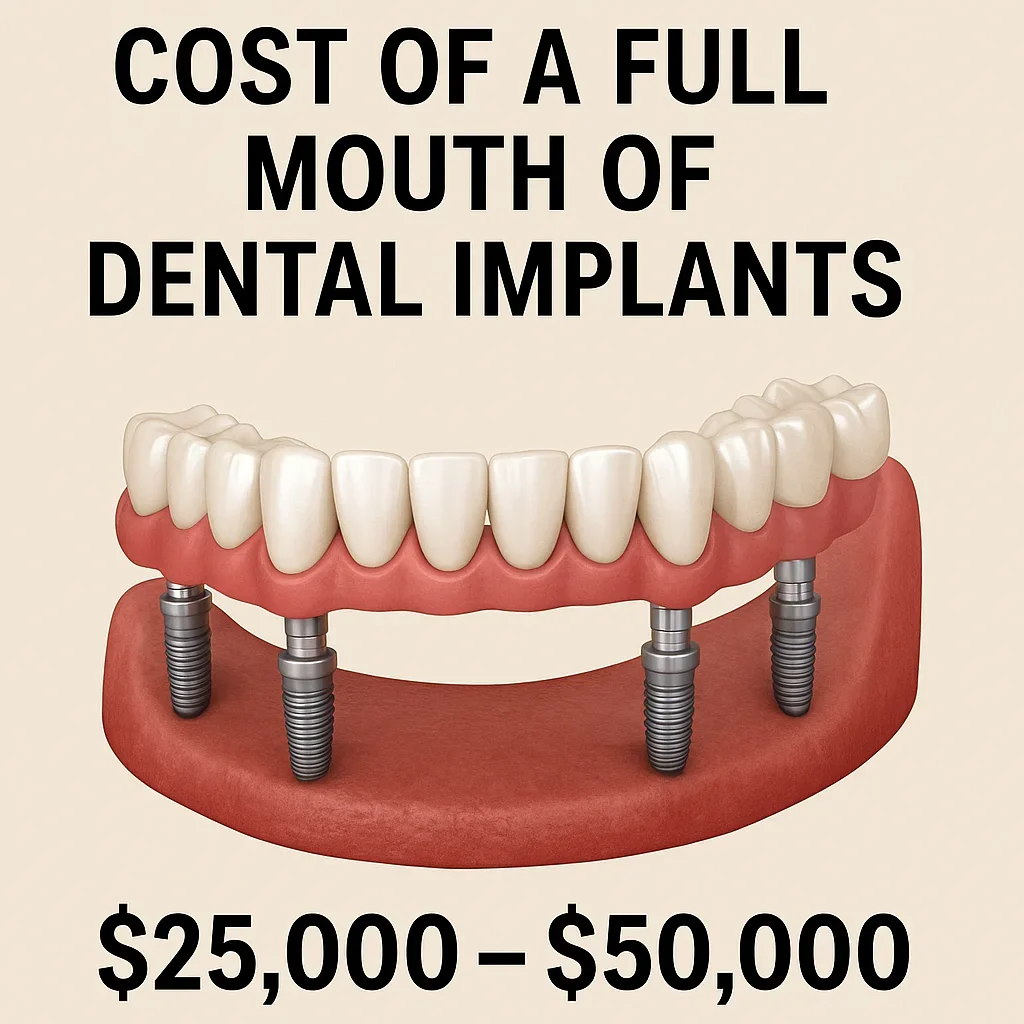
In the United States, the average cost of a full mouth of dental implants ranges from $25,000 to $80,000 or more, depending on the complexity of the case and the clinic’s expertise. In contrast, the same treatment in countries such as Turkey, Mexico, or Hungary may cost between $8,000 and $20,000, offering high-quality results at a fraction of the U.S. price. This wide cost range often leads patients to explore international dental tourism—especially in Turkey, where modern clinics like Redent Klinik are renowned for affordable yet world-class care.
To understand the true cost of a full mouth of dental implants, one must consider multiple factors beyond the sticker price. Each patient’s treatment plan is unique and includes variables such as bone density, gum health, number of implants required, and choice of restoration material (porcelain, zirconia, or hybrid acrylic). Additionally, diagnostic imaging, surgical planning, anesthesia, and post-operative care all contribute to the total expense.
Here’s an overview of typical cost components:
- Initial Consultation & 3D Imaging: $150–$500
- Implant Placement Surgery: $1,500–$3,000 per implant
- Abutments and Prosthetic Teeth: $1,000–$2,000 per tooth
- Temporary Restorations: $500–$1,200
- Final Full Arch Prosthesis: $4,000–$8,000 per arch
Combining these components results in the total cost of a full mouth of dental implants that can vary from $20,000 to $80,000 or more, depending on your location and provider. Many patients find that overseas clinics—especially those in Turkey—offer the same quality of materials (such as Nobel Biocare, Straumann, and Neodent systems) used in Western countries at far lower prices. To learn more about affordable options or to schedule a consultation, you can visit the Redent Klinik Contact Page.
It’s important to note that while low prices can seem attractive, the cheapest option isn’t always the best. Choosing an experienced implantologist who follows international standards like those outlined by the American Dental Association ensures that your treatment is safe, predictable, and long-lasting. An improperly placed implant can lead to complications such as infection, bone resorption, or implant failure—issues that can be expensive to correct later.
From a long-term perspective, investing in the cost of a full mouth of dental implants often saves money compared to repeatedly replacing dentures or bridges. Implants can last decades with proper care, making them a one-time investment in both oral function and self-confidence 💎. Moreover, the emotional benefits—such as being able to smile freely, eat without discomfort, and regain facial aesthetics—often outweigh the financial cost.
In 2025, technological innovations like 3D-guided implant placement, digital smile design, and same-day “All-on-4” treatments have made the process faster, more precise, and less invasive. These modern methods not only reduce surgical discomfort but also minimize the overall healing time, helping patients return to normal life sooner. Still, each step—from diagnosis to final restoration—should be discussed transparently with your dentist to avoid unexpected costs or outcomes.
Ultimately, understanding the cost of a full mouth of dental implants means looking beyond the initial price tag. It’s about valuing quality, long-term durability, and the life-changing benefits of a complete smile restoration. Whether you choose treatment in your home country or abroad, make sure you select a clinic that combines modern technology, sterilization standards, and personalized patient care to ensure your investment truly pays off in the long run. 🌟
What Does a Full Mouth of Dental Implants Include? 🦷
Before evaluating the cost of a full mouth of dental implants, it’s essential to understand exactly what this comprehensive treatment includes. A full mouth restoration with implants replaces all missing teeth in both the upper and lower jaws using multiple titanium implants that act as artificial tooth roots. These implants support bridges, dentures, or fixed prosthetic arches that restore chewing ability, appearance, and confidence. This procedure is designed to mimic the natural structure of your teeth, offering stability, durability, and aesthetics unmatched by traditional dentures.
Understanding the Structure of a Full Mouth Implant Restoration
A full mouth implant restoration typically involves placing between 4 to 8 implants per arch, depending on bone density and the chosen technique. The most common approaches include the All-on-4, All-on-6, and All-on-8 systems. Each titanium post is surgically anchored into the jawbone, where it integrates over time through a process called osseointegration. Once healed, these implants support a fixed bridge or hybrid prosthesis made from porcelain, zirconia, or acrylic materials.
The complete treatment plan generally includes diagnostic imaging, surgery, abutment placement, temporary restorations, and the final prosthesis. Each of these stages adds to the total cost of a full mouth of dental implants, which can vary depending on complexity and clinic location. In many advanced clinics, 3D imaging and computer-guided navigation are used to plan implant positions accurately, minimizing surgical risks and optimizing aesthetics 🦷.
Key Components Included in a Full Mouth Dental Implant Package
When you visit a clinic for a full mouth implant consultation, the treatment is broken down into several essential components. These parts work together to deliver a functional and natural-looking smile. Here’s a detailed breakdown:
- Comprehensive Oral Examination: The dentist evaluates bone volume, gum health, and bite alignment to determine the ideal implant strategy.
- 3D Imaging & Digital Planning: Cone-beam CT scans allow precise mapping of implant placement, which is critical for long-term success.
- Surgical Phase: Titanium implants are inserted into the jaw under local or general anesthesia, depending on the patient’s comfort and medical condition.
- Healing & Osseointegration Period: Over 3 to 6 months, the bone naturally fuses with the implant surface, ensuring permanent stability.
- Abutment Connection: Once healed, connectors (abutments) are attached to each implant to anchor the prosthetic teeth.
- Final Prosthesis: The custom-made arch—either porcelain, zirconia, or hybrid acrylic—is fixed onto the implants, restoring both aesthetics and full chewing function.
Temporary Restorations During Healing
One crucial aspect often overlooked when evaluating the cost of a full mouth of dental implants is the temporary restoration. During the osseointegration phase, patients are fitted with temporary teeth to maintain appearance and function. These interim restorations add to the total expense but are vital for comfort and social confidence during healing. Temporary prosthetics can be either removable or fixed depending on the treatment plan.
Material Options and Their Impact on Cost
The choice of prosthetic material significantly influences both the look and the cost of a full mouth of dental implants. Clinics typically offer three main options:
- Acrylic Hybrid Dentures: The most affordable option, featuring a titanium framework and acrylic teeth. These are lightweight but may wear faster over time.
- Porcelain Fused to Metal (PFM): Offers a balance of cost and aesthetics, providing durable, natural-looking results.
- Monolithic Zirconia Bridges: Premium restorations known for their strength, translucency, and stain resistance—often used in luxury smile makeovers ✨.
Choosing between these materials can change the overall cost of a full mouth of dental implants by several thousand dollars. Zirconia restorations, for example, can raise the cost but provide unparalleled longevity and aesthetics. Acrylic hybrids, on the other hand, offer a budget-friendly alternative that still delivers excellent results when crafted by skilled technicians.
Additional Procedures Often Included
For many patients, the journey doesn’t stop at implant placement. Preparatory or supplementary treatments may be needed to ensure optimal outcomes. These additional procedures directly affect the final cost of a full mouth of dental implants:
- Bone Grafting: Required when jawbone density is insufficient to support implants, typically costing $500–$3,000 per area.
- Sinus Lifts: Common for upper jaw implants, this procedure elevates the sinus membrane and adds bone for stability.
- Extractions: If damaged or decayed teeth remain, they must be removed before implantation, adding $100–$300 per tooth.
- Gum Treatments: Periodontal cleaning or reshaping may be performed to create a healthy foundation for implants.
These additional treatments ensure long-term success but increase the total cost of a full mouth of dental implants. A transparent clinic will provide a complete breakdown before any procedure begins, allowing patients to plan their budget effectively.
The Role of Technology in Modern Implant Dentistry
Thanks to advancements in digital dentistry, the process of restoring an entire mouth has become more efficient and predictable than ever. Using tools like CAD/CAM design, guided surgery, and intraoral scanning, dentists can now plan each implant to perfection. This precision reduces the need for adjustments and decreases chair time, optimizing the patient’s comfort and outcome. Though these technologies slightly increase upfront costs, they lead to better results, fewer complications, and faster healing times—factors that make the investment in the cost of a full mouth of dental implants worthwhile.
Post-Treatment Care and Long-Term Maintenance
Once your final prosthesis is fitted, maintaining excellent oral hygiene becomes crucial. Daily brushing, flossing, and regular dental checkups prevent peri-implant disease and prolong the lifespan of your implants. Clinics often include maintenance plans or warranty programs in the overall cost of a full mouth of dental implants. Many patients find this worthwhile since it covers professional cleanings and adjustments that ensure the implants remain functional and beautiful for decades.
Summary: What You Truly Get for the Investment
When evaluating the total cost of a full mouth of dental implants, remember that you’re not only paying for the prosthetics but also for expertise, safety, and precision. You receive a permanent, natural-looking smile, improved health, and restored confidence. In essence, it’s a comprehensive rehabilitation process that merges technology, artistry, and medical skill to give patients a second chance at a natural smile 🪄. While the upfront price may seem significant, the long-term value—both functional and emotional—makes full mouth dental implants one of the most rewarding health investments you can make.
Average Cost of a Full Mouth of Dental Implants in 2025 💰
The cost of a full mouth of dental implants in 2025 can vary dramatically depending on the country, clinic reputation, materials used, and the patient’s individual dental needs. However, the average price range for a complete mouth restoration continues to follow global trends, where modern technologies and rising material costs influence the final figure. For many patients, understanding the average costs across regions helps them make informed decisions about where to receive treatment—locally or abroad. 🌍
Global Averages for Full Mouth Dental Implants in 2025
In 2025, the average cost of a full mouth of dental implants remains high in Western countries, primarily due to labor costs, clinic overhead, and strict regulatory standards. In the United States, patients can expect to pay anywhere between $25,000 and $80,000 for a complete restoration of both arches. The United Kingdom and Canada report similar pricing ranges of £18,000–£60,000 and $30,000–$70,000 CAD respectively. These prices usually include consultation, implant placement, abutments, and the final prosthesis but may exclude preparatory procedures such as bone grafting or sinus lifts.
On the other hand, patients choosing dental tourism destinations such as Turkey, Mexico, Hungary, or Thailand can receive the same high-quality treatment for significantly less. In Turkey—home to internationally accredited dental centers like Redent Klinik—the average total cost of a full mouth of dental implants typically ranges from $7,000 to $15,000. These lower prices don’t necessarily mean compromised quality; instead, they reflect lower operational costs, favorable exchange rates, and government support for medical tourism.
Cost Breakdown by Procedure Type
Not every full mouth implant restoration follows the same technique. The type of procedure chosen has a direct impact on the cost of a full mouth of dental implants. Below is an estimated 2025 breakdown by method:
| Procedure Type | Average 2025 Cost (USD) | Description |
|---|---|---|
| All-on-4 Implants | $15,000 – $25,000 per arch | Uses 4 implants to support a fixed full-arch prosthesis; ideal for moderate bone density. |
| All-on-6 Implants | $18,000 – $30,000 per arch | Provides more stability using six implants; suitable for patients with greater bone volume. |
| All-on-8 Implants | $25,000 – $40,000 per arch | Offers maximum support for prosthetics and superior load distribution. |
| Individual Tooth Implants | $3,000 – $5,000 per tooth | Used in cases where not all teeth are missing; cost increases per unit. |
Regional Cost Comparison (2025 Data)
The following are average estimates compiled from reputable international dental cost databases:
- United States: $25,000 – $80,000 for both arches
- United Kingdom: £18,000 – £60,000
- Canada: $30,000 – $70,000 CAD
- Australia: $28,000 – $75,000 AUD
- Turkey: $7,000 – $15,000 (complete mouth)
- Mexico: $9,000 – $17,000
- Hungary: $10,000 – $18,000
- Thailand: $8,000 – $16,000
These figures illustrate how patients can save up to 70% on the cost of a full mouth of dental implants by seeking care abroad while still maintaining excellent clinical outcomes. Turkey, in particular, has become a global hub for dental implant tourism due to its combination of skilled professionals, advanced facilities, and competitive pricing.
Factors Contributing to Price Differences
Several factors explain why the cost of a full mouth of dental implants differs between regions and clinics. These include:
- Labor Costs: Dentists in Western nations have higher labor rates, significantly influencing treatment costs.
- Clinic Overheads: Rent, staff, insurance, and taxes contribute to elevated prices in developed markets.
- Implant Brand: Premium systems like Straumann or Nobel Biocare are more expensive than generic alternatives.
- Technology Level: Clinics using 3D-guided surgery and CAD/CAM systems often charge more for precision and safety.
- Material Selection: Zirconia or porcelain prosthetics cost more than acrylic hybrids but offer superior durability.
Thus, when researching the cost of a full mouth of dental implants, patients should always look for a detailed, itemized quote. Reputable clinics will clearly list every component, from consultation to follow-up, allowing you to avoid hidden fees.
Sample Price Range for 2025 (by Category)
Below is a detailed look at how typical expenses add up to the total cost of a full mouth of dental implants:
- Consultation and Digital Scan: $200–$500
- Implant Placement Surgery (8–12 implants): $12,000–$25,000
- Abutments and Connectors: $1,500–$3,000
- Final Fixed Prosthesis (Zirconia): $4,000–$8,000 per arch
- Temporary Dentures or Healing Caps: $800–$1,500
- Follow-up and Maintenance: $500–$1,000
When combined, these components result in a realistic range of $25,000–$80,000 in Western countries and $8,000–$20,000 in medical tourism destinations. Always ensure that your estimate includes anesthesia, lab work, and follow-up care.
Insurance Coverage and Payment Options
Most dental insurance plans cover only a small portion of the cost of a full mouth of dental implants, as they are often considered elective cosmetic treatments. However, certain premium policies may reimburse parts related to medical necessity—such as bone grafts or extractions. To manage the remaining costs, many clinics offer installment plans, third-party financing, or in-house payment options that allow patients to distribute expenses over time. You can contact Redent Klinik Contact Page for personalized financial planning or to explore package options.
How to Interpret Low-Cost Offers
When researching the cost of a full mouth of dental implants, it’s crucial to be cautious of unrealistically low quotes. Some clinics advertise bargain prices but exclude essential steps such as 3D imaging, sedation, or final prosthetics. Others may use non-certified implant brands that lack long-term clinical data. To ensure safety and durability, patients should choose clinics that follow guidelines from the American Dental Association and maintain transparent cost structures.
Conclusion: A Balanced Investment in Oral Health
In 2025, while the cost of a full mouth of dental implants may appear high, it remains one of the most worthwhile investments in long-term health and self-esteem. Beyond replacing teeth, implants preserve bone structure, improve nutrition, and enhance speech and confidence. When comparing global costs, always focus on value rather than price—prioritize clinical expertise, sterilization standards, and prosthetic quality. With the right choice, your investment yields not just a perfect smile but also lifelong function and comfort. 💎
Factors That Affect the Cost of a Full Mouth of Dental Implants
When evaluating the cost of a full mouth of dental implants, it’s important to understand that there isn’t a single universal price. Instead, the final cost depends on a combination of clinical, material, and logistical factors unique to each patient. From jawbone density and the number of implants required to the experience of the dentist and the chosen prosthetic materials—each component can influence the overall price significantly. By exploring these factors in detail, patients can make informed decisions and plan their dental investment wisely.
1. The Type and Number of Implants Used
The total cost of a full mouth of dental implants largely depends on how many implants are placed and the specific type chosen. Full-mouth restoration treatments can use anywhere between 4 to 8 implants per jaw. The most common systems include the All-on-4, All-on-6, and All-on-8 protocols. Each system provides different levels of stability, chewing efficiency, and cost implications.
- All-on-4 Implants: Typically the most economical choice, using only four strategically placed implants per arch. Average total cost: $15,000–$25,000 per arch.
- All-on-6 Implants: Provides additional stability and load distribution, raising the average price to $18,000–$30,000 per arch.
- All-on-8 Implants: Offers the highest degree of strength and natural feel but also increases total cost, often exceeding $40,000 per arch.
Because each implant adds surgical time, lab work, and materials, the quantity and configuration play a vital role in determining the final cost of a full mouth of dental implants. Clinics usually assess your jawbone structure with 3D scans to recommend the best solution without unnecessary expense.
2. Implant Brand and Quality of Materials
The implant brand used during the procedure can make a substantial difference in overall treatment cost. Premium brands such as Straumann, Nobel Biocare, and Zimmer Biomet come with proven long-term success rates, international certification, and advanced surface technology that enhances osseointegration. While these systems may increase the cost of a full mouth of dental implants by several thousand dollars, they offer unmatched reliability and durability compared to generic or off-brand alternatives.
Material of the Prosthesis
Another crucial variable is the choice of prosthetic material. Patients may choose between acrylic, porcelain, or zirconia-based restorations. Acrylic hybrids are lightweight and affordable but less resistant to staining or wear. Porcelain offers a balance between beauty and cost, while monolithic zirconia prostheses provide ultimate strength and aesthetics. The choice between these materials can alter the overall cost of a full mouth of dental implants by up to 30–40%.
3. Bone Grafting and Sinus Lift Requirements
Before implants can be placed, sufficient bone density is required for stability. If a patient’s jawbone has deteriorated due to long-term tooth loss, additional procedures like bone grafting or sinus lifts may be necessary. These preparatory surgeries ensure that implants are securely anchored but also raise the total cost of a full mouth of dental implants.
- Bone Grafting: Adds bone material to strengthen weak areas, costing between $500 and $3,000 per site.
- Sinus Lift: A procedure often required for upper implants, adding $1,000–$5,000 depending on complexity.
While these steps increase the initial investment, they significantly improve the success rate and longevity of the implants. Skipping them can lead to implant failure or instability later, resulting in even higher costs for correction.
4. Dentist’s Experience and Clinic Reputation
The skill and reputation of the dental surgeon performing your implant procedure have a direct impact on both the outcome and the price. Experienced implantologists with years of specialized training and successful case histories usually charge higher fees, but their expertise minimizes risks and ensures precise results. In reputable clinics—especially those following standards set by the American Dental Association—you are paying for safety, modern sterilization techniques, and guaranteed materials.
For example, at globally recognized centers like Redent Klinik in Turkey, patients benefit from internationally trained professionals using state-of-the-art 3D guided surgery. Even with premium standards, the cost of a full mouth of dental implants in Turkey remains more affordable than in the U.S. or U.K., primarily due to lower operating expenses. You can inquire about treatment options via the Redent Klinik Contact Page.
5. Geographic Location of the Clinic
Geographic variation is one of the most influential factors affecting the cost of a full mouth of dental implants. Dental clinics in North America, Western Europe, and Australia charge significantly more because of higher living costs, insurance expenses, and regulatory requirements. In contrast, clinics in medical tourism hubs such as Turkey, Mexico, and Thailand provide the same advanced technologies at a fraction of the cost. This difference doesn’t compromise quality—many of these clinics use the exact same implant brands and materials as their Western counterparts.
6. Diagnostic Imaging and Digital Technology
Modern digital technologies, while improving precision and success rates, also influence treatment pricing. Clinics offering 3D cone-beam CT scans, digital smile design (DSD), and CAD/CAM prosthetic fabrication may have higher fees, but they deliver superior outcomes. These technologies allow for customized implant placement, ensuring perfect alignment and aesthetics. Patients should consider this added value when evaluating the total cost of a full mouth of dental implants, as these innovations reduce complications and enhance longevity.
Same-Day and Computer-Guided Implants
Techniques like same-day or “teeth-in-a-day” implants, made possible by digital planning, have also influenced pricing trends. While these procedures save time, they typically require specialized equipment and premium materials, slightly raising the total cost of a full mouth of dental implants. However, patients benefit from faster recovery and immediate aesthetic improvements.
7. Anesthesia and Sedation Options
The type of anesthesia used during surgery can affect both comfort and cost. Local anesthesia is the most affordable and commonly used option, whereas IV sedation or general anesthesia requires anesthesiologist supervision, increasing overall expenses. Depending on the clinic and region, anesthesia costs may add $500 to $2,500 to the final cost of a full mouth of dental implants. For anxious patients, however, this extra investment ensures a more comfortable experience.
8. Aftercare and Maintenance Programs
Aftercare plays a significant role in long-term implant success and should be factored into the cost of a full mouth of dental implants. Regular dental check-ups, professional cleanings, and warranty programs are often bundled into the treatment package. Some clinics provide one-year maintenance free of charge, while others charge additional fees for extended follow-ups. Neglecting post-treatment care can lead to infections or implant loosening, which would increase costs down the line.
Final Thoughts on Cost-Influencing Factors
Ultimately, the cost of a full mouth of dental implants is a multifactorial equation determined by materials, skill, and technology—not just geography or clinic choice. Patients should seek transparent, detailed estimates and ensure that the clinic adheres to international dental standards. While cost considerations are important, the real value lies in long-term functionality, natural aesthetics, and improved quality of life. Investing wisely means securing a durable, confident smile that can last a lifetime. 💎
Cost Comparison: Full Mouth Dental Implants vs. Dentures
When considering tooth replacement options, many patients naturally compare the cost of a full mouth of dental implants to that of traditional dentures. While dentures have been a popular and inexpensive solution for decades, dental implants offer a superior, permanent, and natural-looking alternative. However, their higher upfront cost often raises the question—are they truly worth the investment? This section provides a detailed, data-backed comparison to help patients understand the financial, functional, and long-term differences between the two treatment options.
Understanding the Two Treatment Types
Before diving into costs, it’s important to clarify the basic difference between dental implants and dentures:
- Dentures are removable prosthetic devices designed to replace missing teeth. They rest on the gums and must be taken out for cleaning and sleeping. While cost-effective initially, they require periodic replacement every 5–7 years.
- Dental implants are permanent fixtures surgically inserted into the jawbone. They mimic natural tooth roots and support bridges or full-arch prosthetics, providing unmatched stability and longevity. When maintained properly, implants can last 25 years or more.
The difference in design, materials, and functionality explains why the cost of a full mouth of dental implants is significantly higher than that of dentures. However, when long-term factors such as replacement frequency, comfort, and oral health are considered, implants often prove to be the more economical option over time.
Initial Cost Comparison
Let’s compare the average initial investment required for each option in 2025:
| Treatment Type | Average 2025 Cost (USD) | Longevity | Maintenance Needs |
|---|---|---|---|
| Traditional Full Dentures | $1,000 – $3,000 per arch | 5–7 years | High (adhesives, relining, frequent replacements) |
| Implant-Supported Dentures | $8,000 – $15,000 per arch | 10–15 years | Moderate (periodic tightening and cleaning) |
| Full Mouth Dental Implants | $25,000 – $80,000 (both arches) | 25+ years | Low (regular checkups and hygiene) |
Although dentures appear far cheaper at first glance, the cost of a full mouth of dental implants must be evaluated from a lifetime perspective. Implants eliminate the need for constant repairs and adjustments, and they prevent the bone loss commonly caused by dentures. In many cases, patients who switch from dentures to implants report that the functional and psychological improvements outweigh the financial gap entirely.
Long-Term Cost Efficiency
Over
Cost Comparison: Full Mouth Dental Implants vs. Dentures
When considering tooth replacement options, many patients naturally compare the cost of a full mouth of dental implants to that of traditional dentures. While dentures have been a popular and inexpensive solution for decades, dental implants offer a superior, permanent, and natural-looking alternative. However, their higher upfront cost often raises the question—are they truly worth the investment? This section provides a detailed, data-backed comparison to help patients understand the financial, functional, and long-term differences between the two treatment options.
Understanding the Two Treatment Types
Before diving into costs, it’s important to clarify the basic difference between dental implants and dentures:
- Dentures are removable prosthetic devices designed to replace missing teeth. They rest on the gums and must be taken out for cleaning and sleeping. While cost-effective initially, they require periodic replacement every 5–7 years.
- Dental implants are permanent fixtures surgically inserted into the jawbone. They mimic natural tooth roots and support bridges or full-arch prosthetics, providing unmatched stability and longevity. When maintained properly, implants can last 25 years or more.
The difference in design, materials, and functionality explains why the cost of a full mouth of dental implants is significantly higher than that of dentures. However, when long-term factors such as replacement frequency, comfort, and oral health are considered, implants often prove to be the more economical option over time.
Initial Cost Comparison
Let’s compare the average initial investment required for each option in 2025:
| Treatment Type | Average 2025 Cost (USD) | Longevity | Maintenance Needs |
|---|---|---|---|
| Traditional Full Dentures | $1,000 – $3,000 per arch | 5–7 years | High (adhesives, relining, frequent replacements) |
| Implant-Supported Dentures | $8,000 – $15,000 per arch | 10–15 years | Moderate (periodic tightening and cleaning) |
| Full Mouth Dental Implants | $25,000 – $80,000 (both arches) | 25+ years | Low (regular checkups and hygiene) |
Although dentures appear far cheaper at first glance, the cost of a full mouth of dental implants must be evaluated from a lifetime perspective. Implants eliminate the need for constant repairs and adjustments, and they prevent the bone loss commonly caused by dentures. In many cases, patients who switch from dentures to implants report that the functional and psychological improvements outweigh the financial gap entirely.
Long-Term Cost Efficiency
Over a 20-year period, the maintenance and replacement costs of dentures can accumulate substantially. For example:
- Relining dentures every 2–3 years: $300–$500 each time
- Replacement every 7 years: $2,000–$3,000 per arch
- Adhesive products and cleaning supplies: $150 annually
When added up, a denture wearer may spend between $15,000 and $20,000 over two decades—without achieving the functionality or aesthetics of implants. In contrast, the cost of a full mouth of dental implants is front-loaded but rarely incurs future replacements or adjustments. As a result, implants often end up being more cost-effective in the long term.
Cost vs. Quality of Life
Another essential consideration is quality of life. While dentures restore basic appearance, they often slip, cause gum irritation, and limit chewing power. Patients frequently report difficulty eating fibrous foods, such as meat and raw vegetables. Full mouth dental implants, on the other hand, restore 80–90% of natural bite strength and allow unrestricted eating habits 🥩🍎. The improvement in confidence, comfort, and nutrition further justifies the higher cost of a full mouth of dental implants.
Health and Functional Benefits
Dentures rest on the gums and exert pressure on the jawbone, leading to gradual bone resorption. This process causes facial sagging and alters the fit of dentures over time, requiring replacements. Conversely, dental implants stimulate the jawbone like natural tooth roots, maintaining facial structure and oral health. By preserving bone integrity, implants effectively prevent premature aging of facial features. Thus, beyond the financial numbers, the health benefits embedded in the cost of a full mouth of dental implants make them a far superior choice.
Patient Satisfaction and Longevity
Studies consistently show that patient satisfaction levels are higher with implant-supported restorations than with removable dentures. Surveys indicate that nearly 95% of implant patients experience a significant improvement in confidence and comfort, while only 60% of denture users report satisfaction. Furthermore, implants boast a success rate of over 97%, making them a stable, lifelong investment.
Durability and Maintenance Differences
Unlike dentures, which degrade over time, dental implants are resistant to decay, staining, and structural wear. Regular brushing, flossing, and dental checkups are sufficient for maintenance. In contrast, dentures require daily removal, cleaning, and periodic adjustments. When comparing the total effort and emotional satisfaction, the higher cost of a full mouth of dental implants delivers far greater long-term value.
When Dentures May Still Be Suitable
It’s worth noting that dentures remain a practical solution for some patients—especially those with limited budgets, severe bone loss, or medical conditions that prevent surgery. For individuals seeking an interim solution, implant-supported overdentures (a hybrid option) offer an affordable compromise between removable dentures and permanent implants.
Conclusion: The True Value Behind the Cost
While dentures win in terms of short-term affordability, the cost of a full mouth of dental implants is an investment in lifelong stability, confidence, and health. The price gap reflects not just materials and surgery but also advanced technology, biocompatible components, and decades of durability. Patients who choose implants often describe them as “life-changing”—transforming how they eat, speak, and smile. For those ready to take the next step toward permanent tooth restoration, visiting the Redent Klinik Contact Page is an excellent way to start the journey toward a healthier, more confident future. For detailed implant safety standards, refer to the American Dental Association.
How to Save on the Cost of a Full Mouth of Dental Implants
The cost of a full mouth of dental implants can be a major financial concern for many patients, especially when compared to other dental treatments. However, several strategies can help reduce overall expenses without compromising on quality or long-term results. Whether through choosing the right clinic, exploring dental tourism, or leveraging financing plans, patients can achieve an affordable, life-changing smile restoration with careful planning and research. Let’s explore the most effective ways to save while maintaining safety and excellence.
1. Consider Dental Tourism 🌍
One of the most efficient ways to lower the cost of a full mouth of dental implants is by seeking treatment abroad. Countries like Turkey, Mexico, Hungary, and Thailand have become leading dental tourism destinations thanks to modern clinics, highly qualified specialists, and significantly lower operational costs. For example, in Turkey, patients can expect to pay between $7,000 and $15,000 for complete full-mouth implant treatment — almost 60–70% less than prices in the United States or the U.K.
At reputable international centers such as Redent Klinik Contact Page, patients receive the same advanced implant systems (Straumann, Nobel Biocare, Neodent) used in Western countries, along with luxury accommodation and personalized care. Lower costs stem from favorable exchange rates and reduced administrative overhead — not reduced quality. This makes dental tourism one of the safest and most popular methods for minimizing the cost of a full mouth of dental implants.
2. Compare Multiple Clinics and Get Detailed Estimates
Before committing to treatment, it’s essential to request detailed, written estimates from multiple clinics. A trustworthy clinic will itemize all expenses, including diagnostics, surgery, anesthesia, and post-care. Comparing these breakdowns helps identify inflated prices and ensures transparency. Beware of clinics that provide vague or all-inclusive quotes without explaining each stage of the procedure. Understanding exactly what’s included helps avoid hidden charges and keeps the cost of a full mouth of dental implants under control.
3. Choose the Right Implant System and Material
Another way to reduce costs is by selecting implant systems that balance quality with affordability. While premium brands like Straumann offer exceptional longevity, mid-tier systems such as MIS or Neodent can provide nearly identical clinical success at a lower cost. Additionally, opting for an acrylic hybrid prosthesis instead of monolithic zirconia can reduce the overall cost of a full mouth of dental implants by 20–30%, while still providing excellent aesthetics and durability.
Pro Tip: Prioritize Surgeon Skill Over Brand Names
While the brand of the implant matters, the expertise of the dentist plays a far greater role in success. Skilled surgeons can achieve long-lasting outcomes even with mid-range systems. Prioritizing an experienced, internationally trained implantologist is one of the smartest cost-saving decisions you can make.
4. Explore Financing and Payment Plans
Most modern clinics offer flexible payment plans to make the cost of a full mouth of dental implants manageable over time. Financing options may include interest-free installments or third-party credit services that spread payments across 12 to 48 months. This allows patients to undergo immediate treatment without waiting years to save the entire amount. Additionally, many clinics partner with medical financing companies, making it possible to apply for low-interest loans tailored to dental care.
5. Use Dental Insurance and Health Savings Accounts (HSAs)
Although most dental insurance policies cover only part of the expenses, certain plans may include portions of implant-related costs — such as extractions, X-rays, or anesthesia. Patients can also use Health Savings Accounts (HSA) or Flexible Spending Accounts (FSA) to pay for eligible portions of the cost of a full mouth of dental implants. These accounts allow you to use pre-tax income for medical expenses, effectively lowering the total amount paid.
6. Schedule During Promotional Periods or Package Offers
Some clinics offer seasonal promotions or full treatment packages that bundle implants, prosthetics, and accommodation at reduced prices. These packages can significantly decrease the total cost of a full mouth of dental implants and provide added convenience for international patients. Always ensure these offers come from accredited clinics with verified patient reviews and certified specialists.
Travel Packages for International Patients
Many dental tourism hubs provide “Smile Vacation Packages,” covering airport transfers, hotel stays, and translator services along with dental treatment. Such packages combine affordability with comfort and can reduce logistical stress during your treatment journey.
7. Avoid Cutting Corners on Quality
While saving money is important, compromising on clinic standards or implant materials can lead to costly problems later, including implant failure or infections. Always verify that the clinic follows international safety standards such as those set by the American Dental Association. The key is to find a balance between affordability and reliability, ensuring the cost of a full mouth of dental implants delivers maximum long-term value.
Conclusion: Smart Saving Means Smart Choices
Saving on the cost of a full mouth of dental implants doesn’t mean sacrificing safety or quality. By researching thoroughly, comparing multiple clinics, considering dental tourism, and utilizing flexible payment options, you can achieve world-class results at a fraction of traditional costs. The goal isn’t just to find the lowest price—it’s to find the best value, ensuring a strong, beautiful, and lasting smile for years to come. 💎
Are Full Mouth Dental Implants Worth the Investment?
Many patients researching the cost of a full mouth of dental implants wonder whether the high price tag truly justifies the results. After all, this treatment can represent one of the most significant health-related investments in a lifetime. The answer, supported by clinical data and patient outcomes worldwide, is a resounding “yes.” Full mouth dental implants not only restore oral function and aesthetics but also improve quality of life, long-term health, and emotional confidence. Below, we’ll explore in depth why these implants are more than just a cosmetic solution—they’re a comprehensive, life-changing investment in well-being.
1. Lifetime Value vs. Short-Term Cost
At first glance, the cost of a full mouth of dental implants may seem intimidating, especially compared to traditional dentures or bridges. However, the longevity and durability of implants make them far more economical over time. Unlike dentures that need replacing every few years, well-maintained dental implants can last for decades or even a lifetime. This means that the initial investment pays for itself in comfort, confidence, and reduced maintenance expenses.
For instance, consider that dentures typically require replacement every 5–7 years, costing between $2,000–$4,000 per arch. Over 25 years, that could add up to $20,000 or more, not including adhesives and relining. In contrast, the cost of a full mouth of dental implants may be around $25,000–$40,000 initially, but with proper care, no replacement is needed. Viewed through this lens, implants provide greater value over time, functioning as a permanent asset rather than a recurring expense.
2. Functional Advantages That Justify the Price
Beyond cost, the functionality offered by implants far exceeds other dental restoration methods. Full mouth dental implants restore nearly 90% of natural bite strength, allowing patients to chew comfortably on foods they previously avoided—such as steak, apples, or nuts 🥩🍏. This not only improves nutrition but also boosts digestion and overall health. The stability of implants also prevents the embarrassing slippage or discomfort often associated with dentures.
Furthermore, implants are anchored directly into the jawbone, providing a natural feel that mimics real teeth. This strong foundation ensures smooth speech, facial symmetry, and improved self-image. These functional and psychological benefits together make the cost of a full mouth of dental implants a worthwhile investment in both physical and emotional wellness.
Eating, Speaking, and Smiling Freely
Imagine laughing or eating in public without worrying about dentures shifting or falling out. With implants, every movement feels natural. Patients consistently report a significant boost in confidence and social engagement—something that cannot be quantified in purely financial terms.
3. Oral Health Preservation
Another critical reason the cost of a full mouth of dental implants is justified lies in their role in preserving oral health. Traditional dentures simply rest on the gums, applying pressure to the underlying bone. Over time, this leads to bone resorption—a natural process where the jawbone deteriorates due to lack of stimulation. Bone loss not only changes facial appearance but also makes future restorations more difficult.
Dental implants, however, stimulate the jawbone just like natural tooth roots. This continuous stimulation prevents bone atrophy, maintaining facial structure and preventing premature aging. Patients who choose implants often retain their youthful facial contours and firm jawline for many years longer than denture users. In essence, implants are an investment in long-term facial integrity and bone health.
4. Psychological and Emotional Benefits
The emotional benefits of dental implants are often underestimated but profoundly impactful. Patients who receive full mouth implants frequently describe the experience as life-changing. Regaining a complete, beautiful smile enhances self-esteem, reduces anxiety in social situations, and even improves professional confidence. These intangible benefits far outweigh the initial cost of a full mouth of dental implants.
Numerous studies have shown a link between oral health and emotional well-being. People with healthy, functional smiles are more likely to experience higher life satisfaction, better relationships, and improved mental health. When evaluating the investment, it’s crucial to consider these long-term emotional gains, not just financial figures.
5. Maintenance and Durability: A Long-Term Advantage
Maintenance is another factor that supports the value of the cost of a full mouth of dental implants. Implants require the same daily care as natural teeth—brushing, flossing, and regular dental visits. There are no adhesives, special cleaning solutions, or nightly removals as with dentures. The simplicity of care and resistance to decay make implants incredibly low-maintenance.
Moreover, modern implant materials such as titanium and zirconia are biocompatible and corrosion-resistant, meaning they integrate seamlessly with the body and can withstand decades of wear. High-quality zirconia prosthetics also resist staining and chipping, ensuring your smile remains radiant for years to come.
Pro Tip: Proper Aftercare Extends Longevity
Patients who adhere to professional cleaning schedules and maintain excellent oral hygiene can expect implants to last 25 years or more. This longevity makes the cost of a full mouth of dental implants one of the most durable investments in personal health and aesthetics.
6. Comparison with Other Treatments
When compared with bridges or dentures, dental implants offer clear superiority in longevity and function. While bridges last 10–15 years and may require replacements or adjustments, implants provide a permanent base that protects adjacent teeth and prevents shifting. Dentures, on the other hand, can cause gum irritation, bone loss, and repeated costs over time. In contrast, implants preserve oral structures, eliminate discomfort, and deliver a smile that feels truly natural.
Considering these long-term advantages, it becomes clear that the higher cost of a full mouth of dental implants reflects their superior engineering, biocompatibility, and transformative health benefits.
7. Financial Flexibility and Accessibility
Many patients are surprised to discover that the cost of a full mouth of dental implants can be managed through flexible payment options. Most modern dental clinics—including Redent Klinik Contact Page—offer interest-free installment plans and medical financing. Additionally, patients traveling abroad for treatment can save up to 70% compared to Western countries without sacrificing quality or safety.
By combining affordable destinations with structured payment systems, even comprehensive implant procedures become accessible to a wide range of patients. This makes the concept of “investment” both realistic and rewarding for anyone seeking lasting oral health.
8. Professional Endorsement and Clinical Success
The safety and effectiveness of dental implants are endorsed by major health organizations, including the American Dental Association. Global research consistently reports success rates of over 95% for full mouth implant procedures, making them one of the most predictable and proven treatments in modern dentistry. This reliability, combined with lifelong results, reinforces why the cost of a full mouth of dental implants is not an expense—but an investment in health and confidence.
Conclusion: A Smile That Pays Dividends for Life
When analyzed from every angle—functionality, health preservation, psychology, and durability—the cost of a full mouth of dental implants represents exceptional long-term value. It’s more than restoring teeth; it’s restoring life quality, self-assurance, and complete freedom of expression. For patients who view dental care as a lifetime investment rather than a one-time procedure, full mouth implants stand as the gold standard. They don’t just rebuild smiles—they rebuild lives. ✨
Insurance and Financing Options for Full Mouth Implants
The cost of a full mouth of dental implants can feel overwhelming at first glance, but modern financing options and insurance solutions have made it more accessible than ever. Whether you’re based in the United States, Europe, or considering dental tourism abroad, there are flexible ways to manage the expense responsibly. Understanding your insurance coverage, available financing programs, and tax advantages helps ensure that the dream of a complete, confident smile is financially achievable for nearly anyone.
1. Understanding Dental Insurance Coverage
Most standard dental insurance plans do not fully cover the cost of a full mouth of dental implants because implants are often categorized as a “cosmetic” or elective procedure. However, this perception is rapidly changing as insurance providers recognize the medical necessity of implants for oral functionality and bone health. Many policies now offer partial reimbursement for specific components of the treatment, such as:
- Tooth extractions and diagnostic imaging (X-rays, CT scans)
- Bone grafting or sinus lift procedures
- Temporary prosthetics or implant abutments
For example, an insurance plan may cover up to 30–40% of these preparatory treatments, effectively reducing the total cost of a full mouth of dental implants. It’s crucial to check with your provider in advance, as policies vary by state, employer, and coverage type. Always request a pre-treatment estimate or “predetermination of benefits” to understand your expected reimbursement clearly.
Pro Tip: Verify Medical Necessity
If your dentist documents that implants are medically necessary—such as preventing jawbone deterioration or restoring basic chewing ability—insurance companies are more likely to contribute. Detailed case notes and panoramic scans strengthen your claim for coverage.
2. Medical Insurance and Hybrid Coverage Possibilities
In some cases, medical (not dental) insurance may cover part of the cost of a full mouth of dental implants when the procedure is tied to trauma, disease, or congenital conditions. Examples include:
- Tooth loss due to an accident or injury
- Oral cancer treatment requiring reconstructive surgery
- Congenital absence of teeth (anodontia or hypodontia)
To explore these options, patients should work closely with both their oral surgeon and insurance provider. Documentation from medical professionals emphasizing the necessity of restoring oral function increases the chance of partial or full coverage.
3. Flexible Financing and Payment Plans
Even when insurance provides limited help, most dental clinics offer payment flexibility. Clinics specializing in implants understand that the cost of a full mouth of dental implants is a significant investment, so they collaborate with financing companies to provide structured monthly payment options. Typical financing solutions include:
- Interest-Free Payment Plans: Spread the cost over 6–24 months without added interest.
- Low-Interest Dental Loans: Offered through medical credit institutions like CareCredit, Proceed Finance, or LendingClub.
- Clinic-Specific Installments: Direct arrangements where the clinic divides the cost into affordable phases aligned with treatment milestones.
These flexible solutions ensure that patients can start treatment immediately and pay gradually, transforming the cost of a full mouth of dental implants into manageable monthly payments rather than a single lump sum.
Example: Financing Breakdown
For instance, if a clinic charges $25,000 for both arches, a 24-month payment plan could reduce the monthly installment to about $1,040, depending on interest and down payment. This setup allows patients to enjoy their new smile while spreading out costs comfortably.
4. Health Savings Accounts (HSA) and Flexible Spending Accounts (FSA)
Using tax-advantaged accounts such as HSAs or FSAs can significantly lower the real cost of a full mouth of dental implants. These accounts allow you to pay for eligible medical and dental expenses using pre-tax income, effectively saving 20–30% in taxes. For example:
- If you’re in the 30% tax bracket, using $10,000 from your HSA effectively saves $3,000 in taxes.
- Both HSAs and FSAs can cover related treatments such as bone grafts, anesthesia, and prosthetic adjustments.
Be sure to verify annual contribution limits and eligible expense categories with your account administrator. Planning in advance ensures you maximize these tax savings toward your implant treatment.
5. Employer Assistance and Corporate Dental Benefits
Some employers now offer supplemental dental coverage or reimbursement programs for advanced restorative care. These benefits may cover up to 50% of the cost of a full mouth of dental implants within specific limits. If you’re considering treatment, check whether your company provides flexible benefit accounts or reimbursement programs under healthcare allowances.
Employee Wellness Programs
Forward-thinking companies increasingly include oral health in their wellness initiatives. Employers recognize that good dental health improves overall productivity and well-being, leading to more comprehensive dental benefits for employees. Taking advantage of such benefits can dramatically reduce personal financial burden.
6. Dental Tourism: A Global Financing Advantage 🌍
For patients without access to high-coverage insurance, dental tourism offers substantial savings. Clinics abroad—particularly in Turkey, Mexico, and Hungary—provide world-class treatments at a fraction of U.S. prices. For example, while the cost of a full mouth of dental implants in the U.S. might reach $40,000–$60,000, the same procedure in Turkey may cost just $10,000–$15,000, including travel and accommodation. Reputable centers like Redent Klinik Contact Page maintain international sterilization and safety standards, ensuring patients receive premium care without financial strain.
7. Combining Multiple Financing Avenues
Strategically combining several payment methods can further ease the financial load. For example:
- Use your dental insurance to cover diagnostic and surgical stages.
- Pay prosthetic fees with HSA or FSA funds.
- Finance remaining costs through low-interest monthly plans.
This multi-channel approach allows you to maximize all available benefits while reducing the total out-of-pocket expense. Proper coordination ensures that every aspect of the cost of a full mouth of dental implants is handled efficiently.
8. Importance of Transparency and Written Agreements
Always request a written financial agreement before beginning treatment. A detailed breakdown should specify implant material costs, surgical fees, prosthetic fabrication, anesthesia, and aftercare. Transparent clinics provide itemized estimates and payment schedules, ensuring you understand the full scope of your financial commitment. This transparency is critical for avoiding hidden charges and making sure that the cost of a full mouth of dental implants remains predictable and manageable.
9. The Role of Professional Guidance
Before finalizing any payment plan or insurance claim, consult both your dental provider and financial advisor. Understanding interest terms, hidden costs, and prepayment penalties protects you from future stress. Many clinics employ patient coordinators who specialize in navigating insurance and financing paperwork, helping you secure maximum reimbursement and minimize upfront costs.
10. Final Thoughts: Making Implants Financially Feasible
Today, the cost of a full mouth of dental implants is no longer a barrier for most patients thanks to advanced financing systems, global care accessibility, and expanded insurance flexibility. By taking advantage of available resources—from tax-free accounts to international treatment packages—you can achieve a permanent, beautiful smile without jeopardizing your financial stability. Always work with accredited professionals and trusted institutions like the American Dental Association to ensure your investment is protected. With smart planning, the life-changing benefits of full mouth dental implants are truly within reach for everyone. 💳🦷
Where to Get Affordable Full Mouth Dental Implants Abroad 🌍
The cost of a full mouth of dental implants can vary dramatically depending on where you choose to receive treatment. In countries like the United States, Canada, and the United Kingdom, high labor and administrative costs drive prices up, often exceeding $40,000–$60,000 for both arches. Fortunately, many countries now offer world-class implant dentistry at significantly reduced prices—without compromising on quality or safety. This section explores the top international destinations for affordable, reliable dental implant treatment, comparing costs, standards, and travel considerations in detail.
1. Why Dental Tourism Has Gained Global Popularity
Dental tourism has become a booming industry in the past decade, allowing patients to receive high-quality treatment abroad while enjoying substantial savings. The main driver is the price disparity between countries with similar medical standards. In places like Turkey, Mexico, Hungary, and Thailand, the total cost of a full mouth of dental implants can be 50–70% lower than in Western countries. These savings come not from reduced quality but from lower operational expenses, competitive labor rates, and government incentives for medical tourism.
In addition to cost advantages, patients benefit from all-inclusive treatment packages that often include transportation, accommodation, and post-operative care—making the experience smooth and stress-free. Some clinics even provide personal translators and tourism guidance, turning dental treatment into a well-planned travel experience.
2. Turkey 🇹🇷 – A Global Leader in Affordable Dental Implants
Turkey has become one of the most sought-after destinations for patients seeking high-quality, affordable dental care. The cost of a full mouth of dental implants in Turkey typically ranges between $7,000 and $15,000 for both arches—up to 70% less than in the United States. Turkish clinics such as Redent Klinik Contact Page combine advanced implant technology with internationally trained dentists, ensuring patients receive exceptional care.
Why Choose Turkey for Dental Implants
- Highly experienced implantologists trained in Europe and the U.S.
- Modern clinics equipped with 3D imaging, CAD/CAM systems, and sterile surgical suites
- Comprehensive treatment packages that include hotel stays and transfers
- Quick treatment turnaround—many full mouth restorations are completed in 5–7 days
In addition, Turkish clinics maintain accreditation from organizations like the American Dental Association and European dental authorities. This ensures that patients not only save money but also receive treatment that adheres to the highest global standards.
3. Mexico 🇲🇽 – The Top Choice for North American Patients
Mexico is another leading destination where the cost of a full mouth of dental implants is significantly reduced compared to the U.S. Patients can expect to pay between $9,000 and $16,000 for full-mouth restoration. Border cities like Los Algodones (“Molar City”) and Cancun are home to hundreds of reputable clinics catering specifically to international patients.
Many Mexican dentists receive part of their education or certification in the United States, ensuring that clinical quality and sterilization standards meet American guidelines. The proximity to the U.S. also makes travel convenient, allowing patients to return easily for follow-up visits if necessary.
Benefits of Getting Dental Implants in Mexico
- Short travel distance for U.S. and Canadian patients
- English-speaking staff and internationally certified implant brands
- Lower living and operational costs that reduce treatment expenses
Moreover, patients can enjoy beautiful beaches, vibrant culture, and world-class resorts while completing their dental restoration—a combination that makes Mexico one of the most attractive destinations for cost-effective implant treatment.
4. Hungary 🇭🇺 – The Heart of European Dental Excellence
For European patients, Hungary remains a top choice for affordable and high-quality dental implants. The cost of a full mouth of dental implants here averages $10,000–$18,000, nearly half the price of what one would pay in the U.K. or Germany. Hungary’s dental tourism hub, Budapest, boasts dozens of internationally accredited clinics offering treatments performed by specialists with decades of experience.
Advantages of Choosing Hungary
- Long-standing reputation as Europe’s “Dental Capital”
- Clinics operating under strict EU health and hygiene standards
- Direct flight connections from all major European cities
- Affordable accommodation and travel packages
Patients in Hungary can also enjoy short recovery periods in scenic thermal spas, contributing to both health and relaxation. The combination of medical precision and hospitality makes it one of the most balanced destinations for those evaluating the cost of a full mouth of dental implants.
5. Thailand 🇹🇭 – A Blend of Dentistry and Wellness
Thailand has successfully merged healthcare and hospitality, becoming a preferred destination for both cosmetic and restorative dentistry. The cost of a full mouth of dental implants ranges from $12,000 to $20,000, depending on the complexity of the case and the implant system used. Clinics in Bangkok and Phuket attract thousands of patients annually with cutting-edge facilities and internationally recognized specialists.
Highlights of Dental Treatment in Thailand
- Highly advanced digital dentistry infrastructure
- Clinics following ISO-certified sterilization and safety protocols
- Professional English-speaking staff experienced with international patients
- Access to wellness retreats and recovery-friendly accommodations
Thailand’s holistic approach to dental care and recovery makes it particularly appealing for patients seeking relaxation alongside medical treatment. Many patients schedule post-surgery recovery in tranquil coastal areas, enhancing the overall healing experience.
6. Comparing Global Implant Costs (2025 Estimates)
| Country | Average Cost (Both Arches) | Travel Time (From U.S.) | Success Rate |
|---|---|---|---|
| United States | $40,000 – $60,000 | — | 98% |
| Turkey | $7,000 – $15,000 | 11 hrs | 97% |
| Mexico | $9,000 – $16,000 | 2–5 hrs | 96% |
| Hungary | $10,000 – $18,000 | 9 hrs | 97% |
| Thailand | $12,000 – $20,000 | 18 hrs | 97% |
7. Key Factors When Choosing a Clinic Abroad
Before traveling, patients should carefully evaluate a clinic’s credentials, success rates, and patient testimonials. The cost of a full mouth of dental implants should not be the only deciding factor—quality and safety are equally important. Look for clinics that:
- Use certified implant brands like Straumann, Nobel Biocare, or Neodent
- Offer transparent cost breakdowns and written guarantees
- Provide post-treatment support and warranty programs
- Maintain international accreditation or ISO certification
Scheduling an online consultation before traveling helps clarify expectations, confirm pricing, and build trust with your chosen dental team.
8. Additional Considerations for International Patients
While the cost of a full mouth of dental implants abroad can be attractive, patients should plan for additional expenses such as airfare, accommodations, meals, and potential follow-up visits. Most clinics provide comprehensive treatment timelines that allow for initial surgery, healing, and prosthetic placement within a 7–10 day window. However, complex cases may require a second visit after 3–6 months for final restoration.
Travel Insurance and Post-Care
Always secure travel insurance that includes medical coverage in case of emergencies. Additionally, ensure that the clinic provides local follow-up or remote check-in options after your return home. This continuity of care ensures optimal healing and implant longevity.
9. The Smart Way to Combine Value and Quality
When planned properly, dental tourism allows patients to access world-class results at a fraction of domestic prices. The key is choosing a certified and transparent clinic—one that focuses on patient safety, hygiene, and aftercare rather than just low pricing. Reputable centers like Redent Klinik Contact Page have redefined global dentistry by offering affordable packages, modern technology, and ethical care under one roof.
Conclusion: Global Savings, Lifetime Confidence
Exploring international options can dramatically reduce the cost of a full mouth of dental implants while maintaining clinical excellence. Countries like Turkey, Mexico, Hungary, and Thailand have set new global standards for dental tourism, combining medical expertise with hospitality and transparency. By researching thoroughly and selecting accredited providers, patients can enjoy permanent, natural-looking results—often for less than half the price of local treatments. Affordable doesn’t mean inferior; it means smart, strategic, and globally informed. 🌏🦷