
When it comes to restoring your smile, confidence, and oral health, dental implants stand out as one of the most valuable investments you can make. However, understanding how to manage your money for dental implants is often the biggest challenge for most patients. In 2025, as treatment technologies and material costs evolve, it’s more important than ever to make informed financial decisions before starting your implant journey. This guide is designed to help you understand every aspect of what you’re paying for, why it’s worth it, and how to plan your finances wisely. 🦷
Before diving into numbers, it’s crucial to realize that money for dental implants is not simply an expense—it’s an investment in your long-term health and well-being. Unlike removable dentures or bridges that may need frequent replacements, dental implants are designed to last decades. This means the money you spend today could save you from years of recurring dental expenses and discomfort in the future. In essence, the value you gain from dental implants extends far beyond aesthetics; it’s about quality of life and functionality.
One of the first steps to understanding how to manage your money for dental implants is to know exactly what goes into the total cost. A dental implant isn’t a single product—it’s a multi-stage medical procedure involving diagnostics, surgery, implant placement, and restoration. Each stage requires advanced equipment, biocompatible materials like titanium or zirconia, and the expertise of skilled dental surgeons. When you pay for an implant, you’re not just paying for a replacement tooth; you’re paying for precision, durability, and safety. 🩺
Let’s break down the process. First, there’s the consultation and imaging phase, where 3D scans and X-rays are used to evaluate your jawbone health. Next, if your bone structure needs strengthening, procedures like bone grafting or sinus lifts may be required. Then comes the surgical phase, where the implant post is placed into the jawbone. After healing, an abutment and a custom-made crown are attached, restoring your natural-looking smile. Each of these steps contributes to the total investment of your money for dental implants.
Of course, prices vary depending on where you receive treatment. For instance, in the United States or Western Europe, a single dental implant can cost anywhere between $3,000 and $6,000 per tooth. In contrast, countries like Turkey—where clinics such as Redent Klinik operate—offer world-class dental implant treatments at significantly lower prices, often ranging from $700 to $1,200 per implant. Despite the price difference, many of these clinics maintain strict international standards and use FDA-approved materials. That’s why international dental tourism has become increasingly popular in recent years. 🌍
Planning your money for dental implants should always include research into the clinic’s reputation, the dentist’s qualifications, and the materials used. Some patients make the mistake of only comparing costs, overlooking the importance of expertise and long-term outcomes. A poorly placed implant can lead to bone loss, gum infections, or the need for replacement—costing you far more in the long run. Therefore, balance is key: choose a clinic that offers affordable pricing without compromising safety or quality.
Another important factor is understanding the financing and payment options available to you. Many reputable dental clinics offer installment plans, credit-based dental financing, or partnerships with insurance providers. This allows patients to spread out their payments, making the cost more manageable. You can learn more or schedule a consultation through the Redent Klinik Contact Page, where expert consultants can provide personalized treatment and payment plans that fit your budget. 💬
From an investment perspective, dental implants are a cost-effective solution over time. Traditional dentures, for example, may seem cheaper initially but often require frequent relining, replacement, and special adhesives—all of which add up. Implants, on the other hand, integrate with your jawbone, preventing bone loss and maintaining facial structure. This stability improves speech, chewing efficiency, and comfort—factors that directly affect your daily quality of life. When you calculate these long-term benefits, the money for dental implants becomes one of the most rewarding expenditures in dental care.
It’s also worth consulting trusted authorities like the American Dental Association, which provides detailed information about implant materials, clinical safety, and success rates. According to their data, dental implants have a success rate of over 95%, making them one of the most predictable and reliable restorative treatments available. That high success rate justifies the financial investment and underscores the importance of choosing a qualified professional.
In conclusion, the way you allocate your money for dental implants should reflect both your financial comfort and your commitment to long-term oral health. While the initial cost may seem high, the rewards—permanent teeth, improved health, and renewed confidence—are priceless. Whether you’re considering implants in your home country or abroad, do your research, consult multiple clinics, and don’t hesitate to ask for transparent cost breakdowns. Remember: your smile is not an expense—it’s an investment that pays dividends every single day. 😁
Why Understanding Money for Dental Implants Matters
Before you commit to any dental implant procedure, it’s essential to understand why managing your money for dental implants is so important. Dental implants are not like typical dental treatments that can be done quickly and cheaply—they’re advanced, medically integrated procedures that require precision, technology, and professional expertise. Knowing exactly what you’re paying for helps you avoid hidden costs, low-quality materials, and unexpected complications later. In other words, financial awareness ensures both peace of mind and long-term satisfaction. 💡
Understanding the True Value of Dental Implants
When people hear about the cost of dental implants, their first reaction is often shock. However, once you understand what goes into making and placing an implant, that perception changes dramatically. Each dental implant involves three essential components: the titanium post (which replaces the root), the abutment (which connects the post to the crown), and the crown itself (which restores the visible tooth). These are made using biocompatible materials and advanced technology designed to last decades. Therefore, when you allocate your money for dental implants, you’re not just paying for a tooth—you’re investing in a lifetime of comfort, stability, and aesthetics.
Most other dental treatments, like dentures or bridges, need periodic adjustments or replacements. These recurring costs can actually exceed the one-time investment of dental implants in the long run. From a financial perspective, dental implants are an asset that appreciates in value through improved oral health and reduced maintenance costs over time.
How Financial Awareness Improves Treatment Outcomes
One of the most overlooked aspects of budgeting your money for dental implants is that it directly affects the quality of care you receive. Patients who are financially prepared can choose better clinics, advanced technology, and experienced surgeons—all of which lead to higher success rates. Studies have shown that clinics using 3D-guided implant placement systems, digital impressions, and premium titanium implants achieve success rates exceeding 98%. Such cutting-edge methods may cost slightly more upfront, but they ensure better healing, aesthetics, and long-term performance. 🦷
Financial preparedness also allows you to avoid cheap “dental tourism traps.” Some clinics advertise extremely low prices but compromise on sterilization standards, material quality, or aftercare. As a result, patients end up paying double to correct failed implants later. Properly researching where to put your money for dental implants is not just about saving money—it’s about saving your health and future expenses.
Evaluating Return on Investment (ROI) in Oral Health
Thinking about dental implants in terms of ROI might sound unusual, but it’s one of the smartest ways to make a decision. The return on your money for dental implants comes in the form of improved quality of life, self-esteem, and reduced long-term dental costs. Let’s compare this concept with other treatments:
- Removable dentures – Lower upfront cost, but need frequent replacements and special cleaning solutions.
- Fixed bridges – Require grinding adjacent teeth, which may cause further complications and cost more later.
- Dental implants – Higher initial cost, but permanent, natural-looking, and maintenance-free in the long term.
From a financial standpoint, the implants offer one of the highest returns on investment in the entire field of dentistry. The confidence you gain from a complete, natural smile often improves your social and professional opportunities as well—a hidden but significant “return” on your money for dental implants.
Psychological and Social Benefits: Beyond the Financial Value
Another angle that many people overlook when discussing money for dental implants is the emotional and psychological benefit. Missing teeth can significantly affect self-image, making individuals less likely to smile, engage socially, or even speak confidently. Restoring your smile with implants does more than fill a gap—it restores your identity. This renewed confidence often translates into stronger relationships, improved career performance, and better overall well-being. When viewed from this holistic perspective, dental implants deliver both financial and emotional dividends. 🌟
The Long-Term Cost Advantage
Over a 20-year period, dental implants are one of the most cost-efficient solutions in restorative dentistry. Removable dentures often need to be replaced every 5–8 years, while bridges can fail after 10–15 years due to decay in adjacent teeth. In contrast, well-maintained implants can last a lifetime. When you calculate these differences, your money for dental implants yields better long-term results, lower overall spending, and fewer complications. It’s an investment that compounds in value through every year of comfortable chewing, natural speech, and improved self-esteem.
Why Education Leads to Smarter Spending
Understanding where and how your money for dental implants is spent empowers you to make smarter financial choices. Educated patients can ask the right questions—about implant brands, success rates, bone grafting, or post-surgery maintenance—ensuring there are no surprises in the treatment plan. Transparency between patient and dentist builds trust and ensures realistic expectations regarding costs and results. This transparency is particularly vital for those considering dental treatment abroad, where pricing structures may differ significantly.
For example, patients who plan treatment in internationally accredited clinics like Redent Klinik Contact Page benefit from full cost transparency, modern facilities, and multilingual staff. Clinics like these combine affordability with high European standards, ensuring that every cent of your money for dental implants is spent on lasting results rather than hidden fees.
Consulting Reliable Sources for Financial Decisions
Whenever you’re uncertain about where to begin, it’s helpful to rely on trusted organizations such as the American Dental Association. They offer up-to-date information about implant procedures, material safety, and ethical cost guidelines. By consulting reliable authorities, you ensure that your money for dental implants supports evidence-based, safe, and globally accepted dental practices.
Final Thoughts: Knowledge Is Financial Power
In summary, understanding the value of your money for dental implants transforms the way you approach your oral health. It enables you to identify credible professionals, plan for realistic costs, and appreciate the long-term rewards of your investment. When you treat your oral health as a lifelong priority rather than a one-time expense, every dollar you spend becomes part of a healthier, more confident future. 🪙
So, before scheduling your procedure, take time to educate yourself, plan your finances, and explore your options. By doing so, you ensure that your money for dental implants brings not only a restored smile but also enduring satisfaction and peace of mind.
What Affects the Total Cost of Dental Implants?
When planning your dental treatment, understanding what determines the total cost of your money for dental implants is essential. Implant pricing is not universal; it varies widely depending on numerous clinical, material, and logistical factors. Patients often wonder why prices differ so much from one clinic to another or even between cities. The truth is that each implant procedure is unique, shaped by a combination of medical needs, technology used, and the experience of the dental team. 💡
1. The Type of Dental Implant System Used
One of the most significant factors affecting the cost of your money for dental implants is the implant system itself. High-quality implant brands such as Straumann, Nobel Biocare, or Astra Tech use advanced surface technologies that promote faster bone integration and long-term durability. While these premium systems are more expensive, they have proven clinical success rates exceeding 98%. Cheaper, generic implants may cost less initially, but they often lack clinical validation, potentially leading to complications or failures that cost more to fix later. Investing wisely in a reputable implant system ensures your money for dental implants brings enduring results. 🦷
Titanium vs. Zirconia Implants
The choice of implant material also plays a role in pricing. Titanium implants are the most common and cost-effective, known for their biocompatibility and strength. Zirconia implants, on the other hand, are metal-free and ideal for patients seeking a more aesthetic, hypoallergenic option. However, zirconia is more expensive due to its manufacturing complexity. Patients concerned with aesthetics—especially for front teeth—often find zirconia worth the higher price. Ultimately, your money for dental implants should reflect the right balance between appearance, function, and health.
2. Bone Density and Additional Procedures
Not all patients have sufficient bone structure to support an implant immediately. When bone loss is detected, procedures like bone grafting or sinus lifting become necessary. These additional treatments can increase the overall cost but are critical for long-term implant success. A bone graft procedure, for instance, may add anywhere from $300 to $1,000 to the total cost, depending on complexity. If you require sinus augmentation in the upper jaw, that cost could be higher. While it might seem like an added burden on your money for dental implants, skipping these preparatory steps could result in implant failure—making the entire investment worthless.
3. Number of Implants and Complexity of the Case
The total number of implants needed significantly impacts your financial planning. A single implant naturally costs less than a full-mouth restoration or “All-on-4” procedure. Full-arch implant solutions, which replace multiple missing teeth using four to six implants, involve longer surgery times and custom prosthetics. However, these solutions can be more cost-efficient per tooth compared to individual implants. If you’re managing your money for dental implants, ask your dentist about treatment plans that maximize value—such as combining multiple missing teeth under one implant-supported bridge.
Single Tooth vs. Full Mouth Implants
Let’s look at a quick comparison:
- Single Tooth Implant: $1,000–$3,000 depending on material and country.
- Implant-Supported Bridge: $3,000–$8,000 for three or more teeth.
- All-on-4 Full Arch Implants: $10,000–$25,000 depending on clinic and brand.
These prices highlight why understanding how your money for dental implants is allocated helps prevent financial surprises. Some clinics include crowns, abutments, and imaging in the price, while others bill them separately. Always request a full breakdown before making your decision.
4. Geographic Location and Clinic Reputation
Where you receive your treatment plays a major role in determining the cost. For instance, dental implants in the United States or Western Europe tend to be much more expensive than in countries such as Turkey or Hungary. In Turkey, renowned clinics like Redent Klinik provide world-class care at a fraction of the cost due to lower operational expenses, not lower quality. Patients can save up to 70% on their money for dental implants while still receiving international-standard treatment. 🌍
Additionally, clinic reputation and dentist experience directly influence pricing. Highly experienced surgeons with specialized implantology training may charge more, but they also deliver higher success rates and better long-term outcomes. Choosing a trusted clinic is a wise way to ensure your money for dental implants leads to predictable, lasting results rather than risky experiments.
5. Technology and Diagnostic Tools
Modern dentistry relies heavily on technology for accuracy and safety. Clinics equipped with 3D CBCT scanners, intraoral cameras, and digital planning software can provide more precise and minimally invasive treatments. These technologies slightly increase upfront costs but drastically reduce post-surgery complications. Think of it as insurance for your investment: the smarter the planning, the safer your money for dental implants is. 🔬
Digital vs. Traditional Implant Planning
Digital implant planning allows dentists to virtually simulate the entire procedure before surgery, ensuring exact implant placement and reducing human error. Traditional methods rely on manual impressions and experience, which are less predictable. Although digital methods may raise the initial quote by a few hundred dollars, they significantly improve accuracy and comfort, making them worth the cost for patients seeking optimal results.
6. Post-Surgery Care and Maintenance Costs
The cost of your money for dental implants doesn’t end after surgery. Maintenance visits, professional cleanings, and periodic X-rays are part of long-term care. Most clinics recommend a check-up every six months to ensure the implant remains stable and healthy. Neglecting maintenance can lead to peri-implantitis (gum infection), which may require costly treatments or even implant removal. Therefore, allocate part of your budget for aftercare to protect your investment for years to come.
7. Insurance Coverage and Financing
Lastly, insurance and payment options significantly affect how you plan your money for dental implants. While many dental insurance plans don’t cover implants entirely, they often reimburse portions related to exams, imaging, or crowns. Some clinics also offer financing options or 0% interest payment plans, helping patients spread costs over several months. It’s always wise to consult both your insurance provider and clinic’s financial department for a clear overview of what’s covered and what’s not.
In conclusion, the total cost of dental implants depends on multiple intertwined factors—materials, expertise, location, and aftercare. By understanding these variables in advance, you can make informed financial decisions that maximize both value and safety. Your money for dental implants should always go toward trusted professionals, proven materials, and transparent treatment plans. In doing so, you’re not just buying new teeth—you’re investing in your health, confidence, and future. 😁
Comparing Implant Costs Across Countries 🌍
When planning your dental restoration, comparing the cost of implants across countries can be a game-changing step in managing your money for dental implants wisely. The global dental tourism market has grown tremendously because patients now realize they can receive the same or even better quality treatment abroad for a fraction of the price they’d pay at home. However, to make an informed decision, it’s vital to understand the pricing structures, healthcare standards, and hidden costs that differ from country to country. 🌎
1. Why Dental Implant Costs Differ by Country
The cost of dental implants isn’t determined solely by the material or dentist—it’s influenced by the entire healthcare ecosystem of the country. Labor costs, rent, taxes, and the cost of living all impact clinic pricing. For instance, clinics in the United States and the United Kingdom operate under strict healthcare regulations and higher overhead expenses, which translate into higher prices. Meanwhile, countries like Turkey, Hungary, and Mexico offer equivalent or superior care at lower operational costs. That means your money for dental implants can stretch much further without compromising quality.
Moreover, currency exchange rates and government subsidies play a key role. A U.S. patient can often receive treatment in Turkey for 60–70% less, simply due to currency value differences. The materials—such as titanium implants from globally recognized brands—are often the same ones used in Western clinics, but the labor and facility expenses are considerably lower.
2. Average Dental Implant Prices Around the World
To understand where your money for dental implants has the best value, here’s a comparison of average implant prices in major dental destinations (as of 2025):
| Country | Average Cost per Single Implant | Cost for Full Mouth (All-on-4) |
|---|---|---|
| United States 🇺🇸 | $3,500 – $6,000 | $20,000 – $50,000 |
| United Kingdom 🇬🇧 | £2,500 – £4,000 | £15,000 – £35,000 |
| Germany 🇩🇪 | €2,000 – €3,500 | €12,000 – €25,000 |
| Turkey 🇹🇷 | $700 – $1,200 | $5,000 – $10,000 |
| Hungary 🇭🇺 | $1,000 – $1,800 | $6,000 – $12,000 |
| Mexico 🇲🇽 | $900 – $1,500 | $6,000 – $11,000 |
As the table shows, countries like Turkey and Hungary provide the most affordable dental implants, allowing your money for dental implants to go nearly three to five times further than in the U.S. or U.K. However, lower prices should not automatically mean lower quality—it depends entirely on the clinic’s reputation, expertise, and adherence to international standards.
3. Understanding Value Beyond Price
When evaluating where to spend your money for dental implants, don’t just focus on price tags. Consider the total value, including safety, materials, comfort, and post-operative care. Many clinics in Turkey, for example, use state-of-the-art technology, 3D-guided surgery, and internationally certified implant brands—at prices much lower than Western clinics. This is possible because of reduced labor costs, government incentives for medical tourism, and high patient volumes that allow clinics to maintain lower profit margins while providing excellent care. 🦷
Hidden Costs to Watch Out For
One common mistake patients make when calculating their money for dental implants abroad is overlooking travel-related costs. Airfare, accommodation, meals, and transportation can add several hundred to a few thousand dollars to the total expense. Also, some treatments require multiple visits—initial implant placement and later crown attachment—so factor in the cost of a return trip. Transparent clinics will clearly inform you about the treatment duration and number of visits required, helping you plan effectively.
4. Turkey as a Leading Destination for Dental Tourism
Turkey has become one of the top destinations for patients seeking high-quality and affordable dental care. Clinics like Redent Klinik are internationally recognized for combining cutting-edge dental technology with personalized care. Patients can save up to 70% on their money for dental implants compared to Western Europe or North America, while receiving treatment from English-speaking dentists in accredited facilities. 🇹🇷
Moreover, Turkey’s dental tourism infrastructure includes VIP airport transfers, luxury accommodations, and comprehensive post-treatment follow-up. Patients can enjoy a comfortable recovery while exploring Istanbul or Antalya—making the experience both medical and cultural. The value you get for your money for dental implants in Turkey is not just about price, but about overall experience and satisfaction.
5. Quality Control and International Standards
Many countries that specialize in dental tourism maintain strict compliance with global dental standards. Reputable clinics abroad use implants approved by the American Dental Association or CE-certified European authorities. This ensures the same level of safety and quality as in the patient’s home country. Before committing, always ask your dentist where the implants are sourced and whether they’re covered by an international warranty. Protecting your money for dental implants begins with choosing certified materials and qualified professionals.
Comparing Follow-Up Care
Aftercare is another important consideration. Some countries include post-surgery visits in the total cost, while others charge separately. Clinics that cater to international patients often provide online follow-ups or partner with local dentists in your home country for maintenance. Always confirm these details to ensure your money for dental implants includes reliable long-term support.
6. Making the Right Financial Decision
Ultimately, comparing dental implant costs across countries should not be just about finding the cheapest option—it’s about finding the best value for your investment. Lower prices in countries like Turkey or Mexico are attractive, but only when combined with verifiable clinical quality. Always verify accreditation, read patient reviews, and request treatment plans in writing. A transparent clinic provides a complete cost estimate that includes consultation, surgery, abutment, crown, and follow-up care.
By carefully researching and comparing global options, patients can make smarter decisions and stretch their money for dental implants further than they imagined. The right clinic will combine affordability, professionalism, and patient-centered care—turning your dental investment into a lifelong success story. 🌟
In summary, international price differences don’t mean you have to sacrifice quality for affordability. By choosing wisely, you can get the best of both worlds—saving money while achieving a perfect, lasting smile that enhances both your confidence and your health. 💰
Insurance Options and Financial Aid for Dental Implants
One of the most frequently asked questions among patients considering dental implants is whether insurance or financial aid can help reduce the cost. Understanding how to use your money for dental implants effectively often depends on your ability to take advantage of coverage, payment plans, and financial programs designed to ease the burden. While dental implants are generally viewed as a long-term investment rather than a quick fix, there are still several smart ways to make them more affordable without sacrificing quality or safety. 💳
1. Why Dental Implants Are Often Not Fully Covered by Insurance
Traditional dental insurance plans were originally designed to cover preventive and basic treatments, such as cleanings, fillings, and extractions—not complex surgical procedures like implants. This is why most standard plans either exclude implant coverage entirely or only cover a portion of the associated costs. However, as dental implants have become more widely recognized as the most effective solution for tooth replacement, many insurers are gradually expanding their benefits. Understanding how your plan works can help you optimize your money for dental implants and reduce out-of-pocket expenses.
Some insurance providers categorize implant components—like the crown, abutment, or bone graft—as separate procedures, offering partial reimbursements for each. For example, your policy might cover the prosthetic crown under “major restorative work” but exclude the surgical placement of the implant itself. Always request a pre-treatment estimate to know what portion of your money for dental implants will be reimbursed.
Tip: Combine Dental and Medical Coverage
In certain cases, medical insurance may step in when the implant is medically necessary—such as after facial trauma, bone loss due to disease, or reconstructive surgery following cancer. If your dentist can document the medical necessity, some policies will cover a portion of the cost under your health insurance rather than dental insurance. This cross-coverage approach can significantly optimize your money for dental implants and minimize the overall cost burden.
2. Flexible Spending Accounts (FSA) and Health Savings Accounts (HSA)
FSAs and HSAs are two powerful tools that can help patients manage healthcare costs more efficiently. These accounts allow you to set aside pre-tax income to pay for qualified medical and dental expenses—including dental implants in most cases. Using these funds strategically means you’re effectively reducing your taxable income while funding part of your money for dental implants. 🏦
For example, if your annual income is $60,000 and you contribute $3,000 to an HSA, your taxable income is reduced to $57,000. When you later use that HSA money for dental implant surgery, you’re spending tax-free dollars. Over time, this can save you hundreds of dollars depending on your tax bracket. Always check with your account administrator to ensure dental implant surgery qualifies under your specific plan.
3. Dental Financing Programs and Payment Plans
Even if insurance coverage is limited, many clinics offer internal or third-party financing to help patients manage their money for dental implants through flexible payment schedules. These options often come with 0% or low-interest rates when paid within a specific time frame.
Some of the most popular dental financing options include:
- CareCredit – A healthcare-specific credit card that allows you to spread payments over 6 to 24 months, often interest-free.
- Proceed Finance – Offers longer-term loans with fixed monthly payments for larger procedures like full-mouth restorations.
- In-house payment plans – Many clinics, including Redent Klinik, provide customized payment arrangements tailored to the patient’s financial comfort.
When you evaluate these options, focus on interest rates, payment duration, and any potential penalties for late payments. The goal is to manage your money for dental implants responsibly while keeping monthly costs predictable and stress-free.
Example Scenario: A Practical Breakdown
Suppose your treatment plan totals $4,000 for a single dental implant. Instead of paying in full, you could finance the amount over 12 months at 0% interest, resulting in manageable monthly payments of around $333. This structure makes it easier to fit the cost into your budget while maintaining access to top-quality care. Financial flexibility ensures your money for dental implants is spent wisely without compromising results.
4. Government and Nonprofit Assistance Programs
In some countries, government or nonprofit organizations offer financial aid for essential dental procedures. For example, in the United States, programs like Medicaid may cover implant-related procedures under specific circumstances—especially when tied to reconstructive or trauma-related needs. Similarly, nonprofit organizations such as American Dental Association-affiliated initiatives and local dental schools may provide reduced-cost or grant-funded treatments. 🌍
Patients in Europe can sometimes access partial subsidies through national health systems. For example, Germany and France offer reimbursement for medically justified implant treatments. Meanwhile, in countries like Turkey, where dental tourism thrives, clinics often bundle travel, accommodation, and treatment packages—helping patients get more value for their money for dental implants.
5. Using Dental Tourism for Financial Efficiency
Another innovative way to make the most of your money for dental implants is to explore international treatment options. Clinics in countries such as Turkey and Hungary offer world-class care at significantly reduced prices compared to Western nations. For example, the same procedure that costs $4,000 in the U.S. might only cost $1,000 in Turkey, even after factoring in airfare and accommodation. This approach combines affordability with high-quality treatment, particularly for patients seeking comprehensive full-mouth rehabilitation.
Case Example: How International Patients Save
Many international patients who visit clinics like Redent Klinik report saving up to 70% compared to local pricing. The lower cost doesn’t reflect inferior materials but rather reduced operational costs. These clinics often use globally certified implant systems and advanced 3D-guided technology, allowing your money for dental implants to yield the same clinical results at a fraction of the price.
6. Tax Deductions for Medical Expenses
In certain regions, dental implants may qualify as a deductible medical expense if they exceed a specific percentage of your annual income. Always consult a tax advisor to confirm eligibility. Keeping detailed receipts, clinic documentation, and invoices ensures that every dollar of your money for dental implants can potentially work in your favor during tax season. 🧾
7. Strategic Planning for Maximum Savings
To optimize the financial side of dental implant treatment, it’s crucial to take a strategic approach. Start by obtaining multiple quotes from reputable clinics, review your insurance policy thoroughly, and explore pre-tax accounts like HSAs. Next, calculate your potential travel costs if considering dental tourism. Finally, always verify that the clinic provides transparent, itemized billing to ensure no hidden charges eat into your money for dental implants.
In conclusion, while dental implants can be costly, there are numerous ways to make them more financially accessible. By leveraging insurance benefits, flexible payment plans, government aid, and international options, you can protect and maximize your money for dental implants while achieving the confident, lasting smile you deserve. 💰
How to Save Money for Dental Implants Without Compromising Quality
Many people dream of restoring their smile with dental implants, yet hesitate because of the perceived cost. The good news is that with strategic planning, smart choices, and awareness of available resources, you can significantly reduce your expenses while maintaining top-tier results. Learning
Payment Plans and Dental Financing Programs Explained
For many patients, the biggest challenge when pursuing dental implant treatment is figuring out how to manage payments effectively. Fortunately, modern dentistry offers a variety of flexible options that make it easier to allocate your money for dental implants wisely without feeling financially overwhelmed. Understanding dental financing programs and payment plans allows you to enjoy the benefits of a healthy, beautiful smile while spreading costs over time. In this section, we’ll explore every major financing option, from clinic-based payment structures to third-party lenders and healthcare credit systems. 💳
1. Why Dental Financing Has Become So Important
Dental implants are a significant but worthwhile investment. As the global cost of healthcare rises, more patients are turning to payment plans to manage their money for dental implants in structured, predictable ways. These financing options eliminate the need for large upfront payments while giving patients access to high-quality care immediately. Whether you’re replacing one tooth or restoring an entire arch, spreading costs can make a world of difference in affordability and peace of mind.
Unlike cosmetic treatments that can be postponed, dental implants are a medical necessity for many—preserving bone density and oral function. Flexible financial options therefore make advanced care accessible to a wider population, ensuring your money for dental implants leads to lasting health benefits instead of delays that worsen dental conditions over time. 🦷
2. In-House Dental Payment Plans
Many reputable clinics offer in-house payment programs that divide the total treatment cost into manageable monthly installments. These plans typically require a small down payment—often 20% to 30%—followed by interest-free payments spread over 6 to 12 months. The key advantage of such arrangements is that there’s no credit check or external approval process. This allows patients to secure their treatment quickly and efficiently while maintaining full control over their money for dental implants.
Example: How In-House Plans Work
Suppose your implant treatment totals $3,000. The clinic might ask for $900 upfront and then allow you to pay $175 monthly for the next 12 months. This predictable system keeps finances stable and transparent. Always confirm whether the clinic charges administrative fees or late payment penalties—clear communication ensures that your money for dental implants is protected by mutual trust and clear documentation.
3. Third-Party Financing Companies
For larger or more complex cases, third-party financing companies offer convenient credit options tailored to medical and dental treatments. These institutions pay the clinic directly, while the patient repays the amount over time. Common providers include:
- CareCredit – A popular U.S.-based platform offering 6–24 month interest-free plans for dental procedures.
- Proceed Finance – Suitable for high-cost treatments, providing repayment terms up to 60 months.
- LendingClub Patient Solutions – Offers flexible loan structures with low fixed rates.
Each program has specific eligibility criteria, so checking your credit score and application requirements is crucial. These third-party systems make it possible to start treatment immediately while dividing the cost into predictable monthly obligations. The most successful patients use such tools strategically—aligning their money for dental implants with long-term budget planning instead of short-term strain. 💡
4. Health Credit Cards and Medical Loans
Another powerful financial tool is the use of medical credit cards or personal health loans. Designed specifically for healthcare, these cards often come with promotional interest-free periods. If paid off within the term (usually 12–24 months), you pay zero interest on your balance. This approach allows you to maximize your money for dental implants by avoiding interest-heavy traditional credit cards.
However, if you don’t clear the balance within the promotional period, retroactive interest may apply. To avoid unexpected costs, always plan your payments carefully and mark due dates in advance. Used responsibly, this method allows patients to enjoy financial flexibility while maintaining top-tier treatment quality.
Tip: Combine Medical Credit with FSA or HSA Accounts
If you have a Flexible Spending Account (FSA) or Health Savings Account (HSA), you can combine these funds with credit-based solutions for greater efficiency. FSAs and HSAs let you pay with pre-tax income, which effectively reduces the real cost of treatment by up to 20–30%. Coordinating both strategies ensures your money for dental implants works at maximum financial efficiency.
5. Employer-Based and Insurance-Linked Assistance
Some employers partner with dental networks to offer employees subsidized financing or insurance-linked payment options. These corporate dental benefits often cover portions of implant procedures or provide interest-free payment extensions through payroll deductions. Checking your HR or employee benefits portal might reveal hidden financial opportunities that can make your money for dental implants stretch further than expected.
In addition, certain dental insurance companies collaborate with financing partners to offer combined plans that reimburse part of the treatment while allowing the remainder to be paid gradually. This hybrid approach blends coverage and financing, helping you maintain high-quality standards without disrupting your financial stability.
6. Understanding Interest Rates and Hidden Fees
Not all financing plans are created equal. While many promote “0% interest,” they often have conditions such as timely monthly payments or short repayment windows. Missing even one payment can trigger deferred interest charges at rates as high as 25%. Always read the fine print, confirm the annual percentage rate (APR), and verify any administrative or origination fees. Smart financial planning ensures every cent of your money for dental implants is directed toward your smile, not unnecessary banking costs. 🔍
How to Compare Offers Effectively
When evaluating financing options, consider the following:
- APR: Choose the lowest possible rate.
- Term length: Longer terms lower monthly payments but increase total cost.
- Prepayment policies: Ensure there are no penalties for early payoff.
- Transparency: Always demand written documentation for every charge.
Following these steps will help safeguard your money for dental implants from hidden traps while ensuring you receive full treatment value.
7. Real-World Example: Combining Multiple Strategies
Consider a patient needing $8,000 in implant work. By combining a $3,000 contribution from an HSA, a $2,000 insurance reimbursement, and a $3,000 CareCredit plan, the total becomes manageable without financial stress. This mixed approach ensures your money for dental implants is diversified—using tax advantages, insurance, and structured financing together for optimal efficiency. Patients who apply layered strategies often achieve their dental goals faster with less overall cost.
8. Choosing the Right Clinic for Financing
Before selecting a financing plan, ensure the dental clinic itself supports multiple payment options and provides transparent financial counseling. Clinics like Redent Klinik in Turkey specialize in offering flexible, patient-oriented financing structures for international clients. Working with such clinics ensures your money for dental implants is handled ethically, securely, and with full clarity from consultation to completion.
9. Final Thoughts: Smart Financing for a Confident Smile
Financing dental implants doesn’t have to be complicated or intimidating. With proper research, a clear repayment plan, and transparent collaboration between you and your clinic, your money for dental implants can be managed efficiently. The right financial strategy ensures that nothing stands between you and the confidence of a complete smile. 🦷✨
Remember, the goal isn’t simply to afford implants—it’s to do so wisely, sustainably, and confidently. When you take control of your payment plan and make informed choices, your money for dental implants transforms from an expense into a lifelong investment in your health and happiness.
Government Programs and Charitable Options for Dental Implant Funding
When it comes to managing money for dental implants, not everyone has access to private financing or insurance coverage. Fortunately, a variety of government programs, nonprofit organizations, and charitable initiatives exist worldwide to help patients who cannot afford the full cost of dental implant procedures. These programs aim to restore oral health, confidence, and quality of life by reducing or even eliminating the financial burden of treatment. This section explains in detail how to identify, apply for, and benefit from these opportunities, ensuring your money for dental implants is used in the most effective and ethical way possible. 🌍
1. Government-Supported Dental Aid Programs
Governments in many countries provide limited dental support for medically necessary procedures. While dental implants are often categorized as elective treatments, exceptions exist for patients with trauma, congenital deformities, or diseases causing tooth loss. For these cases, national or regional health systems may subsidize part or all of the implant cost. Understanding how these public systems work is key to optimizing your money for dental implants.
For example, in the United Kingdom, the National Health Service (NHS) may fund implants in exceptional circumstances, such as severe oral trauma or reconstructive surgery following cancer. Similarly, in Canada, some provinces provide implant assistance for low-income seniors or individuals with medical disabilities. In the U.S., Medicaid programs occasionally cover implants if they are deemed medically necessary. Patients who qualify through documentation can save thousands of dollars—preserving their money for dental implants for complementary procedures like crowns or follow-ups.
Tip: Apply with Strong Documentation
Always include detailed reports from your dentist or oral surgeon explaining the medical necessity of the implant. The stronger the medical justification, the higher the chance of receiving partial or full public funding. This step ensures your money for dental implants is supplemented by institutional support rather than solely your personal finances.
2. Nonprofit and Charitable Dental Foundations
Beyond government programs, numerous nonprofit organizations specialize in providing free or low-cost dental care for individuals who cannot afford standard treatment. These charities rely on donations, volunteer dentists, and community outreach initiatives to make dental care accessible to everyone. 🦷
Some well-known organizations include:
- Dental Lifeline Network (USA) – Offers comprehensive implant treatments for seniors, veterans, and people with disabilities who meet financial criteria.
- Mission of Mercy – Organizes temporary clinics providing free implants, extractions, and restorations to underserved communities.
- Smiles Change Lives – Helps patients find clinics that offer significant discounts through charitable dental networks.
Partnering with these organizations can dramatically reduce how much of your own money for dental implants needs to be spent. Many programs cover essential materials and lab work, leaving you responsible only for minor fees such as X-rays or anesthesia. These initiatives emphasize dental health as a basic human right, allowing patients to regain confidence and functionality regardless of income level.
3. University Dental Clinics and Research Grants
Dental universities often run clinical research or training programs that require volunteer patients. These programs provide an opportunity to receive implants at significantly discounted rates—or even for free—while helping dental students gain supervised experience. Every procedure is closely monitored by experienced professors and surgeons, ensuring safety and quality care. This approach not only conserves your money for dental implants but also contributes to the advancement of dental science. 📚
How to Apply for University Programs
Search online for dental schools or universities offering implant programs in your region. Contact their clinics directly and inquire about “patient participation opportunities” in ongoing training or research projects. Provide your medical and financial information to confirm eligibility. Although waiting lists can be long, these opportunities can save you up to 70% of typical implant costs, meaning more efficient use of your money for dental implants.
4. Veterans’ and Disability Programs
In several countries, veterans and individuals with disabilities can qualify for special dental benefits. For instance, in the United States, the Department of Veterans Affairs (VA) may fund dental implants for service-related oral injuries. Similarly, national disability programs in Europe and Canada may offer partial reimbursements when tooth loss is linked to a medical condition or accident. Applying for such programs requires documentation and sometimes a referral from your physician. Using these benefits strategically ensures your money for dental implants goes further by leveraging state resources.
Case Example:
A retired military veteran suffering from jawbone loss after injury might qualify for full implant coverage through the VA, including surgical and prosthetic stages. In this scenario, their money for dental implants can instead be directed toward additional aesthetic or complementary dental procedures like whitening or orthodontics.
5. Community Dental Outreach and Free Clinics
Local charities, religious organizations, and community clinics frequently organize dental outreach programs, especially in developing areas or urban centers with low-income populations. These initiatives are funded through donations and offer essential dental care at little to no cost. Patients are selected based on income verification or community service criteria. Although implant procedures are more complex than basic care, certain community clinics now include them through partnerships with volunteer oral surgeons. Taking advantage of such local opportunities means conserving your money for dental implants while supporting community-driven healthcare. 🤝
6. International Charitable Missions
In recent years, many international dental missions have emerged, sending volunteer surgeons to underserved regions. Organizations such as “Dentists Without Borders” and “Smile Train” occasionally offer free or subsidized implant surgeries for eligible patients. While these programs are typically limited in number, they provide life-changing treatments for individuals who otherwise could not afford them. Patients receiving such aid effectively multiply the value of their money for dental implants through the generosity of the global dental community.
Tip: Stay Informed Through Professional Associations
Follow associations like the American Dental Association or your country’s national dental society. These organizations frequently publish lists of approved charitable dental missions or financial aid programs. Staying informed ensures that your money for dental implants and time are invested in legitimate, high-quality opportunities rather than unverified sources.
7. Applying for Dental Grants and Low-Income Assistance
Many regions offer dental grants for individuals demonstrating financial need. Unlike loans, grants do not need to be repaid, making them one of the best ways to maximize your money for dental implants. Application processes typically involve submitting proof of income, a dentist’s treatment plan, and a written statement explaining the impact of oral health restoration on your quality of life. Approved applicants receive partial or full funding, depending on the grant’s scope and available budget. 📝
8. Combining Multiple Sources of Assistance
Smart patients combine several funding options—such as partial government support, university clinic discounts, and charitable aid—to minimize total expenses. For instance, you might qualify for reduced rates at a teaching hospital while also applying for a dental grant that covers laboratory fees. This multi-tiered approach ensures every dollar of your money for dental implants delivers the greatest possible benefit.
9. Final Thoughts: Restoring Smiles Through Collaboration
Affordable dental implants are possible when government, charities, and individuals work together. Even if you don’t qualify for traditional financing, you can still achieve full dental restoration through persistence, research, and proactive application to aid programs. Remember: financial hardship should never prevent you from reclaiming your health or confidence. By strategically combining available resources, you ensure your money for dental implants creates lasting change—not only for your smile but for your overall well-being. 🌟
Long-Term Maintenance: Protecting Your Investment in Dental Implants
Once your implants are successfully placed, maintaining them properly is essential to protect your money for dental implants and ensure long-term success. Just like natural teeth, implants require consistent care, regular dental check-ups, and smart lifestyle choices to remain functional and beautiful for decades. Failing to maintain them properly can lead to complications that may compromise both your oral health and the financial investment you’ve made. In this section, we’ll explore detailed maintenance techniques, preventive strategies, and expert advice to help you get the maximum value out of your money for dental implants. 🦷✨
1. The Importance of Long-Term Implant Care
Dental implants are designed to last a lifetime, but only if cared for properly. The success of this treatment doesn’t end when the surgery is completed—it depends on how well you maintain your implants afterward. The average lifespan of a dental implant can exceed 25 years, but neglecting oral hygiene, smoking, or missing follow-up appointments can reduce that dramatically. Protecting your money for dental implants means treating your implants with the same care, if not more, than your natural teeth.
Long-term maintenance involves daily cleaning, professional check-ups every six months, and avoiding habits that put stress on the implants. With proper discipline and preventive habits, your money for dental implants continues to provide lifelong returns in both function and aesthetics.
Tip: Think of Implants as a Long-Term Investment
Just like any major investment—such as property or education—dental implants require maintenance. A few minutes of daily care can extend the life of your implants by decades, ensuring the full value of your money for dental implants is realized over time.
2. Daily Cleaning Routine for Implants
Cleaning your dental implants daily is the most effective way to prevent infections and ensure long-term success. Bacteria can accumulate around the gum line, leading to inflammation known as peri-implantitis, a major cause of implant failure. Maintaining a consistent hygiene routine will protect both your oral health and your financial investment.
- Brush twice daily: Use a soft-bristled toothbrush and low-abrasive toothpaste. Electric toothbrushes are also highly effective for cleaning around implants.
- Floss daily: Use unwaxed floss or water flossers designed for implants to remove plaque around abutments and prosthetic crowns.
- Use antimicrobial mouthwash: Rinse with a non-alcoholic, antibacterial mouthwash to eliminate harmful bacteria that can threaten your implants.
By following this routine consistently, you ensure your money for dental implants remains protected through proactive care rather than expensive corrective procedures later on.
3. Professional Check-Ups and Maintenance Visits
Even with perfect home care, regular dental check-ups are crucial. Dentists use specialized tools and imaging to detect early signs of inflammation, bone loss, or mechanical wear. These visits allow for professional cleaning and adjustment of any prosthetic components. Scheduling check-ups every six months (or as recommended) ensures small issues don’t become costly repairs—keeping your money for dental implants safe from unnecessary expenses. 🧾
What Happens During Maintenance Appointments?
During these sessions, your dentist will:
- Measure gum pocket depth around the implants
- Check implant stability and occlusion (bite alignment)
- Polish crowns using non-abrasive tools
- Review your brushing and flossing techniques
This proactive care prevents long-term complications and ensures your money for dental implants continues to deliver excellent performance and comfort.
4. Avoiding Common Habits That Damage Implants
Certain habits can severely reduce the lifespan of your implants. Grinding teeth (bruxism), chewing hard foods like ice or hard candy, and smoking are major risk factors. These habits place mechanical stress on the implants and surrounding bone structure, eventually loosening them. If you grind your teeth at night, ask your dentist for a custom mouthguard. Eliminating these behaviors not only protects your oral health but also preserves the full value of your money for dental implants.
Why Smoking Is Especially Harmful
Nicotine restricts blood flow, impeding healing and bone integration. Studies show smokers have a 20–25% higher risk of implant failure. Quitting smoking before and after surgery helps maximize the success rate and ensures your money for dental implants yields a lasting, healthy smile.
5. Nutrition and Bone Health
Strong bone structure is crucial for long-term implant stability. A diet rich in calcium, vitamin D, and phosphorus supports jawbone integrity and helps your implants remain secure. Eating crunchy fruits, leafy greens, lean proteins, and dairy strengthens both gums and bone tissue. Proper nutrition means your money for dental implants supports not only aesthetics but also robust oral function.
Foods to Include and Avoid
- Include: Almonds, salmon, cheese, spinach, and eggs for bone support.
- Avoid: Sticky candies, excessive coffee, and carbonated drinks that can erode enamel or irritate gums.
Balanced nutrition ensures your implants integrate properly and remain stable for years, preserving the financial and physical value of your money for dental implants.
6. Using Protective Devices
For patients engaged in contact sports or activities that could impact the face, wearing a mouthguard is non-negotiable. Custom-fitted guards protect both implants and natural teeth from trauma. This simple device is an inexpensive way to safeguard your money for dental implants from costly emergency repairs caused by accidental impact.
7. Recognizing Warning Signs Early
Being alert to early warning signs such as swelling, bleeding, or unusual pain around the implant site can prevent small issues from escalating. Immediate dental intervention helps avoid infections or loosening that could threaten your investment. If you notice persistent bad breath or gum discoloration, schedule an appointment immediately. Quick action ensures your money for dental implants continues to generate long-term health and confidence returns. 🚨
8. Longevity: How to Ensure a Lifetime of Use
When properly maintained, dental implants can last 25 years or more. Some even last a lifetime. Regular hygiene, consistent professional supervision, and a healthy lifestyle are key factors. Clinics like Redent Klinik emphasize structured aftercare programs to help patients maintain implant success. Following professional guidance guarantees that every cent of your money for dental implants is preserved as a lifelong investment rather than a temporary fix.
9. Final Thoughts: Sustaining the Value of Your Smile
Your journey doesn’t end after the surgery—it evolves into a commitment to care. Proper maintenance is the bridge between a one-time treatment and a lifelong smile. With consistent hygiene, professional monitoring, and mindful habits, your money for dental implants remains a protected investment. Think of each brushstroke, check-up, and healthy meal as a deposit toward your future oral health. 💎
When you take care of your implants, they take care of you—providing confidence, stability, and beauty every single day. Through mindful maintenance and preventive care, your money for dental implants continues to deliver returns in health, function, and happiness for a lifetime.
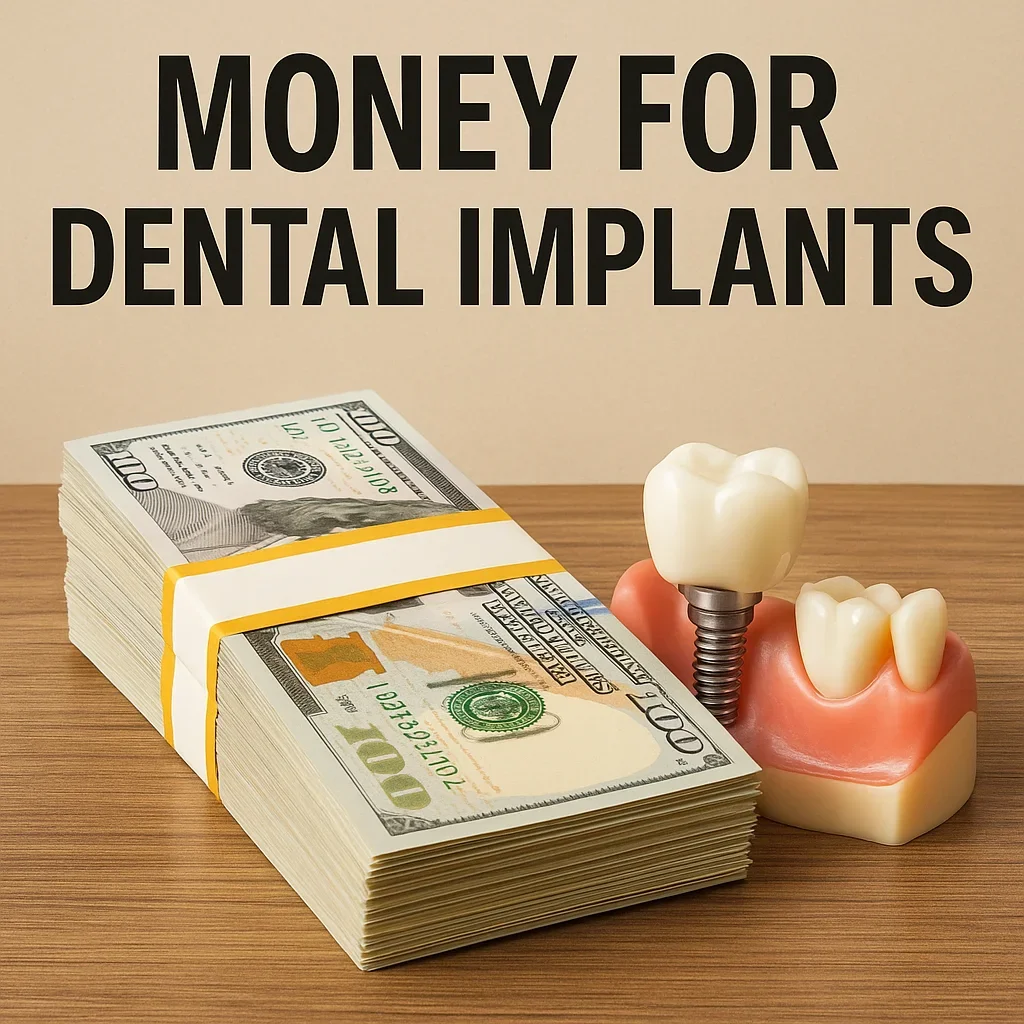
Understanding the True Value of Money for Dental Implants
When people first hear about the cost of dental implants, they often focus on the upfront expense rather than the long-term value. However, understanding the true worth of your money for dental implants involves looking beyond price tags and considering durability, health outcomes, and emotional well-being. Dental implants are not just artificial teeth—they are a permanent investment in confidence, nutrition, and overall quality of life. In this section, we’ll explore why implants are one of the most cost-effective medical procedures available today, and how to evaluate their lifetime value in practical, measurable terms. 💎
1. Dental Implants as a Lifetime Investment
Unlike dentures or bridges, which typically need replacement every 5–10 years, dental implants are designed to last for decades. With proper care, many last a lifetime. This longevity means that even if initial costs seem high, the overall value far outweighs cheaper alternatives that require constant maintenance or replacement. Your money for dental implants isn’t just paying for a tooth—it’s buying freedom from future dental expenses, discomfort, and recurring clinic visits.
When comparing treatments over a 20-year period, the long-term cost of implants is often lower than bridges, which involve periodic replacement and can weaken surrounding teeth. Thus, investing wisely at the start ensures that your money for dental implants delivers lasting results and peace of mind. 🦷
Example of Long-Term Savings
Suppose a single dental implant costs $3,000 and lasts over 25 years. A dental bridge might cost $1,500 but require replacement every 8 years. Over time, that bridge ends up costing $4,500–$5,000, not counting maintenance and potential damage to adjacent teeth. This clearly shows that your money for dental implants provides better financial efficiency and reliability over decades.
2. Emotional and Social Value
The benefits of dental implants go far beyond physical health. Confidence, speech clarity, and the ability to enjoy favorite foods are priceless emotional rewards that improve daily life. Patients often describe implants as life-changing—not only restoring their smile but also their social interactions, self-esteem, and sense of youth. That psychological return on your money for dental implants can’t be measured in dollars alone. 😊
Unlike removable dentures that can slip or cause anxiety in public, implants feel and function like natural teeth. This authenticity promotes effortless smiles, uninhibited laughter, and stronger professional and personal relationships. The emotional stability and self-assurance gained from dental implants make the investment truly invaluable.
3. Health and Nutritional Benefits
Implants contribute significantly to oral and overall health. They preserve jawbone density, prevent gum recession, and maintain natural facial contours—something other restorations cannot do. By enabling efficient chewing and digestion, implants allow patients to maintain a balanced diet rich in fruits, vegetables, and proteins. This nutritional improvement leads to better general health, indirectly amplifying the return on your money for dental implants.
Hidden Cost of Alternatives
Traditional dentures, while cheaper, can accelerate bone loss and restrict dietary options due to discomfort while chewing. Over time, these limitations can lead to nutritional deficiencies and health problems. In contrast, implants help maintain a stable jaw structure and full dietary freedom—ensuring your money for dental implants supports not just oral health but long-term vitality.
4. Psychological Return on Investment (ROI)
Many patients underestimate the mental health benefits of having a complete, functional smile. Studies show that people with restored teeth report lower levels of social anxiety and depression. Being able to smile confidently impacts career growth, relationships, and overall happiness. When viewed through this lens, the money for dental implants becomes a powerful psychological investment in quality of life, not merely a dental procedure.
Patients frequently describe how implants helped them return to public speaking, social events, and even dating—activities they had previously avoided due to embarrassment about missing teeth. The sense of restored normalcy is invaluable and solidifies the emotional return on your money for dental implants.
5. Comparing Cost to Value Over Time
To fully understand what your money for dental implants provides, consider cost versus lifetime performance. A well-placed implant can last 25+ years, delivering functional and aesthetic benefits every single day. If you divide the total cost by lifespan, the expense is minimal compared to the comfort and reliability it offers. It’s often less than a daily cup of coffee over two decades—an affordable price for a confident smile. ☕
Financial Analogy
Think of dental implants as a long-term asset rather than an expense. Just like investing in property or education, the returns compound over time through health, convenience, and social empowerment. Every year of comfort and confidence adds value to the original investment, ensuring your money for dental implants generates consistent dividends in happiness and health.
6. The Cost of Doing Nothing
One of the most overlooked financial comparisons is the cost of inaction. Missing teeth can lead to bone loss, shifting of remaining teeth, and chronic oral health issues—all of which are expensive to fix later. By investing early, you prevent future dental deterioration, saving thousands in restorative and orthodontic work. In essence, every dollar of your money for dental implants also prevents costly complications down the line.
7. Why Quality Matters More Than Price
Some patients are tempted by the lowest available prices, but cutting corners can lead to poor outcomes or implant failure. Choosing certified materials, experienced surgeons, and accredited clinics—like Redent Klinik—ensures durability and satisfaction. Paying slightly more upfront often guarantees longer-lasting results, protecting your money for dental implants from being wasted on repairs or replacements. 🏆
Tip: Verify Clinic Credentials
Always confirm your dentist’s qualifications, implant brand certifications, and sterilization standards. Transparency and reputation are essential indicators of quality. Ensuring these factors in advance ensures that your money for dental implants goes toward trusted, long-term care rather than risky shortcuts.
8. Environmental and Ethical Value
Modern dental implant procedures use biocompatible, sustainable materials like titanium and zirconia, minimizing ecological impact. Many clinics are transitioning toward eco-conscious operations, reducing waste and utilizing digital workflows for precision. Choosing clinics that prioritize sustainability gives your money for dental implants a broader ethical impact—supporting responsible healthcare practices that benefit both people and the planet. 🌿
9. Final Thoughts: True Worth Beyond Numbers
The real value of your money for dental implants lies not in the price you pay, but in the lifetime of confidence, comfort, and well-being you gain. Dental implants are an enduring symbol of health, self-assurance, and freedom from the limitations of tooth loss. When viewed holistically—financially, medically, and emotionally—they stand as one of the best investments an individual can make. Each smile you share becomes a daily return on your investment—a reward that continues for life. 🌟
So, while the initial cost may seem high, remember that true value is measured in years of effortless chewing, confident smiles, and the joy of living fully. With careful planning and expert care, your money for dental implants transforms into a lifelong source of strength, beauty, and happiness.