
Dental implant treatment has become one of the most reliable and long-lasting solutions for patients who have lost multiple teeth or are looking for a full-mouth restoration. When researching this treatment, one of the most common questions is connected to the
cost of full set of implants. Because it is a comprehensive procedure involving advanced materials, surgical precision, and customized prosthetics, patients want to understand exactly what they are paying for, how prices vary, and whether the final outcome is worth the investment. In this detailed guide, you will find every factor that affects pricing, what to expect before and after treatment, and how clinics calculate implant fees. 🦷✨
To start, a full set of implants means replacing either the upper jaw, lower jaw, or both jaws using implant-supported prosthetics. This is significantly different from replacing a single tooth. Unlike partial solutions, a complete arch involves multiple implants—usually between 4 and 8 titanium implants per jaw—combined with a fixed hybrid prosthesis. Because of this complexity, the cost of full set of implants is naturally higher than standard implant treatment. However, its long-term durability, natural appearance, and strong chewing function make it one of the most cost-effective restorative dental solutions available.
Several primary factors influence the overall pricing. The first is the number of implants required. While some patients may be suitable for an All-on-4 technique, others may require All-on-6 or All-on-8 due to bone density or anatomical needs. Each additional implant increases material and surgical costs. The second major factor is the type of prosthesis used. High-quality zirconia, hybrid acrylic, or titanium-reinforced bridges significantly affect the final price. Clinics also differ in technology: 3D imaging, digital guides, advanced sterilization systems, and premium implant brands (Straumann, Nobel Biocare, etc.) can raise or lower the overall cost. These differences explain why the cost of full set of implants may vary between countries, cities, and even between clinics in the same region.
Another key component of pricing is the patient’s oral condition. For some individuals, the treatment is straightforward, requiring no additional procedures. For others, supplementary treatments such as sinus lifting, bone grafting, or gum therapy may be essential before implants can be placed safely. These add-on treatments influence the total amount and are among the most common reasons why people report different experiences regarding the full mouth dental implant price or complete arch restoration fee, which are semantically related phrases often used during research. Since every mouth is unique, accurate planning requires a full 3D dental scan and clinical examination.
An important point often overlooked is the difference between temporary and permanent prosthetics. Almost all full-arch treatments involve temporary teeth inserted after surgery so the patient can smile and function comfortably during the healing period. Permanent prosthetics are then designed months later. Both phases carry their own costs. This is one reason why understanding the complete breakdown of the cost of full set of implants is crucial for making an informed decision.
In many countries, including Türkiye, the pricing is considerably more affordable compared to Western Europe and the United States, even though clinics use globally trusted implant brands and modern technologies. Patients traveling for treatment often choose Türkiye due to its strong clinical expertise, modern medical infrastructure, and competitive pricing. For those seeking detailed verification or updated professional guidelines, the American Dental Association offers reliable educational resources on implant dentistry and oral health care.
When researching fees, always check whether the clinic’s pricing includes consultations, 3D scans, surgical guides, temporary teeth, permanent prosthetics, medication, and follow-up visits. Transparent clinics clearly outline every stage so patients understand the exact cost of full set of implants without hidden additions. If you want direct assistance, appointment details, or treatment planning, you may contact the clinic using this link:
Redent Klinik Contact Page.
Below is an example of a price block based on commonly referenced online data from current dental fee listings. Prices vary by region, brand, and clinical complexity:
Approximate Full-Mouth Implant Costs (2025 Estimates)
-----------------------------------------------------
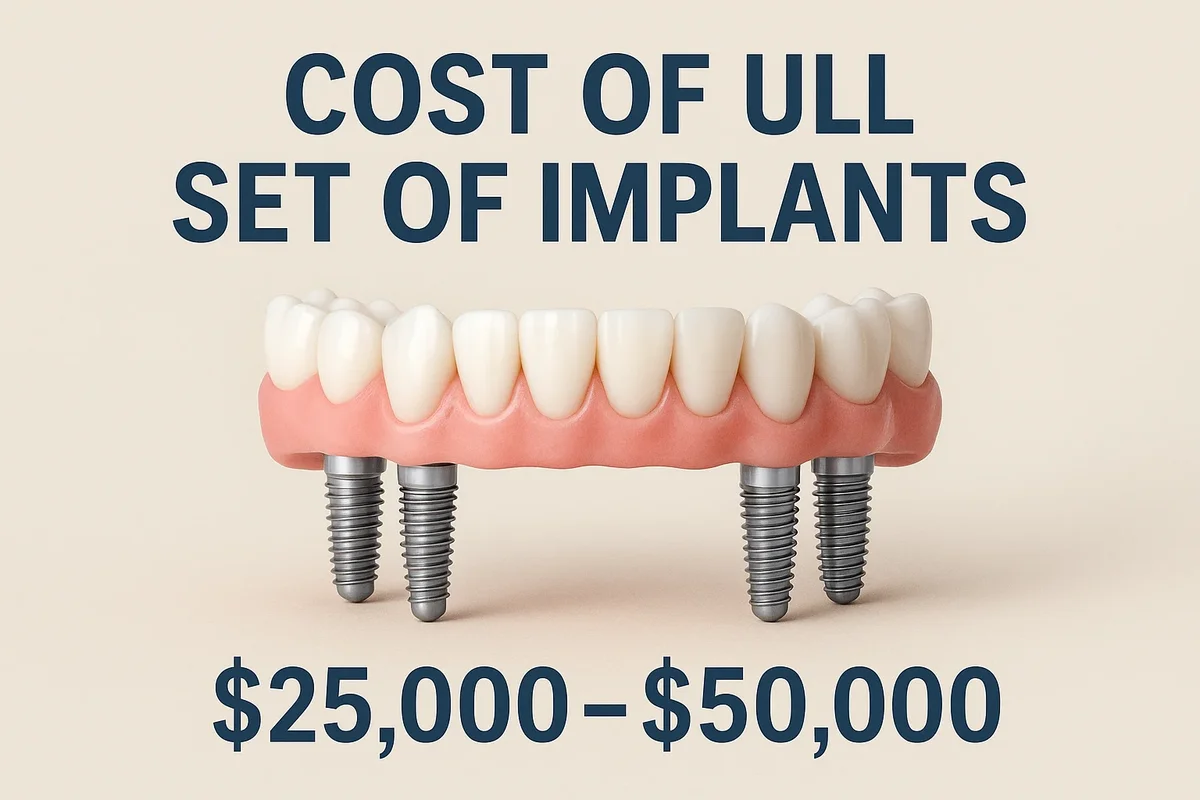
All-on-4 per jaw: $5,000 – $12,000
All-on-6 per jaw: $6,500 – $15,000
All-on-8 per jaw: $8,000 – $20,000
(Calculated using publicly available international data)
The takeaway is simple: while the cost of full set of implants may initially appear high, the long-term benefits—strong bite function, natural aesthetics, permanent stability, and restored confidence—make it one of the best dental investments available today. Understanding each component helps you evaluate clinics more accurately and choose a treatment plan that aligns with both your oral health needs and your long-term expectations. 🌟
How Full-Mouth Implant Treatment Works: Stages, Planning, and Expected Outcomes
Full-mouth dental implant therapy is a structured, multi-phase treatment designed to permanently restore an entire arch of missing or damaged teeth. It involves sophisticated diagnostics, surgical precision, and step-by-step planning. Because every phase requires advanced dental technology and clinical expertise, understanding how the treatment works is essential for anyone researching the cost of full set of implants. This section provides a deep, accurate, and complete explanation of the stages, healing process, and expected outcomes so that patients can make informed decisions based on real clinical requirements rather than assumptions. 🦷✨
Initial Consultation and Diagnostic Planning
The first stage of full-arch implant treatment is a thorough examination that includes a 3D CBCT scan, intraoral photographs, digital impressions, and bite analysis. These diagnostic tools allow dentists and oral surgeons to measure bone density, identify anatomical structures, and determine how many implants will be required. A crucial factor influencing the cost of full set of implants is whether a patient’s jawbone is strong enough to support implants without additional bone grafting or sinus lifting. If extra procedures are required, this naturally increases total treatment time and financial planning.
Sophisticated clinics use digital implant planning software that simulates implant positions, angulations, and prosthetic design. This technology makes the procedure safer and leads to significantly more predictable outcomes. Digital planning also decreases surgical time and reduces complications. Because these tools require specialized equipment, they contribute to the overall full arch restoration price, a synonymous term frequently researched by patients seeking clarity on costs.
Why Digital Imaging Matters
Digital imaging ensures accuracy, and accuracy directly influences long-term success. A precisely placed implant lasts longer, integrates better with bone, and supports stronger prosthetics. When considering the cost of full set of implants, modern imaging and planning reduce long-term maintenance expenses and provide higher lifetime value.
Surgical Phase: Implant Placement
Once planning is complete, the clinical team proceeds with implant placement. Depending on the case, this may involve All-on-4, All-on-6, or All-on-8 techniques. Each technique has different implant counts and angulations, meaning surgical complexity differs. For example, All-on-4 uses angled posterior implants to avoid anatomical structures, while All-on-6 offers greater stability for patients with adequate bone. Higher implant numbers typically increase the total cost of full set of implants, because additional implants require more materials, surgical time, and technical precision.
The surgery is performed under local anesthesia, sedation, or general anesthesia depending on the clinic and patient preference. Minimally invasive guided surgery allows the implants to be placed with excellent accuracy, reducing trauma and accelerating healing time. Because guided surgery requires printed surgical guides and specialized equipment, it is also part of what shapes the final complete implant arch fee.
Same-Day Temporary Teeth (Immediate Loading)
One of the most celebrated aspects of full-arch implant therapy is that temporary teeth can often be placed on the same day as surgery. These temporary prosthetics allow patients to smile, speak, and function while their implants integrate with the bone. Immediate loading enhances the patient experience, but it also represents additional clinical work and materials, which contributes to the cost of full set of implants.
Healing Phase and Osseointegration
After implant placement, the body begins a biological process known as osseointegration — the implant fuses with the jawbone to form a secure foundation. This process takes several weeks to several months, depending on bone quality, implant brand, and patient health. During this period, patients wear temporary teeth and attend routine follow-up appointments so the clinical team can monitor healing.
This healing period is critical. Successful osseointegration ensures that the final prosthesis functions like natural teeth. Clinics that use premium implant systems with specialized surface treatments—such as Straumann SLActive or Nobel Biocare TiUnite—often report faster and more predictable healing. These premium brands may increase the cost of full set of implants, but they offer long-term stability and reduce the risk of complications.
The Role of Follow-Up Care
Follow-up appointments typically include bite adjustments, soft tissue evaluations, hygiene guidance, and x-ray checks to monitor implant integration. Expert follow-up care is a mandatory part of high-quality treatment and should always be included in the total full-mouth implant cost calculation.
Designing and Delivering the Final Prosthetics
Once healing is complete, the final prosthesis is designed. This is one of the most significant components of the treatment, both functionally and financially. Patients may choose between zirconia bridges, hybrid acrylic prostheses, titanium-reinforced arches, or monolithic zirconia options. Each material affects aesthetics, durability, and—naturally—the cost of full set of implants.
Zirconia is preferred for its strength and lifelike translucency, while hybrid prostheses offer excellent aesthetics with more budget flexibility. Advanced milling machines, digital smile design software, and high-precision CAD/CAM systems are required to fabricate these prosthetics. All of these technological elements influence the overall pricing.
Final Fitting and Bite Adjustment
The last stage involves fitting the permanent teeth, adjusting the bite, checking comfort, and ensuring proper function. This final delivery has a transformative effect on the patient’s quality of life—restoring the ability to chew, smile confidently, and speak clearly. At this point, the patient finally experiences the full value behind the cost of full set of implants.
Expected Outcomes and Long-Term Results
A properly executed full-mouth implant treatment offers decades of durability. With excellent oral hygiene and routine dental check-ups, many patients enjoy 20–30 years of stable function. This longevity makes the investment highly worthwhile, especially when compared with dentures, which require frequent replacement and adjustment. The predictable, long-lasting outcomes help explain why so many individuals see the cost of full set of implants as one of the most rewarding health investments they can make.
For additional professional information on dental implant standards, patients may refer to the reliable guidelines provided by the American Dental Association.
For personalized evaluation, appointment details, or consultations, patients may contact:
Redent Klinik Contact Page.
Advantages of Full-Mouth Implants and How They Compare to Traditional Dentures
Full-mouth implant treatment has become one of the most preferred solutions for patients seeking a long-term, stable, and natural-feeling replacement for missing teeth. When evaluating the benefits, many people also compare the outcomes with those of removable dentures. Understanding these advantages not only clarifies why this treatment is popular but also helps explain why the cost of full set of implants is considered a high-value investment by dental professionals and patients alike. The following comprehensive guide breaks down every key advantage in detail, helping you make an informed decision based on comfort, durability, aesthetics, and function. 🦷✨
Superior Stability and Chewing Power
One of the biggest advantages of full-mouth implants is their unmatched stability. Unlike dentures, which rest on the gums and may slip or shift during speaking or eating, implants act as artificial tooth roots anchored directly to the jawbone. This integration gives them exceptional chewing power—often comparable to natural teeth. Patients can enjoy crunchy foods, chew confidently, and maintain a normal diet without restrictions.
This stability is one of the primary reasons many patients justify the cost of full set of implants. While dentures may require adhesives or repeated relining, implants offer predictable long-term function without the fear of embarrassment or discomfort during meals. Patients transitioning from dentures frequently describe implants as “life-changing” because their confidence and comfort dramatically improve.
Boost in Daily Comfort
Because implants don’t press on gums, cause sores, or produce friction, patients experience significantly greater comfort. Denture wearers often deal with ulcerations, irritation, and soreness—problems that do not occur with implant-supported prosthetics.
Enhanced Aesthetic Appearance
Full-mouth implants provide natural-looking results thanks to custom-designed prosthetics that harmonize with the patient’s facial features. Modern zirconia and hybrid prostheses are carefully crafted to match tooth translucency, gum contours, and color. Unlike dentures, which may appear bulky or artificial, full-arch prosthetics create a refined, aesthetic, and youthful smile.
This advanced cosmetic customization is another factor that influences the perceived value tied to the cost of full set of implants. Many patients view the treatment not only as a functional solution but also as a cosmetic transformation that enhances their facial structure and restores self-confidence.
Facial Support and Anti-Aging Benefits
Implants prevent bone loss, which naturally occurs after tooth loss. Dentures do not stop bone shrinkage and may even accelerate it. By preserving bone volume, implants help maintain facial contours, prevent sunken cheeks, and provide a more youthful appearance.
Long-Term Durability and Cost-Effectiveness
While dentures must be replaced approximately every 5–7 years due to wear and changes in jaw shape, full-mouth implants are designed to last decades. With proper care, the implant structures can remain stable for a lifetime, and prosthetics typically last 10–20 years depending on material quality. This makes implants significantly more cost-effective over time.
It is common for patients to initially compare the upfront investment of dentures to the cost of full set of implants, but implants offer far greater long-term value. They eliminate recurring expenses related to denture adjustments, adhesives, relining, repairs, and replacements. When expenses are analyzed over 20 years, implants are often the more economical choice.
Low Maintenance Requirements
Implants require normal brushing and flossing—nothing more complicated than natural teeth. Dentures, however, require soaking, special cleaning solutions, daily removal, and ongoing maintenance. Many patients prefer implants because they simplify daily hygiene routines.
Improved Speech and Natural Bite Function
Dentures often affect speech due to shifting, thickness, or poor fitting. This can cause lisping, clicking sounds, or difficulty pronouncing certain words. Full-mouth implants, in contrast, provide a fixed, stable dental structure that replicates the feel and function of natural teeth. This significantly improves speech clarity and boosts confidence in social situations.
Patients frequently report that the functional improvement they gain from implants is priceless and serves as justification for the cost of full set of implants. Effective communication and natural oral movement greatly enhance quality of life.
No Slippage or Movement
A major complaint among denture wearers is instability—especially in the lower jaw. Implants eliminate this issue completely, offering a firm, secure base that moves in harmony with the jaw.
Psychological and Lifestyle Benefits
Beyond functionality and aesthetics, the confidence boost provided by implants cannot be overstated. Patients often experience significant improvement in emotional well-being, social engagement, and overall life satisfaction. Eating in public, smiling in photos, and speaking confidently are everyday freedoms regained through treatment.
Because of these profound lifestyle improvements, many patients view the cost of full set of implants not only as a healthcare expense but as an investment in their quality of life, self-image, and long-term happiness.
Professional Resources and Additional Support
For scientific references and educational material regarding implant safety and long-term outcomes, patients can review trusted information from the American Dental Association.
For personalized planning, assessments, and direct consultation, patients can reach the clinic using the following link:
Redent Klinik Contact Page.
Overall, the advantages of full-mouth implants—stability, natural aesthetics, bone preservation, durability, comfort, and psychological benefits—show why this treatment stands in a category of its own. These factors explain why the cost of full set of implants is widely considered a long-term, high-value investment by both dentists and patients worldwide.
Full-Mouth Implant Treatment Timeline: Realistic Expectations and Step-by-Step Progress
Understanding the complete timeline of full-mouth implant treatment is essential for patients preparing for a full-arch restoration. Every phase—planning, surgery, healing, and prosthetic placement—requires precision and patience. Because this multi-stage process directly affects the overall cost of full set of implants, patients benefit from knowing exactly how long each step takes and what to expect at every point along the journey. Below is a detailed, accurate, and comprehensive explanation of the full timeline, offering clarity for anyone considering this life-changing procedure. 🦷✨
Initial Examination and Diagnostic Phase
The treatment begins with an in-depth examination. During this phase, the dentist performs a 3D CBCT scan, evaluates gum health, analyzes bone density, and collects digital impressions. These diagnostic steps are essential because they determine whether the patient needs additional treatments such as bone grafting, sinus lifting, or periodontal therapy.
The diagnostic stage typically lasts 1–3 days, depending on how quickly the clinic can obtain and evaluate the imaging data. This phase plays a significant role in shaping the cost of full set of implants, particularly if advanced diagnostics or bone support procedures are required. The more complex the initial condition, the more time and resources the clinic must allocate to planning.
The Importance of CBCT and Digital Planning
3D imaging allows dentists to simulate the procedure digitally. This step ensures accurate implant positioning, reduces surgical complications, and improves long-term success. High-end planning systems may increase the overall fee but are essential for predictable outcomes. These technologies help determine whether a patient qualifies for techniques like All-on-4 or All-on-6, which directly influence total treatment time as well as the complete arch implant fee.
Surgical Stage: Implant Placement
Once planning is completed, the surgical phase is scheduled. Implant placement usually takes 2 to 4 hours per arch, depending on the number of implants and whether extractions are needed. For many patients, this stage includes removing unhealthy teeth and placing implants in the same appointment.
Because guided surgery uses 3D-printed surgical guides and digital navigation, it significantly enhances accuracy. However, it also contributes to the overall cost of full set of implants due to the advanced equipment and materials required for precision placement.
Immediate Temporary Teeth
In most modern clinics, temporary teeth are attached the same day as surgery. This allows patients to leave the clinic with a functional and aesthetic smile immediately. Known as “immediate loading,” this protocol dramatically improves patient satisfaction. The fabrication of temporary prosthetics represents an additional cost, which is factored into the cost of full set of implants.
Healing and Osseointegration Phase
After implant placement, the body begins the osseointegration process—where titanium implants fuse with the jawbone to create a stable foundation. This phase takes anywhere from 8 to 16 weeks, depending on the patient’s bone quality, age, lifestyle habits, and implant brand.
This healing period is crucial to long-term success. Premium implant brands that use advanced surface technologies can reduce healing time. For example, certain implants achieve faster integration thanks to specialized nano-textured surfaces. High-end implant systems are often associated with a higher cost of full set of implants, but they offer predictable healing and lower complication rates.
Follow-Up Visits During Healing
Patients typically visit the clinic for check-ups every 2–4 weeks. These appointments allow the dental team to monitor healing, adjust the temporary prosthesis, and ensure that soft tissues adapt correctly. Follow-up care is essential for maintaining the stability of the implants and is usually included in the total full-mouth implant treatment cost.
Designing the Final Prosthetic Teeth
Once osseointegration is confirmed, the design and fabrication of the final teeth begin. This stage is one of the most time-intensive parts of the process. Dentists use digital smile design systems, facial scanning, and advanced CAD/CAM milling technologies to create custom prosthetics that match the patient’s facial structure.
Choosing the prosthetic material significantly affects the overall timeline and the cost of full set of implants. Common materials include:
- Zirconia: Extremely durable, aesthetic, long-lasting.
- Hybrid Acrylic: Lightweight, cost-effective, easily adjustable.
- Titanium-Reinforced Bridges: High strength with long-term stability.
Crafting these prosthetics can take 2 to 4 weeks. The process includes multiple try-ins to ensure perfect bite alignment and aesthetic harmony.
Bite Testing and Functional Adjustments
During this stage, the dentist checks how the teeth align when biting, ensures proper speech function, and fine-tunes any pressure points. This meticulous adjustment stage ensures long-term comfort and durability.
Final Placement of the Permanent Teeth
The final prosthetic teeth are attached securely to the integrated implants. This appointment is transformative for patients, as they finally experience the complete results of their treatment—beautiful, natural-looking, fully functional teeth that can last decades with proper care.
The final placement marks the completion of the full-mouth implant timeline and brings clarity on what the cost of full set of implants delivers in terms of quality of life, stability, and aesthetics.
Long-Term Maintenance and Expectations
Although full-mouth implants are highly durable, professional cleaning and dental visits every 6 months are recommended. Patients should also follow a daily hygiene routine similar to natural teeth. With proper care, the implants and prosthetics can last 20–30 years.
For further scientific guidance and implant care standards, patients may refer to the educational resources provided by the
American Dental Association.
To schedule a consultation or discuss personalized timelines, patients can contact the clinic through:
Redent Klinik Contact Page.
Overall, the complete treatment journey—from consultation to final prosthetics—can take 3 to 6 months on average. Each phase contributes meaningfully to both the success of the procedure and the overall cost of full set of implants, ensuring long-term reliability, aesthetic excellence, and life-changing functional benefits for patients.
Understanding Full-Mouth Implant Pricing: Key Factors That Determine the Cost
Many patients begin their research by asking how clinics calculate the cost of full set of implants. Because this is one of the most advanced restorative treatments in dentistry, pricing can vary widely depending on a number of clinical, technical, and material-related factors. To make an informed decision, it is essential to understand every component that shapes the final fee. This section provides a comprehensive, patient-friendly, and deeply detailed explanation of the major elements that influence full-mouth implant pricing, offering complete clarity and eliminating the guesswork. 🦷💡
1. Number of Implants Required per Arch
The first factor that significantly affects the cost of full set of implants is the number of implants inserted into the jaw. While some patients qualify for an All-on-4 approach, others may need All-on-6 or All-on-8, depending on bone density, anatomical structure, and long-term support requirements. Each additional implant increases:
- Material costs (titanium or zirconia implant fixtures)
- Surgical time
- Complexity and planning requirements
- Laboratory work for accurate prosthetic alignment
Patients with reduced bone support often require more implants to ensure long-term stability. Therefore, a full-arch plan using eight implants naturally results in a higher fee than a plan using four. This difference explains why two patients might receive very different treatment quotes even if their overall goals are similar.
Bone Density and Anatomical Limitations
If the bone is weak or has significant resorption, surgeons may choose to add additional implants for support. This is one of the most common reasons behind pricing variations between patients.
2. Implant Brand and Material Quality
The implant brand is one of the most important cost determinants. Globally recognized brands such as Straumann, Nobel Biocare, and Zimmer Biomet are known for their high success rates, advanced surface technologies, and long-term data support. These brands often cost more but provide superior clinical reliability.
Budget-friendly brands also exist, offering good performance, but their long-term scientific studies are sometimes more limited. Choosing a premium brand can increase the cost of full set of implants, but it also enhances treatment durability and predictability.
Material Options for the Prosthesis
- Zirconia: Most durable, aesthetic, and stain-resistant option.
- Titanium-reinforced hybrid: Strong, lightweight, and economical.
- Acrylic hybrid prosthesis: Budget-friendly but less durable.
Zirconia full-arch bridges require sophisticated CAD/CAM milling and precision engineering, which add to total treatment expenses.
3. Additional Surgical Procedures
Not every patient qualifies for immediate implant placement. Sometimes additional procedures are necessary to prepare the jawbone for long-term success. These procedures directly influence the overall cost of full set of implants because they require extra time, materials, and surgical skill. Examples include:
- Sinus lifting (for upper-jaw bone reinforcement)
- Bone grafting (minor or extensive grafting depending on bone loss)
- Soft tissue grafting
- Extraction of damaged teeth
Sinus lifts and bone grafts are particularly significant cost contributors because they add months to the treatment timeline and require specialized materials such as xenografts, allografts, or synthetic grafts.
Healing Time and Follow-Up Care
Additional surgeries often require extended healing time, more follow-up visits, and closer monitoring—all of which add value but also increase the overall treatment cost.
4. Type of Temporary and Final Prosthetics
Full-mouth implant therapy includes two phases of prosthetic teeth: the temporary immediate prosthesis and the final custom-designed teeth. Many patients overlook the impact of these components on the cost of full set of implants, but prosthetics often represent a large portion of the total fee.
High-quality temporary teeth allow patients to eat, speak, and smile comfortably during healing. The final prosthesis is digitally designed, sculpted, color-matched, and tested through multiple try-ins. The more premium the materials, the higher the cost.
Digital Smile Design and CAD/CAM Production
Clinics using advanced smile design software and in-house milling machines deliver more precise results but have higher operational costs, which are reflected in the final treatment fee.
5. Surgeon Expertise and Clinical Technology
Another major factor influencing the cost of full set of implants is the surgeon’s level of experience and the technology available at the clinic. Highly trained implant specialists and maxillofacial surgeons command higher fees because they offer better success rates and reduced complication risks.
Similarly, clinics equipped with technologies such as:
- Guided surgery systems
- 3D printers
- CBCT imaging
- Intraoral scanners
- Laser-assisted tools
provide higher quality treatments but often at higher cost.
Why Expertise Matters
A highly skilled surgeon minimizes failure risk, which protects the patient’s financial investment and oral health. This is especially important for complex full-arch cases.
6. Geographic Location and Clinic Infrastructure
Prices differ significantly between countries, cities, and even neighborhoods. For example, full-arch implant costs in Western Europe or the United States are often much higher than in Türkiye, even when the same implant brands and technologies are used.
This is due to differences in:
- Operational costs
- Local economic conditions
- Dental labor fees
- Tax and import costs of implant materials
Because of these variations, many international patients consider Türkiye a top destination for receiving lower-cost yet high-quality care. This often reduces the total cost of full set of implants without compromising results.
7. Sample Price Block Based on 2025 Global Averages
Estimated Full-Mouth Implant Pricing (International Data)
--------------------------------------------------------
All-on-4:  $5,000 – $12,000 per arch
All-on-6:  $6,500 – $15,000 per arch
All-on-8:  $8,000 – $20,000 per arch
Premium Zirconia Upgrade: +$2,000 – $5,000
*Based on online global dental fee surveys.
8. Professional Guidance and Support
For clinical guidelines, material standards, or scientific references related to dental implants, patients may refer to:
American Dental Association.
To request a personalized quote or learn more about treatment costs, contact the clinic directly via:
Redent Klinik Contact Page.
In summary, understanding all contributing factors—implant quantity, brand quality, additional surgeries, technology, prosthetic materials, and surgeon expertise—allows patients to evaluate the cost of full set of implants accurately. Each of these components ensures long-term durability, comfort, aesthetics, and functional excellence, making this treatment a highly valuable investment in oral health and quality of life.
Why Türkiye Has Become a Leading Destination for Full-Mouth Implants
In the last decade, Türkiye has emerged as one of the world’s most sought-after destinations for full-mouth implant treatment. Patients from Europe, the Middle East, the United States, and many other regions travel to Türkiye to receive high-quality dental care at competitive prices. One of the main reasons behind this growing interest is the significantly lower cost of full set of implants compared to Western countries—without compromising on technology, materials, or surgical expertise. This comprehensive section explains why Türkiye is globally recognized for implant dentistry, offering unmatched value, advanced clinical standards, and exceptional patient experience. 🇹🇷🦷
1. High-Quality Dental Care at Competitive Prices
Türkiye provides world-class dental implant treatment at a fraction of the cost seen in the UK, the US, Canada, and Western Europe. This difference is not due to lower medical standards—it is the result of favorable exchange rates, lower operational costs, and government-supported healthcare infrastructure. As a result, many patients find that the cost of full set of implants in Türkiye is 50–70% more affordable than their home countries.
Importantly, many clinics use the same premium brands—Straumann, Nobel Biocare, and Zimmer Biomet—that are widely used in Europe and the United States. Patients receive identical medical quality but at significantly lower prices, improving both affordability and access.
Why Prices Are Lower in Türkiye
- Reduced clinic operation expenses
- Lower labor costs compared to Western nations
- Competitive healthcare market with many specialized clinics
- Lower taxation on medical equipment and imported implant components
These factors allow clinics to offer excellent treatment while keeping the overall cost of full set of implants in a more affordable range.
2. Advanced Technology and Modern Clinical Standards
Türkiye’s dental clinics are known for adopting cutting-edge technologies earlier and more widely than many other countries. Full-mouth implant treatments often include:
- 3D CBCT digital imaging
- Computer-guided implant surgery
- Intraoral scanning
- Digital smile design (DSD)
- CAD/CAM manufacturing of zirconia prosthetics
- On-site dental laboratories for faster production
These technologies ensure precise implant placement, faster healing, aesthetic accuracy, and longer-lasting prosthetics. Because advanced equipment increases total clinical value, it plays an important role in shaping the cost of full set of implants, even though Türkiye remains more affordable overall.
The Role of In-House Dental Laboratories
Many Turkish clinics have their own on-site labs, allowing them to produce zirconia, hybrid, and titanium-reinforced bridges quickly and efficiently. This reduces fabrication delays and ensures top-tier workmanship.
3. Experienced Surgeons and Internationally Trained Specialists
Türkiye is home to thousands of dentists who specialize in implantology, oral surgery, and prosthodontics. Many professionals receive training abroad in countries such as Germany, Switzerland, or the United States, enhancing their skills with global techniques and standards.
The experience level of Turkish implant surgeons is one of the strongest reasons international patients choose the country. Clinics often perform hundreds or even thousands of full-mouth implant cases each year, providing a high level of clinical confidence and predictable outcomes. This expertise ensures that the cost of full set of implants reflects not only affordability but also exceptional surgical quality.
High Volume of Implant Cases = High Surgical Proficiency
The more cases a surgeon handles, the more refined their skills become. Türkiye’s dental tourism industry supports high patient volumes, which helps surgeons build long-term experience and specialization.
4. Comprehensive Treatment Packages and All-Inclusive Care
Most clinics in Türkiye offer all-inclusive treatment packages that simplify the experience for international patients. These packages often include:
- Hotel accommodation
- Airport transfers
- Private transportation
- All dental imaging and diagnostics
- Temporary teeth and final prosthetics
- Dedicated patient coordinators
These bundled services help patients manage their budget more effectively and understand their total expenses up front. This makes the cost of full set of implants easier to plan and significantly reduces the stress associated with traveling abroad for medical treatment.
Personalized International Patient Support
English-speaking coordinators and medical staff guide patients through every step—from travel planning to post-operative care—ensuring a comfortable and transparent experience.
5. Faster Treatment Timeline and Efficient Workflow
Because many clinics have in-house laboratories, multiple specialists, and streamlined processes, the entire treatment can often be completed faster in Türkiye than in many Western countries. Whether the patient chooses All-on-4, All-on-6, or All-on-8, the workflow is designed to minimize waiting time without compromising quality.
This efficiency offers exceptional value for the overall cost of full set of implants, especially for patients who have limited time for medical travel.
6. Türkiye’s Reputation for Safe and High-Standard Dental Tourism
Türkiye has built a strong global reputation as a safe and reliable destination for dental treatments. Clinics follow strict hygiene standards, sterilization protocols, and international guidelines. For professional reference, patients may consult educational material from the
American Dental Association, which provides scientific insight into implant safety and care—aligning closely with the standards followed by top Turkish clinics.
7. Access to Personalized Consultations
Patients who want individualized treatment plans or cost estimates can reach out directly for one-on-one guidance. For detailed consultation and travel planning, they may visit:
Redent Klinik Contact Page.
In conclusion, Türkiye’s unique combination of advanced technology, world-class surgeons, affordable pricing, modern clinical facilities, and patient-centered care has positioned the country as a global leader in dental implant treatment. These benefits explain why so many patients find the cost of full set of implants in Türkiye to be an exceptional value with long-term, life-changing results.
Essential Tips for Caring for Full-Mouth Implants: Daily Habits and Long-Term Protection
Once full-mouth implant treatment is completed, maintaining excellent oral hygiene and adopting the right daily habits are essential for long-term success. Many patients focus heavily on the treatment process and the cost of full set of implants, but proper care afterward is equally important to protect this valuable investment. Implant-supported prosthetics can last decades, but only when supported by consistent cleaning routines, scheduled check-ups, and lifestyle considerations. This comprehensive guide outlines everything patients need to know about caring for their implants to ensure long-term durability, functionality, and aesthetics. 🦷✨
1. Establishing a Consistent Daily Cleaning Routine
Proper daily care is the foundation of keeping full-mouth implants healthy. Although implants are not prone to cavities like natural teeth, they can still develop peri-implantitis—an infection similar to gum disease—if plaque buildup is neglected. To protect the long-term value behind the cost of full set of implants, patients must clean their prosthetics thoroughly every day.
Brushing Techniques for Implant-Supported Bridges
Patients should brush at least twice daily using a soft-bristle toothbrush. Electric brushes, especially sonic models, are highly effective at removing plaque around the gumline. When brushing:
- Use gentle circular motions along the gums
- Angle the brush to reach difficult margins
- Brush the underside of the prosthesis (if accessible)
- Avoid aggressive brushing, which may irritate the soft tissues
Special implant-friendly toothpaste (non-abrasive and low-foaming) is recommended to avoid scratching prosthetic surfaces.
Using Interdental Brushes and Water Flossers
Since implant bridges sit close to the gumline, food particles and plaque can accumulate underneath. Interdental brushes, water flossers, and super floss are ideal for cleaning these tight spaces. Water flossers, in particular, help flush out bacteria from below the prosthesis, reducing the risk of inflammation and protecting the long-term function associated with the cost of full set of implants.
2. Protecting the Implants Through Healthy Habits
Daily habits have a major impact on the lifespan of full-mouth implants. Certain lifestyle choices can strengthen implant stability, while others may put them at risk. Patients who want to protect their investment must understand how everyday behavior influences outcomes.
Avoiding Harmful Habits
- Do not use teeth to open packages or bite hard objects
- Avoid chewing ice, pens, or fingernails
- Quit smoking, as it slows healing and increases implant failure risk
- Limit alcohol consumption immediately after surgery
Smoking is particularly harmful because it limits blood flow to the gums, increases inflammation, and significantly decreases implant survival rates. Protecting the structural and financial value behind the cost of full set of implants requires completely eliminating this habit.
Maintaining a Balanced Diet
While full-mouth implants allow patients to eat almost anything, maintaining gum and bone health depends on a nutrient-rich diet. Foods rich in calcium, vitamin D, omega-3 fatty acids, and antioxidants help support long-term implant integrity.
3. Managing Bite Forces and Preventing Damage
Even though implant-supported prosthetics are extremely durable, patients should still be mindful of excessive bite forces. Bruxism (teeth grinding) can place significant pressure on the implants and may lead to complications such as screw loosening or wear of the prosthetic teeth.
Using Night Guards for Added Protection
If a patient grinds or clenches their teeth, a custom night guard is essential. Night guards distribute bite pressure evenly and prevent damage to the implant bridge. Considering the substantial cost of full set of implants, using a professionally designed night guard is a small investment that provides major long-term protection.
4. Regular Dental Check-Ups and Professional Cleanings
Routine dental visits are critical for long-term implant success. Patients should schedule professional cleanings at least every six months. During these appointments, the dentist evaluates soft tissue health, checks for inflammation, and ensures the prosthesis is functioning correctly.
These routine visits help dentists detect issues early—even before symptoms appear. Early detection not only prevents serious complications but also protects the patient’s initial investment in the cost of full set of implants. Some clinics recommend more frequent visits during the first year after the procedure, especially for patients with a history of gum disease.
Implant-Specific Cleaning Techniques Used by Professionals
Clinics use special tools designed for implants, including:
- Titanium-coated scalers (to prevent scratching implants)
- Air polishing devices with glycine powder
- Advanced peri-implantitis diagnostics
These methods ensure deep cleaning without damaging implant surfaces or prosthetics.
5. Monitoring for Signs of Peri-Implantitis or Complications
Although implant complications are rare, especially when treated in reputable clinics, early detection is crucial. Patients should watch for signs such as:
- Redness or swelling around the gums
- Minor bleeding when brushing
- Persistent bad breath
- Changes in bite or chewing ability
- Unusual pressure or tenderness
If any of these symptoms appear, contacting the dentist immediately is essential. Quick intervention helps preserve the long-term success associated with the cost of full set of implants.
6. Long-Term Maintenance and Lifespan of Full-Mouth Implants
With proper care, full-mouth implants can last 20 to 30 years or more. The implants themselves (titanium roots) often last a lifetime, while the prosthetic teeth may need replacement every 10–20 years depending on material and lifestyle habits. Patients who maintain excellent hygiene, attend regular check-ups, and avoid harmful habits enjoy the longest-lasting results.
For scientific references on implant maintenance and oral care guidelines, patients may visit the
American Dental Association.
Those looking for personalized instructions or follow-up examinations can contact the clinic via:
Redent Klinik Contact Page.
Ultimately, the long-term success of full-mouth implants depends on consistent, responsible care. By following these guidelines, patients can protect the functional, aesthetic, and financial value of the cost of full set of implants and enjoy a healthy, confident smile for decades.
Post-Treatment Care After Full-Mouth Implant Surgery: Ensuring Long-Term Success
The period following full-mouth implant surgery is one of the most important phases of the entire treatment journey. Even though the surgical phase may only take a few hours, the healing period determines the long-term stability and function of the implants. Many patients who invest in this procedure focus heavily on understanding the cost of full set of implants, but equally important is knowing how to care for the implants after surgery to protect that investment. Proper post-treatment care reduces complications, accelerates healing, and ensures decades of functional use. Below is a deeply detailed, patient-friendly, and accurate explanation of the post-operative process. 🦷💙
1. The First 24–72 Hours After Surgery
Immediately after surgery, the body begins the healing process, and this period requires special care. Patients typically leave the clinic with temporary teeth already attached, which allows them to return to daily life quickly. However, the gum tissues and implant sites are still in the early stages of recovery.
During the first 24 hours, patients may experience mild swelling, slight bleeding, and tenderness around the surgical area. This is normal and expected. Applying ice packs intermittently for 10–15 minutes can reduce swelling. Patients should avoid touching the surgical sites and keep the head elevated while resting. These small actions contribute significantly to the overall success of treatment and therefore protect the long-term value behind the cost of full set of implants.
Medication and Pain Management
Dentists typically prescribe antibiotics, pain relievers, and sometimes anti-inflammatory medication. It is essential to follow the prescribed schedule exactly as instructed. Proper medication use prevents infection and ensures comfortable healing.
2. Nutrition Guidelines for Faster Healing
One of the most crucial aspects of post-treatment care is diet. A soft-food diet is recommended for at least two weeks after surgery. This allows the gums and implants to stabilize without excessive pressure.
- Smoothies, soups, and yogurt
- Mashed vegetables and soft pasta
- Soft scrambled eggs
- Cooked grains like oatmeal
Patients should avoid crunchy, hard, or sticky foods during this period. Following these guidelines not only improves comfort but also ensures that the implants remain stable during early osseointegration. Considering the financial and clinical importance of the cost of full set of implants, proper nutrition is a smart and necessary precaution.
Hydration and Lifestyle Factors
Hydration helps accelerate healing, so drinking plenty of water is essential. However, patients must avoid alcohol and smoking because both severely delay healing, irritate tissues, and increase the risk of implant failure.
3. Oral Hygiene After Implant Surgery
Maintaining oral hygiene is vital—but brushing too aggressively in the first few days must be avoided. Patients should clean the mouth gently while preventing irritation around the surgical sites.
Safe Hygiene Steps in the First Week
- Use a soft-bristle brush, avoiding direct pressure on the gums
- Use antiseptic mouthwash as recommended by the dentist
- Rinse with warm salt water 3–4 times daily to reduce bacteria
- Avoid water flossers until cleared by the clinic
These steps prevent infection—one of the biggest risks after surgery. Maintaining good hygiene protects the implants and ensures that the long-term function justifies the cost of full set of implants.
4. Temporary Teeth Care and Limitations
Patients usually receive temporary acrylic teeth on the same day as surgery. Although these teeth allow normal speaking and smiling, they are not as durable as final zirconia or hybrid prosthetics. Temporary teeth are for comfort and appearance, not for heavy chewing.
What to Avoid With Temporary Teeth
- Biting into hard foods like apples or nuts
- Chewing sticky foods such as caramel
- Grinding the teeth excessively
- Using teeth to open packages
Being careful with temporary prosthetics helps ensure successful healing and maintains the integrity of the implants.
5. Monitoring Healing and Managing Expectations
Healing varies from patient to patient. Some people heal quickly due to strong bone density and healthy gums, while others require more time. The osseointegration phase—where the implant fuses with the jawbone—typically takes 8 to 16 weeks.
During this time, patients should pay attention to signs of complications such as:
- Persistent swelling beyond one week
- Pain that worsens instead of improving
- Bad taste or odor indicating infection
- Movement or mobility in temporary teeth
Early detection allows the dental team to prevent major issues. Protecting the long-term value connected to the cost of full set of implants requires staying alert and following all instructions carefully.
Regular Post-Operative Appointments
Follow-up visits occur every 2–4 weeks. During these appointments, the dentist checks gum health, bone adaptation, implant stability, and bite alignment. These visits ensure that healing progresses smoothly.
6. Transition to Permanent Teeth
Once osseointegration is confirmed, the next step is to design the final prosthetic teeth. Patients typically visit the clinic for digital impressions, facial scans, bite records, and aesthetic consultations. This stage is where the smile achieves its final look, shape, and shade.
The final prosthetics—usually zirconia or titanium-reinforced hybrids—offer natural aesthetics and long-term durability. This is where the patient fully experiences the benefits and justifies the investment made toward the cost of full set of implants.
Multiple Fittings for Precision
Several try-ins may be required to ensure perfect alignment, comfort, and bite accuracy. High-precision prosthetics dramatically improve chewing comfort and overall quality of life.
7. Continued Long-Term Maintenance
Even after receiving permanent teeth, long-term dental care is essential. Patients should:
- Visit the dentist twice a year for cleaning
- Use non-abrasive toothpaste
- Avoid smoking permanently
- Use night guards if they grind their teeth
These habits help ensure the implants remain functional and healthy for decades.
8. Additional Guidance and Support
For reliable scientific information on implant care standards, patients may refer to the
American Dental Association.
For personalized aftercare instructions, follow-up bookings, or treatment evaluations, patients may contact the clinic directly via:
Redent Klinik Contact Page.
In summary, post-treatment care determines the long-term success of full-mouth implants. By following professional guidelines, maintaining excellent hygiene, and attending regular check-ups, patients can protect the functionality, aesthetics, and financial value of the cost of full set of implants for many years to come.
Most Common Questions About Full-Mouth Implants: Patient Experiences and Expert Answers
Patients researching full-mouth implants often have a long list of questions about the treatment process, healing expectations, durability, and overall value. Since the cost of full set of implants represents a significant but life-changing investment, it is natural to want clear and reliable information before making a decision. This section offers deeply detailed, expert-level explanations to the most frequently asked questions, combined with real patient concerns and practical insights to help guide expectations. 🦷💬
1. How Long Do Full-Mouth Implants Last?
One of the first questions patients ask is about longevity. Full-mouth implants are designed to last decades—often 20 to 30 years or more. The titanium implants acting as artificial roots typically last a lifetime, as they fuse with the jawbone during osseointegration. The prosthetic teeth may need periodic replacement depending on the material used, biting habits, and overall oral hygiene.
This exceptional lifespan helps justify the cost of full set of implants, as the treatment offers long-term continuity and reduces the need for frequent replacements associated with dentures or bridges. With proper care, patients can enjoy stable chewing function and a natural smile for decades.
Factors Affecting Longevity
- Implant material and brand
- Patient’s bone density
- Oral hygiene routine
- Smoking habits
- Diet and lifestyle
2. Are Full-Mouth Implants Painful?
Implant surgery is performed under local anesthesia, sedation, or general anesthesia, depending on the clinic and patient preference. Most patients report minimal discomfort both during and after the procedure. Mild soreness and swelling for a few days is normal, but manageable with prescribed medications.
Because the procedure involves advanced digital planning and minimally invasive techniques, healing is usually smooth and quick. This efficient process supports the high-value nature of the cost of full set of implants, offering predictable outcomes with minimal downtime.
Pain Relief Tips
- Apply ice packs during the first 24 hours
- Use prescribed pain relievers as directed
- Rest with your head elevated
3. Who Is a Good Candidate for Full-Mouth Implants?
Full-mouth implants are ideal for adults who have lost multiple teeth, have severely damaged teeth, or want to replace dentures with a permanent solution. Candidates must have sufficient bone density to support implants or be open to bone grafting if needed.
Candidates also include individuals who want improved chewing function, enhanced facial aesthetics, and long-term stability. Because the cost of full set of implants is an investment in both function and appearance, patients should be motivated to follow proper hygiene routines and attend follow-up appointments.
Preferred Candidate Characteristics
- Good general health
- Healthy gums or treatable gum disease
- Non-smokers (or willing to quit)
- Adequate jawbone support
4. How Soon Can I Return to Work After Surgery?
Most patients are able to return to work within 2–4 days after implant surgery, depending on the complexity of their procedure and overall comfort level. Those who receive sedation may need a slightly longer rest period.
Temporary prosthetic teeth allow patients to resume speaking and social activities confidently during the healing process. Considering the cost of full set of implants, the ability to return to daily life quickly is seen as a major advantage over traditional dentures.
Tips for Returning to Work
- Avoid strenuous physical activity for at least one week
- Maintain a soft-food diet at work
- Use ice packs at home to reduce swelling
5. Are There Any Risks or Complications?
As with any surgical procedure, full-mouth implants carry certain risks. However, when performed by experienced implant specialists using modern techniques, the procedure is considered highly safe. Risks may include infection, implant failure, inflammation of the gums, or sinus-related issues for upper-jaw implants.
These risks are minimized through proper pre-surgical planning, use of high-quality implant brands, and regular follow-up care. Protecting the long-term success tied to the cost of full set of implants requires following all aftercare instructions and maintaining excellent oral hygiene.
Warning Signs to Watch For
- Persistent pain or swelling
- Loose implant or movement
- Redness or bleeding around the gums
- Bad odor that does not improve
6. Can I Choose the Color and Shape of My New Teeth?
Yes. One of the major advantages of full-mouth implants is complete smile customization. Using digital smile design (DSD) technology, dentists create a prosthetic that matches the patient’s facial proportions, preferences, and natural aesthetics. Shade, shape, size, and alignment are fully adjustable.
This high degree of personalization is a core element of the cost of full set of implants, as it ensures the final result looks completely natural and complements the patient’s appearance.
Smile Design Options
- Natural white tones
- Hollywood-style bright shades
- Custom gum shading for realism
7. How Do Full-Mouth Implants Compare to Dentures?
Full-mouth implants are more stable, comfortable, and long-lasting compared to dentures. Unlike dentures, they do not move, cause sores, require adhesives, or limit food choices. Implants restore 80–90% of natural chewing strength, whereas dentures restore around 20–40%.
This functional superiority is one of the reasons why many patients consider the cost of full set of implants a worthwhile lifetime investment.
Key Differences
- Implants: Permanently fixed, natural function, bone preservation
- Dentures: Removable, lower stability, accelerate bone loss
8. What If I Live in Another Country?
Patients from around the world travel for implant treatment. Türkiye is a leading destination thanks to its advanced clinics and affordable prices. Many clinics assist with travel planning, accommodations, and follow-up visits.
For personalized support, patients may contact the clinic at:
Redent Klinik Contact Page.
9. Where Can I Find Trusted Scientific Information?
For reputable educational resources, guidelines, and scientific references related to implant dentistry, visit:
American Dental Association.
In conclusion, the answers above address the most common patient questions and highlight the real-life experiences associated with full-mouth implant treatment. Understanding these details helps individuals appreciate the functional, aesthetic, and long-term value behind the cost of full set of implants and make confident, informed decisions.
Full-Mouth Implants vs. Traditional Dentures: Which Treatment Is Right for You?
Choosing between full-mouth implants and traditional dentures is one of the most important decisions patients face when planning a complete smile transformation. Both options aim to restore function, aesthetics, and oral comfort, but they differ significantly in durability, stability, treatment experience, and long-term value. Many patients compare these two treatments not only in terms of performance but also by evaluating the cost of full set of implants against the lower upfront cost of dentures. This comprehensive, expert-level explanation explores the differences in detail to help patients decide which option best fits their lifestyle, expectations, and long-term goals. 🦷✨
1. Functional Stability and Natural Bite Force
Full-mouth implants offer unmatched stability because they are anchored directly into the jawbone, acting like artificial tooth roots. This integration allows patients to enjoy 80–90% of natural chewing power. Dentures, on the other hand, rest on the gums and often shift during eating or speaking, providing only 20–40% of natural bite strength.
This functional advantage is one of the primary reasons patients find the cost of full set of implants justified. Being able to eat confidently and enjoy all types of food—without slipping or discomfort—is life-changing and contributes to long-term well-being.
How Dentures Limit Daily Function
- Require adhesives for stability
- Move during chewing or talking
- Cause pressure sores on gums
- Restrict harder or crunchy foods
2. Comfort and Oral Health Benefits
Because full-mouth implants are fixed and do not press on the gums, they eliminate the friction-related discomfort commonly experienced with dentures. There are no sore spots, no gum irritation, and no bulky acrylic plates covering the palate. Patients describe full-mouth implants as feeling more natural and more comfortable than any removable solution.
Traditional dentures accelerate bone loss because they do not stimulate the jawbone. Over time, this bone shrinkage alters facial structure and increases the need for frequent denture adjustments. This ongoing maintenance highlights the hidden costs behind “cheaper” dentures when compared with the long-term stability offered by the cost of full set of implants.
Benefits of Implants for Jawbone Health
- Prevent bone loss through stimulation
- Preserve natural facial contours
- Reduce long-term oral health complications
3. Aesthetic Differences Between Implants and Dentures
Full-mouth implants use highly customized prosthetic teeth made from premium materials such as zirconia or titanium-reinforced hybrids. These materials mimic natural translucency, texture, and shade, offering a lifelike and aesthetically pleasing smile. Dentures, although improved over the years, often look bulkier and can appear artificial in certain lighting.
Because full-mouth implants are designed digitally using facial scanning and CAD/CAM processing, they often achieve a cosmetic outcome that surpasses what dentures can provide. This personalization plays a key role in the overall value associated with the cost of full set of implants.
Why Many Patients Prefer Implant Aesthetics
- Realistic tooth shape and color
- No acrylic gum base showing
- More natural smile symmetry
- Fewer long-term discoloration issues
4. Durability and Long-Term Performance
One of the most notable differences between these two treatments lies in their lifespan. Full-mouth implants can last decades—even a lifetime—when properly maintained. The prosthetic teeth may need replacement every 10–20 years depending on material and lifestyle habits, but the implant roots often remain stable forever.
Dentures, however, typically need to be replaced every 5–7 years due to wear, bone loss, fit changes, and material degradation. When these ongoing replacement costs are added over a 20-year period, they often approach or even exceed the original cost of full set of implants.
Why Implant Durability Is Superior
- Stronger materials
- More stable foundation
- Reduced long-term maintenance
5. Maintenance and Daily Care Requirements
Implants require simple daily brushing and flossing—very similar to caring for natural teeth. They do not need to be removed at night, soaked in cleaning solutions, or cleaned with special adhesives.
Dentures, however, require a much more involved maintenance routine:
- Daily removal and soaking
- Thorough cleaning after every meal
- Frequent adjustments
- Continuous relining as the jawbone shrinks
For many patients, this daily maintenance becomes a source of frustration. Choosing a fixed solution with minimal upkeep makes the cost of full set of implants significantly more appealing in the long term.
Implants Fit Seamlessly Into Daily Life
They do not interfere with speech, do not slip out of place, and do not cause embarrassment during social interactions.
6. Speech and Confidence Differences
Dentures often affect speech, especially during the first months of use. Clicking sounds, slurred speech, and difficulties pronouncing certain letters are common issues caused by denture movement or thickness.
Full-mouth implants eliminate these issues entirely. Because they are fixed and do not shift, speech remains clear and natural. This improvement has a direct impact on self-esteem, which many patients find priceless in relation to the cost of full set of implants.
Confidence Benefits of Implants
- Natural speech
- No slippage during conversations
- More comfortable social interactions
7. Cost Comparison and Long-Term Value
Dentures have a lower upfront cost but require ongoing maintenance, frequent replacements, and constant adjustments due to bone loss. Over time, these recurring expenses accumulate significantly.
The cost of full set of implants represents a higher initial investment but offers greater long-term value thanks to its durability, function, and reduced maintenance needs. Many patients choose implants because they offer permanent stability and eliminate the frustrations associated with dentures.
Typical Long-Term Financial Comparison
Dentures (20-Year Estimate)      Full-Mouth Implants
--------------------------------  ------------------------------
Multiple replacements             One-time treatment
Ongoing adhesives/solutions      Minimal maintenance
Frequent dentist visits          Semiannual check-ups
Risk of bone loss                Bone preservation
8. Which Option Should You Choose?
The right option depends on your health, lifestyle, expectations, and long-term goals. If you prefer a permanent, natural-feeling solution that restores full chewing strength, protects bone, and enhances your smile, full-mouth implants are typically the superior choice.
If you’re on a budget or prefer a removable option for short-term use, dentures may be suitable—but keep in mind the long-term disadvantages. Patients who want the highest value for the cost of full set of implants generally choose implants due to their superior function, comfort, and longevity.
Get Personalized Guidance
For scientific references and implant education, you can visit:
American Dental Association.
For an individualized consultation or treatment plan comparison, visit:
Redent Klinik Contact Page.
Ultimately, full-mouth implants offer the closest experience to natural teeth and provide outstanding long-term benefits. Their superior comfort, stability, and aesthetics make them a life-changing solution and justify the overall cost of full set of implants for patients seeking the highest standard of dental care.