
A special dentist plays a vital role in modern oral health by offering advanced expertise,
precision-based treatments, and personalized care plans designed for complex dental needs.
In today’s world, patients expect more than basic cleanings or fillings—they seek comprehensive
solutions using innovative technologies, specialty knowledge, and evidence-based methods 🦷.
This detailed guide explores what makes a special dentist unique, how they support
long-term oral wellness, and why more patients now prefer specialists for tailored care.
When people search for the term special dentist, they often want to understand how
a specialist differs from a general dentist, what conditions they treat, and when it is the right time
to visit one. This article provides a deep explanation of these aspects using clear, actionable insights
so you can make confident decisions about your oral health. Whether you are dealing with chronic gum issues,
misaligned teeth, missing teeth, jaw discomfort, or aesthetic concerns, a special dentist
has advanced training that targets these problems efficiently. For many patients, working with a specialist
ensures faster recovery, better long-term results, and improved confidence—emotionally and cosmetically.
One major reason individuals seek a special dentist is the use of modern diagnostic tools
that reveal underlying dental issues with accuracy. Cone-beam imaging, digital bite analysis, laser dentistry,
and AI-assisted planning are just a few of the systems specialists rely on today. These tools help identify
conditions early, allowing for minimally invasive procedures. A dental specialist—another useful term
to know—can detect micro-fractures, bone weakness, soft tissue abnormalities, and functional misalignment
that general practitioners might overlook. This extra layer of precision allows specialists to preserve more
natural tooth structure and reduce treatment errors ✨.
Beyond technology, another defining feature of a special dentist is their advanced education.
Specialists typically complete several additional years of training focused solely on their area of expertise.
These fields may include periodontics, orthodontics, prosthodontics, endodontics, pediatric dentistry,
oral surgery, and more. For example, a periodontist is trained to diagnose and treat gum disease at the
deepest level, an orthodontist is skilled in correcting bite and alignment problems, and a prosthodontist
is an expert in designing restorations—crowns, veneers, implants—that last.
Many patients also appreciate the patient-first approach that a special dentist provides.
Complex dental cases often require more time, gentleness, and emotional reassurance. Specialists excel at
explaining procedures clearly, creating customized treatment plans, and offering long-term follow-up care
to ensure lasting results. This supportive experience is essential for patients with dental anxiety, chronic
pain, medical complications, or previous treatment failures. A specialized dental professional helps
patients feel heard, understood, and guided throughout their entire journey.
Another factor that defines a special dentist is their emphasis on prevention. Rather than
focusing solely on treating visible symptoms, specialists look at the full picture of your oral health:
jaw function, bone density, gum stability, bite patterns, airway structure, and future risks. This holistic
approach ensures earlier detection of problems like recession, tooth mobility, enamel erosion, bite collapse,
and restorative failure. Specialists aim to prevent expensive or painful procedures later by addressing root
causes today.
If you are currently exploring your treatment options, consulting a special dentist can help
you avoid misdiagnosis and ineffective solutions. You may also be referred to one by your general dentist
when a condition requires more advanced knowledge. At any point, you have the freedom to seek a second opinion—
something specialists strongly encourage to promote patient confidence.
For those looking to take the next step, you may reach out directly through the
Redent Klinik Contact Page for professional assistance.
Additionally, for standards, guidelines, and educational resources related to dental specialties, visit the
American Dental Association.
In summary, a special dentist is far more than a practitioner who performs complex procedures.
They are highly trained experts dedicated to optimal oral function, aesthetics, and long-term health. With
precision tools, specialist knowledge, and a patient-focused approach, they help individuals overcome dental
challenges that general care cannot fully address. Choosing the right specialist today can protect your smile
for decades to come 😊.
What Makes a Special Dentist Different from a General Dentist?
Understanding the difference between a special dentist and a general dentist is essential
for anyone who wants to make informed decisions about their oral health. While both professionals focus on
preserving and improving your dental well-being, their education, experience, tools, and treatment
capabilities vary significantly. This section takes you through the key distinctions so you can clearly
identify when to seek a special dentist and how doing so can lead to more precise,
long-lasting results 🦷.
Education and Training: How a Special Dentist Gains Advanced Skills
A general dentist typically completes four years of dental school and enters practice with a wide range of
basic skills. In contrast, a special dentist undergoes several additional years of intensive
training focused solely on their chosen specialty. This specialty education involves exposure to
complex treatment plans, deep anatomical studies, advanced diagnostics, and hands-on surgical techniques.
For example, endodontists train extensively to handle root canal complexities; orthodontists spend years
mastering bite alignment and facial growth patterns; and periodontists specialize in gum and bone health
at levels that surpass standard practice. This extra training equips a special dentist
to diagnose issues earlier, treat complications more effectively, and deliver outcomes that are more
predictable and structurally sound. The deeper their knowledge, the better they can preserve natural teeth
and help patients avoid unnecessary procedures.
Scope of Practice: What a Special Dentist Can Do That a General Dentist Cannot
General dentists are the foundation of everyday dental care. They perform cleanings, fillings, basic
extractions, and preventive care. However, complex issues often require the expertise of a
special dentist. Specialists have the authority and advanced training to perform
procedures such as bone grafting, sinus lifts, corrective jaw surgery, advanced root canal treatments,
full-mouth rehabilitation, implant planning, laser gum therapy, and orthodontic correction.
Their practice is built on precision and specialization. For example, a prosthodontist designing full mouth
restoration will rely on digital scanning, occlusal simulation, and 3D printing technology to ensure the new
teeth fit perfectly. A general dentist may offer a similar service, but a special dentist
performs it with a higher level of detail, especially when restoring functionality, aesthetics, or bite
stability.
Diagnostic Technology: Tools That Elevate Accuracy
One of the greatest advantages of visiting a special dentist is access to highly advanced,
clinic-specific technologies. These tools allow specialists to capture detailed images, analyze tooth
structure, evaluate bone quality, and assess gum conditions beyond what traditional methods can reveal.
Examples of Technologies Used by Special Dentists
- 3D Cone Beam CT scans for precise surgical planning
- Digital smile design (DSD) for aesthetic forecasting
- Laser dentistry for minimally invasive soft-tissue treatments
- Computer-guided implant placement systems
- Intraoral scanners that replace uncomfortable molds
- AI-assisted diagnosis for early detection of abnormalities
With these tools, a special dentist can detect micro fractures, soft tissue inflammation,
hidden decay, bone deficiencies, airway obstructions, and bite imbalances long before they become major
problems. This early detection prevents pain, reduces future costs, and preserves long-term oral function.
Treatment Quality and Precision: Why a Special Dentist Offers Superior Care
Beyond education and technology, precision is what sets a special dentist apart. Specialists
spend years mastering specific treatment techniques and conducting complex procedures daily. This level of
repetition builds accuracy, confidence, and efficiency—elements that directly impact the success, safety,
and longevity of your dental treatment.
For instance, a specialist performing implant surgery uses anatomical scanning and guided-placement systems
to ensure the implant is positioned at the ideal angle, depth, and bone density level. A general dentist may
attempt the procedure, but the risk of misalignment or insufficient integration is higher. The same applies
to root canal therapy—endodontists have a much higher success rate because they use microscopes, ultrasonic
instruments, and micro-navigation tools not typically found in general dental clinics.
When Should You Choose a Special Dentist Instead of a General Dentist?
Choosing between a general dentist and a special dentist depends on your dental history and
symptoms. Most routine dental care starts with a general dentist, but if you experience persistent pain,
complex bite issues, trauma, gum deterioration, or aesthetic challenges, a specialist is the safest and most
accurate choice.
Here are specific situations where seeing a special dentist is beneficial:
- Chronic gum bleeding, recession, or bone loss
- Missing teeth requiring implant placement
- Severe tooth decay or repeated failed fillings
- Bite misalignment causing headaches or jaw strain
- Aesthetic concerns requiring veneers or full smile design
- Root canals that require microscope-level precision
- Children needing specialized orthodontic development guidance
- Complex surgical extractions, such as impacted wisdom teeth
If any of these apply, consulting a special dentist ensures your condition is addressed
with the best possible expertise.
For reliable care and professional support, you can reach the dental team through the
Redent Klinik Contact Page. For additional public
guidelines, standards, and specialty definitions, explore the
American Dental Association.
In summary, the difference between a general dentist and a special dentist lies in
education, precision, experience, and the ability to manage complex problems that require advanced solutions.
A specialist’s extensive training and cutting-edge technology ensure that every treatment—from gum therapy to
implant placement—is performed with the highest standard of accuracy, predictability, and long-term success.
Top Benefits of Choosing a Special Dentist for Long-Term Oral Health
Choosing a special dentist is one of the most important decisions you can make for long-term
oral health, especially when dealing with complex issues, chronic discomfort, or situations where precision
matters. While general dentists are essential for routine care, a special dentist provides a
level of expertise, technology, and personalized attention that significantly enhances treatment outcomes.
In this section, we explore the major benefits—rooted in science, modern dentistry, and patient satisfaction—
to help you fully understand why many individuals prefer specialists for comprehensive dental care 🦷✨.
Enhanced Diagnostic Accuracy for Early Problem Detection
One of the greatest strengths of a special dentist is their ability to diagnose issues
earlier and more accurately. Specialists are trained to identify subtle signs of disease or structural changes
that may not be noticeable to general practitioners. They use advanced diagnostic imaging, magnification
microscopes, digital bite analysis, and 3D mapping technologies to ensure every detail is captured.
How Accurate Diagnosis Protects Long-Term Oral Health
- Prevents severe complications by addressing issues early
- Reduces the need for invasive treatments
- Helps preserve natural teeth for a lifetime
- Supports better planning for implants, orthodontics, and restorations
The precision of a special dentist ensures that the root cause—not just the symptom—is
treated, giving you long-term protection and peace of mind. This also reduces the risk of misdiagnosis, which
can lead to unnecessary pain or expensive corrective procedures later.
Access to Specialized Treatments Not Offered in General Dentistry
A major benefit of visiting a special dentist is gaining access to treatments that require
advanced training and clinical expertise. These procedures often involve complex anatomy, delicate tissue
handling, and high-level decision-making that only a specialist can provide.
Specialized Services Commonly Performed by Special Dentists
- Dental implant placement using guided-surgery systems
- Laser-assisted periodontal therapy
- Microscopic root canal treatment
- Bone and tissue regenerative procedures
- Orthodontic correction for complex bite issues
- Full-mouth rehabilitation and prosthodontic design
- Advanced cosmetic smile makeovers
Each of these procedures requires an exceptional level of skill and precision. A special dentist
routinely performs such treatments, making them more adept at handling complications, minimizing discomfort,
and delivering long-lasting results.
Customized Treatment Plans Designed for Lifelong Oral Stability
Unlike standard care, treatment by a special dentist is always personalized. Specialists take
a deep dive into your medical history, dental structure, habits, bite alignment, gum health, and future risks
to design a plan that truly fits your needs. This individualized approach ensures that every step—from
diagnosis to follow-up—is tailored to promote long-term stability, function, and aesthetics.
Specialists also focus heavily on prevention. For example, a periodontist can help you stop gum disease early,
while an orthodontist ensures your bite remains stable as you age. Their advanced knowledge allows them to
predict future issues and help maintain a healthy, beautiful smile for decades.
Higher Success Rates and Long-Term Treatment Reliability
Specialists consistently achieve higher success rates because they perform complex treatments daily. Their
repetition, experience, and training significantly reduce risks and improve treatment predictability. When
you choose a special dentist, you are entrusting your oral health to someone who understands
every nuance of the procedure.
Why Treatment Outcomes Are Better with a Special Dentist
- Greater mastery of specialized instruments
- Better understanding of anatomical variations
- Improved complication management
- More precise material selection for restorations
- Longer-lasting implants, crowns, and veneers
The durability of work performed by a special dentist often translates into fewer follow-up
appointments, fewer replacements, and greater comfort over the years. This makes specialist care a smart
investment in both your health and your future budget.
More Comfortable and Minimally Invasive Procedures
Modern dentistry prioritizes patient comfort, and specialists excel in delivering pain-free, minimally
invasive care. A special dentist uses cutting-edge technology, gentle techniques, and
precision instruments to reduce post-operative discomfort and accelerate recovery.
For example, laser gum therapy replaces sharp instruments with soft-tissue lasers, microscopic endodontics
reduces root canal pain, and digital injections minimize anesthetic discomfort. These advancements ensure
patients experience less anxiety, quicker healing, and fewer complications.
Aesthetic Excellence and Natural-Looking Results
Another major advantage of seeing a special dentist is the quality of aesthetic work.
Prosthodontists, cosmetic dentists, and orthodontists focus heavily on facial harmony, tooth symmetry, color
matching, and smile design. Their artistic eye ensures your smile looks both natural and attractive.
Advanced tools like digital smile simulations allow patients to preview results before treatment even begins.
This makes the process more collaborative and fully personalized.
Special Dentist Care Supports Overall Health and Well-Being
Oral health is strongly linked to systemic health. Untreated dental issues can worsen diabetes, heart disease,
respiratory problems, and chronic inflammation. By visiting a special dentist, you gain
access to targeted treatments that restore oral balance and improve your general well-being.
If you’re ready to experience the life-changing benefits of specialist care, you can get in touch through the
Redent Klinik Contact Page. To learn more about
dental specializations and professional standards, explore the
American Dental Association.
In conclusion, choosing a special dentist offers numerous long-term benefits—from precise
diagnosis and specialized treatments to natural aesthetics and improved systemic health. A specialist provides
a level of expertise that ensures your smile remains healthy, functional, and beautiful for years to come.
Advanced Treatments You Can Expect from a Special Dentist
A special dentist provides access to some of the most advanced treatments available in modern
dentistry. These treatments blend scientific expertise, digital precision, and patient-centered care to
create long-lasting, predictable results. While general dentists handle routine needs, a
special dentist focuses on complex, specialized, and high-precision procedures that require
additional education, technical mastery, and state-of-the-art technology. This section explains the advanced
treatments you can expect when visiting a specialist, why they matter, and how they improve long-term oral
health and aesthetics 🦷✨.
Digital Dentistry and Precision-Based Diagnostic Systems
Digital dentistry is rapidly transforming the accuracy and comfort of dental treatments. A
special dentist is trained to use a wide range of technological tools that allow for precise
planning, early diagnosis, and minimally invasive intervention. These digital systems eliminate guesswork and
provide a comprehensive, real-time understanding of your oral structure.
Key Diagnostic Technologies Used by Special Dentists
- Cone Beam CT (CBCT): Produces 3D views of teeth, nerves, and bone for surgical planning.
- Digital Impressions: Comfortable, mold-free scans used for crowns, veneers, and aligners.
- Smile Simulation Software: Helps preview cosmetic outcomes.
- AI-Assisted Evaluation: Detects early decay, gum issues, and structural weaknesses.
- Intraoral Cameras: Reveal hidden problems and improve patient understanding.
These technologies allow a special dentist to diagnose complex conditions—such as micro-cracks,
advanced gum deterioration, or nerve infections—long before they worsen. Early detection means less invasive
treatment, better long-term outcomes, and higher patient comfort.
Specialized Gum Treatments and Regenerative Periodontal Therapy
Periodontists, a type of special dentist, focus on gums and supporting bone structures. Their
advanced treatments restore health to tissues that general dentistry cannot sufficiently repair.
Regenerative Periodontal Solutions
- Laser Gum Therapy (LANAP): Treats gum disease without cutting or stitches.
- Guided Tissue Regeneration: Restores lost bone using membranes and biologic materials.
- Pinhole Surgical Technique: A minimally invasive method for treating gum recession.
- Platelet-Rich Fibrin (PRF): Uses your own blood cells to accelerate healing.
A special dentist specializing in periodontics ensures your gums remain stable, healthy, and
strong—protecting your teeth for decades. This kind of regenerative care is essential if you have chronic
gum inflammation, bone loss, or high sensitivity.
Advanced Root Canal Treatments Using Microscopic Endodontics
Endodontists, another type of special dentist, handle infections deep inside the tooth. Their
use of operating microscopes, digital navigation, and ultrasonic cleaning tools dramatically increases
root canal success rates and reduces the risk of retreatment.
Advantages of Microscopic Root Canal Therapy
- Detects hidden canals that general methods often miss
- Provides precise cleaning and shaping of root interiors
- Reduces pain and accelerates healing
- Improves long-term tooth stability
Because endodontists perform thousands of treatments annually, their precision ensures your natural teeth are
preserved whenever possible—avoiding unnecessary extractions.
Dental Implant Surgery with Digital Guidance Systems
One of the most requested services from a special dentist is dental implant treatment.
Specialists use advanced surgical guides, digital bone analysis, and 3D modeling to place implants with
maximum stability and accuracy.
Advanced Implant Techniques
- Computer-Guided Implant Placement: Ensures perfect angulation and depth.
- Immediate Loading Implants: Temporary teeth placed on the same day.
- All-on-4 / All-on-6 Systems: Full-arch restorations in one visit.
- Sinus Lift Procedures: Allows secure placement in the upper jaw.
- Bone Augmentation: Restores bone structure for implant support.
Because a special dentist uses advanced planning tools, the risk of nerve damage,
misalignment, or implant failure is drastically lower compared to non-specialist approaches.
Cosmetic Dentistry and High-End Smile Makeovers
Cosmetic specialists offer treatments that require precision artistry and advanced materials. Whether you’re
seeking perfect symmetry or subtle improvements, a special dentist delivers exceptionally
natural results through detailed digital planning and masterful craftsmanship.
Cosmetic Treatments Performed by Special Dentists
- Porcelain veneers designed with digital smile previews
- Composite bonding for structural repairs
- Gum contouring to improve smile symmetry
- Professional whitening using light-activated systems
- Full-mouth aesthetic rehabilitation
These treatments ensure that both functionality and aesthetics are addressed in perfect balance.
Orthodontic Solutions for Complex Bite and Alignment Issues
Orthodontists are special dentist professionals who correct bite and alignment problems.
They use advanced systems to move teeth safely and efficiently—providing results that last a lifetime.
Advanced Orthodontic Options
- Clear aligners with 3D tooth movement planning
- Lingual braces hidden behind the teeth
- Accelerated orthodontics using micro-osteoperforation
- Orthopedic appliances for growing children
These solutions improve not only your smile but also your overall oral function, breathing patterns, and
jaw balance.
Sedation Dentistry for Anxious or Medically Complex Patients
A special dentist often offers sedation options for patients who experience dental fear,
severe gag reflexes, or complex medical conditions. This makes procedures far more comfortable and reduces
stress during long or multi-step treatments.
Types of Sedation Offered
- Nitrous oxide (laughing gas)
- Oral conscious sedation
- IV sedation administered by trained professionals
Sedation ensures a calm, pain-free experience and allows specialists to complete multiple procedures in a
single session.
If you’re considering advanced dental care, you can connect with experts through the
Redent Klinik Contact Page. To learn more about
dental specialties and treatment standards, visit the
American Dental Association.
In summary, the treatments offered by a special dentist go far beyond general dentistry.
From regenerative periodontal therapy to guided implant surgery and digital smile design, specialists
provide the highest level of precision, comfort, and long-term success. Whether you seek functional
restoration or aesthetic transformation, specialist care ensures the best possible outcome for your smile.
How a Special Dentist Uses Modern Technology for Better Results
Modern dental care has evolved dramatically, and today a special dentist relies heavily on
advanced technology to diagnose, treat, and monitor oral health with unmatched accuracy. These digital tools
allow specialists to work more precisely, comfortably, and efficiently—resulting in faster healing, improved
comfort, and longer-lasting results. This section explains in comprehensive detail how a
special dentist uses modern technology to achieve superior outcomes for patients seeking
high-quality and long-term oral health solutions 🦷✨.
Why Technology Matters in Specialist Dentistry
While a general dentist often uses traditional diagnostic tools, a special dentist integrates
high-level systems designed for complex dental issues. These technologies reveal information that visual
examination alone cannot detect—such as hidden fractures, early bone loss, nerve pathways, and microscopic
infection. As a result, specialists can create customized treatment plans based on precise digital data,
ensuring that procedures are safer, more accurate, and predictably successful.
Furthermore, advanced dental technologies drastically reduce patient discomfort. With digital tools, a
special dentist can complete procedures faster, minimize invasive steps, and reduce the need
for repeat treatments. This is especially important for patients who have dental anxiety, complex oral
structures, or previous treatment failures.
3D Imaging and Cone Beam CT Scanning
Cone Beam Computed Tomography (CBCT) is one of the most valuable diagnostic tools used by a
special dentist. Unlike standard X-rays, CBCT produces three-dimensional views of the teeth,
jawbone, nerves, sinus cavities, and airway structures. This allows specialists to examine every detail before
planning treatment.
Benefits of CBCT for Specialist Procedures
- Accurate Implant Planning: Ensures correct angulation, depth, and bone measurement.
- Precise Root Canal Mapping: Identifies hidden canals and infections.
- Improved Orthodontic Analysis: Detects skeletal issues and airway obstructions.
- Safe Surgical Planning: Visualizes nerve locations to avoid complications.
By using CBCT, a special dentist eliminates risks associated with guesswork and ensures
that every procedure is tailored perfectly to your anatomy.
Intraoral Scanners and Digital Impressions
Traditional dental impressions can be uncomfortable and inaccurate. Today, a special dentist
uses high-resolution intraoral scanners to capture digital impressions in seconds. These scans are more
precise, easier for patients, and instantly transferable to dental labs for restorations like crowns,
veneers, aligners, and bridges.
Why Digital Impressions Improve Treatment
- No more messy impression materials
- Instant 3D models for same-day restorations
- More accurate fit and bite alignment
- Faster laboratory turnaround times
The digital workflow ensures that restorations created under the guidance of a
special dentist fit better, last longer, and look more natural.
AI-Assisted Diagnostics and Predictive Analysis
Artificial Intelligence (AI) has become a transformative tool in specialist dentistry. A
special dentist uses AI-powered platforms to detect early decay, bone deterioration,
periodontal disease, and even bite abnormalities that the human eye might miss.
How AI Enhances Dental Care
- Early detection of hidden or microscopic decay
- Pattern recognition for periodontal disease
- Predictive modeling for orthodontic movement
- Enhanced diagnostic accuracy through objective data
AI technology improves precision and reduces the chances of misdiagnosis, helping your smile remain healthy
for many years.
Laser Dentistry for Minimally Invasive Treatments
Laser systems are widely used by a special dentist to treat gum disease, reshape soft
tissues, perform frenectomies, and disinfect infection sites. Laser dentistry eliminates the need for scalpels,
reduces bleeding, and accelerates healing.
Advantages of Laser Dentistry
- Virtually painless procedures
- Less post-operative swelling
- No stitches required
- Faster gum regeneration
Patients who fear traditional approaches often find comfort and confidence in laser-based treatments.
Computer-Guided Implant Surgery for Superior Precision
Implant dentistry is one of the fields where technology has made the biggest impact. A
special dentist uses guided surgery systems that rely on digital scans, CBCT images, and
virtual planning software to precisely position implants.
Benefits of Computer-Guided Implant Placement
- Perfect implant positioning with minimal error
- Shorter surgery times
- Reduced trauma to surrounding tissues
- Higher long-term success rates
This approach ensures implants are stable, durable, and placed in a way that supports both function and
aesthetics.
Digital Smile Design and Aesthetic Planning
For cosmetic cases, a special dentist uses Digital Smile Design (DSD) software to help you
preview your future smile before treatment begins. This collaborative technology allows patients to visualize
shape changes, color adjustments, and overall aesthetic transformations.
What Digital Smile Design Provides
- Customized simulations based on facial symmetry
- Precise communication with labs for veneer fabrication
- Better patient understanding and approval before treatment
- Predictable cosmetic outcomes
This level of transparency helps patients feel fully confident during every stage of their smile makeover.
Technology for Patient Comfort and Anxiety Management
A special dentist also incorporates comfort technologies such as silent handpieces,
vibration-reducing instruments, digital anesthesia systems, and sedation options. These tools help patients
feel more at ease, especially during lengthy or complex procedures.
For patients who experience anxiety or medical sensitivity, specialists also use advanced monitoring devices
to ensure safe, stress-free treatment sessions.
If you’re considering technologically advanced care, you may contact professionals through the
Redent Klinik Contact Page. For standards and
educational guidelines regarding dental technologies, explore the
American Dental Association.
In conclusion, a special dentist uses modern technology not only to enhance precision but also
to create safe, comfortable, and personalized treatment experiences. From CBCT imaging and AI diagnostics to
digital smile design and guided implant surgery, these tools ensure exceptional outcomes that preserve both
your oral health and your smile’s beauty for decades to come.
When Should You Visit a Special Dentist? Key Signs & Symptoms
Knowing when to visit a special dentist can make a significant difference in the outcome of
your oral health treatment. Many dental issues begin subtly and gradually worsen over time, eventually
leading to pain, functional problems, or even tooth loss if not treated appropriately. While general dentists
handle routine care, a special dentist has the advanced expertise required to diagnose and
treat complex conditions with precision. This section explains the most important signs, symptoms, and
situations where seeking a specialist is not just recommended—but necessary for long-term oral stability 🦷.
Persistent Tooth Pain or Sensitivity That Doesn’t Improve
One of the primary reasons patients visit a special dentist is persistent tooth pain.
Sensitivity to hot or cold beverages, discomfort while chewing, or sudden sharp pain can signal advanced
decay, nerve complications, or micro-fractures. When these issues do not improve with basic dental care,
they often require the expertise of an endodontist or prosthodontist.
Warning Signs That Pain Requires a Specialist
- Sudden sharp pain when biting down
- Lingering sensitivity after drinking cold or hot liquids
- Throbbing discomfort that radiates to the jaw or ear
- Pain that worsens at night or while lying down
These symptoms indicate deeper problems that general dentistry may not fully address. A
special dentist uses high-resolution imaging and microscopic tools to detect hidden infections
or structural defects that require targeted treatment.
Gum Bleeding, Recession, or Chronic Inflammation
Gum health is one of the clearest indicators of your overall oral health. If your gums bleed regularly when
brushing, appear swollen, feel tender, or begin to recede, these are signs that periodontal disease may be
developing. Periodontists—who are experts in gum and bone health—are the types of special dentist
professionals best equipped to handle these conditions.
Symptoms Suggesting a Need for Periodontal Intervention
- Gum bleeding that continues despite consistent brushing
- Visible gum recession or teeth appearing “longer”
- Chronic bad breath caused by deep gum pockets
- Loose teeth or shifting bite
A special dentist specializing in periodontics can perform treatments such as regenerative
gum therapy, laser periodontal therapy, and bone grafting to restore gum stability and prevent future tooth
loss.
Bite Misalignment or Difficulty Chewing
Changes in your bite—or issues with chewing—often signal underlying structural problems that require
specialized orthodontic or prosthodontic care. If you feel jaw tightness, headaches near the temples, or
hear clicking sounds when you open your mouth, these symptoms may indicate misalignment or TMJ dysfunction.
Signs of Misalignment Requiring a Specialist
- Jaw clicking, popping, or grinding during movement
- Difficulty chewing certain foods
- Uneven wear on teeth surfaces
- Frequent headaches or facial muscle fatigue
Only a special dentist with orthodontic or TMJ-focused training can diagnose these issues
accurately using digital bite analysis, 3D jaw mapping, and positional scans.
Missing Teeth That Require Expert Replacement
Missing teeth can lead to bone loss, bite problems, and aesthetic concerns. When tooth replacement is needed,
a special dentist—typically a prosthodontist or implantologist—offers solutions such as
guided implant surgery, full-arch restorations, or custom prosthetics designed for long-term durability.
When Specialist Care Is Required for Tooth Replacement
- Missing one or more teeth
- Difficulty chewing due to gaps
- Bone loss in the jaw
- Failed implants or bridges needing corrective treatment
A special dentist ensures that replacements look natural, fit perfectly, and restore
function without damaging neighboring teeth. Their expertise reduces the risk of implant failure or
poorly fitting restorations.
Severe Tooth Decay or Repeated Treatment Failures
Sometimes, general dentistry treatments fail due to hidden complications. When fillings repeatedly fall out,
crowns become loose, or recurring decay appears in the same area, it is often a sign that deeper issues are
present.
Situations Requiring a Special Dentist
- Recurrent decay around previous fillings or crowns
- Fractured teeth requiring advanced restoration
- Complex root canal needs with curved or narrow canals
- Teeth weakened from multiple prior treatments
A special dentist uses microscopic magnification and advanced bonding techniques to
restore heavily damaged teeth with greater longevity and structural support.
Cosmetic Concerns That Affect Confidence or Oral Function
Cosmetic concerns go beyond appearance—many aesthetic issues impact functional bite stability, speech, and
long-term dental health. When you desire a transformation that blends both function and beauty, a
special dentist specializing in cosmetic or prosthodontic care is essential.
Cosmetic Issues Requiring Specialist Attention
- Chipped or worn teeth impacting smile symmetry
- Deep discoloration unresponsive to whitening
- Irregular gum lines affecting smile aesthetics
- Misaligned teeth creating functional problems
A special dentist uses digital smile design, custom veneers, and precision artistry to
enhance your appearance while ensuring the results are natural-looking, durable, and perfectly aligned.
Dental Anxiety or Complex Medical Conditions
Patients with dental anxiety, heart conditions, blood disorders, or special medical needs benefit from
seeing a special dentist trained in sedation dentistry and medically sensitive care. These
specialists use advanced monitoring systems to ensure comfort and safety throughout treatment.
Signs You May Need a Special Dentist for Sedation Care
- Severe fear of dental procedures
- Previous traumatic dental experiences
- Inability to sit comfortably for long appointments
- Medical conditions requiring careful monitoring
Sedation options provided by specialists allow patients to undergo multiple complex treatments in a calm,
stress-free environment.
If you notice any of the symptoms described above, it may be time to consult a specialist. You can reach
professional support through the
Redent Klinik Contact Page. For authoritative
guidelines on dental specialties and treatments, explore the
American Dental Association.
In conclusion, recognizing early warning signs and seeking a special dentist at the right
time can prevent complications, protect your smile, and ensure long-lasting oral health. Whether it’s pain,
structural issues, cosmetic needs, or gum disease, specialists provide the advanced expertise required for
safe, effective, and permanent solutions.
Special Dentist Options for Cosmetic, Restorative, and Surgical Care
A special dentist offers a wide range of cosmetic, restorative, and surgical treatments that
go far beyond routine dental care. These advanced services address structural, aesthetic, and functional
issues with a level of precision that only specialty training can provide. Whether you want to enhance your
smile, repair damaged teeth, or undergo complex surgical treatment, a special dentist ensures
you receive the right care with modern techniques, high-quality materials, and predictable outcomes.
In this section, we explore the various specialized treatment categories available and explain how each one
can significantly improve both your oral health and your confidence.
Cosmetic Dentistry: Enhancing Your Smile with Artistic Precision
Cosmetic dentistry focuses on improving the appearance, harmony, and confidence of your smile. A
special dentist specializing in cosmetic care blends artistic skill with advanced technology
to design results that look natural, symmetrical, and matched to your facial structure.
Advanced Cosmetic Procedures Offered by Special Dentists
- Porcelain Veneers: Custom-crafted shells that cover imperfections with natural-looking brilliance.
- Digital Smile Design: A 3D preview system that shows your new smile before treatment begins.
- Composite Bonding: Repairs chips, cracks, and gaps using tooth-colored resin.
- Professional Whitening: A deeper bleaching process using light-activated technology.
- Gum Contouring: Reshapes uneven gum lines for improved symmetry.
These cosmetic solutions are selected based on your facial proportions, tooth shade, and aesthetic goals.
A special dentist ensures your smile makeover is not only beautiful but also structurally
supportive for lasting comfort and durability.
Restorative Dentistry: Rebuilding Strength, Structure, and Function
Restorative dentistry focuses on rebuilding damaged teeth, addressing bite problems, and restoring overall
function. A special dentist with restorative expertise—typically a prosthodontist—has advanced
knowledge of materials, occlusion, and tooth biomechanics. This helps create durable restorations that fit
comfortably and maintain stability for many years.
Common Restorative Solutions Performed by Specialists
- Dental Crowns: Strengthen weakened teeth and restore their natural shape.
- Bridges: Replace one or more missing teeth using custom-designed prosthetics.
- Inlays and Onlays: Precision restorations for moderate tooth damage.
- Full-Mouth Rehabilitation: Comprehensive rebuilding of the entire bite system.
- Implant-Supported Restorations: Provide stable, natural-feeling replacements for missing teeth.
A special dentist ensures that each restoration is expertly designed to match your bite, facial
dimensions, and chewing patterns. This attention to detail helps protect surrounding teeth and reduces the
risk of future fractures or misalignment.
Implant Dentistry: Long-Term Solutions for Missing Teeth
Dental implants are one of the most advanced and reliable treatments for replacing missing teeth. When
performed by a special dentist trained in implantology, these procedures have exceptionally
high success rates. Specialists use CBCT imaging, digital surgical guides, and biocompatible materials to
ensure implants are placed with maximum stability and accuracy.
Special Dentist Implant Options
- Single-Tooth Implants: Replace individual teeth without affecting surrounding structures.
- All-on-4 / All-on-6 Systems: Full-arch restoration using a few strategically placed implants.
- Immediate Loading Implants: Temporary teeth placed the same day.
- Bone Grafting: Restores bone density when needed for implant support.
- Sinus Lift Surgery: Enhances bone volume in the upper jaw.
Because a special dentist uses guided systems, implant outcomes are more predictable, long-lasting,
and aesthetically pleasing. Patients benefit from stronger chewing ability, natural appearance, and improved
jawbone health.
Periodontal Care: Specialist Treatment for Gum and Bone Health
Gum disease affects millions of people worldwide and is one of the leading causes of tooth loss. A
special dentist specializing in periodontics can diagnose and treat gum infections, bone loss,
and inflammation with advanced techniques.
Periodontal Treatments Provided by Special Dentists
- Laser Gum Therapy: Minimally invasive treatment for periodontal pockets.
- Deep Scaling and Root Planing: Removes bacteria from below the gum line.
- Gum Grafting: Restores lost tissue due to recession.
- Guided Tissue Regeneration: Rebuilds lost bone using biologic membranes.
A special dentist ensures that gum disease is treated not just symptomatically but at its root,
rebuilding the foundation that supports your teeth.
Endodontic Care: Expert Treatment for Tooth Nerve Issues
When the pulp inside a tooth becomes infected, endodontic treatment is required. Endodontists—another type of
special dentist—use microscopes, digital navigation, and ultrasonic instruments to treat even
the most complex nerve infections.
Endodontic Procedures Offered by Specialists
- Root Canal Therapy: Removes infected tissue and saves the natural tooth.
- Retreatment of Failed Root Canals: Corrects previous work that didn’t heal properly.
- Apicoectomy Surgery: Removes infected tissue from the tooth root tip.
- Internal Bleaching: Brightens stained teeth after trauma.
Because they perform root canal treatments daily, a special dentist in endodontics has higher
success rates and can save teeth that might otherwise be extracted.
Oral and Maxillofacial Surgery: Complex Procedures Performed Safely
Some dental issues require surgical intervention. Oral surgeons—a category of special dentist—
perform complex procedures involving the jawbone, sinuses, nerves, and facial structures. Their training
extends beyond dentistry, including anesthesia, trauma management, and reconstructive surgery.
Surgical Treatments Offered by Oral Surgeons
- Wisdom Tooth Extraction: Especially for impacted or horizontally positioned teeth.
- Corrective Jaw Surgery: Aligns jaw discrepancies that affect function or appearance.
- Facial Trauma Repair: Treats fractures or injuries from accidents.
- Biopsy and Tumor Removal: Diagnoses and treats suspicious oral growths.
A special dentist in oral surgery ensures procedures are performed safely, with careful
planning that protects your nerves, sinuses, and bone structure.
Orthodontic Solutions: Improving Alignment and Jaw Harmony
Orthodontists specialize in correcting crooked teeth, bite issues, and jaw imbalances. As a
special dentist with advanced diagnostic and planning tools, they create customized alignment
plans that enhance both function and aesthetics.
Orthodontic Options Provided by Specialists
- Clear aligners
- Traditional or ceramic braces
- Lingual braces placed behind the teeth
- Facial growth guidance for children
These treatments support long-term stability and prevent future bite-related complications.
If you’re considering cosmetic, restorative, or surgical treatment options, you can contact a specialist
through the Redent Klinik Contact Page. To learn more
about dental specialties, visit the American Dental Association.
In summary, choosing a special dentist for advanced cosmetic, restorative, and surgical care
ensures you receive highly precise, effective, and customized treatment. Specialists combine science,
technology, and artistry to create healthy, beautiful smiles that last a lifetime.
How to Choose the Right Special Dentist for Your Dental Needs
Choosing the right special dentist is one of the most important decisions you can make for
your oral health. Whether you need advanced restorative care, cosmetic improvements, gum treatment, implant
surgery, or orthodontic correction, the expertise and precision of the specialist you select will directly
impact your long-term results. In this section, you’ll learn how to evaluate qualifications, compare
treatment approaches, understand specialist credentials, and make a confident, informed decision that
supports your dental goals for years to come.
Because each patient’s needs are different, identifying the ideal special dentist requires
careful consideration of experience, technology, communication style, and professional training. Making the
right choice can lead to improved comfort, faster healing, higher treatment success rates, and a healthier,
more attractive smile 🦷✨.
Identify Your Specific Dental Needs Before Choosing a Specialist
The first step in choosing a special dentist is clearly understanding what type of care you
require. Dental specialists focus on different areas of oral health, and choosing the right one depends on
your symptoms, goals, and treatment history.
Common Dental Needs and the Right Specialist to Choose
- Bleeding gums or bone loss: Visit a periodontist.
- Missing teeth or implant needs: Choose a prosthodontist or implantologist.
- Root canal complications: Visit an endodontist.
- Crooked teeth or bite issues: Consult an orthodontist.
- Cosmetic smile transformations: See a cosmetic specialist.
- Jaw pain or impacted teeth: Consult an oral surgeon.
By identifying the exact issue, you can ensure you choose a special dentist with the
experience and equipment needed to deliver the best outcome.
Evaluate the Special Dentist’s Credentials and Training
Not all specialists have the same level of training. A qualified special dentist completes
additional years of education beyond dental school, participates in continuous clinical training, and may hold
accreditation from respected dental boards.
What to Look for in a Specialist’s Credentials
- Formal specialty certification: e.g., periodontics, orthodontics, prosthodontics.
- Residency programs: Completion of hospital or university-based specialist residencies.
- Membership in professional organizations: Including the
American Dental Association and specialty academies. - Advanced technology training: CBCT, laser dentistry, digital smile design.
The more specialized the training, the better equipped the special dentist is to handle
complex cases with precision and safety.
Review Experience, Case Results, and Before–After Photos
Experience is a key factor. A special dentist who performs a specific procedure every day
will have far greater precision than one who performs it occasionally. Reviewing the specialist’s past cases
helps you understand their skill level and the quality of their work.
What to Check When Reviewing Experience
- Number of years practicing in the specialty
- Volume of procedures performed annually
- Before-and-after galleries for cosmetic or restorative work
- Patient reviews and success rates
An experienced special dentist can show consistent results and a proven track record of
successful treatments.
Assess Technology Used by the Specialist
A truly modern special dentist invests in advanced technology to improve treatment accuracy,
reduce discomfort, and ensure predictable results. When evaluating a clinic, ask about their digital
equipment and techniques.
Essential Technologies for High-Quality Specialist Care
- Cone Beam CT for 3D imaging
- Intraoral scanners instead of traditional impressions
- Laser tools for soft tissue treatment
- AI-enhanced diagnostic systems
- Computer-guided implant placement software
- Digital smile design platforms
A special dentist who uses modern technology offers more accurate, comfortable, and efficient
care compared to clinics relying on outdated tools.
Evaluate Communication, Comfort, and Patient-Centered Care
The best dental outcomes occur when patients feel informed, supported, and comfortable. A truly
exceptional special dentist will listen carefully, answer questions clearly, and provide
detailed explanations before starting any treatment.
Signs of an Excellent Specialist–Patient Relationship
- Clear explanations without rushing
- Willingness to discuss alternative treatments
- Transparency about risks, fees, and timelines
- Respect for your comfort level and anxiety
- Personalized follow-up care and instructions
When a special dentist communicates well, patients feel empowered and confident throughout
their treatment journey.
Check Clinic Hygiene, Safety Standards, and Sterilization Protocols
A reputable special dentist follows strict infection-control standards using advanced
sterilization tools, disposable barriers, and state-of-the-art cleaning systems. High hygiene standards
protect both patients and staff, preventing cross-contamination and post-treatment complications.
What High-Standard Clinics Should Demonstrate
- Regular sterilization audits and documentation
- Modern air filtration and disinfection systems
- Spotless treatment rooms and equipment
- Professional staff trained in infection control practices
A special dentist who prioritizes hygiene demonstrates professionalism and commitment to
patient safety.
Request a Consultation and Treatment Plan Comparison
Before committing to treatment, schedule a consultation. A knowledgeable special dentist will
review your scans, explain the best treatment options, outline realistic timelines, and discuss long-term
benefits.
If multiple specialists provide different opinions, compare their suggested approaches, technology, and
treatment philosophy. This helps you choose the approach that aligns best with your goals and comfort.
If you’re ready to begin your search for the right specialist, reach out through the
Redent Klinik Contact Page. For additional guidance on
professional dental standards, visit the
American Dental Association.
In conclusion, choosing the right special dentist involves evaluating credentials, experience,
technology, communication, and overall treatment philosophy. Taking the time to assess these factors ensures
you receive the highest level of care and enjoy healthy, beautiful results that last for decades.
Special Dentist Care for Anxiety-Prone or Sensitive Patients
For many individuals, visiting the dentist can trigger anxiety, fear, or discomfort. These feelings may stem
from past traumatic experiences, sensitivity to pain, a strong gag reflex, medical conditions, or simple
nervousness about dental tools and procedures. A special dentist is uniquely qualified to
support anxiety-prone and sensitive patients by offering advanced technologies, gentle techniques, and
personalized care plans. Through thoughtful communication, specialized sedation options, and modern comfort
methods, a special dentist ensures every patient feels safe, confident, and fully supported
during treatment.
This section explores how specialist dentists create a calming environment, develop anxiety-reducing
strategies, and use customized techniques to help ensure dental treatment becomes a positive and stress-free
experience—even for the most fearful patients.
Understanding Dental Anxiety and Sensitivity
Dental anxiety affects millions of people worldwide. For some, it may cause mild discomfort, while for
others, it can be so overwhelming that they avoid treatment entirely. A special dentist is
trained to identify signs of fear, address emotional concerns, and adapt treatment techniques to minimize
stress.
Common Causes of Dental Anxiety
- Past painful or traumatic dental experiences
- Sensitivity to sounds, smells, or sensations
- Fear of needles or injections
- A strong gag reflex
- Previous treatment complications
- Fear of judgment about oral health
- Generalized anxiety disorder or medical conditions
A special dentist understands that anxiety is very real and works to create an environment
where patients feel understood and respected—never embarrassed or rushed.
How a Special Dentist Creates a Calming Experience
Specialists adopt a patient-centered approach that blends emotional reassurance with gentle, precise
treatment techniques. Their training allows them to recognize signs of discomfort early and adjust their
methods accordingly.
Comfort Strategies Used by Special Dentists
- Slow, step-by-step explanations: Ensures patients know exactly what to expect.
- Non-invasive diagnostic tools: Minimizes pain and eliminates unnecessary discomfort.
- Quiet, modern equipment: Reduces triggering noises.
- Frequent breaks: Allows patients to relax between steps.
- Patient-controlled stop signals: Gives full control during treatment.
By combining emotional support with refined clinical skills, a special dentist ensures that
anxiety-prone patients remain relaxed and comfortable throughout their visit.
Sedation Options Designed for Anxiety-Prone Patients
Sedation dentistry is one of the most important tools offered by a special dentist to help
patients overcome fear and sensitivity. Sedation options range from mild relaxation to deeper calming methods,
depending on the patient’s emotional and medical needs.
Types of Sedation Commonly Used by Special Dentists
- Nitrous Oxide (Laughing Gas): Provides gentle relaxation without full sedation.
- Oral Sedation: Taken before the appointment to reduce anxiety.
- IV Sedation: Deep relaxation ideal for longer or more complex procedures.
- General Anesthesia: Reserved for highly complex surgical treatments.
A special dentist trained in managing sedation carefully evaluates your medical history,
current medications, allergies, and psychological comfort level before selecting the safest, most effective
method.
Gentle Treatment Techniques for Sensitive Patients
Patients with sensitivity—whether caused by thin enamel, exposed nerves, or inflamed gums—require delicate
care. A special dentist uses advanced technologies that minimize contact, reduce vibrations,
and avoid sharp tools whenever possible.
Techniques Used for Sensitive Patients
- Laser dentistry: Minimizes bleeding and reduces sensation on soft tissues.
- Microscopic tools: Allow precise treatment without excessive pressure.
- Electric anesthesia systems: Deliver numbing medication gently and painlessly.
- Desensitizing gels: Applied before and after treatment to reduce discomfort.
- Comfortable isolation tools: Reduce jaw strain during long procedures.
These tools ensure a soft, smooth, and pain-free experience, even for those who typically avoid dental
treatment due to sensitivity.
Personalized Treatment Plans for Fearful Patients
A special dentist believes that no two patients are alike. Anxiety levels, tolerance, and
medical conditions vary widely, so specialists create personalized treatment plans that address both dental
needs and emotional well-being.
Elements of a Personalized Plan
- Flexibility to schedule shorter or longer visits
- Phased treatment plans to avoid overwhelm
- Combined visits for multiple procedures under sedation
- Communication strategies tailored to patient preference
- Enhanced after-care instructions to support healing
This customized approach builds trust and reduces anxiety significantly, encouraging patients to return
regularly for care—an essential part of maintaining long-term oral health.
How Modern Technology Helps Reduce Anxiety
Technology plays an important role in creating a relaxing treatment experience. A special dentist
integrates digital tools that eliminate traditional discomforts such as sharp instruments, loud drills, and
unpredictable sensations.
Anxiety-Reducing Technologies
- Silent handpieces that minimize drilling noise
- Digital X-rays with faster results and less exposure
- 3D scanners that replace impression molds
- Laser tools for soft-tissue treatments
- AI diagnostics that shorten appointment times
These technologies ensure that patients experience smoother, shorter, and more predictable treatments.
Communication and Trust: The Foundation of Stress-Free Dentistry
A successful experience for anxiety-prone patients relies heavily on communication. A
special dentist knows how to explain procedures calmly, answer questions clearly, and
establish a trusting, supportive relationship. This emotional guidance helps reduce fear before, during, and
after treatment.
Many specialists also encourage patients to bring headphones, listen to calming music, or use breathing
techniques to create a positive experience.
If you experience dental anxiety or sensitivity, seeking care from an experienced specialist can make a
dramatic difference. For personalized support, you can contact a professional through the
Redent Klinik Contact Page. To learn more about dental
specialties and standards of care, explore the
American Dental Association.
In summary, a special dentist provides compassionate, high-level care for anxious, fearful,
and sensitive patients. With sedation options, comfort technology, and individualized treatment plans,
specialists ensure each visit feels calm, safe, and empowering—allowing patients to maintain healthy smiles
without fear.
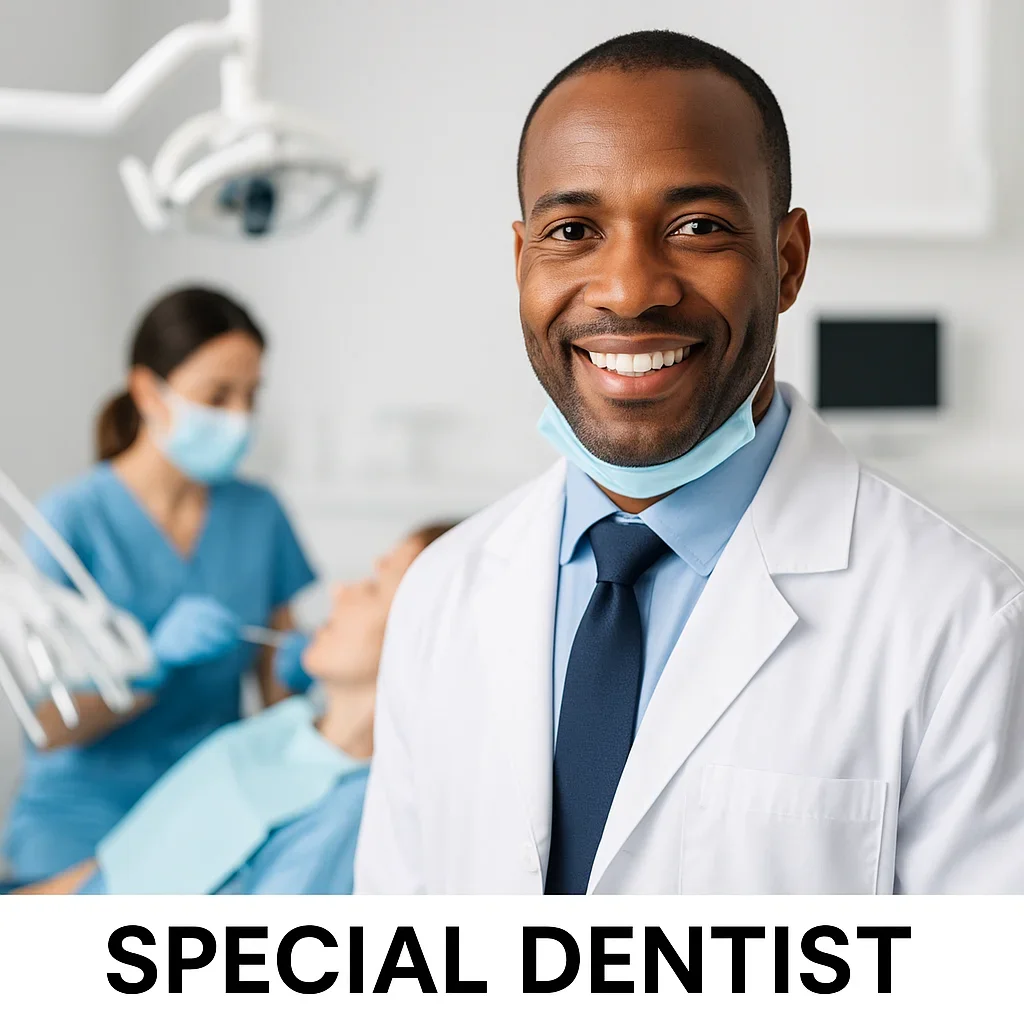
Why Redent Klinik Is a Trusted Choice for Special Dentist Services
Selecting the right special dentist is a major step toward achieving long-term oral health,
functional comfort, and a confident smile. Redent Klinik has become a trusted destination for patients seeking
advanced specialist dentistry due to its combination of modern technology, highly trained experts,
patient-centered care, and internationally recognized treatment standards. In this section, we explore in
depth why Redent Klinik stands out as a leading provider of comprehensive special dentist
services and how its multidisciplinary approach ensures successful outcomes for even the most complex dental
cases.
From state-of-the-art imaging systems to personalized treatment plans, every step at Redent Klinik is
designed to deliver precision, comfort, and long-lasting results. Whether patients require cosmetic
enhancements, restorative reconstruction, periodontal therapy, or advanced implant placement, the clinic’s
team of specialists ensures that each individual receives world-class expertise combined with a gentle,
caring approach.
A Multidisciplinary Team of Experienced Special Dentists
One of Redent Klinik’s greatest strengths is its team of highly educated and experienced dental specialists.
Each special dentist focuses on a different area of dentistry, allowing the clinic to provide
complete and coordinated care under one roof. This ensures that patients receive expert attention tailored to
their specific needs, without the inconvenience of seeking multiple clinics or external referrals.
Specialty Fields Represented at Redent Klinik
- Prosthodontics: Experts in smile design, crowns, bridges, and full-mouth rehabilitation.
- Periodontics: Specialists in gum disease treatment, bone regeneration, and soft tissue surgery.
- Endodontics: Microscopic root canal treatment for high success and accuracy.
- Oral Surgery: Skilled professionals handling extractions, bone grafts, and implant surgery.
- Orthodontics: Bite correction using aligners, braces, and modern digital planning.
- Cosmetic Dentistry: Experts in veneers, bonding, teeth whitening, and smile makeovers.
This collaborative structure ensures that every patient’s treatment plan is reviewed from multiple
professional perspectives, enhancing accuracy and improving overall results.
Advanced Dental Technology for Superior Outcomes
Redent Klinik invests heavily in next-generation dental technology—tools designed to elevate precision, reduce
discomfort, and improve long-term success. These systems enable each special dentist to
evaluate, diagnose, and treat conditions with unmatched accuracy.
Technologies Commonly Used at Redent Klinik
- Cone Beam CT Scanners: Provide 3D views of teeth, bone, and nerves.
- Digital Impressions: Replace traditional molds with high-resolution scanning.
- Laser Dentistry: Minimally invasive treatment for gums and soft tissues.
- Computer-Guided Implant Software: Ensures precise planning and placement.
- AI-Assisted Diagnostics: Detect early signs of decay, infection, or bone loss.
- Digital Smile Design (DSD): Allows patients to preview their smile before treatment.
With these technologies, every special dentist at Redent Klinik ensures treatments are safer,
more predictable, and tailored for long-lasting success.
Patient-Centered Care and Comfort-Focused Treatments
Patients often describe their experience at Redent Klinik as compassionate, welcoming, and reassuring. This is
because the clinic prioritizes comfort at every stage of care—especially for anxiety-prone individuals or
those with complex dental needs.
How Redent Klinik Ensures Patient Comfort
- Clear, calm communication at every appointment
- A gentle approach to treatment with minimal discomfort
- Sedation options for patients with anxiety or sensitivity
- Detailed after-care support and follow-up monitoring
- Modern tools that reduce noise, vibration, and treatment length
This patient-first philosophy ensures that individuals feel confident and stress-free throughout their entire
treatment journey.
Customized Treatment Plans for Every Patient
Every patient has unique dental needs, and Redent Klinik’s special dentist team creates
personalized treatment plans based on individual goals, medical history, oral structure, aesthetic
preferences, and long-term prognosis.
What Personalized Care Looks Like at Redent Klinik
- Comprehensive examinations using advanced imaging
- Multi-specialist consultations for complex cases
- Clear explanation of all treatment options
- Customized timelines and phased procedures
- Ongoing communication and care adjustments
This customized approach ensures that patients receive the most suitable and effective treatments for their
unique situations—and never feel rushed or confused about their dental care.
Exceptional Success Rates and Long-Term Results
High success rates are a hallmark of specialist care, and Redent Klinik is no exception. Each
special dentist performs procedures with precision and consistency, ensuring durable,
functional, and aesthetically pleasing outcomes.
Strengths That Support Redent Klinik’s High Success Rates
- Expert-level planning and diagnosis
- Use of high-quality materials and prosthetics
- Predictable technology-driven surgical protocols
- Proper follow-up and long-term maintenance guidance
Patients benefit from results that not only look beautiful but also maintain optimal function for many years.
International Patient Support and Multilingual Services
Redent Klinik is well-known for hosting patients from around the world seeking skilled
special dentist services. The clinic provides multilingual support to ensure international
patients enjoy a smooth, stress-free experience.
Services for International Patients
- Airport pickups and travel assistance
- Multilingual staff to eliminate communication barriers
- Personalized treatment planning before arrival
- Flexible scheduling for short-term stays
This makes Redent Klinik a preferred destination for dental tourism and expert specialist dentistry.
Easy Access to Dental Specialists and Online Support
Patients can easily reach Redent Klinik specialists for consultations, questions, and ongoing care. The
clinic’s digital platforms make communication seamless and ensure timely responses.
If you would like to connect with a special dentist at Redent Klinik, you can reach the team
through the
Redent Klinik Contact Page. For further reading on
professional dental standards and specialty guidelines, visit the
American Dental Association.
In conclusion, Redent Klinik stands out as a trusted provider of special dentist services due
to its expert team, advanced technology, personalized approach, and dedication to patient comfort. Whether
you’re seeking cosmetic enhancements, restorative dentistry, periodontal care, or surgical solutions, Redent
Klinik delivers the experience and expertise necessary to ensure superior, long-lasting results.