
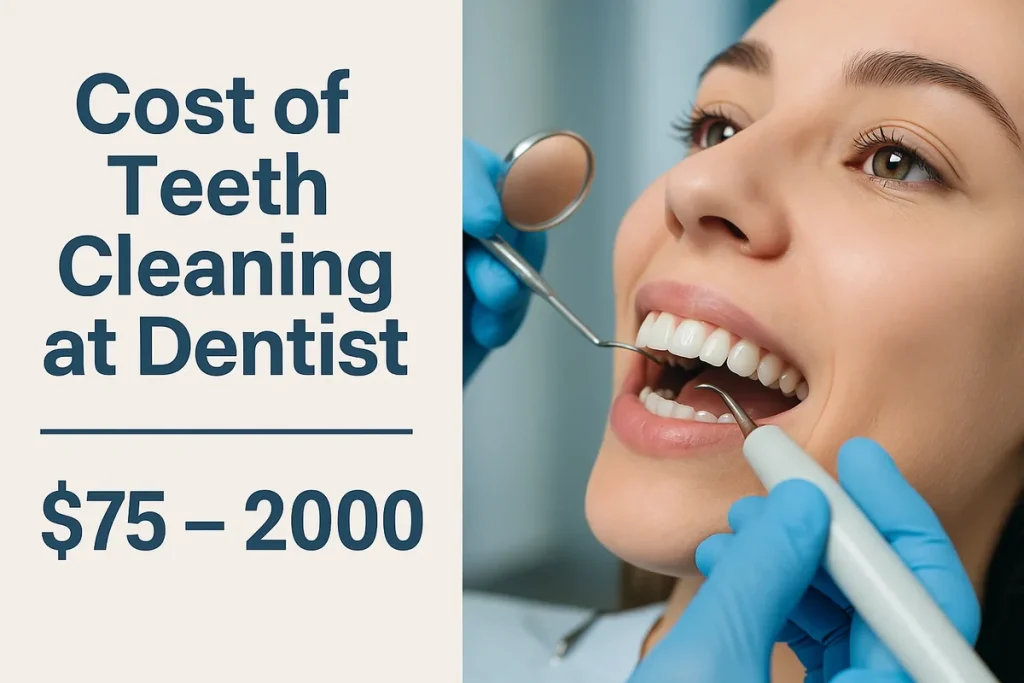
The cost of teeth cleaning at dentist is one of the most commonly searched topics among patients who want to maintain a healthy smile while keeping their budgets under control. Understanding what affects pricing, why the procedure matters, and how dentists determine costs allows you to make smart, informed choices about your oral health. Many patients assume dental cleanings are simple procedures, but they actually involve detailed clinical steps, professional assessment, and tools designed to prevent long-term oral issues. 🦷✨
Before exploring deeper sections, it’s important to understand that the cost of teeth cleaning at dentist varies widely based on location, provider expertise, the patient’s oral condition, and whether additional treatments like scaling or polishing are required. While some patients expect a uniform fee, dental clinics must tailor the cleaning approach according to plaque levels, tartar buildup, gum sensitivity, and overall oral hygiene. Because of these factors, even two patients visiting the same clinic may pay different prices for their cleanings. This is completely normal and reflects the personalized nature of dental care.
One major reason why the cost of teeth cleaning at dentist can differ is the level of tartar accumulation and whether gum inflammation is present. Routine plaque removal is relatively quick, but hardened tartar requires specialized ultrasonic instruments and manual scaling tools that demand time and precision from the hygienist or dentist. Patients who postpone cleanings for long periods typically require deeper cleaning, meaning a higher fee. This is also why many dentists recommend visits every six months — it prevents buildup and keeps costs manageable in the long term. Maintaining regular appointments is both financially beneficial and medically wise. 🪥💡
Another key element influencing the cost of teeth cleaning at dentist is regional pricing. A dental cleaning in major cities tends to cost more than in smaller towns because overhead expenses, staff salaries, equipment sterilization, and facility maintenance differ greatly. However, many clinics offer membership plans, discounts, or bundled cleaning packages to help patients receive care at more accessible rates. Understanding these pricing models allows patients to compare clinics and choose a provider that suits both their oral health needs and financial expectations.
Patients also search for information about what exactly is included in the cleaning price. A standard cleaning generally includes removal of plaque and tartar, polishing, flossing, and a complete professional examination. Some clinics enhance value by adding intraoral camera imaging, fluoride treatment, or personalized oral hygiene instruction. These additions support better dental outcomes and justify variations in the cost of teeth cleaning at dentist. When a cleaning includes advanced diagnostics or preventive techniques, it offers more long-term protection against cavities and periodontal disease — ultimately saving patients money by reducing the need for restorative treatments later.
It is important to remember that the cost of teeth cleaning at dentist is not merely a financial number; it is an investment in long-term oral health. Clean teeth reduce the risk of gum infections, tooth loss, bad breath, and expensive future dental procedures. Regular cleanings also help detect early signs of issues such as tooth decay, enamel erosion, and gum recession. These early detections allow dentists to act quickly, preventing minor problems from becoming major oral health threats. For additional assurance, you can review scientific standards and dental recommendations through the American Dental Association, a trusted authority in oral healthcare.
If you are considering scheduling a cleaning or have concerns about pricing, you can always reach out to your preferred clinic. Many dental centers provide transparent cost breakdowns and personalized advice based on your oral health condition. For direct communication with a dental care professional, visit the Redent Klinik Contact Page where you can submit your questions and receive guidance tailored to your needs.
Ultimately, understanding the cost of teeth cleaning at dentist empowers you to make informed decisions about preventive care. With knowledge of what influences pricing and why regular cleanings are essential, you can protect your oral health, avoid future complications, and maintain a bright, confident smile for years to come. 🌟
What Influences the Cost of Teeth Cleaning at Dentist?
Understanding the factors that influence the cost of teeth cleaning at dentist is essential for patients who want to make informed decisions about preventive oral care. Many people assume a teeth cleaning has a fixed universal fee, but in reality, several clinical, geographical, and procedural variables shape the final price. By knowing what these factors are, patients gain clarity, reduce anxiety, and feel more confident when comparing treatment options. This section explains each pricing factor in detail and highlights why no two cleanings cost exactly the same. 🦷💡
1. The Patient’s Oral Health Condition
One of the most significant determinants of the cost of teeth cleaning at dentist is the patient’s current oral health. Individuals with mild plaque buildup typically require a straightforward cleaning, which is faster and easier for the hygienist or dentist to perform. However, patients who have heavy tartar accumulation, gum inflammation, or signs of periodontal disease require deeper and longer clinical intervention.
When tartar hardens around the gumline or below it, ultrasonic scalers, manual curettes, and precision techniques are needed to safely remove deposits. This increases the clinical time, effort, and skill level involved. As a result, the cost of teeth cleaning at dentist rises proportionally with the complexity of the cleaning. This is why routine cleanings every six months help keep both your mouth healthier and your expenses lower over time.
2. Type of Cleaning Procedure Required
Not all dental cleanings are the same. A basic prophylaxis cleaning differs significantly from deep cleaning procedures like scaling and root planing. While standard cleanings remove surface plaque and tartar, deep cleanings target periodontal pockets and require specialized techniques.
Standard Prophylaxis Cleaning
This is the most common cleaning offered in dental clinics. It includes plaque removal, tartar elimination, polishing, and a professional dental exam. Because it is routine, the cost of teeth cleaning at dentist for this procedure is usually lower and more predictable.
Deep Cleaning (Scaling and Root Planing)
When gum disease is present, dentists must clean below the gumline, smooth root surfaces, and eliminate harmful bacteria. This takes significantly more time and expertise. As a result, deep cleanings can cost multiple times more than standard cleanings.
3. Geographic Location and Clinic Overhead
Geographical location plays a surprisingly large role in the cost of teeth cleaning at dentist. Urban areas with higher rents, salaries, and operational expenses naturally have higher dental service fees. Conversely, clinics in smaller towns or regions with lower overhead often offer more affordable rates.
Additionally, modern clinics that invest in advanced sterilization systems, digital X-rays, intraoral scanners, and comfort-enhancing technology may charge slightly higher fees due to increased equipment and maintenance costs. However, this investment benefits patients by providing safer and more precise dental care.
4. Experience and Credentials of the Dentist or Hygienist
Dental professionals with extensive experience, advanced certifications, or specialties often charge higher fees for their services. This is not simply about prestige — their expertise ensures more accurate assessment, faster cleaning time, improved patient comfort, and lower risk of complications.
Therefore, the cost of teeth cleaning at dentist reflects not only the procedure itself but also the skill level of the professional performing it. Choosing an experienced provider often results in better long-term oral health outcomes.
5. Additional Diagnostic or Preventive Services
Some clinics include added benefits within their cleaning packages, such as fluoride treatments, periodontal charting, digital imaging, or oral cancer screenings. While these additions enhance dental health and early detection, they may also increase the overall cost of teeth cleaning at dentist.
However, many of these enhancements save patients from expensive treatments later. For example, identifying early gum recession or enamel erosion allows for immediate intervention, preventing major oral problems.
6. Insurance Coverage and Payment Policies
Dental insurance plans often cover routine cleanings fully or partially, reducing out-of-pocket expenses for patients. However, coverage varies depending on the insurance provider, annual limits, and whether the patient has reached their benefit cap. Patients without insurance may find that clinics offer discounts, membership plans, or installment options to make cleanings more affordable.
These financial tools can significantly reduce the effective cost of teeth cleaning at dentist, helping more people maintain consistent oral care without financial strain.
7. Frequency of Visit and Preventive Habits
Patients who maintain regular brushing, flossing, and dental visits usually require simpler cleanings. Consistent preventive care not only keeps the mouth healthier but also keeps the cost of teeth cleaning at dentist lower, as fewer complications develop over time.
In contrast, irregular visitors may require deep cleaning or additional diagnostic procedures, resulting in higher costs. Regular maintenance is both a medical necessity and a financial strategy.
In summary, numerous factors determine the cost of teeth cleaning at dentist, including oral health, cleaning type, provider experience, and geographic location. Understanding these details empowers patients to ask better questions, compare options, and choose clinics with confidence. For personalized assistance, patients can reach out anytime through the Redent Klinik Contact Page and receive expert guidance tailored to their specific needs.
Types of Professional Dental Cleanings and Their Pricing
When patients search for information about the different types of professional cleanings, they often want to understand how the procedures vary and why the cost of teeth cleaning at dentist can differ so much between treatments. Dental cleanings are not one-size-fits-all; they are specifically tailored to a patient’s oral health status, gum condition, and level of plaque or tartar buildup. This is why pricing structures differ across clinics and countries. In this section, we break down the major categories of dental cleanings, explain their clinical purposes, and show how each type can influence the final cost of teeth cleaning at dentist. 🦷✨
Understanding the variations in cleaning procedures is essential not only for budgeting but also for maintaining optimal health. Each cleaning type serves a unique role — from basic maintenance to deep periodontal therapy. Patients often do not realize that choosing the correct cleaning method can prevent gum disease progression, minimize future dental expenses, and significantly improve long-term oral wellness. The more complex a procedure is, the more it typically influences the overall cost of teeth cleaning at dentist.
1. Standard Prophylaxis Cleaning (Routine Teeth Cleaning)
A prophylaxis cleaning is the most common type of professional cleaning performed during scheduled dental check-ups. It focuses on removing soft plaque, hardened tartar (calculus), and bacterial deposits from the tooth surfaces above the gumline.
What the Procedure Includes
A routine cleaning typically involves:
- Supragingival scaling to remove plaque and tartar
- Polishing to smoothen enamel and reduce future buildup
- Professional flossing to eliminate hidden debris
- Examination of teeth, gums, and overall oral condition
Because this procedure is preventive and relatively straightforward, the cost of teeth cleaning at dentist for prophylaxis is generally the lowest among all cleaning types. It is ideal for patients with healthy gums and minimal tartar accumulation.
2. Deep Cleaning (Scaling and Root Planing)
Deep cleaning is required when gum disease (periodontitis or advanced gingivitis) is present. Unlike routine cleanings, this treatment targets bacterial colonies beneath the gumline, where regular brushing cannot reach.
Why Deep Cleaning Costs More
The cost of teeth cleaning at dentist rises for deep cleaning because:
- It requires highly specialized skills
- Multiple appointments may be necessary
- Local anesthesia is commonly used
- Advanced ultrasonic and manual instruments are involved
Scaling removes hardened deposits from tooth roots, while root planing smooths the surfaces to help gums reattach. These steps reduce inflammation, stop disease progression, and restore oral health — but they demand more time and clinical precision, contributing to a higher cost of teeth cleaning at dentist.
3. Periodontal Maintenance Cleaning
After a patient completes deep cleaning therapy, they must maintain their gum health through scheduled periodontal maintenance cleanings. These appointments occur every 3–4 months and prevent disease recurrence.
What Makes This Cleaning Different?
Periodontal maintenance includes:
- Cleaning above and below the gumline
- Monitoring gum pocket depth
- Inflammation control techniques
- Removal of newly formed tartar around root surfaces
Because periodontal disease can return if not carefully controlled, this procedure is more extensive than a standard cleaning. Therefore, the cost of teeth cleaning at dentist for maintenance is usually mid-range — higher than prophylaxis but lower than full deep cleaning.
4. Gross Debridement Cleaning
Gross debridement is recommended for patients who have not visited a dentist for years and have heavy tartar accumulation. Before a proper cleaning or exam can take place, debris must be removed to allow full visibility for diagnosis.
Why Does It Influence Pricing?
This cleaning type significantly affects the cost of teeth cleaning at dentist because it:
- Takes longer than routine cleanings
- Requires high-strength ultrasonic devices
- May be followed by additional cleaning procedures
Once the initial debridement is complete, patients may need further deep cleaning, adding to total treatment costs. However, this process is essential for restoring oral health, especially for individuals with neglected dental care history.
5. Child Dental Cleaning
Pediatric cleanings are designed specifically for children and include plaque removal, polishing, fluoride treatment, and oral hygiene education. Since they are simpler and quicker, the cost of teeth cleaning at dentist for children is typically lower.
Benefits for Young Patients
Child cleanings help:
- Prevent cavities early
- Instill lifelong oral hygiene habits
- Monitor tooth development
These preventive appointments also protect families from costly restorative treatments later in life.
How Cleaning Type Affects Overall Pricing
Each cleaning type has distinct clinical steps, time requirements, and professional demands. Because of this, the cost of teeth cleaning at dentist can range from minimal for a simple prophylaxis visit to significantly higher for deep periodontal therapy. Patients who maintain routine appointments generally pay less over time, while those with complex oral conditions may require more intensive procedures.
For personalized cost explanations or to schedule a cleaning suitable for your oral condition, you can reach out through the Redent Klinik Contact Page. Staying informed about the different cleaning types ensures you choose the right care approach and fully understand what contributes to the overall cost of teeth cleaning at dentist.
Average Cost of Teeth Cleaning at Dentist in Different Countries
The cost of teeth cleaning at dentist varies significantly from one country to another due to differences in healthcare systems, clinic overhead, labor expenses, insurance structures, and market demand. Patients seeking preventive dental care often compare prices globally, especially those considering dental tourism or planning long-term care abroad. Understanding international pricing not only helps patients budget effectively but also provides insight into how the dental industry operates in various regions. The aim of this section is to break down typical cleaning prices across major countries and explain why the cost of teeth cleaning at dentist fluctuates so widely around the world. 🌍🦷
Although cleaning is a relatively routine procedure, factors such as advanced hygiene protocols, staff qualifications, sterilization standards, and clinical technology can influence pricing. Moreover, some countries provide subsidized dental care through public systems, while others rely entirely on private practices. These differences create a global spectrum of prices, making it essential to analyze each market individually. Below, we detail average fees in key regions and explore the reasons behind these regional variations in the cost of teeth cleaning at dentist.
1. United States
In the United States, dental care operates primarily through private practices, with fees reflecting the high cost of labor, facility operations, and malpractice insurance. Patients typically pay out-of-pocket or through employer-backed insurance plans.
Typical Pricing Range in the U.S.
- Routine cleaning: $90 – $200
- Deep cleaning (per quadrant): $150 – $350
- Periodontal maintenance: $100 – $250
Because of these ranges, the cost of teeth cleaning at dentist in the U.S. is among the highest globally. Part of this expense comes from strict sterilization protocols, the rising cost of dental equipment, and the country’s generally high cost of living.
2. United Kingdom
In the U.K., dental services are offered through both the National Health Service (NHS) and private clinics. NHS pricing is regulated, making routine dental cleanings more affordable when appointments are available.
Typical Pricing in the U.K.
- NHS scaling and polishing: £25 – £30 (when eligible)
- Private routine cleaning: £60 – £120
- Private deep cleaning: £150 – £400
While NHS pricing is low, access can be limited due to high demand. Therefore, many patients opt for private care, where the cost of teeth cleaning at dentist is moderate compared to other European countries but higher than some dental tourism destinations.
3. Canada
Canada’s dental industry is fully private, similar to the U.S., but with slightly lower fees on average. The cost of teeth cleaning at dentist in Canada depends on provincial guidelines and clinic equipment.
Average Prices in Canada
- Routine cleaning: $100 – $150 CAD
- Deep cleaning (per quadrant): $175 – $300 CAD
Insurance coverage is common through employers, helping reduce out-of-pocket fees for patients. Also, Canadian clinics often follow strict hygiene standards, contributing to predictable but moderately high pricing.
4. Australia
Australia is known for high-quality dental services and modern clinical standards, which influence the overall cost of teeth cleaning at dentist. Because the country has a high cost of living, dental fees tend to reflect that reality.
Typical Pricing in Australia
- Routine cleaning: $120 – $250 AUD
- Deep cleaning: $200 – $500 AUD
Patients often take advantage of private health insurance to offset expenses. The combination of professional training and advanced equipment contributes to the slightly elevated pricing.
5. Turkey
Turkey has become a global leader in dental tourism due to its affordable prices and internationally accredited clinics. Because of lower operational expenses and competitive pricing, the cost of teeth cleaning at dentist in Turkey is significantly lower than in Western countries.
Average Prices in Turkey
- Routine cleaning: €25 – €50
- Deep cleaning: €60 – €120
Despite the low prices, clinics often provide high-quality care, using advanced dental technologies and maintaining strict hygiene protocols. This cost advantage is one of the main reasons patients worldwide choose Turkey for dental treatments.
6. Europe (Germany, France, Italy)
Western European countries have some of the highest operational costs, which directly influence dental prices. Insurance systems differ between nations, but private dentistry remains common.
Average Prices
- Routine cleaning: €70 – €150
- Deep cleaning: €150 – €350
The cost of teeth cleaning at dentist in Germany and France tends to be higher due to strict regulatory standards, clinic investments, and patient safety measures.
7. Asia (India, Thailand, Philippines)
Many Asian countries offer very affordable dental services while maintaining high clinical quality. These destinations are popular among dental tourists seeking both routine care and complex treatments.
Average Prices in Asia
- Routine cleaning: $15 – $40
- Deep cleaning: $40 – $120
Lower living costs and competitive markets contribute to reduced fees, making Asia an attractive option for affordable dental care.
In summary, the global cost of teeth cleaning at dentist can vary dramatically depending on country, clinic type, and healthcare systems. Patients who plan their treatments abroad or compare international pricing gain significant financial advantages while receiving high-quality care. For personalized guidance or assistance in estimating treatment fees, feel free to reach out via the Redent Klinik Contact Page. Making informed decisions ensures both better oral health and better financial planning. 🌟
Why Regular Cleanings Matter for Oral and Overall Health
Many patients search for the cost of teeth cleaning at dentist because they want to understand whether routine cleanings are truly necessary or simply optional. In reality, professional cleanings play a powerful role in protecting not just your oral health, but your overall well-being. Dental cleanings are a cornerstone of preventive dentistry, helping to stop disease before it begins, detect early signs of oral conditions, and maintain a healthy smile throughout life. While some individuals delay cleanings due to budget concerns, understanding their value makes it clear why investing in consistent preventive care is far more cost-effective than waiting for problems to develop. 🦷💙
In many cases, patients misunderstand the purpose of regular cleanings. They assume brushing and flossing alone are enough, but professional tools reach areas that at-home hygiene cannot. Even the best oral care routine cannot fully remove hardened tartar or bacterial colonies beneath the gumline. When these deposits are left untreated, the body responds with inflammation, which can lead to gum disease, tooth loss, and systemic health complications. Preventing these issues is one of the main reasons why the cost of teeth cleaning at dentist is considered a strategic long-term investment.
1. Prevention of Gum Disease
Gum disease begins silently. Plaque accumulates around the gums, tartar hardens, and inflammation gradually destroys the supporting structures of your teeth. Early-stage gum disease (gingivitis) can be reversed easily with routine cleanings and good oral hygiene. However, once the disease progresses into periodontitis, treatment becomes more complex and expensive.
How Regular Cleanings Prevent Disease Progression
- Removing plaque and tartar before they cause deep infection
- Reducing bacterial activity around the gums
- Stopping the formation of periodontal pockets
- Preventing bone loss around teeth
Patients who maintain cleanings every six months dramatically reduce their risk of periodontal disease. This not only protects their natural teeth but also helps keep the cost of teeth cleaning at dentist lower by avoiding advanced treatments like scaling and root planing.
2. Early Detection of Oral Health Problems
One of the biggest advantages of routine cleanings is early detection. Dentists and hygienists are trained to identify subtle changes that indicate potential problems such as cavities, gum recession, enamel erosion, cracked teeth, or oral cancer signs. These issues are often invisible to the untrained eye but can be identified quickly during a cleaning appointment.
Common Issues Detected During Cleanings
- Initial cavity formation before pain develops
- Gum inflammation that may lead to periodontal disease
- Grinding or clenching symptoms through worn enamel
- Misalignment issues affecting bite health
- Lesions that require oral cancer screening
Detecting problems early reduces the need for expensive restorative procedures. In this sense, routine appointments substantially reduce long-term dental expenses — reinforcing the true value behind the cost of teeth cleaning at dentist.
3. Improvement of Systemic Health
Modern research shows a strong connection between oral health and overall systemic wellness. The bacteria responsible for gum disease can travel through the bloodstream and contribute to various health conditions. Thus, investing in preventive dental care supports more than just your smile.
Systemic Conditions Linked to Poor Oral Health
- Cardiovascular disease
- Diabetes complications
- Respiratory infections
- Preterm birth risks in pregnant women
- Chronic inflammation throughout the body
Maintaining clean teeth reduces bacterial load and inflammation, lowering the risk of systemic complications. This health connection makes regular dental care a crucial part of long-term wellness — proving that the cost of teeth cleaning at dentist offers benefits far beyond cosmetic improvements.
4. Maintaining Fresh Breath and a Bright Smile
Bad breath (halitosis) is often caused by bacterial accumulation around the gums and tongue. Routine cleanings eliminate the debris responsible for unpleasant odors and help patients enjoy consistently fresh breath. Likewise, professional polishing removes surface stains from coffee, tea, wine, and tobacco, resulting in a brighter, healthier appearance.
Cosmetic and Confidence Benefits
- Whiter teeth without whitening treatments
- Healthier-looking gums
- Improved self-confidence in social settings
Patients often find that the confidence they gain from clean teeth enhances their daily interactions, presentations, and personal relationships — a key emotional benefit that adds real value to the cost of teeth cleaning at dentist.
5. Saving Money Through Preventive Care
Preventive dentistry is significantly more affordable than restorative dentistry. A single missed cleaning may lead to fillings, crowns, gum therapy, or even tooth loss. Each of these treatments costs far more than routine maintenance.
Financial Advantages of Staying Consistent
- Reduced risk of major restorative procedures
- Fewer dental emergencies
- Lower lifetime dental expenses
- Better insurance utilization and benefits
For patients seeking personalized guidance or appointment planning, the Redent Klinik Contact Page offers direct assistance. Staying committed to regular cleanings ensures optimal oral health, prevents major issues, and ultimately minimizes the overall cost of teeth cleaning at dentist throughout your life.
How Dentists Calculate the Cost of Teeth Cleaning at Dentist
Understanding how clinics determine the cost of teeth cleaning at dentist helps patients make informed, confident decisions about their oral care. Dental cleanings may seem like simple procedures, but behind every price is a combination of clinical assessment, time requirements, hygiene protocols, staffing, and equipment investments. Because every patient presents with different oral needs, dentists calculate fees using a structured evaluation process. This section explores the logic behind pricing, the variables that influence the final cost, and why these calculations are essential for maintaining high-quality dental care. 🦷💡
Patients often wonder why the cost of teeth cleaning at dentist varies from one clinic to another—or even from visit to visit at the same clinic. The answer lies in the fact that cleanings are medical procedures, not cosmetic services. Dentists must evaluate your gums, teeth, plaque buildup, and any early signs of disease before deciding the appropriate cleaning method. Because different types of cleanings require different levels of skill, time, and resources, the associated fees will naturally differ. Below, we break down the exact components that dentists use to calculate cleaning costs.
1. Initial Clinical Examination
Every dental cleaning begins with a professional assessment. This examination reveals the level of plaque, tartar, gum inflammation, and overall oral health. Dentists use this evaluation to determine whether a basic cleaning is sufficient or whether advanced procedures, such as deep cleaning, are required.
Factors Dentists Look For
- Amount of tartar around the gumline
- Depth of periodontal pockets
- Signs of gum bleeding or infection
- Sensitivity in specific tooth areas
- Condition of enamel and existing restorations
This initial assessment significantly influences the cost of teeth cleaning at dentist because it allows the dentist to identify the proper cleaning method. A patient with minimal buildup pays a lower fee, while someone with advanced gum disease may require a more intensive cleaning at a higher cost.
2. Type of Cleaning Required
Not all cleanings are the same, and each procedure comes with its own pricing structure. Dentists classify cleanings based on complexity, risk, and the depth of cleaning needed.
Common Cleaning Types Used in Cost Calculation
- Prophylaxis Cleaning — Most affordable option; used for healthy gums.
- Scaling and Root Planing — More extensive; required for gum disease.
- Periodontal Maintenance — Ongoing care after deep cleaning.
- Gross Debridement — Required when heavy tartar prevents full examination.
Each cleaning type requires different tools, time frames, and expertise. This variation is one of the most significant determinants of the cost of teeth cleaning at dentist.
3. Duration and Complexity of the Procedure
Dentists must allocate time based on the condition of each patient’s mouth. A routine cleaning may take 20–30 minutes, whereas a deep cleaning may take 60–90 minutes per quadrant.
How Time Affects Cost
- Longer procedures require more staff time
- Complex procedures increase labor and instrument use
- Deep cleanings may require multiple visits
More time equals higher operational costs, which directly contributes to the overall cost of teeth cleaning at dentist.
4. Advanced Technology and Instruments Used
Modern dental clinics invest heavily in equipment such as ultrasonic scalers, intraoral cameras, sterilization systems, and polishing tools. These technologies improve patient comfort and treatment accuracy, but they also increase overhead expenses.
Examples of Technology Influencing Costs
- Ultrasonic scaling devices
- High-grade polishing systems
- Advanced sterilization units
- Digital imaging and diagnostic tools
Clinics that use advanced technology often offer safer, faster, and more precise care, which is reflected in the cost of teeth cleaning at dentist.
5. Local Economic Factors and Clinic Overhead
The cost of operating a dental clinic varies by region. Rent, staff salaries, dental materials, and sterilization procedures all influence pricing. Therefore, the cost of teeth cleaning at dentist tends to be higher in large cities and lower in smaller communities.
Overhead Elements That Impact Pricing
- Clinic location and rental costs
- Staff wages and benefits
- Equipment maintenance
- Supply and material expenses
These factors ensure that pricing is fair and sustainable while maintaining high-quality dental services.
6. Dentist or Hygienist Expertise Level
Experienced clinicians may charge more due to specialized skills, advanced training, and successful treatment outcomes. Their expertise often improves the efficiency and effectiveness of the cleaning, providing greater long-term value.
Reasons Expertise Affects Cost
- Higher precision in removing tartar
- Better detection of early oral problems
- Improved clinical safety and comfort
This expertise is reflected in the cost of teeth cleaning at dentist, ensuring patients receive the highest standard of preventive care.
7. Additional Services Included in the Appointment
Some clinics include added benefits within the cleaning appointment, such as fluoride treatments, photos, oral cancer screenings, or hygiene coaching. These additions enhance value but may alter the final price.
Examples of Extras That Influence Fees
- Fluoride application
- Digital imaging
- Gum health analysis
- Personalized oral hygiene plans
While optional, these services help prevent future dental issues, ultimately lowering long-term costs despite slightly increasing the immediate cost of teeth cleaning at dentist.
For personalized explanations, fee breakdowns, or appointment scheduling, patients can reach out through the Redent Klinik Contact Page. Understanding how dentists calculate the cost of teeth cleaning at dentist ensures complete transparency and gives patients confidence in the value of their preventive care.
Insurance, Membership Plans, and Ways to Save Money
Many patients exploring the cost of teeth cleaning at dentist also want to understand how dental insurance, clinic membership programs, and smart budgeting strategies can help them reduce expenses. Preventive care is essential, but it becomes far more accessible when you know how to maximize coverage, compare financing options, and take advantage of discounts available through dental clinics. In this section, we break down how insurance works, how membership plans can significantly lower the cost of teeth cleaning at dentist, and what practical steps patients can take to keep their dental care affordable. 🦷💰
What many patients don’t realize is that preventive dental care is the most insurance-friendly category of dentistry. Most insurance companies prioritize cleanings because they help avoid expensive treatments later on. Meanwhile, dental clinics increasingly offer in-house plans for patients without insurance. When used strategically, these tools can reduce the lifetime financial burden of dental care dramatically. Below, we explore everything you need to know to minimize your cleaning expenses without compromising on quality.
1. How Dental Insurance Covers Teeth Cleaning
Dental insurance is one of the most effective ways to reduce the cost of teeth cleaning at dentist. Most insurance plans categorize cleanings as preventive care, which typically comes with the highest reimbursement rates. Many plans even cover two annual cleanings at 100%, making it possible for patients to receive routine oral care without any out-of-pocket costs.
Typical Insurance Coverage Benefits
- Two cleanings per year fully covered
- Reduced rates for periodontal maintenance
- Lower copays for diagnostic services like exams or X-rays
- Discounts on deep cleanings (scaling and root planing)
However, insurance plans vary widely. Some limit the number of cleanings, while others require waiting periods or partial payments. This makes it important for patients to fully understand their policy to optimize savings on the cost of teeth cleaning at dentist.
2. Membership Plans for Patients Without Insurance
Not everyone has dental insurance, but that does not mean preventive care must be expensive. Many dental clinics now offer in-house membership plans that significantly reduce the cost of routine and advanced cleanings.
What Membership Plans Typically Include
- Two routine cleanings per year
- Annual dental exams
- Free or discounted X-rays
- Reduced rates on gum treatments
- Special discounts on additional dental procedures
Membership plans offer a predictable annual fee in exchange for essential preventive services. This structured approach stabilizes the cost of teeth cleaning at dentist and helps patients plan better financially.
3. Flexible Spending Accounts (FSA) and Health Savings Accounts (HSA)
FSAs and HSAs are powerful tools that many patients overlook when budgeting for dental care. Both allow you to set aside pre-tax dollars to pay for dental treatments, effectively lowering your actual costs.
How FSAs and HSAs Reduce Dental Expenses
- Use pre-tax money for cleanings and exams
- Reduce effective costs by 20%–30% depending on tax bracket
- Cover advanced cleanings like scaling and root planing
- Useful for patients with recurring dental needs
Using an FSA or HSA can significantly reduce the annual cost of teeth cleaning at dentist, especially for families or individuals with a history of gum problems.
4. Dental Tourism as a Cost-Saving Option
Some patients travel abroad for dental cleanings and treatments due to lower costs in specific countries known for high-quality care. Turkey, Thailand, Mexico, and parts of Europe offer competitive prices for preventive and restorative treatments.
Why Patients Choose Dental Tourism
- Lower treatment costs
- High-quality clinics with international accreditation
- Combined travel and treatment packages
- Advanced technologies at accessible prices
While dental tourism reduces the cost of teeth cleaning at dentist, patients must always choose reputable clinics with proper certifications and strong patient reviews.
5. Negotiating Costs and Requesting Treatment Plans
Many clinics are willing to discuss pricing, especially for patients without insurance. Being transparent with your dentist about your budget can help them recommend a preventive care plan that fits your financial needs.
Smart Strategies for Managing Costs
- Ask for a written treatment plan with detailed pricing
- Request a breakdown of each cleaning type and fee
- Discuss alternative scheduling for more expensive procedures
- Inquire about discounts for paying upfront
Clear communication helps patients better understand the cost of teeth cleaning at dentist and identify opportunities for reduced pricing.
6. Taking Advantage of Seasonal Promotions or Loyalty Discounts
Some clinics offer limited-time promotions for new patients or loyalty discounts for returning clients. These programs may include reduced cleanings, bundled services, or bonus add-ons like fluoride treatments at no cost.
Examples of Common Promotions
- “New patient special” cleanings
- Discounted cleaning + whitening packages
- Holiday or seasonal oral care promotions
- Referral rewards for existing patients
These discounts make it even easier to manage the cost of teeth cleaning at dentist while maintaining optimal oral hygiene.
If you’re seeking personalized financial guidance or want to explore cost-saving options for your next cleaning, you can always contact a professional through the Redent Klinik Contact Page. With the right strategy, maintaining your oral health does not have to strain your budget — and preventive care today will always save you significantly in the long term.
What to Expect During a Professional Teeth Cleaning Visit
Understanding what happens during a professional cleaning appointment helps reduce anxiety and gives patients clarity about why the cost of teeth cleaning at dentist is structured the way it is. A dental cleaning is a systematic, medically guided process designed to protect oral health, prevent gum disease, and maintain long-term hygiene. While many people assume a cleaning is simply about removing plaque, the procedure actually consists of multiple diagnostic and preventive steps that ensure both safety and effectiveness. Knowing this process allows patients to better appreciate the value behind the cost of teeth cleaning at dentist and confidently prepare for their visit. 🦷✨
A typical professional cleaning lasts between 30–60 minutes depending on oral condition, tartar buildup, and individual sensitivity. Some patients require only a standard prophylaxis, while others may need advanced cleaning techniques if signs of gum disease are present. Below, we break down every step of the appointment so you know exactly what to expect before sitting in the chair.
1. Initial Examination and Oral Health Assessment
Your cleaning visit begins with a thorough evaluation of your oral condition. A dentist or hygienist examines your gums, teeth, and overall oral hygiene before deciding which type of cleaning you need.
What the Examination Includes
- Checking for gum inflammation or bleeding
- Identifying plaque and tartar distribution
- Assessing tooth sensitivity or pain
- Examining enamel, restorations, and fillings
- Evaluating bite alignment and oral hygiene habits
This diagnostic step shapes the cost of teeth cleaning at dentist because it determines whether a routine cleaning is sufficient or whether more advanced procedures, such as deep cleaning, are required.
2. Removal of Plaque and Tartar (Scaling)
Scaling is the core step of the cleaning. Even if you brush twice daily, tartar hardens on the teeth and cannot be removed at home. A dentist or hygienist uses specialized tools to eliminate both visible and hidden deposits.
Types of Tools Used
- Ultrasonic scaler: Uses vibrations and water spray to break apart tartar.
- Manual scalers: Fine metal instruments used for precision cleaning.
- Curettes: Designed to remove tartar from under the gumline.
The amount of tartar determines the time required. Patients with heavy buildup may need more extensive scaling, contributing to a higher cost of teeth cleaning at dentist. This step is essential for preventing gum disease, tooth decay, and inflammation.
3. Deep Cleaning Procedures (If Needed)
If periodontal pockets are detected, the dentist may recommend scaling and root planing. This is a deeper and more complex cleaning that targets bacteria beneath the gumline and smooths root surfaces.
Why Deep Cleaning Is Different
- It requires local anesthesia for comfort
- Multiple appointments may be necessary
- It addresses active gum disease instead of routine maintenance
Because of its complexity, this procedure significantly impacts the cost of teeth cleaning at dentist. It is a medically necessary service, not a cosmetic one, and plays a critical role in saving teeth affected by periodontal disease.
4. Polishing and Surface Stain Removal
Once scaling is complete, the hygienist polishes your teeth to remove surface stains and smooth the enamel. This step enhances aesthetics and helps prevent future plaque accumulation.
The Polishing Process
- A rotating handpiece with a soft rubber cup
- Prophylaxis paste in various grit levels
- Gentle circular motions to brighten the smile
Teeth feel noticeably smoother and cleaner afterward. This polishing step is typically included in the cost of teeth cleaning at dentist for standard prophylaxis but may not be included in certain deep cleaning procedures.
5. Flossing and Removal of Hidden Debris
Flossing helps remove food particles and plaque from areas unreachable by scaling or brushing. It also allows the hygienist to check gum tightness and identify areas prone to bleeding.
What Hygienists Look For
- Gum sensitivity
- Areas with plaque accumulation
- Interdental inflammation
This step contributes to the comprehensive nature of the procedure, ensuring patients receive full preventive care that justifies the overall cost of teeth cleaning at dentist.
6. Fluoride Treatment (If Recommended)
Some patients benefit from fluoride applications to strengthen enamel and reduce cavity risk. Although optional, fluoride treatment is often suggested for individuals prone to decay.
Benefits of Fluoride Application
- Protects enamel from acid erosion
- Reduces sensitivity
- Strengthens teeth for long-term durability
Fluoride may slightly increase the cost of teeth cleaning at dentist, but it provides powerful preventive value, especially for high-risk patients.
7. Final Examination and Oral Health Recommendations
After the cleaning, the dentist performs a final check to ensure every area is properly treated. They also provide personalized advice on brushing, flossing, and routine care.
Typical Recommendations Include
- Brushing techniques for effective plaque removal
- Flossing guidance based on gum condition
- Product recommendations (toothpaste, mouthwash)
- Follow-up appointment scheduling
This final examination completes the process and reinforces your long-term dental wellness. Together, these steps explain why the cost of teeth cleaning at dentist reflects a comprehensive medical procedure rather than a simple cosmetic service.
If you’d like guidance in scheduling your next cleaning or understanding the full breakdown of your visit, feel free to contact professionals through the Redent Klinik Contact Page. With clear expectations, preventive care becomes more comfortable, predictable, and effective for every patient. 🌟
Is the Cost of Teeth Cleaning at Dentist Worth It?
Many patients research the cost of teeth cleaning at dentist to decide whether routine professional cleanings are truly worth their time and money. While it may be tempting to delay or skip appointments, dental cleanings offer an exceptional return on investment by preventing disease, detecting problems early, and maintaining long-term oral and overall health. In fact, the modest cost of teeth cleaning at dentist is far more economical compared to the high expenses associated with untreated gum disease, tooth decay, and emergency dental procedures. This section explores, in detail, why regular cleanings are absolutely worth the investment—both medically and financially. 🦷💙
From lower long-term expenses to improved quality of life, the benefits of routine dental cleanings extend far beyond aesthetics. Below, we break down the key reasons the value of preventive care far outweighs the initial cost, making it one of the wisest health decisions individuals can make.
1. Prevention Saves Patients Thousands in Future Dental Costs
One of the strongest arguments in favor of the cost of teeth cleaning at dentist is the massive financial savings preventive care offers. Patients who neglect cleanings often face advanced dental issues such as gum disease, tooth decay, infections, or tooth loss. These conditions require expensive restorative treatments that could have been avoided with simple routine cleanings.
Examples of Costly Procedures Prevented by Regular Cleanings
- Fillings for cavities: $100 – $350
- Root canals: $600 – $1,500
- Crowns: $900 – $2,500
- Periodontal deep cleaning: $800 – $1,800 (full mouth)
- Dental implants for lost teeth: $1,500 – $3,000+
When compared to these restoration fees, the cost of teeth cleaning at dentist is minimal. Professional cleanings every six months act as a protective shield against much more expensive dental problems.
2. Early Detection Protects Both Health and Budget
During a cleaning appointment, dental professionals examine your mouth for early signs of decay, infection, misalignment, enamel erosion, and oral cancer. Catching issues early ensures simpler, less costly treatment options. Many dental problems begin silently—without pain or visible symptoms—making routine cleanings vital.
Common Issues Detected Early
- Tiny cavities before they require fillings
- Gum inflammation before deep cleaning becomes necessary
- Cracks in teeth caused by grinding
- Signs of oral cancer requiring further evaluation
This preventive insight alone justifies the cost of teeth cleaning at dentist, as early detection can eliminate the need for invasive and costly treatments later.
3. Improved Overall Health and Reduced Medical Risks
Oral health is directly connected to systemic health. Research shows that untreated gum disease increases inflammation in the body and contributes to several chronic health conditions. By keeping the mouth clean and reducing bacterial load, patients also protect their general health.
Health Risks Linked to Poor Oral Hygiene
- Heart disease
- Diabetes complications
- Respiratory infections
- Pregnancy complications
- Chronic inflammation and weakened immunity
Many patients are surprised to learn that the cost of teeth cleaning at dentist supports long-term health far beyond the mouth. The preventive nature of regular cleanings contributes to a healthier immune system and reduced risk of systemic disease.
4. Enhanced Aesthetic Benefits and Increased Confidence
Professional cleanings remove surface stains, reduce discoloration, and create a polished, bright appearance. This cosmetic enhancement boosts confidence in social, professional, and personal interactions.
Cosmetic Advantages of Routine Cleanings
- Improved brightness without whitening treatments
- Smoother enamel for a more polished look
- Fresher breath and reduced odor-causing bacteria
- Healthier gum appearance
These improvements add immediate value to the cost of teeth cleaning at dentist. A clean, bright smile enhances first impressions, communication, and overall confidence.
5. Longer Lifespan of Natural Teeth
Regular cleanings prevent decay and gum disease—the two primary causes of tooth loss. Keeping your natural teeth strong and healthy for as long as possible improves bite function, digestion, facial structure, and daily comfort.
How Cleanings Protect Tooth Longevity
- Prevents enamel erosion
- Stops gum recession that leads to sensitivity
- Reduces harmful bacteria responsible for tooth loss
- Strengthens enamel with fluoride when needed
Preserving natural teeth is priceless, and the cost of teeth cleaning at dentist is a small investment compared to replacing lost teeth with dentures, bridges, or implants.
6. Emotional, Social, and Lifestyle Benefits
Patients often underestimate the psychological benefits of a clean, healthy smile. Feeling comfortable with your teeth influences your willingness to smile, speak, socialize, and engage confidently at work or in relationships.
Quality of Life Improvements
- Increased self-esteem
- More willingness to smile in photos
- Improved communication at work
- Reduced anxiety about dental problems
These lifestyle advantages further reinforce the value of the cost of teeth cleaning at dentist.
7. Lower Risk of Dental Emergencies
Many dental emergencies—abscesses, infections, severe tooth pain—are preventable with routine dental care. Cleanings reduce the bacterial buildup that causes these emergencies and allow dentists to catch warning signs early.
Emergencies Prevented by Routine Cleanings
- Tooth infections requiring urgent care
- Severe decay leading to fractures
- Gum abscesses requiring immediate drainage
- Severe sensitivity caused by enamel loss
Emergency dentistry is expensive, making preventive care a far more cost-effective option. In this sense, the cost of teeth cleaning at dentist is insurance against sudden, painful, and costly dental crises.
If you want personalized advice about your dental needs, budgeting, or preventive care, you can reach out through the Redent Klinik Contact Page. Professional cleanings offer tremendous value—and once you understand how much they help protect your health and finances, the cost of teeth cleaning at dentist becomes an investment rather than an expense. 🌟
How to Choose the Right Clinic for Affordable and Safe Cleaning
Choosing the right dental clinic is an essential step for anyone researching the cost of teeth cleaning at dentist and looking for professional, safe, and affordable care. With countless clinics offering different price ranges, technologies, and service standards, patients must evaluate their options carefully. Selecting the right provider not only impacts the quality of the cleaning itself but also determines how comfortable, confident, and informed you will feel throughout your treatment. This comprehensive guide explains exactly what to look for when choosing a dental clinic, how to compare prices wisely, and how to ensure you receive excellent value for the cost of teeth cleaning at dentist. 🦷✨
A good dental clinic prioritizes transparency, hygiene, patient comfort, and professional expertise. Beyond the clinical aspects, factors such as communication style, available technologies, and post-care support play major roles in shaping the patient experience. Below, we outline the essential elements to consider before committing to a cleaning appointment, ensuring you make an informed and beneficial choice.
1. Verify Professional Credentials and Experience
The first step in choosing a clinic is reviewing the qualifications of the dentists and hygienists who will perform your cleaning. Experience, certifications, and professional memberships demonstrate commitment to high standards of care.
Key Credentials to Look For
- Dental degrees from accredited universities
- Membership in national or international dental associations
- Advanced training in periodontal care
- Years of clinical experience in preventive dentistry
Clinics with highly trained professionals may charge slightly more, but their expertise often results in better outcomes—enhancing the long-term value of the cost of teeth cleaning at dentist.
2. Evaluate Clinic Hygiene and Sterilization Standards
Cleanliness is a non-negotiable factor. High sterilization standards protect patients from infections and ensure safe clinical procedures. When visiting or researching a clinic, take note of how instruments are handled, how rooms are sanitized, and whether the clinic follows established safety protocols.
Signs of Proper Sterilization
- Use of sealed, individually packaged instruments
- Visible sterilization machines (autoclaves)
- Protective barriers on dental chairs
- Staff wearing appropriate safety gear
These indicators show that the clinic invests in patient safety, which is essential for the quality behind the cost of teeth cleaning at dentist.
3. Consider Technology and Equipment Quality
Modern dental clinics utilize advanced technology to improve accuracy, comfort, and treatment efficiency. While these upgrades may influence pricing, they enhance the overall patient experience and clinical outcomes.
Technologies to Look For
- Ultrasonic scalers for efficient tartar removal
- Digital X-rays for low-radiation imaging
- Intraoral cameras for detailed visuals
- High-quality polishing tools for smooth enamel
Clinics investing in technology often deliver more comfortable, efficient cleanings, offering excellent value for the cost of teeth cleaning at dentist.
4. Request Transparent Pricing and Detailed Treatment Plans
Transparency is essential when comparing clinic prices. A reliable clinic should provide clear and itemized pricing details before treatment begins. This ensures you know exactly what is included in the cleaning and whether additional services may be needed.
What Pricing Transparency Includes
- A written estimate for the cleaning
- Clear explanation of each procedure’s purpose
- Disclosure of any additional fees
- Options for payment plans or insurance support
When a clinic is open about its fees, patients feel more confident that the cost of teeth cleaning at dentist aligns with the services provided.
5. Read Patient Reviews and Testimonials
Online reviews offer valuable insight into real patient experiences. Look for feedback about cleanliness, professionalism, communication, and appointment punctuality.
Important Review Indicators
- Consistent praise for hygienists and dentists
- Positive comments about pain management
- Clear explanations and supportive staff interactions
- High ratings for cleanliness and technology
Reviews help you gauge whether the clinic delivers quality proportional to the cost of teeth cleaning at dentist.
6. Consider Clinic Accessibility and Convenience
Location, transportation options, and appointment availability also play roles in choosing a clinic. A conveniently located clinic with flexible scheduling minimizes stress and helps you maintain consistent preventive care.
Convenience Factors to Evaluate
- Proximity to home or work
- Parking availability or public transport access
- Extended hours or weekend scheduling
- Online booking options
Convenience makes it easier to maintain regular appointments, helping you keep the ongoing cost of teeth cleaning at dentist manageable by preventing long-term issues.
7. Compare Multiple Clinics Before Deciding
To make the best choice, compare at least three clinics. Look beyond price and evaluate value, reputation, expertise, and overall patient experience.
Factors to Compare Side-by-Side
- Total cleaning cost
- Professional expertise
- Technology available
- Hygiene and sterilization practices
- Insurance and membership options
A comparison ensures you choose a clinic that provides safe, high-quality care, making the cost of teeth cleaning at dentist truly worthwhile.
If you want professional assistance choosing the right clinic for your next cleaning, feel free to reach out using the Redent Klinik Contact Page. With guidance and the right criteria, you can find a clinic that offers excellent value, high safety standards, and a positive patient experience — ensuring every aspect of the cost of teeth cleaning at dentist brings lasting benefits. 🌟
Disclosure: this page may contain affiliate links. We may earn a commission if you use them, at no extra cost to you.