
A preventive care dentist plays one of the most crucial roles in protecting your long-term oral health, yet many patients do not fully understand how deeply their overall wellness depends on regular preventive dentistry. In today’s world, dental problems such as cavities, gum disease, enamel erosion, chronic inflammation, and even early signs of oral cancer often develop long before a person feels pain. By the time discomfort appears, damage may already be advanced. That is exactly why working closely with a preventive care dentist is considered one of the most effective strategies for maintaining a healthy smile throughout life. This guide explains in detail what preventive dental care really means, why it matters, and how it helps you avoid major oral health issues before they ever develop. 😁
At its core, preventive dentistry focuses on monitoring, protecting, and strengthening the teeth, gums, and surrounding tissues before disease can take hold. A preventive care dentist does far more than simply clean your teeth. They evaluate risk factors, analyze your dental and medical history, and create personalized care plans designed to prevent issues such as cavities, gum disease, bruxism, enamel thinning, and oral infections. Their approach is proactive rather than reactive, which means they use advanced diagnostic tools and evidence-based methods to catch microscopic warning signs long before they become visible to the naked eye. This early detection is essential because it saves patients time, prevents discomfort, and dramatically reduces long-term treatment costs.
One of the most important aspects of preventive care is the clinical examination. During your visits, your preventive care dentist examines your teeth, gums, jaw joints, bite alignment, soft tissues, and even your systemic health markers. Many oral conditions, such as gum inflammation or lesions, can signal larger health concerns like diabetes, vitamin deficiencies, or autoimmune disorders. This is why preventive dental appointments are essential not only for oral health but also for total-body wellness. Your dentist uses digital X-rays, intraoral cameras, and periodontal measurements to ensure every aspect of your oral health is evaluated thoroughly and accurately. 🦷✨
Preventive dentistry also includes patient education, which empowers you to maintain your oral health between office visits. A preventive care dentist explains how diet, hydration, lifestyle habits, and home-care routines directly affect your teeth and gums. Small adjustments — such as using a soft-bristle toothbrush, choosing low-acid foods, strengthening enamel with fluoride, or adjusting your brushing technique — can dramatically reduce future dental risks. Many people underestimate the value of this guidance, but long-term studies consistently show that informed patients experience far fewer dental complications than those without proper preventive education.
Professional cleanings are another cornerstone of preventive care. Even the best brushing and flossing cannot remove all plaque and tartar buildup, especially in hard-to-reach areas. A preventive care dentist and hygienist use specialized tools to eliminate bacteria colonies, polish away stains, and prevent gum infections from taking hold. This process also helps reduce the risk of periodontal disease — one of the leading causes of adult tooth loss. Your preventive dentist may also recommend advanced prevention techniques such as fluoride treatments or sealants, especially for patients with deep grooves or early signs of enamel weakening. These solutions strengthen and protect the teeth, reducing the likelihood of cavities and structural damage.
Your journey with a preventive care dentist also includes lifestyle evaluation, which is essential for long-term success. Habits such as smoking, nighttime grinding, high sugar intake, or acidic beverage consumption can dramatically increase dental risks. By recognizing these patterns early, your dentist can advise on protective strategies or recommend tools such as mouthguards, remineralization therapies, or saliva-boosting treatments. These individualized plans reflect the deeper philosophy of preventive dentistry: prevention is always more effective — and far more affordable — than corrective treatment.
If you ever need assistance, appointments, or personalized guidance, feel free to reach out through the
Redent Klinik Contact Page.
To learn more about evidence-based dental standards, you may also explore the resources provided by the
American Dental Association.
By investing in a preventive care dentist today, you protect not only your smile but also your long-term health and confidence. With consistent checkups, professional cleanings, protective treatments, and a strong understanding of how daily habits influence oral health, you create the foundation for a lifetime of strong, healthy teeth. This proactive approach is the true essence of preventive dentistry — stopping problems before they start and ensuring your smile stays bright, resilient, and worry-free for decades to come. 🌟
What a Preventive Care Dentist Really Does for Your Long-Term Oral Health
Understanding the full role of a preventive care dentist is essential for anyone who wants to protect their oral health for life. While many people think preventive dentistry is limited to simple cleanings, the truth is far more comprehensive. Preventive care is a structured, science-driven approach designed to stop oral diseases before they begin, protect the natural tooth structure, and ensure early detection of developing issues. This method allows patients to avoid complicated procedures, reduce long-term dental expenses, and maintain confidence in their smiles. In this detailed guide, we explore every responsibility and benefit your preventive care dentist provides — far beyond the basics. 😁
The Core Mission of a Preventive Care Dentist
The primary goal of a preventive care dentist is to create an environment where oral diseases such as cavities, gum infections, enamel erosion, and inflammation cannot develop. This involves continuous monitoring of your dental condition, identifying risk factors early, and implementing customized strategies to reduce long-term damage. A preventive dentist views the mouth as a complex biological system influenced by diet, lifestyle, genetics, and daily habits. Their mission focuses on long-term wellness, not simply treating symptoms. This proactive mindset is what allows patients to enjoy years — even decades — of healthy teeth without major interventions.
Comprehensive Oral Evaluations: The Foundation of Prevention
Each visit to your preventive care dentist includes a detailed oral examination that goes far beyond looking for visible plaque. They assess tooth structure, enamel thickness, gum pockets, bite alignment, and signs of functional issues like grinding or clenching. Using digital X-rays, intraoral cameras, and periodontal charting, they identify microscopic or early-stage problems such as demineralization, occlusal trauma, or early gingivitis. Catching these issues early is crucial because most dental diseases begin silently. When detected at the earliest stage, treatments are more effective, less invasive, and significantly more affordable.
Early Detection of Systemic Conditions
One of the most powerful aspects of preventive dentistry is its connection to general health. A preventive care dentist can identify oral symptoms associated with conditions such as diabetes, vitamin deficiencies, immune disorders, hormonal changes, and gastrointestinal issues. For example, chronic dry mouth may indicate autoimmune diseases, while persistent gum inflammation can be a sign of uncontrolled blood sugar. Preventive dentists help bridge the gap between oral and systemic health, ensuring patients benefit from early referrals and holistic care.
Personalized Prevention Plans and Risk Assessment
A preventive care dentist does not rely on one-size-fits-all strategies. Every patient has unique risk factors depending on age, diet, stress levels, genetic predispositions, and oral hygiene habits. During your appointment, your dentist evaluates these factors and designs a prevention plan tailored specifically for you. This may include fluoride treatments, sealants, dietary recommendations, remineralization therapy, custom night guards, or changes in brushing technique. Personalized plans ensure that prevention is targeted, effective, and sustainable.
How Diet and Lifestyle Influence Your Oral Health
Your preventive care dentist examines more than just the physical condition of your teeth. They also evaluate lifestyle choices such as smoking, alcohol intake, stress levels, snacking frequency, and hydration quality. Foods high in sugar or acids can slowly erode enamel, while dehydration reduces saliva — an essential natural protector against bacteria. A preventive care dentist uses this information to give evidence-based recommendations that reduce your risk of future problems. This includes guidance on tooth-strengthening foods, sugar limitation, and protective behaviors that support your daily oral hygiene routine.
Professional Cleanings and Biofilm Control
One of the most impactful services provided by a preventive care dentist is professional cleaning. Even with excellent home care, plaque and tartar accumulate in difficult-to-reach areas. Over time, this buildup hardens into calculus, which can no longer be removed by brushing alone. During a preventive cleaning, specialized tools are used to eliminate this hardened layer, reduce bacterial load, and prevent gum disease. Cleanings also remove stains, polish tooth surfaces, and help restore a fresh, healthy environment inside the mouth. This step is essential because plaque biofilm is the root cause of many dental problems — controlling it is key to long-term oral stability.
Education: Empowering Patients to Protect Their Smile
A crucial part of the preventive dentist’s role is education. Patients often underestimate the power of proper brushing, flossing, and daily oral hygiene habits. A preventive care dentist explains effective brushing angles, flossing techniques, tongue cleaning, and how to use fluoride toothpaste correctly. They also teach you how to recognize early warning signs such as redness, sensitivity, bleeding gums, or unusual tooth wear. This education helps patients take control of their own oral health, reducing the frequency and severity of future dental problems.
Working closely with a preventive care dentist is one of the smartest decisions you can make for your long-term oral and overall health. Their ability to detect issues early, prevent disease, and guide you with personalized strategies ensures that your smile remains strong, healthy, and vibrant for decades. This comprehensive, proactive approach is the true essence of preventive dentistry — and it benefits every patient, regardless of age or dental history.
The Most Important Preventive Treatments and How They Protect Your Smile
A preventive care dentist provides a wide range of essential treatments designed to defend your mouth from decay, gum disease, enamel erosion, infection, and structural damage. These treatments work together to maintain healthy teeth and gums throughout your life, reducing the risk of costly restorative procedures. Many patients do not realize how powerful preventive treatments truly are — when applied correctly and consistently, they can stop diseases at their earliest stages or prevent them entirely. In this section, we explore the most important preventive therapies offered by your dentist, why they matter, and how each contributes to long-term oral protection. 😁
Professional Dental Cleanings: The Foundation of Prevention
Regular professional cleanings performed by a preventive care dentist are the cornerstone of oral disease prevention. Even with excellent brushing and flossing, plaque inevitably builds up in areas that are difficult to reach. Over time, this plaque hardens into tartar, which can no longer be removed at home. Tartar harbors harmful bacteria that irritate the gums, dissolve enamel, and contribute to inflammation. A preventive cleaning breaks up these bacterial colonies, removes stains, and restores a healthy oral environment. Studies show that patients who maintain consistent professional cleanings experience significantly lower rates of cavities, gum disease, and tooth loss.
Deep Plaque Removal and Gum Protection
During a cleaning appointment, specialized instruments remove tartar deposits along the gumline and between teeth. This prevents periodontal pockets from deepening and stops inflammation before it progresses. A preventive care dentist may also apply antibacterial treatments if signs of gum irritation appear, helping restore balance to the oral microbiome. This deep-cleaning process supports healthier gums, fresher breath, and stronger foundational support for your teeth.
Fluoride Treatments for Enamel Strengthening
Fluoride is one of the most valuable tools in preventive dentistry. A preventive care dentist applies fluoride varnish or gel to reinforce enamel and make teeth more resistant to decay. Fluoride works by remineralizing weak spots, replacing lost minerals, and forming a stronger, more protective enamel surface. For patients with sensitivity, fluoride also helps reduce nerve irritation while protecting the outer tooth structure. Children, adults with dry mouth, orthodontic patients, and individuals with high sugar intake benefit greatly from regular fluoride therapy.
Who Needs Fluoride the Most?
Anyone at higher risk for cavities should receive fluoride treatments more frequently. A preventive care dentist evaluates your risk factors — including diet, medical conditions, medication side effects, and oral hygiene habits — to determine the ideal fluoride schedule for you. This targeted approach ensures maximum protection.
Dental Sealants: Invisible Shields Against Cavities
Sealants are thin, protective coatings applied to the chewing surfaces of molars, where deep grooves often collect bacteria. A preventive care dentist uses sealants to block food, plaque, and acids from settling into these hard-to-clean areas. Sealants are especially helpful for children, but adults with cavity-prone molars benefit as well. Once applied, sealants can last many years and reduce cavity risk by up to 80%. Their ability to physically protect the tooth surface makes them one of the most effective preventive tools available.
Why Sealants Matter for Lifelong Dental Health
Without sealants, molar grooves become natural traps for bacteria. Even meticulous brushing may not reach the depths of these fissures. Your preventive care dentist applies sealants to smooth out these surfaces and create a barrier against harmful microorganisms. This reduces the likelihood of deep cavities, infections, and structural weakening over time.
Oral Cancer Screenings and Early Pathology Detection
A vital but often overlooked service provided by a preventive care dentist is oral cancer screening. Early detection dramatically improves survival rates, yet many symptoms go unnoticed by patients. During screenings, the dentist checks for lumps, lesions, tissue changes, discolorations, and other abnormalities. Modern technologies, including fluorescence imaging and digital visualization tools, allow for identifying suspicious areas long before they become dangerous. This is a crucial part of preventive care, ensuring your health is monitored holistically.
Bite Analysis and Preventive Orthodontic Evaluation
Misaligned bites, grinding (bruxism), and clenching can wear down teeth, strain the jaw joints, and contribute to chronic headaches. A preventive care dentist evaluates these functional issues and may recommend night guards, bite adjustments, or early orthodontic referrals. Addressing bite problems early prevents enamel fractures, TMJ discomfort, and long-term damage to the jaw structure.
Night Guards and Protective Devices
Custom night guards cushion your teeth during sleep, preventing fractures, enamel wear, and muscle tension. Your preventive care dentist designs these appliances based on your bite structure, ensuring maximum comfort and protection. This simple device can prevent years of damage caused by unconscious grinding.
Saliva Testing and Microbiome Management
Saliva plays a crucial role in neutralizing acids, strengthening enamel, and controlling harmful bacteria. A preventive care dentist may use saliva testing to evaluate acidity levels, bacterial composition, and risk of future decay. This allows for more personalized prevention strategies, such as probiotics, pH-balancing therapies, or hydration adjustments.
Each of these preventive treatments contributes to a stronger, healthier smile. By working closely with a preventive care dentist, patients gain access to advanced tools, early detection methods, and customized solutions that protect their teeth for life. Preventive care is not just maintenance — it is an investment in long-term wellness, comfort, and confidence.
How a Preventive Care Dentist Detects Problems Before They Start
One of the most valuable advantages of visiting a preventive care dentist is their ability to detect dental problems long before symptoms appear. Most oral diseases develop silently; by the time pain or sensitivity begins, the condition is often already advanced. Preventive dentistry relies on early detection methods, advanced diagnostic tools, and continuous monitoring to identify the earliest signs of enamel weakness, gum inflammation, bite imbalance, oral infections, and even precancerous tissue changes. This proactive approach protects patients from invasive treatments, unexpected emergencies, and unnecessary discomfort. In this comprehensive section, you will discover exactly how a preventive care dentist uncovers hidden threats and safeguards your long-term oral health. 🦷✨
The Science Behind Early Detection in Preventive Dentistry
A preventive care dentist uses a combination of clinical expertise, technology, and risk assessment to identify changes that a patient cannot detect on their own. Oral diseases almost always begin microscopically — tiny acid attacks on enamel, very early gum inflammation, or extremely small lesions on soft tissue. Detecting these issues early allows for immediate intervention, stopping disease progression before it becomes more complicated. This is the core philosophy of preventive dentistry: prevention is far more effective, comfortable, and affordable than treatment.
Why Early Detection Matters for Lifelong Oral Health
If left unnoticed, small problems can evolve into major complications. A tiny cavity can grow into a deep infection, mild gingivitis can progress into periodontal disease, and undetected misalignment can lead to chronic TMJ issues. A preventive care dentist aims to stop these pathways before they take hold. Early detection also supports overall health because oral disease is linked to cardiovascular issues, diabetes complications, and inflammatory disorders throughout the body.
Digital X-Rays: Revealing What the Eye Cannot See
Digital radiography is one of the most important tools used by a preventive care dentist. It provides detailed images of the teeth, jawbone, nerve pathways, and surrounding structures. Often, early decay begins between the teeth or under existing fillings — places invisible during a visual exam. Digital X-rays reveal demineralization, bone loss, hidden fractures, cysts, and early infection long before they become painful. Because these images are highly precise and low in radiation, they can be used regularly to monitor changes over time.
Types of X-Rays Used in Preventive Dentistry
A preventive care dentist may use bitewing X-rays to evaluate cavities between teeth, panoramic X-rays to examine the jaw and bone structure, and periapical X-rays to detect root issues. Each type offers unique diagnostic advantages, ensuring a complete and accurate understanding of a patient’s oral condition. This comprehensive imaging is crucial for early detection and personalized care planning.
Intraoral Cameras and High-Resolution Imaging
Intraoral cameras allow a preventive care dentist to show patients detailed, magnified images of their teeth and gums. These tiny cameras reveal plaque buildup, enamel cracks, gum recession, early cavities, and abnormalities that are impossible to see without magnification. Because patients can view these images directly on a screen, they gain a clearer understanding of their oral health and the importance of timely intervention.
Tracking Changes Over Time
One of the core strengths of intraoral photography is its ability to document and track changes. A preventive care dentist can compare images from previous visits to identify patterns such as increasing wear, deepening gum pockets, or changes in tooth color. These comparisons make it possible to intervene before irreversible damage occurs.
Periodontal Charting: Monitoring Gum Health
Gum disease is one of the most common oral conditions, yet it often goes unnoticed until it reaches advanced stages. A preventive care dentist performs periodontal charting to measure gum pocket depth, evaluate tissue health, detect bleeding points, and monitor bone support around each tooth. These measurements reveal early inflammation — even when gums look healthy visually. Detecting gum disease early prevents bone loss, tooth mobility, and systemic inflammation linked to chronic disease.
Oral Cancer Screening and Soft Tissue Analysis
Oral cancer is frequently diagnosed in later stages due to lack of symptoms in the beginning. A preventive care dentist conducts systematic screenings to detect suspicious tissue changes early. They evaluate the cheeks, tongue, lips, floor of the mouth, throat, and soft tissues for lesions, white patches, discoloration, or abnormal texture. Many clinics also use fluorescence-based diagnostic tools to highlight abnormal cellular activity not visible under standard lighting. Early detection significantly increases treatment success rates and can be life-saving.
Bite Assessment and Functional Evaluation
A preventive care dentist also examines how your upper and lower teeth fit together, looking for signs of grinding, clenching, or bite imbalance. Subtle wear marks, chipped enamel, muscle tension, or joint clicking may signal that your bite is damaging your teeth. By identifying these early, the dentist can recommend bite adjustments, night guards, or orthodontic evaluation — preventing long-term fractures and jaw pain.
Saliva Testing and Microbial Assessment
Saliva plays a crucial role in oral protection. A preventive care dentist may evaluate saliva acidity, flow rate, and bacterial composition to determine your risk for decay and gum disease. This science-driven approach allows for personalized preventive solutions such as antibacterial rinses, probiotics, fluoride therapy, or dietary adjustments targeted to your unique oral environment.
Through advanced diagnostics, clinical expertise, and continuous monitoring, a preventive care dentist identifies issues far earlier than patients ever could. These early insights protect your smile from progressive disease, reduce the need for invasive treatments, and ensure that your oral health remains stable, strong, and predictable throughout your life.
The Role of Professional Dental Cleanings in Disease Prevention
Professional dental cleanings are one of the most essential preventive services offered by a preventive care dentist. While daily brushing and flossing are crucial, they cannot remove every trace of plaque, nor can they eliminate hardened tartar deposits that build up over time. These cleanings form the backbone of long-term oral health because they directly target the bacterial biofilm responsible for cavities, gum disease, and chronic inflammation. Without consistent professional cleanings, even patients with excellent home care eventually face problems such as gum irritation, enamel erosion, bone loss, and unpleasant symptoms like bad breath. In this detailed section, we explore exactly how dental cleanings protect your smile, prevent disease, and support your overall health. 😁
Why Dental Cleanings Matter More Than Most People Realize
A preventive care dentist approaches dental cleanings not as a cosmetic procedure, but as a medical necessity. Every cleaning session addresses bacterial colonies that cannot be reached with a toothbrush alone. Plaque starts soft, but within 24–48 hours, it begins hardening into tartar (calculus). Once tartar forms, it bonds strongly to the tooth surface and continues harboring harmful bacteria that irritate the gums and dissolve enamel. This is why even people who brush twice a day can develop gum disease or decay if professional cleanings are skipped. Cleanings disrupt this cycle, restoring a balanced, healthy environment inside the mouth.
The Relationship Between Cleanings and Gum Health
Gum disease develops silently and progressively. A preventive care dentist plays a crucial role in preventing gingivitis from evolving into periodontitis — an advanced infection that destroys bone and can eventually lead to tooth loss. During a cleaning, the dental professional removes plaque and tartar buildup from beneath the gumline, preventing bacterial penetration into deeper tissues. They also evaluate gum pocket depth, track any inflammation, and provide early treatment to stop disease before it becomes irreversible. Patients who receive routine cleanings have dramatically lower rates of gum disease throughout life.
The Stages of a Professional Cleaning
A detailed cleaning is typically performed in several stages, each serving a unique purpose in disease prevention. A preventive care dentist may tailor these steps based on your gum condition, tartar levels, sensitivity, and overall oral health.
1. Scaling: Removing Tartar and Plaque
Scaling involves using ultrasonic and hand instruments to remove hardened tartar from the tooth surface and beneath the gums. This step is essential because tartar cannot be brushed away at home. If left untreated, tartar allows harmful bacteria to thrive, increasing the risk of gum inflammation and periodontal disease. This first step sets the foundation for a healthier mouth.
2. Root Planing (If Needed)
If early gum disease is present, a preventive care dentist or hygienist may perform root planing, a deeper cleaning technique that smooths rough root surfaces. Bacteria cling more easily to rough or porous surfaces, and root planing removes these micro-irregularities. This encourages gums to reattach to the tooth and reduces pocket depth, slowing or preventing disease progression.
3. Polishing: Smoothing the Enamel
After tartar removal, the teeth are polished with a gentle, abrasive paste that removes surface stains and biofilm. Polishing makes enamel smoother, which reduces the ability of bacteria to stick to the teeth. This cosmetic improvement also boosts confidence by restoring a brighter, cleaner smile.
4. Flossing and Rinsing
A thorough flossing removes debris loosened during cleaning and ensures that all interproximal spaces are addressed. Rinsing washes away residual particles and leaves the mouth refreshed. This step also allows your preventive care dentist to evaluate whether your flossing technique needs adjustment.
The Impact of Cleanings on Preventing Cavities
Cavities form when bacteria convert sugars into acids, which slowly dissolve enamel. Regular cleanings break up these bacterial colonies and prevent acid-producing microbes from accumulating. A preventive care dentist can detect weakened enamel before a cavity forms and apply fluoride or remineralization treatments when necessary. This proactive care significantly reduces long-term decay risk, especially for patients with deep grooves, dry mouth, or high sugar consumption.
How Cleanings Improve Fresh Breath and Overall Comfort
Chronic bad breath often results from bacterial buildup on the tongue, between teeth, and below the gums. By removing plaque and tartar, a preventive care dentist reduces odor-causing bacteria and restores a fresh, clean feeling. Patients frequently report greater comfort while chewing, speaking, and smiling after cleanings because inflammation and bacterial load decrease noticeably.
The Connection Between Dental Cleanings and Systemic Health
Mounting scientific evidence links gum disease with systemic conditions such as diabetes, cardiovascular disease, respiratory infections, and chronic inflammation. By controlling bacteria through regular cleanings, a preventive care dentist helps protect your overall health as well as your teeth. Fewer bacteria in the mouth mean fewer pathways for inflammation to spread through the bloodstream. This connection highlights why oral health is an integral component of total-body wellness.
How Often Should You Receive a Professional Cleaning?
Most patients benefit from professional cleanings every six months. However, individuals with gum disease, high cavity risk, orthodontic appliances, or medical conditions may require more frequent visits. Your preventive care dentist determines the ideal cleaning schedule based on your unique oral health profile, ensuring long-term protection and stability.
In summary, professional cleanings play a pivotal role in disease prevention and long-term oral wellness. A preventive care dentist uses these appointments to control bacterial growth, protect gums, strengthen enamel, and monitor early signs of disease. With consistent cleanings, patients enjoy healthier gums, fewer cavities, fresher breath, and greater overall confidence in their smiles.
Fluoride, Sealants, and Modern Tools That Strengthen Your Teeth
A preventive care dentist uses a combination of fluoride treatments, dental sealants, and advanced technologies to strengthen your teeth and shield them from decay, erosion, and structural wear. While brushing and flossing are essential daily habits, they cannot fully protect your enamel from acids, bacteria, or microscopic damage that accumulates over time. Modern preventive dentistry focuses on reinforcing enamel, sealing vulnerable surfaces, neutralizing harmful bacteria, and monitoring changes with cutting-edge diagnostic tools. These techniques work together to ensure your teeth remain resilient, healthy, and cavity-free throughout your life. In this in-depth section, you will learn how fluoride, sealants, remineralization therapies, laser tools, and digital diagnostic systems all play a crucial role in preventive care. 🦷✨
The Power of Fluoride in Enamel Strengthening
Fluoride is one of the most effective and scientifically proven methods for preventing tooth decay. A preventive care dentist applies fluoride to replenish lost minerals, reinforce weakened enamel, and make teeth more resistant to acids produced by bacteria. Fluoride works at the microscopic level, penetrating the enamel surface and rebuilding crystalline structures that have been weakened through daily exposure to food acids, sugars, and plaque. Regular fluoride applications can reduce cavity formation by up to 40%, especially when combined with proper brushing and dietary habits.
Types of Fluoride Used in Preventive Dentistry
A preventive care dentist may choose from several fluoride options depending on your specific needs:
- Fluoride varnish – a quick-drying coating applied to the enamel for long-lasting protection.
- Fluoride gel – used in trays during in-office treatments, ideal for patients with high decay risk.
- Prescription-strength fluoride toothpaste – provided for at-home use when enamel is severely weakened.
These different forms allow your dentist to tailor fluoride delivery based on sensitivity, decay history, and lifestyle habits such as frequent snacking or acidic beverage consumption.
Dental Sealants: Invisible Barriers Against Cavities
Sealants are thin, protective coatings placed on the chewing surfaces of molars and premolars. A preventive care dentist uses sealants to prevent bacteria, food particles, and acids from settling into deep grooves that toothbrush bristles cannot reach. Sealants are especially valuable for children, but adults with cavity-prone teeth also benefit greatly. Once applied, sealants act as a long-lasting barrier, significantly reducing the risk of decay on these vulnerable surfaces.
How Sealants Are Applied
The sealant process is comfortable, quick, and completely non-invasive:
- The tooth is cleaned thoroughly to remove all plaque and debris.
- A gentle acidic gel is applied to roughen the surface for better bonding.
- The sealant is placed into the grooves and hardened with a special curing light.
After this procedure, the treated tooth becomes easier to clean and far less susceptible to decay. A preventive care dentist checks the integrity of the sealant during each visit and re-applies it when necessary.
Advanced Remineralization Therapies
In addition to fluoride, many modern practices offer remineralization treatments containing calcium, phosphate, nano-hydroxyapatite, and other enamel-strengthening minerals. A preventive care dentist recommends these therapies when early signs of enamel softening or demineralization appear. These treatments repair microscopic lesions before they become cavities, reducing the need for fillings and preserving natural tooth structure.
Who Benefits Most From Remineralization?
Patients who experience dry mouth, consume acidic drinks, grind their teeth, or have early decay spots benefit significantly from these treatments. A preventive care dentist may use these therapies as part of a long-term prevention plan customized to your unique risk profile.
Laser Technology in Preventive Dentistry
Modern technology has introduced dental lasers that assist in early detection and bacterial control. A preventive care dentist may use lasers to identify hidden decay, sterilize deep grooves, or treat early gum inflammation with minimal discomfort. Laser diagnostics detect microscopic changes that traditional tools may miss, leading to earlier interventions and more predictable outcomes.
Laser Cavity Detection
Laser devices measure fluorescence levels inside the tooth structure to detect decay before it becomes visible. This allows a preventive care dentist to identify weak spots early and strengthen them with fluoride or sealants rather than allowing them to progress.
Saliva Testing and pH Monitoring
Saliva plays a critical role in protecting enamel. Its minerals neutralize acids, wash away debris, and nourish tooth surfaces. A preventive care dentist may perform saliva tests to evaluate acidity levels, mineral content, flow rate, and bacterial composition. These tests reveal your natural risk factors and help create a personalized prevention plan.
Balancing the Oral Environment
If saliva shows high acidity or harmful bacteria, the dentist may recommend specialized rinses, probiotics, hydration strategies, or dietary adjustments to restore balance. Addressing these issues early helps prevent enamel erosion and gum irritation.
The Combined Impact of Modern Preventive Tools
Fluoride, sealants, remineralization therapies, lasers, and saliva diagnostics all work together to reinforce your oral health. By visiting a preventive care dentist regularly, you gain access to these advanced tools and benefit from a proactive, science-backed approach to protecting your smile. Each method strengthens your enamel, reduces your decay risk, and safeguards your teeth from future problems — ensuring a healthier, brighter smile for years to come. 😄
How Lifestyle Choices Support the Work of Your Preventive Care Dentist
A preventive care dentist can provide advanced treatments, early detection, and tailored guidance, but your daily lifestyle choices play an equally important role in protecting your oral health. Prevention is a partnership: what you do at home determines how effective professional care will be in the long run. Diet, hydration, stress levels, sleep habits, oral hygiene routines, and even exercise all influence your teeth, gums, and overall well-being. When patients align their lifestyles with the recommendations of a preventive care dentist, the results are powerful: fewer cavities, healthier gums, stronger enamel, and significantly lower risk of chronic dental disease. In this comprehensive section, you will discover how everyday habits support — or undermine — your oral health, and how to adapt your lifestyle for a stronger, healthier smile. 😁
The Role of Diet in Preventing Oral Disease
Your diet is one of the strongest predictors of long-term dental health. A preventive care dentist frequently evaluates what you eat to identify risks such as excessive sugar, high-acid foods, low mineral intake, or dehydration. Each of these factors influences enamel strength, bacterial growth, and gum stability. A diet high in processed carbohydrates or frequent snacking leads to repeated acid attacks that dissolve enamel. Conversely, nutrient-dense foods strengthen the teeth and support gum tissue regeneration.
Foods That Strengthen Teeth
A preventive care dentist often recommends incorporating calcium-rich foods like yogurt, cheese, and leafy greens to reinforce enamel. Phosphorus-rich foods — such as eggs, almonds, and fish — work alongside calcium to rebuild enamel crystals. Crunchy vegetables and fruits help stimulate saliva and gently clean the tooth surface. These smart dietary choices create a protective environment that complements professional treatments.
Foods and Drinks That Harm Enamel
Acidic beverages (sodas, citrus juices, sports drinks) weaken enamel by reducing pH levels in the mouth. Sticky snacks cling to grooves in the teeth, feeding harmful bacteria. A preventive care dentist advises limiting these items to reduce the frequency and intensity of acid attacks. When consumed occasionally, rinsing with water or pairing them with meals helps minimize damage.
Hydration and Saliva Balance
Saliva is your mouth’s natural defense system. It neutralizes acids, carries essential minerals, washes away bacteria, and helps maintain a healthy pH balance. Dehydration or certain medications reduce saliva production, increasing the risk of decay and gum disease. A preventive care dentist evaluates saliva flow and may recommend adjustments to hydration habits or specific oral moisturizers to restore balance.
How Hydration Protects Oral Health
Proper hydration encourages continuous saliva flow, which supports enamel remineralization and prevents harmful bacteria from multiplying. Drinking water after meals helps flush away food particles and acids, reducing your risk of cavities between checkups. A preventive care dentist may also recommend xylitol gum to stimulate saliva for patients with chronic dry mouth conditions.
Daily Brushing and Flossing Habits
Lifestyle choices also include the consistency and quality of your oral hygiene routine. A preventive care dentist emphasizes brushing twice daily with fluoride toothpaste, flossing once a day, and cleaning the tongue to reduce bacterial buildup. These simple habits significantly decrease plaque levels and improve gum health. Poor brushing technique, however, can damage enamel or miss critical areas.
Techniques That Improve Oral Hygiene
Using a soft-bristle toothbrush, angling the bristles toward the gumline, and brushing gently for two minutes prevents irritation and ensures thorough cleaning. Many patients benefit from electric toothbrushes, which remove more plaque with less effort. A preventive care dentist may also demonstrate proper flossing methods to prevent gum injury and ensure effective biofilm removal.
Stress Management and Its Impact on Teeth
Stress has a profound effect on oral health. Teeth grinding (bruxism), jaw clenching, gum inflammation, and dry mouth are all commonly linked to chronic stress. A preventive care dentist often identifies these conditions early through signs such as enamel wear, jaw tension, fractures, and gum recession. Managing stress through exercise, meditation, or therapy can dramatically reduce oral complications.
Preventive Tools for Stress-Related Oral Issues
If grinding occurs, a preventive care dentist may recommend a custom night guard to protect the teeth from structural damage. This device cushions the bite, prevents enamel fractures, and reduces pressure on the jaw joints. Stress reduction strategies combined with protective appliances create a comprehensive approach to managing bruxism.
Sleep Quality and Its Link to Oral Health
Sleep apnea, snoring, and nighttime mouth breathing can dry out the mouth and increase bacterial activity. A preventive care dentist may notice these problems through signs such as enlarged tonsils, scalloped tongue edges, grinding patterns, or chronic dry mouth. Poor sleep quality is also associated with increased inflammation, affecting gum health and immune function.
How a Preventive Dentist Helps Address Sleep Issues
Dentists trained in sleep dentistry may recommend oral appliances, airway evaluations, or referrals to sleep specialists. These interventions not only protect your oral health but also improve total-body wellness by enhancing breathing quality and reducing nighttime stress.
Healthy Habits That Support Long-Term Oral Wellness
Incorporating regular exercise, limiting alcohol, quitting smoking, and maintaining balanced nutrition all contribute to stronger teeth and healthier gums. A preventive care dentist integrates these habits into your overall prevention plan, ensuring that every aspect of your lifestyle supports a healthier and more resilient smile.
Ultimately, your lifestyle habits amplify the work of your preventive care dentist. By adopting healthy routines, avoiding harmful behaviors, and staying consistent with professional checkups, you build a powerful foundation for lifelong oral health. Prevention starts at home — and when combined with expert care, it delivers exceptional results. 😄
Common Myths About Preventive Dentistry and the Truth Behind Them
Despite the clear benefits of preventive dental care, many misconceptions continue to circulate among patients, often causing them to delay or avoid essential treatments. A preventive care dentist frequently encounters myths that minimize the importance of professional cleanings, misrepresent fluoride safety, or underestimate the seriousness of early gum disease. These misconceptions can severely damage oral health over time, leading to costly and painful problems that could have been avoided. In this comprehensive section, we will break down the most common myths about preventive dentistry and reveal the evidence-based truths every patient should know. Understanding these facts empowers you to make informed decisions about your oral health and get the most out of your preventive care dentist. 😁
Myth 1: “If My Teeth Don’t Hurt, They Must Be Healthy”
Pain is one of the least reliable indicators of oral health. A preventive care dentist knows that most dental issues — including cavities, gum disease, and enamel erosion — develop silently. By the time discomfort appears, the condition has usually advanced significantly. Many patients with severe gum disease or deep decay report no pain at all until the infection reaches the nerve or bone. Relying on pain as your guide can delay treatment and increase the risk of long-term complications.
The Truth: Early Detection Saves Teeth
Preventive visits allow a preventive care dentist to find problems before they become symptomatic. Microscopic lesions, small gum pocket increases, and subtle enamel changes are far easier to treat early. Ignoring these issues may result in root canals, tooth extractions, or advanced periodontal therapy — all of which could often be avoided through proactive care.
Myth 2: “Brushing Alone Is Enough to Prevent Cavities”
While daily brushing is essential, it cannot remove all plaque or tartar. Even the most diligent brushers miss areas below the gumline and between the teeth. A preventive care dentist emphasizes that brushing is only one part of effective prevention. Plaque begins forming every few hours, and once it hardens into tartar, only professional tools can remove it.
The Truth: Brushing + Professional Cleanings = Complete Protection
Professional cleanings break up bacterial colonies, stop gum inflammation, and prevent decay in places your toothbrush cannot reach. Regular cleanings also polish the enamel, making it more resistant to plaque buildup. A preventive care dentist combines these treatments with personalized hygiene instructions to ensure a comprehensive prevention strategy.
Myth 3: “Fluoride Is Unsafe or Unnecessary”
Fluoride is one of the most misunderstood topics in dentistry. Some people believe fluoride is harmful, while others assume it is only necessary for children. These misconceptions continue to spread despite decades of scientific research confirming fluoride’s safety and effectiveness. A preventive care dentist uses fluoride to strengthen enamel, reverse early decay, and protect teeth from acid attacks.
The Truth: Fluoride Is One of the Best Defenses Against Cavities
Fluoride treatments are safe, extensively researched, and highly effective for both children and adults. By remineralizing weakened enamel, fluoride reduces cavity risk, sensitivity, and long-term structural damage. A preventive care dentist evaluates your decay risk to determine the ideal frequency of fluoride applications.
Myth 4: “Dental Visits Are Only Needed Once a Problem Appears”
This myth leads many patients to skip routine visits until they experience pain or swelling. Unfortunately, waiting for symptoms increases the risk of invasive treatments. A preventive care dentist stresses that prevention works only when oral health is monitored consistently.
The Truth: Preventive Visits Catch Problems Early
By seeing your dentist regularly, you ensure that developing issues are caught before they escalate. Regular checkups detect early-stage cavities, gum disease, enamel erosion, bite issues, and even early signs of oral cancer. These routine visits reduce overall treatment costs and help preserve natural teeth.
Myth 5: “Gum Bleeding Is Normal and Nothing to Worry About”
Many people believe that bleeding gums are simply a sign of brushing too hard, but in reality, bleeding is usually a symptom of inflammation. A preventive care dentist views bleeding gums as an early warning sign of gingivitis — the first stage of gum disease. Ignoring this symptom allows the condition to worsen.
The Truth: Healthy Gums Do Not Bleed
Bleeding, swelling, or redness indicate that bacteria have irritated the gum tissue. With early intervention such as improved hygiene, professional cleanings, and lifestyle adjustments, the inflammation can be reversed. A preventive care dentist helps patients identify the root cause and create a personalized plan to restore gum health.
Myth 6: “Dental Sealants Are Only for Children”
Sealants are often marketed for pediatric dentistry, leading many adults to believe they offer no benefit after childhood. In reality, adults are equally vulnerable to cavity formation in the deep grooves of the molars. A preventive care dentist recommends sealants for anyone with high-risk chewing surfaces, regardless of age.
The Truth: Sealants Protect Adults and Children Alike
Sealants act as a physical barrier, preventing food and bacteria from entering the grooves where decay starts. Adults with early enamel wear, deep fissures, or recurrent cavities benefit greatly from sealants. Their long-lasting protection supports the long-term goals of preventive care dentistry.
Myth 7: “Dental Cleanings Damage Enamel”
Some individuals fear that professional cleanings scrape or weaken enamel. However, enamel is the strongest substance in the human body, far stronger than plaque removal instruments. A preventive care dentist uses techniques that are safe, gentle, and scientifically proven to protect enamel.
The Truth: Cleanings Prevent Damage — They Don’t Cause It
Professional cleaning removes harmful tartar and plaque that otherwise erode enamel over time. The process protects teeth and prevents disease. Any temporary sensitivity afterward is mild and normal, not a sign of enamel damage. A preventive care dentist ensures the procedure is performed properly and comfortably.
By understanding these myths and the truths behind them, patients become more confident, informed, and proactive in caring for their oral health. With the guidance of a preventive care dentist, you can make decisions that protect your smile, prevent disease, and support lifelong wellness. 😄
How to Choose the Best Preventive Care Dentist for You and Your Family
Selecting the right preventive care dentist plays a crucial role in your long-term oral health. A skilled and trustworthy provider not only performs professional cleanings but also guides you through personalized prevention strategies, detects early signs of disease, and supports your family’s ongoing dental needs. Because preventive dentistry focuses on consistency, education, and early intervention, choosing a dentist who understands your unique health profile is essential. This section provides a detailed, step-by-step guide to help you evaluate qualifications, technology, communication style, treatment philosophy, and other important factors so that you can make an informed choice for yourself and your family. 😄
Why Choosing the Right Preventive Dentist Matters
A preventive care dentist becomes your long-term partner in maintaining oral wellness. The relationship is ongoing, proactive, and based on trust. When you choose a dentist with strong preventive experience, you are more likely to avoid gum disease, cavities, enamel erosion, and expensive restorative treatments. A good preventive dentist does not simply address problems; they help prevent them entirely. This approach saves time, reduces stress, and ensures a healthier, more confident smile for years.
Evaluating Credentials and Experience
Training and background play a significant role in the quality of preventive care. Look for a preventive care dentist with experience in early disease detection, patient education, diagnostic technology, and personalized treatment planning. Dentists who regularly attend continuing education courses demonstrate a commitment to staying updated on modern preventive techniques.
Key Qualifications to Look For
- Graduation from an accredited dental school
- Membership in professional organizations such as dental associations
- Experience with digital imaging, fluoride therapies, and sealants
- Training in minimally invasive dentistry
- Positive patient reviews and long-term patient relationships
These indicators help confirm that your preventive care dentist follows high clinical standards and prioritizes ongoing learning.
The Importance of Technology in Preventive Dentistry
Modern diagnostics increase the accuracy, comfort, and effectiveness of preventive care. A preventive care dentist who invests in advanced tools demonstrates a commitment to high-quality, early detection-focused care.
Technology That Enhances Prevention
- Digital X-rays for low-radiation, high-clarity imaging
- Intraoral cameras to magnify and document subtle changes
- Laser cavity detection for microscopic decay identification
- Saliva testing to evaluate pH, bacteria levels, and dryness
- Fluoride and remineralization tools for repairing weakened enamel
A dentist who uses these tools can monitor your oral health more accurately and prevent problems before they escalate.
Communication Style and Patient Education
A truly effective preventive care dentist knows that patient education is central to long-term oral health. You should feel comfortable asking questions, discussing concerns, and receiving understandable explanations. The dentist should take time to discuss diet, hygiene habits, risk factors, and personalized prevention strategies with clarity and patience.
Signs of a Good Communicator
You are more likely to maintain strong oral habits if your dentist communicates effectively. Look for these qualities:
- Clear explanations without technical jargon
- Visual aids such as photos or diagrams
- Willingness to discuss lifestyle factors
- Active listening and personalized guidance
Assessing the Office Environment
The atmosphere and organization of a dental office provide valuable insight. A preventive care dentist should run a clean, modern, efficient practice where patient comfort is prioritized. The staff should be friendly, knowledgeable, and prepared to answer logistical questions.
What to Look for During Your First Visit
- Cleanliness and proper sterilization procedures
- Up-to-date equipment
- Reasonable appointment wait times
- Friendly and supportive dental hygienists
- Consistency in prevention-focused protocols
Evaluating the Dentist’s Preventive Philosophy
Every preventive care dentist has a treatment philosophy. Some emphasize regular cleanings and X-rays, while others focus heavily on lifestyle counseling, nutrition, or minimally invasive procedures. Understanding their approach helps ensure it aligns with your personal preferences.
Questions to Ask
Consider the following:
- How often do you recommend preventive checkups?
- What preventive tools or technologies do you use?
- Do you provide nutritional or lifestyle guidance?
- How do you track changes in my oral health over time?
Location, Convenience, and Scheduling
Practical factors also influence your commitment to regular visits. A preventive care dentist should be easy to reach, offer flexible scheduling, and provide appointment reminders that support consistency. Because preventive care relies on routine follow-ups, convenience contributes significantly to long-term success.
Compatibility for the Entire Family
If you are choosing a provider for family care, look for a preventive care dentist who is comfortable working with children, teens, adults, and seniors. Family dentistry simplifies scheduling and ensures everyone receives consistent preventive guidance under one roof.
Choosing the right preventive care dentist ensures that every member of your family receives personalized, science-based, and compassionate care. With the proper provider, prevention becomes easy, predictable, and effective — creating a lifetime of healthy smiles and strong oral wellness habits. 😄
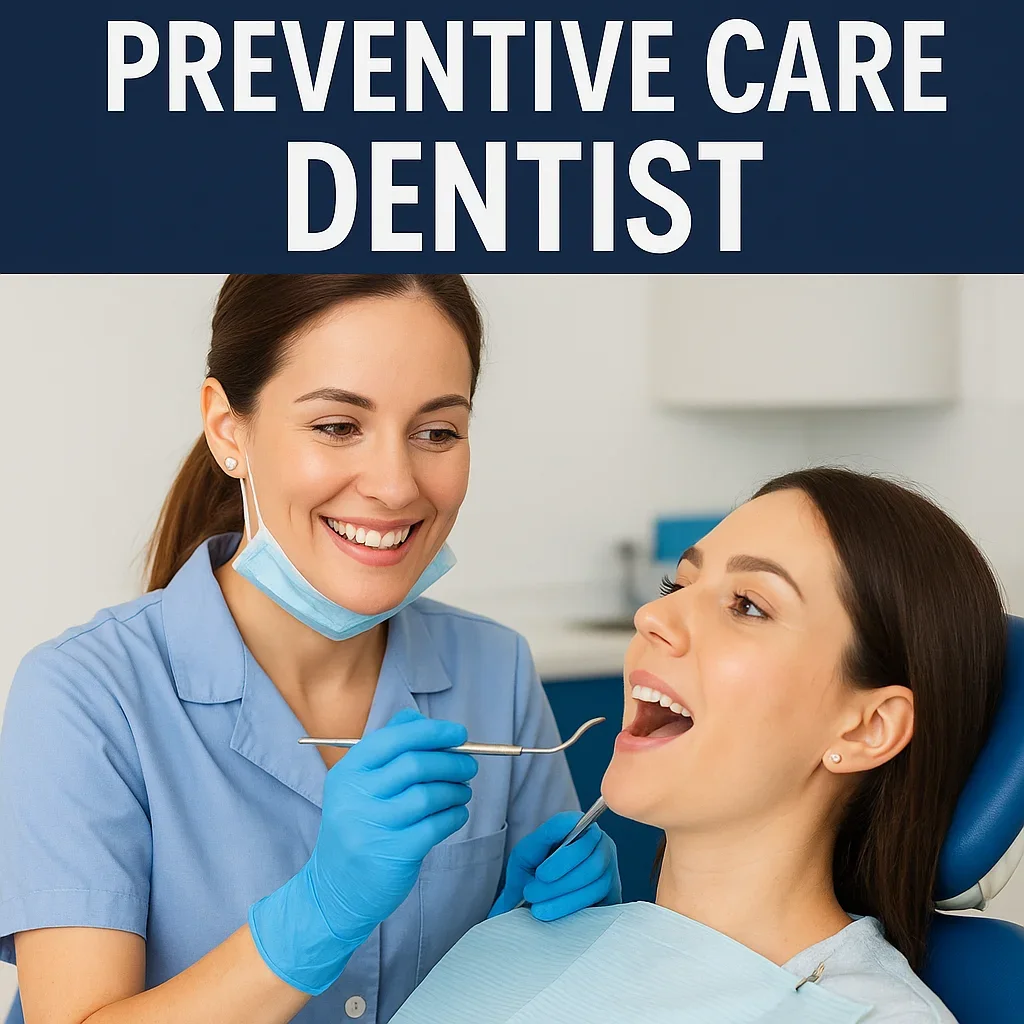
How Preventive Dentistry Enhances Overall Health and Long-Term Well-Being
Many people view dental care as something separate from the rest of their health, but this could not be further from the truth. A preventive care dentist plays a vital role not only in protecting your teeth and gums but also in supporting your entire body’s wellness. Oral health is closely connected to cardiovascular health, diabetes management, respiratory function, immune response, and even cognitive wellness. The mouth is a gateway to the body — and preventive dentistry helps ensure that harmful bacteria, inflammation, and oral infections never have the opportunity to impact your systemic health. In this detailed section, we will explore how preventive dental care contributes to better overall long-term health, reduces disease risks, and supports a healthier lifestyle. 😄
The Oral-Systemic Connection: How the Mouth Reflects Your Health
A preventive care dentist understands that oral conditions often mirror or influence systemic diseases. Gum disease, for example, is strongly linked to heart disease, stroke risk, diabetes complications, and chronic inflammation throughout the body. The bacteria found in advanced periodontal infections can enter the bloodstream, where they trigger inflammatory responses that affect other organs. By maintaining excellent oral health, patients significantly reduce their overall disease burden.
Warning Signs in the Mouth That Indicate Systemic Issues
During your visit, a preventive care dentist may spot symptoms that signal underlying health conditions, such as:
- Dry mouth indicating autoimmune disorders or medication side effects
- Gum inflammation indicating poor blood sugar control
- Oral lesions suggesting vitamin deficiencies or immune dysfunction
- Enamel erosion linked to gastrointestinal reflux
Early identification of these signs allows for faster treatment and prevents complications.
Preventive Dentistry and Heart Health
Several studies show a strong connection between gum disease and cardiovascular problems. A preventive care dentist helps reduce systemic inflammation by controlling plaque, tartar, and periodontal bacteria. When gum disease is prevented or managed early, patients experience lower inflammation markers, reduced coagulation risks, and improved vascular health.
Why Gum Disease Impacts the Heart
Periodontal bacteria can enter the bloodstream through irritated gum pockets. Once inside, they contribute to arterial plaque formation, increasing the risk of heart attack and stroke. Preventive dental care protects your cardiovascular system by reducing this bacterial load and maintaining healthy gums.
Diabetes and Oral Health: A Two-Way Relationship
For individuals with diabetes, oral health is especially important. A preventive care dentist monitors gum tissue closely, as diabetic patients are more prone to infections and inflammation. When gum disease worsens, blood sugar becomes harder to control. Conversely, improved oral health helps stabilize glucose levels.
How Preventive Care Supports Diabetic Patients
- Frequent cleanings reduce inflammation
- Monitoring gum pockets prevents infection
- Patient education improves daily home care
- Early detection of oral changes reduces complications
This collaborative approach between dentistry and medical care dramatically improves patient outcomes.
Respiratory Health and Oral Hygiene
Poor oral hygiene can influence respiratory issues such as pneumonia, especially in older adults. Bacteria from the mouth can be inhaled into the lungs, where they cause infections. A preventive care dentist reduces this risk by eliminating harmful bacteria, controlling periodontal disease, and promoting excellent daily hygiene habits.
Who Is Most at Risk?
Patients with chronic obstructive pulmonary disease (COPD), seniors, and individuals with weakened immune systems benefit greatly from routine preventive care. Regular cleanings reduce bacterial buildup, making breathing safer and more comfortable.
Inflammation Reduction Through Preventive Dentistry
Chronic inflammation is linked to numerous health problems, including arthritis, autoimmune disorders, and cardiovascular disease. A preventive care dentist helps control oral inflammation by treating gum disease early, reducing bacterial load, and strengthening gum tissue. These actions lower the body’s overall inflammatory burden and support immune health.
The Importance of Early Intervention
Once inflammation becomes chronic, it becomes harder for the body to regulate. Preventive dental care breaks this cycle by addressing irritation at its earliest stage and preventing it from spreading to deeper tissues or other organs.
Pregnancy and Oral Health
Pregnant individuals experience hormonal changes that increase their risk of gum inflammation and decay. A preventive care dentist ensures that these changes are monitored closely, reducing the risk of pregnancy complications associated with poor oral health.
How Pregnancy Impacts the Mouth
- Increased blood flow leads to sensitive gums
- Higher risk of gingivitis
- Morning sickness may cause enamel erosion
Preventive visits help maintain stable oral health during pregnancy and support both mother and baby.
Preventive Dentistry and Mental Well-Being
Oral health significantly influences self-esteem, confidence, and social comfort. A preventive care dentist not only protects your physical health but also supports your psychological well-being by helping you maintain a clean, healthy, attractive smile. Patients with good oral health often experience improved mood, reduced anxiety, and greater motivation for self-care.
Confidence Through Prevention
Avoiding dental disease means avoiding pain, discomfort, and cosmetic changes. This contributes to a more confident appearance and a better overall quality of life.
Ultimately, working with a preventive care dentist is one of the most effective ways to support your whole-body health. Preventive dentistry reduces inflammation, improves systemic wellness, strengthens immunity, and contributes to better physical and emotional well-being. Taking care of your mouth is truly an investment in your long-term health and happiness. 😄