
The cost of top dental implants is one of the most frequently searched topics among people looking to restore their smiles with durable and natural-looking teeth replacements. Dental implants have become the gold standard in modern dentistry for replacing missing teeth permanently, but understanding the full cost structure is crucial before undergoing the procedure. This comprehensive guide breaks down every detail — from materials and techniques to location-based pricing and expert insights — helping you make an informed and confident decision. 🦷✨
Dental implants are not just cosmetic; they play a significant role in restoring chewing function, preserving jawbone structure, and preventing adjacent teeth from shifting. However, the cost of top dental implants can vary widely due to several factors such as the number of implants required, the complexity of your dental condition, and the type of implant system used. Whether you’re getting a single tooth replaced or a full arch restoration, the investment goes far beyond just aesthetics — it’s about long-term oral health and improved quality of life. 💪
Typically, the cost of top dental implants includes multiple stages: consultation, 3D imaging, implant placement, abutment connection, and crown attachment. Each phase requires specific materials, technology, and professional expertise. Premium clinics often use advanced digital planning tools and guided surgery techniques that ensure higher precision but can slightly increase costs. Despite this, patients often find the investment worthwhile due to the exceptional long-term results and minimal need for future repairs or replacements.
According to global dental surveys, the average cost of top dental implants in 2025 ranges between $1,500 and $6,000 per implant, depending on the country and dental facility. For example, treatment in the United States or the United Kingdom can be on the higher end due to labor and operational costs, while clinics in Turkey or Hungary may offer world-class standards at more affordable rates. This variation highlights the importance of doing your research and comparing clinic credentials, technology, and patient reviews rather than focusing on price alone. 🌍
When evaluating the cost of top dental implants, it’s essential to understand that you’re paying for more than just a titanium screw. The fee covers the surgeon’s expertise, advanced imaging equipment, biocompatible materials, sterilization processes, and high-quality crowns crafted to match your natural teeth. Furthermore, reputable clinics like Redent Klinik Contact Page emphasize transparent pricing and personalized treatment plans tailored to each patient’s oral health needs and financial situation.
Another factor influencing the cost of top dental implants is whether additional procedures are needed. Bone grafting, sinus lifts, or gum tissue regeneration can significantly enhance the outcome but may also increase the total price. These procedures ensure that your jawbone has enough density to support the implants, which directly impacts the long-term stability and success rate of your treatment. While these steps may seem costly initially, they are vital investments that prevent implant failure and guarantee lasting results. 🧩
Many patients wonder if the cost of top dental implants is worth it compared to dentures or bridges. The answer lies in longevity and comfort. Implants, when properly maintained, can last a lifetime. In contrast, dentures often require adjustments every few years and can cause bone loss over time. Implants fuse with your jawbone through a process called osseointegration, creating a stable foundation that feels and functions just like real teeth. This makes them a one-time investment for lifelong confidence and functionality. 😁
It’s also essential to consider follow-up appointments and maintenance costs in your financial planning. Regular check-ups, professional cleanings, and digital scans help preserve your implants for decades. Reputable organizations like the American Dental Association recommend professional monitoring every six months to ensure implant stability and gum health. Following these guidelines will minimize the likelihood of complications and maximize the value of your initial investment.
Ultimately, the cost of top dental implants depends on balancing affordability with quality. Choosing a well-established dental clinic equipped with modern technology and experienced professionals ensures not only a perfect smile but also peace of mind. Many clinics now offer flexible payment plans and financing options, making implants more accessible to patients worldwide. Whether you’re seeking treatment locally or abroad, understanding the breakdown of expenses and expected outcomes is key to making a smart, informed decision that benefits both your health and your budget. 💰
In summary, while the cost of top dental implants might seem high initially, the long-term benefits — from improved confidence and chewing ability to the preservation of bone structure — make it a wise and rewarding investment. The combination of function, durability, and aesthetics makes dental implants the preferred choice for millions each year. With proper planning and the right clinic, you can achieve the smile you’ve always wanted without compromising quality or safety. 🌟
What Makes the Cost of Top Dental Implants Vary?
The cost of top dental implants can differ significantly from one patient to another, and understanding why these price variations exist is essential before committing to treatment. Dental implants are not a one-size-fits-all procedure; they are personalized solutions designed according to individual oral health, bone structure, and aesthetic goals. The total cost depends on a range of medical, technical, and geographical factors — each influencing the final bill in a unique way. 🦷💡
1. Type and Number of Implants
One of the primary factors affecting the cost of top dental implants is the number of implants required. A single implant will naturally cost less than a full-mouth reconstruction involving multiple titanium posts and crowns. In addition, different implant systems — such as traditional endosteal implants, zygomatic implants, or mini implants — have varying material and surgical requirements. Patients who need full-arch restorations like “All-on-4” or “All-on-6” implant systems often pay higher costs due to the complexity and advanced technology involved. Each extra implant adds not only to the materials used but also to the time, precision, and labor invested by the dental team. ⏱️
2. Material Quality and Brand
The choice of implant material plays a decisive role in determining the cost of top dental implants. Most implants are made from high-grade titanium or zirconia, both known for their strength and biocompatibility. Premium brands like Straumann, Nobel Biocare, and Zimmer Biomet offer lifetime warranties and advanced surface technologies that accelerate healing and ensure long-term stability — but these premium materials come at a higher price. While cheaper alternatives exist, they may not provide the same durability or integration success rate. Investing in high-quality materials ensures your implants last decades with minimal risk of failure.
3. Dentist’s Expertise and Experience
The experience level of your dentist or oral surgeon directly influences the cost of top dental implants. A highly skilled implantologist with years of successful surgeries will typically charge more than a general dentist who performs implants occasionally. However, this added cost often translates into higher precision, fewer complications, and a more natural-looking outcome. Board-certified implant specialists use advanced planning tools such as CBCT (Cone Beam Computed Tomography) and 3D-guided surgery systems to enhance accuracy, which ensures optimal implant positioning and faster recovery times.
4. Diagnostic Imaging and Technology
Modern dental clinics rely on state-of-the-art imaging and digital planning technologies to design precise, customized treatments. Tools such as digital X-rays, intraoral scanners, and 3D bone mapping systems allow dentists to visualize the anatomy of your jaw and plan the perfect implant placement. While these technologies significantly improve outcomes, they also contribute to the cost of top dental implants. The advantage is clear: higher accuracy means less risk of complications, fewer revision surgeries, and better long-term satisfaction. 📸
5. Additional Preparatory Procedures
Many patients require preparatory treatments before implants can be placed. Bone grafting, sinus lifts, or gum reshaping are common procedures that ensure the mouth is ready for implants. These extra steps can increase the cost of top dental implants but are critical for success, especially in cases where bone density is insufficient. Without proper bone support, implants cannot integrate effectively. In such scenarios, the additional cost reflects not just more materials and time, but also the skill needed to perform advanced surgical techniques safely.
6. Geographic Location and Clinic Standards
Location is another major variable affecting the cost of top dental implants. Prices in the United States, Canada, and Western Europe tend to be much higher due to labor, licensing, and overhead costs. Meanwhile, countries like Turkey, Mexico, and Thailand offer comparable quality at a fraction of the price thanks to favorable exchange rates and lower operational expenses. However, the key is to choose accredited clinics that meet international hygiene and safety standards. Clinics such as Redent Klinik Contact Page provide top-tier dental implant services combining affordability with excellence, making them a preferred choice for dental tourism. ✈️
7. Type of Restoration and Crown
The restoration phase — where the visible crown is attached — also contributes to the cost of top dental implants. Crowns can be made from porcelain, zirconia, or porcelain-fused-to-metal (PFM), each with its own aesthetic and durability characteristics. Premium all-zirconia crowns, known for their lifelike translucency and resistance to staining, generally cost more than metal-based options. Additionally, custom-made crowns designed with digital CAD/CAM technology ensure an exact match to your bite and smile, enhancing comfort and natural appearance.
Additional Considerations: Laboratory and Follow-Up Costs
Beyond surgical and material costs, the dental laboratory that fabricates the implant components also affects the final pricing. High-end labs use advanced milling machines and biocompatible materials tested for strength and aesthetics. The craftsmanship and technology behind these components play a vital role in determining the cost of top dental implants. Moreover, post-operative visits, check-ups, and maintenance cleanings should also be factored in when budgeting for your treatment plan.
8. Insurance, Warranties, and Financing
While dental insurance rarely covers implants fully, partial reimbursement for diagnostics or crowns is sometimes possible. Many clinics provide in-house financing or partner with healthcare lenders to make the cost of top dental implants more manageable. Some manufacturers and clinics even offer warranties covering implant replacement in case of structural failure. Before committing, always clarify these financial aspects to avoid unexpected expenses later.
It’s also worth mentioning that organizations like the American Dental Association emphasize transparency and patient education when discussing dental implant costs. Patients should always ask for a detailed treatment plan that outlines every step and associated expense. This level of clarity ensures you know exactly what you are paying for and can compare multiple quotes confidently.
Final Thoughts on Cost Variation
To summarize, the cost of top dental implants can vary widely due to implant quantity, material choice, professional expertise, technological integration, and location. While the price tag might seem intimidating, it reflects the precision, craftsmanship, and medical excellence involved. Instead of focusing solely on the upfront cost, consider the value of long-term comfort, functionality, and self-confidence. Choosing an experienced implant specialist and a reputable clinic ensures that your investment results in a strong, healthy, and beautiful smile that lasts a lifetime. 🌟
Average Price Range for Dental Implants Worldwide 🌍
The cost of top dental implants varies dramatically around the world, reflecting differences in labor, materials, healthcare systems, and local economies. Understanding these price ranges helps patients plan better — especially those considering dental tourism to combine quality treatment with affordability. In this section, we’ll examine average global prices, regional comparisons, and the specific factors that make some destinations far more budget-friendly than others while maintaining excellent clinical standards. 🌎🦷
1. Global Overview of Dental Implant Costs
Across the globe, the cost of top dental implants typically ranges from $1,000 to $6,000 per implant. In countries such as the United States, Canada, and the United Kingdom, prices often sit at the upper end of this range due to higher operational and labor expenses. In contrast, countries like Turkey, Mexico, Thailand, and Hungary are recognized for offering equal-quality care at a fraction of the cost. This wide variation reflects not only economic differences but also the infrastructure and healthcare systems supporting the dental industry.
Patients frequently travel abroad to undergo treatment that might otherwise be unaffordable at home. This trend — known as dental tourism — continues to grow, as more people realize they can save up to 70% on the cost of top dental implants while still receiving world-class care from internationally accredited clinics. ✈️
2. Regional Cost Breakdown by Country
United States and Canada
In the United States, the cost of top dental implants typically ranges between $3,000 and $6,000 per tooth. This includes surgery, abutment, and crown placement. However, if additional procedures like bone grafting are needed, the price can rise to $8,000 or more. Canadian clinics are slightly more affordable, averaging $2,500–$5,000 per implant. Despite the high price tag, patients often choose these regions due to proximity, language familiarity, and robust legal protections.
United Kingdom and Western Europe
In the UK, dental implants can cost between £2,000 and £4,000 per implant, depending on the clinic’s reputation and materials used. Western European countries like Germany, France, and Switzerland often offer similar or slightly higher rates. However, these nations are known for exceptional precision and use of high-end implant systems. While the upfront investment is substantial, the quality and long-term results are typically outstanding.
Eastern Europe: Hungary and Poland
Eastern Europe is one of the most popular regions for dental tourism. In Hungary, the cost of top dental implants averages between $900 and $1,500, offering excellent value without compromising on technology or expertise. Polish clinics provide comparable rates, with many English-speaking dentists and internationally certified facilities. These countries have built strong reputations for combining affordability, safety, and modern equipment, making them top destinations for Europeans seeking cost-effective dental solutions.
Asia: Turkey, Thailand, and India
Asia has become a global hub for dental implant treatments due to competitive pricing and advanced dental education. Turkey, in particular, has emerged as a standout destination. The cost of top dental implants in Turkey ranges between $700 and $1,200 per implant, and this includes high-quality materials, experienced specialists, and luxurious patient care. Thailand and India also offer world-class dental services at similar prices, attracting thousands of international patients annually. Clinics like Redent Klinik Contact Page in Turkey combine modern facilities with highly experienced implantologists, ensuring Western-level standards at significantly lower costs.
Middle East and Australia
In the Middle East, countries like the UAE and Saudi Arabia offer premium dental implant services priced between $2,000 and $4,000 per implant. Australia, meanwhile, remains one of the more expensive destinations, with averages between $3,000 and $5,500. The high cost of top dental implants in these regions reflects strict licensing standards, state-of-the-art clinics, and local economic conditions. However, patients benefit from high professionalism and shorter travel distances.
3. Factors Behind International Price Differences
There are multiple reasons why the cost of top dental implants fluctuates so widely between countries:
- Labor Costs: Western countries have higher operational and staff expenses, raising treatment prices.
- Currency Exchange Rates: Favorable rates in countries like Turkey and Thailand make treatments more affordable for international visitors.
- Government Regulations: Some countries have higher medical licensing and compliance costs, which influence overall pricing.
- Technology Access: Clinics equipped with the latest digital and robotic systems may charge more but offer superior precision and outcomes.
- Healthcare Tourism Incentives: Many developing nations offer lower taxes or subsidies to encourage medical tourism, keeping prices low.
4. Hidden Costs and What to Watch Out For
When calculating the total cost of top dental implants, patients must consider additional expenses beyond the quoted implant price. These can include:
- Initial consultation and diagnostic imaging (X-rays, CBCT scans)
- Bone grafting or sinus lift procedures
- Temporary crowns or dentures during healing
- Follow-up appointments and check-ups
- Travel and accommodation for international patients
Transparent clinics provide full cost breakdowns before beginning treatment. Always request a written treatment plan to avoid unexpected expenses later.
5. Balancing Price and Quality
While it’s tempting to choose the cheapest clinic, patients should prioritize credentials, hygiene standards, and verified reviews. The best approach is to look for internationally accredited clinics — often associated with reputable bodies such as the American Dental Association — to ensure both safety and quality. Remember, the lowest price doesn’t always mean the best outcome. Paying a little more for superior expertise and long-lasting results can ultimately save thousands in future corrective procedures. ✅
6. The Role of Dental Tourism in 2025
In 2025, dental tourism continues to rise as patients seek value without compromising quality. Many travel to countries where the cost of top dental implants is 60–70% lower than at home, all while receiving care from internationally trained professionals. Clinics specializing in foreign patients offer all-inclusive packages covering transfers, hotels, and aftercare — making the process seamless. These comprehensive services, combined with lower living costs, are key reasons Turkey, Hungary, and Thailand dominate the dental tourism market. 🌍
To conclude, understanding the cost of top dental implants globally empowers you to make informed, strategic choices. By comparing international price ranges, verifying clinic accreditations, and factoring in hidden expenses, patients can achieve the best balance between cost and quality. Dental implants are not just about saving money — they’re about restoring confidence, function, and long-term health through expert, affordable care. 🌟
Comparing Single vs. Multiple Implants: What Affects the Cost?
When evaluating the cost of top dental implants, one of the most important distinctions to understand is the difference between getting a single implant and multiple implants. The total investment can vary widely depending on how many teeth need to be replaced, what type of restoration is used, and whether additional treatments are required to support long-term stability. This section dives deep into the specific cost factors that separate single and multiple implant procedures — so you can make a well-informed decision based on both your dental health and your budget. 🦷💰
1. The Basics: What Are Single and Multiple Implants?
A single dental implant is used to replace one missing tooth. It involves placing one titanium screw into the jawbone and attaching a single crown on top. A multiple implant procedure, on the other hand, involves several implants that support multiple crowns or an entire arch of teeth — as seen in systems like “All-on-4” or “All-on-6.” Because of the greater number of implants, materials, and surgical time, multiple implants naturally increase the cost of top dental implants compared to a single one.
Each implant acts as an artificial tooth root that fuses with the jawbone through a biological process called osseointegration. This process ensures long-term stability and functionality. However, more implants mean more surgical planning, precision, and postoperative care — all contributing to the final price tag.
2. Price Comparison: Single vs. Multiple Implant Costs
Let’s look at the numbers. On average, the cost of top dental implants for a single tooth ranges from $1,500 to $3,000 for the implant itself, plus $500–$2,000 for the abutment and crown. That means a single-tooth restoration can cost up to $5,000 in total. Multiple implants — for example, a full upper arch replacement — can range between $10,000 and $30,000 depending on the complexity, implant system, and materials used. While this may seem high, the cost per tooth often decreases with multiple implants, because fewer surgical sessions are required and shared components reduce total expenses.
Example Price Breakdown
- Single Implant: $2,000–$5,000 (includes crown and surgery)
- Three Implants: $6,000–$12,000 (individual placement)
- All-on-4 Full Arch: $10,000–$20,000
- All-on-6 Full Arch: $15,000–$30,000
These ranges are general estimates. Clinics in countries such as Turkey, Hungary, and Thailand often offer full-arch solutions for 50–70% less than in Western countries, without compromising quality. For example, at international clinics like Redent Klinik Contact Page, patients can receive customized multi-implant treatments at globally competitive rates with European-grade materials and technology.
3. Complexity and Surgical Time
Complexity is a major factor determining the cost of top dental implants. A single implant usually takes about one to two hours to place, while multiple implants may require several hours or even staged surgeries over a few months. Advanced techniques such as computer-guided implant placement or zygomatic implants for patients with bone loss add to the precision — and the price. These procedures demand specialized skills and advanced tools such as CBCT scanners and digital implant guides, all of which increase the total treatment cost but significantly improve success rates.
4. Material and Restoration Differences
The type of material used also affects cost differences. For a single implant, the crown can be made of porcelain-fused-to-metal, zirconia, or ceramic. For multiple implants or full arches, restorations may include implant-supported bridges or hybrid dentures. The cost of top dental implants rises with premium materials like zirconia, which offers high strength and natural aesthetics. Additionally, multi-unit abutments and frameworks used in multi-implant cases are more intricate and require extra lab work, further increasing the total price.
Comparing Materials and Aesthetic Outcomes
- Porcelain Crown (Single Tooth): Natural look, lower cost.
- Zirconia Crown: Premium durability and appearance, higher cost.
- Hybrid Denture (Full Arch): Fixed, durable, aesthetically pleasing but expensive.
- Acrylic Denture: More affordable but less long-lasting.
5. Bone Grafting and Sinus Lift Requirements
Multiple implants often require additional procedures like bone grafting or sinus lifts, especially if the jawbone has deteriorated. These surgeries improve bone support, ensuring the implants integrate properly. However, they can add $500–$2,000 per procedure, depending on the clinic and complexity. Therefore, patients should account for these potential add-ons when calculating the total cost of top dental implants.
6. Timeframe and Follow-Up Appointments
Single implant procedures may take 3–6 months from start to finish, while multiple implants or full-arch restorations can extend to 8–12 months due to healing and restoration phases. This longer treatment timeline also influences overall costs, as each appointment, X-ray, and follow-up adds to the total expense. Clinics that provide all-inclusive treatment plans — from surgery to final prosthetics — often reduce these hidden costs significantly, making the cost of top dental implants more predictable for patients.
7. Cost-Effectiveness and Long-Term Value
Although multiple implants require a higher initial investment, they often prove more cost-effective in the long run. Replacing several missing teeth with one bridge supported by two or more implants can save thousands compared to individual implants for every tooth. This approach also minimizes bone loss and prevents adjacent teeth from shifting, leading to lower maintenance expenses. In contrast, single implants are ideal for isolated gaps where the surrounding teeth and gums are healthy. Both options offer exceptional durability and natural aesthetics when performed by an experienced specialist.
8. Insurance, Financing, and Warranties
Insurance coverage for implants varies, but some policies may reimburse part of the crown or diagnostic stages. Many clinics also offer financing plans to make the cost of top dental implants more manageable. Reputable facilities often include lifetime warranties for the implant posts and multi-year guarantees for crowns, ensuring long-term protection of your investment. It’s always advisable to ask for written warranty details before starting treatment. Patients can also verify professional standards through associations such as the American Dental Association.
Final Thoughts: Choosing the Right Option for You
In conclusion, the cost of top dental implants differs greatly between single and multiple implant procedures due to factors such as complexity, material selection, surgical technique, and long-term maintenance. While a single implant offers a simple, reliable solution for one missing tooth, multiple implants provide complete mouth restoration and superior stability. The choice ultimately depends on your oral health needs, budget, and desired aesthetic outcome. With expert planning and transparent pricing, achieving a lasting, confident smile is within reach for every patient. 🌟
Top Countries Offering Affordable Dental Implants in 2025
As dental implant technology continues to advance worldwide, patients are increasingly exploring international options to reduce the cost of top dental implants without compromising on quality. The year 2025 has solidified certain countries as global leaders in affordable, high-quality implant dentistry. These destinations combine modern technology, skilled specialists, and cost efficiency — making them attractive for both local and international patients seeking long-term dental restoration. 🌍🦷
1. Turkey: The Global Capital for Affordable Dental Implants
Turkey has become one of the most sought-after destinations for dental tourism, offering exceptional quality care at a fraction of Western prices. The average cost of top dental implants in Turkey ranges between $700 and $1,200 per implant, including surgery, abutment, and crown. Clinics in Istanbul, Antalya, and Izmir feature state-of-the-art facilities, internationally accredited dentists, and advanced 3D imaging systems. Turkey’s strategic focus on healthcare tourism ensures patients receive comprehensive packages — covering airport transfers, hotel accommodations, and personalized care from consultation to recovery. ✈️
Why Turkey Stands Out
- ISO and JCI-certified dental clinics with European hygiene standards
- Specialized implantologists trained in Europe and North America
- Significant savings — up to 70% lower than in the U.S. or U.K.
- All-inclusive packages for international patients
Reputable clinics such as Redent Klinik Contact Page have built strong reputations by offering customized implant treatments tailored to individual needs, using high-quality brands like Nobel Biocare and Straumann. With advanced digital planning and lifetime warranties, Turkey remains a top-tier destination for patients seeking affordable yet premium dental implant care. 🇹🇷
2. Hungary: Europe’s Dental Excellence Hub
Hungary has earned the title “Dental Capital of Europe,” renowned for combining low costs with world-class dental expertise. The cost of top dental implants here averages between $900 and $1,400 per implant, with Budapest hosting many internationally certified clinics. Hungarian dental professionals are known for their rigorous training and use of the latest European technologies. In fact, Hungary attracts thousands of patients annually from the U.K., France, and Germany due to its proximity and affordable flight connections. 🏥
Advantages of Choosing Hungary
- Highly trained, multilingual dental professionals
- EU regulatory compliance and safety standards
- Advanced CAD/CAM milling systems for precise crowns
- Affordable yet premium-grade implant materials
Patients who visit Hungary often emphasize the balance between affordability and expertise. It’s an ideal destination for Europeans who prefer short travel distances and cultural familiarity while significantly reducing their total implant expenses. ✨
3. Thailand: Advanced Care with a Relaxing Recovery
Thailand has become a leading dental tourism hub, especially for patients from Australia and the United States. The cost of top dental implants in Thailand averages around $1,000 to $1,800 per implant. Thai clinics offer Western-trained specialists, luxurious clinics, and patient-centered experiences. Bangkok and Phuket are the most popular destinations, where clinics provide everything from digital implant planning to sedation dentistry for anxious patients. 🇹🇭
Why Thailand Is Popular
- High success rate due to digital planning technologies
- English-speaking dental teams
- Combination of vacation and dental care experience
- Strong government support for medical tourism
Many clinics in Thailand also provide “smile makeover” packages, including full-mouth restorations and cosmetic enhancements. Patients enjoy high-quality treatment while recovering in world-famous tropical surroundings — a perfect blend of comfort and care. 🌴
4. Mexico: North America’s Affordable Option
For patients in the U.S. and Canada, Mexico offers a convenient and affordable solution. The cost of top dental implants in Mexico ranges from $900 to $1,500 per implant — often half the cost of U.S. clinics. Popular cities like Tijuana, Cancun, and Los Algodones (known as “Molar City”) are home to hundreds of reputable clinics catering to international patients. Most Mexican dentists have been trained in the U.S. or Europe and use the same top-tier materials and implant systems.
Benefits of Getting Implants in Mexico
- Geographical proximity for North American patients
- Lower travel costs and shorter recovery time
- High-quality materials identical to those used in the U.S.
- English-speaking dental professionals
Mexico’s dental tourism infrastructure is designed for convenience — same-day consultations, transparent pricing, and flexible scheduling. With shorter travel distances and affordable flights, it’s a go-to option for patients who prefer staying within the continent.
5. India: Cost Efficiency with Skilled Professionals
India’s dental industry is expanding rapidly, offering cutting-edge technology and competitive pricing. The average cost of top dental implants ranges between $600 and $1,000 per implant. Major cities like Delhi, Mumbai, and Bangalore feature internationally accredited clinics equipped with modern facilities and highly experienced implantologists. Many Indian dentists have received specialized implantology training in the U.S. or Europe, ensuring global standards of care. 🇮🇳
Why Choose India for Dental Implants
- Extremely low treatment costs with excellent quality
- Highly skilled English-speaking dental surgeons
- Comprehensive medical tourism support
- Short waiting times for implant appointments
India’s competitive advantage lies in its combination of affordability and advanced medical infrastructure. Patients often undergo full-mouth restorations at one-third of the cost compared to Western countries while maintaining superior clinical outcomes.
6. Poland: Rising Star in European Dental Tourism
Poland is rapidly emerging as an alternative to Hungary for affordable and high-quality implant dentistry. The cost of top dental implants typically ranges from $900 to $1,500. Polish clinics invest heavily in 3D diagnostics, sterilization systems, and CAD/CAM laboratories, ensuring Western-level care. Moreover, Poland’s membership in the European Union ensures regulatory compliance and standardized patient protections, making it a reliable choice for medical travelers. 🇵🇱
7. Balancing Cost, Quality, and Safety
When selecting a country for your dental implants, it’s essential to prioritize clinic accreditation, sterilization standards, and surgeon credentials. Choosing the cheapest clinic without checking reviews or certifications can lead to complications and additional expenses. The cost of top dental implants should be seen as an investment in long-term oral health rather than just a short-term expense. To ensure safety and success, verify that the clinic uses internationally approved materials and follows protocols recommended by the American Dental Association or equivalent bodies.
8. Final Thoughts: The Future of Global Implant Dentistry
In 2025, dental tourism remains a booming industry — empowering patients to access affordable, high-quality care across borders. Countries like Turkey, Hungary, and Thailand continue to dominate the field due to their advanced clinics and competitive pricing. Whether you seek a single implant or a full-arch restoration, the cost of top dental implants can be reduced significantly by choosing the right destination. 🌟 By combining research, verified credentials, and transparent communication with your chosen clinic, you can achieve a radiant smile and long-lasting oral health at an affordable global price.
How the Type of Implant Material Impacts Total Cost
One of the most defining factors influencing the cost of top dental implants is the type and quality of materials used in the procedure. Every implant component — from the root post to the crown — contributes to the overall durability, appearance, and price. Understanding how each material impacts performance, biocompatibility, and longevity is essential for patients who want to make an informed investment in their oral health. This section explores the materials used in dental implants, their advantages, and how they affect pricing and long-term results. 🦷💎
1. The Three Key Components of a Dental Implant
Each implant system consists of three major parts: the implant post, the abutment, and the crown. Each element can be made from different materials, directly influencing the cost of top dental implants and their overall performance.
- Implant Post (Fixture): Usually made of titanium or zirconia, this is the screw-like structure surgically placed into the jawbone.
- Abutment: The connector that links the post to the crown, which can also vary in material and design.
- Crown (Prosthesis): The visible tooth-like portion placed on top, made from materials such as porcelain, zirconia, or ceramic.
Each component plays a critical role in functionality and aesthetics, and the material quality used in these stages determines the total cost of top dental implants.
2. Titanium Implants: The Gold Standard
Titanium has long been the industry standard for dental implants because of its excellent strength, biocompatibility, and long-term success rate. Titanium integrates naturally with the jawbone through osseointegration, creating a stable foundation for the prosthetic tooth. Due to its proven performance and durability, titanium implants are used in over 90% of implant procedures worldwide. ⚙️
Advantages of Titanium Implants
- Exceptional strength and resistance to corrosion
- Compatible with most bone types and densities
- Lightweight and durable — can last a lifetime with proper care
- High success rate of over 95%
The cost of top dental implants using titanium typically falls in the mid to upper range of global prices. However, their durability makes them cost-effective over time. A single titanium implant usually ranges between $1,000 and $3,000, depending on the clinic and additional components.
3. Zirconia Implants: The Metal-Free Alternative
Zirconia implants have gained popularity as a metal-free alternative to titanium. They are made from a high-strength ceramic material that offers excellent biocompatibility and a natural white color that blends seamlessly with surrounding teeth. Zirconia is ideal for patients with metal sensitivities or those seeking a fully aesthetic, holistic solution. 🌿
Benefits of Zirconia Implants
- Completely metal-free, hypoallergenic, and biocompatible
- Highly resistant to plaque buildup and staining
- Excellent aesthetics — perfect for visible front teeth
- Less conductive, reducing temperature sensitivity
However, these advantages come with a higher price tag. Zirconia implants require advanced manufacturing techniques and precise installation, often increasing the cost of top dental implants by 15–25% compared to titanium. Prices typically range from $1,500 to $4,000 per implant.
4. Hybrid Systems and Advanced Materials
Some clinics now offer hybrid implant systems that combine titanium cores with zirconia coatings, providing the strength of metal and the aesthetics of ceramic. This blend improves gum integration and minimizes inflammation risks. Although these systems are more expensive, they provide enhanced durability and long-term stability, especially for patients with aesthetic concerns in the front jaw. 🦷
Emerging Material Innovations
In recent years, advanced nanostructured titanium and bioactive coatings have entered the implant market. These coatings enhance bone adhesion and speed up healing times, resulting in shorter treatment durations and higher success rates. However, since they require specialized technology and equipment, they can significantly increase the cost of top dental implants.
5. Crown Materials and Their Impact on Price
The crown — the visible part of the implant — plays a significant role in determining the overall cost. Common materials include porcelain, zirconia, and porcelain-fused-to-metal (PFM). Each material offers unique advantages in appearance, durability, and cost.
Comparison of Crown Materials
| Material | Average Cost (Per Crown) | Durability | Aesthetic Quality |
|---|---|---|---|
| Porcelain-Fused-to-Metal (PFM) | $300–$600 | High | Good |
| Full Porcelain | $500–$900 | Moderate | Excellent |
| Zirconia | $700–$1,200 | Very High | Exceptional |
As seen above, choosing zirconia crowns adds to the overall cost of top dental implants but ensures superior durability and natural aesthetics. Patients should consider their long-term goals, budget, and personal preferences when selecting crown materials.
6. Manufacturing Brand and Technology
Top global implant brands like Straumann, Nobel Biocare, and Zimmer Biomet use proprietary technologies that improve bone contact and accelerate healing. These premium systems often come with lifetime warranties, offering peace of mind for patients who want guaranteed long-term success. However, using branded materials raises the cost of top dental implants by up to 30%. Generic systems are available at lower prices but may lack clinical data and consistent quality assurance.
7. The Role of Customization and Aesthetics
Customized implants and abutments are tailored to match the patient’s unique bone structure and gum contour, resulting in a perfect fit and natural appearance. This personalization enhances comfort and function but also increases lab and production costs. Modern digital scanning and 3D printing technologies have revolutionized the customization process, offering near-perfect precision — another factor that raises the cost of top dental implants while ensuring unmatched aesthetic outcomes. 🎨
8. Maintenance, Longevity, and Value Over Time
Although premium materials may seem more expensive initially, they often reduce the need for replacements or repairs. Titanium and zirconia implants, for instance, can last 25 years or more with proper oral hygiene. Therefore, considering long-term performance is crucial when evaluating the total cost of top dental implants. Investing in quality materials means fewer complications, lower maintenance expenses, and sustained satisfaction over decades.
9. Expert Recommendation and Safety Standards
Before finalizing material selection, always consult with your implantologist to determine what suits your specific needs and health condition. The American Dental Association and other international dental bodies recommend using only FDA- or CE-approved materials to ensure biocompatibility and clinical safety. A professional assessment ensures that you achieve both function and aesthetics without compromising long-term health. ✅
Final Thoughts: Balancing Cost, Aesthetics, and Longevity
In conclusion, the type of material used significantly affects the cost of top dental implants, but also determines the treatment’s success, appearance, and lifespan. While titanium offers unbeatable strength and reliability, zirconia provides superior aesthetics and biocompatibility for those seeking metal-free options. Patients should always weigh cost against long-term value — choosing a material that ensures comfort, natural beauty, and lasting results. With expert guidance and reputable materials, your investment in dental implants becomes not just a cosmetic upgrade but a lifelong enhancement to your health and confidence. 🌟
The Role of Dentist Experience and Clinic Reputation
While materials and technology play vital roles, the cost of top dental implants is also heavily influenced by the experience of the dentist and the reputation of the clinic performing the procedure. A highly qualified, well-reviewed implant specialist with advanced training typically charges more than a general dentist — but that difference often translates into greater precision, fewer complications, and longer-lasting results. In this section, we’ll explore how professional expertise, clinic credibility, and patient trust impact both cost and treatment outcomes. 🦷🌟
1. Why Dentist Expertise Matters
The experience level of your implant surgeon is one of the most important determinants of the cost of top dental implants. Dental implants are complex procedures that require advanced surgical skills, anatomical knowledge, and precise aesthetic planning. An expert implantologist has performed hundreds or even thousands of successful implant surgeries, using digital 3D imaging, guided placement, and advanced bone management techniques. Their expertise minimizes risks such as implant misalignment, nerve damage, or bone resorption.
Key Qualifications to Look For
- Specialization in oral and maxillofacial surgery, prosthodontics, or implantology
- Membership in international organizations such as the American Dental Association or the International Congress of Oral Implantologists (ICOI)
- Extensive experience with different implant systems (e.g., Straumann, Nobel Biocare, Zimmer Biomet)
- Continuous professional development and digital dentistry training
These credentials ensure the dentist is proficient in modern implant techniques, which improves long-term results. Naturally, the more experienced the professional, the higher the cost of top dental implants tends to be — but it’s a worthwhile investment for a lifetime of confidence and comfort. 👨⚕️
2. Impact of Clinical Reputation on Pricing
The reputation of the clinic itself is another major factor shaping the cost of top dental implants. Clinics with a solid reputation often maintain strict sterilization standards, use premium materials, and employ highly trained dental teams. Reputable clinics also invest in advanced diagnostic tools like CBCT scanners, intraoral cameras, and 3D CAD/CAM design systems. These investments raise operational costs but ensure safety and precision during every step of the implant process.
Patients are often willing to pay more for peace of mind — knowing their treatment will take place in a clean, accredited, and technologically advanced environment. Clinics that have earned ISO or JCI (Joint Commission International) certification are globally recognized for excellence and patient safety. This adds to their credibility and influences the total cost of top dental implants.
Factors That Build a Clinic’s Reputation
- Years of experience and number of successful implant cases
- Positive online reviews and patient testimonials
- Use of high-end technology and sterilization equipment
- Transparent pricing and treatment planning
- Aftercare services and long-term follow-up programs
For instance, clinics like Redent Klinik Contact Page in Turkey have gained strong reputations through personalized patient care, cutting-edge technology, and transparent cost structures — all of which contribute to both patient satisfaction and international recognition. 🌍
3. Location, Reputation, and Expertise: A Combined Influence
The cost of top dental implants can also reflect the geographical location of a reputable dentist. Clinics situated in major cities or medical tourism hubs often employ leading specialists and charge higher fees to match their demand and standards. However, patients traveling abroad can often access equally qualified experts for significantly lower costs due to favorable local economies and reduced operational expenses.
Example Comparison of Cost by Experience Level
| Professional Type | Average Cost (Per Implant) | Expected Expertise Level |
|---|---|---|
| General Dentist | $1,200 – $2,000 | Basic training, limited experience |
| Certified Implant Specialist | $2,500 – $4,000 | Advanced implant training and experience |
| Renowned Implantologist / Oral Surgeon | $4,000 – $6,000+ | Highly experienced with complex cases |
While opting for a general dentist might seem cost-effective initially, lack of experience can lead to complications that cost much more to fix later. Thus, patients should evaluate expertise over price alone when determining the real cost of top dental implants. 💡
4. The Role of Technology in Experienced Clinics
Experienced dentists and reputable clinics rely on digital innovations to improve accuracy, reduce recovery time, and increase long-term success. Technologies such as guided implant surgery, laser-assisted gum contouring, and 3D bone density mapping allow for minimally invasive and highly precise procedures. While these innovations can increase the cost of top dental implants, they minimize human error and ensure perfect alignment of the prosthetic, resulting in better functionality and aesthetics.
Technology That Adds Value to the Cost
- 3D printing for custom abutments and crowns
- Intraoral scanning for digital impressions (no messy molds!)
- Computer-guided implant placement systems
- Platelet-Rich Fibrin (PRF) therapy to accelerate healing
Each of these technologies enhances precision and patient comfort, explaining why top-rated clinics may charge more but deliver outstanding value and reliability in return.
5. Post-Operative Care and Follow-Up
Another often-overlooked factor in determining the cost of top dental implants is post-operative care. Reputable clinics offer structured follow-up appointments, regular monitoring, and maintenance programs to ensure implant longevity. This aftercare may include cleaning, X-rays, and adjustments, which contribute to overall cost but prevent expensive complications in the future. Quality post-care is a signature of an experienced and patient-focused clinic.
6. How Reputation Affects Patient Confidence
Reputation extends beyond cost — it builds trust. Patients are more likely to choose and recommend clinics with a proven record of safety and success. Online reviews, patient stories, and before-and-after images play a key role in decision-making. Clinics with strong reputations often attract international patients seeking affordable yet high-quality care, reinforcing their credibility and justifying the higher cost of top dental implants.
Final Thoughts: Experience Equals Long-Term Value
Ultimately, the experience of the dentist and the reputation of the clinic are not just cost factors — they’re assurance indicators. A seasoned professional with a trusted reputation delivers consistent results, shorter healing times, and fewer complications. While this might increase the cost of top dental implants initially, it prevents future rework and ensures a lasting smile. In implant dentistry, you’re not just paying for a service — you’re investing in expertise, precision, and lifelong oral health. 🏆
Hidden Costs You Should Know Before Getting Dental Implants
When researching the cost of top dental implants, many patients focus solely on the price of the implant itself — but that’s only part of the total expense. In reality, the true cost of dental implants includes several hidden or secondary fees that can significantly impact your budget. These hidden costs can vary depending on your oral condition, the complexity of your procedure, and the clinic’s pricing structure. Being aware of these expenses in advance allows you to plan more accurately and avoid unpleasant surprises later. 💡🦷
1. Initial Consultation and Diagnostic Imaging
The journey toward dental implants begins with a detailed consultation and diagnostic imaging, which form the foundation of your treatment plan. Most clinics charge separately for these evaluations. Advanced imaging techniques such as panoramic X-rays, digital impressions, and CBCT (Cone Beam Computed Tomography) scans are often used to assess bone density, sinus position, and nerve pathways. These procedures can add anywhere between $100 and $500 to the overall cost of top dental implants.
Although some clinics include this in their package, others list it as an additional service. These tests are indispensable — they guide your dentist in planning precise implant placement and ensuring long-term success. Skipping or minimizing diagnostic imaging may lower upfront costs but increases the risk of implant failure, which can become far more expensive to fix later. 📸
2. Pre-Implant Treatments (Bone Grafting and Sinus Lifts)
Many patients underestimate how much preparatory treatments influence the total cost of top dental implants. If your jawbone has deteriorated or lacks sufficient density, additional procedures such as bone grafting, sinus lifts, or gum regeneration may be necessary. These surgeries rebuild the foundation for a secure and lasting implant. However, they also add anywhere from $300 to $2,500 to the overall treatment cost depending on the complexity and materials used.
Common Preparatory Procedures and Average Prices
- Minor Bone Graft: $300–$700 (using synthetic or natural bone materials)
- Major Bone Graft: $800–$2,500 (for severe bone loss)
- Sinus Lift: $1,000–$3,000 (required for upper jaw implants)
- Soft Tissue Grafting: $400–$1,200 (improves gum aesthetics and implant stability)
These procedures may seem costly, but they are essential for ensuring implant longevity. Without them, the implant may fail to integrate properly, leading to higher expenses in the long term. 🧱
3. Temporary Restorations During Healing
After your implant surgery, it usually takes several months for osseointegration — the process of bone fusing with the implant — to complete. During this healing period, temporary crowns or dentures may be required to maintain appearance and function. These temporary prosthetics are often billed separately and can cost $200–$800. Including them in your budget gives a more realistic picture of the cost of top dental implants.
4. Anesthesia and Sedation Fees
Anesthesia is another hidden expense that patients often overlook. Simple local anesthesia may be included in the base price, but for patients requiring general anesthesia or IV sedation, the cost can increase significantly. Sedation ensures a comfortable experience for those anxious about dental surgery, but it typically adds $250–$1,000 to the total cost of top dental implants. The price varies depending on the duration of surgery and the type of sedation used (oral, IV, or general).
Types of Sedation and Their Typical Costs
- Local Anesthesia: Usually included
- Oral Sedation: $150–$300
- IV Sedation: $400–$900
- General Anesthesia: $800–$1,500
Choosing the right type of anesthesia depends on your comfort level, anxiety tolerance, and the complexity of your surgery. Premium clinics typically include professional anesthesiologists, ensuring both safety and relaxation throughout the procedure. 💤
5. Post-Operative Medications and Follow-Up Visits
Once your implant is placed, follow-up care becomes essential to prevent infection and monitor healing progress. Prescription antibiotics, pain medication, and antiseptic mouth rinses can add another $50–$200 to the overall cost of top dental implants. Follow-up visits — usually two to four appointments over several months — may be included in some clinics’ packages, but others charge separately for professional cleaning or maintenance check-ups.
Reputable clinics schedule follow-ups at one week, one month, and six months post-surgery to ensure proper integration. If complications arise, additional treatments may be needed, further increasing the cost. Therefore, always confirm the scope of post-operative care before starting your treatment plan. ✅
6. Laboratory and Customization Fees
The prosthetic crown, abutment, and implant structure are manufactured in a dental laboratory, often customized to match your natural teeth. The use of high-end technology, such as CAD/CAM digital design and 3D printing, enhances accuracy but also adds to the total cost of top dental implants. Laboratories that use advanced scanning equipment and certified biocompatible materials typically charge higher fees — ranging from $300 to $800 per tooth.
Customization ensures optimal bite alignment, aesthetic appeal, and comfort, preventing future issues such as jaw strain or gum irritation. It’s one of the hidden costs that directly impacts implant success and patient satisfaction. 🎨
7. Maintenance and Long-Term Care Costs
Even after successful implantation, maintaining your new smile involves ongoing care. Regular professional cleanings, X-rays, and dental check-ups help extend the lifespan of your implants. These routine visits usually cost between $100 and $300 annually and should be factored into the total cost of top dental implants. Overlooking long-term maintenance may lead to plaque buildup, gum inflammation, or implant loosening — all of which can require costly corrective treatments later.
Recommended Maintenance Practices
- Professional cleanings twice per year
- Annual X-rays to monitor bone levels
- Regular bite and gum inspections
- Using implant-safe floss and soft toothbrushes
Following these steps ensures long-term implant success and reduces future repair expenses. In fact, consistent maintenance can extend the lifespan of implants beyond 25 years. 🦷💪
8. Travel and Accommodation (for Dental Tourism)
For patients traveling abroad to reduce the cost of top dental implants, travel-related expenses must also be included. These can encompass airfare, local transport, and hotel stays. Many clinics offer all-inclusive dental tourism packages, but not all do. Depending on location, travel costs can add $500–$2,000 to your total expense, especially if multiple trips are needed for follow-up appointments.
9. Warranty and Insurance Limitations
Some implant brands or clinics offer warranties covering replacement or repair in case of failure, but these may have limitations. For example, warranties might not cover accidents, poor oral hygiene, or neglect. Clarifying the warranty details upfront helps avoid unexpected future costs. Additionally, insurance plans often cover only a portion of the total expenses, such as the crown or consultation, rather than the entire cost of top dental implants. Always check your policy carefully before scheduling your procedure.
Final Thoughts: Transparency Is Key to True Value
In summary, understanding all hidden costs ensures realistic budgeting and stress-free treatment planning. From diagnostic imaging to aftercare, every phase of the implant process contributes to the overall cost of top dental implants. Reputable clinics emphasize transparent pricing and provide detailed breakdowns of every fee — from anesthesia to follow-up maintenance. Whether you’re undergoing treatment locally or abroad, clear communication about costs is the foundation of trust and satisfaction. With the right information and professional guidance, you can achieve a flawless smile without unexpected financial burdens. 🌟
Comparing Full Mouth vs. Single Tooth Implant Costs
When exploring the cost of top dental implants, one of the biggest factors influencing your final bill is the number of implants you need — whether you’re replacing a single missing tooth or an entire arch. Understanding the differences between single-tooth and full-mouth dental implant solutions helps patients make informed financial and clinical decisions. In this section, we’ll break down every cost component, explain the treatment process for both cases, and discuss how to maximize value while ensuring long-term oral health. 🦷💰
1. Single Tooth Dental Implants: Precision and Simplicity
A single-tooth dental implant is ideal for patients missing one tooth due to decay, trauma, or extraction. It consists of a titanium or zirconia screw (the implant), an abutment, and a custom-made crown. This approach is minimally invasive and restores both aesthetics and functionality effectively.
Average Cost Range and Breakdown
- Implant Post: $900 – $1,500
- Abutment: $300 – $500
- Crown: $800 – $1,200
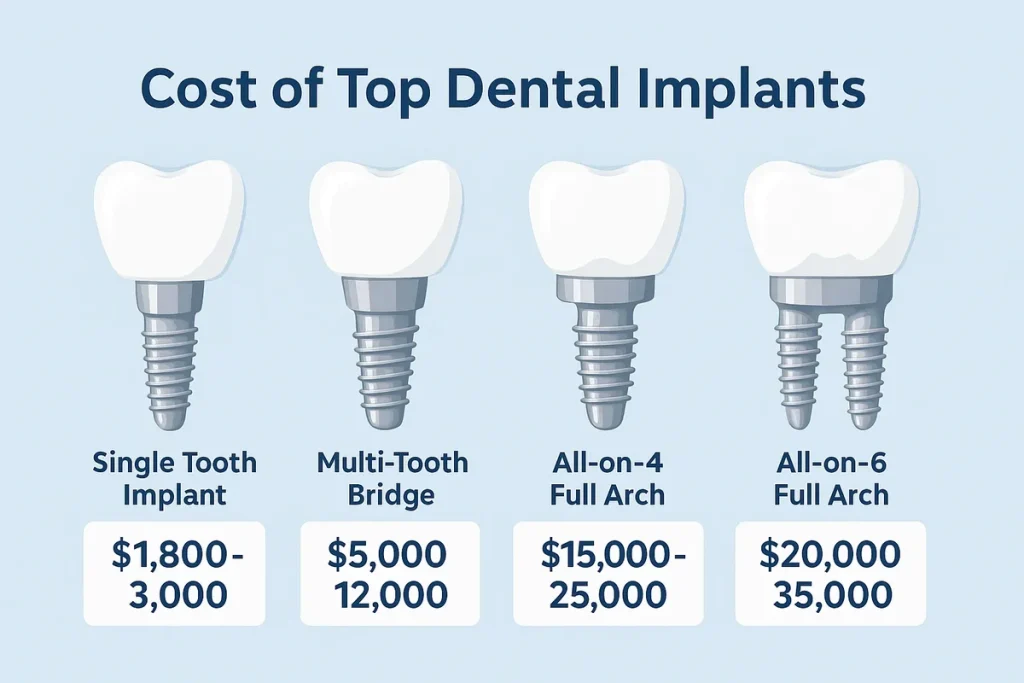
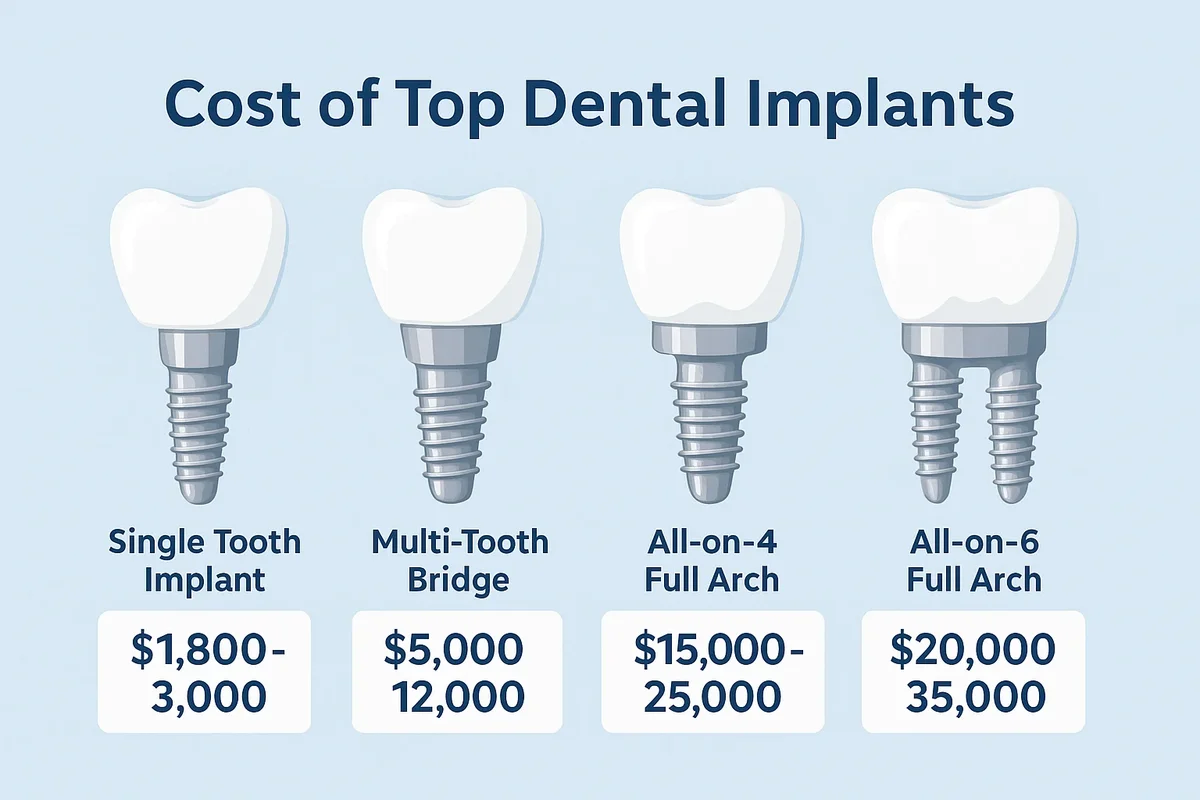
Therefore, the total cost of top dental implants for a single tooth typically falls between $1,800 and $3,000. This price can vary based on material quality, surgeon expertise, and geographic region. The benefit of this method is that it doesn’t rely on neighboring teeth for support, unlike dental bridges, which require grinding healthy enamel. 🌟
Advantages of Single-Tooth Implants
- Preserves bone structure and facial shape
- Independent support (no stress on adjacent teeth)
- Excellent long-term durability — can last 25+ years
- Superior aesthetics and chewing comfort
While the single-tooth solution might appear costly upfront, it’s a one-time investment that reduces future dental problems, making it a cost-effective choice in the long run. In fact, patients often find that the overall cost of top dental implants for a single tooth provides better value than replacing bridges every decade. 🪶
2. Multiple Tooth Implants: Bridging the Gap
When patients are missing several teeth in a row, a multiple-implant bridge is often recommended. This method uses fewer implants than individual replacements — for instance, two or three implants can support a row of four to five teeth. This reduces the total cost of top dental implants while maintaining function and aesthetics.
Typical Pricing and Process
The average price for a multi-tooth implant bridge ranges from $5,000 to $12,000, depending on the number of missing teeth and materials used. The process typically includes:
- Placement of 2–3 implants per section
- Fabrication of a custom bridge connecting crowns
- Healing time of 3–6 months before the permanent prosthetic is attached
This approach offers a balance between cost efficiency and long-term stability. It also minimizes surgical interventions since fewer implant posts are needed. 🦷
3. Full Mouth Dental Implants: A Complete Restoration
For patients missing all or most of their teeth, full-mouth dental implants — such as “All-on-4” or “All-on-6” systems — provide a permanent, natural-looking solution. Instead of replacing each tooth individually, the dentist places 4–6 implants in each jaw to support a full arch of teeth. This technique is both cost-effective and functionally superior to removable dentures.
Cost Comparison: Full-Mouth vs. Single-Tooth
| Type of Implant | Number of Implants | Average Total Cost (USD) | Estimated Lifespan |
|---|---|---|---|
| Single Tooth Implant | 1 | $1,800 – $3,000 | 25+ years |
| Multi-Tooth Bridge (3–5 teeth) | 2–3 | $5,000 – $12,000 | 20–25 years |
| All-on-4 Full Arch | 4 | $15,000 – $25,000 (per arch) | 20+ years |
| All-on-6 or All-on-8 Full Arch | 6–8 | $20,000 – $35,000 (per arch) | 25+ years |
The cost of top dental implants for a full mouth restoration may seem high initially, but it replaces all missing teeth with a permanent, stable, and aesthetic result. In comparison, traditional dentures — though cheaper — require regular adjustments, adhesives, and replacements, which increase long-term costs. 💎
4. Factors Influencing Full-Mouth Implant Pricing
Several variables can raise or lower the total cost of a full-mouth implant procedure, including:
- Bone Grafting or Sinus Lifts: Additional surgeries may be needed for adequate bone support.
- Material Choice: Zirconia full-arch prosthetics are more expensive but highly aesthetic and durable.
- Implant Brand: Premium systems like Nobel Biocare or Straumann can increase the total cost of top dental implants by up to 30%.
- Clinic Reputation: Leading implant centers with modern facilities and internationally accredited surgeons typically charge more.
5. Treatment Duration and Time Investment
The treatment timeline also influences costs. A single-tooth implant may be completed in a few months, while full-mouth restoration often spans 6–12 months. Some clinics offer immediate-load implants (“teeth in a day”), reducing waiting time but slightly increasing the cost of top dental implants due to advanced materials and technology. ⏱️
6. Comparing Long-Term Value
Although full-mouth implants involve a larger initial investment, they offer tremendous long-term value. Traditional dentures can cost $2,000–$5,000 initially, but require relining, adhesives, and replacements every 5–8 years. Over 20 years, this adds up to more than $20,000 — nearly equal to the cost of top dental implants for permanent full-arch solutions. The difference lies in comfort, appearance, and confidence — implants feel and function like natural teeth. 🌟
7. Choosing Between Single and Full Implants
Your decision depends on several factors — oral health condition, bone density, and financial flexibility. If you’re missing only a few teeth, single implants or bridges might suffice. But if you’ve lost most or all teeth, full-mouth implants provide unmatched stability and aesthetics. It’s also possible to combine both: single implants in the front for aesthetics, and bridges or full-arch systems in the back for strength and cost efficiency.
Consultation Tip:
Always seek a professional evaluation to get an accurate quote tailored to your needs. Reputable clinics like Redent Klinik Contact Page offer free consultations, digital X-rays, and transparent pricing to help patients make informed decisions about the cost of top dental implants.
8. Financing and Insurance Options
Many clinics now provide financing plans to make implants more affordable. Flexible payment schedules, health credit systems, or installment options can help patients manage the cost of top dental implants over time. Additionally, some dental insurance policies may partially cover crowns or preliminary treatments, though full coverage remains rare. Checking with both your dentist and insurance provider ensures clarity before beginning treatment. 💳
9. Final Thoughts: Weighing Cost Against Quality
In the end, the choice between single-tooth and full-mouth implants isn’t just financial — it’s a long-term investment in health, appearance, and confidence. The cost of top dental implants reflects not only the materials used but also the surgeon’s expertise, technology, and post-care quality. While full-mouth implants require a higher initial budget, they provide unparalleled comfort and stability for decades. Whether replacing one tooth or an entire arch, the right implant solution can transform your smile and quality of life. 🌍
How to Save Money Without Compromising Quality
Although the cost of top dental implants may initially appear high, there are several effective strategies to reduce expenses while maintaining excellent treatment quality. Patients can make informed decisions by comparing clinics, exploring financing options, choosing reliable but cost-effective materials, and leveraging dental tourism. Saving money doesn’t mean sacrificing durability or aesthetics — it simply requires careful planning, research, and collaboration with an experienced dental team. Let’s explore how to optimize your investment without lowering care standards. 💡🦷
1. Research and Compare Multiple Clinics
The first step toward saving money is comparing quotes from several reputable clinics. Implant costs can vary dramatically depending on the country, city, and clinic reputation. Request detailed written estimates that include all components — implant post, abutment, crown, anesthesia, and aftercare — to avoid hidden fees later. Many clinics offer free online consultations or cost estimations, which help you identify fair pricing structures for your specific case.
For example, while U.S. clinics may charge between $3,000 and $5,000 per implant, countries like Turkey or Hungary offer equivalent quality for $800 to $1,500. This difference demonstrates how location plays a major role in determining the overall cost of top dental implants. However, when comparing prices, it’s crucial to verify the clinic’s accreditation, dentist qualifications, and sterilization standards. A lower price should never come at the expense of safety or professionalism. 🌍
Tips for Effective Comparison
- Ask for complete treatment plans with itemized costs.
- Check verified reviews and before/after photos.
- Confirm if the price includes the abutment, crown, and follow-up visits.
- Look for clinics that provide transparent, fixed pricing.
Reputable international clinics like Redent Klinik Contact Page in Turkey offer free online assessments, multilingual support, and package deals that include accommodation and airport transfers — making them both affordable and reliable options.
2. Take Advantage of Dental Tourism Packages
One of the most effective ways to lower the cost of top dental implants is through dental tourism. Countries such as Turkey, Thailand, Mexico, and Hungary are renowned for providing world-class dental care at a fraction of Western prices. These destinations combine advanced medical facilities, internationally trained dentists, and affordable living costs to create all-inclusive treatment packages.
What Dental Tourism Packages Typically Include
- Implant surgery and all related procedures
- Luxury accommodation near the clinic
- Airport and hotel transfers
- Translation and concierge assistance
- Free follow-up appointments and warranties
When properly planned, dental tourism can save patients up to 60–70% on the total cost of top dental implants. Always confirm the clinic’s certifications and ensure that it follows global hygiene and sterilization protocols. Checking affiliations with organizations like the American Dental Association or the European Association for Osseointegration can provide additional reassurance. ✈️
3. Opt for Quality Local Alternatives
If traveling abroad isn’t an option, consider local clinics that offer competitive pricing or student-led university dental programs. Many dental schools provide supervised implant treatments performed by advanced dental students under the guidance of expert professors. These clinics typically use the same high-quality materials at 30–50% lower cost, making them a smart choice for budget-conscious patients without compromising safety or quality.
Advantages of Dental University Clinics
- Lower treatment costs (due to educational settings)
- Modern technology and supervised procedures
- Personalized care and extended appointment times
While the overall treatment duration may be slightly longer, the savings can be substantial, particularly for multi-implant procedures. This option allows patients to access safe, reliable implant care while minimizing the cost of top dental implants.
4. Choose Standard Implant Brands Over Premium Lines
Implant systems come in a range of prices depending on brand reputation, manufacturing precision, and warranty coverage. Premium names like Nobel Biocare or Straumann are top-tier but costly. However, standard brands that meet FDA or CE certification standards — such as MegaGen, Osstem, or BioHorizons — offer nearly identical clinical success rates at lower prices. By opting for a trusted mid-range brand, patients can save up to 25–35% on the total cost of top dental implants without compromising safety or performance. ⚙️
Brand Comparison Snapshot
| Brand | Average Cost (Per Implant) | Warranty | Clinical Success Rate |
|---|---|---|---|
| Straumann | $1,500 – $2,500 | Lifetime | 98% |
| Osstem | $900 – $1,500 | 10–15 years | 96% |
| MegaGen | $1,000 – $1,800 | 15–20 years | 97% |
Always discuss implant brands with your dentist to ensure compatibility with your bone type and prosthetic goals. Even standard systems can achieve excellent outcomes when installed by experienced professionals.
5. Explore Financing and Payment Plans
Many clinics now offer financing plans that divide the cost of top dental implants into manageable monthly payments. Flexible options through medical financing providers or in-house payment systems can make implants accessible without large upfront expenses. Patients may also use Health Savings Accounts (HSA) or Flexible Spending Accounts (FSA) to cover a portion of implant costs. 💳
Examples of Payment Flexibility
- 0% interest financing over 6–12 months
- Low-interest loans through medical lenders
- Installment-based in-house payment systems
Always read the fine print of financing agreements and ensure the clinic provides written terms. This approach not only spreads the cost of top dental implants but also allows patients to proceed with treatment sooner without waiting to accumulate the full amount.
6. Combine Procedures for Discounted Rates
Another strategic way to save is by combining multiple dental procedures into a single treatment plan. For instance, having extractions, bone grafting, and implant placement completed in one session can reduce anesthesia and clinic visit costs. Clinics often offer package discounts when multiple implants or full-mouth restorations are done simultaneously. This consolidation streamlines treatment time and lowers the overall cost of top dental implants. 🦷
7. Maintain Implants Properly to Avoid Future Costs
Long-term savings also depend on proper maintenance. Regular brushing, flossing with implant-safe tools, and professional cleanings twice a year can extend implant lifespan. Neglecting care can lead to peri-implantitis (gum inflammation around implants), requiring costly repairs or replacements. Investing a few hundred dollars annually in maintenance can save thousands in future rework — a vital aspect often overlooked when calculating the real cost of top dental implants.
8. Take Advantage of Promotions and Seasonal Offers
Many dental clinics run promotional campaigns or seasonal discounts, especially around the holidays or during health tourism expos. Some even offer complimentary consultations or free whitening with implant packages. Subscribing to clinic newsletters or following their official social media pages helps you stay informed about special offers that can lower the cost of top dental implants significantly. 🎁
9. Final Thoughts: Smart Planning Equals Smart Savings
Reducing the cost of top dental implants doesn’t mean compromising quality — it’s about being informed, proactive, and strategic. By comparing clinics, considering certified mid-range brands, exploring international options, and maintaining excellent oral hygiene, patients can save thousands while achieving perfect smiles. Ultimately, choosing the right dentist and clinic ensures not just affordability, but lasting satisfaction, confidence, and health. 🏆
Disclosure: this page may contain affiliate links. We may earn a commission if you use them, at no extra cost to you.