
When it comes to preserving natural teeth and maintaining a healthy smile, an endodontics clinic plays an essential role in modern dentistry 🦷. Endodontics is the dental specialty that focuses on diagnosing and treating issues related to the dental pulp—the inner soft tissue of your teeth that contains nerves, blood vessels, and connective tissue. Whether you are suffering from tooth pain, sensitivity to temperature, or infection, an endodontics clinic offers advanced care designed to save your teeth and restore your comfort.
In simple terms, an endodontics clinic is where patients go for specialized root canal therapy and other treatments aimed at preventing or managing tooth infections. Unlike a general dental office, these clinics are equipped with advanced technology such as digital radiography, dental microscopes, and 3D imaging systems that enable accurate diagnosis and precise treatment. Endodontists—dentists who have received additional years of specialized training—work here to ensure that each patient receives expert-level care tailored to their condition.
One of the main reasons patients visit an endodontics clinic is to treat deep decay or infection within the tooth. When the inner pulp becomes inflamed or infected, it can cause severe pain and may even lead to tooth loss if left untreated. At this stage, an endodontist removes the infected tissue, cleans and disinfects the inner canals, and seals the tooth with biocompatible materials. This procedure, known as root canal therapy, not only eliminates pain but also preserves your natural tooth structure. 😊
Choosing the right endodontics clinic can make all the difference in the success of your treatment. The best clinics don’t just perform procedures—they educate patients, use minimally invasive techniques, and emphasize long-term oral health. Most people mistakenly believe that tooth extraction is the only option when a tooth becomes infected, but in reality, a skilled endodontist can often save that tooth through advanced endodontic care. This approach not only improves your oral health but also helps maintain your natural bite and jaw alignment.
Modern endodontics clinics use a range of technologies that make procedures faster, safer, and virtually pain-free. For instance, dental microscopes provide high levels of magnification that help endodontists identify even the smallest root canals. Cone-beam computed tomography (CBCT) scans offer three-dimensional views of the tooth structure, enabling accurate treatment planning. Laser-assisted cleaning techniques also ensure thorough disinfection, reducing the chances of reinfection and post-treatment discomfort. 🪄
Patients often worry about pain during root canal therapy, but today’s endodontics clinics prioritize patient comfort through the use of local anesthesia, sedation options, and state-of-the-art equipment. Most treatments are completed in one or two visits, and patients typically experience immediate relief from pain. Recovery is quick, and with proper care, a treated tooth can last a lifetime. After your procedure, regular follow-ups and check-ups are essential to ensure continued oral health.
Visiting an endodontics clinic is also about prevention, not just treatment. Regular dental check-ups and early diagnosis of pulp inflammation can prevent more serious issues later. Many clinics also collaborate closely with general dentists, periodontists, and prosthodontists to ensure a holistic approach to oral care. This integrated system benefits patients by addressing not only immediate dental concerns but also overall wellness. 🪥
It’s worth noting that reputable endodontics clinics adhere to the highest professional standards. The American Dental Association provides valuable guidelines that ensure patient safety and quality of care across all dental specialties. Patients can use these resources to verify the credentials and expertise of their chosen endodontist, helping them make informed decisions about their oral health.
If you’re currently dealing with persistent tooth pain or sensitivity, don’t wait until the discomfort becomes unbearable. Contact your nearest endodontics clinic and schedule an evaluation with a specialist. For those seeking expert endodontic care in Turkey, we recommend reaching out via the Redent Klinik Contact Page to discuss personalized treatment options. Professional diagnosis and timely treatment can make the difference between losing a tooth and saving it for life.
Ultimately, an endodontics clinic is more than just a place for root canal treatments—it’s a center for preserving your smile and ensuring long-term oral health. With modern techniques, patient-centered care, and advanced technology, these clinics have transformed one of the most feared dental procedures into a comfortable, effective, and even reassuring experience. Investing in specialized endodontic care means investing in a future where your natural teeth continue to serve you beautifully and pain-free. 🌟
What Is an Endodontics Clinic and Why You Might Need One
Many people only visit the dentist when pain becomes unbearable, not realizing that the root of the problem often lies deep within the tooth. This is where an endodontics clinic comes in — a specialized dental facility focused on diagnosing, treating, and preventing problems related to the dental pulp and the tissues surrounding the roots of teeth. The word “endodontics” comes from the Greek terms “endo” (inside) and “odont” (tooth), referring to treatments that deal with the inner part of the tooth. An endodontics clinic provides the expertise needed to save natural teeth and restore both comfort and confidence to your smile 🦷.
Understanding the Purpose of an Endodontics Clinic
An endodontics clinic specializes in procedures that go beyond the capabilities of a general dentist. While general dentistry focuses on cleaning, fillings, and preventive care, endodontics delves into complex internal tooth issues. Inside each tooth lies a chamber filled with soft tissue known as the dental pulp, which contains nerves and blood vessels. When this pulp becomes infected due to deep decay, trauma, or repeated dental procedures, it can cause intense pain or abscess formation. At this stage, an endodontist — a specialist in root canal therapy — steps in to treat the issue without the need for extraction.
Patients often visit an endodontics clinic when they experience lingering tooth pain, prolonged sensitivity to heat or cold, or swelling near the gums. These are telltale signs that the inner pulp might be compromised. In such cases, endodontists use specialized diagnostic tools like digital X-rays and cone-beam CT scans to assess the tooth’s internal condition. This allows them to develop a treatment plan aimed at preserving the natural tooth structure rather than replacing it.
When Should You Visit an Endodontics Clinic?
Recognizing the early symptoms that warrant a visit to an endodontics clinic can save you from future complications. Persistent toothache, tenderness while chewing, or gum swelling are major red flags. Some patients may also experience discoloration of the tooth or small pimples on the gums, indicating infection or abscess formation. In such scenarios, delaying treatment could lead to spreading infection and even bone loss around the tooth root. By visiting an endodontics clinic early, you increase your chances of saving your tooth and avoiding costlier, more invasive treatments later on.
Emergency Situations Requiring Endodontic Attention
While many visits to an endodontics clinic are scheduled, dental emergencies also occur. A cracked or fractured tooth, for instance, can expose the pulp and cause immediate pain. Similarly, trauma from sports injuries or accidents can lead to pulp damage even if the tooth appears normal on the surface. In these cases, a same-day appointment at an endodontics clinic can mean the difference between saving and losing the affected tooth. Emergency endodontic care involves stabilizing the tooth, removing infected tissue, and sealing the root canal to prevent further bacterial contamination.
Advanced Techniques Used in Endodontics Clinics
Modern endodontics clinics employ a range of advanced technologies to ensure effective, pain-free treatment. High-powered operating microscopes allow specialists to view and clean even the tiniest root canals with precision. Digital radiography reduces radiation exposure while providing instant, high-resolution images. Moreover, 3D imaging helps in mapping out the root canal system before any procedure begins. Laser-assisted disinfection systems and rotary instruments also make treatments faster and more thorough than ever before 🔬.
These innovations contribute to a higher success rate for procedures like root canal therapy. In the past, such treatments were associated with pain and discomfort, but today’s endodontic methods ensure minimal invasiveness. Patients can usually return to their normal routine within a day after treatment. The combination of technology and specialized expertise makes an endodontics clinic the best destination for anyone dealing with dental nerve pain or infections.
The Team Behind an Endodontics Clinic
Every successful endodontics clinic relies on a dedicated team of dental professionals. Apart from the lead endodontist, these clinics often include dental assistants, hygienists, radiology technicians, and administrative staff — all trained to ensure a smooth and comfortable patient experience. Collaboration plays a key role; for example, endodontists often work alongside prosthodontists or general dentists to coordinate long-term restoration plans after a root canal, such as crowns or onlays. This integrated care approach ensures that your treated tooth remains functional and aesthetically pleasing.
Why Specialized Care Matters
Many patients wonder why they can’t simply visit a regular dentist for a root canal. The answer lies in precision and expertise. Endodontists spend additional years in postgraduate training specifically focused on the complexities of the inner tooth structure. They are equipped to handle challenging cases — such as teeth with unusual root canal shapes or those that have undergone previous failed treatments. In short, an endodontics clinic provides a level of care and accuracy that general dental practices often cannot match.
Trusted Standards and Resources
When choosing an endodontics clinic, it’s essential to verify credentials and ensure adherence to professional guidelines. The American Dental Association sets the benchmark for quality dental care, outlining safety protocols and ethical standards for dental specialists. Reputable clinics also use sterilization practices that meet or exceed international standards, ensuring every procedure is conducted in a hygienic and safe environment. 🌟
How to Find the Right Clinic
Finding the best endodontics clinic starts with research and recommendations. Look for clinics with positive patient reviews, certified specialists, and transparent treatment plans. If you are in Turkey or planning to visit for dental care, you can reach out through the Redent Klinik Contact Page to learn more about personalized endodontic services. A good clinic not only provides excellent medical care but also ensures clear communication and emotional comfort throughout your treatment journey.
Ultimately, an endodontics clinic is not just a place for root canals — it is a sanctuary for saving natural teeth, eliminating pain, and restoring confidence in your smile. By seeking specialized care early and choosing an experienced endodontist, you can maintain excellent oral health and enjoy your natural teeth for decades to come. 🌿
Top Signs You Should Visit an Endodontics Specialist
Most people associate tooth pain with cavities or gum disease, but sometimes, the real issue lies much deeper — in the tooth’s inner pulp. Knowing when to visit an endodontics clinic can save you from severe pain, infection, and even tooth loss. Endodontic problems don’t always show visible symptoms, and delaying treatment can allow bacteria to spread to surrounding tissues or even other areas of the body. Understanding the warning signs will help you act early and seek care from a qualified endodontist at a trusted endodontics clinic 🦷.
1. Persistent Toothache That Won’t Go Away
The most common and clear sign that you may need an endodontics clinic is persistent tooth pain. Unlike a brief ache caused by biting something hard, pulp-related pain tends to linger. It may start as a dull discomfort and gradually intensify, especially at night or after consuming hot or cold foods. The pain often radiates to the jaw, ear, or neck, making it difficult to identify the exact source. Endodontists use diagnostic tools like digital radiographs and pulp vitality tests to identify whether the pain originates from infected pulp tissue. If diagnosed early, root canal therapy at an endodontics clinic can provide lasting relief and preserve your natural tooth.
2. Sensitivity to Hot and Cold That Persists
Short-term sensitivity is common after teeth whitening or minor enamel wear, but if you feel sharp, lingering pain whenever you drink coffee or eat ice cream, it’s time to consult an endodontics clinic. Prolonged temperature sensitivity usually indicates that the pulp has become inflamed or infected. When the inner nerve tissue reacts abnormally to thermal changes, it means bacterial activity is affecting the tooth’s internal structure. Endodontists address this by cleaning and sealing the canals, preventing further irritation. This treatment not only stops the discomfort but also prevents more serious damage to the tooth root. 🧊☕
3. Swelling or Tenderness Around the Gums
Swelling or tenderness around a tooth is a major red flag that shouldn’t be ignored. An endodontics clinic often sees patients with gum swelling caused by an abscess — a pocket of pus formed due to bacterial infection inside the pulp chamber. This condition can cause pain, bad breath, or a bad taste in your mouth. In severe cases, the swelling may spread to the jaw or face, requiring immediate endodontic intervention. During treatment, the endodontist will drain the infection, clean the root canal, and seal it to prevent recurrence. Prompt treatment at an endodontics clinic can prevent the infection from reaching the bloodstream and causing systemic issues.
Signs of Abscess Formation
Typical symptoms of an abscess include a small pimple-like bump on the gum (known as a sinus tract), foul taste in the mouth, or pus discharge. Ignoring these signs can lead to bone loss around the tooth root. Visiting an endodontics clinic ensures that the infection is properly diagnosed and managed before it causes irreversible damage. 🩺
4. Tooth Discoloration or Darkening
Another subtle but significant symptom is tooth discoloration. If one of your teeth gradually becomes grayish or darker than the others, it could indicate that the nerve inside is dying due to trauma or decay. This internal staining cannot be fixed with normal whitening products. At an endodontics clinic, specialists use advanced imaging to determine the vitality of the tooth and may recommend root canal therapy followed by internal bleaching to restore your tooth’s natural appearance.
5. Cracked or Chipped Teeth After Injury
Even minor cracks can expose the pulp and allow bacteria to enter. People who grind their teeth or play contact sports are at higher risk. When a tooth is chipped or fractured, immediate care from an endodontics clinic can prevent infection. Endodontists specialize in repairing structural damage through precise root canal procedures and post-core restorations. Ignoring a cracked tooth can lead to infection spreading down to the bone and neighboring teeth.
6. Tenderness While Chewing or Touching
If you experience discomfort when biting down or touching a tooth, it may mean the tooth’s ligament and supporting tissues are inflamed. Endodontic inflammation can create pressure sensitivity that worsens over time. An endodontics clinic can evaluate this issue using percussion and bite tests to pinpoint the affected tooth. Treatment relieves pressure, removes infected pulp, and restores normal function. Once the inflammation subsides, you’ll be able to chew comfortably again. 🍎
7. Trauma or Injury to a Tooth
Traumatic injuries from accidents, falls, or sports can cause internal damage even if there’s no visible crack. A tooth that has turned dark or feels loose might have an injured pulp. In such cases, immediate assessment at an endodontics clinic is crucial to prevent necrosis (death of pulp tissue). Endodontists often use special procedures like pulp capping or regenerative endodontics to preserve vitality, especially in young patients whose teeth are still developing.
8. Previous Dental Work That Didn’t Heal Properly
Sometimes, teeth that have already undergone dental procedures can develop secondary infections. If you’ve had a crown, filling, or root canal that’s now causing discomfort, visiting an endodontics clinic for re-evaluation is essential. Specialists can perform retreatment — a procedure that removes the old filling material, disinfects the canals, and reseals the tooth for complete healing. Advanced tools like ultrasonic cleaners and 3D imaging improve success rates in these complex cases. 🧩
9. Generalized Facial Pain or Swelling
When an infected tooth is left untreated, the infection can spread to adjacent tissues, leading to facial pain, jaw swelling, or even sinus involvement. Many patients mistakenly visit medical doctors thinking they have sinusitis, when in reality, the cause is dental. An endodontics clinic can accurately diagnose this condition using cone-beam CT scans and targeted pulp testing. Correct treatment not only relieves the symptoms but also prevents long-term complications.
Don’t Wait for the Pain to Worsen
If you experience any of these symptoms, don’t delay seeking care. Early diagnosis at an endodontics clinic ensures faster, less invasive treatment and better outcomes. In Turkey, you can contact your local specialist through the Redent Klinik Contact Page for professional evaluation and treatment options. For international standards of care, refer to the American Dental Association guidelines on endodontic practice.
In conclusion, visiting an endodontics clinic at the right time can make the difference between saving and losing a tooth. Understanding these warning signs empowers you to act early, ensuring both your comfort and long-term oral health. 🌿
How Root Canal Therapy Works at a Modern Endodontics Clinic
Root canal therapy is one of the most misunderstood dental procedures, often surrounded by myths of pain and fear. In reality, when performed at a professional endodontics clinic, it is a highly precise and comfortable treatment designed to save natural teeth. Root canal therapy eliminates infection from the inner pulp chamber of a tooth, preserves its structure, and restores full chewing function. With today’s advanced techniques and anesthesia, patients can expect a virtually painless experience that delivers lasting relief and protection. 🦷✨
Understanding the Purpose of Root Canal Therapy
Inside each tooth lies a soft core known as the pulp, which contains nerves, blood vessels, and connective tissue. When decay or trauma reaches this pulp, it becomes inflamed or infected. Left untreated, it can lead to abscesses, swelling, or even bone loss around the tooth root. The goal of a root canal procedure at an endodontics clinic is to remove this infected tissue, clean and disinfect the inner canal, and then seal it with a durable filling material. This process saves the natural tooth, which is always preferable to extraction in terms of both function and aesthetics.
At a modern endodontics clinic, the procedure is meticulously performed using specialized equipment such as operating microscopes, rotary instruments, and digital imaging systems. These tools allow the endodontist to locate all root canals — even the smallest or curved ones — ensuring complete removal of infection and bacteria.
Step-by-Step Process of Root Canal Therapy
Root canal therapy typically follows a well-structured sequence that ensures accuracy and patient comfort. Below is a detailed explanation of each stage performed at a reputable endodontics clinic:
1. Examination and Diagnosis
The process begins with a detailed examination using X-rays or 3D cone-beam computed tomography (CBCT). These imaging tools help the endodontist visualize the tooth’s anatomy and pinpoint areas of infection. Accurate diagnosis is crucial to determine whether root canal therapy is required or if a different approach would be more suitable.
2. Local Anesthesia and Isolation
Before starting the treatment, the endodontist administers local anesthesia to completely numb the affected area. At a professional endodontics clinic, modern anesthetics and sedation options make the experience entirely comfortable. A rubber dam is placed around the tooth to keep the area sterile and prevent saliva or bacteria from entering the working field.
3. Access Opening
The specialist then creates a small opening in the top of the tooth to access the pulp chamber. Using magnification loupes or microscopes, they locate all root canals within the tooth. This step is critical because missing even one canal can lead to treatment failure later on.
4. Cleaning and Shaping the Canals
Once the canals are located, they are meticulously cleaned using small, flexible rotary files. The infected pulp tissue and debris are removed, and the canals are shaped to facilitate effective disinfection. In an advanced endodontics clinic, irrigation solutions and ultrasonic activation are used to ensure that all bacteria are eliminated from deep within the canal system. This phase is essential for long-term success. 🧪
5. Disinfection and Sealing
After cleaning, the canals are dried and filled with a biocompatible material known as gutta-percha. This material seals the canals, preventing any future bacterial invasion. A temporary or permanent filling is then placed on top. Some clinics use advanced thermoplastic techniques to fill canals more effectively, ensuring perfect adaptation to canal walls. The precision and thoroughness of this step at an endodontics clinic determine the longevity of the treatment.
6. Restoration and Crown Placement
After the root canal is completed, the tooth is restored to its normal function with either a filling or a crown. Since a root canal-treated tooth becomes more brittle, a crown is often recommended for protection against fractures. At a high-quality endodontics clinic, endodontists work closely with restorative dentists to design and place crowns that blend seamlessly with your natural teeth.
Advanced Technology Enhancing the Procedure
One of the defining characteristics of a modern endodontics clinic is its use of cutting-edge technology. Digital X-rays provide instant high-resolution images with minimal radiation exposure. Dental operating microscopes allow endodontists to work with precision magnification, reducing the risk of missed canals. Ultrasonic irrigation systems clean deeper than traditional methods, and laser-assisted disinfection destroys bacteria more efficiently. These tools not only improve outcomes but also minimize discomfort and shorten recovery time. 🌟
Pain Management and Patient Comfort
One of the most common fears about root canal therapy is pain. However, at a well-equipped endodontics clinic, pain management is a top priority. With local anesthesia, sedation dentistry, and modern techniques, most patients report that the experience feels similar to getting a filling. Post-treatment discomfort, if any, is mild and temporary, usually manageable with over-the-counter medication. The relief from infection-related pain after the procedure is often immediate and dramatic.
Recovery and Aftercare
After a successful procedure, your endodontist will provide personalized recovery guidelines. Patients are usually advised to avoid chewing on the treated tooth until a permanent crown is placed. Gentle brushing, warm saltwater rinses, and maintaining good oral hygiene promote faster healing. Follow-up visits at your endodontics clinic ensure that the treated tooth continues to function properly. With proper care, a root canal-treated tooth can last a lifetime. 🪥
Benefits of Getting Root Canal Therapy at a Specialized Clinic
Choosing an endodontics clinic for root canal treatment offers multiple advantages. Specialists possess deeper knowledge and greater technical expertise than general dentists. The availability of advanced imaging and surgical instruments ensures more accurate results, fewer complications, and faster recovery. Moreover, patients receive holistic care that addresses both immediate pain relief and long-term dental health.
When to Seek Professional Help
If you experience severe tooth pain, prolonged sensitivity, swelling, or visible abscesses, it’s time to book an appointment with an endodontics clinic. Early intervention prevents infection from spreading and eliminates the need for extraction. If you’re looking for trusted care, you can reach a qualified specialist through the Redent Klinik Contact Page. Additionally, you can refer to the American Dental Association for globally recognized information about root canal procedures and safety standards.
Ultimately, root canal therapy at a modern endodontics clinic is not just about removing infection — it’s about saving your natural tooth, relieving pain, and restoring your confidence to smile again. With precise methods, compassionate care, and cutting-edge tools, endodontists transform a once-feared procedure into a smooth, effective, and life-improving dental experience. 🌿
Advanced Technologies Used in Professional Endodontics Clinics
Modern dentistry has advanced beyond recognition, and nowhere is this evolution more apparent than in a state-of-the-art endodontics clinic. These clinics are equipped with the latest diagnostic and treatment technologies that make root canal procedures faster, safer, and more comfortable than ever before. Endodontists today can perform intricate operations with microscopic precision, ensuring higher success rates and quicker recovery. This section explores the key innovations that define a modern endodontics clinic and how each contributes to improved dental care outcomes. 🦷
Microscopic Precision: The Dental Operating Microscope
One of the most transformative tools in any endodontics clinic is the dental operating microscope. It offers magnification levels up to 25 times greater than the naked eye, allowing endodontists to identify tiny canal openings, hidden cracks, and accessory canals that would otherwise remain unnoticed. This enhanced visibility minimizes the risk of missing infected tissue and improves the sealing quality of root canals.
Additionally, microscopes come with high-intensity illumination systems that eliminate shadows inside the oral cavity. Combined with ergonomic designs and digital viewing monitors, they provide both accuracy and comfort for clinicians and patients. The microscope has become an essential part of modern endodontics, marking the difference between conventional and world-class treatment outcomes.
3D Imaging: Cone-Beam Computed Tomography (CBCT)
CBCT technology has revolutionized diagnostics in the endodontics clinic environment. Unlike traditional two-dimensional X-rays, CBCT creates a detailed 3D model of the tooth and surrounding structures. This allows the endodontist to visualize root morphology, detect cysts or bone loss, and plan treatments with surgical precision. With this technology, even the most complex cases — such as calcified canals or previously failed root canals — can be approached with confidence.
How CBCT Improves Diagnosis
The 3D scans produced by CBCT highlight anatomical variations, helping clinicians locate extra canals and detect fractures that standard X-rays might miss. In addition, this data-driven approach enables customized treatment plans that reduce complications and ensure that no infected tissue remains untreated. Modern endodontics clinics use CBCT not only for diagnosis but also for post-treatment evaluation and surgical planning.
Digital Radiography: Accuracy with Lower Radiation
Digital radiography replaces conventional film-based X-rays, offering instant high-resolution images with significantly lower radiation exposure. Endodontists at an endodontics clinic can capture and display these images in real-time on monitors, enabling immediate diagnosis and patient education. The enhanced image quality allows clinicians to assess fine details like periapical lesions or incomplete fillings. Patients benefit from quicker sessions, less radiation, and more transparent communication about their treatment progress. 🌟
Rotary Endodontic Systems for Speed and Safety
Traditional root canal treatments relied on manual files, which were time-consuming and inconsistent. In contrast, rotary endodontic systems use nickel-titanium (NiTi) instruments attached to electric handpieces that rotate smoothly within the canals. This technology, now standard in most endodontics clinics, allows for faster cleaning, more uniform shaping, and reduced procedural errors. NiTi instruments are flexible and resistant to breakage, ensuring safe navigation even in curved canals. The result: shorter appointments, improved canal sealing, and enhanced treatment comfort.
Electronic Apex Locators
These devices measure the length of a root canal with pinpoint accuracy using electronic signals. Precise measurement ensures that the cleaning and filling process extends exactly to the tip of the root without affecting surrounding tissues. At a modern endodontics clinic, apex locators eliminate guesswork, reducing the number of X-rays required and improving the overall treatment outcome.
Laser-Assisted Endodontics: The Power of Light
Lasers are redefining the patient experience in many dental fields, including endodontics. Laser-assisted techniques are used for cleaning, disinfecting, and even shaping canals. When used in an endodontics clinic, dental lasers penetrate deep into the dentinal tubules, eradicating bacteria that traditional irrigation methods might leave behind. This not only improves disinfection but also accelerates healing by stimulating tissue regeneration.
In addition, lasers minimize bleeding, reduce post-treatment discomfort, and make procedures virtually painless. Many clinics combine laser therapy with ultrasonic irrigation for maximum efficacy — a dual approach that significantly enhances the longevity of root canal treatments.
Ultrasonic and Sonic Activation Systems
Ultrasonic and sonic devices use vibration energy to activate irrigation solutions inside the root canal system. This process helps remove debris, biofilm, and residual bacteria that standard rinsing might not reach. The precision of these systems makes them indispensable at a high-level endodontics clinic. They also play a vital role in retreatment cases where previously filled canals must be cleaned and disinfected before refilling.
Digital Workflow and Patient Records
Another key advantage of a professional endodontics clinic is its fully digital workflow. Patient data, images, and treatment records are securely stored and easily accessible. Digital systems enable seamless collaboration between endodontists, restorative dentists, and prosthodontists. They also enhance patient communication by allowing clinicians to show detailed before-and-after images during consultations. This transparency fosters trust and empowers patients to understand their treatment journey better. 💻
Bioceramic Sealers and Advanced Filling Materials
Filling materials have also evolved significantly in recent years. Bioceramic sealers used in modern endodontics clinics are biocompatible, antibacterial, and highly resistant to leakage. They bond tightly with the dentinal walls and maintain stability over time. Compared to traditional sealers, these materials promote healing of periapical tissues and improve the long-term success rate of treatments.
Why Material Innovation Matters
Every component used during root canal therapy contributes to its final outcome. From the irrigation fluids to the filling materials, advancements in dental chemistry ensure that patients experience minimal post-treatment issues. These innovations also allow for more predictable restorations and greater preservation of the tooth’s natural structure.
Integration of AI and Digital Planning
Some high-end endodontics clinics have started integrating artificial intelligence (AI) for diagnostic support and case prediction. AI-assisted software analyzes radiographic data to identify potential complications or hidden canals before treatment begins. This helps endodontists plan more efficiently and reduce procedural time. Such integration of technology marks a new era of precision dentistry, where data and expertise come together to optimize patient outcomes.
Global Standards and Resources
To ensure that these technologies meet international safety and quality standards, leading organizations such as the American Dental Association regularly publish research and protocols on dental innovations. Patients seeking the latest technology-driven care can consult reputable centers or contact clinics like Redent Klinik to explore their available endodontic technologies and treatment options.
In essence, technology has transformed the endodontics clinic from a place of fear into a center of precision, comfort, and innovation. With tools like digital imaging, lasers, microscopes, and bioceramic sealers, patients today can expect not only pain-free procedures but also outcomes that preserve natural teeth for life. 🌿
The Step-by-Step Process of a Root Canal Treatment
Root canal therapy is one of the most effective procedures for saving natural teeth and relieving severe dental pain. When performed in a professional endodontics clinic, it is a carefully orchestrated process that combines medical expertise, advanced technology, and patient comfort. Understanding how each step unfolds helps patients feel more confident and informed before undergoing treatment. In this section, we’ll walk through the detailed stages of a root canal procedure as performed at a modern endodontics clinic. 🦷
1. Comprehensive Examination and Diagnosis
The journey begins with a detailed evaluation. When you visit an endodontics clinic, the endodontist first reviews your dental and medical history, then conducts a thorough examination using both physical and digital tools. This often includes digital X-rays or cone-beam computed tomography (CBCT) scans to visualize the affected tooth and surrounding bone structure in three dimensions. The purpose of this step is to confirm whether the dental pulp is infected, inflamed, or necrotic (dead), and to identify the number and curvature of the root canals. Accurate diagnosis ensures that treatment targets only the affected area while preserving healthy tissue.
Pulp Vitality Testing
To determine the health of the dental pulp, the endodontist may perform tests such as cold stimulus, electric pulp testing, or percussion. These help assess how the tooth responds to temperature and pressure. In a well-equipped endodontics clinic, digital tools make these tests more precise, allowing for a confident treatment plan.
2. Local Anesthesia and Isolation
Once the diagnosis confirms the need for root canal therapy, the procedure begins with local anesthesia. The endodontist ensures complete numbness of the area using modern anesthetics that provide comfort throughout the process. Patients rarely feel any pain during treatment. A rubber dam is then placed around the tooth to isolate it from saliva and bacteria, ensuring a sterile working environment — a standard protocol at every professional endodontics clinic. 🌿
3. Creating the Access Opening
Next, the endodontist creates a small opening on the surface of the tooth to access the pulp chamber and root canals. This step requires microscopic precision, especially in teeth with complex internal structures. Using an endodontics clinic’s dental microscope, the specialist can identify even the narrowest canal openings. High-powered illumination enhances visibility, ensuring that no part of the infected tissue is overlooked.
4. Cleaning and Shaping the Root Canals
This is the most critical stage of the procedure. The endodontist removes infected or dead pulp tissue using fine rotary instruments made from flexible nickel-titanium. These files clean and shape the canals while preserving the natural structure of the tooth. In a technologically advanced endodontics clinic, this process is often aided by ultrasonic and laser-assisted systems that disinfect the canal walls at a microscopic level.
Antibacterial solutions such as sodium hypochlorite and EDTA are used to flush out debris and bacteria. Some clinics also use ozone therapy or sonic irrigation to further sterilize the canals. This meticulous cleaning process ensures that no bacteria remain, significantly reducing the chance of reinfection. 🧪
Why Canal Shaping Matters
Proper shaping allows for better sealing later in the procedure. The canals are prepared to the optimal size and taper so that the filling material can fit tightly, creating a hermetic seal. This precision is a hallmark of quality care in any endodontics clinic.
5. Disinfection and Filling the Canals
Once the canals are fully cleaned and dried, they are filled with a biocompatible material known as gutta-percha. This thermoplastic compound is softened and compacted into the canals to completely seal them off from bacteria. In modern endodontics clinics, advanced filling systems use heat or hydraulic pressure to ensure the material adapts perfectly to the canal walls.
The canals are then sealed using a dental sealer, which acts as an extra barrier against microbial invasion. This sealing process is vital for long-term success, preventing the return of infection and ensuring the tooth remains stable for many years.
6. Restoring the Tooth
After sealing the canals, the access opening is closed with a temporary or permanent filling. In most cases, a crown is recommended to protect the tooth from fracture, as root canal-treated teeth can become more brittle over time. At a full-service endodontics clinic, patients often receive crown placement as part of the same treatment plan, ensuring continuity of care. The crown restores both the function and the aesthetic appearance of the treated tooth, allowing normal biting and chewing.
Materials Used in Tooth Restoration
Clinics may use different crown materials based on the tooth’s location and patient preference — porcelain, zirconia, or metal-ceramic options are most common. The endodontist collaborates closely with prosthodontic experts to achieve a natural look and perfect bite alignment. This multidisciplinary approach exemplifies the professionalism of a top-tier endodontics clinic.
7. Post-Treatment Care and Follow-Up
Once the procedure is complete, your endodontist provides aftercare instructions to support healing. Mild soreness or tenderness may occur for a few days, but this usually resolves quickly. Patients are advised to avoid chewing on the treated tooth until the final crown is placed. Regular follow-up visits at your endodontics clinic allow the dentist to monitor healing and confirm that the infection has been completely resolved. 🌸
8. Success Rates and Longevity
Root canal therapy performed in a modern endodontics clinic has an impressive success rate — typically above 95%. With proper oral hygiene and routine dental visits, the treated tooth can last a lifetime. Unlike extractions and implants, this procedure maintains your natural bite and jawbone structure, preventing future complications.
9. The Importance of Professional Care
Many patients underestimate the importance of having root canal treatment performed by a specialist. The experience, precision, and technology available in an endodontics clinic far exceed what general dental practices can offer. This translates into better outcomes, reduced pain, and long-term tooth preservation.
For patients in search of professional expertise, the Redent Klinik Contact Page offers a convenient way to book an appointment with experienced endodontists who use advanced technology and evidence-based methods. Additionally, international guidelines from the American Dental Association provide valuable insights into best practices for root canal treatment and endodontic care.
In conclusion, understanding each stage of root canal therapy empowers patients to make informed decisions about their oral health. With precise techniques, advanced tools, and compassionate care, a modern endodontics clinic transforms what was once a dreaded procedure into a seamless, effective, and life-enhancing treatment experience. 🌟
How to Choose the Best Endodontics Clinic Near You
Finding the right endodontics clinic can make the difference between a quick, pain-free recovery and a prolonged, uncomfortable experience. With so many dental centers offering root canal treatments, choosing the best one requires careful evaluation. It’s not only about convenience or price — it’s about expertise, technology, hygiene, and patient care. The following guide will walk you through the essential factors to consider when selecting the ideal endodontics clinic to ensure long-term oral health and satisfaction. 🦷
1. Verify the Qualifications and Experience of the Endodontist
The first step in choosing the best endodontics clinic is to assess the qualifications of the specialist who will perform the procedure. Endodontists undergo several years of advanced postgraduate training after earning their dental degree. This additional education focuses on diagnosing tooth pain, managing infections, and performing root canal therapy with precision.
When researching clinics, check whether the lead endodontist is certified by recognized dental boards or associations. The American Dental Association maintains strict guidelines for professional certification, ensuring that practitioners meet the highest standards of competence and ethics. You can also look for reviews or testimonials that reflect the specialist’s reputation and success rate in treating complex cases. Experience matters — an endodontist who performs hundreds of root canals per year typically achieves better results than a general dentist who does them occasionally. 🌟
Questions to Ask Before Booking
- How many years has the endodontist been practicing?
- Do they handle re-treatments and surgical endodontic cases?
- Are they affiliated with professional dental organizations?
Asking these questions helps you gauge both the skill level and dedication of the specialist before choosing your preferred endodontics clinic.
2. Evaluate the Technology and Equipment Used
A hallmark of a high-quality endodontics clinic is its investment in modern technology. Advanced tools not only improve treatment accuracy but also reduce discomfort and treatment time. Look for clinics equipped with:
- Digital Radiography: Offers instant, high-resolution images with reduced radiation exposure.
- Operating Microscopes: Provide magnification that allows endodontists to identify hidden or complex canals.
- 3D CBCT Scanners: Create detailed three-dimensional images for precise diagnosis and treatment planning.
- Laser and Ultrasonic Systems: Ensure superior cleaning and disinfection of canals.
Clinics that prioritize technology often deliver faster, safer, and more reliable treatments. If possible, take a tour of the facility or ask the staff about the instruments used during root canal procedures. A reputable endodontics clinic will proudly discuss its technology and patient safety protocols.
3. Check for Sterilization and Hygiene Standards
Infection control is a non-negotiable aspect of endodontic care. A professional endodontics clinic adheres to strict sterilization procedures, ensuring that every instrument and surface is completely sanitized between patients. Autoclaves, single-use tools, and sealed equipment packages should be standard. Additionally, the clinical environment should appear spotless and organized. You can also ask the clinic staff about their sterilization procedures or whether they follow guidelines established by international dental authorities.
Signs of Excellent Hygiene Practices
- Staff wearing gloves, masks, and protective eyewear.
- Use of disposable tools when possible.
- Visible sterilization stations and equipment labeling.
Maintaining hygiene reflects professionalism and patient safety — qualities you should never compromise when selecting an endodontics clinic.
4. Assess Patient Reviews and Reputation
Online reviews, word-of-mouth recommendations, and testimonials can provide valuable insights into the patient experience at a particular endodontics clinic. Pay attention to consistent themes such as communication, comfort, and follow-up care. Clinics with high patient satisfaction scores often emphasize personalized treatment plans and empathetic communication.
Reputation also extends beyond reviews. Endodontists who regularly attend conferences or contribute to dental research tend to stay updated with the latest treatment protocols. These are signs of a clinic that values continuous improvement and high-quality service. 🏆
5. Consider Location and Accessibility
While expertise is the top priority, location and accessibility also play a role in choosing the best endodontics clinic. Dental procedures like root canals may require multiple visits, so it’s practical to select a clinic near your home or workplace. Ensure the clinic offers convenient appointment scheduling and flexible hours to accommodate emergencies.
Emergency Availability
Some clinics offer 24/7 emergency care or same-day appointments for urgent cases such as abscesses or severe pain. Having access to an endodontics clinic that provides emergency services ensures peace of mind and immediate relief when needed.
6. Evaluate Cost Transparency and Insurance Options
While cost should not be the deciding factor, transparency in pricing matters. A professional endodontics clinic provides clear estimates before beginning treatment and discusses available payment plans. Many reputable clinics accept dental insurance and even assist patients in processing claims efficiently.
If prices seem unusually low, it might indicate the use of outdated materials or rushed procedures. Instead, focus on the overall value — expertise, technology, hygiene, and follow-up care. Remember, a well-done root canal from an experienced endodontist is an investment in your long-term oral health.
7. Personalized Care and Communication
The best endodontics clinics don’t treat patients like numbers. They take time to explain procedures, answer questions, and create a comfortable atmosphere. Good communication builds trust and eases dental anxiety. During your initial consultation, observe how the staff interacts with you. Are they attentive and empathetic? Do they explain your options clearly?
Clinics that emphasize patient-centered care tend to achieve higher satisfaction rates and better treatment outcomes. 🪥
8. Collaboration with General Dentists
Ideally, an endodontics clinic works in collaboration with your general dentist to ensure continuity of care. After root canal therapy, your endodontist may refer you back to your dentist for crown placement or follow-up examinations. This teamwork guarantees that your overall oral health remains in excellent condition, not just the treated tooth.
9. Finding the Right Clinic for You
Choosing an endodontics clinic is a personal decision that should be based on both practical and emotional comfort. If you’re seeking specialized endodontic care in Turkey, we recommend reaching out to Redent Klinik. Their experienced specialists combine cutting-edge technology with compassionate service to ensure every patient receives optimal results.
In conclusion, selecting the right endodontics clinic means prioritizing expertise, safety, and trust. By doing your research, asking the right questions, and choosing a clinic that values patient satisfaction, you’re taking a vital step toward preserving your natural teeth and maintaining lifelong oral health. 🌿
Post-Treatment Care and Recovery Tips After Endodontic Procedures
Completing a root canal or other endodontic procedure at a professional endodontics clinic is only the first step toward long-term oral health. The healing process that follows plays an equally important role in the success of the treatment. Proper post-procedure care ensures faster recovery, prevents reinfection, and protects your restored tooth for many years to come. In this detailed guide, we’ll explore what patients should expect after visiting an endodontics clinic, along with the best practices for maintaining optimal recovery and comfort. 🦷
1. Understanding the Recovery Process
Immediately after leaving the endodontics clinic, it’s normal to experience mild soreness or sensitivity around the treated tooth. This discomfort is temporary and usually subsides within a few days. The area may also feel slightly swollen due to inflammation caused by the procedure. Most patients can return to work or daily activities the same day, but caution should be taken to avoid putting pressure on the treated tooth until the final restoration (such as a crown) is completed.
The recovery timeline can vary depending on factors such as the complexity of the root canal, the tooth’s condition before treatment, and the patient’s overall health. While pain is typically minimal, following your endodontist’s aftercare instructions closely will significantly improve healing time.
What’s Normal After a Root Canal
- Mild tenderness or sensitivity to touch or pressure.
- Temporary swelling in the gum or jaw area.
- Feeling of fullness around the treated tooth.
- Small bruising or soreness from the anesthesia injection site.
If these symptoms persist beyond one week or intensify, contact your endodontics clinic immediately for evaluation. Severe or prolonged pain may indicate a complication such as reinfection or an improperly fitted crown.
2. Pain Management and Medications
At a modern endodontics clinic, patient comfort remains a top priority. After your procedure, your endodontist will typically recommend over-the-counter pain relievers such as ibuprofen or acetaminophen to manage mild discomfort. These medications reduce inflammation and promote faster healing. In some cases, especially if there was a severe infection, your dentist may prescribe antibiotics to prevent reinfection.
Always take prescribed medications as directed and avoid self-medicating. Applying an ice pack to the outside of your cheek for 10–15 minutes at a time can also help minimize swelling during the first 24 hours. Avoid applying heat to the affected area, as it may increase inflammation.
3. Eating and Drinking After Treatment
Nutrition plays an important role in recovery. During the first few hours after your appointment at the endodontics clinic, wait until the anesthesia completely wears off before eating to avoid biting your tongue or cheek. Once the numbness subsides, choose soft foods that require minimal chewing — examples include yogurt, mashed potatoes, soup, and scrambled eggs. 🥣
Avoid hard, crunchy, or sticky foods like nuts, candies, and chewing gum, as these can put stress on the treated tooth or dislodge temporary fillings. Drink plenty of water and avoid extremely hot or cold beverages to minimize sensitivity. As healing progresses, you can gradually reintroduce solid foods into your diet, but try to chew on the opposite side of your mouth until your dentist gives full clearance.
Recommended Foods During Recovery
- Soft fruits (bananas, peaches, cooked apples)
- Smoothies and protein shakes
- Oatmeal or porridge
- Steamed vegetables
4. Maintaining Oral Hygiene
Keeping your mouth clean after treatment is essential to prevent bacterial growth. Brush your teeth gently twice a day using a soft-bristled toothbrush, avoiding aggressive movements around the treated area. Continue to floss daily but be cautious near the restoration site until it’s fully healed. At a top-tier endodontics clinic, patients are often advised to use an antiseptic mouthwash or saltwater rinse to further reduce bacteria.
Rinse your mouth with warm saltwater (½ teaspoon of salt in a cup of warm water) two to three times per day during the first few days. This simple step promotes healing and soothes gum tissues without irritation. 🪥
5. Protecting the Treated Tooth
After root canal therapy, the internal structure of the tooth no longer contains live nerve tissue, which makes it slightly more brittle. To prevent cracks or fractures, your endodontist will likely recommend placing a dental crown. This crown restores the tooth’s strength and functionality, allowing you to chew normally again. Until the crown is placed, avoid biting hard foods on the treated side.
Why Crowns Are Essential
A crown acts as a protective shell, distributing pressure evenly and reducing the risk of future fractures. At a well-equipped endodontics clinic, custom crowns are designed to match the natural color and contour of your surrounding teeth for a seamless appearance. The result is a functional, aesthetically pleasing restoration that lasts for many years.
6. Follow-Up Appointments
Follow-up visits are critical to confirm that healing is progressing as expected. During these appointments, your endodontist will take post-treatment X-rays to verify that the infection has cleared and the canals remain sealed. Regular check-ups also allow your endodontics clinic to identify early signs of potential complications such as microleakage or crown wear.
If you experience ongoing discomfort or sensitivity months after treatment, don’t hesitate to schedule a visit. Early intervention ensures long-term success and minimizes the need for retreatment.
7. Lifestyle and Habits to Avoid
Post-treatment care extends beyond oral hygiene — it includes lifestyle choices that support healing. Avoid smoking and excessive alcohol consumption, as both slow down tissue recovery and increase the risk of reinfection. Teeth grinding (bruxism) should also be addressed, as the pressure can weaken the treated tooth or crown. If you grind your teeth at night, ask your endodontics clinic about a custom night guard for protection.
Stress and Oral Health
High stress levels can contribute to jaw clenching, which affects the integrity of your treated tooth. Incorporating relaxation techniques such as deep breathing, meditation, or light exercise can reduce tension and promote overall well-being.
8. Long-Term Oral Care Routine
To maintain the results of your treatment, schedule regular dental check-ups every six months. A reputable endodontics clinic will track your progress, perform professional cleanings, and provide personalized advice for ongoing oral health maintenance. Consistent care ensures your treated tooth remains strong and your smile continues to shine. 🌿
9. When to Contact Your Endodontist
While complications are rare, it’s important to recognize when to call your endodontics clinic. Contact your endodontist immediately if you notice:
- Severe or worsening pain after several days
- Swelling that spreads to the face or neck
- Pus or drainage from the treated tooth
- Loosening of the crown or filling
Prompt communication with your clinic helps prevent small issues from turning into major problems. For personalized follow-up and professional care, you can reach out through the Redent Klinik Contact Page — their experienced team is dedicated to ensuring successful recovery for every patient.
In summary, visiting an endodontics clinic for your treatment is just the beginning of your journey toward restored oral health. By following these comprehensive post-treatment care steps, maintaining proper hygiene, and attending regular check-ups, you’ll protect your investment and enjoy a lifetime of strong, pain-free smiles. 🌟
Common Myths About Root Canal and Endodontic Treatments
Root canal therapy is one of the most misunderstood dental procedures. Over the years, myths and misconceptions have spread widely, creating unnecessary fear and anxiety for patients who could otherwise benefit from timely treatment. In reality, when performed at a professional endodontics clinic, root canal procedures are safe, effective, and virtually pain-free. Let’s debunk the most common myths surrounding endodontic treatments and shed light on the truth behind this essential dental service. 🦷
1. Myth: Root Canal Treatment Is Extremely Painful
One of the most persistent myths about visiting an endodontics clinic is that root canal therapy is painful. This misconception dates back to decades ago when dental technology and anesthesia were less advanced. Today, thanks to modern local anesthetics and sedation options, root canal treatments are no more uncomfortable than getting a simple filling. At a modern endodontics clinic, patients often feel immediate relief after the procedure because the infected nerve tissue causing the pain is removed.
Fact: Root Canal Therapy Relieves Pain, Not Causes It
The goal of endodontic treatment is to eliminate infection and inflammation — the true sources of toothache. Endodontists use precise instruments and advanced anesthesia to ensure total comfort throughout the procedure. Patients typically experience only mild sensitivity afterward, which subsides within a few days. 🌿
2. Myth: Tooth Extraction Is Better Than Root Canal Treatment
Many people believe removing an infected tooth is faster and cheaper than undergoing a root canal. However, dental experts consistently emphasize that saving your natural tooth at an endodontics clinic should always be the first choice. Natural teeth maintain proper chewing function, jawbone integrity, and overall facial balance — benefits that cannot be fully replicated by artificial replacements.
Fact: Preserving Natural Teeth Is Always Preferable
When performed correctly, root canal therapy has a success rate exceeding 95%. Extracting a tooth, on the other hand, can lead to long-term issues such as bone resorption, shifting of neighboring teeth, and bite misalignment. Replacing a missing tooth with an implant or bridge is often more expensive and time-consuming than visiting an endodontics clinic for a root canal.
3. Myth: Root Canal Treatments Require Multiple Long Appointments
Another outdated belief is that root canals take several lengthy sessions to complete. While this may have been true in the past, advancements in dental imaging, rotary instrumentation, and sealing materials have streamlined the process. In most cases, an experienced endodontist at a well-equipped endodontics clinic can complete the entire procedure in just one or two visits.
Fact: Modern Endodontic Technology Saves Time
Digital X-rays, cone-beam CT scans, and rotary tools make diagnosis and treatment faster and more efficient. Patients can return to their normal routines almost immediately after the procedure, with minimal downtime or discomfort. 🕒
4. Myth: Root Canal Therapy Causes Illness or Infection in the Body
This myth originated from outdated research conducted nearly a century ago, suggesting that root canals could cause systemic diseases. Those studies have been thoroughly debunked by modern science. According to the American Dental Association and numerous peer-reviewed studies, there is no evidence linking root canal treatment to any form of illness or infection outside the mouth. Reputable endodontics clinics follow strict sterilization and hygiene protocols to eliminate all infection sources within the tooth.
Fact: Endodontic Treatment Prevents the Spread of Infection
Rather than causing illness, root canal therapy prevents it by removing infected pulp tissue and sealing the tooth to stop bacteria from spreading. This process restores oral health and protects the rest of the body from potential complications caused by untreated dental infections.
5. Myth: Teeth Become Useless After a Root Canal
Some patients assume that a tooth loses its strength or functionality after treatment at an endodontics clinic. In reality, a root canal restores the tooth’s ability to function normally. Once the infected pulp is removed and the canals are sealed, the tooth is reinforced with a crown or onlay to prevent fractures.
Fact: Treated Teeth Can Last a Lifetime
With proper care and restoration, a root canal-treated tooth can remain healthy for decades. The crown placed over the tooth restores its appearance and chewing strength, making it nearly indistinguishable from the surrounding teeth. 🦷✨
6. Myth: Root Canal Therapy Is Only for Severe Pain
Many people delay treatment until pain becomes unbearable, thinking they don’t need an endodontics clinic visit unless discomfort is extreme. However, infections can exist without noticeable symptoms. Sometimes the pulp dies silently, leading to abscess formation or bone damage without significant pain.
Fact: Early Diagnosis Prevents Complications
Regular dental check-ups and X-rays can detect problems before they become painful. Visiting an endodontics clinic at the first sign of sensitivity, discoloration, or gum swelling can save time, money, and discomfort in the long run.
7. Myth: Root Canals Have a Low Success Rate
This is another false assumption that prevents patients from seeking proper care. When performed by a skilled endodontist using modern equipment, root canal therapy is among the most successful dental procedures available. Studies show that treatments completed in an advanced endodontics clinic have a success rate of over 95%, and retreatments are available if rare complications occur.
Fact: Advanced Techniques Guarantee High Success
Technological tools like electronic apex locators, microscopes, and 3D imaging ensure thorough cleaning and sealing, minimizing the risk of reinfection. Follow-up care and professional monitoring further enhance the long-term success of your treatment.
8. Myth: Root Canal Treatment Is Too Expensive
While cost is often a concern, it’s important to view endodontic care as a long-term investment in oral health. The cost of a root canal at an endodontics clinic is generally less than the combined expense of extraction, implant, or bridge placement. Furthermore, saving your natural tooth helps preserve bone density and prevents future dental complications — saving you even more in the long term.
Fact: Root Canal Therapy Offers Better Value
Reputable clinics provide transparent pricing and may offer payment plans. You can also reach out to the Redent Klinik Contact Page to learn about treatment options and financial arrangements suited to your needs.
9. Myth: All Dental Clinics Provide the Same Quality of Care
Not all clinics have the same level of specialization or technology. A dedicated endodontics clinic focuses exclusively on diagnosing and treating pulp and root-related issues. Endodontists receive additional years of training and use specialized tools designed specifically for root canal therapy. This level of expertise ensures better outcomes, shorter recovery times, and minimal discomfort compared to general dental practices.
Fact: Specialist Care Makes a Difference
Choosing an experienced endodontist ensures that your treatment is performed with precision and care. A well-equipped endodontics clinic uses advanced imaging, rotary instruments, and biocompatible materials that significantly enhance treatment quality and durability. 🌟
In conclusion, modern root canal therapy is a safe, comfortable, and highly effective procedure when performed in a professional endodontics clinic. By understanding the facts and dispelling outdated myths, patients can make confident decisions about their oral health. Always seek guidance from certified specialists and trusted dental organizations like the American Dental Association to ensure accurate, science-based information for your treatment choices. 🌿
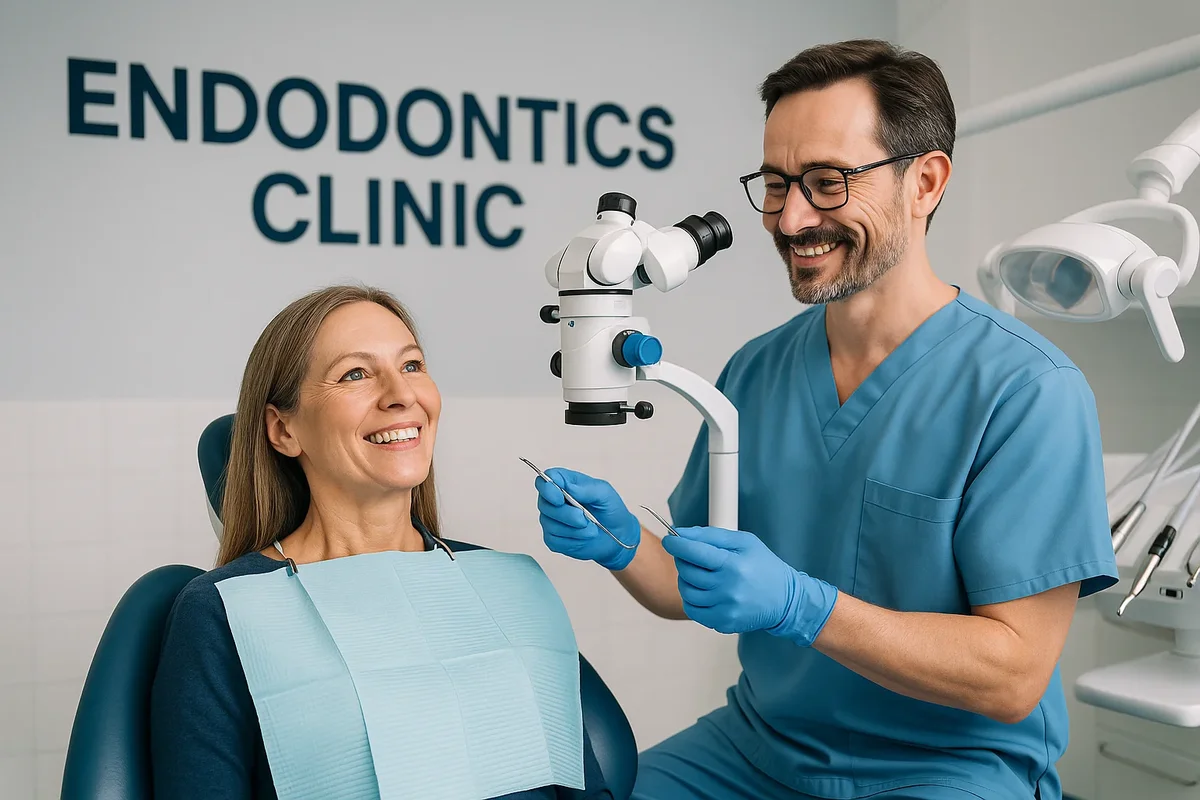
Why Choosing a Professional Endodontics Clinic Ensures Long-Term Oral Health
When it comes to maintaining a healthy smile, most people focus on regular cleanings and cavity fillings. However, for deeper dental issues like infections, cracks, or severe sensitivity, a specialized endodontics clinic plays a crucial role in saving natural teeth and preserving overall oral health. Choosing a professional clinic is not just about treating pain — it’s about protecting your long-term well-being through precision, technology, and expertise. In this comprehensive section, we’ll explore why professional endodontic care is essential, how it promotes lasting dental health, and what sets a high-quality endodontics clinic apart from standard dental practices. 🦷
1. Specialized Expertise You Can Trust
Endodontists are dental specialists who undergo years of advanced education focused on diagnosing and treating tooth pulp and root canal issues. Unlike general dentists, who perform a broad range of treatments, specialists at an endodontics clinic dedicate their entire practice to preserving natural teeth through advanced procedures such as root canal therapy, apicoectomy, and trauma management.
This focused expertise ensures higher precision, better outcomes, and fewer complications. Studies consistently show that procedures performed by endodontic specialists have significantly higher long-term success rates than those done in general dental settings. 🌿
Key Advantages of Specialist Care
- Comprehensive understanding of dental anatomy and pulp pathology.
- Ability to manage complex or previously failed root canal cases.
- Access to the latest tools, materials, and sterilization protocols.
When you choose a professional endodontics clinic, you’re not just getting treatment — you’re receiving expert care designed to protect your teeth for life.
2. Preservation of Natural Teeth
Every effort at a modern endodontics clinic focuses on saving your natural teeth whenever possible. Unlike tooth extraction, which can lead to bone loss and jaw misalignment, root canal therapy preserves the original tooth structure. This prevents the shifting of neighboring teeth and maintains your natural bite.
Keeping your natural teeth intact also supports jawbone density, which is essential for facial aesthetics and function. The loss of even a single tooth can cause gradual bone resorption, leading to sunken facial features over time. Therefore, the work performed at an endodontics clinic directly contributes to long-term facial harmony and oral functionality.
3. Advanced Diagnostic and Treatment Technology
Modern endodontics clinics invest heavily in state-of-the-art diagnostic and treatment equipment. These technologies allow for greater precision, faster healing, and reduced discomfort. Examples include:
- 3D Cone-Beam Computed Tomography (CBCT): Produces high-resolution, three-dimensional images of tooth roots and surrounding structures.
- Operating Microscopes: Magnify the treatment area to detect microfractures and hidden canals.
- Digital Radiography: Offers instant, high-quality X-rays with minimal radiation exposure.
- Laser-Assisted Therapy: Provides deep disinfection and accelerates tissue healing.
These advancements make treatments at an endodontics clinic minimally invasive, more predictable, and more efficient compared to traditional methods. Patients benefit from shorter appointments, quicker recovery, and long-lasting results. 🔬
4. Comprehensive Infection Control and Safety Standards
Hygiene is one of the most critical aspects of dental care. A reputable endodontics clinic adheres to international sterilization standards, ensuring that every instrument, surface, and room remains contamination-free. Proper disinfection protocols eliminate the risk of cross-contamination and secondary infection during or after treatment.
Standard Safety Measures Include:
- Single-use tools and sealed sterile packaging.
- Autoclave sterilization for reusable instruments.
- Protective barriers and personal safety equipment for every procedure.
By maintaining these strict infection control measures, professional clinics create a safe and hygienic environment where patients can feel fully confident in their care. 🌸
5. Personalized Treatment Plans for Every Patient
No two teeth are alike — and neither are two treatment plans. A skilled endodontics clinic tailors every procedure based on the patient’s individual needs. Using digital scans and comprehensive evaluations, endodontists develop personalized strategies that balance efficiency, comfort, and aesthetics.
For example, patients with complex root structures may require 3D imaging for accurate canal mapping, while those with pre-existing conditions such as diabetes may need modified post-treatment care. Personalized planning ensures optimal healing and long-term success.
6. Enhanced Patient Comfort and Care
Modern endodontics clinics prioritize patient comfort through advanced pain management techniques, including local anesthesia and sedation options. The goal is to eliminate fear and anxiety traditionally associated with root canal treatments. Compassionate communication, calm surroundings, and clear explanations are standard in a professional setting.
Some clinics even use gentle music or aromatherapy to help patients relax during their appointments. The focus is not just on treating the tooth — it’s about ensuring a positive and reassuring experience from start to finish. 💆♀️
7. Long-Term Monitoring and Preventive Care
The relationship with an endodontics clinic doesn’t end after treatment. Follow-up care plays a vital role in ensuring the success and longevity of your restored tooth. Periodic check-ups and imaging help detect early signs of reinfection, allowing for prompt intervention if needed. Preventive education is also provided to help patients maintain oral hygiene and avoid future dental issues.
Ongoing Care Recommendations:
- Attend regular dental visits every six months.
- Brush and floss gently around the restored tooth.
- Report any sensitivity or discomfort immediately.
8. Integration with Other Dental Services
Many full-service clinics, such as Redent Klinik, integrate endodontic treatment with prosthodontics, orthodontics, and cosmetic dentistry. This multidisciplinary approach ensures that every aspect of your oral health is managed under one roof. Collaboration between specialists leads to comprehensive treatment outcomes — from saving a tooth to restoring its function and appearance.
9. Financial Transparency and Value
Cost transparency is another hallmark of a reputable endodontics clinic. Patients receive a clear breakdown of treatment fees, insurance options, and financing plans before any procedure begins. While endodontic treatments may seem costly upfront, they often prove more economical in the long run compared to tooth extraction and replacement. Preserving your natural tooth helps you avoid future expenses like implants or dentures while maintaining superior comfort and functionality.
10. Commitment to Education and Innovation
The best endodontics clinics stay ahead of the curve by continuously adopting new techniques, materials, and research-backed practices. Many endodontists participate in global dental conferences, contribute to scientific studies, and follow the latest standards established by the American Dental Association. This dedication to learning ensures that patients receive the most effective and up-to-date care available. 📚
In conclusion, choosing a professional endodontics clinic is an investment in both your oral health and your overall quality of life. With expert care, advanced technology, and a patient-centered approach, these clinics offer long-term protection for your natural teeth, preventing unnecessary extractions and future complications. By trusting qualified specialists, maintaining follow-up visits, and prioritizing preventive care, you can enjoy a confident, healthy smile that lasts a lifetime. 🌟