
When a crown breaks off tooth, it can be alarming and uncomfortable. Many people rely on dental crowns to restore damaged or weakened teeth, so losing one unexpectedly may raise concerns about pain, infection, or further damage. If a crown breaks off tooth, understanding the situation and knowing what steps to take can help protect your dental health and prevent complications. Fortunately, in most cases, dentists can repair or replace the crown effectively when treatment is sought quickly.
A dental crown is a custom-made cap placed over a damaged tooth to restore its shape, strength, and appearance. Crowns are commonly used after root canal treatment, for cracked teeth, or when a large filling leaves little natural tooth structure remaining. Because crowns are bonded securely with dental cement, they are designed to stay in place for many years. However, situations may arise where a crown breaks off tooth due to various factors such as decay underneath the crown, trauma, biting hard foods, or gradual wear of the cement.
When a crown breaks off tooth, the exposed tooth underneath may feel sensitive to temperature, pressure, or air. This happens because the crown normally protects the tooth’s structure and nerve endings. Without that protection, the tooth may temporarily become vulnerable. In some cases, patients notice that a crown breaks off tooth while eating sticky foods like caramel or chewing gum, which can pull the crown away from the cement.
One of the most important things to remember when a crown breaks off tooth is to remain calm and locate the crown if possible. If the crown is intact, your dentist may be able to clean and reattach it. Carefully rinse the crown with clean water and store it safely until you can visit the dental clinic. Avoid using glue or attempting to permanently reattach the crown yourself, as this may damage the tooth or make professional treatment more difficult.
Sometimes when a crown breaks off tooth, patients worry that the tooth itself may have fractured. While this can happen in some cases, often the crown simply becomes loose because the cement has weakened over time. Dental crowns typically last between 10 and 15 years depending on oral hygiene, diet, and regular dental checkups. If the crown is older, it may naturally loosen and eventually detach.
If a crown breaks off tooth, it is important to schedule a dental appointment as soon as possible. Delaying treatment may increase the risk of bacterial infection, tooth sensitivity, or further damage to the exposed tooth structure. Dentists will examine the tooth carefully to determine whether the original crown can be reattached or whether a new crown should be fabricated.
Patients often ask whether a crown breaks off tooth situation is painful. In many cases, there is little or no pain immediately after the crown comes off. However, sensitivity may develop over time because the underlying dentin becomes exposed. Drinking very hot or cold beverages may cause discomfort until the tooth is properly protected again.
Another concern when a crown breaks off tooth is the risk of damaging the tooth further while eating. Without the crown’s protective layer, the remaining tooth may be weaker and more susceptible to fractures. Dentists usually recommend chewing on the opposite side of the mouth and avoiding hard foods until the crown can be repaired or replaced.
Maintaining proper oral hygiene is also essential after a crown breaks off tooth. Continue brushing gently around the exposed tooth and floss carefully to prevent plaque buildup. Keeping the area clean helps reduce the risk of decay developing beneath the crown margin once it is reattached.
Dental professionals emphasize that a crown breaks off tooth situation is very common and usually manageable. With prompt care, dentists can restore the tooth’s function and appearance quickly. If you experience this issue and need professional advice, you can contact a dental clinic for assistance through the Redent Klinik Contact Page. Dental experts will guide you on the next steps and schedule the appropriate treatment.
For trusted information about dental care and oral health standards, patients can also consult resources from the American Dental Association, which provides helpful guidance about crowns, restorations, and preventive dental care.
In summary, when a crown breaks off tooth, the situation may feel stressful but it is usually not a permanent problem. By locating the crown, protecting the exposed tooth, and seeking professional dental care promptly, you can minimize discomfort and ensure that your smile remains healthy. Understanding why a crown breaks off tooth and how dentists treat it helps patients respond quickly and confidently when this common dental issue occurs. 😊
Why a Crown Breaks Off Tooth: The Most Common Causes
When a crown breaks off tooth, patients are often surprised because dental crowns are designed to be durable and long-lasting. However, despite their strength, crowns can still detach due to several underlying factors. Understanding why a crown breaks off tooth helps patients prevent future issues and seek timely dental treatment. Dental crowns protect weakened teeth, but the success of a crown also depends on the condition of the underlying tooth, oral hygiene habits, and lifestyle factors.
Most dentists agree that when a crown breaks off tooth, the problem rarely occurs randomly. In many cases, a specific cause gradually weakens the bond between the crown and the tooth structure. Identifying these causes can help patients avoid repeating the same issue after the crown is repaired or replaced. Below are the most common reasons why a crown breaks off tooth and what you should know about each situation.
Weak or Worn Dental Cement
One of the most common explanations for why a crown breaks off tooth is the gradual weakening of the dental cement that holds the crown in place. Dental cement is strong but not permanent. Over time, it may deteriorate due to chewing pressure, saliva exposure, or bacterial activity. When the cement weakens, the crown can loosen and eventually detach from the tooth.
If a crown breaks off tooth because of worn cement, the crown itself may still be in excellent condition. In these cases, a dentist may simply clean the crown and reattach it using new bonding material. Regular dental checkups allow dentists to identify early signs of crown loosening before a crown breaks off tooth unexpectedly.
Tooth Decay Under the Crown
Another important reason a crown breaks off tooth is decay developing beneath the crown margin. Although the crown covers the visible part of the tooth, bacteria can sometimes enter small gaps between the crown and the natural tooth. If oral hygiene is insufficient, plaque can accumulate in this area and gradually cause decay.
When decay weakens the underlying tooth structure, the crown loses its stable foundation. As a result, a crown breaks off tooth because the tooth underneath can no longer support it. Dentists typically detect this issue during dental exams using X-rays and visual inspections. If decay is present, the dentist may need to remove the damaged tissue and create a new crown.
Chewing Hard or Sticky Foods
Diet also plays a significant role in why a crown breaks off tooth. Hard foods such as ice, nuts, or hard candies can place excessive force on a crown. Similarly, sticky foods like caramel, chewing gum, or toffee can pull on the crown and gradually loosen it.
Patients often report that a crown breaks off tooth while eating sticky snacks. These foods create strong pulling forces that can detach the crown from the cement layer. Dentists typically advise patients with crowns to avoid extremely sticky or hard foods to reduce the risk that a crown breaks off tooth during meals.
Teeth Grinding (Bruxism)
Teeth grinding, also known as bruxism, is another common cause when a crown breaks off tooth. Many people grind their teeth unconsciously while sleeping. This repetitive pressure can gradually weaken both the crown and the cement bond.
If a crown breaks off tooth because of bruxism, dentists may recommend wearing a custom night guard. Night guards protect dental restorations from excessive pressure and significantly reduce the risk that a crown breaks off tooth again in the future.
Warning Signs of Teeth Grinding
Some people are unaware they grind their teeth until dental damage occurs. Signs that grinding may contribute to a situation where a crown breaks off tooth include:
- Frequent jaw soreness in the morning
- Headaches after waking up
- Flattened or worn teeth
- Chipped dental restorations
If these symptoms appear, consulting a dentist quickly can help prevent another situation where a crown breaks off tooth.
Poor Crown Fit or Placement
Sometimes a crown breaks off tooth because the crown was not perfectly fitted during placement. Dental crowns must be precisely shaped to match the tooth and bite alignment. If the crown does not fit properly, uneven pressure during chewing may gradually loosen it.
A poorly fitted crown increases the chance that a crown breaks off tooth earlier than expected. Skilled dentists carefully measure and adjust crowns to ensure a stable fit that distributes chewing pressure evenly across the tooth.
Trauma or Accidental Injury
Dental trauma is another potential cause when a crown breaks off tooth. Accidents such as falls, sports injuries, or sudden impacts to the mouth can dislodge a crown instantly. Even a minor hit can loosen the bonding material.
If a crown breaks off tooth due to trauma, it is essential to see a dentist quickly to ensure the underlying tooth is not fractured. Protective mouthguards are often recommended for athletes to prevent injuries that could cause a crown breaks off tooth.
Natural Wear Over Time
Dental crowns are durable but not permanent restorations. Over many years of daily chewing and temperature changes, crowns experience wear and tear. Eventually, the bonding material and surrounding tooth structure may weaken.
This is why many dental crowns are replaced after about 10–15 years. When a crown reaches the end of its lifespan, a crown breaks off tooth may occur simply because the restoration has aged. Regular dental visits help monitor crown condition and prevent sudden detachment.
In summary, when a crown breaks off tooth, there is usually an identifiable reason such as cement failure, decay, diet habits, grinding, trauma, or aging restorations. Recognizing these causes helps patients take preventive measures and maintain their dental restorations longer. By understanding why a crown breaks off tooth, patients can protect their oral health and avoid unexpected dental emergencies. 😊
Immediate Steps to Take When a Crown Breaks Off Tooth
When a crown breaks off tooth, it can feel stressful and confusing, especially if it happens suddenly while eating or speaking. Dental crowns are meant to protect weakened teeth, so when one becomes detached, the tooth underneath may become vulnerable to sensitivity, damage, or infection. The good news is that when a crown breaks off tooth, there are several immediate steps you can take to protect your oral health until you see a dentist. Acting quickly and correctly can significantly increase the chances that the crown can be reattached without complications.
Many patients panic when a crown breaks off tooth, but dentists emphasize that this situation is relatively common and manageable. The most important thing is to stay calm and focus on protecting the exposed tooth structure. Whether the crown fell out while chewing sticky food or loosened over time, following proper first-aid dental steps will help prevent further problems.
Step 1: Locate and Preserve the Crown
If a crown breaks off tooth, the first step is to locate the crown if possible. Many crowns come off intact and can be reused by the dentist. Carefully remove it from your mouth if it has detached completely and rinse it gently with clean water. Avoid scrubbing it aggressively because the crown material may be delicate.
Once you find the crown after a crown breaks off tooth, store it in a clean container or small plastic bag. Some dentists recommend placing it in milk or saliva to keep it hydrated. Keeping the crown safe increases the possibility that your dentist can clean and reattach it instead of creating a completely new restoration.
Step 2: Rinse Your Mouth Gently
After a crown breaks off tooth, food particles and bacteria may accumulate around the exposed tooth. Rinsing your mouth gently with warm saltwater can help reduce bacteria and soothe irritated tissues. This step is especially helpful if the gum area around the tooth feels sensitive.
Saltwater rinses help keep the area clean while you wait for professional dental treatment. If a crown breaks off tooth, maintaining oral hygiene is critical because bacteria can quickly reach the underlying dentin and cause decay or infection.
Step 3: Protect the Exposed Tooth
When a crown breaks off tooth, the tooth underneath may be fragile and sensitive. Without the crown’s protective covering, the tooth may react strongly to hot, cold, or sweet foods. Dentists often recommend covering the exposed tooth temporarily using dental cement available at pharmacies.
Temporary dental cement kits can help stabilize the crown or protect the tooth if a crown breaks off tooth. However, this solution is only temporary and should never replace professional dental treatment. If you cannot place the crown back safely, leave the tooth uncovered and simply avoid chewing on that side of your mouth.
Important Safety Tip
Never use household glue if a crown breaks off tooth. Super glue and other adhesives contain chemicals that can damage tooth enamel and irritate oral tissues. Only dental-specific temporary cement should be used, and even that should be considered a short-term measure.
Step 4: Manage Tooth Sensitivity
It is very common for patients to feel sensitivity after a crown breaks off tooth. The exposed dentin layer of the tooth contains microscopic tubules connected to the nerve. This can cause discomfort when drinking cold beverages or breathing in cool air.
If sensitivity occurs after a crown breaks off tooth, you can minimize discomfort by:
- Avoiding hot or cold foods
- Using desensitizing toothpaste
- Chewing on the opposite side of the mouth
- Taking over-the-counter pain relievers if necessary
These measures can help reduce discomfort until your dentist repairs the tooth after the crown breaks off tooth incident.
Step 5: Avoid Hard or Sticky Foods
Another important precaution when a crown breaks off tooth is to avoid foods that could damage the exposed tooth structure. Hard foods like nuts, ice, or hard candy can crack the remaining tooth. Sticky foods such as caramel or chewing gum can also irritate the area and trap bacteria.
If a crown breaks off tooth, dentists usually recommend eating soft foods like yogurt, soup, scrambled eggs, or mashed potatoes until the crown is repaired. This reduces pressure on the vulnerable tooth and prevents further complications.
Step 6: Contact a Dentist Immediately
Perhaps the most important step when a crown breaks off tooth is scheduling a dental appointment as soon as possible. Even if the tooth does not hurt, delaying treatment can lead to decay, infection, or structural damage. Dentists can evaluate the tooth and determine whether the crown can be reattached or whether a new crown is necessary.
Professional dental care ensures the tooth remains protected after a crown breaks off tooth. Dentists will examine the tooth, clean the crown, remove old cement, and restore the crown using modern dental adhesives.
When Immediate Emergency Care Is Needed
Although many cases where a crown breaks off tooth are not emergencies, some symptoms require urgent care. Seek immediate dental attention if you experience:
- Severe pain
- Bleeding or swelling
- A cracked or broken tooth beneath the crown
- Difficulty chewing or biting
These symptoms may indicate additional damage beyond the crown itself.
Why Acting Quickly Matters
When a crown breaks off tooth, the exposed tooth structure can deteriorate quickly if left untreated. Bacteria can penetrate the tooth, leading to cavities or even infections that may require root canal therapy. Acting quickly increases the chance that the dentist can simply reattach the crown.
In summary, when a crown breaks off tooth, patients should remain calm, protect the tooth, locate the crown, avoid harmful foods, and contact a dentist promptly. These simple steps significantly reduce the risk of complications and help restore the tooth quickly and safely. Understanding what to do when a crown breaks off tooth empowers patients to handle this common dental issue with confidence and protect their long-term oral health. 😊
Is It an Emergency When a Crown Breaks Off Tooth?
When a crown breaks off tooth, many people immediately wonder whether they are facing a dental emergency. The sudden loss of a dental crown can feel alarming, especially if it happens while eating or speaking. Although it may not always require immediate emergency treatment, it is still a dental situation that should be addressed promptly. Understanding when a crown breaks off tooth and whether it requires urgent care helps patients react appropriately and avoid complications.
A dental crown acts as a protective cap over a weakened tooth. When a crown breaks off tooth, the underlying tooth may become exposed to bacteria, temperature sensitivity, and mechanical stress. While some cases are painless and relatively minor, others may indicate deeper dental issues such as decay, fractures, or infection beneath the crown. Knowing how to evaluate the situation when a crown breaks off tooth allows you to determine the best course of action.
Situations When a Crown Breaking Off Is Not an Emergency
In many cases, when a crown breaks off tooth, it does not cause severe pain or bleeding. This often happens when the dental cement holding the crown gradually weakens over time. If the crown simply becomes loose or falls out while eating, the tooth underneath may still be structurally stable.
When a crown breaks off tooth without pain, swelling, or bleeding, the situation is usually considered urgent but not a true dental emergency. You should still contact a dentist within a few days to have the crown examined and reattached. Waiting too long, however, may allow bacteria to accumulate around the exposed tooth, increasing the risk of decay.
Some patients notice that a crown breaks off tooth when eating sticky foods such as caramel or chewing gum. In these situations, the crown may still be intact and reusable. Dentists can often clean the crown, apply fresh cement, and place it back onto the tooth during a routine appointment.
Signs That a Crown Breaking Off Is an Emergency
Although many cases are mild, there are situations where a crown breaks off tooth and requires immediate dental attention. Emergency treatment may be necessary if the tooth or surrounding tissue has been damaged.
If a crown breaks off tooth and you experience intense pain, swelling, or bleeding, it may indicate underlying complications. These symptoms suggest that the tooth may have cracked, become infected, or suffered trauma. In these cases, you should seek dental care as soon as possible to prevent further damage.
Emergency Warning Signs
- Severe or throbbing tooth pain
- Bleeding around the exposed tooth
- Swelling in the gums or face
- A visible crack in the tooth beneath the crown
- Difficulty biting or chewing
- Signs of infection such as fever or pus
If any of these symptoms occur after a crown breaks off tooth, contacting a dentist immediately is strongly recommended. Emergency dental treatment can prevent the situation from progressing into more serious problems such as abscesses or tooth loss.
Why Prompt Treatment Is Important
Even if the situation does not seem severe, ignoring a situation where a crown breaks off tooth can lead to complications. The exposed tooth may be weaker and more vulnerable to fractures. Bacteria can also enter microscopic openings in the tooth structure, potentially leading to decay or infection.
When a crown breaks off tooth, the protective barrier that shields the tooth from external forces disappears. This increases the risk that the tooth may crack or deteriorate over time. Dentists therefore recommend scheduling a dental visit as soon as possible after the crown comes off.
Temporary Care Until You See a Dentist
If a crown breaks off tooth and you cannot see a dentist immediately, there are temporary measures that can help protect the tooth. These steps reduce sensitivity and minimize the risk of damage until professional treatment is available.
- Rinse the mouth gently with warm salt water
- Avoid chewing on the affected side of the mouth
- Use temporary dental cement if recommended
- Keep the crown in a clean container if it is intact
- Avoid extremely hot, cold, or sugary foods
These precautions can make the situation more manageable until the dentist repairs the tooth after a crown breaks off tooth.
How Dentists Evaluate the Situation
When you visit a dental clinic after a crown breaks off tooth, the dentist will carefully examine both the crown and the underlying tooth. This evaluation often includes visual inspection, bite testing, and sometimes dental X-rays. The goal is to determine whether the tooth remains healthy enough to support the crown again.
If the crown is undamaged and the tooth structure is intact, the dentist may simply reattach the crown using new dental cement. However, if the tooth has decayed or fractured, the dentist may recommend replacing the crown or performing additional treatment before placing a new one.
Understanding the Difference Between Urgent and Emergency Dental Care
It is helpful to understand the distinction between urgent and emergency dental situations. When a crown breaks off tooth, it is usually considered urgent rather than life-threatening. This means the issue should be addressed quickly but may not require immediate emergency treatment unless severe symptoms occur.
Emergency dental care is typically reserved for situations involving severe pain, uncontrolled bleeding, or infection. However, ignoring a case where a crown breaks off tooth for too long can eventually lead to an emergency if the exposed tooth becomes damaged or infected.
Protecting Your Tooth After a Crown Breaks Off
Ultimately, when a crown breaks off tooth, the best approach is to treat the situation seriously but calmly. By protecting the exposed tooth and contacting a dentist quickly, you can prevent additional complications and restore your dental health. Dental crowns are designed to last many years, and in many cases where a crown breaks off tooth, the crown can be successfully reattached or replaced.
Understanding whether a crown breaks off tooth situation is an emergency helps patients respond correctly and maintain long-term oral health. With prompt professional care, dentists can restore the tooth’s protection, function, and appearance so that you can return to normal eating and speaking without discomfort. 😊
Can You Put a Dental Crown Back On Yourself?
When a crown breaks off tooth, one of the first questions many patients ask is whether they can put the crown back themselves. Because dental crowns often come off unexpectedly, it is understandable that people want a quick solution until they can visit a dentist. While it may seem simple to place the crown back onto the tooth, the reality is more complex. When a crown breaks off tooth, professional evaluation is usually necessary to ensure the tooth and crown remain healthy and functional.
In certain situations, temporary solutions may be possible at home. However, it is very important to understand the limitations and risks involved. Attempting to permanently fix a crown yourself can damage the tooth, cause infection, or make it harder for the dentist to repair the restoration later. Knowing what you can safely do when a crown breaks off tooth helps protect your dental health while waiting for professional care.
Why Dental Crowns Require Professional Placement
Dental crowns are precisely designed restorations. When a dentist places a crown, several steps are involved, including cleaning the tooth, adjusting the bite, and bonding the crown using specialized dental cement. When a crown breaks off tooth, this delicate balance may be disrupted.
The dentist must ensure that the crown fits correctly and that no decay or damage has occurred underneath. If a crown breaks off tooth, there may be hidden problems such as weakened tooth structure or worn cement. Reattaching the crown without professional cleaning can trap bacteria and lead to future complications.
For this reason, dentists strongly recommend scheduling an appointment whenever a crown breaks off tooth, even if the crown appears undamaged.
Temporary Solutions You Can Try at Home
Although permanent repair should always be performed by a dentist, there are temporary measures you may take if a crown breaks off tooth and you cannot immediately reach a dental clinic. These methods are designed only to protect the tooth temporarily until professional care is available.
Using Temporary Dental Cement
Many pharmacies sell temporary dental repair kits that include dental cement designed for short-term crown placement. If a crown breaks off tooth and the crown is still intact, you may be able to place it back temporarily using this material.
To do this safely:
- Rinse the crown gently with clean water
- Clean the exposed tooth carefully with a toothbrush
- Apply a small amount of temporary dental cement
- Place the crown back onto the tooth and bite gently
This temporary method can stabilize the crown for a short time after a crown breaks off tooth, but it should never replace professional dental treatment.
Dental Wax as a Short-Term Barrier
If the crown cannot be placed back safely after a crown breaks off tooth, dental wax can sometimes be used to cover the exposed tooth temporarily. Dental wax is often used in orthodontic care and can help reduce irritation or sensitivity.
However, dental wax is only a protective barrier. It does not secure the crown and cannot replace dental cement. When a crown breaks off tooth, dental wax should only be considered a short-term comfort measure.
What You Should Never Do
Many people attempt quick fixes when a crown breaks off tooth, but some common mistakes can cause serious damage. Using inappropriate materials or forcing the crown back onto the tooth can create long-term problems.
Avoid Household Glue
One of the biggest mistakes people make when a crown breaks off tooth is using super glue or other household adhesives. These substances contain chemicals that are toxic to oral tissues and can permanently damage tooth enamel.
Household adhesives also harden unpredictably and may prevent dentists from properly cleaning and reattaching the crown. If a crown breaks off tooth, never use super glue, construction adhesive, or other non-dental materials.
Avoid Forcing the Crown Into Place
If the crown does not fit easily back onto the tooth after a crown breaks off tooth, forcing it may cause additional damage. The underlying tooth may have changed shape due to decay or fracture. Pushing the crown into place could crack the crown or injure the tooth.
If a crown breaks off tooth and the crown does not fit naturally, it is best to leave it off and store it safely until your dental appointment.
Why Seeing a Dentist Is Essential
Even if a crown seems to fit after temporary placement, dentists still recommend professional evaluation whenever a crown breaks off tooth. The dentist will examine the tooth carefully to determine why the crown detached and whether additional treatment is needed.
During the dental visit, the dentist may:
- Remove old cement from the crown and tooth
- Check for decay under the crown
- Adjust the crown to improve fit
- Apply professional dental bonding cement
- Ensure the bite alignment is correct
These steps help prevent the crown from loosening again after a crown breaks off tooth.
Risks of Leaving the Crown Off Too Long
If a crown breaks off tooth and the tooth remains exposed for an extended period, several problems can occur. The tooth may become extremely sensitive, and bacteria can begin to attack the exposed dentin layer.
Over time, the tooth may shift slightly, making it more difficult for the original crown to fit properly. In some cases, the dentist may need to create a completely new crown if the tooth changes shape after a crown breaks off tooth.
This is why dentists recommend seeking treatment as soon as possible when a crown breaks off tooth.
The Safest Approach
The safest approach when a crown breaks off tooth is to protect the exposed tooth and contact a dental professional quickly. Temporary home solutions may help reduce discomfort, but they are not permanent fixes.
Ultimately, dental crowns require precise placement and proper bonding to function correctly. If a crown breaks off tooth, a dentist can restore the crown securely and ensure that your tooth remains protected for many years to come. Understanding the risks of self-repair helps patients make better decisions and maintain long-term oral health. 😊
Signs of Damage After a Crown Breaks Off Tooth
When a crown breaks off tooth, it is not always immediately clear whether the underlying tooth has been damaged. In many cases, the crown simply detaches because the cement has weakened. However, sometimes when a crown breaks off tooth, it may reveal deeper dental problems such as decay, cracks, or structural weakness in the tooth beneath the crown. Recognizing the warning signs of damage is extremely important because early detection allows dentists to restore the tooth before more serious complications develop.
A dental crown normally protects the tooth from chewing pressure, bacteria, and temperature changes. Once a crown breaks off tooth, the exposed tooth becomes more vulnerable. Patients may experience sensitivity, discomfort, or visible changes in the tooth structure. Understanding these symptoms helps you determine whether the situation is minor or requires urgent dental attention.
Increased Tooth Sensitivity
One of the most common symptoms after a crown breaks off tooth is sensitivity to hot, cold, or sweet foods. Dental crowns normally cover the dentin layer of the tooth, which contains tiny tubules that connect to the nerve. When a crown breaks off tooth, the dentin may become exposed, causing sudden sensitivity.
This sensitivity can range from mild discomfort to sharp pain when drinking cold water or consuming hot beverages. If the sensitivity persists after a crown breaks off tooth, it may indicate that the tooth structure is exposed or irritated. In most cases, dentists can resolve this by reattaching the crown or placing a new one to protect the tooth again.
Visible Damage to the Tooth
Sometimes when a crown breaks off tooth, the tooth underneath may show visible damage. The crown may have detached because the tooth structure has weakened or fractured. When inspecting the tooth, you may notice cracks, rough edges, or discoloration.
If a crown breaks off tooth and the underlying tooth appears chipped or broken, it is essential to seek dental care quickly. A damaged tooth may require additional treatment such as bonding, a new crown, or even a root canal depending on the severity of the damage.
Signs of Structural Damage
- Sharp or uneven edges on the exposed tooth
- A visible crack in the tooth surface
- A dark or discolored area beneath where the crown was placed
- Pieces of tooth structure attached to the crown
If you notice these symptoms after a crown breaks off tooth, contact a dentist promptly to prevent further deterioration.
Pain When Biting or Chewing
Another important warning sign after a crown breaks off tooth is pain when biting or chewing. This type of pain often indicates that the tooth may be cracked or that the nerve inside the tooth is irritated.
If chewing causes discomfort after a crown breaks off tooth, the dentist will need to evaluate the tooth carefully. Bite pain may occur because the tooth structure has shifted slightly or because the protective crown is no longer absorbing chewing pressure.
Ignoring biting pain after a crown breaks off tooth may lead to worsening damage. In severe cases, untreated cracks may extend deeper into the tooth, requiring more complex dental procedures.
Swelling or Gum Irritation
The gums surrounding the exposed tooth may also react after a crown breaks off tooth. Some patients notice redness, swelling, or tenderness around the gum line. This irritation can occur because bacteria accumulate around the exposed tooth margin.
When a crown breaks off tooth, the gap between the tooth and the gum may become a place where plaque and bacteria collect. Without the protective crown seal, bacteria can irritate the gum tissue and increase the risk of infection.
Symptoms of Gum Inflammation
- Red or swollen gums around the affected tooth
- Bleeding while brushing or flossing
- Tenderness near the exposed tooth
- A persistent bad taste in the mouth
If gum irritation appears after a crown breaks off tooth, maintaining good oral hygiene and seeing a dentist quickly is essential to prevent periodontal complications.
Decay Beneath the Crown
In some situations, a crown breaks off tooth because decay has developed underneath the crown. Even though crowns protect the visible tooth surface, bacteria can still enter small gaps around the crown margin.
If decay weakens the tooth structure, the bond between the crown and tooth becomes unstable. As a result, the crown may detach. When a crown breaks off tooth due to decay, the dentist may need to remove the damaged tooth structure before placing a new crown.
Symptoms of decay after a crown breaks off tooth may include sensitivity, discoloration, or a soft area in the tooth structure.
Loose Tooth Feeling
Some patients report a strange feeling of looseness when a crown breaks off tooth. This sensation can occur because the crown previously provided structural reinforcement to the tooth. Without the crown, the remaining tooth may feel smaller or weaker.
Although the tooth itself may not actually be loose, the absence of the crown can create the sensation that the tooth is unstable. If a crown breaks off tooth and the tooth feels mobile, dentists will carefully evaluate the supporting bone and periodontal structures.
When to See a Dentist Immediately
Even if the symptoms seem mild, it is always recommended to consult a dentist after a crown breaks off tooth. Professional examination helps determine whether the tooth is healthy enough for crown reattachment.
You should seek immediate dental care if a crown breaks off tooth and you experience:
- Severe pain or throbbing
- Visible tooth fracture
- Swelling around the gums
- Persistent sensitivity
- Difficulty chewing
These symptoms may indicate deeper dental problems requiring prompt treatment.
Protecting the Tooth Until Treatment
If a crown breaks off tooth, protecting the exposed tooth until your dental appointment is essential. Avoid chewing hard foods, brush gently, and store the crown safely if it is intact. In many cases, dentists can successfully reattach the crown once the tooth has been evaluated.
Understanding the warning signs of damage after a crown breaks off tooth allows patients to act quickly and prevent further complications. With timely dental care, the tooth can often be restored easily, preserving both oral health and the appearance of your smile. 😊
Professional Treatment Options After a Crown Breaks Off Tooth
When a crown breaks off tooth, professional dental treatment is essential to restore both the function and protection of the tooth. While temporary solutions may help reduce discomfort, only a dentist can properly evaluate the condition of the tooth and determine the best long-term solution. The appropriate treatment depends on several factors, including why the crown breaks off tooth, the condition of the crown itself, and whether the underlying tooth has been damaged.
Dental crowns are designed to protect weak or treated teeth for many years. However, when a crown breaks off tooth, the tooth underneath becomes vulnerable to bacteria, fractures, and sensitivity. Visiting a dentist quickly ensures that the exposed tooth is protected again and that any underlying issues are addressed before they worsen.
Dentist Evaluation and Diagnosis
The first step after a crown breaks off tooth is a comprehensive dental examination. The dentist will inspect both the detached crown and the underlying tooth structure. This evaluation helps determine whether the crown can be reused or if a new restoration is necessary.
During the examination, the dentist will check for several important factors:
- Damage or cracks in the tooth structure
- Decay beneath the crown margin
- The condition of the crown itself
- Bite alignment and pressure points
- Gum health around the affected tooth
If a crown breaks off tooth, dentists may also take dental X-rays to examine the root and surrounding bone. These images help identify hidden problems such as infections or structural damage that may not be visible during a basic examination.
Reattaching the Original Crown
In many situations where a crown breaks off tooth, the crown itself remains intact and can be reattached. This is often the simplest and most cost-effective treatment option. If the crown fits properly and there is no decay or structural damage, the dentist can clean both the crown and the tooth before applying fresh dental cement.
When a crown breaks off tooth due to weakened cement, reattachment is usually straightforward. The dentist removes any old bonding material, disinfects the area, and securely bonds the crown back onto the tooth. This process restores the protective function of the crown and prevents further damage.
When Reattachment Is Possible
A dentist may choose to reattach the crown if the following conditions are met:
- The crown is not cracked or damaged
- The underlying tooth structure is healthy
- No decay is present under the crown
- The crown still fits correctly on the tooth
If these conditions are satisfied, treatment after a crown breaks off tooth can often be completed in a single dental appointment.
Replacing the Crown with a New One
Sometimes when a crown breaks off tooth, the crown itself may be damaged or the tooth may have changed shape. In these cases, the dentist may recommend replacing the crown with a new one.
Modern dental crowns are typically made from materials such as porcelain, zirconia, ceramic, or metal alloys. These materials are strong, durable, and designed to mimic the appearance of natural teeth. If a crown breaks off tooth and the old crown cannot be reused, the dentist will take new impressions of the tooth to create a custom crown.
The replacement process usually involves two appointments:
- First visit: preparation of the tooth and placement of a temporary crown
- Second visit: placement and bonding of the permanent crown
This process ensures the new crown fits perfectly and restores both the appearance and function of the tooth after a crown breaks off tooth.
Treatment for Decay Beneath the Crown
If a crown breaks off tooth because decay has developed underneath the crown, the dentist must remove the decayed tissue before restoring the tooth. This may involve cleaning the tooth and rebuilding the damaged area using dental filling materials.
Once the decay is removed and the tooth structure is stabilized, the dentist will place a new crown to protect the tooth again. Addressing decay promptly is critical because untreated decay can spread deeper into the tooth and eventually reach the dental pulp.
Why Decay Can Cause a Crown to Fall Off
Decay can weaken the tooth structure supporting the crown. As the tooth deteriorates, the crown loses its stable foundation. Eventually, the bond between the crown and tooth fails, leading to a situation where a crown breaks off tooth.
Regular dental checkups help detect early decay around crowns and prevent this problem from occurring.
Root Canal Treatment if the Nerve Is Affected
In some cases, when a crown breaks off tooth, the underlying tooth may have nerve damage or infection. If bacteria reach the pulp of the tooth, root canal treatment may be necessary before placing a new crown.
A root canal procedure involves removing the infected pulp, disinfecting the root canal system, and sealing the tooth. After the treatment is completed, a new crown is typically placed to restore the tooth’s strength.
Although hearing that a crown breaks off tooth and requires a root canal can sound intimidating, modern dental technology has made the procedure highly effective and comfortable.
Post-Treatment Care and Recovery
After professional treatment for a crown breaks off tooth, dentists provide instructions to help patients protect their restored tooth. Proper aftercare ensures that the new or reattached crown remains secure for many years.
Recommended care typically includes:
- Maintaining excellent oral hygiene
- Avoiding extremely hard foods
- Using a night guard if teeth grinding occurs
- Attending regular dental checkups
Following these recommendations helps prevent another situation where a crown breaks off tooth.
Why Professional Treatment Is Essential
Ultimately, when a crown breaks off tooth, professional dental care is the safest and most reliable way to restore the tooth. Dentists have the tools and expertise to identify the cause of the problem and choose the most effective treatment option.
Whether the crown can be reattached or must be replaced, modern dentistry provides highly effective solutions. With prompt care, patients can quickly regain full chewing ability, comfort, and confidence in their smile after a crown breaks off tooth. 😊
How Much It Costs If a Crown Breaks Off Tooth
When a crown breaks off tooth, one of the most common concerns patients have is the cost of repairing or replacing the crown. Dental treatment costs can vary widely depending on the condition of the crown, the health of the underlying tooth, and the type of material used in the restoration. In some situations, when a crown breaks off tooth, the dentist may simply reattach the existing crown, which is usually less expensive. In other cases, a completely new crown or additional procedures may be required.
Understanding the potential costs involved when a crown breaks off tooth helps patients plan for treatment and avoid unexpected financial stress. While prices differ depending on location and dental clinic, there are typical price ranges that can give patients a general idea of what to expect.
Cost of Reattaching the Original Crown
If a crown breaks off tooth and the crown is still intact, the dentist may be able to clean the crown and reattach it using fresh dental cement. This is usually the simplest and least expensive treatment option.
Reattaching the crown is possible when the crown itself is undamaged and the underlying tooth structure remains healthy. In these situations, when a crown breaks off tooth, the dentist removes the old cement, disinfects the crown and tooth, and bonds the crown back into place.
Typical Price Range
Dental Crown Recementing Cost
- United States: $100 – $300
- United Kingdom: £70 – £200
- Europe: €80 – €250
When a crown breaks off tooth due to weakened cement rather than tooth damage, this procedure can often be completed in a single dental visit.
Cost of Replacing a Dental Crown
Sometimes when a crown breaks off tooth, the crown cannot be reused. This may happen if the crown is cracked, worn, or no longer fits correctly. In these cases, the dentist will recommend replacing it with a new crown.
The cost of a new crown depends largely on the material used. Dental crowns can be made from porcelain, zirconia, ceramic, metal alloys, or porcelain fused to metal. Each material offers different advantages in terms of strength, durability, and appearance.
Average Crown Replacement Prices
New Dental Crown Cost
- Porcelain crown: $800 – $1,800
- Zirconia crown: $1,000 – $2,000
- Porcelain fused to metal crown: $800 – $1,500
- Gold or metal crown: $1,000 – $2,500
If a crown breaks off tooth and a new crown is required, the dentist typically prepares the tooth and places a temporary crown while the permanent one is fabricated in a dental laboratory.
Additional Treatment Costs
In some situations, when a crown breaks off tooth, additional dental procedures may be necessary before a new crown can be placed. These treatments address underlying problems such as tooth decay, infection, or structural damage.
Common Additional Procedures
- Dental filling: $150 – $400
- Core buildup (to strengthen the tooth): $200 – $500
- Root canal treatment: $700 – $1,500
- Post and core placement: $300 – $700
If a crown breaks off tooth because decay has weakened the tooth, the dentist may need to remove the decayed tissue before restoring the tooth with a new crown.
Insurance Coverage for Crown Repair
Many dental insurance plans provide partial coverage when a crown breaks off tooth and treatment is medically necessary. However, coverage often depends on how old the crown is and the reason it failed.
Most insurance providers consider dental crowns to have an expected lifespan of approximately 5 to 10 years. If a crown breaks off tooth within that timeframe due to normal wear or damage, insurance may help cover a portion of the replacement cost.
Typical Insurance Coverage
- Recementing a crown: sometimes fully covered
- New crown placement: 40% – 60% coverage in many plans
- Additional procedures: partial coverage depending on policy
Patients should always check their specific insurance plan to understand coverage details when a crown breaks off tooth.
Factors That Influence Treatment Cost
The final cost when a crown breaks off tooth can vary depending on several factors. These factors determine the complexity of treatment and the materials required.
- The type of crown material used
- The location of the tooth in the mouth
- The condition of the underlying tooth
- Whether additional procedures are required
- The experience and location of the dental clinic
For example, when a crown breaks off tooth in the front of the mouth, dentists often use highly aesthetic porcelain or ceramic crowns, which may cost more than metal crowns typically used for molars.
How to Reduce the Risk of Additional Costs
Preventive care can help reduce the risk that a crown breaks off tooth and requires expensive treatment. Maintaining good oral hygiene and visiting the dentist regularly allows dentists to detect small problems before they become larger issues.
To protect your dental crown and avoid costly repairs if a crown breaks off tooth, dentists recommend:
- Brushing twice daily with fluoride toothpaste
- Flossing carefully around crowns
- Avoiding chewing hard foods like ice
- Wearing a night guard if you grind your teeth
- Scheduling regular dental checkups
Is Treating a Crown That Fell Off Worth It?
When a crown breaks off tooth, addressing the issue promptly is always worthwhile. Ignoring the problem can lead to more expensive treatments later, including root canals or tooth extraction.
Replacing or repairing a crown restores the protective function of the tooth and prevents further damage. Although dental treatment involves a cost, repairing the tooth quickly after a crown breaks off tooth is usually far less expensive than treating complications that may develop if the problem is ignored.
By understanding the potential costs and treatment options when a crown breaks off tooth, patients can make informed decisions about their dental care and maintain a healthy, functional smile. 😊
How to Prevent a Crown From Breaking Off Again
After experiencing a situation where a crown breaks off tooth, many patients naturally want to avoid facing the same problem again. Dental crowns are designed to be durable and long-lasting, often protecting teeth for more than a decade. However, several habits and lifestyle factors can influence whether a crown remains stable. Understanding how to protect your dental crown significantly reduces the chances that a crown breaks off tooth in the future.
Preventive dental care is the key to ensuring that a crown remains securely bonded and continues to protect the underlying tooth. When a crown breaks off tooth, it is often due to preventable issues such as poor oral hygiene, teeth grinding, or excessive pressure from hard foods. By following professional dental recommendations and maintaining good habits, patients can greatly extend the lifespan of their dental restorations.
Maintain Excellent Oral Hygiene
One of the most important steps to prevent a situation where a crown breaks off tooth is maintaining proper oral hygiene. Although crowns protect the visible part of the tooth, bacteria can still accumulate around the margins where the crown meets the natural tooth.
If plaque builds up in this area, decay can develop underneath the crown. Over time, this decay weakens the tooth structure and may cause the crown to loosen or detach. Regular brushing and flossing help prevent bacterial buildup and reduce the risk that a crown breaks off tooth.
Recommended Oral Hygiene Routine
- Brush your teeth twice daily using fluoride toothpaste
- Floss gently around the crown to remove plaque
- Use antibacterial mouthwash if recommended by your dentist
- Clean along the gumline where the crown meets the tooth
Following these habits helps maintain the health of the underlying tooth and prevents decay that could cause a crown breaks off tooth situation.
Avoid Hard and Sticky Foods
Diet plays a major role in the stability of dental crowns. Certain foods create excessive pressure or pulling forces that can weaken the bond between the crown and the tooth. Hard foods such as ice, hard candy, and unpopped popcorn kernels may cause damage if bitten directly.
Sticky foods like caramel, chewing gum, or toffee can also pull on the crown when chewing. Many patients report that a crown breaks off tooth while eating sticky sweets because these foods attach to the crown and gradually loosen it.
To reduce the chance that a crown breaks off tooth, dentists recommend chewing carefully and avoiding extremely sticky or hard foods whenever possible.
Wear a Night Guard if You Grind Your Teeth
Teeth grinding, also known as bruxism, is a common reason why a crown breaks off tooth. Many people grind their teeth unconsciously during sleep, placing strong pressure on dental restorations. Over time, this repeated stress can weaken the crown’s bond or damage the crown material itself.
If your dentist determines that grinding contributed to a situation where a crown breaks off tooth, they may recommend wearing a custom night guard. A night guard is a protective dental appliance worn during sleep that absorbs pressure and prevents direct contact between the teeth.
Benefits of a Night Guard
- Reduces pressure on crowns and fillings
- Prevents tooth wear and fractures
- Protects dental restorations from damage
- Improves jaw comfort and reduces headaches
Using a night guard consistently can significantly lower the risk that a crown breaks off tooth again.
Visit Your Dentist Regularly
Routine dental checkups are one of the most effective ways to prevent problems with dental crowns. Dentists can detect early signs that a crown is becoming loose or that the cement is weakening. When identified early, the crown can often be reinforced before a crown breaks off tooth unexpectedly.
Regular dental visits also allow dentists to monitor the health of the tooth beneath the crown. X-rays may reveal hidden decay or structural changes that could cause a crown breaks off tooth situation if left untreated.
Recommended Dental Visit Frequency
- Routine dental exam every 6 months
- Professional cleaning twice per year
- Immediate visit if the crown feels loose
- Additional monitoring for patients with bruxism
These checkups ensure that crowns remain secure and functional.
Avoid Using Teeth as Tools
Another common cause when a crown breaks off tooth is using teeth to open packages, tear plastic, or crack hard objects. Teeth are designed for chewing food, not for performing mechanical tasks.
Using teeth as tools places excessive force on dental crowns and may weaken the bonding material. Over time, this repeated stress increases the likelihood that a crown breaks off tooth.
Whenever possible, use scissors or appropriate tools rather than your teeth to open items.
Protect Your Teeth During Sports
Sports-related injuries can also lead to situations where a crown breaks off tooth. Contact sports such as basketball, football, or martial arts increase the risk of accidental blows to the mouth.
Wearing a custom sports mouthguard helps absorb impact and protect dental restorations. Mouthguards are particularly important for individuals with crowns, bridges, or dental implants.
A protective mouthguard significantly lowers the risk that trauma will cause a crown breaks off tooth.
Address Dental Problems Early
If you notice signs that your crown feels loose, uncomfortable, or sensitive, it is important to contact your dentist quickly. Early treatment can prevent the situation from progressing to a point where a crown breaks off tooth.
Warning signs that may indicate crown instability include:
- A crown that feels slightly loose
- Sensitivity when biting
- Food becoming trapped around the crown
- Gum irritation near the crown margin
Prompt dental attention ensures that small issues are corrected before they cause the crown to detach.
Long-Term Crown Care
Dental crowns are strong restorations designed to restore function and protect weakened teeth. With proper care, crowns can last 10 to 15 years or even longer. Preventive habits and regular dental care greatly reduce the chances that a crown breaks off tooth.
By maintaining excellent oral hygiene, avoiding damaging foods, protecting teeth from grinding, and visiting the dentist regularly, patients can ensure their crowns remain secure and functional. Taking these precautions helps prevent the stressful experience where a crown breaks off tooth and keeps your smile healthy for many years. 😊
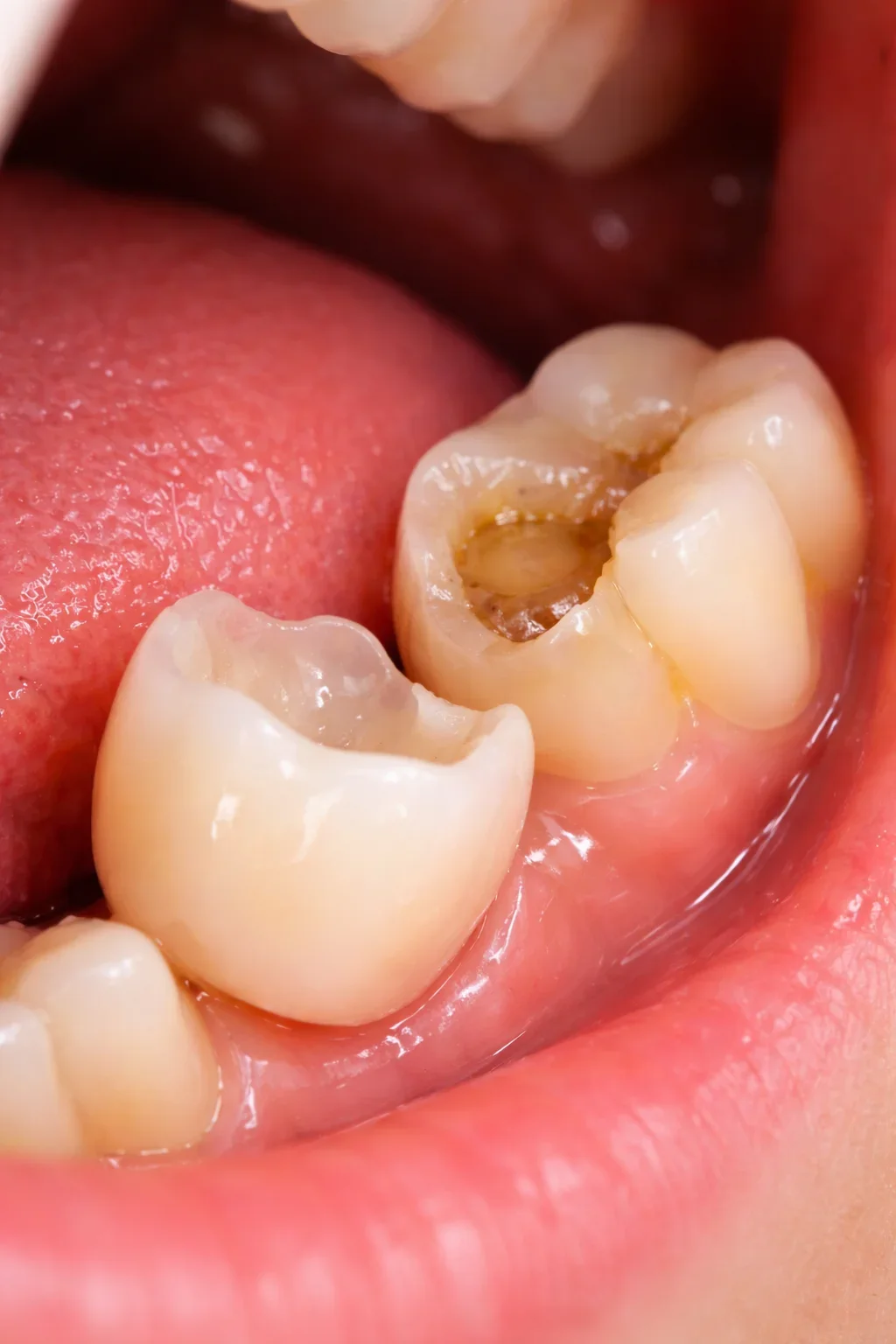
When to Contact a Dentist After a Crown Breaks Off Tooth
When a crown breaks off tooth, many patients are unsure how quickly they should contact a dentist. Some people assume that if there is no pain, the situation can wait. However, dental professionals strongly recommend seeking guidance soon after a crown breaks off tooth. Even when the crown detaches without discomfort, the underlying tooth is no longer protected and may be vulnerable to bacteria, fractures, or sensitivity.
A dental crown acts as a protective barrier that restores strength and structure to a weakened tooth. Once a crown breaks off tooth, the exposed tooth surface can deteriorate quickly if left untreated. The sooner a dentist examines the situation, the greater the chance that the original crown can be reattached and the tooth preserved without complex treatment.
How Soon Should You Call a Dentist?
In most situations, it is best to contact a dentist within 24–48 hours after a crown breaks off tooth. This timeframe helps prevent bacteria from entering the exposed tooth and reduces the risk of further damage. Waiting too long after a crown breaks off tooth may allow the tooth to shift slightly or develop sensitivity, which can make it more difficult for the crown to fit properly again.
If you are able to locate the crown after a crown breaks off tooth, bring it with you to the dental appointment. Dentists can often reuse the crown if it remains intact and fits correctly.
Signs That Require Immediate Dental Attention
Although many situations where a crown breaks off tooth are not severe, certain symptoms indicate that urgent dental care is necessary. These symptoms may suggest that the tooth has suffered structural damage or infection.
Urgent Warning Signs
- Severe or throbbing pain
- Swelling in the gums or face
- Bleeding around the exposed tooth
- A cracked or broken tooth beneath the crown
- Pus or signs of infection near the gumline
- Difficulty chewing or biting
If any of these symptoms appear after a crown breaks off tooth, you should contact a dentist immediately. Prompt treatment can prevent the situation from worsening and protect the tooth from permanent damage.
What Happens During the Dental Visit?
When you visit the dentist after a crown breaks off tooth, the dental team will perform a thorough evaluation of the tooth and the crown. This examination helps determine why the crown detached and whether the underlying tooth remains healthy.
The dentist may perform several steps during the appointment:
- Inspect the exposed tooth for fractures or decay
- Examine the crown to determine if it can be reused
- Remove old dental cement from the crown and tooth
- Check the bite alignment
- Take dental X-rays if necessary
After evaluating the tooth, the dentist will determine the best treatment approach. If the crown is undamaged and the tooth structure remains strong, the dentist may simply clean the crown and bond it back onto the tooth.
Possible Treatment Outcomes
Several treatment options may be recommended when a crown breaks off tooth. The appropriate solution depends on the condition of both the crown and the tooth underneath.
Common Treatment Solutions
- Reattaching the crown: If the crown is intact and the tooth is healthy.
- Replacing the crown: If the crown is damaged or worn.
- Repairing the tooth structure: If decay or fractures are present.
- Root canal therapy: If the tooth nerve is infected.
These treatments restore the protective function of the crown and ensure that the tooth remains stable after a crown breaks off tooth.
Why Delaying Treatment Can Be Risky
Ignoring the situation after a crown breaks off tooth can lead to serious complications. Without the crown protecting the tooth, the remaining tooth structure may weaken or become infected. Over time, bacteria can penetrate deeper layers of the tooth and cause cavities or pulp infections.
Additionally, when a crown breaks off tooth, the exposed tooth may shift slightly due to chewing pressure. This movement can make it difficult for the original crown to fit properly again. In such cases, the dentist may need to fabricate a completely new crown.
Protecting the Tooth Until Your Appointment
If a crown breaks off tooth and you cannot see a dentist immediately, taking temporary precautions can help protect the tooth until your appointment.
Temporary Protective Steps
- Avoid chewing on the affected side of the mouth
- Eat soft foods to reduce pressure on the tooth
- Brush gently around the exposed tooth
- Store the crown safely if it is intact
- Use temporary dental cement if recommended
These precautions help minimize sensitivity and reduce the risk of further damage while waiting for professional treatment after a crown breaks off tooth.
The Importance of Professional Dental Care
Ultimately, whenever a crown breaks off tooth, contacting a dentist promptly is the safest decision. Even if the situation seems minor, professional evaluation ensures that the tooth remains healthy and that the crown can be properly restored.
Dentists have the expertise and tools needed to identify the cause of the problem and restore the crown securely. With prompt treatment, most cases where a crown breaks off tooth can be resolved quickly, allowing patients to regain comfort, normal chewing ability, and confidence in their smile.
By acting quickly and following professional advice, patients can successfully restore their dental crown and prevent further complications when a crown breaks off tooth. 😊