
Modern dentistry has evolved rapidly over the past two decades, making it possible for patients to restore their smiles faster and more comfortably than ever before. One of the most exciting developments in implant dentistry is done in one dental implants. This advanced treatment approach allows patients to receive a dental implant and a temporary crown in a single appointment, dramatically reducing treatment time compared to traditional implant procedures.
For many people who have lost one or more teeth, the idea of waiting several months for a final restoration can be frustrating. Traditional implants often require multiple stages: tooth extraction, healing time, implant placement, osseointegration, and finally crown placement. However, done in one dental implants provide a streamlined alternative that offers both efficiency and excellent aesthetic results. Patients leave the clinic with a functional and natural-looking smile on the same day.
The concept behind done in one dental implants is based on immediate implant placement and immediate loading. Immediate placement means that the dental implant is inserted into the jawbone right after tooth extraction or during the same visit when the missing tooth is addressed. Immediate loading refers to placing a temporary crown or prosthetic tooth on the implant immediately after the implant fixture is inserted. This technique allows patients to regain their smile and confidence without waiting months for visible results.
From a clinical perspective, done in one dental implants require careful planning and advanced technology. Dentists use 3D imaging, digital scanning, and detailed treatment planning to ensure precise implant placement. These technologies help evaluate bone density, nerve positions, and gum structure, which are critical factors for the success of immediate implants. When the procedure is properly planned, done in one dental implants can achieve success rates comparable to traditional implants.
Patients often choose done in one dental implants because they offer a faster and more convenient solution to tooth loss. Instead of living with gaps in their smile or wearing temporary removable dentures, patients can leave the clinic with fixed teeth the same day. This makes the treatment particularly appealing for individuals who want to restore their smile quickly for professional or social reasons. For example, people preparing for weddings, job interviews, or public events often prefer done in one dental implants because they deliver immediate cosmetic improvements.
Another important aspect of done in one dental implants is patient comfort. Since the procedure combines multiple treatment stages into one appointment, it significantly reduces the number of dental visits required. Fewer appointments mean less stress, less disruption to daily life, and faster recovery overall. Many patients appreciate the convenience of completing most of the treatment in a single day rather than returning to the clinic multiple times over several months.
The procedure itself typically begins with a comprehensive dental evaluation. Dentists assess oral health, take digital scans, and analyze bone density to determine whether the patient is suitable for done in one dental implants. Once the treatment plan is finalized, the dentist places the titanium implant into the jawbone. Titanium is widely used because it integrates well with human bone, a process known as osseointegration. After the implant is securely positioned, a temporary crown is attached, allowing the patient to leave the clinic with a fully restored smile.
According to guidelines from the American Dental Association, dental implants remain one of the most reliable solutions for replacing missing teeth. Innovations such as done in one dental implants continue to improve patient experience and treatment outcomes. With proper care, dental implants can last decades and significantly improve oral health, chewing ability, and overall quality of life.
Many international patients also consider traveling abroad for done in one dental implants because certain dental clinics specialize in fast and efficient implant treatments. Countries known for dental tourism often combine advanced technology with experienced implant specialists. Patients who want personalized treatment plans or have questions about the procedure can contact clinics directly through the Redent Klinik Contact Page to receive detailed information about consultation options and treatment schedules.
One reason done in one dental implants have gained popularity is the psychological benefit they provide. Losing a tooth can affect self-esteem, speech, and daily interactions. Waiting months for a visible tooth replacement can be emotionally difficult. Immediate solutions like done in one dental implants allow patients to regain their confidence almost instantly. When patients see their new smile in the mirror on the same day, the emotional impact can be incredibly positive.
It is also important to understand that done in one dental implants are not suitable for every patient. Certain conditions, such as insufficient bone density, uncontrolled diabetes, or severe gum disease, may require additional preparation before implant placement. In these cases, dentists may recommend bone grafting or periodontal treatment before proceeding with the implant procedure. A thorough consultation ensures that done in one dental implants are safe and appropriate for the patient’s individual needs.
Overall, done in one dental implants represent a remarkable advancement in modern implant dentistry. By combining speed, efficiency, and aesthetic results, this treatment offers patients a powerful solution to tooth loss. As dental technology continues to evolve, procedures like done in one dental implants will likely become even more accessible and refined, helping more patients restore their smiles quickly and comfortably.
What Are Done in One Dental Implants?
Dental implant technology has transformed the way missing teeth are replaced. Among the most innovative solutions available today are done in one dental implants. This modern treatment approach allows a dental implant and a temporary crown to be placed during the same appointment, providing patients with an immediate and natural-looking tooth replacement. Unlike traditional implant procedures that may require several months and multiple visits, done in one dental implants offer a faster and more efficient solution for restoring both function and aesthetics.
The concept of done in one dental implants is built on two important dental techniques: immediate implant placement and immediate loading. Immediate implant placement means that the implant post is inserted into the jawbone right after tooth extraction or during the same visit when the missing tooth is addressed. Immediate loading means that a temporary prosthetic tooth is attached to the implant immediately after placement. This allows patients to walk out of the dental clinic with a restored smile on the same day.
The Core Concept Behind Done in One Dental Implants
The key idea behind done in one dental implants is efficiency without compromising quality. Instead of waiting several months for the implant to heal before attaching a crown, dentists place a temporary crown immediately. This temporary restoration is carefully designed to protect the implant while allowing patients to chew lightly and maintain a natural appearance.
With done in one dental implants, the implant post is typically made of medical-grade titanium. Titanium has excellent compatibility with human bone, making it the preferred material for implant dentistry. After the implant is inserted into the jawbone, the bone gradually fuses with the implant in a biological process called osseointegration. Even though the visible crown is placed immediately, the implant continues to integrate with the bone over the following months.
Immediate Loading vs Traditional Implant Healing
Traditional dental implants often require a healing period of three to six months before the final crown is attached. During this time, patients may need to wear a removable temporary prosthesis or live with a visible gap in their smile. Done in one dental implants eliminate this inconvenience by allowing patients to receive a temporary crown immediately after the implant is placed.
Although the crown placed during done in one dental implants is typically temporary, it looks and functions very similarly to a natural tooth. After the healing period is complete and the implant is fully integrated with the bone, the dentist replaces the temporary crown with a permanent custom-made crown designed for long-term durability.
Why Modern Dentistry Supports Done in One Dental Implants
The growing popularity of done in one dental implants is largely due to advancements in dental technology. Today, dentists use digital imaging, cone beam computed tomography (CBCT), and advanced surgical planning software to accurately assess a patient’s bone structure and implant positioning. These technologies significantly increase the predictability and safety of the procedure.
Through 3D imaging and digital planning, dentists can evaluate the bone density and identify the ideal angle and depth for implant placement. This level of precision ensures that done in one dental implants are stable enough to support immediate loading. Without these technological advancements, placing implants and crowns on the same day would be much more difficult.
Technology Used in Done in One Dental Implants
Several advanced technologies make done in one dental implants possible today:
- 3D dental scanning and CBCT imaging
- Digital smile design for aesthetic planning
- Computer-guided implant surgery
- CAD/CAM crown manufacturing
- Advanced implant surface technology
These innovations allow dentists to plan and execute done in one dental implants with remarkable precision. As a result, patients can experience faster treatment times while still achieving long-term stability and success.
Who Benefits Most From Done in One Dental Implants?
Not every patient qualifies for done in one dental implants, but many individuals are excellent candidates. Patients with healthy gums, adequate jawbone density, and good overall oral health often achieve the best results. Individuals who have recently lost a tooth or require tooth extraction are often ideal candidates because immediate implant placement can be performed before significant bone loss occurs.
Patients who want to avoid long waiting periods or multiple dental visits also tend to prefer done in one dental implants. This treatment is especially appealing for professionals, travelers, and individuals who want a rapid smile transformation without months of treatment.
Situations Where Immediate Implants May Not Be Recommended
While done in one dental implants are highly effective, certain conditions may require additional preparation before implant placement. Patients with severe bone loss, untreated gum disease, or chronic health conditions may need preliminary treatments such as bone grafting or periodontal therapy before undergoing the procedure.
A thorough dental evaluation is essential before choosing done in one dental implants. During the consultation, the dentist will analyze X-rays, digital scans, and medical history to ensure the treatment is both safe and effective.
The Growing Popularity of Same-Day Implant Treatments
In recent years, done in one dental implants have gained global popularity due to their convenience and aesthetic advantages. Patients appreciate the ability to restore their smile immediately without experiencing long periods with missing teeth. This rapid restoration improves self-confidence, speech clarity, and chewing ability almost instantly.
Additionally, done in one dental implants help preserve the jawbone structure. When a tooth is missing for an extended period, the surrounding bone can begin to shrink. By placing the implant immediately, dentists help stimulate the bone and maintain its natural volume.
Overall, done in one dental implants represent a major advancement in modern implant dentistry. By combining speed, technology, and advanced surgical techniques, this treatment offers patients a practical and highly effective solution for replacing missing teeth. For many individuals seeking fast smile restoration, done in one dental implants provide the perfect balance of convenience, durability, and aesthetic success.
How the Done in One Dental Implants Procedure Works Step by Step
Understanding the procedure behind done in one dental implants helps patients feel more confident and prepared before treatment. This advanced dental technique is designed to replace missing teeth quickly by placing the implant and attaching a temporary crown in a single appointment. While the result may appear simple from the patient’s perspective, the process of performing done in one dental implants requires precise planning, modern dental technology, and careful surgical execution.
Unlike traditional dental implants that often involve several separate appointments spread across months, done in one dental implants follow a carefully structured sequence of steps that can often be completed within one day. Each stage of the treatment is important to ensure that the implant integrates properly with the jawbone and functions like a natural tooth.
Step 1: Comprehensive Consultation and Digital Examination
The first step in the done in one dental implants process is a detailed consultation. During this stage, the dentist evaluates the patient’s oral health, medical history, and expectations. The goal is to determine whether the patient is a suitable candidate for done in one dental implants.
Modern dental clinics rely on advanced imaging technology during this stage. Cone Beam Computed Tomography (CBCT) scans and digital X-rays allow the dentist to analyze bone density, nerve positions, and sinus locations. These scans help create a highly accurate treatment plan before the procedure begins. Proper planning is critical for the success of done in one dental implants.
Digital Smile Planning
Some clinics also use digital smile design technology to simulate the final result before surgery. This allows patients to see a preview of how their smile may look after done in one dental implants. It also helps dentists position the implant and crown for optimal aesthetics and function.
Step 2: Tooth Extraction (If Necessary)
If the damaged tooth is still present, the next step of done in one dental implants involves carefully extracting the tooth. Dentists use minimally invasive techniques to preserve as much surrounding bone and gum tissue as possible. Maintaining healthy bone structure is essential because the implant must be anchored securely within the jawbone.
In many cases, the implant can be placed immediately after the extraction. This immediate placement approach is one of the key advantages of done in one dental implants. By placing the implant right away, dentists help prevent bone loss that can occur when a tooth socket remains empty.
Socket Preservation Techniques
When performing done in one dental implants, dentists may use specialized techniques to protect the extraction site. Bone graft materials or regenerative membranes may sometimes be used to support the implant and maintain bone volume. These methods increase the stability and long-term success of the implant.
Step 3: Implant Placement Surgery
The surgical placement of the implant is the most critical step in done in one dental implants. During this stage, the dentist inserts a titanium implant post into the jawbone. Titanium is widely used because it integrates naturally with bone tissue through a biological process known as osseointegration.
The dentist uses precision surgical tools to prepare a small channel in the jawbone. The implant is then carefully inserted and positioned at the correct depth and angle. Proper positioning ensures that the implant can support a crown and withstand normal chewing forces. Successful implant placement is essential for achieving stable done in one dental implants.
Computer-Guided Implant Placement
Many dental clinics now use computer-guided implant surgery to improve accuracy. With this technique, a surgical guide created from digital scans directs the dentist during implant placement. This technology enhances the predictability of done in one dental implants and reduces surgical risks.
Step 4: Immediate Temporary Crown Placement
One of the defining characteristics of done in one dental implants is the placement of a temporary crown immediately after the implant is inserted. This temporary crown is designed to look natural while protecting the implant during the healing process.
Although the crown allows patients to smile confidently, dentists usually recommend avoiding heavy chewing on the treated tooth during the first few weeks. The implant needs time to integrate with the surrounding bone before it can handle full biting forces. Nevertheless, the visible result of done in one dental implants is immediate, which is why many patients prefer this technique.
Custom Temporary Restorations
Temporary crowns used in done in one dental implants are often produced using CAD/CAM technology. This allows dentists to design a crown that matches the patient’s natural teeth in color, shape, and size. Even though the crown is temporary, it usually looks nearly identical to the final restoration.
Step 5: Healing and Osseointegration
After the implant and temporary crown are placed, the healing process begins. During this phase, the jawbone gradually bonds with the titanium implant. This biological integration creates a strong and stable foundation for the final crown.
Even though patients already have a temporary tooth, the implant still needs several months to fully integrate with the bone. During this time, patients must follow the dentist’s care instructions to ensure the success of done in one dental implants.
Follow-Up Appointments
Dentists usually schedule follow-up visits to monitor healing and implant stability. These visits ensure that done in one dental implants are progressing as expected and that there are no signs of infection or complications.
Step 6: Final Crown Placement
Once the implant has fully integrated with the jawbone, the temporary crown is replaced with a permanent crown. This final crown is custom-made from durable materials such as porcelain or zirconia. The crown is designed to replicate the strength and appearance of a natural tooth.
At this stage, done in one dental implants are fully functional. Patients can chew normally, speak clearly, and enjoy a natural-looking smile. The final restoration is typically stronger and more resistant to wear than the temporary crown placed during the initial appointment.
Long-Term Success of Done in One Dental Implants
When properly placed and maintained, done in one dental implants can last for decades. Maintaining good oral hygiene, attending regular dental checkups, and avoiding harmful habits such as smoking significantly improve implant longevity.
Overall, the step-by-step process of done in one dental implants combines advanced surgical techniques with modern digital planning. This efficient treatment approach allows patients to restore their smiles quickly while maintaining the long-term reliability that dental implants are known for.
Who Is the Ideal Candidate for Done in One Dental Implants?
Although done in one dental implants have revolutionized modern dentistry by allowing patients to restore their smiles in a single visit, not every individual automatically qualifies for this advanced treatment. Dentists carefully evaluate several health, anatomical, and lifestyle factors before recommending done in one dental implants. Understanding who makes the best candidate helps patients set realistic expectations and increases the likelihood of long-term implant success.
In general, done in one dental implants are most successful in patients with healthy gums, sufficient jawbone density, and good overall oral hygiene. Because this treatment involves immediate implant placement and immediate loading with a temporary crown, the implant must be stable enough to support the restoration from day one. This is why a thorough examination and diagnostic imaging are always necessary before proceeding with done in one dental implants.
Patients With Good Jawbone Density
One of the most important requirements for done in one dental implants is adequate jawbone density. The implant must be securely anchored into the bone so it can support the temporary crown immediately after placement. If the bone is too thin or weak, the implant may not achieve the stability needed for immediate loading.
When patients have strong bone structure, done in one dental implants can often be placed successfully without additional procedures. The bone surrounding the implant provides immediate support and later integrates with the titanium implant surface during the healing process.
How Dentists Evaluate Bone Structure
Before performing done in one dental implants, dentists usually use advanced imaging technologies such as CBCT scans and digital X-rays. These scans allow the dentist to evaluate bone volume, density, and anatomical structures like nerves and sinuses. Proper evaluation ensures that done in one dental implants can be placed safely and with long-term stability.
Patients With Healthy Gums and Oral Tissues
Healthy gums play a critical role in the success of done in one dental implants. Patients with untreated periodontal disease may experience complications during the healing process. Gum infections can weaken the surrounding tissue and potentially compromise implant stability.
For this reason, dentists often treat gum disease before recommending done in one dental implants. Once the gums are healthy and inflammation is under control, patients may become suitable candidates for the procedure.
The Importance of Periodontal Health
Healthy gum tissue forms a protective barrier around the implant and prevents harmful bacteria from entering the implant site. When gums are strong and healthy, done in one dental implants are more likely to integrate properly with the bone and remain stable for many years.
Individuals Who Recently Lost a Tooth
Patients who have recently lost a tooth often make excellent candidates for done in one dental implants. When a tooth is lost, the surrounding bone begins to shrink gradually. Placing an implant soon after extraction can help preserve the bone structure and prevent deterioration.
Because of this, dentists frequently recommend done in one dental implants immediately after tooth extraction whenever possible. Immediate implant placement can reduce treatment time and help maintain the natural shape of the jawbone and gums.
Immediate Implant Placement Advantages
Immediate placement of done in one dental implants allows dentists to use the existing tooth socket as the implant site. This technique helps maintain bone volume and provides better aesthetic results, especially in visible areas such as the front teeth.
Patients Seeking Faster Smile Restoration
Many people choose done in one dental implants because they want a faster and more convenient solution for missing teeth. Traditional implants can require several months before a visible tooth replacement is attached. During this waiting period, patients may need to wear removable dentures or temporary restorations.
With done in one dental implants, patients can leave the dental clinic with a temporary crown on the same day as the surgery. This immediate improvement in appearance and function makes the treatment particularly attractive for individuals who want to avoid long treatment timelines.
Confidence and Lifestyle Benefits
For many patients, the psychological impact of tooth loss is significant. Missing teeth can affect speech, chewing ability, and confidence in social situations. Done in one dental implants help patients regain a complete smile quickly, allowing them to return to their normal routines without feeling self-conscious.
Patients With Good Overall Health
General health also influences whether someone is a suitable candidate for done in one dental implants. Patients with uncontrolled medical conditions such as diabetes or autoimmune disorders may experience slower healing or increased risk of infection.
However, many individuals with well-managed health conditions can still receive done in one dental implants. Dentists carefully review each patient’s medical history before recommending the treatment.
Lifestyle Factors That Affect Implant Success
Certain lifestyle habits may impact the long-term success of done in one dental implants. Smoking, excessive alcohol consumption, and poor oral hygiene can increase the risk of implant complications. Patients who maintain good oral care routines and healthy lifestyles generally experience the best results.
Situations Where Additional Preparation May Be Needed
Although many people qualify for done in one dental implants, some patients may require preparatory treatments before implant placement. For example, individuals with severe bone loss may need bone grafting to rebuild the jawbone before implants can be placed safely.
Similarly, patients with advanced gum disease must first undergo periodontal treatment before receiving done in one dental implants. Addressing these issues ensures the implant has a healthy environment in which to integrate.
Customized Treatment Planning
Every patient is unique, which is why dentists create personalized treatment plans before performing done in one dental implants. Factors such as bone structure, bite alignment, oral hygiene habits, and aesthetic goals are carefully evaluated.
When these factors are properly assessed and managed, done in one dental implants can provide an excellent solution for restoring missing teeth quickly and effectively. Patients who meet the ideal criteria often enjoy long-lasting results, improved oral function, and renewed confidence in their smile.
Benefits of Choosing Done in One Dental Implants
Modern implant dentistry has introduced several innovations that make tooth replacement faster, more comfortable, and more convenient for patients. Among these innovations, done in one dental implants stand out as one of the most attractive solutions for people who want immediate smile restoration. Instead of waiting months for a visible tooth replacement, patients can receive an implant and a temporary crown in a single appointment. This approach has made done in one dental implants increasingly popular among individuals who want efficient treatment without compromising long-term dental health.
The advantages of done in one dental implants go beyond speed. This modern treatment method also improves patient comfort, aesthetics, and overall convenience. By combining surgical precision with advanced technology, dentists can deliver predictable results while minimizing treatment time. For many patients, done in one dental implants represent the perfect balance between modern technology and practical dental care.
Immediate Smile Restoration
One of the most significant benefits of done in one dental implants is the ability to restore a patient’s smile immediately. Traditional dental implants often require several months before a crown can be placed on the implant. During this waiting period, patients may have to wear removable dentures or live with visible gaps in their teeth.
With done in one dental implants, patients leave the clinic with a temporary crown attached to the implant on the same day. This immediate transformation provides a huge psychological benefit. People no longer need to feel embarrassed about missing teeth or worry about how their smile looks in photos, conversations, or professional situations.
Boosting Self-Confidence
Missing teeth can affect self-esteem and social interactions. Because done in one dental implants restore the appearance of a full smile almost instantly, many patients experience a noticeable improvement in confidence. The ability to smile naturally again can positively influence both personal and professional life.
Reduced Treatment Time
Another major advantage of done in one dental implants is the significantly shorter treatment timeline. Traditional implant procedures often require multiple stages, including tooth extraction, healing, implant placement, osseointegration, and crown attachment. This process can take several months or even longer.
By contrast, done in one dental implants streamline the treatment process by combining several steps into a single visit. The implant and temporary crown are placed during the same appointment, dramatically reducing the number of dental visits required.
Convenience for Busy Lifestyles
For people with demanding schedules, frequent travel, or limited time for dental appointments, done in one dental implants provide a practical solution. Completing most of the treatment in one day allows patients to resume their daily activities quickly while still receiving high-quality dental care.
Preservation of Jawbone Structure
When a tooth is missing, the surrounding jawbone can begin to shrink due to lack of stimulation. Over time, this bone loss can affect facial structure and lead to additional dental problems. Done in one dental implants help prevent this issue by placing the implant immediately after tooth loss or extraction.
The implant acts as an artificial tooth root, stimulating the bone and maintaining its strength. By placing the implant right away, done in one dental implants help preserve natural bone volume and prevent the collapse of surrounding facial tissues.
Supporting Long-Term Oral Health
Preserving bone structure is essential for long-term oral health. Patients who receive done in one dental implants often experience better jawbone stability compared to those who delay implant treatment for several months or years.
Improved Comfort Compared to Removable Dentures
Many patients who are missing teeth rely on removable dentures as a temporary solution. However, dentures can be uncomfortable, unstable, and sometimes embarrassing if they shift while eating or speaking. Done in one dental implants provide a fixed solution that feels much more like natural teeth.
Because the implant is anchored directly into the jawbone, done in one dental implants remain stable and secure during daily activities. Patients can eat, speak, and smile without worrying about their teeth slipping out of place.
Natural Feel and Function
Unlike removable prosthetics, done in one dental implants function similarly to natural teeth. The implant root integrates with the bone, allowing patients to bite and chew with confidence. Many people report that their implant-supported tooth feels almost identical to their natural teeth.
Advanced Technology Improves Accuracy
The success of done in one dental implants relies heavily on modern dental technologies. Today’s implant procedures use digital scanning, 3D imaging, and computer-guided surgery to plan implant placement with exceptional precision. These technologies reduce surgical risks and increase treatment predictability.
By carefully analyzing bone structure and implant positioning, dentists can ensure that done in one dental implants achieve the necessary stability for immediate loading. This level of accuracy helps maintain high success rates for the procedure.
Digital Planning and Implant Guides
Computer-guided surgical templates are often used during done in one dental implants. These guides direct the dentist during the procedure and ensure the implant is placed at the correct depth and angle. This technology significantly improves the safety and consistency of implant placement.
Fewer Surgical Procedures
Another benefit of done in one dental implants is that the treatment typically involves fewer surgical interventions compared to traditional implant protocols. By placing the implant immediately after tooth extraction, dentists can avoid additional surgeries that may otherwise be required later.
Fewer procedures often mean less discomfort, fewer appointments, and a faster overall recovery process. Patients frequently appreciate the efficiency of done in one dental implants, especially when compared with lengthy traditional treatment timelines.
Reduced Overall Stress
Dental procedures can cause anxiety for many patients. Because done in one dental implants reduce the number of appointments and surgical steps involved, many patients find the experience less stressful. The ability to complete most of the treatment in one visit can make dental care feel more manageable.
A Reliable Long-Term Solution
When properly placed and maintained, done in one dental implants offer excellent durability and longevity. Dental implants are widely recognized as one of the most reliable methods for replacing missing teeth. With proper oral hygiene and regular dental checkups, implants can last for decades.
For patients seeking a fast, comfortable, and effective tooth replacement solution, done in one dental implants provide numerous advantages. From immediate smile restoration to improved bone preservation and enhanced convenience, this modern treatment continues to transform the way dentists restore missing teeth.
Recovery and Healing After Done in One Dental Implants
The recovery phase is an essential part of the success of done in one dental implants. Even though this advanced procedure allows patients to leave the clinic with a temporary tooth on the same day, the biological healing process still requires time. The implant must integrate with the jawbone through a process called osseointegration. Understanding what happens during healing helps patients protect their new implant and ensure long-term success with done in one dental implants.
Unlike traditional implant procedures that often involve multiple surgical stages, done in one dental implants simplify the treatment timeline. However, patients must still follow proper post-operative care instructions to allow the implant to stabilize and integrate with the surrounding bone. With appropriate care and monitoring, most patients recover smoothly and experience minimal discomfort after receiving done in one dental implants.
The First 24–48 Hours After Done in One Dental Implants
The first couple of days after receiving done in one dental implants are crucial for initial healing. During this period, the body begins responding to the surgical placement of the implant. Mild swelling, slight bleeding, and tenderness around the implant site are normal and usually subside within a few days.
Dentists typically recommend resting and avoiding strenuous physical activity immediately after done in one dental implants. Patients should also avoid touching the surgical site with their tongue or fingers, as this may interfere with early healing.
Tips for the First Day of Recovery
To ensure optimal healing after done in one dental implants, patients are usually advised to follow these simple precautions:
- Apply cold compresses to reduce swelling
- Take prescribed medications as directed
- Avoid hot foods and beverages for the first day
- Do not rinse vigorously during the first 24 hours
- Maintain gentle oral hygiene around the implant area
Following these instructions helps protect the implant site and ensures the stability required for successful done in one dental implants.
The First Week of Healing
During the first week after done in one dental implants, most patients notice a significant improvement in comfort. Swelling gradually decreases, and the gum tissue begins healing around the implant and temporary crown. It is important to remember that even though the temporary crown is already in place, the implant itself is still integrating with the jawbone.
Dentists usually recommend eating soft foods during this stage to reduce pressure on the implant. Foods such as yogurt, mashed potatoes, eggs, soups, and smoothies are ideal choices during the early recovery period of done in one dental implants.
Foods to Avoid Temporarily
Certain foods can place excessive stress on the implant during early healing. Patients recovering from done in one dental implants should avoid:
- Hard foods such as nuts and raw carrots
- Sticky foods like caramel or chewing gum
- Crunchy foods such as chips or popcorn
- Extremely hot or spicy foods that may irritate the gums
Avoiding these foods helps protect the implant while the bone begins bonding with the implant surface during the healing phase of done in one dental implants.
Osseointegration: The Key Healing Phase
The most important stage of recovery after done in one dental implants is osseointegration. This biological process occurs when the jawbone gradually bonds with the titanium implant. Over several weeks or months, the bone cells grow around the implant surface, creating a stable foundation that functions like a natural tooth root.
Although patients already have a temporary crown attached, the implant must still undergo this healing process before it can support a permanent crown. During this stage, dentists monitor the progress of done in one dental implants to ensure the implant remains stable and free from infection.
How Long Osseointegration Takes
The osseointegration process for done in one dental implants typically takes between three and six months. The exact timeline varies depending on factors such as bone density, overall health, and oral hygiene habits. During this period, patients should attend scheduled follow-up appointments to allow the dentist to monitor implant stability.
Managing Discomfort and Pain
Most patients report that discomfort after done in one dental implants is mild and manageable. Over-the-counter pain relievers or medications prescribed by the dentist can help control any temporary soreness. Compared to many other dental surgeries, recovery from done in one dental implants is often surprisingly comfortable.
If patients experience persistent pain, swelling that worsens, or unusual symptoms, they should contact their dentist promptly. Early detection of complications helps ensure that done in one dental implants continue healing successfully.
Signs of Normal Healing
During the recovery period of done in one dental implants, patients may notice several normal healing signs:
- Minor gum tenderness
- Light swelling around the implant area
- Slight sensitivity when chewing
- Gradual improvement in comfort each day
These symptoms typically improve quickly as the body adapts to the implant.
Long-Term Healing and Final Crown Placement
After the osseointegration phase is complete, the dentist replaces the temporary crown with a permanent restoration. This final crown is custom designed to match the patient’s natural teeth in shape, color, and size. Once the permanent crown is attached, done in one dental implants become fully functional and capable of handling normal chewing forces.
Patients can then resume normal eating habits and daily activities without restrictions. At this stage, done in one dental implants function just like natural teeth and provide long-term stability for the restored smile.
Maintaining Long-Term Implant Health
Proper oral hygiene is essential for maintaining the longevity of done in one dental implants. Patients should brush twice daily, floss regularly, and attend routine dental checkups. These habits help prevent plaque buildup and gum disease around the implant.
When patients follow their dentist’s care recommendations, done in one dental implants can last for decades. The combination of advanced surgical techniques and proper aftercare allows patients to enjoy a healthy, confident smile for many years.
Cost of Done in One Dental Implants Around the World
One of the most common questions patients ask before choosing done in one dental implants is how much the treatment costs. While dental implants are widely recognized as one of the most reliable tooth replacement solutions, pricing can vary significantly depending on several factors. These include the country where the treatment is performed, the experience of the implant specialist, the technology used during the procedure, and the complexity of the patient’s dental condition.
Compared to traditional implant treatments, done in one dental implants often include multiple procedures within a single treatment session. This may include tooth extraction, implant placement, temporary crown placement, digital planning, and follow-up care. Because several treatment steps are combined, patients may find the overall value of done in one dental implants quite attractive when compared to longer, multi-stage implant procedures.
Average Cost of Done in One Dental Implants
The price of done in one dental implants varies widely depending on geographic location. In countries where dental services are more expensive, such as the United States or the United Kingdom, implant procedures tend to cost significantly more than in countries known for dental tourism.
Below is a general overview of typical price ranges for done in one dental implants around the world:
Estimated Price Range by Country
- United States: $3,500 – $6,500 per implant
- United Kingdom: $3,000 – $5,500 per implant
- Germany: $2,500 – $4,500 per implant
- Turkey: $900 – $2,200 per implant
- Hungary: $1,200 – $2,500 per implant
- Mexico: $1,000 – $2,300 per implant
These price ranges typically include implant surgery, the implant post, and a temporary crown used during the done in one dental implants procedure. However, final crown placement and additional procedures may sometimes involve additional costs depending on the clinic.
Why Prices Vary Between Countries
The cost of done in one dental implants differs globally due to several economic and healthcare-related factors. In many Western countries, higher operating costs, labor expenses, and regulatory requirements contribute to higher dental treatment fees.
In contrast, countries that specialize in dental tourism often offer the same high-quality implant treatments at more affordable prices. Clinics in these regions frequently invest in modern equipment and internationally trained dentists while maintaining lower operational costs. As a result, patients can receive done in one dental implants at a fraction of the price they might pay elsewhere.
Factors That Influence Implant Pricing
Several elements affect the final price of done in one dental implants:
- The brand and quality of the dental implant system
- The experience and specialization of the implant dentist
- The technology used for digital planning and imaging
- The complexity of the surgical procedure
- The materials used for the temporary and permanent crowns
- The need for additional treatments such as bone grafting
Because every patient has unique dental needs, dentists typically provide a customized treatment plan before performing done in one dental implants. This allows patients to understand the full cost and treatment timeline before making a decision.
Additional Costs That May Affect Treatment
Although many clinics advertise a single price for done in one dental implants, certain situations may require additional procedures that influence the final cost. For example, patients with insufficient jawbone density may require bone grafting to create a stable foundation for the implant.
Other possible additional treatments related to done in one dental implants may include sinus lifts, gum contouring, or temporary prosthetic adjustments. These procedures are sometimes necessary to ensure the long-term stability and aesthetic success of the implant.
Common Additional Treatment Costs
- Bone grafting: $300 – $1,500
- Sinus lift procedure: $800 – $2,500
- Digital imaging and 3D scans: $100 – $500
- Final ceramic crown: $500 – $1,500
These procedures are not always required, but dentists evaluate each patient individually to determine whether additional preparation is necessary before placing done in one dental implants.
Why Dental Tourism Is Popular for Done in One Dental Implants
Because the cost of done in one dental implants can be significantly lower in certain countries, many patients travel internationally for treatment. Dental tourism allows patients to receive high-quality care at reduced prices while often enjoying shorter waiting times.
Countries such as Turkey, Hungary, and Mexico have become well-known destinations for implant dentistry. These locations offer modern clinics, experienced specialists, and advanced technology for procedures such as done in one dental implants.
Advantages of International Implant Treatment
- Lower treatment costs
- Access to specialized implant clinics
- Shorter waiting times for appointments
- Advanced technology and modern facilities
Patients considering international treatment should always research the clinic, verify dentist credentials, and ensure the clinic follows international health standards before undergoing done in one dental implants.
Is the Investment Worth It?
Although done in one dental implants may appear expensive initially, many patients consider them a long-term investment in oral health. Unlike removable dentures or bridges, dental implants are designed to last for decades when properly maintained.
Because done in one dental implants replace both the visible tooth and its root, they help preserve jawbone structure, maintain facial shape, and restore full chewing function. These long-term benefits often make implants more cost-effective compared to other tooth replacement options that may require frequent replacement.
Long-Term Value of Dental Implants
When evaluating the cost of done in one dental implants, patients should consider durability, functionality, and overall quality of life improvements. A successful implant not only restores the appearance of a smile but also improves speech, eating ability, and self-confidence.
Ultimately, the price of done in one dental implants depends on individual treatment needs and the location of the dental clinic. Consulting with an experienced implant dentist allows patients to receive an accurate cost estimate and determine the best treatment approach for restoring their smile.
Risks and Potential Complications of Done in One Dental Implants
Although done in one dental implants are considered a highly advanced and reliable tooth replacement solution, like any surgical procedure they carry certain risks. Dental implant procedures generally have very high success rates, often above 95%, but patients should still understand the potential complications that may occur. Being informed about these risks helps patients make confident decisions and follow the correct aftercare instructions to protect their done in one dental implants.
The immediate placement and immediate loading approach used in done in one dental implants means that the implant must achieve strong primary stability during surgery. While modern technologies make this possible in many cases, the technique requires careful planning and skilled execution. When performed by experienced implant specialists, the risks associated with done in one dental implants are usually minimal and manageable.
Surgical Risks Associated With Implant Placement
As with any oral surgery, the placement of done in one dental implants involves minor surgical risks. These risks are generally low and temporary, but patients should still be aware of them before undergoing treatment.
The most common surgical concerns include mild swelling, temporary bleeding, and minor discomfort around the implant site. These symptoms are part of the body’s natural healing response after done in one dental implants and typically resolve within a few days.
Possible Surgical Complications
- Swelling or bruising near the implant site
- Minor bleeding during the first 24 hours
- Temporary jaw stiffness
- Short-term sensitivity in surrounding teeth
Dentists minimize these risks by using modern surgical techniques and digital planning tools when performing done in one dental implants. Careful treatment planning significantly reduces the likelihood of surgical complications.
Implant Stability Issues
One of the key requirements for successful done in one dental implants is achieving strong primary stability when the implant is placed into the jawbone. If the implant does not achieve sufficient stability, it may not be able to support the temporary crown immediately.
In rare situations, insufficient stability may cause the implant to move slightly during the healing process. Movement can interfere with the osseointegration process, which is the biological bonding between the implant and the jawbone. Proper evaluation of bone density and implant placement technique helps prevent this complication in done in one dental implants.
Factors That Affect Implant Stability
- Low bone density in the jaw
- Poor implant positioning
- Excessive pressure during early healing
- Underlying bone conditions
To avoid these issues, dentists often recommend avoiding heavy chewing during the early recovery phase after done in one dental implants.
Infection Around the Implant
Another possible complication associated with done in one dental implants is infection around the implant site. This condition, known as peri-implantitis, occurs when bacteria accumulate around the implant and cause inflammation in the surrounding gum tissue.
Although infections are uncommon, they can occur if oral hygiene is not properly maintained after receiving done in one dental implants. Early symptoms of infection may include swelling, redness, bleeding gums, or discomfort around the implant area.
Preventing Implant Infection
Patients can significantly reduce the risk of infection after done in one dental implants by following proper oral hygiene routines:
- Brushing teeth twice daily
- Flossing regularly around the implant area
- Using antimicrobial mouth rinses if recommended
- Attending regular dental checkups
When patients maintain good oral hygiene habits, done in one dental implants can remain healthy and stable for many years.
Bone Integration Challenges
The long-term success of done in one dental implants depends on osseointegration, the process where the jawbone bonds with the titanium implant. In rare cases, the bone may not integrate properly with the implant surface.
If osseointegration fails, the implant may become loose and require removal. Fortunately, this complication is relatively rare, especially when done in one dental implants are placed by experienced implant specialists using high-quality implant systems.
Factors That Affect Osseointegration
- Smoking
- Poor oral hygiene
- Uncontrolled diabetes
- Low bone density
- Excessive stress on the implant during healing
Managing these risk factors helps ensure that done in one dental implants successfully integrate with the jawbone.
Temporary Crown Complications
Since done in one dental implants involve placing a temporary crown immediately after surgery, there is a small possibility that the temporary restoration may become loose or damaged during the healing period.
Temporary crowns are designed primarily for aesthetics and light chewing. They are not intended to handle strong biting forces while the implant is healing. Patients who follow their dentist’s dietary recommendations rarely experience problems with temporary crowns placed during done in one dental implants.
Protecting the Temporary Restoration
To protect the temporary crown after done in one dental implants, dentists usually recommend:
- Avoiding hard foods during the first few weeks
- Chewing on the opposite side of the mouth when possible
- Maintaining gentle oral hygiene around the crown
Once the implant has fully integrated with the bone, the dentist replaces the temporary crown with a permanent restoration designed for long-term strength.
Rare Nerve or Sinus Complications
In very rare situations, implant placement during done in one dental implants could affect nearby nerves or sinus cavities if the implant is positioned incorrectly. Modern imaging technologies such as CBCT scans significantly reduce this risk by providing precise anatomical information before surgery.
Careful planning ensures that done in one dental implants are placed safely without interfering with important anatomical structures.
Importance of Choosing an Experienced Implant Dentist
Selecting an experienced implant specialist is one of the best ways to minimize the risks associated with done in one dental implants. Skilled dentists use digital planning tools, high-quality implant systems, and advanced surgical techniques to ensure safe and predictable outcomes.
When performed correctly and combined with proper aftercare, done in one dental implants remain one of the safest and most successful tooth replacement options available in modern dentistry. Patients who follow their dentist’s instructions and maintain excellent oral hygiene typically enjoy long-lasting results with minimal complications.
How to Care for Done in One Dental Implants for Long-Term Success
Receiving done in one dental implants is a significant step toward restoring your smile, oral health, and confidence. However, the long-term success of the treatment does not depend only on the surgical procedure itself. Proper care and maintenance are essential to ensure that done in one dental implants remain stable, functional, and aesthetically pleasing for many years. Dental implants are designed to be durable and long-lasting, but they still require consistent oral hygiene and responsible habits.
Just like natural teeth, done in one dental implants can accumulate plaque and bacteria if they are not properly cleaned. While implants cannot develop cavities like natural teeth, the surrounding gum and bone tissues can still become infected if oral hygiene is neglected. For this reason, patients who receive done in one dental implants must adopt a consistent oral care routine and attend regular dental checkups.
Daily Oral Hygiene Routine
Maintaining good oral hygiene is the most important factor for protecting done in one dental implants. A daily cleaning routine helps prevent plaque buildup around the implant and protects the surrounding gum tissue from inflammation or infection.
Dentists typically recommend brushing at least twice a day using a soft-bristled toothbrush. Gentle brushing around done in one dental implants helps remove food particles and bacteria that may collect around the gum line. Using fluoride toothpaste can also help maintain the health of the surrounding natural teeth.
Best Cleaning Tools for Implant Care
Certain dental tools are especially useful for maintaining done in one dental implants:
- Soft-bristled toothbrush for gentle cleaning
- Interdental brushes for cleaning between teeth
- Water flossers to remove debris around implants
- Dental floss designed for implants
- Antibacterial mouthwash to reduce harmful bacteria
These tools help ensure that plaque does not accumulate around done in one dental implants, which is essential for preventing gum inflammation.
Regular Dental Checkups
Routine dental visits are another critical aspect of maintaining done in one dental implants. Dentists typically recommend scheduling checkups every six months, although some patients may require more frequent visits depending on their oral health condition.
During these appointments, the dentist examines the stability of the implant and the health of the surrounding tissues. Professional cleanings remove plaque and tartar that cannot be eliminated through daily brushing alone. Regular monitoring helps ensure that done in one dental implants remain in excellent condition over time.
What Dentists Check During Implant Visits
During follow-up visits for done in one dental implants, dentists typically evaluate several factors:
- Implant stability
- Gum health around the implant
- Signs of inflammation or infection
- Condition of the crown restoration
- Overall oral hygiene effectiveness
These routine evaluations help detect potential issues early and ensure the long-term success of done in one dental implants.
Protecting Implants From Excessive Pressure
While done in one dental implants are designed to withstand normal chewing forces, excessive pressure can damage the crown or affect the implant’s stability. Patients should be mindful of habits that place unnecessary stress on their dental restorations.
For example, chewing ice, biting hard objects, or using teeth as tools can put strain on done in one dental implants. These habits should be avoided to protect the implant structure and surrounding tissues.
Night Guards for Teeth Grinding
Some patients grind their teeth during sleep, a condition known as bruxism. Grinding can place excessive pressure on done in one dental implants and may damage the crown or surrounding teeth. Dentists often recommend wearing a custom night guard to protect dental restorations from this type of stress.
Healthy Lifestyle Habits
Lifestyle choices can also influence the long-term success of done in one dental implants. Certain habits may increase the risk of complications, while healthy routines can improve implant longevity.
Smoking is one of the most significant risk factors for implant failure. Tobacco use reduces blood circulation in the gums and slows the healing process. Patients who receive done in one dental implants are strongly encouraged to avoid smoking or quit entirely to protect their oral health.
Diet and Nutrition
A balanced diet also supports the health of done in one dental implants. Nutrients such as calcium, vitamin D, and phosphorus help maintain strong bones and healthy gums. Eating a variety of fruits, vegetables, lean proteins, and whole grains can contribute to the stability of dental implants.
Limiting sugary foods and beverages can also help prevent bacterial growth around done in one dental implants. Although implants themselves cannot decay, surrounding natural teeth can still develop cavities if exposed to excessive sugar.
Recognizing Warning Signs Early
Even with proper care, patients should remain aware of potential warning signs that could indicate a problem with done in one dental implants. Early detection allows dentists to address issues before they become more serious.
Patients should contact their dentist if they notice persistent pain, swelling, bleeding gums, or loosening around the implant area. These symptoms may indicate inflammation or infection around done in one dental implants.
Common Signs to Watch For
- Persistent gum swelling around the implant
- Bleeding during brushing or flossing
- Loose crown or unusual movement
- Unusual discomfort when chewing
Prompt professional evaluation helps ensure that done in one dental implants remain stable and functional.
Long-Term Durability of Dental Implants
When patients follow recommended care guidelines, done in one dental implants can last for decades. Dental implants are designed to be one of the most durable tooth replacement options available in modern dentistry.
The titanium implant integrates with the jawbone and becomes a permanent part of the oral structure. With proper hygiene, routine dental care, and healthy habits, done in one dental implants can provide long-lasting function and natural appearance.
Maintaining a Healthy Smile
Ultimately, the longevity of done in one dental implants depends on the patient’s commitment to oral health. Daily cleaning, regular dental visits, and mindful lifestyle choices all contribute to maintaining a healthy smile. By following these guidelines, patients can enjoy the full benefits of done in one dental implants for many years while maintaining both comfort and confidence in their restored teeth.
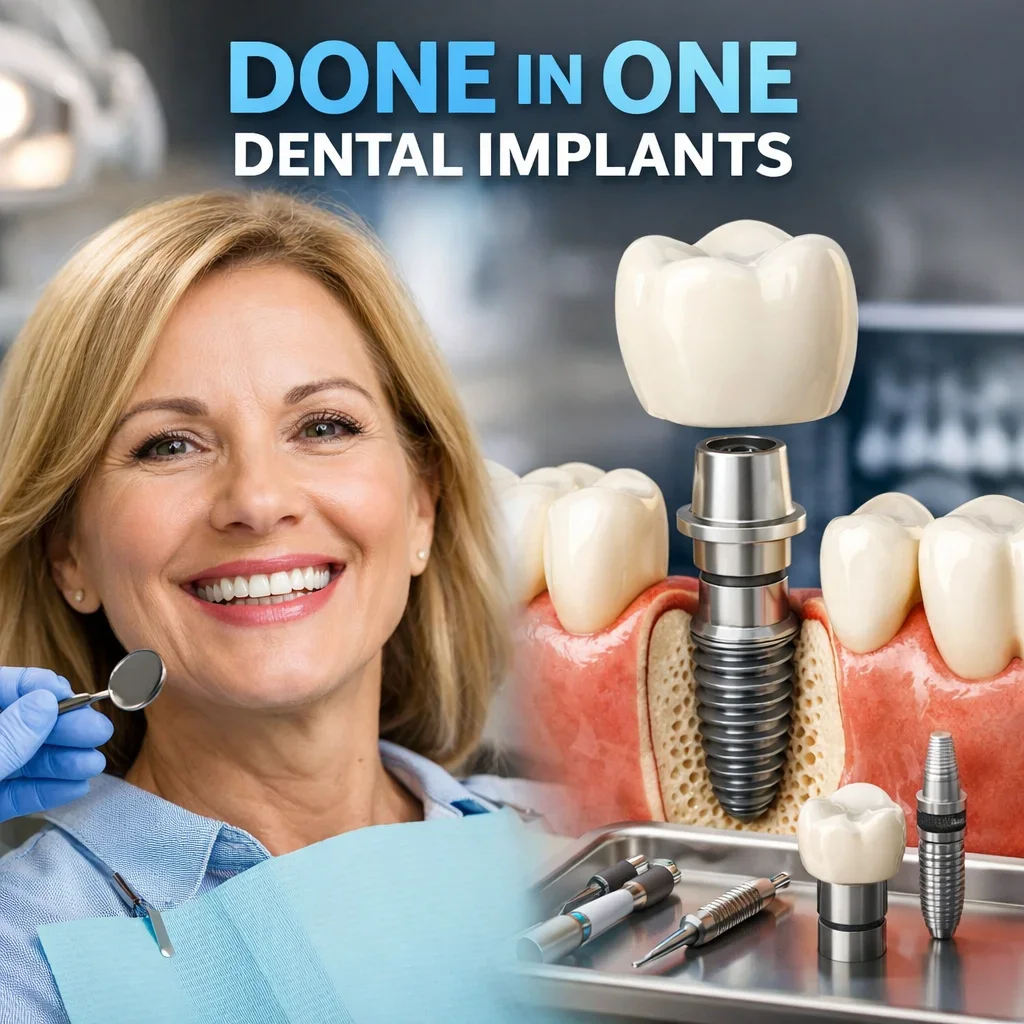
Done in One Dental Implants vs Traditional Dental Implants
When considering tooth replacement options, many patients compare done in one dental implants with traditional dental implant procedures. Both treatments are designed to replace missing teeth permanently and restore oral function, but the approach, treatment timeline, and patient experience can differ significantly. Understanding the differences between these two options helps patients choose the most suitable solution for their dental needs.
Traditional dental implants have been used successfully for decades and are considered the gold standard for replacing missing teeth. However, modern advancements in implant technology have introduced faster treatment options such as done in one dental implants. These procedures allow dentists to place an implant and attach a temporary crown during the same appointment, dramatically shortening the treatment timeline.
While both methods ultimately achieve the same goal—replacing a missing tooth with a stable, natural-looking implant—the process, convenience, and healing experience vary between done in one dental implants and traditional implant procedures.
Treatment Timeline Comparison
One of the most noticeable differences between done in one dental implants and traditional implants is the treatment timeline. Traditional implant procedures often require multiple stages and extended healing periods.
In the traditional approach, a dentist first places the implant into the jawbone. The implant then requires several months to integrate with the bone through a process called osseointegration. Only after this healing phase can the final crown be attached. During this waiting period, patients may need temporary dentures or bridges.
In contrast, done in one dental implants allow the implant and temporary crown to be placed during the same visit. This means patients leave the clinic with a visible tooth replacement immediately after surgery.
Typical Timeline Comparison
- Traditional implants: 3–6 months for full restoration
- Done in one dental implants: Temporary crown placed on the same day
This faster treatment timeline is one of the main reasons many patients prefer done in one dental implants.
Procedure Complexity and Planning
While done in one dental implants offer a faster solution, the procedure requires extremely precise planning and advanced technology. Dentists must ensure that the implant has sufficient stability to support immediate loading.
Modern digital tools such as CBCT imaging, 3D scanning, and computer-guided surgery help dentists plan done in one dental implants with exceptional accuracy. These technologies allow dentists to evaluate bone density, nerve locations, and implant positioning before the surgery begins.
Traditional implant procedures may require less immediate stability because the implant is allowed to heal without supporting a crown initially. However, both approaches require careful planning to ensure long-term success.
Technology Used in Modern Implant Dentistry
Clinics performing done in one dental implants often rely on advanced technologies such as:
- Digital smile design
- 3D cone-beam CT scanning
- Computer-guided implant placement
- CAD/CAM crown fabrication
These technologies help ensure that done in one dental implants achieve the necessary precision and stability for immediate results.
Aesthetic Results and Immediate Appearance
Another important difference between the two treatments is how quickly patients see aesthetic results. With traditional implants, patients may temporarily experience visible gaps in their smile or rely on removable prosthetics during the healing phase.
With done in one dental implants, the dentist places a temporary crown immediately after implant placement. This temporary crown is designed to look natural and blend with the surrounding teeth. As a result, patients leave the clinic with a complete smile on the same day.
Why Immediate Aesthetics Matter
For many individuals, missing teeth can affect confidence, speech, and social interactions. Done in one dental implants help eliminate the emotional stress associated with visible tooth loss by providing an immediate cosmetic solution.
Healing and Recovery Differences
Although both procedures require healing time for osseointegration, the experience can differ slightly between traditional implants and done in one dental implants. In traditional procedures, the implant heals beneath the gums without supporting a crown during the early stages.
With done in one dental implants, the implant is placed and immediately loaded with a temporary crown. While patients can smile confidently, they must avoid placing excessive pressure on the implant during early healing.
Patient Responsibilities During Healing
Patients who receive done in one dental implants are usually advised to follow certain precautions:
- Avoid hard foods for several weeks
- Maintain excellent oral hygiene
- Attend follow-up appointments
- Follow dietary recommendations during early healing
These precautions help ensure that done in one dental implants integrate successfully with the jawbone.
Success Rates and Longevity
Both treatment options offer high success rates when performed by experienced dentists. Research shows that dental implants generally have success rates exceeding 95 percent. When placed correctly and properly maintained, done in one dental implants can provide long-lasting results comparable to traditional implants.
Long-term success depends on several factors, including bone density, oral hygiene, lifestyle habits, and regular dental checkups. Patients who care for their implants properly often enjoy decades of reliable function from done in one dental implants.
Long-Term Maintenance
Regardless of the implant method used, maintaining dental health is essential. Patients with done in one dental implants should brush and floss regularly, visit their dentist for professional cleanings, and avoid habits that could damage the implant or crown.
Which Option Is Better for Patients?
Choosing between traditional implants and done in one dental implants ultimately depends on the patient’s oral health, bone density, and treatment goals. Some patients may benefit from the faster results offered by immediate implants, while others may require the staged approach of traditional implant therapy.
Dentists evaluate each patient individually to determine whether done in one dental implants are appropriate. Factors such as bone quality, gum health, and overall medical condition play important roles in treatment planning.
Personalized Treatment Decisions
Modern implant dentistry focuses on customized treatment plans tailored to each patient’s needs. In many cases, done in one dental implants provide an excellent solution for individuals seeking fast, effective smile restoration without compromising long-term reliability.
With proper planning, advanced technology, and experienced dental professionals, done in one dental implants continue to transform the way missing teeth are replaced. Patients who qualify for this treatment can enjoy the benefits of immediate aesthetics, strong functionality, and long-lasting dental health.