
A crown broke situation can be alarming, especially if it happens suddenly while eating or during daily activities. Dental crowns are designed to protect damaged teeth, restore function, and improve appearance. However, even the strongest crowns can fail over time due to wear, trauma, or underlying dental issues. If your crown broke, understanding what to do immediately can help you avoid further complications and protect your oral health.
First, it is important to stay calm. A crown broke incident may feel like an emergency, but in many cases, it can be managed effectively if you act quickly and correctly. The tooth underneath the crown may be sensitive or exposed, which increases the risk of discomfort, infection, or further damage. That is why immediate awareness and action are crucial.
There are several reasons why a crown broke. One of the most common causes is biting down on hard foods such as nuts, ice, or hard candies. Over time, crowns can also weaken due to daily wear and tear. If the cement holding the crown in place deteriorates, it can lead to instability and eventually result in a crown broke scenario. Additionally, untreated tooth decay under the crown can weaken the structure and contribute to failure.
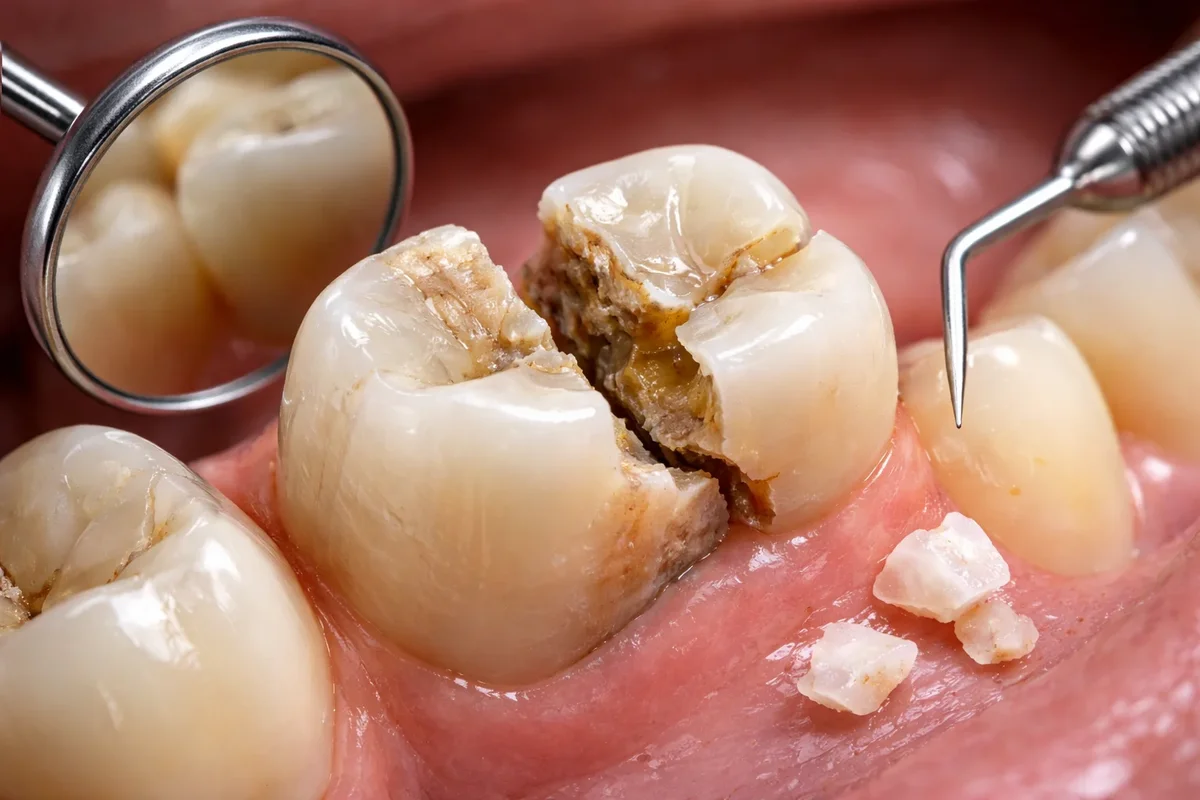
When a crown broke, the exposed tooth structure may be vulnerable. You might notice sharp edges, discomfort when chewing, or increased sensitivity to hot and cold foods. In some cases, the crown may fall off completely, while in others, it may crack or partially break. Regardless of the situation, a crown broke should never be ignored.
Another important aspect to consider is the type of crown you had. Porcelain crowns, ceramic crowns, metal crowns, or porcelain-fused-to-metal crowns all have different durability levels. A crown broke involving porcelain may result in visible cracks or chips, while metal crowns are less likely to fracture but can still loosen or detach. Knowing the type of crown can help your dentist determine the best treatment approach.
If your crown broke, you should immediately inspect the area carefully. If the crown piece is still in your mouth, remove it gently and keep it in a safe place. Sometimes, a dentist can reattach the original crown if it is not severely damaged. Rinse your mouth with warm salt water to reduce bacteria and keep the area clean after a crown broke event.
It is also important to avoid chewing on the affected side. A crown broke can leave the underlying tooth weak and susceptible to fractures. Stick to soft foods such as yogurt, mashed potatoes, or soup until you receive professional care. Avoid sticky or hard foods that could worsen the damage.
Many patients wonder whether a crown broke always requires immediate dental attention. The answer is yes—while it may not always be a severe emergency, it should be treated as a priority. Delaying treatment after a crown broke can lead to complications such as infection, further tooth damage, or the need for more complex procedures like root canal therapy or even extraction.
If you are unsure about the severity of your situation, it is always best to consult a dental professional. You can reach out through the Redent Klinik Contact Page to get expert guidance and schedule an appointment quickly. Acting fast after a crown broke can significantly improve your chances of saving the tooth and minimizing treatment costs.
According to the American Dental Association, maintaining regular dental check-ups and proper oral hygiene is essential to prevent issues like a crown broke. Routine visits allow dentists to detect early signs of crown wear or damage and address them before they become serious problems.
In summary, when a crown broke, your response in the first few hours matters the most. Keep the area clean, avoid pressure on the tooth, save any broken pieces, and contact your dentist as soon as possible. By taking these steps, you can prevent further damage and ensure a smoother, more effective treatment process. 😊
Why a Crown Broke and What It Means for Your Tooth
When a crown broke, it is rarely a random event. Dental crowns are engineered to be durable, but they are not indestructible. Understanding why a crown broke is essential for preventing future problems and protecting your natural tooth. In most cases, a broken crown is a sign of underlying issues that require attention, rather than just a simple mechanical failure.
Common Reasons Why a Crown Broke
There are several well-known causes behind a crown broke situation. One of the most frequent reasons is excessive force. Biting down on hard substances like ice, nuts, or hard candies can place sudden pressure on the crown, leading to cracks or fractures. Over time, even small repeated forces—such as teeth grinding (bruxism)—can weaken the crown structure until eventually the crown broke.
Another major factor is poor bonding or cement failure. Dental crowns are attached using strong dental cement, but this material can degrade over time. When the bond weakens, the crown becomes unstable, increasing the likelihood that the crown broke or completely detached. In such cases, the crown itself may still be intact, but the loss of adhesion leads to functional failure.
Decay under the crown is another hidden but serious cause. If bacteria penetrate the margins of the crown, they can cause tooth decay underneath. This weakens the tooth structure supporting the crown, and eventually, the crown broke due to lack of support. This is why regular dental check-ups are essential—even if your crown appears fine externally.
Material Wear and Aging
All dental materials have a lifespan. Porcelain and ceramic crowns, while aesthetically pleasing, can chip or crack under pressure. Metal crowns are more durable but can still experience wear or loosening. Over the years, daily chewing forces gradually weaken the crown, making a crown broke more likely, especially if the crown is older than 10–15 years.
Trauma and Accidents
Unexpected accidents are another common cause. A fall, sports injury, or even biting incorrectly can lead to a crown broke event. Trauma often results in more severe damage, sometimes affecting both the crown and the underlying tooth structure.
What Happens to the Tooth When a Crown Broke?
When a crown broke, the protective layer covering your tooth is compromised. This exposes the underlying tooth, which may already be weakened or previously treated. Without the crown’s protection, the tooth becomes vulnerable to further damage, sensitivity, and infection.
One of the first things patients notice after a crown broke is increased sensitivity. The exposed tooth may react strongly to hot, cold, or sweet foods. This happens because the crown normally insulates the tooth from external stimuli. Once it is gone or damaged, the tooth nerves are more easily triggered.
Another important concern is structural integrity. A crown broke can leave sharp edges or uneven surfaces, making it difficult to chew properly. This not only affects your comfort but can also place uneven pressure on surrounding teeth, leading to additional dental problems over time.
Risk of Infection
If a crown broke and the inner tooth is exposed, bacteria can enter more easily. This increases the risk of infection or decay. In severe cases, this may lead to the need for root canal treatment or even tooth extraction if left untreated.
Impact on Adjacent Teeth
When a crown broke, it can also affect neighboring teeth. You may unconsciously shift your chewing to the opposite side, causing imbalance and strain. Over time, this can lead to issues such as jaw discomfort or uneven wear on other teeth.
Is a Crown Broke Always Preventable?
While not every crown broke situation can be prevented, many cases are avoidable with proper care. Good oral hygiene, regular dental visits, and avoiding harmful habits like chewing ice or grinding teeth can significantly reduce the risk. Dentists can also detect early signs of wear and reinforce or replace crowns before a crown broke occurs.
It is also important to use protective devices if necessary. For example, if you grind your teeth at night, wearing a custom night guard can prevent excessive pressure that might otherwise result in a crown broke. Similarly, athletes should consider mouthguards to reduce the risk of trauma.
When Should You Be Concerned?
Not every crown broke situation causes immediate pain, but that does not mean it is harmless. Even a small crack can worsen over time. If you notice any changes in your crown—such as looseness, discomfort, or visible damage—it is important to act quickly before the crown broke becomes a more serious issue.
In conclusion, when a crown broke, it is usually the result of multiple contributing factors rather than a single cause. Understanding these causes helps you take proactive steps to protect your dental health. By identifying risks early and maintaining proper care, you can minimize the chances of experiencing another crown broke situation in the future. 😊
Immediate Steps to Take After a Crown Broke
When a crown broke, your reaction in the first few minutes and hours is extremely important. Acting quickly and correctly can make the difference between a simple repair and a more complex dental procedure. Many patients panic when a crown broke, but following a clear, structured approach can help you stay in control and protect your tooth effectively.
Stay Calm and Assess the Situation
The first step after a crown broke is to remain calm. While it may feel alarming, most cases can be managed safely if handled properly. Carefully check your mouth using a mirror if possible. Determine whether the crown broke completely, partially, or simply came loose.
If the crown has fallen out intact, this is generally a better situation than a fully fractured crown. However, even if the crown broke into pieces, do not panic. The condition of the underlying tooth is what matters most at this stage.
Check for Pain or Bleeding
After a crown broke, you should evaluate whether you are experiencing pain, sensitivity, or bleeding. Mild discomfort is common, but severe pain could indicate deeper issues such as nerve exposure or infection. If there is bleeding, gently rinse your mouth with warm salt water to clean the area.
Retrieve and Protect the Crown
If your crown broke and the crown piece is still available, carefully retrieve it. Rinse it gently with water—do not scrub or use harsh chemicals. Place it in a clean container. In some cases, dentists can reattach the original crown if the crown broke without major structural damage.
Keeping the crown safe is crucial. Many patients discard it, assuming it is useless, but this can limit your treatment options. Even if the crown broke, parts of it may still be reusable or helpful for your dentist in designing a replacement.
Avoid Trying to Glue It Yourself
It may be tempting to fix the issue at home if your crown broke, but using household adhesives is dangerous. These substances are not designed for oral use and can damage the tooth or cause irritation. Always rely on dental-approved materials and professional care.
Protect the Exposed Tooth
Once a crown broke, the underlying tooth becomes vulnerable. It may be sensitive, fragile, or prone to further damage. To protect it, avoid chewing on that side of your mouth. Stick to soft foods such as yogurt, eggs, or soup until you receive treatment.
If the crown broke and left sharp edges, you can use dental wax (available at pharmacies) to cover the area temporarily. This helps prevent irritation to your tongue or cheeks and reduces discomfort.
Maintain Oral Hygiene Carefully
Keeping the area clean is essential after a crown broke. Brush gently around the affected tooth and rinse with warm salt water regularly. Avoid aggressive brushing, as the tooth may be sensitive and more prone to damage.
Manage Pain and Sensitivity
It is common to experience sensitivity when a crown broke. Over-the-counter pain relievers can help manage discomfort. Avoid extremely hot or cold foods, as they can trigger sensitivity in the exposed tooth.
If the crown broke and you feel sharp pain when biting, this could indicate deeper structural damage. In such cases, it is especially important to seek professional care quickly.
Temporary Dental Cement Option
In some situations, if the crown broke but remains mostly intact, you may use temporary dental cement from a pharmacy to place it back loosely. This is only a short-term solution and should not replace a dental visit. Improper placement can worsen the problem if the crown broke severely.
Contact Your Dentist Immediately
The most important step after a crown broke is to contact your dentist as soon as possible. Even if there is no pain, delaying treatment can lead to complications such as decay, infection, or further breakage. Early intervention ensures the best outcome.
When you call, explain that your crown broke and describe your symptoms clearly. This helps the dental team prioritize your appointment. If needed, you can quickly reach out through the Redent Klinik Contact Page to schedule professional care.
When to Seek Emergency Care
In some cases, a crown broke may require urgent attention. If you experience severe pain, swelling, or signs of infection such as fever, do not wait. These symptoms may indicate a serious issue that needs immediate treatment.
Why Acting Fast Matters
When a crown broke, time plays a critical role. The longer the tooth remains exposed, the higher the risk of complications. Bacteria can quickly enter the area, leading to decay or infection. Acting quickly helps preserve the tooth and often reduces treatment complexity and cost.
Additionally, early treatment increases the chances that your dentist can repair or reuse the crown if the crown broke without severe damage. Waiting too long may make replacement the only option.
In conclusion, when a crown broke, taking immediate and informed steps is essential. By staying calm, protecting the tooth, managing symptoms, and contacting your dentist promptly, you can prevent further damage and ensure a smoother recovery process. 😊
Pain, Sensitivity, and Risks When a Crown Broke
When a crown broke, one of the first things most patients notice is discomfort. This can range from mild sensitivity to sharp pain, depending on the extent of the damage. A crown broke situation exposes the underlying tooth structure, which is often more vulnerable than the crown itself. Understanding the types of pain, sensitivity triggers, and potential risks can help you react appropriately and avoid worsening the condition.
Why Pain Occurs After a Crown Broke
Pain after a crown broke typically occurs because the protective barrier over your tooth is gone. The crown normally shields the dentin and sometimes the inner nerve (pulp) from external stimuli. Once the crown broke, these sensitive layers can be exposed, leading to discomfort when eating or drinking.
The level of pain varies depending on whether the tooth underneath had prior treatment. If the tooth had a root canal, you may feel little to no pain even if the crown broke. However, if the tooth is still vital (alive), the exposed nerve endings can cause significant sensitivity.
Nerve Exposure and Deep Damage
In more severe cases, a crown broke can result in partial or full nerve exposure. This often leads to sharp, persistent pain and may require urgent dental treatment such as root canal therapy. If left untreated, the condition can worsen quickly.
Common Sensitivity Triggers
After a crown broke, sensitivity is one of the most common symptoms. Patients often report discomfort when consuming hot, cold, sweet, or acidic foods. This happens because the enamel layer, which usually protects the tooth, is either missing or compromised.
Air exposure can also trigger sensitivity. Even breathing through your mouth may cause discomfort if the crown broke and the tooth is exposed. This sensitivity can make everyday activities uncomfortable and affect your quality of life.
Chewing Pressure Sensitivity
Another key issue when a crown broke is pain during chewing. The tooth may feel weak or unstable, especially if the break affected the underlying structure. Biting down can create pressure points that lead to sharp or throbbing pain.
Short-Term Risks When a Crown Broke
The immediate risks after a crown broke are often related to physical damage and discomfort. The exposed tooth can chip or fracture more easily without the crown’s protection. Even normal chewing can cause additional damage if the crown broke and the tooth is left unprotected.
Sharp edges from a broken crown can also irritate the tongue, cheeks, or gums. This may lead to small cuts or sores, increasing discomfort and the risk of infection.
Increased Bacterial Exposure
When a crown broke, bacteria can more easily reach the inner parts of the tooth. This increases the risk of decay and infection. Food particles can become trapped in the exposed area, further promoting bacterial growth.
Long-Term Risks If Left Untreated
If a crown broke and is not treated promptly, the risks become more serious. One of the biggest concerns is infection. Bacteria can penetrate deeper into the tooth, potentially reaching the pulp and causing an abscess. This can lead to swelling, severe pain, and even systemic health issues if ignored.
Another long-term risk is structural failure of the tooth. Without the support of the crown, the tooth may crack or break further. In extreme cases, a crown broke situation can result in the need for extraction if the tooth becomes too damaged to restore.
Impact on Overall Oral Health
A crown broke does not only affect a single tooth. It can disrupt your entire bite. You may start chewing on one side to avoid discomfort, which can lead to uneven wear, jaw pain, or temporomandibular joint (TMJ) issues over time.
Psychological and Lifestyle Impact
Beyond physical symptoms, a crown broke can also affect your confidence and daily routine. If the crown is on a visible tooth, you may feel self-conscious about your smile. Eating habits may change, and you might avoid certain foods altogether.
The uncertainty of not knowing how severe the problem is can also create stress. This is why addressing a crown broke quickly is not only important for dental health but also for your overall well-being.
Sleep and Comfort Disruptions
Pain or sensitivity after a crown broke can interfere with sleep, especially if the discomfort worsens at night. This can lead to fatigue and reduced quality of life if not managed properly.
When Pain Signals an Emergency
Not every crown broke situation is an emergency, but certain symptoms should not be ignored. Severe, throbbing pain, swelling, fever, or a bad taste in the mouth may indicate infection. These signs require immediate dental attention.
If you experience these symptoms after a crown broke, it is crucial to seek professional help without delay. Early intervention can prevent complications and preserve your tooth.
In conclusion, when a crown broke, pain and sensitivity are not just temporary inconveniences—they are warning signs. Understanding these symptoms and risks allows you to take the right steps and avoid serious complications. Prompt care ensures that your dental health remains stable and that your smile stays strong and healthy. 😊
Temporary Solutions Before Seeing a Dentist
When a crown broke, immediate professional care is always the best solution. However, there are situations where you may not be able to see a dentist right away. In these cases, knowing how to manage a crown broke situation at home can help protect your tooth, reduce discomfort, and prevent further complications until you receive proper treatment.
Why Temporary Care Matters After a Crown Broke
After a crown broke, the tooth underneath is exposed and vulnerable. Without the protective crown, the tooth is more susceptible to damage, sensitivity, and infection. Temporary solutions are not meant to replace professional care, but they can significantly reduce risks during the waiting period.
If a crown broke, even a short delay in treatment can allow bacteria to enter the tooth structure. This is why taking preventive measures immediately is essential. Proper temporary care can preserve the tooth and improve the chances of successful restoration.
Protecting the Tooth Structure
When a crown broke, the exposed tooth may have sharp edges or weakened areas. These can break further if not protected. Temporary care focuses on minimizing stress on the tooth and shielding it from external factors.
Using Temporary Dental Cement
One of the most effective short-term solutions after a crown broke is using temporary dental cement. This product is available at most pharmacies and is specifically designed for dental use. If the crown piece is intact, you may be able to place it back over the tooth using this material.
However, it is important to understand that this is only a temporary fix. Even if the crown broke and you manage to reattach it, the bond will not be as strong as a professional dental procedure. Avoid chewing hard foods and schedule a dental visit as soon as possible.
How to Apply Temporary Cement Safely
If your crown broke and you choose to use temporary cement, clean both the crown and the tooth gently. Apply a small amount of cement inside the crown and place it carefully over the tooth. Press lightly to secure it, but avoid excessive force. Remove any excess material to prevent irritation.
Managing Pain and Sensitivity
It is common to experience discomfort when a crown broke. Over-the-counter pain relievers can help manage mild to moderate pain. Additionally, avoiding hot, cold, or sugary foods can reduce sensitivity.
If the crown broke and the tooth is highly sensitive, consider using desensitizing toothpaste. While this will not solve the problem, it can provide temporary relief until you see your dentist.
Avoiding Trigger Foods
After a crown broke, certain foods can worsen discomfort. Avoid sticky foods like caramel, as well as hard items like nuts or ice. These can either irritate the tooth or cause further breakage.
Covering Sharp Edges
If a crown broke and left sharp or jagged edges, these can irritate your tongue, cheeks, or gums. Dental wax is a simple and effective solution. It can be applied over the rough area to create a smooth surface and prevent injury.
In cases where dental wax is not available, sugar-free chewing gum can be used as a temporary alternative. However, this should only be a short-term solution until proper care is obtained.
Preventing Soft Tissue Injury
When a crown broke, protecting the surrounding soft tissues is just as important as protecting the tooth. Repeated irritation can lead to sores or infections, making the situation more uncomfortable.
Maintaining Proper Oral Hygiene
Good oral hygiene becomes even more critical when a crown broke. Gently brushing around the affected area helps remove food particles and bacteria. Be careful not to apply too much pressure, as the tooth may be sensitive.
Rinsing with warm salt water is highly recommended. This helps reduce bacteria and keeps the area clean after a crown broke. You can do this several times a day, especially after meals.
Using Antibacterial Mouthwash
An antibacterial mouthwash can also be beneficial after a crown broke. It helps control bacterial growth and reduces the risk of infection while you wait for your dental appointment.
Adjusting Your Daily Habits
When a crown broke, small changes in your daily routine can make a big difference. Avoid chewing on the affected side and opt for softer foods. This reduces pressure on the tooth and prevents further damage.
If you grind your teeth at night, consider using a mouthguard if available. Grinding can worsen the condition if a crown broke, increasing the risk of additional fractures.
Sleeping Position and Care
Even your sleeping position can matter. Try to avoid putting pressure on the side where the crown broke. This may help reduce discomfort and prevent accidental damage during sleep.
Knowing the Limits of Temporary Solutions
While these methods can help after a crown broke, it is important to remember that they are not permanent solutions. Delaying professional treatment can lead to more serious issues such as infection, tooth decay, or structural damage.
If your crown broke, always prioritize scheduling a dental appointment. Temporary care is only meant to stabilize the situation until you receive proper treatment.
In conclusion, when a crown broke, taking the right temporary steps can protect your tooth and reduce discomfort. From using dental cement to maintaining hygiene and adjusting your habits, these actions play a crucial role in preventing complications. However, professional care remains essential for a complete and lasting solution. 😊
Professional Treatment Options After a Crown Broke
When a crown broke, professional dental treatment is the only way to fully restore the tooth and prevent long-term complications. While temporary solutions can help in the short term, a crown broke situation requires a thorough clinical evaluation to determine the best course of action. The type of treatment depends on several factors, including the extent of damage, the condition of the underlying tooth, and whether the original crown can be reused.
Initial Dental Examination and Diagnosis
After a crown broke, your dentist will first perform a detailed examination. This may include visual inspection, X-rays, and checking the stability of the remaining tooth structure. The goal is to understand why the crown broke and whether the tooth underneath is still healthy.
If the underlying tooth is intact and free from decay, the treatment may be relatively simple. However, if the crown broke due to decay or structural damage, additional procedures may be necessary before placing a new crown.
Evaluating the Crown Condition
In some cases, when a crown broke, the crown itself may still be usable. If it is not cracked or deformed, your dentist may be able to clean and re-cement it. However, if the crown broke into pieces or shows signs of wear, replacement is usually required.
Re-Cementing the Existing Crown
If your crown broke because it became loose rather than fractured, re-cementation may be the best solution. This involves cleaning both the crown and the tooth, then securely bonding them again using dental cement.
This is often the quickest and most cost-effective treatment when a crown broke without structural damage. However, it is only suitable if the fit of the crown remains accurate and the tooth underneath is healthy.
When Re-Cementing Is Not Possible
If the crown broke due to poor fit, decay, or significant wear, re-cementing may not be reliable. In such cases, replacing the crown is the safer and more durable option.
Replacing the Crown
One of the most common treatments after a crown broke is creating a new crown. This process typically involves reshaping the tooth (if necessary), taking impressions, and placing a temporary crown while the permanent one is fabricated.
Modern dental technology allows for highly precise and aesthetic crowns. Whether your crown broke due to age or damage, a new crown can restore both function and appearance effectively.
Types of Replacement Crowns
After a crown broke, your dentist may recommend different materials for the new crown:
- Porcelain or ceramic crowns: Ideal for front teeth due to their natural appearance.
- Metal crowns: Extremely durable and suitable for back teeth.
- Porcelain-fused-to-metal crowns: A balance between strength and aesthetics.
- Zirconia crowns: Highly durable and increasingly popular for both front and back teeth.
Core Build-Up and Tooth Reinforcement
If a crown broke and the underlying tooth is weakened, your dentist may perform a core build-up. This involves adding material to rebuild the tooth structure, providing a stable foundation for the new crown.
This step is crucial when the crown broke due to structural weakness. Without proper reinforcement, a new crown may not last long.
Use of Dental Posts
In cases where a crown broke and significant tooth structure is missing, a dental post may be placed inside the root canal. This provides additional support for the crown and improves long-term stability.
Root Canal Treatment if Needed
If the crown broke and exposed or infected the tooth pulp, root canal therapy may be required. This procedure removes infected tissue, cleans the root canals, and seals them to prevent further infection.
After the root canal, a new crown is typically placed to restore the tooth. This is a common approach when a crown broke and deeper damage is present.
Signs You May Need a Root Canal
After a crown broke, symptoms such as severe pain, prolonged sensitivity, swelling, or discoloration may indicate the need for root canal treatment.
Dental Implants as a Last Resort
In rare cases, if the crown broke and the tooth is too damaged to save, extraction may be necessary. A dental implant can then replace the missing tooth. This involves placing a titanium post in the jawbone and attaching a crown to it.
While this is a more complex procedure, it provides a long-lasting and natural-looking solution when a crown broke beyond repair.
Why Implants Are Highly Effective
Dental implants offer excellent stability and durability. If a crown broke leads to tooth loss, implants can restore full function and prevent bone loss in the jaw.
How to Choose the Right Treatment
The best treatment after a crown broke depends on your specific situation. Factors such as cost, durability, aesthetics, and overall oral health all play a role. Your dentist will guide you through the options and recommend the most suitable solution.
If you need professional evaluation or treatment, you can easily schedule an appointment through the Redent Klinik Contact Page to receive expert care tailored to your needs.
Importance of Timely Treatment
Delaying treatment after a crown broke can lead to more complex and costly procedures. Acting quickly ensures better outcomes and helps preserve your natural tooth whenever possible.
In conclusion, when a crown broke, there are multiple professional treatment options available—from simple re-cementing to full crown replacement or even implants. The key is early diagnosis and appropriate intervention. With the right care, your smile can be fully restored and protected for years to come. 😊
How Much It Costs to Fix a Crown Broke Situation
When a crown broke, one of the first concerns many patients have is the cost of repair or replacement. The price can vary significantly depending on the severity of the damage, the type of treatment required, and the materials used. Understanding the financial aspects of a crown broke situation helps you prepare and make informed decisions about your dental care.
Factors That Affect the Cost When a Crown Broke
The total cost after a crown broke is influenced by several key factors. These include the condition of the underlying tooth, whether the crown can be reused, and the type of crown material selected. Each of these elements plays a role in determining the final price.
If the crown broke but the tooth underneath is healthy, the treatment may be relatively simple and affordable. However, if there is decay, infection, or structural damage, additional procedures will increase the cost.
Extent of Damage
If a crown broke slightly or simply came loose, re-cementing may be enough. This is usually the least expensive option. On the other hand, if the crown broke completely or the tooth is compromised, more extensive treatment such as a new crown or root canal may be required.
Material Choice
The type of material used for the new crown significantly affects the cost when a crown broke. Porcelain and zirconia crowns tend to be more expensive due to their aesthetic and durability benefits, while metal crowns are generally more affordable.
Average Costs for Common Treatments
Below is a general breakdown of typical costs associated with a crown broke situation. These prices can vary by location and clinic, but they provide a useful guideline:
- Re-cementing an existing crown: $50 – $300
- New dental crown (porcelain or ceramic): $800 – $2,500
- Zirconia crown: $1,000 – $3,000
- Metal crown (gold or alloy): $900 – $2,500
- Core build-up: $150 – $500
- Root canal treatment: $700 – $1,800
- Dental implant (if tooth cannot be saved): $2,500 – $5,000+
If your crown broke and requires multiple procedures, the total cost can increase accordingly. For example, a root canal followed by a new crown will cost more than a simple replacement.
Cost Variations by Country
The cost of treating a crown broke can differ greatly depending on where you receive care. In countries like the United States or the UK, prices are typically higher. In contrast, dental tourism destinations such as Turkey often offer high-quality treatments at more affordable rates.
Insurance Coverage and Payment Options
Many dental insurance plans partially cover treatments related to a crown broke, especially if the procedure is medically necessary. Coverage may include a percentage of the cost for crowns, root canals, or other restorative procedures.
However, cosmetic upgrades or premium materials may not be fully covered. It is important to check your insurance policy to understand what is included when a crown broke.
Flexible Payment Plans
If your crown broke and the cost is a concern, many clinics offer flexible payment plans. These allow you to spread the cost over several months, making treatment more accessible without delaying necessary care.
Is It Worth Repairing Immediately?
Some patients consider delaying treatment after a crown broke due to cost concerns. However, postponing care can lead to more serious problems, such as infection or further tooth damage. These complications often result in higher costs in the long run.
Fixing the issue early when a crown broke is usually more cost-effective. A simple repair today can prevent the need for expensive procedures later.
Cost vs. Long-Term Value
While the upfront cost after a crown broke may seem high, it is important to consider the long-term value. A properly treated tooth can last many years, preserving both function and appearance. Investing in quality treatment reduces the likelihood of recurring issues.
How to Reduce Costs When a Crown Broke
There are several ways to manage expenses if a crown broke:
- Seek treatment early to avoid complications
- Compare treatment options and materials
- Check insurance coverage and benefits
- Consider clinics that offer competitive pricing
If your crown broke, you can also contact a trusted clinic through the Redent Klinik Contact Page to receive a personalized treatment plan and cost estimate.
Choosing Quality Over Cheap Solutions
While it may be tempting to choose the cheapest option after a crown broke, quality should always be a priority. Poorly made crowns or improper treatment can lead to repeated issues and higher costs over time.
Final Thoughts on Cost and Treatment
In conclusion, when a crown broke, the cost of treatment depends on multiple factors, including the severity of the damage and the type of care required. From simple re-cementing to full crown replacement or implants, there are solutions available for every situation and budget.
The key is to act quickly and choose a reliable dental provider. By addressing the issue promptly, you can minimize costs, protect your tooth, and ensure long-term oral health. A crown broke may be unexpected, but with the right approach, it can be managed efficiently and effectively. 😊
How to Prevent a Crown Broke Problem in the Future
Experiencing a crown broke situation once is often enough to make anyone want to avoid it in the future. While dental crowns are strong and reliable, they are not immune to damage. The good news is that many cases of a crown broke can be prevented with proper care, smart habits, and regular dental check-ups. Understanding how to protect your crown is key to maintaining long-term oral health and avoiding unnecessary costs or discomfort.
Maintain Excellent Oral Hygiene
One of the most important steps to prevent a crown broke issue is maintaining good oral hygiene. Even though a crown itself cannot decay, the tooth underneath still can. If bacteria accumulate around the crown margins, they can cause decay that weakens the tooth and leads to a crown broke situation.
Brush your teeth at least twice a day using fluoride toothpaste and a soft-bristled toothbrush. Pay special attention to the area where the crown meets the gum line. Flossing daily is equally important, as it removes plaque and food particles that brushing alone cannot reach.
Use Antibacterial Mouthwash
Adding an antibacterial mouthwash to your routine can further reduce the risk of infection. This helps protect the underlying tooth and lowers the chances of experiencing a crown broke due to decay or gum disease.
Avoid Harmful Habits
Certain habits significantly increase the risk of a crown broke. Chewing on hard objects such as ice, pens, or fingernails can put excessive pressure on your crown. Over time, this stress can cause cracks or fractures.
Teeth grinding (bruxism) is another major factor. If you grind your teeth, especially at night, it can weaken the crown and eventually result in a crown broke. This habit often goes unnoticed, making it even more important to address.
Use a Night Guard if Needed
If you are prone to grinding, your dentist may recommend a custom night guard. This device protects your teeth and crowns from excessive force, reducing the likelihood of a crown broke over time.
Choose the Right Foods
Your diet plays a significant role in preventing a crown broke. Hard foods like nuts, popcorn kernels, and hard candies can damage crowns if bitten incorrectly. Sticky foods such as caramel or chewing gum can also loosen crowns and contribute to a crown broke situation.
Instead, focus on a balanced diet that supports oral health. Foods rich in calcium and vitamins help strengthen your teeth and gums, indirectly supporting the durability of your crown.
Be Careful When Chewing
After getting a crown, it is wise to avoid using that tooth to bite into very hard foods. Even if your crown feels strong, repeated stress can lead to a crown broke over time.
Attend Regular Dental Check-Ups
Routine dental visits are essential for preventing a crown broke. During these appointments, your dentist will examine the condition of your crown and the underlying tooth. Early signs of wear, loosening, or decay can be detected and treated before they lead to a crown broke.
Professional cleanings also help remove plaque and tartar buildup that could compromise the crown. Regular monitoring ensures that any issues are addressed promptly.
Professional Maintenance and Adjustments
Sometimes, a crown may need minor adjustments to maintain proper alignment and function. These small corrections can prevent uneven pressure and reduce the risk of a crown broke.
Understand the Lifespan of Your Crown
Dental crowns are not permanent and typically last between 10 to 15 years, depending on the material and care. As a crown ages, it becomes more susceptible to wear and damage. Being aware of this lifespan can help you anticipate when a crown broke might occur and take preventive action.
If your crown is approaching the end of its lifespan, your dentist may recommend replacing it before a crown broke occurs. Proactive replacement is often easier and less costly than dealing with a broken crown.
Material Matters
Different crown materials have different durability levels. Zirconia and metal crowns are generally more resistant to breaking, while porcelain crowns may be more prone to chipping. Choosing the right material can reduce the risk of a crown broke.
Protect Your Teeth During Activities
If you participate in sports or physical activities, wearing a mouthguard is essential. Accidents and impacts are common causes of a crown broke, especially in contact sports. A mouthguard provides a protective barrier that absorbs shock and reduces the risk of damage.
Daily Awareness and Care
Even outside of sports, being mindful of your teeth can make a difference. Avoid using your teeth as tools to open packages or bottles. These actions can easily result in a crown broke and cause unnecessary damage.
When to Seek Preventive Advice
If you have concerns about your crown or want to avoid another crown broke situation, consulting a professional is always a good idea. You can reach out through the Redent Klinik Contact Page for personalized advice and preventive care.
In conclusion, preventing a crown broke is largely within your control. By maintaining good oral hygiene, avoiding harmful habits, choosing the right foods, and attending regular dental visits, you can significantly reduce the risk. A proactive approach not only protects your crown but also ensures long-term dental health and peace of mind. 😊
When a Crown Broke Becomes a Dental Emergency
Not every crown broke situation is an immediate emergency, but there are cases where urgent dental care is absolutely necessary. Understanding when a crown broke crosses the line into a true dental emergency can help you act quickly and avoid serious complications. While some cases involve minor discomfort, others may signal deeper issues that require immediate professional attention.
Signs That a Crown Broke Is an Emergency
When a crown broke, certain symptoms should never be ignored. Severe pain is one of the most important warning signs. If the discomfort is intense, persistent, or worsening, it may indicate nerve involvement or infection. A crown broke combined with sharp, throbbing pain is often a clear signal that urgent treatment is needed.
Swelling in the gums, face, or jaw is another serious indicator. If your crown broke and you notice swelling, it could mean that an infection has developed. This type of infection can spread if not treated promptly, making it a dental emergency.
Bleeding and Trauma
If a crown broke due to an accident or injury, and there is active bleeding, immediate care is required. Trauma-related cases often involve more than just the crown and may affect the tooth root or surrounding tissues.
Loose or Missing Crown with Severe Exposure
When a crown broke and the tooth is significantly exposed, the risk of damage increases. If the tooth feels unstable or extremely sensitive, it should be treated as urgent to prevent further complications.
Infection Risks After a Crown Broke
One of the most serious concerns when a crown broke is the risk of infection. Without the crown’s protection, bacteria can enter the tooth and reach the pulp. This can lead to an abscess, which is a painful and potentially dangerous condition.
Symptoms of infection after a crown broke may include a bad taste in
Long-Term Care Tips After Your Crown Broke
After experiencing a crown broke situation and receiving professional treatment, your focus should shift to long-term care. Proper maintenance is essential to ensure that your restored tooth remains strong, functional, and aesthetically pleasing for years to come. A crown broke once does not mean it will happen again—especially if you adopt the right habits and follow expert recommendations.
Establish a Consistent Oral Hygiene Routine
One of the most important ways to prevent another crown broke is by maintaining excellent oral hygiene. Even though the crown itself cannot decay, the natural tooth underneath is still at risk. If bacteria accumulate around the edges of the crown, they can lead to decay, weakening the structure and increasing the likelihood of another crown broke.
Brush your teeth at least twice daily with fluoride toothpaste and a soft-bristled toothbrush. Be gentle around the crown area to avoid unnecessary stress. Flossing is equally important, as it removes plaque and debris from areas that brushing cannot reach.
Use Specialized Dental Products
After a crown broke, your dentist may recommend specific products such as interdental brushes or water flossers. These tools help clean around the crown more effectively and reduce the risk of complications.
Schedule Regular Dental Check-Ups
Routine dental visits are critical after a crown broke. Your dentist will monitor the condition of your crown and the underlying tooth, ensuring that everything remains stable. Early detection of issues can prevent another crown broke and reduce the need for extensive treatment.
Professional cleanings also remove plaque and tartar buildup that could compromise the crown. Regular check-ups are a proactive way to maintain your oral health.
Frequency of Visits
Most patients should visit the dentist every six months. However, if you have a history of a crown broke or other dental issues, your dentist may recommend more frequent visits.
Be Mindful of Your Diet
Your eating habits play a significant role in preventing another crown broke. Avoid biting directly into hard foods such as ice, hard candies, or bones. These can place excessive pressure on the crown and lead to damage.
Sticky foods like caramel can also be problematic, as they may loosen the crown over time. Choosing softer, balanced meals helps protect your dental work and reduces the risk of a crown broke.
Hydration and Oral Health
Drinking plenty of water helps wash away food particles and bacteria, supporting overall oral hygiene. Staying hydrated is a simple yet effective way to reduce the chances of a crown broke due to decay or gum issues.
Protect Your Teeth from Grinding and Trauma
If you grind your teeth at night, you are at higher risk of experiencing another crown broke. Bruxism places continuous pressure on crowns, which can weaken them over time. A custom night guard can provide protection and extend the lifespan of your crown.
Similarly, if you engage in sports or physical activities, wearing a mouthguard is essential. Accidental impacts are a common cause of a crown broke, and protective gear can significantly reduce this risk.
Daily Awareness
Simple habits, such as not using your teeth to open packages or bite hard objects, can make a big difference. These small precautions help prevent unnecessary stress that could lead to another crown broke.
Monitor Changes and Act Early
After a crown broke, it is important to stay alert to any changes in your mouth. If you notice looseness, sensitivity, or discomfort, do not ignore it. These may be early signs of a problem that could lead to another crown broke.
Addressing these issues early allows for simpler and more cost-effective solutions. Waiting too long can result in more complex treatments.
Signs to Watch For
Pay attention to symptoms such as unusual sensitivity, difficulty chewing, or visible damage. If any of these occur after a crown broke, consult your dentist promptly.
Maintain a Healthy Lifestyle
Your overall health also impacts your dental health. Conditions such as diabetes or gum disease can increase the risk of complications after a crown broke. Maintaining a balanced diet, exercising regularly, and managing health conditions can support your oral health.
A healthy lifestyle strengthens your immune system, helping your body fight infections and maintain strong teeth and gums.
Avoid Smoking and Excess Sugar
Smoking and high sugar consumption can negatively affect your oral health. These habits increase the risk of decay and gum disease, which can contribute to another crown broke.
Stay Connected with Your Dental Provider
Building a strong relationship with your dentist is key after a crown broke. Regular communication ensures that you receive personalized advice and timely care. If you ever have concerns, do not hesitate to reach out.
You can easily schedule follow-ups or ask questions through the Redent Klinik Contact Page to ensure your dental health stays on track.
Long-Term Professional Guidance
Your dentist can provide tailored recommendations based on your specific situation. This guidance is invaluable in preventing another crown broke and maintaining a healthy smile.
Conclusion: Protecting Your Smile for the Future
In conclusion, experiencing a crown broke can be stressful, but it also serves as a valuable reminder of the importance of long-term care. By maintaining proper hygiene, making smart lifestyle choices, and staying proactive with dental visits, you can significantly reduce the risk of future issues.
With the right approach, your crown can last many years, providing both function and confidence. A crown broke does not have to be a recurring problem—consistent care and awareness are the keys to lasting dental health. 😊