
A fractured crown is one of the most common yet stressful dental issues patients experience. Dental crowns are designed to protect and restore damaged teeth, but even these durable restorations can fail under certain conditions. Understanding what a fractured crown is, why it occurs, and how it can be treated is essential for maintaining long-term oral health. If you’ve ever felt discomfort, noticed visible damage, or experienced sensitivity in a crowned tooth, you might be dealing with a fractured crown without even realizing it.
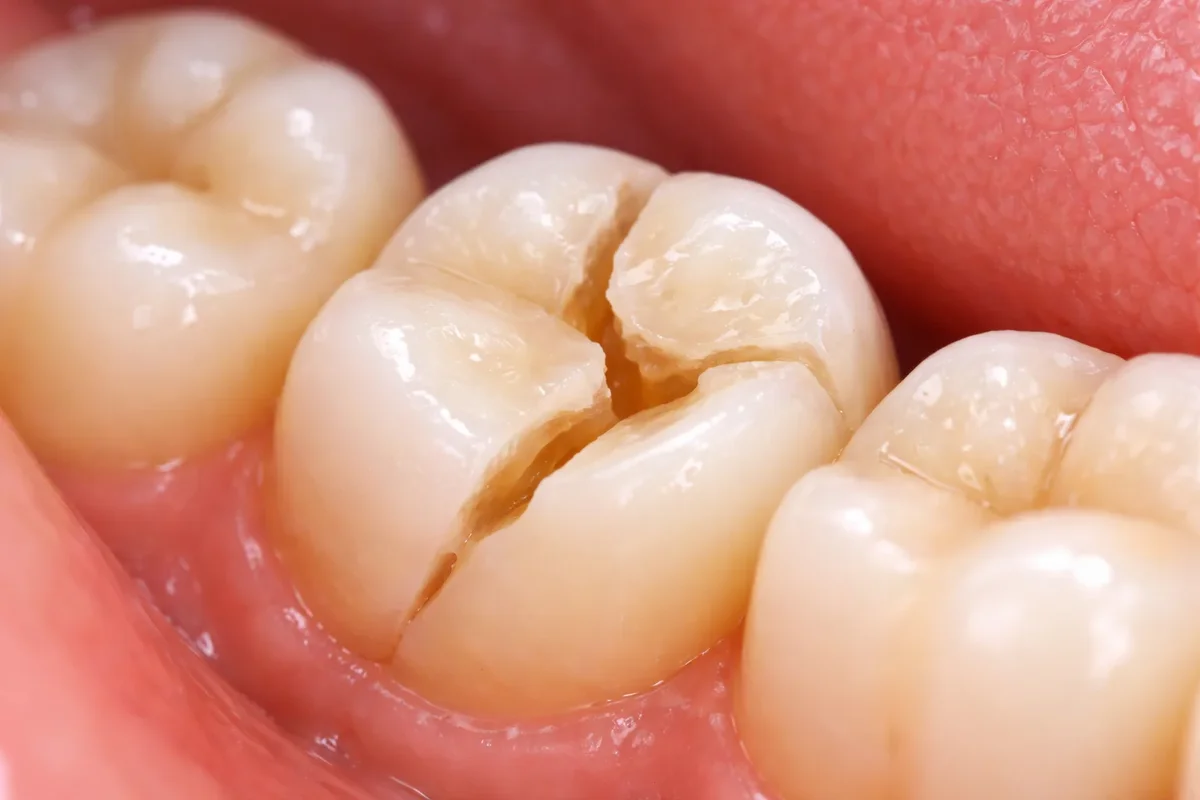
A fractured crown refers to a crack, chip, or break in the dental crown that covers your natural tooth. Crowns are typically made from materials such as porcelain, ceramic, metal, or a combination of these. While they are strong, they are not indestructible. Over time, wear and tear, biting forces, or accidental trauma can lead to a fractured crown. 😬 This condition can range from minor cosmetic damage to severe structural compromise that exposes the underlying tooth.
One of the key concerns with a fractured crown is that it may not always be immediately noticeable. In many cases, patients only become aware of a fractured crown when they begin to feel pain or sensitivity. For example, a small crack in a porcelain crown might not be visible to the naked eye but can still cause discomfort when chewing or drinking hot and cold beverages. This makes early detection and proper dental evaluation extremely important.
The causes of a fractured crown are varied and often preventable. Common reasons include biting down on hard foods like ice, nuts, or hard candies, grinding your teeth (a condition known as bruxism), or experiencing trauma such as a fall or sports injury. Over time, even normal chewing can weaken a crown, especially if it was not properly fitted or if the material has aged. A poorly bonded crown or underlying tooth decay can also increase the risk of a fractured crown.
Another important factor to consider is the type of material used for your crown. Porcelain crowns, while highly aesthetic, are more prone to chipping compared to metal or zirconia crowns. On the other hand, metal crowns are extremely durable but less natural in appearance. Each material has its own advantages and limitations, which is why your dentist’s recommendation plays a crucial role in preventing a fractured crown in the future.
When a fractured crown occurs, the underlying tooth may become vulnerable. This can lead to further complications such as bacterial infection, tooth decay, or even damage to the tooth structure itself. In severe cases, a fractured crown can expose the nerve of the tooth, causing significant pain and requiring more complex treatments like root canal therapy. 😟 That’s why it’s essential not to ignore any signs of damage.
If you suspect a fractured crown, taking immediate action can make a big difference. Avoid chewing on the affected side, maintain good oral hygiene, and contact a dental professional as soon as possible. For expert evaluation and personalized treatment, you can visit the Redent Klinik Contact Page. Prompt care ensures that a fractured crown does not escalate into a more serious dental issue.
According to the American Dental Association, maintaining regular dental check-ups is one of the most effective ways to detect problems like a fractured crown early. Dentists can identify small cracks or weaknesses before they become major issues, helping you avoid discomfort and costly procedures.
In summary, a fractured crown is a dental condition that should never be overlooked. Whether caused by trauma, wear, or improper care, it can significantly impact your oral health if left untreated. By understanding the causes and recognizing early signs, you can take proactive steps to protect your smile. 😊 Regular dental visits, proper oral hygiene, and avoiding harmful habits all play a vital role in preventing a fractured crown and ensuring your crown lasts for many years.
What Is a Fractured Crown and Why It Happens
A fractured crown is a dental condition where the protective cap placed over a tooth becomes cracked, chipped, or structurally damaged. While crowns are designed to be strong and long-lasting, they are not immune to damage. A fractured crown can develop gradually over time or occur suddenly due to unexpected pressure or trauma. Understanding what a fractured crown is and why it happens is essential for preventing further complications and maintaining your oral health. 🦷
Dental crowns are commonly used to restore teeth that are weakened by decay, fractures, or large fillings. They act as a shield, protecting the underlying tooth structure from damage. However, when a fractured crown occurs, this protective barrier is compromised. This not only affects the appearance of your tooth but can also expose the underlying tooth to bacteria, sensitivity, and further damage.
Understanding the Structure of a Dental Crown
To fully understand a fractured crown, it’s important to know how a dental crown is structured. A crown typically covers the entire visible portion of a tooth above the gum line. It is bonded securely to the natural tooth using dental cement. Crowns can be made from various materials, including porcelain, ceramic, metal alloys, or zirconia.
Each material has its own durability and resistance level. For example, porcelain crowns are highly aesthetic but may be more susceptible to chipping, increasing the risk of a fractured crown. Metal crowns, on the other hand, are more resistant to fracture but may not offer the same natural appearance. Zirconia crowns provide a balance between strength and aesthetics, making them a popular choice for reducing the likelihood of a fractured crown.
Key Components That Can Fail
When discussing a fractured crown, it’s important to note that failure can occur in multiple areas:
- The crown material itself – Cracks or chips can form due to stress.
- The bonding layer – Weak adhesion can lead to instability and eventual fracture.
- The underlying tooth – If the natural tooth decays or weakens, it can contribute to a fractured crown.
Each of these components plays a critical role in the longevity of your crown. If one fails, the entire structure becomes vulnerable to a fractured crown.
Common Reasons Why a Fractured Crown Happens
There are several reasons why a fractured crown may occur, and many of them are related to daily habits or long-term wear. One of the most common causes is biting down on hard substances such as ice, nuts, or hard candies. These actions create excessive pressure that can lead to a fractured crown, especially if the crown has already been weakened over time.
Another major cause is teeth grinding, also known as bruxism. This condition places continuous stress on dental restorations, significantly increasing the risk of a fractured crown. 😣 Many people are unaware that they grind their teeth, particularly during sleep, which makes this a silent but serious risk factor.
Accidental trauma is also a frequent cause of a fractured crown. A fall, sports injury, or sudden impact can easily damage a crown, particularly if it is made from more brittle materials. In such cases, the fractured crown may occur instantly and require immediate dental attention.
Long-Term Wear and Aging
Even with proper care, dental crowns are not permanent. Over time, natural wear and tear can weaken the structure of a crown, making it more susceptible to a fractured crown. Repeated chewing forces, temperature changes from hot and cold foods, and gradual material fatigue all contribute to this process.
Additionally, the adhesive used to bond the crown to the tooth may degrade over time. This can create micro-movements that weaken the crown’s stability, eventually leading to a fractured crown. Regular dental check-ups can help detect these early signs before significant damage occurs.
The Role of Oral Health in Preventing a Fractured Crown
Your overall oral health plays a crucial role in preventing a fractured crown. Poor oral hygiene can lead to decay beneath the crown, weakening the supporting tooth structure. When the foundation of the crown is compromised, the likelihood of a fractured crown increases significantly.
Maintaining a consistent oral hygiene routine—including brushing twice daily, flossing, and using an antibacterial mouthwash—can help protect both your natural teeth and dental restorations. Regular visits to your dentist also allow for early detection of any issues that could lead to a fractured crown.
If you ever notice discomfort, sensitivity, or visible damage, it’s important to act quickly. You can reach out for professional guidance through the Redent Klinik Contact Page to ensure that a fractured crown is addressed promptly and effectively.
For further trusted information about dental restorations and oral health, the American Dental Association provides comprehensive resources that can help you better understand conditions like a fractured crown.
In conclusion, a fractured crown is more than just a minor dental inconvenience—it is a condition that can compromise the integrity of your tooth and lead to more serious problems if ignored. By understanding how a fractured crown develops and recognizing the contributing factors, you can take proactive steps to protect your dental health and extend the lifespan of your crown. 😊
Top Causes of a Fractured Crown You Should Avoid
A fractured crown rarely happens without a reason. In most cases, it is the result of daily habits, unnoticed dental conditions, or sudden trauma that weakens the crown over time. Understanding the top causes of a fractured crown is essential if you want to protect your dental investment and avoid unnecessary discomfort or complications. Many of these causes are preventable, which means with the right awareness and care, you can significantly reduce your risk. 😊
Dental crowns are designed to be durable, but they are not indestructible. When excessive force, poor oral hygiene, or underlying structural issues come into play, a fractured crown can develop. Below, we explore the most common causes in detail so you can take proactive steps to protect your smile.
Chewing Hard Foods and Objects
One of the leading causes of a fractured crown is biting down on hard foods or objects. Items such as ice, hard candies, nuts, and even non-food objects like pens can create excessive pressure on the crown. This pressure can lead to cracks or chips, especially if the crown material is porcelain or ceramic.
Why Hard Foods Are Risky
When you bite into something hard, the force is concentrated on a small surface area. This increases the likelihood of a fractured crown, particularly if the crown has already experienced minor wear. Over time, repeated exposure to such stress weakens the crown’s structure, making it more vulnerable to sudden failure.
To avoid a fractured crown, it’s best to cut hard foods into smaller pieces and chew carefully, especially if you know you have a crown in place.
Teeth Grinding (Bruxism)
Teeth grinding, also known as bruxism, is another major contributor to a fractured crown. Many people grind their teeth unconsciously during sleep, placing constant pressure on their dental restorations. This repeated force can gradually weaken the crown until a fracture occurs. 😣
Nighttime Grinding and Hidden Damage
The danger of bruxism lies in its silent nature. You may not even realize you are grinding your teeth until symptoms like jaw pain, headaches, or a fractured crown appear. Over time, this habit can cause micro-cracks in the crown, eventually leading to visible damage.
Using a custom night guard can significantly reduce the risk of a fractured crown caused by grinding.
Accidental Trauma and Injury
Sudden impacts, such as falls, sports injuries, or accidents, are common causes of a fractured crown. Unlike gradual wear, trauma can result in immediate and severe damage to the crown. This type of fractured crown often requires urgent dental attention.
High-Risk Situations
Contact sports and physical activities without proper mouth protection increase the risk of a fractured crown. Wearing a mouthguard during sports can help absorb impact and protect both natural teeth and crowns.
If you experience trauma and suspect a fractured crown, avoid chewing on the affected side and seek professional care immediately.
Poor Oral Hygiene and Tooth Decay
Another overlooked cause of a fractured crown is poor oral hygiene. While the crown itself cannot decay, the natural tooth underneath it can. If decay develops beneath the crown, it weakens the support structure, making the crown more prone to fracture.
Hidden Decay Under the Crown
Bacteria can accumulate at the margins where the crown meets the tooth. Without proper cleaning, this can lead to decay that is not immediately visible. As the underlying tooth deteriorates, the stability of the crown decreases, increasing the likelihood of a fractured crown.
Maintaining good oral hygiene habits—brushing, flossing, and regular dental visits—can help prevent this issue.
Aging Dental Materials
Over time, dental materials naturally wear down. Even the strongest crowns are subject to aging, which can make them more susceptible to a fractured crown. Years of chewing, temperature changes, and exposure to acids can weaken the crown’s integrity.
Material Fatigue Over Time
As a crown ages, small imperfections can develop within the material. These imperfections may eventually lead to cracks or fractures. If your crown is several years old, your dentist may recommend evaluating its condition to prevent a fractured crown.
Improper Crown Placement or Fit
The quality of the crown placement plays a significant role in its durability. A poorly fitted crown can create uneven pressure during chewing, increasing the risk of a fractured crown. If the crown does not align properly with your bite, certain areas may experience excessive force.
Why Proper Fit Matters
A well-fitted crown distributes pressure evenly across the tooth. In contrast, an ill-fitting crown concentrates stress in specific areas, making it more prone to damage. Regular dental check-ups can ensure that your crown remains properly aligned and reduce the risk of a fractured crown.
Sudden Temperature Changes
Frequent exposure to extreme temperature changes—such as consuming hot coffee followed by cold water—can also contribute to a fractured crown. These rapid changes cause the materials in the crown to expand and contract, which can lead to micro-cracks over time.
Thermal Stress on Crowns
Although this effect is gradual, repeated thermal stress can weaken the crown’s structure. Being mindful of extreme temperature changes can help preserve the integrity of your crown and prevent a fractured crown.
If you notice any discomfort or suspect damage, it’s important to seek professional advice. You can easily get expert assistance through the Redent Klinik Contact Page to address a fractured crown before it worsens.
For additional reliable dental health information, the American Dental Association provides trusted guidelines on protecting restorations like crowns.
In conclusion, a fractured crown is often the result of preventable factors such as poor habits, lack of protection, or neglecting oral hygiene. By understanding these causes and making simple adjustments in your daily routine, you can significantly reduce the risk of experiencing a fractured crown and maintain a healthy, confident smile. 😁
Early Signs and Symptoms of a Fractured Crown
Recognizing the early signs of a fractured crown is crucial for preventing more serious dental complications. Many patients ignore subtle symptoms, assuming they are temporary or insignificant. However, even a minor fractured crown can quickly worsen if left untreated. By understanding the warning signs, you can take action early and protect both your crown and the underlying tooth. 🦷
A fractured crown does not always present obvious visible damage. In fact, some of the most common symptoms are sensory rather than visual. This is why paying close attention to changes in your mouth is essential. Below, we explore the key indicators that may signal a fractured crown.
Increased Tooth Sensitivity
One of the earliest and most common signs of a fractured crown is increased sensitivity. You may notice discomfort when consuming hot, cold, or sweet foods and beverages. This occurs because the fracture may expose parts of the underlying tooth or compromise the crown’s protective seal.
Why Sensitivity Happens
When a fractured crown develops, tiny cracks can allow external stimuli to reach the dentin or even the nerve of the tooth. This leads to sharp, sudden sensations that were not present before. Sensitivity is often the first warning sign that something is wrong with your crown.
If you experience persistent sensitivity, it’s important to consider the possibility of a fractured crown and seek professional evaluation.
Pain While Chewing or Biting
Pain when chewing is another strong indicator of a fractured crown. You may feel discomfort when applying pressure to the affected tooth, especially when biting down on harder foods. This symptom often suggests that the structural integrity of the crown has been compromised.
Pressure Points and Micro-Movements
A fractured crown can create uneven pressure distribution across the tooth. As a result, certain areas bear more force than others, leading to pain. Additionally, if the crown is slightly loose due to the fracture, micro-movements can occur during chewing, further aggravating the tooth.
This type of pain should never be ignored, as it may indicate a worsening fractured crown that requires immediate attention.
Visible Cracks or Chips
In some cases, a fractured crown may be visible to the naked eye. You might notice a small chip, crack, or irregular surface on the crown. While some fractures are obvious, others can be very fine and difficult to detect without professional tools.
Subtle Visual Changes
Even slight changes in the appearance of your crown—such as rough edges or discoloration—can signal a fractured crown. These changes often indicate that the material has been compromised and may continue to deteriorate if not addressed.
Regularly checking your teeth in the mirror can help you spot these early signs.
Swelling or Gum Irritation
A fractured crown can also affect the surrounding gum tissue. You may notice redness, swelling, or irritation around the affected tooth. This can occur if bacteria enter through the fracture and cause localized inflammation.
Risk of Infection
When a fractured crown allows bacteria to penetrate, it can lead to infection not only in the gum but also in the underlying tooth. This increases the urgency of seeking treatment, as untreated infections can spread and cause more serious complications.
Bad Taste or Odor
An unusual taste or persistent bad breath can be another sign of a fractured crown. This often indicates bacterial buildup beneath or around the crown. If the seal of the crown is compromised, food particles and bacteria can become trapped, leading to unpleasant odors.
Bacterial Accumulation
A fractured crown creates small spaces where bacteria can thrive. Over time, this can result in decay or infection, both of which contribute to bad taste and odor. Maintaining good oral hygiene can help, but professional treatment is usually necessary to resolve the issue.
Looseness or Instability
If your crown feels loose or unstable, it may be a clear sign of a fractured crown. You might notice slight movement when touching the crown with your tongue or while chewing. This instability indicates that the crown is no longer securely bonded to the tooth.
Why Stability Matters
A stable crown is essential for proper function and protection. When a fractured crown becomes loose, it can no longer effectively shield the tooth from damage. This increases the risk of further fractures or even tooth loss.
If you detect any looseness, avoid using that side of your mouth and consult a dentist immediately.
Sudden Sharp Pain
In more advanced cases, a fractured crown can cause sudden, sharp pain. This may occur when the fracture reaches deeper layers of the tooth, potentially exposing the nerve. Such pain is often intense and requires urgent dental care. 😟
When Pain Signals an Emergency
Sharp, persistent pain is a sign that the fractured crown has progressed beyond a minor issue. At this stage, the underlying tooth may be at risk, and treatments like root canal therapy could be necessary.
If you experience this type of pain, do not delay seeking professional help.
For prompt evaluation and treatment of a fractured crown, you can contact a specialist through the Redent Klinik Contact Page. Early intervention can prevent further complications and save your tooth.
For additional trusted information on dental health and symptoms, the American Dental Association provides valuable resources to help you understand conditions like a fractured crown.
In conclusion, the early signs of a fractured crown can vary from mild sensitivity to visible damage and severe pain. Recognizing these symptoms early allows you to act quickly and avoid more complex treatments. By staying attentive to changes in your oral health, you can protect your smile and ensure that a fractured crown does not lead to long-term complications. 😊
Is a Fractured Crown a Dental Emergency?
A fractured crown can be alarming, especially when it happens suddenly or causes pain. One of the most common questions patients ask is whether a fractured crown is considered a dental emergency. The answer depends on several factors, including the severity of the fracture, the presence of pain, and whether the underlying tooth is exposed or infected. Understanding when a fractured crown requires urgent attention can help you act quickly and avoid more serious complications. 🚨
In general, not every fractured crown is an immediate emergency, but it should never be ignored. Even minor damage can worsen over time, potentially leading to infection, tooth decay, or structural failure. Therefore, recognizing the signs that elevate a fractured crown to an emergency situation is essential.
When a Fractured Crown Becomes an Emergency
A fractured crown becomes a dental emergency when it causes severe symptoms or threatens the health of the underlying tooth. If you experience intense pain, bleeding, or swelling, it is important to seek immediate dental care. These symptoms may indicate that the fracture has exposed the tooth’s nerve or allowed bacteria to enter, leading to infection.
Signs That Require Immediate Attention
- Severe or persistent tooth pain
- Visible damage exposing the inner tooth
- Swelling of the gums or face
- Bleeding around the affected area
- Fever or signs of infection
If any of these symptoms accompany your fractured crown, you should treat it as a dental emergency and contact a dentist without delay.
Situations Where It May Not Be an Emergency
Not all cases of a fractured crown require urgent treatment. For example, a small chip that does not cause pain or sensitivity may not be considered an emergency. However, even minor damage should still be evaluated by a dental professional to prevent it from worsening.
Minor Damage Still Needs Attention
A fractured crown with no immediate symptoms can still compromise the tooth over time. Small cracks can expand, allowing bacteria to enter and cause decay. Therefore, while it may not be an emergency, scheduling a dental appointment as soon as possible is still important.
Risks of Ignoring a Fractured Crown
Ignoring a fractured crown can lead to serious consequences. What starts as a minor issue can quickly escalate into a more complex problem. The crown’s primary role is to protect the underlying tooth, and when it is compromised, the tooth becomes vulnerable.
Potential Complications
Leaving a fractured crown untreated can result in:
- Tooth decay beneath the crown
- Bacterial infection
- Damage to the tooth structure
- Need for more extensive treatments such as root canals or extractions
These complications not only affect your oral health but can also lead to increased treatment time and complexity.
Pain Levels and What They Indicate
The level of pain associated with a fractured crown can help determine its urgency. Mild discomfort may indicate a minor crack, while sharp or throbbing pain often suggests deeper involvement of the tooth.
Understanding Pain Signals
Pain that occurs when biting or chewing may indicate instability in the crown. Sensitivity to temperature changes can signal exposure of the dentin. Severe, constant pain may mean that the nerve is affected, making the fractured crown an urgent issue that requires immediate care. 😟
Temporary Measures Before Seeing a Dentist
If you experience a fractured crown and cannot see a dentist immediately, there are temporary steps you can take to protect your tooth. These measures are not a substitute for professional treatment but can help minimize damage.
What You Can Do at Home
- Avoid chewing on the affected side
- Stick to soft foods
- Maintain good oral hygiene
- Use dental wax to cover sharp edges if necessary
These precautions can help reduce discomfort and prevent further damage until you receive professional care.
The Importance of Prompt Professional Care
Regardless of whether your fractured crown feels like an emergency, seeking professional evaluation is always the best course of action. Dentists can assess the extent of the damage and recommend the most appropriate treatment to restore your crown and protect your tooth.
If you are unsure about the severity of your condition, you can quickly reach out through the Redent Klinik Contact Page to get expert advice and timely care for a fractured crown.
For additional reliable information on dental emergencies, the American Dental Association offers guidelines that can help you determine when to seek urgent treatment.
In conclusion, a fractured crown can range from a minor inconvenience to a serious dental emergency. The key is to assess your symptoms carefully and act promptly. By understanding when a fractured crown requires immediate attention, you can protect your oral health and avoid unnecessary complications. 😊
What to Do Immediately After a Fractured Crown
Experiencing a fractured crown can be stressful and uncomfortable, especially if it happens suddenly while eating or after an accident. Knowing exactly what to do immediately after a fractured crown can make a significant difference in preventing further damage and reducing pain. Acting quickly and correctly helps protect the underlying tooth and improves the chances of a successful repair. 🦷
A fractured crown should never be ignored, even if the damage seems minor. The crown serves as a protective barrier, and once it is compromised, the tooth beneath becomes vulnerable. Below is a detailed, step-by-step guide on how to handle a fractured crown effectively.
Step 1: Stay Calm and Assess the Damage
The first thing to do when you notice a fractured crown is to remain calm. Panic can lead to poor decisions, such as chewing on the damaged side or attempting to fix the crown yourself. Instead, gently examine the area using a mirror to determine the extent of the fracture.
What to Look For
- Visible cracks or missing pieces
- Sharp edges that may irritate your tongue or cheeks
- Discoloration or exposed inner tooth
- Looseness of the crown
Understanding the severity of the fractured crown will help you decide the urgency of your next steps.
Step 2: Retrieve and Protect Any Broken Pieces
If part of your fractured crown has broken off, try to locate and keep the piece. In some cases, your dentist may be able to reattach it, depending on the condition of the fragment.
How to Store the Fragment
Place the broken piece in a clean container. If possible, store it in milk or saline solution to keep it from drying out. Avoid handling it excessively, as contamination can reduce the chances of reuse.
Bringing the fragment to your dental appointment can be extremely helpful in repairing the fractured crown.
Step 3: Rinse Your Mouth Gently
After a fractured crown, it is important to clean the affected area to remove debris and bacteria. Use warm saltwater to gently rinse your mouth. This helps reduce the risk of infection and soothes irritated tissues.
Why Saltwater Helps
Saltwater acts as a natural disinfectant. It can clean the exposed area without causing additional irritation, making it ideal for managing a fractured crown until you receive professional care.
Step 4: Avoid Using the Affected Tooth
One of the most critical steps after a fractured crown is to avoid chewing on the affected side. Applying pressure can worsen the fracture or damage the underlying tooth.
Safe Eating Tips
- Stick to soft foods like yogurt, soup, or mashed vegetables
- Avoid hard, sticky, or crunchy foods
- Chew on the opposite side of your mouth
These precautions help prevent further complications while you wait for dental treatment.
Step 5: Manage Pain and Sensitivity
A fractured crown can cause discomfort or sensitivity, especially if the inner tooth layers are exposed. Over-the-counter pain relievers can help manage mild pain.
Temporary Relief Methods
You can also use dental wax or temporary dental cement (available at pharmacies) to cover sharp edges. This can protect your tongue and gums from irritation and reduce sensitivity caused by the fractured crown.
However, these are only temporary solutions and should not replace professional treatment.
Step 6: Contact a Dentist Immediately
Even if your fractured crown does not cause severe pain, you should contact a dentist as soon as possible. Early intervention can prevent the issue from worsening and reduce the need for more complex procedures.
You can quickly schedule an appointment through the Redent Klinik Contact Page to receive expert care and guidance for your fractured crown.
Why Prompt Care Matters
Delaying treatment can allow bacteria to enter the exposed area, leading to decay or infection. A fractured crown that is treated early is often easier and less invasive to repair.
Step 7: Avoid DIY Fixes
It may be tempting to try to fix a fractured crown yourself using glue or other household materials. This should be strictly avoided, as it can cause more harm than good.
Risks of Self-Treatment
Using improper materials can damage the tooth, irritate the gums, and make professional repair more difficult. Always rely on a qualified dentist to handle a fractured crown safely and effectively.
Step 8: Monitor for Changes
While waiting for your appointment, keep an eye on your fractured crown for any changes. Increased pain, swelling, or sensitivity may indicate that the condition is worsening.
Warning Signs to Watch
- Sudden sharp pain
- Swelling around the tooth
- Fever or signs of infection
If you notice any of these symptoms, seek immediate dental care.
For additional reliable guidance on handling dental issues, the American Dental Association provides trusted information on managing conditions like a fractured crown.
In conclusion, knowing what to do immediately after a fractured crown can help you protect your tooth, reduce discomfort, and prevent further damage. By following these steps and seeking prompt professional care, you can ensure that your fractured crown is treated effectively and your oral health remains intact. 😊
Professional Treatment Options for a Fractured Crown
When a fractured crown occurs, professional dental treatment is essential to restore both function and aesthetics. While minor cases might seem manageable at home, only a qualified dentist can properly evaluate the extent of the damage and recommend the most suitable treatment. Ignoring a fractured crown or delaying treatment can lead to more serious complications, including infection or damage to the underlying tooth. 🦷
The treatment for a fractured crown depends on several factors, such as the severity of the fracture, the type of crown material, and the condition of the underlying tooth. Below, we explore the most common professional treatment options available for a fractured crown.
Dental Bonding for Minor Fractures
For small chips or cracks, dental bonding may be an effective solution for a fractured crown. This procedure involves applying a tooth-colored resin to the damaged area to restore its shape and appearance.
When Bonding Is Suitable
Bonding is typically recommended when the fractured crown has only superficial damage and the structural integrity is still intact. It is a quick, minimally invasive procedure that can often be completed in a single visit.
However, bonding is not a permanent solution for larger fractures and may require future maintenance.
Crown Repair or Reshaping
If the fractured crown has rough edges or minor structural damage, your dentist may be able to smooth or reshape the crown. This helps restore comfort and prevent further cracking.
Polishing and Adjustments
In some cases, a dentist can polish the crown to remove sharp edges caused by a fractured crown. This reduces irritation to the tongue and cheeks while maintaining the crown’s functionality.
This option is usually considered when the damage is minimal and does not affect the crown’s strength.
Crown Replacement
When the damage is more severe, replacing the crown is often the best solution for a fractured crown. This involves removing the damaged crown and placing a new one over the prepared tooth.
Steps in Crown Replacement
- Removal of the fractured crown
- Assessment of the underlying tooth
- Preparation of the tooth if necessary
- Placement of a temporary crown
- Fitting and bonding of the new permanent crown
Modern crowns are made from durable materials such as zirconia or porcelain, which can reduce the risk of another fractured crown in the future.
Root Canal Treatment (If Needed)
In some cases, a fractured crown may expose the inner layers of the tooth, including the pulp. If infection or nerve damage occurs, root canal treatment may be required before placing a new crown.
Why Root Canal May Be Necessary
When bacteria enter through a fractured crown, they can infect the pulp, causing pain and swelling. A root canal removes the infected tissue, cleans the area, and seals the tooth to prevent further issues.
After the procedure, a new crown is placed to restore the tooth’s strength and function.
Re-Cementing a Loose Crown
If the fractured crown is accompanied by looseness but minimal structural damage, your dentist may be able to re-cement it. This is possible if the crown and underlying tooth are still in good condition.
Conditions for Re-Cementation
The crown must fit properly, and there should be no significant cracks or decay. Re-cementing is a cost-effective solution but may not be suitable for all cases of a fractured crown.
Advanced Restoration Options
In complex cases where a fractured crown has caused significant damage to the tooth, advanced restorative procedures may be required. These can include dental implants or bridges if the tooth cannot be saved.
When Extraction Is Necessary
If the underlying tooth is severely damaged and cannot support a new crown, extraction may be the only option. In such cases, a dental implant can provide a long-term solution that mimics the function and appearance of a natural tooth.
Choosing the Right Treatment
The best treatment for a fractured crown depends on an accurate diagnosis. Your dentist will consider factors such as the location of the crown, the extent of the damage, and your overall oral health.
Personalized Treatment Plans
Every fractured crown case is unique. A personalized treatment plan ensures that the solution addresses both immediate concerns and long-term durability.
If you need expert advice or treatment, you can contact a specialist through the Redent Klinik Contact Page to receive professional care tailored to your needs.
For additional trusted information on dental treatments, the American Dental Association offers comprehensive resources on managing conditions like a fractured crown.
In conclusion, professional treatment is essential for effectively managing a fractured crown. Whether the solution involves minor repair, full replacement, or advanced procedures, timely intervention ensures the best outcome. By seeking expert care and following your dentist’s recommendations, you can restore your smile and prevent future issues related to a fractured crown. 😊
Costs and Factors Affecting Fractured Crown Repair
The cost of treating a fractured crown can vary significantly depending on several factors, including the severity of the damage, the type of crown material, and the treatment method required. For many patients, understanding the financial aspect of a fractured crown is just as important as understanding the medical side. Knowing what influences the cost can help you plan ahead and make informed decisions about your dental care. 💰
A fractured crown may require anything from a simple repair to a complete replacement, and each option comes with its own price range. Below, we break down the costs and the key factors that affect them.
Average Cost of Treating a Fractured Crown
The treatment cost for a fractured crown depends on the procedure needed. Here is a general overview of common treatments and their estimated price ranges:
Typical Price Ranges
- Dental bonding (minor repair): $100 – $400
- Crown re-cementing: $100 – $300
- New crown placement: $800 – $2,500
- Root canal + crown: $1,500 – $3,500
- Dental implant (if needed): $3,000 – $5,000+
These costs can vary based on location, clinic reputation, and the complexity of the fractured crown case. While minor repairs are relatively affordable, more advanced treatments can be a significant investment.
Material of the Crown
The type of material used plays a major role in the cost of repairing or replacing a fractured crown. Different materials offer varying levels of durability, aesthetics, and price.
Common Crown Materials
- Porcelain or ceramic: Highly aesthetic but more prone to a fractured crown
- Metal crowns: Extremely durable and less likely to fracture
- Zirconia crowns: Strong and natural-looking, often more expensive
- Porcelain-fused-to-metal: Balanced option with moderate cost
Choosing a stronger material can reduce the risk of another fractured crown in the future, but it may increase the upfront cost.
Extent of the Damage
The severity of the fractured crown directly affects the treatment cost. A small chip may only require polishing or bonding, while a large fracture may necessitate complete crown replacement or additional procedures.
Minor vs. Severe Cases
In minor cases, the fractured crown can often be repaired quickly and at a lower cost. However, if the fracture exposes the inner tooth or causes structural damage, the treatment becomes more complex and expensive.
Early intervention is key to minimizing costs and preventing further complications.
Condition of the Underlying Tooth
The health of the tooth beneath the fractured crown is another critical factor. If the underlying tooth is still strong and healthy, treatment is usually simpler and less costly.
When Additional Treatment Is Needed
If decay or infection is present, procedures such as root canal therapy may be required before placing a new crown. This significantly increases the total cost of treating a fractured crown.
Maintaining good oral hygiene can help preserve the underlying tooth and reduce treatment expenses.
Dentist’s Expertise and Clinic Location
The experience of the dentist and the location of the clinic also influence the cost of treating a fractured crown. Highly experienced specialists or clinics in major cities may charge higher fees.
Quality vs. Cost
While it may be tempting to choose a lower-cost option, quality should always be a priority. A well-performed treatment reduces the likelihood of future issues and ensures long-term success.
If you are looking for reliable and professional care, you can explore options through the Redent Klinik Contact Page to receive expert treatment for a fractured crown.
Insurance Coverage and Payment Options
Dental insurance can help offset the cost of treating a fractured crown, depending on your plan. Some policies cover a portion of crown repairs or replacements, while others may have limitations.
What Insurance May Cover
- Partial coverage for crown replacement
- Coverage for medically necessary procedures
- Limited benefits for cosmetic repairs
It’s important to check with your provider to understand your coverage and out-of-pocket expenses.
Long-Term Value of Treatment
While the cost of treating a fractured crown may seem high, it is important to consider the long-term value. Proper treatment not only restores your tooth but also prevents more serious and costly issues in the future.
Investing in Oral Health
Delaying treatment for a fractured crown can lead to complications such as infection or tooth loss, which are far more expensive to treat. Investing in timely care ensures better outcomes and protects your overall oral health.
For additional trusted information on dental care costs and treatments, the American Dental Association provides valuable resources to help patients make informed decisions.
In conclusion, the cost of treating a fractured crown depends on multiple factors, including the severity of the damage, materials used, and additional procedures required. By understanding these factors and seeking timely care, you can manage expenses effectively while ensuring the best possible outcome for your dental health. 😊
How to Prevent a Future Fractured Crown
Preventing a fractured crown is not only possible but essential for maintaining long-term oral health and avoiding unnecessary dental expenses. While crowns are designed to be durable, their longevity depends heavily on your daily habits, oral hygiene, and regular dental care. By understanding how to protect your crown, you can significantly reduce the risk of experiencing another fractured crown in the future. 😊
Many cases of fractured crown damage are preventable with simple lifestyle adjustments and consistent dental care. Below, we explore the most effective strategies to help you avoid a fractured crown and keep your smile strong and healthy.
Maintain Excellent Oral Hygiene
One of the most important steps in preventing a fractured crown is maintaining proper oral hygiene. Although the crown itself cannot decay, the underlying tooth is still vulnerable to cavities and infection.
Daily Hygiene Routine
- Brush your teeth at least twice a day using fluoride toothpaste
- Floss daily to remove plaque around the crown margins
- Use an antibacterial mouthwash to reduce bacteria
Good oral hygiene helps preserve the integrity of the tooth beneath the crown, reducing the risk of a fractured crown caused by structural weakness.
Avoid Hard and Sticky Foods
Your diet plays a significant role in preventing a fractured crown. Hard foods can crack or chip the crown, while sticky foods can pull it loose or weaken the bonding.
Foods to Be Careful With
- Ice and hard candies
- Nuts and popcorn kernels
- Sticky caramel or chewing gum
Being mindful of what you eat can greatly reduce the chances of damaging your crown and developing a fractured crown.
Protect Against Teeth Grinding (Bruxism)
Teeth grinding is a major risk factor for a fractured crown. Continuous pressure from grinding can weaken the crown over time, leading to cracks or complete fractures.
Use a Night Guard
If you grind your teeth, especially during sleep, wearing a custom night guard can help protect your crown. This device absorbs the pressure and prevents direct contact between teeth, reducing the risk of a fractured crown. 😴
Schedule Regular Dental Check-Ups
Routine dental visits are essential for preventing a fractured crown. Dentists can detect early signs of wear, cracks, or underlying issues before they become serious problems.
What Dentists Check
- Integrity of the crown material
- Fit and alignment of the crown
- Health of the underlying tooth and gums
Regular check-ups allow for early intervention, which can prevent minor issues from turning into a fractured crown.
Address Dental Issues Promptly
Ignoring dental discomfort or minor damage can increase the risk of a fractured crown. If you notice sensitivity, pain, or changes in your crown, it’s important to act quickly.
Early Action Matters
Small cracks or looseness can worsen over time. Prompt treatment can prevent further damage and extend the life of your crown.
If you suspect any issues, you can reach out through the Redent Klinik Contact Page to receive professional advice and care.
Choose High-Quality Crown Materials
The material of your crown plays a significant role in preventing a fractured crown. Stronger materials like zirconia are more resistant to fractures compared to traditional porcelain.
Discuss Options with Your Dentist
Your dentist can recommend the best material based on your needs, bite force, and aesthetic preferences. Investing in a high-quality crown can reduce the likelihood of a fractured crown in the future.
Use Protective Gear During Sports
If you participate in sports or physical activities, wearing a mouthguard is essential to prevent a fractured crown. Accidental impacts are a common cause of crown damage.
Benefits of Mouthguards
Mouthguards absorb shock and protect both natural teeth and crowns from injury. This simple precaution can prevent a sudden and severe fractured crown.
Be Mindful of Temperature Changes
Frequent exposure to extreme temperature changes can weaken a crown and contribute to a fractured crown. Rapid expansion and contraction of materials can create micro-cracks over time.
Simple Habits to Follow
Avoid consuming very hot and very cold foods or drinks back-to-back. This helps maintain the structural integrity of your crown and reduces the risk of a fractured crown.
For more trusted dental care advice, the American Dental Association offers valuable resources on maintaining oral health and preventing dental issues like a fractured crown.
In conclusion, preventing a fractured crown requires a combination of good oral hygiene, mindful habits, and regular dental care. By taking proactive steps and protecting your crown from unnecessary stress, you can extend its lifespan and maintain a healthy, confident smile. 😁
When to See a Dentist for a Fractured Crown
Knowing when to see a dentist for a fractured crown is critical for protecting your oral health and avoiding serious complications. While some cases may seem minor at first, a fractured crown can quickly worsen if left untreated. The key is to recognize the right time to seek professional care and not delay treatment when it matters most. 🦷
A fractured crown is not something you should monitor indefinitely at home. Even if there is no immediate pain, the structural integrity of your tooth is compromised. Below, we explain the specific situations in which you should see a dentist and why timely intervention is essential.
Immediate Dental Visit for Severe Symptoms
If your fractured crown is accompanied by severe symptoms, you should see a dentist immediately. These symptoms often indicate deeper damage or infection that requires urgent care.
Emergency Warning Signs
- Intense or throbbing tooth pain
- Swelling in the gums or face
- Bleeding around the crown
- Fever or signs of infection
- Exposure of the inner tooth structure
These signs suggest that the fractured crown has progressed beyond a simple crack and may be affecting the nerve or surrounding tissues. Delaying treatment in such cases can lead to more complex procedures.
Persistent Sensitivity or Discomfort
Even if your fractured crown does not cause severe pain, persistent sensitivity should not be ignored. Sensitivity to hot, cold, or sweet foods can indicate that the crown’s protective barrier has been compromised.
Why Sensitivity Matters
When a fractured crown allows external stimuli to reach the underlying tooth, it can lead to irritation of the dentin or nerve. Over time, this can develop into a more serious issue requiring advanced treatment.
If sensitivity lasts more than a few days, it’s time to schedule a dental appointment.
Visible Damage to the Crown
Any visible crack, chip, or missing piece is a clear sign that you should see a dentist for a fractured crown. Even small fractures can expand over time, especially under normal chewing forces.
What You Might Notice
- Rough or uneven edges
- Discoloration or dark lines
- Changes in the shape of the crown
These visual signs indicate that the crown’s structure has been compromised and requires professional evaluation.
Loose or Unstable Crown
If your crown feels loose or moves when you touch it, this is a strong indication of a fractured crown or bonding failure. A loose crown cannot properly protect the underlying tooth.
Risks of Ignoring Looseness
An unstable crown can allow bacteria to enter, leading to decay or infection. It can also increase the risk of the crown falling off completely, which may require more extensive treatment.
Seeing a dentist promptly can help secure or replace the fractured crown before further damage occurs.
After Trauma or Injury
If you experience a fall, sports injury, or any impact to your mouth, you should have your fractured crown evaluated—even if there are no immediate symptoms.
Hidden Damage Is Common
Trauma can cause internal cracks that are not visible right away. A dentist can use specialized tools to detect hidden damage and prevent future complications related to a fractured crown.
Recurring Issues with the Same Crown
If you have experienced repeated problems with the same fractured crown, it is important to consult your dentist. Recurring issues may indicate an underlying problem such as improper fit or bite alignment.
Long-Term Solutions
Your dentist may recommend replacing the crown with a stronger material or adjusting your bite to prevent further fractures. Addressing the root cause is essential to avoid repeated fractured crown issues.
Routine Check-Ups and Preventive Visits
Even if you do not notice any symptoms, regular dental check-ups are essential for detecting a fractured crown early. Dentists can identify small cracks or weaknesses before they become serious problems.
Preventive Care Benefits
Routine visits help ensure that your crown remains in good condition and that any issues are addressed promptly. This proactive approach reduces the risk of unexpected fractured crown emergencies.
If you are unsure whether your condition requires attention, you can easily reach out through the Redent Klinik Contact Page to get expert advice and schedule an appointment for your fractured crown.
For additional trusted guidance on dental care and when to seek treatment, the American Dental Association provides reliable resources to help patients make informed decisions.
In conclusion, knowing when to see a dentist for a fractured crown can make the difference between a simple repair and a complex dental procedure. Whether you experience pain, sensitivity, or visible damage, timely professional care ensures the best possible outcome. By acting quickly and staying proactive, you can protect your oral health and prevent complications associated with a fractured crown. 😊