
When people consider dental implants to replace missing teeth, one of the most common questions they ask is about the crown on implant cost. Dental implants are widely known as one of the most durable and natural-looking solutions for tooth replacement, but the total price can vary depending on many factors. Understanding the crown on implant cost helps patients make informed decisions about their dental care and plan their treatment more confidently.
A dental implant restoration generally consists of three main components: the implant post, the abutment, and the crown. The implant post is a titanium screw surgically placed in the jawbone, acting as the artificial tooth root. The abutment connects the implant to the crown, and the crown itself is the visible part that looks and functions like a natural tooth. Because the crown plays both aesthetic and functional roles, the crown on implant cost is an important part of the total treatment expense.
Many patients researching dental implants online discover that the crown on implant cost is often listed separately from the implant surgery. This is because the crown is fabricated in a dental laboratory and customized to match the patient’s natural teeth in color, shape, and size. High-quality materials and precise dental craftsmanship are required to produce a long-lasting implant crown. These factors can significantly influence the final crown on implant cost.
Another important reason why patients are interested in the crown on implant cost is that the crown is responsible for the chewing surface and visible appearance of the restored tooth. Unlike removable dentures, implant crowns are fixed and stable. They allow patients to chew comfortably, speak naturally, and smile confidently. Because of these benefits, many dentists consider implant-supported crowns the gold standard in modern restorative dentistry.
Patients often compare the crown on implant cost with other tooth replacement options such as dental bridges or dentures. While implants may initially appear more expensive, they frequently provide better long-term value. Implant crowns are designed to last many years, and in many cases even decades, when properly maintained. This durability makes the crown on implant cost a worthwhile investment for many patients who want a permanent solution.
From a clinical perspective, the crown on implant cost reflects several aspects of advanced dental care. First, the crown must be designed using digital imaging or precise impressions to ensure a perfect fit. Second, the dental laboratory must fabricate the crown using materials that are strong enough to withstand biting forces while also looking natural. Third, the dentist must carefully attach the crown to the implant so that it aligns properly with the surrounding teeth.
In many modern dental clinics, digital technology such as CAD/CAM systems helps design implant crowns with exceptional precision. These advanced technologies can influence the crown on implant cost, but they also improve the accuracy, comfort, and longevity of the restoration. Patients benefit from crowns that look incredibly natural and integrate seamlessly with their smiles. 😊
It is also important for patients to understand that the crown on implant cost may vary depending on the country, dental clinic, and level of expertise of the dentist. Highly experienced implant specialists often use premium materials and advanced planning tools to achieve optimal results. While this may slightly increase the crown on implant cost, it often improves long-term success rates and patient satisfaction.
Another key point is that implant crowns require proper oral hygiene and regular dental checkups. Good maintenance ensures that the investment in the crown on implant cost continues to deliver value for many years. Brushing, flossing, and professional dental cleaning help prevent complications and keep both the implant and crown in excellent condition.
If you are considering dental implant treatment and want professional guidance, you can contact a dental clinic directly to discuss your options. For personalized information about treatment plans and expected crown on implant cost, visit the Redent Klinik Contact Page. A qualified dentist can evaluate your oral health, explain the treatment steps, and help you understand how the crown on implant cost fits into the overall implant procedure.
For reliable information about dental treatments, oral health guidelines, and implant procedures, patients can also explore resources from the American Dental Association. Educational materials from trusted dental organizations can help patients better understand procedures, safety standards, and treatment expectations.
Ultimately, understanding the crown on implant cost is an important step for anyone considering dental implants. A well-designed implant crown restores both function and aesthetics, allowing patients to eat, speak, and smile comfortably again. By learning about the factors that influence the crown on implant cost, patients can make confident decisions and choose the best treatment option for their oral health.
What Is a Crown on Implant and Why It Is Needed
Understanding the crown on implant cost begins with knowing exactly what a dental implant crown is and why it plays such a crucial role in tooth replacement. When a patient loses a tooth due to decay, trauma, or gum disease, a dental implant system is often recommended as the most stable and natural-looking solution. The implant replaces the missing root, while the crown acts as the visible tooth above the gum line. Because the crown is the part that restores both appearance and chewing ability, the crown on implant cost is an important aspect of the overall dental implant treatment.
Unlike removable dentures or traditional bridges, implant-supported crowns are fixed restorations that function almost exactly like natural teeth. This means patients can speak clearly, chew normally, and smile with confidence. The durability and aesthetic quality of the crown are major factors affecting the crown on implant cost. Dentists and dental laboratories work together to design crowns that perfectly match surrounding teeth, which requires both technical skill and high-quality materials.
Understanding the Structure of a Dental Implant Restoration
To fully understand the crown on implant cost, it is important to know the three main parts of a dental implant restoration:
- Implant post – a titanium screw surgically placed into the jawbone.
- Abutment – a connector that attaches the implant to the crown.
- Dental crown – the artificial tooth that is visible above the gum line.
While the implant post provides the structural foundation, the crown is responsible for restoring the look and function of the missing tooth. Because the crown must withstand daily chewing forces and still look natural, its design and manufacturing process directly influence the crown on implant cost.
Each crown is custom-made for the patient. Dentists typically take digital scans or impressions of the mouth, which are then sent to a specialized dental laboratory. Skilled technicians fabricate the crown using advanced materials that replicate the color, shape, and translucency of real teeth. This customization process is one of the main reasons the crown on implant cost can vary between clinics.
Why Implant Crowns Are Essential for Tooth Replacement
The crown is not simply a cosmetic addition to the implant—it is essential for restoring the full function of the missing tooth. Without the crown, the implant post would remain hidden beneath the gum without providing chewing capability. Therefore, the crown on implant cost represents the part of treatment that allows the implant to function as a real tooth replacement.
Implant crowns offer several important benefits:
- They restore natural chewing ability
- They maintain facial aesthetics and smile symmetry
- They prevent surrounding teeth from shifting
- They support long-term oral health
Because these benefits are so significant, dentists emphasize the importance of investing in a high-quality crown. A well-designed crown improves comfort and longevity, which makes the crown on implant cost a valuable long-term investment in oral health.
Functional Benefits of Implant Crowns
From a functional standpoint, the crown is responsible for bearing the forces generated when chewing food. Unlike removable dentures that may slip or move, implant crowns remain securely anchored in the jawbone. This stability allows patients to eat a wide range of foods comfortably.
The engineering of the crown also plays a role in distributing bite pressure evenly across the implant and surrounding teeth. If the crown is poorly designed, it can cause uneven bite forces and discomfort. Therefore, dentists carefully plan the crown’s shape and position to ensure optimal function. This level of precision contributes to the overall crown on implant cost, but it also greatly improves treatment success.
Aesthetic Importance of the Implant Crown
In addition to function, aesthetics are a major reason why patients choose implant crowns. The crown is the part of the restoration that is visible when a person smiles or speaks. For front teeth especially, achieving a natural appearance is essential.
Modern implant crowns are crafted using advanced ceramic materials that mimic the translucency and color variations of natural enamel. This allows dentists to create restorations that blend seamlessly with existing teeth. Because such materials and techniques require advanced dental laboratory work, they can influence the crown on implant cost.
Many patients report a significant improvement in self-confidence after receiving an implant crown. Being able to smile freely without worrying about gaps or unstable dentures improves both social comfort and emotional well-being. In this sense, the value of the crown on implant cost extends beyond oral health—it also supports quality of life. 😊
Longevity and Durability of Implant Crowns
Another reason implant crowns are widely recommended is their longevity. With proper care and regular dental checkups, many implant crowns can last 10 to 20 years or even longer. This durability makes the crown on implant cost a worthwhile investment compared with temporary dental restorations that require frequent replacement.
Patients who maintain good oral hygiene and visit their dentist regularly often experience excellent long-term outcomes. Brushing, flossing, and professional cleanings help preserve both the implant and crown. Protecting the restoration ensures that the initial crown on implant cost continues to provide value for many years.
For patients seeking reliable information about implant dentistry and oral health standards, resources from the American Dental Association can provide helpful guidance. Additionally, if you want personalized advice about your treatment options or an estimate of your crown on implant cost, you can consult directly with a dental professional through the Redent Klinik Contact Page.
Ultimately, a crown on an implant is far more than a simple dental cap. It is a carefully designed restoration that restores both beauty and function to a missing tooth. Understanding the purpose and benefits of the crown helps patients appreciate why the crown on implant cost reflects the quality, craftsmanship, and expertise required to achieve a successful implant restoration.
Average Crown on Implant Cost Around the World
When patients research dental implants, one of the most frequently searched questions is about the crown on implant cost. While dental implants are known for their durability and natural appearance, the price of the crown portion can vary significantly depending on the country, dental clinic, materials used, and the expertise of the dentist. Understanding the typical crown on implant cost around the world helps patients compare options and make informed decisions about their dental care.
In most dental implant procedures, the implant post, abutment, and crown are sometimes priced separately. Because the crown is custom-made in a dental laboratory and designed specifically for the patient, the crown on implant cost represents an important portion of the overall implant treatment. The crown must replicate the natural tooth in both strength and appearance, which requires precision craftsmanship and high-quality materials.
Typical Crown on Implant Cost by Country
The crown on implant cost varies widely depending on geographic location. Dental care costs are influenced by local economic factors, dental technology availability, laboratory fees, and the experience of the dental professional. Below is a general overview of average prices worldwide.
Estimated Global Price Range
Country / Region            Average Crown on Implant Cost
---------------------------------------------------------
United States               $1,000 – $3,000
United Kingdom              $900 – $2,500
Germany                     $900 – $2,200
Canada                      $1,000 – $2,800
Australia                   $1,200 – $2,700
Turkey                      $300 – $800
Mexico                      $400 – $900
Thailand                    $400 – $900
Hungary                     $500 – $1,000
These price ranges represent only the crown portion of implant treatment, not the surgical implant placement itself. Because the crown must be custom-designed and fabricated, the crown on implant cost reflects both the dental laboratory work and the dentist’s clinical expertise.
In countries where dental tourism is common, such as Turkey, Hungary, or Thailand, the crown on implant cost is often significantly lower while still maintaining high quality. Many international patients travel abroad specifically to receive implant crowns at a more affordable price without compromising treatment standards.
Why Crown on Implant Cost Varies Between Clinics
Even within the same country, the crown on implant cost can differ from one dental clinic to another. Several factors influence these differences, including the technology used, the dental laboratory involved, and the dentist’s experience with implant restorations.
For example, clinics that use digital smile design, CAD/CAM milling technology, and high-end ceramic materials may charge a higher crown on implant cost. However, these advanced technologies often provide more accurate results, improved aesthetics, and longer-lasting restorations.
Another factor influencing the crown on implant cost is the reputation and specialization of the dentist. Implant specialists who perform implant restorations daily often use premium materials and advanced treatment planning methods. While this may slightly increase the crown on implant cost, it can improve long-term treatment success and patient satisfaction.
Material Quality and Its Effect on Crown on Implant Cost
The type of material used to create the crown significantly affects the crown on implant cost. Dental crowns are commonly made from materials such as porcelain, zirconia, porcelain-fused-to-metal, or full ceramic.
- Zirconia crowns – very strong and highly aesthetic, often associated with a higher crown on implant cost.
- Porcelain crowns – natural-looking and popular for front teeth.
- Porcelain-fused-to-metal crowns – durable but sometimes less aesthetic.
- All-ceramic crowns – excellent aesthetics and biocompatibility.
Because zirconia and high-quality ceramic materials require advanced manufacturing processes, they may increase the crown on implant cost. However, these materials are also more durable and visually natural, which is why many dentists recommend them for implant restorations.
Dental Tourism and Affordable Crown on Implant Cost
Dental tourism has become increasingly popular for patients seeking a lower crown on implant cost without sacrificing treatment quality. Countries with strong dental tourism industries often combine experienced implant dentists, modern technology, and competitive pricing.
Patients traveling abroad for dental treatment often report savings of 50–70% compared with prices in countries like the United States or the United Kingdom. Despite the lower crown on implant cost, many clinics in these destinations follow international sterilization standards and use advanced dental materials.
For example, many European patients choose clinics in Turkey due to the affordable crown on implant cost, experienced dentists, and high-quality dental laboratories. Clinics specializing in international patients often offer consultation services, treatment planning, and support throughout the process.
If you are interested in discussing implant treatment options and understanding your personal crown on implant cost, you can contact dental professionals directly through the Redent Klinik Contact Page. A dentist can evaluate your oral health and provide a personalized treatment estimate.
For reliable information about dental standards, treatment guidelines, and oral health recommendations, patients can also consult the American Dental Association. This organization provides trusted resources that help patients understand dental procedures and make informed treatment decisions.
Ultimately, the crown on implant cost varies worldwide, but it reflects the quality of materials, expertise of the dental team, and the level of customization involved in creating the implant restoration. By understanding global price differences and
Key Factors That Influence Crown on Implant Cost
Many patients researching dental implants quickly discover that the crown on implant cost can vary significantly between clinics, cities, and even individual treatment plans. While the implant post itself is often discussed in pricing guides, the crown portion of the treatment plays a major role in both aesthetics and function. Because every implant restoration is customized for the patient, several important variables influence the final crown on implant cost. Understanding these factors helps patients evaluate treatment options more realistically and avoid unexpected expenses.
The crown attached to a dental implant must look natural, function properly, and last for many years. Achieving these goals requires careful treatment planning, high-quality materials, and advanced dental laboratory work. Each of these elements contributes to the overall crown on implant cost. Dentists also consider the patient’s oral health condition, bite alignment, and aesthetic expectations when designing the crown.
Material Selection and Its Impact on Crown on Implant Cost
One of the most significant factors affecting the crown on implant cost is the material used to fabricate the crown. Dental crowns must be strong enough to withstand chewing forces while also maintaining a natural appearance. Different materials offer varying levels of durability, aesthetics, and price.
Common Crown Materials Used in Implant Dentistry
- Zirconia crowns – extremely durable and highly aesthetic, often associated with a higher crown on implant cost.
- Porcelain crowns – very natural-looking and frequently used for front teeth.
- Porcelain fused to metal (PFM) – durable but slightly less aesthetic due to the metal base.
- All-ceramic crowns – excellent aesthetics and biocompatibility.
Because zirconia and premium ceramic crowns require advanced manufacturing techniques, they typically increase the crown on implant cost. However, many dentists recommend them due to their superior strength and natural appearance.
Dental Laboratory Expertise
The quality of the dental laboratory producing the crown is another major factor affecting the crown on implant cost. Implant crowns are not mass-produced items; each crown is individually crafted by dental technicians who shape, color, and polish the restoration to match the patient’s existing teeth.
High-end dental laboratories often use digital scanning technology, advanced milling machines, and precise ceramic layering techniques. While these processes may increase the crown on implant cost, they also ensure that the crown fits accurately and blends seamlessly with surrounding teeth.
A well-crafted crown not only looks natural but also improves long-term implant success. Poorly fabricated crowns may lead to bite problems, discomfort, or early replacement, which can ultimately increase the total crown on implant cost over time.
Dentist Experience and Implant Specialization
The training and experience of the dentist performing the implant restoration also influence the crown on implant cost. Implant dentistry requires specialized knowledge of bone structure, bite mechanics, and aesthetic design. Dentists who focus extensively on implant treatments often invest in advanced training and technology.
Although treatment with an experienced implant specialist may result in a slightly higher crown on implant cost, the precision and reliability of the restoration are often significantly improved. Proper crown placement ensures that chewing forces are distributed correctly, reducing the risk of complications.
In addition, experienced dentists carefully evaluate the patient’s smile design, ensuring that the implant crown matches the color, size, and shape of surrounding teeth. This aesthetic planning contributes to the overall value of the crown on implant cost.
Technology and Digital Dentistry
Modern dental technology has greatly improved the accuracy and predictability of implant crowns. Many clinics now use digital scanners instead of traditional impressions, allowing dentists to create highly precise models of the patient’s teeth.
Computer-aided design and manufacturing (CAD/CAM) systems are frequently used to produce implant crowns with exceptional precision. While these advanced technologies may slightly increase the crown on implant cost, they also reduce human error and improve the final aesthetic result.
Digital planning software also helps dentists evaluate bite alignment and crown positioning before the crown is manufactured. This careful planning ensures that the implant crown functions comfortably for the patient.
Patient-Specific Factors
Every patient’s mouth is unique, and individual circumstances can also influence the crown on implant cost. For example, patients with complex bite alignment issues may require additional adjustments during the crown placement process.
Similarly, patients who require highly aesthetic restorations—particularly for front teeth—may need crowns with advanced ceramic layering techniques to match the natural translucency of adjacent teeth. This customization may increase the crown on implant cost, but it ensures a beautiful and natural result.
In some cases, temporary crowns may be used during the healing phase before the permanent crown is attached. While this step can slightly increase the total crown on implant cost, it allows the gums to heal properly and ensures that the final crown fits perfectly.
Location of the Dental Clinic
Geographic location is another factor influencing the crown on implant cost. Dental clinics in major metropolitan areas or countries with higher healthcare costs often charge more for implant crowns. Conversely, dental clinics in regions known for dental tourism may offer a more affordable crown on implant cost while maintaining high standards of care.
Many international patients travel abroad specifically to receive implant treatments at a lower crown on implant cost. Countries such as Turkey, Hungary, and Thailand have become popular destinations due to experienced dentists and modern dental facilities.
If you would like professional guidance regarding your treatment options or an estimate tailored to your situation, you can consult directly with a dental team through the Redent Klinik Contact Page. A personalized consultation helps determine the exact crown on implant cost based on your dental condition and treatment goals.
For additional educational resources about dental procedures, implant restorations, and oral health care standards, patients can also explore information provided by the American Dental Association. Trusted dental organizations help patients better understand treatment options and the factors affecting procedures such as the crown on implant cost.
In summary, the crown on implant cost is influenced by multiple factors including materials, dental laboratory craftsmanship, dentist expertise, technology, and patient-specific treatment needs. By understanding these variables, patients can make informed decisions and choose high-quality implant restorations that deliver both function and aesthetics for many years. 😊
Materials Used and Their Impact on Crown on Implant Cost
One of the most important elements influencing the crown on implant cost is the material used to fabricate the crown. Dental implant crowns must meet two essential requirements: they must be strong enough to withstand daily chewing forces and aesthetic enough to blend naturally with surrounding teeth. Because of this dual requirement, dentists carefully select materials that balance durability, appearance, and longevity. The material choice significantly affects the final crown on implant cost, which is why patients often receive different treatment estimates depending on the type of crown recommended.
Modern dentistry offers several advanced materials for implant crowns. Each material has its own benefits, limitations, and price range. The selection process usually depends on the location of the implant in the mouth, the patient’s bite pressure, cosmetic expectations, and long-term durability requirements. Understanding how these materials influence the crown on implant cost helps patients make informed decisions about their treatment.
Zirconia Crowns and Their Effect on Crown on Implant Cost
Zirconia has become one of the most popular materials in implant dentistry due to its exceptional strength and natural appearance. Zirconia crowns are made from a highly durable ceramic material that resists fractures and wear. Because dental implants must withstand strong biting forces, zirconia is often recommended for both front and back teeth.
The advanced manufacturing process required for zirconia crowns can increase the crown on implant cost. These crowns are typically produced using computer-aided design and manufacturing systems that precisely mill the crown from a solid zirconia block. While this technology raises the crown on implant cost, it also provides excellent accuracy and long-term reliability.
Patients who choose zirconia crowns often benefit from improved aesthetics and durability. The material closely mimics natural tooth enamel and resists staining, making it an excellent option for patients seeking both beauty and strength.
Porcelain Crowns and Aesthetic Considerations
Porcelain crowns are another common option that influences the crown on implant cost. These crowns are widely used for restoring front teeth because of their exceptional aesthetic qualities. Porcelain allows dentists to replicate the natural translucency and color variations of real teeth.
However, porcelain crowns may not always be as strong as zirconia, especially in areas of the mouth where chewing forces are highest. For this reason, dentists sometimes recommend porcelain crowns primarily for visible teeth in the smile zone.
The detailed craftsmanship involved in porcelain layering can also influence the crown on implant cost. Skilled dental technicians carefully build the crown layer by layer to match the surrounding teeth. This artistic process requires time and expertise, which contributes to the final crown on implant cost.
Porcelain-Fused-to-Metal Crowns
Another option that affects the crown on implant cost is the porcelain-fused-to-metal crown, often referred to as PFM. These crowns combine a metal base with a porcelain outer layer. The metal provides structural strength, while the porcelain layer offers a natural-looking appearance.
PFM crowns are generally more affordable than all-ceramic options, which can reduce the overall crown on implant cost. However, some patients may notice a slight dark line near the gum margin over time due to the metal framework underneath the porcelain.
Despite this aesthetic limitation, porcelain-fused-to-metal crowns remain a reliable option for many implant restorations, particularly in areas where cosmetic concerns are less critical.
All-Ceramic Crowns and Modern Implant Restorations
All-ceramic crowns are another material that can influence the crown on implant cost. These crowns contain no metal and are designed entirely from ceramic materials. As a result, they provide outstanding aesthetics and excellent compatibility with the body.
All-ceramic crowns are particularly popular for patients who want the most natural-looking results possible. The absence of metal allows light to pass through the crown in a way that closely resembles natural enamel. Because of this advanced aesthetic capability, all-ceramic crowns can sometimes increase the crown on implant cost.
Many dentists recommend all-ceramic crowns for highly visible teeth where achieving a perfect smile appearance is a priority.
Dental Laboratory Technology and Manufacturing
The technology used by the dental laboratory also plays an important role in determining the crown on implant cost. Modern dental laboratories often utilize digital scanning, CAD/CAM design systems, and high-precision milling machines to fabricate implant crowns.
These advanced technologies improve the accuracy and fit of the crown while reducing the likelihood of adjustments after placement. While such innovations can increase the crown on implant cost, they also improve patient comfort and long-term treatment success.
In addition, digital workflows allow dentists to design crowns that precisely match the patient’s bite and smile characteristics. This level of customization enhances the final aesthetic outcome and contributes to the value of the crown on implant cost.
Durability and Long-Term Value
When evaluating different crown materials, patients should consider not only the initial crown on implant cost but also the long-term value. A higher-quality crown material may cost more initially but can last significantly longer than lower-cost alternatives.
Many implant crowns made from zirconia or high-quality ceramic materials can last 15 to 20 years or even longer with proper care. This durability means the investment in the crown on implant cost can provide excellent long-term value.
Maintaining good oral hygiene, visiting the dentist regularly, and avoiding excessive bite pressure all help protect the implant crown. These habits ensure that the initial crown on implant cost continues to deliver benefits for many years.
If you are considering dental implant treatment and want to understand your personalized crown on implant cost, it is helpful to consult directly with experienced dental professionals. You can request detailed treatment information through the Redent Klinik Contact Page, where specialists can evaluate your oral health and recommend the most suitable crown material.
Patients seeking reliable information about dental materials and treatment standards can also review educational resources from the American Dental Association. These resources help patients understand modern dental technologies and how different materials influence procedures such as implant restorations.
In summary, the material selected for an implant crown plays a major role in determining the final crown on implant cost. Zirconia, porcelain, PFM, and all-ceramic crowns each offer unique advantages in terms of strength, appearance, and longevity. By understanding these differences, patients can choose a crown material that balances aesthetics, durability, and budget while achieving the best possible implant restoration outcome. 😊
Procedure Steps That Affect Crown on Implant Cost
Many patients researching dental implants focus mainly on the materials used for the crown, but the clinical procedure itself also plays a major role in determining the crown on implant cost. The process of placing and restoring a dental implant involves several carefully planned stages. Each step requires professional expertise, specialized equipment, and laboratory support. Because of this complexity, the treatment workflow can significantly influence the final crown on implant cost.
A dental implant crown is not simply attached in a single appointment. Instead, dentists follow a structured process that ensures long-term stability, correct bite alignment, and natural aesthetics. Each step—from implant placement to final crown attachment—contributes to the overall treatment quality and affects the crown on implant cost. Patients who understand these stages often feel more comfortable about their treatment and appreciate the value behind the investment.
Initial Consultation and Diagnostic Planning
The first step in the implant process is a detailed consultation and diagnostic evaluation. During this stage, the dentist examines the patient’s oral health, reviews medical history, and evaluates the area where the implant crown will be placed. Digital X-rays or 3D scans are often used to assess bone density and determine the correct implant position.
This diagnostic phase plays an important role in the final crown on implant cost because precise planning ensures the implant and crown function correctly for many years. Poor planning can lead to complications or additional treatments later, which may increase the total crown on implant cost.
Dentists also discuss aesthetic expectations with the patient at this stage. For example, if the crown will be placed in the front of the mouth, special attention must be given to color matching and gum contour. These additional considerations may influence the crown on implant cost but improve the final cosmetic result.
Digital Imaging and Treatment Simulation
Modern dental clinics frequently use digital imaging technologies such as cone beam CT scans to create detailed 3D models of the patient’s jaw. These tools help dentists simulate the implant placement and plan the crown design accurately.
Although digital planning technologies may slightly increase the crown on implant cost, they greatly enhance treatment precision and reduce surgical risks. Many patients consider this an important investment for achieving the best long-term outcome.
Implant Placement and Healing Phase
After the planning stage, the dentist surgically places the titanium implant post into the jawbone. This post acts as the artificial tooth root and provides the foundation for the crown. Once the implant is inserted, the jawbone gradually integrates with the titanium surface through a biological process called osseointegration.
The healing phase typically lasts between three and six months. During this time, the implant becomes firmly anchored in the bone, creating a stable base for the crown. The quality of this integration directly influences the long-term success of the implant and the value of the crown on implant cost.
In some cases, patients may receive a temporary crown during the healing period. This temporary restoration helps maintain appearance and function while the permanent crown is being prepared. While temporary crowns can slightly increase the crown on implant cost, they improve comfort and aesthetics during treatment.
Abutment Placement and Crown Preparation
Once the implant has successfully integrated with the bone, the dentist attaches a component called an abutment. The abutment serves as the connector between the implant post and the crown. After the abutment is placed, impressions or digital scans are taken to design the final crown.
The precision required in this stage affects the crown on implant cost. The crown must fit perfectly on the abutment and align correctly with surrounding teeth. Even small inaccuracies can lead to bite problems or discomfort.
The dental laboratory then fabricates the crown based on these impressions. Skilled technicians carefully shape the crown so that it matches the color, contour, and size of the patient’s natural teeth. Because this process requires both technical skill and aesthetic expertise, it contributes significantly to the final crown on implant cost.
Custom Crown Fabrication
Each implant crown is individually manufactured in a dental laboratory. Technicians often use CAD/CAM systems to design and mill the crown from materials such as zirconia or ceramic. These advanced techniques ensure excellent precision and durability.
While laboratory craftsmanship can increase the crown on implant cost, it also guarantees that the final crown fits comfortably and blends naturally with surrounding teeth. Patients often find that the improved aesthetics and function justify the investment.
Final Crown Placement
The last step in the implant restoration process is attaching the permanent crown to the abutment. During this appointment, the dentist checks the crown’s fit, bite alignment, and overall appearance before securing it in place.
This stage may seem simple, but it requires careful adjustments to ensure the crown functions properly. The dentist must verify that the bite pressure is evenly distributed and that the crown does not interfere with surrounding teeth. These detailed adjustments are essential for long-term success and contribute to the overall crown on implant cost.
Once the crown is secured, patients can enjoy the full benefits of a restored tooth. The implant crown looks and functions like a natural tooth, allowing patients to chew comfortably and smile confidently. 😊
Follow-Up Care and Long-Term Maintenance
After the crown is placed, dentists typically schedule follow-up visits to monitor healing and ensure the implant remains stable. Regular dental checkups help maintain the crown and prevent complications.
Proper oral hygiene, including brushing and flossing around the implant, helps protect the investment made in the crown on implant cost. With good care, implant crowns can last many years—often more than a decade.
If you are considering implant treatment and want a personalized evaluation of your crown on implant cost, you can contact experienced dental professionals through the Redent Klinik Contact Page. A consultation allows dentists to explain the procedure steps and provide a detailed treatment plan.
Patients can also explore reliable oral health resources and treatment guidelines through the American Dental Association. Trusted dental organizations help patients understand modern implant procedures and the factors influencing treatment outcomes.
In conclusion, the steps involved in implant restoration—from consultation and surgery to crown fabrication and placement—play a major role in determining the final crown on implant cost. Each stage requires careful planning, specialized skills, and advanced technology. By understanding how the procedure works, patients can appreciate the expertise behind implant treatment and make confident decisions about restoring their smile.
Insurance Coverage and Financing Options for Crown on Implant Cost
For many patients considering dental implants, one of the biggest concerns is how to manage the crown on implant cost. Implant crowns are highly effective for restoring missing teeth, but because they involve specialized materials and advanced dental procedures, the price may be higher than traditional dental treatments. Fortunately, there are several ways patients can reduce the financial burden of the crown on implant cost, including dental insurance, financing plans, and flexible payment options offered by dental clinics.
Understanding how insurance and financing work can make implant treatment much more accessible. Many patients discover that while dental insurance may not always cover the full crown on implant cost, it often contributes to a portion of the treatment. Additionally, dental clinics frequently provide payment plans that allow patients to spread the crown on implant cost over several months or years.
Does Dental Insurance Cover Crown on Implant Cost?
Dental insurance policies vary widely depending on the provider, the specific plan, and the country in which the patient lives. Some insurance plans classify dental implants as a cosmetic or elective procedure, which may limit coverage. However, other plans recognize implants as a medically necessary tooth replacement solution.
Because of these differences, insurance coverage for the crown on implant cost can vary significantly. In many cases, insurance companies may cover part of the crown while excluding the surgical implant placement. This means that patients might still receive partial financial support toward the crown on implant cost.
Typical Insurance Coverage Scenarios
- Insurance may cover 30–50% of the crown on implant cost if the crown is considered a restorative treatment.
- Some plans cover crowns but exclude the implant post.
- Certain premium plans may provide partial coverage for the entire implant restoration.
- Annual coverage limits may apply to the crown on implant cost.
Because policies differ so widely, it is always recommended that patients contact their insurance provider directly before beginning treatment. Understanding the details of coverage can help patients plan for the remaining crown on implant cost more effectively.
Flexible Financing Plans Offered by Dental Clinics
Many dental clinics understand that the crown on implant cost can represent a significant financial investment. To make treatment more accessible, clinics often provide flexible financing options. These payment plans allow patients to divide the crown on implant cost into manageable monthly installments.
Financing programs may be arranged directly through the dental clinic or through third-party healthcare financing providers. These options can make implant crowns more affordable for patients who prefer not to pay the entire crown on implant cost upfront.
Common Dental Financing Options
- Interest-free installment plans offered by the dental clinic
- Healthcare credit cards designed for medical and dental treatments
- Personal healthcare loans with flexible repayment schedules
- Extended payment plans that distribute the crown on implant cost over several months
These options help many patients proceed with treatment sooner rather than delaying care due to financial concerns. By spreading the crown on implant cost across smaller payments, implant treatment becomes more financially manageable.
Health Savings Accounts and Medical Spending Plans
In some countries, patients can also use Health Savings Accounts (HSAs) or Flexible Spending Accounts (FSAs) to help cover dental treatments. These accounts allow individuals to set aside pre-tax income for healthcare expenses.
If dental implants are considered a medically necessary treatment, funds from these accounts may be used toward the crown on implant cost. This approach effectively reduces the overall financial impact because the funds are tax-advantaged.
Patients considering this option should verify eligibility requirements with their account provider to ensure that the crown on implant cost qualifies as an approved medical expense.
Dental Tourism as a Cost-Saving Option
Another way patients manage the crown on implant cost is through dental tourism. Many individuals travel to countries where dental treatments are more affordable while still maintaining high professional standards.
Clinics in popular dental tourism destinations often offer significantly lower crown on implant cost compared with prices in countries like the United States or the United Kingdom. Even after accounting for travel expenses, patients may still save a considerable amount.
However, when considering dental tourism, patients should carefully research the clinic, dentist qualifications, and sterilization standards to ensure safe and high-quality treatment.
Why Investing in Implant Crowns Can Be Worth the Cost
Although patients often focus on reducing the crown on implant cost, it is also important to consider the long-term value of implant restorations. Implant crowns are designed to last many years, often much longer than traditional dental bridges or removable dentures.
Because implant crowns provide superior stability and durability, many patients find that the initial crown on implant cost becomes more cost-effective over time. Fewer replacements and repairs may be required, which can ultimately reduce overall dental expenses.
In addition to financial considerations, implant crowns also improve chewing ability, speech clarity, and overall confidence when smiling. These quality-of-life improvements make the crown on implant cost a worthwhile investment for many patients.
If you would like personalized guidance about your treatment options or a detailed estimate of your crown on implant cost, you can speak directly with dental professionals through the Redent Klinik Contact Page. A consultation allows dentists to review your oral health and recommend the most suitable solution.
Patients seeking reliable information about dental treatments and oral health standards can also consult resources from the American Dental Association. Educational materials from trusted organizations help patients better understand procedures and treatment costs.
Ultimately, the crown on implant cost should be evaluated not only in terms of price but also in terms of long-term benefits, durability, and improved oral health. With insurance support, financing options, and professional guidance, many patients find that implant crowns are an achievable and worthwhile solution for restoring their smiles. 😊
How to Choose the Right Dentist for Implant Crowns
Choosing the right dental professional is one of the most important steps when planning implant treatment. While many patients focus on the crown on implant cost, the expertise of the dentist performing the restoration can have an even greater impact on the final outcome. Implant crowns must be placed with extreme precision to ensure long-term stability, proper bite alignment, and natural aesthetics. For this reason, selecting a qualified implant dentist is just as important as understanding the crown on implant cost.
A well-trained dentist will carefully evaluate the patient’s oral health, bone condition, and smile aesthetics before recommending treatment. This comprehensive evaluation ensures that the implant crown fits properly and functions comfortably. Although experience and advanced technology may slightly increase the crown on implant cost, the benefits often include improved durability and reduced risk of complications.
Qualifications and Experience in Implant Dentistry
One of the first factors patients should consider when choosing a dentist is their level of training and experience with dental implants. Implant dentistry is a specialized field that requires additional education beyond standard dental school training. Dentists who focus on implant restorations are often more familiar with advanced techniques that improve treatment success.
An experienced dentist understands how to design implant crowns that distribute chewing forces correctly and maintain healthy surrounding tissues. This expertise plays an important role in the long-term value of the crown on implant cost. Even if the initial crown on implant cost is slightly higher with a specialist, the improved durability of the restoration may save money in the long run.
Signs of a Qualified Implant Dentist
- Advanced training or certifications in implant dentistry
- Extensive experience placing and restoring dental implants
- Use of modern diagnostic tools such as 3D imaging
- Positive patient reviews and documented treatment results
These indicators help patients feel confident that their dentist has the necessary skills to perform implant restorations effectively.
Technology and Equipment Used by the Dental Clinic
Modern dental technology has significantly improved the precision and success of implant treatments. Clinics equipped with advanced tools often provide more accurate treatment planning and better final results. These technologies can influence the crown on implant cost, but they also enhance patient safety and comfort.
For example, digital scanning systems allow dentists to capture highly detailed images of the patient’s teeth and gums without traditional impression materials. These digital models help design implant crowns that fit perfectly with surrounding teeth.
Many clinics also use CAD/CAM technology to manufacture crowns with exceptional precision. While such innovations may slightly increase the crown on implant cost, they often reduce the need for adjustments and improve the overall aesthetic outcome.
Dental Laboratory Collaboration
The dentist’s relationship with a skilled dental laboratory also influences the quality of the implant crown. Implant crowns are carefully fabricated by dental technicians who shape the restoration to match the patient’s natural teeth. The level of craftsmanship involved can affect the final crown on implant cost.
High-quality dental laboratories use advanced ceramic materials and digital design tools to produce highly realistic crowns. These crowns not only look natural but also provide excellent durability. Because laboratory expertise is essential for achieving optimal results, it plays a significant role in determining the crown on implant cost.
Importance of Customization
Every patient’s smile is unique, which means each implant crown must be customized. The laboratory technician carefully adjusts color shades, surface texture, and shape so that the crown blends seamlessly with neighboring teeth. This level of customization improves aesthetics but can influence the crown on implant cost.
Patients who prioritize natural-looking results often find that investing in high-quality laboratory work greatly enhances the final appearance of the restoration.
Patient Reviews and Treatment Results
Patient reviews can provide valuable insight into a dentist’s expertise and treatment quality. Many clinics display before-and-after photos of implant restorations to demonstrate their work. Reviewing these results can help patients evaluate whether the clinic consistently delivers successful outcomes.
Positive patient experiences often indicate that the dentist performs implant restorations with a high level of precision and care. While reading reviews may not directly change the crown on implant cost, it can help patients choose a provider who offers reliable treatment and long-term value.
Additionally, reputable clinics are usually transparent about pricing and treatment planning. A trustworthy dentist will clearly explain the factors influencing the crown on implant cost and provide a detailed estimate before treatment begins.
Communication and Personalized Treatment Planning
Another important aspect of choosing the right dentist is communication. Patients should feel comfortable asking questions about the implant procedure, expected outcomes, and the breakdown of the crown on implant cost. Clear communication helps ensure that patients understand each step of the treatment process.
A personalized treatment plan should include diagnostic imaging, crown material options, estimated healing time, and follow-up care recommendations. When dentists take the time to explain these details, patients can better appreciate the expertise involved in determining the crown on implant cost.
If you are considering implant treatment and would like professional guidance about your options, you can consult experienced dental professionals through the Redent Klinik Contact Page. A consultation allows dentists to evaluate your oral health and provide a detailed explanation of your expected crown on implant cost.
Patients seeking trusted information about dental standards and implant procedures can also review resources provided by the American Dental Association. Educational materials from reputable organizations help patients understand dental treatments and make informed decisions.
In conclusion, selecting the right dentist plays a crucial role in the success of implant crown treatment. Factors such as professional experience, modern technology, dental laboratory collaboration, and patient-centered communication all contribute to achieving excellent results. While the crown on implant cost is an important consideration, choosing a qualified dentist ensures that the investment leads to a durable, functional, and natural-looking restoration that can last for many years. 😊
Comparing Crown on Implant Cost vs Traditional Dental Crowns
When evaluating tooth restoration options, many patients compare the crown on implant cost with the price of traditional dental crowns. While both treatments involve placing a crown-shaped restoration over a tooth structure, they serve different clinical purposes and involve different procedures. Understanding these differences helps patients evaluate why the crown on implant cost may be higher than the cost of a conventional dental crown.
A traditional crown is typically placed over a natural tooth that has been damaged, weakened, or treated with a root canal. The dentist reshapes the existing tooth and places a protective crown over it. In contrast, an implant crown is placed on top of a titanium implant that replaces the entire root of a missing tooth. Because this process requires surgery, healing time, and specialized components, the crown on implant cost often reflects a more complex restorative procedure.
Structural Differences Between Implant Crowns and Traditional Crowns
The main difference between these treatments lies in the structure that supports the crown. Traditional crowns rely on a natural tooth root for stability, whereas implant crowns rely on an artificial titanium root embedded in the jawbone.
Traditional Dental Crown Structure
- Placed on a natural tooth that has been reshaped
- Supported by the patient’s existing tooth root
- Often used after root canal therapy or large fillings
- Typically requires less extensive surgical procedures
Implant Crown Structure
- Placed on an artificial titanium implant post
- Used when the natural tooth is missing entirely
- Requires surgical placement and healing time
- Involves an abutment that connects the implant to the crown
Because the implant restoration replaces both the root and the visible crown, the crown on implant cost often reflects a more advanced treatment approach compared with traditional crowns.
Cost Comparison Between the Two Options
Patients often research the crown on implant cost alongside the price of conventional dental crowns when deciding on treatment. While traditional crowns are generally less expensive initially, implant crowns can provide significant long-term advantages.
Treatment Type                 Typical Price Range
-------------------------------------------------------
Traditional Dental Crown       $800 – $2,000
Implant Crown Only             $1,000 – $3,000
Full Implant with Crown        $3,000 – $6,000
These values are approximate and vary by country, dental clinic, and material used. The table illustrates why many patients notice a difference between a simple crown procedure and the crown on implant cost. Implant restorations involve additional components and more complex treatment planning.
Longevity and Durability Considerations
Although the initial crown on implant cost may appear higher than the price of a traditional crown, implants often provide greater durability over time. Traditional crowns rely on the underlying tooth structure, which may weaken or decay in the future. If the natural tooth fails, the crown may need replacement.
Implant crowns, however, are anchored directly into the jawbone. This creates a stable and long-lasting foundation that can function for many years. With proper care, implant crowns can last 15 to 20 years or longer. Because of this durability, many dentists consider the crown on implant cost a worthwhile long-term investment.
In addition to longevity, implant crowns help preserve the surrounding bone structure. When a tooth root is missing, the jawbone can gradually shrink over time. Implants stimulate the bone similarly to natural tooth roots, helping maintain facial structure and oral health.
Aesthetic Differences
Both traditional crowns and implant crowns can achieve excellent cosmetic results, but implant crowns often provide more predictable aesthetics in cases where a tooth is missing entirely. The dentist can design the implant crown to match the surrounding teeth perfectly.
The material used in implant crowns—often zirconia or high-quality ceramic—closely mimics the translucency of natural enamel. These materials may increase the crown on implant cost, but they allow dentists to create restorations that blend seamlessly into the patient’s smile.
Patients who have lost visible front teeth often prefer implant crowns because they restore both appearance and function without affecting adjacent teeth.
Impact on Neighboring Teeth
Another important consideration when comparing treatment options is the effect on surrounding teeth. Traditional dental bridges often require dentists to reshape neighboring teeth to support the restoration. This means healthy teeth may need to be altered.
Implant crowns, however, do not rely on adjacent teeth for support. The implant acts as an independent tooth root, allowing the crown to function without affecting neighboring teeth. While the crown on implant cost may be higher initially, this independent support structure helps protect the overall health of the patient’s smile.
Long-Term Oral Health Benefits
Implant crowns help maintain natural tooth spacing, prevent shifting of adjacent teeth, and preserve bone structure in the jaw. These long-term benefits often justify the crown on implant cost for patients seeking a permanent tooth replacement solution.
Additionally, implant crowns allow patients to chew comfortably and maintain natural speech patterns. These improvements contribute to overall quality of life and make implant treatment a popular choice among modern dental patients. 😊
Which Option Is Best for You?
The best treatment option depends on the patient’s oral health condition and the status of the natural tooth. If the tooth root is still healthy and stable, a traditional crown may be sufficient. However, if the tooth is missing or severely damaged, an implant crown may provide the most reliable long-term solution.
Understanding the differences between these options helps patients evaluate whether the crown on implant cost aligns with their treatment goals and expectations.
If you are unsure which option is best for your situation, consulting with a dental professional is the best approach. You can discuss treatment possibilities and receive a personalized estimate of your crown on implant cost through the Redent Klinik Contact Page.
Patients seeking additional guidance on dental restorations and implant procedures can also explore educational resources from the American Dental Association. Trusted organizations provide valuable information that helps patients understand the benefits and considerations of treatments such as implant crowns.
In conclusion, while the crown on implant cost may be higher than the price of a traditional crown, implant restorations often provide superior durability, independence from surrounding teeth, and long-term oral health benefits. By carefully comparing these treatment options, patients can choose the solution that best meets their functional, aesthetic, and financial needs.
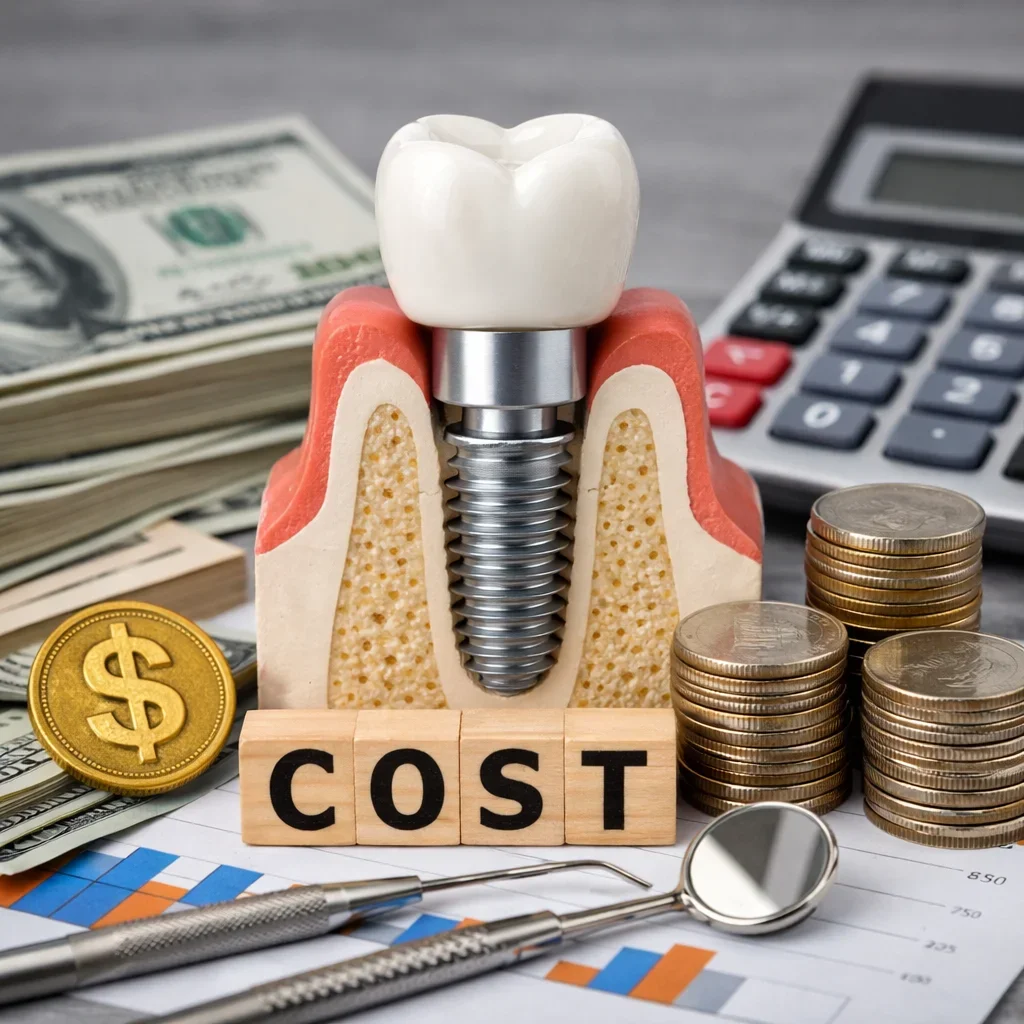
Tips to Reduce Crown on Implant Cost Without Sacrificing Quality
For many patients considering dental implants, managing the crown on implant cost is an important part of the decision-making process. While implant crowns offer exceptional durability, aesthetics, and function, their price may initially seem high compared with other dental restorations. However, there are several practical strategies patients can use to reduce the crown on implant cost without compromising the quality of treatment or long-term results.
The key to balancing affordability and quality is understanding where costs originate and how treatment planning can be optimized. Implant dentistry involves several specialized components, including materials, laboratory fabrication, clinical expertise, and technology. By exploring different options carefully, patients can often find ways to manage the crown on implant cost while still receiving a high-quality restoration.
Choose the Right Dental Clinic
The dental clinic you select can significantly influence the crown on implant cost. Some clinics invest heavily in premium materials, advanced technology, and highly experienced implant specialists. While this can increase the price, it often improves the quality and longevity of the final restoration.
Patients should look for clinics that offer transparent treatment plans and detailed cost breakdowns. A reputable dentist will explain exactly what is included in the crown on implant cost, including the crown material, laboratory work, and follow-up care.
Questions to Ask Your Dentist
- What materials are used for the implant crown?
- Is the abutment included in the crown on implant cost?
- Does the treatment plan include follow-up visits?
- Are digital scanning and advanced imaging used during treatment?
By asking these questions, patients gain a clearer understanding of the value behind the crown on implant cost.
Consider Dental Tourism
Dental tourism has become increasingly popular for patients seeking a more affordable crown on implant cost. Many countries with strong dental tourism industries offer high-quality implant treatments at significantly lower prices than those found in North America or Western Europe.
Countries such as Turkey, Hungary, and Thailand have developed modern dental clinics that combine experienced dentists with advanced technology. These clinics often provide a lower crown on implant cost while maintaining international treatment standards.
Even after accounting for travel expenses, patients sometimes save a substantial amount compared with local treatment prices. However, it is important to research the clinic thoroughly before traveling to ensure the dentist’s credentials and sterilization standards meet international guidelines.
Select the Most Suitable Crown Material
The material chosen for the implant crown can greatly affect the crown on implant cost. While premium materials such as zirconia offer exceptional strength and aesthetics, alternative materials may still provide excellent results at a slightly lower price.
Dentists often recommend zirconia crowns for their durability and natural appearance. However, in some cases porcelain-fused-to-metal crowns may offer a more affordable option while still maintaining reliable performance.
Common Crown Material Options
- Zirconia – highly durable and aesthetic, often associated with a higher crown on implant cost.
- All-ceramic – excellent aesthetics for visible teeth.
- Porcelain-fused-to-metal – reliable and often slightly more affordable.
Your dentist can help determine which material provides the best balance between durability and affordability for your specific situation.
Use Insurance or Financing Options
Another effective strategy for managing the crown on implant cost is to explore dental insurance benefits and financing plans. While not all insurance policies fully cover implant restorations, some plans may contribute to the cost of the crown portion of treatment.
Dental clinics also frequently offer payment plans that allow patients to divide the crown on implant cost into smaller monthly installments. This approach helps make treatment more financially manageable.
Flexible financing solutions are particularly useful for patients who want to proceed with treatment sooner rather than postponing care due to budget concerns.
Maintain Good Oral Health Before Treatment
Preparing the mouth for implant treatment can also influence the crown on implant cost. Patients who maintain good oral hygiene and address dental problems early often require fewer preparatory procedures.
For example, untreated gum disease or infections may require additional treatments before the implant crown can be placed. These extra procedures can increase the total crown on implant cost. By maintaining regular dental checkups and oral hygiene, patients reduce the likelihood of needing additional treatments.
Preventive Care Tips
- Brush and floss daily to maintain healthy gums
- Schedule regular dental cleanings
- Address cavities or gum problems early
- Follow your dentist’s recommendations before implant treatment
Healthy gums and strong bone structure help ensure a smoother implant procedure and may reduce the overall crown on implant cost.
Think Long-Term When Evaluating Cost
Although many patients initially focus on minimizing the crown on implant cost, it is equally important to consider long-term value. Implant crowns are designed to last many years, often much longer than other dental restorations such as bridges or dentures.
A high-quality implant crown may require fewer replacements and repairs over time, which can reduce long-term dental expenses. When evaluating treatment options, patients should consider both the immediate crown on implant cost and the potential durability of the restoration.
In addition to financial value, implant crowns restore chewing ability, maintain facial structure, and improve self-confidence when smiling. These benefits often make the investment in the crown on implant cost worthwhile for many patients. 😊
If you are interested in learning more about implant treatment options and receiving a personalized estimate of your crown on implant cost, you can consult experienced dental professionals through the Redent Klinik Contact Page. A consultation allows dentists to evaluate your oral health and recommend the most suitable treatment plan.
Patients seeking reliable educational resources about dental treatments and implant procedures can also explore information from the American Dental Association. Trusted organizations provide guidance that helps patients make informed decisions about their oral health.
In conclusion, while the crown on implant cost can vary depending on materials, technology, and dentist expertise, patients have several strategies available to manage the expense effectively. By selecting the right clinic, choosing suitable materials, exploring financing options, and maintaining excellent oral health, it is possible to reduce the crown on implant cost while still achieving a durable, natural-looking implant restoration.