
Crowns for teeth are one of the most widely used and trusted restorative dental treatments in modern dentistry. They are designed to restore the strength, shape, size, and appearance of damaged or weakened teeth while protecting them from further harm. Whether a tooth has been cracked, severely decayed, worn down, or treated with a root canal, crowns for teeth provide a long-term solution that combines functionality and aesthetics. 🦷
At their core, crowns for teeth act like a protective cap that fully covers the visible portion of a tooth above the gum line. Unlike fillings, which repair only a part of the tooth, crowns for teeth reinforce the entire structure. This makes them especially important when a tooth is too weak to support a filling or when structural integrity is compromised. In daily life, this means you can chew, speak, and smile with confidence again.
One of the most common reasons dentists recommend crowns for teeth is extensive tooth decay. When decay has progressed beyond what a standard filling can safely repair, placing a crown helps prevent fractures and further bacterial invasion. Similarly, after root canal treatment, crowns for teeth are almost always advised. A tooth that has undergone a root canal becomes more brittle over time, and without a crown, it is at a much higher risk of breaking.
Crowns for teeth are also frequently used in cosmetic dentistry. Discolored, misshapen, or uneven teeth can be dramatically improved with a well-designed dental crown. Modern materials allow crowns for teeth to closely match natural enamel in color, translucency, and texture. This means patients no longer need to worry about an artificial appearance. 😁
Another important use of crowns for teeth is in dental implant treatment. When a dental implant is placed to replace a missing tooth, the visible part that looks and functions like a real tooth is actually a crown. In this context, crowns for teeth restore both aesthetics and bite function, helping maintain jawbone health and facial structure.
From a patient’s perspective, one of the biggest advantages of crowns for teeth is durability. When properly placed and cared for, they can last many years while withstanding daily chewing forces. They are custom-made for each individual, ensuring a precise fit and natural feel. This personalized approach is one of the reasons crowns for teeth continue to be a gold standard in restorative dentistry.
It is also important to understand that crowns for teeth are not a one-size-fits-all treatment. Dentists carefully evaluate the condition of the tooth, gum health, bite alignment, and patient expectations before recommending a crown. Advanced imaging, digital impressions, and professional guidelines—such as those supported by the American Dental Association—help ensure that crowns for teeth are placed safely and effectively.
Patients often wonder whether crowns for teeth feel different from natural teeth. In most cases, once the adjustment period passes, a crown feels just like a natural tooth. You can eat your favorite foods, speak normally, and maintain your regular oral hygiene routine. Brushing twice daily, flossing, and routine dental checkups remain essential for protecting crowns for teeth and the surrounding gums.
For those considering treatment, choosing the right dental clinic is a critical step. Experienced professionals, high-quality materials, and proper planning all play a role in the success of crowns for teeth. If you are exploring your options or would like a personalized consultation, you can reach out through the Redent Klinik Contact Page to get expert guidance tailored to your needs.
In summary, crowns for teeth are a comprehensive solution that addresses both functional and cosmetic dental problems. They protect weakened teeth, restore confidence in your smile, and contribute to long-term oral health. By understanding what crowns for teeth are and why they are used, patients can make informed decisions that support a healthier, stronger, and more attractive smile for years to come. ✨
What Are Crowns for Teeth and Why Are They Used?
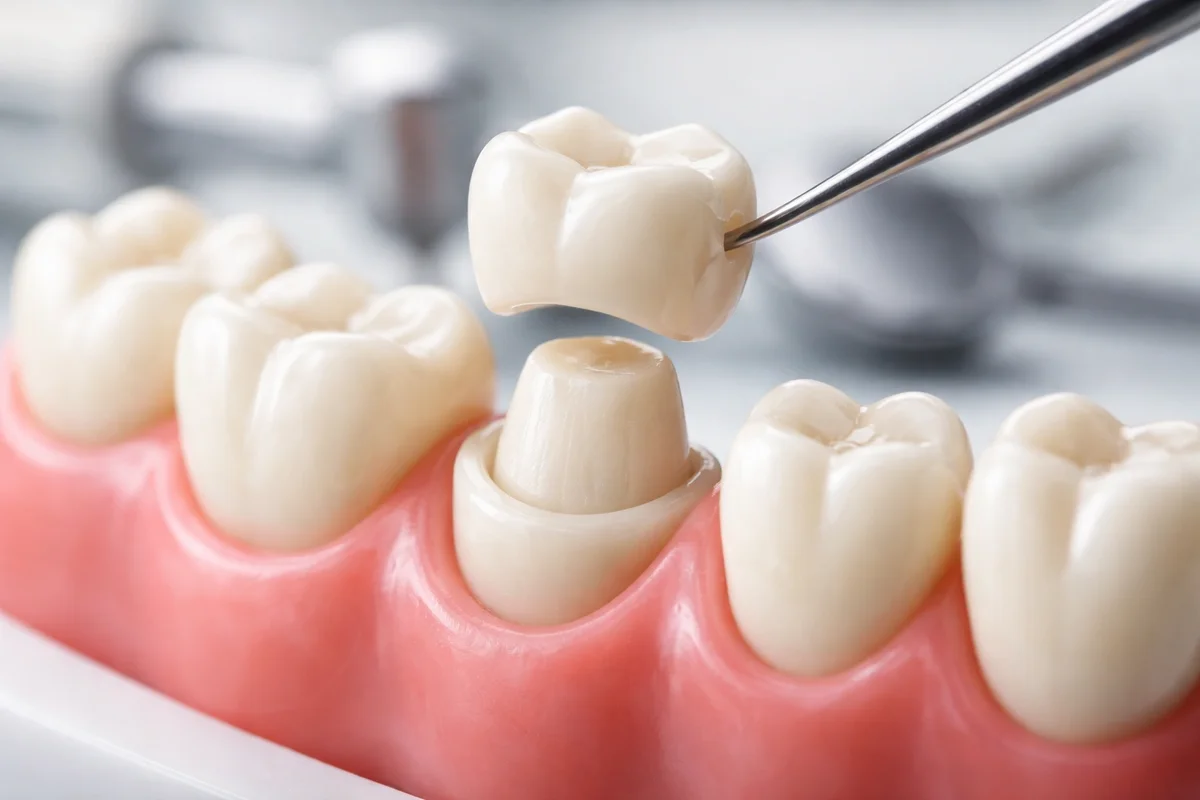
Crowns for teeth are custom-made dental restorations that completely cover a damaged, weakened, or aesthetically compromised tooth. Their primary purpose is to restore the tooth’s strength, function, and appearance while preventing further deterioration. In modern dentistry, crowns for teeth are considered a cornerstone treatment because they address both medical necessity and cosmetic improvement in a single solution. 🦷
Unlike fillings or bonding, which repair only a portion of the tooth, crowns for teeth encapsulate the entire visible structure above the gum line. This full coverage is what makes them so effective in protecting teeth that are no longer structurally sound. Dentists rely on crowns for teeth when preserving the natural tooth is still possible but additional reinforcement is essential.
Understanding the Core Purpose of Crowns for Teeth
The most fundamental role of crowns for teeth is protection. Teeth can become vulnerable due to decay, fractures, large fillings, or trauma. When too much natural tooth structure has been lost, the remaining tooth may not withstand normal biting forces. Crowns for teeth act as a shield, redistributing pressure evenly and reducing the risk of cracks or complete breakage.
Another essential purpose of crowns for teeth is restoration of function. Chewing efficiency can be significantly reduced when a tooth is damaged or painful. By restoring proper shape and alignment, crowns for teeth allow patients to eat comfortably again. This functional restoration is crucial not only for comfort but also for digestion and overall health.
Medical Reasons Dentists Recommend Crowns for Teeth
There are several clinical situations in which crowns for teeth are strongly recommended. One of the most common is following root canal treatment. After a root canal, the tooth no longer has a living pulp, which makes it more brittle over time. Without crowns for teeth, such treated teeth are at a high risk of fracturing under everyday pressure.
Severe tooth decay is another major indication. When decay affects a large portion of the tooth and a filling would be insufficient, crowns for teeth provide a durable and long-lasting alternative. They seal the tooth from bacteria, helping prevent future infections and complications.
Cracked or broken teeth also benefit significantly from crowns for teeth. Even hairline cracks can worsen if left untreated. A crown stabilizes the tooth, preventing the crack from spreading and potentially saving the tooth from extraction.
Crowns for Teeth in Restorative Dentistry
In restorative dentistry, crowns for teeth are often used in combination with other treatments. For example, dental bridges rely on crowns placed on adjacent teeth to support replacement teeth. Similarly, dental implants use crowns for teeth as the visible, functional component that replaces missing teeth.
Crowns for teeth are also used to correct bite problems caused by uneven or worn-down teeth. By restoring proper height and shape, crowns help balance the bite and reduce strain on the jaw joints, which can alleviate headaches or jaw discomfort in some patients.
Cosmetic Benefits of Crowns for Teeth
Beyond medical necessity, crowns for teeth play a major role in cosmetic dentistry. Teeth that are severely discolored, misshapen, or uneven may not respond well to whitening or minor cosmetic procedures. In these cases, crowns for teeth provide a complete aesthetic transformation.
Modern dental materials allow crowns for teeth to closely mimic natural enamel. Color, translucency, and surface texture are carefully matched to surrounding teeth, creating a seamless smile. This makes crowns for teeth a popular choice for patients seeking both health and beauty benefits. ✨
When Aesthetics and Function Meet
One of the greatest advantages of crowns for teeth is their ability to combine aesthetics and durability. Patients no longer need to choose between a strong restoration and a natural appearance. High-quality crowns for teeth are designed to do both, ensuring confidence in social, professional, and personal interactions.
In summary, crowns for teeth are used because they solve complex dental problems in a comprehensive way. They protect weakened teeth, restore normal chewing function, enhance appearance, and support long-term oral health. Whether recommended for medical, structural, or cosmetic reasons, crowns for teeth remain one of the most reliable and versatile treatments in dentistry today. 😁
Different Types of Crowns for Teeth Explained
Crowns for teeth are not all the same. Advances in dental technology and materials have made it possible to customize crowns based on strength requirements, aesthetic expectations, budget considerations, and the location of the tooth in the mouth. Understanding the different types of crowns for teeth helps patients make informed decisions and feel more confident about their treatment plan. 🦷
Each type of crown has specific advantages and limitations. Dentists carefully evaluate chewing forces, gum health, smile line visibility, and long-term durability before recommending the most suitable crowns for teeth. Below, we break down the most common options in detail.
Porcelain Crowns for Teeth
Porcelain crowns for teeth are widely known for their natural appearance. They closely mimic the color, translucency, and light-reflecting properties of natural enamel. For this reason, they are often recommended for front teeth, where aesthetics are especially important.
Another advantage of porcelain crowns for teeth is their biocompatibility. They are gentle on the gums and less likely to cause irritation or allergic reactions. However, pure porcelain crowns may not be as strong as other options, making them less ideal for molars that endure heavy chewing forces.
Best Use Cases for Porcelain Crowns for Teeth
Porcelain crowns for teeth are best suited for patients who prioritize appearance and have minimal grinding or clenching habits. They are commonly used to restore chipped, discolored, or cosmetically compromised teeth in the smile zone.
Porcelain-Fused-to-Metal Crowns for Teeth
Porcelain-fused-to-metal (PFM) crowns for teeth combine strength and aesthetics. These crowns have a metal core for durability, covered by a porcelain exterior for a natural look. This combination has made PFM crowns for teeth a popular choice for decades.
While they offer excellent strength, one potential drawback is that the metal underneath can sometimes become visible as a dark line near the gum margin over time. Despite this, PFM crowns for teeth remain a reliable option for both front and back teeth.
All-Ceramic and All-Porcelain Crowns for Teeth
All-ceramic crowns for teeth are similar to porcelain crowns but often use advanced ceramic materials that provide improved strength. These crowns are metal-free, making them an excellent option for patients with metal sensitivities.
Because of their enhanced durability and superior aesthetics, all-ceramic crowns for teeth are increasingly popular in modern dentistry. They are suitable for both anterior and posterior teeth, depending on the specific ceramic used.
Zirconia Crowns for Teeth
Zirconia crowns for teeth are known for their exceptional strength and longevity. Zirconium dioxide is an extremely durable material that can withstand significant biting forces, making zirconia crowns for teeth ideal for molars.
Early versions of zirconia crowns were less aesthetic, but modern zirconia crowns for teeth now offer excellent translucency and natural appearance. They are also highly resistant to chipping and cracking.
Why Dentists Choose Zirconia Crowns for Teeth
Dentists often recommend zirconia crowns for teeth for patients who grind their teeth or require a long-lasting solution. Their strength makes them suitable for demanding oral environments while still delivering a pleasing cosmetic result.
Metal Crowns for Teeth
Metal crowns for teeth, typically made from gold alloys or other metal mixtures, are among the most durable options available. They rarely chip or break and require minimal removal of natural tooth structure.
However, due to their metallic appearance, metal crowns for teeth are usually placed on back teeth where they are not visible. Despite their appearance, they are extremely gentle on opposing teeth and offer outstanding longevity.
Temporary Crowns for Teeth
Temporary crowns for teeth are used as short-term solutions while permanent crowns are being fabricated. They protect the prepared tooth, maintain spacing, and allow normal function during the waiting period.
Although temporary crowns for teeth are not as durable, they play a critical role in ensuring comfort and protection until the final restoration is placed.
In conclusion, crowns for teeth come in a variety of materials, each designed to meet specific functional and aesthetic needs. From highly natural porcelain to ultra-strong zirconia, modern crowns for teeth offer solutions for virtually every dental situation. By understanding these options, patients can work closely with their dentist to select crowns for teeth that provide the best balance of beauty, strength, and long-term oral health. 😁
The Step-by-Step Procedure for Getting Crowns for Teeth
Understanding the step-by-step procedure for crowns for teeth helps patients feel more confident and prepared before treatment begins. While the exact process may vary slightly depending on the clinic, materials used, and individual dental needs, the core steps for placing crowns for teeth follow a proven and predictable pathway. This structured approach ensures comfort, accuracy, and long-term success. 🦷
Modern dentistry focuses on precision and patient experience, so getting crowns for teeth today is far more comfortable and efficient than many people expect. Below is a detailed breakdown of each stage involved in the process.
Initial Consultation and Dental Examination
The journey toward crowns for teeth always starts with a comprehensive dental examination. During this visit, the dentist evaluates the affected tooth, surrounding gums, and overall oral health. Digital X-rays or 3D scans are often taken to assess the root structure and bone support.
This step is critical because crowns for teeth are only recommended when the underlying tooth and gums are healthy enough to support them. If issues such as active infection or gum disease are detected, they must be treated first to ensure the success of the crown.
Treatment Planning for Crowns for Teeth
Once the examination is complete, the dentist develops a personalized treatment plan. This includes selecting the appropriate type of crowns for teeth, discussing aesthetic goals, and explaining the timeline. Patients are encouraged to ask questions at this stage so expectations are clear from the beginning.
Tooth Preparation for Crowns for Teeth
The next step involves preparing the tooth to receive the crown. This is done under local anesthesia to ensure comfort. The dentist carefully reshapes the tooth by removing a small amount of enamel to create space for the crown.
The amount of tooth reduction depends on the type of crowns for teeth being used. Stronger materials may require less removal, while porcelain-based crowns may need slightly more space to achieve a natural appearance.
Why Tooth Shaping Is Essential
Proper tooth preparation ensures that crowns for teeth fit securely and align correctly with the bite. A well-prepared tooth helps prevent discomfort, uneven pressure, and future complications.
Impressions and Digital Scans
After the tooth is shaped, impressions or digital scans are taken. These impressions capture precise details of the prepared tooth and surrounding area. They are then sent to a dental laboratory where the custom crowns for teeth are fabricated.
Digital scanning technology has significantly improved the accuracy and fit of crowns for teeth. It also reduces waiting time and enhances patient comfort by eliminating traditional impression materials in many cases.
Placement of Temporary Crowns for Teeth
While the permanent crown is being made, a temporary crown is placed over the prepared tooth. Temporary crowns for teeth protect the tooth from sensitivity, maintain proper spacing, and allow normal function.
Patients are advised to be cautious during this phase, avoiding sticky or hard foods. Although temporary crowns for teeth are not as durable, they play a vital role in preserving comfort and stability.
Final Fitting and Cementation
Once the permanent crown is ready, the temporary crown is removed, and the final crown is carefully fitted. The dentist checks color, shape, alignment, and bite to ensure the crowns for teeth feel natural and comfortable.
After final adjustments, the crown is permanently cemented in place. This step completes the procedure and restores the tooth’s strength and appearance.
What Patients Feel After Getting Crowns for Teeth
It is normal to experience mild sensitivity or pressure for a short time after placement. However, most patients adapt quickly, and crowns for teeth soon feel just like natural teeth.
Follow-Up and Long-Term Care
After placement, follow-up visits may be scheduled to ensure the crowns for teeth are functioning correctly. Dentists also provide guidance on oral hygiene practices to protect the crown and surrounding gums.
With proper care, including brushing, flossing, and routine checkups, crowns for teeth can last many years. The step-by-step process, when done correctly, ensures durability, comfort, and confidence in your smile. 😁
In summary, the procedure for crowns for teeth is a carefully planned and executed process. Each stage—from consultation to final placement—plays a crucial role in achieving a successful outcome. By understanding these steps, patients can approach crowns for teeth with clarity, trust, and peace of mind.
Benefits of Crowns for Teeth for Oral Health and Aesthetics
Crowns for teeth offer a wide range of benefits that go far beyond simply covering a damaged tooth. They play a critical role in restoring oral health, improving daily function, and enhancing the overall appearance of a smile. Because crowns for teeth address both medical and cosmetic concerns, they are considered one of the most versatile treatments in modern dentistry. 🦷
Patients often choose crowns for teeth not only because they are necessary, but because they deliver noticeable improvements in comfort, confidence, and long-term dental stability. Understanding these benefits helps explain why crowns for teeth are so commonly recommended by dental professionals worldwide.
Structural Strength and Tooth Protection
One of the most important benefits of crowns for teeth is the structural reinforcement they provide. When a tooth is weakened due to decay, trauma, or a large filling, it becomes vulnerable to cracking or breaking. Crowns for teeth encase the entire tooth, distributing biting forces evenly and significantly reducing the risk of fractures.
This protective function is especially valuable for teeth that have undergone root canal treatment. Since these teeth are more brittle over time, crowns for teeth act as a protective shell that preserves the remaining natural structure and extends the life of the tooth.
Preventing Further Dental Complications
By sealing the tooth from bacteria and external stress, crowns for teeth help prevent recurrent decay and infection. This proactive protection can reduce the need for future treatments and lower the risk of tooth loss, supporting long-term oral health.
Restoration of Normal Chewing and Speaking
Damaged or weakened teeth can interfere with everyday activities such as chewing and speaking. Crowns for teeth restore the tooth’s original shape and size, allowing for proper bite alignment and efficient chewing. This improvement can have a positive impact on digestion and overall comfort.
Speech can also be affected by damaged teeth, particularly when front teeth are involved. Crowns for teeth help restore proper tongue placement and airflow, which can improve clarity of speech and boost confidence in social situations.
Aesthetic Enhancement and Smile Confidence
From a cosmetic standpoint, crowns for teeth provide dramatic improvements. Teeth that are severely discolored, misshapen, or uneven can be transformed with custom-designed crowns that blend seamlessly with natural teeth.
Modern crowns for teeth are crafted to match the color, translucency, and surface texture of surrounding teeth. This makes them virtually indistinguishable from natural enamel, giving patients a brighter, more harmonious smile. 😁
Natural Appearance with Modern Materials
Advancements in dental materials mean crowns for teeth no longer look artificial. High-quality ceramics and zirconia allow for lifelike results, even under close inspection. This is especially important for patients concerned about aesthetics in professional or social settings.
Long-Term Durability and Reliability
Another key benefit of crowns for teeth is their durability. When properly placed and maintained, crowns can last many years while withstanding the forces of daily chewing. This longevity makes crowns for teeth a cost-effective solution over time.
Durable crowns for teeth also help maintain proper spacing between teeth, preventing shifting or misalignment that can occur after tooth damage or loss.
Support for Other Dental Treatments
Crowns for teeth often serve as foundational components in more complex dental treatments. Dental bridges rely on crowns to anchor replacement teeth, while dental implants use crowns as the visible and functional replacement for missing teeth.
In these cases, crowns for teeth restore not only individual teeth but also overall bite balance and facial structure, contributing to improved oral and facial health.
Psychological and Quality-of-Life Benefits
Beyond physical improvements, crowns for teeth offer significant psychological benefits. Patients who feel self-conscious about damaged or unattractive teeth often experience a boost in self-esteem after treatment.
Being able to smile, eat, and speak without discomfort or embarrassment can greatly enhance quality of life. Crowns for teeth help patients regain confidence and enjoy everyday interactions without hesitation. ✨
In summary, the benefits of crowns for teeth extend across oral health, function, aesthetics, and emotional well-being. They protect weakened teeth, restore natural appearance, improve daily comfort, and support long-term dental stability. For patients seeking a reliable and comprehensive solution, crowns for teeth remain one of the most effective and rewarding treatments available in dentistry.
Crowns for Teeth vs Other Dental Restorations
When patients are presented with treatment options, one of the most common questions is how crowns for teeth compare to other dental restorations. Dentistry offers several solutions for repairing damaged teeth, including fillings, bonding, inlays, onlays, veneers, and crowns for teeth. Each option serves a specific purpose, but crowns for teeth stand out for their comprehensive coverage, durability, and versatility. 🦷
Understanding the differences between crowns for teeth and alternative restorations helps patients make informed decisions based on the severity of damage, functional needs, aesthetic goals, and long-term oral health.
Crowns for Teeth vs Dental Fillings
Dental fillings are commonly used to treat small to moderate cavities. They restore only the decayed portion of the tooth and are ideal when most of the natural structure is still intact. However, when decay is extensive, fillings may not provide sufficient strength.
Crowns for teeth, on the other hand, cover the entire tooth. This makes them a better choice when a tooth has lost significant structure or is at risk of cracking. While fillings are less invasive and more cost-effective initially, crowns for teeth offer superior protection and longevity for severely compromised teeth.
When Fillings Are Not Enough
If a tooth has multiple large fillings or recurrent decay, crowns for teeth are often recommended to prevent fracture. In such cases, choosing a crown can help avoid future complications and additional treatments.
Crowns for Teeth vs Dental Bonding
Dental bonding involves applying a tooth-colored resin to repair minor chips, cracks, or discoloration. It is a conservative and affordable option, especially for cosmetic improvements. However, bonding materials are not as durable as crowns for teeth and may stain or wear over time.
Crowns for teeth provide a much stronger and longer-lasting solution. They are custom-crafted to withstand chewing forces and maintain their appearance for many years. For teeth that require both functional reinforcement and cosmetic enhancement, crowns for teeth are generally the preferred option.
Crowns for Teeth vs Inlays and Onlays
Inlays and onlays are partial restorations used when damage is too extensive for a filling but does not require full coverage. They preserve more natural tooth structure than crowns for teeth and are often made from porcelain or composite materials.
While inlays and onlays can be effective, crowns for teeth offer complete protection. When the remaining tooth structure is weak or compromised, a crown provides better reinforcement and reduces the risk of fracture.
Choosing Between Partial and Full Coverage
The decision between inlays, onlays, and crowns for teeth depends on the extent of damage and bite forces. Dentists often recommend crowns for teeth when long-term durability is the primary concern.
Crowns for Teeth vs Veneers
Veneers are thin shells placed on the front surface of teeth to improve appearance. They are primarily cosmetic and do not restore strength to the tooth. Veneers are ideal for minor aesthetic issues such as discoloration or slight misalignment.
Crowns for teeth, in contrast, address both aesthetics and function. They are used when a tooth is structurally compromised, making them a more comprehensive solution than veneers.
Crowns for Teeth vs Tooth Extraction
In some cases, patients may consider tooth extraction as an alternative to restoration. While extraction removes the problem tooth, it creates new challenges, such as bone loss and shifting of adjacent teeth.
Crowns for teeth allow patients to preserve their natural teeth whenever possible. Maintaining natural tooth structure is always preferred in dentistry, and crowns for teeth play a key role in saving teeth that might otherwise be lost.
Long-Term Value of Crowns for Teeth
Although crowns for teeth may require a higher initial investment compared to simpler restorations, their long-term benefits often outweigh the cost. Their durability, protective function, and aesthetic quality reduce the likelihood of repeat treatments.
By choosing crowns for teeth when appropriate, patients can achieve lasting results that support oral health, comfort, and confidence. 😁
In summary, crowns for teeth differ from other dental restorations in their scope and effectiveness. They provide full coverage, superior strength, and long-term reliability, making them the ideal choice for teeth that need comprehensive protection. Understanding these differences empowers patients to choose crowns for teeth when durability, function, and aesthetics are equally important.
How Long Do Crowns for Teeth Last?
One of the most common and important questions patients ask before treatment is how long crowns for teeth last. Understanding the lifespan of crowns for teeth helps set realistic expectations and highlights the importance of proper care. While crowns for teeth are designed to be durable and long-lasting, their longevity depends on several factors, including materials used, oral hygiene habits, and lifestyle choices. 🦷
In general, crowns for teeth can last anywhere from 10 to 20 years, and in many cases even longer. Some patients keep their crowns for teeth for several decades without issues. However, longevity is not guaranteed and varies from person to person.
Average Lifespan of Crowns for Teeth
The average lifespan of crowns for teeth typically falls between 10 and 15 years. This estimate assumes that the crown was properly placed, the tooth underneath remains healthy, and the patient maintains good oral hygiene. High-quality materials and precise dental techniques can significantly extend the life of crowns for teeth.
Different materials affect longevity. For example, metal and zirconia crowns for teeth often last longer than porcelain-based options because they are more resistant to wear and fracture. However, aesthetic crowns for teeth used on front teeth may prioritize appearance over extreme durability.
Material Choice and Durability
The type of material used plays a major role in how long crowns for teeth last. Zirconia and metal crowns are known for exceptional strength, while porcelain and ceramic crowns offer superior aesthetics. Dentists balance these factors when recommending crowns for teeth based on the tooth’s location and function.
Factors That Affect the Longevity of Crowns for Teeth
Several daily habits and oral conditions directly influence how long crowns for teeth remain functional and intact. One of the most significant factors is oral hygiene. Although crowns for teeth cannot decay themselves, the natural tooth structure underneath can still develop cavities, especially at the gum line.
Bruxism, or teeth grinding, is another major factor. Patients who grind or clench their teeth place excessive pressure on crowns for teeth, increasing the risk of cracks or loosening. In such cases, dentists often recommend wearing a night guard to protect crowns for teeth.
Diet and Lifestyle Habits
Frequent consumption of hard foods, ice chewing, or using teeth as tools can shorten the lifespan of crowns for teeth. Similarly, habits such as smoking can negatively affect gum health, which in turn impacts the stability of crowns for teeth.
Signs That Crowns for Teeth May Need Replacement
Even well-maintained crowns for teeth may eventually need replacement. Common signs include discomfort when biting, visible cracks, loosening, or gum recession around the crown. Changes in bite alignment or persistent sensitivity can also indicate that crowns for teeth are no longer functioning optimally.
It is important not to ignore these signs. Timely replacement of crowns for teeth can prevent damage to the underlying tooth and avoid more complex treatments in the future.
How Proper Care Extends the Life of Crowns for Teeth
Good oral hygiene is the foundation of long-lasting crowns for teeth. Brushing twice daily with fluoride toothpaste, flossing carefully around the crown margins, and attending regular dental checkups help maintain both the crown and the supporting tooth.
Professional cleanings allow dentists to monitor crowns for teeth and detect early issues before they become serious. Preventive care significantly increases the lifespan of crowns for teeth and protects overall oral health.
Protective Measures for Crowns for Teeth
Using a night guard, avoiding excessive force on teeth, and addressing bite problems early all contribute to the durability of crowns for teeth. These simple measures can add many years to the life of a crown.
Long-Term Value of Crowns for Teeth
Although crowns for teeth are not permanent, their long lifespan makes them a valuable investment in dental health. When cared for properly, they provide years of comfort, function, and confidence.
In summary, how long crowns for teeth last depends on material choice, oral habits, and ongoing care. With good hygiene and professional monitoring, crowns for teeth can remain reliable and effective for many years, making them one of the most durable solutions in restorative dentistry. 😁
Aftercare Tips to Protect Crowns for Teeth
Proper aftercare is essential for protecting crowns for teeth and ensuring they last as long as possible. While crowns for teeth are designed to be strong and durable, they still rely on healthy gums, good oral hygiene, and mindful daily habits. Patients who follow the right aftercare practices often enjoy their crowns for teeth for many years without complications. 🦷
After receiving crowns for teeth, it is important to remember that although the crown itself cannot decay, the natural tooth underneath and the surrounding gum tissue remain vulnerable. Long-term success depends on how well these areas are cared for on a daily basis.
Daily Oral Hygiene for Crowns for Teeth
Consistent oral hygiene is the foundation of aftercare for crowns for teeth. Brushing twice a day with a fluoride toothpaste helps remove plaque buildup around the crown margins. A soft-bristled toothbrush is recommended to avoid irritating the gums while still effectively cleaning the area.
Flossing is equally important when caring for crowns for teeth. Plaque and food particles can accumulate where the crown meets the gum line, increasing the risk of decay and gum inflammation. Gentle flossing techniques help maintain healthy tissue without dislodging the crown.
Choosing the Right Cleaning Tools
Interdental brushes, water flossers, and antimicrobial mouth rinses can be valuable additions to a daily routine. These tools help clean hard-to-reach areas around crowns for teeth and support overall gum health.
Eating Habits That Protect Crowns for Teeth
Diet plays a significant role in maintaining crowns for teeth. While crowns are strong, repeatedly chewing on hard objects such as ice, hard candies, or nuts can cause cracks or damage over time. Patients are encouraged to be mindful when eating and avoid using teeth as tools.
Sticky foods can also pose a risk, especially for newly placed crowns for teeth. These foods may pull at the crown or place unnecessary stress on the cement holding it in place.
Managing Temperature Sensitivity
Some patients experience mild sensitivity to hot or cold after getting crowns for teeth. This usually resolves on its own, but avoiding extreme temperature changes can help during the adjustment period.
Protecting Crowns for Teeth from Grinding and Clenching
Teeth grinding and clenching, known as bruxism, are major threats to the longevity of crowns for teeth. Excessive pressure can cause crowns to crack, loosen, or wear down prematurely.
Dentists often recommend a custom night guard for patients who grind their teeth during sleep. Wearing a night guard significantly reduces stress on crowns for teeth and helps preserve both the crown and the natural teeth.
Regular Dental Checkups and Professional Care
Routine dental visits are critical for monitoring the condition of crowns for teeth. During checkups, dentists examine the crown, surrounding gums, and bite alignment to ensure everything remains stable and healthy.
Professional cleanings remove hardened plaque that cannot be eliminated through brushing alone. These visits also allow early detection of potential issues, such as loosening or gum recession around crowns for teeth.
Why Early Detection Matters
Addressing minor issues early can prevent more serious problems later. Timely adjustments or repairs help extend the lifespan of crowns for teeth and protect the underlying tooth structure.
Maintaining Gum Health Around Crowns for Teeth
Healthy gums are essential for the stability of crowns for teeth. Gum inflammation or recession can expose the margins of the crown, increasing the risk of decay and sensitivity.
Using gentle brushing techniques, maintaining proper flossing habits, and avoiding tobacco products all contribute to healthier gums. Good gum health supports crowns for teeth and enhances overall oral health.
What to Do If Crowns for Teeth Feel Uncomfortable
It is normal for crowns for teeth to feel slightly different at first. However, persistent discomfort, pain when biting, or a feeling that the bite is uneven should not be ignored.
Promptly contacting a dental professional ensures that any necessary adjustments are made. Proper bite alignment is essential for preventing excessive wear on crowns for teeth and surrounding teeth.
In summary, aftercare plays a vital role in the success of crowns for teeth. Through good oral hygiene, mindful eating habits, protection against grinding, and regular dental visits, patients can significantly extend the life of their crowns. With the right care, crowns for teeth remain strong, comfortable, and aesthetically pleasing for many years, supporting a healthy and confident smile. 😁
Are Crowns for Teeth the Right Choice for You?
Deciding whether crowns for teeth are the right treatment option is an important and personal decision. While crowns for teeth are highly effective and widely recommended, they are not automatically the best solution for every dental concern. Understanding who benefits most from crowns for teeth, what factors influence the decision, and what alternatives may exist helps patients make informed and confident choices. 🦷
Crowns for teeth are typically recommended when a tooth requires more than minor repair. They are designed to restore strength, function, and appearance, making them suitable for a wide range of dental situations. However, determining whether crowns for teeth are right for you depends on clinical needs, lifestyle habits, and long-term oral health goals.
Dental Conditions That Often Require Crowns for Teeth
Several common dental conditions make crowns for teeth the preferred treatment. Severe tooth decay is one of the leading reasons. When decay affects a large portion of the tooth and a filling would be insufficient, crowns for teeth provide full coverage and long-term protection.
Teeth that have undergone root canal treatment are also strong candidates for crowns for teeth. Because these teeth become more fragile over time, a crown helps prevent fractures and preserves the remaining tooth structure.
Cracked, broken, or heavily worn teeth often benefit from crowns for teeth as well. Even if pain is not present, structural damage can worsen without reinforcement, making early intervention with crowns for teeth a proactive choice.
Crowns for Teeth in Cosmetic and Restorative Cases
Patients seeking cosmetic improvement may also consider crowns for teeth when discoloration, shape irregularities, or alignment issues cannot be corrected with whitening or bonding. In these cases, crowns for teeth offer both aesthetic enhancement and functional support.
Factors to Consider Before Choosing Crowns for Teeth
Before deciding on crowns for teeth, dentists evaluate several key factors. The amount of remaining natural tooth structure is critical. Crowns for teeth require reshaping of the tooth, so there must be enough healthy structure to support the crown securely.
Gum health is another important consideration. Healthy gums provide a stable foundation for crowns for teeth. If gum disease is present, it must be treated first to ensure long-term success.
Lifestyle habits such as teeth grinding, diet, and oral hygiene routines also influence whether crowns for teeth are the best option. Patients with bruxism may still receive crowns for teeth but often need additional protection, such as a night guard.
When Crowns for Teeth May Not Be Necessary
In some cases, crowns for teeth may not be required. Minor cavities can often be treated effectively with fillings, and small chips may be repaired with bonding. Veneers may be sufficient for purely cosmetic concerns when the tooth structure is otherwise healthy.
A thorough dental examination ensures that crowns for teeth are recommended only when truly beneficial. Conservative treatment is always preferred when it can achieve the desired result without compromising tooth structure.
Long-Term Benefits vs Commitment
Crowns for teeth offer long-term benefits, but they also require commitment. Once a tooth is prepared for a crown, the process is irreversible. This makes it essential for patients to understand both the advantages and responsibilities associated with crowns for teeth.
With proper care, crowns for teeth can last many years, making them a reliable investment in oral health. Patients who value durability, stability, and comprehensive protection often find crowns for teeth to be a worthwhile solution.
Emotional and Confidence Considerations
For many patients, the decision to get crowns for teeth is also influenced by confidence and quality of life. Restoring damaged or unattractive teeth can significantly improve self-esteem, social comfort, and overall well-being.
Making an Informed Decision About Crowns for Teeth
The best way to determine if crowns for teeth are right for you is through a detailed consultation with a dental professional. Personalized evaluation, diagnostic imaging, and open discussion about goals and concerns ensure that crowns for teeth are chosen for the right reasons.
In summary, crowns for teeth are an excellent choice for patients who need strong, reliable, and aesthetically pleasing restorations. They are ideal for protecting weakened teeth, restoring function, and enhancing appearance. By carefully considering your dental condition, lifestyle, and long-term goals, you can decide whether crowns for teeth are the right solution for achieving a healthy, confident smile. 😁
Potential Risks and Complications of Crowns for Teeth
Although crowns for teeth are considered a safe, effective, and widely used dental treatment, it is important for patients to understand that, like any medical procedure, they come with potential risks and complications. Being informed about these possibilities helps set realistic expectations and allows patients to take proactive steps to minimize issues. 🦷
Most patients experience no serious problems with crowns for teeth, especially when treatment is performed by experienced professionals and followed by proper aftercare. However, awareness of potential complications ensures that any concerns are addressed early and effectively.
Tooth Sensitivity After Crowns for Teeth
One of the most common short-term issues after placing crowns for teeth is sensitivity. Patients may notice sensitivity to hot, cold, or pressure, particularly in the first few days or weeks after the procedure.
This sensitivity usually occurs because the tooth has been reshaped and the nerves need time to adapt. In most cases, sensitivity related to crowns for teeth is temporary and gradually subsides without intervention.
When Sensitivity Should Be Evaluated
If sensitivity persists for an extended period or becomes increasingly painful, it may indicate an issue with the bite, cement, or underlying tooth structure. Prompt evaluation helps ensure crowns for teeth remain comfortable and functional.
Discomfort or Bite Misalignment
Another potential complication of crowns for teeth is discomfort when biting or chewing. This often happens if the crown is slightly too high or not perfectly aligned with the opposing teeth.
Even minor bite discrepancies can cause jaw discomfort, headaches, or uneven wear over time. Fortunately, bite-related issues with crowns for teeth are usually easy to correct with simple adjustments during a follow-up visit.
Chipping or Fracture of Crowns for Teeth
While crowns for teeth are designed to be strong, certain materials—especially porcelain and ceramic—can chip or crack under excessive force. This is more likely in patients who grind their teeth or frequently chew hard objects.
Minor chips can sometimes be repaired, but significant damage may require replacement of the crown. Choosing the appropriate material and using protective devices like night guards helps reduce this risk for crowns for teeth.
Material Selection and Risk Management
Dentists carefully select materials based on bite force, tooth location, and patient habits. Stronger options such as zirconia crowns for teeth are often recommended for patients with higher risk of fracture.
Loose or Detached Crowns for Teeth
In some cases, crowns for teeth may become loose or detach entirely. This can occur due to cement failure, decay of the underlying tooth, or excessive force applied to the crown.
A loose crown should be addressed promptly to prevent damage to the tooth and surrounding tissue. Re-cementation or replacement restores stability and protects the tooth from further complications.
Gum Irritation and Inflammation
Gum irritation around crowns for teeth may occur if plaque accumulates near the crown margins or if the crown does not fit properly. Symptoms can include redness, swelling, or bleeding gums.
Maintaining good oral hygiene and attending regular dental checkups significantly reduces the risk of gum-related issues associated with crowns for teeth.
Decay Beneath Crowns for Teeth
Although crowns for teeth themselves do not decay, the natural tooth underneath remains susceptible. Decay often develops at the edges where the crown meets the tooth, especially if oral hygiene is poor.
Early detection through routine dental visits is essential. Proper brushing, flossing, and professional cleanings help protect the underlying tooth and extend the lifespan of crowns for teeth.
Allergic Reactions and Material Sensitivities
Rarely, patients may experience allergic reactions to certain materials used in crowns for teeth, particularly metal-based options. Symptoms can include gum irritation or discomfort.
For patients with known sensitivities, metal-free crowns for teeth made from ceramic or zirconia offer safe and biocompatible alternatives.
Minimizing Risks Associated with Crowns for Teeth
The majority of complications related to crowns for teeth are preventable. Choosing an experienced dental provider, following aftercare instructions, and addressing issues early all contribute to successful outcomes.
In summary, while crowns for teeth carry some potential risks, they remain a highly reliable and predictable treatment. When patients are informed, proactive, and committed to proper care, crowns for teeth provide long-lasting protection, comfort, and confidence with minimal complications. 😁