
A dentistry crown is one of the most commonly used and most effective restorative solutions in modern dental care 🦷. If you have ever had a severely damaged, weakened, or aesthetically compromised tooth, chances are that a dentistry crown was recommended as the long-term solution. But what exactly is a dentistry crown, why is it so widely used, and how does it help protect both your oral health and your smile? This comprehensive guide answers all those questions in detail.
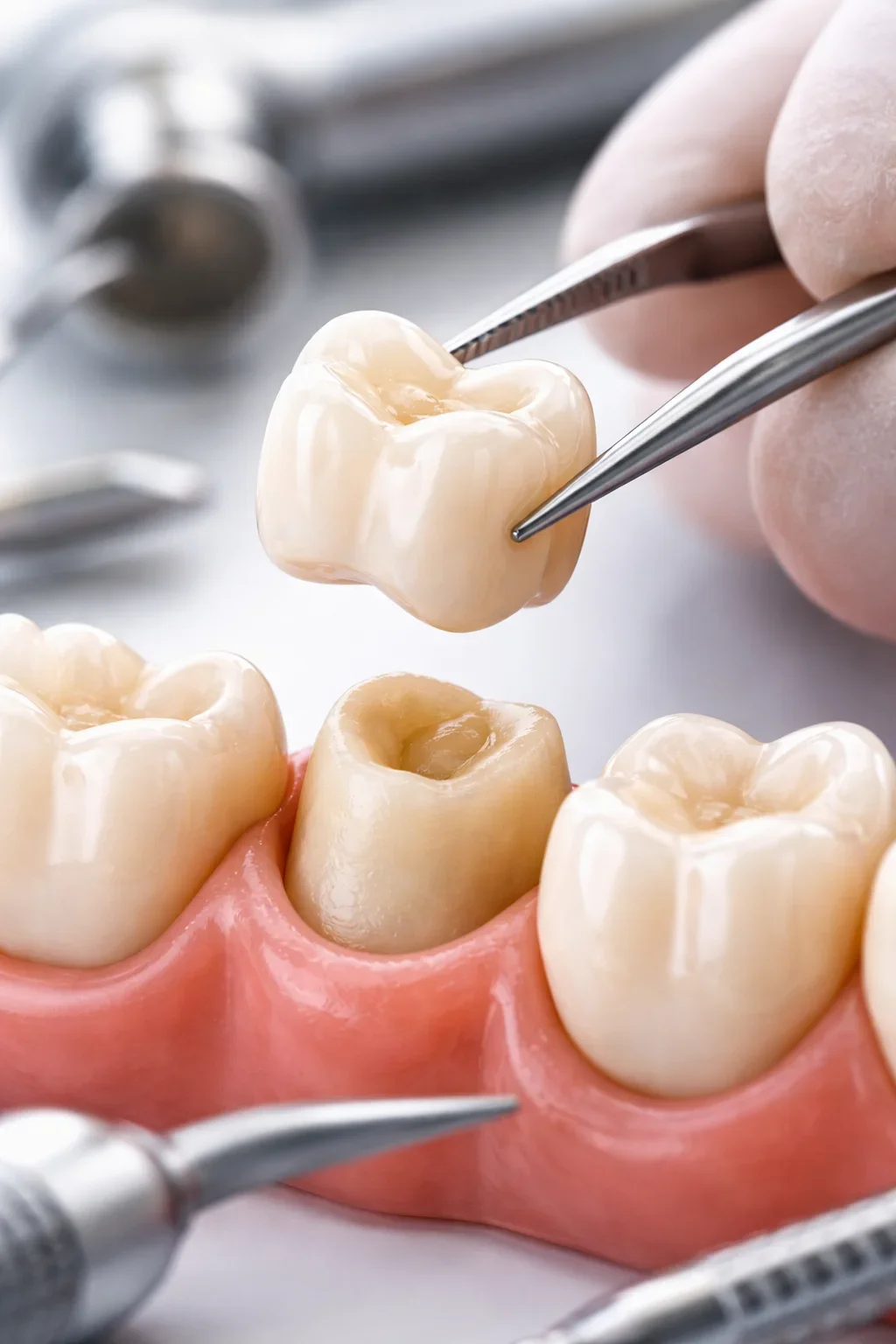
In simple terms, a dentistry crown is a custom-made cap that fully covers a tooth. Unlike fillings that only repair a portion of the tooth, a dentistry crown restores the entire visible surface above the gum line. Its primary purpose is to strengthen the tooth, restore function, and improve appearance. Dentists rely on dentistry crown treatments when a tooth is too damaged to be repaired with simpler procedures.
One of the most important reasons a dentistry crown is needed is structural protection. Teeth that are cracked, severely worn, or weakened after large fillings are at high risk of breaking. A dentistry crown acts like a protective helmet 🛡️, redistributing chewing forces evenly across the tooth. This significantly reduces the risk of fractures and tooth loss. Without a dentistry crown, these vulnerable teeth may eventually require extraction.
Another common indication for a dentistry crown is after root canal treatment. When the inner pulp of a tooth is removed, the remaining structure becomes brittle over time. Dentists almost always recommend a dentistry crown following a root canal to prevent future fractures. In this context, the dentistry crown is not optional—it is essential for the long-term success of the treatment.
A dentistry crown also plays a major role in cosmetic dentistry ✨. Teeth that are discolored, misshapen, uneven, or poorly aligned can be transformed with a well-designed dentistry crown. Because each crown is custom-crafted, it can be matched precisely to your natural tooth color, shape, and size. This allows patients to achieve a natural-looking, confident smile without extensive orthodontic or surgical procedures.
Functionality is another critical aspect of a dentistry crown. Damaged teeth often affect chewing efficiency and speech. A properly placed dentistry crown restores normal bite alignment and allows you to eat comfortably again. Many patients report immediate improvement in chewing strength and overall oral comfort once their dentistry crown is in place 🍽️.
From a health perspective, a dentistry crown also helps maintain proper oral hygiene. Cracked or broken teeth can trap food particles and bacteria, increasing the risk of decay and gum disease. By sealing the tooth completely, a dentistry crown creates a smooth, cleanable surface that is easier to maintain with daily brushing and flossing. This protective barrier helps prevent further dental complications.
It is important to understand that a dentistry crown is not a one-size-fits-all solution. Each crown is designed based on detailed measurements, impressions, and sometimes digital scans. Dentists follow strict clinical guidelines set by organizations such as the American Dental Association to ensure safety, durability, and proper fit. This level of precision is what makes a dentistry crown both reliable and long-lasting.
Patients often wonder whether getting a dentistry crown is a major procedure. While it does involve multiple steps, it is generally considered routine and minimally invasive. Modern techniques and advanced materials have made the dentistry crown process faster, more comfortable, and more predictable than ever before 😌. Most patients return to normal daily activities immediately after treatment.
If you are unsure whether you need a dentistry crown, professional evaluation is essential. Factors such as tooth damage, bite alignment, gum health, and aesthetic goals all play a role in the decision. A qualified dental team can guide you through the options and help you choose the best solution for your situation. If you would like personalized advice or a consultation, you can easily reach out through the Redent Klinik Contact Page.
In summary, a dentistry crown is a cornerstone of modern dental treatment. It restores strength, function, and appearance while protecting long-term oral health. Whether used for medical necessity or cosmetic enhancement, the dentistry crown remains one of the most trusted and effective tools in dentistry today. Understanding its purpose is the first step toward making informed decisions about your dental care 🏆.
Types of Dentistry Crown Materials Explained
Choosing the right dentistry crown material is a critical decision that directly affects durability, appearance, comfort, and long-term oral health 🦷. Modern dentistry offers several dentistry crown materials, each designed to meet different clinical and aesthetic needs. Understanding these options helps patients make informed choices and ensures that the dentistry crown performs optimally for many years.
A dentistry crown must withstand strong chewing forces, resist wear, and integrate naturally with surrounding teeth. At the same time, it should match your smile and support healthy gums. Dentists select dentistry crown materials based on factors such as tooth location, bite pressure, cosmetic expectations, allergies, and budget. Below is a detailed breakdown of the most commonly used dentistry crown materials.
Porcelain and Ceramic Dentistry Crown Options
Porcelain and full-ceramic dentistry crown types are among the most popular choices, especially for front teeth. These materials closely mimic the natural translucency and color of real enamel, making them ideal for patients who prioritize aesthetics ✨. A porcelain-based dentistry crown can be color-matched to blend seamlessly with surrounding teeth.
Another advantage of porcelain and ceramic dentistry crown solutions is their biocompatibility. They are metal-free, which means they are less likely to cause allergic reactions or gum discoloration. For patients with metal sensitivities, this type of dentistry crown is often the safest and most comfortable option.
However, porcelain and ceramic dentistry crown materials may not be the best choice for molars exposed to extreme biting forces. While modern ceramics are significantly stronger than older versions, they may still be more prone to chipping compared to metal-based dentistry crown options.
Porcelain-Fused-to-Metal Dentistry Crown
A porcelain-fused-to-metal (PFM) dentistry crown combines strength and aesthetics. The metal core provides structural durability, while the porcelain outer layer offers a natural tooth-like appearance. This hybrid dentistry crown has been used successfully for decades and remains a reliable option.
One limitation of a PFM dentistry crown is that the metal base may become visible near the gum line over time, especially if gum recession occurs. While still functional, this can slightly affect the cosmetic result in highly visible areas of the smile.
Metal-Based Dentistry Crown Materials
Metal dentistry crown types are known for exceptional strength and longevity. These crowns are typically made from gold alloys, palladium, or base metal alloys. A metal dentistry crown is extremely resistant to wear and rarely fractures, making it an excellent choice for back teeth that handle heavy chewing forces 🥩.
Another benefit of a metal dentistry crown is that it requires less removal of natural tooth structure during preparation. This conservative approach helps preserve tooth integrity. Additionally, metal crowns cause minimal wear to opposing teeth, which supports long-term bite stability.
The main drawback of a metal dentistry crown is its appearance. Because of the metallic color, these crowns are usually reserved for molars that are not visible when smiling.
Zirconia Dentistry Crown: Strength Meets Aesthetics
Zirconia dentistry crown options represent one of the most advanced solutions in modern restorative dentistry. Zirconia is a high-strength ceramic material that offers excellent durability while maintaining a tooth-like appearance. Many dentists recommend a zirconia dentistry crown for patients who want both strength and aesthetics in one solution 💪.
A zirconia dentistry crown is highly resistant to cracking and can withstand significant bite forces. This makes it suitable for both front and back teeth. Additionally, zirconia crowns are metal-free and biocompatible, reducing the risk of allergic reactions and gum irritation.
Modern translucent zirconia materials have significantly improved aesthetics, allowing a dentistry crown made from zirconia to closely resemble natural enamel. This has made zirconia one of the most versatile and popular choices today.
Temporary Dentistry Crown Materials
In some cases, a temporary dentistry crown is placed while the permanent one is being fabricated. Temporary crowns are usually made from acrylic or composite resin. Although they are not designed for long-term use, they play an important role in protecting the tooth and maintaining function during the waiting period ⏳.
A temporary dentistry crown helps prevent tooth sensitivity, keeps neighboring teeth from shifting, and allows patients to eat and speak comfortably until the final restoration is ready. Care must be taken to avoid sticky or hard foods while wearing a temporary dentistry crown.
How Dentists Choose the Best Dentistry Crown Material
Selecting the right dentistry crown material is a collaborative process between the dentist and the patient. Factors such as tooth location, bite alignment, cosmetic expectations, and oral habits like teeth grinding all influence the decision. A customized approach ensures that the dentistry crown provides both functional success and patient satisfaction.
In conclusion, there is no single “best” dentistry crown material for everyone. Each type offers unique advantages, and the ideal dentistry crown depends on individual needs and clinical conditions. Understanding these materials empowers patients to make confident decisions and achieve long-lasting dental health 🏆.
The Dentistry Crown Procedure Step by Step
Understanding the dentistry crown procedure can significantly reduce anxiety and help patients feel more confident before treatment 😊. While the process may sound complex, modern dental techniques have made getting a dentistry crown a predictable, safe, and comfortable experience. This section walks you through each stage of the dentistry crown procedure in detail, explaining what happens, why it matters, and what you can expect at every step.
Initial Examination and Diagnosis
The dentistry crown process always begins with a thorough dental examination. Your dentist evaluates the affected tooth, surrounding gums, and overall bite alignment. X-rays or digital scans are often taken to assess the tooth root and bone structure. This diagnostic step ensures that the tooth can properly support a dentistry crown and that there are no underlying infections or fractures.
At this stage, your dentist also determines whether additional treatments are needed before placing a dentistry crown. For example, if decay is present or a root canal is required, these issues must be addressed first. Proper preparation is essential for the long-term success of the dentistry crown 🦷.
Tooth Preparation for a Dentistry Crown
Once the tooth is deemed suitable, the next step is tooth preparation. The dentist carefully reshapes the tooth by removing a small amount of enamel from all sides. This creates enough space for the dentistry crown to fit naturally without appearing bulky. The amount of reshaping depends on the chosen dentistry crown material.
If the tooth is severely damaged or broken, a core buildup may be required. In this case, a filling material is used to rebuild the tooth structure so it can properly support the dentistry crown. This step ensures stability and prevents future complications.
Local Anesthesia and Comfort Measures
To ensure comfort, local anesthesia is used during tooth preparation. Patients typically feel no pain, only mild pressure. Modern dental clinics may also offer additional comfort options such as calming music, numbing gels, or mild sedation 😌. The goal is to make the dentistry crown procedure as stress-free as possible.
Impressions and Digital Scanning
After preparation, precise impressions or digital scans of the tooth are taken. These impressions capture the exact shape, size, and alignment of your teeth. Accuracy at this stage is crucial because the dentistry crown must fit perfectly to avoid bite issues or gum irritation.
Advanced digital scanning technology has improved the accuracy and speed of dentistry crown fabrication. In some clinics, same-day dentistry crown solutions are available using CAD/CAM systems, allowing patients to receive their permanent crown in a single visit.
Temporary Dentistry Crown Placement
While your permanent dentistry crown is being crafted, a temporary crown is placed over the prepared tooth. This temporary dentistry crown protects the tooth, maintains aesthetics, and allows normal function. Although not as strong as the final restoration, it plays an important protective role during the waiting period ⏳.
Patients are advised to avoid sticky or hard foods while wearing a temporary dentistry crown. Gentle brushing and careful flossing help keep the area clean and prevent dislodgement.
Fabrication of the Permanent Dentistry Crown
The permanent dentistry crown is fabricated in a dental laboratory or in-office milling unit. Skilled technicians use the impressions or digital files to create a crown that matches your natural teeth in color, shape, and size. Each dentistry crown is custom-made, ensuring both functional precision and aesthetic harmony ✨.
Depending on the material chosen, fabrication may take a few days to two weeks. Quality control at this stage is essential, as even small imperfections can affect the fit and comfort of the dentistry crown.
Final Fitting and Cementation
During the final appointment, the temporary crown is removed, and the permanent dentistry crown is carefully placed on the tooth. The dentist checks the fit, bite alignment, and appearance. Minor adjustments may be made to ensure optimal comfort and function.
Once everything is perfect, the dentistry crown is permanently cemented into place using dental-grade adhesive. This creates a strong bond that secures the crown and allows it to function like a natural tooth 🏆.
Post-Placement Evaluation
After cementation, your dentist evaluates your bite and provides aftercare instructions. Mild sensitivity is normal for a short period, but it typically resolves quickly. The success of a dentistry crown depends on proper placement, patient care, and regular dental checkups.
Why the Step-by-Step Dentistry Crown Process Matters
Each step in the dentistry crown procedure serves a specific purpose. Skipping or rushing any stage can compromise durability, comfort, or aesthetics. A carefully executed dentistry crown process ensures long-term protection, restored function, and a natural-looking smile.
In conclusion, the dentistry crown procedure is a well-structured, patient-focused process designed to deliver reliable and lasting results. By understanding each phase, patients can approach treatment with confidence and realistic expectations 😊.
Benefits of Choosing a Dentistry Crown for Tooth Restoration
A dentistry crown is widely recognized as one of the most reliable and versatile solutions for restoring damaged teeth 🦷. Patients often choose a dentistry crown not only to fix an existing problem but also to prevent future complications. This section explores the full range of benefits that make a dentistry crown a preferred option in modern restorative and cosmetic dentistry.
Structural Strength and Tooth Protection
One of the most important benefits of a dentistry crown is the structural reinforcement it provides. When a tooth is cracked, weakened by decay, or compromised after a root canal, its ability to withstand chewing forces is significantly reduced. A dentistry crown fully encases the tooth, distributing pressure evenly and protecting it from further damage.
Without a dentistry crown, weakened teeth are at high risk of fracturing, which can lead to extraction. By acting as a protective shield 🛡️, a dentistry crown preserves the natural tooth and extends its lifespan. This makes dentistry crown treatment a proactive solution rather than a temporary fix.
Restoration of Normal Function
A damaged tooth can interfere with basic functions such as chewing and speaking. A properly fitted dentistry crown restores the tooth’s original shape and size, allowing it to function just like a natural tooth. Patients often notice immediate improvement in bite comfort and chewing efficiency once their dentistry crown is placed 🍽️.
This functional restoration is especially important for molars, which endure the greatest chewing forces. A dentistry crown ensures that these teeth can perform their role without discomfort or instability.
Aesthetic Enhancement and Natural Appearance
Beyond function, a dentistry crown offers significant cosmetic benefits ✨. Crowns can be customized to match the color, shape, and alignment of surrounding teeth, making them virtually indistinguishable from natural enamel. This is particularly valuable for front teeth, where appearance plays a major role in self-confidence.
A dentistry crown can correct discoloration, uneven tooth shape, minor misalignment, and worn edges. Many patients choose a dentistry crown as part of a smile makeover to achieve a brighter, more balanced smile without extensive cosmetic procedures.
Boosting Confidence and Smile Aesthetics
A restored smile often leads to improved self-esteem 😊. Patients who previously felt embarrassed about damaged or discolored teeth frequently report greater confidence after receiving a dentistry crown. This psychological benefit is an important but often overlooked advantage of dentistry crown treatment.
Long-Term Durability and Reliability
Another major advantage of a dentistry crown is its longevity. When properly placed and cared for, a dentistry crown can last many years, often over a decade. Advances in dental materials have significantly increased the durability of modern dentistry crown options.
Regular brushing, flossing, and dental checkups help maintain the integrity of a dentistry crown. Compared to repeated fillings that may weaken the tooth over time, a dentistry crown provides a more stable and long-lasting solution 🏆.
Prevention of Further Dental Problems
A dentistry crown also plays a preventative role in oral health. By sealing the tooth completely, it prevents bacteria from entering cracks or weakened areas. This reduces the risk of recurrent decay, infection, and gum inflammation.
Additionally, a dentistry crown helps maintain proper tooth alignment. Missing or damaged teeth can cause neighboring teeth to shift, leading to bite problems and jaw discomfort. A dentistry crown preserves spacing and supports overall bite stability.
Versatility Across Dental Treatments
The versatility of a dentistry crown is another key benefit. Crowns are used in a wide range of treatments, including restoring broken teeth, covering dental implants, supporting dental bridges, and protecting teeth after root canal therapy. Few dental restorations offer this level of adaptability.
Because a dentistry crown can serve both functional and cosmetic purposes, it is often the most efficient solution for complex dental issues. This versatility simplifies treatment planning and improves overall outcomes.
Personalized Treatment for Individual Needs
Every dentistry crown is custom-made, ensuring a personalized fit for each patient. Dentists consider bite dynamics, facial structure, and aesthetic preferences when designing a dentistry crown. This individualized approach enhances comfort, appearance, and long-term success.
Why Patients and Dentists Trust Dentistry Crown Solutions
Dentists worldwide trust dentistry crown treatments because they are backed by decades of clinical success and continuous innovation. Patients benefit from predictable results, minimal invasiveness, and high satisfaction rates.
In summary, the benefits of choosing a dentistry crown extend far beyond repairing a damaged tooth. From strength and function to aesthetics and prevention, a dentistry crown offers a comprehensive solution that supports long-term oral health and quality of life 🌟. This combination of reliability and versatility is why the dentistry crown remains a cornerstone of modern dental care.
Dentistry Crown vs Other Restorative Dental Treatments
When facing tooth damage or decay, patients often wonder whether a dentistry crown is truly necessary or if alternative treatments might be sufficient 🦷. Modern dentistry offers several restorative options, including fillings, inlays, onlays, veneers, and dental implants. Each treatment has a specific purpose, but the dentistry crown stands out for its versatility, durability, and comprehensive protection. Understanding how a dentistry crown compares to other restorations helps patients make confident, informed decisions.
Dentistry Crown vs Dental Fillings
Dental fillings are typically used to repair small to moderate areas of decay. While fillings are effective in early-stage damage, they are not designed to support structurally weakened teeth. A dentistry crown, on the other hand, covers the entire tooth surface, offering complete reinforcement.
When a tooth has extensive decay or multiple large fillings, placing another filling can increase the risk of fracture. In such cases, a dentistry crown is the safer and more durable option 🛡️. Unlike fillings, which may need frequent replacement, a dentistry crown provides long-term stability and protection.
Dentistry Crown vs Inlays and Onlays
Inlays and onlays are indirect restorations that sit within or partially over a tooth. They are often considered a middle ground between fillings and a dentistry crown. While they preserve more natural tooth structure, they do not provide full coverage.
A dentistry crown is preferred when damage extends across multiple surfaces or when the tooth is at high risk of cracking. By fully encasing the tooth, a dentistry crown offers superior protection compared to inlays or onlays, especially for teeth under heavy chewing pressure 🍽️.
Dentistry Crown vs Dental Veneers
Dental veneers are thin shells designed primarily for cosmetic enhancement. They improve tooth color, shape, and alignment but do not significantly strengthen the tooth. A dentistry crown, however, addresses both cosmetic and functional concerns.
For teeth that are structurally compromised, veneers are not sufficient. A dentistry crown restores strength while also enhancing appearance ✨. This makes the dentistry crown the preferred option when aesthetics and durability must be achieved simultaneously.
When Veneers May Be Enough
If a tooth is healthy but cosmetically flawed, veneers may be appropriate. However, when cracks, large fillings, or post-root canal conditions are present, a dentistry crown is the more reliable solution.
Dentistry Crown vs Dental Implants
A dental implant replaces an entire missing tooth, including the root, while a dentistry crown restores an existing tooth. When a tooth can be saved, a dentistry crown is generally less invasive and more cost-effective than extraction followed by implant placement.
Dentists always prioritize preserving natural teeth when possible. A dentistry crown allows patients to maintain their original tooth structure while achieving strength and functionality 🏆. Implants are typically reserved for cases where the tooth cannot be salvaged.
Dentistry Crown vs Tooth Extraction
Tooth extraction permanently removes a tooth and often leads to additional treatments such as bridges or implants. A dentistry crown helps avoid extraction by reinforcing and preserving the natural tooth.
Preserving natural teeth supports better bite alignment, jaw health, and long-term oral stability. Whenever feasible, a dentistry crown is considered a superior alternative to extraction.
Longevity and Cost-Effectiveness Comparison
While some treatments may appear less expensive initially, repeated repairs can add up over time. A dentistry crown, though a more comprehensive solution upfront, often proves more cost-effective in the long run due to its durability and reduced need for future interventions.
According to guidance supported by organizations like the American Dental Association, restorative decisions should be based on long-term oral health outcomes rather than short-term fixes.
Why Dentists Often Recommend a Dentistry Crown
Dentists recommend a dentistry crown when the goal is to restore strength, function, and aesthetics in a single, reliable solution. Its ability to adapt to various clinical scenarios makes the dentistry crown one of the most trusted restorations in modern dentistry.
Choosing the Right Treatment for Your Needs
The best treatment depends on the extent of damage, tooth location, and individual oral health goals. A professional dental evaluation is essential to determine whether a dentistry crown or another option is most appropriate.
If you are uncertain about your treatment options, a personalized consultation can clarify the best path forward. You can easily schedule expert guidance through the Redent Klinik Contact Page.
In conclusion, while multiple restorative treatments exist, the dentistry crown remains unmatched in its ability to combine protection, durability, and aesthetics. For teeth that require comprehensive restoration, a dentistry crown consistently delivers the most predictable and long-lasting results 🌟.
How Long Does a Dentistry Crown Last?
One of the most common questions patients ask before committing to a dentistry crown is how long it will last ⏳. Understanding the lifespan of a dentistry crown is essential for setting realistic expectations and making informed dental decisions. While a dentistry crown is designed to be a long-term solution, its durability depends on several important factors, including material choice, oral hygiene habits, and lifestyle behaviors.
Average Lifespan of a Dentistry Crown
On average, a well-made and properly maintained dentistry crown can last between 10 and 15 years. In many cases, patients enjoy the benefits of their dentistry crown for 20 years or longer 🏆. Advances in dental materials and bonding techniques have significantly increased the longevity of modern dentistry crown restorations.
It is important to note that a dentistry crown does not last forever. Like natural teeth, it is subject to wear and tear over time. However, compared to fillings or other minor restorations, a dentistry crown offers superior durability and long-term reliability.
Material Choice and Its Impact on Longevity
The type of material used plays a major role in determining how long a dentistry crown lasts. Metal-based crowns, such as gold alloys, are known for exceptional durability and can last decades. Zirconia dentistry crown options also offer excellent strength and resistance to fracture.
Porcelain and ceramic dentistry crown types provide outstanding aesthetics but may be slightly more prone to chipping, especially in high-pressure areas like molars. However, with proper care, even these crowns can last well over a decade.
Choosing the Right Dentistry Crown Material
Dentists carefully evaluate bite force, tooth position, and cosmetic expectations before recommending a specific dentistry crown material. Selecting the right option from the start significantly increases the lifespan of the dentistry crown and reduces the risk of early failure.
Oral Hygiene and Daily Care
Daily oral hygiene is one of the most influential factors in the longevity of a dentistry crown 🪥. Although the crown itself cannot decay, the underlying tooth and surrounding gum tissue remain vulnerable to bacteria. Poor oral hygiene can lead to decay at the crown margins, which may compromise the restoration.
Brushing twice a day, flossing carefully around the dentistry crown, and using antibacterial mouthwash help maintain a healthy environment. Regular dental checkups allow early detection of potential issues before they threaten the dentistry crown.
Bite Forces and Oral Habits
Excessive bite pressure can shorten the lifespan of a dentistry crown. Patients who grind or clench their teeth (a condition known as bruxism) place additional stress on crowns. Over time, this can cause cracking, wear, or loosening of the dentistry crown.
Dentists may recommend a custom night guard to protect the dentistry crown during sleep 😴. Avoiding habits such as chewing ice, biting pens, or opening packaging with teeth also helps preserve the crown.
Diet and Lifestyle Factors
Diet plays an important role in how long a dentistry crown lasts. Frequent consumption of hard or sticky foods can increase wear and risk damage. Sugary foods and acidic drinks contribute to decay around the crown margins if oral hygiene is inadequate.
Smoking is another factor that can negatively affect the lifespan of a dentistry crown. It increases the risk of gum disease, which can lead to crown failure over time 🚭.
Quality of Placement and Dental Expertise
The skill and experience of the dentist placing the dentistry crown are critical to its success. Proper tooth preparation, accurate impressions, and precise bite alignment all contribute to longevity. A poorly fitted dentistry crown may loosen or cause discomfort, leading to early replacement.
Dental standards supported by organizations such as the American Dental Association emphasize precision and quality control to ensure long-lasting restorations.
Regular Monitoring and Maintenance
Routine dental visits allow professionals to monitor the condition of the dentistry crown and surrounding tissues. Small adjustments or early repairs can extend the lifespan of the dentistry crown significantly.
When a Dentistry Crown Needs Replacement
Signs that a dentistry crown may need replacement include persistent discomfort, visible cracks, loosening, or gum inflammation around the crown. Addressing these issues early helps prevent further complications.
In summary, a dentistry crown is a durable and long-lasting restoration when properly cared for. With the right material choice, excellent oral hygiene, and regular dental care, a dentistry crown can protect your smile and oral health for many years 🌟.
Aftercare Tips to Protect Your Dentistry Crown
Proper aftercare is essential to ensure the long-term success of a dentistry crown 🦷. While a dentistry crown is designed to be durable and resilient, its lifespan and performance depend heavily on how well it is cared for after placement. Many crown-related issues arise not from the crown itself, but from neglect of the surrounding tooth structure and gums. This section provides a complete, practical guide to protecting your dentistry crown and maintaining optimal oral health.
Daily Oral Hygiene for a Dentistry Crown
Maintaining excellent daily oral hygiene is the foundation of dentistry crown aftercare 🪥. Although the crown material cannot decay, the natural tooth underneath and the gum line around it remain vulnerable to bacteria. If plaque accumulates at the margins of a dentistry crown, it can lead to decay, gum inflammation, and eventual crown failure.
Brush your teeth at least twice a day using a soft-bristled toothbrush and non-abrasive toothpaste. Pay special attention to the area where the dentistry crown meets the gum line. Gentle but thorough brushing helps remove plaque without damaging the crown surface.
Flossing Around a Dentistry Crown
Flossing is just as important as brushing when it comes to protecting a dentistry crown. Carefully slide floss between teeth and curve it around the crown to clean beneath the gum line. Avoid snapping the floss upward, which could dislodge the crown in rare cases.
Interdental brushes or water flossers can be excellent alternatives for patients who find traditional flossing difficult. These tools help keep the area around the dentistry crown clean and healthy.
Eating Habits That Support Dentistry Crown Longevity
What you eat plays a significant role in how long your dentistry crown lasts 🍽️. Hard foods such as ice, hard candies, and nuts can place excessive pressure on the crown, increasing the risk of chipping or cracking. Sticky foods like caramel or chewing gum may pull at the crown and weaken the bonding over time.
While a dentistry crown allows you to eat most foods comfortably, moderation is key. Cutting hard foods into smaller pieces and chewing evenly on both sides of the mouth helps reduce stress on the crown.
Managing Sensitivity After a Dentistry Crown
Mild sensitivity after receiving a dentistry crown is common, especially to hot or cold temperatures. This sensitivity usually fades within a few days or weeks as the tooth adapts. Using toothpaste designed for sensitive teeth can help minimize discomfort during this period ❄️🔥.
If sensitivity persists or worsens, it is important to contact your dentist. Persistent pain may indicate bite misalignment or irritation around the dentistry crown that requires adjustment.
Protecting a Dentistry Crown from Grinding and Clenching
Teeth grinding and clenching, also known as bruxism, can significantly shorten the lifespan of a dentistry crown 😬. The excessive force generated during grinding places stress on both the crown and the underlying tooth.
If you grind your teeth at night, your dentist may recommend a custom night guard. Wearing a night guard protects the dentistry crown and prevents unnecessary wear or fractures.
Avoiding Harmful Habits
Certain habits can compromise the integrity of a dentistry crown. Using your teeth to open packages, biting pens, or chewing on non-food objects should be avoided. These actions apply unnatural forces that can damage the crown or loosen it over time.
Smoking is another factor that negatively affects dentistry crown aftercare 🚭. It increases the risk of gum disease, which can lead to crown failure. Quitting smoking improves both crown longevity and overall oral health.
Regular Dental Checkups and Professional Care
Routine dental visits are essential for monitoring the condition of your dentistry crown. During checkups, dentists assess the fit, bite alignment, and health of the surrounding gums. Professional cleanings remove plaque and tartar that cannot be eliminated with home care alone.
Organizations such as the American Dental Association emphasize the importance of preventive care in maintaining dental restorations. Early detection of issues allows timely intervention and extends the lifespan of a dentistry crown.
When to Contact Your Dentist
You should contact your dentist if you notice looseness, persistent pain, swelling, or changes in bite alignment around your dentistry crown. Prompt evaluation prevents minor issues from turning into major problems.
Long-Term Benefits of Proper Dentistry Crown Aftercare
Consistent aftercare not only protects your dentistry crown but also supports overall oral health 🏆. Healthy gums, stable bite alignment, and a clean oral environment contribute to the long-term success of the restoration.
In summary, caring for a dentistry crown is a straightforward but essential responsibility. With proper hygiene, mindful eating habits, and regular dental care, a dentistry crown can remain functional, comfortable, and aesthetically pleasing for many years. Effective aftercare ensures that your investment in dental health continues to pay off well into the future 🌟.
Possible Risks and Complications of a Dentistry Crown
Although a dentistry crown is considered a safe, predictable, and widely used dental restoration 🦷, no dental procedure is completely free of potential risks. Understanding the possible complications of a dentistry crown helps patients set realistic expectations and recognize early warning signs. Most issues are preventable or easily managed when detected early, especially with proper dental care and professional follow-up.
Temporary Sensitivity After a Dentistry Crown
One of the most common short-term side effects after receiving a dentistry crown is tooth sensitivity. Patients may notice sensitivity to hot, cold, or pressure, particularly in the first few days following placement ❄️🔥. This occurs because the tooth has been reshaped and the nerve may temporarily react.
In most cases, this sensitivity resolves on its own as the tooth adapts to the dentistry crown. Using toothpaste designed for sensitive teeth and avoiding extreme temperatures can help during this adjustment period.
When Sensitivity Becomes a Concern
If sensitivity persists for several weeks or worsens over time, it may indicate an issue such as improper bite alignment or irritation of the tooth nerve. In rare cases, further treatment such as bite adjustment or root canal therapy may be required to protect the dentistry crown and underlying tooth.
Bite Misalignment and Discomfort
A dentistry crown must fit precisely within your bite. If the crown is slightly too high or improperly shaped, it can cause discomfort when chewing 😬. Bite misalignment may lead to jaw pain, headaches, or uneven wear on surrounding teeth.
Dentists carefully check bite alignment during crown placement, but minor adjustments are sometimes needed after the cement fully sets. Prompt correction ensures comfort and prevents long-term complications associated with a dentistry crown.
Crown Loosening or Detachment
In some cases, a dentistry crown may loosen or fall off. This can occur due to weakened cement, decay beneath the crown, or excessive biting forces. While this complication is uncommon, it highlights the importance of proper oral hygiene and avoiding harmful habits.
If a dentistry crown becomes loose, it is important to contact your dentist immediately. Re-cementing the crown promptly helps protect the tooth and prevents further damage 🛡️.
Chipping or Fracture of the Dentistry Crown
Despite being durable, a dentistry crown—especially porcelain or ceramic types—can chip or fracture under excessive force. This is more likely in patients who grind their teeth or frequently chew hard objects such as ice or pens.
Minor chips may be repaired, but significant fractures often require crown replacement. Choosing the appropriate dentistry crown material and wearing a night guard when recommended greatly reduces this risk.
Gum Irritation and Inflammation
Gum irritation around a dentistry crown may occur if the crown margin irritates the gum tissue or if plaque accumulates around the area. Symptoms can include redness, swelling, or bleeding gums 🩸.
Maintaining excellent oral hygiene and attending regular dental cleanings are essential for preventing gum-related complications. In well-fitted dentistry crown restorations, gum irritation is usually minimal and temporary.
Allergic Reactions to Dentistry Crown Materials
Although rare, some patients may experience allergic reactions to certain metal alloys used in dentistry crown fabrication. Symptoms may include gum irritation, burning sensations, or localized discomfort.
For patients with known metal sensitivities, metal-free options such as ceramic or zirconia dentistry crown solutions are typically recommended. Discussing allergies with your dentist before treatment helps avoid this complication.
Decay Beneath a Dentistry Crown
A common misconception is that a dentistry crown eliminates the risk of decay. While the crown itself cannot decay, the natural tooth underneath can still develop cavities if bacteria penetrate the crown margins.
This type of decay often goes unnoticed until it becomes advanced. Regular dental checkups and X-rays are critical for early detection and long-term success of a dentistry crown 🏆.
Prevention Through Proper Care
Brushing, flossing, and professional cleanings help prevent decay beneath a dentistry crown. Dentists follow clinical standards supported by the American Dental Association to ensure proper crown fit and minimize bacterial infiltration.
Psychological Concerns and Adaptation Period
Some patients initially feel that their dentistry crown feels “different” or unnatural. This is typically part of a short adaptation period as the mouth adjusts to the new restoration. Within days or weeks, most patients report that the dentistry crown feels completely natural 😊.
Why Most Dentistry Crown Complications Are Preventable
The majority of dentistry crown complications arise from poor oral hygiene, delayed dental visits, or unmanaged habits such as grinding. When placed correctly and cared for properly, a dentistry crown has a very high success rate.
In conclusion, while potential risks exist, the dentistry crown remains one of the safest and most effective restorative treatments in modern dentistry. Awareness, preventive care, and professional monitoring ensure that complications are rare and manageable. With the right approach, a dentistry crown provides long-term protection, comfort, and confidence 🌟.
Who Is an Ideal Candidate for a Dentistry Crown?
A dentistry crown is a versatile restoration, but it is not automatically the right solution for every dental issue 🦷. Determining who is an ideal candidate for a dentistry crown requires careful evaluation of tooth condition, oral health, functional needs, and aesthetic expectations. This section explains in detail which patients benefit most from a dentistry crown and why dentists frequently recommend this treatment.
Patients with Severely Damaged or Weakened Teeth
One of the most common candidates for a dentistry crown is a patient with a tooth that has been significantly damaged. Large cavities, fractures, or teeth weakened by repeated fillings often lack the structural strength to function safely on their own. In such cases, a dentistry crown provides full coverage and reinforcement, preventing further breakdown.
Without a dentistry crown, these compromised teeth are at high risk of cracking or splitting under normal chewing forces. By encasing the tooth completely, a dentistry crown restores stability and preserves the remaining natural structure 🛡️.
Patients After Root Canal Treatment
Root canal therapy saves infected teeth, but it also removes the inner pulp that supplies moisture and nutrients. As a result, the treated tooth becomes more brittle over time. This makes post–root canal patients ideal candidates for a dentistry crown.
A dentistry crown placed after root canal treatment protects the tooth from fracture and ensures long-term success of the procedure. In many cases, dentists consider a dentistry crown essential rather than optional following root canal therapy.
Patients Seeking Functional Bite Restoration
Individuals experiencing difficulty chewing, bite discomfort, or uneven pressure distribution may benefit from a dentistry crown. Teeth that are worn down, cracked, or misaligned can disrupt normal bite function.
A properly designed dentistry crown restores correct tooth shape and height, improving bite alignment and chewing efficiency 🍽️. This makes dentistry crown treatment particularly beneficial for patients with molar damage or uneven occlusion.
Patients with Cosmetic Concerns
A dentistry crown is also an excellent option for patients seeking cosmetic improvement ✨. Teeth that are severely discolored, misshapen, uneven, or poorly aligned may not respond well to whitening or veneers alone.
Because a dentistry crown completely covers the tooth, it allows full control over color, shape, and size. Patients looking for a dramatic yet natural-looking transformation often choose a dentistry crown as part of a smile enhancement plan.
When Aesthetics and Strength Are Both Needed
If a tooth has both cosmetic flaws and structural weakness, a dentistry crown offers a combined solution. Unlike purely cosmetic treatments, it strengthens the tooth while enhancing appearance.
Patients with Large or Failing Fillings
Teeth with extensive fillings are another group of ideal candidates for a dentistry crown. Over time, large fillings can weaken the surrounding tooth structure, increasing the likelihood of cracks.
Replacing repeated fillings with a dentistry crown often provides a more stable and predictable long-term outcome 🏆. This approach reduces the risk of future fractures and repeated dental work.
Patients with Dental Implants or Bridges
A dentistry crown is not limited to natural teeth. It is also used as the visible restoration placed on top of dental implants and as part of dental bridges. In these cases, the dentistry crown restores both function and aesthetics, allowing the patient to chew and smile confidently.
For implant-supported restorations, the dentistry crown plays a crucial role in replicating the look and feel of a natural tooth.
Patients with Healthy Gums and Good Oral Hygiene
Ideal candidates for a dentistry crown generally have healthy gum tissue and are committed to good oral hygiene 🪥. While gum issues do not automatically disqualify a patient, active gum disease should be treated before crown placement.
Healthy gums ensure proper crown fit, reduce the risk of inflammation, and support long-term success. Patients who maintain regular dental visits and daily oral care tend to experience the best outcomes with a dentistry crown.
Who May Not Be an Ideal Candidate?
Patients with uncontrolled gum disease, severe teeth grinding that is not managed, or insufficient remaining tooth structure may require alternative or additional treatments. In such cases, dentists may recommend periodontal therapy, bite guards, or other preparatory procedures before placing a dentistry crown.
Professional Evaluation Is Essential
Only a comprehensive dental examination can determine candidacy for a dentistry crown. Dentists follow evidence-based guidelines supported by organizations such as the American Dental Association to ensure safe and effective treatment planning.
Making the Right Decision for Your Dental Health
In summary, the ideal candidate for a dentistry crown is someone with a damaged, weakened, or cosmetically compromised tooth who seeks a long-lasting, functional, and aesthetic solution. When properly indicated and expertly placed, a dentistry crown offers exceptional reliability and patient satisfaction.
If you believe you may be a candidate or want a personalized assessment, professional guidance is essential. You can easily request expert advice and a tailored treatment plan through the Redent Klinik Contact Page. A well-chosen dentistry crown can protect your oral health and enhance your smile for many years to come 🌟.
Cost, Value, and Long-Term Investment of a Dentistry Crown
When considering a dentistry crown, many patients naturally focus on cost and whether the treatment is truly worth the investment 💰. While a dentistry crown may appear more expensive than basic restorations at first glance, its long-term value, durability, and preventive benefits often make it one of the most cost-effective solutions in dentistry. This section explains the financial aspects of a dentistry crown, what influences its cost, and why it should be viewed as a long-term investment in oral health rather than a short-term expense.
What Determines the Cost of a Dentistry Crown?
The cost of a dentistry crown varies depending on several key factors. One of the most significant factors is the material used. Porcelain, ceramic, zirconia, and metal dentistry crown options each have different production costs and durability levels.
Another important factor is the complexity of the procedure. Teeth that require additional treatments—such as root canal therapy, core buildup, or extensive preparation—may increase the overall cost of the dentistry crown. The dentist’s expertise, laboratory quality, and use of advanced technology such as digital scanning also influence pricing.
Geographic Location and Clinical Standards
Geographic location plays a role in dentistry crown pricing as well. Clinics operating under high clinical standards, modern equipment, and strict sterilization protocols may charge more, reflecting the quality and safety of care. Dentists often follow guidelines supported by the American Dental Association to ensure predictable, high-quality outcomes.
Typical Dentistry Crown Cost Ranges
On average, a dentistry crown can range widely in price depending on the factors mentioned above. While costs differ by country and clinic, patients should be cautious of unusually low prices, as these may indicate compromised materials or workmanship.
Rather than focusing solely on the initial cost, it is essential to evaluate what the dentistry crown includes: diagnostic imaging, precision fitting, high-quality materials, and post-treatment care. A properly executed dentistry crown often prevents future dental expenses by protecting the tooth from further damage 🛡️.
Why a Dentistry Crown Is a Long-Term Investment
A dentistry crown should be viewed as a long-term investment rather than a one-time expense 🏆. Compared to repeated fillings or temporary fixes, a dentistry crown provides stability and reduces the likelihood of future interventions. Over time, this can result in significant cost savings.
For example, a tooth repeatedly repaired with fillings may eventually fracture and require extraction and implant placement—procedures that are far more expensive than a dentistry crown placed earlier. By preserving the natural tooth, a dentistry crown helps avoid these costly outcomes.
Cost vs Longevity Comparison
When evaluating cost, longevity is a critical consideration. A well-maintained dentistry crown can last 10–20 years or longer. In contrast, fillings often need replacement every few years. When spread over its lifespan, the annual cost of a dentistry crown is often lower than that of repeated minor restorations.
This durability makes the dentistry crown a financially sound option for patients seeking reliable, long-term dental solutions.
Insurance and Dentistry Crown Coverage
Dental insurance coverage for a dentistry crown varies by provider and policy. In many cases, insurance partially covers the cost when the crown is deemed medically necessary rather than purely cosmetic.
Patients are encouraged to consult both their dentist and insurance provider to understand coverage details. Even when coverage is limited, the long-term benefits of a dentistry crown often justify the out-of-pocket investment.
Understanding Value Beyond Price
The true value of a dentistry crown extends beyond cost alone. Factors such as comfort, function, aesthetics, and peace of mind all contribute to its overall worth. A dentistry crown restores the ability to eat, speak, and smile confidently—benefits that cannot be measured purely in monetary terms 😊.
Choosing Quality Over Short-Term Savings
Opting for lower-quality materials or rushed procedures to save money can compromise the success of a dentistry crown. Poorly fitted crowns may lead to discomfort, decay, or early failure, resulting in additional expenses and inconvenience.
Investing in a high-quality dentistry crown from a reputable clinic ensures better outcomes, fewer complications, and greater long-term satisfaction.
Making an Informed Financial Decision
Choosing a dentistry crown is both a health and financial decision. Patients who understand the full scope of benefits—protection, durability, aesthetics, and prevention—are better equipped to appreciate its value.
If you are considering a dentistry crown and want transparent information about treatment planning and costs, professional consultation is essential. You can request personalized guidance and detailed explanations through the Redent Klinik Contact Page.
In conclusion, while the initial cost of a dentistry crown may seem significant, its long-term advantages make it one of the most valuable investments in dental care. By protecting natural teeth, reducing future treatments, and enhancing quality of life, a dentistry crown delivers lasting value that extends far beyond its price 🌟.