
Welcome to the world of dental cosmetic dentistry — a specialized field dedicated to improving the appearance of your teeth, gums, and overall smile 🌟. In today’s aesthetic-conscious world, having a bright, confident smile is not just about beauty; it’s also about personal and professional confidence. Whether you’re considering teeth whitening, veneers, or complete smile makeovers, understanding how dental cosmetic dentistry works will help you make informed decisions about your oral health and appearance.
Dental cosmetic dentistry combines art and science to enhance the visual appeal of your smile while maintaining proper function and health. Unlike general dentistry, which focuses on diagnosing and treating oral diseases, cosmetic dentistry aims to improve aesthetic elements such as shape, color, alignment, and proportion. Modern dental clinics use advanced technology such as digital smile design, 3D imaging, and minimally invasive procedures to deliver natural-looking and long-lasting results.
The Purpose and Benefits of Dental Cosmetic Dentistry
The main goal of dental cosmetic dentistry is to create a balanced, harmonious, and attractive smile that complements your facial features. Beyond aesthetics, these treatments can also improve oral health by correcting bite problems, replacing missing teeth, and strengthening enamel. Patients often experience enhanced self-esteem and better social interactions after undergoing cosmetic dental treatments 😁.
Some common benefits include:
- Improved self-confidence and professional image
- Restored functionality through alignment and replacement solutions
- Enhanced oral hygiene and health due to improved dental structure
- Personalized smile design for natural and beautiful outcomes
Every smile is unique, and that’s why dental professionals design customized treatment plans. At clinics like Redent Klinik Contact Page, specialists use high-quality materials and advanced diagnostic tools to plan every detail with precision and artistry.
Understanding the Core Treatments in Dental Cosmetic Dentistry
Dental cosmetic dentistry encompasses a variety of procedures tailored to individual needs. The most popular treatments include:
- Teeth Whitening: A non-invasive procedure that removes stains and discoloration, resulting in a brighter smile.
- Veneers: Thin porcelain shells bonded to the front surface of teeth to improve shape, alignment, and color.
- Dental Implants: Permanent replacements for missing teeth, restoring both aesthetics and function.
- Orthodontics (Invisalign): Clear aligners that correct misaligned teeth discreetly.
- Gum Contouring: Aesthetic reshaping of the gum line for balanced proportions.
Each of these treatments plays a significant role in creating a radiant smile that looks natural yet flawless. The choice of procedure depends on your dental condition, facial structure, and personal goals. Consulting a professional in dental cosmetic dentistry ensures you receive a treatment plan that aligns with your expectations and health requirements.
The Evolution of Modern Cosmetic Dentistry
In the past, cosmetic dental treatments were primarily accessible to celebrities and high-profile individuals. Today, thanks to innovations in technology and material science, dental cosmetic dentistry has become affordable and accessible for everyone. Digital tools allow dentists to preview results before treatment even begins. Techniques like laser whitening, CAD/CAM veneers, and biocompatible implants have revolutionized the industry, offering pain-free, precise, and efficient outcomes.
One of the most remarkable advancements is Digital Smile Design (DSD), which uses computer imaging to simulate the final results. This allows both the dentist and the patient to visualize and adjust the smile before any physical procedure is performed. Such innovations make cosmetic dentistry not only artistic but also predictable and safe.
Ethical and Professional Standards in Dental Cosmetic Dentistry
Choosing the right clinic or specialist is crucial. Professional associations like the American Dental Association ensure that cosmetic dental practices adhere to strict ethical and procedural standards. Qualified cosmetic dentists undergo specialized training to maintain safety, accuracy, and patient satisfaction throughout the process. Always verify your dentist’s credentials and experience before undergoing any procedure — your smile deserves the best care available.
At its core, dental cosmetic dentistry isn’t merely about vanity; it’s about self-expression and health. A well-crafted smile can change how you’re perceived, how you feel about yourself, and how you interact with others. Whether you’re restoring what time has taken away or enhancing your natural features, today’s dental technologies make achieving your dream smile easier, safer, and more effective than ever before 💎.
Final Thoughts
In summary, dental cosmetic dentistry bridges the gap between science and beauty. It empowers individuals to reclaim their confidence through personalized, state-of-the-art dental care. With professional guidance, modern materials, and cutting-edge tools, your dream smile is within reach. Take the first step by consulting with a trusted expert — your journey toward a radiant, confident, and lasting smile begins today 🌸.
What Is Dental Cosmetic Dentistry? Understanding the Basics 🦷
Dental cosmetic dentistry is a specialized branch of dental care that focuses on improving the appearance, color, position, shape, size, and alignment of teeth. While traditional dentistry primarily deals with oral hygiene and the prevention, diagnosis, and treatment of diseases, cosmetic dentistry aims to enhance the aesthetic appeal of your smile without compromising functionality. It blends medical expertise, precision, and artistic vision to deliver a natural and harmonious smile that boosts self-confidence and overall well-being.
The Core Concept of Dental Cosmetic Dentistry
At its heart, dental cosmetic dentistry is about achieving balance — between aesthetics and oral health. This balance ensures that treatments not only beautify your smile but also improve the structure and longevity of your teeth. For instance, procedures such as veneers and dental bonding don’t just enhance appearance; they also strengthen weakened enamel and prevent further damage.
Cosmetic dentistry is not a one-size-fits-all approach. Each treatment plan is customized based on a person’s facial symmetry, gum line, lip structure, and even skin tone. Advanced diagnostic imaging and smile design software allow dentists to map out transformations with millimeter accuracy before a single procedure begins. This ensures predictability, safety, and satisfaction for patients of all ages.
How Dental Cosmetic Dentistry Differs from General Dentistry
While general dentistry is primarily focused on maintaining oral health — through fillings, cleanings, and cavity prevention — cosmetic dentistry extends beyond to the realm of artistry. A general dentist treats problems like tooth decay or gum disease, whereas a cosmetic dentist uses advanced techniques to improve the visual aspect of the teeth. This includes enhancing alignment, brightness, and uniformity.
Here’s a brief comparison table to clarify:
| Aspect | General Dentistry | Dental Cosmetic Dentistry |
|---|---|---|
| Primary Focus | Oral health and functionality | Smile aesthetics and confidence |
| Common Procedures | Fillings, root canals, extractions | Whitening, veneers, implants, bonding |
| Purpose | Prevent disease and restore health | Enhance beauty and visual appeal |
The Evolution of Dental Cosmetic Dentistry Over the Years
The roots of dental cosmetic dentistry trace back thousands of years. Ancient Egyptians used powdered pumice and vinegar to whiten their teeth, while Etruscans created early forms of dental bridges using gold. Over the centuries, cosmetic dentistry evolved from primitive methods into a sophisticated science driven by technology and artistic principles. Today, techniques like Digital Smile Design (DSD) and 3D-printed restorations allow dentists to plan and execute smile transformations with unmatched accuracy.
Modern Advancements in Technology
Recent innovations have revolutionized the field:
- CAD/CAM Technology: Allows for same-day crowns and veneers that perfectly match natural teeth.
- Laser Dentistry: Enables pain-free gum contouring and stain removal.
- 3D Imaging: Provides precise visualization for treatment planning.
- Minimally Invasive Techniques: Reduce discomfort and preserve natural tooth structure.
These innovations have made dental cosmetic dentistry more efficient, comfortable, and long-lasting than ever before. Treatments that once took weeks can now be completed in a single appointment, with results that last for years.
Who Can Benefit from Dental Cosmetic Dentistry?
Almost anyone seeking to enhance their smile can benefit from dental cosmetic dentistry. Common candidates include individuals who experience issues such as:
- Stained or discolored teeth caused by food, drinks, or aging
- Chipped, cracked, or misshapen teeth
- Uneven spacing or gaps between teeth
- Missing teeth affecting both aesthetics and chewing ability
- Gum imbalance or “gummy smiles”
Regardless of age, people can undergo cosmetic dental procedures to improve their appearance and confidence. Treatments are tailored to ensure the final results look natural, complementing the individual’s face and personality. Many patients report that after undergoing such procedures, they smile more freely and feel more comfortable in social and professional situations 😁.
The Psychological Impact of a Beautiful Smile
It’s often said that your smile is your most powerful communication tool. A confident smile can change how others perceive you — and how you perceive yourself. Studies have shown that people with attractive smiles are more likely to be viewed as friendly, trustworthy, and successful. Dental cosmetic dentistry plays a crucial role in enhancing this self-image, helping individuals project positivity and confidence in every interaction.
The psychological benefits include:
- Improved self-esteem and mental health
- Reduced social anxiety
- Greater confidence in personal and professional relationships
Thus, beyond aesthetic improvements, cosmetic dentistry contributes significantly to emotional well-being and quality of life.
Safety and Professional Standards
To ensure optimal results and safety, always choose a clinic that follows international standards. Accredited organizations like the American Dental Association provide guidelines and certifications for professionals in the field. Clinics such as Redent Klinik Contact Page adhere to strict hygiene, sterilization, and procedural standards, ensuring that every patient receives world-class care.
Professional dentists undergo continuous education in new materials and digital systems to stay updated with the latest practices. This ensures that patients benefit from minimally invasive procedures that look beautiful and feel natural.
Conclusion: The Foundation of a Perfect Smile
In summary, dental cosmetic dentistry is not merely a cosmetic enhancement — it’s a transformative science that combines technology, precision, and creativity to craft perfect smiles. From correcting minor imperfections to performing full smile makeovers, cosmetic dentistry empowers individuals to express themselves confidently and live happier, healthier lives. With advances in materials, techniques, and digital diagnostics, achieving your dream smile has never been more accessible, safe, or rewarding 🌟.
Common Cosmetic Dental Procedures That Enhance Your SmileDental Veneers vs. Crowns: Which Option Is Best for You?
When it comes to transforming your smile through dental cosmetic dentistry, two of the most popular options are veneers and crowns. Both are used to enhance the appearance and function of teeth, but they differ significantly in purpose, preparation, and long-term outcomes. Choosing between them depends on your dental condition, budget, and aesthetic goals. This comprehensive guide explains the differences, benefits, and ideal scenarios for each treatment — helping you make the best decision for your smile 😁.
Understanding the Basics of Veneers and Crowns
Veneers are thin, custom-made shells crafted from porcelain or composite resin that cover only the front surface of the teeth. They’re primarily used for aesthetic improvements, such as fixing discoloration, chips, gaps, or minor misalignments. In contrast, crowns (also known as caps) encase the entire tooth, restoring both function and appearance. They’re ideal for cases involving decay, fractures, or structural damage.
In dental cosmetic dentistry, both veneers and crowns can deliver beautiful, natural-looking results. However, the right choice depends on how much of the tooth structure needs restoration and what aesthetic outcome you desire. Veneers are often chosen for a purely cosmetic transformation, while crowns are essential for teeth that require reinforcement.
Key Differences Between Veneers and Crowns
| Feature | Veneers | Crowns |
|---|---|---|
| Coverage | Covers only the front surface of the tooth | Encases the entire tooth |
| Purpose | Cosmetic enhancement | Structural restoration and aesthetics |
| Thickness | About 0.5 mm | About 2 mm |
| Durability | 10–15 years | 15–25 years |
| Tooth Preparation | Minimal enamel removal | More tooth reduction required |
| Cost (Average Range) | $250–$800 per tooth (Turkey) | $300–$900 per tooth (Turkey) |
Veneers: The Aesthetic Solution for Smile Perfection
Veneers are often referred to as the “Hollywood smile” treatment within dental cosmetic dentistry. They are perfect for patients who want to correct aesthetic imperfections while maintaining their natural tooth structure. The process typically involves minimal preparation — only a thin layer of enamel is removed before bonding the veneer. This makes veneers a conservative and long-lasting choice.
Advantages of Veneers
- Require minimal tooth alteration
- Provide a bright, uniform smile
- Highly resistant to stains and discoloration
- Deliver natural translucency that mimics real enamel
- Completed in 2–3 visits
Patients often choose veneers for discolored, chipped, or slightly misaligned teeth. For example, clinics such as Redent Klinik Contact Page offer digital smile design technology, allowing patients to preview their smile before the actual application. This ensures perfect color matching and aesthetic alignment.
Crowns: The Functional and Aesthetic Powerhouse
Crowns serve a dual role in dental cosmetic dentistry — they restore both the appearance and functionality of teeth that are damaged or weakened. A crown fully covers the tooth, providing structural strength and protection against further decay or fractures. Modern crowns are made from materials like porcelain, zirconia, or ceramic fused with metal for added durability.
When Crowns Are the Better Option
Crowns are generally preferred when:
- The tooth has undergone a root canal treatment.
- There is significant decay or a large filling.
- The tooth is cracked, worn, or structurally compromised.
- Bite alignment needs correction.
Porcelain or zirconia crowns are most popular due to their lifelike appearance and strength. They can last up to 25 years with proper care, making them a valuable long-term investment in both aesthetics and oral health.
Which Option Is More Durable?
Both veneers and crowns are long-lasting when performed by experienced professionals in dental cosmetic dentistry. However, crowns tend to be more durable since they cover the entire tooth, offering better protection from physical damage. Veneers, on the other hand, may chip if subjected to excessive pressure from habits like teeth grinding or biting hard foods. With proper maintenance, veneers can last 10–15 years, while crowns often last two decades or longer.
The Role of Digital Smile Design
Modern clinics utilize Digital Smile Design (DSD) technology to create customized results. This software analyzes your facial structure, gum line, and tooth proportions to simulate post-treatment results before any physical work begins. It is a cornerstone of precision in dental cosmetic dentistry, ensuring that veneers and crowns look perfectly natural and balanced.
Cost, Quality, and Where to Get the Best Treatment 💰
The cost difference between veneers and crowns depends on the materials used and the country where treatment is performed. In the United States or the UK, prices per tooth may exceed $1,000–$2,500. However, in Turkey — a global hub for affordable and high-quality dental cosmetic dentistry — prices are significantly lower while maintaining world-class standards. Clinics certified by the American Dental Association equivalent authorities in Europe and Asia ensure safe, reliable, and artistic results.
Maintenance and Aftercare
Regardless of your choice, maintaining good oral hygiene is essential. Brush twice daily, floss regularly, and avoid hard foods that can chip the material. Visiting your dentist every six months ensures longevity. Dentists may recommend night guards for patients who grind their teeth to prevent veneer or crown damage.
Conclusion: Choosing the Right Solution for Your Smile
Deciding between veneers and crowns is a crucial step in your dental cosmetic dentistry journey. If your teeth are healthy but cosmetically imperfect, veneers offer a minimally invasive, beautiful upgrade. However, if structural damage or decay is present, crowns are the better choice for protection and durability. Both treatments can dramatically enhance your smile — the key lies in professional consultation and personalized planning. With the right guidance and maintenance, your dream smile is not just possible; it’s achievable and lasting 🌸.
Smile Design and Digital Dentistry: The Future of Aesthetic Treatments
In the modern world of dental cosmetic dentistry, digital technology has revolutionized how beautiful, natural, and functional smiles are designed. What was once a manual, guess-based process has now evolved into a data-driven, scientifically precise discipline known as digital smile design (DSD). This approach allows dentists to visualize, simulate, and perfect your smile before any actual treatment begins, ensuring predictability, harmony, and long-term satisfaction 🌟.
What Is Digital Smile Design?
Digital Smile Design (DSD) is a state-of-the-art method in dental cosmetic dentistry that uses advanced imaging, 3D scanning, and computer software to analyze facial and dental structures. It creates a virtual model of the patient’s mouth, allowing both the dentist and patient to see the proposed outcome in detail. Through digital visualization, you can preview your future smile and make informed decisions before committing to treatment.
The process integrates photography, videography, and 3D facial scans to assess every aspect of your smile — including lip movement, tooth shape, symmetry, and facial proportion. This ensures the end result doesn’t just look good in isolation but complements your unique facial features and personality.
The Step-by-Step Process of Digital Smile Design
The DSD process typically follows several key stages to ensure accuracy and personalization:
- Initial Consultation and Imaging: High-resolution photographs, intraoral scans, and facial videos are taken to analyze your current dental condition.
- Digital Analysis: Software measures proportions, angles, and alignment between the teeth, gums, and facial structure.
- Smile Simulation: The dentist digitally designs an ideal smile and presents a 3D preview to the patient.
- Prototype Creation: A temporary mock-up is created so you can “test drive” your new smile in real life.
- Final Implementation: Once approved, permanent restorations such as veneers, crowns, or implants are fabricated and fitted.
This method offers total transparency, ensuring patients understand each step and the expected results before any physical work is performed.
Advantages of Digital Dentistry
Digital dentistry has become the cornerstone of modern dental cosmetic dentistry because of its accuracy, comfort, and efficiency. Key benefits include:
- Predictable Results: Digital tools minimize errors and ensure the final results match the design preview.
- Patient Involvement: You actively participate in designing your smile, ensuring satisfaction with the outcome.
- Minimally Invasive Treatments: Digital planning allows for precise, conservative tooth preparation.
- Faster Turnaround: CAD/CAM systems enable same-day restorations such as crowns and veneers.
- Improved Comfort: Digital impressions replace messy traditional molds, providing a more comfortable experience.
Integration with Other Technologies
Digital smile design seamlessly integrates with other technologies, including:
- 3D Printing: Used to produce accurate prototypes and surgical guides for implants.
- Intraoral Scanners: Capture exact details of the teeth and gums with precision.
- Laser Dentistry: Enables painless gum contouring and soft-tissue sculpting.
- AI-Based Analysis: Artificial intelligence assists in identifying asymmetries and predicting aesthetic outcomes.
These innovations make dental cosmetic dentistry more efficient, safer, and tailored to individual needs. The digital workflow ensures both functional excellence and visual perfection.
Personalized Smile Design for Every Patient
No two smiles are the same — and digital dentistry acknowledges this truth. The goal is not to create identical “Hollywood smiles,” but to design a look that harmonizes with the patient’s natural anatomy. Dentists analyze facial proportions, lip curvature, and even emotional expressions to craft a smile that enhances one’s natural beauty rather than altering it completely.
At advanced clinics such as Redent Klinik Contact Page, digital smile design is a collaborative experience between dentist and patient. Using virtual previews, patients can request changes in tooth length, shade, or shape before final fabrication, guaranteeing full satisfaction.
How Digital Dentistry Enhances Treatment Accuracy
Accuracy is the foundation of successful dental cosmetic dentistry. With digital technology, every restoration — from veneers to full-mouth reconstructions — is designed with micrometer-level precision. Digital planning ensures proper bite alignment, prevents gum irritation, and enhances long-term durability. Furthermore, virtual models help avoid human error during fabrication, as most restorations are produced by high-precision CAD/CAM milling machines.
Example: CAD/CAM Technology
CAD/CAM (Computer-Aided Design and Manufacturing) allows dentists to design and fabricate restorations directly within the clinic. The software translates the digital design into a physical crown or veneer using ceramic or zirconia blocks. This technology not only reduces waiting time but also guarantees that the final product fits perfectly, minimizing future adjustments.
Cost and Accessibility 💰
Although digital smile design may seem high-end, advancements in technology have made it more affordable and accessible. In countries like Turkey — a leading hub for dental cosmetic dentistry — digital smile design packages often include veneers, crowns, and whitening at significantly lower costs than in Western countries. Average prices range from $1,500 to $3,000 for a complete digital smile makeover, compared to $6,000–$10,000 in the U.S. or Europe.
Many international patients choose Turkey for its advanced dental technology, experienced professionals, and clinics that follow international standards such as those of the American Dental Association. These clinics offer cutting-edge digital systems combined with aesthetic artistry for world-class results.
The Future of Dental Cosmetic Dentistry
As artificial intelligence, robotics, and 3D printing continue to evolve, the future of dental cosmetic dentistry is incredibly promising. Soon, AI-driven diagnostics will predict aesthetic outcomes with unparalleled precision, while robotic-assisted procedures will enhance surgical accuracy and safety. The fusion of digital tools and human expertise will make treatments faster, more reliable, and entirely personalized.
Conclusion: A Perfect Blend of Art and Technology
Digital smile design has redefined the limits of dental cosmetic dentistry. It merges artistry with innovation, allowing patients to preview, personalize, and perfect their dream smiles before treatment even begins. With precise diagnostics, comfortable procedures, and natural-looking results, digital dentistry represents the future of modern aesthetics. Whether you seek subtle improvements or a complete transformation, embracing technology ensures a radiant, confident smile that truly reflects who you are 😁.
How Much Does Dental Cosmetic Dentistry Cost? 💰
One of the most common questions people ask before transforming their smiles is, “How much does dental cosmetic dentistry cost?” The answer depends on several factors such as the type of treatment, materials used, country of operation, and the expertise of the dentist. Understanding these costs is crucial for setting realistic expectations and planning your aesthetic journey effectively. In this comprehensive guide, we’ll break down average prices, global comparisons, and smart ways to achieve excellent results at affordable rates — all while maintaining the highest standards of quality and safety.
Understanding What Affects Cosmetic Dentistry Costs
The cost of dental cosmetic dentistry is influenced by multiple elements. These include the complexity of the procedure, dental technology used, geographic location, and the reputation of the clinic. For example, a basic teeth whitening procedure may cost only a few hundred dollars, while a full smile makeover with implants, veneers, and crowns can run into several thousand dollars. Let’s explore these cost factors in detail.
1. Type of Treatment
- Teeth Whitening: One of the most affordable procedures. Professional whitening typically costs between $150–$800 depending on location and method.
- Veneers: High-quality porcelain veneers range from $250–$2,500 per tooth, depending on materials and dentist expertise.
- Crowns: Durable crowns (porcelain, zirconia, or ceramic) cost between $400–$3,000 per tooth.
- Dental Implants: The most expensive but permanent solution, costing $1,000–$4,000 per implant on average.
- Full Smile Makeover: A combination of multiple cosmetic procedures may cost between $3,000–$20,000.
2. Materials Used
The material selected directly impacts cost and longevity. Premium materials such as zirconia and E-max porcelain offer superior translucency and strength but come at a higher price. Composite options are more budget-friendly but less durable over time. Within dental cosmetic dentistry, the goal is to balance aesthetics with durability, ensuring each restoration mimics natural enamel while lasting for years.
3. Geographic Location
Dental prices vary significantly from one country to another. Developed nations like the U.S., U.K., or Germany tend to charge more due to higher operational and labor costs. Conversely, countries such as Turkey, known for its thriving dental tourism industry, provide world-class dental cosmetic dentistry at a fraction of the price — often saving patients 60–70% compared to Western countries.
| Procedure | Average Cost (U.S.) | Average Cost (Turkey) |
|---|---|---|
| Teeth Whitening | $400–$800 | $150–$300 |
| Porcelain Veneers (per tooth) | $1,000–$2,500 | $250–$600 |
| Dental Implants (per tooth) | $3,000–$4,500 | $800–$1,200 |
| Full Smile Makeover | $15,000–$25,000 | $3,000–$6,000 |
This affordability is why Turkey and other countries like Hungary, Thailand, and Mexico have become global destinations for dental cosmetic dentistry. Clinics such as Redent Klinik Contact Page offer advanced digital smile design, veneers, crowns, and implants using cutting-edge technology — all performed by highly qualified dentists with international certifications.
Why Dental Cosmetic Dentistry in Turkey Is More Affordable
Many patients wonder how prices can be so much lower without compromising quality. The primary reasons include lower living costs, government support for medical tourism, and high competition among dental clinics. Dentists in Turkey use the same materials and technologies approved by the American Dental Association and European Dental Council, ensuring international standards of hygiene and patient safety. The reduced price is not due to inferior quality but rather the lower cost of operations.
Payment Options and Insurance Coverage
Since dental cosmetic dentistry is generally classified as an elective or aesthetic procedure, most insurance plans do not cover it. However, some restorative procedures like crowns or implants may receive partial reimbursement if they also serve a functional purpose (such as replacing missing teeth). Many clinics provide flexible payment options, including installment plans, credit financing, and package deals that combine multiple treatments for a discounted rate.
Example of Package Pricing
Some clinics offer promotional packages for international patients that include:
- Consultation, X-rays, and smile analysis
- Round-trip airport transfer and hotel accommodation
- Teeth whitening + 8 porcelain veneers for $3,000–$4,000 total
- Full implant + crown restoration package for $5,500–$7,000
These packages make it possible to receive premium dental cosmetic dentistry services while enjoying an all-inclusive experience at an affordable price.
Balancing Quality and Cost
When evaluating costs, the cheapest option isn’t always the best. The key is finding a balance between affordability and expertise. Always research the clinic’s credentials, dentist experience, and patient reviews. Clinics with certifications, modern technology, and transparent pricing — such as Redent Klinik Contact Page — provide superior value without compromising on quality.
High-quality dental restorations last longer, reducing the need for replacements and follow-up costs. Choosing reliable materials and skilled professionals ensures that your investment pays off in comfort, aesthetics, and confidence for many years.
Conclusion: Investing in Your Smile Wisely
Ultimately, dental cosmetic dentistry is an investment in yourself — in your health, confidence, and overall quality of life. Costs vary depending on treatment type, location, and technology, but options exist for every budget. Whether you choose advanced digital veneers or a full smile makeover abroad, the key is to prioritize quality, transparency, and professional expertise. With modern techniques and global accessibility, achieving a stunning, lasting smile has never been more affordable or rewarding 💎.
The Role of Qualified Dentists in Achieving Natural Results
In dental cosmetic dentistry, the most critical factor determining the quality and success of your smile transformation is not only the technology or materials used — it’s the skill, precision, and artistic vision of the dentist performing the procedure. A qualified cosmetic dentist combines medical expertise, aesthetic understanding, and technical innovation to create results that are both beautiful and natural-looking. This section explains why professional expertise matters, what qualifications to look for, and how experienced dentists ensure the best outcomes for every patient.
Why Experience and Certification Matter
Cosmetic dentistry involves more than just fixing teeth — it’s about harmonizing the entire smile with facial proportions, skin tone, and personality. A certified professional in dental cosmetic dentistry understands the delicate balance between function and aesthetics. Dentists who undergo specialized postgraduate training in areas such as smile design, veneers, and digital dentistry are better equipped to deliver results that last.
Membership in international organizations like the American Dental Association or the European Academy of Cosmetic Dentistry (EACD) is a strong indicator of professionalism. Such certifications confirm that the dentist adheres to strict ethical, procedural, and safety standards. Choosing a qualified dentist ensures that your smile is enhanced responsibly, using biocompatible materials and minimally invasive techniques.
The Dentist’s Role in the Smile Design Process
Every smile makeover begins with a detailed evaluation of the patient’s dental health and facial features. A professional cosmetic dentist uses advanced diagnostic tools to plan and execute procedures precisely. Within dental cosmetic dentistry, this process typically includes:
- Comprehensive Oral Examination: Assessing teeth, gums, and bite alignment before recommending treatment.
- Digital Imaging and 3D Scanning: Creating detailed models to visualize and simulate the final smile design.
- Functional Assessment: Ensuring that the aesthetic improvements do not compromise chewing or speech.
- Personalized Planning: Tailoring every procedure to the patient’s unique goals, facial symmetry, and oral structure.
Through this meticulous planning, a qualified dentist guarantees that the final result is not only visually stunning but also comfortable and functional.
The Artistry Behind a Natural Smile
In dental cosmetic dentistry, artistry is just as essential as clinical expertise. Creating a natural-looking smile requires understanding the subtle differences in color gradients, tooth translucency, and gum contour. The dentist must carefully balance the brightness of the teeth to complement the patient’s complexion and lip shape. Too white or too symmetrical teeth can appear artificial; skilled dentists ensure that the smile looks authentically human while enhancing overall facial harmony.
Key Artistic Principles in Cosmetic Dentistry
- Golden Proportion: Achieving ideal symmetry between the width and height of visible teeth.
- Smile Line: Aligning the curvature of the upper teeth with the contour of the lower lip.
- Tooth Texture: Reproducing microscopic surface patterns that mimic natural enamel.
- Color Matching: Using multiple porcelain shades to create depth and translucency.
By following these principles, expert dentists can design smiles that are indistinguishable from nature’s work — radiant yet realistic.
Technology and Expertise Go Hand in Hand
Even the most advanced equipment is only as effective as the hands that operate it. Digital tools like CAD/CAM design, intraoral scanners, and 3D printing have transformed dental cosmetic dentistry, but their success depends on the dentist’s technical understanding. A well-trained professional uses technology not to replace craftsmanship but to enhance it.
At clinics such as Redent Klinik Contact Page, expert dentists integrate digital smile design with years of practical experience. This combination ensures precision, comfort, and exceptional aesthetic outcomes. The dentist oversees every step — from digital mockups to material selection and final placement — maintaining complete control over the artistry and quality of the final result.
Communication and Trust Between Dentist and Patient
Effective communication is another hallmark of top-tier dental cosmetic dentistry. A qualified dentist doesn’t simply dictate the treatment; they collaborate with the patient to understand goals, preferences, and concerns. Previews and prototypes allow patients to visualize their future smiles and request adjustments. This transparency builds trust and ensures the final outcome aligns perfectly with expectations.
Questions to Ask Before Choosing a Dentist
- What certifications and training do you have in cosmetic dentistry?
- Can I see before-and-after photos of previous patients?
- Do you use digital imaging or smile design software?
- What materials and brands do you work with?
- How do you handle post-treatment follow-up and adjustments?
Asking these questions helps you gauge the dentist’s competence and commitment to excellence.
Long-Term Benefits of Working with a Qualified Dentist
The benefits of choosing a skilled professional extend far beyond immediate aesthetics. Properly executed dental cosmetic dentistry not only enhances your smile but also strengthens dental health and prevents future problems. Precision in bite alignment, gum health, and restoration fitting ensures comfort and longevity. Moreover, high-quality materials used by certified dentists resist staining, chipping, and wear, maintaining beauty for years.
Professionals also provide tailored aftercare guidance, including regular checkups, cleaning protocols, and maintenance plans. This continuous support ensures your smile remains as stunning as the day your treatment was completed.
Conclusion: Trusting Experts for Timeless Smiles
Ultimately, successful dental cosmetic dentistry is a partnership between advanced technology and human artistry. A qualified dentist doesn’t just fix teeth — they sculpt confidence, self-esteem, and a lasting first impression. By choosing experienced professionals who prioritize safety, precision, and patient collaboration, you ensure results that are both naturally beautiful and medically sound. Your smile deserves nothing less than expert care guided by skill, science, and passion for perfection ✨.
Dental Cosmetic Dentistry in Turkey: Quality Meets Affordability
In recent years, dental cosmetic dentistry in Turkey has become one of the most popular choices for patients worldwide seeking affordable, high-quality smile transformations. Turkey has earned a global reputation for combining advanced dental technology, highly skilled professionals, and cost-effective treatment packages. Thousands of patients from the U.K., Europe, the Middle East, and the U.S. travel to Turkey every year to receive world-class cosmetic dental care at a fraction of Western prices — without sacrificing quality, safety, or aesthetic results 🌍.
Why Turkey Is a Global Hub for Dental Cosmetic Dentistry
The success of dental cosmetic dentistry in Turkey can be attributed to three main factors: exceptional expertise, cutting-edge technology, and economic advantage. Turkish dentists receive extensive training in both national and international institutions, many of them certified by organizations like the American Dental Association or the European Dental Council. This ensures that the same high standards practiced in Europe or the United States are consistently maintained in Turkey’s dental clinics.
Moreover, Turkey’s healthcare infrastructure has evolved dramatically over the past decade. With modern clinics equipped with 3D imaging systems, laser technology, and computer-aided smile design, patients experience the full benefits of modern dental cosmetic dentistry at significantly lower costs.
Key Advantages of Getting Dental Treatments in Turkey
1. World-Class Expertise and Training
Turkish dentists are renowned for their combination of clinical precision and artistic sensibility. Many have studied abroad and continuously update their knowledge through international conferences and workshops. Their expertise in smile design, veneers, implants, and digital dentistry makes Turkey a trusted destination for patients seeking personalized, natural-looking results.
2. State-of-the-Art Technology
Clinics in Turkey utilize the latest dental technologies, including digital smile design (DSD), CAD/CAM milling, and 3D tomography. These tools enable dentists to design accurate, customized treatment plans, ensuring minimal discomfort and maximum efficiency. The integration of technology into dental cosmetic dentistry in Turkey provides precision that rivals — and often exceeds — that of many Western clinics.
3. Affordable Pricing and Package Deals
One of the primary reasons for Turkey’s growing dental tourism industry is affordability. While maintaining European quality standards, Turkish clinics offer treatments at prices 60–70% lower than those in the U.S. or U.K. For example, a porcelain veneer that costs $1,000 in the U.S. may cost only $300 in Turkey. Similarly, a full-mouth smile makeover priced at $20,000 abroad could cost under $6,000 in Turkey — including travel and accommodation.
Clinics such as Redent Klinik Contact Page often offer all-inclusive packages covering airport transfers, hotel stays, consultations, and digital imaging — making the process seamless and stress-free for international patients.
4. Tourism and Dental Care Combined
Another major appeal of dental cosmetic dentistry in Turkey is the opportunity to combine treatment with travel. Patients can recover while exploring historic cities like Istanbul, Izmir, or Antalya — all rich in culture, cuisine, and coastal beauty. Medical tourism agencies and clinics coordinate schedules, ensuring that dental procedures fit perfectly within a relaxing holiday itinerary 🏖️.
Popular Dental Cosmetic Procedures in Turkey
Turkey offers a full spectrum of cosmetic dental services, making it suitable for both minor touch-ups and complete smile makeovers. Some of the most common procedures include:
- Porcelain Veneers and Lumineers: Ultra-thin shells that transform the color, shape, and alignment of teeth with a natural look.
- Dental Implants: Permanent solutions for missing teeth, often completed with advanced guided-surgery techniques.
- Teeth Whitening: Laser-based whitening systems deliver quick, safe, and noticeable results.
- Digital Smile Design (DSD): 3D modeling and simulation to customize smiles based on facial symmetry.
- Zirconia Crowns: Highly durable, aesthetic restorations ideal for long-term strength and shine.
Each of these procedures is tailored to individual needs and facial aesthetics. Clinics in Turkey emphasize patient-centered care, ensuring both functionality and beauty in every treatment plan.
Comparing Turkish Clinics to Western Standards
Many international patients express initial hesitation, assuming lower cost might mean lower quality. However, dental cosmetic dentistry in Turkey is regulated by strict health and safety standards. Clinics maintain sterile environments, use CE- and FDA-approved materials, and adhere to international protocols. The difference lies primarily in operational costs and government incentives, not in skill or quality.
Patients who visit clinics like Redent Klinik Contact Page report satisfaction rates exceeding 95%, with testimonials highlighting professionalism, personalized service, and advanced technology equal to or surpassing their home countries.
Before and Aftercare Services for International Patients
Top clinics provide comprehensive pre- and post-treatment support. Before arrival, patients receive virtual consultations, treatment plans, and price estimates. After procedures, follow-up checkups and digital progress monitoring ensure optimal healing and satisfaction. Communication is seamless — English, German, French, and Arabic-speaking coordinators assist throughout the process.
Sample Package Overview
- Free online consultation and 3D smile analysis
- VIP airport pick-up and hotel accommodation
- All necessary dental procedures (veneers, crowns, whitening, etc.)
- One-year aftercare guarantee
- 24/7 multilingual patient support
Cost Transparency and Ethical Practices
One of the strongest aspects of dental cosmetic dentistry in Turkey is pricing transparency. Patients receive a detailed breakdown of all costs before treatment begins — no hidden fees or unexpected charges. Additionally, Turkish clinics emphasize ethical practices by prioritizing minimally invasive approaches and using only medically approved materials. Patients are educated about each procedure, empowering them to make informed decisions.
Conclusion: A Global Leader in Smile Transformations
Turkey has emerged as a powerhouse in dental cosmetic dentistry, attracting international patients who seek premium results at affordable prices. Its combination of expert professionals, advanced digital systems, and hospitality-driven care makes it one of the most trusted destinations for smile makeovers. Whether you want whiter teeth, a full veneer set, or complete mouth restoration, Turkey offers a unique blend of excellence, affordability, and artistry. With top-tier clinics like Redent Klinik leading the way, achieving your dream smile abroad has never been more reliable, accessible, or rewarding ✨.
Aftercare and Maintenance for Long-Lasting Results
Completing your dental cosmetic dentistry treatment is just the first step toward achieving a stunning and confident smile. To preserve that result for years to come, proper aftercare and maintenance are essential. Just like natural teeth, veneers, crowns, implants, and whitening treatments require consistent care to maintain their appearance and functionality. This comprehensive guide will walk you through the professional and home care routines that keep your smile healthy, bright, and durable for the long term ✨.
Why Aftercare Is Crucial in Dental Cosmetic Dentistry
Many patients mistakenly believe that cosmetic restorations are maintenance-free. In reality, even the most advanced materials can deteriorate without proper attention. Aftercare is crucial to protect your investment and ensure that treatments such as veneers, implants, and whitening maintain their integrity. In dental cosmetic dentistry, aftercare doesn’t only preserve aesthetics — it safeguards oral health by preventing gum disease, plaque buildup, and staining.
Additionally, consistent care ensures that restorations remain securely bonded, bite alignment stays balanced, and gum tissue heals properly after procedures. Whether you’ve had veneers, crowns, or full smile reconstruction, a good aftercare routine can extend the lifespan of your dental work by several years.
Essential Daily Care Practices
1. Brushing Techniques
Use a soft-bristled toothbrush and non-abrasive toothpaste to clean your teeth at least twice daily. Harsh brushing or abrasive toothpaste can damage the surface of veneers or cause micro-scratches on crowns. In dental cosmetic dentistry, gentle but thorough cleaning ensures that plaque doesn’t accumulate around restoration margins, which could lead to discoloration or gum irritation.
2. Flossing Correctly
Flossing is vital to remove food particles and bacteria between teeth and along the gumline. For patients with veneers or crowns, using waxed floss or water flossers can prevent accidental pulling or dislodging of restorations. Flossing daily also helps maintain gum health, which supports both natural teeth and prosthetics.
3. Mouthwash and Hydration
An alcohol-free antibacterial mouthwash can help reduce bacteria and keep breath fresh without drying your mouth. Hydration is equally important — dry mouth can lead to plaque buildup and staining. Drinking plenty of water promotes saliva production, which naturally cleanses the teeth and prevents bad breath.
Professional Maintenance and Dental Visits
Routine professional checkups are a cornerstone of dental cosmetic dentistry maintenance. Even the best home care cannot replace professional cleaning and evaluation. Dentists recommend visiting every six months (or more frequently if you have complex restorations). During these visits, your dentist can detect early signs of wear, misalignment, or staining and take corrective action before problems escalate.
What Happens During Professional Maintenance Visits?
- Ultrasonic Cleaning: Removes plaque and tartar without scratching veneers or crowns.
- Polishing: Restores natural shine and removes surface stains from restorations.
- Digital Imaging: Checks for any underlying issues like gum recession or implant stability.
- Rebonding or Repair: If any veneer edges lift or crack, they can be easily repaired or replaced.
Professional maintenance ensures that your cosmetic work remains flawless and functional for many years. Clinics like Redent Klinik Contact Page specialize in long-term follow-up programs that include digital scans, polishing sessions, and customized care plans to protect your smile investment.
Habits to Avoid for Long-Lasting Results
Certain habits can compromise your results. Understanding what to avoid is just as important as knowing how to care for your new smile. The following should be minimized or eliminated after completing your dental cosmetic dentistry treatment:
- Chewing on hard foods (ice, hard candy, nuts, bones)
- Using teeth as tools (to open bottles or packages)
- Smoking or tobacco use, which can stain and weaken restorations
- Excessive coffee, red wine, or tea consumption without rinsing afterward
- Teeth grinding (bruxism), which can cause cracks or chips
Preventing Damage from Teeth Grinding
If you suffer from nighttime grinding, your dentist may recommend a custom-made night guard. This protective device cushions your teeth and restorations, preventing microfractures and uneven wear. It’s a small investment that can significantly prolong the life of your dental work.
Diet and Lifestyle Tips for a Radiant Smile 🍎
Your diet has a significant impact on the success of your cosmetic treatment. Incorporate the following practices to maintain the health and brightness of your teeth:
- Eat calcium-rich foods like cheese and yogurt for stronger enamel.
- Include crunchy fruits and vegetables like apples and carrots to naturally clean tooth surfaces.
- Limit acidic beverages (soda, citrus juices) that erode enamel and weaken bonding.
- Drink through a straw when consuming staining beverages to minimize direct contact.
- Maintain a balanced diet to support gum and bone health, crucial for implant longevity.
These lifestyle habits not only enhance your smile but also promote overall oral health — a core principle of sustainable dental cosmetic dentistry.
Whitening and Touch-Up Treatments
Over time, even the most advanced veneers and crowns can lose some brightness due to exposure to pigments in food and drinks. Professional whitening touch-ups can restore brilliance. However, at-home whitening kits should be used cautiously — always under professional supervision — to avoid uneven results or damage to restorations.
Recommended Maintenance Schedule
| Procedure | Frequency | Purpose |
|---|---|---|
| Professional Cleaning | Every 6 months | Remove tartar and maintain gum health |
| Polishing | Once a year | Restore shine and remove surface stains |
| Digital Checkup | Every 12 months | Detect early issues in restorations |
| Whitening Touch-up | Every 18–24 months | Maintain brightness and color consistency |
The Role of Professional Support and Follow-Up
Reputable clinics offering dental cosmetic dentistry treatments emphasize long-term follow-up care. Professionals continuously monitor your oral health, ensuring that all restorations remain in ideal condition. At Redent Klinik Contact Page, follow-up sessions often include digital photography comparisons and free consultations to maintain results over time. Patients also receive personalized home care kits tailored to their treatments.
Conclusion: Protecting Your Investment for Life
Your journey with dental cosmetic dentistry doesn’t end after the final appointment — it evolves into a lifelong commitment to care and confidence. With proper maintenance, healthy habits, and regular professional supervision, you can enjoy a radiant smile that stands the test of time. Think of aftercare as an investment in yourself — preserving not only your aesthetic results but also your oral health and self-assurance. A beautiful smile deserves ongoing care, and with the right guidance, it can truly last a lifetime 💎.
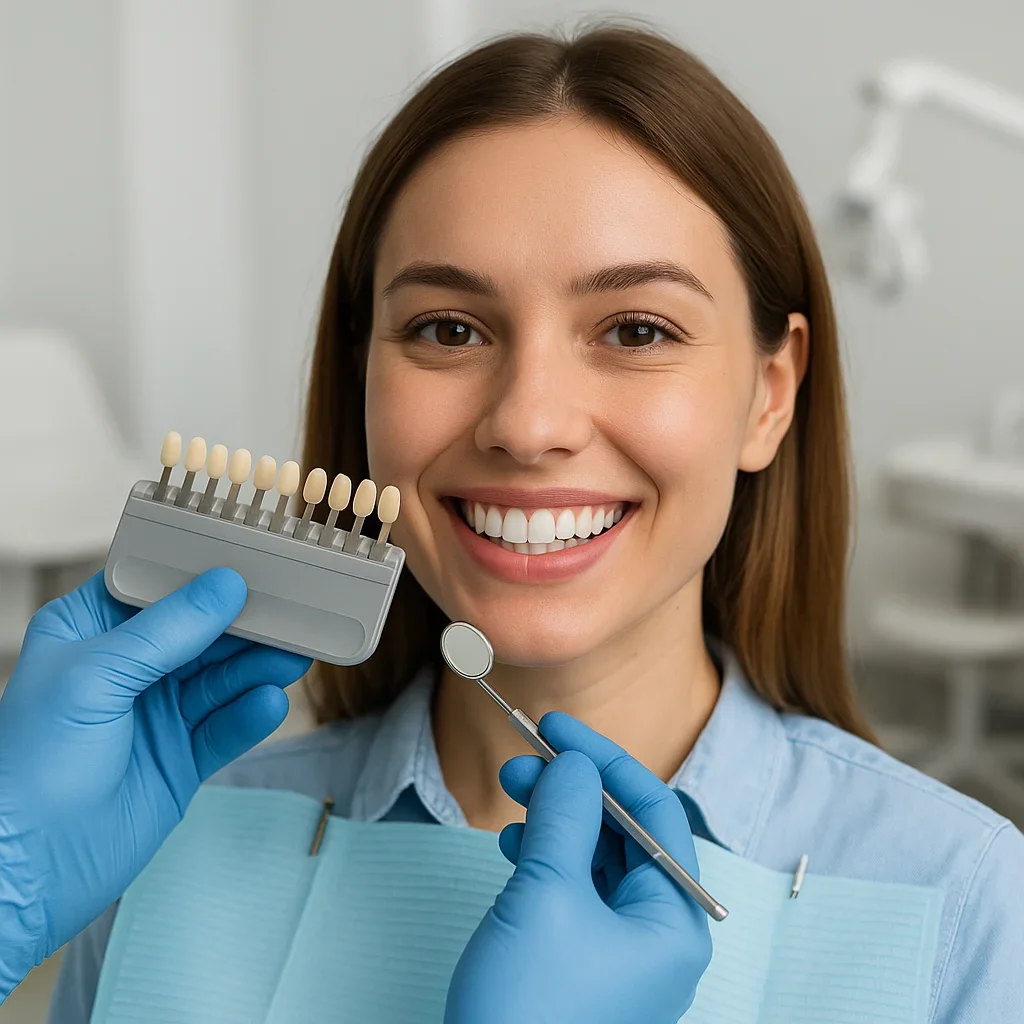
The Psychological and Social Benefits of Dental Cosmetic Dentistry
While the physical transformation brought by dental cosmetic dentistry is immediately visible, its impact goes far beyond aesthetics. A radiant smile influences self-esteem, confidence, and even social relationships. It can change how others perceive you and how you perceive yourself. The connection between dental aesthetics and psychology is deeply rooted — when your smile looks healthy and attractive, your mind and body respond positively. In this comprehensive guide, we explore how improving your smile through modern dental cosmetic procedures can enhance your emotional well-being, career opportunities, and overall quality of life 🌟.
The Mind-Body Connection of a Confident Smile
Your smile plays a vital role in non-verbal communication. Research shows that people who smile confidently are often perceived as more trustworthy, approachable, and successful. Through dental cosmetic dentistry, individuals who once felt self-conscious about their teeth can rediscover their ability to smile freely, fostering psychological healing and social empowerment.
When a person hides their teeth due to discoloration, misalignment, or gaps, they unconsciously limit their expressions and social interactions. Once those imperfections are corrected, they experience a release of emotional tension. This transformation boosts serotonin and endorphin levels — the body’s natural “happiness hormones” — leading to improved mental health and reduced stress levels.
How a Beautiful Smile Enhances Self-Esteem
1. Restoring Confidence Through Aesthetic Harmony
One of the primary goals of dental cosmetic dentistry is to achieve balance and symmetry that harmonize with facial features. A well-proportioned smile enhances facial aesthetics, making individuals appear more youthful and vibrant. This improvement directly impacts self-image — people feel more comfortable in social settings and less anxious about being judged by their appearance.
2. Overcoming Social Anxiety
Many patients who undergo smile makeovers report a significant reduction in social anxiety. Being able to smile freely improves interpersonal communication, from job interviews to dating scenarios. In psychological terms, a confident smile acts as positive feedback to the brain, reinforcing feelings of self-worth and sociability. Through dental cosmetic dentistry, patients often rediscover not only their smile but their voice in social interactions.
The Impact on Professional and Social Success
In today’s competitive world, first impressions matter. Studies conducted by universities and dental associations, including those recognized by the American Dental Association, show that individuals with attractive smiles are perceived as more competent, intelligent, and reliable. This perception translates directly into professional opportunities and social advantages.
Employees who undergo dental cosmetic dentistry often report increased confidence during presentations, interviews, and client interactions. Employers and colleagues respond positively to this confidence, leading to better collaboration and career advancement. Similarly, in personal relationships, a warm, natural smile fosters approachability and trust — key components in building meaningful connections.
The Emotional Healing Power of Smile Restoration
Beyond aesthetics, dental restoration can carry profound emotional value. For patients who have suffered tooth loss, decay, or trauma, dental cosmetic dentistry can be life-changing. Restoring the smile often symbolizes reclaiming control and identity. Many patients describe the experience as “getting their life back.”
Psychologists emphasize that self-perception directly affects behavior. A person who views themselves positively tends to make healthier lifestyle choices, socialize more, and express happiness openly. Thus, dental aesthetic treatment not only transforms smiles but also encourages holistic well-being.
Scientific Evidence Linking Smiles and Mental Health
1. The Biochemical Effect of Smiling
Smiling activates neural pathways that influence mood regulation. Scientific studies have shown that smiling — even artificially — triggers dopamine, endorphin, and serotonin release. This biochemical response reduces stress and lowers blood pressure. When dental cosmetic dentistry restores your ability to smile confidently, it indirectly supports mental health by promoting these positive biochemical reactions naturally.
2. Psychological Studies and Behavioral Shifts
According to research published in the Journal of Psychology and Health, individuals who undergo smile enhancement treatments report higher satisfaction with life and greater self-efficacy. Participants exhibited measurable behavioral shifts: they spoke more often, made more eye contact, and engaged in social activities more confidently than before treatment. This reinforces how intertwined emotional and aesthetic health truly are.
Testimonials and Real-Life Transformations
Patients worldwide share their success stories after undergoing dental cosmetic dentistry. For example, many international visitors at Redent Klinik Contact Page express that the transformation was “not just dental, but emotional.” One patient stated, “I used to cover my mouth when laughing. Now, I can smile openly in photos, at work, and even during presentations. It changed how I see myself.” Such stories illustrate that cosmetic dentistry isn’t vanity — it’s self-empowerment.
The Role of Digital Smile Design in Confidence Building
Digital Smile Design (DSD), a major innovation in dental cosmetic dentistry, contributes significantly to patient confidence. By allowing patients to visualize their post-treatment results, DSD eliminates anxiety and uncertainty. Knowing the outcome beforehand creates excitement rather than fear, fostering a sense of control throughout the process. This transparency is psychologically reassuring and strengthens trust between patient and dentist.
Virtual Smile Simulations and Patient Involvement
During DSD sessions, dentists use digital tools to show how each adjustment affects facial balance and expression. Patients can actively participate by choosing tooth shapes, shades, and alignment preferences. This involvement boosts emotional satisfaction — individuals feel part of their transformation rather than passive recipients of it.
Long-Term Emotional Benefits
The psychological rewards of dental cosmetic dentistry extend far beyond the initial treatment period. Patients who maintain their results report sustained happiness and improved interpersonal relationships. Smiling confidently releases positive energy that influences how others respond — creating a continuous cycle of self-affirmation and acceptance. Over time, these benefits contribute to greater resilience, optimism, and life satisfaction.
Conclusion: A Smile That Heals from the Inside Out
Dental cosmetic dentistry does more than create beautiful smiles — it heals from within. By correcting imperfections and restoring balance, it empowers individuals to express themselves authentically, engage confidently, and live with greater emotional freedom. The mental, social, and physiological effects of a confident smile are undeniable. It’s not merely an aesthetic improvement; it’s a transformation of self-perception, happiness, and human connection. Investing in your smile is, ultimately, investing in your quality of life ❤️.