
Dental implants full set treatments have revolutionized modern dentistry, offering a permanent and natural-looking solution for those who have lost most or all of their teeth. Unlike removable dentures, a full set of implants restores both the appearance and function of natural teeth — allowing patients to smile, speak, and eat confidently once again. In this comprehensive guide, we’ll explore everything you need to know about this life-changing procedure, including its process, benefits, materials, cost, and recovery tips. 🦷
Understanding the Concept of a Full Set of Dental Implants
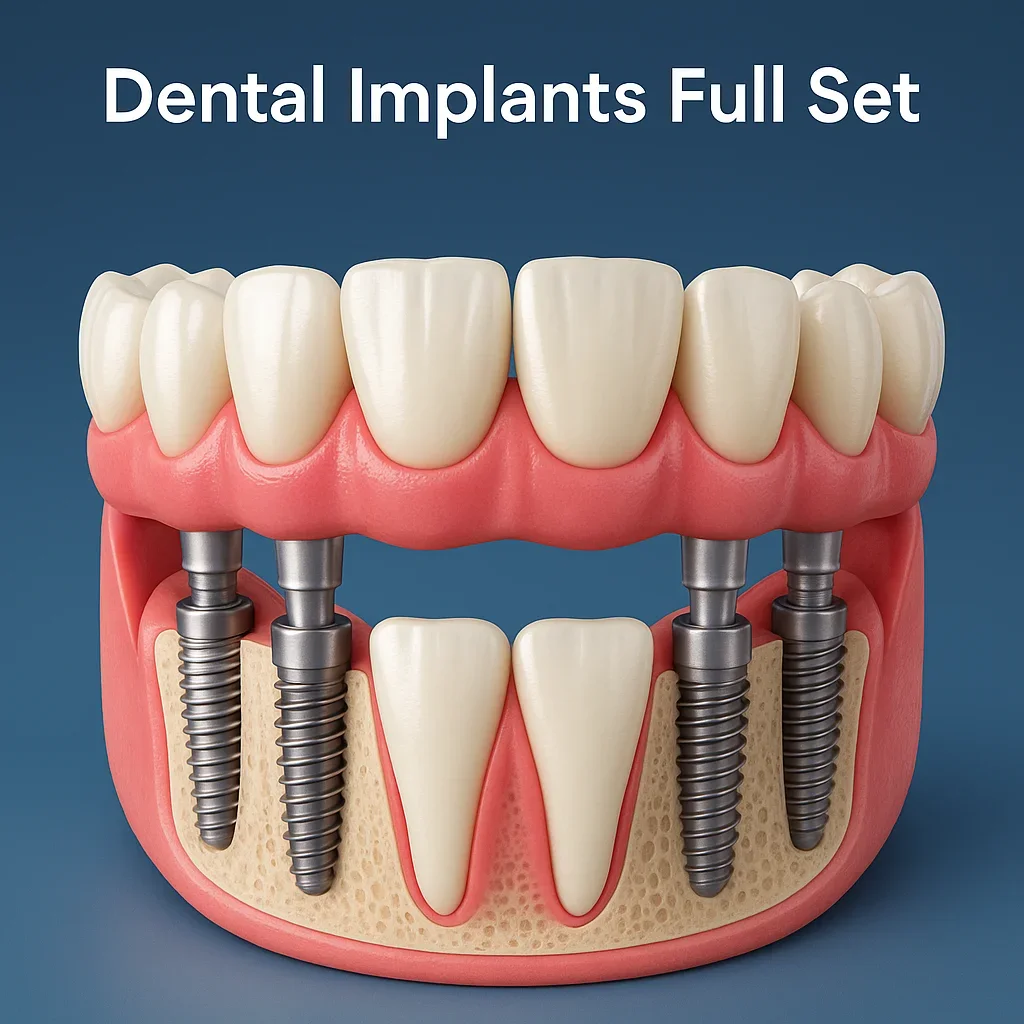
A dental implants full set is designed to replace all missing teeth in either the upper jaw, lower jaw, or both. Instead of using an implant for every single tooth, dentists strategically place 4 to 8 implants that serve as anchors for a fixed bridge. This approach is often called “full mouth dental implants” or “all-on-4 / all-on-6” treatment. Each implant acts as an artificial root made of titanium or zirconia, which fuses with the jawbone through a process known as osseointegration. Once integrated, the implants provide a stable base for prosthetic teeth that look, feel, and function just like natural ones.
Why People Choose a Full Set of Implants
Many adults who lose their teeth due to decay, gum disease, or trauma find removable dentures uncomfortable and unreliable. With a dental implants full set, patients experience better stability, improved chewing ability, and enhanced aesthetics. The implants prevent bone loss by stimulating the jawbone — a major advantage over traditional dentures that can cause bone resorption over time. Additionally, the procedure improves speech clarity and self-confidence, eliminating worries about slipping or clicking dentures. 😁
The Lifelong Benefits of Full Mouth Implants
One of the biggest advantages of a full dental implant set is its durability. When properly maintained, implants can last a lifetime. Because they’re fixed in place, they don’t need to be removed for cleaning like dentures do. Instead, patients can maintain them just like natural teeth through regular brushing, flossing, and dental checkups. Furthermore, dental implants full set restorations preserve facial structure, preventing the “sunken” appearance often associated with tooth loss. These benefits collectively make the procedure an investment in long-term health and quality of life.
The Science Behind the Smile
The success of a dental implants full set depends on precise planning and technology. Using 3D imaging and digital impressions, dentists can map the exact position of the implants to ensure perfect alignment and bite balance. High-quality materials like titanium are biocompatible, meaning they integrate seamlessly with bone tissue without causing allergic reactions. Some clinics also use zirconia for patients seeking a metal-free alternative. Once placed, the healing process takes several months, during which the bone fuses with the implants — creating a stable and permanent foundation for the final bridge or crown set.
Who Is a Good Candidate?
Ideal candidates for a full dental implant set are adults with multiple missing teeth or those tired of dealing with unstable dentures. A healthy jawbone and good oral hygiene are essential for successful osseointegration. However, even patients with mild bone loss may qualify after undergoing bone grafting or sinus lift procedures. During your consultation at Redent Klinik Contact Page, the dental team can assess your condition using advanced imaging tools to determine your suitability for the procedure.
Global Standards and Safety
All dental implants full set treatments follow strict safety protocols approved by international authorities such as the American Dental Association. This ensures that all materials and surgical methods used are biocompatible, sterile, and scientifically tested. Professional clinics maintain these standards to provide predictable and safe outcomes, minimizing the risk of complications such as infection or implant failure. 🌍
Patient Experiences and Success Stories
Many patients report that getting a dental implants full set transformed not only their smile but their entire life. Eating becomes easier, laughter comes naturally, and social confidence returns. Studies show that over 95% of full mouth implant cases are successful after 10 years, proving their reliability. Clinics often provide before-and-after photos, 3D treatment simulations, and testimonials to show what patients can expect after their transformation journey. Whether you’re in your 40s or 70s, dental implants can restore youth and functionality.
Key Takeaways
To summarize, a dental implants full set is more than a cosmetic upgrade — it’s a comprehensive restoration of dental health, comfort, and self-esteem. By choosing experienced professionals and high-quality materials, you can achieve a smile that feels natural and lasts a lifetime. In the following sections, we’ll explore how full mouth implants work, how much they cost, and why Turkey is becoming one of the most popular destinations for this treatment. Stay tuned to learn everything you need to know before starting your journey toward a new smile. 🌟
What Is a Full Set of Dental Implants? 🦷
A dental implants full set is a comprehensive restorative treatment that replaces all missing teeth in the upper or lower jaw—or sometimes both—with fixed, long-lasting prosthetic teeth anchored securely to the jawbone. Unlike traditional dentures that rest on the gums and can shift or slip, full mouth implants are designed to act and feel just like real teeth. They provide the same strength, stability, and aesthetic appearance, helping patients regain both confidence and full oral functionality.
Understanding the Concept of Full Mouth Dental Implants
When people refer to a dental implants full set, they often mean one of several advanced techniques: “All-on-4,” “All-on-6,” or “Full Arch” dental implants. These terms describe the number of titanium posts inserted into the jawbone to hold a complete arch of teeth. The implants serve as artificial roots, providing a permanent foundation for bridges or dentures that are fixed in place. Once integrated with the bone through a biological process known as osseointegration, the implants become part of your jaw, offering unmatched strength and stability.
How Dental Implants Differ from Dentures and Bridges
Traditional dentures rely on suction or adhesives to stay in place and often cause sore spots or speech difficulties. In contrast, a dental implants full set is permanently attached and behaves like natural teeth. Unlike bridges, which require grinding down healthy adjacent teeth for support, implants are self-supporting, preserving surrounding teeth and jawbone health. This makes them a superior choice for long-term dental restoration.
The Structure of a Full Set of Dental Implants
Each implant consists of three main parts:
- Implant Fixture: The titanium or zirconia screw placed inside the jawbone, acting as the tooth root.
- Abutment: A connector between the implant and the crown or bridge.
- Prosthetic Teeth: The visible crowns or bridges designed to mimic natural teeth in shape, size, and color.
This design ensures that the dental implants full set feels completely natural in your mouth. The structure distributes bite force evenly, allowing you to chew tough foods without discomfort.
Step-by-Step Overview of the Treatment Process
The full mouth implant process typically includes several carefully planned stages:
- Initial Consultation: The dentist conducts a full examination using 3D scans and X-rays to assess bone density and oral health.
- Treatment Planning: A personalized plan is created based on the patient’s anatomy and aesthetic goals.
- Implant Placement: The titanium posts are surgically inserted into the jawbone at strategic locations.
- Healing Period: Over the next 3–6 months, osseointegration occurs, during which the bone fuses with the implants.
- Temporary Teeth: A temporary prosthesis is placed to restore function and appearance during healing.
- Final Restoration: Once healing is complete, permanent crowns or bridges are attached, completing the dental implants full set treatment.
Why Full Set Implants Are a Long-Term Investment
Though the initial cost of a dental implants full set may seem high, it’s important to view it as a long-term investment in both health and quality of life. Unlike dentures, which may need replacement every 5–7 years, implants are built to last for decades, often a lifetime. They eliminate recurring costs for adhesives, relining, or adjustments. More importantly, they preserve jawbone structure, prevent premature aging of facial features, and restore natural speech and chewing ability.
Benefits Beyond Aesthetics
The advantages of getting a dental implants full set go far beyond cosmetic improvements. They include:
- ✅ Improved Oral Function: Eat any food comfortably without worrying about slipping dentures.
- ✅ Bone Preservation: Stimulates bone growth and prevents resorption.
- ✅ Enhanced Confidence: Smile freely with teeth that look and feel natural.
- ✅ Better Speech: Eliminates slurring or whistling often caused by ill-fitting dentures.
- ✅ Permanent Stability: No movement, shifting, or discomfort during daily use.
Materials and Technology Used in Full Set Implants
Advanced dental technology has made dental implants full set treatments more predictable and comfortable than ever. High-resolution 3D imaging, digital impressions, and computer-guided surgery allow dentists to place implants with extreme precision. Titanium remains the gold standard due to its biocompatibility and strength, though zirconia implants are gaining popularity among patients seeking a metal-free option. The crowns are crafted from ceramic or porcelain materials to match the natural tooth color perfectly. 🦷
Bone Health and Osseointegration
For successful results, sufficient jawbone density is essential. If bone loss has occurred, procedures such as bone grafting or sinus lifting can rebuild bone volume before implant placement. During healing, the bone integrates tightly with the titanium surface, forming a secure anchor for the artificial teeth — a biological bond that ensures long-term stability and durability.
Expected Longevity and Maintenance
With proper oral hygiene and regular checkups, a dental implants full set can last 25 years or more. Daily brushing, flossing, and biannual visits to your dentist are typically all that’s required. Smokers and patients with chronic diseases like diabetes may need additional maintenance visits to ensure gum health remains stable around the implants. Professional cleanings every six months also help prevent peri-implantitis (gum inflammation around implants).
Who Can Benefit the Most?
This treatment is ideal for individuals who:
- Have lost most or all of their teeth.
- Struggle with uncomfortable or loose dentures.
- Desire a permanent, natural-looking solution.
- Have adequate bone density (or are eligible for grafting).
To confirm your eligibility, schedule a consultation at the Redent Klinik Contact Page. The dental team can evaluate your oral condition and provide a personalized treatment plan suited to your needs.
Final Thoughts
In summary, a dental implants full set is a transformative solution that restores not only your teeth but your overall quality of life. It’s a safe, scientifically proven, and long-lasting option recommended by reputable organizations like the American Dental Association. If you’re seeking freedom from removable dentures and a smile that feels entirely natural, this advanced treatment may be the perfect choice for you. 🌟
How Do Full Mouth Dental Implants Work?
Understanding how a dental implants full set works is essential before making the decision to undergo this life-changing procedure. This treatment involves the surgical placement of titanium or zirconia implants into the jawbone to replace the roots of missing teeth. These implants serve as sturdy anchors for a full arch of prosthetic teeth, allowing patients to regain full chewing ability, natural aesthetics, and long-term oral health. The science behind dental implants is rooted in precision, biology, and advanced dental technology, all working together to create a natural and permanent smile restoration. 🦷
The Core Principle: Osseointegration
The magic of a dental implants full set lies in a process called osseointegration. This biological mechanism allows the implant fixture to fuse directly with the jawbone. When the titanium post is placed into the bone, the body recognizes it as biocompatible rather than foreign. Over several months, bone cells grow tightly around the implant, locking it securely in place. Once the integration is complete, the implant becomes as strong as a natural tooth root — capable of supporting bridges, crowns, or even a full arch of replacement teeth.
How the Process Begins: Assessment and Planning
Before any surgical step, the patient undergoes a detailed examination. Using 3D digital scans, panoramic X-rays, and intraoral imaging, the dentist maps out the jawbone structure to identify optimal implant sites. This data-driven planning ensures that every dental implants full set procedure is customized for the individual. The number of implants needed — typically between four and eight per jaw — depends on the bone density, bite alignment, and type of prosthesis desired.
Digital Dentistry and Guided Surgery
Modern clinics use computer-guided implant surgery for precise results. A surgical guide is created based on 3D imaging data, helping the dentist position each implant at the perfect angle and depth. This technology minimizes errors, reduces surgical time, and enhances post-surgery healing. Patients benefit from less discomfort and faster recovery thanks to these innovations.
The Surgical Procedure Explained
The placement of a dental implants full set is usually performed under local anesthesia, with sedation options for anxious patients. Here’s what typically happens during the surgery:
- Incision and Preparation: The dentist makes a small incision in the gum to expose the bone where the implant will be placed.
- Implant Placement: A precise hole is drilled into the bone, and the titanium or zirconia implant post is inserted.
- Suturing: The gum is closed with dissolvable stitches, allowing the healing phase to begin.
Each implant is carefully positioned to balance bite forces evenly. The number of implants determines the stability of the bridge or denture. For example, an “All-on-4” design uses four implants, while an “All-on-6” offers additional strength and distribution of pressure across the jaw.
The Healing and Integration Stage
After surgery, patients enter a healing period known as the osseointegration phase. This typically lasts 3 to 6 months. During this time, the bone tissue grows around the implant, forming a solid bond. A temporary prosthesis is often placed so the patient can continue to smile and eat comfortably while waiting for the final restoration. Proper post-operative care — such as gentle brushing, antiseptic mouth rinses, and following dietary guidelines — ensures optimal healing for the dental implants full set.
Temporary vs. Permanent Restorations
Once the healing process is complete, the dentist attaches abutments (connectors) to each implant and takes impressions for the final bridge. The permanent prosthesis is then fabricated in a dental lab to match your natural tooth color and facial structure. The result is a flawless, natural-looking smile that feels completely stable — no shifting, clicking, or discomfort.
Types of Full Mouth Implant Systems
There are different configurations available depending on your needs and budget:
- All-on-4 Implants: Four implants support a complete arch of teeth; ideal for patients with moderate bone loss.
- All-on-6 or All-on-8: Additional implants provide even greater support and load distribution.
- Zygomatic Implants: For patients with severe bone loss, longer implants are anchored in the cheekbone for stability.
Each system offers the same goal — to deliver a strong, comfortable, and aesthetically pleasing dental implants full set that lasts for decades.
Advantages of Modern Implant Techniques
Thanks to technological advancements, today’s dental implants full set procedures are less invasive and more predictable than ever. Computer-guided surgery, 3D-printed guides, and immediate loading protocols allow for “teeth in a day” — where patients receive temporary teeth right after implant placement. This means minimal downtime and immediate restoration of appearance and function.
Immediate Load vs. Delayed Load
In certain cases, temporary teeth can be attached to the implants immediately after surgery. This technique, known as immediate load implants, provides instant aesthetic improvement and boosts confidence. However, not every patient qualifies — adequate bone quality and stability are essential. The more traditional method, delayed loading, waits for full osseointegration before final placement, ensuring maximum strength and long-term success.
The Role of Materials and Biocompatibility
The long-term success of a dental implants full set depends heavily on material quality. Titanium, the most commonly used material, is lightweight, corrosion-resistant, and biologically compatible with human tissue. Zirconia is an emerging alternative that offers excellent aesthetics and is ideal for patients with metal sensitivities. Both materials encourage bone integration and resist bacterial buildup, contributing to long-term oral health and stability.
What Patients Can Expect After the Procedure
Post-surgery, mild discomfort, swelling, or tenderness may occur for a few days — manageable with prescribed medications and proper aftercare. Most patients return to normal eating within a few weeks. Once fully healed, the dental implants full set functions like natural teeth, enabling you to chew hard foods, maintain clear speech, and smile confidently. Regular checkups and cleanings help ensure the implants last for many years without complications.
Why This System Works So Well
The reason full mouth implants succeed is due to their ability to replicate both form and function of natural teeth. The integration of modern imaging, biocompatible materials, and advanced surgical precision ensures predictable, lasting results. Additionally, this procedure helps prevent jawbone loss and facial sagging — common consequences of missing teeth — keeping your face youthful and symmetrical.
Final Thoughts
In summary, the dental implants full set procedure works through a delicate balance of science, precision, and artistry. By anchoring artificial teeth directly into the bone, it restores both stability and aesthetics in a way no other solution can. Whether through an All-on-4 or All-on-6 system, full mouth implants offer the most durable, natural, and confidence-boosting option for complete tooth replacement. For those ready to reclaim their smile and oral health, scheduling a consultation at the Redent Klinik Contact Page is the perfect first step toward transformation — fully backed by international standards such as those set by the American Dental Association. 🌟
Benefits of Getting a Full Set of Dental Implants
Choosing a dental implants full set offers far more than an aesthetic upgrade — it transforms both oral health and overall well-being. From the ability to enjoy your favorite foods again to maintaining jawbone integrity and boosting self-esteem, this treatment delivers unmatched results that dentures or bridges simply cannot replicate. Let’s explore the extensive benefits of getting a complete set of dental implants and why it’s regarded as the gold standard in full-mouth restoration. 🦷
1. Permanent and Long-Lasting Solution
One of the biggest advantages of a dental implants full set is its permanence. Unlike removable dentures that require frequent adjustments or replacements, implants are designed to last decades — often for a lifetime with proper care. The titanium or zirconia fixtures fuse with the jawbone, creating a solid foundation for prosthetic teeth that won’t shift or loosen over time. This makes them an ideal long-term investment in both health and confidence.
Durability and Stability Compared to Other Options
Traditional dentures rest on the gums and depend on suction or adhesive, which can weaken over time. Bridges, meanwhile, rely on grinding down adjacent teeth for support. In contrast, the dental implants full set approach uses independent anchors directly integrated into the bone, ensuring superior strength and stability. Patients report feeling as though they have their natural teeth back — chewing, biting, and smiling without fear of slipping or discomfort.
2. Natural Look and Feel
Full mouth implants are meticulously designed to replicate the appearance and function of real teeth. The crowns are crafted using high-quality materials such as porcelain or ceramic, matched precisely to your natural tooth color and shape. This ensures a flawless, lifelike result. Moreover, because the implants are securely attached to the jawbone, they transmit chewing forces naturally, maintaining the authentic sensation of biting and chewing — something dentures can’t provide. 🌟
Customized for Each Patient
Each dental implants full set is custom-made to fit the patient’s facial structure, bite pattern, and smile line. 3D scanning and computer-aided design (CAD) technology allow dentists to create prosthetics that look symmetrical, natural, and proportional. The result is a smile that enhances both function and aesthetics while restoring facial harmony.
3. Prevents Bone Loss and Facial Collapse
One of the most overlooked yet critical benefits of a dental implants full set is its ability to preserve jawbone health. When natural teeth are lost, the underlying bone begins to deteriorate due to lack of stimulation. This process, known as bone resorption, can lead to facial sagging and premature aging. Implants mimic the root of natural teeth and stimulate bone regeneration, preventing bone shrinkage and maintaining your facial structure over time.
Maintaining Jaw Strength and Facial Volume
With traditional dentures, bone loss continues gradually because there is no root-like structure providing stimulation. However, with a dental implants full set, each implant acts as a biological anchor that keeps the bone active and healthy. This not only prevents the sunken-cheek appearance often associated with long-term denture use but also ensures the jaw retains its full strength for decades.
4. Enhanced Comfort and Functionality
Full mouth implants eliminate the discomfort and instability common with removable dentures. Patients can eat, speak, and laugh freely without worrying about slipping prosthetics or painful gum irritation. This natural level of comfort is one of the main reasons why people switch from dentures to implants.
Freedom to Eat What You Love
Once your dental implants full set has healed, you can enjoy a full range of foods — from crisp apples to juicy steaks — without hesitation. Because the implants are anchored firmly into the bone, they distribute bite pressure evenly across the jaw, mimicking the performance of natural teeth. Patients often report improved digestion and overall nutrition because they can chew properly again.
5. Improved Speech and Confidence
Ill-fitting dentures can slip or click during speech, leading to embarrassment or anxiety in social situations. With a dental implants full set, your prosthetic teeth stay firmly in place, allowing clear, confident communication. The restoration not only improves pronunciation but also helps rebuild self-esteem by giving you a beautiful, stable smile that you’re proud to show off. 😁
6. Easy Maintenance and Oral Hygiene
Unlike dentures, which require nightly removal and soaking, a dental implants full set is cleaned just like natural teeth. Regular brushing, flossing, and dental checkups are all that’s needed to keep them healthy and bright. This simplicity encourages better long-term oral hygiene habits and reduces the risk of gum disease or decay in surrounding tissues.
Daily Care Tips
- Brush twice daily using a soft-bristled toothbrush and non-abrasive toothpaste.
- Use interdental brushes or floss to clean between implants.
- Schedule professional cleanings at least twice a year.
- Avoid smoking, as it can slow healing and increase the risk of implant failure.
Following these steps ensures your dental implants full set remains healthy, functional, and aesthetically pleasing for years to come.
7. Long-Term Health and Cost Efficiency
While the initial cost of implants may seem higher than dentures, the long-term savings are significant. Dentures require replacement every few years, plus regular maintenance and adhesives. A dental implants full set, by contrast, is a one-time investment that pays for itself over time through durability, reduced dental visits, and improved health outcomes. Furthermore, maintaining a strong jawbone and proper oral function prevents secondary complications such as gum disease or bone grafting later in life.
8. Boost to Mental and Emotional Well-Being
Patients frequently describe their experience with dental implants full set as life-changing. The confidence to smile, laugh, and eat freely can dramatically improve self-image and quality of life. Studies show that dental implant patients experience lower levels of anxiety and depression compared to denture wearers. The treatment provides not just a new smile — but a renewed sense of self.
9. Supported by Global Dental Authorities
High-quality dental implants full set treatments follow international standards and protocols. Clinics that adhere to guidelines from the American Dental Association ensure that every step — from surgical planning to final restoration — meets the highest safety and hygiene requirements. Patients who undergo the procedure at certified centers, such as Redent Klinik Contact Page, benefit from expert care, sterile environments, and the latest implant technologies.
10. The Ultimate Transformation
In conclusion, getting a dental implants full set is not merely about replacing missing teeth — it’s about restoring life quality. The treatment combines cutting-edge science, long-term durability, and aesthetic precision to offer patients a permanent solution that feels completely natural. From preventing bone loss to improving confidence and overall health, the benefits are truly transformative. For those seeking a functional, comfortable, and radiant smile, a full set of dental implants stands as the most advanced and rewarding choice available today. 🌟
Step-by-Step Procedure for Full Dental Implant Treatment
The process of getting a dental implants full set is a carefully planned and precisely executed treatment involving multiple stages. Each step is designed to ensure long-term success, safety, and comfort for the patient. From initial consultation to final restoration, every phase of the procedure plays a crucial role in achieving a healthy, natural-looking smile that functions just like real teeth. Below is a complete, detailed breakdown of how the full dental implant treatment process works. 🦷
1. Comprehensive Consultation and Evaluation
The journey toward a dental implants full set begins with a thorough consultation. During this initial visit, the dentist performs a detailed evaluation of your oral health, bone structure, and medical history. Advanced imaging techniques such as panoramic X-rays and 3D cone-beam CT scans are used to assess bone density and detect potential issues. These scans help create a precise map of your mouth, allowing the dental team to plan the exact placement of each implant.
Customized Treatment Planning
Every mouth is unique, and so is every treatment plan. Based on your scans and dental impressions, the dentist designs a personalized approach tailored to your bone volume, facial structure, and smile goals. This includes determining how many implants are needed (usually between four and eight per arch), the implant type (titanium or zirconia), and whether any preliminary procedures such as bone grafting or sinus lifting are required. The plan also outlines estimated treatment duration, healing time, and overall cost.
2. Pre-Surgical Preparation
Before starting surgery, the dental team ensures you are in optimal health. Blood tests may be conducted to check for conditions that affect healing, such as diabetes or vitamin deficiencies. Any active gum disease or decay must be treated beforehand to prevent infection. For patients with insufficient bone volume, grafting procedures are completed weeks or months before implant placement to ensure a strong foundation for the dental implants full set.
Anesthesia and Sedation Options
Most implant surgeries are performed under local anesthesia combined with mild sedation for comfort. However, patients with dental anxiety or complex cases may choose IV sedation or general anesthesia. The dentist will discuss all sedation options to ensure a painless and stress-free experience throughout the procedure.
3. Implant Placement Surgery
The next phase involves surgically inserting the implant posts into the jawbone. This is the most critical step in the dental implants full set process. Using a 3D surgical guide, the dentist makes small incisions in the gum and carefully drills pilot holes in the bone. Titanium or zirconia implants are then placed in precise positions and angles to provide maximum strength and stability. Once secured, the gums are stitched back, leaving the implants to heal beneath the tissue.
All-on-4 and All-on-6 Techniques
Depending on your individual case, the dentist may recommend either the All-on-4 or All-on-6 method. The All-on-4 technique uses four strategically placed implants to support a full arch, while the All-on-6 offers even greater load distribution. Both techniques are designed to provide immediate or early function, depending on the patient’s bone quality and healing capacity. The result is a stable base for your dental implants full set that will support your permanent teeth for decades.
4. Healing and Osseointegration
After implant placement, the body begins the natural healing process known as osseointegration. Over the next three to six months, bone cells grow around the implants, forming a permanent bond. This fusion ensures that the implants are as strong as natural tooth roots. During this phase, patients typically wear a temporary set of teeth, allowing them to smile and function normally while healing continues.
Tips for a Smooth Recovery
- Follow a soft-food diet for the first few weeks to avoid putting pressure on the new implants.
- Use an antimicrobial mouth rinse as prescribed to maintain cleanliness and prevent infection.
- Avoid smoking or alcohol, as these can slow down bone integration.
- Attend all follow-up appointments so the dentist can monitor your healing progress.
Following these guidelines helps ensure your dental implants full set heals correctly and integrates successfully with your jawbone.
5. Abutment Placement and Temporary Prosthesis
Once osseointegration is complete, the dentist reopens the gum tissue slightly to attach abutments — small connectors that link the implant post to the final crown or bridge. Temporary teeth are then secured to allow you to speak, eat, and smile comfortably while the final restoration is being crafted. This stage marks a significant milestone in the dental implants full set process, as patients finally begin to experience the confidence and comfort of fixed teeth.
Digital Impressions for Final Design
At this point, digital impressions or traditional molds are taken to design the final prosthesis. The dental lab uses advanced CAD/CAM technology to create perfectly fitted crowns or bridges that match your natural teeth in color, shape, and bite alignment. This customization ensures your smile looks both natural and aesthetically pleasing.
6. Final Restoration Placement
After your permanent prosthesis is ready, it’s time for the final fitting. The dentist attaches the customized bridge or full arch of crowns securely to the abutments. The result is a stunning, natural-looking smile that feels indistinguishable from real teeth. Patients can immediately enjoy improved function, appearance, and confidence with their dental implants full set.
Checking the Fit and Function
During this appointment, the dentist ensures that your bite alignment, speech, and comfort are perfect. Adjustments are made if necessary, and you’ll be given instructions for long-term care. The outcome is a fully functional, permanent dental restoration that can last a lifetime with proper maintenance.
7. Post-Treatment Care and Maintenance
Maintaining your new dental implants full set is straightforward. Good oral hygiene practices — such as brushing twice daily, flossing, and using antibacterial mouthwash — are essential. Regular dental checkups every six months allow your dentist to monitor implant stability and gum health. Avoid habits like teeth grinding or smoking, which may compromise implant longevity. When properly cared for, these implants can remain strong and beautiful for decades.
8. Follow-Up Visits and Long-Term Monitoring
After completion, follow-up visits are crucial to track healing and long-term performance. During these sessions, your dentist will evaluate bone density, bite balance, and gum condition. Professional cleanings and maintenance keep your dental implants full set free from plaque buildup and ensure lasting results. Any minor issues can be corrected early, preventing larger complications in the future.
9. The Life-Changing Results
The final stage of the journey is enjoying your transformed smile. Patients who undergo a dental implants full set experience renewed self-esteem, better chewing function, and improved speech. Most importantly, they regain a sense of normalcy — eating, laughing, and living without discomfort or embarrassment. The combination of advanced dental technology and expert surgical precision guarantees not just a new smile, but a new life.
10. Professional Care You Can Trust
When performed by skilled professionals following international standards from organizations like the American Dental Association, full mouth implant procedures are safe, effective, and long-lasting. Clinics such as Redent Klinik Contact Page specialize in comprehensive dental implants full set treatments using state-of-the-art techniques and materials. From diagnosis to aftercare, patients receive top-tier dental care designed to restore both health and happiness. 🌟
How Much Does a Full Set of Dental Implants Cost in 2025? 💰
When considering a dental implants full set, one of the first questions patients ask is, “How much will it cost?” The price varies widely depending on several key factors — including location, materials, implant system, and dentist expertise. While it may seem like a major investment, the value of full mouth implants extends far beyond cost: it’s a lifetime restoration of oral health, functionality, and confidence. In this section, we’ll break down the real costs, regional variations, and what’s included in a full mouth dental implant treatment in 2025. 🦷
Understanding the Cost Structure
The total cost of a dental implants full set is determined by multiple components, not just the implants themselves. Each case is customized, which means pricing can range significantly depending on your clinical needs and the materials chosen. Generally, full mouth dental implants include:
- The initial consultation, 3D scans, and X-rays.
- Implant posts (titanium or zirconia) and abutments.
- Temporary prosthetics during healing.
- Permanent prosthetic teeth (zirconia or porcelain bridges).
- All surgical procedures and anesthesia costs.
- Follow-up visits and aftercare.
Most clinics bundle these services into a single package price for a full arch or a complete dental implants full set for both jaws.
Average Global Costs for Full Mouth Implants in 2025
The table below gives an overview of estimated prices for a dental implants full set in different regions. These figures are based on current international averages for 2025:
| Country | Average Cost (Full Upper or Lower Arch) | Average Cost (Full Mouth) |
|---|---|---|
| United States 🇺🇸 | $25,000 – $35,000 | $45,000 – $65,000 |
| United Kingdom 🇬🇧 | £18,000 – £28,000 | £35,000 – £50,000 |
| Germany 🇩🇪 | €15,000 – €25,000 | €30,000 – €45,000 |
| Turkey 🇹🇷 | $4,000 – $7,000 | $8,000 – $12,000 |
| Mexico 🇲🇽 | $6,000 – $9,000 | $10,000 – $14,000 |
| India 🇮🇳 | $3,000 – $6,000 | $6,000 – $10,000 |
As shown, the cost of a dental implants full set in countries like Turkey and India is often significantly lower compared to Western nations, largely due to lower operating and labor costs — not reduced quality. Clinics such as Redent Klinik Contact Page in Turkey offer internationally accredited treatments that meet American Dental Association standards at affordable prices.
Factors That Influence the Cost
Several elements determine the total cost of a dental implants full set:
1. Number of Implants Required
The total number of implants per jaw affects the price. The All-on-4 technique uses four implants per arch, while All-on-6 or All-on-8 uses more, offering extra support but at a higher cost. Each implant fixture adds to both material and surgical expenses.
2. Type of Material Used
Titanium implants are the most common and cost-effective option, while zirconia implants are metal-free and offer superior aesthetics but come with a higher price. Likewise, the final prosthesis material—zirconia, porcelain, or hybrid acrylic—impacts overall cost and durability of your dental implants full set.
3. Additional Procedures
Bone grafts, sinus lifts, or gum treatments may be necessary before implant placement. These procedures strengthen the bone and ensure implant longevity, but they increase the total treatment cost.
4. Dentist Expertise and Technology
Clinics that use advanced technologies such as 3D imaging, CAD/CAM milling, and guided surgery systems typically charge more. However, this ensures superior accuracy, shorter healing times, and long-lasting success for your dental implants full set. Highly qualified implantologists with years of experience also influence pricing due to their specialized skills and training.
5. Geographic Location
Dental care pricing is heavily influenced by the clinic’s location. Clinics in major cities or Western countries tend to charge more due to higher operational costs. This is why dental tourism has grown rapidly — patients from the UK, US, and Europe travel to countries like Turkey, where they can save up to 70% on the same dental implants full set procedure without compromising on quality.
Cost Comparison: Implants vs. Dentures
While dentures are cheaper upfront (around $1,000–$2,500 per arch), they require frequent replacements, adhesives, and adjustments. Over a decade, the recurring costs add up to almost the same or even more than implants. A dental implants full set may seem more expensive initially, but it’s a permanent, low-maintenance solution that pays off in long-term comfort and durability.
Financing and Payment Options
Many clinics now offer financing plans or flexible payment options to make full mouth implants accessible. These may include interest-free monthly installments or partnerships with healthcare financing companies. Some insurance providers also cover part of the procedure, especially when tooth loss affects general health. Always consult your clinic’s finance department to learn about available options for your dental implants full set.
Why Prices Are Lower in Turkey
Turkey has emerged as one of the leading destinations for high-quality, affordable dental implant treatments. Clinics like Redent Klinik combine advanced technology, internationally trained dentists, and cost efficiency. The country’s lower overhead costs, government support for medical tourism, and currency advantages allow patients to save thousands while receiving world-class care.
What’s Included in an All-Inclusive Implant Package
In Turkey and other popular dental tourism destinations, clinics often offer all-inclusive packages for the dental implants full set. These may cover:
- Consultation, imaging, and detailed treatment plan.
- Surgical procedures with anesthesia and sedation.
- Temporary and final prosthetic teeth.
- Accommodation and airport transfers.
- Post-treatment checkups and warranty.
These packages make full mouth implants not only affordable but also convenient for international patients seeking comprehensive dental care.
Long-Term Value and Investment Perspective
Beyond the numbers, the dental implants full set represents an investment in your health and quality of life. By restoring chewing function, preventing bone loss, and eliminating recurring costs associated with dentures, implants offer exceptional long-term value. Many patients describe the treatment as “life-changing” because of the confidence and freedom it restores.
Final Thoughts
In 2025, the cost of a dental implants full set varies, but the benefits are universal — durability, natural aesthetics, and restored function. Whether you choose treatment in your home country or abroad at a reputable clinic like Redent Klinik, investing in full mouth implants is a decision that delivers lifelong rewards. Always ensure that the clinic follows international standards, uses high-quality materials, and offers transparent pricing for a safe and satisfying smile transformation. 🌟
Comparing Full Set Dental Implants vs. Dentures
When choosing between dentures and a dental implants full set, it’s crucial to understand their differences in comfort, durability, and long-term health effects. While both options restore missing teeth, only dental implants provide a permanent, bone-stimulating, and natural-feeling solution. Dentures, though initially more affordable, often lead to discomfort, slippage, and bone loss over time. This section will explain in detail how a dental implants full set compares to traditional dentures in every aspect that matters — from cost and comfort to health and aesthetics. 🦷
1. Structural Differences: Fixed vs. Removable
The fundamental distinction between dentures and a dental implants full set lies in how they attach to the mouth. Dentures rest on the gums and are removable, while implants are permanently anchored into the jawbone. This makes a massive difference in daily comfort and stability. Dentures rely on suction or adhesive to stay in place, often causing soreness or movement during eating or speaking. In contrast, dental implants are fixed solutions — once integrated, they feel and function just like natural teeth.
Why Fixed Implants Are More Stable
Because the dental implants full set connects directly with the bone, it eliminates slippage entirely. Patients can chew, talk, and smile freely without worrying about their prosthetics moving. Denture wearers, on the other hand, frequently experience instability and must remove their prosthetics for cleaning and sleeping — a routine that can be inconvenient and uncomfortable over time.
2. Functionality and Chewing Power
One of the biggest functional benefits of a dental implants full set is its superior chewing power. Studies show that dentures restore only about 25–30% of natural bite strength, while dental implants can restore up to 90%. This means patients can enjoy hard or chewy foods such as apples, steak, and nuts with ease — foods that denture wearers typically avoid.
Impact on Nutrition and Digestion
With dentures, limited chewing ability often leads to restricted diets, affecting nutrition and digestion. In contrast, the stability of implants encourages a balanced diet with plenty of fresh fruits, vegetables, and proteins. Better chewing translates to better digestion and overall health improvement — another long-term advantage of choosing a dental implants full set.
3. Bone Preservation and Facial Structure
Perhaps the most important medical advantage of a dental implants full set is its ability to preserve jawbone health. When natural teeth are lost, the jawbone begins to deteriorate due to lack of stimulation. This process — known as bone resorption — eventually causes facial collapse, leading to sagging cheeks and an aged appearance. Dentures do nothing to stop this process, as they rest on top of the gums without stimulating the bone. Implants, however, act like artificial roots, keeping the bone healthy and the facial structure intact.
Preventing Premature Aging
Patients who choose dentures often notice facial changes over time: thinner lips, deep wrinkles, and a “sunken” look. In contrast, a dental implants full set maintains bone volume and facial definition, helping individuals retain a youthful appearance for many years.
4. Comfort and Daily Experience
Comfort is one of the biggest deciding factors between these two options. Dentures can rub against the gums, cause sore spots, and slip unexpectedly during meals or conversations. They may also alter taste sensations and reduce the natural feel of the mouth. Meanwhile, dental implants feel completely natural because they become part of your body. Once healed, most patients forget they even have implants — a testament to their comfort and integration.
Eliminating Adhesives and Discomfort
With a dental implants full set, there’s no need for messy adhesives or nightly removals. Maintenance is simple — brush and floss like natural teeth. Patients also avoid the awkward clicking sounds and occasional embarrassment associated with ill-fitting dentures.
5. Durability and Longevity
Dentures typically need to be replaced every 5–8 years due to wear and bone shrinkage, whereas a dental implants full set can last decades — even a lifetime. The titanium or zirconia implants integrate permanently with the bone, providing a strong foundation for crowns or bridges. This long-term durability makes implants not only more convenient but also more cost-effective in the long run.
Cost Over Time
While dentures may appear cheaper initially, their recurring replacement, cleaning supplies, and adjustment costs add up. Over 20 years, the cost of maintaining dentures can exceed that of a one-time investment in a dental implants full set. Considering their permanent nature and low maintenance requirements, implants provide far greater value and return on investment.
6. Aesthetic Differences
Appearance is another area where implants outperform dentures. Dental implants are customized to match natural tooth color, shape, and gum line, resulting in a flawless, realistic smile. Dentures can sometimes appear artificial, especially as the gum tissue changes shape over time. The fixed design of a dental implants full set ensures that the smile remains consistent and natural-looking even after years of use.
Confidence and Self-Esteem
Patients with implants often report higher self-confidence because their new teeth look and feel authentic. They can laugh, eat, and speak in public without worrying about slippage or awkward movement. Denture users, on the other hand, may constantly worry about their prosthetics shifting, limiting social comfort and enjoyment.
7. Maintenance and Hygiene
Dentures require daily removal, soaking, and careful cleaning to prevent odor and infection. They must be kept moist when not worn to maintain their shape. In contrast, maintaining a dental implants full set is simple — regular brushing, flossing, and professional dental checkups are all that’s needed. This encourages better long-term oral hygiene and significantly lowers the risk of gum disease or bacterial buildup.
8. Psychological and Lifestyle Benefits
Beyond physical advantages, implants also have profound emotional and psychological effects. The feeling of stability, normalcy, and confidence that comes with a dental implants full set dramatically enhances a person’s quality of life. Patients often describe the transformation as “getting their life back.” They regain the freedom to eat, speak, and smile without hesitation — something that traditional dentures rarely provide.
9. Clinical Endorsement and Professional Opinion
The superiority of implants over dentures is widely supported by dental professionals and institutions like the American Dental Association. Research shows that implants have over a 95% success rate when properly placed and maintained. Clinics such as Redent Klinik Contact Page follow these international standards, using advanced imaging and biocompatible materials to ensure predictable outcomes and patient satisfaction for every dental implants full set.
10. Summary: The Smarter Long-Term Choice
In conclusion, while dentures may seem convenient initially, they cannot match the strength, comfort, or health benefits of a dental implants full set. Implants prevent bone loss, restore natural chewing ability, and deliver a permanent, natural-looking smile that enhances both aesthetics and lifestyle. For anyone seeking a long-term, reliable solution, full mouth dental implants stand out as the clear and superior choice — a true investment in lifelong oral health and confidence. 🌟
Best Materials Used in Full Mouth Implants
Choosing the right material for a dental implants full set is one of the most critical decisions in the entire treatment process. The material directly affects durability, appearance, biocompatibility, and overall success rate. In modern dentistry, materials such as titanium and zirconia have set the gold standard for full mouth restorations. Each has unique advantages, and the ideal choice depends on the patient’s needs, preferences, and medical history. This section explores in detail the best materials used in full mouth implants — and how they contribute to lasting, natural-looking results. 🦷
1. The Role of Material in Implant Success
The choice of implant material determines how well the implant integrates with the jawbone, how it looks in the mouth, and how long it lasts. A dental implants full set must combine strength and aesthetics while ensuring the body fully accepts the material. Modern advancements in biomaterials have made implants safer, stronger, and more natural in appearance than ever before. The two main types of materials used are titanium and zirconia.
2. Titanium Implants: The Proven Gold Standard
Titanium has been the go-to material for dental implants since the 1960s, and for good reason. It is biocompatible, corrosion-resistant, and capable of fusing directly with bone through a process called osseointegration. Titanium implants have a proven success rate of over 95% and are used in the majority of full mouth implant procedures worldwide. For patients seeking reliability and longevity, a titanium-based dental implants full set remains an excellent choice.
Advantages of Titanium Implants
- Exceptional Strength: Titanium is lightweight yet extremely durable, capable of withstanding chewing forces for decades.
- Biocompatibility: It integrates seamlessly with bone tissue, reducing the risk of rejection or allergic reaction.
- Long-Term Stability: Clinical studies show that titanium implants can last 25–40 years with proper care.
- Cost-Effectiveness: Titanium implants are often more affordable than zirconia while offering excellent performance.
Drawbacks of Titanium
While titanium is highly reliable, some patients prefer metal-free alternatives for aesthetic or health reasons. Rarely, minor sensitivities or allergic responses to metal may occur. In such cases, zirconia becomes the material of choice for a full mouth restoration.
3. Zirconia Implants: The Metal-Free Alternative
Zirconia implants represent the next generation of implant materials. Made from zirconium dioxide, they are ceramic, non-metallic, and 100% biocompatible. These implants are especially popular among patients who prefer a holistic or metal-free approach to dentistry. Zirconia implants are also naturally white, making them more aesthetically pleasing — an advantage for front-tooth replacements in a dental implants full set.
Advantages of Zirconia Implants
- Superior Aesthetics: The white color of zirconia blends perfectly with natural teeth and gums, preventing any visible gray lines near the gumline.
- Hypoallergenic: Ideal for patients with metal allergies or sensitivities.
- High Biocompatibility: Reduces inflammation and promotes healthy gum tissue around the implant.
- Corrosion-Resistant: Zirconia does not corrode or react to fluids and acids in the mouth.
Limitations of Zirconia
While zirconia offers incredible aesthetics, it is more brittle than titanium, meaning it may be prone to cracking under extreme pressure if not designed correctly. Moreover, it tends to be more expensive and has a slightly shorter clinical history. Still, modern engineering and one-piece zirconia designs have significantly improved its strength and performance for use in dental implants full set applications.
4. Hybrid Implant Systems: Combining the Best of Both
In some advanced clinics, hybrid systems combine titanium and zirconia to maximize performance. For example, titanium may be used for the internal screw (hidden inside the bone), while zirconia is used for the visible portion near the gum line. This creates a balance of strength, integration, and aesthetic appeal. Such hybrid designs are increasingly popular in full mouth reconstruction treatments and ensure that the dental implants full set delivers both beauty and durability.
CAD/CAM and Nanotechnology Integration
State-of-the-art digital dentistry now uses CAD/CAM (Computer-Aided Design and Manufacturing) and nanotechnology to enhance implant surfaces. These technologies improve the microscopic texture of the implant, accelerating bone integration and healing. They also allow for customized abutments and prosthetics that fit precisely into a patient’s unique anatomy, providing a seamless finish for the entire restoration.
5. Prosthetic Materials: What Covers the Implants
In addition to the implant posts themselves, the crowns or bridges used to restore a dental implants full set are crafted from premium materials such as zirconia, porcelain-fused-to-metal (PFM), or hybrid acrylic. Each option has specific advantages depending on budget, aesthetic goals, and bite strength requirements.
Common Prosthetic Options
- Monolithic Zirconia: Highly aesthetic, durable, and resistant to staining — ideal for a natural smile.
- Porcelain-Fused-to-Metal: Offers strength with realistic translucency, suitable for patients seeking balance between cost and appearance.
- Hybrid Acrylic Bridges: Lightweight and affordable, though may require replacement every few years.
The choice of prosthetic material directly impacts not only the appearance but also the comfort and longevity of the dental implants full set. Your dentist will recommend the best option based on your bite pattern, bone density, and personal preferences.
6. Scientific Standards and Quality Assurance
Top dental clinics follow global standards set by organizations such as the American Dental Association to ensure the materials used in each dental implants full set are safe, sterilized, and clinically approved. High-quality titanium and zirconia implants are manufactured under strict medical regulations, ensuring they meet ISO and CE certifications for medical-grade performance. This guarantees both safety and predictable results for every patient.
7. Material Choice Based on Patient Profile
The best material depends on individual factors such as:
- Bone density and gum health.
- Presence of metal allergies or sensitivities.
- Desired aesthetics and budget.
- Overall oral hygiene and lifestyle habits.
For example, titanium implants may be ideal for patients seeking maximum strength, while zirconia suits those prioritizing aesthetics and metal-free treatment. A consultation at Redent Klinik Contact Page allows your dentist to recommend the most appropriate material for your needs.
8. Longevity and Maintenance
Both titanium and zirconia implants can last for decades with proper care. Maintaining your dental implants full set requires regular brushing, flossing, and professional cleanings every six months. Avoiding habits like smoking and excessive alcohol consumption can further extend the lifespan of the implants and their prosthetic components. Regular checkups ensure early detection of any wear, ensuring a lifetime of confident smiles. 🌟
9. Conclusion
In conclusion, the success of a dental implants full set relies heavily on material quality. Titanium remains the industry gold standard for strength and reliability, while zirconia continues to grow in popularity for its superior aesthetics and biocompatibility. Hybrid solutions and advanced technologies now allow patients to enjoy the best of both worlds. By choosing trusted materials and experienced professionals, patients can ensure their smile is both beautiful and built to last for decades — a true investment in health, confidence, and quality of life. 🏆
Recovery and Aftercare Tips for Full Set Dental Implants
Recovering from a dental implants full set surgery is a vital phase that determines the long-term success of your implants. Although modern techniques and anesthesia make the procedure minimally invasive, proper post-operative care ensures optimal healing, prevents infection, and guarantees the best aesthetic and functional results. In this section, you will find a detailed, step-by-step guide on recovery, aftercare, and professional maintenance for your new full mouth dental implants. 🦷
1. Immediate Post-Surgery Care
After your dental implants full set procedure, you may experience mild discomfort, swelling, and tenderness in the gums. These are normal signs of healing. The first 24–48 hours are critical for recovery, and careful attention during this time accelerates healing.
Managing Swelling and Pain
Swelling usually peaks within the first 48 hours after surgery and begins to subside within a few days. Apply an ice pack to the affected area for 15–20 minutes at a time during the first day. Over-the-counter painkillers like ibuprofen or acetaminophen can help manage discomfort. Avoid aspirin, as it may increase bleeding.
Bleeding Control
Minor bleeding or oozing is common after surgery. Bite gently on sterile gauze for 30–60 minutes to control it. Avoid vigorous rinsing or spitting, as this can disturb the forming clot. If bleeding persists, contact your dental professional immediately for guidance.
2. Nutrition During Recovery
Diet plays an essential role in healing after a dental implants full set. Eating soft and nutritious foods supports bone regeneration and prevents unnecessary pressure on the surgical sites. Avoid hot, spicy, or crunchy foods that can irritate the gums.
Recommended Foods
- Mashed potatoes, yogurt, and scrambled eggs.
- Soups and smoothies rich in protein and vitamins.
- Avocado, oatmeal, and pureed vegetables for easy digestion.
- Protein shakes or bone broth to boost tissue healing.
Foods to Avoid
- Hard, chewy foods like nuts, steak, or raw vegetables.
- Sticky or sugary snacks that promote bacterial growth.
- Hot beverages and alcohol during the first week.
Proper nutrition not only accelerates gum healing but also supports the osseointegration process, where the bone fuses with the implant posts — the most crucial stage of your dental implants full set treatment.
3. Oral Hygiene After Surgery
Good oral hygiene prevents infections and ensures a smooth recovery. However, the approach should be gentle during the initial days.
Brushing and Rinsing
For the first 24 hours, avoid brushing near the surgical sites. After that, use a soft-bristled toothbrush and brush carefully around the implants. Rinse your mouth gently with a saltwater solution (½ teaspoon salt in a cup of warm water) three to four times daily. Avoid commercial mouthwashes containing alcohol, as they may irritate the healing tissue.
Professional Cleaning
Your dentist will schedule professional cleanings to ensure no plaque builds up around the implants. These checkups are part of maintaining the long-term health of your dental implants full set.
4. Managing Swelling and Inflammation
Inflammation is a natural response of the body during healing. Keeping your head elevated when sleeping helps reduce swelling. You may also use cold compresses for the first day, followed by warm compresses after 48 hours to improve circulation and comfort. Anti-inflammatory medications prescribed by your dentist can further aid the process.
5. The Healing Phase: Osseointegration
The most critical stage of a dental implants full set recovery is osseointegration — the fusion of the implant with the jawbone. This process typically takes 3–6 months, depending on your bone density and health. During this time, your dentist may place temporary prosthetics to protect the implants and allow normal function.
How to Support Osseointegration
- Avoid smoking or vaping — nicotine restricts blood flow and delays bone healing.
- Maintain a balanced diet with calcium and vitamin D.
- Follow all scheduled dental checkups for progress evaluation.
Successful osseointegration ensures the dental implants full set will remain secure and functional for decades.
6. Physical Activity and Lifestyle Adjustments
Rest is crucial for the first 48–72 hours after implant surgery. Avoid strenuous activities like heavy lifting, jogging, or gym workouts that may increase blood pressure and cause bleeding. After one week, light activity can resume unless otherwise instructed by your dentist.
Smoking and Alcohol
Both smoking and alcohol consumption can significantly slow healing and increase the risk of implant failure. It’s recommended to avoid these for at least two weeks post-surgery and ideally quit entirely for the long-term health of your dental implants full set.
7. Follow-Up Appointments and Monitoring
Your dentist will schedule several follow-up visits to monitor your healing process. During these appointments, X-rays or 3D scans may be taken to confirm proper bone integration. If necessary, minor adjustments to your temporary or permanent prosthesis will be made to ensure optimal comfort and bite alignment.
At Redent Klinik Contact Page, the dental team provides comprehensive post-treatment monitoring, ensuring that every dental implants full set patient receives personalized guidance throughout recovery.
8. Long-Term Maintenance Tips
After the healing phase, maintaining your new implants is straightforward. Treat them just like natural teeth:
- Brush twice daily using a soft toothbrush or an electric brush.
- Floss around the implants using specialized floss or interdental brushes.
- Use a non-abrasive toothpaste to avoid scratching the prosthetic surface.
- Visit your dentist every six months for professional cleaning and implant checkups.
Preventing Peri-Implantitis
Peri-implantitis is a condition similar to gum disease that can affect implants if plaque builds up. Proper cleaning, regular checkups, and professional care can prevent this complication. Clinics adhering to American Dental Association standards emphasize patient education to avoid such risks and ensure the long-term success of every dental implants full set.
9. Psychological and Emotional Recovery
Adjusting to a new smile can also have emotional aspects. Patients often report a boost in confidence and self-esteem after receiving their dental implants full set. However, the adjustment period might involve getting used to the feel of new teeth, speech changes, or bite alignment. Dentists often provide guidance and follow-up sessions to ensure both physical and emotional adaptation.
10. Conclusion: A Lifetime of Confidence
Recovering from a dental implants full set requires patience, care, and consistent follow-up. By following proper hygiene, dietary guidelines, and professional advice, patients can expect decades of stability and beauty from their implants. The reward is a fully restored smile — one that feels natural, looks radiant, and lasts a lifetime. 🌟 With professional support from experienced clinics like Redent Klinik, your recovery journey will be smooth, successful, and truly transformative.
Common Myths and Facts About Dental Implants Full Set
When considering a dental implants full set, many patients encounter misleading information that can cause confusion or unnecessary anxiety. Myths about pain, cost, maintenance, and longevity often overshadow the real, evidence-based benefits of modern implant technology. In this section, we’ll address the most common misconceptions about full mouth dental implants and reveal the facts backed by science, clinical experience, and global dental authorities like the American Dental Association. 🦷
1. Myth: Dental Implants Full Set Is Painful
Many people fear that the dental implants full set procedure is painful and uncomfortable. However, this is far from the truth. With modern surgical techniques, local anesthesia, and sedation options, patients rarely feel any pain during or after the procedure. Post-operative discomfort is typically mild and manageable with prescribed painkillers or over-the-counter medication.
Fact: It’s a Comfortable and Controlled Procedure
Implant surgery is minimally invasive and performed under precise 3D-guided technology. Most patients describe the experience as less painful than a tooth extraction. Clinics like Redent Klinik Contact Page ensure maximum comfort by offering advanced anesthesia and post-surgery care programs. Discomfort usually subsides within a few days, leaving patients amazed by the ease of recovery.
2. Myth: Dental Implants Are Only for the Elderly
A common misconception is that implants are only suitable for older individuals. In reality, anyone over 18 with a fully developed jawbone and good oral health can benefit from a dental implants full set. Age itself is not a barrier; it’s bone density and overall health that matter.
Fact: Suitable for All Adults
People of all ages—young adults, middle-aged, or seniors—can successfully receive full mouth implants. For younger patients who have lost multiple teeth due to trauma or decay, implants can restore confidence and prevent long-term bone loss. Age diversity in implant dentistry has expanded dramatically thanks to advanced diagnostics and biocompatible materials.
3. Myth: Full Mouth Implants Are Too Expensive
While the initial cost of a dental implants full set may seem high, it’s actually a long-term investment that eliminates the recurring expenses associated with dentures. Unlike removable prosthetics that need frequent adjustments or replacements, implants last decades with proper care.
Fact: Long-Term Value Outweighs Initial Cost
The average lifespan of a dental implants full set exceeds 25 years, making it the most cost-effective solution over time. Additionally, dental tourism options—such as those available in Turkey—offer world-class treatment at a fraction of Western prices. Patients at clinics like Redent Klinik often save 60–70% compared to UK or US rates while receiving premium-quality care that adheres to ADA standards.
4. Myth: Dental Implants Look Fake
Some patients worry that implants will appear artificial or unnatural. This myth likely stems from older prosthetic technologies. Modern implant dentistry, however, uses advanced CAD/CAM design, shade matching, and 3D scanning to replicate the color, shape, and translucency of real teeth perfectly.
Fact: They Look and Feel 100% Natural
A dental implants full set is designed to blend seamlessly with your facial structure. The crowns or bridges are customized to your mouth’s exact dimensions and color profile. The result is a stunning, natural-looking smile that even dental professionals may find indistinguishable from real teeth.
5. Myth: Implants Require Complicated Maintenance
Another misconception is that full mouth implants need special cleaning routines or high-maintenance care. This myth prevents many people from choosing implants out of fear of inconvenience.
Fact: Maintenance Is Simple and Easy
In reality, maintaining a dental implants full set is as simple as caring for natural teeth. Daily brushing, flossing, and routine dental checkups are all it takes. Unlike dentures, there’s no need for soaking, adhesives, or frequent adjustments. Patients simply brush and go, enjoying fresh breath and excellent oral hygiene.
6. Myth: Dental Implants Can Fall Out Easily
People sometimes believe that implants might loosen or fall out over time. This is not true when implants are properly placed and cared for.
Fact: They Integrate with Your Bone Permanently
The process of osseointegration ensures that implants fuse securely with the jawbone, creating a foundation even stronger than natural tooth roots. When placed by experienced professionals, a dental implants full set can last a lifetime with zero risk of movement or instability.
7. Myth: Implants Take Too Long to Heal
Some patients assume implant recovery takes months of discomfort. While healing can take several weeks for osseointegration, the overall experience is usually smooth and manageable.
Fact: Healing Is Predictable and Efficient
Modern implant techniques such as All-on-4 and All-on-6 allow for faster recovery and sometimes even same-day teeth placement. Temporary prosthetics are fitted immediately, letting patients leave the clinic with a functional smile the very same day. Clinics following American Dental Association standards ensure post-op monitoring and personalized recovery plans for every dental implants full set case.
8. Myth: Dental Implants Are Unsafe or Experimental
This misconception persists due to outdated information. Dental implants have been successfully used for over five decades, backed by extensive clinical research and millions of satisfied patients.
Fact: Implants Are a Scientifically Proven Treatment
Implant dentistry is one of the safest and most researched fields in modern healthcare, with a global success rate exceeding 95%. When placed by certified implantologists, a dental implants full set offers predictable outcomes, functional stability, and unmatched aesthetics.
9. Myth: You Can’t Get Implants If You Have Bone Loss
Many patients with missing teeth or old dentures believe bone loss disqualifies them from receiving implants. While bone density is an important factor, it is not an obstacle thanks to modern surgical techniques.
Fact: Bone Grafting Makes Implants Possible for Almost Everyone
Even patients with advanced bone loss can receive a dental implants full set using bone grafting or sinus lift procedures. These preparatory treatments restore bone structure and create a stable foundation for implant placement. Advanced techniques like zygomatic implants also enable treatment without grafts in specific cases.
10. Myth: Implants Are Only for Cosmetic Purposes
Some people think implants are simply aesthetic. In reality, their benefits extend far beyond appearance.
Fact: They Restore Full Oral Function and Health
A dental implants full set restores the ability to eat, speak, and smile with confidence. More importantly, implants prevent bone loss, gum recession, and misalignment of remaining teeth. By maintaining oral structure, they contribute to overall health and quality of life. That’s why professionals emphasize implants as both a functional and aesthetic solution.
Conclusion: Knowledge Replaces Fear
Understanding the truth about a dental implants full set helps patients make confident, informed decisions. Myths often stem from outdated dental practices or lack of professional advice. Modern implants are safe, natural-looking, and life-changing, with unparalleled success rates. By consulting reputable clinics such as Redent Klinik, patients gain access to advanced diagnostics, expert surgeons, and personalized care plans designed for lifelong success. Remember — the more you know, the brighter your smile will be. 🌟