
If you are searching for clear, trustworthy information about dental cover braces, you are most likely trying to understand how insurance coverage works, what types of braces are included, and how you can reduce orthodontic costs without compromising on quality. This guide is designed to give you a complete, patient-friendly explanation of every aspect of dental coverage for braces—how it works, what it includes, and how you can maximize your benefits. Our goal is to help you make confident decisions about your orthodontic treatment 😊.
In today’s dental landscape, dental cover braces plans have become increasingly common, but the details can still be confusing. Insurance policies differ widely in terms of eligibility, maximum annual limits, age restrictions, types of braces covered, and reimbursement percentages. Most patients don’t realize that benefits are rarely automatic—you often need to understand the right steps to take before treatment starts. That’s exactly why this article exists: to simplify everything for you.
To begin, it’s important to know that dental cover braces typically refers to orthodontic insurance benefits that help reduce the cost of treatments such as metal braces, ceramic braces, lingual braces, or clear aligners. Some insurance plans categorize orthodontics as a premium benefit, while others include partial orthodontic coverage within general dental packages. Regardless of your plan type, understanding exactly what your policy provides gives you a major advantage when planning your treatment.
When exploring braces coverage, many patients are surprised to discover that dental insurance often comes with specific rules. For example, some policies may only cover orthodontic treatment if the patient is under 18, while others may offer partial reimbursement for adults as long as there is documented medical necessity. Additionally, maximum lifetime orthodontic benefits can range anywhere from $500 to $3,500 depending on the provider. These differences highlight why you must understand the fine print before committing to treatment.
Another key factor is the growing popularity of alternative orthodontic systems. Many patients today ask whether clear aligners like Invisalign or other transparent systems are included under dental cover braces benefits. While traditional metal braces are usually covered more consistently, some insurance companies have begun expanding their plans to include clear aligner therapy due to increasing demand and improved treatment outcomes. That said, coverage percentages may differ between the types of orthodontic devices. This reflects the insurance company’s evaluation of treatment complexity, cost, and long-term stability.
It’s worth noting that insured orthodontic treatment must often be pre-approved through a process known as prior authorization. During this phase, your dentist or orthodontist submits diagnostic records—such as X-rays, photographs, and impressions—to the insurance company. The insurer then reviews your case to determine whether your plan includes benefits for the specific type of braces recommended. Prior authorization protects you from unexpected out-of-pocket costs and ensures that all required documentation is completed ahead of time.
Patients also frequently ask how to predict the total cost of orthodontic care when using dental cover braces. While every patient’s needs are different, understanding essential cost factors helps you anticipate potential expenses. These include the severity of misalignment, the estimated treatment duration, the orthodontic system chosen, and whether additional appliances—such as palate expanders or bite correctors—are needed. Insurance discounts and reimbursement percentages will then be applied to the orthodontist’s fee, reducing your final payments significantly.
Because insurance details can be complex, speaking directly with your provider or visiting a trusted dental clinic is essential. If you need professional guidance or want to start the treatment planning process, you can reach out through the Redent Klinik Contact Page. Connecting with a highly qualified orthodontic team ensures that you fully understand your benefits before beginning treatment.
For authoritative orthodontic guidelines, scientific information, and patient education resources, you may also explore:
American Dental Association
Throughout this guide, we will also incorporate related terms such as orthodontic insurance coverage and braces insurance benefits to enhance understanding of how dental cover braces works as part of a broader oral-health strategy. By the end of the full article, you will clearly understand how to navigate every step of the insurance process and confidently begin your orthodontic journey.
How Dental Cover Braces Work and Why They Matter
Understanding how dental cover braces work is essential for anyone considering orthodontic treatment. Insurance coverage for braces can dramatically reduce out-of-pocket costs, but only if patients understand the structure, limitations, and requirements of their dental plans. In this section, you will learn exactly how coverage is determined, why insurers include orthodontic benefits, and how these benefits can influence long-term oral health. This comprehensive breakdown ensures that you make informed decisions with clarity and confidence 😊.
How Insurance Providers Determine Orthodontic Eligibility
Dental insurance companies evaluate several factors before approving dental cover braces. While orthodontic treatment is often seen as cosmetic, insurers consider whether the treatment corrects functional or medically necessary issues. These include severe bite problems, difficulty chewing, speech impairment, or jaw misalignment. In many cases, insurance providers categorize orthodontic care as a separate benefit requiring additional verification.
Eligibility often depends on criteria such as:
- Age limits — Many plans cover minors more extensively than adults.
- Medical necessity — Coverage increases when treatment improves functional oral health.
- Plan tier — Higher-tier dental insurance plans typically offer more orthodontic benefits.
- Insurance waiting periods — Many plans require 6–12 months of enrollment before braces are covered.
Because policy rules vary widely, patients must verify details before beginning treatment. Incorrect assumptions about coverage can lead to unexpected expenses later. But with the right understanding, dental cover braces can significantly reduce the financial burden of orthodontic care.
What “Coverage” Actually Means in Orthodontic Insurance
Many patients assume that dental insurance pays for braces the same way it covers routine treatments. But orthodontic benefits work differently. Instead of paying a percentage for each appointment, most orthodontic coverage is structured as a lifetime maximum benefit. This is a single amount that applies to all braces treatment under that plan, regardless of duration.
For example:
- A plan may include a $1,500 lifetime orthodontic benefit.
- If total treatment costs $5,000, insurance pays $1,500 only once.
Some policies use a percentage-based system. For instance:
- They may pay 40%–60% of the total treatment cost up to a certain cap.
Understanding these structures helps patients maximize every dollar. When combined with proactive planning, dental cover braces becomes a powerful resource rather than a confusing one.
The Role of Prior Authorization in Braces Coverage
Most insurance carriers require a process called prior authorization before approving orthodontic benefits. During this step, your dental clinic submits diagnostic records such as X-rays, bite scans, and oral photographs. Insurance reviewers evaluate whether the treatment is medically necessary or mainly cosmetic.
If approved, the insurer issues a written document confirming the patient’s eligibility for dental cover braces. This protects patients from unexpected costs and guarantees that orthodontic benefits will be applied correctly during treatment.
Important Documents Needed for Authorization
- Cephalometric X-rays
- Intraoral photographs
- Dental impressions or digital scans
- Orthodontic treatment plan
Submitting complete and accurate documentation speeds up approval and ensures the insurer has everything necessary to evaluate the case.
Why Dental Cover Braces Are a Long-Term Investment
Orthodontic treatment is more than just cosmetic enhancement. Straightening the teeth reduces the risk of tooth decay, gum disease, and uneven enamel wear. A corrected bite also prevents strain on the jaw and improves long-term oral function. Insurance companies recognize these long-term benefits, which is why many have added dental cover braces to their policies.
Patients with straighter teeth also brush and floss more effectively, helping reduce future dental complications. Orthodontic correction contributes to healthier chewing, clearer speech, and a more confident smile—factors that greatly impact quality of life. Because of these benefits, insurers increasingly categorize orthodontics as a preventive investment rather than a purely cosmetic service.
How Insurance Payments Are Applied Throughout Treatment
Orthodontic treatment typically lasts 12–24 months, and insurance companies distribute payments gradually instead of issuing a single lump sum. This ensures that patients continue treatment and remain covered throughout the orthodontic process.
Typically, payments are split into:
- Initial down payment — Issued after placing braces or starting aligner treatment.
- Monthly or quarterly payments — Distributed throughout active treatment.
Understanding this schedule helps patients plan finances and avoid disruptions in care. It also ensures the long-term application of benefits under the dental cover braces category.
Throughout treatment, you can always consult clinics for guidance. For personalized assistance, you may contact professionals directly through the Redent Klinik Contact Page. Trusted institutions like the American Dental Association also provide valuable orthodontic information.
Types of Braces Covered by Dental Insurance
When patients research dental cover braces, one of the most important questions they ask is: “Which types of braces does insurance actually cover?” Since orthodontic systems vary widely in cost, technology, and treatment complexity, understanding coverage differences is essential for selecting the best option for your needs. Insurance policies do not treat all braces equally; some are fully covered, some partially, and others require additional documentation or medical justification. This section provides a detailed, easy-to-understand breakdown of each type of braces and how they fit into common dental insurance plans 😊.
1. Traditional Metal Braces: The Most Commonly Covered Option
Traditional metal braces remain the most frequently approved orthodontic system under dental cover braces plans. Because they have been used for decades and provide reliable, predictable results, insurance companies view them as a standard treatment option. Metal braces are also typically more affordable than other types, which makes them more cost-effective for insurers.
Why Insurance Prefers Metal Braces
- Proven effectiveness: Metal braces can correct mild to severe orthodontic issues.
- Lower cost: Often the least expensive orthodontic system.
- Predictable outcomes: Insurance companies favor treatments with established success rates.
Most insurance plans cover 40%–60% of metal braces’ total cost, or apply a lifetime orthodontic maximum ranging from $1,000 to $3,500. Because they are medically recognized as a functional treatment, metal braces are almost always included in dental cover braces benefits.
2. Ceramic Braces: Aesthetically Friendly and Partially Covered
Ceramic braces function similarly to metal braces but use tooth-colored brackets that make them less noticeable. Many patients prefer this option for cosmetic reasons. Insurance coverage for ceramic braces varies: while some plans treat them as equivalent to metal braces, others consider them an elective upgrade.
Insurance Considerations for Ceramic Braces
- Partial coverage: Some insurers cover the cost equivalent to metal braces, while patients pay the “upgrade” difference.
- Age restrictions: Adult coverage may be more limited for ceramic braces.
- Wear and tear concerns: Because ceramic brackets are more fragile, insurers evaluate necessity carefully.
Still, many modern plans include ceramic braces under dental cover braces due to rising demand for discreet orthodontic options.
3. Lingual Braces: Highly Discreet but Less Commonly Covered
Lingual braces are attached to the backside of the teeth, making them virtually invisible. Their placement requires advanced orthodontic expertise, and treatment is often more labor-intensive, which results in higher costs. Because of this, insurance companies frequently limit coverage for lingual braces.
Coverage Limitations for Lingual Braces
- Higher cost: Often 2–3 times the price of traditional braces.
- Limited medical necessity: Usually chosen for cosmetic reasons.
- Specialized treatment: Fewer orthodontists offer this system, reducing standardization.
However, some high-tier insurance plans include lingual braces within dental cover braces benefits when functional correction is required. Patients should verify their coverage before committing.
4. Clear Aligners (Invisalign and Similar Systems)
Clear aligner systems have become increasingly popular thanks to their comfort and aesthetic appeal. They use removable trays instead of fixed brackets and wires. Although once considered purely cosmetic, aligners are now widely recognized for their clinical effectiveness.
How Insurance Approaches Clear Aligner Coverage
- Partial coverage: Many plans reimburse aligners up to the same amount as metal braces.
- Case-by-case review: Insurers may require documentation showing medical necessity, especially for adult patients.
- Age restrictions: Some plans cover aligners only for patients under 18.
Today, a growing number of insurance providers classify clear aligners under dental cover braces because they can effectively treat a wide range of orthodontic conditions. Coverage continues to expand as more clinical research validates aligner efficacy.
5. Self-Ligating Braces: Modern Technology With Moderate Coverage
Self-ligating braces (such as the Damon system) use built-in clips instead of elastic bands, reducing friction and shortening treatment times. Although more advanced than standard braces, coverage varies depending on the insurer.
Why Coverage May Be Limited
- Classified as an upgrade: Many insurers reimburse only the base cost equivalent to metal braces.
- Higher fees: Technology makes these braces more expensive.
- Varied results: Some insurers request additional documentation to justify the upgrade.
Despite this, self-ligating systems may still be included under dental cover braces if medical necessity is demonstrated or if the patient is enrolled in a high-premium insurance plan.
How to Verify Which Braces Your Plan Covers
Before beginning treatment, patients should:
- Review the orthodontic section of their dental insurance policy.
- Ask whether their plan includes traditional, ceramic, lingual, or clear aligner coverage.
- Confirm age limits, lifetime maximums, and prior authorization requirements.
- Request a pre-treatment estimate from their orthodontist.
For personalized assistance reviewing your insurance and preparing treatment documents, you may contact your clinic directly through the Redent Klinik Contact Page. For official orthodontic standards and clinical guidelines, the American Dental Association is an excellent resource.
By understanding the braces systems included within dental cover braces, patients can make financially smart decisions without compromising on orthodontic outcomes. This knowledge ensures smoother planning, fewer surprises, and the ability to choose a treatment that fits your health, budget, and long-term goals.
Eligibility Requirements for Dental Cover Braces
Understanding the eligibility requirements for dental cover braces is essential for anyone planning orthodontic treatment. Insurance companies evaluate multiple factors before approving coverage, including age, medical necessity, oral health status, waiting periods, and policy type. Because orthodontic care is considered a specialized dental service, insurers implement strict guidelines to determine who qualifies and under what conditions. This section offers a detailed, comprehensive breakdown of every requirement so patients can prepare effectively and avoid unexpected denials 😊.
Age-Based Eligibility Rules: Why They Matter
Age is one of the most influential factors in determining eligibility for dental cover braces. Many insurance providers prioritize orthodontic coverage for children and adolescents because early intervention often prevents more complex dental problems in adulthood. As a result, minors typically receive broader and more generous coverage.
Coverage for Children and Teens
- Most plans cover orthodontic treatment for patients under 18.
- Early orthodontic evaluation is often encouraged and may be fully covered.
- Growth-related corrections such as jaw alignment are more likely to qualify as medically necessary.
Parents should schedule orthodontic assessments early, as insurers tend to approve braces more easily during developmental years.
Coverage for Adults
- Adult coverage is often more limited.
- Insurance may require clear evidence of functional problems, not just cosmetic concerns.
- Some premium plans now offer expanded orthodontic benefits for adults, including clear aligners.
Even though adult eligibility is more restrictive, many plans still provide partial benefits for dental cover braces when medical necessity is demonstrated.
Medical Necessity: The Core Requirement for Approval
Medical necessity is a major determinant of whether insurance will approve orthodontic treatment. Insurers differentiate between cosmetic improvements (which they rarely cover) and clinically important corrections.
Issues Commonly Considered Medically Necessary
- Severe overbite or underbite causing difficulty chewing
- Crossbite or open bite affecting speech or jaw function
- Impacted teeth requiring orthodontic alignment
- Misalignment contributing to TMJ (jaw joint) problems
- Oral health complications related to crowding or spacing
When these conditions are present, insurers are generally more willing to apply dental cover braces benefits. Documentation from your orthodontist is essential during this review process.
Pre-Treatment Requirements and Diagnostic Records
Before coverage is approved, most insurance companies require comprehensive diagnostic records to verify clinical need. This helps them distinguish between medically necessary treatment and cosmetic requests.
Commonly Required Records
- Panoramic and cephalometric X-rays to evaluate bone structure and tooth position
- Intraoral photographs showing misalignment
- Digital or traditional impressions for treatment planning
- Detailed orthodontic evaluation from a licensed specialist
Once these records are submitted, the insurer begins a formal review. Approval times typically range from 2 to 6 weeks, depending on the insurance provider.
Waiting Periods and Enrollment Requirements
Many dental insurance plans include waiting periods before orthodontic benefits activate. This prevents patients from joining a plan solely to receive immediate braces coverage.
Typical Waiting Period Structures
- 6–12 months for standard orthodontic benefits
- No waiting period for employer-sponsored premium plans
- Extended waiting periods for adult orthodontic coverage
If treatment begins before the waiting period ends, coverage is usually denied—even if the plan becomes active later. Ensuring proper timing is essential for using dental cover braces benefits effectively.
Plan Types and How They Affect Eligibility
Different insurance plan structures directly impact eligibility. Knowing your plan type helps you set accurate expectations for coverage.
1. PPO Dental Plans
- Offer the most flexibility in choosing orthodontists
- Frequently include partial orthodontic coverage
- May apply higher reimbursement rates for in-network treatment
2. HMO Dental Plans
- Require referrals to specific orthodontists
- Have stricter rules for medical necessity
- Often provide minimal or basic orthodontic benefits
3. Employer-Sponsored Group Plans
- Often include the highest orthodontic allowances
- Lower waiting periods
- Better coverage for adults and aligners
Understanding your plan’s coverage category helps estimate how broad your dental cover braces benefits will be.
Pre-Authorization: The Final Step Before Approval
Before braces are placed, most insurers require pre-authorization to confirm eligibility. This prevents coverage disputes and ensures that all necessary documents are reviewed.
Pre-Authorization Checklist
- Orthodontic treatment plan
- Diagnostic images and records
- Insurance claim form
- Estimated treatment timeline
A formal approval notice guarantees that dental cover braces benefits will be applied throughout the treatment.
If you need help verifying eligibility or preparing documentation, clinics can guide you through the process. You may contact professionals directly through the Redent Klinik Contact Page. For authoritative guidance on orthodontic standards and dental policies, the American Dental Association remains a reliable resource.
By understanding every eligibility requirement, patients can confidently navigate the process of obtaining dental cover braces and avoid costly surprises. Proper preparation ensures that orthodontic treatment proceeds smoothly, affordably, and in alignment with insurance expectations.
Cost Factors That Influence Dental Cover Braces Plans
Understanding the cost factors behind dental cover braces is essential for anyone planning orthodontic treatment. While insurance can significantly reduce expenses, the final amount you pay depends on multiple variables—such as treatment complexity, geographic location, orthodontic system, and the features of your insurance policy. Patients often underestimate how many factors influence pricing, which leads to confusion or unexpected financial challenges later. This detailed guide explains every cost-related element so you can prepare accurately and make well-informed decisions 😊.
How Orthodontic Case Complexity Affects Total Cost
The complexity of your dental alignment plays a major role in determining both the price of treatment and the level of insurance reimbursement. Mild misalignment requires less time and fewer resources, while severe orthodontic issues demand more advanced techniques.
Examples of Case Types and Their Impact on Cost
- Mild Crooked Teeth: Shorter treatment time, lower cost, often more fully covered.
- Moderate Crowding or Spacing: Requires more adjustments and may involve additional appliances.
- Severe Bite Problems: Longer treatment, higher complexity, increased orthodontist involvement.
Insurance companies review diagnostic records before approving dental cover braces, and more complex cases may lead to higher reimbursement—if classified as medically necessary. However, the patient portion also increases because longer treatment typically requires more visits, adjustments, and oversight.
The Type of Braces You Choose and Its Financial Impact
Different orthodontic systems come with different price points. Insurance companies often have predetermined maximums, but your choice of braces can influence your final cost substantially.
Common Price Ranges Based on Braces Type
- Metal Braces: Generally the most affordable; often fully covered up to plan maximums.
- Ceramic Braces: Higher cost due to aesthetic materials; partial coverage common.
- Clear Aligners: Increasingly covered, but upgrades may still be out-of-pocket.
- Lingual Braces: Premium, high-complexity option; many plans cover only a portion.
Insurance companies tend to reimburse based on the standard cost of metal braces. If you choose an upgraded system, the difference becomes your responsibility. This is one of the most important considerations when using dental cover braces.
Geographic Location and Clinic Expertise
Where you live—and where you receive treatment—can significantly affect orthodontic costs. Urban centers with higher living expenses typically have higher dental prices. Likewise, clinics offering advanced technology or specialized orthodontic expertise may charge more.
Why Location Matters in Pricing
- Higher rent and operational costs increase clinic fees in metropolitan areas.
- Advanced orthodontic technology such as 3D imaging may lead to higher treatment prices.
- Supply and demand influences pricing; areas with fewer orthodontists may charge more.
While insurance helps offset costs, your final payment still reflects local pricing structures. Patients seeking optimal use of dental cover braces should compare provider fees within their region.
Insurance Plan Structure and Maximum Benefits
One major factor that shapes cost is the structure of your insurance policy. Orthodontic coverage is often separated from general dental benefits and includes very specific rules.
Key Insurance Variables That Affect Price
- Lifetime Orthodontic Maximum: Typically $1,000–$3,500 per person.
- Coverage Percentage: Usually 40%–60% of total treatment cost.
- Age Restrictions: Many plans offer greater coverage for minors than adults.
- Network Requirements: Higher savings when visiting in-network orthodontists.
These factors determine how much of your orthodontic treatment falls under dental cover braces and how much comes out of pocket. For example, if your lifetime maximum is reached, you must pay remaining balances yourself.
Additional Appliances and Procedures That Affect Cost
Orthodontic treatment often requires additional components beyond the braces themselves. These can increase the overall cost, even with insurance.
Common Additional Procedures
- Palatal expanders
- Bite plates
- Elastics and anchorage devices
- Retainers after treatment
Some of these may be included under dental cover braces, while others may be considered supplemental and require separate payment.
Length of Treatment and Follow-Up Visits
Orthodontic treatment generally lasts between 12–30 months. Longer treatment equals higher cost. Insurance companies typically distribute payments over the expected duration, but they do not increase coverage simply because treatment takes longer.
How Duration Affects Cost
- More check-ups mean higher professional fees.
- More adjustments require more orthodontist time.
- Extended appliance wear may require replacements.
A well-structured treatment plan and patient compliance can reduce these costs and improve the efficiency of dental cover braces.
Pre-Treatment and Post-Treatment Costs
Many patients forget that braces involve costs before and after treatment. Diagnostic records, consultations, and retention devices influence the total amount owed.
Examples of Extra Costs
- Initial orthodontic consultation
- X-rays and digital scan fees
- Post-treatment retainers
- Long-term follow-up appointments
Some insurance plans include diagnostic imaging under dental cover braces benefits, while others classify them as general dental services.
For assistance understanding treatment costs or verifying coverage, patients may contact their clinic through the
Redent Klinik Contact Page.
Trusted authorities such as the
American Dental Association
also publish reliable cost and coverage guidelines.
By knowing which factors influence the price of dental cover braces, you can accurately plan your orthodontic journey, optimize your insurance benefits, and ensure you receive high-quality treatment without unnecessary financial stress.
How to Maximize Your Insurance Benefits for Braces
Maximizing your insurance benefits for dental cover braces can significantly reduce the overall cost of orthodontic treatment—sometimes by thousands of dollars. However, insurance policies vary widely, and many patients overlook opportunities to increase savings simply because they are unaware of how insurance structures work. This section provides an in-depth, step-by-step explanation of how to make the most of your dental insurance plan, ensuring that you receive the highest possible reimbursement while minimizing out-of-pocket expenses 😊.
Understand Your Policy Before Starting Treatment
The first and most important step in maximizing benefits is fully understanding your dental insurance plan. Many patients rely on assumptions about what is covered, only to discover hidden exclusions later. Carefully reviewing your policy—and asking your insurance provider specific questions—can prevent costly misunderstandings.
Key Details to Verify in Your Insurance Policy
- Lifetime Orthodontic Maximum: The exact dollar amount your plan will cover for braces.
- Coverage Percentage: Whether your plan pays 40%, 50%, or 60% of treatment.
- Age Restrictions: Some plans cover only minors, while others include adults.
- Waiting Period Requirements: Many plans require 6–12 months of enrollment before activation.
- Network Rules: Higher reimbursement for in-network orthodontists.
Once you know these details, you can plan treatment strategically to maximize your dental cover braces benefits and avoid timing issues that could lead to denied claims.
Take Advantage of Pre-Treatment Estimates
Pre-treatment estimates (also called “pretreatment authorizations” or “pre-determinations”) are official documents issued by your insurer. They provide a breakdown of expected coverage based on the orthodontist’s submitted treatment plan. This is one of the most effective tools for avoiding financial surprises.
Why Pre-Treatment Estimates Matter
- They confirm how much insurance will pay before treatment begins.
- They identify coverage limitations early on.
- They allow you to adjust treatment choices if necessary.
- They create a record of approval that protects you later.
Patients who request pre-estimates often utilize their dental cover braces benefits more efficiently because they can plan their finances according to verified numbers rather than estimations.
Choose an In-Network Orthodontist When Possible
Most insurance plans reimburse at higher rates for in-network providers. These orthodontists have contracts with the insurer and agree to standardized fees that are often significantly lower than out-of-network pricing.
Benefits of Selecting an In-Network Specialist
- Lower treatment costs due to network discounts.
- Higher insurance reimbursement because negotiated fees maximize benefits.
- Streamlined paperwork since in-network clinics file claims regularly.
- Reduced claim denials because documentation is familiar to the insurer.
Choosing an in-network orthodontist ensures that your dental cover braces benefits stretch further and deliver the highest savings.
Time Your Treatment Strategically
Timing is one of the most overlooked factors in maximizing insurance benefits. Starting treatment too early—or too close to a waiting period deadline—may reduce your coverage.
Timing Tips for Optimal Benefit Use
- Start treatment after your waiting period ends to ensure full coverage.
- Begin treatment early in the insurance year if your provider uses annual maximums.
- Coordinate coverage with FSA or HSA accounts to double your savings.
- Avoid starting braces before switching plans if your new policy offers better orthodontic benefits.
Proper timing ensures that your dental cover braces benefits activate fully and remain consistent throughout treatment.
Use FSA, HSA, or Employer Benefits to Increase Savings
Many patients supplement insurance coverage with tax-advantaged financial tools. These accounts allow you to pay for orthodontic expenses using pre-tax income.
Ways to Combine Savings Accounts With Insurance
- FSA (Flexible Spending Account): Ideal for predictable yearly orthodontic payments.
- HSA (Health Savings Account): Long-term savings option for ongoing braces treatment.
- Employer Orthodontic Stipends: Additional benefits offered in some companies.
Used together, these tools reduce your financial responsibility even further and maximize the value of dental cover braces.
Understand What Upgrades Are and How They Affect Coverage
Insurance companies typically reimburse based on the cost of standard metal braces. If you choose upgraded orthodontic options—such as ceramic braces, lingual braces, or premium clear aligners—you may pay the difference out of pocket.
Common Orthodontic Upgrades
- Ceramic (tooth-colored) brackets
- Lingual braces hidden behind teeth
- Advanced clear aligners with faster treatment cycles
By understanding what qualifies as an upgrade, you can choose systems that align with your budget while still benefiting from insurance reimbursement under dental cover braces.
Keep Documentation Organized Throughout Treatment
To prevent delays or claim denials, maintain detailed records for the duration of treatment. Insurance companies often request documentation mid-treatment to verify progress.
Essential Documents to Keep
- Original pre-authorization approval
- Payment receipts
- Orthodontic progress reports
- Updated X-rays if required
Organized documentation ensures you receive every dollar of your dental cover braces benefits without complications.
If you need help interpreting insurance terms, your clinic can guide you. You may reach out for assistance through the
Redent Klinik Contact Page.
Additionally, the
American Dental Association
provides reliable information regarding orthodontic standards and insurance structures.
By following these strategies, patients can maximize their dental cover braces benefits, reduce out-of-pocket expenses, and approach orthodontic treatment with greater financial security and confidence.
Common Problems Dental Cover Braces Can Fix
Many patients wonder whether dental cover braces actually address their specific orthodontic issues or if coverage is limited only to certain types of misalignment. The truth is that braces—whether metal, ceramic, lingual, or clear aligners—can correct a wide range of dental and skeletal problems that affect both oral health and overall well-being. Insurance companies usually determine coverage based on the severity and functional impact of these conditions, which means understanding them can help you better predict eligibility and reimbursement. This section provides a highly detailed look at the most common orthodontic problems braces can fix, how they develop, and why insurance often acknowledges them as medically necessary 😊.
Overbite: One of the Most Frequently Treated Conditions
An overbite occurs when the upper front teeth extend significantly over the lower front teeth. This is one of the most common issues treated with braces and is often approved under dental cover braces benefits because it can lead to structural and functional complications.
Symptoms and Consequences of Severe Overbite
- Increased risk of front tooth injury
- Difficulty biting or chewing properly
- Jaw discomfort or TMJ-related pain
- Tooth wear and enamel erosion
Insurance companies frequently classify severe overbites as medically necessary to correct, making them eligible for orthodontic benefits.
Underbite: Lower Teeth Extending Beyond the Upper Teeth
An underbite happens when the lower jaw protrudes forward, causing the lower teeth to sit in front of the upper teeth. This condition affects appearance and function. Because it may indicate skeletal imbalance, many insurers consider underbite correction eligible under dental cover braces.
Problems Caused by Underbites
- Difficulty chewing certain foods
- Speech complications
- Abnormal enamel wear patterns
- Jaw joint stress and discomfort
Because underbites can worsen without treatment, early orthodontic intervention is often recommended and supported by insurance.
Crowding: When Teeth Overlap or Lack Space
Crowded teeth occur when the jaw does not have enough room to accommodate all teeth properly. This is one of the most widely treated orthodontic conditions and a common reason insurers approve braces.
Why Crowding Is Often Covered
- Harder to clean: Overlapping teeth trap plaque and bacteria.
- Higher cavity risk: Lack of accessibility increases decay.
- Gum disease risk: Crowding contributes to inflammation.
- Functional issues: Misaligned teeth affect the bite pattern.
Since crowding can directly impact oral health, insurance companies often classify treatment as more than cosmetic, supporting dental cover braces approval.
Spacing Issues: Gaps Between Teeth
Spacing problems involve gaps or spaces that appear between teeth. While some patients seek treatment for aesthetic reasons, spacing can also cause oral health complications.
Functional Concerns Related to Spacing
- Food impaction leading to gum irritation
- Speech difficulties in severe cases
- Uneven pressure distribution when chewing
Depending on severity, spacing treatment may be partially covered under dental cover braces insurance benefits.
Crossbite: Misalignment Between Upper and Lower Teeth
A crossbite occurs when some upper teeth sit inside the lower teeth instead of outside. This condition can affect a single tooth or an entire segment of the dental arch.
Why Crossbites Require Treatment
- Abnormal enamel wear
- Risk of gum recession
- Inefficient chewing patterns
- Asymmetrical jaw development
Due to its functional impact, crossbite correction is often included in dental cover braces plans.
Open Bite: Upper and Lower Teeth Not Touching
In an open bite, the upper and lower front teeth do not touch when the mouth is closed. This condition significantly affects chewing efficiency and sometimes speech clarity.
Causes and Risks of Open Bites
- Thumb sucking or tongue thrusting habits
- Jaw growth imbalances
- Difficulty biting into food
- Speech impediments
Because open bites interfere with daily functions, insurance may support treatment using dental cover braces.
Overjet: Forward Protrusion of Upper Teeth
An overjet is different from an overbite. It refers specifically to the horizontal distance between upper and lower teeth. Severe cases increase the risk of trauma because front teeth are more exposed.
Why Overjet Treatment Is Often Covered
- Higher likelihood of tooth chipping or injury
- Speech difficulties in pronounced cases
- Difficulty closing lips comfortably
Severe overjets typically qualify for dental cover braces benefits.
Jaw Misalignment and TMJ-Related Issues
Orthodontic problems involving jaw position often lead to long-term discomfort, headaches, and joint disorders. Insurance companies typically acknowledge these cases as medically essential.
TMJ Symptoms Related to Misalignment
- Jaw clicking or popping
- Headaches and facial soreness
- Limited jaw movement
When braces are part of a treatment strategy to reduce TMJ strain, insurers are more likely to approve dental cover braces.
If you want to confirm whether your orthodontic condition qualifies for coverage, your clinic can review your case in detail. You may reach out through the
Redent Klinik Contact Page.
For further authoritative orthodontic information, the
American Dental Association
provides clinical resources and research-based guidelines.
By understanding the full range of orthodontic problems corrected by dental cover braces, you gain clarity on your insurance eligibility and can make informed decisions about beginning treatment.
Step-by-Step Treatment Process With Dental Cover Braces
Beginning orthodontic treatment with dental cover braces can feel overwhelming if you’re unfamiliar with the process, required appointments, documentation, and insurance procedures. Fortunately, understanding each step in detail helps you plan effectively, reduce stress, and ensure that your insurance benefits are used correctly from start to finish. This section provides a comprehensive, step-by-step guide—from your first consultation to post-treatment follow-ups—so you know exactly what to expect at every stage 😊.
Initial Consultation: The First Essential Step
Every orthodontic journey begins with a detailed consultation. During this appointment, the orthodontist evaluates your teeth, bite alignment, and jaw structure. This evaluation determines not only your treatment needs but also how your dental cover braces benefits may apply.
What Happens During the First Visit?
- Visual examination of teeth and bite patterns
- Discussion of symptoms such as discomfort or speech issues
- Review of dental history and current oral health status
- Preliminary treatment recommendations based on initial findings
Most clinics also provide a cost estimate and review your insurance policy during this visit, giving you a clearer picture of possible reimbursement under dental cover braces.
Diagnostic Imaging and Records Collection
To develop a personalized orthodontic plan, the clinic collects detailed diagnostic records. These are also required for insurance approval since they demonstrate medical necessity.
Typical Diagnostic Materials
- Panoramic X-rays showing tooth roots and jaw bone
- Cephalometric X-rays to assess jaw alignment
- Intraoral photos highlighting misalignment
- Digital or traditional impressions used to create 3D models
These records allow the orthodontist to create a precise treatment map and facilitate insurance documentation for dental cover braces.
Treatment Planning and Insurance Pre-Authorization
Once diagnostic records are collected, the orthodontist prepares a treatment plan outlining the methods, expected treatment duration, and projected outcomes. This plan is essential for insurance pre-authorization, a required step for most orthodontic policies.
Purpose of Pre-Authorization
- To confirm that treatment meets insurance eligibility criteria
- To verify that benefits exist for orthodontic care
- To ensure the insurer agrees to pay its portion of the cost
- To prevent financial surprises later in the process
Approval times vary from a few days to several weeks depending on the policy. Once approved, your dental cover braces benefits are secured until treatment ends.
Placement of Braces or Aligners
After insurance confirmation, treatment officially begins. Whether you receive metal braces, ceramic braces, lingual braces, or clear aligners, this appointment marks your first major step toward achieving a healthier, more aligned smile.
What to Expect During Appliance Placement
- Cleaning and drying the teeth for bonding
- Attaching brackets using special dental adhesive
- Inserting archwires and elastic modules
- Explaining care instructions for comfort and hygiene
Aligner users undergo digital scanning and receive multiple sets of trays. Regardless of the appliance used, this stage is when dental cover braces benefits start being applied to your treatment costs.
Regular Adjustments and Follow-Up Appointments
Throughout active treatment, patients attend regular appointments so the orthodontist can adjust wires, replace elastics, or provide new aligner trays. These visits ensure teeth move predictably and safely.
Adjustment Appointment Activities
- Wire changes or tightening
- Bracket repositioning (if needed)
- Elastics fitting to correct bite issues
- Progress evaluation and treatment pacing
Insurance companies often schedule installment payments during this phase, distributing reimbursements across the duration of treatment. This ensures that your dental cover braces benefits remain active and consistent.
Managing Discomfort and Oral Care During Treatment
Braces and aligners can cause mild soreness, especially after adjustments. Proper oral care not only reduces discomfort but also prevents complications that may prolong treatment.
Tips for Comfort and Oral Hygiene
- Use orthodontic wax to shield sensitive areas
- Rinse with warm saltwater to reduce irritation
- Brush with a soft-bristle toothbrush twice daily
- Floss using orthodontic-friendly tools
Good oral hygiene ensures smoother progress and prevents insurance complications that may arise if treatment stalls due to preventable dental issues.
Debonding: Removing Braces and Completing Active Treatment
Once teeth are successfully aligned, the orthodontist removes the braces or instructs you to stop using your final aligner set. This moment marks the transition from active treatment to retention.
The Debonding Appointment Includes:
- Bracket removal
- Removal of adhesive from the enamel
- Final bite evaluation
- Post-treatment photos and impressions
Your dental cover braces benefits typically cover active treatment only, so retention devices may require separate reimbursement depending on your policy.
Retention Phase: Protecting Your New Smile
To maintain your newly aligned teeth, you will receive retainers—either fixed, removable, or both. Retainers are essential for preventing relapse, where teeth shift back to their original position.
Common Types of Retainers
- Hawley retainers: Durable and adjustable
- Essix retainers: Clear and removable
- Bonded retainers: Fixed behind front teeth
Some insurance plans include retainers within dental cover braces benefits, while others categorize them as separate services.
If you need help scheduling treatment steps or verifying your insurance coverage, your clinic can assist you. Feel free to reach out via the
Redent Klinik Contact Page.
For official orthodontic guidelines, the
American Dental Association
provides reliable, research-based information.
Understanding each step of the orthodontic journey ensures that you fully benefit from dental cover braces and approach treatment with confidence and clarity.
Tips for Caring for Your Teeth During Orthodontic Treatment
Maintaining excellent oral hygiene during orthodontic treatment is essential for achieving the best long-term results—especially when you’re using dental cover braces to support the cost of your care. Braces and aligners work by gradually shifting your teeth into optimal positions, but this process can introduce new challenges in keeping your mouth clean, comfortable, and healthy. Proper care not only prevents complications such as cavities, gum inflammation, and enamel staining but also ensures that your orthodontic treatment progresses smoothly. This detailed guide outlines proven strategies to maintain strong oral health throughout your braces journey 😊.
Mastering Brushing Techniques for Orthodontic Success
Brushing with braces requires more time, precision, and consistency compared to brushing without them. Food particles and plaque easily get trapped around brackets and wires, increasing the risk of decay if not addressed promptly.
Best Practices for Brushing With Braces
- Brush at a 45-degree angle to clean around brackets and wires.
- Use a soft-bristle toothbrush to avoid damaging orthodontic hardware.
- Brush after every meal to prevent plaque accumulation in hard-to-reach areas.
- Consider an electric toothbrush for more effective plaque removal.
Consistent brushing helps protect your investment in dental cover braces by preventing cavities that can delay treatment or require additional dental interventions.
Flossing Effectively With Braces
Flossing becomes more challenging with orthodontic hardware, but it remains essential for cleaning between teeth and removing bacteria that brushing alone cannot eliminate.
Tools That Make Flossing Easier
- Floss threaders: Help guide floss underneath wires.
- Orthodontic floss: Features stiff ends designed to navigate around brackets.
- Water flossers: Ideal for removing debris around hard-to-reach areas.
- Interdental brushes: Perfect for cleaning between metal brackets.
Patients using dental cover braces who maintain good flossing habits often experience faster treatment progress and fewer oral health complications.
Nutrition and Eating Habits During Orthodontic Treatment
Your diet plays a major role in protecting your braces or aligners. Certain foods can damage brackets, wires, or attachments, which may extend treatment time and increase out-of-pocket expenses—even with insurance coverage.
Foods to Avoid With Braces
- Hard foods such as nuts, popcorn kernels, and ice
- Sticky foods like caramel, taffy, and chewing gum
- Crunchy snacks such as chips and hard crackers
- Chewy items, including bagels and hard bread crusts
Recommended Braces-Friendly Alternatives
- Soft fruits like bananas and berries
- Steamed vegetables
- Yogurt, oatmeal, and smoothies
- Pasta, rice, and tender meats
Choosing the right foods supports the functionality of your dental cover braces and helps prevent unnecessary damage or treatment delays.
Managing Discomfort and Preventing Irritation
Discomfort is natural during orthodontic adjustment phases, but it can be managed with proper techniques. Whether you’re using braces or aligners, occasional soreness is normal.
Tips for Reducing Orthodontic Discomfort
- Oral wax to protect cheeks and lips from bracket irritation
- Warm saltwater rinses to soothe sensitive gums
- Over-the-counter pain relievers during the first days after adjustments
- Cold foods like ice cream or chilled yogurt to reduce swelling
Properly managing discomfort allows patients to stay consistent with treatment, ensuring that dental cover braces benefits are fully utilized without interruption.
Aligner-Specific Care Tips
If your orthodontic treatment includes clear aligners, additional care steps are necessary to maintain hygiene and prevent staining.
How to Clean and Maintain Clear Aligners
- Rinse your aligners with lukewarm water after every removal.
- Brush aligners gently using a soft brush—avoid toothpaste, as it may scratch.
- Use aligner cleaning crystals or specialized solutions weekly.
- Avoid drinking colored beverages while wearing aligners.
Taking care of aligners helps maintain oral hygiene and ensures successful treatment with dental cover braces when aligner systems are part of your plan.
Regular Dental Checkups and Professional Cleanings
Professional dental visits remain essential during orthodontic treatment. Even with excellent at-home habits, plaque and tartar can accumulate around brackets or aligner attachments.
Why Dental Visits Matter During Braces Treatment
- Early detection of cavities and gum issues
- Professional removal of tartar buildup
- Monitoring for enamel decalcification
- Ensuring braces or aligners remain properly positioned
Most insurance plans encourage preventive visits, helping you maintain oral health throughout your dental cover braces treatment journey.
Mouthguards for Sports and Physical Activities
If you participate in sports, protecting your teeth during orthodontic treatment is essential. Injuries during physical activity can break brackets or damage aligners, leading to costly repairs.
Benefits of Using an Orthodontic Mouthguard
- Prevents lip and cheek injuries caused by brackets
- Protects teeth from impact-related trauma
- Reduces risk of broken wires and prolonged treatment
Using a mouthguard safeguards your treatment progress, ensuring that your dental cover braces benefits contribute to successful outcomes without interruption.
If you need guidance on maintaining oral hygiene during treatment, your clinic can help. Contact professionals via the
Redent Klinik Contact Page.
For further dental care recommendations, the
American Dental Association
offers trusted, research-supported advice.
By following these expert tips, you can protect your oral health, optimize your treatment progress, and ensure lasting results from your dental cover braces investment.
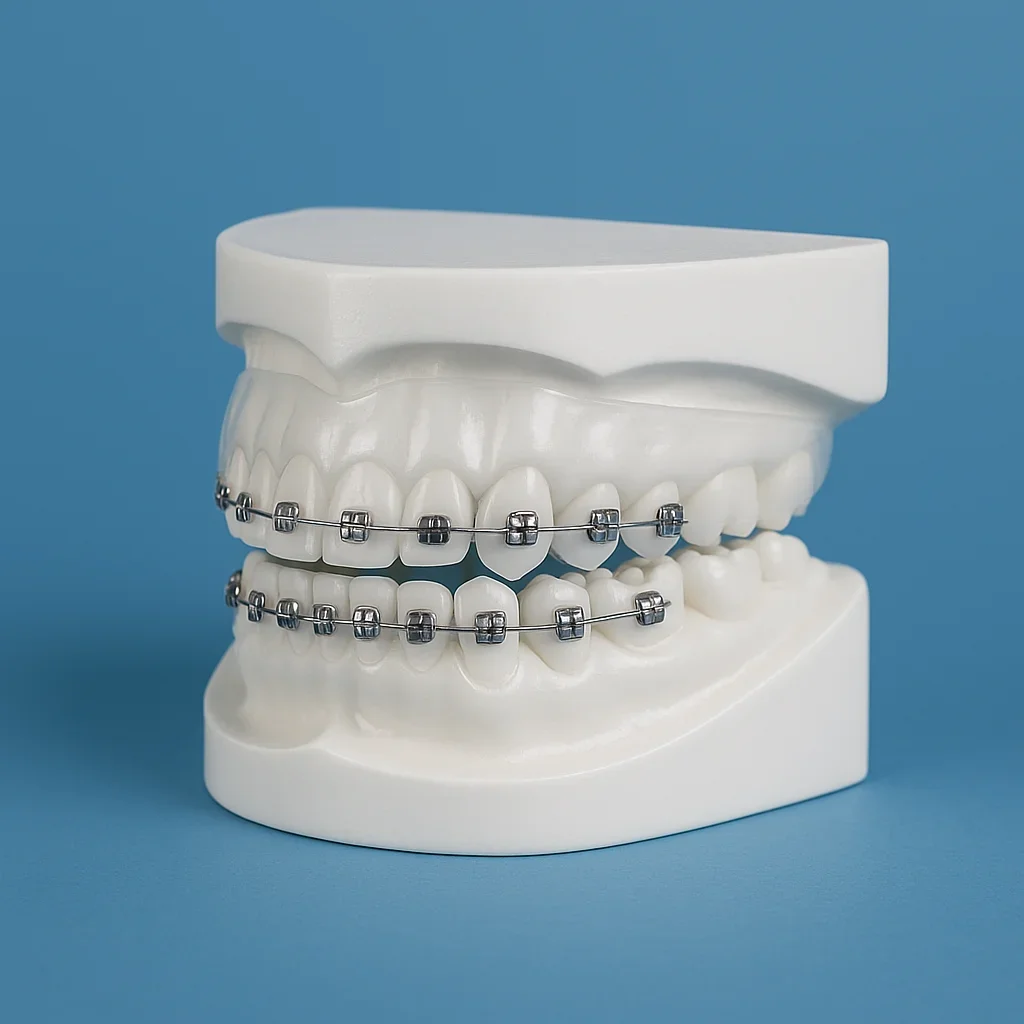
Long-Term Results and Maintenance After Braces Coverage
Completing orthodontic treatment is a major milestone, but long-term success requires ongoing maintenance and follow-up care. After using dental cover braces to straighten your teeth, the next phase is ensuring your results last for decades. Orthodontic treatment doesn’t end the moment braces are removed—retainers, lifestyle habits, and continued dental care all play crucial roles in maintaining alignment, protecting enamel, and preventing relapse. In this section, you’ll find a comprehensive and detailed overview of what happens after braces, how to keep your smile stable, and how insurance may support certain aspects of long-term care 😊.
Why Retention Is Essential After Orthodontic Treatment
Once braces come off, your teeth are beautifully aligned—but they are not yet stable. The periodontal ligaments, gums, and bone structures surrounding your teeth need time to adapt to their new positions. Without proper retention, teeth can shift back toward their original alignment, undoing the benefits provided by dental cover braces.
How Retainers Preserve Long-Term Alignment
- Maintain proper spacing: Prevents teeth from drifting back into crowded positions.
- Supports jaw stability: Helps bone tissue remodel around new alignment.
- Ensures bite consistency: Keeps upper and lower arches properly balanced.
- Prevents relapse: Protects months or years of orthodontic progress.
Orthodontists typically recommend wearing retainers full-time for the first several months, then transitioning to nighttime use. Consistency is the key to preserving the results achieved through dental cover braces.
Types of Retainers You May Receive After Braces
Different retainers serve different functions depending on the patient’s orthodontic needs. Your orthodontist will choose a design that best maintains your unique alignment.
1. Hawley Retainers
- Removable acrylic design with metal wires
- Durable and adjustable for long-term use
- Allows minor post-treatment adjustments
2. Essix (Clear) Retainers
- Thin, transparent plastic similar to clear aligners
- Discreet and comfortable
- Ideal for patients who prefer a nearly invisible option
3. Fixed (Bonded) Retainers
- Thin wire bonded behind front teeth
- Provides 24/7 stability
- Recommended for patients prone to relapse
Some insurance plans include retainers within dental cover braces benefits, while others classify them as post-treatment appliances requiring separate coverage. It’s important to check your policy details.
Monitoring Oral Health After Orthodontic Treatment
Following braces removal, maintaining strong oral hygiene is crucial. Braces can leave areas that need additional cleaning, and the enamel may require time to fully strengthen.
Key Post-Treatment Oral Care Routines
- Professional cleanings: Helps remove plaque buildup from around brackets.
- Fluoride treatments: Strengthen enamel after prolonged bracket wear.
- Daily brushing and flossing: Essential for preventing new decay.
- Mouthwash use: Reduces bacteria and promotes gum health.
Proper oral care ensures that the results of your dental cover braces treatment continue to benefit you long after orthodontic appliances are removed.
Understanding Relapse and How to Prevent It
Relapse occurs when teeth begin shifting back toward their original positions. This usually happens due to inconsistent retainer wear, natural aging, or changes in jaw structure.
Most Common Causes of Relapse
- Infrequent retainer use
- Natural settling of teeth after treatment
- Jaw growth during adolescence
- Teeth grinding or clenching
Preventing relapse requires wearing retainers as instructed and attending routine dental checkups. In severe cases, additional orthodontic adjustments may be required, which may or may not be covered under dental cover braces depending on your plan.
Long-Term Lifestyle Habits to Maintain a Healthy Smile
Even after orthodontic treatment is complete, certain lifestyle habits help maintain alignment and overall oral health.
Recommended Long-Term Habits
- Wear retainers consistently: Never skip recommended usage.
- Protect teeth during sports: Use a custom mouthguard.
- Avoid habits that shift teeth: Chewing ice, nail-biting, or pen-chewing.
- Address grinding issues: Consider a nightguard if needed.
These habits protect your smile and support the longevity of your dental cover braces investment.
Scheduling Post-Orthodontic Checkups
Even after treatment ends, ongoing follow-up appointments ensure your teeth remain in their corrected positions. Most orthodontists schedule checkups at 1 month, 3 months, 6 months, and annually thereafter.
What Happens During Post-Braces Checkups?
- Evaluation of tooth stability
- Assessment of retainer fit and condition
- Identification of potential relapse signs
- Guidance on adjusting long-term retention routines
These routine appointments help ensure long-lasting results after dental cover braces treatment and provide reassurance that your investment remains protected.
If you need assistance with post-treatment care or want your retainers evaluated, you may reach out via the
Redent Klinik Contact Page.
For official recommendations and long-term orthodontic guidelines, the
American Dental Association
offers trusted, research-backed information.
By following long-term maintenance steps, using retainers consistently, and attending scheduled checkups, you can enjoy a healthy, confident smile long after completing your dental cover braces treatment.