
When it comes to restoring confidence and achieving a healthy, natural-looking smile, dental dental implants stand as one of the most effective and long-lasting solutions in modern dentistry. 🌟 These artificial tooth roots are designed to replace missing teeth permanently, providing both aesthetic beauty and functional strength. Whether you’ve lost a single tooth, multiple teeth, or even a full arch, dental dental implants can completely transform your oral health and overall appearance.
Unlike dentures or bridges, which rest on the surface of the gums or rely on adjacent teeth, dental dental implants are surgically inserted into the jawbone. Over time, they integrate with the bone through a biological process known as osseointegration. This fusion creates a solid foundation that mimics the natural strength of real tooth roots, allowing patients to bite, chew, and smile with complete confidence. 🦷
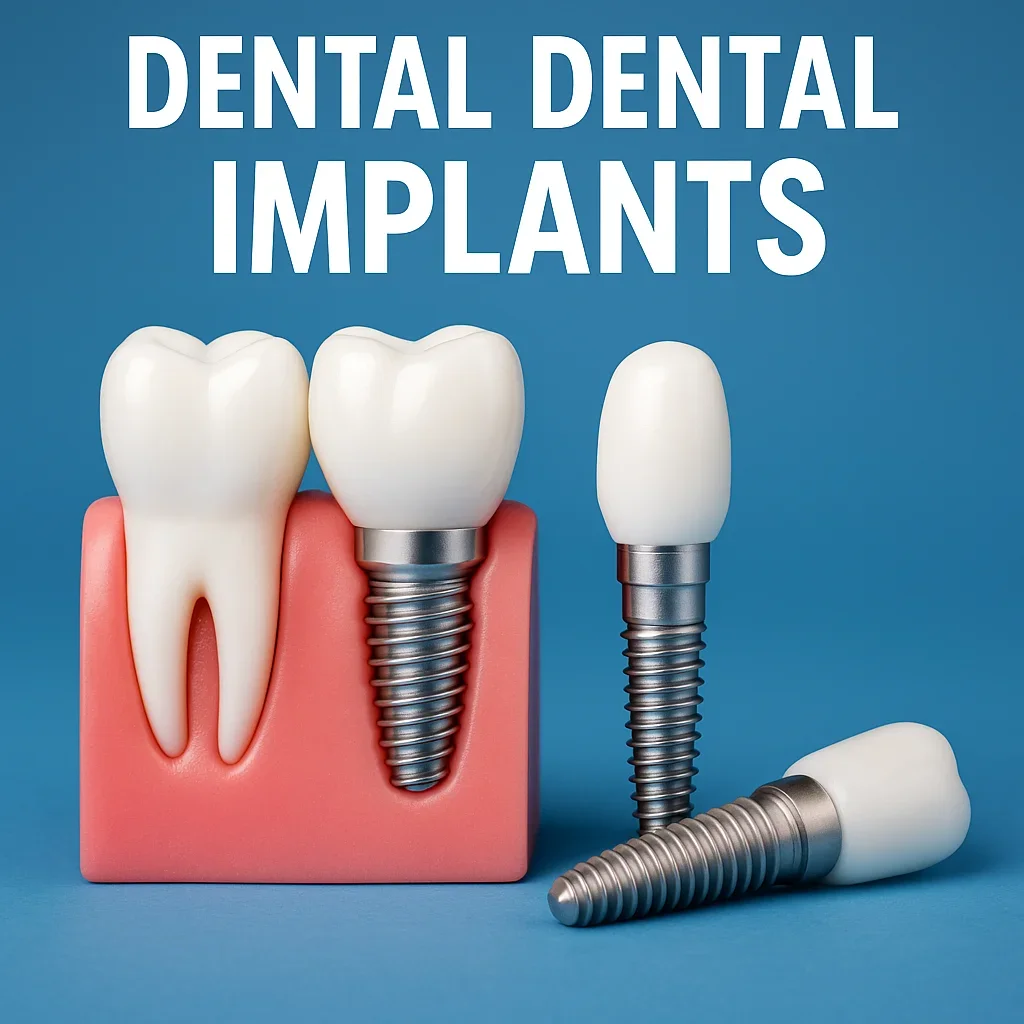
Each dental implant is composed of three main parts: the implant post (a titanium or zirconia screw that acts as the root), the abutment (which connects the post to the crown), and the prosthetic crown (the visible part of the tooth). This tri-layered design not only ensures stability but also achieves a seamless and realistic look that blends perfectly with natural teeth.
Why Dental Dental Implants Are Considered the Gold Standard
There are several reasons why dental dental implants have become the gold standard for tooth replacement. First, they prevent the bone loss that typically occurs after tooth extraction. Without stimulation from a natural tooth root, the jawbone gradually deteriorates — but implants maintain bone density and facial structure. Second, implants provide superior comfort and durability compared to removable dentures, which can slip or cause irritation. Third, they can last a lifetime with proper care, making them a highly cost-effective investment in oral health.
From a cosmetic perspective, dental dental implants help restore symmetry and proportion to your face. Many patients experience not only physical improvements but also emotional and psychological benefits. Smiling freely without worrying about missing teeth can dramatically boost self-esteem and improve social and professional interactions.
The Science Behind Dental Dental Implants
The success of dental dental implants lies in advanced dental technology and meticulous surgical techniques. Before the procedure, dentists perform detailed 3D scans and digital impressions to determine the ideal placement for each implant. During surgery, local anesthesia or sedation ensures comfort while the titanium post is precisely positioned in the jawbone. Over the following months, bone tissue grows around the implant, creating an incredibly stable base for the prosthetic crown. This entire process ensures that the implant feels and functions like a natural tooth.
According to the American Dental Association, dental implants have a success rate exceeding 95%, which is significantly higher than other restorative methods. Patients who maintain proper oral hygiene and attend regular checkups often enjoy decades of reliable performance without complications. Furthermore, innovations such as computer-guided surgery and laser-assisted implantation have made the process faster, safer, and minimally invasive.
Long-Term Health and Aesthetic Benefits
Investing in dental dental implants doesn’t just replace missing teeth—it also protects the health of surrounding teeth and gums. By preventing shifting or misalignment, implants maintain your natural bite and reduce stress on other teeth. In the long term, this lowers the risk of gum disease and temporomandibular joint (TMJ) issues. Aesthetically, implants maintain facial volume and prevent the “sunken” look often associated with missing teeth or ill-fitting dentures.
Another key benefit is the ability to enjoy all your favorite foods without restriction. 🍎 Whether biting into a crisp apple or enjoying a juicy steak, dental dental implants restore your chewing efficiency almost entirely. This leads to better nutrition and overall well-being, as you can eat a balanced diet without discomfort.
Choosing the Right Clinic for Dental Dental Implants
When deciding to proceed with dental dental implants, selecting a skilled and experienced dental team is crucial. Factors such as the quality of materials used, sterilization protocols, and the dentist’s expertise in implantology all play a major role in achieving successful results. At Redent Klinik, our professionals combine precision, technology, and compassionate care to provide world-class implant treatments tailored to individual needs. You can easily reach our team through the Redent Klinik Contact Page for a consultation or detailed treatment plan.
Are Dental Dental Implants Right for You?
Not everyone is an immediate candidate for implants, but most patients can qualify after proper evaluation. A strong jawbone, healthy gums, and good oral hygiene habits are key factors. Even those with bone loss can often receive bone grafts or sinus lifts to prepare for implantation. If you’re missing one or more teeth and looking for a permanent, natural-feeling solution, dental dental implants may be exactly what you need.
In conclusion, dental dental implants represent the ultimate blend of science, art, and precision. They don’t just replace teeth—they restore your ability to smile, speak, and live with confidence. With technological advancements and highly skilled professionals, achieving a perfect smile has never been more accessible. Whether you’re seeking functional restoration or aesthetic enhancement, dental dental implants are a long-term investment in both your health and happiness. 🌟
What Are Dental Dental Implants and How Do They Work?
Dental dental implants are artificial tooth roots that serve as a permanent foundation for fixed or removable replacement teeth. They are made from biocompatible materials, such as titanium or zirconia, which allow them to fuse naturally with the jawbone. 🦷 This process of fusion, known as osseointegration, creates a secure anchor for the prosthetic crown, bridge, or denture placed on top. Essentially, dental dental implants mimic the function and feel of natural teeth — restoring both aesthetics and oral functionality.
When a tooth is lost due to decay, gum disease, or trauma, the underlying bone begins to deteriorate because it no longer receives stimulation from the tooth root. Dental dental implants prevent this bone loss by integrating directly into the jawbone and maintaining its density. This is one of the main reasons implants are considered the most advanced and reliable method of tooth replacement in modern dentistry.
Structure of Dental Dental Implants
To understand how dental dental implants work, it’s important to look at their three primary components:
1. The Implant Fixture
This is the titanium or zirconia screw that is surgically placed into the jawbone. It acts as the artificial root of the tooth, providing a stable base for the replacement tooth above. The fixture’s design often includes microscopic grooves or coatings that encourage bone cells to attach securely, improving stability and healing time.
2. The Abutment
The abutment serves as the connector between the implant fixture and the crown. It protrudes slightly above the gum line and ensures that the replacement tooth is securely fastened while maintaining the correct alignment with adjacent teeth.
3. The Dental Crown
The final visible portion is the dental crown — the part that looks and functions like a natural tooth. It is typically made from ceramic or porcelain and is custom-designed to match the color, shape, and size of the surrounding teeth. When installed, the result is nearly indistinguishable from your natural smile. 🌟
How the Dental Dental Implant Procedure Works
The process of getting dental dental implants usually occurs in several stages, each requiring careful precision and professional expertise:
Step 1: Comprehensive Evaluation
Before implantation, your dentist performs a detailed examination that includes X-rays, 3D imaging, and impressions of your mouth. This assessment helps determine if you have sufficient bone density to support the implant and whether any preparatory procedures, such as bone grafting, are needed.
Step 2: Surgical Placement of the Implant
During this phase, the implant fixture is carefully inserted into the jawbone under local anesthesia or sedation. The gum tissue is then sutured around the implant, allowing the area to heal. Over the next few months, osseointegration occurs, ensuring that the implant becomes one with the jawbone.
Step 3: Attaching the Abutment
Once healing is complete, the dentist reopens the gum to attach the abutment. This piece connects the implant to the final crown. It’s a simple, minimally invasive procedure performed under local anesthesia.
Step 4: Placement of the Crown
Finally, a custom-made dental crown is placed on top of the abutment. This crown is fabricated to look exactly like your natural teeth, both in color and shape. Once it’s secured, you can chew, speak, and smile without any discomfort or fear of movement — just like with your natural teeth.
Different Types of Dental Dental Implants
There are several types of dental dental implants depending on the patient’s needs and bone structure:
- Endosteal Implants: These are the most common type, placed directly into the jawbone and made of titanium. They resemble small screws and are ideal for patients with good bone health.
- Subperiosteal Implants: These are placed under the gum but above the jawbone, used for patients with insufficient bone height or who cannot undergo bone grafting.
- All-on-4 Implants: A revolutionary method where four implants support an entire arch of teeth, offering a fixed full-mouth restoration with fewer surgical interventions.
Scientific Basis Behind Dental Dental Implants
Modern dental dental implants are supported by decades of scientific research and clinical success. The principle of osseointegration was first discovered in the 1950s, revolutionizing how dentists approached tooth replacement. Today’s implants are engineered with advanced surface textures and coatings that accelerate bone bonding, improving both success rates and recovery times. Studies published by the American Dental Association show that implant success rates exceed 95% when proper hygiene and maintenance are followed.
Benefits of Understanding How Implants Work
Knowing how dental dental implants work helps patients appreciate their long-term value. They don’t just replace missing teeth — they restore natural chewing ability, preserve jawbone structure, and prevent premature facial aging. Additionally, implants require no alteration to adjacent teeth, unlike bridges, making them a healthier, more conservative treatment option. 🦷
Long-Term Performance and Durability
With proper care, dental dental implants can last for decades, often even a lifetime. Their resistance to decay, durability under pressure, and seamless integration with oral tissue make them far superior to traditional prosthetics. Regular brushing, flossing, and professional cleanings are typically all that’s required to maintain their condition.
Conclusion: The Future of Dental Dental Implants
As technology continues to evolve, so do dental dental implants. Innovations like computer-guided surgery, digital smile design, and 3D-printed prosthetics have made the procedure more accurate, faster, and safer than ever. Patients seeking permanent, natural-looking teeth replacements now have access to solutions that blend functionality with aesthetics. Whether replacing one tooth or a full arch, dental dental implants offer a lifetime of confidence and comfort.
To learn more or schedule a consultation, visit our Redent Klinik Contact Page. Our dental specialists are ready to guide you through every step toward your perfect smile. 🌿
Key Benefits of Choosing Dental Dental Implants 🦷
The decision to invest in dental dental implants offers far more than just an aesthetic improvement — it’s a life-changing solution that restores comfort, health, and self-confidence. For millions of people worldwide, dental dental implants represent the most advanced and reliable method of replacing missing teeth permanently. Unlike removable dentures or traditional bridges, implants bond directly to the jawbone, providing unmatched stability, longevity, and natural appearance. Below, we explore in detail the life-enhancing benefits of choosing dental dental implants.
1. Restores Natural Functionality
One of the most remarkable advantages of dental dental implants is their ability to replicate the function of natural teeth. Once the titanium implant fuses with your jawbone through osseointegration, it acts as a true tooth root. This allows you to chew, bite, and speak without the fear of slippage or discomfort. 🍎 Whether you’re eating crunchy foods like apples or chewy meals like steak, implants provide full functionality — something traditional dentures can’t match.
Improved Speech and Chewing Efficiency
Unlike dentures that may shift or click while speaking, dental dental implants stay firmly in place, ensuring clear speech and natural pronunciation. They also help restore up to 90–95% of your original chewing power, allowing you to enjoy a balanced diet and better digestion. This contributes directly to long-term health and nutrition.
2. Preserves Bone Structure and Prevents Facial Sagging
After tooth loss, the jawbone begins to deteriorate because it no longer receives stimulation from the tooth root. This leads to bone resorption and can cause a “sunken” facial appearance over time. Dental dental implants stop this process by stimulating the jawbone just like natural roots. This maintains facial contours, supports soft tissues, and prevents premature aging. 🌟
Why Bone Preservation Matters
Without proper bone density, other teeth may shift out of alignment, leading to further complications such as bite problems and gum disease. By maintaining bone structure, dental dental implants preserve the foundation of your oral health for decades to come.
3. Long-Lasting and Cost-Effective Solution
While the initial cost of dental dental implants may seem higher compared to dentures or bridges, their longevity makes them far more cost-effective over time. Implants can last 25 years or longer with proper care, whereas dentures often require replacement every 5 to 7 years. This durability saves patients from the inconvenience and recurring costs of ongoing replacements.
Investment in Long-Term Oral Health
When considering cost versus value, dental dental implants offer exceptional return on investment. Not only do they prevent future dental problems, but they also reduce the need for bone grafts or corrective procedures caused by bone loss. Many clinics, including Redent Klinik Contact Page, provide comprehensive packages that include consultation, surgery, and aftercare at highly competitive prices.
4. Enhances Aesthetic Appearance
Few dental restorations can rival the natural look of dental dental implants. Each crown is custom-designed to match your existing teeth in color, shape, and size, resulting in a seamless smile. Whether you’re laughing, speaking, or taking photos, your implants will look just like real teeth. 💎
Confidence and Self-Esteem Boost
Many patients report significant improvements in confidence after receiving dental dental implants. Restoring your smile not only improves your facial appearance but also enhances how you feel in social and professional situations. A full, natural smile radiates confidence and makes lasting impressions.
5. Protects Adjacent Teeth
Traditional bridges require grinding down adjacent teeth to support the prosthetic, which can weaken them over time. In contrast, dental dental implants are self-supporting. They do not rely on neighboring teeth, thus preserving the health and integrity of your entire dental structure. This feature makes implants a conservative and protective option for tooth replacement.
Maintaining Oral Harmony
By maintaining spacing and alignment, dental dental implants help distribute biting forces evenly. This reduces stress on surrounding teeth and lowers the risk of future dental complications such as fractures or gum recession.
6. Improves Oral Health and Hygiene
Maintaining oral hygiene with dental dental implants is straightforward — simply brush, floss, and attend regular dental checkups. Because implants are fixed and don’t require adhesives or special cleaning solutions, they make oral care routines simpler and more hygienic. The gum tissue around the implant can remain healthy with proper maintenance, minimizing the risk of infection or peri-implantitis.
Better Gum Health Over Time
Healthy gums are essential for implant success. Implants allow easier access between teeth, reducing the buildup of plaque and bacteria compared to bridges. Regular dental visits ensure longevity and monitor the condition of the implant and bone integration.
7. Highly Reliable with Proven Success Rates
According to the American Dental Association, dental dental implants have a success rate of over 95%. This high reliability comes from decades of innovation in dental materials and surgical techniques. Today’s implants are precision-engineered to maximize bone contact, ensuring better stability and faster healing times.
Adaptable for All Ages
Whether you’re a young adult who lost a tooth due to injury or an older patient seeking full-arch restoration, dental dental implants can be tailored to meet your needs. With proper evaluation, even patients with bone loss can benefit through grafting or advanced implant systems like All-on-4.
8. Enhances Overall Quality of Life
The psychological and physical benefits of dental dental implants cannot be overstated. Patients report improvements not only in appearance and function but also in overall well-being. The ability to eat comfortably, speak clearly, and smile confidently contributes to a happier, healthier lifestyle. 🌿
Freedom from Denture-Related Inconveniences
No more worrying about slipping dentures or unpleasant adhesives. Dental dental implants restore full stability and eliminate the fear of embarrassing moments during meals or conversations.
9. Environmentally Friendly and Sustainable Choice
In an era where sustainability matters, dental dental implants stand out as a long-term, eco-friendly dental solution. Their durability means less material waste over time compared to frequently replaced dentures or bridges. The use of biocompatible materials like titanium and zirconia also ensures minimal biological risk and maximum patient safety.
In summary, dental dental implants offer an unparalleled combination of health, function, and beauty. From preventing bone loss to enhancing your smile’s natural brilliance, implants represent a permanent investment in your well-being. By choosing a trusted clinic like Redent Klinik, patients can experience world-class care and long-term satisfaction. 🌟
Best Candidates for Dental Dental Implants
Not everyone automatically qualifies for dental dental implants, but with today’s advanced techniques, the majority of adults can be successfully treated. Understanding who makes an ideal candidate is essential before beginning treatment. By evaluating bone density, gum health, medical history, and oral hygiene habits, dentists can design a personalized plan that ensures long-term success. This section explores the key requirements and considerations for determining if you’re the right fit for dental dental implants.
1. General Health Requirements
The first step in evaluating a patient for dental dental implants is a thorough health assessment. Since implant surgery involves a minor surgical procedure, candidates should be in good general health. Conditions such as uncontrolled diabetes, blood disorders, or severe heart disease may delay or complicate healing. However, many of these conditions can be managed with medical collaboration and proper treatment planning. 🩺
Age and Health Factors
There is no strict upper age limit for dental dental implants. Many elderly patients in their 70s or even 80s undergo successful implantation. The main factor is biological rather than chronological age — meaning that even older adults can qualify if their bone and gum tissues are healthy enough. Conversely, patients under 18 are typically not considered candidates until their jawbones have finished developing.
2. Adequate Jawbone Density
Bone density plays a critical role in the success of dental dental implants. Because implants act as artificial tooth roots, they require sufficient bone mass for stable integration. If bone loss has occurred due to long-term tooth absence or gum disease, a bone graft procedure may be recommended to rebuild the jaw’s foundation. This ensures the implant has enough support for proper osseointegration — the process where bone fuses with the implant surface.
Bone Grafting and Regeneration
For patients with low bone volume, techniques like sinus lifting, ridge expansion, or guided bone regeneration (GBR) can restore bone structure. These preparatory treatments significantly increase implant success rates. Advanced materials and growth factors help regenerate natural bone tissue, making dental dental implants possible even for those previously deemed unsuitable.
3. Healthy Gums and Oral Tissue
Strong, disease-free gums are essential for supporting dental dental implants. Conditions like gingivitis or periodontitis must be treated before implant placement. Inflammation or infection in the gum tissue can compromise healing and increase the risk of implant failure. Regular scaling, root planing, and good daily oral hygiene are crucial both before and after surgery.
The Role of Soft Tissue in Implant Success
The gum tissue forms a tight seal around each implant, protecting it from bacteria. A stable and healthy gingival environment reduces inflammation and ensures long-term implant stability. Dentists often use soft tissue grafts or specialized membranes to improve gum thickness and aesthetics when necessary. 🌿
4. Commitment to Oral Hygiene
Unlike removable dentures, dental dental implants require a consistent hygiene routine similar to that of natural teeth. Candidates must be committed to brushing twice daily, flossing, and attending professional cleanings every six months. Smoking, excessive alcohol consumption, or poor oral habits can significantly decrease implant success rates by slowing down healing and encouraging bacterial buildup.
Patient Responsibility in Implant Care
Implants can last a lifetime, but only when properly cared for. Patients who adhere to dentist-recommended cleaning routines and avoid smoking are more likely to maintain healthy bone and gum tissue around their implants. Using a soft-bristled toothbrush, interdental brushes, and non-abrasive toothpaste is strongly advised.
5. Non-Smokers Have a Clear Advantage 🚭
Smoking is one of the biggest risk factors for implant failure. It constricts blood flow, delays healing, and increases infection risk. While smokers are not automatically excluded, quitting smoking before and after the surgery greatly enhances success rates. According to research from the American Dental Association, smokers are nearly twice as likely to experience complications compared to non-smokers. Dentists often recommend cessation programs before beginning implant treatment.
6. Psychological and Lifestyle Readiness
Candidates for dental dental implants should also have realistic expectations and patience. The entire process — from consultation to final crown placement — can take several months, as osseointegration requires time. Understanding the timeline and following postoperative care instructions are vital to achieving optimal results.
Commitment to the Process
Each stage of implant treatment builds upon the previous one. Missing follow-up visits or neglecting aftercare instructions can lead to delays or complications. Successful candidates are those who view their dental health as a long-term investment rather than a quick fix.
7. Medical Conditions That Require Caution
While dental dental implants are generally safe, some medical conditions require extra precautions. Patients with osteoporosis, autoimmune diseases, or those taking medications that affect bone metabolism (like bisphosphonates) should discuss their history with the dentist. Similarly, people undergoing radiation therapy in the jaw area may need special evaluation before proceeding.
Allergies and Material Compatibility
Most implants are made from titanium due to its biocompatibility and resistance to corrosion. However, in rare cases, patients allergic to metals may opt for zirconia implants — a metal-free and equally durable alternative. This customization ensures safety and comfort for every individual receiving dental dental implants.
8. The Role of Advanced Diagnostics in Candidacy
Modern diagnostic tools such as cone-beam computed tomography (CBCT) and digital smile design play an essential role in assessing candidacy for dental dental implants. These technologies provide 3D imaging that reveals bone density, nerve location, and sinus anatomy with high accuracy. With this data, dentists can plan the procedure precisely, minimizing risks and ensuring optimal outcomes.
Customized Treatment Planning
Each patient’s anatomy and goals are unique. Through personalized digital modeling, dentists can simulate implant positioning and visualize the final result before surgery. This not only improves accuracy but also boosts patient confidence in the procedure.
9. Who May Not Be a Suitable Candidate?
Although dental dental implants suit most adults, there are exceptions. Patients with uncontrolled systemic diseases, untreated gum infections, or severe bone atrophy may not qualify until their conditions are stabilized. Likewise, those unwilling to maintain proper oral hygiene or attend follow-up appointments are poor candidates. In such cases, temporary alternatives like bridges or removable dentures may be recommended until oral health improves.
10. Final Thoughts: Becoming a Candidate for Dental Dental Implants
Ultimately, most people missing one or more teeth can become eligible for dental dental implants with proper evaluation and preparation. Thanks to advancements in implantology, bone regeneration, and digital dentistry, even complex cases can achieve outstanding results. The key lies in choosing an experienced clinic and maintaining consistent oral care habits.
To determine your candidacy, schedule a consultation with a qualified specialist. You can reach the experts at Redent Klinik Contact Page to discuss personalized implant solutions. 🌟 A brighter, stronger, and healthier smile could be just one consultation away with modern dental dental implants.
Aftercare and Recovery Tips Following Implant Surgery
Proper aftercare is the foundation of successful healing and long-term success with dental dental implants. Once the implant procedure is complete, your body begins a natural healing process called osseointegration, during which the titanium post fuses with your jawbone. This period requires patience, attention, and excellent oral hygiene. By following professional guidance, most patients experience minimal discomfort and recover smoothly, enjoying durable results that last decades. 🦷
1. The First 24 Hours After Surgery
The initial 24 hours after dental dental implants surgery are critical. During this time, your goal should be to minimize bleeding, prevent infection, and support clot formation at the surgical site. Dentists typically recommend resting and avoiding strenuous activity. You may experience mild swelling, tenderness, or bruising, which is normal and part of the healing process.
Immediate Care Guidelines
- Keep gentle pressure on the surgical area by biting on gauze for 30–45 minutes to control bleeding.
- Apply an ice pack on the outside of your cheek in 10-minute intervals to reduce swelling.
- Avoid spitting, rinsing, or using straws, as suction can dislodge the clot and delay healing.
- Stick to soft foods such as yogurt, mashed potatoes, or smoothies for the first day.
- Take prescribed medications exactly as directed by your dentist.
2. Managing Pain and Swelling
Some discomfort after dental dental implants placement is expected, but it can be easily managed. Over-the-counter pain relievers like ibuprofen help control inflammation, while cold compresses reduce swelling. The swelling generally peaks around 48–72 hours post-surgery and then gradually subsides.
Natural Remedies for Soothing Discomfort 🌿
In addition to medication, patients may use saltwater rinses after 24 hours to promote healing. Mix half a teaspoon of salt into a cup of warm water and rinse gently several times a day. Avoid alcohol-based mouthwashes, as they may irritate the tissue around your dental dental implants.
3. Maintaining Oral Hygiene After Implant Surgery
Good hygiene is vital during recovery. Keeping the surgical area clean helps prevent infection and ensures that the dental dental implants integrate properly with your bone. However, care must be taken to avoid disturbing the implant site while brushing or rinsing.
Safe Cleaning Techniques
- Use a soft-bristled toothbrush to gently clean surrounding teeth and gums.
- Avoid brushing the implant site directly for the first few days.
- After the first week, switch to an antimicrobial mouth rinse if recommended by your dentist.
- Do not use electric toothbrushes or water flossers near the site until the dentist approves.
4. Diet and Nutrition for Faster Healing
Your diet plays a vital role in the recovery process. During the first few days after receiving dental dental implants, focus on soft, nutritious foods that don’t require much chewing. Gradually reintroduce solid foods as healing progresses. Staying hydrated and maintaining a balanced diet helps your body repair tissues faster.
Foods to Eat and Avoid
Eat: Soups, smoothies, eggs, oatmeal, avocados, bananas, and steamed vegetables.
Avoid: Crunchy snacks, seeds, spicy dishes, or anything extremely hot that can irritate the gums.
5. Avoiding Common Mistakes
Patients recovering from dental dental implants sometimes make mistakes that slow down healing or compromise results. Being aware of these pitfalls is essential for long-term implant success.
Key Things to Avoid 🚫
- Smoking and vaping — both restrict blood flow and increase infection risk.
- Excessive alcohol — delays tissue regeneration.
- Touching the implant area with your tongue or fingers — can introduce bacteria.
- Skipping follow-up visits — prevents early detection of possible complications.
6. Monitoring Healing Progress
Most patients experience steady progress within two weeks. Swelling and tenderness decrease, and normal eating patterns can resume. However, the full osseointegration process — where the implant firmly bonds with bone — typically takes three to six months. Regular dental checkups during this period ensure your dental dental implants are healing as expected.
Signs of Healthy Recovery
Successful healing includes pink, firm gum tissue, absence of pain, and no movement around the implant. Mild sensitivity is normal, but persistent discomfort or bleeding should be reported immediately.
7. Long-Term Maintenance After Recovery
After the healing phase, maintaining your dental dental implants becomes a simple part of daily oral care. Routine brushing, flossing, and dental cleanings are usually sufficient. Implants cannot decay like natural teeth, but the surrounding gums must stay healthy to support them long-term.
Essential Maintenance Tips
- Brush twice a day using non-abrasive toothpaste.
- Use interdental brushes or floss designed for implants.
- Visit your dentist every 6 months for professional cleaning and evaluation.
8. Recognizing Potential Complications Early
Although rare, complications such as infection, peri-implantitis, or implant loosening can occur. Recognizing early symptoms helps prevent major issues. Warning signs include prolonged pain, redness, gum recession, or discharge near the implant site. If these occur, contact your dentist promptly.
When to Seek Professional Help
If swelling increases after 3–4 days, or you experience fever, contact your dental provider immediately. Early intervention can save the implant and prevent bone or tissue damage. You can reach experienced specialists through the Redent Klinik Contact Page for timely assistance.
9. The Role of Follow-Up Visits
Follow-up visits are not just routine—they are vital checkpoints in your implant journey. These appointments allow your dentist to evaluate osseointegration progress, check bite alignment, and ensure gum tissue health. Advanced clinics use 3D imaging to confirm the stability of dental dental implants and detect even the smallest irregularities before they become issues.
Professional Cleaning and Evaluation
During these sessions, hygienists use special tools that won’t damage the implant surface. They remove tartar, polish the crown, and examine surrounding tissues to ensure optimal hygiene. Regular follow-ups every six months are essential for maintaining lifelong success.
10. Emotional and Psychological Recovery 🌟
The impact of dental dental implants extends beyond oral health — it also affects confidence and self-image. After healing, patients often rediscover the joy of smiling, eating freely, and speaking naturally. This emotional transformation is an important part of recovery. Many report improved mental well-being and social comfort, reinforcing that dental implants are an investment in both appearance and happiness.
In conclusion, proper aftercare is key to the longevity and performance of dental dental implants. By following dental guidance, maintaining excellent hygiene, and attending follow-ups, you can ensure your implants stay healthy and functional for decades. For personalized post-surgery advice, contact your trusted provider through the Redent Klinik Contact Page or consult reliable resources such as the American Dental Association for additional care guidelines. 🌿
Dental Implant Costs and Price Comparison Worldwide 💰
The cost of dental dental implants can vary significantly depending on a range of factors such as country, clinic reputation, implant material, and the complexity of the procedure. While the price might seem high at first glance, it’s important to understand that implants are a long-term investment in both oral health and confidence. Unlike dentures or bridges, which require frequent maintenance and replacements, dental dental implants can last a lifetime when properly cared for. This section explores global price variations, factors affecting cost, and why some destinations—like Turkey—offer high-quality implants at more affordable rates. 🌍
1. Average Cost of Dental Dental Implants by Region
Prices for dental dental implants differ widely across countries due to variations in labor costs, technology, and healthcare systems. Below is a general overview of typical implant costs per tooth in various parts of the world:
United States: $3,000 – $6,000 per implant
United Kingdom: £2,000 – £3,500 per implant
Germany: €1,800 – €3,200 per implant
Australia: AUD 3,000 – AUD 5,500 per implant
Turkey: $800 – $1,500 per implant
Thailand: $1,000 – $2,000 per implant
Mexico: $1,200 – $2,400 per implant
As this data shows, patients can save up to 70% by choosing destinations like Turkey for their dental dental implants, without compromising on quality or safety. This cost difference arises mainly from lower operational expenses and government-supported healthcare tourism initiatives rather than reduced standards.
2. Factors Affecting the Cost of Dental Dental Implants
The total price of dental dental implants depends on a combination of individual and clinical factors. Understanding these helps patients make informed financial decisions before undergoing treatment.
Implant Material and Brand
Premium implant systems such as Straumann, Nobel Biocare, and Astra Tech are made with advanced surface coatings that accelerate bone integration and provide superior longevity. While they cost more initially, their long-term performance justifies the investment. Standard titanium implants tend to be more affordable, while zirconia implants are slightly more expensive due to their metal-free, aesthetic appeal.
Number of Implants and Type of Restoration
Single-tooth dental dental implants cost less than full-arch restorations. Procedures like All-on-4 or All-on-6, which use fewer implants to replace a full arch, are more cost-efficient overall. Patients seeking full-mouth reconstruction should expect a higher total, but also enjoy greater functional and aesthetic transformation.
Bone Grafting or Sinus Lift Procedures
If you require preparatory treatments like bone grafting or sinus lifting, the overall cost increases. These additional procedures strengthen the jawbone to ensure the implants remain stable for decades.
3. Cost Breakdown: What’s Included in the Price?
Patients should always verify what’s included in their implant quote. A comprehensive package typically covers:
- Initial consultation and X-rays or 3D scans
- Surgical procedure for implant placement
- Abutment and crown fabrication
- Post-surgical follow-up and maintenance
Some clinics, like Redent Klinik in Turkey, offer all-inclusive implant packages that include accommodation, airport transfers, and multilingual support—making them particularly attractive to international patients seeking dental dental implants.
4. Comparing Quality and Safety Across Countries
Many people wonder if lower-cost implants abroad compromise safety or materials. The answer depends largely on the clinic’s standards and the dentist’s expertise. Leading Turkish and European clinics use globally certified materials that meet ISO and CE standards, ensuring the same quality as in the U.S. or U.K. What truly affects the final outcome is not just the price but the skill of the surgeon and the precision of the treatment plan.
Clinic Accreditation and Experience
When researching clinics, patients should look for internationally accredited facilities, preferably those recognized by the American Dental Association or equivalent bodies. Experienced implantologists typically achieve higher success rates, reducing the need for costly revisions later on.
5. Why Turkey Has Become a Global Hub for Dental Dental Implants 🇹🇷
Turkey has emerged as one of the world’s top destinations for affordable and high-quality dental dental implants. With advanced technology, highly trained specialists, and lower treatment costs, it attracts thousands of international patients each year. Clinics like Redent Klinik offer world-class implantology with transparent pricing and multilingual patient support.
Key Advantages of Dental Tourism in Turkey
- Up to 70% lower prices compared to Western countries.
- Internationally certified dentists and modern facilities.
- Fast turnaround times — multiple implants in a single trip.
- Convenient packages including travel and accommodation.
For example, a full-arch restoration with All-on-4 implants may cost around $5,000–$7,000 in Turkey compared to $25,000–$35,000 in the United States. This affordability has made Turkey a top choice for global patients seeking dental dental implants that meet both financial and medical expectations.
6. Financing and Payment Options
Many dental clinics worldwide offer flexible financing solutions to make dental dental implants accessible to everyone. These may include monthly payment plans, medical credit programs, or partnerships with international insurers. Patients should discuss available options during their consultation to find the most suitable plan for their budget.
Insurance Coverage and Tax Deductions
While most insurance plans do not fully cover cosmetic implants, some policies contribute toward diagnostic tests or surgical stages. Additionally, certain countries allow dental procedures to qualify as medical tax deductions. It’s always advisable to check with your insurance provider and accountant beforehand.
7. Hidden Costs to Be Aware Of
When comparing prices for dental dental implants, watch for hidden costs that may arise from follow-up visits, additional materials, or unforeseen procedures. Transparency is crucial, so choose clinics that provide itemized quotes upfront. Reliable clinics maintain clear communication and guarantee post-treatment support in case of complications.
8. Long-Term Value of Dental Dental Implants
Although the initial expense can be higher than other dental solutions, the long-term value of dental dental implants far outweighs the cost. They prevent bone loss, protect surrounding teeth, and eliminate the recurring costs of dentures or bridges. With proper care, implants can last 25 years or more, offering both durability and peace of mind.
Return on Investment Over Time
Consider the lifetime cost of alternatives: dentures need frequent replacements, adhesives, and adjustments — all adding up. In contrast, implants require minimal maintenance beyond standard dental hygiene. Over the years, they prove to be the most economical and reliable solution.
9. How to Choose the Right Clinic and Get a Quote
Before making your decision, gather quotes from multiple reputable clinics. Look for transparency, online reviews, and before-and-after photos. A credible provider like Redent Klinik can provide an accurate assessment and personalized cost breakdown for your implant needs. Always confirm whether the price includes follow-ups, anesthesia, and the final prosthetic crown.
10. Final Thoughts: Balancing Quality and Affordability
Ultimately, the cost of dental dental implants should be evaluated not only by the price tag but by the quality, materials, and expertise involved. Choosing a trustworthy clinic ensures long-lasting, natural-looking results that enhance both oral health and confidence. 🌟 By investing wisely in professional care, you secure a lifetime of smiles, comfort, and well-being. For detailed cost consultations and expert advice, reach out through the Redent Klinik Contact Page today and take the first step toward your perfect smile.
Common Myths and Facts About Dental Dental Implants
Despite their proven success and popularity, many misconceptions still surround dental dental implants. Some people avoid treatment because of misinformation, while others underestimate the incredible benefits implants can offer. In this section, we’ll address the most common myths about dental dental implants, separating fact from fiction and clarifying what patients can truly expect from this life-changing dental procedure. 🦷
1. Myth: Dental Dental Implants Are Painful
Fact: One of the most widespread myths is that implant surgery is extremely painful. In reality, the procedure is performed under local anesthesia or conscious sedation, making it virtually painless. Most patients report only mild discomfort similar to a routine tooth extraction. Dentists take every precaution to ensure comfort, and post-surgery pain is easily managed with over-the-counter medication.
Post-Surgery Recovery
After receiving dental dental implants, slight swelling or tenderness may occur, but this usually subsides within a few days. Following proper aftercare guidelines, including ice application and saltwater rinses, significantly reduces discomfort. For anxious patients, sedation dentistry options provide extra reassurance during the process.
2. Myth: Dental Dental Implants Look Fake
Fact: High-quality dental dental implants are virtually indistinguishable from natural teeth. Each crown is custom-made to match the shape, color, and contour of your surrounding teeth. Skilled dental technicians use advanced ceramics and digital imaging to ensure a perfect match. As a result, implants not only restore functionality but also enhance your natural smile aesthetics. 🌟
The Role of Modern Dental Technology
State-of-the-art tools like digital smile design and 3D scanning allow dentists to visualize the final outcome before surgery. This precision ensures the implant integrates seamlessly into your mouth’s natural structure, giving you a flawless, natural look.
3. Myth: Dental Dental Implants Are Only for the Elderly
Fact: While many older adults choose implants, they are suitable for adults of all ages. Whether you’ve lost a tooth due to injury, decay, or genetic factors, dental dental implants can restore your smile and confidence. The key requirement is sufficient jawbone density and good oral health — not age. In fact, younger patients often enjoy faster healing and longer-lasting results.
Age Isn’t a Limitation
As long as jaw growth is complete (typically around age 18), anyone can safely undergo implant surgery. Many young professionals and athletes choose implants as a permanent solution for missing teeth, avoiding the instability of removable dentures.
4. Myth: Implants Require High Maintenance
Fact: Dental dental implants require no special maintenance beyond routine brushing, flossing, and regular dental checkups. Unlike dentures, they do not need adhesives, soaking, or removal. Implants are cleaned just like natural teeth, making them a convenient and hygienic solution for long-term oral health.
Daily Care Routine
Patients should use a soft-bristled toothbrush, non-abrasive toothpaste, and dental floss designed for implants. Regular professional cleanings every six months ensure gum health and implant stability for decades.
5. Myth: Dental Dental Implants Are Too Expensive
Fact: Although the upfront cost may seem high, dental dental implants are actually the most cost-effective option over time. Unlike bridges or dentures that require frequent replacements, implants can last a lifetime. Considering their durability, natural appearance, and health benefits, they offer unmatched value. Many clinics even provide financing plans or packages that make implants affordable for a wider range of patients.
Cost vs. Longevity
When you factor in replacements, adhesives, and maintenance for dentures, implants often cost less in the long run. Clinics like Redent Klinik offer transparent pricing and competitive packages to make implants accessible to international patients seeking high-quality care.
6. Myth: Implants Take Too Long to Heal
Fact: Healing time for dental dental implants depends on each patient’s bone density and overall health, but modern technology has significantly shortened recovery. With the advent of immediate-load implants, patients can sometimes receive temporary crowns on the same day as surgery. For traditional implants, full osseointegration usually takes 3–6 months — a small investment of time for a lifetime of benefits.
Factors Affecting Recovery
Good oral hygiene, non-smoking, and following aftercare instructions are key to fast recovery. Clinics that use laser-assisted surgery or computer-guided implant placement reduce trauma to the bone, accelerating healing and minimizing swelling.
7. Myth: Dental Dental Implants Can Be Rejected by the Body
Fact: True rejection is extremely rare. Dental dental implants are made of biocompatible materials like titanium or zirconia, which integrate naturally with the jawbone. However, poor hygiene or certain medical conditions can cause infection or implant failure, which is different from biological rejection. The global success rate for implants exceeds 95%, according to the American Dental Association.
Preventing Complications
Maintaining good health and gum care ensures successful long-term integration. Routine dental visits help detect early signs of peri-implantitis or inflammation before they cause serious problems.
8. Myth: Implants Are Unsafe or Experimental
Fact: Dental dental implants have been used successfully for over 50 years and are backed by decades of scientific research. The procedure has evolved with better materials, improved imaging, and more predictable outcomes. Modern implants meet international safety standards and are FDA-approved, making them one of the safest procedures in restorative dentistry.
Proven Track Record of Success
Millions of patients worldwide have benefited from implants, with success rates comparable to or even higher than natural tooth restorations. Ongoing advancements continue to make implant procedures safer and more comfortable each year.
9. Myth: Only Specialist Clinics Can Perform Implants
Fact: While specialist training is essential, many general dentists are certified to place dental dental implants. However, it’s crucial to choose a professional with extensive experience and modern equipment. Clinics like Redent Klinik employ implantologists who combine digital technology with precision surgery for predictable, lasting results.
Importance of Choosing the Right Dentist
Implant success depends largely on the skill of the surgeon and post-care guidance. Reputable clinics follow strict sterilization protocols and use 3D imaging for precise placement, minimizing risks and ensuring aesthetic harmony.
10. Myth: Implants Are Not Suitable for Everyone
Fact: Almost anyone with good oral health can receive dental dental implants. Even patients with bone loss can benefit through advanced techniques like bone grafting or sinus lifting. Only a small number of medical conditions, such as uncontrolled diabetes or heavy smoking, may require additional evaluation. With proper treatment planning, most patients achieve successful outcomes.
Personalized Treatment for Every Patient
Every mouth is unique, and modern implantology tailors procedures to match each patient’s anatomy and goals. From single-tooth implants to full-arch restorations, individualized care ensures comfort, functionality, and long-term satisfaction. 🌿
In conclusion, most myths about dental dental implants are outdated or simply incorrect. Today’s implant procedures are safe, comfortable, and life-enhancing. By relying on evidence-based information and consulting experienced professionals, patients can make informed decisions about their oral health. For expert consultation and guidance, visit the Redent Klinik Contact Page and start your journey toward a confident, beautiful smile.
How to Choose the Right Dentist or Clinic for Implants
Choosing the right dental professional for your dental dental implants is one of the most critical decisions you’ll make on your journey to restoring your smile. The experience, skill, and technology used by your dentist directly influence both the success rate and the aesthetic outcome of your treatment. With hundreds of clinics offering implant services worldwide, understanding how to evaluate and select the best one can save you time, money, and future complications. 🌍
1. Verify Qualifications and Expertise
Before undergoing dental dental implants, ensure your dentist is a licensed professional with advanced training in implantology. General dentists can perform implants, but specialists such as prosthodontists, oral surgeons, and periodontists often have more extensive experience. You should feel confident asking about their qualifications, years of practice, and the number of implant procedures they have successfully completed.
Certifications and Accreditations Matter
Look for certifications from reputable organizations such as the American Dental Association, the International Congress of Oral Implantologists (ICOI), or the European Association for Osseointegration (EAO). These affiliations indicate adherence to international standards of safety, ethics, and technical excellence in performing dental dental implants.
2. Evaluate the Clinic’s Technology and Equipment
Modern dental dental implants rely on precision and advanced technology. Clinics equipped with 3D imaging systems, cone-beam computed tomography (CBCT), and computer-guided surgery tools deliver more accurate results with fewer complications. Ask whether the clinic uses digital smile design (DSD), intraoral scanners, and CAD/CAM milling machines, as these technologies help customize each implant with pinpoint precision and aesthetic harmony.
Why Technology Enhances Safety and Accuracy
State-of-the-art diagnostic tools allow dentists to map the jawbone structure, nerve positions, and bone density. This data-driven approach ensures that implants are placed in the optimal position, minimizing risk and improving longevity. High-quality clinics use these tools to simulate your final results before surgery, giving you peace of mind and confidence. 🦷
3. Assess the Clinic’s Experience and Reputation
Reputation is a strong indicator of reliability. Patient testimonials, before-and-after galleries, and independent reviews reveal the quality of care and satisfaction rates. Search for clinics that demonstrate consistent success stories with dental dental implants. If possible, ask for references or contact previous patients who underwent similar procedures.
Longevity and Consistency in Results
Clinics that have performed thousands of implant surgeries over the years tend to have refined techniques and well-trained support staff. Longevity also indicates that the clinic provides follow-up care, a crucial factor for maintaining implant health long-term.
4. Transparency in Pricing and Treatment Plans
Reputable clinics are upfront about the costs associated with dental dental implants. Always request a detailed treatment plan that outlines each phase of the procedure—consultation, imaging, surgery, abutment placement, and crown installation. Avoid clinics that give vague or incomplete quotes, as hidden costs may arise later. A transparent approach builds trust and ensures you understand exactly what you’re paying for.
Importance of Consultation and Cost Breakdown
During your consultation, ask whether the price includes anesthesia, bone grafting (if needed), follow-up appointments, and final restorations. The most trustworthy clinics will explain each cost in detail and provide clear payment options or financing plans. Clinics like Redent Klinik offer all-inclusive packages with no hidden fees, ensuring patients receive top-quality dental dental implants with financial clarity.
5. Look for Comprehensive Pre- and Post-Treatment Care
The best dental clinics provide complete support before, during, and after your dental dental implants surgery. Pre-operative care includes health assessments, imaging, and bone analysis. Post-operative care involves follow-up appointments to ensure proper healing, oral hygiene guidance, and ongoing maintenance checks. Clinics that prioritize aftercare demonstrate commitment to long-term patient satisfaction rather than one-time procedures.
Follow-Up Appointments and Maintenance
Frequent follow-ups during the healing phase are crucial for ensuring implant success. A professional clinic will schedule multiple check-ins and provide personalized instructions on how to clean and protect your new implants. 🪥
6. Evaluate Communication and Patient Comfort
Comfort and trust are essential throughout the dental dental implants process. From the initial consultation to final placement, the dentist should explain every step clearly and listen to your concerns. A clinic that prioritizes patient education helps alleviate anxiety and builds confidence in the procedure.
Personalized Approach and Empathy
Top-tier clinics foster a welcoming atmosphere where patients feel heard. The team should demonstrate empathy, professionalism, and patience, answering questions in simple, non-technical terms. Communication is key to understanding treatment expectations, recovery time, and long-term care.
7. Check Sterilization Standards and Safety Protocols
Hygiene is non-negotiable when it comes to dental dental implants. Infection control is a major factor in implant success rates. Make sure the clinic follows international sterilization protocols and uses disposable or properly disinfected instruments. Ask if the facility complies with ISO or WHO safety standards. This ensures your treatment environment is completely safe and infection-free.
Safe and Hygienic Surgical Practices
Reputable clinics operate in controlled, sterile environments. The dental team wears proper protective gear, and all surfaces are sanitized between patients. Clinics like Redent Klinik strictly adhere to these measures, reducing postoperative complications and guaranteeing patient safety. 🧤
8. Explore International Accreditation and Medical Tourism Options
For patients traveling abroad for dental dental implants, choosing an internationally accredited clinic is vital. Turkey, for instance, has become a leading destination due to its affordability and high-quality standards. Accredited clinics employ multilingual staff and offer comprehensive care packages, including airport transfers and accommodation.
Advantages of Choosing an Accredited Clinic Abroad
- Significant cost savings compared to Western countries.
- World-class facilities with experienced specialists.
- All-inclusive services designed for comfort and convenience.
Redent Klinik, for example, combines international expertise with cutting-edge technology, making it one of the top choices for patients seeking reliable dental dental implants in Turkey.
9. Ask About Success Rates and Guarantee Policies
When evaluating clinics, inquire about their success rates for dental dental implants. A reputable clinic should have a documented success rate of over 95%. Some even provide warranties or guarantees on their implants and prosthetics, giving patients added peace of mind.
Understanding Warranty Terms
Guarantees typically cover issues like implant loosening, structural failure, or crown damage within a specified timeframe. Always review the warranty terms carefully to understand what’s included and what may void coverage. A confident clinic stands behind its work with written assurance of quality.
10. Final Thoughts: Making an Informed Decision
Choosing the right dentist or clinic for your dental dental implants requires careful consideration of qualifications, technology, and patient experience. It’s not just about the lowest price — it’s about trust, quality, and long-term results. By selecting a clinic that values transparency, safety, and innovation, you ensure your implants look beautiful and last for decades.
If you’re ready to begin your journey toward a perfect smile, contact the specialists at Redent Klinik Contact Page. Their expert team combines precision, compassion, and state-of-the-art technology to deliver outstanding results with every set of dental dental implants. 🌟
Longevity and Success Rates of Dental Dental Implants
One of the biggest advantages of dental dental implants is their exceptional durability and long-term success rate. When properly cared for, implants can last several decades — often a lifetime — making them one of the most reliable tooth replacement options available today. This section explores the science behind their longevity, the key factors that influence their success, and practical strategies to ensure your implants remain healthy and functional for years to come. 🦷
1. How Long Do Dental Dental Implants Last?
On average, dental dental implants can last between 20 to 30 years or even longer with proper oral hygiene and regular checkups. Unlike bridges or dentures that need periodic replacement, implants are designed as a permanent solution. The titanium post fuses with the jawbone in a process called osseointegration, creating a strong foundation that mimics a natural tooth root. Once integrated, the implant becomes a stable anchor for the crown, providing both strength and functionality for decades.
Comparing Lifespan to Other Tooth Replacement Options
- Traditional dentures: Typically last 5–8 years before needing adjustments or replacements.
- Bridges: Usually last 10–15 years before structural wear occurs.
- Dental dental implants: Can last a lifetime with proper maintenance.
This longevity makes implants a smart investment, not only for aesthetic and functional reasons but also for long-term financial savings. 🌟
2. Success Rates According to Clinical Studies
Multiple studies have confirmed the outstanding success rate of dental dental implants. Clinical research consistently shows success rates of 95%–98% over ten years, depending on the implant location and patient health. Implants placed in the lower jaw (mandible) tend to have slightly higher success due to denser bone quality, while upper jaw implants still maintain impressive stability when properly performed.
Scientific Findings and Global Data
According to the American Dental Association and other peer-reviewed studies, dental dental implants exhibit the highest long-term success rate among all restorative procedures. Improvements in materials, surgical techniques, and 3D imaging technology have reduced failure rates dramatically over the last two decades.
3. Biological Factors Influencing Longevity
Several biological elements determine how long your dental dental implants will last. These include bone density, gum health, immune system strength, and the patient’s overall health. A strong jawbone and healthy gums are essential for stable integration and long-term retention.
Bone Density and Osseointegration
The fusion between bone and implant is vital for strength and stability. Adequate bone density ensures the implant remains firm under chewing pressure. If bone loss exists, procedures like grafting or sinus lifting can restore proper support, allowing successful implant placement and longevity.
Gum Health and Inflammation Control
Healthy gums protect the implant base from bacterial invasion. Periodontal disease, if untreated, can lead to inflammation around the implant (peri-implantitis), potentially causing failure. Regular cleanings and proper flossing are essential preventive measures.
4. Lifestyle and Habits Affecting Implant Lifespan
Your daily habits significantly influence the performance of dental dental implants. Smoking, excessive alcohol use, or teeth grinding (bruxism) can shorten implant life by reducing bone healing or applying excessive force on the implant crown.
Smoking and Its Impact 🚭
Studies show that smokers have up to a 15% lower implant success rate compared to non-smokers. Nicotine restricts blood flow, delaying healing and increasing the risk of infection. Quitting smoking before and after surgery drastically improves implant survival.
Bruxism and Bite Pressure
Patients who grind their teeth exert excessive pressure on their implants. Using night guards or bite splints can protect against mechanical stress and prevent long-term wear.
5. Material and Design Innovations Enhancing Longevity
Technological advances have significantly improved the performance of dental dental implants. Titanium and zirconia remain the most widely used materials because of their biocompatibility and resistance to corrosion. The surface texture of implants has also evolved — micro-rough surfaces promote faster bone integration, while modern thread designs distribute chewing forces more evenly.
Surface Technology and Bioactive Coatings
Some premium implants feature bioactive coatings that encourage bone cell attachment, accelerating healing. These innovations enhance long-term success even in patients with compromised bone density.
6. Maintenance and Oral Hygiene
Proper maintenance is a cornerstone of long-lasting dental dental implants. Just like natural teeth, implants require daily brushing, flossing, and professional cleanings to prevent plaque accumulation. Even though implants don’t decay, bacteria can still harm surrounding gums and bone.
Best Practices for Implant Care
- Brush twice daily using a soft-bristle toothbrush.
- Floss around the implant base with specialized dental floss or interdental brushes.
- Use antimicrobial mouth rinses as recommended by your dentist.
- Schedule checkups every 6 months for professional cleaning and evaluation.
7. Professional Follow-Ups and Long-Term Monitoring
Routine checkups allow dentists to detect early warning signs such as gum inflammation or minor bone loss around dental dental implants. Advanced clinics use digital radiographs to track changes and ensure your implants remain firmly integrated.
Why Regular Monitoring Matters
Even if you feel no discomfort, subtle issues like implant micro-movement or tissue inflammation can develop unnoticed. Regular dental visits ensure any problems are identified early, preserving your implant’s long-term success rate.
8. Comparing Longevity: Titanium vs. Zirconia Implants
Both titanium and zirconia offer excellent durability, but each material has unique characteristics. Titanium remains the gold standard, with over 50 years of clinical evidence supporting its strength. Zirconia, being metal-free, appeals to patients with allergies or aesthetic concerns, offering natural translucency that mimics real enamel.
Durability and Aesthetic Considerations
While titanium implants may last slightly longer on average, zirconia implants deliver superior aesthetics in visible areas. Both types maintain outstanding long-term performance when placed by skilled professionals like those at Redent Klinik.
9. Common Reasons for Implant Failure
Though rare, implant failures can occur due to improper placement, infection, or poor oral hygiene. Early-stage failures typically result from unsuccessful osseointegration, while late-stage failures often involve bone loss or mechanical overload. Preventing these issues requires both skilled surgery and responsible patient behavior.
Preventive Measures
- Choose an experienced implant specialist.
- Follow post-surgery care instructions closely.
- Maintain excellent oral hygiene and attend regular follow-ups.
10. Final Thoughts on Implant Longevity
When placed and maintained correctly, dental dental implants offer one of the most reliable and long-lasting solutions in modern dentistry. Their success is a result of precise surgical techniques, biocompatible materials, and consistent care. With proper hygiene, healthy lifestyle habits, and regular dental visits, patients can enjoy strong, beautiful smiles for a lifetime. 🌿
For expert consultation and lifelong implant support, visit the Redent Klinik Contact Page and speak with specialists who have helped thousands of patients achieve lasting success with dental dental implants.
Future Innovations and Trends in Dental Dental Implants
The field of dental dental implants is evolving faster than ever before. With breakthroughs in materials science, digital dentistry, and regenerative medicine, implants are becoming more durable, aesthetic, and accessible. What once required multiple visits and long healing times can now be accomplished in a single day thanks to technological progress. In this final section, we’ll explore the most exciting future trends shaping implant dentistry — including 3D printing, artificial intelligence (AI), nanotechnology, and bioengineering — all of which promise to redefine how smiles are restored in the coming decade. 🚀
1. Digital Implant Dentistry and Artificial Intelligence
The integration of digital tools and AI-driven diagnostics has revolutionized how dental dental implants are planned and placed. Artificial intelligence now assists in evaluating CT scans, predicting bone density, and mapping out the safest and most efficient implant positions. This ensures accuracy that surpasses traditional methods and reduces surgical risks dramatically.
AI-Enhanced Treatment Planning
AI systems can process thousands of patient scans and data points to identify optimal implant placement angles, depths, and torque settings. These smart systems also predict potential complications and suggest preventive strategies, increasing the overall success rate of dental dental implants. As a result, procedures are faster, more predictable, and less invasive than ever before.
2. 3D Printing Technology in Implant Dentistry
3D printing has become one of the most transformative technologies in modern dentistry. Using high-precision printers, dentists can now create customized surgical guides, abutments, and even titanium implant fixtures within hours. This personalization ensures a perfect fit for every patient, enhancing both comfort and aesthetics.
Custom Implants and Prosthetics 🖨️
Instead of relying on pre-manufactured components, 3D printing allows complete customization for each individual’s bone anatomy and bite structure. For example, 3D-printed zirconia crowns seamlessly match the color and shape of surrounding teeth, offering a flawless and natural result. Clinics like Redent Klinik use this technology to provide next-day dental dental implants with exceptional precision and shorter recovery times.
3. Nanotechnology: The Future of Osseointegration
Nanotechnology is redefining how implants interact with biological tissues. Scientists have developed implant surfaces with nanostructures that accelerate the osseointegration process — the crucial fusion between the implant and the jawbone. These nanoscale coatings promote faster bone cell adhesion and reduce the risk of infection or implant rejection.
Antibacterial and Bioactive Nanocoatings
New implant designs use bioactive nanoparticles that resist bacterial accumulation while stimulating bone growth. This innovation is especially beneficial for patients with slower healing responses, ensuring long-term success of dental dental implants even in challenging cases.
4. Regenerative Dentistry and Stem Cell Integration
Regenerative dentistry is another frontier transforming the implant industry. Scientists are experimenting with stem cell therapy to regenerate bone and gum tissue around implants. This approach could one day eliminate the need for bone grafts entirely, making dental dental implants accessible to patients who currently lack sufficient bone density.
Bone Regeneration and Tissue Engineering
Stem cells extracted from the patient’s own body can be cultivated to form new bone tissue around the implant site. Combined with growth factors and bioactive scaffolds, this technology has the potential to significantly shorten recovery times and improve implant integration success rates. 🌿
5. Smart Implants and IoT Connectivity
Imagine an implant that communicates with your dentist in real time — this is becoming a reality. Smart dental dental implants equipped with micro-sensors can monitor bone health, detect early signs of infection, and send alerts directly to your dental clinic. This development merges dentistry with the Internet of Things (IoT), allowing preventive care before any issues become serious.
How Smart Implants Work
These implants use biocompatible microchips that transmit health metrics via Bluetooth or wireless technology. They track parameters like bite pressure, temperature, and healing progress, enabling dentists to remotely monitor patients after surgery. This innovation promises unprecedented precision in long-term implant maintenance and care.
6. Immediate-Load and One-Day Implant Procedures
Traditional dental dental implants required several months for healing before the final crown placement. However, advancements in surgical techniques and implant design have made “same-day implants” possible. Patients can now walk into a clinic and leave with fully functional, natural-looking teeth within a single day.
All-on-4 and All-on-6 Techniques
These systems allow for the replacement of a full arch using just four or six strategically placed implants. Not only does this reduce treatment time, but it also minimizes surgical invasiveness while maintaining outstanding strength and aesthetics.
7. Zirconia Evolution: Metal-Free Implants
While titanium remains the gold standard, zirconia implants are rapidly gaining popularity due to their biocompatibility and natural color. The latest generation of zirconia dental dental implants offers greater fracture resistance and improved surface roughness for faster bone bonding. These metal-free solutions are ideal for patients with allergies or aesthetic concerns.
Advantages of Next-Generation Zirconia
Besides being hypoallergenic, zirconia implants resist corrosion, plaque buildup, and discoloration. Their tooth-colored shade provides superior cosmetic results, especially in front-tooth restorations. Leading clinics like Redent Klinik incorporate zirconia implants for patients seeking the most natural-looking results possible. ✨
8. Digital Twins and Predictive Modeling
Digital twin technology — the creation of a virtual replica of a patient’s mouth — is another emerging trend in implantology. This allows dentists to simulate surgical outcomes, predict long-term performance, and personalize care plans. With predictive modeling, dental dental implants can be tested virtually before any surgery occurs, ensuring flawless execution.
AI-Driven Outcome Forecasting
By combining 3D imaging, AI analytics, and patient health data, clinics can predict implant behavior under different bite pressures and conditions. This proactive approach minimizes complications and maximizes the longevity of each restoration.
9. Sustainability in Implant Dentistry 🌱
As global healthcare shifts toward sustainability, dental professionals are seeking eco-friendly solutions. The future of dental dental implants includes biodegradable surgical materials, recyclable packaging, and energy-efficient digital manufacturing. This movement not only benefits patients but also contributes to global environmental preservation.
Green Dentistry Practices
Many forward-thinking clinics are adopting digital workflows to reduce waste — eliminating physical impressions, paper files, and unnecessary sterilization materials. This creates a cleaner, greener, and more efficient dental ecosystem for future generations.
10. What the Future Holds for Patients
The future of dental dental implants promises treatments that are faster, safer, and more comfortable than ever before. Patients will experience shorter healing times, enhanced aesthetics, and personalized solutions powered by AI and biotechnology. As research continues to progress, full-mouth restorations that once took months will soon take only hours — marking a new era of dental excellence.
Whether you’re planning your first implant or exploring advanced restoration options, staying informed about these innovations helps you make the best choices for your oral health. For expert consultation and access to cutting-edge treatments, visit the Redent Klinik Contact Page and discover how modern implantology can transform your smile with the latest advancements in dental dental implants.