
Are you thinking, “i want to get Invisalign” but don’t know where to start? You’re not alone! Every year, millions of adults and teens choose Invisalign to straighten their teeth discreetly and comfortably. This advanced clear aligner system has revolutionized modern orthodontics — allowing patients to achieve a beautiful smile without the hassle of metal braces. In this comprehensive guide, you’ll discover everything you need to know before starting your Invisalign journey, from costs and eligibility to care and long-term results. 😁
When someone says, “i want to get Invisalign,” it usually means they are ready to improve their smile while maintaining confidence in daily life. Unlike traditional braces that use metal brackets and wires, Invisalign aligners are virtually invisible. They are made from a transparent, medical-grade plastic material designed to fit snugly over your teeth. These aligners gently move your teeth into their desired position over time, all while being removable for eating, brushing, and special occasions.
Choosing Invisalign isn’t just about aesthetics — it’s also about convenience and oral health. Because the aligners are removable, you can easily clean your teeth and maintain proper hygiene throughout treatment. Traditional braces often trap food and plaque, leading to gum irritation and potential cavities. Invisalign, on the other hand, reduces these risks while giving you the flexibility to live your life with confidence. 🌟
Before you start treatment, your dentist or orthodontist will evaluate your oral condition. They’ll perform a digital scan of your teeth to create a 3D model. This model helps design a personalized series of aligners that gradually shift your teeth. Each set of aligners is typically worn for about 1–2 weeks before moving to the next set. The entire treatment duration depends on the complexity of your case — mild misalignments may take as little as six months, while more complex cases can extend up to two years. However, the results are worth it — a perfectly aligned, confident smile. 🦷✨
One of the most common questions from people who say “i want to get Invisalign” is: does it hurt? The answer is reassuring — Invisalign is generally far more comfortable than traditional braces. You may feel slight pressure or discomfort when switching to a new set of aligners, but this is a sign that your teeth are moving correctly. Most patients describe this sensation as mild and temporary.
Invisalign treatment also stands out for its predictability. Thanks to advanced 3D planning software, you’ll see a virtual preview of your new smile even before treatment begins. This digital visualization helps you understand the expected results and stay motivated throughout your journey. Moreover, Invisalign aligners are custom-engineered to apply just the right amount of pressure on each tooth — a level of precision that conventional braces can’t match.
Another advantage of Invisalign is the confidence boost it provides. Because the aligners are nearly invisible, most people won’t even notice you’re wearing them. You can smile in photos, attend meetings, or go on dates without feeling self-conscious. This psychological comfort is one of the reasons why adults, in particular, say, “i want to get Invisalign” instead of choosing braces. Confidence matters, and Invisalign lets you enhance your smile without sacrificing it.
It’s also important to note that Invisalign doesn’t just fix crooked teeth — it can correct a variety of orthodontic issues such as overbites, underbites, crossbites, and gaps between teeth. By aligning your bite, Invisalign can improve your chewing efficiency and even reduce strain on your jaw joints. This means the benefits are both cosmetic and functional, contributing to long-term dental health. For example, patients who used to experience headaches or jaw discomfort from misalignment often find relief after completing their Invisalign treatment.
When planning your treatment, be sure to consult a licensed and experienced Invisalign provider. At Redent Klinik Contact Page, you can schedule an appointment to assess your suitability for Invisalign. A certified professional will evaluate your teeth, discuss your goals, and develop a tailored treatment plan to achieve your dream smile safely and efficiently.
For additional information about orthodontic standards and safety, you can also explore the official American Dental Association website. It provides valuable insights into oral health, dental technologies, and professional guidance for patients considering Invisalign or similar treatments.
In conclusion, if you’ve been telling yourself, “i want to get Invisalign,” now is the perfect time to act. This advanced orthodontic system offers comfort, confidence, and lasting results — all while fitting seamlessly into your lifestyle. By choosing Invisalign, you’re not just straightening your teeth; you’re investing in your self-esteem, oral health, and overall happiness. Whether you’re a teen or an adult, Invisalign can be the gateway to the smile you’ve always dreamed of. 🌈
What Does It Mean When You Say “I Want to Get Invisalign”?
When someone says, “i want to get Invisalign,” they’re expressing more than a simple desire for straighter teeth — it’s a statement of confidence, self-improvement, and commitment to oral health. Invisalign is a revolutionary orthodontic system that allows people to align their teeth without traditional metal braces. It combines cutting-edge technology with aesthetic convenience, making it one of the most popular dental treatments worldwide. But what does this decision truly mean for you as a patient? Let’s explore the full picture in detail. 🦷
Understanding Invisalign: The Basics
Invisalign is a system of clear, removable aligners custom-designed for each individual. Each aligner applies gentle, consistent pressure to specific teeth, guiding them into better alignment over time. The process is digitally planned from start to finish — meaning every tooth movement is pre-determined with millimeter precision. This digital planning makes Invisalign highly predictable and efficient.
When you say “i want to get Invisalign,” you’re essentially committing to a personalized orthodontic journey. The dentist first performs a 3D digital scan of your teeth using an advanced intraoral scanner. This scan replaces messy molds and allows for accurate visualizations. You’ll even see a virtual model of how your smile will look after treatment — something traditional braces can’t offer. 😁
Each aligner in your series is worn for approximately 1–2 weeks before progressing to the next one. These aligners gradually shift your teeth closer to their ideal positions. Depending on your dental condition, the full treatment may take anywhere between 6 and 24 months. Consistency is key; you’ll need to wear your aligners for 20–22 hours a day for optimal results.
Why People Choose Invisalign
Many people who think, “i want to get Invisalign,” are attracted to its almost invisible appearance. Unlike metal braces that are highly noticeable, Invisalign aligners are transparent and discreet. This allows you to continue smiling confidently during meetings, social events, or photos without worrying about metal brackets.
But the benefits go beyond looks. Invisalign aligners are also removable, which gives you freedom during meals and cleaning. You can eat all your favorite foods — something that’s nearly impossible with braces. You just need to remove the aligners before eating, brush your teeth afterward, and put them back in. This flexibility is a major reason why so many adults choose Invisalign over traditional methods.
Health Benefits Beyond Aesthetics
Choosing Invisalign isn’t only about having straight teeth. When you declare, “i want to get Invisalign,” you’re also improving your long-term oral health. Misaligned teeth can cause uneven wear, gum irritation, and even jaw pain. By correcting these issues, Invisalign helps balance your bite and prevent dental complications in the future.
Properly aligned teeth are easier to clean, reducing the risk of cavities and gum disease. Straight teeth also make flossing more effective, since there are fewer overlapping or crowded areas. Over time, this contributes to healthier gums and fresher breath — two essential aspects of a confident smile. 🌿
The Emotional and Psychological Side of Invisalign
Beyond the clinical benefits, there’s a psychological transformation that often accompanies Invisalign treatment. Many people report feeling more motivated and self-assured once they start their journey. Saying “i want to get Invisalign” is often the first step toward regaining confidence in one’s smile, especially for adults who have been self-conscious for years.
The sense of control and empowerment patients feel is also significant. Because you can remove your aligners, you remain an active participant in your treatment. You’re not just a patient — you’re part of the process. This active engagement leads to higher satisfaction rates compared to traditional braces users.
Who Can Say “I Want to Get Invisalign”?
Virtually anyone with mild to moderate misalignment can consider Invisalign. It works for crowded teeth, spacing issues, overbites, underbites, and crossbites. However, severe skeletal problems or complex bite discrepancies might require other orthodontic solutions. That’s why a proper consultation is essential before beginning treatment.
At Redent Klinik Contact Page, qualified dental professionals can assess your case using 3D imaging and determine whether Invisalign is right for you. You’ll receive a detailed treatment plan outlining each phase, expected results, and maintenance tips. Personalized attention ensures that your experience is both safe and effective.
The Role of Technology in Modern Orthodontics
Invisalign wouldn’t exist without advanced dental technology. The aligners are designed using proprietary software that predicts tooth movement with remarkable accuracy. Each patient’s aligners are 3D-printed using medical-grade SmartTrack® material, known for its elasticity and comfort. This innovation ensures that every person who says “i want to get Invisalign” receives a treatment plan tailored to their specific dental anatomy.
Even follow-up appointments are streamlined. Many clinics now use digital progress tracking, allowing dentists to monitor tooth movement remotely. This minimizes in-office visits while maintaining excellent results. It’s a perfect example of how modern orthodontics is becoming smarter, faster, and more convenient than ever before.
Confidence Starts with the First Step
Ultimately, saying “i want to get Invisalign” marks the beginning of a transformative journey. You’re not just improving your teeth; you’re improving your lifestyle, self-image, and daily comfort. With professional guidance, cutting-edge technology, and personal dedication, your Invisalign experience can lead to a lifetime of smiles. 😄
For more professional guidance and dental safety information, you can also visit the American Dental Association. There, you’ll find trustworthy insights about orthodontic health, aligner systems, and the standards that protect patients worldwide.
In summary, deciding that “i want to get Invisalign” means embracing modern dental care, confidence, and health all at once. It’s a smart decision for those who value aesthetics, convenience, and long-term oral wellness. The journey begins with a single scan — and ends with a smile you’ll love for years to come. 🌟
Why Invisalign Is the Top Choice Over Traditional Braces
When people search online saying, “i want to get Invisalign,” they often wonder what makes it better than metal braces. The answer lies in its combination of advanced technology, convenience, and comfort. Invisalign has become the preferred orthodontic solution for both adults and teenagers because it effectively straightens teeth while maintaining a natural look. To fully understand why Invisalign stands out, let’s explore how it compares to traditional braces in design, lifestyle impact, comfort, and long-term results. 🦷
1. The Evolution of Orthodontic Treatment
Traditional braces have been around for over a century, relying on metal brackets, wires, and rubber bands to move teeth. While effective, they come with limitations — aesthetic concerns, dietary restrictions, and discomfort. Invisalign, introduced in the late 1990s, transformed orthodontics by offering a clear, removable, and digitally guided system. Today, anyone who says, “i want to get Invisalign,” benefits from this advanced, evidence-based approach to tooth alignment.
Each Invisalign aligner is made from SmartTrack® thermoplastic material, engineered to fit perfectly around your teeth. Unlike braces that rely on frequent tightening, Invisalign uses a series of pre-planned aligners that apply gentle, consistent pressure. The result? Faster tooth movement and less irritation to the gums and cheeks. This innovation has positioned Invisalign as the go-to solution for modern orthodontic care. 😁
2. Aesthetic Appeal: The Invisible Advantage
One of the biggest reasons patients say “i want to get Invisalign” is because of its nearly invisible design. The aligners are transparent, blending seamlessly with your natural teeth. In professional or social settings, most people won’t even notice you’re wearing them. This discreet look makes Invisalign a preferred choice for adults who want to correct their teeth without drawing attention.
Braces, on the other hand, are more visible and can make some people self-conscious, especially during important events or in client-facing jobs. With Invisalign, you can smile confidently in photos, presentations, and even on dates — a freedom that metal braces rarely offer.
Real-Life Confidence Boost
Patients often report that after starting Invisalign, their self-esteem improves significantly. Smiling becomes easier, laughter feels natural, and the anxiety of having metal braces disappears. This emotional comfort is one of the hidden yet most powerful advantages of Invisalign treatment.
3. Comfort and Convenience
Another major factor behind the phrase “i want to get Invisalign” is comfort. Traditional braces can cause soreness due to wires poking or brackets rubbing against the inside of your mouth. Invisalign aligners, however, are smooth and custom-trimmed to your gum line. There are no sharp edges or tightening sessions that cause discomfort.
Furthermore, Invisalign aligners are removable. You can take them out while eating, brushing, or for special occasions. This flexibility means you don’t have to change your diet — crunchy apples, popcorn, or corn on the cob are all still on the menu. Just remember to brush and rinse your aligners afterward to maintain hygiene and freshness. 🍎
Hygiene Benefits
Metal braces can trap food particles, making brushing and flossing challenging. Over time, this may lead to plaque buildup or even gum inflammation. With Invisalign, you can maintain your regular oral hygiene routine effortlessly. Simply remove the aligners, brush and floss as usual, and place them back. Cleaner teeth and healthier gums are natural side benefits of this system.
4. Efficiency and Predictability
Every person who says “i want to get Invisalign” enjoys one key advantage: predictability. Invisalign treatments are planned using advanced 3D modeling software that shows you a virtual simulation of your results before starting. This allows both you and your dentist to visualize how your smile will evolve over time.
Traditional braces often rely on manual adjustments and experience-based predictions, which can vary slightly between patients. Invisalign’s digital system ensures each movement is carefully calculated, resulting in efficient progress and fewer unexpected changes. On average, treatment with Invisalign can be completed in 20–30% less time than conventional braces, depending on the complexity of your case.
Fewer Dental Visits
Invisalign typically requires fewer in-office visits. Instead of visiting your orthodontist every few weeks for wire adjustments, you’ll receive several sets of aligners in advance. You’ll change them at home according to your schedule, usually every 10–14 days. This saves time — especially valuable for busy professionals or students.
5. Healthier Gums and Teeth
When teeth are properly aligned, they are easier to clean. People who state “i want to get Invisalign” often aim for more than just cosmetic enhancement — they want long-term dental health. Straight teeth help ensure even distribution of biting forces, reducing stress on individual teeth and jaw joints. This lowers the risk of enamel wear, temporomandibular joint (TMJ) problems, and gum recession.
Since Invisalign aligners are removable, your gums remain healthier throughout the process. You can also use fluoride mouthwash or whitening products safely, as there are no metal brackets to interfere with treatment. Over time, this leads to a brighter and more resilient smile. 🌿
6. Cost and Value Comparison
While some assume Invisalign is significantly more expensive than braces, the reality depends on each patient’s case. On average, Invisalign treatment ranges from $3,000 to $7,000, depending on factors like complexity, location, and the clinic’s expertise. In contrast, traditional braces typically cost between $2,500 and $6,000. The difference in price is often offset by Invisalign’s faster results, comfort, and lifestyle compatibility.
When factoring in convenience and self-confidence, most patients find Invisalign worth the investment. At Redent Klinik Contact Page, you can receive a personalized quote based on your dental needs and treatment goals. Every case is unique, so consultation with a qualified provider is essential.
7. Backed by Dental Experts
Globally recognized organizations such as the American Dental Association emphasize the importance of orthodontic care that aligns with patient comfort and oral health. Invisalign has been clinically tested and approved for various orthodontic corrections, making it a trusted system among dental professionals worldwide. 🌎
Conclusion: The Modern Choice for Modern Smiles
When someone confidently says, “i want to get Invisalign,” they’re embracing the future of orthodontics. Invisalign offers everything today’s patients want — speed, comfort, discretion, and lasting results. Compared to traditional braces, it’s a lifestyle-friendly, science-backed, and effective way to achieve a beautiful smile without compromise.
Ultimately, choosing Invisalign means saying yes to freedom — the freedom to smile, eat, and live comfortably while transforming your teeth. If you’re ready to take that step, contact a certified Invisalign provider and start your journey toward the perfect, confident smile today. 😄
Step-by-Step Process: How to Get Invisalign Treatment
Many people who say, “i want to get Invisalign,” are curious about what happens after making that decision. Invisalign treatment isn’t just about getting a set of clear aligners — it’s a carefully structured, personalized dental journey. From the first consultation to your final set of aligners, every stage is designed to move your teeth safely and precisely into their ideal positions. In this section, we’ll break down the entire process step by step so you know exactly what to expect. 🦷
1. Scheduling the Initial Consultation
The journey begins when you schedule your first appointment with a certified Invisalign provider. During this consultation, you’ll discuss your goals, dental history, and what inspired you to say, “i want to get Invisalign.” The dentist or orthodontist will examine your teeth and bite alignment, evaluate your oral health, and determine whether you’re a good candidate for Invisalign.
Most patients qualify, but those with severe skeletal misalignments or untreated gum issues may need preparatory treatments first. Clinics like Redent Klinik Contact Page offer advanced assessment tools, including intraoral scanning and 3D imaging, to ensure precise results from the start.
What You’ll Learn in the Consultation
Your doctor will explain how Invisalign works, estimate your treatment time, and show a digital simulation of your final results. You’ll also discuss pricing, financing options, and aftercare. This meeting sets clear expectations, helping you understand what commitment is required to achieve the smile you want. 🪞
2. Digital Scanning and Smile Mapping
Once you officially say “i want to get Invisalign,” the next step is to take a digital 3D scan of your mouth using advanced scanning technology. This replaces traditional messy molds used for braces. The digital scan captures every detail of your teeth, gums, and bite, creating a precise foundation for your customized treatment plan.
Using Invisalign’s proprietary ClinCheck® software, your dentist can virtually map out how each tooth will move from its current position to the final desired alignment. This digital plan also calculates how many aligner sets you’ll need and how long the process will take. On average, most treatments require between 20 and 40 aligners, each worn for about 1–2 weeks.
Previewing Your New Smile
Before you even begin treatment, you’ll get to preview your future smile in 3D. This feature is one of the reasons so many patients confidently say, “i want to get Invisalign.” You’ll see your teeth gradually shifting on-screen, giving you a clear picture of the expected transformation.
3. Fabrication of Custom Aligners
After finalizing your digital treatment plan, Invisalign’s lab uses advanced 3D printing to create your aligners. Each aligner is made from SmartTrack® material — a patented thermoplastic known for comfort, flexibility, and precision. The aligners are trimmed to fit your unique gum line, ensuring a smooth and irritation-free experience. This custom fabrication process usually takes 2–3 weeks before your first set is ready for delivery.
4. Fitting and Receiving Your First Aligners
When your aligners are ready, you’ll visit your provider for the initial fitting. The dentist will ensure they fit snugly, explain how to insert and remove them properly, and give you instructions on cleaning and care. At this point, your treatment officially begins. 🎉
Most patients are asked to wear their aligners for 20–22 hours daily. You’ll only remove them for eating, drinking (except water), brushing, and flossing. Consistency is crucial — the more disciplined you are, the faster and more effective your results will be.
Managing the First Few Days
In the first few days of wearing Invisalign, it’s normal to experience mild pressure or sensitivity. This feeling is a sign that your aligners are working — gently guiding your teeth into their new positions. Most patients adjust quickly, and discomfort typically fades within 48–72 hours. If soreness persists, over-the-counter pain relief or orthodontic wax can help ease the transition.
5. Regular Check-Ins and Progress Tracking
Throughout your Invisalign journey, you’ll attend check-ups every 6–8 weeks. These appointments allow your dentist to monitor progress, provide your next set of aligners, and make any necessary adjustments. Because Invisalign treatment is digitally pre-planned, fewer in-office visits are required compared to braces — a major convenience for busy patients who’ve said, “i want to get Invisalign.”
Some clinics even offer virtual monitoring systems. Patients can upload periodic photos of their teeth, allowing dentists to track progress remotely. This digital convenience has made Invisalign particularly popular among professionals and international patients. 🌍
Staying on Schedule
Sticking to your aligner change schedule is essential. Each aligner set moves specific teeth in small increments, so skipping or delaying usage can slow progress. Setting phone reminders or using the My Invisalign® app can help you stay consistent and track your milestones easily.
6. Refinement Phase (If Needed)
Sometimes, after completing your initial aligner series, small refinements are required to perfect your smile. Your dentist may order additional sets of aligners to fine-tune final movements. This phase ensures that every tooth reaches its optimal alignment. Refinement is common and shows that Invisalign’s approach is meticulous and result-driven, giving every patient who said, “i want to get Invisalign,” the best possible outcome.
7. Retention: Keeping Your New Smile Perfect
Once you’ve completed your final aligner, your treatment doesn’t end — it transitions into maintenance. You’ll receive a set of retainers, typically made from the same clear material as Invisalign aligners, to keep your teeth in their new positions. Without retainers, your teeth could slowly shift back, undoing months of progress.
How Often to Wear Retainers
Initially, you’ll wear them full-time (except while eating or brushing) for the first 3–6 months. Afterward, your dentist may recommend wearing them only at night. Think of retainers as insurance for your new smile — an essential step in maintaining the beautiful results you worked hard for. 😄
8. Aftercare and Lifestyle Adjustments
Invisalign requires commitment, but it rewards you with freedom and comfort. Continue to maintain excellent oral hygiene, clean your aligners daily with mild soap or Invisalign crystals, and store them properly when not in use. Avoid exposing them to heat, as this can distort the plastic.
Patients who say, “i want to get Invisalign,” also learn valuable long-term dental habits. Regular brushing, flossing, and dental visits ensure that your smile remains healthy and bright. You can also use whitening toothpaste or in-office whitening treatments to enhance your results after completing Invisalign.
9. Support and Resources
For further information about Invisalign safety standards and professional guidance, you can refer to the American Dental Association. This organization provides verified information about orthodontic treatments, helping patients make informed decisions based on evidence and clinical research.
Conclusion: Your Path to a Confident Smile
Understanding the process from start to finish empowers you to make the most of your Invisalign treatment. When you say, “i want to get Invisalign,” you’re making a commitment not just to straighter teeth, but to a healthier, more confident version of yourself. From digital scanning to retainers, every step is engineered for precision, comfort, and beauty. 🌟
To start your personalized journey today, reach out to trusted professionals at Redent Klinik Contact Page — where expert orthodontists guide you every step of the way toward the perfect smile you’ve always dreamed of. 💫
Invisalign Cost in 2025: What You Should Expect to Pay
If you’ve ever thought, “i want to get Invisalign,” one of your first questions is likely about cost. Invisalign treatment is an investment in both your appearance and your oral health — but prices can vary depending on your location, provider experience, and the complexity of your case. Understanding what contributes to the cost will help you plan your journey with confidence. In 2025, Invisalign remains one of the most accessible premium orthodontic treatments, balancing comfort, technology, and value. Let’s explore everything you need to know about Invisalign pricing, financing options, and long-term value. 💰
1. Average Invisalign Prices in 2025
In 2025, the average cost of Invisalign treatment ranges from $3,000 to $7,500 USD, depending on your dental needs. Mild cases requiring minimal correction tend to fall on the lower end of this range, while complex cases can exceed $7,000. These prices usually include the full treatment plan, aligner fabrication, routine check-ups, and final retainers.
To provide context, traditional metal braces typically cost between $2,500 and $6,000, while ceramic braces may reach up to $8,000. Invisalign is competitively priced when you consider its superior comfort, discreet appearance, and shorter treatment time. For most people who say, “i want to get Invisalign,” the benefits outweigh the slightly higher price tag. 🦷
Sample Invisalign Price Chart (2025 Estimates)
Invisalign Express (minor corrections): $2,000–$3,500
Invisalign Lite (mild cases): $3,500–$5,000
Invisalign Full (moderate–severe cases): $5,000–$7,500
Invisalign Teen (custom program for youth): $3,000–$6,000
Invisalign Comprehensive (long-term, complex cases): $6,500–$8,000
These ranges may vary depending on your city or country. For instance, prices in the U.S. and Western Europe are often higher than in Turkey, where clinics like Redent Klinik Contact Page provide world-class Invisalign treatment at more affordable rates — typically 30–50% less than Western countries without compromising quality or technology.
2. What Factors Affect Invisalign Pricing?
When a patient says, “i want to get Invisalign,” the total cost is influenced by several key factors:
- Case Complexity: Simple alignment issues, like small gaps or mild crowding, require fewer aligners and shorter treatment time, reducing the total cost.
- Provider Experience: Orthodontists with extensive Invisalign experience or “Platinum Provider” status may charge slightly higher fees but deliver faster, more precise results.
- Geographic Location: Urban areas with higher living costs usually have higher dental treatment prices compared to smaller towns or international dental tourism destinations.
- Additional Services: Some cases may require attachments, enamel reshaping, or whitening after treatment, which can affect the final cost.
- Retainers: Post-treatment retainers (such as Vivera® retainers) may be included in the package or billed separately.
3. Comparing Invisalign and Traditional Braces: Cost vs. Value
While the initial investment in Invisalign might seem higher than traditional braces, the overall value is superior. Patients who say, “i want to get Invisalign,” often choose it because it saves time and reduces discomfort. Unlike braces, Invisalign doesn’t require frequent adjustment visits or emergency wire repairs. This convenience translates into fewer missed workdays and a more enjoyable treatment experience.
Additionally, Invisalign’s digital precision minimizes the risk of relapse or uneven tooth movement — common issues with traditional braces. As a result, the cost reflects both the technology used and the comfort it offers. Invisalign is not just about straightening teeth; it’s about enhancing quality of life during the process.
Long-Term Cost Savings
Because Invisalign allows better oral hygiene, patients experience fewer cavities and gum issues during treatment. This can reduce the need for expensive dental restorations later. It’s a classic example of prevention saving future costs. 💡
4. Payment and Financing Options
For those who think, “i want to get Invisalign but it’s expensive,” there’s good news — many dental clinics offer flexible payment options. Most providers break down the total into monthly installments, often ranging from $100 to $300 per month. Some clinics even partner with healthcare financing platforms that offer interest-free payment plans.
At Redent Klinik Contact Page, patients can discuss customized payment schedules to make the process more affordable. Whether you choose to pay upfront or monthly, your clinic can provide a transparent cost breakdown before treatment begins.
Insurance Coverage
Invisalign treatment is often covered partially by dental insurance plans that include orthodontic benefits. Depending on your provider, you may receive a reimbursement of up to 50% of total costs. It’s best to check with your insurance company or ask your dentist’s administrative team for assistance with paperwork. 🌿
5. Hidden Costs to Watch Out For
When evaluating prices, it’s crucial to ensure there are no hidden fees. A comprehensive Invisalign package should include:
- Initial consultation and digital 3D scan
- Full set of aligners
- Check-up visits and mid-treatment refinements
- Retainers after completion
- Final evaluation and digital smile archive
If these items aren’t included, you might face additional costs later. Always ask for a detailed written quote before starting treatment to avoid surprises.
6. International Price Comparison
Invisalign prices vary worldwide, making dental tourism an appealing option for many. Patients who say “i want to get Invisalign” sometimes travel abroad to receive high-quality care at lower costs. Here’s a brief overview of average prices by region (2025 estimates):
- United States: $3,500 – $7,500
- United Kingdom: £2,800 – £5,500
- Germany: €3,200 – €6,000
- Turkey: $2,000 – $4,000
- Australia: AUD 4,500 – AUD 8,000
Turkey continues to be a leading destination for affordable Invisalign treatment due to its lower clinical costs and world-class dental infrastructure. Clinics like Redent Klinik are equipped with the same 3D scanning and aligner technologies used in Western Europe and North America, ensuring identical treatment quality at a fraction of the cost. 🌍
7. The Value of Expertise and Results
Choosing Invisalign isn’t just about finding the lowest price. It’s about trusting an experienced provider who can deliver precise results. Providers who specialize in Invisalign treatments can often achieve faster and more accurate outcomes — meaning fewer aligner refinements and adjustments. Patients who say, “i want to get Invisalign,” should focus on value rather than cost alone.
8. Is Invisalign Worth the Investment?
Absolutely. Invisalign combines aesthetics, convenience, and science in one treatment. The aligners are virtually invisible, comfortable, and removable — allowing you to eat, drink, and live normally. You’re not only paying for straighter teeth; you’re investing in confidence, health, and a better lifestyle. Over the long run, patients often report that the comfort, flexibility, and improved self-esteem make the cost completely worthwhile. 🌟
9. Trusted Sources for Further Guidance
To learn more about Invisalign standards, dental safety, and ethical pricing, consult the American Dental Association. This resource provides guidelines and research that ensure transparency and quality in orthodontic care worldwide.
Conclusion: Planning Your Budget for a Perfect Smile
Understanding Invisalign costs in 2025 helps you prepare for a smooth, informed treatment journey. When you say, “i want to get Invisalign,” you’re making a long-term investment in your health and confidence. By choosing a reputable clinic, exploring flexible payment options, and staying consistent with your treatment, you can achieve a stunning smile that lasts a lifetime — all without the hassle of traditional braces. 😁
Ready to begin? Contact Redent Klinik Contact Page today for a personalized quote and start your journey toward a confident, radiant smile. 💫
Who Can Get Invisalign? Eligibility and Best Candidates
Many people who think, “i want to get Invisalign,” wonder whether they’re actually good candidates for the treatment. Invisalign is designed for a wide range of orthodontic issues — from simple cosmetic adjustments to more complex misalignments. However, it’s not a one-size-fits-all solution. Understanding the eligibility criteria, dental conditions it can treat, and when it may not be ideal is essential before beginning your journey. In this detailed section, we’ll explain who qualifies for Invisalign and what to expect during the evaluation process. 🦷
1. General Eligibility: Who Can Say “I Want to Get Invisalign”
Invisalign is suitable for most teens and adults who want straighter teeth without visible braces. The treatment is ideal for individuals with mild to moderate orthodontic issues such as crooked teeth, small gaps, crowding, or minor bite problems. It’s also increasingly popular among adults who previously had braces but experienced shifting over time.
When someone says, “i want to get Invisalign,” their orthodontist first examines factors such as age, oral health, and tooth alignment stability. The ideal candidate should have healthy gums, no active cavities, and a willingness to wear aligners for 20–22 hours per day. Compliance is key — Invisalign requires dedication to achieve successful results. 🪞
Age Requirements
Invisalign is approved for both teens and adults. Invisalign Teen is a special version of the treatment designed for growing mouths, offering features like eruption tabs to accommodate incoming molars. For adults, Invisalign can be performed at almost any age — whether you’re in your 20s or your 60s — as long as your teeth and gums are in good health.
Commitment Level
Patients must be responsible enough to wear their aligners consistently. Because they are removable, Invisalign requires more discipline than braces. Those who take them out too often or forget to wear them may slow down or reverse progress. This is why orthodontists always confirm a patient’s motivation level when they say, “i want to get Invisalign.”
2. Dental Conditions Invisalign Can Treat
Invisalign is highly versatile, capable of addressing many common alignment and bite problems. With its precision-molded aligners, it can correct issues once only possible through metal braces. Below are the main dental conditions Invisalign effectively treats:
- Crowded Teeth: When there’s insufficient space in the jaw, teeth may overlap or twist. Invisalign gently moves them into better alignment, creating a harmonious arch.
- Gaps Between Teeth: Spaces between teeth can trap food and cause gum irritation. Invisalign gradually closes these gaps while improving bite balance.
- Overbite: A common issue where the upper teeth excessively overlap the lower ones. Invisalign can realign both jaws to reduce pressure on front teeth.
- Underbite: When the lower teeth protrude past the upper ones, Invisalign helps reposition them for better chewing and facial balance.
- Crossbite: Misalignment where upper and lower teeth don’t properly meet. Invisalign can correct crossbites to prevent uneven tooth wear.
- Open Bite: When upper and lower teeth don’t touch when the mouth is closed. Invisalign can gradually close the gap, improving chewing and speech. 🌿
3. When Invisalign May Not Be Suitable
Although many patients say, “i want to get Invisalign,” not everyone is an ideal candidate. Certain complex orthodontic problems may require traditional braces or additional treatments before Invisalign can begin.
Examples include:
- Severe skeletal misalignment (such as major jaw discrepancies)
- Teeth that need vertical movement or rotation beyond Invisalign’s mechanical limits
- Extremely large gaps or missing teeth
- Uncontrolled gum disease or untreated cavities
- Dental implants or bridges that restrict tooth movement
For such cases, an orthodontist may recommend a hybrid approach — combining braces, attachments, or other appliances before transitioning to Invisalign. The goal is to ensure that every patient who says “i want to get Invisalign” achieves not only aesthetic results but also functional, long-term stability.
4. The Role of Oral Health in Candidacy
Before Invisalign treatment begins, your dentist will perform a full oral health check. Healthy teeth and gums are essential for successful outcomes. Patients with periodontal disease, loose teeth, or untreated cavities may need preliminary care before starting aligners. 🧑⚕️
Pre-Treatment Cleaning and Checkups
Patients are typically advised to undergo professional cleaning and restorative treatments (if necessary) before getting aligners. This ensures a healthy foundation and prevents complications like inflammation or decay during the treatment process.
5. Teen vs. Adult Candidates
While Invisalign works well for both groups, there are unique considerations for each:
Teens
For teenagers who say, “i want to get Invisalign,” Invisalign Teen offers blue compliance indicators that fade over time, showing if the aligners are being worn correctly. These features help both parents and orthodontists track progress easily. Additionally, aligners can accommodate erupting teeth, making them a safe choice for adolescents with developing smiles.
Adults
Adults choose Invisalign for its aesthetic advantages and convenience. Since it doesn’t interfere with professional or social interactions, Invisalign allows adults to maintain their confidence throughout treatment. Many working professionals and public speakers prefer it because it’s nearly invisible and easy to remove during special occasions. 🌟
6. Medical and Lifestyle Considerations
When you tell your dentist, “i want to get Invisalign,” they’ll also review your medical history and daily habits. For example, people who smoke or drink heavily colored beverages like coffee, wine, or tea may experience aligner discoloration. While aligners can be cleaned, frequent staining may affect their transparency. Non-compliance or irregular wear may also impact effectiveness.
Bruxism (Teeth Grinding)
Patients who grind their teeth at night may still qualify, but they’ll need extra monitoring. Invisalign aligners can provide a protective layer similar to a night guard, but excessive grinding can shorten aligner lifespan. Discussing this habit during consultation is essential for tailored treatment.
7. The Evaluation Process: How Dentists Decide
During your consultation, your orthodontist will perform a 3D digital scan and take X-rays to evaluate your bone structure, tooth alignment, and bite pattern. Advanced imaging allows for precise analysis to determine if Invisalign is suitable for your case. Clinics like Redent Klinik Contact Page use digital modeling software to create personalized treatment plans for each patient, ensuring predictable results.
The orthodontist will also discuss the duration of your treatment, the estimated cost, and the expected maintenance after completion. For those with complex cases, a multi-stage plan may be recommended to achieve optimal alignment gradually.
8. Benefits of Being a Good Candidate
If you meet the eligibility criteria, you’ll enjoy numerous advantages — comfort, aesthetics, and better hygiene among them. People who say “i want to get Invisalign” experience smoother treatment with fewer dental visits, minimal pain, and lasting results. Additionally, properly aligned teeth contribute to improved speech clarity, balanced bite force, and enhanced self-esteem.
9. Trusted Guidance and Next Steps
To ensure you meet all the requirements, schedule an evaluation with a qualified Invisalign provider. You can also visit the American Dental Association for expert-backed resources on orthodontic safety and treatment standards. These guidelines help patients make informed decisions and ensure every Invisalign journey is clinically sound and safe. 🌿
Conclusion: Are You Ready for Invisalign?
Determining whether you’re a candidate for Invisalign is the first major step toward your dream smile. When you think, “i want to get Invisalign,” remember that success depends on healthy teeth, realistic goals, and consistent wear. Whether you’re a teen or an adult, Invisalign can help you achieve a confident, natural-looking smile — without the challenges of traditional braces. 🌈
For personalized eligibility assessment and expert guidance, contact Redent Klinik Contact Page today and take your first step toward a healthier, straighter smile with Invisalign. 💫
Invisalign vs. Braces: Comfort, Aesthetics, and Results Compared
When someone says, “i want to get Invisalign,” one of the first comparisons they make is between Invisalign and traditional braces. Both systems are designed to align teeth and correct bite issues, but they differ significantly in comfort, aesthetics, treatment time, and lifestyle impact. Invisalign uses clear, removable aligners, while braces rely on metal or ceramic brackets and wires. This section provides a detailed comparison to help you make an informed choice — whether you value appearance, comfort, or efficiency most. 🦷
1. Aesthetic Differences: The Invisible Advantage
The most obvious distinction between Invisalign and braces is visibility. Invisalign aligners are made from transparent SmartTrack® material, making them nearly invisible when worn. This is one of the main reasons patients confidently say, “i want to get Invisalign.” The aligners fit snugly over your teeth, allowing you to smile, speak, and socialize naturally without anyone noticing your orthodontic treatment. 🌟
Braces, on the other hand, are much more visible. Traditional metal braces use silver brackets and wires, while ceramic braces use tooth-colored materials to reduce visibility. However, even the most discreet braces can still be noticeable — especially under bright lighting or in close-up photos. For adults and teens who prioritize aesthetics, Invisalign is often the clear winner.
Confidence and Self-Image
Patients who use Invisalign report higher self-confidence throughout treatment. They feel comfortable smiling in public, attending professional meetings, or taking photos without hesitation. Many adults avoid braces precisely because of their visual impact. Invisalign removes that barrier, offering both beauty and discretion — a major emotional advantage.
2. Comfort and Fit: The Clear Difference
Comfort is another major factor influencing people to say, “i want to get Invisalign.” Invisalign aligners are smooth, custom-molded to your teeth, and free from sharp edges. In contrast, braces can irritate the inner cheeks and lips due to protruding wires or brackets. Patients often use orthodontic wax or pain relievers to manage discomfort from braces, while Invisalign users generally experience only mild pressure when switching to a new aligner set.
Because Invisalign doesn’t require tightening appointments or wire adjustments, the experience is much gentler. Each aligner applies consistent, even pressure to gradually move teeth — meaning fewer sudden discomfort spikes and less gum irritation. For people with sensitive mouths, Invisalign provides a significantly more comfortable experience. 😁
Eating and Speaking Comfort
With Invisalign, you can remove the aligners to eat and drink, which means no food restrictions. Braces, however, come with a long list of “don’ts” — no sticky, hard, or crunchy foods. Invisalign wearers can enjoy apples, popcorn, and nuts without fear of damaging wires. The ability to eat freely while maintaining dental hygiene makes Invisalign a lifestyle-friendly choice for busy individuals or food lovers.
3. Treatment Time and Effectiveness
Invisalign has evolved tremendously over the past decade. Many assume braces are faster, but in 2025, Invisalign can treat most cases just as efficiently — sometimes even faster. On average, treatment with Invisalign lasts 6 to 18 months, depending on case complexity. Traditional braces often require 18 to 24 months or more.
However, Invisalign’s efficiency depends heavily on compliance. Patients must wear the aligners for 20–22 hours daily to achieve results on schedule. Skipping wear time or losing aligners can prolong treatment. For motivated individuals who follow their plan carefully, Invisalign can match or outperform braces in both speed and accuracy.
Advanced Digital Planning
When you tell your orthodontist, “i want to get Invisalign,” your treatment is digitally mapped using 3D imaging software. This precision allows for predictable movement and virtual progress tracking. Braces, while effective, rely on manual wire adjustments and in-person expertise. Invisalign’s digital precision minimizes human error and allows for simulation of your smile transformation even before you start. 📊
4. Maintenance and Oral Hygiene
One of Invisalign’s biggest advantages is oral hygiene. Because aligners are removable, brushing and flossing remain effortless. You can clean every surface of your teeth without obstruction. This dramatically reduces the risk of plaque buildup, cavities, and gum disease during treatment.
Braces, on the other hand, make daily cleaning more complicated. Food particles often get trapped between brackets and wires, increasing the risk of stains and enamel damage. Patients using braces must use specialized brushes and floss threaders to maintain hygiene, which can be time-consuming.
Aligner Care Routine
Patients who say, “i want to get Invisalign,” must also care for their aligners properly. Aligners should be rinsed after every meal, brushed gently with a soft toothbrush, and soaked daily in Invisalign cleaning crystals or mild soap. Avoid hot water, as it can warp the plastic. With consistent care, your aligners remain clear and odor-free throughout the treatment. 🌿
5. Lifestyle and Convenience
Invisalign is designed to fit seamlessly into modern lifestyles. Whether you’re a professional, athlete, or student, Invisalign gives you flexibility without compromising your appearance or comfort. You can remove the aligners for photos, special events, or meals — something braces simply can’t offer. For people with public-facing roles or social engagements, this adaptability is priceless.
Braces require more in-office maintenance, including regular tightening and emergency visits for broken wires. Invisalign users typically visit their orthodontist every 6–8 weeks for quick progress checks, saving time and reducing hassle. It’s no surprise that busy professionals often say, “i want to get Invisalign,” after comparing both systems.
6. Cost and Accessibility
While Invisalign and braces have similar price ranges, Invisalign is slightly more expensive due to its advanced technology and customization. The average cost in 2025 ranges between $3,000 and $7,500, while braces average $2,500 to $6,000. However, when factoring in fewer dental visits, better comfort, and improved aesthetics, most patients find Invisalign worth the investment.
Clinics like Redent Klinik Contact Page offer tailored payment plans, making Invisalign more accessible to a wider audience. Many patients find that financing options allow them to enjoy premium care without financial strain.
7. Results and Long-Term Stability
Both Invisalign and braces deliver excellent results when used properly. Invisalign’s results are enhanced by precision planning and patient compliance, ensuring teeth move exactly as projected. The aligners’ gradual movement minimizes root stress and discomfort while maintaining gum health. Over time, patients who said, “i want to get Invisalign,” enjoy not only straight teeth but also balanced bites and improved oral function. 🌈
Retention Phase
After completing Invisalign or braces, both treatments require retainers to keep the teeth in their new positions. Invisalign’s retainers (Vivera®) are made from the same clear material as aligners, maintaining comfort and invisibility. Braces patients often transition to removable retainers as well, but Invisalign users typically find their retainers more comfortable and convenient.
8. The Expert Perspective
According to orthodontic standards outlined by the American Dental Association, both Invisalign and braces are safe and effective. The key difference lies in patient preference, lifestyle, and the provider’s expertise. Invisalign continues to evolve with AI-based tracking and advanced materials, making it suitable for more complex cases than ever before.
9. Final Verdict: Invisalign or Braces?
When choosing between the two, ask yourself what matters most — discretion, comfort, or simplicity. If you’re thinking, “i want to get Invisalign,” you’re likely prioritizing comfort, freedom, and aesthetics. Invisalign gives you control over your smile journey without disrupting your daily routine. Braces remain a powerful solution for severe cases, but for most adults and teens, Invisalign represents the perfect balance between beauty and science.
Conclusion: A Modern Smile Solution
Invisalign and braces share the same goal — a straight, confident smile. However, Invisalign’s advanced design, convenience, and transparency make it the preferred choice for today’s patients. Whether you’re attending business meetings or special events, Invisalign lets you live freely while improving your smile. 🌟
To determine which option best fits your dental needs, schedule a consultation at Redent Klinik Contact Page and explore how Invisalign can transform your confidence and lifestyle. Remember, saying “i want to get Invisalign” is the first step toward the radiant, healthy smile you deserve. 💫
What Happens During Your First Invisalign Appointment
If you’ve finally decided, “i want to get Invisalign,” your first appointment marks the exciting beginning of your smile transformation. This initial visit is far more than a simple check-up — it’s a comprehensive consultation that determines whether Invisalign is right for you and outlines your personalized treatment plan. Understanding what to expect will help you feel confident, prepared, and in control of your Invisalign journey. 🦷
1. The Welcome and Initial Consultation
Your first appointment usually starts with a warm welcome from the dental team. You’ll fill out a short medical and dental history form to ensure your provider understands your needs and any existing conditions. Afterward, you’ll discuss your goals — what made you say, “i want to get Invisalign,” and what results you’re hoping to achieve.
Your orthodontist or dentist will then evaluate your smile from both functional and aesthetic perspectives. They’ll ask about your oral hygiene routine, previous dental treatments, and any discomfort you may experience when biting or chewing. This helps them determine if Invisalign is the best solution for your specific case. 🌟
What the Dentist Looks For
- Alignment of your upper and lower jaws
- Presence of gaps, crowding, or overlapping teeth
- Health of gums and bone support
- Signs of teeth grinding or bite imbalance
This initial assessment ensures that anyone who says “i want to get Invisalign” receives a treatment plan tailored to their oral structure and goals — not a one-size-fits-all approach.
2. Comprehensive Oral Examination
After discussing your smile goals, your dentist will conduct a thorough oral examination. This includes checking for cavities, gum disease, or other conditions that must be treated before Invisalign can begin. A healthy foundation is essential because aligners can only work effectively when your teeth and gums are in optimal condition.
During this step, you may also receive a professional cleaning if necessary, ensuring your teeth are free from plaque and debris. Some clinics use intraoral cameras to show you live visuals of your teeth on a monitor — a great way to understand your dental anatomy better and visualize problem areas that Invisalign can fix.
3. 3D Digital Scanning: Mapping Your Smile
Once your oral health is confirmed, the most exciting part begins — digital scanning. Instead of messy putty impressions, Invisalign providers use advanced 3D scanners like the iTero Element® to create a digital model of your teeth. This scan is quick, precise, and completely painless.
The dentist moves the handheld scanner around your mouth, capturing thousands of high-resolution images that stitch together into a detailed 3D replica. This model shows the exact position of every tooth and helps design your customized aligners. For many patients, this is the moment their decision to say “i want to get Invisalign” feels real — they can actually see a visual representation of their starting point. 😁
Digital Smile Simulation
Within minutes, your provider can use ClinCheck® software to simulate your future smile. You’ll see a step-by-step animation of how your teeth will move with each aligner tray. This visualization helps you understand the expected timeline, the number of aligners required, and what your smile will look like after treatment. It’s one of the most motivating parts of the process!
4. Personalized Treatment Plan Discussion
After scanning, your orthodontist will create a detailed treatment plan tailored to your dental needs. This plan includes:
- Estimated treatment duration (usually 6–18 months)
- Number of aligners required
- Any attachments or elastics needed for complex movements
- Projected check-up intervals (typically every 6–8 weeks)
- Total cost and available payment options
Your provider will explain each aspect thoroughly so you understand how Invisalign works and what your role will be. This transparency allows patients who say, “i want to get Invisalign,” to make an informed decision before committing.
Attachments and Refinements Explained
For certain cases, your dentist may recommend using small tooth-colored attachments. These tiny shapes are bonded to specific teeth and act as anchors to help aligners move teeth more precisely. They’re virtually invisible and are removed once treatment is complete. Refinements — additional aligners at the end of treatment — are also common to perfect the final result.
5. Cost Estimate and Financing Options
After reviewing your treatment plan, your provider will discuss pricing. In 2025, the typical Invisalign cost ranges between $3,000 and $7,500, depending on complexity and location. Many clinics, such as Redent Klinik Contact Page, offer flexible payment plans or interest-free financing, making it easier to start treatment right away.
If you have dental insurance, your provider can check your eligibility for orthodontic coverage. Most plans cover a portion of the cost, helping reduce out-of-pocket expenses. 🌿
6. Taking Photos and X-Rays
In addition to the 3D scan, your dentist may take X-rays and photos of your mouth from different angles. These records are essential for diagnosing any underlying jaw or bone issues and ensuring that Invisalign treatment will not compromise your dental health. They also serve as a “before” reference point for tracking progress over time.
For patients who’ve been dreaming, “i want to get Invisalign,” these images become part of a documented journey — showing visible proof of how far your smile evolves. 📸
7. Approving and Ordering Your Aligners
Once the treatment plan is finalized and approved, your digital scan and data are sent to Invisalign’s manufacturing center. Each aligner is custom-fabricated using 3D printing technology to match the unique contours of your teeth. Production usually takes 2–3 weeks, after which your aligners are shipped to your clinic for fitting.
Your orthodontist will contact you for your fitting appointment, where you’ll try on your first aligner and learn how to wear and care for it properly. This is often the most exciting step — your transformation officially begins!
Fitting Appointment Tips
- Wear your aligners for 20–22 hours daily.
- Remove them only for meals and cleaning.
- Store them in the protective case when not in use.
- Rinse after each meal before reinserting.
8. Patient Education and Expectations
Before leaving, your provider will review care instructions, cleaning methods, and what to expect during the first few days. You’ll also learn how to manage minor discomfort, speech adjustments, and how to track progress with mobile apps like My Invisalign®. The key to success is consistency — remember that your dedication determines how quickly and effectively your smile improves.
Every patient who says, “i want to get Invisalign,” should understand that the process requires discipline but delivers unmatched rewards. The aligners are nearly invisible, comfortable, and removable — making it easier to adapt to your daily routine.
9. Professional Advice and Reliable Resources
For trustworthy insights into dental safety, aligner technology, and orthodontic best practices, you can visit the American Dental Association. This organization provides evidence-based resources that reinforce the effectiveness and safety of Invisalign treatment worldwide.
Conclusion: Your First Step Toward a Confident Smile
Your first Invisalign appointment is where your dream smile begins to take shape. By the end of the visit, you’ll have a complete understanding of your treatment plan, a visual preview of your new smile, and a clear path forward. Saying “i want to get Invisalign” is more than a decision — it’s a commitment to self-confidence, oral health, and modern dental care. 🌈
To schedule your consultation and begin your personalized journey, contact Redent Klinik Contact Page today. Experienced specialists will guide you from your first scan to your final, flawless smile. 💫
Aftercare and Maintenance: Keeping Your Invisalign Smile Perfect
When you finally complete your treatment and can proudly say, “i want to get Invisalign was the best decision I ever made,” your journey isn’t over yet — it’s just entering a new phase. Invisalign aftercare and maintenance are essential to preserving your perfect smile for a lifetime. Proper habits, cleaning routines, and retainer use ensure your teeth remain beautifully aligned and healthy. In this section, we’ll walk through everything you need to know about post-treatment care, daily aligner hygiene, and how to keep your smile bright and confident. 🌟
1. Transitioning from Treatment to Maintenance
When you finish your last set of aligners, your orthodontist will schedule a final evaluation. This is an exciting moment — you’ll see your before-and-after photos and feel the satisfaction of having achieved the smile you dreamed of when you first said, “i want to get Invisalign.”
However, without proper retention, your teeth can gradually shift back to their old positions — a phenomenon called relapse. The bones and ligaments surrounding your teeth need time to stabilize after months of movement. That’s where retainers come in. 🦷
Why Retainers Are Essential
Retainers maintain the new alignment of your teeth while the jawbone adapts. Invisalign offers Vivera® retainers — clear, durable retainers made from a stronger version of the same SmartTrack® material used in your aligners. These retainers are custom-designed to fit perfectly and feel just as comfortable as your Invisalign trays.
2. Wearing Your Retainers Properly
Your orthodontist will provide a personalized wear schedule, but generally, you’ll start by wearing retainers full-time for the first 3–6 months, then transition to nighttime wear only. Consistency is crucial — skipping nights can lead to teeth shifting. Patients who said, “i want to get Invisalign,” often find that retainers are easy to integrate into their routine since they feel similar to aligners. 😁
How Long You’ll Need Retainers
Retention is a lifelong commitment. Even though your teeth will stabilize after the first year, it’s recommended to wear retainers a few nights per week indefinitely. This ensures your smile stays exactly as your Invisalign treatment designed it.
3. Cleaning and Caring for Retainers
Proper hygiene prevents odor, discoloration, and bacterial buildup. Always remove your retainers before eating or drinking anything other than water. Brush them gently with a soft toothbrush and rinse under lukewarm water — never hot, as it can warp the material.
- Use Invisalign Cleaning Crystals or mild antibacterial soap for daily cleaning.
- Avoid toothpaste, as it can scratch the surface.
- Store retainers in their protective case when not in use.
- Soak them weekly in a denture or aligner-cleaning solution for deep sanitation.
For people who have said, “i want to get Invisalign,” maintaining cleanliness ensures that your investment continues to shine for years to come. 🌿
4. Maintaining Oral Hygiene After Invisalign
Even though you’re done with aligners, keeping your teeth clean and healthy remains critical. After Invisalign, your teeth are in ideal alignment — making it easier to brush, floss, and prevent gum disease. Continue seeing your dentist every six months for checkups and professional cleanings.
Tips for Daily Oral Care
- Brush twice a day using fluoride toothpaste.
- Floss or use interdental brushes to clean between teeth.
- Rinse with an antibacterial mouthwash to reduce plaque buildup.
- Avoid excessive sugar and staining foods to maintain whiteness.
Patients often report improved oral hygiene habits after Invisalign, since wearing aligners made them more mindful of their teeth. The same motivation that made you think, “i want to get Invisalign,” will help you keep your smile healthy long after treatment ends. 🌸
5. Whitening and Polishing After Treatment
After completing Invisalign, many patients opt for professional teeth whitening to enhance their new smile. Because aligners protect the enamel during treatment, teeth whitening afterward can deliver especially bright results. Your dentist can safely remove minor stains or discoloration caused by coffee, wine, or tobacco. This optional final step adds extra brilliance to your already straightened teeth.
At-Home Whitening vs. In-Office Whitening
In-office whitening provides faster, more controlled results, while take-home kits offer convenience. Discuss options with your provider — clinics like Redent Klinik Contact Page often combine post-Invisalign whitening with retention checkups for a complete aesthetic finish.
6. Managing Post-Treatment Sensitivity
It’s normal to experience mild tooth sensitivity during the first few weeks after removing your final aligners. This occurs because teeth are settling into their new positions. Use toothpaste for sensitive teeth and avoid overly cold or acidic foods until your enamel adjusts.
Patients who think, “i want to get Invisalign,” should know that this sensitivity is temporary and easily managed. If discomfort persists, your orthodontist can perform minor adjustments to your retainers for added comfort.
7. Lifestyle and Dietary Tips
Maintaining your Invisalign results goes beyond dental care — your daily habits matter, too. Continue following the healthy routines you developed during treatment:
- Drink plenty of water to keep your mouth hydrated.
- Limit coffee, tea, and red wine to prevent staining.
- Avoid chewing hard objects like pens or ice cubes.
- Wear a mouthguard during sports to protect your new smile.
Because Invisalign aligners improved not only alignment but also hygiene awareness, many patients adopt healthier diets and routines post-treatment. It’s a lifestyle transformation that extends far beyond orthodontics. 🌈
8. Regular Retainer Checkups and Replacements
Retainers, like any dental device, wear down over time. It’s recommended to replace them every 12–24 months, depending on usage and condition. Your dentist will check their fit during routine appointments and may order new ones if necessary. Retainer replacements are a small but vital investment to preserve your perfect smile for decades.
If you ever lose or damage a retainer, contact your provider immediately to prevent teeth shifting. Clinics such as Redent Klinik Contact Page can quickly scan and produce replacements to keep your treatment on track.
9. Emotional and Confidence Benefits
Completing Invisalign often brings profound emotional rewards. Patients report feeling more self-assured, smiling more often, and engaging more confidently in social and professional settings. The sense of achievement from fulfilling that initial thought — “i want to get Invisalign” — reinforces how life-changing this decision can be.
Your smile becomes a reflection of self-discipline, self-care, and commitment. Maintaining it is about more than retention — it’s about celebrating your transformation and keeping that joy visible every day. 💫
10. Trusted Sources for Ongoing Care
For reliable information on dental care, orthodontic retention, and long-term oral health, visit the American Dental Association. Their resources help you understand the importance of post-treatment care and how to maintain lasting results after Invisalign.
Conclusion: A Lifetime of Smiles Ahead
Aftercare is the secret to ensuring your Invisalign success lasts forever. Whether you’re still thinking, “i want to get Invisalign,” or have just completed your treatment, understanding these steps will protect your investment and your confidence. With consistent retainer use, proper hygiene, and professional guidance, your smile will remain perfectly aligned and radiant for decades. 🌿
Take the next step in your smile journey today — schedule your follow-up consultation at Redent Klinik Contact Page and keep your Invisalign results looking flawless for life. 🦷💎
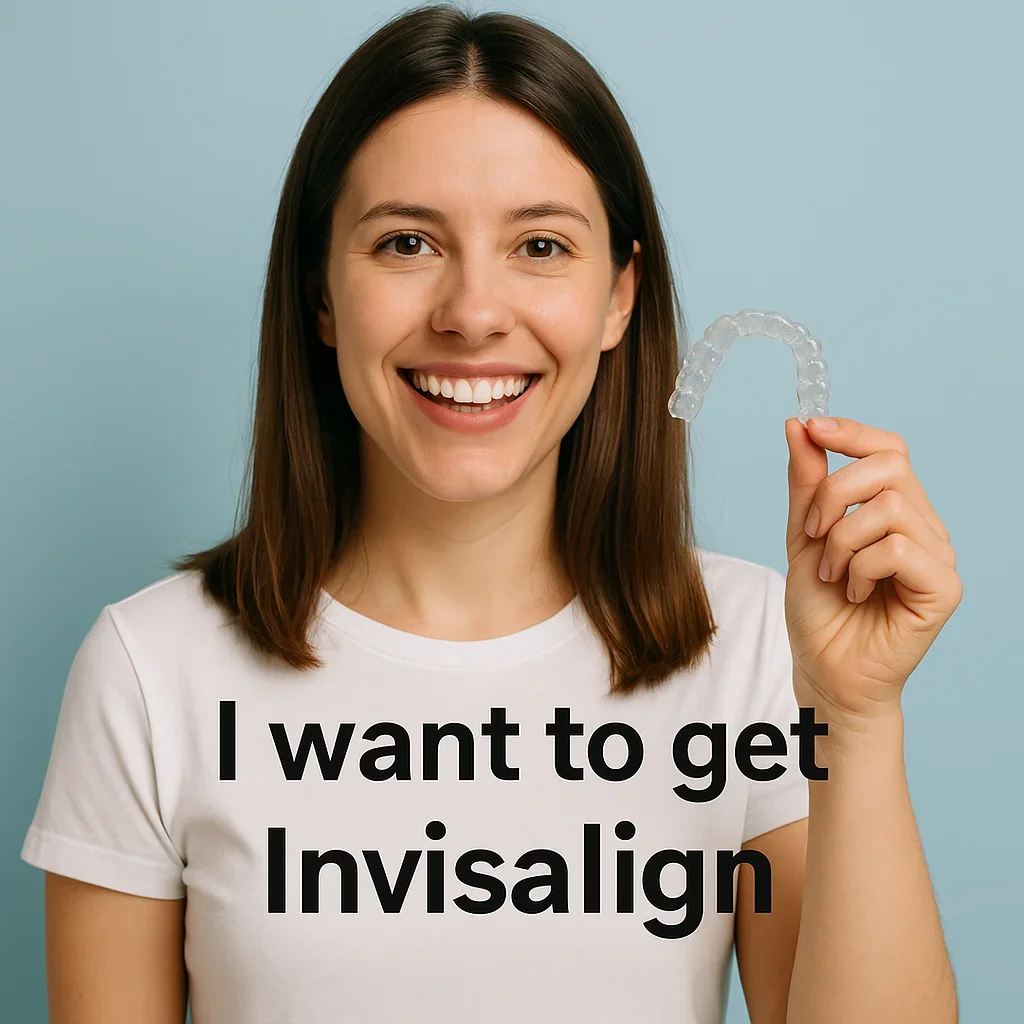
Common Myths About Invisalign: Facts You Need to Know
Many people say, “i want to get Invisalign,” but hesitate because of the myths and misinformation circulating online. Misunderstandings about cost, effectiveness, comfort, and maintenance often discourage potential candidates from exploring this revolutionary orthodontic solution. In this section, we’ll separate fact from fiction and give you a full, evidence-based understanding of what Invisalign truly offers. If you’ve been uncertain, this guide will help you make an informed and confident decision about transforming your smile. 🌟
1. Myth: Invisalign Is Only for Minor Teeth Straightening
One of the most common myths is that Invisalign can only fix small gaps or mild crowding. In reality, modern Invisalign technology can handle a wide range of orthodontic cases — from mild misalignments to complex bite corrections. Thanks to advancements in 3D modeling and precision attachments, even severe overbites, underbites, and crossbites can now be treated effectively. 🦷
Patients who think, “i want to get Invisalign,” are often surprised to learn that the system is now approved for almost all orthodontic conditions that traditional braces can treat. The key is choosing an experienced provider who understands how to customize your treatment using attachments and refinements. Clinics like Redent Klinik Contact Page specialize in comprehensive Invisalign planning — ensuring accurate results even for complex cases.
Fact:
With the help of advanced tools like ClinCheck® software and SmartForce® attachments, Invisalign can control complex tooth movements just as effectively as braces — often with fewer visits and greater comfort.
2. Myth: Invisalign Is More Expensive Than Braces
Many people assume that Invisalign costs significantly more than braces. However, when you say “i want to get Invisalign” and visit a certified provider, you’ll often find that the price is comparable — sometimes even lower when factoring in fewer appointments, no emergency repairs, and less overall inconvenience.
The average Invisalign treatment in 2025 costs between $3,000 and $7,500, while traditional braces range from $2,500 to $6,500. The difference often depends on case complexity and geographic location. When you add in Invisalign’s time savings and aesthetic advantages, it becomes an investment in both comfort and confidence.
Fact:
According to the American Dental Association, Invisalign’s total cost aligns closely with that of conventional braces, and payment plans make it accessible for nearly everyone.
3. Myth: Invisalign Doesn’t Work as Well as Braces
This outdated belief stems from Invisalign’s early years, when it was primarily used for mild cases. Today, aligners are engineered with precision digital control, ensuring that every tooth moves in a planned, predictable manner. Patients who say, “i want to get Invisalign,” can achieve equally impressive results — sometimes even faster — than with traditional orthodontic methods.
Additionally, Invisalign allows orthodontists to visualize every stage of your progress before treatment even begins. This digital roadmap ensures optimal accuracy, reducing guesswork and producing symmetrical, natural-looking smiles.
Fact:
Invisalign has successfully treated over 16 million cases worldwide and continues to expand its clinical applications annually. For many adults and teens, it’s a proven, research-backed alternative to braces.
4. Myth: Invisalign Aligners Are Painful
Another misconception is that Invisalign hurts as much as braces. While all orthodontic treatments involve some pressure, Invisalign is far more comfortable. Each aligner gently shifts your teeth using gradual, controlled force. There are no metal brackets or wires to irritate your gums or cheeks.
Patients who once hesitated later admit, “i want to get Invisalign because it’s painless and discreet.” Most people experience only mild pressure for 1–2 days after switching to a new aligner set — a sign that the treatment is actively working. Over-the-counter pain relievers or cold water rinses usually alleviate any temporary discomfort.
Fact:
Invisalign’s SmartTrack® material provides superior flexibility and comfort compared to rigid plastic aligners, making it one of the least painful orthodontic solutions available today. 💫
5. Myth: Invisalign Takes Longer Than Braces
Many people mistakenly believe that Invisalign treatment takes longer because the aligners are removable. In reality, when worn as prescribed (20–22 hours per day), Invisalign often delivers results faster than braces. Each aligner is precision-engineered to achieve small, consistent movements, reducing total treatment time.
Patients who follow instructions and keep aligners on schedule often complete their treatment within 6–18 months, compared to 18–24 months for traditional braces. So when you think, “i want to get Invisalign,” remember that consistency equals speed — your dedication determines the pace. 🕒
Fact:
Invisalign can accelerate treatment for minor corrections, with some cases completing in under six months. Its digital accuracy minimizes delays and refinements, ensuring faster overall results.
6. Myth: Aligners Stain Easily and Smell
Some people worry that Invisalign aligners will stain or develop odors over time. This happens only when users neglect proper cleaning. With simple daily care — rinsing after meals, brushing aligners gently, and soaking them in Invisalign Cleaning Crystals — your trays will remain clear and odor-free throughout treatment.
Those who say “i want to get Invisalign” should commit to a short, consistent hygiene routine. It only takes five minutes a day to keep your aligners sparkling clean. 🌿
Fact:
Proper cleaning habits prevent discoloration. Avoid coffee, wine, and smoking while wearing aligners, and always store them in their protective case when not in use.
7. Myth: You Can Skip Dental Visits with Invisalign
Because Invisalign is digitally designed, some believe it requires fewer or no dental visits. While it’s true that Invisalign reduces chair time, regular follow-ups are still necessary. These visits (typically every 6–8 weeks) allow your orthodontist to track progress, make adjustments, and ensure teeth are moving correctly.
When patients say, “i want to get Invisalign,” they should understand that professional supervision ensures precision and long-term success. Missing appointments may slow down treatment or lead to uneven movement.
Fact:
Invisalign’s remote monitoring tools, combined with in-person checkups, create a balance of convenience and clinical oversight — ensuring your treatment stays efficient and predictable. 🧑⚕️
8. Myth: Invisalign Results Don’t Last
Another widespread myth is that Invisalign results fade over time. In truth, any orthodontic treatment — braces or aligners — requires retainers afterward to maintain results. The difference is that Invisalign’s retainers are virtually invisible, comfortable, and easy to wear.
People who say, “i want to get Invisalign,” benefit from custom Vivera® retainers that preserve their beautiful new smile for life. With consistent wear and regular dental checkups, results remain stable for decades.
Fact:
Long-term studies show Invisalign’s results are permanent when patients follow post-treatment protocols. The secret is simple: commitment to retainers equals a lifetime of confident smiles. 😁
9. Myth: Invisalign Is Just for Teenagers
While Invisalign Teen is a popular choice for young patients, the majority of users today are adults. Invisalign has become the go-to option for professionals, parents, and retirees who value subtlety and convenience. Whether you’re 25 or 65, Invisalign offers the flexibility to align your teeth discreetly without lifestyle disruption.
So if you’re an adult thinking, “i want to get Invisalign,” rest assured — it’s never too late to improve your smile. Modern dentistry welcomes patients of all ages. 🌈
Fact:
Invisalign’s clear aligners are equally effective for teenagers, adults, and even seniors with healthy gums and teeth. Age is no barrier — commitment is the key.
10. Myth: You Can Order Invisalign Online
Some online platforms claim to sell “Invisalign-style” aligners without requiring dental supervision. However, these are not official Invisalign products. Invisalign treatment must be prescribed and monitored by a certified provider who uses 3D scans, X-rays, and personalized treatment planning. Ordering online can lead to poorly fitting aligners, gum recession, and long-term damage.
When you declare, “i want to get Invisalign,” always work with a licensed orthodontist or dentist. They’ll ensure your treatment is safe, accurate, and customized for your anatomy.
Fact:
The American Dental Association strongly discourages unsupervised mail-order orthodontic treatments, citing safety concerns and the risk of tooth movement errors.
Conclusion: The Truth About Invisalign
Invisalign isn’t just a trend — it’s a scientifically proven, patient-focused innovation in orthodontics. Debunking these myths reveals the truth: Invisalign offers precise, comfortable, and discreet smile correction for nearly everyone. When you say, “i want to get Invisalign,” you’re choosing advanced technology backed by research, comfort, and trusted expertise. 💫
Ready to experience the reality of Invisalign? Contact Redent Klinik Contact Page for a personalized consultation. Let the experts guide you to the confident, radiant smile you deserve — without the myths holding you back. 🌿