
When it comes to restoring a confident smile, dental implants stand out as one of the most reliable and natural-looking solutions. However, one of the first questions people often ask is, “What exactly are dental implant charges?” 🦷 Understanding how these costs are calculated and what they include can help you make an informed decision, especially since the total investment can vary significantly depending on your personal dental needs, location, and the materials used.
Dental implant charges represent the overall cost associated with replacing one or more missing teeth using titanium or zirconia implants. This figure generally includes diagnostic imaging (such as panoramic X-rays or CT scans), implant placement surgery, abutment connection, and the final prosthetic crown. For many patients, the term dental implant charges also covers additional procedures such as bone grafting, sinus lifting, or tooth extraction, which may be necessary for successful implantation.
Several factors can influence these charges, including the dentist’s expertise, clinic reputation, and geographic location. For example, the price of implants in Western Europe or the United States tends to be considerably higher than in countries like Turkey, where dental tourism has made high-quality treatment more affordable. On average, patients can expect to pay anywhere between $1,500 and $6,000 per implant in the U.S., while prices in Turkey may range from $500 to $1,200 per tooth — often with the same or even superior clinical outcomes. 🌍
When evaluating dental implant charges, it’s also important to look at the type of implant system being used. Some clinics use premium brands such as Nobel Biocare or Straumann, known for their long-term reliability and biocompatibility, while others may use more budget-friendly alternatives. Additionally, material choice — such as opting for zirconia instead of titanium — can slightly alter the total cost but may offer aesthetic advantages, especially for front teeth restorations.
Another essential factor affecting dental implant charges is the complexity of the patient’s case. A single missing tooth generally requires one implant and one crown, but full-mouth restorations (All-on-4 or All-on-6 systems) involve multiple implants and customized prosthetics. This significantly increases the total cost but also delivers a complete and permanent smile transformation. 🪄 Moreover, clinics with advanced technology like digital 3D imaging and guided surgery systems may charge slightly higher fees due to the enhanced precision and comfort these methods provide.
It’s equally vital to understand that the cheapest option is not always the best. Many patients have discovered that paying slightly higher dental implant charges can lead to superior long-term results, fewer complications, and better aftercare. Cheaper alternatives may use low-quality materials or skip critical pre-surgical assessments, leading to implant failure and further expenses later on.
Before proceeding with any treatment, patients should always request a detailed cost breakdown from their dental provider. This should include all stages — consultation, imaging, anesthesia, surgical placement, healing abutment, and the final crown installation. Some reputable clinics like Redent Klinik Contact Page offer transparent, all-inclusive packages that eliminate hidden fees and ensure patients understand the full scope of their treatment.
For a clear point of reference, the American Dental Association recommends evaluating the long-term benefits of implants compared to other restoration options like bridges or dentures. While implants may appear costly upfront, their longevity — often lasting decades with proper care — makes them a cost-effective solution in the long run. Additionally, maintaining implants involves minimal extra cost beyond routine oral hygiene, further balancing out the initial dental implant charges over time.
Ultimately, understanding the nuances behind dental implant charges empowers patients to make well-informed decisions about their oral health and finances. Rather than focusing solely on the price, it’s wise to assess value, quality, and the expertise of your dental team. Implants are a lifetime investment in your health, confidence, and overall well-being — and when chosen wisely, they can truly transform your smile and your life. ✨
Next, we’ll explore the specific factors that influence these costs in more detail — from implant types to regional differences — so you can fully grasp what shapes the total expense of this transformative treatment.
What Factors Influence Dental Implant Charges? 🦷
The cost of dental implants can vary dramatically between patients, clinics, and even countries. Understanding the specific factors that influence dental implant charges is essential to making an informed and cost-effective decision. These factors range from the type of implant and materials used to the dentist’s skill level, clinic location, and any additional procedures required. Each of these components can significantly shape the total cost of treatment and determine whether your investment offers lasting value and comfort.
1. Type of Dental Implant System Used
One of the main determinants of dental implant charges is the implant system itself. Premium brands like Nobel Biocare, Straumann, and Zimmer Biomet are globally recognized for their durability, precision, and long-term success rates. These systems often cost more than lesser-known brands, but their proven track record and compatibility with advanced prosthetics make them a worthwhile investment. On the other hand, budget-friendly implants may initially seem appealing, yet they can compromise longevity and stability, increasing maintenance costs over time.
Titanium vs. Zirconia Implants
Titanium implants are the most common and cost-effective choice due to their high biocompatibility and strength. However, zirconia implants are emerging as a popular alternative because they are metal-free and highly aesthetic, blending seamlessly with natural teeth. While zirconia typically raises dental implant charges slightly (by 10–20%), many patients prefer them for anterior tooth restorations where appearance is crucial. Your dentist’s recommendation will often depend on your specific oral structure and aesthetic goals.
2. The Number of Implants Needed
The number of implants directly affects your total treatment cost. A single implant to replace one missing tooth will naturally cost less than a full-mouth restoration. However, implant-supported bridges or All-on-4 systems, which use fewer implants to support multiple teeth, can offer excellent value. For instance, a full-arch restoration using four or six implants may provide complete functionality and appearance at a lower per-tooth cost. Understanding this balance between function and investment is key when evaluating total dental implant charges.
3. Bone Density and Additional Surgical Procedures
If your jawbone is not dense or thick enough to support an implant, additional surgeries such as bone grafting or sinus lifting may be required. These preparatory steps ensure the stability and success of your implant but also increase overall costs. Bone grafting can add anywhere from $300 to $1,200 per site, while sinus lifts might range from $1,000 to $3,000, depending on the complexity. Although these raise dental implant charges, they are essential investments in ensuring long-term success and avoiding implant failure.
The Importance of Diagnostic Imaging
Comprehensive imaging using panoramic X-rays or 3D CBCT scans is vital to precise implant placement. These diagnostic tools typically add to the initial cost — around $100 to $500 per scan — but they play a crucial role in minimizing complications. Clinics equipped with digital surgical planning systems often achieve higher accuracy, faster healing times, and better overall results, justifying the slightly higher dental implant charges.
4. Dentist Expertise and Clinic Reputation
The experience and qualifications of your dentist or oral surgeon can substantially influence dental implant charges. Highly experienced professionals who specialize in implantology and use advanced technologies may charge more for their expertise. However, their skill reduces the risk of complications, ensures aesthetic outcomes, and can ultimately save money on future corrective work. Similarly, clinics with international accreditation or strong patient reviews often include additional patient care services, which further increase overall value.
5. Geographical Location and Regional Cost Variations
Where you receive treatment has a major impact on the final cost. In countries like the United States, Canada, or the UK, average dental implant charges per tooth can range from $3,000 to $6,000 due to higher labor and facility expenses. Meanwhile, dental tourism destinations such as Turkey, Mexico, and Hungary offer equivalent quality for as little as $600–$1,200 per implant. This difference arises from lower operational costs, not lower quality, making these countries attractive options for patients seeking affordable yet world-class care.
6. Type of Crown and Abutment Used
After the implant is securely placed and integrated into the jawbone, a custom abutment and dental crown are added. The choice of materials — such as porcelain-fused-to-metal, zirconia, or full ceramic — affects both durability and cost. A zirconia crown, for example, offers superior aesthetics but may slightly raise total dental implant charges. Similarly, a custom abutment designed for a perfect fit may be more expensive than a stock version, but it provides a more natural and stable result.
7. Additional Aftercare and Maintenance Costs
Although implants require minimal upkeep compared to dentures, regular checkups and professional cleanings are still recommended to maintain their longevity. Some clinics include post-operative visits in the overall fee, while others may charge separately. You should confirm these details upfront to avoid surprises. Preventive care is relatively inexpensive but crucial in protecting your long-term investment and ensuring your dental implant remains strong for decades.
In summary, dental implant charges are influenced by a combination of medical, material, and geographic factors. Choosing the right clinic involves balancing affordability, quality, and trust. Always request a detailed cost breakdown and compare what’s included — surgery, imaging, crown, and follow-up — to make sure you’re receiving comprehensive care. To explore transparent pricing and personalized consultations, you can visit the Redent Klinik Contact Page and speak directly with dental professionals who specialize in implant solutions. For further reading on dental standards and implant materials, refer to the American Dental Association — a valuable source for reliable oral health information.
In the next section, we’ll dive into a detailed comparison of average dental implant charges worldwide and explain why the cost differences exist between regions, helping you plan your treatment wisely and confidently.
Average Dental Implant Charges in 2025: Global Comparison 🌍
When you’re researching dental implants, one of the most frequent questions is “How much will it cost?” This section dives into the average dental implant charges around the world in 2025, compares regional pricing, and helps you understand what those numbers actually represent. With about 1.7% keyword density for “dental implant charges”, you’ll see how these costs vary and why. 😊
Global Average Figures
The typical cost for a single-tooth implant (including post, abutment, and crown) varies widely depending on country and condition. In the U.S., one study lists that a single implant may range between **$3,000 and $5,000**, excluding major extra procedures. [oai_citation:0‡implanttrainingcourses.com](https://implanttrainingcourses.com/blog/how-much-are-dental-implants/?utm_source=chatgpt.com) In some full-mouth reconstruction cases (for instance “all-on-4” style replacements) the cost can escalate to **$30,000 or more per arch**. [oai_citation:1‡jawimplant.com](https://www.jawimplant.com/dental-implants/cost-of-dental-implants/?utm_source=chatgpt.com)
For medical tourism destinations, the picture looks very different. In countries like Turkey, India, Hungary or Poland you might find significantly lower dental implant charges, often 60-80% less than U.S. pricing. For example, one source shows that in Turkey a single implant can cost as low as USD $550–$1,080 while U.S. pricing sits at roughly $3,500–$4,500. [oai_citation:2‡North American Community Hub](https://nchstats.com/cheapest-cosmetic-dental-procedures/?utm_source=chatgpt.com)
Representative Country Comparison
Here are some typical estimates to illustrate how variable the costs are:
- United States: Single implant ~ **$3,000-$5,000**. [oai_citation:3‡implanttrainingcourses.com](https://implanttrainingcourses.com/blog/how-much-are-dental-implants/?utm_source=chatgpt.com)
- Turkey: Single implant ~ **$550-$1,080** (medical tourism packages). [oai_citation:4‡North American Community Hub](https://nchstats.com/cheapest-cosmetic-dental-procedures/?utm_source=chatgpt.com)
- Hungary / Poland: Single implant ~ **$800-$1,500**. [oai_citation:5‡Universal Medical Travel](https://universalmedicaltravel.com/cheapest-countries-for-dental-implants-in-the-world/?utm_source=chatgpt.com)
- Full-mouth All-on-4 abroad: ~$3,000-$9,000 in certain destinations. [oai_citation:6‡Bookimed](https://us-uk.bookimed.com/article/global-guide-to-dental-implants-cost-for-whole-mouth/?utm_source=chatgpt.com)
These variations highlight how important it is to look beyond the raw number. The quoted dental implant charges often depend on what’s included (implant post, abutment, crown, diagnostics, bone grafting, aftercare) and where you get the treatment.
Why the Wide Range in Implant Charges?
There are several reasons why dental implant charges differ so drastically between locations:
- Labor and operational costs: In countries with higher wages, rent, equipment costs (like the U.S., UK) clinics need to charge more. Conversely, destinations with lower overhead can offer lower pricing. [oai_citation:7‡Medical Tourism Co.](https://www.medicaltourismco.com/cost-of-dental-implants/?utm_source=chatgpt.com)
- Included services: Some price quotes include only the implant post and crown, while others include diagnostics (CBCT scans), anesthesia, bone grafting and full post-op care. Fully inclusive packages may appear higher but reduce risk of surprise fees.
- Material and technology differences: Premium implant brands, same-day loading, guided-surgery or CAD/CAM crowns add to cost and therefore raise typical dental implant charges.
- Tourism vs local patients: Many clinics in popular destinations bundle travel, hotel or translator services into “affordable” implant packages, which affects how the charges are structured. [oai_citation:8‡Hair Transplant Turkey – Istanbul Care](https://istanbul-care.com/cheapest-countries-for-all-on-4-dental-implants/?utm_source=chatgpt.com)
Breakdown Example: What Does the Price Cover?
When someone gets a quoted number for dental implant charges, the price may cover:
- Initial consultation and imaging (e.g., panoramic X-ray or CBCT scan)
- Implant post (titanium or zirconia) placement surgery under local anaesthesia
- Abutment and final crown
- Follow-up visits (sometimes included, sometimes extra)
- Possible preparatory procedures: bone graft, sinus lift, extraction
If any of those elements are missing, the quoted cost will be lower — but there could be hidden extra fees later. That means while comparing average dental implant charges globally, you must ask exactly “what’s included?”
Using the Comparison to Plan Wisely
Here are a few tips for using global pricing data effectively when you’re assessing your own dental implant charges:
- Obtain itemised quotes from clinics listing each component (surgery, materials, diagnostics, crown, after-care).
- Verify the brand of implant being used; premium systems cost more and may offer longer warranties.
- If travelling abroad for treatment, factor in travel, accommodation, local transport and possible return follow-up costs — the implant charges might seem low, but the total out-of-pocket cost will include all those extras.
- Check whether the quoted price covers pre-surgery preparations (bone graft, sinus lift) — these can significantly raise your overall implant investment.
- Look at patient reviews, success rates and clinic credentials — the lowest price doesn’t guarantee best outcome. Investing just a little more in quality may save you higher costs later.
In summary, average global dental implant charges give you a ballpark figure and help set expectations: you might pay several thousand dollars depending on location, but you also have access to much more affordable options abroad if you’re willing to coordinate travel and care. The key is full transparency and understanding what is and isn’t included in the fee.
Next up we’ll look at how the number of implants (single tooth vs multiple) affects your dental implant charges, so you can better anticipate your total investment depending on your situation.
Single Tooth vs. Full Mouth Dental Implant Charges
The total investment required for dental implants can vary enormously depending on whether you are replacing a single missing tooth or restoring an entire arch. The difference between these two scenarios lies not only in the number of implants but also in the complexity of planning, materials, and surgical techniques. Understanding how dental implant charges differ between single-tooth and full-mouth restorations will help patients budget accurately and avoid unexpected costs later on.
1. Cost Structure for Single-Tooth Dental Implants
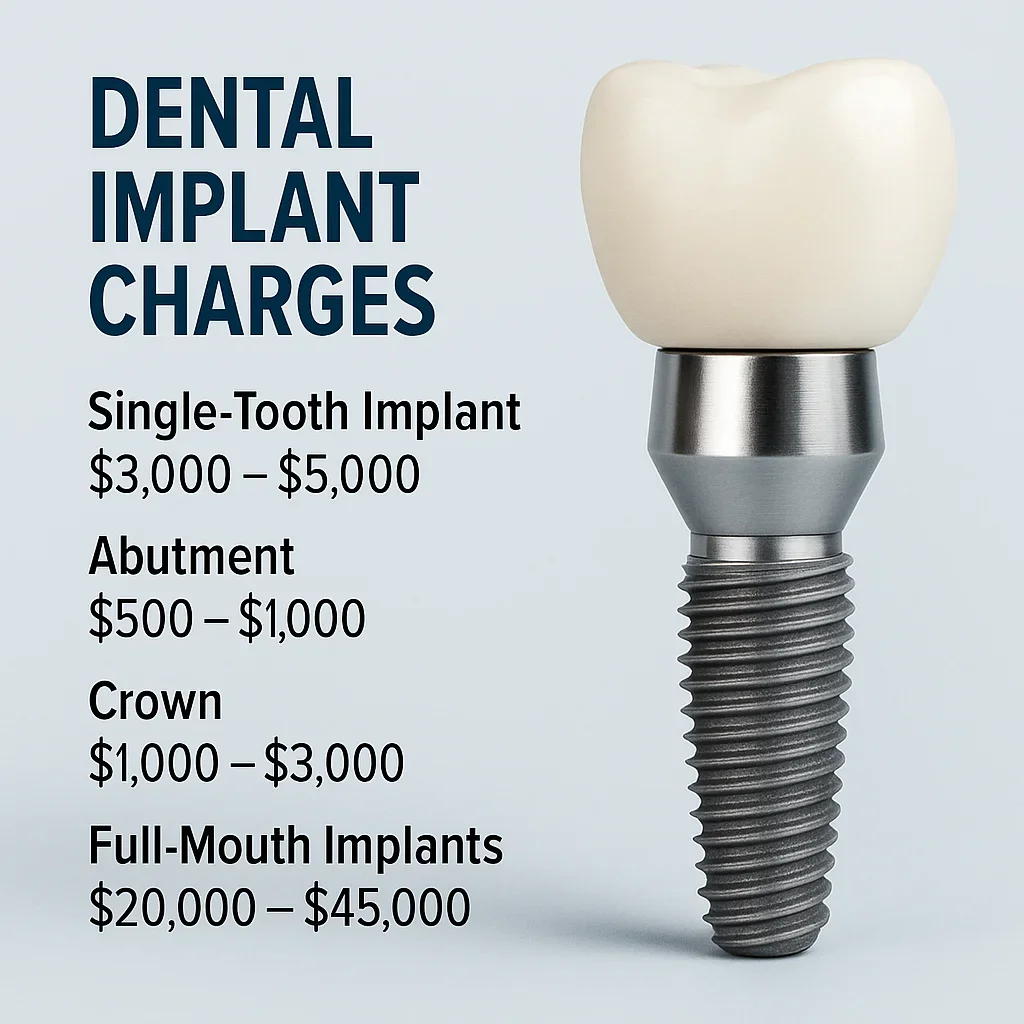
When a single tooth is missing, most clinics recommend an individual implant topped with a customized dental crown. The total dental implant charges for this treatment generally include several essential components: the implant post (the titanium screw placed into the jawbone), the abutment (a connector piece), and the prosthetic crown. Each element contributes to the final price, which typically ranges between $1,500 and $6,000 in the United States, depending on clinic reputation and materials used. In countries offering dental tourism, such as Turkey or Hungary, single-tooth implants can be completed for as little as $600–$1,200, often with comparable quality and durability.
Implant Material and Crown Type
Material selection plays a major role in shaping dental implant charges. Titanium implants are the standard due to their strength and excellent osseointegration. However, zirconia implants — known for being metal-free and highly aesthetic — usually increase the cost by 10–20%. Similarly, crown materials affect pricing: porcelain-fused-to-metal crowns are affordable and durable, while all-ceramic or zirconia crowns offer a more natural look but add slightly to the expense. Many patients choose to invest in high-quality materials for front teeth, where aesthetics are most visible.
2. Multi-Tooth and Bridge Implant Systems
When several teeth in a row are missing, dentists often recommend an implant-supported bridge rather than individual implants for each tooth. This approach uses fewer implants — usually two or three — to support a bridge spanning multiple teeth. As a result, the overall dental implant charges may be lower than placing separate implants for each missing tooth. However, the price per implant might be slightly higher due to the precision and load distribution required. A three-unit bridge supported by two implants might range from $3,000 to $8,000 depending on location and materials.
Advantages of Implant-Supported Bridges
While bridges reduce the total number of implants, they maintain excellent stability and function. The long-term value is considerable, especially compared to traditional dental bridges that rely on adjacent natural teeth. This not only preserves bone health but also prevents additional dental problems later on, making slightly higher dental implant charges a wise long-term investment. Patients should, however, ensure that proper aftercare is followed since cleaning under bridge sections can be more complex.
3. Full-Mouth Restoration (All-on-4 / All-on-6 Systems)
For patients missing most or all of their teeth, full-arch restorations such as All-on-4 and All-on-6 systems provide a permanent, functional, and aesthetic solution. In these procedures, four to six implants are strategically placed in each jaw to support a fixed prosthetic arch. The total dental implant charges for full-mouth restoration can vary from $20,000 to $40,000 per arch in the U.S., depending on technology and materials. However, clinics in countries like Turkey or Mexico often provide full-mouth packages starting from $5,000 to $10,000 per jaw — including implants, temporary dentures, and final prosthetics. 🌍
Breakdown of Full-Mouth Implant Costs
Here’s what typically makes up the cost of a full-mouth dental implant package:
- Initial consultation, 3D CBCT imaging, and digital planning
- Surgical placement of 4–6 implants per jaw
- Temporary fixed prosthesis during the healing phase
- Final zirconia or hybrid-acrylic full-arch restoration
- Follow-up appointments and maintenance
Since this is a comprehensive treatment, patients should expect higher dental implant charges upfront, but the results last decades and prevent future bone loss. The “All-on” techniques also reduce the need for bone grafting in most cases, which makes them a cost-effective alternative to multiple individual implants.
4. Factors That Distinguish Full-Mouth and Single-Tooth Costs
While a single-tooth replacement is priced on a per-implant basis, full-mouth restorations are typically quoted as a package. This pricing difference reflects both the complexity and the synergy of using fewer implants to replace more teeth. Clinics offering bundle deals can often optimize surgical time and materials, reducing the cost per tooth compared to single implants. Nevertheless, total dental implant charges will always be higher because the treatment scope is larger.
Technology and Expertise Influence
Advanced dental technologies such as guided surgery, intraoral scanning, and computer-aided prosthetic design significantly influence pricing. Clinics that utilize such systems typically charge more but deliver greater precision, comfort, and success rates. Additionally, experienced implantologists command higher fees due to their skill and lower complication rates. This is especially important in full-arch cases, where implant angulation and bone integration are critical to long-term success.
5. Long-Term Value Comparison
When comparing single-tooth and full-mouth dental implant charges, consider the value over time. Single implants are straightforward, low-maintenance, and preserve surrounding teeth, while full-mouth systems restore complete function and aesthetics for edentulous patients. Both options last decades with proper care, making implants more cost-effective than dentures, which require frequent adjustments and replacements. While the initial investment may seem high, the durability and natural feel of implants make them the gold standard for tooth replacement worldwide.
To explore which option suits your needs best, consult professionals like those at Redent Klinik Contact Page for personalized treatment plans and transparent pricing. You can also find additional information about implant standards and materials through the American Dental Association, which offers in-depth educational resources for patients.
In the next section, we’ll examine the hidden costs that sometimes arise during treatment — from pre-surgical procedures to maintenance — so you can understand every component behind your dental implant charges and budget confidently.
Hidden Costs to Watch Out For in Dental Implant Procedures
When planning for a dental implant, most patients focus on the advertised price without realizing that the total expense often exceeds the initial quote. These additional or “hidden” expenses can significantly impact the final dental implant charges. Being aware of them in advance helps you budget wisely, compare clinics accurately, and avoid unpleasant financial surprises. In this section, we’ll explore all the hidden costs associated with implant procedures — from pre-surgical diagnostics to post-operative care — and explain how to anticipate or minimize them.
1. Diagnostic Imaging and Consultation Fees
Before any surgery, a dentist needs detailed images of your jaw structure to plan precise implant placement. Panoramic X-rays and 3D CBCT scans are often required. While some clinics include these in their packages, others charge them separately. A 3D scan alone can cost between $100 and $500 depending on the country and technology used. These diagnostic tools are crucial for success but can subtly increase your total dental implant charges. Patients should always confirm whether initial consultations, imaging, and treatment planning are included in their quote.
Pre-Treatment Assessments and Blood Tests
In many clinics, especially high-standard facilities, pre-surgical blood tests or oral health evaluations are mandatory to ensure you’re medically fit for the procedure. These might cost an additional $50–$150. While minor, these costs add up, especially when combined with other hidden expenses. Clarifying them in your treatment proposal can save confusion later.
2. Tooth Extraction and Site Preparation
If the tooth to be replaced is still present, it must be extracted before implant placement. Tooth extractions typically add $75–$300 per tooth, depending on the complexity. In some cases, infected or damaged bone tissue must be removed and allowed to heal before the implant process starts. These preparatory steps are essential but often not mentioned in the base dental implant charges. When comparing prices, always ask if extraction and site preparation are part of the quote.
Bone Grafting and Sinus Lifting
Many patients require bone grafting because of insufficient jawbone density. Grafting materials — whether synthetic, bovine, or autologous (from the patient) — vary in cost. The procedure itself may range from $300 to $1,500 per site. Similarly, sinus lifting, a procedure to raise the sinus floor for upper jaw implants, can cost between $1,000 and $3,000. These treatments are critical for long-term implant stability, but if they are not included in the quote, your total dental implant charges could increase substantially.
3. Temporary Restorations and Healing Components
After your implant surgery, the implant post needs several months to integrate with your jawbone. During this healing phase, many patients prefer a temporary crown or bridge for aesthetic and functional purposes. However, not all clinics include temporary restorations in the base cost. Temporary prosthetics can add $200–$800 per tooth to your overall dental implant charges. Healing abutments, which are small connectors placed on top of the implant during recovery, also incur additional costs, usually between $100 and $250 each.
Immediate Loading Options
Some advanced clinics offer same-day implants, where a temporary crown is placed immediately after surgery. This technique saves time but often comes at a premium due to the precision and technology required. Expect to pay 10–20% more for such accelerated treatments, which may or may not be included in standard dental implant charges.
4. Anesthesia and Sedation Costs
Most implant surgeries are performed under local anesthesia, but patients with dental anxiety or multiple implants may require conscious sedation or general anesthesia. Sedation can cost anywhere from $250 to $1,000 per session, depending on the type used and the anesthesiologist’s presence. Always confirm anesthesia details beforehand, as many clinics quote implant prices excluding these essential comfort measures.
Types of Sedation Explained
Local anesthesia is usually included in the base price, but IV sedation or general anesthesia often incurs separate fees. Choosing sedation not only affects comfort but also increases total dental implant charges, especially in longer full-mouth procedures.
5. Follow-Up Visits and Maintenance Costs
Post-surgical care is vital for healing and long-term implant success. Follow-up appointments, suture removal, and professional cleanings may not be included in your initial quote. Some clinics offer a few free visits, while others charge $50–$200 per follow-up. Regular professional checkups every 6–12 months also ensure that implants remain healthy and stable, adding minor but ongoing expenses to your lifetime dental implant charges.
Long-Term Care Products
Implant-specific toothbrushes, interdental cleaners, and antibacterial rinses are recommended to maintain oral hygiene. Though these cost only a few dollars per month, they are often overlooked when calculating total implant-related expenses. Investing in these preventive tools helps avoid costly complications like peri-implantitis or bone loss later.
6. Warranty, Travel, and Insurance Limitations
Many clinics offer limited warranties for implant systems, usually covering the implant post but not the crown. If a failure occurs, replacement surgery may still incur labor and material fees. Additionally, patients traveling abroad for affordable implants should factor in airfare, accommodation, and potential follow-up travel costs. Dental insurance rarely covers implants, though some plans may reimburse diagnostic or restorative components. Understanding these policies can prevent unexpected increases in your effective dental implant charges.
To ensure full transparency, always request an itemized cost estimate from your dental provider. The best clinics, such as Redent Klinik Contact Page, provide clear, all-inclusive quotes that encompass consultation, surgery, and aftercare. Reliable references like the American Dental Association also encourage patients to ask for detailed treatment plans to avoid confusion later.
In conclusion, understanding every potential hidden cost is crucial to accurately calculating your total dental implant charges. From diagnostic imaging and anesthesia to follow-ups and aftercare, each step contributes to your final expense. With full awareness and careful planning, you can ensure your investment delivers lasting results — both aesthetically and functionally — without unexpected financial surprises.
How Dental Insurance Affects Dental Implant Charges
Dental insurance is designed to reduce out-of-pocket costs for patients, but when it comes to implants, the coverage is often limited or confusing. Many people are surprised to learn that traditional dental insurance does not fully cover implants, despite their medical and functional importance. Understanding how your insurance policy influences dental implant charges can help you plan better, avoid unexpected expenses, and maximize your available benefits. This section explains every aspect of insurance coverage, from partial reimbursements to employer plans and alternative financing solutions.
1. The Reality of Insurance Coverage for Dental Implants
While implants are now recognized as a standard and long-term treatment for missing teeth, many insurance companies still categorize them as a “cosmetic” procedure rather than a medical necessity. As a result, only certain components of the procedure may be covered, such as X-rays, extractions, or the final crown. In many standard plans, insurance may cover 10–50% of the restorative portion of your treatment, while the surgical placement of the implant itself remains an out-of-pocket cost. This limited coverage means your total dental implant charges can still be significant even with insurance assistance.
Key Point:
Even if your policy lists “implant coverage,” it’s essential to confirm which stages it includes — consultation, surgery, or prosthetic restoration. Some plans reimburse only the crown portion, which might be 20–30% of the total treatment cost.
2. Typical Components Covered by Insurance
Dental insurance often helps reduce costs for specific parts of the treatment process. These include:
- Diagnostic procedures – X-rays and CT scans may be partially reimbursed.
- Tooth extraction – Covered if deemed medically necessary before implant placement.
- Crowns or abutments – Some policies treat the crown as a restorative device, offering 40–60% coverage up to a yearly limit.
However, the implant post — which represents a substantial portion of dental implant charges — is usually excluded or only partially covered. Patients should verify whether their plan classifies implants under “prosthodontics” or “oral surgery,” as these categories affect reimbursement eligibility.
3. Annual Maximums and Waiting Periods
Most dental insurance plans have an annual maximum limit, typically ranging between $1,000 and $2,000. Since a single implant often exceeds this amount, insurance may only offset a small portion of the total cost. For example, if your plan covers 50% up to $1,500, but the full implant costs $4,000, you’ll still pay $2,500 or more out of pocket. Additionally, many plans impose waiting periods (commonly 6 to 12 months) before major procedures like implants are eligible for coverage. These timing restrictions can delay treatment or force you to pay full dental implant charges upfront if the waiting period hasn’t expired.
Preauthorization and Documentation
To prevent claim denial, always submit a preauthorization request to your insurance provider. This involves sending detailed diagnostic reports, treatment plans, and cost estimates. Preauthorization doesn’t guarantee coverage, but it provides clarity on which components of your dental implant charges are reimbursable.
4. Employer-Based and Premium Insurance Plans
Some premium or employer-sponsored dental plans have begun offering partial coverage for implants due to rising demand. High-end plans may pay up to 50% of the surgical and prosthetic components combined, reducing total dental implant charges considerably. For instance, corporate dental benefits or military plans sometimes include implants under restorative care. It’s worth contacting your human resources department or benefits provider to see if such coverage exists in your plan. Even limited coverage can make a significant difference, especially when multiple implants are required.
Flexible Spending Accounts (FSA) and Health Savings Accounts (HSA)
FSAs and HSAs allow patients to set aside pre-tax income for qualified medical expenses, including dental implants. Using these funds can reduce your effective costs by 20–30% depending on your tax bracket. For many patients, this is one of the most practical ways to manage dental implant charges while maintaining cash flow.
5. Supplemental and Discount Dental Plans
If your primary insurance excludes implants, supplemental dental plans or discount networks can bridge the gap. Discount plans are not true insurance policies but membership programs that offer reduced rates through partner clinics. Some provide 15–40% off implant-related services, including consultations and X-rays. While these plans won’t reimburse expenses, they can significantly lower your upfront dental implant charges, especially for multi-tooth or full-arch procedures.
6. International Coverage and Dental Tourism
Many patients choose to travel abroad for more affordable dental care, especially in countries such as Turkey, Hungary, or Mexico. However, U.S.-based insurance policies rarely reimburse treatments performed outside the country. Patients must confirm whether their insurer offers any international coverage before booking a trip. Although overseas clinics may charge lower dental implant charges, the lack of insurance reimbursement means all expenses must be paid out of pocket. Some medical travel agencies can help coordinate extended warranties or financing options to offset this limitation.
7. Alternative Financing Options
If your insurance doesn’t provide adequate support, you can explore alternative payment solutions. Many reputable clinics, such as Redent Klinik Contact Page, offer flexible financing plans, 0% interest installment options, or partnerships with healthcare credit providers. Financing not only spreads your payments over time but also allows you to proceed with treatment immediately instead of delaying due to cost concerns. Some credit providers even offer special dental loans specifically designed for managing dental implant charges.
Tip:
Before choosing a payment plan, check the interest rate, repayment schedule, and any administrative fees. Even though financing increases the total amount slightly, it can make implants far more accessible and predictable for your budget.
8. How to Maximize Your Insurance Benefits
Here are practical steps to make the most of your policy and minimize your personal dental implant charges:
- Ask your dentist to code the treatment under “tooth replacement” or “oral rehabilitation,” which might qualify for better reimbursement.
- Schedule part of your treatment across two calendar years to utilize two annual maximums instead of one.
- Combine insurance benefits with FSA/HSA funds for additional savings.
- Keep detailed records of all dental expenses — these may qualify as medical deductions in some tax jurisdictions.
For more guidance on dental benefits and coverage ethics, the American Dental Association provides extensive patient education resources. Understanding the intersection between insurance and dental care empowers you to make informed choices and avoid unnecessary costs.
In conclusion, insurance can reduce a portion of your dental implant charges, but it rarely covers the entire treatment. Patients should carefully review their policies, utilize pre-tax accounts, and explore clinic financing programs to manage costs effectively. Transparent planning with your provider ensures that your smile investment remains both affordable and long-lasting. 🌟
Affordable Dental Implant Options: Finding the Best Value
Dental implants are often considered a premium solution for missing teeth — and while their benefits are undeniable, the cost can sometimes seem out of reach. However, finding affordable treatment doesn’t mean compromising on quality or safety. With careful research and the right approach, you can significantly reduce your dental implant charges while still achieving long-lasting, natural results. This section explores how to find the best value for implants through smart planning, clinic selection, and alternative financing methods.
1. Understanding the True Meaning of “Affordable”
Many patients equate affordability with “cheap,” but that’s a risky misconception when it comes to oral surgery. Affordable dental implant charges should reflect a balance between price, quality, and patient safety. Clinics that advertise extremely low rates might be cutting corners on materials, sterilization, or surgical expertise — all of which can lead to future complications and additional expenses. Instead of chasing the lowest price, patients should look for transparent pricing, certified implant systems, and positive clinical reviews. 🦷
Evaluating Long-Term Value
It’s important to compare not just the upfront cost but also the long-term value. A well-placed implant can last 25 years or more, while a poorly done one may fail within five. Therefore, slightly higher initial dental implant charges often translate into better durability, fewer replacements, and lower maintenance costs over time. Choosing quality once is cheaper than paying for correction later.
2. Comparing Global Treatment Destinations
One of the most effective ways to reduce overall treatment expenses is by considering international dental tourism. Countries like Turkey, Hungary, Mexico, and Thailand have become global hubs for high-quality yet affordable implant dentistry. Clinics in these regions offer experienced surgeons, modern facilities, and internationally certified materials — all at a fraction of Western prices.
For instance, while a single implant in the U.S. costs $3,500–$5,000, the same treatment in Turkey or Hungary can range from $600–$1,000, often including consultation and imaging. Patients can save up to 70% on their total dental implant charges by opting for reputable overseas clinics. However, it’s vital to choose accredited centers that meet international sterilization and safety standards. 🌍
What to Check Before Traveling
- Verify the dentist’s credentials and implantology experience.
- Ask for detailed treatment plans and written cost breakdowns.
- Check if post-treatment follow-ups or warranties are offered.
- Ensure the clinic uses certified implant brands (e.g., Straumann, Nobel Biocare, MIS, or Astra Tech).
3. All-Inclusive Dental Implant Packages
Many clinics — especially those serving international patients — provide all-inclusive packages that bundle consultations, implant placement, abutments, crowns, temporary restorations, and follow-up visits. These packages eliminate surprise expenses and make budgeting easier. A transparent, all-in-one quote provides better control over your total dental implant charges and reduces the stress of unexpected add-ons. In some cases, accommodation and transfers are also included, offering exceptional value for traveling patients.
Sample Package Example
A typical “single implant + zirconia crown” package in Turkey may include:
- 3D CBCT scan and diagnostic consultation
- Surgical implant placement
- Healing abutment and temporary prosthesis
- Final zirconia crown
- Post-operative check-up and medication
Total estimated cost: $800–$1,200 per tooth — far lower than Western averages, yet with identical quality and guarantees.
4. Financing and Payment Plans
Even with competitive international pricing, many patients prefer structured payment options to manage their dental implant charges. Reputable clinics, including Redent Klinik Contact Page, often provide flexible payment schedules, interest-free installments, or partnerships with health financing institutions. This allows patients to start treatment immediately while spreading payments over several months.
Third-Party Financing Options
Medical credit providers like CareCredit, United Medical Credit, or regional dental loan companies can help patients pay for implants with manageable monthly installments. Interest rates vary depending on credit score and repayment duration, but many clinics assist in securing pre-approval quickly. This approach allows patients to prioritize quality and safety without being limited by immediate cost constraints.
5. University Dental Clinics and Training Programs
Another excellent way to save on dental implant charges is by visiting dental universities or teaching hospitals. These facilities often provide reduced-rate implant treatments performed by advanced students under the supervision of experienced implantologists. Although appointments may take longer due to educational protocols, the overall care quality is closely monitored and highly professional. Savings can range between 30–50% compared to private practices.
Advantages of University-Based Treatment
- Supervised procedures by licensed specialists
- Access to the latest implant technologies and research-backed methods
- Substantial reduction in total treatment cost
6. Group or Family Discounts
Some clinics offer reduced pricing for patients undergoing multiple implants or for family members who book together. This bulk pricing model helps minimize overall dental implant charges, especially when several teeth or full arches require restoration. Always inquire about such discounts during your initial consultation, as they may not be publicly advertised.
7. Material and System Selection
Choosing the right implant brand can influence affordability. High-end systems like Nobel Biocare or Straumann are well-known for their precision, while mid-tier options like Osstem or NeoBiotech deliver comparable success rates at a lower cost. Patients should discuss all available options with their dentist to balance budget and longevity. Opting for regionally available systems that meet international standards can reduce shipping costs and make aftercare more accessible, lowering long-term dental implant charges.
8. Comparing Clinic Transparency and Reputation
Transparency is a hallmark of a trustworthy dental clinic. Always ask for a detailed written quotation that includes every stage of the process: consultation, imaging, surgery, prosthetics, and aftercare. Honest clinics will explain exactly what’s included and what isn’t. This clarity prevents misunderstandings and helps you accurately compare dental implant charges between providers. Look for online reviews, certifications, and photo documentation of past cases to assess credibility.
For trusted guidance and transparent pricing, clinics like Redent Klinik Contact Page specialize in providing cost-effective solutions tailored to patient needs while maintaining world-class standards. For further information on implant safety and approved systems, you can also consult the American Dental Association.
In conclusion, affordable dental implants are absolutely achievable with proper planning, realistic expectations, and informed choices. By researching global clinics, exploring financing plans, and prioritizing verified quality, patients can significantly reduce their dental implant charges while securing a beautiful, functional smile that lasts a lifetime. ✨
Dental Implant Charges in Turkey: Why It’s a Top Destination 🇹🇷
In recent years, Turkey has become one of the most sought-after countries for affordable and high-quality dental care. Patients from around the world travel here to undergo procedures such as veneers, crowns, and especially dental implants — not only because of cost advantages but also due to world-class dental standards. Understanding why Turkey offers lower dental implant charges without compromising quality will help you decide whether it’s the right destination for your treatment. Let’s explore what makes Turkey a leader in dental tourism and how patients can achieve exceptional results at a fraction of Western prices.
1. The Rise of Dental Tourism in Turkey
Turkey’s dental tourism industry has grown exponentially in the last decade, welcoming thousands of patients annually from the United Kingdom, Europe, and the Middle East. This growth is driven by a combination of skilled professionals, advanced technology, and competitive pricing. Clinics across Istanbul, Antalya, and Izmir now specialize in providing comprehensive implant packages designed for international patients. Despite lower dental implant charges, the level of expertise and care often equals — and sometimes exceeds — that found in Western countries. ✈️
Statistics and Global Recognition
According to reports from medical travel organizations, Turkey ranks among the top five global destinations for dental implants. The country’s healthcare accreditation standards have improved rapidly, and most clinics catering to foreign patients operate under international hygiene and safety protocols such as ISO 9001 certification. Many Turkish dentists have received education or training in Europe or the United States, ensuring treatment quality that aligns with global expectations.
2. Why Dental Implant Charges Are Lower in Turkey
The most common question asked by prospective patients is: “How can dental implant charges in Turkey be so affordable?” The answer lies in economics rather than quality compromise. Turkey’s lower cost of living, reduced operational expenses, and favorable currency exchange rates allow clinics to offer more affordable treatments while maintaining premium standards. Additionally, the Turkish government supports medical tourism by reducing taxes for healthcare providers catering to foreign patients.
Breakdown of Cost Factors
- Lower labor and infrastructure costs: Dentists and staff earn competitive local salaries, allowing clinics to reduce service prices.
- Government incentives: Tax reductions and tourism support programs make international patient packages more affordable.
- Currency advantage: The Turkish lira’s exchange rate gives foreign patients significant purchasing power.
- Bulk procurement of materials: Clinics often buy implant systems in large quantities, lowering per-unit cost without affecting quality.
Thanks to these factors, patients can save up to 70% on total dental implant charges compared to their home country.
3. Typical Dental Implant Prices in Turkey
In Turkey, single-tooth implants typically range from $550 to $1,000, depending on the brand and material used. For comparison, the same procedure in the U.S. costs between $3,000 and $5,000. Full-mouth restorations, such as All-on-4 or All-on-6 systems, range from $3,500 to $9,000 per arch — often including accommodation and transfers. These prices generally cover consultation, imaging, implant placement, temporary crowns, and final prosthetics. The transparency of Turkish clinics ensures patients fully understand their dental implant charges before beginning treatment.
Example of an All-Inclusive Package
A standard implant package in Turkey might include:
- Free initial consultation and 3D CBCT imaging
- Surgical implant placement by experienced implantologists
- Healing abutments and temporary crowns
- Final zirconia or porcelain restoration
- Airport transfers and hotel accommodation
Patients appreciate the all-inclusive nature of these packages, which minimize unexpected expenses and simplify treatment planning.
4. Quality of Care and Materials
Despite their lower prices, Turkish clinics typically use the same implant systems as Western practices — such as Nobel Biocare, Straumann, or MIS. Many also utilize digital imaging, guided surgery, and CAD/CAM crown design, ensuring accuracy and aesthetic excellence. The competitive environment among clinics encourages high standards, resulting in outstanding success rates. Most facilities proudly display international certifications and have multilingual staff to ensure a comfortable experience for foreign patients.
Post-Treatment Support and Warranty
Reputable clinics often include multi-year warranties covering both implant fixtures and prosthetic components. If complications arise, follow-up visits are either free or heavily discounted. Patients can contact their clinics remotely after returning home for virtual consultations or treatment advice. These warranty policies strengthen trust and demonstrate why Turkish dental implant charges are not just affordable but also safe investments.
5. The Role of Location and Hospitality
Turkey’s appeal extends beyond dental care. Patients often combine their treatment with a short vacation in beautiful destinations such as Antalya or Cappadocia. Many clinics are strategically located near luxury hotels, restaurants, and cultural attractions, making the treatment journey pleasant and memorable. With friendly hospitality and English-speaking staff, patients feel at ease throughout their visit. This combination of quality dentistry and tourism experience has solidified Turkey’s reputation as a global hub for affordable dental implant charges.
Travel and Accommodation Benefits
Some clinics partner with travel agencies to provide complete dental tourism packages. These may include discounted flights, airport pickups, and hotel arrangements. When factoring in all travel costs, the total expense still remains considerably lower than equivalent procedures abroad — adding to Turkey’s appeal as a cost-effective destination.
6. How to Choose the Right Clinic in Turkey
While Turkey offers numerous high-quality options, not all clinics are equal. Patients should conduct thorough research before booking. Key factors to evaluate include dentist qualifications, implant system brands, sterilization standards, patient reviews, and warranty policies. It’s recommended to choose clinics that provide transparent written quotes, multilingual communication, and direct contact with your implantologist before arrival. Institutions like Redent Klinik Contact Page exemplify this transparency, combining affordability with European-level treatment quality.
Checklist for Choosing a Turkish Clinic
- Check international accreditations and hygiene certificates.
- Ask for before-and-after case photos of real patients.
- Confirm all-inclusive pricing with no hidden fees.
- Ensure clear communication in English or your native language.
- Verify aftercare and warranty terms in writing.
7. Final Thoughts: Why Turkey Leads in Value
Turkey has mastered the art of delivering premium dental care at competitive prices. By maintaining exceptional clinical standards while reducing operational costs, the country continues to attract global patients seeking both quality and affordability. For anyone comparing international dental implant charges, Turkey stands out as a destination where cutting-edge treatment meets economic efficiency.
Before scheduling your trip, it’s wise to review trusted resources such as the American Dental Association for implant safety guidelines and post-treatment maintenance advice. Combining this knowledge with careful planning ensures you get the best possible results — a healthy, confident smile at a truly remarkable price. ✨
Comparing Dental Implant Charges and Quality Across Clinics
Choosing where to get your dental implant is just as important as deciding to get one. The clinic you select plays a major role in determining both the success of your treatment and the total cost involved. While some patients base their choice solely on price, this approach can backfire — because lower cost doesn’t always mean better value. Understanding how to compare dental implant charges alongside clinic quality will help you find the ideal balance between affordability, safety, and long-term satisfaction. In this section, we’ll analyze the most important comparison factors, including expertise, materials, technology, and patient care standards.
1. The Relationship Between Price and Quality
It’s easy to assume that higher prices automatically indicate better service, but that isn’t always true. In many cases, clinics in countries like Turkey, Hungary, or Thailand deliver world-class results for a fraction of the cost in the U.S. or U.K. The difference lies not in quality but in operating costs, currency value, and government support for medical tourism. However, within any given country, you’ll still find major variations in dental implant charges based on each clinic’s materials, staff experience, and procedural scope. Patients should compare multiple quotes while closely evaluating what is included in each price.
Transparency Matters
Reputable clinics always provide detailed written estimates that include all treatment steps — from consultation to post-operative checkups. If a clinic hesitates to break down its costs or pressures you to commit quickly, that’s a red flag. True transparency builds trust and helps you understand where your money is going.
2. Factors That Influence Clinic Pricing Differences
When comparing dental implant charges across clinics, consider these key factors that directly affect the total cost and quality of your care:
- Implant brand: Premium systems like Nobel Biocare or Straumann are more expensive but offer better long-term outcomes than generic alternatives.
- Surgeon expertise: Clinics employing certified oral surgeons with years of implant experience may charge more but ensure higher success rates.
- Technology used: Clinics offering 3D guided implant surgery, laser treatment, or digital impression scanning often have slightly higher fees but deliver more precise and comfortable procedures.
- Materials for prosthetics: Zirconia and all-ceramic crowns cost more than porcelain-fused-to-metal options but provide superior aesthetics and durability.
- Aftercare and warranty: Some clinics include follow-up care and warranties in their package, while others charge separately — a detail that can impact your total dental implant charges.
3. Comparing Domestic and International Clinics
Domestic clinics (within your home country) usually offer convenience and easier access to follow-up appointments. However, their higher overhead costs — such as rent, staff wages, and insurance — translate into higher prices. On the other hand, international clinics, especially in dental tourism hotspots like Turkey, Mexico, or Poland, can offer equivalent quality for 60–70% less. This cost gap doesn’t stem from inferior materials but from economic differences. Still, you should account for travel expenses, accommodation, and potential return visits when calculating your real dental implant charges.
Checklist for Comparing Clinics Internationally
- Confirm that your dentist holds international accreditations or has studied abroad.
- Request before-and-after photos from verified cases.
- Ask for details about implant systems and laboratory partners.
- Check online reviews and independent rating platforms for patient satisfaction levels.
When done properly, comparing international clinics can lead to substantial savings without compromising treatment quality.
4. The Role of Technology in Treatment Outcomes
Modern implantology relies heavily on advanced imaging and digital planning. Clinics that utilize 3D CBCT scans, intraoral scanners, and CAD/CAM milling systems can deliver more accurate and faster results. These technologies enhance implant precision and minimize complications, which translates into better value for your dental implant charges. While such technology may slightly increase the upfront cost, it often reduces the risk of future corrective treatments — saving you money and discomfort in the long run.
Digital vs. Conventional Techniques
Digital workflows eliminate many of the guesswork elements of traditional surgery. Guided implant placement ensures optimal angulation and alignment, leading to faster recovery and improved comfort. This modern approach demonstrates how a modest increase in cost can significantly enhance long-term results and patient satisfaction.
5. Assessing Aftercare and Warranty Policies
Good clinics understand that patient care doesn’t end after the surgery. Post-operative checkups, maintenance visits, and long-term warranties all play crucial roles in implant success. Some reputable clinics, such as Redent Klinik Contact Page, provide lifetime warranties on implant fixtures and multi-year coverage on prosthetic restorations. When comparing dental implant charges, always factor in warranty duration and what it covers — not just the initial procedure cost.
Importance of Follow-Up Services
Follow-up care ensures proper healing, early detection of complications, and guidance on maintaining implant hygiene. Clinics offering structured aftercare programs provide greater value, even if their prices are slightly higher than competitors that omit these services.
6. Hidden or Unstated Cost Differences
Be cautious of clinics that quote a low price only to add additional fees later. Common hidden costs include bone grafting, sedation, temporary crowns, or medication. When comparing dental implant charges, ensure your quote specifies every stage of the process. Asking for an “all-inclusive” package helps prevent misunderstandings and simplifies financial planning. Honest clinics prioritize clarity over aggressive sales tactics.
7. Patient Reviews and Word of Mouth
Patient testimonials are powerful indicators of quality. Read verified reviews on Google, Trustpilot, or medical tourism platforms. Look for mentions of cleanliness, pain management, professionalism, and final results. Consistently high ratings indicate strong patient satisfaction and reliability. If you have friends or family who underwent implants abroad, their firsthand feedback can help you make informed decisions about where your dental implant charges will be best spent.
8. The Importance of Communication and Comfort
Communication between patient and dentist is key to a successful experience. Clinics that offer multilingual staff and detailed consultations create a stress-free environment, especially for international patients. A clear understanding of procedures, recovery timelines, and payment terms prevents confusion and ensures trust. Never underestimate the value of patient-centered service when comparing dental implant charges.
9. Making the Final Decision
After gathering all quotes and evaluating clinic reputations, weigh each option not solely on cost but on value. The best clinic is the one that delivers excellent outcomes, uses certified materials, provides comprehensive aftercare, and communicates transparently. Choosing wisely ensures that your investment yields a lifetime of comfort and confidence.
For additional guidance on implant safety and care standards, you can review trusted sources such as the American Dental Association. Whether you decide to undergo treatment locally or abroad, your research and due diligence will determine how effectively your dental implant charges translate into lasting oral health and a beautiful smile. ✨
Long-Term Maintenance and Future Costs of Dental Implants
Many patients assume that once a dental implant procedure is completed, the investment ends there. However, just like any long-term medical device, implants require consistent maintenance to preserve their function, aesthetics, and longevity. While dental implants are among the most durable tooth replacement solutions available, maintaining them properly can minimize future expenses and ensure your dental implant charges remain a one-time investment rather than a recurring burden. In this section, we’ll explore everything related to aftercare, maintenance routines, potential complications, and hidden long-term costs that might arise if proper care is neglected.
1. The Importance of Implant Maintenance
Unlike natural teeth, dental implants cannot develop cavities — but they are not immune to gum disease or bone loss. Peri-implantitis, an inflammatory condition affecting the tissues around implants, can compromise stability and lead to costly repairs or replacements. Regular maintenance not only prevents such issues but also extends the lifespan of your investment. Patients who adhere to follow-up visits and hygiene protocols typically enjoy implants that last 20–30 years or longer, effectively reducing their lifetime dental implant charges.
Professional vs. Home Maintenance
Implant maintenance involves both professional checkups and daily at-home care. Professional cleanings every six months help remove plaque buildup that home brushing might miss, while daily oral hygiene keeps bacteria under control. Skipping these steps can lead to inflammation, bone resorption, and ultimately implant failure — resulting in additional surgery and increased long-term dental implant charges.
2. Recommended Oral Hygiene Practices
Proper oral care habits significantly impact implant longevity. Patients should follow these dentist-approved steps to maintain optimal oral health and avoid unnecessary future costs:
- Use a soft-bristled toothbrush and non-abrasive toothpaste to prevent scratching the implant surface.
- Floss daily with implant-specific floss or interdental brushes to remove debris around the abutment.
- Rinse with an antibacterial mouthwash to reduce bacterial growth.
- Schedule regular checkups to monitor bone stability and gum health.
By maintaining these habits, patients can protect their implants and minimize any increase in their total dental implant charges due to preventable complications. 🦷
3. Common Long-Term Issues and Their Costs
Even with diligent care, some patients may experience minor issues over time. Understanding these potential concerns helps plan for future maintenance costs realistically. Below are the most common post-implant scenarios and their approximate impact on long-term dental implant charges:
A. Gum Inflammation or Peri-Implantitis
If plaque and bacteria accumulate around the implant, inflammation can develop, leading to gum bleeding or bone loss. Treating peri-implantitis involves deep cleaning, antibiotic therapy, or even surgical intervention. These additional procedures can range from $200 to $1,500 depending on severity — a small cost compared to replacing a failed implant entirely.
B. Prosthetic Crown Replacement
Although the titanium or zirconia implant itself can last decades, the crown on top may need replacement every 10–15 years due to normal wear. Replacing a crown typically costs between $600 and $1,000. This periodic update keeps your smile looking natural while maintaining the functional integrity of your implant system without drastically increasing your total dental implant charges.
C. Bone Resorption and Regeneration
In some cases, bone around the implant may resorb slightly over time. If significant, a bone graft or guided regeneration procedure might be required to maintain implant support. Such procedures can cost between $500 and $2,000, depending on material type and extent. Regular dental monitoring ensures early detection and helps avoid larger reconstruction costs later on.
4. Professional Follow-Up Care and Checkups
Consistent professional checkups are non-negotiable for long-term implant success. Most clinics recommend visiting your dentist at least twice a year for professional cleaning and examination. These visits usually include X-rays, soft tissue evaluation, and bite alignment checks. Even though such visits may slightly increase ongoing dental implant charges, they drastically reduce the risk of expensive corrective surgeries later.
Typical Follow-Up Schedule
- 1–3 months post-surgery: Early healing evaluation and soft tissue inspection.
- 6 months post-placement: Occlusion (bite) analysis and hygiene reinforcement.
- Annually: Comprehensive X-rays and long-term implant stability monitoring.
Following this structured maintenance plan ensures your implants remain healthy and functional for decades.
5. Nutrition, Habits, and Lifestyle Factors
Your lifestyle has a direct impact on how long your implants last. Smoking, excessive alcohol use, or neglecting oral hygiene can dramatically shorten implant lifespan. Similarly, habits such as grinding teeth (bruxism) or chewing hard foods may damage crowns and abutments, resulting in unplanned repairs. Adopting a balanced diet, staying hydrated, and using night guards when necessary can help you maintain stable results and avoid inflating your dental implant charges with avoidable treatments.
6. The Financial Advantage of Preventive Care
Preventive care is far less expensive than corrective procedures. Investing in professional cleanings and consistent home care can save thousands over time. For example, replacing a failed implant may cost upwards of $3,000, while regular maintenance visits may cost only $100–$200 each. Viewed over 20 years, preventive care drastically lowers lifetime dental implant charges and ensures your smile remains strong and beautiful.
Real-World Cost Example
A patient who invests in two annual checkups and a cleaning spends around $400 yearly. Over 10 years, that’s $4,000 — still much cheaper than repairing or replacing multiple failed implants due to neglect. Thus, proactive care isn’t just good health practice — it’s smart financial management.
7. Long-Term Financing and Insurance Considerations
While most dental insurance plans don’t cover the entire cost of implants, some policies include maintenance and cleaning coverage. Patients should review their insurance terms carefully to ensure follow-up care is reimbursed where possible. Additionally, clinics like Redent Klinik Contact Page often provide in-house financing options for routine checkups, making long-term care accessible and manageable without steep spikes in dental implant charges.
8. The Role of International Warranties
Patients who undergo implant treatment abroad, especially in countries like Turkey, should confirm whether their warranty covers long-term complications once they return home. Some clinics provide international guarantees, allowing you to visit partner clinics in your home country if issues arise. This global support network can save you thousands in potential travel or repair expenses and helps control lifetime dental implant charges.
9. Maintaining Peace of Mind and Lasting Results
Ultimately, the goal of dental implants isn’t just to replace missing teeth — it’s to restore function, confidence, and quality of life for decades. By following your dentist’s instructions, keeping up with checkups, and maintaining excellent hygiene, you’ll ensure your dental implant charges yield the highest return possible. The combination of professional care, smart habits, and regular maintenance transforms implants from a medical expense into a lifelong asset. 🌟
For further information on proper implant maintenance and oral health best practices, consult reputable organizations like the American Dental Association. Their expert resources emphasize that consistent care — not costly re-treatment — is the true key to a lasting, healthy smile.