
Finding quality dental care can be stressful—especially when you’re worried about how to pay for it. That’s why dental offices with payment plans have become a lifesaver for many patients. These offices make it possible to receive essential treatments like fillings, crowns, implants, and cleanings without paying the full amount upfront. Instead, they allow you to break your bill into smaller, more manageable monthly payments 🦷. This approach not only reduces financial anxiety but also encourages people to maintain regular oral health visits instead of delaying care until problems become emergencies.
In today’s economy, affordability plays a huge role in healthcare decisions. Many families avoid going to the dentist simply because they fear high costs. Fortunately, dental offices with payment plans help remove that barrier by offering flexible financing solutions. These plans may be offered directly through the dental practice (in-house financing) or through third-party lenders who specialize in medical and dental credit. Either way, the purpose remains the same: to make professional dental services accessible to everyone, regardless of their budget.
Let’s say you need a root canal or an implant procedure that costs over $1,000. Paying that all at once might be unrealistic. With a payment plan, however, you could spread that cost across several months—sometimes even a year—while still receiving immediate treatment. This system is ideal for families, retirees, and young adults who are trying to balance dental needs with other financial responsibilities. It transforms what could be an overwhelming expense into a predictable monthly investment in your health.
Another major advantage of dental offices with payment plans is that they promote preventive care. Patients who have access to affordable monthly payments are far more likely to visit the dentist for checkups, cleanings, and early cavity treatments. This helps detect problems before they become severe and expensive. By making dental care financially approachable, these offices encourage consistent oral hygiene habits that prevent long-term complications such as gum disease or tooth loss. Essentially, payment plans help people stay proactive instead of reactive about their dental health.
It’s also worth noting that dental payment plans are not limited to basic procedures. Many practices include cosmetic and restorative treatments in their plans, such as veneers, whitening, orthodontics, or dental implants. This flexibility empowers patients to improve their smiles confidently—without worrying about the entire cost upfront. The result is a more inclusive and patient-focused healthcare model where everyone has the opportunity to achieve a healthy, confident smile 😁.
Furthermore, transparency is a key benefit. Most dental offices with payment plans clearly explain how much you’ll pay each month, the total treatment cost, and whether any interest or fees apply. This allows you to plan ahead and avoid surprises. Some clinics even offer interest-free plans for qualified patients, particularly if the balance is paid within a specific timeframe. Others provide discounts for automatic payments or early payoff. It’s a flexible system designed with patient convenience in mind.
From a financial standpoint, these payment options work similarly to installment plans or small loans. Some offices collaborate with reputable healthcare financing providers like CareCredit or LendingClub. These third-party services may perform a soft credit check and then determine eligibility. In contrast, in-house payment plans—offered directly by the clinic—may be more flexible, sometimes not even requiring a credit check. This inclusivity ensures that even individuals with less-than-perfect credit can still access necessary dental treatments.
It’s also important to understand that payment plans are not the same as dental insurance. While insurance helps cover specific procedures, it often comes with annual limits and exclusions. Payment plans, on the other hand, are about spreading out the cost of care rather than reducing it through coverage. However, the two can complement each other beautifully. For example, a patient might use their insurance for routine care and rely on a payment plan for larger out-of-pocket treatments. This combined strategy keeps dental expenses balanced throughout the year.
If you’re interested in finding out whether your local dentist offers payment options, you can usually check their website or contact them directly. Many dental offices now advertise their financing programs online to make it easier for patients to explore their choices. For instance, you can reach out through the Redent Klinik Contact Page to learn more about available payment solutions, or consult resources like the American Dental Association for trusted information on dental financing and patient rights.
In summary, dental offices with payment plans are revolutionizing how people access oral healthcare. They bridge the gap between high-quality dentistry and affordability, making it possible for everyone to receive timely treatment without financial strain. Whether you’re seeking preventive care or a full smile makeover, flexible payment options can help you achieve it. Remember—taking care of your teeth is not just an investment in your smile; it’s an investment in your overall well-being. With the right plan, your dream smile is closer than you think 🌟.
Why Dental Offices with Payment Plans Are a Game Changer 🦷
For many individuals and families, visiting the dentist can be a stressful experience — not because of the procedures themselves, but because of the financial burden that often comes with them. That’s where dental offices with payment plans truly make a difference. They transform dental care from something people avoid into something achievable, affordable, and accessible. By allowing patients to pay over time, these practices remove one of the biggest barriers to oral health: cost anxiety.
Understanding the Core Concept of Payment Plans
A dental payment plan is an arrangement that lets you split your total treatment cost into smaller monthly payments instead of paying everything at once. This means that patients can get urgent treatments — like root canals, crowns, or braces — immediately, rather than postponing care due to financial strain. In simple terms, dental offices with payment plans act as bridges between necessary treatment and financial flexibility. Depending on the clinic, plans might be interest-free for a set period or include small interest rates depending on the duration.
How These Plans Reduce Financial Pressure
Dental care can be expensive, particularly for procedures like implants or orthodontics. When costs reach thousands of dollars, many patients delay or skip visits entirely. By introducing payment plans, dental offices encourage patients to act sooner, preventing minor issues from developing into serious health problems. This is not only beneficial for patients but also for dentists, who can provide continuous care without financial interruptions. The relationship becomes more collaborative — focusing on health rather than cost.
Inclusivity for Every Budget and Credit Situation
Another powerful aspect of dental offices with payment plans is their inclusivity. Traditional healthcare financing can be rigid, often excluding those with lower credit scores. Many dental offices now offer in-house financing, which means no third-party lenders or credit checks. These internal programs are designed to help individuals with varying income levels and financial histories. For instance, patients may be asked for a small down payment followed by manageable monthly installments. This inclusivity fosters trust and encourages people to maintain their oral health consistently.
Payment Plan Options You Might Encounter
- In-House Payment Plans: Managed directly by the dental clinic. Usually more flexible, with zero or low interest.
- Third-Party Financing: Provided through credit companies such as CareCredit or Sunbit. Suitable for larger treatment costs.
- Subscription-Based Plans: Some modern clinics offer memberships covering preventive care with discounted rates on treatments.
Each option caters to different financial situations, but the goal remains the same — making dental treatment affordable without sacrificing quality.
The Emotional and Psychological Benefits 😁
Money worries often cause patients to avoid scheduling appointments. Over time, this leads to anxiety, pain, and even loss of self-esteem due to neglected oral issues. Dental offices with payment plans eliminate this fear, giving patients peace of mind and a sense of control. They can focus on their treatment and recovery instead of finances. Knowing that care is within reach improves patient satisfaction and builds long-term loyalty to the dental practice.
Many people also feel more confident when they can invest in cosmetic or restorative treatments. Payment flexibility enables individuals to enhance their smiles through procedures like whitening, veneers, or aligners — services that were once considered luxuries. When dental health becomes financially manageable, overall well-being improves too.
Long-Term Impact on Community Health
The benefits of dental offices with payment plans extend beyond individual patients. On a larger scale, they contribute to healthier communities. Regular access to dental care prevents widespread oral health issues, reduces emergency visits, and improves public awareness about preventive dentistry. When more people can afford to see the dentist, the community as a whole enjoys better oral hygiene and lower medical costs related to untreated dental diseases.
How Dentists Benefit from Offering Payment Plans
While patients gain financial relief, dental practices benefit too. By implementing flexible payment options, clinics can attract a broader patient base, reduce unpaid bills, and improve client retention rates. Many successful dental businesses today emphasize transparency and affordability as part of their brand identity. This approach strengthens patient relationships and positions the clinic as a compassionate, trustworthy healthcare provider.
Real-World Example of Affordability
Consider a patient who needs a dental implant costing around $2,500. Without a payment plan, that expense might feel impossible. But with a 12-month interest-free payment arrangement, the patient could pay approximately $208 per month — a manageable amount that enables them to proceed with treatment immediately. Such cases highlight why dental offices with payment plans are revolutionizing modern dentistry. They create accessibility, encourage preventive care, and provide financial dignity to patients.
Final Thoughts: A New Era of Dental Accessibility
The rise of dental offices with payment plans reflects a significant shift in healthcare philosophy. It’s not just about providing services; it’s about creating equal opportunities for oral health. Patients no longer have to choose between financial stability and a healthy smile. Instead, they can enjoy both — through structured, transparent, and patient-centered payment systems. This modern approach ensures that dental care is not a privilege but a right that everyone can afford.
If you’re ready to experience compassionate and affordable dental care, consider reaching out through the Redent Klinik Contact Page for more information. You can also learn more about ethical standards and patient rights by visiting the American Dental Association, a trusted authority in oral health care. Together, these resources help ensure that your next dental visit is both comfortable and financially stress-free 🌟.
How Dental Payment Plans Work and What to Expect
Understanding how dental offices with payment plans operate can help you take control of your oral health and budget. These programs are designed to make dental treatment accessible by spreading the total cost over a series of smaller, predictable payments. Whether you’re planning a routine cleaning, orthodontic care, or a full-mouth restoration, payment plans can remove financial barriers and help you prioritize your health without sacrificing your financial comfort.
What Exactly Is a Dental Payment Plan?
A dental payment plan is essentially a financing option provided by a dental clinic or an external partner. Instead of paying the full treatment cost immediately, you can divide it into manageable monthly payments. Most dental offices with payment plans structure these agreements over several months—sometimes even up to two years—depending on the treatment complexity and total cost. This structure gives patients the flexibility to receive necessary care right away, rather than postponing it until they can save enough money.
Common Features of Dental Payment Plans
- ✅ Flexible Duration: Ranging from 3 months to 24 months, depending on the office and treatment type.
- ✅ Low or No Interest: Many clinics offer interest-free options for patients who make timely payments.
- ✅ Automatic Billing: Monthly payments are usually withdrawn automatically from a debit or credit card for convenience.
- ✅ Transparent Terms: Costs, fees, and interest rates (if applicable) are clearly communicated before treatment begins.
These features make the system predictable and stress-free for patients who want to maintain good oral health without financial surprises. In fact, many clinics report that payment plan availability leads to better patient compliance and satisfaction.
Types of Dental Payment Plans
There are two major categories of payment plans offered by dental offices with payment plans: in-house financing and third-party financing. Each comes with unique advantages, and understanding them helps you choose what works best for your situation.
In-House Payment Plans
In-house financing means that the dental office itself manages the payment structure. Patients make payments directly to the clinic instead of going through a bank or financing company. These plans are ideal for those with limited or no credit history because they often do not require a credit check. Some clinics may ask for a small down payment, followed by equal monthly payments. This personal, flexible approach allows dentists to maintain direct relationships with their patients while providing tailored financial solutions.
Third-Party Financing Plans
Third-party providers like CareCredit, Sunbit, or LendingClub work with dental offices with payment plans to offer structured financing solutions. These programs typically conduct a soft credit check and approve patients based on creditworthiness. The advantage is that you can receive more extended payment terms, often up to 24 or 36 months, and sometimes access higher credit limits for larger treatments. However, they may come with interest if the balance is not paid within the promotional period. Still, they remain one of the most accessible and transparent ways to manage dental expenses over time.
How to Apply for a Dental Payment Plan
The process of applying for a dental payment plan is usually straightforward and quick. Most clinics have a simple online or in-person form. Here’s what typically happens:
- Consultation and Treatment Plan: The dentist examines your oral condition and provides a treatment estimate.
- Review of Financing Options: You’ll be informed about available payment plans, including term length, monthly cost, and any applicable interest.
- Credit or Income Check (if required): Some plans verify your income or credit history to ensure eligibility.
- Agreement and Initial Payment: You sign the payment plan agreement and make your first payment or deposit.
- Start of Treatment: Once approved, you can begin treatment immediately, knowing you’ll pay gradually over time.
Most patients appreciate that the entire process takes less than an hour. Many dental offices with payment plans even allow online applications before your appointment to save time and confirm approval ahead of treatment.
Transparency and Legal Protections
Reputable dental clinics ensure full transparency in their payment agreements. Every detail—interest rates, total repayment amount, late payment penalties, and cancellation terms—is outlined clearly. Patients are encouraged to read the terms carefully before signing. Additionally, many clinics are members of trusted organizations such as the American Dental Association, which promotes ethical standards and consumer protection in dental care financing.
Patient Rights and Responsibilities
While dental offices with payment plans provide flexibility, patients also share responsibility for making payments on time. Doing so helps maintain good credit standing (in cases involving third-party financing) and strengthens your relationship with the clinic. Many offices reward consistent payment history by offering discounts on future procedures or additional free checkups.
Examples of What You Can Expect in Real Life 💳
Consider this example: a dental crown costs $1,200. Without financing, paying this amount at once could be difficult for many families. However, a 12-month payment plan with zero interest allows you to pay just $100 per month. That’s less than most mobile phone bills — yet it directly invests in your long-term health. Some dental offices with payment plans even allow multiple treatments to be bundled under one financing agreement, simplifying your finances further.
Integrating Payment Plans with Insurance
Payment plans can complement your dental insurance perfectly. For instance, insurance might cover 60% of a procedure, and the remaining 40% can be financed through a payment plan. This blended strategy ensures no service goes untreated due to partial coverage. It’s especially beneficial for cosmetic procedures, which are often excluded from insurance but still available through affordable monthly plans.
Conclusion: Accessible Care Without Financial Stress
In summary, dental offices with payment plans have changed how patients approach oral health. By introducing structure, transparency, and flexibility, they empower patients to make decisions based on medical need rather than immediate cost. Whether you choose in-house or third-party financing, the key advantage remains the same — you can receive top-quality care today and pay comfortably over time. If you’re considering professional dental treatment, reach out via the Redent Klinik Contact Page to learn more about flexible financing tailored to your situation. Affordable dental care is no longer out of reach — it’s just one plan away 🦷.
Top Benefits of Choosing Dentists Offering Flexible Payment Options
When it comes to maintaining oral health, affordability often determines whether patients seek regular care or delay treatment until it’s too late. Thankfully, dental offices with payment plans are changing that reality. These clinics offer structured, budget-friendly solutions that empower patients to prioritize their dental health without the stress of upfront costs. The benefits go far beyond saving money — they include improved health outcomes, stronger patient-dentist relationships, and overall financial well-being.
1. Immediate Access to Essential Dental Care
One of the most important advantages of dental offices with payment plans is that patients don’t have to wait to receive treatment. Whether you need a filling, root canal, or orthodontic correction, you can get started immediately. By eliminating the need for full prepayment, these offices ensure that urgent issues like tooth infections or gum disease are treated before they worsen. This timely access reduces pain, prevents complications, and often saves money in the long run. Early intervention is always more affordable and less invasive than waiting until an issue becomes severe.
How Payment Flexibility Saves Smiles
Dental issues progress quickly. A minor cavity can become a root canal, and gum inflammation can turn into periodontitis if untreated. Dental offices with payment plans help you act fast without financial hesitation. In many cases, same-day procedures become possible because the patient feels financially confident. The result is a healthier mouth and fewer long-term dental emergencies.
2. Stress-Free Budgeting and Financial Predictability 💳
Traditional dental billing can cause financial shock. Paying hundreds or thousands of dollars upfront can disrupt household budgets. Flexible payment options make this predictable. Patients know exactly what their monthly payments will be, allowing them to plan accordingly. Most dental offices with payment plans offer fixed installment schedules, and some even provide interest-free options if the balance is paid within a certain period. This financial clarity fosters peace of mind and eliminates the surprise of unexpected expenses.
Real-World Example of Predictable Costs
For instance, if a dental implant costs $2,400, you could pay $200 a month for 12 months instead of the total sum upfront. That’s a manageable figure that doesn’t strain your budget yet ensures access to a life-changing treatment. Predictability is key to patient comfort, and it’s one of the main reasons why financing plans are becoming the new norm in modern dentistry.
3. Better Preventive and Long-Term Oral Health
Preventive care is the foundation of a healthy smile. However, many people skip checkups because they fear the costs. Dental offices with payment plans eliminate this excuse. Patients are more likely to schedule regular cleanings, X-rays, and fluoride treatments when payments are manageable. This proactive approach leads to fewer cavities, healthier gums, and reduced risk of oral diseases. Over time, payment flexibility promotes a cycle of consistent dental hygiene rather than emergency-only visits.
The Preventive Care Effect
Studies from trusted organizations like the American Dental Association show that consistent preventive care lowers long-term treatment costs by up to 40%. Payment plans encourage this consistency, transforming dental visits into routine habits rather than financial burdens. The long-term payoff is immense — better health, brighter smiles, and reduced medical expenses later in life.
4. Increased Access to Cosmetic and Restorative Treatments 😁
Cosmetic and restorative dentistry can significantly boost confidence and quality of life, yet many patients postpone these treatments due to cost. Dental offices with payment plans remove this limitation, allowing individuals to pursue smile-enhancing procedures such as veneers, whitening, implants, and Invisalign aligners. These options not only improve aesthetics but also oral function. For example, dental implants prevent bone loss, and orthodontics correct bite issues that affect digestion and speech. With flexible payment structures, patients can now invest in comprehensive dental wellness — not just basic repair work.
Transforming Smiles and Lives
Imagine being able to spread the cost of a $3,000 smile makeover across 18 months. That’s less than $170 per month — a small investment compared to the confidence gained. Payment flexibility democratizes access to cosmetic dentistry, turning dream smiles into achievable realities for people from all financial backgrounds.
5. Building Trust and Long-Term Patient Relationships
Financing programs signal that a clinic values patient well-being over profit. When dental offices with payment plans provide transparent, honest, and flexible financial arrangements, patients feel respected and supported. This trust fosters long-term loyalty and better communication. Patients are more likely to follow treatment plans, schedule follow-ups, and refer friends or family when they feel understood. It’s a win-win situation for both sides — the dental office gains a loyal patient base, and the patient gains a trustworthy healthcare partner.
6. Encouragement for Families and Multi-Treatment Plans
Families with multiple members often face large cumulative costs for dental care. Payment plans allow them to manage several treatments simultaneously without financial overload. Parents can schedule orthodontic care for one child while maintaining their own dental health. Some dental offices with payment plans even offer bundled discounts for family packages, making it easier to budget for everyone’s oral wellness.
Accessible Family Dentistry
For example, a family of four could pay a single monthly installment covering cleanings, sealants, and minor restorations. This reduces stress and ensures everyone receives care on time. It’s an ideal setup for busy households that want consistent, affordable dental support.
7. Enhanced Confidence and Quality of Life
Financial accessibility leads to emotional relief. Patients who once avoided the dentist due to cost anxiety now feel empowered to prioritize their health. As a result, they smile more, interact confidently, and enjoy improved social well-being. Dental offices with payment plans aren’t just improving oral health — they’re boosting lives by removing one of the most common psychological barriers to care: financial fear.
8. A Step Toward Inclusive, Patient-Centered Dentistry
Modern dentistry is evolving beyond clinical treatment into holistic, patient-centered care. Offering flexible payment options demonstrates empathy and understanding of diverse financial circumstances. Clinics that adopt this model show commitment to accessibility, which aligns perfectly with today’s values of inclusivity and fairness. For those looking to explore options, reaching out through the Redent Klinik Contact Page is a great first step toward a more affordable and stress-free dental experience.
Conclusion: Flexibility Equals Empowerment
Ultimately, the biggest benefit of dental offices with payment plans is empowerment. They put control back in the hands of patients — allowing them to focus on their health instead of worrying about bills. Whether you’re addressing pain, improving your smile, or simply keeping up with preventive care, financial flexibility ensures that oral health remains within reach. It’s a revolution in modern dentistry: compassionate, transparent, and built entirely around your well-being 🦷.
Common Dental Treatments Covered by Payment Plans
When it comes to affordability and accessibility, dental offices with payment plans are revolutionizing oral healthcare by offering patients the ability to spread costs across time instead of paying everything upfront. These plans aren’t limited to basic cleanings — they often cover a wide range of treatments, from preventive and restorative to cosmetic and surgical procedures. Understanding which treatments are typically included helps you make better financial and health-related decisions while maximizing the value of your payment plan.
1. Preventive Dental Care Services 🪥
Preventive care is the foundation of oral health. Many dental offices with payment plans include regular checkups, cleanings, fluoride treatments, and X-rays in their coverage options. These services are designed to detect early signs of cavities, gum disease, and other dental issues before they escalate. Since preventive visits are relatively low-cost compared to advanced treatments, they’re the first step toward maintaining a healthy smile — and payment plans make them even more accessible.
Why Preventive Care Matters
Skipping preventive appointments can lead to costly procedures later on. For example, untreated plaque buildup can result in gum disease, which may require deep cleaning or surgery. By spreading out payments, patients can afford consistent preventive visits, ensuring early detection and lower long-term costs. Many clinics also bundle preventive care into family payment packages, making routine dental hygiene easy for everyone in the household.
2. Restorative Dental Treatments
Restorative dentistry focuses on repairing or replacing damaged teeth. These procedures can be expensive, but dental offices with payment plans make them far more manageable. Common restorative treatments include:
- Fillings: Repair small cavities using composite or amalgam materials.
- Root Canals: Treat infected tooth pulp to save the natural tooth.
- Crowns: Protect weakened or fractured teeth with durable caps.
- Bridges: Replace missing teeth using artificial structures anchored to surrounding teeth.
Each of these treatments can cost hundreds of dollars per tooth. A payment plan allows patients to proceed with treatment right away without compromising quality or waiting until the issue worsens. By dividing payments into smaller, predictable amounts, you gain immediate access to essential restorative care.
Example of Cost Flexibility
A dental crown might cost $1,200. Instead of paying in one lump sum, a 12-month interest-free payment plan reduces that cost to $100 per month — making it easier to restore your smile without financial strain. Such manageable structures encourage patients to fix issues early, preserving overall oral health.
3. Orthodontic Treatments 🦷
Orthodontic care, including braces and Invisalign, is one of the most popular services covered by dental offices with payment plans. Orthodontic treatments improve both aesthetics and function, correcting misalignment, bite problems, and jaw irregularities. However, because these treatments typically cost between $3,000 and $7,000, flexible financing is essential for most families.
Payment Plans for Teens and Adults
Many dental clinics understand that orthodontic care is a long-term investment, often lasting one to three years. They therefore offer extended payment terms — sometimes up to 36 months. Parents can ensure their children receive early orthodontic care, and adults can pursue smile correction at any stage in life. With predictable monthly payments, achieving a straight, healthy smile becomes financially attainable.
4. Cosmetic Dentistry and Smile Enhancements 😁
Cosmetic procedures like veneers, teeth whitening, and bonding are not always covered by insurance — but they are often included in flexible payment programs. Dental offices with payment plans allow patients to invest in their appearance and confidence without paying everything upfront. These services are particularly popular among professionals, performers, and individuals preparing for special events like weddings or public engagements.
Examples of Cosmetic Procedures Often Covered
- Porcelain Veneers: Correct chipped, stained, or misaligned teeth.
- Teeth Whitening: Professional-grade whitening for lasting results.
- Bonding and Contouring: Subtle reshaping of teeth for an improved smile line.
Patients can finance these aesthetic procedures over 6–18 months, making cosmetic dentistry more inclusive. With the growing demand for natural-looking smiles, many dental clinics are expanding these options to attract a wider range of clients.
5. Oral Surgery and Dental Implants
Major procedures like wisdom tooth extraction, bone grafting, and implant placement can be financially intimidating. That’s why many dental offices with payment plans include surgical procedures within their financing structures. These plans are especially valuable for patients who need multiple implants or complex surgical interventions.
Implant Cost Example
A single dental implant can cost between $2,500 and $4,000, depending on the materials used. Through an extended payment plan, patients might pay $200 to $300 per month, allowing them to restore function and aesthetics without taking on overwhelming debt. Some offices even bundle procedures — like implant placement and crowns — under one flexible contract.
6. Periodontal Treatments and Deep Cleanings
Gum health plays a vital role in overall well-being. Advanced periodontal treatments such as scaling, root planing, and laser therapy are crucial for preventing tooth loss. Dental offices with payment plans make these treatments more accessible for patients struggling with chronic gum disease. Because these conditions often require multiple visits, installment-based payments ensure consistent care without gaps due to cost concerns.
Long-Term Benefits
By maintaining treatment consistency through payment flexibility, patients see better recovery outcomes and reduced need for future interventions. Early gum treatment prevents expensive surgeries later — proving that manageable monthly plans are both preventive and cost-effective.
7. Pediatric Dentistry and Family Coverage 👨👩👧👦
Children’s dental needs are frequent and essential — from sealants and fluoride treatments to cavity fillings and orthodontics. Many dental offices with payment plans extend their financing to cover pediatric services as well. Some clinics even offer “family plans” that consolidate all family members’ dental costs into a single monthly payment, simplifying budgeting and ensuring everyone receives consistent care.
8. Combining Insurance and Payment Plans
Patients with dental insurance can combine coverage with payment options to minimize out-of-pocket expenses. Insurance may pay a portion, and the remainder can be financed. This dual approach ensures comprehensive care without financial strain. It’s especially helpful for extensive treatments where insurance only covers a portion of the total cost.
9. How to Verify Treatment Eligibility
Not every clinic offers the same financing scope, so it’s best to consult the dental office directly. You can reach out through the Redent Klinik Contact Page to ask which treatments qualify for payment plans. Always confirm terms, length of repayment, and any associated fees in writing before starting your procedure.
Conclusion: A Pathway to Comprehensive, Affordable Care
In summary, dental offices with payment plans make nearly every aspect of dental care — from preventive to cosmetic — financially feasible. Patients can now access timely, professional treatment without compromising quality or comfort. By choosing a clinic that values affordability and transparency, you’re not just fixing your teeth; you’re investing in lifelong oral health. Modern dentistry is no longer about choosing between your wallet and your wellness — it’s about finding the perfect balance through flexible, patient-centered payment solutions 💎.
Comparing In-House Financing vs. Third-Party Dental Credit Options
When exploring dental offices with payment plans, one of the most important choices you’ll make is deciding between in-house financing and third-party dental credit. Both methods can make dental care more affordable, but they differ in how they work, who manages them, and what requirements you’ll need to meet. Understanding the pros, cons, and ideal use cases for each will help you make an informed, financially sound decision for your oral health.
Understanding the Two Main Types of Dental Financing
Most dental offices with payment plans offer one or both of the following options:
- In-House Financing: The dental clinic itself manages the payment plan directly with the patient. No banks or external lenders are involved.
- Third-Party Dental Credit: A professional financing company, such as CareCredit, Sunbit, or LendingClub, provides credit specifically for dental or healthcare services.
Both models aim to reduce financial barriers for patients. However, the right option depends on your credit score, financial goals, and the complexity of your treatment plan.
What Is In-House Dental Financing?
In-house payment plans are managed directly by the dental office. These are often interest-free and customized to the patient’s needs. Typically, the dental office sets the terms — including the duration, minimum payment, and down payment amount. Because it’s handled internally, it allows more personal flexibility and human interaction. Many dental offices with payment plans favor this model for its simplicity and patient trust-building potential.
Advantages of In-House Payment Plans
- ✅ No Credit Check: Ideal for patients with limited or poor credit histories.
- ✅ Flexible Terms: Payment duration and monthly amount can often be adjusted case by case.
- ✅ Zero or Low Interest: Many dental offices offer interest-free terms for shorter payment periods.
- ✅ Direct Relationship: All communication stays between the patient and the dental team, ensuring transparency and trust.
These plans are particularly useful for smaller to medium-sized treatments — such as fillings, crowns, or whitening procedures — where the total cost is manageable. For example, a $900 crown treatment could be spread over nine monthly payments of $100 without interest, depending on the office’s policies.
Limitations of In-House Financing
While beneficial, in-house plans may not always suit every patient. Some clinics limit the total treatment cost that qualifies for in-house financing. Additionally, missed or delayed payments can strain the patient-dentist relationship. Because the dental office assumes the risk of nonpayment, it might require a larger down payment before treatment begins.
What Is Third-Party Dental Credit?
Third-party dental credit refers to financing provided by an external company that specializes in healthcare lending. These companies partner with dental offices with payment plans to offer pre-approved lines of credit that patients can use to pay for their procedures. The most well-known providers are CareCredit, Proceed Finance, and Sunbit. These lenders handle billing and collection, allowing the dental office to focus solely on providing care.
Advantages of Third-Party Credit Plans
- 💳 Higher Credit Limits: Suitable for extensive or multi-phase treatments such as implants, orthodontics, or full-mouth restorations.
- 💳 Instant Approval Process: Most providers offer same-day approval through an online or in-office application.
- 💳 Extended Terms: Repayment periods can stretch from 12 to 60 months, making high-cost treatments easier to afford.
- 💳 Wider Acceptance: The credit can often be used across multiple dental offices or even for medical services.
These programs are perfect for patients who need larger treatments or prefer long-term financial flexibility. Some plans even feature promotional “no interest if paid in full” periods, rewarding timely payments. However, they usually require a soft or hard credit check to determine eligibility.
Drawbacks of Third-Party Credit
While third-party financing expands access, it does have some caveats. Interest rates can apply if you miss the promotional window, and late payments might affect your credit score. Additionally, approval depends on your credit history and income verification. That said, most reputable dental offices with payment plans will guide you toward the right lender and explain terms clearly before you commit.
Key Comparison: In-House vs. Third-Party Options
| Feature | In-House Financing | Third-Party Dental Credit |
|---|---|---|
| Credit Check Required | No | Yes (soft or hard) |
| Interest Rates | Usually 0% | Varies (0–25%) |
| Payment Duration | 3–12 months (typical) | 6–60 months (flexible) |
| Approval Time | Instant, at the clinic | Instant to 24 hours |
| Use Outside Clinic | No | Yes |
| Ideal For | Smaller treatments, flexible budgets | Major procedures, extended repayment |
Choosing the Right Option for You
The best choice depends on your treatment cost, credit situation, and personal preferences. If you prefer a simpler, personalized setup, in-house financing may be ideal. If you’re planning a major procedure like dental implants or orthodontic work, third-party credit might offer longer repayment and higher credit limits. Discuss your needs openly with your dental provider — most dental offices with payment plans will help match you with the most suitable financing path.
Tips for Making the Best Financial Decision
- 📄 Always request a written payment agreement outlining total cost, duration, and any potential fees.
- 💬 Ask whether there are penalties for early repayment or missed installments.
- 🔍 Compare interest rates between in-house and third-party options if both are available.
- 🦷 Make sure your chosen plan aligns with your treatment timeline and income stability.
Combining Both Options for Maximum Flexibility
Some dental clinics offer hybrid solutions — allowing patients to use both in-house and third-party plans. For example, you could finance smaller treatments directly through the office and use a healthcare credit line for larger procedures. This blended approach gives you the best of both worlds: immediate access, manageable monthly payments, and a long-term repayment plan if needed.
Conclusion: Two Paths, One Goal — Affordable Dental Care
Whether you choose in-house financing or a third-party lender, the ultimate purpose is to make quality dental care accessible without financial stress. Dental offices with payment plans empower patients to focus on their oral health instead of worrying about upfront costs. If you’re ready to explore your options, reach out through the Redent Klinik Contact Page for personalized guidance. You can also review ethical and patient-centered financing standards from the American Dental Association. Remember: the best dental plan isn’t just about payment — it’s about peace of mind, trust, and the freedom to smile confidently 💫.
How to Qualify for a Dental Payment Plan (Even with Bad Credit)
One of the most common questions patients have about dental offices with payment plans is, “Will I qualify?” The good news is that most people can — even those with limited income or poor credit history. Dental clinics today understand that oral health is a necessity, not a luxury, and have created flexible systems to make financing accessible to nearly everyone. Whether through in-house programs or third-party partners, you can secure a manageable payment plan that fits your budget and dental needs.
Understanding Eligibility Criteria
Each dental office sets its own criteria for approving payment plans. However, there are several standard factors that clinics and financing companies typically review. The goal is not to exclude patients but to ensure that the payment structure is sustainable for both sides. Here are the common factors considered by dental offices with payment plans:
- Income Level: Clinics often request proof of income to confirm you can meet monthly obligations.
- Credit Score (if applicable): Third-party lenders like CareCredit or Sunbit may perform a soft credit check.
- Down Payment: Some in-house plans require an initial partial payment before treatment begins.
- Treatment Cost: Higher-cost treatments might involve stricter approval conditions.
- Patient History: Returning patients with a record of timely payments are more likely to qualify easily.
In most cases, if you demonstrate commitment and transparency, you’ll find a plan that works for you — even without perfect credit.
Why Approval Rates Are Higher Than You Think
Many people assume they won’t qualify due to financial struggles, but dental offices with payment plans have built systems designed to help, not reject. In-house financing rarely involves hard credit checks and focuses more on income stability. Some offices even approve patients on a “trust-based” system, especially for preventive and minor restorative procedures. The philosophy is simple: everyone deserves a healthy smile.
Step-by-Step Guide to Qualifying for a Dental Payment Plan
Step 1: Schedule a Consultation
Your first step is to visit the dental office for an evaluation. The dentist will assess your oral health and provide a treatment estimate. This information determines the cost breakdown used for your payment plan. During this visit, mention your interest in flexible payment options — most clinics have dedicated staff who handle financial arrangements.
Step 2: Review Your Financial Options
After your consultation, the financial coordinator will present different payment options. This might include in-house financing or external programs. Ask questions about the interest rate (if any), duration, and down payment requirements. The best dental offices with payment plans will clearly explain each term before asking you to sign anything.
Step 3: Prepare Basic Documentation
While not all clinics require extensive paperwork, it helps to be ready with essential documents:
- Valid ID (driver’s license or passport)
- Proof of income (recent pay stub, bank statement, or self-employment records)
- Insurance information (if applicable)
- Emergency contact details
These documents verify your identity and ability to manage a payment plan responsibly. If you’re applying through a third-party provider, you’ll also need to fill out a quick online form, which usually takes less than 10 minutes to process.
Step 4: Get Approved and Start Treatment
Once approved, you’ll receive your official payment plan agreement. This document outlines the monthly installment amount, total cost, duration, and any interest or administrative fees. Some dental offices with payment plans allow same-day treatment once the agreement is signed. This means you can start your dental procedure immediately and pay gradually over time — no long waiting periods or complicated bank processes.
Options for Patients with Bad Credit
If your credit history isn’t ideal, don’t worry — you still have options. Many dental clinics understand that financial challenges shouldn’t stand between you and your health. In-house payment plans are particularly beneficial here because they often skip credit checks entirely. Instead, they may rely on income verification or a modest down payment to approve financing.
Alternative Financing Paths
- Co-Signer Plans: A trusted family member or friend with better credit can co-sign your agreement, improving approval chances.
- Partial Upfront Payment: Paying a small portion of the total cost upfront demonstrates reliability.
- Split-Treatment Options: Some dental offices with payment plans allow treatments to be phased over time, so you can pay as you go.
- Community Assistance Programs: Certain nonprofit or government programs can subsidize part of the treatment for low-income patients.
These creative strategies make dental care accessible to nearly everyone — even without perfect credit history.
How to Improve Your Chances of Approval
If you’re worried about being denied, there are proactive steps you can take before applying:
- ✔ Maintain Stable Employment: Consistent income shows you can meet monthly obligations.
- ✔ Lower Existing Debts: Reducing outstanding loans or credit card balances improves creditworthiness.
- ✔ Be Honest About Your Situation: Dental offices appreciate transparency; hiding financial challenges rarely helps.
- ✔ Choose a Reputable Clinic: Select clinics that advertise flexible programs, like Redent Klinik Contact Page, known for patient-friendly terms.
What Happens If You Miss a Payment?
Life happens, and sometimes you might miss a payment. Fortunately, most dental offices with payment plans are understanding. They often offer grace periods or allow you to reschedule payments. However, consistent communication is crucial — always inform the clinic if you expect a delay. If you’re using a third-party lender, make sure to check the contract for late payment fees or penalties to avoid unexpected charges.
Maintaining a Good Standing
Keeping your payment record clean has long-term benefits. Not only will it keep your current plan active, but it may also make you eligible for better financing terms in the future. Reliable payment history builds trust and positions you as a preferred patient for future treatments.
Final Thoughts: Accessibility for Every Smile
Qualifying for financing through dental offices with payment plans is simpler and more inclusive than most people think. Whether you have a strong financial profile or are rebuilding your credit, modern dentistry has solutions for you. By preparing basic documentation, communicating openly, and choosing a compassionate clinic, you can access top-quality care without financial fear. And if you need further information on patient financing standards or dental ethics, consult the American Dental Association — a trusted authority in oral healthcare.
Ultimately, your smile shouldn’t depend on your credit score. With flexible plans, supportive dental teams, and realistic payment structures, you can start your treatment today and pay gradually — proving that healthy, confident smiles are truly for everyone 💎.
Tips for Finding the Best Dental Offices with Payment Plans Near You
Searching for dental offices with payment plans can feel overwhelming, especially when every clinic promises affordability and quality. But not all payment plans are created equal. Choosing the right dentist means balancing care quality, financial transparency, and long-term reliability. Whether you’re looking for a family dentist, a cosmetic specialist, or an implant clinic, there are proven strategies to identify trustworthy professionals who genuinely care about both your smile and your budget.
1. Start with Comprehensive Online Research 🔎
The internet is your best tool for finding reputable dental offices with payment plans. Start by using targeted search queries like “dentist near me with payment plans” or “affordable dental care with financing.” Visit official websites, Google Business profiles, and healthcare directories. Look for clinics that clearly display their financing options, interest policies, and plan durations. Transparent websites usually indicate ethical business practices and patient-centered care.
Check for Clear Pricing and Plan Details
When reviewing websites, pay attention to how clearly they present costs and conditions. Reliable clinics often publish sample payment breakdowns, list accepted insurance plans, and explain the difference between in-house and third-party financing. Avoid vague statements like “affordable prices” without specifics — the best dental offices with payment plans provide exact examples and explain eligibility in plain language.
2. Read Verified Patient Reviews and Testimonials
Patient experiences can tell you more than advertisements ever will. Platforms like Google Maps, Yelp, and Healthgrades offer honest insights into how clinics handle payment arrangements and customer service. Look for comments that mention flexible financing, transparent billing, and compassionate staff interactions. If you repeatedly see complaints about hidden fees or rigid contracts, it’s a red flag. Conversely, glowing reviews about financial flexibility and trustworthy communication signal a great choice.
Ask About Real Experiences
Don’t hesitate to ask people in your community for referrals. Friends, coworkers, or local family members often know which dental offices with payment plans truly deliver what they promise. Personal recommendations remain one of the most reliable sources of insight into how payment arrangements actually work in practice.
3. Evaluate the Range of Services Covered by the Payment Plan
Not every dental office includes the same treatments under its payment program. Some plans cover only general dentistry (like cleanings or fillings), while others extend to orthodontics, implants, and cosmetic procedures. Before committing, ask the office exactly which treatments qualify. The best clinics tailor their plans to cover preventive, restorative, and elective services alike, offering comprehensive care under one financial agreement.
Look for “All-Inclusive” or “Flexible-Tier” Plans
Many modern dental offices with payment plans use tier-based systems that accommodate various budgets. For instance, a “basic” plan might focus on preventive care, while a “premium” plan covers implants and veneers. Choosing a multi-tiered system gives you flexibility to expand your treatment later without needing a new agreement.
4. Confirm the Clinic’s Reputation and Credentials
Affordability should never come at the cost of safety or professionalism. Always verify that your chosen clinic is licensed, accredited, and staffed by qualified professionals. Memberships in organizations like the American Dental Association or national dental boards indicate a strong commitment to ethical care. Reputable dental offices with payment plans will readily provide credentials, training details, and certifications upon request.
Watch for Red Flags 🚫
- Unclear treatment pricing or “verbal-only” quotes.
- No written payment agreement or interest terms.
- Pressure tactics to sign financing documents quickly.
- Lack of visible professional licensing or accreditation.
If a clinic hesitates to explain terms or pushes for quick decisions, that’s a sign to look elsewhere. Transparency is a cornerstone of trustworthy dental care.
5. Compare In-House and Third-Party Financing Options
When assessing potential dental offices with payment plans, compare whether they use in-house financing (managed directly by the clinic) or external credit providers. In-house options are typically more flexible and suitable for smaller treatments, while third-party systems (like CareCredit or Sunbit) are better for large-scale procedures. Ideally, the office should offer both — giving you control over interest rates, repayment periods, and approval requirements.
Ask These Key Questions
- Is there a credit check involved?
- Are there any hidden administrative or setup fees?
- Can I pay off early without penalties?
- What happens if I miss a payment?
Understanding these details upfront prevents misunderstandings later and helps you choose a plan aligned with your financial comfort level.
6. Visit the Office in Person
Nothing replaces firsthand experience. Schedule a consultation to gauge professionalism, cleanliness, and how the staff discusses financial matters. Great dental offices with payment plans will never make you feel embarrassed about budgeting concerns. Instead, they’ll patiently explain your options and help tailor a plan to your needs. A compassionate approach signals that you’re dealing with a team that values long-term patient relationships.
Observe How Staff Communicate
Pay attention to whether financial discussions feel open and respectful. Do they provide printed materials or written agreements? Are they transparent about total costs? Offices that take time to educate patients on both medical and financial details are often the most reliable choices.
7. Check for Additional Patient Benefits
Some clinics go beyond basic payment plans and add value through discounts or bonuses. For example, they may offer 0% interest for six months, free cleanings for loyal customers, or bundled family plans. A few dental offices with payment plans even include emergency coverage or preventive care packages. These perks demonstrate that the clinic genuinely wants to make dental care sustainable and accessible for everyone.
8. Utilize Official and Trusted Directories
To ensure credibility, consult official dental association directories or local healthcare listings. Many national platforms allow you to filter dentists by financing availability. This guarantees that you’re choosing a verified professional rather than an unlicensed provider. Always prioritize dental offices with payment plans listed under recognized institutions — they are more likely to maintain fair financial and ethical practices.
9. Don’t Forget to Ask About Promotions and Seasonal Offers 💰
Many dental clinics periodically launch promotional discounts for new patients or seasonal treatments. These might include free exams with sign-up or reduced rates for initial cleanings. While these offers aren’t substitutes for structured payment plans, they can reduce your upfront cost and make treatments even more affordable. When contacting your clinic, ask if they currently have any financing promotions available.
10. Reach Out Directly for Personalized Help
Once you’ve shortlisted a few options, contact them directly via phone or email. The most responsive dental offices with payment plans will answer your questions clearly and provide written estimates. If you’re unsure where to begin, start by reaching out through the Redent Klinik Contact Page — their team can guide you through available options tailored to your needs and financial preferences.
Conclusion: Finding the Perfect Balance Between Care and Cost
Choosing the right dental offices with payment plans is about more than just saving money — it’s about finding a partner who respects your health and your wallet. The best clinics combine high-quality care, transparent pricing, and compassionate communication. By doing your research, verifying credentials, and comparing options carefully, you can secure reliable dental care that fits your lifestyle. Affordable, flexible, and patient-centered — that’s what modern dentistry should be 🌟.
The Future of Dental Care: How Payment Plans Are Changing the Industry
Over the past decade, dental offices with payment plans have transformed from an optional convenience to a standard expectation among patients. This shift represents more than a financial trend — it’s a complete redefinition of accessibility, trust, and patient empowerment in modern dentistry. With the cost of advanced treatments like implants, veneers, and orthodontics continuing to rise, flexible payment solutions are becoming essential tools for bridging the gap between medical necessity and affordability. Let’s explore how this evolution is shaping the future of dental care worldwide.
1. From Luxury to Necessity: The Rise of Payment Flexibility
Historically, dental financing was a rare offering. Patients were expected to pay upfront or rely on limited insurance coverage, often avoiding complex procedures due to cost concerns. Today, that landscape has changed dramatically. Most dental offices with payment plans now integrate financing directly into their patient experience — much like hospitals and optical clinics have done for years. This evolution has democratized dental care, ensuring that preventive and cosmetic treatments are within reach for individuals of all income levels.
How Economic Pressures Drove the Change
Rising inflation and the high price of dental materials have forced both clinics and patients to seek more adaptable payment structures. The introduction of interest-free monthly plans and digital financing platforms allows patients to proceed with necessary treatments without financial delay. For dental offices, this flexibility leads to better treatment acceptance rates and stronger patient retention — creating a win-win scenario for both sides.
2. The Digitalization of Dental Financing 💳
The integration of technology has been one of the biggest game changers in the rise of dental offices with payment plans. Today, clinics leverage secure online portals and mobile apps where patients can review their payment history, adjust plans, and even apply for financing in minutes. Fintech companies specializing in healthcare — such as Sunbit, Proceed Finance, and Cherry — have partnered with dentists to automate approvals and simplify paperwork.
AI and Predictive Credit Systems
Some platforms use artificial intelligence to assess eligibility based on spending habits, medical needs, and repayment potential — rather than just credit scores. This inclusivity allows more patients to qualify for financing, especially those who might otherwise be excluded by traditional lending systems. As a result, dental offices with payment plans are serving a broader demographic than ever before.
3. Personalized Dental Memberships and Subscription Models
A new wave of dental accessibility is emerging through subscription-based memberships. Many clinics now offer “Dental Care Clubs” or “Smile Plans,” which bundle regular cleanings, checkups, and discounts on major treatments into one predictable monthly fee. These programs function like gym memberships — designed for proactive maintenance rather than emergency spending. For example, a patient may pay $25–$40 per month to receive two cleanings per year and 20% off all additional treatments.
Such innovations are redefining how patients view dental care: not as a one-time expense, but as a long-term health investment. Dental offices with payment plans that offer memberships foster loyalty, reduce missed appointments, and encourage ongoing preventive care.
4. The Impact on Patient Psychology and Health Outcomes
Financial anxiety is one of the top reasons patients delay dental visits. Flexible payment plans reduce that stress, allowing people to focus on their health rather than their wallet. Research shows that patients who can manage costs over time are more likely to complete recommended treatment plans and maintain consistent oral hygiene. In turn, this leads to fewer dental emergencies and improved long-term outcomes.
Trust and Transparency as Core Values
Beyond affordability, dental offices with payment plans are redefining the dentist-patient relationship through transparency. When costs are explained upfront and payment terms are clear, patients feel respected and informed. This trust not only encourages compliance but also generates positive reviews and referrals, further enhancing the clinic’s reputation.
5. Industry-Wide Shifts and Regulation
As financing becomes a standard feature, regulators and associations such as the American Dental Association are working to establish best practices and ethical guidelines. These include transparent disclosures of interest rates, clear communication about cancellation policies, and patient education about responsible borrowing. Such oversight ensures that the growth of dental offices with payment plans remains aligned with ethical care rather than aggressive sales tactics.
Global Expansion of Accessible Dentistry
This payment model isn’t limited to the U.S. — it’s spreading globally. In the U.K., Canada, and Turkey, clinics now emphasize flexible payments as part of their marketing. Countries like Turkey have become leading hubs for dental tourism thanks to their combination of high-quality treatment and flexible payment structures. International patients can now plan long-term dental work without facing overwhelming upfront costs.
6. Future Innovations: What’s Next for Dental Financing?
The next generation of dental offices with payment plans will integrate even smarter systems. Expect to see real-time insurance coordination, personalized payment calculators, and even blockchain-secured transactions for data safety. Virtual dental consultations will likely include instant financing pre-approvals, letting patients book appointments with full cost transparency before ever stepping into a clinic.
Possible Future Developments 🚀
- 📱 Mobile apps offering one-tap approval and payment tracking.
- 🧠 AI-driven affordability recommendations based on income and lifestyle.
- 🌍 Cross-border payment plans for dental tourism patients.
- 💼 Corporate dental partnerships offering payroll-deducted dental subscriptions.
These innovations will redefine convenience in the dental industry — blending technology, trust, and care accessibility seamlessly.
7. The Environmental and Social Dimension
As more clinics adopt flexible financial models, sustainability and community involvement are emerging priorities. Clinics that offer eco-friendly materials, digital receipts, and paperless billing are aligning dental care with global environmental goals. Furthermore, dental offices with payment plans are increasingly participating in social programs, offering reduced-cost services for students, seniors, and low-income families. These efforts reflect a broader commitment to social responsibility in healthcare.
8. How Payment Plans Are Influencing Dental Education
Even dental schools are adapting to this new financial paradigm. Future dentists are being trained not just in medical expertise but also in financial communication, ethics, and patient accessibility. By understanding how to manage flexible payments, graduates can run clinics that balance profitability with compassion — ensuring that dental offices with payment plans remain a force for equity and inclusion in healthcare.
9. What Patients Can Expect Moving Forward
The future promises a world where no one postpones oral care due to cost. Every patient, regardless of background, will have access to personalized financial solutions. By embracing digital systems, ethical transparency, and community engagement, dental offices with payment plans are leading dentistry into a new era — one where affordability and quality coexist harmoniously.
Conclusion: A Smarter, Fairer Dental Future
The transformation driven by dental offices with payment plans isn’t just about money — it’s about equity, innovation, and care that adapts to modern life. Patients no longer have to choose between health and finances. Instead, they can enjoy advanced, compassionate dental services with confidence and peace of mind. If you’re ready to experience this future today, reach out through the Redent Klinik Contact Page to explore flexible options tailored to you. Because every smile deserves not only care but also the freedom to afford it 🌟.
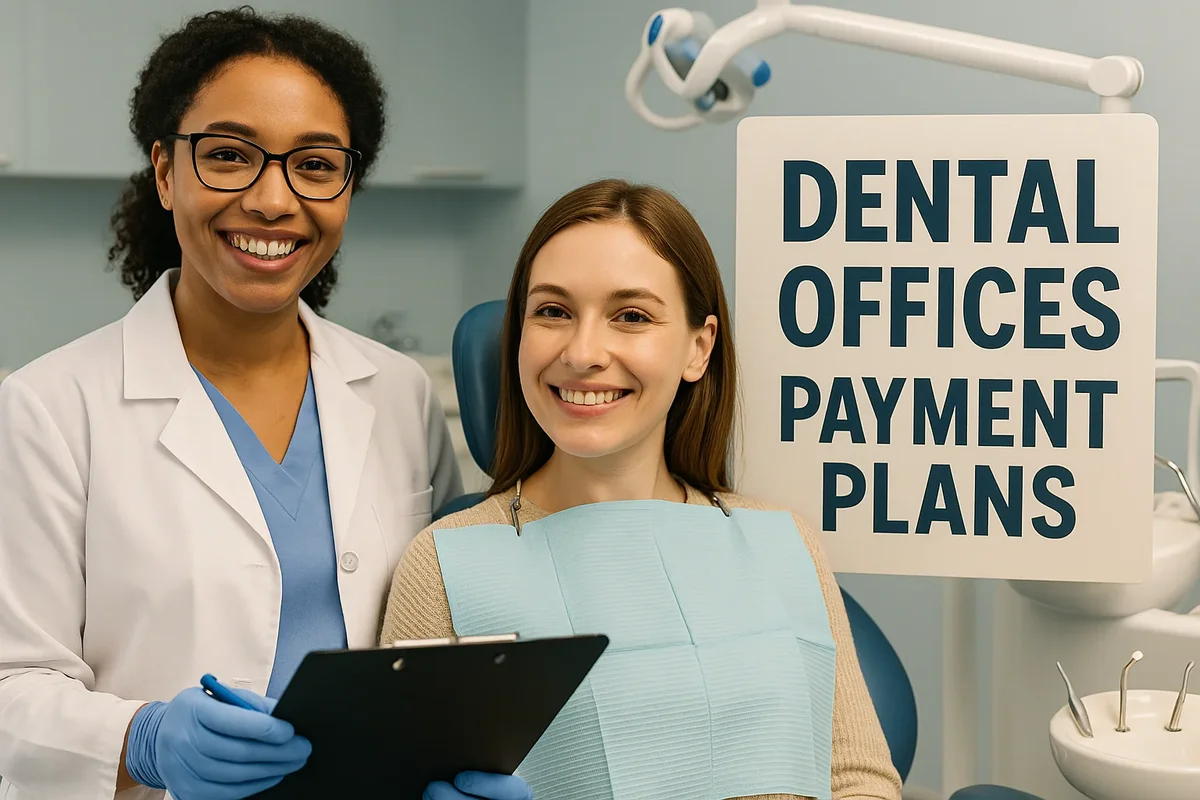
Frequently Asked Questions About Dental Offices with Payment Plans
When people hear about dental offices with payment plans, they often have many questions — from eligibility and interest rates to the types of treatments covered. This FAQ section provides a complete, detailed breakdown of the most common questions patients ask. Whether you’re considering your first financing plan or comparing multiple options, the answers below will help you make confident, informed decisions about your oral health and budget.
1. What Are Dental Payment Plans and How Do They Work?
A dental payment plan is an arrangement between you and your dentist that allows you to pay for treatments in smaller, manageable monthly installments instead of one large upfront cost. Many dental offices with payment plans provide options for both short-term (3–12 months) and long-term (12–60 months) financing. Some clinics handle payments internally, while others partner with financing companies like CareCredit, Proceed Finance, or Sunbit. Once approved, you can begin treatment immediately and pay over time, often with little to no interest.
Example:
If your treatment costs $2,000, and your clinic offers a 12-month interest-free plan, you’d pay roughly $166 per month instead of a lump sum. This model makes dental care accessible for patients who need urgent procedures like root canals, crowns, or implants but prefer not to deplete their savings.
2. Do I Need Good Credit to Qualify?
Not necessarily. Many dental offices with payment plans have options that don’t require credit checks, especially for smaller treatments. In-house financing programs are often more flexible, focusing on your income stability rather than your credit history. If you’re applying through a third-party lender, your credit score may influence the loan terms — such as interest rate or down payment — but approval rates are still high for most applicants. Even patients with past credit issues can often qualify by providing a co-signer or demonstrating consistent income.
3. Are There Interest or Hidden Fees?
Most reputable dental offices with payment plans prioritize transparency. Many offer 0% interest for a set period (usually 6–12 months) as long as payments are made on time. However, late or missed payments can trigger standard interest charges. Always ask for a written agreement that outlines total cost, monthly installments, and interest terms. Avoid clinics that refuse to share these details in writing — ethical practices include full financial disclosure before treatment begins.
Pro Tip 💡
Request an amortization schedule — a document showing how much of each payment goes toward your balance and interest. This helps you track your progress and ensures you understand the financial commitment fully.
4. What Types of Dental Treatments Can Be Financed?
Nearly all major procedures can be covered under a payment plan. The most common services include:
- 🦷 Preventive Care: Exams, cleanings, fluoride treatments, and x-rays.
- 🦷 Restorative Treatments: Fillings, crowns, bridges, and root canals.
- 🦷 Cosmetic Dentistry: Veneers, whitening, and smile makeovers.
- 🦷 Orthodontics: Braces and Invisalign aligners.
- 🦷 Implants and Oral Surgery: Full-mouth restorations, extractions, and bone grafts.
Some dental offices with payment plans even include routine care under subscription models, allowing you to pay a fixed monthly fee for preventive visits and discounted treatments. Always confirm what’s included before signing your agreement to avoid surprises later.
5. Can I Combine a Payment Plan with Dental Insurance?
Yes — in fact, this is one of the smartest strategies for maximizing savings. Insurance usually covers a portion of basic and preventive procedures, while payment plans handle the remaining balance. For example, if your insurance covers 70% of a $1,000 crown, you can finance the remaining $300 through your dentist’s payment plan. This combination minimizes out-of-pocket costs and helps you stay within budget while still receiving high-quality care.
Many dental offices with payment plans have dedicated insurance coordinators who help you optimize both benefits. Don’t hesitate to ask your clinic to file insurance claims on your behalf — it’s a service most reputable offices offer.
6. What Happens If I Miss a Payment?
Life happens, and most dental offices understand that. If you anticipate missing a payment, contact your dental office immediately. Many dental offices with payment plans provide grace periods or allow you to reschedule a payment without penalties. However, if you’re working with a third-party lender, missed payments may incur late fees or affect your credit score. Staying in communication and keeping your account in good standing ensures continued access to affordable care.
Maintaining Good Standing
Building a positive payment history benefits you long-term. It may make you eligible for future no-interest plans or loyalty discounts. Some dental clinics reward consistent payers with exclusive offers or priority scheduling for advanced treatments.
7. Are There Any Alternatives to Payment Plans?
Yes, if traditional financing isn’t the right fit, consider alternatives such as:
- 💳 Credit Cards with Promotional Offers: Some cards offer 0% APR for dental expenses for 12–18 months.
- 💰 Health Savings Accounts (HSA) or Flexible Spending Accounts (FSA): These tax-advantaged accounts can cover dental expenses directly.
- 🤝 Community or Nonprofit Dental Programs: Certain organizations provide low-cost or sliding-scale care for patients in need.
However, these alternatives may not provide the same convenience or tailored support that dedicated dental offices with payment plans offer. Choosing a clinic with in-house financing keeps everything under one roof, ensuring simplicity and accountability.
8. Can I Pay Off My Plan Early?
Absolutely! Most payment plans — both in-house and third-party — allow early payoff without penalties. This means you can complete your payments ahead of schedule and save on potential interest charges. Always double-check your contract to confirm there are no early repayment restrictions. The best dental offices with payment plans encourage financial flexibility and will happily assist you in finalizing early payments if desired.
9. How Can I Find the Best Dental Office Offering Payment Plans?
Start by researching local clinics that specifically mention flexible financing on their websites. Use tools like Google Maps and patient review platforms to compare options. Look for clinics that emphasize transparency, detailed written contracts, and clear communication. For personalized guidance, visit the Redent Klinik Contact Page — their team can help you find the best solutions tailored to your budget and treatment goals.
10. Are Dental Payment Plans Worth It?
In almost every case, yes. Delaying dental treatment can lead to more serious, expensive problems later. By using dental offices with payment plans, you can prioritize your health now and pay comfortably over time. The peace of mind, improved confidence, and long-term savings make these plans one of the smartest investments in your overall well-being.
Final Thoughts: Empowering Patients Through Financial Accessibility
Payment plans are no longer a luxury — they’re a necessity for equitable healthcare. Dental offices with payment plans represent a shift toward compassion, transparency, and patient empowerment. Whether you’re dealing with emergency care or pursuing cosmetic improvements, these programs ensure your oral health never takes a backseat to financial limitations. For verified information on best practices and patient rights, refer to the American Dental Association. With the right plan and a trusted clinic, achieving a healthy, confident smile is both possible and affordable 🌟.