
When it comes to restoring your smile with long-lasting, natural-looking results, dental implants stand out as the gold standard in modern dentistry. Yet, one of the most common questions patients ask before committing to treatment is: “How much do dental implants cost?” Performing a proper dental implant cost comparison helps you make an informed decision — ensuring you get the best balance between quality, safety, and affordability. 🌟
Dental implants are not a one-size-fits-all treatment. The total cost varies depending on multiple factors, including the clinic’s location, the dentist’s expertise, materials used, and whether additional procedures like bone grafting or sinus lifts are required. Understanding these elements allows you to compare prices more effectively and avoid hidden costs that could surprise you later.
On average, the price of a single dental implant can range between $1,000 and $6,000 per tooth in different regions. In countries like the United States, costs tend to be on the higher end due to labor expenses, insurance, and regulatory requirements. Meanwhile, destinations such as Turkey, Hungary, or Mexico offer affordable packages that include the entire treatment — flight, accommodation, and aftercare — at a fraction of the Western price. This significant price variation makes a detailed dental implant cost comparison not just helpful but essential before starting your treatment journey.
When you analyze the price structure, it’s vital to remember that a dental implant isn’t just a single component. It consists of three main parts: the titanium or zirconia implant post (which replaces the tooth root), the abutment (which connects the implant to the crown), and the dental crown itself. Each of these pieces carries its own cost. The type of material also influences the overall price — for example, zirconia implants are usually more expensive but offer superior aesthetics and biocompatibility for patients with metal sensitivities.
Let’s look at a sample of average global dental implant prices in 2025:
Average Dental Implant Prices (Per Tooth in USD)
USA: $4,000 – $6,000
UK: $3,500 – $5,000
Germany: $2,500 – $4,000
Turkey: $700 – $1,200
Mexico: $1,000 – $1,800
Thailand: $1,200 – $2,000
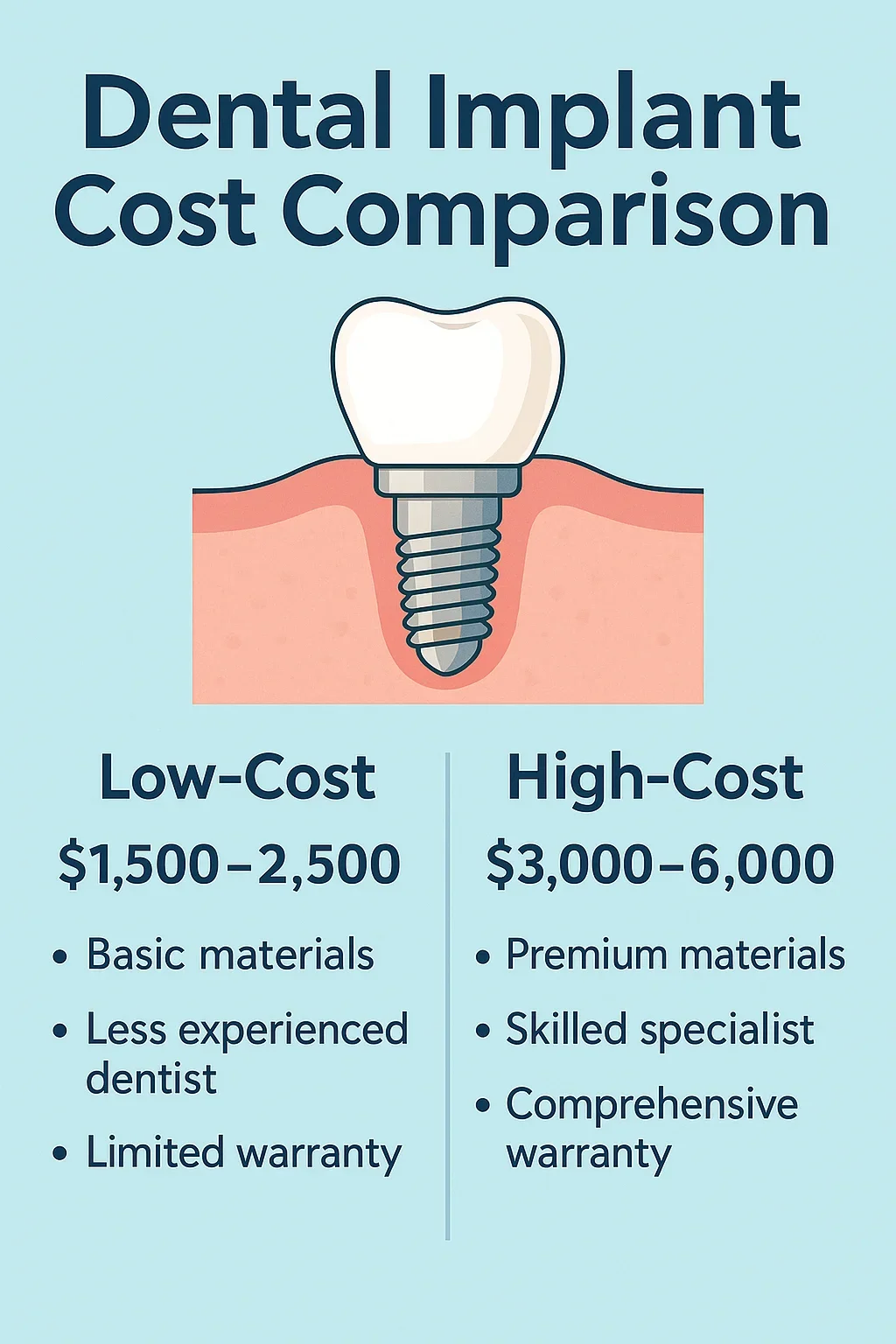
As shown above, the difference is remarkable. This wide gap highlights why conducting a dental implant cost comparison is crucial. However, price should never be the sole factor in your decision. The skill of your dental surgeon, the quality of materials used, the hygiene standards of the clinic, and postoperative care all play vital roles in the long-term success of your implant. Cheap dental implants might save you money today but could lead to costly revisions later if performed by an inexperienced provider.
Another essential aspect to evaluate is warranty and follow-up care. Reputable clinics often provide warranties for the implant and the prosthetic crown. This ensures that if something goes wrong within a certain period — such as implant failure or structural damage — you’re protected from additional costs. Always ask your dentist about warranty terms during your consultation.
Patients who compare prices internationally often discover that countries like Turkey offer world-class dental implant services at significantly lower rates without compromising quality. Clinics such as Redent Klinik Contact Page provide personalized care, use FDA-approved materials, and have experienced implantologists — all contributing to a strong reputation for dental tourism excellence. 🌍
It’s also essential to review American Dental Association guidelines when researching providers abroad. These standards can help you verify whether international clinics follow globally recognized dental care protocols.
When performing a dental implant cost comparison, be sure to factor in hidden expenses such as X-rays, CT scans, temporary crowns, anesthesia, and follow-up visits. Some clinics include these in their package prices, while others charge separately. A transparent treatment plan should always list all costs clearly before you agree to the procedure. 📋
Another crucial point is the type of implant system used. Top global brands like Straumann, Nobel Biocare, and MIS often come with a higher price tag but offer proven durability and easier maintenance. In contrast, generic implant systems might cost less but could have limited support or compatibility in other countries if you move or change dentists later.
In conclusion, the purpose of a detailed dental implant cost comparison is not merely to find the cheapest clinic but to identify where you can get the best long-term value. By comparing factors such as experience, technology, hygiene, and materials — alongside price — you can confidently choose the right dental implant provider for your needs. A healthy smile is an investment that pays off for a lifetime, not just a one-time expense. 😁
Understanding Dental Implant Costs: What Are You Paying For?
Before making a final decision about where to get your dental implant, it’s vital to understand exactly what contributes to the total cost. A proper dental implant cost comparison is not just about price tags—it’s about what’s included in the treatment and how each component affects the long-term outcome. By knowing what you’re paying for, you can make a well-informed decision that ensures both quality and value. 🦷
The Main Components of a Dental Implant
Every dental implant consists of three essential parts, each with its own production and surgical costs. When performing a dental implant cost comparison, consider the following components:
- Implant Post (Fixture): This is the screw-like structure made of titanium or zirconia that replaces your natural tooth root. The cost of this component alone can vary from $500 to $2,000 depending on the brand and material.
- Abutment: The abutment is a small connector that links the implant post to the crown. It can be customized to fit your gumline and usually costs between $200 and $500.
- Crown (Prosthetic Tooth): The visible part of the implant that looks and functions like a real tooth. The price for a dental crown ranges from $600 to $2,000, depending on whether it’s porcelain, zirconia, or metal-ceramic.
These three parts together form the foundation of your smile restoration. When you see a wide variation in implant quotes, it’s often because of the differences in materials, lab work, and expertise involved in manufacturing and placing each part. That’s why detailed dental implant cost comparison research is essential before committing to any clinic.
Additional Procedures That Affect Price
Not all patients can receive implants immediately. Some require additional procedures before or during implantation. These extra treatments can significantly influence the total price:
- Bone Grafting: If you’ve had missing teeth for a long time, your jawbone may have weakened. Bone grafting adds volume to support the implant and can cost an additional $400 to $1,200.
- Sinus Lift: Common for upper jaw implants, this procedure raises the sinus membrane to make space for the implant. It typically adds $1,000 to $3,000 per side.
- Tooth Extraction: If you still have a damaged tooth that needs removal, expect an extra $100 to $300 per tooth.
- CT Scan and X-rays: High-quality imaging is required for accurate placement and can cost around $200 to $500.
These additional procedures are sometimes included in treatment packages abroad but billed separately in Western clinics. Therefore, while comparing quotes, always verify what’s included in the initial price. This makes your dental implant cost comparison more accurate and prevents unpleasant surprises later on.
Location and Clinic Reputation
The geographical location of the dental clinic is one of the most decisive factors in the overall cost. For instance, the same implant system can cost triple in the United States compared to Turkey or Hungary. This difference is mainly due to variations in labor costs, rent, and insurance regulations.
Example:
USA: $4,000 – $6,000 per implant
Turkey: $800 – $1,200 per implant
Hungary: $1,000 – $1,800 per implant
In addition, clinic reputation and dentist experience play a vital role. A highly experienced oral surgeon may charge more, but the increased precision and reduced risk of complications can save you thousands in revision costs. Therefore, a fair dental implant cost comparison should balance both affordability and medical quality rather than focusing solely on the lowest bid.
Material Quality and Implant Brands
Another core element of cost variation lies in the type and brand of the implant. Premium brands like Straumann, Nobel Biocare, and Zimmer Biomet are known for their advanced engineering and long-term durability. These systems can cost significantly more but often provide superior integration with bone tissue and a lower chance of failure. In contrast, generic or lesser-known brands are cheaper upfront but may lack global availability for maintenance or replacement parts.
Material Comparison Table
| Material Type | Average Cost (Per Implant) | Durability | Biocompatibility |
|---|---|---|---|
| Titanium | $800 – $2,500 | 20+ years | High |
| Zirconia | $1,200 – $3,000 | 15–20 years | Very High |
Patients seeking metal-free options often choose zirconia implants despite the higher price. When conducting your dental implant cost comparison, it’s wise to compare not only the cost but also the long-term reliability and comfort of each material type.
Laboratory Work and Technology Used
Dental laboratories play a major role in the final quality of your implant. High-end labs using CAD/CAM technology (Computer-Aided Design and Manufacturing) ensure perfect precision and fit, which can raise costs slightly but deliver excellent aesthetics and comfort. On the other hand, traditional labs using manual mold methods may lower the cost but increase the risk of imperfections.
Modern clinics equipped with digital scanners and 3D imaging systems may charge more but often complete the procedure faster and with fewer complications. Investing in technology-driven treatment contributes to a better overall success rate, making your dental implant cost comparison more favorable in terms of long-term satisfaction.
Aftercare and Maintenance
One often-overlooked part of the total expense is post-treatment care. Regular checkups, professional cleanings, and maintenance visits help extend the life of your implants. Some clinics include these services in their package, while others charge per session. Always confirm how much follow-up care is provided when comparing dental implant offers.
For example, reputable clinics like Redent Klinik Contact Page include follow-up visits in their treatment plan, ensuring patients receive ongoing care without unexpected charges. This transparency is crucial for a realistic and trustworthy dental implant cost comparison.
The Value of Safety and Certification
Cost should never outweigh safety. Always ensure your dental provider adheres to international safety standards such as those outlined by the American Dental Association. Clinics that follow strict sterilization, training, and material sourcing protocols may charge more, but the peace of mind they provide is invaluable. 💎
Conclusion: Look Beyond the Price Tag
Understanding what contributes to the total cost of dental implants gives you clarity and control over your choices. A thorough dental implant cost comparison should factor in every element — from materials and expertise to aftercare and international accreditation. When you evaluate all these details, you can find a balance between affordability and quality, ensuring a confident smile that lasts a lifetime. 😊
Cost Breakdown: Materials, Surgery, and Aftercare
When analyzing a dental implant cost comparison, it’s not enough to look at the overall treatment price. To understand where your money goes, you must examine the three main categories of expenses: materials, surgical procedures, and aftercare services. Each plays a distinct role in the outcome and longevity of your dental implant. By breaking down the costs, patients can clearly see what determines the total investment and how to make the most of it. 🦷
1. The Material Factor: Implant Components and Quality
The foundation of every dental implant lies in the materials used. These determine durability, biocompatibility, and aesthetics—all of which affect cost. When conducting a dental implant cost comparison, the material category often accounts for around 30–40% of the total expense. Below are the primary components involved in material costs:
Implant Post
The implant post, also known as the fixture, replaces the missing tooth root. Titanium is the most common material, celebrated for its strength and ability to fuse naturally with bone (a process known as osseointegration). Premium-grade titanium implants, used by brands like Straumann or Nobel Biocare, can cost between $800–$2,000 per unit. Zirconia implants, a metal-free alternative preferred for aesthetic or allergy-sensitive patients, may increase the cost to $1,200–$3,000.
Abutment and Crown
The abutment is the connector between the implant post and the crown. Custom abutments made with precision milling cost more than standard prefabricated ones. Meanwhile, the dental crown—the visible portion that looks like a natural tooth—can range between $600–$2,000, depending on whether it’s porcelain, zirconia, or porcelain-fused-to-metal (PFM). When comparing total costs, make sure to verify if these components are included in your treatment package; some clinics quote only the surgical placement, not the final crown.
Understanding this breakdown allows for a more transparent dental implant cost comparison and prevents confusion when you receive multiple quotes with varying details.
2. The Surgical Phase: Precision, Expertise, and Technology
The surgical phase is where much of the cost variation occurs. It includes the expertise of the dental surgeon, preoperative imaging, anesthesia, and procedural complexity. Let’s examine these in detail:
Consultation and Diagnostic Imaging
Before the implant surgery, comprehensive diagnostic tests are required. These typically include 3D CBCT scans (Cone Beam Computed Tomography) and panoramic X-rays, which help plan the exact implant position and angle. These imaging procedures may cost between $150 and $400 but are sometimes included in package deals abroad.
Implant Surgery Itself
The surgical phase involves the placement of the implant fixture into the jawbone. This step requires high precision, sterile conditions, and advanced surgical tools. A skilled oral surgeon or periodontist ensures accurate alignment, minimizing complications. The average cost for surgical placement alone can range from $1,000–$3,000 per implant, depending on location and complexity. Clinics that utilize computer-guided implantology may charge more, but the precision reduces healing time and long-term failure risks.
Additional Procedures During Surgery
If bone density is insufficient, surgeons might perform bone grafting or sinus lift procedures during the implant surgery. Each of these can add several hundred to several thousand dollars. For instance, a sinus lift in the upper jaw may cost around $1,500–$3,000 per side, while bone grafting ranges from $400–$1,200. Therefore, accurate preoperative evaluation is critical for realistic budgeting and accurate dental implant cost comparison.
3. Post-Surgery Care and Maintenance
Aftercare is often underestimated in the overall treatment cost, yet it plays a major role in the success and longevity of dental implants. Once the surgery is complete, patients must attend follow-up visits, cleanings, and checkups. Some clinics include these services as part of the total price, while others charge per appointment.
Follow-Up Visits and Healing Period
Healing after dental implant surgery typically takes 3 to 6 months, during which the implant integrates with the bone. Follow-up appointments are necessary to monitor healing and detect any potential issues early. These visits may cost between $50 and $200 each, depending on the clinic’s policy. Clinics like Redent Klinik Contact Page often include these checkups in their all-inclusive treatment packages, ensuring continuous care and transparency throughout the recovery process. 🌿
Maintenance Costs and Long-Term Care
Even after the initial healing, regular checkups every 6 to 12 months are advised to ensure implant stability and gum health. Professional cleanings, scaling, and polishing around implants may cost $100–$300 annually. These ongoing care measures are small but vital investments in maintaining the implant for decades.
4. Hidden Costs and Regional Differences
When conducting an international dental implant cost comparison, always check for additional or hidden charges. Some clinics may list a base implant price but exclude anesthesia, temporary crowns, medication, or travel costs. Reputable clinics typically provide a detailed treatment plan with itemized pricing for transparency.
Example (Average 2025 Pricing):
USA: $4,000–$6,000 per implant (excluding crown)
UK: $3,500–$5,000 (including crown)
Turkey: $800–$1,200 (all-inclusive with crown and aftercare)
Mexico: $1,200–$1,800 (with temporary crown)
These comparisons show that some countries offer comprehensive packages that include surgery, materials, and follow-up visits — making them more cost-efficient options. However, always verify accreditation and standards such as those provided by the American Dental Association to ensure safety and quality. ✈️
5. Why Cost Breakdown Matters
Breaking down the costs is not just a financial exercise; it’s a way to assess value and transparency. A well-detailed dental implant cost comparison helps you determine if the quoted price truly covers every step — from consultation to final restoration. It also prevents future disputes over hidden charges, ensuring you’re fully aware of your investment from start to finish.
Conclusion: Transparency Equals Confidence
In conclusion, understanding the breakdown of dental implant cost comparison categories—materials, surgery, and aftercare—gives patients the clarity to choose wisely. Don’t be swayed solely by low prices; instead, focus on comprehensive, transparent treatment plans offered by reputable clinics. High-quality materials, experienced surgeons, and proper follow-up care create the foundation for dental implants that last a lifetime. When you know exactly what you’re paying for, you invest not just in your teeth but in your long-term confidence and health. 😁
Dental Implant Cost Comparison by Country (2025 Updated)
In 2025, global interest in affordable and high-quality dental care continues to rise, and patients are increasingly comparing prices between countries before committing to treatment. Conducting a dental implant cost comparison by country helps patients identify where they can achieve the best results at the most reasonable cost. With modern technology and global dental tourism, it’s now possible to receive world-class implants for a fraction of the price you’d pay in Western nations. 🌍
1. Why Dental Implant Prices Differ Around the World
The first step in understanding international price variation is realizing that each country’s healthcare system, cost of living, labor prices, and import taxes play major roles in determining final costs. When performing a dental implant cost comparison, these underlying economic factors often explain why the same implant system can cost three or four times more in one country than another. Below are the key influencers:
- Labor and Dentist Fees: Wages and professional service rates vary by region. Dentists in the U.S. or the U.K. face higher operational costs, which are reflected in patient bills.
- Material Import Costs: Countries that import dental materials or pay high customs taxes tend to have elevated prices.
- Regulatory Environment: Stricter health regulations, insurance systems, and taxation increase procedural costs in developed nations.
- Currency Exchange and Inflation: Fluctuating exchange rates may also influence affordability, especially in developing economies.
These factors collectively shape the global landscape of dental implant cost comparison, allowing patients to seek quality treatment at international destinations known for cost efficiency and advanced medical standards.
2. Average Dental Implant Prices in 2025 (Per Tooth)
Let’s look at a current global snapshot of average dental implant costs in 2025. These values represent typical midrange prices for a single implant, including surgery and crown:
| Country | Average Cost (USD) | Inclusions | Quality Rating |
|---|---|---|---|
| United States 🇺🇸 | $4,000 – $6,000 | Implant, surgery, abutment, crown (excluding bone graft) | ⭐⭐⭐⭐⭐ |
| United Kingdom 🇬🇧 | $3,500 – $5,000 | Implant and crown (clinic fees extra) | ⭐⭐⭐⭐ |
| Germany 🇩🇪 | $2,500 – $4,000 | Implant, abutment, and temporary crown | ⭐⭐⭐⭐⭐ |
| Turkey 🇹🇷 | $700 – $1,200 | All-inclusive: implant, crown, aftercare, transfer, hotel | ⭐⭐⭐⭐⭐ |
| Mexico 🇲🇽 | $1,000 – $1,800 | Implant and abutment (crown optional) | ⭐⭐⭐⭐ |
| Thailand 🇹🇭 | $1,200 – $2,000 | Implant, crown, aftercare | ⭐⭐⭐⭐ |
| India 🇮🇳 | $500 – $1,000 | Implant and crown, limited warranty | ⭐⭐⭐ |
These figures demonstrate just how significant the price gap is worldwide. A patient in the U.S. might pay over $5,000 for a single implant, while the same treatment in Turkey could cost less than $1,000, including travel and accommodation. This vast difference has made countries like Turkey, Mexico, and Thailand global leaders in dental tourism.
3. Why Turkey Leads the Global Dental Tourism Market
Turkey has emerged as one of the top destinations for affordable and high-quality dental implant treatments. Istanbul, Antalya, and Izmir host state-of-the-art clinics like Redent Klinik Contact Page, offering comprehensive implant packages that combine luxury care, experienced dentists, and transparent pricing. 🏆
Several factors make Turkey especially competitive in the dental implant cost comparison:
- Lower operational and labor costs without compromising international quality standards.
- Government support for health tourism, including streamlined visa processes and multilingual staff.
- Use of globally recognized implant systems such as Straumann and Nobel Biocare.
- Packages often include airport transfers, hotel stays, and free follow-ups.
Patients from the U.K., Europe, and the Middle East frequently travel to Turkey to receive implants of the same quality as in their home countries—at 70–80% lower prices. That’s why Turkey consistently ranks among the best choices in international dental implant cost comparison lists for 2025.
4. USA vs. Europe: The Quality–Price Dilemma
While the United States and Western Europe maintain the highest quality standards, their prices are substantially higher. A single implant in the U.S. costs as much as an entire full-mouth restoration in some other countries. However, some patients prefer to stay within domestic healthcare systems for insurance reasons or personal comfort.
In Germany and Switzerland, patients benefit from cutting-edge implant technology and exceptional dental engineering, yet costs remain lower than in the U.S. thanks to efficient healthcare structures and medical tourism programs. The European market offers a middle ground between affordability and premium quality, making it a solid option for those seeking safety and predictability in their dental implant cost comparison.
5. Asia and Latin America: Emerging Hubs for Affordable Implants
Beyond Turkey, countries like Thailand, India, and Mexico are rapidly growing in reputation. Thailand’s clinics combine Western-trained dentists with luxurious service, while Mexico provides convenient access for North American patients seeking savings without long travel times. India stands out for its extremely competitive prices and English-speaking professionals, though patients should carefully check for international accreditation when making a dental implant cost comparison.
Key Tip for Patients
When traveling abroad for implants, always confirm whether the clinic follows international guidelines such as those from the American Dental Association and the ISO (International Organization for Standardization). Accreditation ensures hygiene, sterilization, and material standards are properly maintained, no matter how affordable the offer appears. ✅
6. Travel Costs vs. Savings: The Balance
While the savings on treatment can be significant, consider travel expenses, accommodation, and time off work when calculating the total value. For many patients, the cost difference is still substantial even after including travel. For instance, a $5,000 implant in the U.S. could cost only $1,000 in Turkey—with an additional $600 for flight and hotel—still saving over $3,000 overall. Thus, a realistic dental implant cost comparison should always include logistical costs alongside clinical fees.
7. Final Insights
In conclusion, the 2025 global landscape of dental care offers patients unprecedented flexibility and affordability. With comprehensive research, transparent clinic communication, and professional accreditation, patients can receive safe, high-quality implants at a price that fits their budget. 🌐 Whether you choose to stay local or explore international options, conducting a thorough dental implant cost comparison empowers you to invest wisely in your smile and your future health. 😁
Why Dental Implants Are Worth the Investment 💎
When evaluating the results of a dental implant cost comparison, it’s natural to wonder if implants are truly worth the expense. After all, they tend to cost more than dentures or bridges at first glance. However, when we look deeper into their long-term benefits — from durability and oral health to aesthetics and confidence — dental implants prove to be one of the best investments in modern dentistry. 🌟
1. The Long-Term Financial Advantage
Many patients initially see dental implants as expensive, but this perception often changes when comparing costs over time. Unlike dentures or bridges, which may require replacements every 5–10 years, implants can last a lifetime with proper care. This longevity dramatically reduces total dental expenses in the long run. When performing a dental implant cost comparison, consider the lifetime value rather than just the upfront cost.
Example:
Traditional Bridge: $2,000 (replacement every 10 years = $6,000+ over 30 years)
Removable Denture: $1,500 (replacement and maintenance every 7 years = $4,500+ over 21 years)
Dental Implant: $3,500 (one-time investment lasting 25+ years)
As the table shows, even though implants have a higher initial cost, they often become the most cost-effective solution over time. The key takeaway from any detailed dental implant cost comparison is that upfront affordability does not always equal long-term value.
2. Durability and Functionality That Lasts Decades
Dental implants are designed to integrate with your jawbone through a process called osseointegration. This fusion makes the implant as strong as, or even stronger than, a natural tooth root. With proper oral hygiene and regular dental checkups, implants can last over 25 years — often for life. This longevity is a major factor in why they outperform other restoration methods in every dental implant cost comparison.
Factors Affecting Longevity
- Use of high-quality materials like titanium or zirconia
- Accurate surgical placement and implant design
- Patient’s bone density and gum health
- Post-surgery care and maintenance routines
When treated by qualified specialists — such as those at Redent Klinik Contact Page — dental implants can maintain structural stability and aesthetic appeal for decades, ensuring your investment continues to pay off.
3. Health Benefits Beyond Aesthetics
Beyond cosmetic improvement, dental implants significantly enhance overall oral health. Traditional bridges require adjacent teeth to be shaved down to support the prosthetic. Implants, on the other hand, stand independently, preserving natural tooth structure. This feature alone makes them a better long-term choice in a realistic dental implant cost comparison.
Moreover, implants prevent bone resorption — the gradual bone loss that occurs when teeth are missing. Without stimulation from a tooth root, the jawbone weakens over time, leading to facial sagging and premature aging. Dental implants replace this function, preserving facial contours and maintaining a youthful appearance. 😁
4. Enhanced Confidence and Quality of Life
Patients often underestimate the psychological and social impact of missing teeth. Difficulty chewing, avoiding certain foods, or feeling embarrassed to smile can deeply affect quality of life. Dental implants restore not only function but also confidence. This “invisible benefit” is hard to quantify in a dental implant cost comparison, yet it’s one of the most valuable aspects of implant treatment.
Eating comfortably, laughing freely, and speaking clearly are priceless. Unlike dentures, which may slip or cause discomfort, implants feel and function like real teeth — offering both physical and emotional stability that can transform daily life.
5. Low Maintenance and Long-Term Savings
Implants require the same care as natural teeth: brushing twice daily, flossing, and routine dental visits. There’s no need for special adhesives or nightly soaking. Because they integrate into the jaw, implants don’t develop cavities, though the surrounding gums must remain healthy to support them.
Maintenance costs are minimal compared to dentures or bridges. The average annual upkeep of implants may range from $100–$300, primarily for professional cleanings. In contrast, denture users may spend far more on adhesives, relining, or replacements — proving once again that implants are the superior long-term investment in any accurate dental implant cost comparison.
6. Natural Aesthetics and Seamless Comfort
Dental implants are unmatched in replicating the look and feel of natural teeth. They are individually crafted to match the shape, shade, and size of your existing teeth, ensuring a seamless smile. Modern CAD/CAM (Computer-Aided Design and Manufacturing) technology allows for precise customization, resulting in perfect alignment and comfort.
This natural look doesn’t just improve your appearance; it enhances your overall self-image. Patients frequently report feeling more youthful and socially confident after treatment. Such benefits are rarely captured in financial comparisons but are invaluable in real life — another reason why thorough dental implant cost comparison should consider emotional and lifestyle gains alongside financial metrics. 💬
7. Environmental and Sustainable Advantages
In recent years, sustainability has become a factor even in healthcare. Because dental implants last for decades, they produce less medical waste over time compared to removable prosthetics that require frequent replacement. This longevity not only benefits patients but also aligns with eco-friendly practices — a hidden but important advantage that adds to the value uncovered through comprehensive dental implant cost comparison.
8. Verified Safety and Professional Standards
Modern dental implants are among the safest procedures in dentistry, with a success rate exceeding 95%. Reputable clinics follow strict sterilization and surgical guidelines, often aligned with standards from the American Dental Association. These safety assurances minimize the risk of complications, providing additional peace of mind that further justifies the investment.
9. Final Thoughts: The True Value of Your Smile
While initial prices may seem daunting, dental implants are a lifelong solution that delivers unmatched value. They protect oral health, restore function, and boost confidence — benefits that extend far beyond aesthetics. A realistic dental implant cost comparison should therefore evaluate not just what you spend but what you gain: a permanent, healthy, and radiant smile that enriches every part of your life. 🌈
When it comes to restoring confidence and function, dental implants stand above every other restorative option. They are not merely a purchase — they are a life-enhancing investment in comfort, appearance, and health. 💖
Hidden Costs You Should Know Before Getting Implants
When analyzing a dental implant cost comparison, many patients focus on the main treatment fee — the cost of the implant, surgery, and crown. However, beneath the surface lie several “hidden” or indirect expenses that can significantly affect the total price. Understanding these additional costs is crucial for realistic budgeting and preventing unpleasant surprises. In this section, we’ll explore every factor that may add to your overall implant investment and help you plan smarter. 💡
1. Pre-Treatment Assessments and Diagnostic Tests
Before a dental implant procedure, a thorough diagnostic process is essential. This phase ensures your bone, gum, and overall oral health can support an implant. While these examinations may seem routine, they often come with added costs that many overlook during a dental implant cost comparison.
Common Pre-Implant Diagnostics
- Panoramic X-ray: Provides an overview of your jaw and teeth. Cost: $50–$150.
- 3D CBCT Scan (Cone Beam CT): Offers detailed imaging of bone structure and nerves. Cost: $200–$400.
- Blood Tests and Medical Clearances: Required for patients with conditions like diabetes or heart disease. Cost: $50–$150.
Some clinics include these services within the initial consultation fee, while others charge separately. Always confirm which diagnostics are covered in the quoted price. A transparent clinic will disclose all such costs during the initial dental implant cost comparison.
2. Additional Surgical Procedures
Not every patient has sufficient jawbone density or gum health for immediate implantation. If additional surgical work is required, it will naturally increase the total cost. These supplementary procedures often make the difference between an accurate quote and a final bill that’s thousands of dollars higher. 🏥
Common Add-On Procedures
- Bone Grafting: Adds bone material to strengthen weak areas of the jaw. Costs typically range from $400–$1,200 per site.
- Sinus Lift: Raises the sinus membrane to create more space for upper jaw implants. Average cost: $1,000–$3,000.
- Soft Tissue Grafting: Improves gum thickness or aesthetics. Average cost: $300–$800.
- Tooth Extraction: Removing decayed or damaged teeth before implant placement costs around $100–$300 per tooth.
Each of these procedures adds precision, stability, and safety to the implant process, but they can also increase the budget. That’s why any trustworthy dental implant cost comparison should account for them upfront.
3. Temporary Restorations During Healing
After implant surgery, it usually takes several months for the implant to fully fuse with the bone — a process called osseointegration. During this healing period, temporary crowns, bridges, or dentures may be needed to restore appearance and function. These temporaries aren’t always included in initial quotes, and costs may vary between $200–$1,000 depending on the complexity and materials used.
Ask your clinic whether temporary restorations are part of the treatment plan or billed separately. This detail is often overlooked in quick dental implant cost comparison tables online but can significantly influence the total cost of your smile restoration. 🦷
4. Anesthesia, Sedation, and Operating Room Fees
For many patients, dental implants involve sedation or anesthesia — especially for multiple implants or complex surgeries. The type of anesthesia used directly impacts cost:
| Anesthesia Type | Description | Average Cost (USD) |
|---|---|---|
| Local Anesthesia | Used for single implants; numbs only the surgical area. | $100 – $200 |
| IV Sedation | Used for patients with anxiety or multi-implant procedures. | $400 – $800 |
| General Anesthesia | Full unconscious sedation; typically performed in hospital settings. | $1,000 – $2,000 |
Operating room or sterilization fees may also be added, particularly in large dental centers. Always confirm these details before treatment to ensure your dental implant cost comparison remains accurate.
5. Medication and Aftercare Costs
Post-operative care often involves prescriptions, antibacterial mouth rinses, and special oral hygiene products. While these costs might seem minor, they can add up over multiple appointments. Typical expenses include:
- Antibiotics and painkillers: $30–$100
- Antibacterial mouthwash: $10–$30
- Implant-specific toothbrush or water flosser: $30–$150
Moreover, some clinics offer post-op care kits at an additional fee. To maintain transparency, ensure your dental implant cost comparison includes post-treatment care and follow-up visits.
6. Travel, Accommodation, and Time Costs (for Dental Tourism)
Many patients choose to travel abroad for dental implants, attracted by lower prices in destinations such as Turkey, Hungary, or Mexico. However, travel costs can quickly add up. Airfare, hotel stays, and local transportation should all be considered part of the total budget. ✈️
For instance, patients flying from the U.S. to Turkey might spend $600–$900 on round-trip flights and $300–$600 on hotel accommodation. Still, even with travel expenses, the total may remain significantly lower than domestic prices, making the trip worthwhile. When doing a realistic dental implant cost comparison, remember to calculate both treatment and travel together to get the full picture.
7. Warranty, Maintenance, and Long-Term Checkups
Some high-end clinics provide warranty coverage for their implants and crowns — a valuable yet often overlooked component of the cost. Warranties can range from 5 years to lifetime coverage, protecting patients against rare complications or implant failure. Verify whether your chosen provider includes such coverage in their pricing.
Routine follow-ups and annual checkups are also essential for long-term implant success. These visits, costing $100–$300 annually, ensure that your implants remain stable and healthy. Including these in your dental implant cost comparison adds realism to the financial planning process.
8. Hidden “Marketing” Discounts or Package Traps
Some clinics advertise suspiciously low prices online, only to increase the total once patients arrive. These “base rates” often exclude crucial elements like abutments, crowns, or anesthesia. Always ask for a detailed written treatment plan that itemizes every cost before booking your appointment. Transparency builds trust — and ensures a fair dental implant cost comparison.
9. How to Protect Yourself from Unexpected Expenses
The best defense against hidden costs is education. Ask questions, demand written estimates, and verify whether prices include:
- Consultation and diagnostic imaging
- Implant surgery, abutment, and crown
- Anesthesia and medications
- Temporary restorations (if required)
- Follow-up visits and warranty
Reputable dental centers like Redent Klinik Contact Page provide comprehensive, all-inclusive pricing — ensuring that what you see is what you pay. Clinics adhering to international standards, such as those endorsed by the American Dental Association, prioritize transparency and patient satisfaction over hidden fees. ✅
10. Conclusion: Knowledge Equals Savings
Hidden expenses can drastically alter the results of your dental implant cost comparison. By understanding every potential add-on — from diagnostics and anesthesia to travel and warranties — you gain full control over your financial plan. An informed patient is an empowered one, capable of making decisions based on value, safety, and honesty. The more transparent your clinic, the smoother your implant journey will be — both for your smile and your wallet. 💎
How to Save Money on Dental Implants Without Compromising Quality
Dental implants are a life-changing investment, but that doesn’t mean they have to drain your savings. With strategic planning and the right information, you can significantly reduce costs while maintaining top-tier treatment quality. Conducting a proper dental implant cost comparison is the first step toward finding safe, effective, and affordable solutions. In this guide, we’ll explore proven ways to save money without sacrificing the excellence your smile deserves. 💰
1. Choose Your Location Wisely
One of the most effective ways to save on implants is by choosing the right treatment destination. The same implant system and surgical procedure can vary dramatically in price depending on where it’s performed. For example, a single implant in the United States may cost $4,000–$6,000, while in Turkey or Mexico, the same procedure (including crown and aftercare) could range from $800–$1,500. 🌍
When doing a dental implant cost comparison by location, consider the overall value rather than the lowest price alone. Reputable dental tourism destinations—like Turkey, Hungary, Thailand, and Mexico—offer international standards, certified specialists, and advanced technology at significantly lower rates due to reduced labor and operational costs.
Pro Tip: Always check clinic credentials, patient reviews, and accreditations such as ISO or ADA compliance before traveling abroad for treatment.
2. Consider All-Inclusive Dental Packages
Many international clinics now offer all-inclusive implant packages that bundle surgery, materials, hotel accommodation, and airport transfers into a single transparent price. These packages are often 60–80% cheaper than equivalent treatments in Western countries. Clinics like Redent Klinik Contact Page specialize in transparent, package-based pricing that eliminates hidden fees and ensures convenience throughout the patient journey. 🦷
When comparing offers, verify that the package includes every essential element—such as the implant post, abutment, final crown, anesthesia, and aftercare. A complete package makes your dental implant cost comparison more realistic and helps you avoid post-treatment financial surprises.
3. Explore Dental Schools and Teaching Hospitals
If you prefer to stay local, another way to reduce costs is by visiting dental schools or teaching hospitals. Supervised graduate students perform implant procedures at reduced prices while using the same high-quality materials as professional clinics. Patients receive excellent care under the guidance of experienced specialists, making it a smart option for those seeking affordability without compromising safety or quality.
Although the waiting time may be longer, savings can reach 30–50%. Always ensure that these institutions are accredited and follow standardized hygiene protocols before proceeding. This route is particularly valuable in countries like the USA or UK, where dental school clinics are well-established and operate under strict supervision by board-certified professionals.
4. Choose the Right Implant Material and Brand
The cost of implants is influenced heavily by the brand and materials used. Premium systems like Straumann or Nobel Biocare are more expensive but have decades of proven reliability. However, mid-range options such as MIS Implants or Alpha-Bio Tec can provide excellent results at a lower cost. When conducting a dental implant cost comparison, discuss these alternatives with your dentist and ask which brands offer the best value for your clinical needs and budget.
Material Comparison for Cost Efficiency
| Implant Type | Average Cost | Durability | Recommendation |
|---|---|---|---|
| Titanium (Standard) | $800 – $2,000 | 20+ years | Best for most patients |
| Zirconia (Metal-Free) | $1,200 – $3,000 | 15–20 years | Ideal for aesthetics and allergies |
Choosing the most suitable implant type helps you balance cost and function without compromising long-term success or appearance. 💎
5. Opt for Phased Treatment Plans
Some patients prefer spreading out their treatment over time to manage financial stress. Implant procedures naturally occur in multiple stages—consultation, implant placement, healing, and crown attachment—so it’s possible to budget gradually. Clinics often allow phased payments aligned with each milestone, easing the burden without affecting quality. When comparing quotes, include this flexibility in your dental implant cost comparison.
6. Take Advantage of Financing and Insurance Options
While most dental insurance plans don’t cover the full cost of implants, many now offer partial reimbursement or flexible payment structures. Certain insurers categorize implants as “major restorative procedures,” covering up to 50% of costs. Additionally, financing plans and third-party medical credit options like CareCredit or in-house payment programs can make premium treatment more affordable through monthly installments. 💳
Always ask your provider for documentation outlining eligible reimbursement amounts, as coverage varies by region. Adding insurance contributions into your dental implant cost comparison will give you a clearer sense of your real out-of-pocket expenses.
7. Avoid Unnecessary Add-Ons and Upselling
Some clinics inflate costs by suggesting premium materials or additional cosmetic procedures that may not be medically necessary. Always ask whether a proposed add-on — such as a zirconia crown upgrade, sinus lift, or laser cleaning — is essential or optional. Ethical clinics will provide honest explanations backed by X-rays or clinical data.
Transparency in recommendations ensures you pay only for what’s required and keeps your dental implant cost comparison accurate and fair. Reputable clinics like Redent Klinik prioritize patient education over aggressive sales tactics.
8. Combine Dental Work with Preventive Care
Maintaining excellent oral hygiene before and after implant surgery can help prevent costly complications like infection or implant failure. This proactive approach not only protects your new implants but also saves money in the long run. Regular professional cleanings, healthy diet habits, and avoiding smoking all contribute to implant longevity—factors often ignored in simplistic dental implant cost comparison charts but crucial to real-world affordability.
9. Seek Clinics with Transparent Pricing Policies
One of the most reliable ways to save money is by choosing clinics that openly list all fees in writing. A transparent treatment plan should clearly outline the price of diagnostics, surgery, anesthesia, and crown installation. Hidden charges are one of the biggest pitfalls in dental tourism and can easily add 20–30% to the total cost.
Verify whether your clinic follows international standards set by the American Dental Association or equivalent European authorities. These certifications ensure consistent quality and fair pricing, helping you make a confident and trustworthy dental implant cost comparison.
10. Final Thoughts: Smart Savings for a Healthy Smile
Saving on dental implants doesn’t mean cutting corners — it means being informed. By comparing clinics globally, selecting suitable materials, and understanding financing options, patients can receive top-quality care at a fraction of traditional costs. A well-planned dental implant cost comparison empowers you to make intelligent financial decisions that align with your health goals. 💎
In short, invest wisely, not blindly. With transparency, research, and professional guidance, you can achieve a beautiful, long-lasting smile without overspending — proving that quality dental care doesn’t have to come with a premium price tag. 😁
Turkey vs. USA: The Ultimate Dental Implant Cost Comparison
When it comes to restoring your smile with dental implants, two countries often dominate global discussions: Turkey and the United States. Both nations have earned strong reputations in the field of implantology, but their cost structures, treatment approaches, and overall patient experiences differ significantly. Conducting a detailed dental implant cost comparison between Turkey and the USA can help patients understand where they’ll find the best balance between affordability and quality. 🌎
1. Average Dental Implant Costs in Turkey and the USA
The most striking contrast between Turkey and the USA lies in their pricing. A single dental implant in the United States generally costs between $4,000 and $6,000, excluding potential preparatory procedures like bone grafting or sinus lifts. In contrast, the same implant in Turkey typically ranges from $700 to $1,200 — and this often includes the abutment, crown, and post-treatment care. 🇹🇷
Here’s a direct cost comparison based on 2025 averages:
| Country | Average Cost (Per Implant) | Includes | Estimated Savings |
|---|---|---|---|
| United States 🇺🇸 | $4,000 – $6,000 | Implant + Abutment (Crown extra) | — |
| Turkey 🇹🇷 | $700 – $1,200 | Full Package (Implant + Abutment + Crown + Aftercare) | Up to 80% |
From a purely financial standpoint, Turkey clearly wins this dental implant cost comparison. However, price alone doesn’t tell the whole story — factors like material quality, dentist experience, technology, and post-treatment follow-up also play major roles in determining overall value.
2. Quality of Care and International Accreditation
While the USA is home to some of the world’s top dental schools and implant specialists, Turkish clinics have rapidly caught up by adopting Western standards and attracting internationally trained dentists. Many Turkish clinics hold certifications from global authorities such as the American Dental Association and the ISO (International Organization for Standardization). These accreditations ensure the same safety and hygiene protocols used in the United States are maintained abroad.
Clinics like Redent Klinik Contact Page operate with fully digital workflows, including 3D scanning and computer-guided implant placement. This level of precision rivals, and sometimes even exceeds, what’s offered in many U.S. practices. Therefore, while the price difference is enormous, the gap in quality is minimal when you choose a certified clinic in Turkey.
3. Technology and Materials Used
Both Turkey and the USA use world-leading implant systems like Straumann, Nobel Biocare, and MIS. The difference comes from cost efficiency and supplier pricing. Turkish clinics can often purchase these materials at lower wholesale rates due to government support for medical tourism. In contrast, American clinics face higher operational expenses, insurance requirements, and supply chain costs — all of which increase patient pricing.
Implant System Cost Breakdown (Average)
| Implant Brand | Turkey (USD) | USA (USD) | Durability |
|---|---|---|---|
| Straumann | $1,000 – $1,400 | $4,000 – $5,000 | 20+ years |
| Nobel Biocare | $900 – $1,300 | $3,500 – $4,500 | 20+ years |
| MIS Implants | $700 – $1,000 | $2,800 – $3,500 | 15–20 years |
From a technological standpoint, both countries are evenly matched, but Turkey’s lower operational costs make advanced materials accessible at much lower prices — a key finding in any dental implant cost comparison.
4. Experience, Expertise, and Patient Care
In the U.S., implantology is often performed by oral surgeons or periodontists with years of advanced training. Turkey, meanwhile, has a growing number of specialists who have completed postgraduate education in Europe or North America. Many Turkish clinics also prioritize foreign patient services, offering dedicated translators, personalized care coordinators, and all-inclusive hospitality packages.
Moreover, Turkish dentists perform a high volume of implant cases annually, which contributes to their surgical precision and consistency. In this sense, Turkish clinics offer a unique blend of expertise and affordability, solidifying their position as top contenders in global dental implant cost comparison analyses.
5. Aftercare and Follow-Up Services
Postoperative follow-up is an essential part of implant success. U.S. clinics typically include 1–2 follow-up appointments as part of the fee, but additional checkups can cost hundreds of dollars. Turkish dental tourism packages often include lifetime online consultation or free in-person follow-ups for the first year — a major cost advantage for international patients.
For example, Redent Klinik provides long-term care instructions and teleconsultation support, ensuring patients remain confident even after returning home. This feature not only enhances trust but also improves the overall value assessment in a dental implant cost comparison.
6. Travel and Accommodation Expenses
While travel costs add to the total expense of getting dental implants abroad, the savings usually outweigh these additional expenditures. Round-trip flights to Turkey from the U.S. average around $700–$900, and comfortable 4-star hotels cost $70–$100 per night. Many clinics include accommodation and airport transfers in their treatment packages, providing convenience and cost savings. ✈️
Even when factoring in travel and lodging, patients can save up to 70–80% compared to U.S. prices. For instance, a $5,000 implant in the USA may cost only $1,200 in Turkey, with total travel-related costs staying under $2,000. That still represents a savings of more than $2,800 for a single implant — and even more for full-mouth restorations.
7. Patient Satisfaction and Global Reputation
Turkey has developed a strong reputation for medical tourism due to its commitment to quality, hospitality, and patient-centric care. Thousands of patients from the UK, Germany, and the Middle East travel there each year for dental implants, contributing to its impressive international satisfaction ratings. Conversely, while the USA provides excellent care, many patients are deterred by high costs and limited insurance coverage for implant procedures.
8. Insurance and Financing Differences
In the U.S., most dental insurance policies still categorize implants as “cosmetic” procedures, covering little to none of the cost. Patients often have to rely on third-party financing options or payment plans. In Turkey, however, the total cost is already so low that out-of-pocket payment remains accessible, often eliminating the need for complex financing systems. This simplicity gives Turkey an additional edge in the overall dental implant cost comparison.
9. Final Verdict: Quality, Cost, and Value
When comparing Turkey and the United States for dental implants, the results are clear: both offer exceptional quality, but Turkey provides unbeatable value. The combination of advanced technology, internationally trained dentists, and all-inclusive pricing makes Turkey a top choice for patients seeking affordability without compromise. 🇹🇷
Meanwhile, the USA remains ideal for those who prioritize proximity, insurance coordination, and continuity of care. However, for patients willing to travel, the savings and premium experience available abroad are too significant to ignore.
10. Conclusion: The Smarter Choice
A thorough dental implant cost comparison reveals that Turkey’s dental industry offers world-class care at a fraction of the price of the U.S. From luxurious clinics and transparent pricing to top-notch materials and hospitality, Turkey provides an unparalleled opportunity for global patients. Whether you’re seeking a single implant or a full-mouth restoration, choosing wisely can save thousands — without sacrificing your smile’s health, safety, or beauty. 😁
Insurance and Financing Options for Dental Implants
When conducting a dental implant cost comparison, one of the most frequently asked questions is whether insurance covers any part of the procedure. Since dental implants are often considered both a functional and aesthetic solution, coverage and financing can vary widely depending on location, policy, and provider. Understanding your insurance options, payment plans, and financing strategies is essential to making dental implants more accessible and affordable — without sacrificing quality or peace of mind. 💳
1. Why Insurance Coverage for Dental Implants Is Complicated
Most insurance companies still classify dental implants as “cosmetic” or “elective” treatments, even though they are medically necessary for oral function and long-term health. This outdated classification often leads to partial or no coverage. When evaluating a dental implant cost comparison, it’s vital to consider how much your insurance provider will actually contribute — if at all.
However, growing recognition of implants as a long-term restorative solution has encouraged some insurers to expand their coverage. Today, many policies now reimburse a portion of the cost, particularly for components like the crown, abutment, or extraction. 🦷
Typical Coverage Breakdown
- Implant Fixture (Titanium Post): Rarely covered, considered elective
- Abutment: Sometimes covered as part of restorative treatment
- Crown: Often covered partially (30–50%) under major dental services
- Bone Graft/Sinus Lift: Covered if deemed medically necessary
- Tooth Extraction: Usually covered under basic dental care
Even partial reimbursements can make a big difference when comparing costs. A well-documented treatment plan with clear medical justification improves your chances of coverage approval. This is why a precise dental implant cost comparison must always include the insurance factor.
2. Types of Dental Insurance Plans That May Cover Implants
Not all dental insurance plans are created equal. Understanding the differences between plan types can help you identify the most beneficial one for implant procedures.
a. PPO (Preferred Provider Organization) Plans
PPO plans offer flexibility by allowing patients to choose their own dentists while still providing partial coverage for out-of-network care. These plans often reimburse a percentage of implant-related costs, typically between 30% and 50%, depending on the provider’s agreement.
b. HMO (Health Maintenance Organization) Plans
HMO plans tend to have lower premiums but limited provider options. Implants are usually excluded or minimally covered, so these plans may not be ideal for patients needing multiple implants.
c. Indemnity or Fee-for-Service Plans
These premium-level insurance options provide the greatest flexibility. Patients can choose any licensed dentist and receive direct reimbursement based on service fees. While costly, indemnity plans often include partial coverage for implant components, making them worth considering in a full dental implant cost comparison.
3. Medical Insurance and Dental Implants
In some cases, medical insurance — not just dental insurance — may cover parts of the implant procedure. For instance, if tooth loss resulted from an accident, trauma, or disease, the medical plan might classify implants as reconstructive rather than elective. However, you’ll need proper documentation from your dentist or surgeon to verify medical necessity. Hospitals and clinics that comply with American Dental Association standards are typically well-versed in preparing these reports for insurance approval.
4. Financing Options and Payment Plans
Even without full insurance coverage, several flexible financing solutions can help manage implant costs. Many reputable clinics — including Redent Klinik Contact Page — offer in-house payment plans or partner with third-party financing providers.
Common Financing Solutions
- CareCredit: A healthcare credit card offering interest-free payments for 6–24 months.
- Dental-Specific Loan Providers: Companies like Proceed Finance or LendingClub provide low-interest dental loans.
- In-House Installments: Some clinics allow patients to pay in stages — deposit, surgery, and final crown — aligning with each treatment phase.
- Medical Credit Lines: Specialized credit systems that cater to larger healthcare expenses.
These options spread out payments over time, easing financial pressure while maintaining access to premium care. Including these variables in a detailed dental implant cost comparison allows patients to plan more effectively.
5. Flexible Spending Accounts (FSA) and Health Savings Accounts (HSA)
Both FSAs and HSAs can be used to pay for dental implants with pre-tax dollars — effectively reducing your total cost. The key difference is that FSAs are employer-based and expire annually, while HSAs belong to the individual and roll over each year. Using one of these accounts for dental implant treatment can save you 20–30% in tax-adjusted value. 💡
Patients often overlook these benefits when reviewing a dental implant cost comparison, yet they provide one of the simplest ways to cut costs without lowering quality.
6. Comparing Insurance Policies: Key Factors to Evaluate
When reviewing policies, it’s important to analyze specific factors that impact your out-of-pocket cost:
- Annual Maximums: Most plans cap coverage at $1,500–$2,500 per year.
- Waiting Periods: Some insurers impose 6–12 month waiting periods before implant coverage begins.
- Pre-Existing Conditions: Missing teeth prior to policy enrollment may not be covered (“missing tooth clause”).
- In-Network Discounts: Using dentists within the insurer’s network often lowers total cost by 10–20%.
Taking these into account during a dental implant cost comparison provides a realistic picture of potential savings and ensures you don’t encounter surprise bills later.
7. Dental Tourism and Insurance Limitations
While dental tourism (especially in Turkey) can dramatically lower implant prices, U.S. or European insurance policies rarely cover treatments performed abroad. However, because the total out-of-pocket cost is still significantly lower overseas, many patients find the trade-off worthwhile. For example, a $5,000 implant in the USA might cost under $1,000 in Turkey — even without insurance reimbursement. 🌍
Always confirm whether your policy offers partial reimbursement for international procedures or if supplemental insurance for medical tourism is available.
8. Negotiating with Your Insurance Provider
Don’t hesitate to negotiate. If your insurance initially denies coverage, provide medical justification and submit a formal appeal. Supporting documents such as X-rays, gum disease reports, or post-trauma evaluations often help reverse decisions. Some patients have successfully secured 30–40% reimbursement after demonstrating that implants are necessary for chewing, bone preservation, or facial structure support — all valid functional reasons in a fair dental implant cost comparison.
9. Global Trends in Implant Insurance Coverage
Globally, insurers are slowly shifting toward recognizing implants as essential rather than luxury treatments. In Europe and Canada, for example, coverage for single implants has grown by 15% in the past decade. This shift suggests that future dental implant cost comparison analyses will likely show smaller financial gaps as insurers modernize their policies.
10. Final Thoughts: Financial Planning for a Lasting Smile
Dental implants are a long-term investment in oral health, confidence, and quality of life. While insurance coverage remains limited in many cases, smart financial planning — through FSAs, HSAs, payment plans, or dental tourism — can make them accessible to almost anyone. The key is transparency and preparation.
When you conduct a thorough dental implant cost comparison, always include potential reimbursements, payment flexibility, and hidden charges. A clear understanding of these elements empowers patients to make informed, budget-friendly decisions while securing world-class dental care. 😁
Whether you’re planning treatment locally or abroad, choosing a reputable, transparent clinic ensures that your financial journey is as comfortable and secure as your new smile. 💎
Final Thoughts: Choosing the Right Clinic for Your Budget and Smile
After completing a thorough dental implant cost comparison, the final and most important step is selecting the right clinic that aligns with both your financial expectations and your oral health goals. While cost plays a significant role in this decision, other critical factors — such as the clinic’s experience, materials used, safety standards, and post-treatment care — determine the true value of your investment. In this final section, we’ll explore how to make an informed and confident choice that ensures a long-lasting, healthy smile. 😁
1. The True Meaning of “Value” in Dental Care
When it comes to dental implants, the cheapest option is not always the best. True value lies in balancing cost, safety, quality, and durability. A smart dental implant cost comparison should therefore go beyond numbers on a quote sheet and focus on what you’re truly getting for your money.
For example, a clinic offering a $700 implant may seem appealing, but if it uses low-quality materials or lacks proper sterilization standards, the long-term risk of implant failure can outweigh the savings. Conversely, a slightly higher upfront cost at a reputable clinic with certified specialists can lead to decades of reliability and satisfaction — a far more valuable outcome in the long run. 💎
2. Key Factors to Evaluate When Selecting a Clinic
Here are the essential elements that should guide your decision when choosing a dental clinic, whether locally or abroad:
a. Dentist Experience and Credentials
Ensure your chosen clinic employs qualified implantologists with verifiable credentials. Specialists should have certifications from recognized dental boards or institutions such as the American Dental Association. Years of practical experience, particularly in implant surgery and bone grafting, directly correlate with treatment success rates.
b. Technology and Equipment
Modern clinics utilize 3D digital imaging, computer-guided implant placement, and laser technology to ensure precision and safety. When comparing facilities in your dental implant cost comparison, prioritize those offering advanced diagnostics like CBCT scans (Cone Beam CT) and intraoral digital impressions. These tools improve accuracy, reduce healing time, and minimize surgical complications.
c. Material Quality and Authenticity
Always confirm the implant brand and verify its authenticity. Reputable clinics are transparent about using globally recognized systems such as Straumann, Nobel Biocare, or MIS Implants. You can request serial numbers and manufacturer certificates for your implant components — a practice that ensures accountability and quality control.
d. Hygiene and Sterilization Standards
Safety should never be compromised for affordability. Check whether the clinic adheres to international sterilization protocols (EN ISO 17664) and uses single-use instruments where possible. Proper hygiene minimizes infection risks and ensures a smooth recovery after implant surgery.
3. Reading Reviews and Testimonials: The Smart Patient’s Secret Weapon
In today’s digital era, online reviews and testimonials are invaluable resources. Platforms like Google Reviews, Trustpilot, or dental tourism forums provide honest feedback from real patients. Pay attention to comments about communication, comfort, pricing transparency, and post-op care. A clinic with consistent five-star ratings for professionalism and honesty is far more trustworthy than one relying solely on flashy marketing. 🌟
As part of your dental implant cost comparison, evaluate both positive and negative reviews to get a complete picture. Look for patterns — if multiple people mention hidden fees or poor follow-up, that’s a red flag.
4. Understanding All-Inclusive Treatment Plans
Many clinics, especially in medical tourism destinations like Turkey, offer all-inclusive dental packages. These usually cover the implant surgery, abutment, crown, anesthesia, hotel accommodation, and airport transfers. Transparent packages eliminate surprise expenses and simplify budgeting. Clinics such as Redent Klinik Contact Page are known for providing comprehensive treatment options that are both affordable and reliable.
When comparing clinics during your dental implant cost comparison, ask for a detailed cost breakdown. A trustworthy provider will clearly list every element, including optional services and aftercare visits.
5. Evaluating Post-Treatment Care and Warranty Policies
Quality aftercare is just as important as the surgery itself. Regular follow-ups ensure your implants heal properly and remain stable for decades. Many top clinics offer warranties covering implant replacements or repairs for 5 to 10 years — some even lifetime guarantees. 🦷
Questions to Ask Before Choosing a Clinic
- Does the warranty cover both the implant and the crown?
- Are follow-up appointments included in the quoted price?
- What is the clinic’s success rate for implant procedures?
- Will I receive a written warranty and detailed treatment report?
Asking these questions ensures transparency and builds trust — two critical pillars in any credible dental implant cost comparison.
6. Avoiding Hidden Fees and Misleading Discounts
Some clinics advertise extremely low starting prices that exclude vital components such as the abutment, crown, or anesthesia. Always request a written quote before committing. A legitimate dental center will provide a full breakdown and avoid deceptive “from $500” offers that only apply to specific, limited scenarios.
Additionally, beware of marketing traps like “free consultations” that later require mandatory add-ons. Transparency is key — genuine clinics, like Redent Klinik, make sure patients know exactly what they are paying for.
7. Communication, Comfort, and Cultural Sensitivity
Especially for international patients, communication can make or break the experience. Clinics that provide multilingual staff and dedicated patient coordinators offer smoother experiences. Turkish clinics, for instance, are renowned for their hospitality and personalized support for English, German, and Arabic speakers. This level of care enhances comfort and trust throughout your treatment journey.
During your dental implant cost comparison, don’t overlook the emotional and cultural aspects of care. Feeling understood and cared for can make the entire process far more positive and stress-free. 🌍
8. Comparing Long-Term Value: Beyond the Price Tag
A successful implant isn’t just about saving money — it’s about ensuring a lifetime of confident smiles. Evaluate the long-term outcomes, including durability, aesthetics, and maintenance costs. A well-placed, high-quality implant can last 25 years or more with minimal upkeep. Meanwhile, cheaper alternatives that fail early may cost more to fix later. Thus, long-term reliability must always be part of your dental implant cost comparison equation.
9. The Importance of Accreditation and Transparency
Reputable clinics are often members of recognized organizations like the European Association for Osseointegration (EAO) or the American Academy of Implant Dentistry (AAID). Accreditation proves that the facility meets global safety and training standards. Always verify a clinic’s certifications before booking an appointment. This ensures that your implant procedure is performed under strict quality control, giving you complete peace of mind.
10. Final Verdict: Confidence Through Informed Choice
Selecting the right dental clinic is a decision that combines emotion, logic, and research. A comprehensive dental implant cost comparison helps patients find an option that balances price with professionalism. Remember — the goal isn’t to find the cheapest deal, but the smartest investment. Quality implants, performed by qualified experts in a safe environment, deliver comfort, confidence, and functionality for life.
When you choose a clinic that prioritizes transparency, care, and excellence, you’re not just buying a service — you’re investing in your health, your smile, and your future. 💖 Take the time to compare, verify, and ask questions. With the right guidance and due diligence, your dental implant journey can be both affordable and extraordinary — the perfect harmony of cost and quality. 🌟