
Dental implants all on 4 is a revolutionary treatment method that provides patients with a full set of fixed teeth supported by only four strategically placed dental implants. This innovative procedure, first developed in the 1990s, has completely transformed the world of restorative dentistry by allowing people with missing or severely damaged teeth to regain a confident smile within a single day. In this comprehensive 2025 guide, we’ll explore everything you need to know about this life-changing solution—from how it works to who qualifies and why it has become one of the most requested procedures worldwide. 🦷
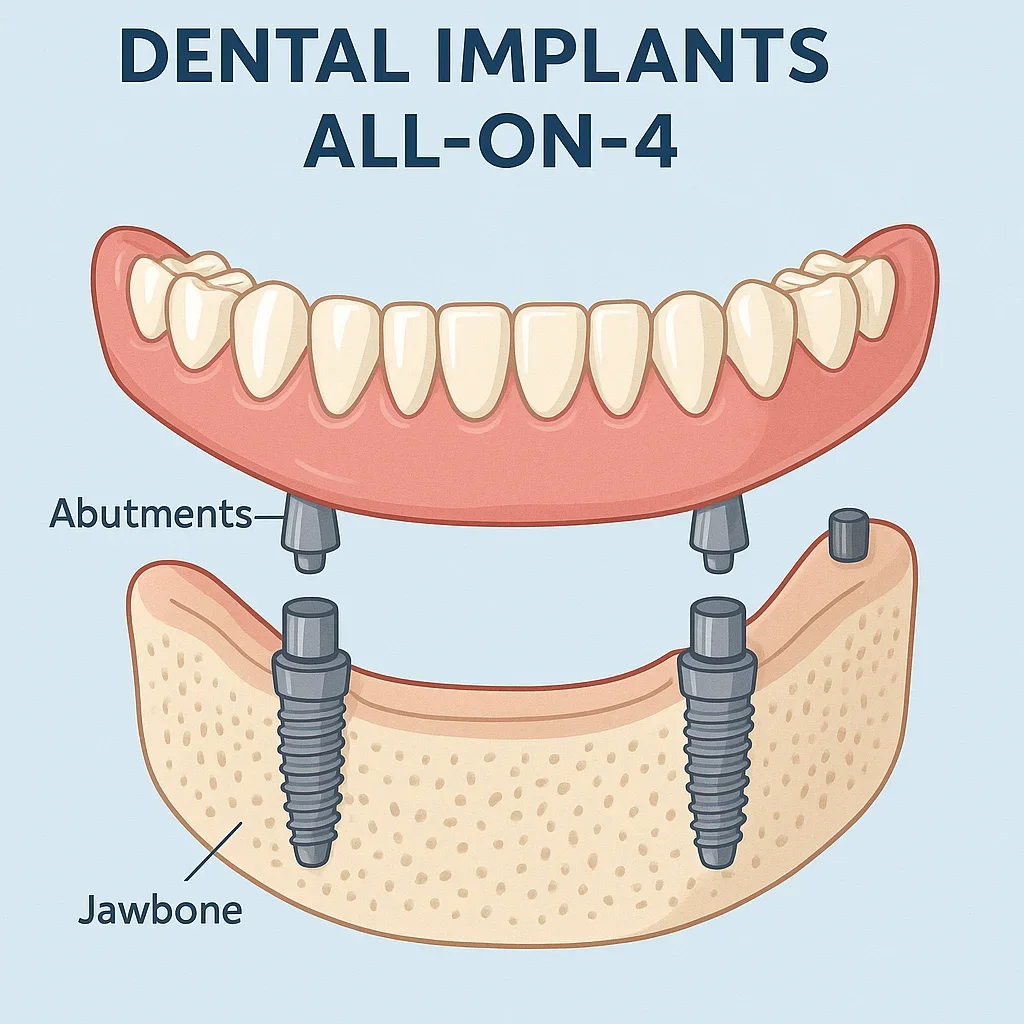
The All-on-4 implant system is designed for patients who have lost most or all of their teeth in one or both jaws. Unlike traditional methods that may require up to eight or ten implants per arch, this modern approach uses just four implants to support an entire arch of teeth. Two of these implants are placed vertically in the front of the jaw, and the remaining two are inserted at a 30–45° angle toward the back. This angled placement allows for maximum bone contact and eliminates the need for bone grafting in most cases—a major advantage for patients with reduced bone density.
One of the most remarkable benefits of the dental implants all on 4 system is its ability to provide a full-arch restoration within 24 hours. In most cases, a temporary fixed bridge is attached to the implants on the same day of surgery. After a healing period of about 3–6 months, a permanent prosthetic bridge is installed, offering superior aesthetics, function, and durability. This makes it an ideal option for patients who want a fast, efficient, and long-lasting solution without the discomfort and instability of removable dentures.
Let’s break down the key steps of how this system works:
- Initial Consultation: A detailed oral examination, X-rays, and digital 3D scans are performed to evaluate bone quality and plan implant placement precisely.
- Implant Placement: Four titanium implants are surgically inserted into the jawbone at specific angles to maximize stability and bone contact.
- Immediate Loading: A temporary bridge is attached within 24 hours, allowing the patient to leave the clinic with functional and aesthetic teeth on the same day.
- Healing and Osseointegration: Over the next few months, the implants fuse with the bone, forming a strong and permanent foundation.
- Permanent Prosthesis: Once healing is complete, a custom-designed final bridge made of zirconia or porcelain is installed for long-term performance.
From a functional standpoint, dental implants all on 4 restore more than just appearance—they also improve chewing efficiency, speech clarity, and oral health. Patients often report a dramatic improvement in quality of life, as they can enjoy their favorite foods again, speak confidently, and smile freely without fear of their dentures slipping. Unlike conventional dentures, which rest on the gums and can cause irritation, this system is securely anchored to the jawbone, preventing bone loss and maintaining facial structure over time.
Another reason this technique stands out is its cost-effectiveness compared to traditional implants. Since it requires fewer implants and typically avoids bone grafting, the overall treatment time and cost are significantly reduced. For individuals considering full-mouth restoration, this makes the procedure not only faster but also more affordable without compromising quality or longevity.
Additionally, the dental implants all on 4 concept is backed by extensive clinical research and success rates exceeding 95%. The materials used—titanium for the implants and zirconia or acrylic for the prosthetics—are biocompatible, ensuring the body accepts them naturally. The durability of this method allows many patients to enjoy their restored smiles for 15–20 years or even a lifetime with proper care and maintenance.
Beyond the physical transformation, the psychological impact of this treatment is profound. Many patients regain confidence in both personal and professional settings. Smiling without hesitation, laughing freely, and eating comfortably become normal again. This emotional boost contributes to overall well-being and social confidence—something that cannot be achieved with removable dentures alone.
At Redent Klinik Contact Page, expert implantologists use advanced digital technology and 3D imaging to plan each dental implants all on 4 case with precision. Every treatment is personalized according to bone structure, bite alignment, and aesthetic goals. This ensures predictable results and natural-looking smiles that blend perfectly with facial features. For additional scientific information about implant materials and standards, you can also refer to the American Dental Association.
In conclusion, dental implants all on 4 represent the perfect balance between technology, efficiency, and aesthetics. Whether you’ve lost your teeth due to decay, gum disease, or trauma, this treatment offers a permanent solution that feels and functions like natural teeth. With ongoing innovations and highly skilled professionals at clinics like Redent Klinik, the All-on-4 approach continues to redefine modern dentistry—restoring not just smiles, but confidence and quality of life. 😁
What Are Dental Implants All on 4 and How Do They Work?
Dental implants all on 4 is one of the most transformative procedures in modern implant dentistry, designed to restore an entire arch of teeth with only four strategically placed implants. This innovative technique provides a fixed, full-arch prosthesis that looks, feels, and functions like natural teeth. It has become the preferred choice for patients suffering from multiple tooth loss, gum disease, or severe bone resorption—offering a fast, stable, and cost-effective alternative to traditional implant methods.
Understanding the Concept of the All-on-4 System
The concept behind dental implants all on 4 is simple yet highly advanced. Instead of replacing each missing tooth with a single implant, the system uses four implants to support a full set of teeth in the upper or lower jaw. The two front implants are placed vertically to provide structural support, while the two posterior implants are positioned at a 30–45° angle. This unique configuration maximizes bone utilization and eliminates the need for bone grafting in most cases—a major benefit for patients with bone loss due to long-term denture wear or gum disease.
Each implant acts as an artificial tooth root, usually made from titanium due to its biocompatibility and strength. Once the implants are placed, a fixed bridge or hybrid denture is attached, restoring both function and aesthetics. This approach allows patients to walk out of the clinic with a new smile in as little as one day. It’s often called the “Teeth in a Day” procedure because the temporary prosthesis is fitted immediately after surgery. 🦷
The Biomechanics Behind All-on-4 Dental Implants
The success of dental implants all on 4 lies in biomechanics. The angled posterior implants not only increase the contact area between bone and implant but also distribute biting forces evenly across the jaw. This ensures stability and prevents overloading any single implant. By anchoring the implants in areas of denser bone—typically in the front and along the zygomatic ridge—the procedure maintains exceptional strength even in patients with limited bone volume.
Over time, the implants undergo a process called osseointegration, where the bone naturally fuses with the titanium surface. This biological bonding creates a rock-solid foundation that can support chewing, biting, and speaking with complete confidence. Unlike removable dentures, which rest on the gums, these implants integrate with the bone, preventing bone loss and maintaining the natural contour of the face.
Advanced Imaging and Digital Planning
Before starting the treatment, specialists use 3D cone-beam computed tomography (CBCT) to evaluate the patient’s jawbone. Using computer-guided technology, they can visualize nerves, sinus cavities, and bone density. This allows for a customized placement plan that ensures optimal positioning of each implant. At clinics like Redent Klinik, this level of precision dramatically improves safety and predictability, minimizing post-surgical complications.
Step-by-Step Explanation of the All-on-4 Process
To better understand how dental implants all on 4 works, it’s helpful to break down the procedure into clear stages:
- 1. Consultation and Diagnosis: The dentist conducts a comprehensive assessment, including X-rays, digital scans, and photographs to evaluate the patient’s oral condition.
- 2. Treatment Planning: Advanced software designs the ideal implant positions and prosthetic structure tailored to the individual’s jaw anatomy.
- 3. Surgery: Four implants are surgically placed in predetermined positions. The procedure is typically done under local anesthesia or mild sedation for patient comfort.
- 4. Immediate Prosthesis Placement: Within 24 hours, a temporary fixed bridge is attached, allowing patients to leave the clinic with functional teeth on the same day.
- 5. Healing and Integration: Over the next 3–6 months, the implants integrate with the bone. After full healing, the final prosthesis—usually made of zirconia or porcelain—is secured.
This efficient approach reduces treatment time, minimizes pain, and accelerates recovery. The stability of the implants also allows patients to eat soft foods almost immediately after the procedure, a major advantage over traditional methods that require months of waiting before teeth replacement.
Advantages Over Conventional Dentures
Traditional dentures are often uncomfortable, unstable, and require adhesives to stay in place. In contrast, dental implants all on 4 are fixed and do not move while speaking or eating. They prevent bone resorption—a common problem with removable dentures—and help maintain a youthful facial structure. The fixed bridge also enhances speech clarity, allowing patients to pronounce words naturally and confidently.
Moreover, this solution does not require individual implant placement for every tooth, making it much more affordable than full-mouth implant restorations. It is also less invasive, which means fewer surgeries, less healing time, and a more streamlined overall process.
Material Quality and Longevity
The durability of dental implants all on 4 depends heavily on the materials used. Titanium implants are favored for their strength and ability to fuse with bone, while prosthetics made of zirconia or acrylic provide a natural appearance and resistance to wear. With proper oral hygiene and professional maintenance, these restorations can last 15–20 years or more.
Who Can Benefit the Most?
This treatment is ideal for patients who have lost multiple teeth or are about to lose them due to periodontal disease, decay, or trauma. It’s also perfect for denture wearers who want a permanent, more natural alternative. Even individuals with some degree of bone loss can benefit because of the angled implant placement, which makes the most of the available bone without grafting.
Furthermore, patients who have difficulty eating, speaking, or maintaining removable dentures find dental implants all on 4 to be life-changing. The confidence of having a secure, non-removable set of teeth encourages social interaction, self-esteem, and overall well-being.
Clinical Research and Global Recognition
According to research published by the American Dental Association, implant-supported restorations show long-term survival rates above 95%. The dental implants all on 4 technique, in particular, has demonstrated exceptional stability and patient satisfaction in numerous clinical trials. Dentists around the world consider it one of the safest and most reliable full-mouth rehabilitation options available today.
In conclusion, understanding how dental implants all on 4 works reveals why it has revolutionized modern dentistry. It provides an efficient, permanent, and aesthetically pleasing solution for complete tooth loss—restoring not just smiles, but confidence, function, and quality of life. With the right expertise and modern technology, this procedure continues to redefine what’s possible in restorative dentistry. 😁
Who Is a Good Candidate for All on 4 Dental Implants?
When considering dental implants all on 4, one of the most common questions patients ask is whether they are good candidates for the procedure. The truth is that this innovative treatment was specifically designed to help a wide range of individuals who struggle with tooth loss, poor bone structure, or discomfort caused by traditional dentures. However, certain health and anatomical factors play a key role in determining whether a patient qualifies for this full-arch implant solution. Let’s take a closer look at who can benefit most and what criteria must be met for successful outcomes. 🦷
Ideal Candidates for Dental Implants All on 4
The dental implants all on 4 system is suitable for patients who have lost most or all of their teeth in either the upper or lower jaw. It’s also an excellent choice for individuals with loose or ill-fitting dentures seeking a more permanent and stable solution. The following are characteristics of ideal candidates:
- Multiple Missing Teeth: Patients missing several or all teeth on one arch can restore function and aesthetics through this method.
- Healthy Gums and Bone: Although extensive bone grafting is often unnecessary, sufficient bone density in key areas is essential to anchor the implants securely.
- Good Oral Hygiene: Candidates should be willing to maintain regular dental hygiene routines and follow-up visits to ensure long-term implant success.
- Non-Smokers or Those Willing to Quit: Smoking can significantly reduce healing ability and increase the risk of implant failure.
- Overall Good Health: Patients with controlled medical conditions, such as diabetes or hypertension, can usually undergo the procedure with proper medical clearance.
Additionally, individuals who are currently wearing removable dentures but want a permanent, natural-looking alternative often find dental implants all on 4 to be the perfect upgrade. The treatment offers renewed comfort, improved chewing function, and freedom from adhesives or nightly removal routines.
Age Considerations: Young vs. Older Adults
There is no strict age limit for dental implants all on 4. While younger patients with early-onset tooth loss benefit from long-term durability, older adults gain the advantage of restored confidence and convenience. As long as bone density and general health are adequate, age alone is not a disqualifying factor. In fact, patients in their 60s, 70s, and even 80s have successfully undergone the procedure and reported dramatic improvements in quality of life.
Why Bone Quality Matters
One of the main reasons people assume they are not candidates for dental implants is bone loss. However, the All-on-4 technique was developed to address this very issue. Because the posterior implants are angled up to 45 degrees, they utilize denser bone areas near the front of the jaw. This means that even patients with moderate bone resorption can avoid bone grafting procedures. At clinics like Redent Klinik, 3D imaging and digital planning help identify the best implant sites, ensuring safe and accurate placement without the need for invasive grafts.
Medical and Lifestyle Factors to Consider
Before performing dental implants all on 4, dentists assess the patient’s overall health. Certain medical conditions may require special precautions:
- Diabetes: Well-controlled diabetic patients can safely receive implants, but uncontrolled diabetes can delay healing.
- Osteoporosis: This condition affects bone density, so implant placement must be carefully planned using digital imaging.
- Heart Disease: Patients with cardiovascular conditions should obtain clearance from their physician before undergoing surgery.
- Smoking: Nicotine restricts blood flow and affects bone integration, increasing the chance of implant failure. Quitting smoking before and after surgery improves success rates.
Another factor influencing candidacy is gum health. Active gum infections or untreated periodontal disease must be resolved before surgery to prevent complications. The long-term success of dental implants all on 4 relies heavily on maintaining clean and healthy oral tissues.
Psychological and Emotional Readiness
Beyond physical health, emotional and psychological readiness is equally important. Patients should have realistic expectations, understanding that while dental implants all on 4 offer permanent results, they also require commitment to maintenance. Confidence in the treatment and trust in the dental team significantly influence post-operative satisfaction and adaptation to the new prosthesis.
When You Might Not Be a Candidate
There are some cases where dental implants all on 4 may not be immediately suitable. Examples include individuals with:
- Uncontrolled systemic diseases like diabetes or autoimmune disorders.
- Active oral infections or untreated cavities.
- Severe bone loss beyond the reach of angled implant placement.
- Bruxism (chronic teeth grinding) that can stress implants over time.
Fortunately, even in such cases, pre-treatment options like bone regeneration, sinus lifts, or bite correction therapy can prepare the mouth for future implant placement. Thus, being “not a candidate yet” does not mean “never a candidate.”
Diagnostic Evaluation and Digital Planning
At advanced clinics, diagnostic tools such as digital X-rays, CT scans, and intraoral cameras play a vital role in determining implant feasibility. These technologies allow dental professionals to visualize the bone structure in 3D, identify nerve pathways, and simulate the exact placement of each implant. This precision-driven process reduces risk and enhances predictability. For detailed information about safety protocols and material standards, consult the American Dental Association guidelines on implant dentistry.
Why Personalized Consultation Is Essential
Every patient is unique. Factors like bite alignment, jaw shape, bone quality, and aesthetic preferences require individualized planning. That’s why scheduling a professional consultation at specialized centers such as Redent Klinik is essential. A thorough assessment ensures that dental implants all on 4 are not only suitable but also optimized for long-term comfort, stability, and beauty.
In conclusion, the best candidates for dental implants all on 4 are those seeking a permanent, natural-looking solution to total tooth loss, with sufficient bone structure and good general health. Even those with moderate bone loss or existing dentures can qualify thanks to advanced surgical techniques and digital innovations. With proper assessment, planning, and care, nearly anyone can reclaim their smile and enjoy the freedom of stable, lifelong teeth. 😁
Step-by-Step Procedure of All on 4 Implants 🦷
The dental implants all on 4 procedure is one of the most streamlined and efficient full-mouth restoration techniques in modern dentistry. It combines surgical precision, digital planning, and aesthetic expertise to deliver natural-looking and fully functional teeth in as little as one day. Below, you’ll find a detailed step-by-step explanation of how this advanced treatment works—from consultation to final restoration—so you can understand every stage of your journey toward a new, confident smile. 😁
1. Comprehensive Consultation and Evaluation
Every dental implants all on 4 procedure begins with an in-depth consultation and diagnostic evaluation. During this initial visit, your dentist will assess your oral health, bone density, gum condition, and overall suitability for the procedure. Using 3D cone-beam computed tomography (CBCT) scans, digital impressions, and intraoral photographs, they create a complete 3D model of your mouth.
This phase is crucial because it identifies important anatomical details, such as nerve locations and sinus cavities, to ensure safe implant placement. Based on the findings, a personalized treatment plan is designed. At clinics like Redent Klinik, advanced digital technology ensures that every implant is positioned with millimeter-level accuracy for maximum stability and long-term success.
Diagnostic Imaging and Digital Planning
Using digital planning software, your dentist virtually positions the implants to optimize bone support and distribute biting forces evenly. The simulation also helps visualize the final aesthetic result before surgery even begins. This technology-driven step ensures that dental implants all on 4 are placed with unparalleled precision, minimizing postoperative complications and guaranteeing a predictable outcome.
2. Pre-Surgical Preparation
Once the treatment plan is finalized, pre-surgical preparations begin. This may include professional dental cleaning, extraction of remaining unhealthy teeth, or minor bone contouring. Local anesthesia or conscious sedation is administered to ensure complete comfort throughout the procedure. Patients who experience dental anxiety can also opt for intravenous (IV) sedation, which allows them to relax while remaining responsive during the operation.
Antibiotics may be prescribed before surgery to reduce the risk of infection, and the patient’s medical history is carefully reviewed. This thorough preparation is one of the reasons why the dental implants all on 4 system has such high long-term success rates.
3. Implant Placement Surgery
The surgical phase is the most critical step. During this stage, four titanium implants are strategically placed into the jawbone:
- Two anterior (front) implants are inserted vertically to provide direct support and stability.
- Two posterior (rear) implants are inserted at an angle of approximately 30–45 degrees to maximize bone contact and avoid the sinus or nerve areas.
This angled configuration not only provides better anchorage but also eliminates the need for bone grafting in most cases. Each implant acts as a strong foundation, similar to the root of a natural tooth. The entire procedure usually takes 2–3 hours per arch, depending on the patient’s condition and complexity.
Immediate Loading: Same-Day Teeth
One of the most revolutionary aspects of dental implants all on 4 is immediate loading—meaning that a temporary fixed bridge is attached on the very same day. This allows patients to leave the clinic with a fully functional and aesthetic smile immediately after surgery. This “Teeth in a Day” approach offers a massive psychological and functional benefit, eliminating the waiting period associated with traditional implants.
4. Healing and Osseointegration Period
After surgery, the body begins the healing process known as osseointegration. This biological process allows the bone to fuse with the titanium implant surface, creating a stable and permanent bond. Typically, this healing phase lasts between 3 to 6 months. During this time, patients wear their temporary prosthesis while the implants fully integrate with the bone structure.
Maintaining good oral hygiene during this period is essential. Gentle brushing and rinsing with prescribed mouthwash help prevent infection and support healing. The temporary bridge ensures functionality and aesthetics while protecting the implants from excessive pressure.
Dietary and Lifestyle Recommendations
During the healing phase, patients should follow a soft food diet to avoid overloading the implants. Avoiding hard, sticky, or crunchy foods helps ensure proper osseointegration. It’s also recommended to avoid smoking and alcohol consumption during the recovery period, as these can slow healing and affect the implant’s long-term success.
5. Final Prosthesis Placement
Once osseointegration is confirmed through X-rays and clinical examination, the final prosthesis is fabricated. This permanent restoration is typically made from high-quality materials such as zirconia or porcelain fused to titanium, which combine strength, aesthetics, and biocompatibility.
The final bridge is designed to match your facial symmetry, bite alignment, and gum contour. This customization ensures that your new smile looks and feels completely natural. After fitting, minor adjustments are made to ensure a perfect bite and maximum comfort. At Redent Klinik, patients receive personalized instructions for maintaining their new teeth and scheduling routine checkups to ensure long-term success.
6. Postoperative Care and Maintenance
Even though dental implants all on 4 are designed to be low-maintenance, proper aftercare is key to preserving their longevity. Daily oral hygiene practices—such as brushing with a soft-bristled toothbrush, flossing, and using antibacterial rinses—are crucial. Regular dental visits every 6 months help monitor implant stability and detect any early signs of gum inflammation or prosthetic wear.
Long-Term Results and Patient Satisfaction
Clinical research shows that dental implants all on 4 have a success rate exceeding 95%, even after 10 years of follow-up. Most patients report significant improvements in comfort, speech, chewing ability, and confidence. Unlike removable dentures, these implants provide a permanent, fixed solution that feels like real teeth. The overall transformation extends beyond aesthetics—patients regain the ability to enjoy social activities and eat their favorite foods without restrictions.
7. Summary of the Complete Process
To summarize, here’s a quick overview of the step-by-step dental implants all on 4 journey:
- Consultation & Digital Planning: 3D scanning and treatment design.
- Preparation: Tooth extraction and anesthesia.
- Implant Surgery: Placement of four implants with strategic angulation.
- Immediate Bridge: Temporary prosthesis placed the same day.
- Healing: Bone integration and recovery period.
- Final Restoration: Permanent bridge fitting and bite adjustment.
- Maintenance: Regular checkups and oral hygiene for lifelong success.
Each phase of the dental implants all on 4 process is designed to ensure efficiency, comfort, and long-term results. The combination of digital precision, advanced materials, and skilled professionals guarantees that patients receive a full, functional, and naturally beautiful smile in the shortest possible time. For more information on standards and safety regulations, consult the American Dental Association.
Ultimately, this step-by-step approach demonstrates why the dental implants all on 4 system remains the gold standard in full-mouth rehabilitation. It’s not just about replacing teeth—it’s about restoring confidence, improving oral health, and transforming lives through science and artistry. 🦷✨
Benefits of Choosing the All on 4 Dental Implants Technique
The dental implants all on 4 technique offers a range of life-changing benefits that extend far beyond restoring missing teeth. It’s a comprehensive solution that improves function, aesthetics, comfort, and confidence while providing a long-term alternative to traditional dentures or multiple single implants. This advanced method, developed to maximize stability using only four implants per arch, allows patients to enjoy a permanent and natural-looking smile with minimal recovery time. In this section, we’ll explore every benefit in depth—from oral health improvements to lifestyle enhancements—so you can clearly understand why this system is considered one of the most successful treatments in modern dentistry. 😁
1. Immediate Functionality and Same-Day Smile
One of the most significant advantages of dental implants all on 4 is the ability to walk out of the clinic with a brand-new set of teeth on the same day. Traditional dental implants often require several months of healing before prosthetics can be attached, leaving patients toothless or dependent on temporary dentures. With this technique, a fixed provisional bridge is attached within 24 hours after surgery. This “same-day teeth” concept allows patients to speak, eat, and smile confidently immediately after the procedure, making it a game changer for those seeking quick, reliable restoration.
Psychological Benefits of Immediate Restoration
The immediate transformation achieved with dental implants all on 4 offers emotional and psychological relief. Losing teeth can lead to low self-esteem, social withdrawal, and embarrassment. Regaining a functional and attractive smile in a single day significantly boosts confidence, allowing patients to return to work and social life without delay. This psychological uplift is often cited as one of the most profound effects of this procedure.
2. Stability and Comfort Like Natural Teeth
Unlike removable dentures that rely on adhesives or suction, dental implants all on 4 are permanently anchored to the jawbone, offering superior stability and comfort. They don’t shift, click, or cause gum irritation, even while chewing or speaking. The implants act like natural tooth roots, evenly distributing bite pressure across the jaw. This prevents bone deterioration and ensures a secure, natural-feeling bite. Patients frequently report that they forget they even have implants after a few weeks due to the realistic sensation.
Enhanced Chewing Efficiency
With dental implants all on 4, you can eat your favorite foods again—including crunchy fruits, meats, and nuts—without worry. The firm anchorage allows for a biting force that is up to 80% as strong as natural teeth. This improvement restores not only function but also nutrition, as patients can enjoy a balanced diet that supports their overall health and well-being.
3. Prevention of Bone Loss and Facial Sagging
Tooth loss causes the jawbone to gradually resorb due to the lack of stimulation from tooth roots. Over time, this bone loss leads to facial collapse, sunken cheeks, and premature aging. The dental implants all on 4 system prevents this by integrating directly into the bone, stimulating it every time you bite or chew. This process, known as osseointegration, maintains bone density and helps preserve the natural facial structure. Patients often look younger and healthier after the procedure, thanks to the restored volume and support provided by the implants.
Long-Term Oral Health Advantages
Unlike traditional bridges that require grinding down adjacent teeth, dental implants all on 4 are self-supporting and do not compromise neighboring teeth. This preserves natural tooth structure and prevents additional oral health problems. Moreover, the implants reduce the risk of gum recession and provide a stable foundation that lasts for decades when properly maintained.
4. Minimal Invasiveness and Faster Recovery
Another important benefit of the dental implants all on 4 method is its minimally invasive approach. Because the technique uses only four implants and avoids bone grafting in most cases, it requires less surgical intervention and offers faster healing times compared to conventional full-mouth implants. Most patients experience only mild discomfort, which subsides within a few days, and can return to normal daily activities shortly after the procedure.
Digital Planning for Precise Results
At advanced clinics like Redent Klinik, digital imaging and guided implant placement ensure precise and predictable outcomes. This reduces surgical time, minimizes complications, and ensures that each implant is optimally positioned for stability and aesthetics. The result is a smoother procedure and a more comfortable recovery experience for the patient.
5. Cost-Effective Solution Compared to Traditional Implants
When restoring a full arch, traditional methods might require 8–10 implants, often accompanied by costly bone grafting procedures. The dental implants all on 4 approach uses only four implants per arch, which significantly lowers overall treatment costs and reduces chair time. Because the process combines surgery and restoration into a single coordinated treatment, patients save both money and time while still achieving durable, high-quality results.
Long-Term Financial Benefits
While the upfront cost of dental implants all on 4 may seem high, it becomes cost-efficient over time. Unlike dentures, which need frequent adjustments and replacements, these implants last for decades with proper care. This eliminates recurring expenses and provides a permanent return on investment in terms of comfort, aesthetics, and oral health.
6. Aesthetic Superiority and Natural Appearance
One of the most impressive benefits of dental implants all on 4 is their ability to recreate a natural-looking smile. The prosthetic teeth are custom-designed to complement the patient’s facial features, lip line, and gum shape. Whether made from zirconia or porcelain, they mimic the translucency, color, and texture of natural enamel. The result is a bright, confident smile that blends seamlessly with the face, often enhancing overall facial symmetry and beauty.
Customization and Smile Design
Each prosthesis is tailored using digital smile design technology, allowing patients to preview their new smile before fabrication. This ensures that the final result meets both functional and cosmetic expectations. The design process considers factors such as bite alignment, speech pattern, and lip support—ensuring a personalized outcome that looks and feels completely natural.
7. Longevity and Proven Success Rates
Backed by over two decades of research, dental implants all on 4 demonstrate success rates exceeding 95%. With proper oral hygiene and regular dental visits, they can last 20 years or more. According to clinical studies by the American Dental Association, titanium implants are biocompatible and safe, providing a permanent bond with the jawbone that resists wear and infection. This durability makes the system one of the most trusted solutions for full-mouth restoration worldwide.
8. Improved Speech and Oral Function
Removable dentures often cause speech issues, clicking sounds, or instability when talking. With dental implants all on 4, patients experience clear, natural speech because the prosthesis is firmly secured and does not move. The stable base supports tongue and lip movement, enabling precise pronunciation and confidence in social settings.
9. Boost in Self-Esteem and Quality of Life
Perhaps the most profound benefit of dental implants all on 4 is the emotional and psychological transformation it brings. Patients report improved self-esteem, enhanced confidence, and a more positive self-image. The ability to smile freely, eat comfortably, and interact socially without hesitation contributes to a renewed sense of normalcy and happiness.
In summary, dental implants all on 4 represent a perfect harmony of innovation, functionality, and aesthetics. They restore not just teeth, but an entire lifestyle—allowing patients to rediscover the joy of smiling, speaking, and living confidently. When performed by skilled professionals and supported by modern technology, this technique remains the ultimate long-term solution for complete dental rehabilitation. 🦷✨
Potential Risks and How to Avoid Complications
While dental implants all on 4 is one of the safest and most predictable full-arch restoration techniques available today, it is still a surgical procedure that carries potential risks and complications—just like any medical treatment. Understanding these possible issues, along with how to prevent and manage them, is essential for ensuring long-term success. With proper planning, professional execution, and patient care, the risks can be minimized to achieve a lifetime of confident, healthy smiles. 🦷
Common Risks Associated with Dental Implants All on 4
The dental implants all on 4 method boasts success rates exceeding 95%, but certain factors can still lead to temporary or long-term complications. Here are the most common ones:
- Infection at the Implant Site: Poor oral hygiene, smoking, or inadequate post-operative care may allow bacteria to enter the surgical area, leading to inflammation or infection.
- Implant Failure or Rejection: Although rare, implants may fail to fuse with the bone if there is insufficient bone quality, overloading during healing, or systemic health conditions that affect recovery.
- Nerve or Sinus Damage: Incorrect implant placement, particularly in the upper jaw, may affect the sinus cavity or nerves. Digital imaging reduces this risk significantly.
- Peri-Implantitis: This is an inflammatory condition that affects the soft and hard tissues around the implant, similar to gum disease. If untreated, it can lead to implant loss.
- Mechanical or Prosthetic Issues: Over time, wear and tear can cause loosening of screws, fractures in the prosthetic bridge, or bite misalignment.
Understanding Peri-Implantitis
Peri-implantitis is one of the most frequently discussed complications related to dental implants all on 4. It’s an infection that affects the gums and bone surrounding the implant, typically caused by plaque accumulation or smoking. The best prevention strategy is maintaining impeccable oral hygiene and scheduling professional cleanings every six months. Once detected early, peri-implantitis can be managed through non-surgical therapies, but advanced cases may require surgical intervention.
Factors That Increase the Risk of Complications
Several systemic and behavioral factors can increase the risk of complications in dental implants all on 4 treatment. Patients should be aware of these before undergoing surgery:
- Smoking and Tobacco Use: Nicotine restricts blood flow and slows bone healing, greatly reducing implant success.
- Uncontrolled Diabetes: High blood sugar levels interfere with the body’s healing process and increase infection risk.
- Bruxism (Teeth Grinding): Excessive clenching or grinding can place stress on the implants, leading to loosening or damage to the prosthesis.
- Poor Oral Hygiene: Neglecting daily cleaning increases the likelihood of bacterial growth and inflammation around the implants.
- Chronic Diseases: Autoimmune disorders, osteoporosis, and certain cardiovascular conditions may complicate recovery if not properly managed.
Importance of Pre-Surgical Evaluation
Before beginning the dental implants all on 4 procedure, a comprehensive evaluation is performed to assess risk factors. At reputable clinics such as Redent Klinik, detailed 3D imaging, blood tests, and medical reviews help ensure every patient is well-prepared for surgery. This preemptive approach reduces complications and helps tailor a treatment plan that suits the patient’s unique health profile.
Preventing Complications During and After Surgery
Prevention begins with choosing a qualified and experienced implant specialist. Precision, sterilization, and technology all play crucial roles in achieving predictable outcomes. Here’s how complications can be minimized at each stage:
- During Surgery: Using guided implant placement with digital 3D templates ensures exact positioning, avoiding nerves and sinuses.
- Immediately After Surgery: Following strict post-operative care instructions—such as using antiseptic rinses and avoiding strenuous activity—helps prevent infection and bleeding.
- Long-Term Maintenance: Regular check-ups, professional cleaning, and bite adjustments prevent wear and biological complications.
Post-Operative Care Guidelines
After receiving dental implants all on 4, patients must adhere to careful aftercare practices. This includes:
- Using ice packs to reduce swelling within the first 24 hours.
- Eating soft foods for 2–3 weeks to prevent excess pressure on the implants.
- Avoiding smoking and alcohol, which delay healing.
- Taking prescribed antibiotics and pain relievers as directed.
- Rinsing gently with warm saline or chlorhexidine mouthwash to keep the area clean.
Following these steps promotes rapid healing and supports successful osseointegration—the fusion of the implant with the bone structure.
Managing Early Signs of Complications
It’s crucial for patients to recognize early warning signs of complications in dental implants all on 4 restorations. Common symptoms include persistent swelling, gum bleeding, discomfort during chewing, or unusual mobility of the prosthesis. If any of these occur, immediate evaluation by your dental specialist is essential. Early detection allows for non-invasive correction and prevents more serious consequences.
Professional Maintenance and Follow-Up
Regular follow-up visits—usually every 3 to 6 months—allow your dentist to check implant stability, bite alignment, and gum health. Professional cleaning removes hardened plaque that daily brushing can’t reach. During these visits, the prosthetic screws and components can be checked and tightened if needed. Preventive maintenance is the best defense against long-term issues.
How Modern Technology Reduces Risks
Thanks to innovations in digital dentistry, the risks associated with dental implants all on 4 have decreased dramatically. Computer-guided surgery, 3D-printed surgical templates, and CBCT imaging allow precise placement that minimizes nerve injury and sinus perforation. The use of high-quality, biocompatible titanium and zirconia materials ensures excellent integration and resistance to infection. At clinics like Redent Klinik, these technologies are standard practice, ensuring exceptional safety and predictable outcomes for every patient.
Role of the Patient in Long-Term Success
While professional expertise plays a significant role, the patient’s commitment to oral hygiene and follow-up care is equally important. Proper brushing with a soft toothbrush, flossing, and using water flossers are essential habits. Patients should also limit sugary foods and drinks, which promote bacterial growth. Avoiding habits like nail biting, pen chewing, or grinding teeth will further extend the lifespan of dental implants all on 4.
Summary and Final Thoughts
In summary, while dental implants all on 4 have an impressive success rate and life-changing benefits, potential risks such as infection, implant failure, and peri-implantitis can occur without proper care. The good news is that these complications are largely preventable with modern surgical techniques, experienced clinicians, and patient cooperation. For additional guidelines on implant safety and materials, you may refer to the American Dental Association.
With comprehensive planning, technology-driven precision, and a commitment to hygiene, dental implants all on 4 continue to deliver outstanding results—helping patients worldwide regain not just their smiles, but lasting oral health and confidence. 🌟
All on 4 Dental Implants vs Traditional Implants: A Comparison
Choosing between dental implants all on 4 and traditional implant methods can be confusing for many patients. Both treatments aim to restore missing teeth, improve oral health, and provide a natural-looking smile—but they differ significantly in approach, cost, healing time, and long-term maintenance. In this detailed section, we’ll compare both options comprehensively so you can make an informed decision about which treatment best suits your needs, lifestyle, and budget. 🦷
1. Number of Implants and Treatment Design
The most obvious difference between dental implants all on 4 and conventional implants lies in the number of implants required. In a traditional full-arch restoration, eight to ten implants are typically needed per jaw to support a fixed bridge or denture. In contrast, the All-on-4 system uses only four strategically placed implants to support a full arch of teeth.
This difference significantly reduces surgical time and complexity. The two posterior implants in the All-on-4 system are positioned at an angle of 30–45°, maximizing bone contact and eliminating the need for bone grafting. Traditional implants, however, are placed vertically and often require additional procedures—especially when bone density is insufficient.
Why Fewer Implants Can Be Better
Fewer implants do not mean less stability. In fact, the biomechanical design of dental implants all on 4 ensures even distribution of chewing forces, providing equal or greater stability compared to traditional methods. This efficient use of existing bone structure also reduces recovery time and lowers the overall treatment cost.
2. Surgical Complexity and Bone Grafting
Bone grafting is often necessary for patients undergoing traditional implant treatment, especially those with significant bone loss in the jaw. The process adds months of healing time and additional costs. However, dental implants all on 4 typically bypass this step entirely. By placing the rear implants at an angle, surgeons can anchor them in denser areas of the jawbone, such as near the anterior nasal spine or zygomatic buttress.
This approach not only avoids invasive grafting procedures but also provides excellent long-term bone integration. It makes the treatment accessible to patients who were once told they didn’t have enough bone for implants. As a result, the All-on-4 system offers a less invasive and more patient-friendly alternative to traditional methods.
Healing Time Advantage
Healing after dental implants all on 4 is generally much faster. Most patients receive their temporary fixed bridge on the same day, allowing them to speak and eat normally within 24 hours. Traditional implants, on the other hand, may require three to six months of healing before any prosthesis can be attached. This difference makes All-on-4 particularly appealing for patients who want immediate results.
3. Treatment Duration and Visits
Conventional implant treatment often involves multiple appointments over several months or even a year. Patients typically need separate stages for extractions, bone grafting, healing, implant placement, and finally, prosthetic fitting. In contrast, the dental implants all on 4 method condenses the entire process into a few visits. Thanks to advanced digital planning, surgery and temporary restoration can be completed in a single day—known as the “Teeth in a Day” procedure.
Fewer clinical visits also mean less time off work, fewer anesthesia sessions, and lower stress levels for patients. This efficiency is one of the main reasons All-on-4 has become the preferred option for full-mouth rehabilitation worldwide.
4. Aesthetic and Functional Results
Both traditional and dental implants all on 4 techniques deliver beautiful, natural-looking results. However, the All-on-4 system tends to provide faster aesthetic satisfaction since patients receive immediate fixed teeth. The prosthetics used in All-on-4 are custom-designed to complement facial symmetry and mimic natural enamel translucency. Traditional implants can achieve similar outcomes but require more time and often additional procedures to perfect gum contour and alignment.
Functionality and Chewing Power
All-on-4 restorations provide about 80–90% of the biting force of natural teeth, which is comparable to full-mouth conventional implants. Since the bridge is permanently fixed, there’s no slipping or clicking during speech or eating. Patients can comfortably enjoy hard foods such as apples, nuts, or steak—something not always possible with removable dentures.
5. Cost Differences and Value Over Time
One of the most notable distinctions between dental implants all on 4 and traditional implants is cost efficiency. Traditional full-arch restorations involve more implants, additional surgeries, and extended healing time—all of which increase the overall cost. The All-on-4 system requires fewer implants, less surgical intervention, and eliminates the need for bone grafting in most cases, making it more affordable without sacrificing quality.
Long-Term Investment
Although the initial investment in dental implants all on 4 may still seem substantial, it’s important to view it as a long-term investment. Unlike removable dentures that need replacement every few years, these implants can last decades or even a lifetime with proper maintenance. In the long run, the cost per year of use is far lower than that of traditional dentures or bridges.
6. Maintenance and Longevity
Maintenance requirements are similar for both techniques, but dental implants all on 4 often prove easier to care for. Daily brushing, flossing, and professional cleanings every six months are recommended to prevent peri-implantitis or gum inflammation. Since there are fewer implants and a single bridge structure, cleaning and upkeep are generally simpler than maintaining multiple crowns and abutments used in conventional implants.
With good oral hygiene and regular check-ups, both systems can last 15–25 years or more. However, studies from the American Dental Association confirm that the success rate of All-on-4 exceeds 95%, making it one of the most durable and predictable options available today.
7. Patient Comfort and Recovery Experience
Patients who have undergone dental implants all on 4 often describe the experience as surprisingly comfortable compared to expectations. Thanks to minimally invasive digital planning and precise placement, post-operative discomfort is usually mild and manageable with standard pain medication. Swelling and bruising subside within a few days, and most patients resume normal activity within a week.
Traditional implants, however, may involve more extensive surgical trauma, longer healing times, and multiple procedures—resulting in greater discomfort and downtime.
8. Suitability for Patients with Bone Loss
This is one of the major deciding factors for many patients. Those with advanced bone loss in the jaw are often not candidates for conventional implants without bone grafting. However, the dental implants all on 4 technique is specifically designed for such cases. Its angled posterior implants utilize denser bone regions, providing excellent stability even when bone volume is limited. This innovation allows many patients who were once ineligible for implants to enjoy a fixed, permanent smile.
9. Summary: Which Option Is Right for You?
If you’re looking for a fast, efficient, and cost-effective solution to full-arch tooth loss, dental implants all on 4 is the superior choice for most patients. It offers immediate functionality, fewer surgeries, and long-term durability—all while maintaining natural aesthetics. Traditional implants remain ideal for patients who prefer individualized tooth replacements or have unique anatomical considerations requiring a different approach.
Ultimately, the best choice depends on your oral health condition, bone quality, and personal goals. Scheduling a consultation at Redent Klinik allows for a professional evaluation and digital treatment planning to determine the most suitable option. Both methods have proven success, but dental implants all on 4 stands out as the modern, patient-friendly solution that merges precision, performance, and beauty into one transformative treatment. 🌟
How Much Do All on 4 Dental Implants Cost in 2025?
The cost of dental implants all on 4 in 2025 varies depending on several factors, such as the clinic’s location, the materials used, the expertise of the dental team, and whether treatment is performed on one or both arches. Although this procedure represents a significant investment, it remains one of the most cost-effective long-term solutions for full-mouth restoration. In this section, we will explore the price breakdown, influencing factors, and international cost comparisons to help you understand exactly what you’re paying for and why. 💰
1. Average Cost Range in 2025
In 2025, the global average cost for dental implants all on 4 typically ranges between $8,000 and $30,000 per arch, depending on the region and level of customization. The cost for a full mouth (both arches) can vary from $16,000 to $60,000. Let’s break down these estimates by region:
- Turkey: $7,000 – $12,000 per arch
- United States: $20,000 – $35,000 per arch
- United Kingdom: £12,000 – £20,000 per arch
- Germany: €10,000 – €18,000 per arch
- Australia: AUD 18,000 – AUD 30,000 per arch
As you can see, Turkey has become a global hub for affordable and high-quality dental tourism, offering world-class treatment at competitive prices. At clinics such as Redent Klinik, international patients can receive premium care with advanced technology for a fraction of the cost compared to Western countries—all without compromising quality or safety.
2. Factors That Influence the Cost
The total price of dental implants all on 4 is determined by multiple factors. Understanding these will help patients plan effectively and avoid unexpected expenses:
- Number of Arches Treated: Single arch (upper or lower) treatments cost less than full-mouth restorations.
- Implant Material and Brand: Premium titanium implants and zirconia prosthetics are more expensive but offer superior longevity.
- Clinic Location and Expertise: Dental clinics in major cities or medical tourism destinations like Istanbul may have different pricing based on reputation and technology.
- Diagnostic Procedures: 3D imaging, digital smile design, and panoramic X-rays add to the overall cost but ensure precision.
- Temporary and Final Prosthesis: High-quality materials such as monolithic zirconia or porcelain affect the total cost.
- Additional Treatments: Tooth extractions, gum therapy, or minor bone leveling may increase the final amount.
Long-Term Cost Efficiency
While the upfront investment may appear high, dental implants all on 4 are far more economical over time compared to traditional dentures or multiple single implants. Removable dentures often require frequent replacements, relines, and maintenance. In contrast, All-on-4 implants—when properly cared for—can last 20 years or more, reducing future dental expenses significantly.
3. What Is Included in the Treatment Package?
Most comprehensive All-on-4 treatment plans include several integrated services beyond the implants themselves. Here’s what is typically covered:
- Initial consultation and digital diagnostics (CBCT scan, X-rays, and digital impressions)
- Tooth extractions (if necessary)
- Four high-quality titanium implants per arch
- Temporary prosthesis on the same day (“Teeth in a Day”)
- Final fixed bridge (zirconia, acrylic, or porcelain)
- Follow-up visits and maintenance check-ups
- Local anesthesia or sedation during surgery
- Post-operative medications and care instructions
Reputable clinics such as Redent Klinik provide transparent pricing and personalized quotations based on each patient’s needs. Patients also receive detailed treatment plans outlining every stage and associated cost before any procedure begins.
4. Dental Tourism and Cost Advantages
Medical tourism has become increasingly popular for dental procedures, and Turkey leads the way with affordable, high-quality dental implants all on 4. The lower operational and labor costs in Turkey allow clinics to offer competitive prices while maintaining the same standards as Western countries. Patients benefit not only from financial savings but also from luxury-level service, multilingual staff, and access to top dental professionals.
Example: Turkey vs USA Cost Comparison
| Country | Cost per Arch | Full Mouth Cost | Average Savings |
|---|---|---|---|
| Turkey | $8,000 – $12,000 | $16,000 – $24,000 | Up to 70% |
| United States | $20,000 – $35,000 | $40,000 – $60,000 | — |
This comparison highlights the massive cost benefit of receiving dental implants all on 4 in Turkey without compromising safety, technology, or results. Many patients also combine their dental treatment with a short vacation, making it a convenient and rewarding experience overall. ✈️
5. Financing and Payment Options
For patients who prefer flexible payment structures, many dental clinics now offer financing options. Monthly installment plans or medical loans can make dental implants all on 4 accessible to a wider range of patients. Some insurance companies may partially cover diagnostic or surgical components, especially if the procedure is medically necessary rather than purely cosmetic.
Insurance and Warranty Policies
Most clinics provide warranties covering implant components and prosthetics for several years. This gives patients peace of mind knowing that potential adjustments or repairs are included. Patients are encouraged to check if their insurance policies reimburse part of the surgical or prosthetic costs, particularly for functional rehabilitation cases.
6. The True Value of All-on-4 Implants
While cost is an important factor, it should never outweigh quality and long-term success. The true value of dental implants all on 4 lies in their ability to permanently restore comfort, functionality, and confidence. Unlike temporary fixes, this treatment eliminates the constant cycle of denture replacements and adhesive use. It’s a lifelong investment in oral health and emotional well-being.
Long-Term ROI (Return on Investment)
Considering the durability and reduced maintenance of dental implants all on 4, patients save significantly over the years. When amortized over 20 years, the annual cost is often lower than that of repeated denture replacements or bridge repairs. This makes it one of the most cost-efficient dental solutions currently available.
7. Final Thoughts on Pricing and Quality
While costs can vary, it’s essential to focus on value and expertise rather than price alone. The best clinics, such as Redent Klinik, combine advanced surgical technology, digital precision, and experienced implantologists to deliver results that last a lifetime. Patients should always ensure that high-grade materials and proper sterilization protocols are followed, as emphasized by the American Dental Association.
In conclusion, dental implants all on 4 may seem like a large investment initially, but it offers unparalleled value in durability, aesthetics, and quality of life. By choosing a reputable dental clinic with transparent pricing and proven results, you can achieve a permanent, confident smile that’s worth every penny. 🌟
Recovery and Aftercare Following All on 4 Dental Implants
Undergoing dental implants all on 4 treatment marks a major transformation in both oral function and appearance. However, the success of the procedure depends heavily on the recovery process and long-term aftercare. Proper healing habits, diet, and maintenance routines ensure that the implants fuse securely with the jawbone and remain healthy for decades. In this section, you’ll learn in detail what to expect after surgery, how to care for your mouth during healing, and what lifestyle habits will help preserve your new smile. 🦷✨
1. The First 24 Hours After Surgery
The initial day after dental implants all on 4 placement is the most critical stage for recovery. Immediately following the procedure, patients typically receive a fixed temporary bridge so they can leave the clinic with a full set of functional teeth. While mild swelling, minor bleeding, and slight discomfort are normal, these symptoms usually subside within a few days. To ensure a smooth recovery:
- Apply an ice pack to the cheeks in 15-minute intervals to reduce swelling.
- Avoid touching or rinsing the mouth vigorously for the first 24 hours.
- Keep your head elevated when resting to minimize bleeding.
- Take prescribed pain relievers and antibiotics exactly as directed.
Understanding the Healing Timeline
The healing period after dental implants all on 4 varies from patient to patient but typically spans three to six months. During this time, the implants fuse with the jawbone through a biological process called osseointegration. This process forms the foundation for long-term stability, so allowing the body to heal naturally without excessive strain is crucial.
2. Dietary Guidelines During Recovery
What you eat after receiving dental implants all on 4 directly affects healing. During the first few weeks, a soft diet is essential to protect the implants while the bone begins integrating. Some recommended foods include smoothies, soups, mashed potatoes, yogurt, and scrambled eggs. Avoid hard, crunchy, or sticky foods like nuts, crusty bread, or chewing gum that can disrupt the healing process.
Transitioning to a Normal Diet
After about 6–8 weeks, most patients can gradually reintroduce more solid foods as comfort allows. However, it’s important to chew gently and avoid biting directly on hard objects. At Redent Klinik, nutritionists and dental specialists often guide patients through customized dietary plans to promote faster recovery and better implant integration.
3. Oral Hygiene and Cleaning Techniques
Maintaining excellent oral hygiene is the cornerstone of long-term implant success. The dental implants all on 4 system replaces natural teeth but still requires consistent cleaning to prevent bacterial buildup and gum inflammation. Here are essential oral care tips during recovery and beyond:
- Use a soft-bristled toothbrush or an electric brush to gently clean the prosthesis.
- Rinse twice daily with an antibacterial mouthwash recommended by your dentist.
- Use an interdental brush or water flosser to clean around the gum line and implant posts.
- Avoid using alcohol-based mouthwashes as they can dry out tissues and delay healing.
Daily Cleaning Routine
A proper cleaning routine should take about 5–10 minutes each morning and evening. This includes brushing, rinsing, and checking for any signs of irritation or bleeding. Patients who maintain a strict cleaning schedule rarely experience complications such as peri-implantitis, which can compromise the success of dental implants all on 4.
4. Managing Swelling, Pain, and Discomfort
Minor swelling and discomfort are natural side effects of oral surgery. These symptoms generally peak within 48 hours and gradually subside. Cold compresses, prescribed painkillers, and rest are the best remedies. If discomfort persists beyond a week, contact your dental provider immediately for assessment.
When to Seek Medical Advice
If you experience severe pain, excessive bleeding, or fever, you should contact your dentist promptly. Persistent swelling or pus discharge could indicate an infection that requires professional treatment. Timely intervention ensures that your dental implants all on 4 remain healthy and stable during the critical healing phase.
5. The Importance of Follow-Up Appointments
Follow-up visits play a key role in monitoring your recovery progress. Your dentist will check the stability of the implants, gum health, and prosthetic fit during these sessions. Usually, appointments are scheduled one week, one month, and three months post-surgery. These check-ups also allow for bite adjustments, cleaning, and early detection of potential issues.
Skipping follow-up appointments may delay healing or cause minor issues to progress into serious complications. Regular communication with your dental team is vital to ensure optimal healing of dental implants all on 4.
6. Lifestyle Adjustments for Optimal Healing
Certain habits can significantly impact your recovery timeline. Smoking, for instance, reduces blood flow to the gums, delays healing, and increases the risk of implant failure. Alcohol consumption should also be avoided during the first few weeks. Maintaining a balanced diet rich in vitamins C, D, and calcium supports tissue regeneration and bone health, enhancing the longevity of dental implants all on 4.
Stress and Sleep Considerations
Chronic stress and lack of sleep can weaken the immune system, slowing recovery. Practicing relaxation techniques such as meditation, deep breathing, or light exercise can promote better healing. Adequate rest—at least 7 to 8 hours per night—allows the body to repair tissues effectively.
7. Physical Activity and Exercise
Although it’s recommended to rest for the first few days after dental implants all on 4 surgery, light walking is encouraged to boost circulation and reduce stiffness. However, patients should avoid strenuous exercise, heavy lifting, or bending over for at least two weeks. Excessive physical strain may increase blood pressure and cause bleeding around the implant sites.
Returning to Normal Routine
Most patients can return to work within 3–5 days, depending on the complexity of the surgery and the type of job. Office workers may resume sooner, while physically demanding roles might require more downtime. It’s always best to follow personalized advice from your dentist or surgeon.
8. Long-Term Maintenance After Healing
Once healing is complete, long-term maintenance ensures that your dental implants all on 4 last a lifetime. Patients should schedule dental check-ups every six months for professional cleaning and bite evaluations. During these visits, your dentist will assess implant stability and address any signs of wear on the prosthetic components.
Professional maintenance also involves ultrasonic cleaning around the implant posts, which helps remove hard-to-reach plaque. The American Dental Association emphasizes the importance of professional hygiene for implant longevity.
At-Home Preventive Practices
At home, maintain daily brushing and flossing habits, avoid using teeth to open packages, and limit sugary foods. These small habits play a massive role in preventing long-term complications and maintaining the aesthetics of your new smile.
9. Emotional and Psychological Benefits of Proper Recovery
Healing isn’t just physical—it’s also emotional. As swelling subsides and comfort improves, patients often experience a dramatic boost in confidence and self-esteem. The ability to eat, speak, and smile without worry brings immense satisfaction. Taking care of your dental implants all on 4 is not just about protecting an investment—it’s about preserving a renewed sense of identity and freedom.
Final Thoughts on Aftercare
In conclusion, recovery and aftercare are the pillars of success for dental implants all on 4. From careful hygiene practices and proper nutrition to regular follow-ups, every step matters. With commitment and professional support from clinics like Redent Klinik, patients can enjoy decades of comfort, confidence, and function. By respecting your body’s healing process, you ensure that your smile remains strong, radiant, and healthy for a lifetime. 🌟
Long-Term Maintenance and Lifespan of All on 4 Dental Implants
The longevity and success of dental implants all on 4 depend largely on how well patients maintain their oral hygiene and follow professional care routines after the initial recovery. When properly managed, these implants can last for 20 years or more, often providing a lifetime of confident smiles. However, long-term success is not automatic—it requires daily commitment, regular dental visits, and an understanding of what affects the durability of the prosthetic system. In this detailed section, we will explore how to care for your All-on-4 implants, what maintenance routines to follow, and how to maximize their lifespan. 🦷
1. How Long Do All on 4 Dental Implants Last?
Clinical studies and real-world results show that dental implants all on 4 have a success rate of over 95% when performed by skilled professionals. The titanium implant posts, which are anchored into the jawbone, are designed to last a lifetime due to their biocompatibility and resistance to corrosion. The prosthetic bridge—whether made of zirconia, acrylic, or porcelain—typically lasts 10–15 years before it may require replacement or adjustment due to normal wear.
With excellent oral hygiene, balanced diet, and routine professional maintenance, many patients retain their original All-on-4 system for several decades. It’s a permanent, long-term investment in both oral function and appearance.
Average Lifespan by Component
- Titanium Implants: 20 years to lifetime
- Prosthetic Bridge (Zirconia or Acrylic): 10–15 years
- Abutments and Screws: May need replacement after 8–10 years
These timelines can vary depending on the patient’s oral hygiene habits, diet, and overall health. Routine check-ups help ensure that any minor wear or misalignment is corrected before it becomes a problem.
2. Daily Cleaning Routine
Proper cleaning is the single most important factor in extending the life of dental implants all on 4. Unlike natural teeth, implants cannot develop cavities—but they can still suffer from gum inflammation and bone loss due to plaque buildup. A consistent cleaning routine prevents bacteria from accumulating around the implant base and prosthesis.
Recommended Cleaning Tools
- Soft-bristled toothbrush: Gentle on gums and effective for plaque removal.
- Water flosser: Ideal for cleaning under the prosthetic bridge where traditional floss cannot reach.
- Interdental brush: Helps clean around implant posts and under the bridge margins.
- Non-alcoholic mouthwash: Reduces bacterial load without drying the soft tissues.
Brush twice daily and clean underneath the prosthesis at least once a day. Patients who follow these routines consistently enjoy longer-lasting, trouble-free results from their dental implants all on 4.
3. Professional Maintenance Appointments
Regular dental visits are crucial for long-term implant success. Professional maintenance should occur every 6 months—or more frequently for patients with a history of gum disease or bruxism. During these visits, the dentist will:
- Perform a thorough cleaning using ultrasonic scalers designed for implants.
- Check the integrity of the prosthetic bridge and screw joints.
- Examine the gum tissue around each implant for inflammation.
- Take digital X-rays to assess bone levels and implant stability.
What Happens During a Maintenance Check?
The dentist will remove the bridge (if necessary), clean the abutments, and re-tighten any components. This preventive approach not only keeps the implants looking new but also helps detect early signs of peri-implantitis or mechanical wear. Clinics such as Redent Klinik specialize in advanced implant maintenance programs that ensure every system component remains stable and functional for years to come.
4. Lifestyle Habits That Affect Longevity
Several lifestyle choices influence how long dental implants all on 4 will last. Patients who smoke, grind their teeth, or neglect oral hygiene often experience complications earlier. By contrast, those who maintain healthy routines and avoid harmful behaviors preserve their implants for decades.
- Smoking: Reduces blood flow, slows healing, and increases the risk of bone loss.
- Bruxism (Teeth Grinding): Causes micro-movements that can loosen screws or fracture the prosthesis.
- Poor Diet: Excess sugar and acidic foods can harm gum health and increase inflammation.
- Neglecting Dental Visits: Small issues like plaque buildup or misalignment can progress to major problems if not treated promptly.
Protective Measures
Patients prone to teeth grinding should consider wearing a custom night guard. Avoid using teeth to open bottles or bite into hard items like ice or nutshells. Regular exercise and a nutrient-rich diet—especially one high in calcium and vitamin D—help maintain bone density and implant stability.
5. Recognizing Signs of Implant Problems
Although rare, complications with dental implants all on 4 can occur over time. Early detection is key to preserving your investment. Be alert to the following warning signs:
- Persistent swelling or bleeding around the gums
- Loosening or movement of the prosthesis
- Bad breath or unusual taste that doesn’t improve with cleaning
- Pain or pressure during chewing
How to Respond
If you notice any of these symptoms, schedule an immediate consultation with your implant specialist. Timely professional intervention can resolve minor problems before they escalate. Clinics like Redent Klinik use advanced diagnostic tools to detect even the smallest irregularities and maintain optimal implant health.
6. The Role of Regular X-rays and Monitoring
Routine digital X-rays are an essential part of long-term monitoring. They help detect bone density changes or micro-gaps around implants before symptoms appear. Typically, X-rays are recommended once every 12–18 months for dental implants all on 4. This allows early intervention, preventing costly repairs or replacements.
According to the American Dental Association, consistent radiographic evaluation is the most reliable method for assessing implant health and bone integration over time.
7. Cleaning the Prosthesis Professionally
Even with perfect at-home care, some plaque and debris accumulate in areas that are difficult to reach. Professional cleaning every six months ensures your dental implants all on 4 remain free from bacteria and stains. Specialized tools—such as plastic or carbon fiber scalers—are used to protect the implant surface while removing deposits safely.
Ultrasonic Maintenance and Polishing
During professional maintenance, ultrasonic instruments gently clean around the implants, followed by polishing the prosthesis for a natural shine. This not only enhances appearance but also smooths surfaces, making it harder for bacteria to adhere.
8. Emotional and Functional Benefits of Long-Term Care
Proper maintenance of dental implants all on 4 doesn’t just preserve functionality—it enhances emotional well-being. A bright, stable smile boosts confidence, improves social interactions, and allows you to enjoy your favorite foods without worry. Patients who invest time in aftercare experience a greater sense of satisfaction and comfort in their daily lives.
9. How to Extend Implant Lifespan Naturally
To naturally extend the life of dental implants all on 4, focus on daily habits that promote gum and bone health. Drinking plenty of water, maintaining a balanced diet, and avoiding tobacco all play crucial roles. Additionally, using oral probiotics can help balance the mouth’s microbiome and prevent inflammation around implant sites.
Final Thoughts on Longevity
In conclusion, dental implants all on 4 are designed for lifetime performance, provided they receive the care and attention they deserve. With consistent hygiene, regular professional check-ups, and healthy lifestyle habits, patients can expect decades of beautiful, functional smiles. Partnering with trusted clinics like Redent Klinik ensures not only expert installation but also ongoing support for maintenance and monitoring.
By following evidence-based care guidelines endorsed by organizations such as the American Dental Association, you can enjoy the long-term success of your implants while protecting your oral and overall health. Ultimately, a small daily commitment ensures that your dental implants all on 4 remain strong, stable, and stunning for life. 🌟