
Getting dental implants can be a life-changing decision — restoring not just your smile but your confidence, health, and quality of life. However, the cost often becomes a major concern for patients worldwide. This is where understanding how to finance dental implants effectively becomes essential. Whether you’re missing a single tooth or need a full-mouth restoration, financial planning can make this dream achievable without straining your budget. 💎
Dental implants are among the most advanced and durable tooth replacement options available. Yet, their price can vary greatly based on several factors such as location, materials used, dentist expertise, and additional procedures like bone grafts. In the United States, a single dental implant can cost anywhere from $3,000 to $6,000 on average, while a full-mouth implant restoration can range between $25,000 and $45,000. That’s why many patients seek ways to spread out the cost — using smart financing strategies, payment plans, or even medical loans to make the process manageable.
When you finance dental implants, you open up the possibility of getting high-quality treatment immediately while paying in affordable monthly installments. Financing plans typically range from short-term (6–12 months) to long-term options (up to 5 years), depending on the lender and your credit score. For example, a patient might finance $6,000 at 9% interest over 24 months and end up paying around $275 per month — far more manageable than a one-time payment. 📅
Many dental clinics now partner with financial institutions to simplify the process. Platforms like CareCredit, LendingClub Patient Solutions, and Sunbit specialize in medical and dental financing. They offer flexible terms, instant approvals, and low-interest options designed specifically for healthcare procedures. This gives patients greater freedom to focus on choosing the best dental care instead of worrying about upfront costs. You can always consult with your dentist or visit the American Dental Association to confirm accredited providers and financial partners that maintain transparency and trustworthiness.
Moreover, some clinics provide in-house financing or payment plans that don’t require external credit checks. This can be ideal for those with limited credit history or lower scores. In-house options may include 0% interest for short terms or discounts for early payment. If you’re seeking high-quality yet affordable treatment abroad, many patients explore dental tourism destinations such as Turkey, Mexico, or Hungary. These countries offer world-class dental care at significantly lower prices. For instance, Redent Klinik in Turkey provides exceptional service, and you can reach out through the Redent Klinik Contact Page to discuss pricing and financing options tailored to your needs.
Another important factor in deciding how to finance dental implants is your personal financial readiness. Before applying for any loan, it’s wise to review your credit report and compare multiple lenders. Many dental patients find success by setting a realistic monthly budget that includes interest and potential additional costs, such as maintenance visits or future dental work. It’s also smart to check if your insurance partially covers implant-related procedures, such as extractions or crowns, which can help reduce the total amount financed.
According to financial experts, the key to managing medical expenses lies in planning ahead. Creating a dedicated “smile fund” or emergency savings account can also complement your financing strategy. By saving even $200 per month before treatment, you can lower the financed amount and pay less in interest. Over time, this reduces stress and gives you more control over your dental health investments. 💳
Ultimately, understanding how to finance dental implants is about balancing affordability, quality, and timing. The right approach allows you to enjoy a permanent, natural-looking smile that enhances your appearance and oral health for decades. With so many flexible options available in 2025, dental implants have become more accessible than ever. By taking advantage of customized financing solutions, you can focus on what truly matters — smiling with confidence again.
In conclusion, the journey to restoring your smile doesn’t have to be financially overwhelming. Explore your financing choices, consult with trusted clinics, and create a plan that fits your lifestyle. Remember, the cost of a beautiful smile is not just an expense — it’s an investment in your happiness, confidence, and overall health. 🌟
Why Dental Implant Financing Matters More Than Ever 💰
In today’s economic landscape, understanding how to finance dental implants has become more crucial than ever. With inflation driving up healthcare costs and people living longer, maintaining oral health through dental implants is both a medical and financial priority. A missing tooth affects not only your confidence but also your ability to chew, speak, and smile naturally. Unfortunately, the upfront cost of implants can seem intimidating — but smart financial planning makes it entirely achievable.
The Growing Cost of Dental Care in 2025
The cost of dental treatment continues to rise globally, influenced by new technologies, higher-quality materials, and an increased demand for aesthetic dentistry. In 2025, a single dental implant in the United States costs between $3,500 and $6,000, while a full-arch solution like All-on-4 can exceed $25,000 to $40,000. Such figures underline the need for accessible payment options that allow patients to manage costs effectively without sacrificing quality. By choosing to finance dental implants, patients can break down large expenses into manageable monthly installments, avoiding long-term debt or delayed treatment.
Interestingly, global dental tourism has reshaped how people approach these costs. Many patients now travel to countries like Turkey, Mexico, or Thailand, where high-quality implant treatments can be completed for up to 70% less. Clinics like Redent Klinik offer advanced procedures, experienced surgeons, and affordable financing options that help patients achieve their smile goals without financial strain.
How Financing Bridges the Gap Between Health and Affordability
Financing plays a vital role in ensuring that patients don’t delay treatment due to cost concerns. Missing teeth lead to bone loss, gum problems, and difficulty eating — all of which worsen over time. By understanding how to finance dental implants, individuals can begin treatment immediately, preventing complications and restoring both function and aesthetics sooner.
Modern financing platforms like CareCredit, LendingClub Patient Solutions, and Sunbit specialize in healthcare lending. They allow applicants to receive instant approvals and flexible repayment plans tailored to their financial situation. Patients can often start their treatment with little to no money down, spreading the cost over 12, 24, or even 60 months. This flexibility empowers patients to focus on their health rather than the financial burden.
Zero-Interest and Low-Interest Plans Explained
Many dental offices now offer 0% or low-interest plans to encourage patients to begin treatment right away. A typical 12-month 0% interest plan for $5,000 means a manageable $416 monthly payment without any added interest. Even low-interest plans (around 8–10%) can help distribute costs more evenly. Before committing, it’s important to read the fine print and confirm that payments are reported accurately to credit agencies — timely payments can even help improve your credit score.
The Psychological Impact of Affordable Implants
Affordability affects more than your wallet — it influences mental and emotional well-being. People with missing teeth often experience anxiety, reduced self-esteem, and social withdrawal. The ability to finance dental implants provides relief and restores hope for individuals who have postponed treatment for years due to financial constraints. Studies show that patients who undergo implant procedures report improved self-confidence, better nutrition, and higher life satisfaction levels within six months of treatment. 🌟
Moreover, being able to afford dental implants through financing creates a sense of control. Instead of viewing implants as an impossible luxury, patients perceive them as a long-term investment. Unlike dentures or bridges, which require frequent replacements, implants are permanent and designed to last decades, offering exceptional value over time.
Why 2025 Is the Perfect Year to Finance Dental Implants
Several factors make 2025 an advantageous year for dental implant financing. Many lenders and clinics are offering post-pandemic recovery discounts, flexible approval terms, and even promotional interest rates. Some dental providers have partnered with international financing agencies to help medical tourists pay in installments even for overseas procedures. This evolution in the financial sector is empowering patients to seek global solutions for oral health — especially in countries like Turkey, where clinics such as Redent Klinik combine premium treatment quality with accessible financial options.
Additionally, technological advancements have streamlined both implant surgery and financial approval processes. With AI-driven imaging, same-day implants, and secure digital payment systems, patients experience faster, safer, and more transparent procedures. These innovations make it easier to commit to implant treatment knowing that both the medical and financial aspects are handled efficiently.
Real-World Example of Smart Implant Financing
Consider Jane, a 45-year-old teacher from the U.S. who needed four dental implants. The quoted price was $14,000 — out of reach for a lump-sum payment. Through a healthcare lender, she financed the total amount over 36 months at 9% interest, paying roughly $446 per month. Jane’s story reflects a growing trend: instead of postponing essential treatment, patients are now choosing to finance dental implants to regain their smiles while managing costs responsibly.
In short, financing dental implants in 2025 isn’t just a matter of convenience — it’s a gateway to improved health, confidence, and quality of life. As dental technology advances and financial tools evolve, more people than ever are discovering that restoring their smile doesn’t have to mean breaking the bank. By taking time to research options, compare interest rates, and partner with trusted dental providers, anyone can find a financing plan that fits their lifestyle and transforms their smile for good. 💳
For authoritative guidance on safe dental procedures and financing, visit the American Dental Association — a trusted source for accurate dental care information and standards.
Understanding the True Cost of Dental Implants
Before deciding to finance dental implants, it’s crucial to understand what you’re actually paying for. Dental implants are a highly specialized and customized treatment involving advanced materials, expert surgical skills, and precision technology. Unlike removable dentures or bridges, implants provide a permanent solution that mimics the look, feel, and function of natural teeth. The overall cost depends on several components — and knowing these details helps you make smarter financial decisions while ensuring top-quality results. 💡
Breaking Down the Components of Dental Implant Costs
Each dental implant involves multiple stages and materials, which collectively influence the final price. Here’s a detailed breakdown of what’s typically included:
- Consultation and 3D Imaging: Before surgery, dentists perform digital X-rays or 3D cone-beam scans to evaluate bone density and plan the procedure accurately. This can cost between $200–$500.
- Implant Fixture: The titanium post that’s surgically inserted into your jawbone is the foundation of the implant. A single fixture ranges from $1,000–$2,500, depending on material quality and brand.
- Abutment and Crown: Once the implant heals, an abutment connects it to a custom-made crown, which costs between $800–$2,000.
- Additional Procedures: Bone grafts, sinus lifts, or tooth extractions may be necessary before implantation, adding $500–$3,000 to your bill.
- Laboratory and Surgeon Fees: The expertise of your dentist or oral surgeon, along with lab customization, can influence total pricing by several thousand dollars.
By understanding these factors, patients are better equipped to determine how to finance dental implants efficiently, minimizing surprises during the payment process.
Regional Price Differences and Global Opportunities 🌍
One of the most significant influences on implant pricing is geography. For example, in the United States, a full-mouth dental implant procedure can exceed $40,000, while in Europe it averages $20,000–$30,000. Meanwhile, in popular dental tourism destinations like Turkey, the same procedure can cost as little as $8,000–$12,000 — often with identical quality and internationally accredited materials.
Clinics such as Redent Klinik in Istanbul specialize in international patients, offering premium dental implant treatments at competitive prices. Their transparent pricing models and financing options make it easier for patients to plan and pay without financial stress. When you finance dental implants abroad, always check whether your plan covers international procedures or allows cross-border medical payments — many global lenders now do.
Material Choices and Their Financial Impact
Not all dental implants are created equal. The material used directly affects durability, aesthetics, and cost:
- Titanium Implants: The gold standard for strength and biocompatibility, titanium implants usually cost less and have a high success rate.
- Zirconia Implants: A newer, metal-free option favored for aesthetics and allergy-free properties, though they can be 20–30% more expensive.
Patients seeking to finance dental implants should discuss material options in advance with their dentist, as the choice may impact both upfront costs and long-term maintenance expenses. Premium materials can mean a higher initial investment but often lead to superior longevity and fewer complications over decades of use.
How Technology Influences Cost
Cutting-edge dental technologies, such as digital implant planning, guided surgery, and same-day crown placement, enhance accuracy and comfort — but they also add to the price. For example, clinics offering AI-guided implant surgery may charge slightly more, reflecting the cost of advanced imaging systems and software. However, patients often save in the long run by reducing the need for revisions or complications, proving that smarter investment upfront can equal better outcomes later.
Comparing Implants to Other Tooth Replacement Options
When evaluating the decision to finance dental implants, many patients compare them to alternatives like dentures or bridges. While these options have lower upfront costs, they typically require frequent replacements, relining, or adjustments every few years. Here’s a quick cost comparison:
| Treatment Type | Average Cost | Longevity |
|---|---|---|
| Traditional Dentures | $1,000 – $3,000 | 5–7 years |
| Fixed Bridge | $3,000 – $6,000 | 10–12 years |
| Dental Implants | $3,000 – $6,000 per tooth | 25+ years |
As evident, while implants may seem costlier initially, they are actually the most cost-effective long-term solution due to their durability and minimal maintenance. This makes choosing to finance dental implants a strategic investment rather than an expense.
Hidden Costs to Consider Before Financing
Before finalizing your financing plan, always account for hidden or indirect costs. These may include pre-surgical medications, follow-up visits, CT scans, or temporary restorations. Also, remember to factor in travel expenses if undergoing treatment abroad. A well-prepared financial plan prevents unexpected costs and ensures you remain within budget.
Practical Tips to Estimate and Manage Total Expenses
To make the most out of your financial planning, follow these expert tips:
- Request a detailed written quote from your dental provider outlining every component.
- Compare multiple clinics — both local and international — before committing.
- Check if your insurance covers extractions, anesthesia, or part of the crown costs.
- Use financing calculators to understand your monthly payments before applying.
Combining these steps helps ensure your decision to finance dental implants is based on accurate cost projections rather than assumptions.
Final Thoughts: Cost Transparency Equals Peace of Mind
In summary, understanding the real cost of dental implants empowers you to choose confidently. By identifying every factor — from materials and technology to location and financing structure — you avoid overpaying and gain control over your investment. Remember, the goal is not just to save money but to achieve lasting dental health and aesthetic satisfaction.
For trustworthy cost guidelines and professional advice, consult resources like the American Dental Association and discuss personalized financing options directly with reputable clinics such as Redent Klinik. When you strategically finance dental implants, you turn a seemingly expensive procedure into an affordable, life-enhancing solution that pays dividends in confidence, health, and happiness. 😁
Top Financing Options for Dental Implants in 2025
Finding the right way to finance dental implants is a major step toward achieving your dream smile without the financial burden. In 2025, patients have more flexible and accessible financing options than ever before. From healthcare credit cards to in-house payment plans and even medical tourism packages, understanding the available options allows you to make informed, budget-conscious decisions while maintaining high-quality dental care. 💳
1. Healthcare Credit Cards: Instant Approval and Flexibility
Healthcare credit cards like CareCredit and Wells Fargo Health Advantage remain popular tools for those who want to finance dental implants quickly. These cards are designed specifically for medical and dental expenses, offering instant approval and short-term zero-interest promotions for qualified applicants. Typically, they provide repayment periods ranging from 6 to 24 months at 0% interest, as long as payments are made on time.
For example, if your total implant procedure costs $5,000, you could pay about $416 per month over 12 months interest-free. Longer-term plans are also available with moderate interest rates (around 9–14%), allowing you to stretch payments over several years. These cards are accepted by most major dental clinics, both in the U.S. and internationally.
Pros and Cons of Healthcare Credit Cards
- Pros: Immediate approval, no collateral required, potential zero-interest promotions, easy integration with clinic billing systems.
- Cons: Requires good credit; missed payments can result in retroactive interest or penalties.
For patients who manage credit responsibly, this option offers tremendous convenience and control. However, before applying, always review the card’s fine print to avoid unexpected fees.
2. Personal Loans for Dental Procedures
Personal loans from banks, credit unions, or online lenders are another reliable way to finance dental implants. These unsecured loans usually range from $2,000 to $40,000, with repayment periods between 12 and 60 months. Interest rates depend on your credit profile, but even patients with fair credit can often qualify for reasonable terms.
For example, a $10,000 dental implant loan over 36 months at 10% APR results in a monthly payment of roughly $323. The main advantage of personal loans is flexibility — you can choose your provider and aren’t limited to clinics that accept specific healthcare credit cards. Additionally, the loan funds are usually disbursed directly to your bank account, allowing you to pay your dentist upfront and negotiate possible discounts for full payment.
How to Get the Best Loan Rates
- Check and improve your credit score before applying.
- Use comparison tools to evaluate offers from multiple lenders.
- Opt for fixed-rate loans to avoid surprises from fluctuating interest rates.
- Consider joint applications or co-signers to lower your APR.
Many financial institutions also provide prequalification checks that don’t affect your credit score, helping you find the best deal before committing. 📈
3. In-House Dental Financing Plans
Many modern dental clinics now offer their own in-house payment programs to help patients finance dental implants directly through the practice. These plans often include zero or low interest for short terms and flexible monthly payments tailored to your income. In-house financing can be a great option for patients with less-than-perfect credit or those who want a simpler approval process without external lenders.
For instance, Redent Klinik in Turkey provides customized payment solutions, allowing international patients to split payments before and after treatment. This ensures affordability without compromising quality. In-house programs also simplify communication since you deal directly with the clinic rather than a bank or third party.
Advantages of In-House Financing
- Quick approval process with minimal paperwork.
- Potential for 0% interest within a limited repayment window.
- Personalized schedules that match treatment stages.
- No impact on credit scores in many cases.
However, it’s essential to clarify all terms before signing an agreement. Confirm whether late payments incur penalties or if partial prepayment discounts are available. Transparency ensures long-term satisfaction and trust between patient and provider.
4. Medical Tourism Financing Programs 🌍
For patients willing to travel for high-quality, affordable dental care, medical tourism financing has become a game changer. Clinics in destinations like Turkey, Mexico, and Hungary partner with global financing companies that allow patients to finance dental implants abroad. These plans often cover airfare, accommodation, and treatment costs combined into a single loan package.
In 2025, international lenders such as MedLoan Finance and Health Travel Credit are expanding these options. This allows patients to pay for world-class implant procedures at 50–70% less than Western prices — while benefiting from favorable loan structures and multi-currency repayment plans. Dental tourism financing not only reduces the total cost but also makes premium clinics accessible to a wider audience.
Why It’s Worth Considering
Patients who choose to finance dental implants abroad can often enjoy:
- Full-package deals covering implants, flights, and accommodation.
- Highly experienced surgeons certified by international dental associations.
- Flexible repayment through global finance companies or local lenders.
- Comprehensive aftercare support via partner clinics in your home country.
This approach is especially popular among retirees and international workers seeking top-tier results at a fraction of domestic prices. Just ensure the clinic you choose follows international safety standards — reputable centers like Redent Klinik are fully certified and transparent in pricing.
5. Using Insurance and HSAs (Health Savings Accounts)
While traditional insurance doesn’t always cover implants, many policies are evolving in 2025. Some providers now reimburse up to 30–40% of implant costs, particularly if the procedure is medically necessary. In addition, patients with Health Savings Accounts (HSAs) or Flexible Spending Accounts (FSAs) can use pre-tax dollars to pay for implants, significantly lowering out-of-pocket expenses.
Combining insurance with smart financing helps reduce the total amount borrowed. For example, if your insurance covers $2,000 of a $6,000 implant, you only need to finance dental implants for the remaining $4,000 — potentially saving hundreds in interest over time.
Final Thoughts: Choosing the Best Financing Plan for You
The best financing option depends on your unique circumstances — credit history, treatment complexity, and location. The most important step is to request a detailed treatment plan and payment estimate from your dentist. Then, compare offers from healthcare credit cards, personal loans, and in-house plans. Balance monthly affordability with total repayment cost to find the optimal solution.
For credible financial and dental care resources, visit the American Dental Association for professional insights, or reach out to Redent Klinik to learn more about tailored international financing options.
In short, understanding how to finance dental implants in 2025 can turn your goal of a radiant, healthy smile into reality. With careful planning and the right financing tools, achieving long-lasting dental health has never been more accessible or affordable. 😁
How Credit Scores Affect Your Implant Financing
When planning to finance dental implants, one of the most influential factors determining your eligibility, interest rate, and overall payment plan is your credit score. Whether you choose a healthcare loan, credit card, or in-house financing plan, lenders use this three-digit number to assess your financial reliability. A higher score often means lower interest rates, better approval odds, and more flexible repayment options. In contrast, poor credit may limit your options or increase costs. Understanding how your credit score impacts dental implant financing is essential to making smart, informed decisions in 2025. 💳
Understanding Credit Scores and Their Role in Dental Financing
A credit score is a numerical representation of your creditworthiness, typically ranging from 300 to 850. It’s calculated based on your payment history, debt levels, credit mix, and length of credit history. Most lenders classify scores as follows:
- Excellent: 750–850 (Best loan offers and 0% financing eligibility)
- Good: 700–749 (Low-interest rates and flexible repayment)
- Fair: 650–699 (Moderate approval rates, higher interest)
- Poor: 600 or below (Limited options or need for co-signers)
When you apply to finance dental implants, your credit score determines how much risk a lender is willing to take. A high score signals reliability, meaning lenders are more likely to offer favorable terms. Conversely, a low score might require you to pay higher interest or make a larger down payment.
Why Lenders Check Credit Before Dental Loans
Lenders assess your financial habits to ensure that you can handle the repayment schedule. Dental implants often involve thousands of dollars in treatment costs — ranging from $3,000 to $6,000 per implant — so creditors need assurance that payments will be made on time. Your score gives them a clear picture of your payment history, helping them tailor offers to your financial situation.
In 2025, with the expansion of digital finance platforms and AI-based lending systems, credit assessment has become even more accurate. Many lenders now use machine learning models that analyze income stability and transaction history alongside credit scores, giving applicants with thin credit files a fairer chance to finance dental implants.
How to Improve Your Credit Before Applying for Dental Financing
If your credit score is below 700, it’s wise to spend some time improving it before seeking a loan. Here’s how:
- Pay bills on time: Payment history makes up 35% of your credit score. Even one late payment can cause a significant drop.
- Reduce credit card balances: Aim to use less than 30% of your available credit limit.
- Avoid new debt: Opening multiple credit accounts before applying can hurt your score.
- Dispute errors: Check your credit reports regularly for inaccuracies that might unfairly lower your score.
By taking these steps, you can raise your score within a few months, qualifying for better interest rates when you decide to finance dental implants. Improving your credit also enhances financial stability, making it easier to handle unexpected dental or medical expenses in the future.
Financing Options for Different Credit Levels
Let’s explore what to expect based on your credit category and how you can still find viable options even with less-than-perfect credit:
Excellent Credit (750–850)
Patients in this range receive the most favorable offers. You may qualify for 0% interest financing, extended repayment terms up to 60 months, and minimal or no down payment. Many healthcare credit cards and dental lenders target this group with promotional plans that make it easy to finance dental implants quickly.
Good Credit (700–749)
Applicants with good credit typically qualify for loans at rates between 6–10%. You’ll still enjoy flexible payment terms, though a small down payment might be required. Many dental clinics, including Redent Klinik, offer in-house financing options for patients in this range, reducing reliance on external lenders.
Fair Credit (650–699)
With fair credit, lenders may charge higher interest (10–15%) but will still approve many applications. To minimize total cost, consider applying with a co-signer or choosing a shorter loan term. Alternatively, patients can explore medical tourism options where treatment costs are significantly lower — offsetting any added financing expenses.
Poor Credit (Below 650)
Even with poor credit, you still have options. Some lenders and dental offices offer “second-chance financing” or no-credit-check installment plans. In-house programs often approve these patients by evaluating income instead of credit history. While interest rates may be higher, these plans allow individuals to proceed with treatment and gradually rebuild their credit through consistent payments.
The Relationship Between Credit and Interest Rates
The interest rate you receive is directly linked to your credit score. A higher score means lenders view you as a low-risk borrower, leading to reduced APR (Annual Percentage Rate). For instance:
| Credit Score Range | Typical Interest Rate (APR) | Example Monthly Payment ($6,000 loan for 24 months) |
|---|---|---|
| Excellent (750–850) | 0% – 6% | $250 – $265 |
| Good (700–749) | 7% – 10% | $270 – $280 |
| Fair (650–699) | 11% – 15% | $285 – $300 |
| Poor (Below 650) | 16% – 24% | $310 – $340 |
As the table illustrates, even a modest increase in your credit score can save hundreds of dollars over time. By strengthening your financial profile before applying, you can dramatically reduce total loan costs while maintaining access to premium dental care.
How Soft and Hard Credit Inquiries Work
When applying to finance dental implants, lenders may perform a soft or hard inquiry. A soft inquiry happens when you prequalify — it doesn’t impact your credit score. A hard inquiry occurs when you officially apply, and it may slightly lower your score temporarily. To minimize the effect, submit all financing applications within a short time frame (typically 14 days), as credit bureaus often treat them as one inquiry for rate-shopping purposes.
Combining Credit and Financing Strategy
Some patients choose hybrid methods to optimize costs. For instance, they might use a healthcare credit card for part of the procedure and a short-term personal loan for the balance. This approach spreads payments across multiple low-interest options. Always ensure you understand the total repayment amount before signing any contract.
Final Thoughts: Building Financial Confidence and Health
Your credit score isn’t just a number — it’s a key that unlocks access to life-changing dental care. Whether you’re restoring one tooth or an entire smile, improving your credit profile empowers you to finance dental implants affordably and responsibly. By taking proactive steps today — monitoring your score, paying bills on time, and comparing financing options — you’ll position yourself for both financial success and long-term oral health. 🌟
For expert advice on financial planning and responsible credit management, visit the American Dental Association or contact international providers like Redent Klinik for customized financing guidance and treatment options. With careful preparation, even challenging credit situations can lead to a confident smile and a secure financial future. 😁
Dental Loans vs. Payment Plans: Which One Is Better?
When deciding how to finance dental implants, most patients face two primary choices: taking out a dental loan or enrolling in a clinic’s payment plan. Both options have unique advantages, but the best choice depends on your financial situation, treatment cost, and credit profile. Understanding the difference between these two methods can help you make the smartest financial decision while securing top-quality dental care without unnecessary stress. 🦷
Understanding Dental Loans
A dental loan is a type of personal loan specifically designed to cover medical and dental expenses. You can obtain it from a bank, credit union, or online lender. Once approved, the lender deposits the total loan amount into your account, and you repay it over a fixed term, typically ranging from 12 to 60 months. Dental loans are ideal for patients who prefer flexibility — you can use the funds for any part of your treatment, from consultation to aftercare.
When you finance dental implants using a personal or medical loan, you gain control over your budget. You can choose a repayment period that suits your income level and even negotiate better pricing with your dental clinic by paying upfront. Many lenders now offer prequalification options that let you check potential rates without affecting your credit score. This makes it easier to compare offers and select the one that minimizes your total interest cost.
Key Advantages of Dental Loans
- Predictable Payments: Fixed interest rates and monthly installments make budgeting easier.
- Immediate Funding: Once approved, the funds are available quickly, allowing you to start treatment right away.
- Broad Usage: You can cover implants, bone grafts, or even travel expenses for dental tourism.
- Credit Building: Timely payments can help improve your credit score.
For example, a $10,000 dental implant loan with a 9% interest rate over 36 months results in a monthly payment of roughly $318. Over time, responsible repayment boosts financial credibility, making it easier to finance dental implants or other medical needs in the future.
Understanding Payment Plans
Payment plans are direct agreements between you and your dental clinic. Instead of borrowing from a bank, you pay the clinic in smaller, recurring installments over a predetermined period. This option is often interest-free, making it appealing to patients who want to avoid high-interest debt or lengthy loan applications. Many reputable clinics, including Redent Klinik, offer structured payment plans that divide your treatment cost into manageable portions aligned with each treatment stage.
How Dental Payment Plans Work
Payment plans are straightforward. Let’s say your total treatment cost is $6,000. The clinic might require a 30% deposit ($1,800) before surgery, followed by three equal monthly payments of $1,400 each. In-house payment plans often come with little to no interest, provided payments are made on time. Unlike loans, there’s typically no credit check, making them accessible to a broader range of patients who want to finance dental implants efficiently.
Benefits of Dental Payment Plans
- No Credit Impact: Perfect for those with low credit scores or limited credit history.
- Zero or Low Interest: Some clinics offer interest-free payments for short durations.
- Convenient Scheduling: Payments can align with treatment phases, easing financial pressure.
- Direct Communication: No third-party lenders mean greater flexibility and easier negotiation.
In-house payment programs are particularly beneficial for patients pursuing dental tourism. For instance, at clinics like Redent Klinik, patients often pay in stages — before arrival, during surgery, and upon completion. This flexibility ensures affordability and builds trust between patient and provider.
Comparing Dental Loans and Payment Plans
To determine which option suits you best, it’s important to evaluate both from multiple perspectives: cost, approval process, flexibility, and long-term financial implications. Below is a detailed comparison:
| Feature | Dental Loan | Clinic Payment Plan |
|---|---|---|
| Credit Check Required | Yes (affects approval and interest rate) | Usually No |
| Interest Rate | 6%–15% depending on credit score | 0%–5% (sometimes interest-free) |
| Approval Time | 1–5 days | Same day at the clinic |
| Repayment Duration | 12–60 months | 1–12 months |
| Payment Flexibility | High (customizable terms) | Moderate (fixed by clinic) |
| Best For | High-cost procedures or multiple implants | Short-term, low-interest solutions |
Both methods allow you to finance dental implants, but they serve different needs. If you want to spread costs over several years or have multiple procedures, a dental loan may be more suitable. However, if your clinic offers an in-house plan with no interest, that can be the smarter choice for short-term affordability.
Hybrid Financing: Combining Both Methods
Some patients choose to combine both options for maximum benefit. For instance, you could use an in-house plan to cover the initial down payment and a personal loan for the remainder. This approach minimizes upfront costs while maintaining long-term financial flexibility. It’s a great way to ensure you don’t delay treatment because of cost concerns.
Example of a Hybrid Approach
Imagine your total dental implant treatment costs $12,000. You might pay $3,000 upfront through the clinic’s payment plan over two months, then take out a $9,000 dental loan at 8% interest for 36 months. The result: smaller monthly payments and faster treatment start. By blending both financing methods, you can manage costs efficiently while benefiting from different repayment structures.
Which Option Builds Better Financial Health?
If your goal extends beyond just getting implants — for example, building long-term credit and financial security — a loan might be better. Each successful loan repayment positively impacts your credit history, opening doors for future financial needs. On the other hand, if you prioritize simplicity and low costs, payment plans are ideal. The key is aligning your financing decision with your current income stability, credit condition, and future financial goals.
Tips to Choose the Right Option for You
- Evaluate total interest costs, not just monthly payments.
- Ask your dentist if they offer 0% payment plans for a set period.
- Compare at least three lenders before accepting a loan.
- Always review prepayment penalties and hidden fees.
In both cases, transparency is crucial. Before committing, request a written agreement that details every cost, interest rate, and repayment schedule. That ensures there are no surprises during your journey to restore your smile.
Final Thoughts: Finding the Best Way to Finance Dental Implants
Whether you prefer a dental loan or a clinic’s payment plan, both options make it possible to achieve a healthier, more confident smile. Your decision should reflect not only your financial capability but also your comfort with long-term obligations. Remember — when you choose to finance dental implants, you’re not just paying for a procedure; you’re investing in a lifetime of confidence, functionality, and well-being. 🌟
To explore trusted clinics and financing guidance, visit the American Dental Association for expert recommendations or reach out to Redent Klinik for personalized international implant financing solutions. Both paths can lead you to the same goal — a radiant smile that fits your budget and lifestyle. 😁
Insurance Coverage for Dental Implants: What You Need to Know
One of the most common questions patients ask before they finance dental implants is: “Does my insurance cover any part of the cost?” Dental implants are often considered both a medical and cosmetic procedure, making insurance coverage a gray area. While most insurance plans traditionally excluded implants, this has been changing in recent years. In 2025, more providers are recognizing the long-term health benefits of implants and offering partial reimbursement. Understanding exactly what your insurance covers — and how to combine it with smart financing — can help you save thousands of dollars and reduce financial stress. 🦷
The Basics of Dental Insurance and Implant Coverage
Most standard dental insurance policies are designed to cover preventive and basic restorative treatments, such as cleanings, fillings, and crowns. However, implants are often classified as a “major” or “elective” procedure, which may limit reimbursement. Typically, insurance might cover related procedures but not the implant itself.
For example, your insurance may help pay for:
- Tooth extraction before implant placement
- Bone grafting or sinus lift (if medically necessary)
- Diagnostic exams and 3D imaging
- The crown attached to the implant
Meanwhile, the titanium post (implant fixture) and surgical placement might remain partially or fully uncovered. That’s why many patients choose to finance dental implants for the uncovered portion while letting insurance cover the rest. This hybrid strategy offers the best of both worlds — minimizing out-of-pocket costs without delaying treatment.
How Much Insurance Typically Covers in 2025
In 2025, the average insurance contribution toward implant-related treatments ranges between 15% and 50% of the total cost, depending on your policy. Premium insurance plans and employer-sponsored coverage may offer even better terms. For instance, if your implant procedure costs $4,000 and your insurance covers 40%, you’ll only need to finance dental implants for the remaining $2,400 — a significant reduction in monthly payments and overall interest.
Always verify the following details with your insurance provider before starting treatment:
- Annual maximum benefit limits (many plans cap at $1,500–$2,000 per year)
- Waiting periods for major dental procedures
- Pre-authorization requirements (you may need documentation before approval)
- Network restrictions (some insurers reimburse only in-network providers)
These small details can make a big difference in your financial planning. Knowing what’s covered ahead of time prevents unexpected expenses and allows you to structure your financing more effectively.
Why Insurance Companies Are Expanding Implant Coverage
Dental implants are no longer viewed solely as cosmetic. Research shows they help preserve jawbone density, improve chewing efficiency, and support long-term oral health. Because of these proven medical benefits, insurance companies are increasingly including implant coverage under restorative or medically necessary categories. This trend helps patients access essential care more easily while encouraging preventive dental health practices.
Combining Insurance with Financing Options
Even with partial coverage, most patients will still need to finance dental implants to pay the remaining balance. Fortunately, you can strategically combine your insurance benefits with several financing tools:
- Use insurance first: Have your dentist bill the insurer for covered portions such as diagnostics or crowns.
- Apply for a healthcare credit card: Use cards like CareCredit for the uncovered balance, often with 0% interest for short terms.
- Negotiate in-house financing: Many clinics, including Redent Klinik, offer personalized plans after applying insurance payments.
- Leverage HSAs or FSAs: Health Savings Accounts and Flexible Spending Accounts allow you to use pre-tax income for medical expenses, including implants.
This layered approach ensures that you maximize every available resource. It’s not just about finding the cheapest solution — it’s about designing a balanced financial plan that meets your immediate and long-term goals.
Example of a Smart Financing Strategy
Let’s illustrate how insurance and financing can work together. Suppose your implant procedure costs $5,500. Your insurance covers $1,500 (for the extraction, imaging, and crown). That leaves $4,000 uncovered. You can then finance dental implants using a healthcare loan at 8% interest over 24 months. Your monthly payment would be about $180 — a manageable figure that fits most budgets. This combination significantly lowers upfront costs while maintaining access to top-quality treatment.
Tips to Maximize Your Insurance Benefits
Here are a few insider strategies to get the most out of your policy:
- Check your plan’s renewal date: If your annual limit resets in January, consider splitting the procedure between two calendar years to double your reimbursement.
- Get pre-approval: Always submit documentation to your insurance before treatment to avoid denied claims later.
- Ask about medical insurance crossover: In cases involving trauma or bone loss, part of the procedure may be covered under medical insurance instead of dental.
- Track every expense: Keep receipts and invoices; they’re often required for reimbursement or tax deduction purposes.
By using these methods, patients can reduce total costs by up to 40% — a significant saving when planning to finance dental implants responsibly.
International Insurance and Dental Tourism 🌍
If you’re considering dental tourism, verify whether your insurance supports international providers. Some global insurers now reimburse procedures performed at accredited foreign clinics, especially in Europe and Turkey. Redent Klinik and similar institutions frequently work with international insurance partners to simplify claims. Even if your domestic plan doesn’t apply abroad, many clinics offer detailed invoices that you can submit for partial reimbursement after returning home.
When Insurance Isn’t Enough: Other Ways to Save
Even if your insurance only covers a fraction of implant costs, don’t lose hope. You can still explore additional ways to make treatment affordable:
- Seasonal promotions: Some clinics offer discounts during certain months of the year.
- Referral programs: Many dental offices reward patients who refer friends or family with credit toward future treatments.
- Membership plans: Annual dental memberships can include implant discounts, free check-ups, and preventive care packages.
Combining these methods with your financing plan ensures you get the best value without compromising on quality.
Final Thoughts: Make Insurance Work for You
Navigating dental insurance might seem complex, but it’s one of the most powerful tools for reducing treatment costs. By knowing what’s covered, getting pre-approvals, and combining benefits with financing options, you can make dental implants far more affordable. Remember — the goal isn’t just to save money, but to make smart, sustainable choices that protect your long-term oral health and financial well-being.
For further guidance, visit the American Dental Association for up-to-date insurance advice or consult trusted providers like Redent Klinik for transparent pricing and flexible financing programs. With the right combination of coverage and strategy, you can confidently finance dental implants and enjoy a lifelong, radiant smile. 😁
Tips to Qualify for Affordable Dental Implant Financing
Many people dream of restoring their smile but worry they might not qualify for a loan or payment plan. The good news is that with proper preparation, you can improve your chances of approval and get better interest rates when you finance dental implants. Whether you’re applying for a healthcare credit card, personal loan, or in-house plan, lenders look at several key factors — and knowing how to optimize each one can save you thousands. In 2025, dental financing is more accessible than ever, but it still pays to be strategic and informed. 💡
Understand What Lenders Look For
Before approving your application, lenders assess your ability to repay the borrowed amount. The three main elements they review are:
- Credit Score: A higher score signals reliability. Most lenders prefer 680 and above, but many healthcare finance providers accept applicants with lower scores if other factors are solid.
- Income Stability: Regular income reassures lenders that you can make consistent payments.
- Debt-to-Income Ratio (DTI): Keeping your DTI below 35% increases approval odds for those looking to finance dental implants.
Each factor plays a crucial role. Even if your credit is less than perfect, demonstrating financial responsibility — such as steady employment and low debt — can strengthen your application.
Pro Tip:
Check your credit score using free platforms like Experian or Credit Karma at least 3–6 months before applying. This gives you time to correct errors or raise your score through small adjustments, such as paying down credit cards or reducing unused lines of credit.
Build or Improve Your Credit Before Applying
Good credit doesn’t happen overnight, but small steps can have a significant impact. To increase your chances of being approved to finance dental implants, start improving your credit profile early:
- Pay all bills on time: Late payments can lower your score by up to 100 points.
- Lower revolving debt: Keep credit card usage under 30% of your available limit.
- Keep old accounts open: The length of credit history matters, so avoid closing older cards unnecessarily.
- Avoid multiple loan applications: Too many hard inquiries in a short period can hurt your score.
By following these habits, you’ll not only secure better loan offers but also pay lower interest over time, making your decision to finance dental implants more cost-effective in the long run.
Choose the Right Financing Partner
Not all lenders or dental offices have the same approval criteria. Choosing the right partner can make all the difference. Major healthcare financing platforms like CareCredit, LendingClub Patient Solutions, and Sunbit specialize in medical loans and often provide instant approval decisions. These companies understand that dental implants are a necessary investment and tend to be more flexible with applicants.
If you prefer a more personal approach, many dental clinics — including Redent Klinik — offer in-house financing options. These programs typically don’t require a credit check and can be tailored to your treatment schedule and income. The key is to compare multiple offers to find the one that aligns with your budget and credit profile.
Factors to Compare Among Lenders
- Annual Percentage Rate (APR)
- Loan term (in months)
- Upfront fees or prepayment penalties
- Minimum and maximum loan amounts
- Flexibility in adjusting payment dates
By carefully evaluating these terms, you can select a financing plan that keeps monthly payments low while minimizing overall costs.
Consider Co-Signers and Joint Applications
If your credit history is limited or less than ideal, applying with a co-signer can boost your approval chances. A co-signer with good credit helps lower perceived risk for lenders, often resulting in lower interest rates. For couples or family members planning joint treatment, a combined application can also make it easier to finance dental implants under more favorable terms.
For example, if your score is 640 but your partner’s is 760, a joint loan application may qualify for an APR of 8% instead of 14%. Over the course of a $6,000 loan, this could save over $600 in total interest — a tangible difference that directly impacts affordability.
Leverage Health Savings Accounts (HSAs) or Flexible Spending Accounts (FSAs)
Before turning to traditional loans, explore whether you have an HSA or FSA through your employer. These accounts allow you to pay for qualified medical expenses, including dental implants, using pre-tax income. This can reduce your taxable income and save 20–30% on overall costs. Combine this with financing for uncovered portions, and you have a powerful strategy to lower expenses while maintaining flexibility.
For instance, if your procedure costs $5,000 and you have $2,000 in your HSA, you only need to finance dental implants for the remaining $3,000. That translates into smaller payments and less interest paid over time.
Negotiate with Your Dental Provider
Don’t hesitate to discuss financing openly with your dentist. Many clinics offer discounts for upfront payments or zero-interest promotions for short-term plans. You can also ask about seasonal promotions or referral bonuses. Clinics like Redent Klinik often provide customized quotes and financing structures, making it easier for international patients to access premium care affordably.
Questions to Ask Your Dentist About Financing
- Are there any hidden fees or penalties for early repayment?
- Do you offer discounts for paying part of the cost upfront?
- Is there a limit to how much I can finance through your clinic?
- Can you assist with my financing application or insurance documentation?
Clear communication helps ensure that you choose a plan suited to your financial and treatment timeline. Transparency builds trust — an essential element in any long-term healthcare decision.
Maintain Financial Discipline After Approval
Once your application is approved, it’s vital to stay on top of your payments. Late or missed payments can damage your credit and increase total costs through penalties. To protect your financial health while you finance dental implants:
- Set up automatic payments to avoid missed due dates.
- Monitor your account regularly to track your balance and interest accrual.
- Contact your lender immediately if you anticipate any payment issues.
Many lenders offer hardship programs or temporary deferrals for medical borrowers, so communication is key to maintaining a positive credit standing.
Final Thoughts: Preparation Equals Approval
Qualifying for affordable dental implant financing is all about preparation and strategy. By improving your credit score, choosing the right lending partner, and taking advantage of tools like HSAs or co-signers, you can dramatically improve your odds of approval and reduce overall costs. Remember — financing isn’t just about spreading payments; it’s about creating a sustainable path to restoring your confidence and oral health. 🌟
For additional guidance and professional advice, visit the American Dental Association to learn about financing ethics and safety standards, or contact Redent Klinik for personalized recommendations. With the right steps, anyone can finance dental implants successfully and achieve a beautiful, lasting smile without breaking the bank. 😁
How to Save Money When Financing Dental Implants
Many patients worry that dental implants are too expensive, but the truth is there are numerous ways to make them more affordable without compromising on quality. When you plan carefully and explore every available financial strategy, you can finance dental implants effectively and even save thousands in the process. The key lies in understanding timing, negotiation, smart payment options, and leveraging tax and insurance advantages. 💰
1. Compare Multiple Dental Clinics and Get Transparent Quotes
Before committing to treatment, request detailed cost breakdowns from at least three dental clinics. Prices can vary by up to 40% between providers due to factors like location, technology, and dentist experience. Always ask for an itemized quote that includes every stage — consultation, X-rays, implant placement, abutment, and crown. This ensures there are no hidden fees when you finance dental implants.
Pro Tip:
Ask each clinic whether the quoted cost includes aftercare, anesthesia, and potential bone grafting. Some providers may initially present a lower price, only to add these charges later. Transparent pricing helps you choose the best value, not just the lowest price.
International dental clinics, such as Redent Klinik in Turkey, often provide all-inclusive implant packages at 50–70% lower cost than in Western countries — even after travel expenses. Many of these clinics are certified by international dental associations, offering top-tier care at a fraction of the cost.
2. Consider Dental Tourism for Global Savings 🌍
Dental tourism is one of the most effective ways to save on implants. In countries like Turkey, Hungary, and Mexico, you can receive the same high-quality treatment with FDA-approved materials for much less. Clinics catering to international patients often include accommodation and airport transfers in their packages, making it convenient to finance dental implants abroad.
For instance, a single dental implant that costs $3,500 in the U.S. may be available for $1,000–$1,200 in Turkey — including the abutment and crown. Financing this reduced amount significantly lowers monthly payments and overall interest. Reputable clinics such as Redent Klinik also work with global finance partners to provide installment plans even for international clients.
3. Time Your Treatment Strategically
Many dental clinics offer promotional discounts during certain times of the year — particularly around holidays or off-peak seasons. Scheduling your treatment in these periods can lead to significant savings. In addition, if your insurance plan has an annual coverage limit, consider splitting your implant treatment across two calendar years to double your reimbursement.
For example, by doing half the treatment in December and the remainder in January, you can maximize insurance payouts. This reduces how much you need to finance dental implants through loans or credit, lowering long-term costs.
4. Use Flexible Spending and Health Savings Accounts
HSAs and FSAs allow you to pay for medical expenses with pre-tax dollars, effectively saving 20–30% on implant costs. If you have an employer-sponsored plan, check the yearly contribution limits — typically around $3,850 for individuals and $7,750 for families in 2025. Combining these accounts with partial financing allows you to minimize both out-of-pocket and interest costs.
Here’s a smart example: if your total implant cost is $6,000, you can pay $2,000 from your FSA, use insurance for another $1,000, and finance dental implants for the remaining $3,000. That’s a triple-layered strategy that drastically reduces financial pressure while maintaining premium care quality.
5. Look for Special Financing Promotions
Many lenders and dental credit card companies offer limited-time promotions such as 0% APR for the first 12–24 months. Taking advantage of these can make financing nearly interest-free if you pay within the promotional period. Always read the fine print to ensure no deferred interest charges apply.
Common Financing Programs in 2025
- CareCredit: Offers 6–24 month interest-free plans and longer terms up to 60 months with moderate interest.
- LendingClub Patient Solutions: Provides competitive fixed-rate loans with quick approval.
- Sunbit Financing: Ideal for those with lower credit scores and flexible installment options.
These programs are widely accepted by dental providers and are excellent choices for patients seeking to finance dental implants easily.
6. Negotiate with Your Dentist
Don’t be afraid to negotiate the total cost or payment structure. Many clinics appreciate upfront or partial payments and will offer discounts of 5–10%. You can also ask for interest-free internal payment plans if you commit to completing your full treatment at their clinic. Clinics that focus on patient loyalty are often flexible in adjusting timelines or structuring affordable monthly payments.
At Redent Klinik, for example, international patients can divide payments into pre-treatment, mid-treatment, and final installments, helping to finance dental implants conveniently without heavy upfront costs.
7. Combine Insurance and Financing
If your insurance covers a portion of the procedure, use that as your first payment source before turning to loans. Some insurance providers reimburse 20–40% of certain treatment stages, such as extractions or crowns. Combining this with a small healthcare loan significantly reduces your financial burden and monthly installments.
Example:
If the total treatment is $5,500 and insurance covers $1,500, you only need to finance dental implants for the remaining $4,000. With a 12-month 0% APR credit plan, your payment is just $333 per month — far more manageable than paying the entire amount out of pocket.
8. Seek Dental School Programs
Universities with dental programs often offer implant procedures at a reduced cost, performed by advanced students under professional supervision. These treatments follow strict clinical standards, and savings can reach up to 50%. While this option may take more time, it’s an excellent solution for those looking to minimize expenses before choosing to finance dental implants externally.
9. Avoid Hidden Costs and Interest Traps
Before signing any financing agreement, review all terms carefully. Some financing companies impose hidden administrative fees, high late payment penalties, or retroactive interest if not paid in full by the promotional deadline. Always clarify:
- Whether early repayment penalties exist
- If missed payments trigger higher APRs
- How payment extensions affect total cost
By reading the fine print, you prevent unexpected financial strain and ensure that your decision to finance dental implants remains beneficial and transparent.
10. Final Thoughts: Smart Planning Equals Smart Savings
Saving money on dental implants doesn’t mean cutting corners — it means being strategic. Compare clinics, combine insurance and HSA benefits, take advantage of promotional financing, and never hesitate to negotiate. Every dollar saved upfront reduces how much you’ll need to borrow later, making your financing journey smoother and more sustainable. 🌟
For verified clinics and professional guidance, explore the American Dental Association’s resources, or consult Redent Klinik to discuss transparent pricing and flexible financing. With the right preparation, you can confidently finance dental implants while keeping costs low and your smile bright. 😁
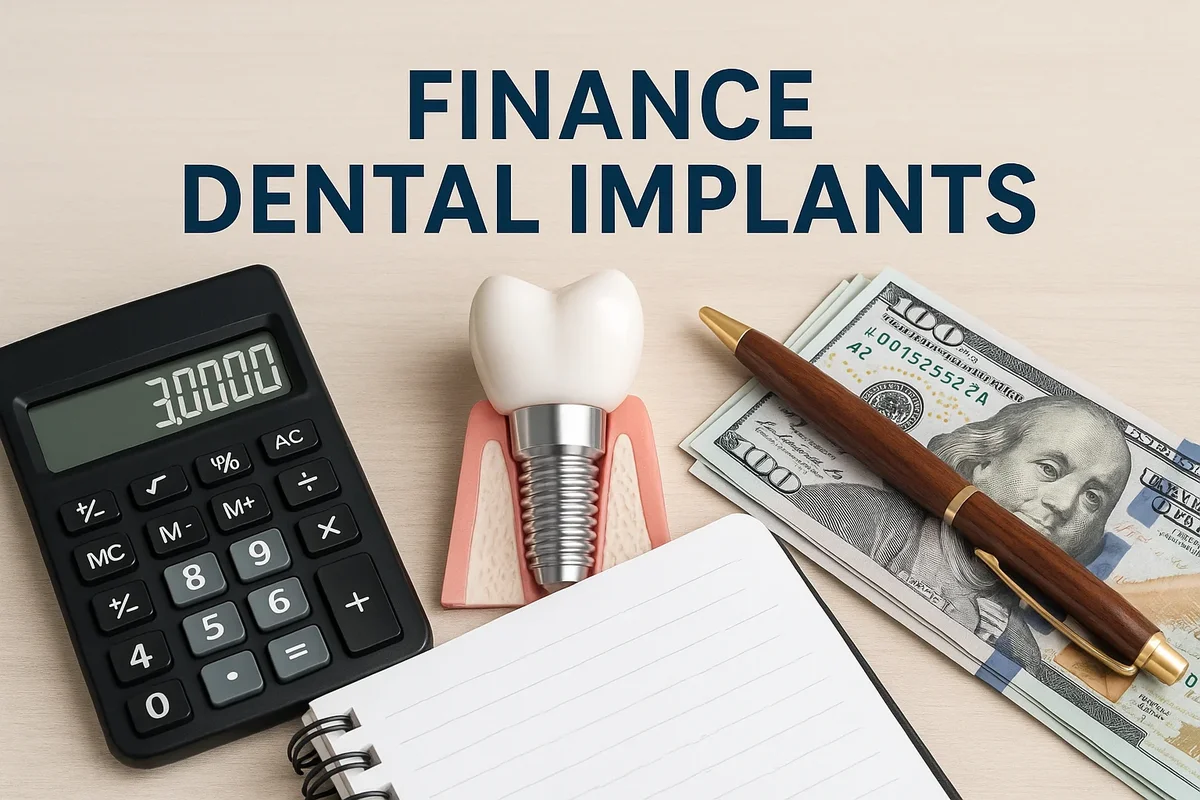
Long-Term Benefits of Financing Dental Implants
When people think about how to finance dental implants, they often focus on the immediate cost — how much they’ll pay per month or how to get approved for a loan. But the true value of this investment goes far beyond the financial aspect. Dental implants offer long-term physical, emotional, and even economic benefits that make them one of the smartest health-related investments you can make. Understanding these benefits helps patients see why financing isn’t just about affordability — it’s about enhancing their future quality of life. 🌟
1. Permanent Solution Compared to Other Dental Treatments
Unlike dentures or bridges that require regular replacement, dental implants are designed to last decades — often a lifetime. Once integrated into the jawbone, they function like natural teeth, restoring chewing strength and stability. While the upfront cost may seem high, the long-term durability means you won’t need frequent replacements or adjustments. When you finance dental implants, you’re essentially investing in a permanent solution rather than paying repeatedly for temporary fixes.
For example, traditional dentures typically need replacement every 5–7 years, with ongoing maintenance costs. Over 20 years, this can exceed the one-time cost of implants. By spreading out the cost through financing, you can enjoy immediate benefits while saving money in the long run. The math is simple — implants are not an expense; they’re a lifelong investment in oral health.
Why This Matters Financially
- Implants maintain bone health, preventing costly reconstructive surgeries later.
- Durability reduces the need for future dental visits and replacements.
- They increase long-term savings despite a higher initial price tag.
2. Improved Oral Health and Bone Preservation
One of the most remarkable medical benefits of implants is their ability to preserve jawbone density. When a tooth is lost, the surrounding bone begins to deteriorate due to lack of stimulation. This can lead to facial sagging and misalignment over time. Dental implants act as artificial tooth roots, stimulating bone tissue and preventing loss. Financing this procedure means protecting not just your smile, but also your overall facial structure and long-term oral stability. 💪
Patients who finance dental implants often find that the health benefits outweigh the cost. By maintaining proper bone density, they reduce the risk of needing expensive grafting procedures in the future. Additionally, healthier bone structure supports neighboring teeth and keeps the bite aligned, eliminating further dental complications.
Key Long-Term Oral Health Advantages
- Prevents bone resorption (bone loss) and gum recession.
- Protects natural teeth from shifting or tilting into empty spaces.
- Improves overall bite alignment and jaw functionality.
3. Enhanced Confidence and Psychological Well-being
Beyond the clinical benefits, dental implants have a profound emotional and social impact. Patients report improved self-esteem, confidence in social settings, and the ability to speak and eat freely without fear of slippage — something dentures often fail to provide. Choosing to finance dental implants can be seen as financing confidence and happiness. Smiling without hesitation can transform personal and professional interactions, leading to greater life satisfaction.
Numerous studies by the American Dental Association confirm that patients who undergo implant treatment report higher overall well-being scores compared to those using removable prosthetics. This highlights that financing isn’t merely a financial decision — it’s a psychological investment in quality of life.
4. Long-Term Financial Return on Investment (ROI)
It’s essential to recognize that financing dental implants can yield measurable financial returns. While this might sound surprising, consider how avoiding repeated dental treatments, lost work hours, and constant discomfort translates into real-world savings. Patients who finance dental implants once often eliminate decades of ongoing dental expenditures. 💸
Let’s break it down: dentures may cost $2,000 every 7 years, including maintenance, adhesives, and relines. Over 21 years, that’s $6,000–$7,000. A full set of dental implants, even at $8,000–$10,000 financed over several years, offers permanent results and eliminates recurring costs. Moreover, improved chewing efficiency supports better nutrition and systemic health, indirectly lowering medical expenses related to poor diet or digestion.
Financial Advantages Over Time
- Eliminates recurring denture maintenance costs.
- Reduces risk of further dental treatments caused by bone loss.
- Boosts employability and social confidence, indirectly improving income potential.
5. Greater Comfort and Convenience
Dental implants feel, look, and function like natural teeth. Once healed, they require no special cleaning solutions or adhesives. Routine brushing and flossing are sufficient for maintenance. This convenience saves time and money while enhancing daily comfort. Financing this level of quality-of-life improvement is a small trade-off compared to the years of effortless oral function it provides.
When you finance dental implants, you’re essentially purchasing decades of comfort and freedom from the inconveniences of removable dentures. It’s the closest modern dentistry can get to restoring nature’s perfection.
6. Long-Term Aesthetic Stability
Implants are designed to integrate seamlessly with your natural teeth, ensuring aesthetic consistency. Unlike bridges, which can create visible gaps or wear down surrounding teeth, implants retain their structure and appearance over time. Financed dental implants maintain your smile’s natural look, ensuring that your investment continues to pay off visually and functionally for decades.
7. Contribution to Systemic Health
Missing teeth affect more than just appearance — they can impact digestion and nutrition. Proper chewing improves nutrient absorption, which supports cardiovascular and metabolic health. By choosing to finance dental implants, you indirectly invest in better systemic well-being. Patients who restore their bite can eat fiber-rich foods, fruits, and vegetables that they previously avoided, improving overall health outcomes.
Health Impact Summary
- Improved chewing efficiency enhances digestion.
- Better nutrition supports immunity and heart health.
- Reduced oral inflammation lowers risks of chronic disease.
8. Emotional and Relationship Benefits
Confidence in one’s appearance plays a major role in personal and romantic relationships. Patients often report improved self-image, willingness to engage socially, and overall satisfaction after implant treatment. Choosing to finance dental implants can therefore transform more than your smile — it can revitalize how you interact with others and perceive yourself.
9. Sustainability and Environmental Benefits 🌱
Unlike dentures, which require periodic manufacturing, plastic components, and replacements, dental implants are a sustainable option. They’re made of biocompatible materials like titanium or zirconia, both of which last decades without needing constant replacement. When you finance dental implants, you’re supporting an environmentally conscious dental solution that minimizes waste and long-term resource consumption.
10. Final Thoughts: A Lifetime of Value
In summary, financing dental implants is not merely about spreading payments — it’s about unlocking lifelong advantages. From jawbone preservation and health improvements to confidence, comfort, and long-term savings, the value of this investment far exceeds its initial cost. Smart financing allows anyone to experience these benefits without financial strain.
If you’re considering treatment, connect with trusted professionals like Redent Klinik for transparent cost breakdowns and flexible payment plans tailored to your needs. For authoritative dental insights, explore the American Dental Association’s patient resources. With careful planning and informed choices, you can confidently finance dental implants and enjoy a lifetime of radiant smiles, health, and confidence. 😁