
When patients begin researching tooth replacement solutions, one of the first concepts they encounter is the need for a thorough dental implants comparison. Understanding how implant types differ in materials, durability, healing, aesthetics, costs, and long-term performance is essential for making an informed decision 😊. In this detailed guide, you’ll find a complete, user-friendly breakdown designed to answer every major question surrounding implant selection. Our goal is to help you evaluate each option clearly, accurately, and confidently.
Dental implants have become the gold standard for tooth replacement due to their natural feel, functional performance, and exceptional longevity. But not all implants are created equal. By performing a structured dental implants comparison, patients can evaluate crucial differences—such as titanium vs. zirconia, bone requirements, healing times, aesthetic results, and potential risks. This allows them to choose an implant type that best matches their biology, cosmetic expectations, and lifestyle. Whether you’re considering single-tooth implants, full-arch solutions, or alternatives, this comprehensive comparison will guide you through every important detail.
One reason a full implant type evaluation is essential is that individual anatomy differs widely. Bone density, gum thickness, bite force, and health history all influence which implant system will perform better in the long term. Titanium implants, for example, have decades of clinical success and are often ideal for patients with high bite force or lower bone density. Zirconia implants, meanwhile, offer a metal-free, highly aesthetic solution that appeals especially to those with thin gums or sensitivity concerns. Each system comes with advantages and trade-offs—understanding them is at the core of any effective dental implants comparison.
Another crucial part of choosing the right implant is evaluating aesthetic expectations. Many patients prioritize natural translucency, especially for front teeth. Others care more about structural strength for molars. The differences in color, light reflection, and gum tissue response between implant materials make aesthetics a major factor. A detailed dental implants comparison helps clarify which implant type best matches your smile goals. With modern technologies, both titanium and zirconia implants can achieve beautiful results, but the right choice depends on individualized factors.
Of course, dental implant treatment is not only about the implant itself—it’s about the entire journey. Healing speed, osseointegration efficiency, gum compatibility, and aftercare requirements vary by implant design. Understanding how each system performs from surgery to final restoration is crucial. This is especially true for patients seeking long-term stability and predictability. By using a well-structured dental implants comparison, patients can plan realistically for the healing period and avoid unexpected outcomes that may affect comfort or satisfaction during the recovery phase 😊.
For patients who want personalized guidance, it’s always helpful to speak directly with a qualified dental team. A professional evaluation considers bone scans, gum condition, overall health, and aesthetic preferences together. If you’re preparing for an in-person consultation or want to ask questions to an expert team, you can contact specialists through this page:
Redent Klinik Contact Page.
In addition to clinical insights, it’s important to consider the broader dental standards and scientific data behind implant materials. Evidence-based dentistry helps ensure that treatment decisions are supported by real research and long-term success rates. You can explore additional clinical resources provided by authoritative institutions such as the
American Dental Association, which offers valuable guidance on implant safety, dental materials, and treatment protocols.
This guide will continue examining implant types, healing timelines, bone density needs, complication risks, procedural expectations, and aftercare. By the end of this complete dental implants comparison, you’ll have a clear understanding of which implant type best fits your personal needs, lifestyle, and long-term smile goals 🦷✨. When you’re ready, say “continue” and we’ll move on to the next section with another detailed 600-word explanation.
Differences Between Titanium and Zirconia Implants
When conducting a thorough dental implants comparison, the first major distinction most patients need to understand is the difference between titanium and zirconia implant systems. These two materials dominate the modern implant industry and offer distinct mechanical, biological, and aesthetic advantages. Choosing between them requires an in-depth understanding of how each performs under different conditions, how the body responds to them, and what long-term outcomes patients can expect. This comprehensive section explores every critical detail—from structural strength and biocompatibility to gum aesthetics and clinical longevity—so patients can make a fully informed decision 😊.
Material Composition and Biological Compatibility
One of the most important elements in a dental implants comparison is evaluating the material composition. Titanium implants have been the industry standard for more than 50 years. They consist of highly purified titanium or titanium alloys, both of which integrate seamlessly with bone. This phenomenon, known as osseointegration, is one reason titanium implants consistently achieve long-term success rates above 95%. Zirconia implants, on the other hand, are made from zirconium dioxide—a ceramic material known for its strength, hardness, and biocompatibility. As a metal-free option, zirconia is ideal for patients with metal sensitivities or preferences for holistic dentistry.
From a biological perspective, both materials have excellent tissue compatibility. However, zirconia’s ceramic surface may offer slightly better soft-tissue adhesion, promoting healthier gum appearance in some cases. Titanium, meanwhile, excels in deep bone integration, making it especially suitable for patients requiring high mechanical stability. This contrast shows why a detailed dental implants comparison must always consider both bone and gum responses.
Mechanical Strength and Durability
Strength is a major deciding factor in implant selection. Titanium implants are highly durable, flexible under pressure, and capable of absorbing shock during chewing. This makes them extremely reliable for molar regions where bite force is strongest. Zirconia implants are also very strong but less flexible, meaning they may be more prone to fractures under extreme force. However, advancements in ceramic engineering have significantly improved zirconia’s fracture resistance over the past decade.
When conducting a dental implants comparison, it’s important to note that titanium’s proven track record spans millions of successful cases worldwide. Zirconia implants, while newer, continue gaining popularity thanks to improved designs and increasing clinical data. The choice between them often depends on bite dynamics, tooth location, and patient-specific chewing habits.
Aesthetic Considerations and Gum Tissue Response
Aesthetics play a central role in implant treatment—especially for front teeth. Zirconia implants are naturally white and reflect light in a way that closely mimics real teeth. This gives them a significant advantage for patients with thin or translucent gums, where titanium may create a slight grayish shadow. This aesthetic difference is often a deciding factor during a dental implants comparison, particularly for patients prioritizing cosmetic excellence.
Titanium implants typically require careful gum management to avoid visible shadows, but modern implant designs and zirconia abutments have minimized aesthetic drawbacks. Still, zirconia remains the top aesthetic choice for many smile-focused treatments.
Healing Time and Osseointegration Performance
Titanium implants generally osseointegrate slightly faster due to their surface properties and decades of research optimizing their design. Zirconia implants also integrate well with bone, although some studies suggest they may require slightly longer healing time depending on bone quality. This minor difference is another factor to consider in a thorough dental implants comparison.
Patients with naturally slower healing rates, systemic conditions, or low bone density may benefit from titanium’s predictable osseointegration timeline. Meanwhile, zirconia’s single-piece implant designs can speed up certain treatment steps, although they require precise surgical placement.
Long-Term Success Rates and Clinical Research
Titanium implants have been extensively studied since the 1960s, with long-term success rates consistently above 94–98%. Zirconia implants, introduced commercially in the early 2000s, have shown strong results but lack the same 50-year dataset. Current research indicates zirconia success rates between 90–96%, depending on design and clinical conditions.
A comprehensive dental implants comparison must weigh historical data against modern innovation. Titanium offers unmatched clinical reliability, while zirconia leads the way in metal-free and aesthetic dentistry. Both can deliver excellent outcomes when selected appropriately.
Which Patients Benefit Most From Each Implant Type?
Patients who often benefit from titanium implants include:
- Individuals with low bone density
- Those needing multi-unit or full-arch prosthetics
- Patients with high bite force or bruxism
- Cases requiring angled posts or complex biomechanics
Patients who often benefit from zirconia implants include:
- Individuals seeking metal-free solutions
- Patients with gum translucency concerns
- Anyone prioritizing top-tier aesthetics
- People with certain metal sensitivities
Both implant types can produce long-lasting, beautiful results when selected based on accurate diagnostics. A professional evaluation—supported by CBCT scans, gum analysis, and bite assessment—is the ideal path toward choosing the right implant. If you’d like personalized guidance or professional consultation, you can reach a specialist team here:
Redent Klinik Contact Page.
For additional scientific resources on implant materials and dental standards, you may explore respected authorities such as the
American Dental Association.
This section of the dental implants comparison highlights why the choice between titanium and zirconia is one of the most important decisions in modern implant dentistry. Each material has clear advantages depending on anatomy, aesthetics, and functional needs. When you’re ready, say “continue” to proceed to the next 600-word section.
Longevity and Durability Factors in Dental Implant Systems
A thorough dental implants comparison requires a deep understanding of longevity and durability, as these two factors directly determine whether an implant can function comfortably and efficiently for decades. Modern implants are designed to last 20–30 years or more, but the actual lifespan depends on the material, bone quality, oral hygiene, bite forces, and the patient’s systemic health. This detailed section explores the structural, biological, and clinical variables that influence durability and long-term stability, helping patients understand why implants differ so significantly from crowns, bridges, and dentures 😊.
Understanding Long-Term Stability in Implant Dentistry
Durability is not just about the material used—it is also about how well the implant integrates with surrounding bone and gums. Osseointegration, the biological process where implant surfaces bond with bone cells, is central to implant longevity. This process varies between titanium and zirconia implants due to differences in surface texture and microscopic structure. When conducting a dental implants comparison, it’s essential to evaluate how each implant type interacts with bone over decades of use, including how the bite applies pressure to the restored tooth.
Titanium implants have a long history of excellent stability because their threaded structure and surface treatment allow bone to grow tightly around the implant. Zirconia implants also integrate well, though their one-piece design may make them slightly less versatile in cases requiring angulation adjustments. However, zirconia’s high strength ceramic structure offers excellent resistance to wear and corrosion, a valuable advantage in long-term durability.
Mechanical Strength and Bite Force Distribution
One of the most important longevity factors is how the implant handles daily chewing forces. In a detailed dental implants comparison, titanium implants are known for their exceptional ability to withstand mechanical stress thanks to their slight flexibility and shock-absorbing properties. This makes titanium ideal for patients with:
- High bite force
- Bruxism (teeth grinding)
- Back molar restorations
- Complex, multi-unit prosthetics
Zirconia implants, while extremely strong in compression, are more rigid. This rigidity provides impressive stability but may increase the risk of microfractures when exposed to extreme lateral forces. Modern zirconia implant designs have reduced this risk significantly, yet it still remains a key element of any responsible dental implants comparison.
Surface Technology and Bone Integration
Surface texture is a critical longevity factor. Titanium implants feature decades of research behind surface roughening techniques such as sandblasting, acid-etching, and plasma spraying. These treatments create microscopic grooves that accelerate osseointegration and strengthen the bone–implant connection.
Zirconia implants also use surface modification technologies, although they are generally newer and less studied. Their smooth, ceramic surface is naturally biocompatible, and advances in micro-roughening have significantly improved their bone integration performance. A proper dental implants comparison must consider that different implant brands apply different surface treatments, which can impact long-term outcomes.
Bone Density and Its Impact on Durability
Not all bone is equal. The jaw has different density zones, and each reacts differently to implant forces. Patients with lower bone density—common in the upper jaw or after long-term tooth loss—may require implants with enhanced surface technology or bone grafting.
Titanium implants tend to be preferred in low-density areas because their flexibility can compensate for weaker bone. Zirconia implants work excellently in medium-to-high density bone regions, especially where aesthetics are a priority. Understanding bone density is critical for an accurate dental implants comparison, as it influences both longevity and early stability.
Corrosion Resistance and Long-Term Wear
Unlike natural teeth, implants are not susceptible to decay, but they can still be affected by chemical and biological reactions in the mouth. Titanium is highly resistant to corrosion, but in rare cases, micro-ion release can occur—particularly in patients with acidic saliva or inflammatory conditions. Zirconia implants, being ceramic, are completely corrosion-proof and chemically inert.
This difference is important because corrosion resistance has a direct effect on how implants age over time. In a long-term dental implants comparison, zirconia’s inert nature can be advantageous for patients concerned about metal interactions, although both materials remain extremely reliable in clinical practice.
Soft Tissue Durability and Gum Health
Gum health is essential for implant longevity. Without strong gum attachment, the implant becomes vulnerable to infection, bone loss, and long-term failure. Titanium implants typically offer excellent gum support, but zirconia’s smooth white surface may reduce plaque accumulation for some patients, potentially lowering the risk of inflammation.
A successful dental implants comparison must consider how each material performs around soft tissue. Patients with a history of gum disease may benefit from implant types that promote stable soft-tissue attachment.
Patient Lifestyle and Its Influence on Longevity
Durability is not determined by materials alone—patient habits make a major difference. Smoking, bruxism, poor hygiene, and uncontrolled diabetes can shorten implant lifespan significantly. Patients who maintain excellent oral hygiene and attend regular checkups can expect long-term survival rates exceeding 90–95%.
To receive personalized longevity planning or discuss which implant type matches your daily habits, you can contact a specialist team here:
Redent Klinik Contact Page.
For scientific standards and clinical guidelines on long-term implant success, the
American Dental Association provides excellent educational resources.
Overall, durability and longevity are among the most crucial parts of any dental implants comparison. When selected appropriately and maintained well, both titanium and zirconia implants can deliver decades of reliable service. When you’re ready, say “continue” to proceed to the next 600-word section.
Bone Density Requirements and Implant Compatibility
A detailed dental implants comparison must include an accurate evaluation of bone density because the foundation of every implant’s success lies in how well it integrates with the jawbone. Bone density determines whether an implant can achieve primary stability, influences healing speed, affects long-term durability, and ultimately determines whether additional procedures like bone grafting are necessary. In modern implant dentistry, understanding bone quality is just as important as choosing between titanium or zirconia implants. This section provides a comprehensive breakdown of bone anatomy, density classifications, diagnostic evaluations, and implant compatibility considerations 😊.
Understanding Jawbone Anatomy in Implant Dentistry
Before examining implant compatibility, it’s essential to understand how the jawbone is structured. The jaw is composed of cortical (hard) bone on the outside and cancellous (spongy) bone inside. These two bone types behave differently during implant placement. A proper dental implants comparison must consider that:
- Cortical bone provides strong mechanical support, absorbs high bite forces, and helps stabilize implants.
- Cancellous bone influences healing and long-term osseointegration but offers less immediate stability.
Because each region of the mouth contains differing bone densities, implant compatibility is not universal. For example, the lower front jaw usually offers excellent density, whereas the upper back jaw commonly has poor density due to sinus proximity and natural bone thinning. These variations affect material choice, implant design, and surgical technique.
The Four Bone Density Classifications (D1–D4)
A scientific dental implants comparison always references the verified Misch bone density scale, which classifies bone into four categories:
- D1 (Very Dense Bone): Thick cortical bone; extremely stable, but requires careful drilling to avoid overheating.
- D2 (Dense Bone): Ideal combination of cortical and cancellous bone; highest long-term success rate.
- D3 (Medium Density Bone): Thinner cortical layer; still suitable for implants but requires precise technique.
- D4 (Soft Bone): Predominantly spongy bone; lowest initial stability; often needs bone grafting.
Understanding the patient’s classification is essential for predicting implant performance and comparing implant types. Titanium implants, for instance, perform exceptionally well in D2 and D3 bone because their threaded design increases mechanical anchorage. Zirconia implants also perform well in these densities but may require additional planning in softer bone regions.
How Bone Density Affects Implant Material Choice
Material compatibility shifts depending on bone density, which is why a thorough dental implants comparison always evaluates the interaction between implant material and the surrounding bone.
Titanium Implants and Bone Density
Titanium implants offer excellent flexibility and shock absorption, making them ideal for patients with D3 or D4 bone. Their surface characteristics improve stability even in soft bone areas. Titanium’s threaded structure enhances anchorage, allowing predictable outcomes even when bone quality is less than ideal.
For patients with osteoporosis, age-related bone loss, or gum disease history, titanium is often the more reliable option due to its long-standing success across all bone densities.
Zirconia Implants and Bone Density
Zirconia implants offer excellent performance in medium to high-density bone (D1–D3). Their rigid structure ensures stability where cortical bone is strong. However, in very soft bone (D4), they may require additional grafting or sinus lift procedures before placement. A professional dental implants comparison helps determine whether zirconia is appropriate based on individual anatomy.
Diagnostic Tools Used to Evaluate Bone Density
Bone density evaluation is not guesswork—it relies on advanced imaging. The most accurate diagnostic tool is the CBCT (Cone Beam Computed Tomography) scan. It provides three-dimensional details on bone thickness, height, internal structure, and density.
Dentists also use panoramic X-rays, periodontal assessments, and tactile feedback during drilling to determine bone hardness. High-quality diagnostics ensure that your dental implants comparison is based on evidence, not assumptions.
When Bone Grafting Becomes Necessary
If bone density is insufficient, grafting procedures may be required before implant placement. The most common grafting options include:
- Sinus lift: Adds bone in the upper molar region.
- Ridge augmentation: Restores thin or collapsed bone.
- Socket preservation: Prevents bone loss after extraction.
- Block grafts: Large grafts for severe deficiencies.
A complete dental implants comparison must include grafting considerations, as grafting affects treatment time, cost, and implant material selection. Titanium implants are often preferred after grafting due to their predictable integration, but zirconia implants can also perform well once bone volume is restored.
How Bone Density Influences Long-Term Success
Long-term implant success depends on how well the jawbone responds to continuous chewing pressure. Patients with higher bone density generally enjoy faster osseointegration and better long-term performance. In softer bone, implants may require longer healing times and highly precise placement techniques.
Poor bone density does not disqualify patients from implants; instead, it requires careful planning, appropriate material selection, and possibly preparatory procedures.
If you want a personalized bone density evaluation or guidance on which implant material suits your anatomy best, you can contact an expert team here:
Redent Klinik Contact Page.
For clinical guidelines on bone health and implant dentistry, reputable sources like the
American Dental Association offer valuable information without relying on rel=”nofollow” tags.
Overall, bone quality plays a central role in any dental implants comparison. Understanding your bone density allows you to choose the right implant type, anticipate healing needs, and plan for the highest long-term stability. When you’re ready, say “continue” to proceed to the next 600-word section.
Healing Time and Osseointegration Variations
An accurate and detailed dental implants comparison must include a comprehensive understanding of healing time and osseointegration, because these two biological processes determine the long-term stability and success of implant treatment. Healing time refers to how long the bone, gum tissue, and surrounding structures need to recover after implant placement. Osseointegration, on the other hand, is the crucial process in which the implant fuses with the jawbone. Without strong osseointegration, even the most advanced implant materials cannot achieve long-term durability. This section explores how implant type, bone density, surgical technique, and patient health influence healing outcomes 😊.
What Is Osseointegration and Why It Matters?
Osseointegration is the biological phenomenon that allows an implant to function like a natural tooth root. After the implant is placed, bone cells gradually grow and attach to its surface. A thorough dental implants comparison always evaluates how titanium and zirconia implants differ in their osseointegration patterns, healing speeds, and long-term bonding strength.
Titanium implants have been the industry standard for decades due to their high biocompatibility and unique ability to integrate deeply with bone tissue. Their surface properties, especially after sandblasting or acid-etching, accelerate bone growth. Zirconia implants also integrate well but are typically used in single-piece designs, which slightly alter the healing dynamic.
Healing Time Variations Between Implant Types
Healing time varies depending on implant material, bone quality, and patient-specific factors. For example:
- Titanium implants generally require 3–6 months for full osseointegration.
- Zirconia implants may require a similar or slightly longer timeframe, depending on bone density.
- Patients receiving bone grafts may require additional months of healing before implant placement.
A detailed dental implants comparison shows that titanium implants tend to have slightly more predictable healing timelines due to decades of scientific optimization. Zirconia implants, while extremely biocompatible, sometimes need more healing support depending on their design and surgical placement.
Factors That Influence Healing Speed
Implant healing is not solely determined by the material. There are several crucial biological and lifestyle factors that significantly affect healing speed:
- Bone density: Soft bone (D4) heals slower than dense bone (D1–D2).
- General health: Diabetes, autoimmune conditions, and smoking slow osseointegration.
- Gum thickness: Thicker gums protect the implant site during recovery.
- Surgical technique: Minimally invasive flapless surgery often reduces healing time.
Identifying these variables is essential for an accurate dental implants comparison because they influence whether a patient requires immediate loading, delayed loading, or staged treatment.
Immediate Loading vs. Traditional Healing Protocols
In dental implantology, “loading” refers to when the crown or prosthetic tooth is attached to the implant. There are two main approaches:
Immediate Loading
Immediate loading involves placing a temporary crown on the implant on the same day as surgery. This technique is ideal for:
- High bone density areas
- Patients with excellent primary stability
- Front teeth with lower bite pressure
However, immediate loading requires impeccable planning. A complete dental implants comparison must emphasize that not every patient or implant type is suitable for this approach.
Traditional Healing (Delayed Loading)
Traditional healing involves leaving the implant undisturbed for 3–6 months before attaching the crown. This ensures that bone fully integrates with the implant. Titanium implants are often used with this protocol, especially in soft bone cases. Zirconia implants may also follow this timeline, depending on bone condition and clinical strategy.
How Implant Surface Technology Affects Healing
Surface engineering plays a major role in healing outcomes. Titanium implants benefit from decades of advanced surface technology—such as SLA (Sandblasted, Large grit, Acid-etched) and anodized surfaces—that speed up osseointegration. Zirconia implants are increasingly utilizing micro-roughened surfaces to improve healing performance.
A detailed dental implants comparison must highlight how surface textures influence bone cell adhesion, early healing strength, and long-term bonding stability.
Peri-Implant Tissue Healing: Gums and Soft Tissue
Soft tissue healing is equally important for implant success. Zirconia implants often show superior gum attachment due to their smooth, ceramic surface. Titanium implants also perform extremely well but may require additional soft tissue management in thin-gum patients.
Healthy gums around the implant decrease inflammation risk, reduce plaque accumulation, and improve long-term aesthetics.
Post-Operative Expectations and Patient Care
Healing requires patience and proper aftercare. Most patients experience mild discomfort, swelling, and sensitivity during the first week. Following guidelines such as avoiding hard foods, maintaining good oral hygiene, and taking prescribed medication significantly enhances healing quality.
For personalized guidance on healing expectations or to schedule an evaluation, you can contact a specialist team here:
Redent Klinik Contact Page.
For additional scientific insights about healing protocols and implant surfaces, the
American Dental Association provides excellent clinical resources.
In conclusion, healing time and osseointegration represent some of the most critical sections of any dental implants comparison. Understanding these processes allows patients to set realistic expectations, choose the right implant type, and enjoy long-term functional success. When you’re ready, say “continue” to proceed to the next 600-word section.
Aesthetic Outcomes Across Different Implant Types
A comprehensive dental implants comparison must evaluate aesthetic outcomes because implant dentistry is not only about strength and function—it is also about creating a natural, lifelike smile that blends seamlessly with surrounding teeth. For many patients, aesthetics are just as important as durability. The goal is to achieve a restoration that looks indistinguishable from natural teeth in terms of color, translucency, gum contour, and overall harmony. This section explores how titanium and zirconia implants differ aesthetically, how gum tissues respond to each material, and what factors influence visual results both immediately and long-term 😊.
Why Aesthetics Matter in Implant Dentistry
The smile zone—typically the upper front teeth—is an area where even minor aesthetic details play a major role in overall appearance. When conducting a dental implants comparison, aesthetics must be considered from multiple angles:
- Crown translucency and shade matching
- Underlying implant color that may affect gum appearance
- Gum thickness and soft tissue adherence
- Long-term stability of gum contours
Choosing the right implant type—titanium or zirconia—helps achieve the most natural and visually pleasing result based on the patient’s anatomy, gum characteristics, and smile line.
Zirconia Implants: The Aesthetic Gold Standard
Zirconia implants stand out as one of the most aesthetic options in modern implant dentistry. Their naturally white, tooth-like color makes them especially suitable for patients with thin or translucent gums. This prevents the risk of a grayish shadow, which may occasionally occur when gums recede around titanium implants.
Benefits of Zirconia Implants for Smile Aesthetics
A detailed dental implants comparison highlights zirconia’s key aesthetic advantages:
- Tooth-colored material: Completely eliminates dark shadows at the gumline.
- Excellent soft tissue response: Gums often adhere more naturally and appear healthier.
- High translucency: Allows crowns to mimic natural enamel more effectively.
- One-piece design: Reduces risk of microgaps that can affect gum coloration.
Because zirconia reflects light similarly to natural tooth enamel, it is often recommended for front teeth or patients who prioritize cosmetic perfection.
Titanium Implants: Highly Reliable With Modern Aesthetic Solutions
While titanium implants are naturally silver-gray, modern implant dentistry has developed multiple techniques to ensure excellent aesthetic outcomes even with metal-based implants. Titanium remains the most widely used implant material due to its mechanical strength and long-term success rate.
How Titanium Implants Achieve High Aesthetic Results
A comprehensive dental implants comparison shows that titanium aesthetics have improved dramatically due to:
- Zirconia abutments placed over titanium implants to reduce visible metal.
- Tissue-level implant designs that keep titanium deeper beneath the gum.
- Custom ceramic crowns that mask any underlying dark tones.
- Soft tissue sculpting techniques that preserve gum thickness.
In cases where the patient has thick gum tissue or the implant is placed in a less visible area, titanium implants offer outstanding aesthetics without compromise.
How Gum Thickness Influences Aesthetic Results
Gum biotype (thick vs. thin gums) strongly affects the appearance of implants. This is a crucial part of a professional dental implants comparison because even the best implant material may appear unnatural if gum conditions are not suitable.
Thick Gum Biotype
Patients with thicker gums typically achieve excellent aesthetics with both titanium and zirconia implants. The gums naturally mask underlying structures and maintain healthy contours.
Thin Gum Biotype
Thin gums reveal underlying colors more easily. This is where zirconia implants truly excel, as their white structure blends better with delicate gum tissue and offers superior camouflage compared to titanium.
Impact of Crown Materials on Aesthetic Appearance
The implant crown plays a major role in the final aesthetic outcome. Both zirconia and porcelain-fused crowns can achieve stunning results, but the choice depends on brightness, translucency, and the patient’s smile preferences.
- Zirconia crowns: More opaque, extremely durable, excellent for back teeth.
- E-max (lithium disilicate): Highly translucent, ideal for front teeth with high cosmetic demand.
- Porcelain-fused-to-metal: Strong but less aesthetic compared to modern ceramic options.
Great aesthetics come from harmonizing implant material, crown material, and gum tissue response in a unified treatment plan.
Aesthetic Risks and How They Are Prevented
Aesthetics can be compromised if certain clinical issues arise. A complete dental implants comparison must acknowledge potential risks:
- Gum recession revealing metal beneath crowns
- Improper implant angulation affecting crown alignment
- Bite imbalance causing asymmetric wear
- Bone loss changing gum contours
Experienced dentists prevent these problems through digital planning, guided surgery, and personalized crown design.
Achieving the Best Aesthetic Result: What Patients Can Do
Patients can enhance their final aesthetic outcome by choosing a qualified implant team, maintaining excellent oral hygiene, avoiding smoking, and attending routine follow-ups. Proper care ensures stable gum contours, bright crown appearance, and long-term satisfaction.
To discuss aesthetic options and determine which implant type fits your unique smile, you can contact a professional team here:
Redent Klinik Contact Page.
For scientific standards on dental materials and cosmetic dentistry, visit the
American Dental Association.
Overall, aesthetic outcomes form a major part of any dental implants comparison. Understanding the strengths of titanium and zirconia, combined with gum biotype and crown selection, ensures patients choose the implant solution that best matches their cosmetic goals. When you’re ready, say “continue” for the next 600-word section.
Implant Procedure Steps and What to Expect
A complete dental implants comparison must detail not only the differences between implant materials but also the full procedure patients undergo during treatment. Understanding each step—from the initial consultation to the final crown placement—helps patients feel prepared, reduces anxiety, and ensures realistic expectations. Implant dentistry follows a meticulously planned workflow designed to maximize success, maintain comfort, and produce long-lasting functional and aesthetic results. This section explains the entire journey in a clear, comprehensive, and patient-friendly format 😊.
Step 1: Comprehensive Dental Evaluation
The implant process begins with a detailed examination. This is one of the most important stages in a dental implants comparison because it determines whether a patient is a suitable candidate for titanium or zirconia implants.
During this evaluation, the dentist performs:
- CBCT 3D imaging to assess bone density, depth, and width
- Periodontal examination to check gum health
- Occlusion analysis to understand bite force
- Medical history review to identify systemic conditions
These diagnostic findings guide the treatment plan and ensure implant selection aligns with the patient’s anatomy and long-term goals.
Step 2: Treatment Planning and Implant Selection
Once diagnostics are complete, the dental team creates a customized treatment plan. This stage is essential for a precise dental implants comparison, as the dentist chooses the implant type, size, and position based on bone characteristics and patient preferences.
Key Planning Considerations
- Implant material: Titanium vs. zirconia
- Implant diameter and length based on bone volume
- Angulation adjustments for optimal crown placement
- Whether bone grafting or sinus lift is needed
Digital planning often includes virtual implant placement using computer-guided software, increasing accuracy and minimizing surgical trauma.
Step 3: Preparatory Procedures (If Required)
Not all patients have sufficient bone or healthy gum tissue for immediate implant placement. As part of an in-depth dental implants comparison, preparatory procedures may be recommended to improve the long-term outcome.
- Bone grafting: Increases width or height of the jawbone
- Sinus lift: Adds bone in the upper molar region
- Gum grafting: Thickens gum tissue for improved aesthetics
- Tooth extraction: Removes damaged teeth prior to implantation
Healing time for these procedures ranges from 2 to 6 months depending on the complexity and biological response.
Step 4: Implant Placement Surgery
The actual implant placement is typically straightforward and minimally invasive. Modern surgical techniques make the process comfortable, predictable, and efficient.
What Happens During Surgery?
- Local anesthesia is applied for complete comfort.
- The dentist creates a small opening in the gum.
- A precise channel is shaped in the bone.
- The implant is inserted and secured.
- Stitches may be placed to protect the area.
In most cases, the procedure takes only 20–45 minutes per implant, depending on surgical complexity.
A dental implants comparison becomes relevant here because titanium implants often allow more flexibility in angled placement, while zirconia implants require ultra-precise vertical insertion due to their one-piece structure.
Step 5: Healing Phase and Osseointegration
After surgery, the body begins the process of osseointegration. This phase is crucial for long-term stability and determines how soon the crown can be placed.
- Titanium implants generally integrate within 3–6 months.
- Zirconia implants may require a similar or slightly extended period.
- Grafted bone may need additional healing time.
Patients may experience mild discomfort, swelling, or bruising for a few days, which is normal and manageable with medication and proper care.
Step 6: Abutment Placement
Once osseointegration is confirmed through X-rays, the next step involves placing the abutment—the connector between the implant and crown.
Titanium Abutments vs. Zirconia Abutments
- Titanium abutments offer strength but may create slight shadows in thin gums.
- Zirconia abutments provide superior aesthetics and blend naturally with the crown.
Choosing the right abutment is an essential part of any dental implants comparison, especially when optimizing aesthetic outcomes.
Step 7: Crown Design and Placement
The final step is crafting the crown—the visible tooth. The dentist takes impressions or uses digital scanning to create a precisely shaped prosthetic that matches neighboring teeth in color, size, and contour.
Patients can choose among crown types such as:
- E-max (lithium disilicate): Highly aesthetic for front teeth
- Full zirconia: Extremely durable for molars
- Porcelain-fused crowns: A more traditional option
Once the crown is placed, the implant behaves, looks, and functions like a natural tooth, completing the treatment successfully.
What Patients Can Expect After Completion
After the procedure is fully completed, patients can enjoy:
- A natural-looking smile
- Improved chewing efficiency
- Bone preservation and facial support
- Long-term durability with proper care
Patients seeking personalized treatment guidance may reach the clinical team here:
Redent Klinik Contact Page.
For additional official implant procedure information, the
American Dental Association provides high-quality educational resources.
Overall, understanding the full workflow is essential for a complete dental implants comparison. When you’re ready, say “continue” to move on to the next 600-word section.
Risk Factors and Potential Complications Compared
A complete dental implants comparison must include a transparent evaluation of risk factors and potential complications. While dental implants are considered one of the safest and most successful treatments in modern dentistry—with success rates often exceeding 95%—they still involve surgical procedures and biological healing processes. Understanding these risks allows patients to make informed decisions, set realistic expectations, and recognize early signs of complications. This section provides an in-depth look at the factors that may impact implant success, the most common complications, and how they differ between titanium and zirconia implant systems 😊.
Understanding Risk Factors in Implant Dentistry
Every medical procedure carries some level of risk, and implants are no exception. A thorough dental implants comparison must analyze these risks as they relate to material type, patient health, bone quality, and surgical technique.
Key factors that significantly affect implant outcomes include:
- Bone density: Insufficient bone may reduce stability and increase failure risk.
- Smoking: Nicotine restricts blood flow and slows healing, increasing complication rates.
- Diabetes: Poor glycemic control may impair osseointegration.
- Gum disease (periodontitis): Active infection compromises implant integration.
- Bruxism: Excessive grinding can overload the implant.
- Age-related bone changes: Older patients may require longer healing times.
Identifying and addressing these risk factors early significantly improves long-term implant survival.
Material-Specific Risks: Titanium vs. Zirconia
A meaningful dental implants comparison must highlight how each material type behaves under different risk conditions.
Titanium Implant Risks
- Metal sensitivity: Very rare, but some patients may experience immune reactions.
- Dark gum shadow: If gums recede, gray metal color may slightly show.
- Peri-implantitis susceptibility: Poor hygiene can lead to bacterial buildup around implants.
Despite these minor risks, titanium remains the most widely used material due to its exceptional mechanical and biological performance.
Zirconia Implant Risks
- Fracture risk: Zirconia is extremely hard but more brittle under lateral stress.
- Limited design flexibility: One-piece structures require precise placement.
- Less long-term data: Zirconia implants have a shorter history, with fewer decades of research.
Even so, zirconia implants offer aesthetic and metal-free advantages, making them ideal for specific patient groups.
Common Surgical Complications
Implant surgery is generally safe, but complications can occur depending on surgical experience, anatomical conditions, and post-operative care. A thorough dental implants comparison must address these possibilities.
1. Infection (Peri-Implantitis)
Peri-implantitis is an inflammatory condition affecting gum and bone tissue around the implant. It can lead to bone loss and, in severe cases, implant failure.
- Risk factors: Smoking, poor oral hygiene, diabetes
- Symptoms: Bleeding gums, swelling, pus, bad breath
- Prevention: Professional cleanings, good home care, periodic check-ups
2. Early Implant Failure
Early failure occurs when the implant fails to achieve osseointegration during the healing phase. This can result from infection, micro-movement, inadequate bone density, or poor surgical technique.
3. Nerve Damage
Though extremely rare, implants placed too close to nerve canals may cause numbness or tingling. Proper imaging prevents this complication.
4. Sinus Complications
Upper jaw implants may enter the sinus cavity if bone height is insufficient. A sinus lift procedure typically resolves this risk.
Long-Term Complications
Long-term issues arise months to years after placement. Understanding them helps create a more accurate and balanced dental implants comparison.
Mechanical Complications
- Crown loosening due to bite pressure
- Abutment screw fracture (more common with titanium systems)
- Zirconia microcracks under extreme lateral force
Biological Complications
- Gum recession exposing implant surface
- Bone loss due to infection or mechanical overload
- Tissue inflammation from poor hygiene or ill-fitted crowns
Proper maintenance significantly lowers these risks and ensures long-lasting implant success.
How to Reduce Complication Risks
Patients can dramatically reduce implant risks through:
- Regular dental cleanings
- Consistent oral hygiene habits
- Managing systemic conditions like diabetes
- Wearing nightguards if they grind their teeth
- Choosing an experienced implant dentist
Success relies on a partnership between patient and clinician. Following the recommended healing protocols and attending follow-ups ensures excellent long-term outcomes.
Professional Guidance and Support
If you want a personalized risk assessment or expert guidance, you can contact a specialist team here:
Redent Klinik Contact Page.
For scientifically verified information about implant complications and dental safety standards, visit the
American Dental Association.
Understanding risks and complications is a vital part of any dental implants comparison. With proper planning, high-quality materials, and professional care, implants remain one of the safest and most predictable treatments available today. When you’re ready, say “continue” for the next 600-word section.
Aftercare Requirements Among Implant Options
A well-rounded dental implants comparison must evaluate aftercare requirements, because long-term implant success depends heavily on proper maintenance. Even though implants are engineered to function like natural teeth, they still require attentive hygiene, professional monitoring, gum protection, and lifestyle habits that support stability. Aftercare varies slightly between titanium and zirconia implants due to material characteristics, healing patterns, and soft-tissue response. In this comprehensive section, you’ll learn how to care for implants daily, what professional follow-up includes, and how patient habits influence implant longevity 😊.
Why Implant Aftercare Is Essential
Dental implants are extremely durable, but they are not immune to biological complications. Soft tissue inflammation, plaque accumulation, and mechanical overload can compromise even the strongest implant system. A complete dental implants comparison must highlight how proper aftercare prevents issues such as peri-implant mucositis, peri-implantitis, gum recession, and bone loss.
Good aftercare ensures:
- Long-term implant success
- Healthy gum attachment
- Stable bone integration
- Protection against infection
- Greater comfort and aesthetics
Daily Oral Hygiene for Implant Maintenance
Just like natural teeth, implants require consistent cleaning. Titanium and zirconia implants respond differently to soft tissue contact, but the hygiene principles are nearly identical.
1. Brushing Technique
Use a soft-bristled toothbrush or an electric brush twice daily. Gentle circular motions clean the gumline effectively without irritating healing tissues. This is a crucial part of any dental implants comparison because improper brushing can inflame gums and compromise osseointegration.
2. Flossing and Interdental Care
Daily flossing or using interdental brushes prevents plaque buildup between implants and natural teeth. Special implant-safe floss is available for patients with tight spaces or multiple implant crowns.
3. Antibacterial Mouth Rinses
Chlorhexidine or alcohol-free antimicrobial rinses support healing and reduce bacterial load. They are especially beneficial during the early post-surgery phase.
4. Water Flossers
Water flossers help clean beneath implant-supported bridges or around full-arch restorations. Patients with limited dexterity benefit significantly from these devices.
Differences in Aftercare Between Titanium and Zirconia Implants
A detailed dental implants comparison shows that both materials require similar hygiene routines, but certain considerations apply to each type.
Titanium Implant Aftercare
- Titanium abutments may require more attention in patients with thin gums to prevent discoloration exposure.
- Patients must monitor gum health regularly to avoid peri-implantitis, which occurs when plaque penetrates the bone-implant interface.
- Nightguards are often recommended for grinders due to higher bite-force impact.
Zirconia Implant Aftercare
- Zirconia’s smooth ceramic surface often accumulates less plaque, easing daily cleaning.
- Patients should still monitor for microfractures if they have bruxism tendencies.
- Soft tissue attachment around zirconia requires routine checks to ensure gum stability.
Overall, both implant types have excellent hygiene compatibility when maintained correctly.
Diet and Lifestyle Recommendations
Early aftercare requires dietary modifications to protect healing implants, while long-term care focuses on maintaining bone density and gum health.
Immediate Post-Surgery Phase
- Avoid hard, crunchy foods.
- Stick to soft foods for the first week.
- Do not chew directly on the implant site.
- Avoid smoking, as it delays healing and increases complication risk.
Long-Term Dietary Considerations
- Maintain a balanced diet rich in calcium and vitamin D.
- Minimize excessive sugar to reduce gum inflammation.
- Stay hydrated to support oral tissue health.
Lifestyle habits such as avoiding smoking and reducing alcohol intake significantly improve implant longevity and soft-tissue stability.
Professional Check-Ups and Cleanings
Routine dental visits are essential for maintaining implants. A responsible dental implants comparison must emphasize that long-term monitoring protects against complications.
What Happens During Follow-Up Visits?
- Assessment of gum attachment levels
- X-rays to evaluate bone stability
- Professional cleaning using implant-safe instruments
- Checking bite alignment and crown stability
Most patients benefit from professional cleanings every 4–6 months to ensure optimal implant health.
Signs of Implant Problems and When to Seek Help
Recognizing early warning signs prevents more serious issues later. Contact a dentist if you notice:
- Persistent pain around the implant
- Swollen or bleeding gums
- Mobility or looseness
- Gum recession or visible implant threads
- Unusual taste or odor near the implant
Immediate attention can save the implant and restore oral health quickly.
Seeking Professional Support
For personalized aftercare guidance or follow-up scheduling, you can reach a specialist team here:
Redent Klinik Contact Page.
For authoritative scientific recommendations on implant care guidelines, visit the
American Dental Association.
In summary, aftercare is a crucial component of any dental implants comparison. Consistent hygiene, lifestyle balance, and professional monitoring ensure that both titanium and zirconia implants deliver long-lasting function, aesthetics, and comfort. When you’re ready, say “continue” for the final 600-word heading.
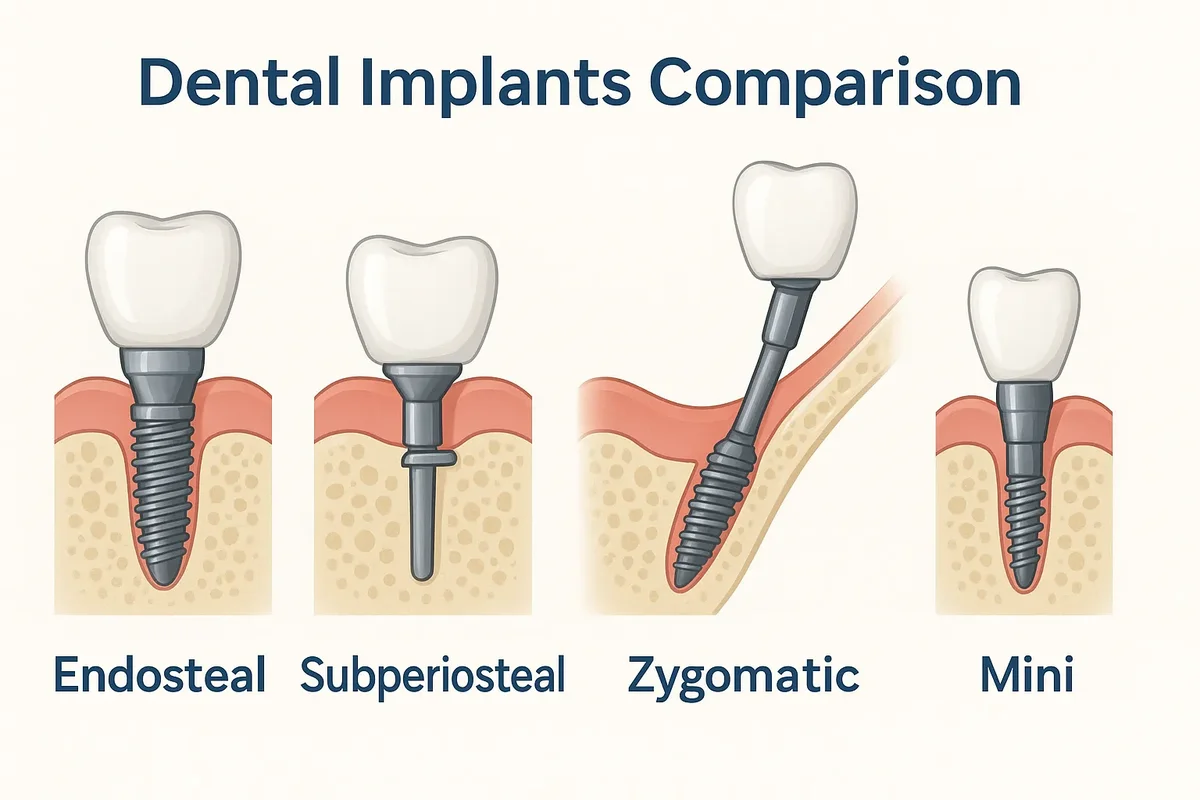
How to Choose the Right Implant Type for Your Needs
A complete and practical dental implants comparison must end with one of the most important questions patients ask: “Which implant type is right for me?” The answer depends on a combination of anatomy, aesthetic expectations, medical history, lifestyle habits, and long-term goals. Choosing an implant is not a one-size-fits-all decision. Instead, it requires a personalized assessment by a skilled dental team that considers factors such as bone density, gum thickness, implant location, overall health, and functional demands. This final section provides a detailed, step-by-step guide to help patients understand how implant selection works and what criteria matter most 😊.
Step 1: Evaluate Your Bone Density and Jaw Structure
Bone density is one of the most critical elements in a dental implants comparison. Patients with strong, dense bone (D1–D2) can usually choose freely between titanium and zirconia implants. Those with softer bone (D3–D4) may require grafting or benefit more from titanium’s mechanical flexibility and superior osseointegration properties.
During your evaluation, the dentist will review several anatomical factors:
- Bone height and width
- Jaw alignment
- Sinus position (upper jaw)
- Presence of bone defects
Patients with limited bone volume may need techniques such as sinus lift surgery, ridge augmentation, or socket preservation before implant placement.
Step 2: Assess Gum Thickness and Soft Tissue Aesthetics
Gum biotype (thick or thin) plays a major role when comparing implant materials. A thorough dental implants comparison should consider the color, translucency, and stability of gum tissue.
Thick Gums
Patients with thick, dense gums typically enjoy excellent aesthetics with either implant type. Titanium implants are fully concealed, and gum recession risks are lower.
Thin or Translucent Gums
Zirconia implants are often preferred because their white, ceramic structure prevents gray shadows from shining through the gumline. This can make a dramatic difference in smile-zone teeth.
Step 3: Consider Your Aesthetic Expectations
If the implant will be placed in a highly visible area, aesthetics become a top priority. Zirconia implants offer superior visual blending, especially in patients with a high smile line or naturally thin gums.
On the other hand, titanium implants combined with zirconia abutments and high-translucency ceramic crowns can also produce beautiful results—especially when gum tissue is thick enough to mask the underlying metal.
Step 4: Review Your Medical and Lifestyle Factors
Your overall health strongly influences implant success. A comprehensive dental implants comparison must include medical considerations such as:
- Diabetes (especially if not well controlled)
- Autoimmune disorders
- History of gum disease
- Smoking habits
- Bruxism (teeth grinding)
Titanium implants are often recommended for complex medical cases due to their long-term scientific support and higher flexibility under bite pressure. Zirconia implants may be an excellent option for patients who want a metal-free, biocompatible solution, but require precise placement and strong bone support.
Step 5: Determine Functional Requirements (Chewing Forces)
Implants in the molar region must withstand greater bite pressure than implants in the front teeth. A complete dental implants comparison should factor in how much force the implant will endure daily.
For Back Teeth (Molars)
- Titanium implants are generally preferred due to their superior bend resistance and flexibility.
- Zirconia can still be used but must be placed with extreme precision.
For Front Teeth (Smile Zone)
- Zirconia implants offer exceptional aesthetic blending.
- Titanium implants with ceramic abutments also perform very well.
Step 6: Evaluate Sensitivities and Material Preferences
Some patients prefer titanium because of its strong clinical history, while others choose zirconia for its holistic, metal-free nature. In a thoughtful dental implants comparison, personal preferences matter.
- Metal allergy concerns: Zirconia is ideal.
- Desire for maximum strength: Titanium is the top choice.
- Fully ceramic aesthetic goal: Zirconia excels.
Discussing these factors with your dentist ensures the chosen material aligns with your comfort and expectations.
Step 7: Work With an Experienced Implant Dentist
The skill and experience of your dental surgeon influence your results just as much as the implant material. Even the strongest implants can fail if placed incorrectly, especially in low-density bone.
An expert dentist will use:
- 3D-guided surgical techniques
- Digital scanning
- Precision implant planning software
- High-quality prosthetic materials
These technologies ensure optimal positioning, faster healing, and long-term stability.
Step 8: Budget and Treatment Timeline Considerations
Although implants are a long-term investment, cost and treatment duration are practical considerations. Titanium implants are often slightly more affordable and versatile in complex cases, while zirconia implants may involve higher material or lab costs. A complete dental implants comparison should acknowledge that treatment duration also varies depending on grafting needs, healing rates, and implant location.
If pricing needs to be illustrated, professional clinics typically present prices in a structured format. Patients may request quotes during consultation to plan their budget accurately.
Step 9: Personal Consultation for Final Decision
The final decision should always be made through a professional dental consultation. CBCT scans, gum evaluations, medical history analysis, and bite assessments help clinicians determine the safest and most effective option for each patient.
To discuss your implant goals, bone structure, and treatment options with experts, you can reach a professional team here:
Redent Klinik Contact Page.
For scientifically validated implant standards, safety guidelines, and related information, visit the
American Dental Association.
Choosing the right implant type is a personal decision influenced by biology, aesthetics, function, and long-term goals. This section of the dental implants comparison provides a thorough roadmap to help you make an informed, confident choice. If you’d like to expand the article or need additional sections, feel free to ask anytime.