
When people first explore tooth replacement options, one of the most common concerns is affordability. At first glance, dental implants may appear expensive, but a deeper look reveals a different reality. In fact, dental implants help with cost when evaluated from a long-term, health-focused, and lifestyle-oriented perspective. Rather than being a short-term fix, implants are a strategic investment in oral health that can significantly reduce future expenses. 🦷✨
The reason dental implants help with cost is rooted in how they function. Unlike dentures or bridges that sit on top of the gums or rely on neighboring teeth, dental implants replace the entire tooth structure, including the root. This allows them to integrate directly with the jawbone, creating a stable and permanent foundation. Because of this, patients avoid many recurring dental problems that typically lead to repeated treatments, repairs, and replacements.
Another major way dental implants help with cost is by minimizing maintenance expenses. Traditional dentures often require frequent adjustments, relining, or replacement every few years. Dental bridges may need to be replaced if the supporting teeth weaken or decay. Dental implants, however, are designed to last for decades when properly cared for. This durability alone can translate into thousands of dollars saved over a patient’s lifetime. 💡
From a medical standpoint, dental implants help with cost because they preserve jawbone health. When a tooth is lost, the jawbone begins to shrink due to lack of stimulation. This bone loss can lead to facial sagging, bite problems, and additional tooth loss—each requiring costly corrective procedures. Dental implants stimulate the bone just like natural tooth roots, preventing these complications before they begin.
Many patients do not realize that dental implants help with cost by protecting surrounding teeth. Bridges require grinding down healthy neighboring teeth, which weakens them and increases the risk of future dental work such as crowns or root canals. Dental implants stand independently, preserving natural teeth and reducing long-term restorative costs. This conservative approach aligns with modern preventive dentistry principles supported by organizations like the American Dental Association.
It is also important to consider how dental implants help with cost in daily life. Patients with unstable dentures often rely on adhesives, special cleaning products, and frequent dental visits. Over time, these small expenses add up. Dental implants eliminate the need for these ongoing costs while offering superior comfort and confidence. 😊 Eating, speaking, and smiling feel natural again—without hidden financial burdens.
From a broader healthcare perspective, dental implants help with cost by supporting overall wellness. Poor oral health has been linked to systemic conditions such as heart disease and diabetes. By restoring proper chewing function and oral hygiene, dental implants can indirectly reduce medical expenses related to nutrition deficiencies or chronic inflammation. This holistic benefit is rarely discussed but extremely valuable.
Patients often ask whether the upfront price is justified. While individual costs vary by case and region, here is a general comparison based on global averages:
- Dental Implant (single tooth): $1,500 – $3,500 (long-term solution)
- Dental Bridge: $1,000 – $2,500 (replacement often needed)
- Full Dentures: $800 – $2,000 (frequent adjustments & replacements)
When viewed over 10–25 years, it becomes clear why dental implants help with cost despite the initial investment. Fewer replacements, fewer complications, and better oral stability result in lower cumulative expenses. This is why many dental professionals now recommend implants as the most cost-effective solution in the long run.
Choosing the right clinic also plays a key role in ensuring that dental implants help with cost rather than create unexpected expenses. A properly planned implant procedure reduces the risk of complications and retreatment. If you are considering dental implants and want expert guidance, you can reach out through the Redent Klinik Contact Page for personalized consultation and transparent treatment planning.
In summary, dental implants help with cost by offering durability, medical stability, bone preservation, and freedom from repeated dental expenses. When evaluated correctly, dental implants are not a luxury—they are a smart, future-focused investment in both oral health and financial well-being. 🌟
Why Dental Implants Help With Cost Compared to Traditional Tooth Replacement
When patients compare tooth replacement options, the initial price often dominates the decision-making process. However, this short-term view can be misleading. A deeper comparison clearly shows why dental implants help with cost when measured against traditional solutions such as dentures and dental bridges. Understanding this difference is essential for making an informed, financially sound choice that supports long-term oral health. 🦷
Upfront Cost vs. Lifetime Value
One of the biggest misconceptions is focusing only on the upfront expense. While it is true that dental implants may cost more initially, dental implants help with cost by delivering long-term value. Dentures and bridges are not permanent solutions; they typically require replacement every 5–10 years. Each replacement involves new clinical fees, lab costs, and adjustment appointments.
Dental implants, on the other hand, are designed to last decades. With proper oral hygiene and routine dental checkups, many implants last a lifetime. This longevity is one of the strongest reasons dental implants help with cost when analyzed over a 20- or 30-year period.
Hidden Costs of Dentures and Bridges
Traditional tooth replacement options often come with hidden and recurring expenses. These include:
- Denture adhesives and cleaning products
- Relining and reshaping procedures as gums shrink
- Bridge replacement due to decay or failure of supporting teeth
- Emergency visits for discomfort or instability
These recurring expenses accumulate over time. This is precisely where dental implants help with cost—they eliminate most of these ongoing financial burdens. Once an implant is placed and restored, maintenance is similar to that of a natural tooth, with no special products or repeated corrective procedures required.
Structural Independence Matters
A critical structural difference explains why dental implants help with cost. Bridges rely on neighboring teeth for support, which means healthy teeth must be altered. Over time, these teeth may weaken, develop decay, or require crowns or root canals—each adding to overall dental expenses.
Dental implants stand independently. They do not compromise adjacent teeth, which significantly reduces the likelihood of future restorative treatments. This tooth-sparing advantage translates directly into long-term cost savings.
Jawbone Preservation and Financial Impact
Another reason dental implants help with cost is their ability to preserve jawbone structure. Tooth loss leads to bone resorption, which can cause facial changes and destabilize remaining teeth. Dentures and bridges do not address this issue, often leading to additional procedures such as bone grafting later on.
By integrating with the jawbone, implants prevent bone loss from the start. This proactive approach reduces the need for complex and expensive treatments in the future, reinforcing how dental implants help with cost through preventive care.
Comfort, Function, and Reduced Risk
Unstable dentures can lead to sore spots, infections, and difficulty eating. These issues often result in repeated dental visits and treatments. Bridges may fail if supporting teeth shift or weaken. Each complication brings additional costs.
Dental implants provide unmatched stability and chewing efficiency. Because they function like natural teeth, they reduce the risk of oral injuries, infections, and nutritional issues. This stability is another reason dental implants help with cost by lowering the likelihood of emergency dental care.
Long-Term Financial Comparison
To better illustrate why dental implants help with cost, consider a simplified long-term comparison:
- Dentures: Lower initial cost, but replacement and maintenance every few years
- Bridges: Moderate initial cost, but risk of failure and adjacent tooth damage
- Dental Implants: Higher upfront cost, minimal long-term expenses
Over time, the cumulative cost of traditional options often surpasses that of dental implants. This financial reality is why many dental professionals recommend implants as the most economical solution in the long run.
Psychological and Lifestyle Cost Savings
Beyond direct financial factors, dental implants help with cost by improving quality of life. Patients with secure implants experience greater confidence, fewer social limitations, and less anxiety about eating or speaking. While harder to quantify, these benefits reduce indirect costs related to stress, diet limitations, and repeated dental consultations.
Ultimately, when comparing all variables—durability, maintenance, health impact, and lifestyle benefits—it becomes clear that dental implants help with cost far more effectively than traditional tooth replacement methods. They are not merely a dental procedure, but a long-term financial and health investment. 💡
The Science Behind How Dental Implants Help With Cost Over a Lifetime
Understanding why dental implants help with cost requires looking beyond surface-level pricing and into the biological and scientific principles that support implant dentistry. Dental implants are not simply artificial teeth; they are medical devices engineered to work in harmony with the human body. This biological compatibility is the foundation of their longevity, functionality, and long-term cost efficiency. 🧬🦷
Osseointegration: The Biological Advantage
The key scientific process that explains why dental implants help with cost is called osseointegration. This is the process by which the titanium implant post fuses directly with the jawbone. Titanium is biocompatible, meaning the body accepts it without rejection. Once integrated, the implant becomes a stable part of the skeletal structure.
Unlike dentures or bridges, which remain external appliances, dental implants function as artificial tooth roots. This structural integration dramatically reduces the risk of movement, failure, or breakdown over time. Because osseointegration creates a permanent foundation, dental implants help with cost by eliminating the frequent repairs and replacements associated with non-integrated solutions.
Why Titanium Matters
Titanium’s resistance to corrosion and mechanical stress is another reason dental implants help with cost. The material can withstand chewing forces similar to natural teeth without degrading. Other materials used in traditional restorations may wear down or fracture, leading to additional procedures and expenses.
Bone Preservation and Long-Term Savings
From a scientific perspective, bone health plays a critical role in long-term dental expenses. When a tooth is lost, the jawbone no longer receives stimulation from chewing forces. This leads to bone resorption—a gradual shrinking of the bone. Dentures and bridges do not prevent this process.
Dental implants actively stimulate the jawbone, mimicking natural tooth roots. This stimulation signals the body to maintain bone density. As a result, dental implants help with cost by preventing bone-related complications that often require expensive corrective treatments such as bone grafts or full-mouth rehabilitation.
Biomechanics and Load Distribution
Another scientific reason dental implants help with cost lies in biomechanics. Implants distribute biting forces evenly through the jawbone, reducing stress on neighboring teeth. Bridges concentrate force on adjacent teeth, increasing their risk of fracture or decay.
By preserving natural teeth and maintaining proper bite alignment, dental implants reduce the likelihood of future orthodontic or restorative interventions. This balanced load distribution supports long-term oral stability and lowers cumulative dental expenses.
Reduced Micro-Movement, Reduced Failure
Scientific studies show that micro-movement is a leading cause of dental restoration failure. Dentures and poorly supported bridges are prone to movement, which leads to irritation, inflammation, and structural breakdown. Dental implants, once integrated, remain immobile.
This immobility is a major reason dental implants help with cost. Stability reduces wear on surrounding tissues and minimizes complications that lead to repeated dental visits and treatments.
Inflammation Control and Oral Health Stability
Chronic inflammation in the mouth can lead to gum disease, bone loss, and systemic health issues. Poorly fitting dentures and bridges can trap bacteria, increasing inflammation risk. Dental implants are designed to allow proper oral hygiene, reducing bacterial accumulation.
By promoting a healthier oral environment, dental implants help with cost by lowering the risk of periodontal disease and implant-related complications. Fewer infections mean fewer emergency appointments, medications, and surgical interventions.
Scientific Longevity Data
Clinical research consistently shows that dental implants have success rates exceeding 95% over 10–20 years. This level of predictability is unmatched by traditional tooth replacement options. Dentures and bridges show significantly lower long-term success rates due to material wear and biological changes.
This scientific reliability explains why dental implants help with cost across a patient’s lifetime. When a treatment is predictable and durable, financial planning becomes easier and long-term expenses decrease.
Cost Predictability as a Scientific Benefit
One often-overlooked aspect of cost is predictability. With dental implants, patients can anticipate minimal future expenses beyond routine dental care. This predictability is a direct result of sound scientific design and biological integration.
In contrast, traditional solutions involve uncertainty—unexpected failures, adjustments, or replacements. By reducing uncertainty, dental implants help with cost in both financial planning and emotional peace of mind. 😊
A Lifetime Perspective
When viewed through a scientific lens, it becomes evident that dental implants help with cost because they align with the body’s natural biology. Their ability to integrate, stabilize, and preserve oral structures creates a cascade of long-term benefits.
Rather than treating symptoms of tooth loss, dental implants address the root cause. This science-driven approach transforms dental care from a cycle of repairs into a sustainable, cost-effective solution that supports oral health for decades. 🌟
How Dental Implants Help With Cost by Reducing Future Dental Treatments
One of the strongest and most practical reasons dental implants help with cost is their ability to significantly reduce the need for future dental treatments. Many patients focus only on what they pay today, but modern dentistry emphasizes prevention, stability, and long-term planning. From this perspective, dental implants are designed to stop a cascade of dental problems before they begin—saving patients from years of repeated procedures, appointments, and expenses. 🦷💡
The Chain Reaction of Tooth Loss
When a tooth is lost and not properly replaced, it often triggers a chain reaction. Neighboring teeth begin to shift, bite alignment changes, and chewing forces become uneven. Over time, this leads to cracked teeth, gum disease, jaw pain, and additional tooth loss. Each of these problems requires treatment.
This is exactly where dental implants help with cost. By replacing the missing tooth root and crown as a single, stable unit, implants prevent this chain reaction. They maintain spacing, alignment, and bite balance, dramatically reducing the likelihood of future corrective dental procedures.
Preventing Secondary Restorations
Traditional bridges depend on adjacent teeth for support. These teeth are often ground down, weakening them permanently. Years later, those same teeth may require crowns, root canal therapy, or even extraction. Each step adds to long-term costs.
Because implants do not rely on neighboring teeth, dental implants help with cost by preventing secondary restorations. Preserving healthy teeth today means fewer invasive and expensive treatments tomorrow.
Reduced Risk of Gum Disease and Infections
Another major way dental implants help with cost is by lowering the risk of chronic gum disease. Poorly fitting dentures and bridges can trap food and bacteria, leading to inflammation and periodontal infections. Treating gum disease often requires deep cleanings, medications, and sometimes surgery.
Dental implants are easier to clean and allow patients to maintain normal oral hygiene routines. This improved cleanliness reduces infection risk, lowering the need for ongoing periodontal treatments and emergency dental visits.
Eliminating Repeated Adjustments and Repairs
Dentures frequently require adjustments as the jawbone shrinks over time. Relining, reshaping, and even full replacement are common. Bridges may fracture or loosen, especially if supporting teeth deteriorate.
Dental implants are fixed and stable. Once fully healed, they rarely require mechanical adjustments. This stability is a critical reason dental implants help with cost by eliminating the cycle of repair appointments that many patients experience with traditional solutions.
Fewer Emergency Dental Visits
Loose dentures, broken bridges, and sudden pain often lead to emergency dental visits—one of the most expensive and stressful aspects of dental care. These visits frequently involve temporary fixes that must later be replaced with permanent solutions.
Because implants are securely anchored, patients experience far fewer emergencies. Over time, this reliability shows clearly how dental implants help with cost by avoiding unplanned and high-cost dental interventions. 🚑❌
Protecting Bite Alignment and Jaw Health
Improper bite alignment can cause excessive wear on teeth, jaw joint disorders (TMJ), and chronic headaches. Correcting these issues often requires orthodontics, splints, or surgical intervention.
Dental implants maintain proper bite height and alignment. By stabilizing the jaw and evenly distributing chewing forces, dental implants help with cost by reducing the likelihood of complex bite-related treatments later in life.
Lower Long-Term Treatment Frequency
Patients with traditional restorations often become “frequent dental visitors” due to maintenance needs. Over years, these appointments accumulate significant costs, even if each visit seems minor.
Patients with dental implants typically transition into a maintenance phase that involves routine checkups only. This reduced treatment frequency is another practical reason dental implants help with cost over the long term.
A Preventive Dentistry Perspective
Modern dentistry increasingly focuses on prevention rather than repair. Dental implants align perfectly with this philosophy. By addressing tooth loss comprehensively and permanently, implants reduce the need for future interventions.
This preventive approach explains why many clinicians consider implants not just a treatment, but a cost-control strategy. When future dental needs are minimized, overall expenses decrease—clearly demonstrating how dental implants help with cost.
Long-Term Financial Clarity
Repeated treatments create financial uncertainty. Patients may struggle to predict future dental expenses when relying on temporary solutions. Dental implants provide clarity: once placed, future costs are minimal and predictable.
This predictability is a major financial advantage. By avoiding cycles of repair, replacement, and emergency care, dental implants help with cost while offering peace of mind and long-term oral stability. 🌟
In summary, dental implants reduce future dental treatments by preserving oral structures, preventing complications, and eliminating repeated maintenance. When viewed over decades, it becomes clear that dental implants help with cost not by being cheaper upfront, but by preventing the expensive problems that follow inadequate tooth replacement.
Dental Implants Help With Cost Through Improved Durability and Stability
Durability and stability are two of the most overlooked yet financially significant factors in tooth replacement decisions. While many options appear similar at first, their performance over time tells a very different story. This is where dental implants help with cost in a way that is both practical and measurable. By offering unmatched strength and long-term stability, dental implants dramatically reduce replacement cycles, repair needs, and associated expenses. 🦷🔒
Built to Function Like Natural Teeth
Dental implants are engineered to replicate the structure of a natural tooth, including the root. This design allows them to handle everyday biting and chewing forces without shifting or loosening. Because they function as part of the jaw, dental implants help with cost by avoiding the wear-and-tear problems commonly seen with removable or surface-level restorations.
Dentures may crack, warp, or lose fit as the jawbone changes. Bridges may weaken if the supporting teeth deteriorate. Dental implants, however, remain stable because they are anchored directly into the bone. This structural integrity is a primary reason why dental implants help with cost over the long term.
Resistance to Daily Mechanical Stress
Chewing forces can reach several hundred pounds per square inch, especially in the back teeth. Many traditional restorations are not designed to withstand these forces indefinitely. Over time, fractures, looseness, and discomfort can occur.
Dental implants are made from high-strength materials such as medical-grade titanium or zirconia. These materials are resistant to corrosion, pressure, and fatigue. Because of this resilience, dental implants help with cost by significantly lowering the risk of mechanical failure and the need for replacement.
Less Wear Means Fewer Repairs
Every repair or adjustment comes with a cost—both financial and time-related. Dentures often need relining, while bridges may require re-cementation or replacement. These recurring services add up over the years.
Once a dental implant has fully healed and been restored, it typically requires no mechanical repairs. Routine dental checkups are usually sufficient. This low-maintenance nature clearly shows how dental implants help with cost by minimizing ongoing service expenses.
Stability That Protects Surrounding Structures
Instability in the mouth can cause damage beyond the restoration itself. Shifting dentures may irritate gums, while unstable bridges can place excessive stress on neighboring teeth. Over time, this instability can lead to inflammation, tooth fractures, and bone loss.
Dental implants remain firmly in place, even under heavy chewing forces. This stability protects surrounding teeth and tissues, reducing the likelihood of additional dental treatments. In this way, dental implants help with cost not only directly, but indirectly by safeguarding overall oral health.
Long-Term Performance vs. Replacement Cycles
One of the clearest financial advantages of implants is their long-term performance. Dentures typically need replacement every 5–8 years. Bridges often last 7–10 years before requiring major intervention.
Dental implants frequently last 20 years or more, and many last a lifetime. When fewer replacements are needed, total lifetime costs decrease significantly. This extended lifespan is a key reason dental implants help with cost when compared to other tooth replacement methods.
Predictable Outcomes Reduce Financial Risk
Unpredictable failure increases financial risk. Patients relying on temporary or less stable solutions may face unexpected expenses at inconvenient times. Dental implants offer predictable outcomes backed by decades of clinical data.
This predictability allows patients to plan their dental finances more confidently. By reducing uncertainty and unexpected costs, dental implants help with cost in a way that supports long-term financial stability. 📊
Everyday Confidence Has Economic Value
Although often overlooked, confidence and comfort have economic implications. Patients with unstable restorations may avoid certain foods, social situations, or professional interactions. Over time, these limitations can affect quality of life and even career opportunities.
Dental implants provide confidence through stability. Eating, speaking, and smiling feel natural again. While not easily quantified, this benefit reinforces how dental implants help with cost by eliminating indirect lifestyle-related burdens.
A Long-Term Investment, Not a Temporary Fix
When durability and stability are fully considered, dental implants stand apart from traditional tooth replacement options. They are designed to last, resist daily stress, and remain stable under real-life conditions.
This durability reduces the frequency of dental interventions, the risk of complications, and the overall cost of care. For patients seeking a permanent solution, it becomes clear that dental implants help with cost not by cutting corners, but by delivering lasting value. 🌟
In conclusion, improved durability and stability are central reasons why dental implants are financially advantageous. By lasting longer, performing better, and requiring minimal maintenance, dental implants help with cost in a way that aligns with both modern dentistry and smart long-term planning.
How Dental Implants Help With Cost for Patients Seeking Permanent Solutions
For patients searching for a permanent answer to tooth loss, the long-term financial impact is just as important as comfort and aesthetics. Temporary fixes may seem appealing at first, but they often lead to repeated expenses and ongoing dental issues. This is exactly why dental implants help with cost for patients who want a true, lasting solution rather than a cycle of short-term treatments. 🦷🏗️
Permanent Solutions Eliminate Repetitive Spending
Temporary or semi-permanent dental solutions often come with a hidden pattern: repeated spending. Dentures may need frequent relining, bridges may require replacement, and both options can fail over time. Each failure introduces new costs.
Dental implants are designed as a permanent solution. Once placed and fully integrated, they typically do not need replacement. This permanence is one of the main reasons dental implants help with cost over the long term. Instead of budgeting for recurring dental work, patients can focus on routine care only.
One-Time Investment vs. Ongoing Expenses
From a financial planning perspective, a one-time investment is often more manageable than unpredictable recurring costs. Dentures and bridges often require maintenance appointments that may not be covered by insurance.
By contrast, dental implants reduce financial uncertainty. Once treatment is completed, future costs are minimal. This clarity strongly reinforces why dental implants help with cost for patients who value stability and predictability.
Psychological Relief Reduces Indirect Costs
Living with a temporary dental solution can be stressful. Concerns about looseness, breakage, or discomfort often lead patients to seek frequent dental reassurance visits. Over time, these visits add to overall expenses.
Dental implants provide peace of mind. Knowing the solution is permanent reduces anxiety-driven appointments and unnecessary consultations. This emotional stability is an often-overlooked reason dental implants help with cost, both financially and mentally. 😊
Permanent Function Means Long-Term Savings
Chewing efficiency is another factor that affects long-term costs. Poor chewing can lead to digestive issues, nutritional deficiencies, and general health problems that require medical attention.
Dental implants restore near-natural chewing ability. This functional permanence supports proper nutrition and overall health. By preventing secondary health concerns, dental implants help with cost beyond the dental chair.
Reduced Need for Dietary Adjustments
Patients with removable dentures often avoid certain foods, relying on softer diets that may lack nutritional balance. Over time, this can lead to health-related expenses.
With dental implants, patients can enjoy a normal diet without restrictions. This functional freedom contributes to long-term wellness and demonstrates another way dental implants help with cost indirectly.
Aging Gracefully Without Escalating Dental Bills
As patients age, dental needs often increase. Temporary solutions tend to deteriorate faster as oral tissues change, leading to escalating costs in later years.
Dental implants age with the patient. Because they integrate with the bone, they adapt well to natural changes in the mouth. This adaptability ensures consistent performance over decades, showing how dental implants help with cost especially in older adulthood.
Insurance and Long-Term Value Considerations
While insurance coverage for dental implants varies, many plans now recognize their long-term value. Some policies partially cover implant components or related procedures.
Even when insurance coverage is limited, the reduced need for future treatments often offsets the initial expense. This long-term value calculation is a core reason dental implants help with cost compared to solutions that require frequent insurer involvement.
Fewer Claims, Fewer Surprises
Repeated claims for repairs and replacements can increase out-of-pocket costs over time. Dental implants simplify this process by reducing the number of claims needed.
With fewer procedures required, patients experience fewer unexpected bills. This simplicity further explains why dental implants help with cost from an administrative and financial standpoint.
Permanent Solutions Align With Preventive Dentistry
Preventive dentistry aims to reduce long-term treatment needs by addressing problems comprehensively. Dental implants fit perfectly into this philosophy.
By replacing missing teeth permanently and preserving oral structures, implants prevent future complications. This preventive advantage is a powerful reason dental implants help with cost over a patient’s lifetime.
Confidence in a Long-Term Decision
Patients who choose dental implants often report greater satisfaction because they feel confident in their decision. This confidence reduces hesitation, second opinions, and trial-and-error treatments.
Making a confident, permanent choice early can prevent years of incremental spending. This decisiveness highlights once again how dental implants help with cost by avoiding prolonged dental uncertainty. 🌟
In summary, for patients seeking a permanent solution, dental implants offer unmatched financial logic. By eliminating repeated treatments, reducing indirect health costs, and providing long-term stability, dental implants help with cost in a way that temporary solutions simply cannot match.
Dental Implants Help With Cost When Considering Quality of Life Benefits
When evaluating dental treatments, cost is often measured only in monetary terms. However, true value also includes comfort, confidence, daily function, and emotional well-being. This broader perspective reveals why dental implants help with cost by delivering substantial quality of life benefits that reduce both direct and indirect expenses over time. 😊🦷
Confidence and Social Comfort Reduce Hidden Costs
Tooth loss can significantly affect self-esteem. Many patients with removable dentures or unstable bridges feel anxious in social situations, worrying about movement, speech difficulties, or discomfort. This anxiety often leads to avoidance of social events, professional interactions, or even routine conversations.
Dental implants restore confidence by feeling and functioning like natural teeth. This confidence reduces stress-related behaviors, unnecessary consultations, and lifestyle limitations. When patients feel secure, they are less likely to seek repeated reassurance visits—one of the subtle ways dental implants help with cost.
Speech Clarity and Professional Confidence
Speech problems caused by loose dentures can affect workplace communication and public speaking. In professional settings, unclear speech may lead to reduced performance or missed opportunities.
Dental implants provide stable articulation, improving speech clarity. This stability supports professional confidence and productivity, reinforcing how dental implants help with cost by preventing indirect economic losses tied to communication challenges.
Comfort Leads to Fewer Dental Visits
Discomfort is a common reason for repeated dental visits. Dentures can rub against gums, cause sore spots, and require frequent adjustments. Bridges may cause sensitivity or pressure issues.
Dental implants, once healed, are comfortable and stable. Patients rarely experience irritation or pain during daily use. This comfort significantly reduces unscheduled dental visits, illustrating another practical reason dental implants help with cost over time.
Eating Freedom Improves Health and Lowers Medical Costs
Dietary limitations imposed by unstable dental restorations can lead to poor nutrition. Avoiding hard or fibrous foods may result in vitamin deficiencies and digestive issues.
Dental implants restore full chewing efficiency, allowing patients to enjoy a balanced diet. Improved nutrition supports overall health and reduces the likelihood of medical treatments related to dietary deficiencies. This broader health impact shows how dental implants help with cost beyond dentistry alone.
Enjoying Food Without Fear
Fear of dentures slipping while eating can cause patients to rush meals or avoid eating in public. Over time, this fear affects mental well-being and social habits.
With dental implants, patients eat freely and confidently. This enjoyment of everyday activities reduces stress and contributes to long-term wellness—yet another way dental implants help with cost indirectly.
Mental Well-Being Has Financial Value
Chronic discomfort and self-consciousness can contribute to anxiety and depression. Managing these conditions often involves counseling, medication, or additional healthcare visits.
By restoring a sense of normalcy and confidence, dental implants support mental well-being. This psychological stability reduces the need for ancillary healthcare services, reinforcing why dental implants help with cost from a holistic health perspective. 🌿
Daily Convenience Saves Time and Money
Dentures require daily removal, cleaning, and special care products. These routines take time and add recurring expenses. Over years, these small costs accumulate.
Dental implants require no special routines beyond normal oral hygiene. This simplicity saves time, reduces product expenses, and minimizes long-term spending—another clear example of how dental implants help with cost.
Travel and Lifestyle Flexibility
Traveling with dentures often involves carrying adhesives, cleaning supplies, and backup appliances. Lost or damaged dentures during travel can be costly and stressful.
Dental implants eliminate these concerns. Patients travel freely without special preparations, avoiding emergency dental expenses while away from home. This lifestyle flexibility further demonstrates how dental implants help with cost in everyday life.
Long-Term Satisfaction Reduces Trial-and-Error Spending
Patients who choose temporary solutions often experiment with multiple adjustments or replacements before achieving comfort. Each attempt adds cost.
Dental implants offer high long-term satisfaction rates. When patients are satisfied early on, they avoid years of trial-and-error spending. This satisfaction-driven efficiency explains yet again why dental implants help with cost. 🌟
Quality of Life as a Financial Strategy
Quality of life may seem intangible, but it has real financial implications. Comfort, confidence, nutrition, and mental well-being all influence healthcare usage and lifestyle costs.
By delivering stability and normalcy, dental implants reduce both direct dental expenses and indirect health-related costs. When these factors are considered together, it becomes clear that dental implants help with cost by enhancing quality of life in ways that truly matter.
In conclusion, evaluating dental implants through the lens of quality of life reveals their true economic value. Beyond durability and longevity, dental implants help with cost by improving daily comfort, emotional well-being, and overall health—benefits that translate into meaningful long-term savings.
How Dental Implants Help With Cost According to Modern Dental Research
Modern dental research provides strong evidence that supports the idea that dental implants help with cost when evaluated over time. While early perceptions of dental implants focused mainly on their upfront price, contemporary studies now emphasize long-term outcomes, durability, and overall healthcare savings. Research-driven dentistry has shifted the conversation from “initial expense” to “lifetime value,” revealing why implants are often the most cost-efficient solution available. 📊🦷
Long-Term Success Rates Backed by Research
One of the most compelling research-based reasons dental implants help with cost is their exceptionally high success rate. Numerous long-term clinical studies report implant success rates of over 95% after 10–20 years. This level of predictability is rarely matched by dentures or bridges.
When a treatment consistently performs well over decades, the need for retreatment drops dramatically. Fewer failures mean fewer corrective procedures, which directly translates into cost savings. Research clearly shows that stability and longevity are central reasons dental implants help with cost in real-world patient outcomes.
Failure Rates vs. Replacement Costs
Scientific comparisons show that bridges and dentures have significantly higher failure or replacement rates. Each failure introduces new costs—diagnostic imaging, lab fees, chair time, and materials.
Dental implants, supported by long-term data, fail far less often. By minimizing failure-related expenses, dental implants help with cost in a way that research consistently confirms.
Evidence-Based Maintenance Costs
Another area where research explains why dental implants help with cost is maintenance. Studies comparing long-term maintenance expenses show that implants require significantly fewer professional interventions once healing is complete.
Dentures often require periodic relining and replacement. Bridges may need repair or replacement if supporting teeth develop decay. Dental implants, however, typically require only routine checkups similar to natural teeth. This reduced maintenance burden is a data-backed reason dental implants help with cost.
Research on Bone Preservation and Financial Impact
Modern dental research has extensively documented the relationship between tooth loss, bone resorption, and future treatment costs. Bone loss often necessitates complex and expensive procedures such as grafting or full-arch reconstruction.
Studies show that dental implants preserve bone volume by maintaining mechanical stimulation. By preventing bone loss, implants reduce the likelihood of advanced surgical interventions later. This preventative effect is a major reason research concludes that dental implants help with cost across a patient’s lifetime.
Preventive Economics in Dentistry
Preventive care is widely recognized as more cost-effective than corrective care. Dental implants align perfectly with this principle by addressing tooth loss at its source.
Rather than managing complications caused by missing teeth, implants prevent those complications altogether. Research-driven preventive strategies demonstrate how dental implants help with cost by stopping expensive problems before they start.
Quality-of-Life Metrics and Economic Outcomes
Modern studies increasingly include quality-of-life assessments alongside clinical outcomes. These studies reveal that patients with dental implants report higher satisfaction, better oral function, and fewer ongoing dental complaints.
Higher satisfaction correlates with reduced healthcare utilization. Patients who are comfortable and confident are less likely to seek repeated consultations or alternative treatments. This behavioral pattern explains another way dental implants help with cost, supported by patient-reported outcome research. 😊
Comparative Cost-Effectiveness Studies
Several peer-reviewed studies have compared the total cost of ownership for dental implants versus traditional restorations over 15–30 years. While implants have higher initial costs, their cumulative cost is often lower due to reduced replacements and maintenance.
These comparative studies consistently conclude that dental implants are more cost-effective in the long run. This conclusion reinforces the idea that dental implants help with cost when viewed through an evidence-based lens.
Healthcare System Perspectives
Some healthcare systems and insurers are beginning to recognize the long-term economic benefits of dental implants. Research has influenced policy discussions around preventive oral healthcare and long-term cost containment.
This institutional recognition further supports the claim that dental implants help with cost not just for individuals, but within broader healthcare frameworks.
Predictability Reduces Financial Risk
From a research standpoint, predictability is a form of financial security. Treatments with unpredictable outcomes carry higher long-term costs due to uncertainty and potential failure.
Dental implants offer predictable outcomes backed by decades of data. This reliability lowers financial risk and supports long-term planning—another scientifically validated reason dental implants help with cost. 📈
Research-Driven Decision Making
Modern dentistry emphasizes informed decision-making based on evidence rather than assumptions. When patients and clinicians rely on research, dental implants often emerge as the most logical long-term option.
By combining high success rates, low maintenance needs, and preventive benefits, research confirms that dental implants help with cost in a comprehensive and measurable way.
In conclusion, modern dental research strongly supports the long-term economic value of dental implants. From success rates to bone preservation and patient satisfaction, evidence consistently shows that dental implants help with cost when decisions are guided by science rather than short-term pricing alone. 🌟
Dental Implants Help With Cost by Preventing Bone Loss and Complications
One of the most critical yet often underestimated reasons dental implants help with cost is their ability to prevent bone loss and the serious complications that follow untreated tooth loss. Bone deterioration is not only a medical issue—it is a financial one. When bone loss progresses, treatment becomes more complex, invasive, and expensive. Dental implants directly address this problem at its source, making them one of the most cost-effective solutions in modern dentistry. 🦷🦴
Why Bone Loss Happens After Tooth Loss
Natural teeth stimulate the jawbone every time you chew. This stimulation signals the body to maintain bone density. When a tooth is lost, that stimulation disappears, and the body begins to reabsorb the unused bone.
This process, known as bone resorption, starts surprisingly quickly—often within the first year after tooth loss. Traditional solutions like dentures and bridges sit on top of the gums and do not provide the necessary stimulation. This is a primary reason dental implants help with cost, as they are the only solution that actively prevents bone resorption.
Bone Loss Leads to Expensive Complications
As bone loss progresses, several costly complications may arise:
- Shifting and loosening of remaining teeth
- Changes in facial structure and premature aging
- Bite misalignment and jaw joint problems
- Need for bone grafting or advanced surgery
Each of these complications can require extensive treatment. By preventing bone loss early, dental implants help with cost by avoiding these high-level interventions altogether.
Implants Act as Artificial Tooth Roots
Dental implants are placed directly into the jawbone, where they function like natural tooth roots. Through osseointegration, the implant bonds with the bone and restores natural stimulation.
This biological interaction is the key reason dental implants help with cost. By maintaining bone volume and density, implants preserve the foundation of the mouth, keeping future treatment needs minimal.
Avoiding Bone Grafting and Surgical Add-Ons
When bone loss becomes severe, patients may no longer be candidates for standard restorations. In such cases, bone grafting or sinus lift procedures may be required before any tooth replacement can occur.
These additional procedures significantly increase treatment costs and recovery time. Choosing dental implants early helps patients avoid these scenarios, once again proving how dental implants help with cost through prevention rather than correction.
Early Intervention vs. Delayed Treatment
Patients who delay tooth replacement often face escalating costs as bone loss progresses. What could have been a straightforward implant procedure may later require multiple preparatory surgeries.
Early implant placement preserves bone and simplifies treatment. This timing advantage is another practical way dental implants help with cost over the long term.
Reducing Risk of Gum Disease and Infection
Bone loss often goes hand-in-hand with gum disease. As bone recedes, gum pockets deepen, creating ideal conditions for bacterial growth. Treating advanced periodontal disease can involve repeated deep cleanings, medications, or surgery.
Dental implants support healthy gum architecture and reduce bacterial traps. By maintaining a stable oral environment, dental implants help with cost by lowering the likelihood of chronic infections and periodontal treatments.
Facial Structure Preservation Has Financial Value
Bone loss in the jaw can cause facial collapse, leading to wrinkles around the mouth and a prematurely aged appearance. Many patients pursue cosmetic or reconstructive treatments to address these changes.
By preserving bone and facial support, dental implants maintain natural facial contours. Avoiding cosmetic corrective procedures is another indirect way dental implants help with cost, both medically and aesthetically. 😊
Long-Term Stability Prevents Complex Rehabilitations
Advanced bone loss can eventually necessitate full-mouth rehabilitation, involving multiple implants, grafts, and prosthetics. These comprehensive treatments are among the most expensive in dentistry.
Dental implants placed early prevent the cascade of deterioration that leads to such extensive care. This long-term stability is a core reason dental implants help with cost when planning for lifelong oral health.
Protecting the Dental Foundation
The jawbone is the foundation of the entire oral system. Once compromised, every aspect of dental care becomes more complex and costly.
Dental implants protect this foundation by maintaining bone health from the moment a tooth is lost. This foundational protection explains why dental implants help with cost at every stage of life.
Prevention Is Always More Affordable Than Repair
Across all areas of healthcare, prevention is consistently more cost-effective than repair. Dental implants embody this principle by preventing bone loss, infection, and structural collapse before they begin.
By choosing a solution that addresses the root cause of tooth loss, patients avoid years of escalating treatments. This preventive power makes it clear that dental implants help with cost not just today, but for decades to come. 🌟
In conclusion, bone loss is one of the most expensive consequences of untreated tooth loss. By preventing it entirely, dental implants reduce complications, eliminate the need for advanced surgeries, and preserve oral stability. When bone health is protected, it becomes undeniable that dental implants help with cost in the most fundamental and lasting way.
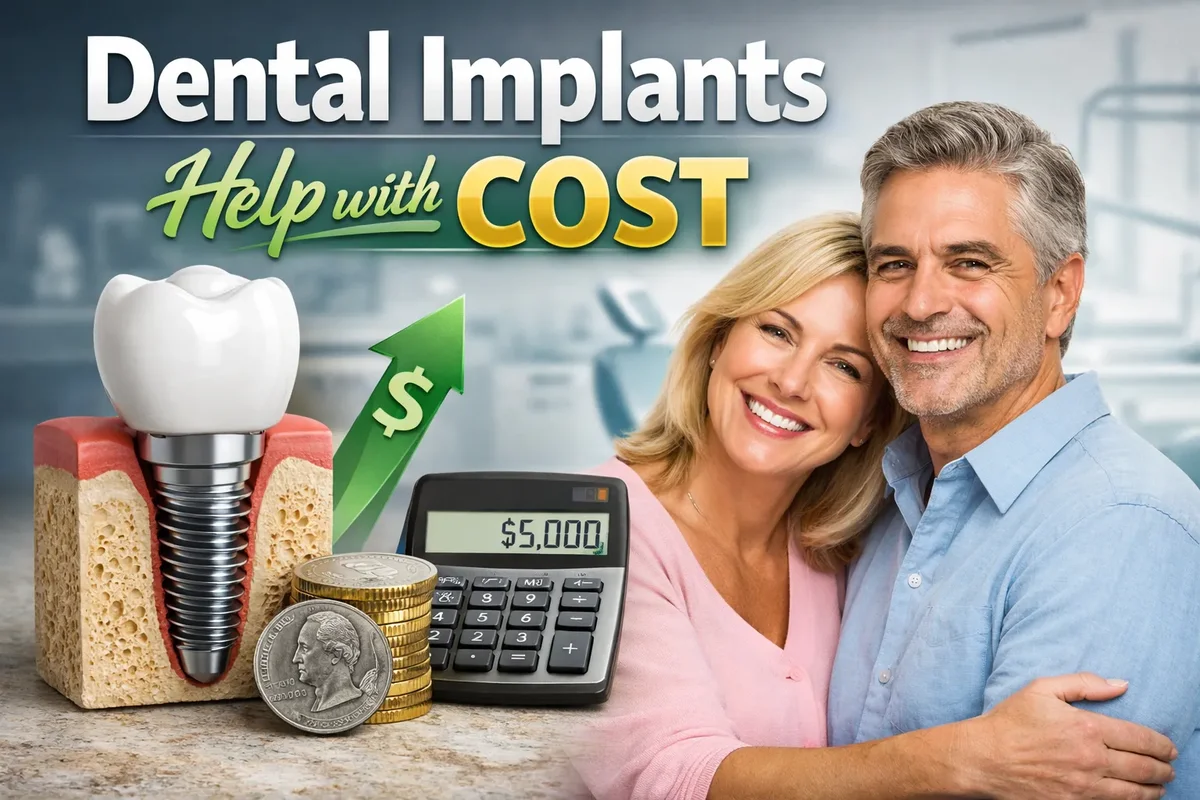
How Dental Implants Help With Cost When Planned With the Right Dental Clinic
Even the most advanced dental treatment can become costly if it is not planned correctly. One of the most overlooked factors in affordability is where and how the treatment is performed. This is why dental implants help with cost most effectively when they are planned and executed by the right dental clinic. Proper diagnosis, transparent planning, and experienced clinical execution directly influence both short-term expenses and long-term financial outcomes. 🦷📋
Accurate Diagnosis Prevents Costly Mistakes
The foundation of cost-effective implant treatment begins with an accurate diagnosis. Clinics that invest in advanced imaging technologies, such as 3D dental scans, can precisely assess bone quality, nerve position, and anatomical limitations.
When diagnosis is accurate from the beginning, unnecessary procedures are avoided. Incorrect planning may lead to implant failure, nerve complications, or the need for revision surgery. Avoiding these risks is one of the most important ways dental implants help with cost when handled by an experienced clinic.
One Proper Plan vs. Multiple Corrections
Clinics that rely on outdated diagnostic methods may underestimate bone loss or misjudge implant positioning. This often results in additional treatments, extended healing times, and higher overall costs.
A well-planned implant procedure is usually completed efficiently and predictably. This planning precision is a major reason dental implants help with cost when the right clinical protocols are followed from day one.
Experienced Surgeons Reduce Failure Rates
Clinical experience matters significantly in implant dentistry. Surgeons with extensive implant experience are better equipped to handle complex cases, adapt to anatomical variations, and minimize surgical trauma.
Lower complication and failure rates mean fewer corrective procedures. Since implant failure is one of the most expensive outcomes in dentistry, choosing an experienced clinic directly explains why dental implants help with cost when expertise is prioritized.
Transparent Treatment Planning and Cost Clarity
Reputable clinics provide clear, upfront treatment plans that outline every stage of the implant process. This transparency helps patients understand exactly what is included—and what is not.
Unexpected add-on procedures are a common source of financial stress. When treatment is planned comprehensively, patients avoid surprise expenses. This financial clarity is another practical reason dental implants help with cost when performed at a trustworthy clinic.
Avoiding Over-Treatment
Not every patient requires the same level of intervention. Some clinics may recommend unnecessary procedures, increasing costs without improving outcomes.
An ethical, patient-centered clinic focuses on what is medically necessary. By avoiding over-treatment, dental implants help with cost while still delivering excellent long-term results.
High-Quality Materials Reduce Long-Term Expenses
The materials used in implant treatment—such as implant brands, abutments, and crowns—have a direct impact on longevity. Low-quality materials may reduce upfront costs but often lead to complications or early failure.
Clinics that use proven, high-quality implant systems deliver better long-term outcomes. Fewer failures and replacements clearly demonstrate how dental implants help with cost when quality is prioritized over short-term savings.
Integrated Care Minimizes Additional Procedures
Some clinics offer fragmented care, requiring patients to visit multiple providers for surgery, prosthetics, and follow-up. This fragmentation often increases costs and prolongs treatment.
Clinics that provide integrated implant care streamline the process. Fewer appointments, better coordination, and consistent clinical oversight all contribute to why dental implants help with cost when treatment is centralized.
Patient Education Reduces Long-Term Spending
A high-quality dental clinic does more than perform procedures—it educates patients. Proper guidance on oral hygiene, implant care, and follow-up schedules significantly reduces complications.
Well-informed patients experience fewer problems and require fewer corrective treatments. This educational support is another indirect but powerful way dental implants help with cost over time. 😊
Maintenance Is Cheaper Than Repair
Routine checkups and proper care are inexpensive compared to repairing failed implants or treating infections.
Clinics that emphasize preventive maintenance help patients protect their investment. This long-term protection further reinforces why dental implants help with cost when managed responsibly.
Choosing the Right Clinic Is a Financial Decision
Many patients view clinic selection as a medical choice only. In reality, it is also a financial decision with long-term consequences.
A clinic that combines experience, transparency, modern technology, and patient-focused care maximizes the economic benefits of implant treatment. Under these conditions, it becomes clear that dental implants help with cost not just because of the treatment itself, but because of how and where it is delivered. 🌟
In conclusion, dental implants reach their full cost-saving potential only when planned with the right dental clinic. Accurate diagnosis, expert execution, quality materials, and ethical treatment planning all work together to ensure long-term success. When these elements align, there is no doubt that dental implants help with cost in the most reliable and sustainable way possible.