
In the world of restorative dentistry, dental implants medical treatments have revolutionized how we replace missing teeth. Unlike traditional dentures or bridges, dental implants are permanent, biocompatible solutions that restore both the function and aesthetics of natural teeth 🦷. Over the past few decades, dental implantology has evolved from an experimental practice to a mainstream, medically verified treatment recognized by organizations such as the American Dental Association. If you’ve ever wondered how dental implants work, what makes them medically safe, and why they’re considered the gold standard in modern tooth replacement, this detailed guide will explain everything you need to know.
At its core, a dental implant is a titanium or zirconia post surgically placed into the jawbone, serving as an artificial tooth root. The primary medical purpose of an implant is to provide a stable foundation for a replacement tooth, bridge, or denture. What makes dental implants medical technology unique is the process known as osseointegration — a biological reaction where the jawbone fuses tightly around the implant surface. This natural bonding ensures long-term stability and prevents bone loss that often occurs with missing teeth.
Understanding the Medical Components of Dental Implants
Each dental implant consists of three critical components:
- Implant Fixture: The titanium screw that is inserted into the jawbone.
- Abutment: The connector piece that attaches the implant fixture to the crown.
- Crown: The visible prosthetic tooth, customized to match the color and shape of your natural teeth.
The materials used in dental implants medical procedures must meet strict biocompatibility standards. Titanium remains the most common choice due to its high success rate and minimal risk of allergic reaction. However, zirconia implants are gaining popularity as metal-free alternatives, especially for patients with sensitivities or aesthetic preferences for tooth-colored materials.
The Medical Process: How Dental Implants Work Step by Step
The dental implant procedure is a medically structured process carried out in several stages, typically over a few months:
- Initial Consultation and Examination: A dentist or oral surgeon evaluates your oral health, bone density, and gum condition. Advanced imaging techniques like 3D CBCT scans are used to plan precise implant placement.
- Surgical Placement: Under local anesthesia or mild sedation, the dental implant post is inserted into the jawbone. This is a minimally invasive procedure performed by certified professionals in a sterile clinical environment.
- Osseointegration Period: Over the next 3–6 months, your jawbone integrates with the implant, forming a strong biological bond. This stage is crucial for ensuring the long-term success of the dental implants medical treatment.
- Abutment Placement and Crown Installation: Once healing is complete, the abutment and crown are attached. The result is a natural-looking and fully functional replacement tooth.
Why Dental Implants Are a Medically Superior Solution
From a medical standpoint, dental implants offer several advantages over traditional restorations. They not only restore your ability to chew and speak naturally but also prevent jawbone resorption — a common issue after tooth loss. Unlike removable dentures, implants provide stimulation to the bone, maintaining facial structure and preventing premature aging. Additionally, they improve oral hygiene because individual implants do not rely on neighboring teeth for support, unlike dental bridges.
Studies have shown that the success rate of dental implants medical procedures ranges between 95% and 98%, depending on the patient’s health and post-surgery care. Factors such as smoking, uncontrolled diabetes, and poor oral hygiene can affect the healing process, but with proper care, implants can last a lifetime.
Who Is a Good Candidate for Dental Implants?
Generally, anyone with good oral and general health can be a candidate for dental implants medical procedures. Adequate jawbone density is essential for successful implant placement. Patients with bone loss can undergo bone grafting or sinus lift surgery to prepare the jaw for implantation. Other medical conditions such as osteoporosis or gum disease should be treated before the procedure. Always consult a qualified implantologist for a comprehensive evaluation.
Medical Consultation and Long-Term Care
Before undergoing treatment, it’s important to discuss your health history, medications, and expectations with your dentist. At Redent Klinik Contact Page, patients receive individualized medical consultations where advanced diagnostic tools determine the most effective implant solution. Regular dental checkups and proper oral hygiene, including brushing, flossing, and avoiding smoking, play a critical role in maintaining implant health.
To ensure longevity, patients are advised to schedule routine dental cleanings and professional assessments every 6–12 months. Early detection of gum inflammation or implant complications helps prevent larger issues like peri-implantitis.
Conclusion: A Medical Marvel in Modern Dentistry
Ultimately, dental implants medical technology represents one of the most significant advancements in oral medicine. It combines surgical precision, biomedical engineering, and aesthetic design to create lasting tooth replacement solutions that feel and function like natural teeth. Whether you’re missing one tooth or several, dental implants can dramatically improve your confidence, health, and overall quality of life. As dentistry continues to innovate, implant procedures are becoming faster, safer, and more affordable, ensuring that patients worldwide can smile again with confidence 😊.
If you’re considering dental implants medical treatment, always seek guidance from accredited dental specialists and trusted clinics. With proper care, this investment in your oral health can provide decades of comfort, stability, and beauty.
The Medical Benefits of Dental Implants for Oral Health
The introduction of dental implants medical treatments has completely reshaped how modern dentistry approaches oral rehabilitation. Beyond simply replacing missing teeth, dental implants provide significant medical benefits that affect bone structure, gum health, nutrition, and even systemic wellness. For patients seeking a scientifically supported, long-term solution to tooth loss, dental implants stand out as the safest and most effective option. In this section, we’ll explore the physiological, anatomical, and clinical advantages that make dental implants a true medical breakthrough 🦷.
1. Preserving Jawbone Health and Preventing Bone Loss
One of the most notable medical benefits of dental implants medical therapy is its ability to prevent bone resorption. When a natural tooth is lost, the jawbone in that area begins to deteriorate because it no longer receives stimulation from chewing forces. This process, known as alveolar bone loss, can lead to a sunken facial appearance and further tooth instability.
Dental implants act as artificial roots, transferring pressure directly into the bone, just like natural teeth do. This mechanical stimulation encourages the bone to regenerate, maintaining facial structure and preventing deterioration. Studies have shown that patients who undergo dental implant therapy retain up to 80–90% more bone density than those using removable dentures. Over the long term, this not only enhances facial aesthetics but also prevents complications such as jaw collapse and misalignment.
2. Enhancing Oral Function and Chewing Efficiency
Another critical advantage of dental implants medical procedures is the restoration of full chewing ability. Traditional dentures can slip or move, making it difficult to eat fibrous foods, fresh fruits, or meats. Dental implants, however, are anchored firmly into the bone, providing a stable and powerful bite force comparable to that of natural teeth. This improvement helps patients enjoy a more diverse and balanced diet, which supports better digestion and overall nutrition.
From a medical perspective, improved mastication (chewing) has indirect benefits for the gastrointestinal system. Properly chewed food is easier to digest, reducing strain on the stomach and intestines. Therefore, the health benefits of dental implants go beyond oral care — they contribute to holistic wellbeing.
3. Preventing Gum Disease and Maintaining Oral Hygiene
Missing teeth can create open gaps where bacteria and food particles accumulate, increasing the risk of gum infections such as gingivitis or periodontitis. Dental implants medical treatment fills these spaces with artificial teeth that blend seamlessly with the gum line, minimizing bacterial growth. Furthermore, unlike dental bridges, implants do not require the modification of adjacent healthy teeth, thereby preserving natural enamel integrity.
Implants also allow for easier cleaning since they can be brushed and flossed like natural teeth. Patients who maintain good oral hygiene practices — including regular checkups and professional cleanings — often experience long-term oral health stability and reduced dental complications.
4. Restoring Speech and Boosting Confidence
Dental health is not only about aesthetics or chewing; it also plays a crucial role in speech. Tooth loss, especially in the front region, can lead to slurred or unclear pronunciation. Dental implants medical solutions restore normal tooth alignment and tongue placement, allowing patients to articulate words clearly and confidently.
From a psychological and medical standpoint, this has profound effects on self-esteem. Many patients report significant improvements in social interaction and confidence after receiving implants. Since the prosthetic teeth look and feel natural, they eliminate the discomfort and embarrassment often associated with removable dentures.
5. Supporting Adjacent Teeth and Overall Oral Stability
When a tooth is missing, the surrounding teeth tend to shift toward the empty space, causing misalignment and bite problems. This can result in temporomandibular joint (TMJ) disorders, headaches, and muscle tension in the jaw and neck. By filling the missing space, dental implants medical treatment prevents these complications, maintaining a stable dental arch.
Additionally, dental implants help distribute bite pressure evenly across all teeth, reducing excessive wear and strain on neighboring structures. This balance supports long-term dental harmony and helps patients avoid complex orthodontic corrections later.
6. Long-Term Cost Efficiency and Medical Value
Although the initial investment in dental implants can seem high, they are remarkably cost-effective over a lifetime. Traditional dentures require replacement every 5–8 years, while bridges often fail due to tooth decay or bone loss. In contrast, dental implants medical systems can last 25 years or more with proper maintenance, making them an excellent medical and financial investment.
💰 Typical Cost Range
While prices vary by region, the following is an approximate cost structure for dental implants:
- Single Implant: $1,200 – $3,000
- Implant + Crown Package: $2,000 – $4,500
- Full Mouth Reconstruction: $20,000 – $45,000
These costs often include surgical placement, medical imaging, abutment installation, and the prosthetic crown. When compared with the long-term replacement and maintenance costs of dentures or bridges, dental implants prove to be the more stable and durable solution.
7. Medical Safety and Biocompatibility
One of the greatest medical strengths of dental implants medical technology lies in its biocompatibility. Titanium and zirconia — the most commonly used materials — are both inert and non-toxic. They integrate seamlessly with the jawbone without triggering immune reactions. Moreover, modern implants undergo extensive medical testing to meet international standards set by organizations like the American Dental Association.
For patients with allergies or sensitivities, zirconia implants offer a metal-free alternative with equally high success rates. This makes implantology accessible and safe for nearly all patient groups, including those with autoimmune conditions or chronic illnesses, provided they are managed under medical supervision.
8. Improving Facial Aesthetics and Emotional Health
Tooth loss often leads to visible facial sagging and premature wrinkles due to the loss of bone support. Dental implants medical solutions help restore facial volume, rejuvenating appearance and symmetry. From a psychological angle, this improvement translates into increased confidence, better emotional wellbeing, and even enhanced career or social opportunities.
According to research, individuals who receive dental implants report higher satisfaction levels, better quality of life, and improved interpersonal relationships compared to those using removable dentures. The ability to smile freely without fear of slipping dentures has a measurable positive impact on mental health 😊.
9. The Role of Professional Follow-Up in Medical Success
The long-term success of dental implants medical procedures depends heavily on follow-up care. Professional monitoring helps detect early signs of inflammation, gum recession, or bite imbalance. Regular checkups at reputable clinics such as Redent Klinik Contact Page ensure your implants remain in perfect condition. Dentists often recommend biannual visits and yearly panoramic X-rays to verify bone stability.
10. Summary: Medical Benefits That Go Beyond a Smile
In summary, dental implants medical treatments are not just cosmetic — they are medically validated solutions that protect bone integrity, restore oral function, and enhance psychological health. With proper hygiene and professional care, implants can last a lifetime, offering unmatched comfort and performance. By choosing dental implants, patients invest in both their oral and systemic health, gaining a functional and aesthetic improvement that truly stands the test of time.
Step-by-Step Dental Implants Medical Procedure Explained
The process of getting dental implants medical treatment is a precise, multi-step journey that combines advanced surgical techniques with restorative dentistry. This procedure is not only about aesthetics—it’s a medically structured approach that restores full dental function while preserving bone and gum health. Understanding each stage helps patients feel confident and informed before starting their implant journey. Below is a complete breakdown of the dental implants medical process, from the initial evaluation to final crown placement 🦷.
1. Initial Consultation and Medical Assessment
The first step in any dental implants medical procedure begins with a comprehensive consultation. During this stage, a qualified dentist or oral surgeon assesses your oral and general health. Medical history, allergies, medications, and systemic conditions such as diabetes or hypertension are carefully reviewed. This ensures that the treatment is safe and suitable for your individual medical profile.
Advanced diagnostic tools such as 3D cone-beam computed tomography (CBCT) and digital X-rays are used to evaluate jawbone density, nerve location, and sinus positioning. These imaging results help create a personalized treatment plan tailored to your anatomy. For patients with insufficient bone density, a bone grafting or sinus lift procedure may be recommended prior to implant placement.
🧠 Why This Stage Matters:
Accurate diagnosis and planning are the foundations of successful implant treatment. Modern implantology relies heavily on precision, and these pre-surgical steps reduce risks while increasing long-term success rates above 95%.
2. Treatment Planning and 3D Modeling
After medical assessment, your dentist creates a detailed plan using digital software that simulates the entire surgery. This stage allows for virtual implant placement, predicting the exact position, angle, and depth of each implant. The data ensures your dental implants medical treatment aligns perfectly with your bone structure and bite pattern.
Using digital design tools, temporary crowns may also be planned so patients can maintain aesthetics during the healing phase. This approach is part of the “digital dentistry revolution,” which minimizes surgical errors and shortens recovery time.
3. Surgical Implant Placement
Once planning is complete, the surgical procedure begins. Under local anesthesia or mild sedation, a small incision is made in the gum to expose the bone. A specialized drill creates a tiny socket where the implant fixture (usually titanium or zirconia) will be inserted. The implant is then gently screwed into place, acting as an artificial tooth root.
This step in the dental implants medical process usually takes 30–60 minutes per implant. The surgical area is then sutured, and the patient is provided with post-operative care instructions to minimize discomfort and promote healing. Most patients report only mild soreness, comparable to a tooth extraction, and can resume daily activities within 24–48 hours.
⚕️ Pain Management and Safety Measures
Modern dental implant surgery is minimally invasive. Dentists use local anesthesia, and patients experience little to no pain during the procedure. Antibiotics and anti-inflammatory medications may be prescribed post-surgery to prevent infection and swelling. Clinics like Redent Klinik Contact Page ensure sterile environments and strict medical hygiene standards for every patient.
4. Osseointegration: The Biological Healing Phase
After placement, the body begins an essential healing process called osseointegration. This is when the jawbone grows around the implant, securing it firmly in place. The success of dental implants medical treatment largely depends on this natural fusion between bone and implant surface. It typically takes 3–6 months, depending on bone quality and the patient’s healing ability.
During this phase, patients are advised to maintain a soft-food diet and avoid excessive chewing on the implant site. Routine checkups help dentists monitor progress and ensure proper bone integration. Smoking, uncontrolled diabetes, or poor oral hygiene can slow down osseointegration, so strict adherence to post-operative care is essential.
🧬 The Science Behind Osseointegration
Dental implants are often made of titanium due to its biocompatibility and ability to stimulate bone regeneration. Titanium oxide forms a micro-layer that bonds with the jawbone at a cellular level. This biological connection gives implants their unmatched strength and stability — a hallmark of dental implants medical technology.
5. Abutment Placement and Gum Healing
Once osseointegration is complete, a minor follow-up surgery is performed to attach the abutment — the connector piece between the implant and crown. The dentist reopens the gum slightly, installs the abutment, and allows the tissue to heal around it naturally. This healing period usually lasts one to two weeks.
Abutments can be prefabricated or custom-made using CAD/CAM technology for a perfect fit. They are crucial for maintaining the natural contour of the gums, ensuring that the final crown looks seamless. During this time, temporary crowns may be placed for cosmetic comfort.
6. Crown Fabrication and Final Restoration
The final step in the dental implants medical process is the attachment of the prosthetic crown. This is the visible part of the implant that resembles a real tooth. Impressions or digital scans of your mouth are taken to craft a custom crown that matches your surrounding teeth in color, size, and shape.
Patients can choose between different materials, including porcelain-fused-to-metal, zirconia, or all-ceramic crowns. Once the crown is securely attached to the abutment, the implant functions and appears exactly like a natural tooth. Patients can chew, smile, and speak confidently without discomfort or fear of movement.
🎯 Precision Matters
Every detail — from the angulation of the implant to the shade of the crown — is calibrated to achieve perfect alignment and aesthetic harmony. Modern CAD/CAM technology ensures micrometer-level precision, a key factor in the success of dental implants medical restorations.
7. Post-Procedure Care and Medical Follow-Up
After completion, patients must attend follow-up visits to monitor implant stability and gum health. Regular dental hygiene is crucial: brushing twice a day, using floss or interdental brushes, and attending professional cleanings at least twice a year. Dentists also check for any signs of peri-implantitis (inflammation around the implant) during follow-ups.
Most importantly, patients should maintain overall health, as conditions such as diabetes or smoking can affect long-term implant success. Adopting a nutrient-rich diet high in calcium and vitamin D supports bone regeneration and strengthens the implant’s foundation.
8. How Long Does the Whole Process Take?
The entire dental implants medical procedure can take anywhere from 3 to 9 months depending on individual healing speed, bone condition, and whether additional treatments like grafting are needed. While this may seem lengthy, the durability and stability of dental implants make them worth the investment. Once integrated, they can last for decades with minimal maintenance.
9. Timeline Overview ⏱️
- Consultation & Imaging: 1–2 visits
- Surgical Placement: 1–2 hours
- Healing (Osseointegration): 3–6 months
- Abutment & Crown Placement: 2–3 weeks
- Total Duration: 3–9 months (varies by case)
10. Final Thoughts
In conclusion, the dental implants medical procedure is a highly refined and scientifically validated process that restores both beauty and function. Every stage — from consultation to final restoration — is executed with medical precision, ensuring patient safety, comfort, and long-term success. By understanding each phase, patients can approach their treatment with confidence, knowing that modern implantology offers one of the most reliable and life-changing solutions in contemporary dentistry. 🌟
Common Types of Dental Implants Used in Modern Dentistry
As dental implants medical technology advances, patients now have access to several implant types tailored to individual medical and aesthetic needs. Not all dental implants are the same—materials, design, and placement techniques can vary significantly depending on bone structure, oral health, and budget. Understanding these variations helps patients make informed decisions and ensures that the selected implant offers both medical safety and long-term performance. Below is a comprehensive exploration of the most common types of dental implants medical solutions used in modern restorative dentistry 🦷.
1. Endosteal Implants: The Most Common Medical Standard
Endosteal implants are the most frequently used type in dental implants medical procedures. These implants are surgically placed directly into the jawbone and act as artificial tooth roots. They are typically made from titanium and shaped like screws, cylinders, or blades. After osseointegration (the fusion between the implant and bone) is complete, an abutment and crown are added.
This design mimics natural tooth roots, providing excellent stability and durability. Endosteal implants are ideal for patients with good bone density and healthy gums. They are also the most medically studied type, with a success rate of over 98% when performed by qualified professionals.
💡 Advantages of Endosteal Implants
- Long-lasting and medically stable foundation
- Promotes bone preservation and natural chewing motion
- Compatible with single crowns, bridges, or full dentures
- Minimally invasive with predictable healing outcomes
Because of their proven reliability, endosteal implants are widely recommended by clinics worldwide, including Redent Klinik Contact Page, for patients seeking dependable, medically safe implant solutions.
2. Subperiosteal Implants: A Solution for Low Bone Density
For patients who lack sufficient jawbone density and cannot undergo bone grafting, subperiosteal implants offer a viable dental implants medical alternative. These implants sit on top of the jawbone but beneath the gum tissue. A custom metal framework is designed to hold one or more prosthetic teeth in place.
Subperiosteal implants were more common before bone grafting became advanced but are still used for specific medical cases, especially among elderly patients or those with extensive bone loss. The framework is crafted using precise 3D imaging to ensure a perfect anatomical fit.
⚕️ When Are Subperiosteal Implants Recommended?
- When bone height is insufficient for endosteal implants
- When bone grafting or sinus lift procedures are not possible due to health conditions
- When patients prefer shorter healing times
Although they have slightly lower success rates than endosteal implants, subperiosteal implants still provide a medically safe and efficient way to restore smiles for those with complex jaw conditions.
3. Zygomatic Implants: Advanced Medical Option for Severe Bone Loss
Zygomatic implants represent one of the most advanced dental implants medical innovations. They are significantly longer than standard implants and are anchored into the cheekbone (zygoma) rather than the upper jaw. This approach bypasses the need for bone grafting, making it ideal for patients with extreme maxillary bone loss.
The zygomatic bone is naturally dense and provides strong anchorage for the implant, offering immediate stability and high resistance to resorption. This type of implant requires a highly trained oral and maxillofacial surgeon due to its complexity.
🏥 Medical Highlights of Zygomatic Implants
- Eliminates the need for sinus lift or bone grafts
- Ideal for patients with advanced atrophic maxilla (upper jawbone deterioration)
- Enables “All-on-4” or “All-on-6” full-arch restoration procedures
Because of its high level of medical precision, the zygomatic implant procedure is performed only in specialized clinics with advanced surgical equipment and 3D imaging capabilities. The recovery time is slightly longer, but the results are life-changing for patients previously deemed unsuitable for traditional implants.
4. Mini Dental Implants: A Minimally Invasive Alternative
Mini dental implants (MDIs) are smaller-diameter implants that provide a quicker and less invasive solution. These are particularly useful for patients who require stabilization of dentures or have narrow bone ridges. Although smaller in size, they still follow the same dental implants medical principles — biocompatibility, osseointegration, and long-term support.
Because of their reduced size, mini implants are often inserted in a single visit without the need for sutures. Healing is faster, and the discomfort level is minimal. They are, however, best suited for temporary or supportive roles rather than full-mouth restorations.
🔬 Key Benefits of Mini Dental Implants
- Less invasive surgical procedure
- Faster healing and minimal post-operative swelling
- Cost-effective for temporary tooth replacement or denture stabilization
- Ideal for patients with thinner bone structures
While mini implants are an affordable and medically safe solution, they may not be suitable for every patient, especially those seeking permanent multi-tooth restorations. Consultation with an experienced implantologist is essential for proper evaluation.
5. All-on-4 and All-on-6 Implants: Full-Arch Restoration Systems
The All-on-4 and All-on-6 techniques represent innovative full-mouth reconstruction methods that combine modern engineering with dental implants medical precision. In this procedure, four or six implants are strategically placed to support an entire arch of prosthetic teeth. These techniques are ideal for patients who have lost most or all of their teeth but still have sufficient bone in specific areas.
Because of their efficiency and reduced number of implants required, All-on systems minimize surgery time and cost while still achieving remarkable strength and aesthetics. Patients can often leave the clinic with a fixed temporary bridge on the same day — known as “immediate loading.”
🦷 Advantages of All-on Systems
- Restores a full arch with fewer implants
- Immediate functionality and improved facial appearance
- Shorter recovery period compared to traditional full-mouth implants
- Long-term medically stable outcome
These systems are widely regarded as a medical breakthrough, offering both functional and psychological benefits for patients who have suffered complete tooth loss.
6. Materials Used in Modern Dental Implants
When it comes to dental implants medical materials, two types dominate the field: titanium and zirconia. Each has its advantages and ideal applications:
- Titanium Implants: Lightweight, durable, and highly biocompatible. Titanium has been used for decades and remains the gold standard in implant dentistry.
- Zirconia Implants: Metal-free, ceramic-based implants that provide superior aesthetics and are suitable for patients with metal sensitivities.
Both materials offer exceptional biocompatibility, ensuring successful osseointegration and minimal allergic responses. The choice often depends on personal preference, aesthetic requirements, and medical evaluation by your dentist.
7. Hybrid and Custom-Designed Implants
Some clinics offer customized implants that combine multiple technologies. These hybrid dental implants medical designs are tailor-made for patients with unique jaw shapes or extensive bone loss. Using 3D printing and digital design, these implants achieve precision that standard implants may not offer. This patient-specific approach ensures optimal function and esthetics while maintaining medical safety and comfort.
8. How to Choose the Right Type of Implant
Choosing the right implant depends on multiple factors — bone condition, health status, cosmetic goals, and budget. A proper medical consultation involving radiographic scans, bone density measurements, and digital modeling is essential. Trusted clinics such as Redent Klinik Contact Page provide personalized treatment plans that align with your anatomy and lifestyle needs.
9. The Future of Implantology: Smart and Bioactive Implants
The next generation of dental implants medical systems is already on the horizon. Scientists are developing bioactive coatings that encourage faster bone integration and even implants embedded with sensors to monitor healing progress in real time. These innovations are poised to redefine how implants interact with the body, merging medical science with digital technology for safer, faster, and more efficient outcomes.
10. Conclusion
In summary, understanding the various types of dental implants medical solutions allows patients to make informed, medically sound choices. Whether it’s the conventional endosteal implant or cutting-edge zygomatic and bioactive systems, modern implantology offers a spectrum of safe, durable, and aesthetically pleasing options. With professional guidance and proper oral care, dental implants provide a lifelong investment in both oral health and overall wellbeing.
Medical Risks and Complications: What You Should Know
While dental implants medical procedures are among the safest and most successful treatments in modern dentistry, they are still surgical interventions — and like any medical procedure, they carry potential risks and complications. Understanding these risks, how they occur, and how they can be prevented is essential for patients planning to undergo implant treatment. This section will explore every aspect of possible medical concerns, helping you make an informed decision about your oral health journey 🦷.
1. Surgical and Post-Operative Risks
Every dental implants medical procedure involves a minor surgical operation, which naturally comes with certain risks. The most common surgical complications include bleeding, swelling, infection, and temporary discomfort. These effects are typically mild and subside within a few days under proper medical supervision.
During surgery, dentists use sterile environments and local anesthesia to ensure patient safety and comfort. Most patients can resume normal activities within 24–48 hours. However, some individuals may experience minor bruising, which can be managed with cold compresses and prescribed anti-inflammatory medication.
⚕️ Medical Tip:
Follow all pre- and post-operative instructions carefully, avoid smoking, and maintain a soft diet for the first few days. Doing so significantly reduces the likelihood of complications and promotes faster healing.
2. Infection at the Implant Site
Infection, also known as peri-implantitis, is one of the most common complications associated with dental implants medical procedures. It occurs when bacteria accumulate around the implant, leading to inflammation of the surrounding gum and bone tissue. If left untreated, it can cause bone loss and even implant failure.
To prevent infection, dental professionals emphasize oral hygiene. Patients must brush and floss regularly, use antimicrobial mouth rinses, and attend scheduled dental checkups. Early detection of inflammation ensures successful treatment with antibiotics or localized cleaning procedures.
🚨 Warning Signs of Infection:
- Persistent gum redness or swelling
- Bleeding during brushing
- Bad breath or unpleasant taste
- Loose implant or discomfort when chewing
Clinics such as Redent Klinik Contact Page use strict sterilization protocols and high-grade implant materials to minimize infection risk and ensure patient safety.
3. Nerve and Tissue Damage
During dental implants medical surgery, precision is critical. If an implant is placed too close to a nerve or sinus cavity, it can cause temporary or, in rare cases, permanent damage. Symptoms include numbness, tingling, or mild pain in the lips, chin, or gums.
To prevent such issues, advanced imaging technologies like CBCT scans are used for accurate diagnosis and surgical mapping. Skilled implantologists use computer-guided navigation systems to ensure precise placement and avoid critical anatomical structures. In most cases, any nerve-related sensations subside naturally as healing progresses.
🧠 Preventive Strategy:
Always ensure your procedure is performed by a licensed oral surgeon or implant specialist using 3D imaging and guided surgery systems. These technologies drastically reduce risk and improve implant success rates.
4. Sinus Complications in Upper Jaw Implants
For upper jaw implants, especially near the molar area, the maxillary sinus cavity can pose a challenge. Improper placement can lead to sinus perforation or sinusitis. However, with the advent of advanced dental implants medical methods like sinus lift surgery, this risk has become minimal.
During a sinus lift, bone material is added between the jaw and sinus cavity, providing a solid foundation for implant placement. This medically verified technique allows safe and effective rehabilitation even in patients with reduced bone height.
🏥 Clinical Note:
Sinus lift surgeries should always be performed by certified oral surgeons familiar with sinus anatomy. Post-operative care involves avoiding nose-blowing or sneezing with excessive pressure for about two weeks to prevent complications.
5. Implant Failure and Rejection
Although dental implants medical treatments have a success rate exceeding 95%, implant failure can occasionally occur. The most common reasons are poor bone integration, infection, or excessive mechanical stress on the implant. Rarely, the body may reject the implant due to titanium sensitivity, though such cases are extremely uncommon.
Implant failure is often preventable with proper patient evaluation. Before the procedure, dentists assess bone quality, medical history, and lifestyle habits such as smoking, which can interfere with healing. If failure does occur, the implant can usually be replaced after the area has healed completely.
🔍 Key Causes of Implant Failure:
- Smoking and poor oral hygiene
- Uncontrolled diabetes or autoimmune disorders
- Improper surgical placement or overloading
- Failure of osseointegration (bone-implant fusion)
6. Bone Loss Around the Implant
Bone loss is another concern in long-term dental implants medical maintenance. It can result from chronic inflammation, excessive bite pressure, or neglected oral hygiene. Regular checkups allow dentists to detect bone loss early using radiographic imaging.
Bone grafting procedures or soft-tissue augmentation can restore lost bone and ensure continued implant stability. Patients should also adopt habits like avoiding grinding (bruxism) and using night guards when necessary to prevent structural stress.
7. Allergic Reactions or Material Sensitivity
Though rare, some patients may exhibit allergic reactions to metals used in implants, particularly nickel or titanium alloys. To address this, zirconia implants offer a metal-free alternative. These ceramic-based dental implants medical solutions are hypoallergenic, aesthetically pleasing, and biocompatible with soft tissues.
🧪 Allergy Testing:
Before undergoing surgery, your dentist may suggest a patch test or blood test to rule out any material sensitivity. This proactive medical approach ensures your treatment is fully personalized and risk-free.
8. Long-Term Complications: Peri-Implantitis and Gum Recession
In the long run, some patients may develop gum recession or peri-implantitis due to poor maintenance or misaligned bite forces. These conditions resemble gum disease and require professional cleaning or minor surgical correction. However, with consistent oral hygiene and professional monitoring, such risks remain minimal.
Studies have shown that regular dental checkups every 6–12 months significantly decrease the chances of peri-implant complications. Patients are also advised to use soft-bristle brushes and low-abrasive toothpaste to preserve gum integrity around their implants.
9. Preventive Medical Measures and Safety Standards
Clinics that specialize in dental implants medical treatments follow international safety standards set by the American Dental Association and other global organizations. These include sterilization protocols, single-use surgical instruments, digital planning, and strict infection control policies.
In addition, modern implantology employs surface-treated implants that accelerate bone healing and reduce bacterial adhesion. Regular maintenance appointments and adherence to medical guidelines ensure a lifetime of safe and stable implants.
10. Conclusion: Safe, Reliable, and Predictable Treatment
While risks exist, the overwhelming success of dental implants medical therapy lies in its careful planning, precise execution, and rigorous post-operative care. Complications are rare and typically minor when managed by experienced professionals. With proper hygiene, regular follow-ups, and responsible lifestyle choices, dental implants can last a lifetime — providing unmatched functionality, comfort, and confidence 🌟.
Ultimately, being aware of potential risks doesn’t mean you should avoid treatment — it simply means you’ll be better prepared. Knowledge, combined with expert care, transforms your dental implant journey into a medically secure and rewarding experience for years to come.
How Much Do Dental Implants Cost? (Full Price Breakdown 💰)
One of the most common questions patients ask before getting dental implants medical treatment is about the cost. Dental implants are considered a long-term investment in oral and overall health, combining surgical precision, advanced materials, and aesthetic craftsmanship. While prices vary depending on country, clinic reputation, and treatment complexity, it’s crucial to understand the full breakdown of what determines the cost — from medical diagnostics to the final crown installation. In this section, we’ll cover all major factors that influence implant pricing, helping you make a well-informed decision about your dental investment 🦷.
1. What Determines the Cost of Dental Implants?
The cost of dental implants medical treatment depends on multiple elements, including surgical complexity, implant material, bone condition, and the number of implants needed. In general, the total price reflects not only the physical components but also the clinical expertise and technology involved.
⚙️ Key Cost Factors:
- Implant Material: Titanium vs. zirconia — titanium is more affordable, while zirconia offers superior aesthetics.
- Surgical Procedure: Basic single-tooth implant vs. advanced full-arch reconstruction (e.g., All-on-4, All-on-6).
- Diagnostic Imaging: CBCT scans, digital X-rays, and 3D modeling are essential for surgical planning.
- Bone Grafting or Sinus Lift: Additional procedures required if jawbone density is low.
- Prosthetic Components: Abutment and custom-made crown materials (porcelain, zirconia, or ceramic).
- Geographic Location: Dental services in Europe or the U.S. tend to cost more than in Turkey, Thailand, or Mexico.
- Surgeon Experience: Board-certified implantologists and clinics with advanced equipment may charge premium rates.
Each of these factors contributes to the overall pricing structure, but it’s important to note that dental implants medical treatment offers unmatched durability and functionality compared to cheaper alternatives like bridges or dentures.
2. Average Global Cost Comparison
Below is a general overview of average dental implants medical costs around the world. Prices are approximate and may vary based on local economies and clinic standards.
| Country | Single Implant Cost (USD) | Full Arch Cost (USD) |
|---|---|---|
| United States | $3,000 – $6,000 | $25,000 – $45,000 |
| United Kingdom | £2,000 – £4,000 | £18,000 – £35,000 |
| Germany | €2,500 – €5,000 | €20,000 – €40,000 |
| Turkey | $600 – $1,200 | $8,000 – $15,000 |
| Thailand | $800 – $1,500 | $10,000 – $18,000 |
Turkey has become one of the most popular destinations for dental implants medical procedures due to its affordability, high-quality materials, and internationally trained dental professionals. Clinics such as Redent Klinik Contact Page provide world-class implant treatments at a fraction of Western prices without compromising safety or precision.
3. Single-Tooth Implant Cost Breakdown
A single dental implant typically consists of three main components: the implant post, abutment, and crown. The price of each element is determined by the quality of materials and the complexity of the case.
💰 Typical Cost Breakdown (per tooth):
- Implant Fixture: $800 – $1,200
- Abutment: $250 – $500
- Porcelain Crown: $600 – $1,000
- Total: Approximately $1,600 – $2,700 per implant
Although dental implants medical procedures appear costly upfront, they often outlast traditional restorations by decades, making them the most cost-effective long-term solution.
4. Full-Arch and All-on-4 Implant Cost
Patients requiring complete mouth reconstruction often opt for “All-on-4” or “All-on-6” systems, where 4–6 implants support a full arch of prosthetic teeth. These treatments offer the best value per tooth for extensive restorations.
🏥 Estimated Full-Arch Pricing:
- All-on-4 (one arch): $8,000 – $18,000
- All-on-6 (one arch): $10,000 – $22,000
- Complete Mouth (both arches): $16,000 – $40,000
The procedure includes surgical placement, healing abutments, temporary teeth, and final prosthetics. Many clinics offer same-day solutions known as “immediate loading,” allowing patients to leave with functional teeth the same day of surgery.
5. Additional Medical Procedures Affecting Cost
Some patients may require preliminary procedures to ensure implant success. These medical interventions add to the total cost but are essential for long-term stability.
🩺 Common Add-Ons:
- Bone Graft: $300 – $1,000 (depends on graft material and volume)
- Sinus Lift: $1,200 – $2,500
- Tooth Extraction: $100 – $400 per tooth
- Temporary Crown or Bridge: $200 – $500
These procedures enhance the bone’s ability to integrate with the implant and ensure a strong foundation. Skipping them may reduce the longevity of your dental implants medical results.
6. Hidden Costs and Maintenance
It’s vital to consider maintenance costs after surgery. Regular dental visits, professional cleaning, and occasional X-rays are part of long-term implant care. Most patients spend around $200 – $400 annually on maintenance. However, this investment prevents costly complications later, such as implant loosening or gum inflammation.
🧾 Long-Term Maintenance Includes:
- Annual checkups and digital imaging
- Professional scaling around implant sites
- Replacement of worn crowns (after 10–15 years)
Proper aftercare not only protects the implants but also ensures optimal gum health and jawbone preservation — two critical elements for medical longevity.
7. Insurance and Financing Options
Most dental insurance plans do not fully cover dental implants medical procedures since they are classified as elective or restorative rather than emergency treatments. However, partial coverage for diagnostic scans, anesthesia, or crowns may be available. Patients are advised to check their policy details carefully.
Many clinics also offer flexible payment plans or financing options with 0% interest for up to 12 months, making implants accessible to a broader range of patients. In Turkey and Europe, installment plans are common and help make high-quality dental care affordable.
8. Comparing Costs: Implants vs. Bridges and Dentures
While implants may appear more expensive initially, their long-term value far exceeds that of other dental restorations. Traditional bridges cost less upfront but typically require replacement every 8–10 years. Dentures are cheaper but lead to bone loss, discomfort, and frequent relining costs. Over time, these expenses can surpass the cost of dental implants medical treatment.
🦷 Lifespan Comparison:
- Dental Implants: 25+ years (often lifetime with care)
- Bridges: 10–12 years
- Dentures: 5–8 years
Therefore, while implants require a higher initial investment, they deliver unmatched durability, comfort, and medical benefits, including jawbone preservation and superior chewing efficiency.
9. Why Dental Tourism Lowers Costs
Countries like Turkey, Hungary, and Thailand offer premium dental implants medical treatments at up to 70% lower prices than in the U.S. or Western Europe. The lower costs are due to favorable exchange rates, reduced labor expenses, and government support for medical tourism, not lower quality.
Clinics catering to international patients often meet or exceed global medical standards, providing English-speaking staff, digital equipment, and premium materials. Many even include accommodation packages, airport transfers, and post-treatment care — making them a highly attractive option for international patients.
10. Conclusion: An Investment Worth Every Penny
When it comes to dental implants medical care, the price reflects not only a cosmetic enhancement but a long-term medical solution that restores oral function, bone health, and confidence. While initial costs can seem high, the lifelong benefits — natural aesthetics, improved nutrition, and psychological wellbeing — far outweigh the investment. With the right clinic, skilled professionals, and proper aftercare, dental implants become a one-time medical investment that delivers a lifetime of smiles 😊.
If you’re ready to explore cost-effective, high-quality options, consult trusted experts at Redent Klinik Contact Page to receive a personalized quote and treatment plan tailored to your needs and budget.
Recovery and Aftercare: Medical Tips for Faster Healing
After undergoing a dental implants medical procedure, proper recovery and aftercare are crucial for ensuring the long-term success of your treatment. Healing is not just about the surgical site closing—it’s a biological process involving tissue regeneration, bone integration, and immune stability. Every phase, from the immediate postoperative period to months later, plays a vital role in how well the implant fuses with your jawbone. In this detailed guide, we’ll explore evidence-based medical practices, dietary tips, and oral hygiene routines that can help you recover faster and more comfortably 🦷.
1. The First 24 Hours After Surgery
The initial 24 hours are the most sensitive period after a dental implants medical procedure. The surgical area needs time to clot and begin the healing process. Patients should avoid disturbing the implant site and follow medical instructions carefully.
🕐 Immediate Care Guidelines:
- Keep gauze pads in place for the first hour to control bleeding.
- Do not rinse, spit, or use a straw for the first 24 hours—this prevents clot dislodgment.
- Apply a cold compress (10 minutes on, 10 minutes off) to minimize swelling.
- Take prescribed antibiotics and pain medication exactly as directed by your dentist or surgeon.
Minor swelling, bruising, and tenderness are normal within the first 48 hours. However, if you experience excessive bleeding, fever, or severe pain, contact your clinic immediately. Clinics like Redent Klinik Contact Page provide 24-hour post-operative support to guide patients through recovery safely.
2. The First Week: Managing Swelling and Discomfort
During the first week of healing, your body begins to adapt to the new implant. The tissues start to close around the surgical site, and initial bone integration begins. The following practices help ensure smooth recovery:
⚕️ Medical Recommendations:
- Maintain a soft diet (soups, mashed potatoes, yogurt, smoothies).
- Avoid hot, spicy, or acidic foods that can irritate the gums.
- Brush gently around the surgical area with a soft-bristle toothbrush.
- Use an antimicrobial mouthwash (chlorhexidine-based) twice daily to reduce bacterial buildup.
At this stage, mild swelling or stiffness may persist, but it typically subsides within 5–7 days. Avoid alcohol and smoking, as these reduce blood flow and slow tissue repair — both critical to the success of dental implants medical healing.
3. Diet and Nutrition During Recovery
Your diet plays a major role in healing after dental implants medical surgery. The body requires protein, vitamins, and minerals to regenerate bone and gum tissues. Nutrient-rich foods support collagen production and enhance immune defense.
🥗 Recommended Healing Foods:
- Protein: Eggs, fish, tofu, and soft chicken.
- Vitamins C & D: Citrus fruits, leafy greens, and fortified milk aid tissue repair.
- Calcium: Dairy, almonds, and fortified plant milks strengthen bone integration.
- Omega-3 Fatty Acids: Found in salmon and chia seeds; reduce inflammation naturally.
Hydration is equally important. Drink plenty of water but avoid using a straw, as the suction may disrupt the clot around the implant. Green tea is also beneficial due to its antibacterial and anti-inflammatory properties.
4. The Osseointegration Phase (Weeks 2–12)
Osseointegration — the process by which the bone fuses with the implant — is the cornerstone of dental implants medical success. This stage lasts several weeks or even months, depending on bone density and the patient’s healing capacity. While most patients experience little discomfort during this time, maintaining oral hygiene and avoiding excessive pressure on the implant are key.
🔬 Important Do’s and Don’ts:
- Do: Brush twice daily, floss carefully, and schedule professional cleanings every 4–6 weeks.
- Don’t: Bite hard foods (nuts, raw carrots, crusty bread) on the implant site until your dentist confirms full integration.
- Do: Follow all follow-up appointments for X-rays and medical evaluations.
By maintaining this discipline, you help ensure successful osseointegration — the defining feature of dental implants medical durability and stability.
5. Managing Pain, Swelling, and Infection Risks
Mild pain and swelling are natural side effects of any surgical procedure, but they should steadily decrease within the first week. Over-the-counter pain relievers like ibuprofen or paracetamol can be used safely as prescribed. However, avoid aspirin, as it can increase bleeding risk.
To prevent infection, keep your oral cavity clean. Avoid touching the implant area with your tongue or fingers. If swelling worsens after several days, or if pus forms around the implant, contact your dentist immediately for a clinical assessment. Early medical intervention prevents severe infections like peri-implantitis, a condition that can compromise implant stability.
6. Oral Hygiene Best Practices
Cleanliness is essential for the longevity of dental implants medical results. While the implant itself cannot decay like a natural tooth, the surrounding gum and bone tissues remain vulnerable to bacterial buildup. Maintaining a disciplined cleaning routine will ensure long-term success.
🪥 Optimal Hygiene Routine:
- Brush twice daily with a soft toothbrush and low-abrasive toothpaste.
- Use interdental brushes or floss threaders to clean between implants.
- Incorporate an antimicrobial rinse after meals to reduce plaque formation.
- Schedule biannual cleanings with your dental hygienist for professional maintenance.
Modern dental tools such as water flossers can also help clean around the implant post without damaging the gum tissue. Proper oral hygiene minimizes inflammation and ensures healthy gum attachment to the implant crown.
7. Lifestyle Habits That Influence Healing
Your lifestyle choices play a significant role in determining how quickly and effectively your dental implants medical heal. Factors like smoking, alcohol use, and sleep quality can dramatically influence recovery outcomes.
🚭 Avoid These for Best Results:
- Smoking delays healing and increases implant failure risk by up to 30%.
- Alcohol dehydrates tissues and can interfere with prescribed medications.
- Stress affects immune response and slows tissue regeneration.
On the other hand, maintaining a balanced lifestyle — adequate sleep, exercise, and hydration — accelerates recovery and improves the overall success rate of dental implants.
8. Long-Term Maintenance and Professional Follow-Up
Once the implant fully integrates, routine follow-up visits every six months are vital. These appointments allow your dentist to check bone density, gum health, and prosthetic fit. Even years after surgery, consistent care ensures that your dental implants medical remain healthy and functional for decades.
During checkups, your dentist may take radiographs to confirm that the implant is stable and there’s no bone loss. Professional scaling removes plaque that at-home cleaning cannot reach, reducing the risk of long-term issues like peri-implant mucositis.
9. Warning Signs That Require Medical Attention
While rare, some complications can occur during the healing process. Knowing what to watch for helps you seek timely intervention:
- Prolonged bleeding beyond 48 hours
- Severe swelling or persistent fever
- Loose implant or crown movement
- Ongoing pain beyond two weeks
If you experience any of these symptoms, contact your dental provider immediately. Clinics that specialize in dental implants medical recovery, such as Redent Klinik Contact Page, can perform early diagnostic imaging to detect potential issues before they escalate.
10. Conclusion: Achieving Fast and Healthy Recovery
Recovery after dental implants medical surgery is a step-by-step process that requires care, patience, and discipline. From proper nutrition to oral hygiene and professional monitoring, every detail contributes to long-term success. Most patients can return to normal eating habits within a week and enjoy full implant function within a few months.
By adhering to medical advice and maintaining excellent hygiene, you can ensure your dental implants heal quickly and last a lifetime. With today’s technology and proper follow-up care, dental implants are not only safe but also one of the most predictable and medically reliable procedures in modern dentistry 🌟.
Comparing Dental Implants with Other Tooth Replacement Options
When considering how to restore missing teeth, patients often compare dental implants medical treatments with more traditional options like dentures and dental bridges. Each method has its advantages, costs, and long-term implications, but implants stand out as the gold standard in modern restorative dentistry. In this comprehensive guide, we’ll analyze implants against other tooth replacement methods in terms of comfort, functionality, durability, and overall medical benefits to help you make an informed choice 🦷.
1. Overview of Tooth Replacement Options
There are three primary solutions for replacing missing teeth: dental implants, fixed bridges, and removable dentures. Understanding the key differences in structure and functionality helps patients evaluate which method best fits their lifestyle and health conditions.
🪞 Quick Comparison Table
| Treatment | Durability | Comfort | Maintenance | Estimated Lifespan |
|---|---|---|---|---|
| Dental Implants | Excellent (25+ years) | Natural feel and stability | Low (routine brushing & checkups) | Lifetime with care |
| Dental Bridges | Moderate (10–15 years) | Fixed, but may strain adjacent teeth | Medium (requires cleaning under bridge) | 10–12 years |
| Dentures | Fair (5–8 years) | May slip or cause discomfort | High (daily cleaning, adhesives) | 5–10 years |
From a dental implants medical perspective, implants provide the closest possible replacement to natural teeth — they integrate into the bone, preserve jaw health, and offer long-term reliability.
2. Functionality and Comfort
The most immediate difference between dental implants medical treatments and other options lies in comfort and functionality. Dental implants mimic the structure of a natural tooth, consisting of a titanium or zirconia root embedded into the jawbone and a custom-made crown on top. This design allows patients to chew, speak, and smile without fear of slippage or irritation.
🔍 Comfort Comparison:
- Implants: Feel and function like natural teeth; zero movement while eating or talking.
- Bridges: Stable but rely on grinding adjacent teeth for support.
- Dentures: Rest on gum tissue and may cause sore spots or loosen over time.
Because dental implants medical integrate directly with bone (osseointegration), they provide superior bite strength and chewing efficiency. Patients can comfortably eat harder foods like nuts, fruits, and meats — something that’s difficult with traditional dentures.
3. Medical and Biological Benefits
Unlike bridges and dentures, implants have direct medical benefits for bone and gum health. After tooth loss, the jawbone begins to resorb (shrink) because there is no root stimulation. Over time, this can alter facial appearance, leading to sagging cheeks or a collapsed jawline.
Dental implants medical treatment prevents bone loss by acting as an artificial root that transmits natural pressure to the bone during chewing. This stimulates bone regeneration and helps maintain facial structure.
🧠 Biological Advantages:
- Prevents jawbone resorption
- Preserves gum health and surrounding teeth
- Improves blood circulation in the oral cavity
- Promotes natural-looking smile aesthetics
Traditional bridges, by contrast, require the grinding of healthy teeth for support, which can weaken their structure over time. Dentures also accelerate bone loss because they only sit on the surface of the gums.
4. Durability and Longevity
One of the strongest advantages of dental implants medical solutions is their longevity. When maintained properly, implants can last a lifetime, whereas bridges and dentures usually need replacement after a decade or less. Titanium implants are resistant to decay, and zirconia options provide metal-free durability and aesthetics.
⏳ Lifespan Comparison:
- Implants: 25–30+ years (often lifelong)
- Bridges: 10–15 years
- Dentures: 5–8 years
Maintenance is also easier with implants. They can be brushed and flossed just like natural teeth, without special adhesives or cleaning tablets. This makes dental implants medical treatment the most practical and hygienic long-term solution available.
5. Aesthetic and Psychological Factors
The confidence boost provided by dental implants medical cannot be overstated. Because implants look, feel, and perform like real teeth, they help restore patients’ self-esteem and comfort in social interactions. Unlike dentures, which may slip while talking or laughing, implants remain firmly anchored, offering peace of mind in any setting.
😁 Aesthetic Benefits:
- Natural tooth color matching with custom crowns
- Seamless gum integration for a realistic smile line
- No visible metal clasps or wires
- Preservation of facial symmetry and jaw contour
Bridges and dentures, while visually acceptable at first, may discolor or lose fit over time, requiring periodic adjustment or replacement. Implants, however, maintain their appearance for decades with minimal upkeep.
6. Cost and Value Over Time
While the initial investment for dental implants medical procedures is higher, they often prove more cost-effective in the long term. Dentures and bridges incur recurring expenses for adhesives, replacements, and professional adjustments. Over a 20-year span, these accumulated costs can exceed the one-time price of implants.
Additionally, implants protect oral structures, reducing the likelihood of future dental problems like bone loss or gum infections — issues that can lead to costly corrective procedures if left untreated.
💸 Long-Term Value Insight:
- One-time surgical investment with lifetime returns
- No recurrent costs for adhesives or adjustments
- Improved overall oral health lowers future treatment expenses
For cost-conscious patients seeking affordable yet world-class care, destinations like Turkey provide exceptional dental implants medical solutions. Clinics such as Redent Klinik Contact Page combine international expertise and cost efficiency, attracting thousands of patients annually.
7. Maintenance and Hygiene Requirements
Maintaining dental implants medical is relatively simple compared to dentures and bridges. Implants require regular brushing, flossing, and professional cleanings — just like natural teeth. Dentures, however, must be removed and soaked overnight, while bridges require special floss threaders to clean beneath them.
🧼 Hygiene Comparison:
- Implants: Easy to clean; resistant to decay and odor.
- Bridges: Moderate difficulty due to cleaning under pontics.
- Dentures: High maintenance; require soaking and relining.
Because implants are anchored securely within the bone, they eliminate the inconvenience of slipping prosthetics and enhance chewing efficiency — a major medical and quality-of-life improvement for long-term dental health.
8. Risk Factors and Limitations
Although dental implants medical treatments offer unmatched advantages, not all patients are immediate candidates. Conditions such as uncontrolled diabetes, smoking, or severe bone loss may delay or complicate implant placement. However, with proper pre-treatment planning, such as bone grafting or sinus lifts, most patients can successfully receive implants.
Dentures and bridges may be recommended as temporary alternatives for patients needing time to prepare for surgical implant placement. Still, these options lack the biological and functional benefits of implants.
9. Medical Endorsement and Scientific Consensus
Organizations like the American Dental Association and the European Federation of Periodontology endorse dental implants medical treatments as the most effective long-term solution for tooth replacement. Clinical studies show success rates exceeding 95% when performed under professional supervision and maintained with proper care.
10. Conclusion: The Clear Winner in Modern Dentistry
When comparing all aspects — function, appearance, medical benefit, and longevity — dental implants medical clearly surpass traditional options. They restore not just your smile, but your ability to chew, speak, and live with full confidence. Dentures and bridges may still have a place for certain patients, but for those seeking a permanent, medically advanced solution, dental implants represent the highest standard of restorative care.
Investing in implants means investing in your long-term oral health, aesthetics, and wellbeing. With expert guidance and consistent care, your implants can deliver a lifetime of natural comfort and radiant smiles 🌟.
Choosing the Right Dental Clinic for Dental Implants Medical Treatment
Selecting the right dental clinic is the most important decision in your dental implants medical journey. While technology and materials are essential, the true success of the procedure lies in the hands of skilled professionals, proper diagnostic equipment, and post-operative care quality. With so many clinics offering implant services worldwide, understanding what to look for can make the difference between a flawless, lifelong smile and a costly disappointment. This section provides a comprehensive, medically grounded guide to help you choose the best dental clinic for your implant needs 🏥.
1. Why the Choice of Clinic Matters
The success rate of dental implants medical treatments depends heavily on clinical precision and hygiene standards. Even though the procedure has a global success rate of over 95%, outcomes vary between clinics. Choosing a trusted, accredited dental center ensures safety, proper sterilization, and expert surgical handling. Poorly executed implant placement can lead to complications like infection, bone loss, or implant failure. Therefore, your clinic’s expertise is just as crucial as the materials they use.
Top-rated dental centers combine modern digital diagnostics, trained implantologists, and comprehensive patient care systems to ensure predictable results and long-term satisfaction.
2. Credentials and Qualifications of Implant Specialists
When evaluating a clinic for dental implants medical procedures, check the credentials of the dental surgeons. Look for qualifications such as oral and maxillofacial surgery certifications, postgraduate implantology degrees, and affiliations with international dental associations.
🎓 Professional Qualifications to Look For:
- Specialization in Oral Surgery, Prosthodontics, or Periodontics.
- Certification from recognized bodies such as the American Dental Association or European Association for Osseointegration.
- Regular participation in international implantology congresses and training programs.
- Demonstrated experience in advanced techniques like All-on-4, bone grafting, and guided surgery.
Experienced professionals can manage complex cases, reduce healing time, and optimize implant positioning for maximum comfort and aesthetics. Avoid clinics that lack transparent staff qualifications or hesitate to share surgeon details — credibility and openness are key indicators of trust.
3. Technology and Equipment Standards
Modern dental implants medical treatments rely heavily on digital and 3D imaging technologies for planning and accuracy. The best clinics invest in advanced diagnostic tools such as CBCT (Cone Beam Computed Tomography), intraoral scanners, and digital smile design systems.
🦷 Essential Technologies Include:
- 3D Imaging (CBCT): Enables precise bone mapping and implant angle prediction.
- Digital Surgical Guides: Custom-made templates that ensure perfect implant placement.
- Laser-Assisted Surgery: Reduces bleeding and speeds up healing.
- CAD/CAM Systems: Design and mill custom abutments and crowns for a natural look.
These innovations not only enhance surgical precision but also minimize discomfort and improve the overall recovery experience. When a clinic employs such tools, it reflects a commitment to global dental implants medical excellence.
4. Clinic Hygiene and Sterilization Protocols
Cleanliness and sterilization are non-negotiable aspects of any dental implants medical procedure. Infection is one of the primary causes of implant failure, making strict disinfection practices essential. Reputable clinics follow international medical hygiene standards set by the World Health Organization (WHO) and the Centers for Disease Control and Prevention (CDC).
🧴 Key Hygiene Practices:
- Use of sterilized, single-use instruments whenever possible.
- Autoclaving and disinfecting reusable tools between patients.
- Full-room air filtration and UV disinfection systems.
- Protective gear (gloves, masks, gowns) for all dental staff.
Before choosing a clinic, don’t hesitate to ask about their sterilization processes or tour their facilities. Clinics proud of their standards will readily provide transparency.
5. Patient Reviews and Case Studies
Real-life feedback offers the best insight into a clinic’s credibility. When researching dental implants medical providers, look for verified patient testimonials, before-and-after photos, and independent reviews on platforms like Google, Trustpilot, or WhatClinic.
🌟 What to Look for in Reviews:
- Success stories with long-term results (1–5 years post-surgery).
- Professionalism and friendliness of the medical team.
- Transparency in pricing and treatment planning.
- Availability of post-operative care and follow-up support.
Well-documented case studies with photographs demonstrate a clinic’s competence in complex procedures. Avoid clinics with no visible patient history or those relying heavily on generic stock images.
6. Cost Transparency and Payment Flexibility
Transparency in pricing is another crucial factor when selecting a dental implants medical provider. A reliable clinic provides a detailed breakdown of costs — covering implant fixtures, abutments, crowns, anesthesia, imaging, and follow-up visits. There should be no hidden charges.
In addition, flexible payment options such as installment plans or medical financing can make treatments more accessible. Many top clinics in Turkey and Europe offer personalized quotes with all-inclusive packages that cover accommodation and transportation for international patients. For personalized cost consultation, visit Redent Klinik Contact Page.
7. Communication and Language Support
For international patients, communication plays a major role in the success of dental implants medical treatment abroad. Clinics that cater to foreign clients often employ multilingual staff fluent in English, German, French, or Arabic, ensuring patients fully understand every step of their procedure.
High-quality clinics also provide written treatment plans, consent forms, and post-operative guidelines in the patient’s preferred language. Clear communication builds trust and minimizes the risk of misunderstandings during surgery or aftercare.
8. Post-Operative Care and Follow-Up Support
Exceptional clinics understand that dental implants medical care doesn’t end with the placement of the implant. Comprehensive follow-up support, including checkups, X-rays, and hygiene instructions, is vital for long-term success. Look for clinics that schedule follow-up appointments within 1 week, 1 month, and 6 months after surgery.
🩺 Quality Aftercare Includes:
- Regular X-rays to monitor osseointegration.
- Cleaning and polishing sessions for implant maintenance.
- Availability of emergency consultation if discomfort arises.
- Free or discounted long-term follow-up packages.
Clinics that invest in aftercare demonstrate genuine concern for patient health — a hallmark of ethical medical practice.
9. Red Flags to Avoid
When choosing a dental implants medical provider, watch for warning signs that could indicate poor quality or lack of transparency:
- Extremely low prices that seem unrealistic.
- No mention of the implant brand or material used.
- Lack of proper medical licensing or accreditation.
- Limited online presence or unverifiable testimonials.
- Pressure tactics to book treatments immediately.
Reputable clinics take time to assess your medical history, bone structure, and overall health before recommending a treatment plan. If a clinic skips diagnostics or seems too eager to proceed, it’s best to look elsewhere.
10. Conclusion: Your Path to Safe and Successful Treatment
Choosing the right clinic for dental implants medical treatment is about finding a balance between expertise, technology, affordability, and patient care. The best clinics combine certified surgeons, cutting-edge digital tools, and transparent communication to deliver predictable, long-lasting results. Whether you seek treatment locally or abroad, prioritize clinics that emphasize safety, hygiene, and aftercare — these elements determine not just the success of your implant, but your lifelong oral health.
When making your decision, always consult professionals with a proven track record in implantology. For world-class care, international patients often choose facilities like Redent Klinik Contact Page, known for its advanced surgical precision, medical-grade sterilization, and personalized approach to smile restoration 🌍.
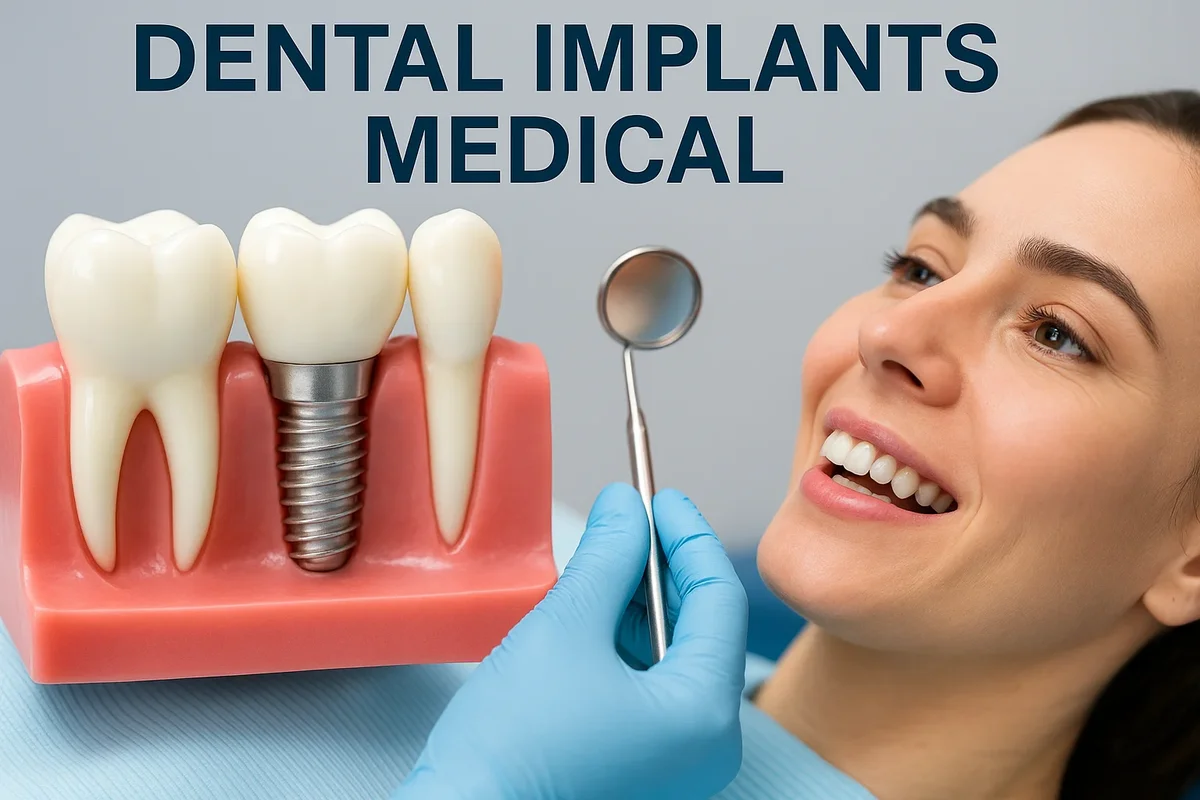
Future Trends in Dental Implants: Technology and Innovation
The field of dental implants medical science is evolving rapidly, with new technologies transforming how implants are designed, placed, and maintained. What once required multiple visits, lengthy healing times, and invasive surgery can now often be completed in a single day thanks to digital advancements. From AI-assisted planning to biomaterial breakthroughs, the next generation of implantology is all about precision, comfort, and biological harmony. In this detailed section, we’ll explore the groundbreaking innovations shaping the future of dental implants and what patients can expect in the coming decade 🦷.
1. Digital Dentistry and AI-Powered Planning
The most significant transformation in dental implants medical practice comes from artificial intelligence and digital workflows. Modern dental clinics now employ AI-driven imaging and computer-aided design systems to plan implant procedures with microscopic accuracy.
🤖 How AI Enhances Implant Precision:
- Predictive Analytics: AI algorithms analyze bone density and facial structure to determine the ideal implant angle and depth.
- Virtual Surgery Simulations: Dentists can simulate the full procedure before surgery, reducing risk and improving success rates.
- Automated Error Detection: Digital software identifies potential complications before surgery begins.
This digital revolution has made dental implants medical safer, faster, and more predictable than ever. Combined with 3D imaging (CBCT), AI-based surgical planning eliminates guesswork, leading to precise results and minimal postoperative complications.
2. 3D Printing: Customization Meets Speed
3D printing is one of the most exciting developments in modern dental implants medical technology. It allows dental professionals to produce customized surgical guides, abutments, and even entire prosthetic arches within hours.
🦷 Applications of 3D Printing in Implantology:
- Creation of patient-specific implant guides for accurate placement.
- Fabrication of custom abutments that perfectly match gum contours.
- Rapid production of temporary crowns for same-day restorations.
This innovation enhances both clinical efficiency and patient satisfaction. Instead of waiting weeks for lab-made components, patients can now receive fully customized implants in just one visit — revolutionizing the entire dental implants medical experience.
3. Smart Implants and Sensor Integration
The next generation of implants will do more than replace missing teeth—they will communicate directly with dentists through smart sensors. Research is underway on “smart implants” that can detect early signs of infection, pressure imbalance, or bone loss in real time.
🔬 Features of Smart Implants:
- Embedded micro-sensors that monitor osseointegration and load stress.
- Wireless data transmission to the dental clinic for ongoing assessment.
- Automatic alerts for inflammation or bacterial activity.
These smart systems will allow dentists to take preventive measures before problems arise, ensuring the longevity of dental implants medical outcomes and reducing the need for corrective surgeries.
4. Biomaterials and Regenerative Medicine
Material innovation is another frontier in the evolution of dental implants medical science. Traditional titanium implants are being enhanced with bioactive coatings that promote faster healing and stronger bone integration. Meanwhile, regenerative medicine is opening doors for patients with low bone density or gum recession.
🧬 Notable Advancements Include:
- Bioactive Surfaces: Nano-textured surfaces that stimulate bone cell growth.
- Zirconia Implants: Metal-free, biocompatible alternatives for patients with allergies.
- Stem Cell Therapy: Encourages natural bone regeneration around implants.
- Growth Factor Injections: Speed up soft-tissue healing post-surgery.
These biomaterials make dental implants medical more accessible to patients who were once considered unsuitable candidates due to insufficient bone mass or health concerns.
5. Immediate-Load and Same-Day Implants
Gone are the days when patients had to wait months for their implants to heal before receiving permanent crowns. Immediate-load or “same-day” implant techniques now allow dentists to place both the implant and crown within a single appointment.
⚡ Benefits of Same-Day Implants:
- Instant restoration of aesthetics and chewing function.
- Reduced number of surgical procedures.
- Less trauma and faster recovery.
These techniques use advanced 3D imaging and stable implant designs to achieve immediate functional loading. However, not all patients are ideal candidates — bone density and gum health must first be evaluated by a qualified dental implants medical specialist.
6. Robotic-Assisted Surgery
Robotics is redefining precision in implant surgery. Robotic systems use haptic feedback and computer guidance to assist surgeons during placement, ensuring sub-millimeter accuracy that surpasses manual methods.
🤖 Key Benefits of Robotic Systems:
- Precise control over drilling depth and angulation.
- Reduced human error and surgical fatigue.
- Shorter recovery times and less postoperative discomfort.
Robotic assistance enhances safety and predictability, making dental implants medical procedures more consistent and efficient across varying levels of case complexity.
7. Augmented Reality (AR) and Virtual Reality (VR) in Training
Education and training are critical in the success of dental implants medical procedures. Augmented and virtual reality tools now enable dentists to practice complex surgeries in a simulated 3D environment before performing them on patients.
🎮 AR/VR Benefits Include:
- Enhanced surgical skill development for trainees.
- Realistic procedural simulation with virtual patients.
- Fewer errors during real-life surgeries through pre-visualization.
This technology ensures that future implantologists are better trained, safer, and more efficient in delivering life-changing results.
8. Digital Smile Design and Facial Scanning
The integration of digital smile design (DSD) and facial scanning software enables dentists to design implants that perfectly harmonize with a patient’s facial features. Before surgery, patients can preview their expected smile on a screen using advanced imaging technology.
📸 How DSD Improves Aesthetic Outcomes:
- Visual alignment of implants with facial proportions.
- Patient involvement in the planning process.
- Improved communication between lab technicians and dentists.
With this personalized approach, dental implants medical results become more predictable, not only functionally but also aesthetically.
9. Eco-Friendly and Sustainable Dentistry
As global awareness of environmental issues grows, dental implants medical practitioners are also embracing eco-friendly initiatives. Clinics are shifting toward sustainable materials, energy-efficient sterilization, and digital recordkeeping to minimize waste.
🌿 Green Dentistry Practices Include:
- Recyclable implant packaging materials.
- Low-emission 3D printers and sterilization systems.
- Paperless patient management systems.
Such practices not only reduce environmental impact but also attract patients who value socially responsible healthcare providers.
10. The Future Patient Experience
The future of dental implants medical care is patient-centered, fast, and digitally integrated. Within the next decade, fully automated implant systems may become standard, using AI diagnostics, 3D-printed implants, and robotic precision to complete procedures in record time — all while maintaining human oversight for safety and empathy.
Virtual consultations, online treatment tracking, and personalized recovery apps will empower patients to manage their post-surgery care more efficiently. These innovations mark a shift from reactive to proactive healthcare, emphasizing prevention, comfort, and personalization.
Conclusion: The Dawn of a New Era in Implant Dentistry
The evolution of dental implants medical technology is transforming smiles — and lives — around the world. From smart implants to regenerative therapies and AI-driven surgery, the future promises treatments that are faster, safer, and more biologically integrated than ever before. Patients can look forward to minimal downtime, enhanced aesthetics, and lifetime reliability.
For those seeking to benefit from these innovations today, trusted clinics such as Redent Klinik Contact Page are already implementing cutting-edge tools to provide world-class implantology care. The combination of technology, science, and artistry ensures that the future of dental implants is not just bright — it’s revolutionary 🌟.