
For millions of people around the world, medical dental implants represent the most advanced and natural-looking solution for missing teeth. Unlike traditional dentures or bridges, implants provide a long-term replacement that feels, functions, and appears just like real teeth. They are not just cosmetic; they are a medical innovation that restores both oral health and self-confidence. In this detailed guide, we’ll explore everything you need to know about how medical dental implants work, why they’re considered the gold standard in restorative dentistry, and what makes them an essential investment in your health and appearance. 🦷
Simply put, medical dental implants are titanium or zirconia posts that are surgically placed into the jawbone to act as artificial tooth roots. Once integrated into the bone through a process called osseointegration, these implants can support crowns, bridges, or even full dentures. This strong biological bond gives dental implants their unmatched stability and durability, allowing patients to eat, speak, and smile with complete confidence. The concept of replacing missing teeth with a biocompatible root structure has revolutionized modern dentistry.
One of the most significant advantages of medical dental implants is that they help maintain jawbone density. When a tooth is lost, the jawbone begins to deteriorate over time because it no longer receives the stimulation that natural teeth provide through chewing. By placing implants, dentists prevent this bone loss, preserving facial structure and preventing the “sunken” appearance often associated with missing teeth. This is one of the reasons why dental implants are considered a medically necessary treatment, not just an aesthetic choice.
Compared to other tooth replacement methods, medical dental implants stand out for their high success rate — over 95% in most clinical studies. The combination of surgical precision, biocompatible materials, and personalized dental planning ensures excellent outcomes for patients of all ages. Whether you are replacing a single missing tooth or undergoing a full-mouth restoration, implants can be customized to your needs, creating a seamless and natural look that blends perfectly with your existing teeth.
Another crucial factor is comfort. Unlike removable dentures, which can slip or cause gum irritation, medical dental implants are permanently fixed in place. This means patients can chew tough foods, speak clearly, and smile freely without worrying about shifting prosthetics. Moreover, implants do not rely on neighboring teeth for support, which preserves the health of adjacent natural teeth — a major advantage over bridges and partial dentures.
From a medical standpoint, medical dental implants also improve overall oral hygiene. Because they mimic the structure of natural teeth, they make it easier to brush and floss, reducing the risk of gum disease or secondary infections. Additionally, implants stimulate healthy tissue regeneration, keeping the gums strong and resilient. When combined with regular dental check-ups and proper care, dental implants can last a lifetime, making them one of the most cost-effective long-term dental solutions available today.
The process begins with a comprehensive consultation and diagnostic imaging. Your dentist evaluates bone density, gum health, and bite alignment to determine if you’re a suitable candidate. Once approved, the implant procedure typically involves several stages: placement of the implant, healing and osseointegration (which can take a few months), and finally, the attachment of a customized dental crown. Each step requires precision and collaboration between dental surgeons and prosthodontists to ensure a flawless result.
It’s important to note that medical dental implants are not just for older adults. Younger patients who have lost teeth due to trauma or congenital conditions can also benefit immensely. Implants are designed to function as part of your natural oral system, adapting to your jaw and supporting your long-term dental health. They help restore not only your smile but also your quality of life, confidence, and nutrition — since you can enjoy a varied and balanced diet without restrictions.
If you’re considering dental implants, consulting a professional clinic is the best first step. You can reach out to our experts via the Redent Klinik Contact Page to learn more about your options and personalized treatment plans. For scientific validation and professional standards, you may also visit the American Dental Association, which provides valuable guidelines and research on implant safety and efficacy.
In summary, medical dental implants combine advanced technology, biological science, and artistry to deliver the most reliable and natural tooth replacement option in modern dentistry. They prevent bone loss, restore functionality, and offer a lifetime of confident smiles. With proper care and professional follow-up, implants can truly transform your dental health — turning your dream smile into a lasting reality. ✨
1. What Are Medical Dental Implants and How Do They Work?
Medical dental implants are one of the most significant advancements in modern dentistry, combining medical-grade technology with biological science to restore missing teeth permanently. These tiny, yet powerful titanium or zirconia posts are surgically embedded into the jawbone to act as artificial roots, providing a stable foundation for replacement teeth such as crowns, bridges, or dentures. Unlike removable prosthetics, implants integrate directly with the bone, creating a secure and natural structure that mimics real teeth in both function and appearance. 🦷
Understanding the Structure of Medical Dental Implants
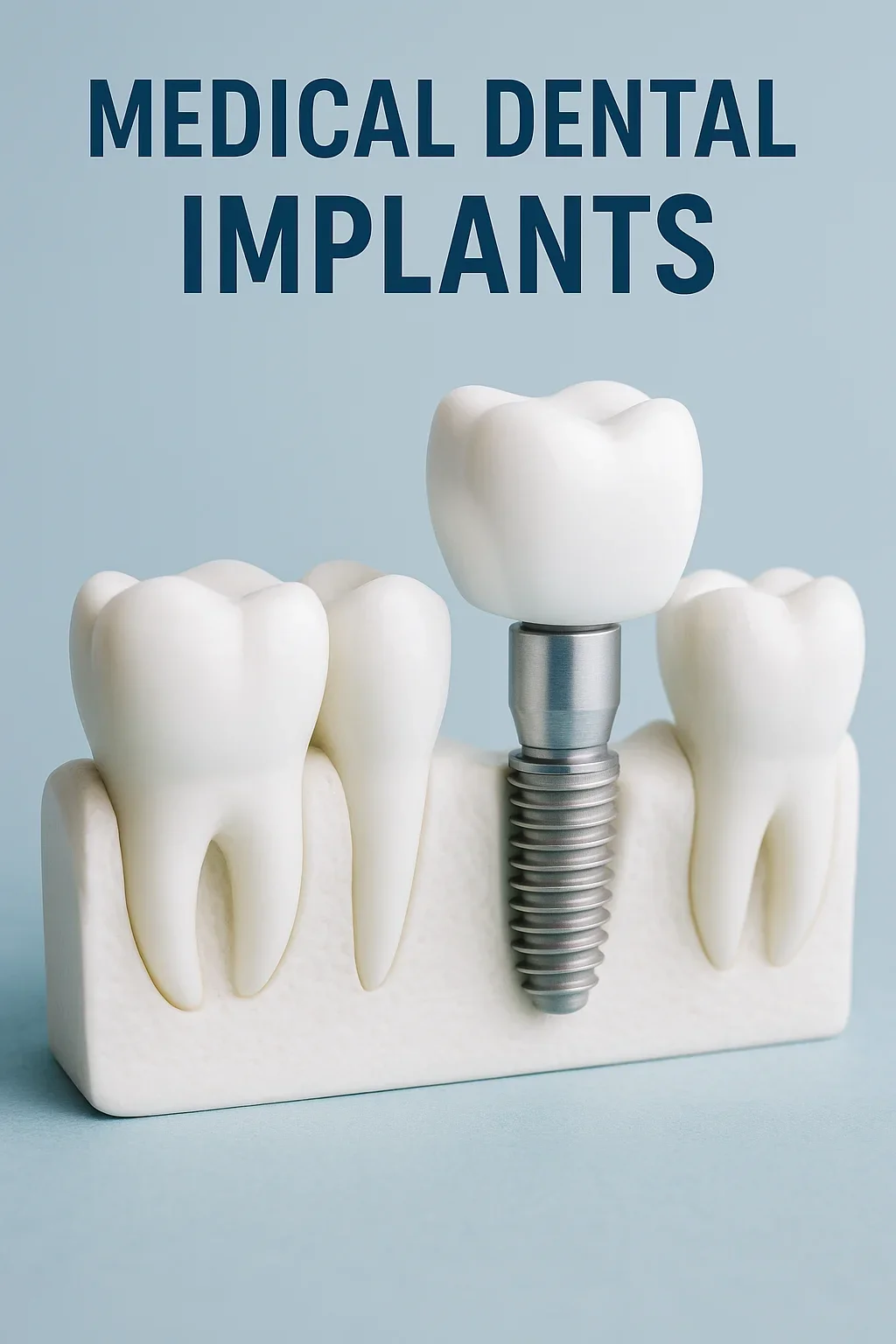
Each implant is composed of three main parts: the implant post, the abutment, and the dental crown. The post functions as the root and is usually made from titanium — a material well known for its durability and biocompatibility. Once placed inside the jawbone, it triggers the process of osseointegration, in which bone tissue naturally fuses with the implant surface. The abutment acts as a connector, linking the implant to the dental crown, which is custom-designed to match the color, shape, and size of your surrounding teeth. This seamless integration ensures that medical dental implants not only restore your smile but also preserve your oral structure for decades to come.
The Science Behind Osseointegration
Osseointegration is the key process that distinguishes medical dental implants from other tooth replacement methods. It’s a biological reaction that occurs when bone cells attach directly to the surface of the implant without forming fibrous tissue in between. This natural fusion provides exceptional stability and makes implants capable of supporting full chewing force, just like natural teeth. Over time, the bone around the implant strengthens, creating a permanent bond. The success of this process relies heavily on advanced surgical techniques, high-quality implant materials, and proper aftercare during the healing phase.
Why Titanium and Zirconia Are Used
The materials used in medical dental implants are chosen with extreme precision. Titanium remains the gold standard because it’s lightweight, corrosion-resistant, and highly biocompatible — meaning it’s rarely rejected by the body. Zirconia implants, on the other hand, offer a metal-free alternative, ideal for patients with allergies or those seeking a more aesthetic, white-toned option. Both materials promote healthy bone growth and minimize the risk of infection or rejection, which contributes to the implant’s impressive success rate of 95–98% worldwide.
Step-by-Step Functionality of Dental Implants
The journey from tooth loss to a fully restored smile using medical dental implants involves several key stages:
- Initial Consultation: A comprehensive dental examination, including X-rays or 3D scans, is performed to assess bone quality and overall oral health.
- Implant Placement: The titanium or zirconia post is carefully inserted into the jawbone under local anesthesia or sedation.
- Healing and Osseointegration: Over the next few months, the bone gradually fuses with the implant to create a stable base.
- Abutment Placement: Once healing is complete, a connector piece (abutment) is attached to the implant.
- Crown Placement: Finally, a custom-made crown is affixed to restore full function and aesthetics.
This multi-stage process ensures precision, safety, and long-term results. Each phase is guided by advanced dental imaging and 3D modeling technologies, ensuring the perfect fit and alignment of your new teeth.
Advantages of Medical Dental Implants Over Traditional Solutions
Unlike dentures or bridges, which rest on the gums or depend on neighboring teeth for support, medical dental implants are self-supporting structures that integrate directly into the jawbone. This means they prevent bone deterioration and gum recession, which are common issues after tooth loss. They also offer superior chewing efficiency, speech clarity, and aesthetic appeal. Patients report feeling more confident and comfortable, knowing their implants are securely anchored and indistinguishable from natural teeth.
Bone Preservation and Facial Integrity
When teeth are missing, the surrounding bone begins to resorb (shrink) due to lack of stimulation. Over time, this can lead to facial sagging and premature aging. Medical dental implants prevent this by transmitting natural chewing forces to the jawbone, keeping it active and healthy. This preservation of bone mass supports facial contours and helps maintain youthful features — one of the most medically significant benefits of implant treatment.
Longevity and Maintenance of Medical Dental Implants
With proper care, medical dental implants can last a lifetime. Daily brushing, flossing, and regular professional cleanings are essential to maintain gum health and prevent peri-implantitis (inflammation around the implant). Patients are also advised to avoid smoking and excessive alcohol consumption, as these can hinder bone healing. Modern implant systems are designed to withstand daily wear and tear, making them an ideal long-term investment in both oral and overall health.
Additionally, implants contribute to improved digestion by allowing patients to chew food thoroughly. They also reduce the risk of temporomandibular joint (TMJ) strain, as the bite is naturally balanced. By restoring complete oral functionality, medical dental implants support better nutrition and overall well-being.
For expert consultation and personalized treatment, patients can contact Redent Klinik Contact Page. To explore scientific research and global standards in implantology, the American Dental Association offers reliable, professional resources on the safety, success rates, and innovations in dental implant procedures.
In conclusion, medical dental implants are more than just tooth replacements — they are a scientifically engineered solution that restores oral health, confidence, and quality of life. Through precise design, biocompatible materials, and innovative technology, dental implants have become the foundation of modern restorative dentistry, ensuring that every patient can enjoy a healthy, functional, and radiant smile for decades. 🌟
2. The Main Benefits of Choosing Medical Dental Implants 🦷
Choosing medical dental implants is one of the most transformative decisions a person can make for their oral health, confidence, and overall well-being. Unlike removable dentures or temporary bridges, implants are designed to be permanent, durable, and lifelike. They not only restore the function of missing teeth but also improve jawbone stability, speech, facial structure, and self-esteem. In this section, we’ll explore the key benefits of medical dental implants — from medical advantages to aesthetic and psychological impacts — backed by science and years of clinical success.
Unmatched Durability and Longevity
One of the greatest strengths of medical dental implants is their remarkable lifespan. Made from high-quality biocompatible materials such as titanium or zirconia, implants integrate seamlessly with the jawbone through osseointegration. This process allows them to function like natural tooth roots, providing a secure and long-lasting foundation for crowns or dentures. While traditional bridges may last around 10 years, implants can last a lifetime with proper care. Studies published by the American Dental Association confirm that dental implants boast a success rate of over 95%, far surpassing other restoration methods.
Resistant to Wear and Decay
Unlike natural teeth, implants are immune to cavities and decay. The titanium post cannot be affected by bacteria, and the ceramic crowns are designed to withstand daily chewing forces. However, gum health remains crucial — proper oral hygiene prevents inflammation around the implant. With good maintenance, medical dental implants can easily outlast other dental prosthetics, providing decades of reliability and comfort.
Preserving Jawbone and Facial Structure
Tooth loss leads to bone resorption — the gradual shrinking of the jawbone due to lack of stimulation. Over time, this can cause facial sagging, wrinkles, and premature aging. Medical dental implants prevent this by mimicking the natural stimulation that tooth roots provide during chewing. The implant transmits gentle pressure to the jawbone, signaling the body to maintain bone density. This medical benefit goes far beyond aesthetics — it helps protect the entire facial structure, maintaining a youthful and balanced appearance. 💪
The Science of Bone Preservation
After a tooth is lost, the jawbone can lose up to 25% of its volume within the first year. This deterioration continues unless bone stimulation is restored. Medical dental implants act as an artificial root that keeps the bone active. This process helps maintain both the strength and volume of the jawbone, preventing future complications such as misalignment and bite issues. No other tooth replacement method can achieve this level of bone preservation.
Enhanced Comfort and Functionality
Patients who have switched from dentures to medical dental implants often report an immediate improvement in comfort. Because implants are anchored directly into the bone, they feel and function just like natural teeth. You can chew tough foods like steak, apples, and nuts without worrying about movement or slipping. There’s no need for messy adhesives or removal at night. This stability significantly enhances speech clarity, chewing efficiency, and daily confidence — all key aspects of a healthy and fulfilling lifestyle.
Improved Bite Force and Digestion
Traditional dentures reduce bite force by up to 60%, making it difficult to chew fibrous foods properly. Medical dental implants restore nearly 100% of natural bite force, allowing patients to eat a balanced diet rich in proteins, fruits, and vegetables. Proper chewing also aids digestion and nutrient absorption, contributing to overall physical health. In other words, implants don’t just replace missing teeth — they restore your quality of life from a nutritional perspective as well.
Aesthetic Excellence and Natural Appearance
From a cosmetic standpoint, medical dental implants offer unparalleled realism. Each crown is customized to match the color, shape, and contour of your existing teeth. This ensures that your smile looks completely natural, without any visible metal or awkward gaps. The gum tissue around implants also adapts naturally, creating a seamless blend between the artificial and biological components. For patients concerned about appearance, dental implants are a life-changing aesthetic solution that restores harmony to the face and smile.
Confidence and Psychological Benefits
The emotional impact of tooth loss can be profound, affecting self-esteem, speech, and social interactions. Restoring your smile with medical dental implants can dramatically boost confidence. People often report smiling more freely, feeling more attractive, and engaging more comfortably in personal and professional environments. The psychological effect of regaining a natural-looking smile contributes to improved mental well-being and quality of life. 😁
Better Oral Health and Hygiene
Unlike bridges, which require grinding down neighboring teeth for support, medical dental implants do not affect surrounding healthy teeth. This preservation of natural enamel helps maintain long-term oral integrity. Furthermore, implants are easy to clean — you can brush and floss them just like real teeth. Because they don’t trap food or plaque in the same way removable dentures can, they reduce the risk of gum disease and bad breath. Maintaining daily oral hygiene habits ensures implants stay strong and the gums remain healthy for decades.
Long-Term Cost Efficiency
Although the initial cost of medical dental implants may be higher than dentures or bridges, their durability makes them more economical in the long run. While cheaper alternatives require frequent replacements or adjustments, implants are a one-time investment. They offer permanent results, eliminating the need for ongoing repair expenses. Moreover, because they prevent jawbone loss and gum deterioration, they also reduce the need for future medical interventions — a significant financial and health advantage.
Medical and Lifestyle Integration
One of the most overlooked benefits of medical dental implants is how seamlessly they integrate into both medical and lifestyle contexts. They are suitable for patients with diabetes, osteoporosis, or cardiovascular concerns when managed properly under a dentist’s guidance. With their medical-grade precision and biocompatibility, implants ensure long-term oral and systemic health harmony. When paired with professional care, such as consultations via the Redent Klinik Contact Page, patients can enjoy personalized treatment and a healthier future.
In conclusion, medical dental implants represent the ideal combination of medicine, technology, and artistry. They restore function, preserve bone, enhance beauty, and improve overall health — a complete package that no other dental solution can match. Whether you seek comfort, confidence, or long-term stability, implants deliver it all with unmatched precision and reliability. 🌟
3. Types of Medical Dental Implants: Which One Is Right for You?
The field of medical dental implants has evolved dramatically over the past few decades, providing patients with a wide variety of treatment options tailored to their unique needs. Understanding the different types of implants is essential to choosing the right one for your oral condition, bone structure, and aesthetic goals. In this section, we’ll dive into the major types of implants, their materials, procedures, and suitability — helping you make an informed decision with confidence. 🦷
Endosteal Implants – The Gold Standard
Endosteal implants are the most commonly used type of medical dental implants. They are surgically inserted directly into the jawbone, providing the strongest and most stable foundation for artificial teeth. These implants are typically made of titanium and shaped like small screws, cylinders, or blades. Once the implant has integrated with the bone, a post (abutment) is attached to hold the crown or prosthetic in place.
This type is ideal for patients with healthy jawbones and sufficient bone density. Because endosteal implants mimic the function of natural tooth roots, they provide exceptional stability and long-term results. With proper care and routine dental check-ups, they can last a lifetime.
Advantages of Endosteal Implants
- High success rate (over 95%) due to strong bone integration.
- Natural look and feel — indistinguishable from real teeth.
- Compatible with single, multiple, or full-arch restorations.
- Prevents bone resorption and maintains jaw structure.
For patients seeking maximum strength, durability, and medical reliability, endosteal implants remain the most trusted solution in restorative dentistry.
Subperiosteal Implants – A Solution for Low Bone Density
Subperiosteal implants are another form of medical dental implants designed for individuals who lack sufficient bone height or density and do not wish to undergo bone grafting. Unlike endosteal implants, these are placed under the gum but above the jawbone, resting on a custom-fitted metal framework. The framework holds posts that protrude through the gum, allowing the dentist to attach artificial teeth securely.
When Subperiosteal Implants Are Recommended
This type of implant is recommended for patients who:
- Have shallow jawbones and limited bone volume.
- Cannot undergo bone augmentation or sinus lift surgery.
- Desire a less invasive treatment option.
Although not as common today due to advancements in bone regeneration, subperiosteal implants still provide an excellent option for specific anatomical conditions. They offer a stable foundation when traditional implants may not be feasible, and they can restore function and appearance effectively.
Zygomatic Implants – For Severe Bone Loss
For patients who have experienced severe bone loss in the upper jaw, zygomatic implants offer an advanced medical solution. These specialized medical dental implants are longer than traditional ones and anchor into the zygomatic bone (cheekbone) instead of the maxilla. This innovative approach eliminates the need for complex bone grafting or sinus lift procedures.
Unique Features of Zygomatic Implants
- Anchored in the dense zygomatic bone for maximum stability.
- Ideal for full-mouth restorations in patients with significant upper jaw resorption.
- Shorter treatment time compared to bone graft-based alternatives.
Zygomatic implants are typically performed by highly specialized surgeons using advanced imaging and 3D navigation. For patients who have been told they lack the bone for standard implants, this method provides a revolutionary second chance at a full, natural-looking smile.
Mini and Narrow-Diameter Implants
Mini implants are a smaller version of standard medical dental implants, typically measuring less than 3mm in diameter. They are ideal for patients with thinner jawbones, smaller teeth, or tight spaces between roots. While they are not suitable for every case, mini implants offer a minimally invasive and cost-effective alternative for stabilizing dentures or replacing small teeth.
Benefits of Mini Implants
- Faster healing time and less invasive surgery.
- Lower cost compared to full-sized implants.
- Excellent for denture stabilization in older adults.
Mini implants are often placed in a single appointment and can be immediately loaded in some cases. They are a practical choice for patients who need a quick, stable, and affordable restoration solution.
All-on-4 and All-on-6 Implant Systems
For patients who have lost all their teeth, the All-on-4 and All-on-6 systems provide complete arch restoration using a limited number of medical dental implants. In the All-on-4 system, four strategically placed implants support an entire row of prosthetic teeth. The All-on-6 method uses six implants for enhanced support, especially in patients with softer bone density.
Advantages of Full-Arch Implant Systems
- Immediate loading — teeth can often be placed the same day.
- No need for individual implants for each missing tooth.
- Cost-effective full-mouth restoration.
- Improves facial balance and jawbone health.
These systems have become increasingly popular for their ability to transform smiles quickly and efficiently. They combine medical precision with aesthetic excellence, offering long-lasting solutions for complete oral rehabilitation.
Material Options: Titanium vs. Zirconia Implants
Material selection plays a major role in determining the performance and aesthetics of medical dental implants. Titanium implants have been used for decades due to their strength, lightweight nature, and excellent osseointegration properties. Zirconia implants, on the other hand, are metal-free and preferred for patients with allergies or those seeking a more natural, white-colored alternative.
Comparing Titanium and Zirconia
| Feature | Titanium Implants | Zirconia Implants |
|---|---|---|
| Biocompatibility | Excellent | Excellent (metal-free) |
| Durability | Very high | High |
| Aesthetic Appearance | Grayish (hidden under gum) | Tooth-colored (ideal for front teeth) |
| Cost | Moderate | Higher |
Both materials are medically approved and provide long-term success. The choice depends on individual factors such as gum type, bone density, and cosmetic preference.
Choosing the Right Implant for You
Selecting the correct type of medical dental implants requires a detailed evaluation by a qualified implantologist. Factors like bone quality, oral health history, budget, and aesthetic goals are considered before making a recommendation. Advanced diagnostics such as 3D cone-beam CT scans are used to design a customized treatment plan for each patient. You can schedule a consultation via the Redent Klinik Contact Page to discuss which implant system best suits your needs.
In conclusion, the diverse range of medical dental implants available today ensures that every patient — regardless of age, bone density, or dental history — can achieve a functional and beautiful smile. Whether it’s the strength of endosteal implants, the innovation of zygomatic solutions, or the elegance of zirconia, modern implantology offers a precise and permanent path to oral restoration. 🌟
4. Step-by-Step Process: How Medical Dental Implants Are Placed
The placement of medical dental implants is a meticulously planned and medically precise process that combines advanced technology, surgical expertise, and personalized dental care. Understanding each step helps patients feel confident and prepared for their implant journey. This section provides a complete, detailed walkthrough of how implants are placed — from the first consultation to final restoration — and explains the science and care behind every phase. 🦷
Step 1: Comprehensive Dental Examination and Planning
Every successful medical dental implants treatment begins with an in-depth dental evaluation. During this phase, your dentist or oral surgeon performs a detailed clinical and radiographic analysis using 3D cone-beam computed tomography (CBCT) and digital impressions. These images provide precise information about jawbone density, nerve positioning, and gum health. Based on these diagnostics, the specialist develops a custom surgical plan that defines implant placement, angle, and depth for optimal integration.
Pre-Surgical Assessment
The pre-surgical phase also includes a thorough medical history review. Patients with diabetes, cardiovascular issues, or osteoporosis may require additional precautions to ensure safe surgery. Dentists also assess whether bone grafting or sinus lift procedures are needed before the implant can be placed. This planning phase ensures that each medical dental implant is positioned in a way that maximizes long-term stability and natural appearance.
Step 2: Bone Grafting or Sinus Lift (If Needed)
Some patients may not have enough bone volume to support medical dental implants. In such cases, bone grafting procedures are recommended to rebuild the bone structure. The grafting material can come from the patient’s own bone (autograft), synthetic materials, or biocompatible substitutes. The new bone gradually fuses with the existing jawbone, creating a strong foundation for the implant.
Sinus Lift for Upper Jaw Procedures
For implants placed in the upper jaw, especially near the molars, a sinus lift may be necessary. This involves carefully lifting the sinus membrane and adding bone graft material beneath it. After a few months of healing, the area becomes dense enough to hold the implant securely. Although this step adds time to the process, it significantly increases implant success rates and long-term durability.
Step 3: Surgical Placement of the Implant
Once the jawbone is ready, the surgical phase begins. The dentist numbs the area using local anesthesia or sedation to ensure a pain-free experience. A small incision is made in the gum to expose the bone, and a specialized drill is used to create a precise hole where the medical dental implant will be inserted. The titanium or zirconia implant post is then placed into the bone and left to heal.
Minimally Invasive Techniques
Thanks to modern 3D-guided implant technology, this procedure can often be completed using minimally invasive techniques. Guided surgery uses a digital surgical template to ensure the implant is placed at the exact angle and depth predetermined in the digital plan. This approach reduces surgical trauma, bleeding, and recovery time while increasing accuracy and success.
Step 4: Healing and Osseointegration Phase
After the implant is placed, the healing phase — known as osseointegration — begins. This biological process allows the bone cells to fuse with the implant surface, creating an unbreakable bond that mimics a natural tooth root. This integration typically takes between 3 to 6 months, depending on the patient’s health, bone density, and implant location. During this time, a temporary crown or healing cap may be placed to maintain aesthetics and gum shape.
Ensuring Successful Healing
During osseointegration, it’s crucial to maintain excellent oral hygiene and follow your dentist’s aftercare instructions. Avoiding smoking, limiting alcohol intake, and eating a soft diet are essential for successful healing. The body’s ability to accept the implant as part of its structure is what makes medical dental implants such a medically advanced and reliable solution for tooth replacement.
Step 5: Abutment Placement
Once healing is complete, a minor procedure is performed to attach the abutment — a connector piece that joins the implant to the final dental crown. The gum is gently reopened to expose the implant, and the abutment is screwed into place. This step ensures a stable connection between the implant post and the restoration that will soon follow. The gum tissue then heals naturally around the abutment, forming a healthy seal that protects the implant site.
Healing Time After Abutment Placement
Healing after abutment placement usually takes 1–2 weeks. During this period, the dentist monitors the gum tissue and ensures proper adaptation around the abutment. This short recovery time paves the way for the final step: crown attachment and functional restoration.
Step 6: Crown Placement and Final Restoration
The final stage of the medical dental implants process involves attaching the dental crown — the visible part of the tooth. Using digital impressions, the dentist designs a custom crown that matches the shape, color, and size of the surrounding natural teeth. This crown can be made of ceramic, zirconia, or porcelain-fused-to-metal, depending on the desired aesthetics and strength. Once fitted, the new tooth looks and feels completely natural, allowing the patient to eat, smile, and speak confidently.
Immediate vs. Delayed Loading
In some cases, “immediate loading” implants allow the crown to be placed the same day as the surgery. However, this depends on bone quality and implant stability. Traditional “delayed loading” allows more healing time before attaching the crown, ensuring maximum long-term success. Your dentist will determine the best option for your situation based on medical evaluation.
Step 7: Post-Procedure Care and Follow-Up
After the placement of medical dental implants, patients receive detailed instructions for post-operative care. This includes maintaining oral hygiene with soft brushing, avoiding hard foods for a few days, and attending follow-up appointments. Regular check-ups help your dentist monitor implant health, gum condition, and bite alignment.
Long-Term Maintenance
Proper maintenance ensures that your medical dental implants remain strong and functional for decades. Routine cleanings, professional scaling, and home care with interdental brushes help prevent peri-implantitis (inflammation around implants). Patients are also encouraged to schedule annual X-rays to check bone stability.
For personalized guidance, you can reach out to the experts through the Redent Klinik Contact Page for consultation and long-term support. For authoritative medical guidelines, the American Dental Association provides research and safety standards regarding implant surgery.
In conclusion, the process of placing medical dental implants is a well-orchestrated blend of medical precision, art, and advanced technology. From diagnosis and surgery to final restoration, each step is designed to restore natural function, aesthetics, and health. With the right care and a skilled dental team, implants can provide a lifetime of confident smiles and superior oral health. 🌟
5. Recovery and Aftercare Tips for Long-Lasting Dental Implants 💡
The recovery and maintenance of medical dental implants are just as important as the surgical placement itself. Proper aftercare ensures long-term stability, prevents infection, and maximizes implant lifespan. Although implants have a success rate of over 95%, the healing phase requires attention, patience, and professional follow-up. This section provides a complete, medically accurate guide to recovery, from immediate post-surgery care to lifelong maintenance habits — helping patients enjoy their new smile for decades. 🦷
Immediate Post-Surgery Recovery
In the first 24 to 72 hours after surgery, patients may experience mild swelling, tenderness, or minor bleeding — all of which are normal responses to oral surgery. The key during this stage is to protect the surgical site and encourage healthy healing. Dentists often prescribe antibiotics to prevent infection and pain relievers to manage discomfort. Applying a cold compress to the cheek in 10-minute intervals can help reduce swelling.
Post-Surgery Do’s and Don’ts
- Do: Keep your head elevated for the first 24 hours to minimize swelling.
- Do: Rinse gently with salt water after 24 hours to keep the mouth clean.
- Don’t: Smoke or consume alcohol for at least 72 hours, as these delay healing.
- Don’t: Touch or disturb the implant area with your tongue or fingers.
- Don’t: Eat hard or hot foods for the first few days; stick to a soft diet.
Following these basic instructions significantly reduces the risk of complications and helps the medical dental implants integrate smoothly with the surrounding bone tissue.
Diet and Nutrition During Healing
Nutrition plays a crucial role in the recovery process. Soft foods that are rich in vitamins, minerals, and protein accelerate tissue repair and reduce inflammation. Patients are advised to avoid hard, sticky, or spicy foods during the initial healing phase. Instead, focus on a balanced diet that supports both bone regeneration and gum health.
Recommended Foods for Implant Recovery
- Mashed potatoes, oatmeal, and yogurt for easy digestion and comfort.
- Soft fruits like bananas and avocados rich in potassium and healthy fats.
- Soups and broths high in protein and collagen to strengthen tissue.
- Scrambled eggs and fish as protein sources that are gentle on the gums.
A nutrient-dense diet helps improve blood flow and healing, ensuring that medical dental implants fuse effectively with the bone during osseointegration. Staying hydrated also promotes healthy tissue regeneration and maintains oral moisture balance.
Proper Oral Hygiene After Implant Surgery
Keeping the mouth clean after implant placement is essential. However, aggressive brushing or mouth rinsing should be avoided in the first few days. Instead, patients should use a soft-bristled toothbrush and avoid the surgical area until it begins to heal. After a week, gentle cleaning around the implant using an interdental brush or water flosser helps remove plaque buildup.
Best Hygiene Practices
- Brush twice daily with a soft-bristle brush and fluoride toothpaste.
- Floss carefully around the implant to prevent food particles from accumulating.
- Use an antimicrobial mouthwash as recommended by your dentist.
- Schedule regular dental cleanings every 6 months.
Maintaining excellent oral hygiene prevents peri-implantitis — a condition where gum inflammation leads to bone loss around the implant. With consistent care, medical dental implants remain healthy and functional for decades.
Managing Pain, Swelling, and Bleeding
Mild discomfort and swelling are normal for the first few days. Pain usually peaks around 48 hours after surgery and then gradually subsides. Over-the-counter medications like ibuprofen or acetaminophen can manage pain effectively, but they should always be taken as directed by the dentist. Slight bleeding may occur within the first 24 hours; placing a clean gauze pad over the site and applying gentle pressure usually stops it.
When to Contact Your Dentist
While most patients recover without complications, you should contact your dentist if you experience any of the following:
- Severe or persistent pain beyond a few days.
- Continuous bleeding or signs of infection (pus, swelling, fever).
- Implant mobility or a feeling of looseness.
Prompt attention to such symptoms helps prevent infection or implant failure and ensures the continued health of your medical dental implants.
Long-Term Care and Maintenance
Once healing is complete and the crown is attached, maintenance becomes the cornerstone of implant longevity. Medical dental implants do not decay like natural teeth, but the surrounding gums and bone must remain healthy. Daily care, professional check-ups, and minor lifestyle adjustments ensure that implants function optimally for a lifetime.
Professional Check-Ups
Regular follow-up visits allow dentists to assess the integrity of the implant, surrounding bone levels, and gum tissue. X-rays taken annually help detect any subtle changes or potential bone loss early. During these appointments, professional cleaning removes hardened plaque around the implants, preventing bacterial buildup.
Habits That Protect Implants
- Avoid grinding or clenching your teeth; wear a night guard if needed.
- Refrain from chewing on hard items like ice, pens, or nutshells.
- Quit smoking — tobacco significantly increases the risk of implant failure.
Lifestyle and Health Integration
Beyond oral hygiene, your overall health influences the success of medical dental implants. Chronic conditions such as diabetes, osteoporosis, or gum disease must be managed effectively to maintain implant stability. Regular exercise, balanced nutrition, and good sleep also contribute to healing and bone regeneration. The healthier your lifestyle, the stronger your implants will remain.
For ongoing care and professional advice, you can consult experts through the Redent Klinik Contact Page, where personalized guidance is available for every stage of your implant journey. For clinical research and authoritative medical recommendations, visit the American Dental Association, which provides comprehensive guidelines on implant care and maintenance.
In conclusion, successful recovery and aftercare are what transform medical dental implants from a surgical procedure into a lifelong investment in health and beauty. By combining careful hygiene, regular check-ups, and healthy living, patients can enjoy a radiant, confident smile that lasts for decades — a true blend of medical science and personal well-being. 🌟
6. Common Myths About Medical Dental Implants Debunked
Despite their growing popularity, medical dental implants are still surrounded by myths and misconceptions that can discourage patients from receiving life-changing treatment. Many people hesitate due to outdated information, fear, or misunderstanding about the procedure and its results. In this section, we will separate fact from fiction, addressing the most common myths about medical dental implants and explaining the science behind why they are one of the safest, most effective, and most natural tooth replacement options available today. 🦷
Myth 1: Medical Dental Implants Are Painful
One of the biggest misconceptions about medical dental implants is that the procedure is extremely painful. In reality, dental implant surgery is performed under local anesthesia or sedation, making it virtually painless. Patients typically report that the experience is no more uncomfortable than a simple tooth extraction. Post-surgical soreness can occur, but it is usually mild and easily managed with prescribed or over-the-counter medication.
The Truth About Implant Surgery Comfort
Modern dentistry uses advanced imaging and guided surgery to ensure precise implant placement, reducing trauma to surrounding tissues. Most patients return to work the next day and describe the process as far less stressful than expected. Furthermore, pain management protocols are highly effective, making the overall experience smooth and comfortable.
Myth 2: Implants Are Only for the Elderly
Many assume that medical dental implants are meant only for older adults, but this could not be further from the truth. Implants are suitable for anyone over the age of 18 whose jawbone has fully developed. They are ideal for people who have lost teeth due to injury, decay, or congenital absence, regardless of age. Younger patients, in particular, benefit from early treatment because it prevents bone loss and preserves facial structure over time.
Why Age Doesn’t Matter
What truly matters is overall oral and systemic health — not age. As long as the patient has sufficient bone density and healthy gums, dental implants are a viable solution. In fact, younger patients often heal faster and experience long-term benefits sooner. The key factor is professional assessment and personalized treatment planning by a skilled implantologist.
Myth 3: Medical Dental Implants Look Fake
Another common myth is that implants look artificial or unnatural. In reality, medical dental implants are meticulously crafted to blend seamlessly with your natural teeth. Modern crowns are custom-designed in color, size, and shape using digital scanning and 3D modeling technologies. Once placed, even close friends or family members will find it difficult to tell the difference.
Natural-Looking Smile Through Advanced Design
Dental laboratories use porcelain and zirconia materials that mimic the light reflection and translucency of natural enamel. Moreover, the gum tissue around the implant heals in a way that gives it a realistic appearance. With professional craftsmanship, implants restore not only function but also aesthetics — enhancing the patient’s confidence and self-image.
Myth 4: Implants Require Too Much Maintenance
Some people believe that medical dental implants demand complex maintenance routines. In truth, they require the same level of care as natural teeth — regular brushing, flossing, and dental checkups. There are no special cleaning agents or adhesives needed. With proper hygiene, implants can remain healthy and functional for decades.
Simple Daily Care Routine
Patients should brush twice daily, use an antimicrobial mouthwash, and floss carefully around the implant. Visiting your dentist every six months ensures professional cleaning and early detection of any gum issues. The simplicity of maintenance makes implants a convenient and long-lasting investment in oral health.
Myth 5: Medical Dental Implants Are Unsafe
This myth likely originates from outdated information. Today’s medical dental implants are made of highly biocompatible materials such as titanium and zirconia, both of which are accepted by the body and rarely cause allergic reactions. The safety record of implants is exceptional — with decades of clinical research and millions of successful cases worldwide.
Proven Safety and Medical Approval
The American Dental Association and other global dental organizations recognize implants as a safe, medically approved treatment for tooth loss. The surgical process is carefully planned with 3D imaging, and infection control protocols ensure maximum sterility. When placed by a qualified professional, implant failure is extremely rare — occurring in less than 2–5% of cases globally.
Myth 6: Dental Implants Are Too Expensive
While it’s true that the upfront cost of medical dental implants is higher than dentures or bridges, this myth ignores the long-term financial picture. Unlike temporary options, implants last a lifetime and eliminate the need for frequent replacements or repairs. When factoring in durability, comfort, and health benefits, implants are often the most cost-effective choice.
Long-Term Cost Efficiency
According to clinical studies, implants can last over 25 years with proper care. Bridges, on the other hand, may need replacement every 10 years, and dentures often require refitting. By preventing bone loss and maintaining gum health, implants also save future medical costs. In the long run, medical dental implants provide excellent return on investment.
Myth 7: The Recovery Process Is Long and Complicated
Many people assume that recovery after implant surgery takes months of discomfort. The truth is that most patients resume normal activities within a day or two. While osseointegration — the fusion of bone and implant — takes several months, daily life is rarely disrupted. Pain and swelling typically subside within a few days, and patients can continue working and eating soft foods during recovery.
Healing Made Simple
Modern surgical techniques and minimally invasive procedures significantly shorten healing time. Dentists also provide detailed post-operative care instructions and follow-up appointments to ensure smooth recovery. When patients follow these guidelines, medical dental implants integrate successfully and deliver lifelong benefits.
Myth 8: Smokers or People with Health Issues Cannot Get Implants
It’s true that smoking and certain health conditions like uncontrolled diabetes can affect healing. However, that doesn’t automatically disqualify someone from receiving medical dental implants. With proper medical management and lifestyle adjustments, many patients with mild or well-controlled health conditions can undergo implant surgery safely.
Professional Evaluation Matters
Before surgery, your dentist will conduct a thorough assessment, including medical history and diagnostic imaging. With personalized treatment planning, even patients with complex health profiles can achieve excellent outcomes. Lifestyle support programs — including smoking cessation guidance — can further improve success rates.
Myth 9: Implants Can Fall Out or Loosen Easily
This myth stems from confusion between removable dentures and permanent implants. Medical dental implants are securely anchored into the jawbone and designed to withstand normal chewing forces. Once osseointegration is complete, the implant becomes a permanent part of the jaw. Cases of implant loosening are extremely rare and usually related to neglect or underlying health issues.
How Stability Is Achieved
The combination of advanced materials, surgical precision, and bone integration ensures long-term stability. When properly maintained, implants function just like natural teeth — allowing patients to chew, speak, and smile confidently without fear of shifting or falling out.
For personalized consultation about the safety and suitability of implants, patients can visit the Redent Klinik Contact Page to speak with experts. They provide accurate medical guidance and address all concerns before treatment.
In summary, medical dental implants are a scientifically proven, safe, and durable solution for tooth loss. Most of the myths surrounding them stem from outdated knowledge or misinformation. With proper care, implants restore not only the appearance but also the full functionality of natural teeth, giving patients a healthy, confident smile for life. 🌟
7. Costs of Medical Dental Implants: What to Expect in 2025 💰
The cost of medical dental implants in 2025 varies depending on several factors — including the type of implant, the materials used, the complexity of the procedure, and the clinic’s location. While implants represent a higher initial investment compared to traditional dentures or bridges, they provide unparalleled long-term value in terms of durability, functionality, and aesthetics. In this section, we’ll break down the cost structure of dental implants, explain what influences the total price, and help you understand why this treatment is one of the most worthwhile medical investments for oral health and overall confidence. 🦷
Average Cost of Medical Dental Implants in 2025
As of 2025, the average cost for a single medical dental implant ranges between $1,500 and $3,000 for the implant post alone. When you include the abutment and crown, the total cost typically falls between $3,000 and $5,000 per tooth. However, this price can vary depending on the clinic, implant brand, and additional procedures like bone grafting or sinus lifts. Full-mouth restoration treatments such as All-on-4 or All-on-6 systems can cost anywhere between $15,000 and $40,000 per arch.
Typical 2025 Price Table (Per Implant)
| Implant Type | Average Cost (USD) |
|---|---|
| Single Dental Implant | $3,000 – $5,000 |
| Multiple Implants (Bridge Support) | $6,000 – $10,000 |
| All-on-4 Implant System | $15,000 – $30,000 per arch |
| All-on-6 Implant System | $20,000 – $40,000 per arch |
| Zirconia Implants (Premium) | $4,000 – $6,500 per tooth |
These figures represent the average U.S. prices for medical dental implants in 2025, though rates may differ across countries and clinics. Many patients also choose dental tourism destinations like Turkey, Mexico, or Thailand, where the same procedure can be up to 60–70% more affordable — without compromising quality.
Key Factors Influencing the Cost
Several medical and practical elements determine the overall cost of medical dental implants. Understanding these factors can help you estimate your budget more accurately and choose the most suitable treatment plan.
1. Number of Implants Required
Replacing a single tooth is less expensive than full-mouth restoration. Patients missing multiple teeth may require several implants or a fixed bridge supported by fewer anchor implants, such as the All-on-4 system. Each additional implant increases material and labor costs but enhances structural stability and long-term performance.
2. Type and Quality of Materials
The choice of materials directly affects the price. Titanium implants are generally more affordable and widely used due to their biocompatibility and durability. Zirconia implants, though more expensive, are ideal for patients seeking a metal-free and highly aesthetic solution. Premium materials also often come with extended warranties and superior design engineering.
3. Pre-Surgical Treatments
In some cases, bone grafting, sinus lift, or gum disease treatment must be performed before the implant procedure. These preparatory steps add to the total cost but are critical to ensuring the long-term success of medical dental implants. Bone grafting alone can cost between $400 and $1,200 per site, depending on the extent of augmentation required.
4. Dentist’s Expertise and Clinic Technology
Highly qualified implantologists and clinics equipped with advanced technology such as 3D-guided implant systems or digital scanning tend to charge higher fees. However, these clinics also offer better accuracy, reduced pain, and faster healing times. The experience and skill of the dentist play a vital role in achieving a successful outcome, making it worth investing in a reputable specialist.
5. Geographic Location
Location significantly impacts cost. Clinics in metropolitan areas or developed countries generally charge more due to higher operational expenses. On the other hand, clinics in countries known for medical tourism — such as Turkey — offer top-quality medical dental implants at competitive rates due to lower living and labor costs. For example, in Turkey, a single implant may cost between $800 and $1,500, while maintaining the same international medical standards.
Insurance Coverage and Financing Options
Most dental insurance plans consider medical dental implants a cosmetic or elective procedure, meaning they are not fully covered. However, some policies now cover a portion of the cost, especially if the implant is medically necessary due to trauma or disease. Patients can also use Health Savings Accounts (HSAs) or Flexible Spending Accounts (FSAs) to offset expenses. Many clinics, including Redent Klinik, offer financing plans or monthly installment options to make the treatment more accessible.
Tips for Managing Implant Costs
- Ask for an itemized treatment plan to understand all cost components.
- Compare quotes between clinics, but prioritize expertise and materials over price alone.
- Explore dental tourism destinations for more affordable, high-quality options.
- Check if your insurance provider offers partial reimbursement for implant surgery.
By being proactive and informed, patients can manage the financial aspects of treatment without compromising quality or long-term results.
Long-Term Value of Medical Dental Implants
While the upfront cost of medical dental implants can seem significant, it’s important to view it as a lifetime investment. Unlike dentures or bridges that may need replacement every 5–10 years, implants can last 25 years or more with proper care. Additionally, implants prevent bone loss, gum deterioration, and shifting of remaining teeth — avoiding future dental complications that could cost thousands more.
Comparing Lifetime Costs
| Treatment Type | Average Lifespan | Estimated Lifetime Cost |
|---|---|---|
| Medical Dental Implants | 25+ years (often lifelong) | $3,000 – $5,000 (one-time) |
| Traditional Bridge | 10–12 years | $10,000+ (multiple replacements) |
| Removable Dentures | 5–8 years | $15,000+ (maintenance & relining) |
This comparison highlights that implants, though initially costly, deliver exceptional long-term savings and quality-of-life benefits. Patients enjoy improved speech, stronger bite force, and a confident smile — outcomes that are priceless in both personal and professional settings.
Conclusion: Investing Wisely in Your Smile
In summary, the cost of medical dental implants in 2025 reflects their superior medical engineering, longevity, and life-changing benefits. Patients are not simply paying for a dental procedure; they are investing in oral health, comfort, and self-esteem that lasts a lifetime. With flexible financing, advanced technology, and globally accessible care options, achieving a natural and permanent smile has never been more attainable. 🌟
For personalized treatment estimates or consultation on implant pricing, patients can reach out to the Redent Klinik Contact Page. Additionally, authoritative pricing and procedural guidelines are available from the American Dental Association, ensuring transparency and medical reliability in every step of your dental implant journey.
8. Comparing Medical Dental Implants to Other Tooth Replacement Options
When it comes to restoring missing teeth, patients today have several treatment options — from dentures and dental bridges to the gold-standard medical dental implants. Each method has unique advantages, limitations, and long-term outcomes. Understanding these differences helps patients make informed choices that align with their medical needs, lifestyle, and budget. In this section, we’ll compare medical dental implants with other common tooth replacement solutions in terms of functionality, durability, aesthetics, comfort, and cost. 🦷
Understanding the Alternatives
Tooth replacement options can be divided into three main categories: removable dentures, fixed dental bridges, and medical dental implants. Each serves the same fundamental purpose — restoring oral function and appearance — but they differ significantly in how they interact with your gums, bone, and long-term oral health.
1. Removable Dentures
Removable dentures are the most traditional and cost-effective method of replacing missing teeth. They consist of artificial teeth attached to an acrylic or metal base that rests on the gums. Partial dentures replace a few missing teeth, while full dentures replace an entire arch. Although they restore appearance and basic chewing ability, dentures have several medical and comfort-related drawbacks.
- Advantages: Affordable, non-invasive, and quick to make.
- Disadvantages: Prone to slipping, require adhesives, cause gum irritation, and may affect speech.
- Lifespan: Typically lasts 5–8 years before needing replacement or relining.
Over time, wearing dentures can accelerate jawbone loss because they do not stimulate the bone like natural teeth or medical dental implants do. This can lead to facial sagging, ill-fitting dentures, and reduced oral function.
2. Dental Bridges
Dental bridges are a fixed restoration method that uses neighboring teeth to support a false tooth (pontic) in between. Traditional bridges involve grinding down the adjacent teeth to attach crowns that hold the bridge in place. While bridges are more stable than dentures, they can compromise the health of the supporting teeth.
- Advantages: Natural-looking and more secure than dentures.
- Disadvantages: Requires altering healthy teeth; may lead to decay or gum recession over time.
- Lifespan: 10–12 years with proper care.
Although bridges offer a fixed and aesthetic solution, they do not prevent bone loss beneath the missing tooth. In contrast, medical dental implants replace the root itself, maintaining the bone structure and supporting lifelong oral health.
Why Medical Dental Implants Stand Out
Unlike dentures and bridges, medical dental implants integrate directly into the jawbone through a process called osseointegration. This means they act as natural tooth roots, preserving bone density, preventing shifting of adjacent teeth, and providing a permanent, stable foundation for crowns or bridges. Their long-term success rate (over 95%) and realistic aesthetics make them the most advanced solution available.
Medical and Functional Benefits
- Bone Preservation: Stimulates natural bone growth and prevents resorption.
- Enhanced Chewing Efficiency: Allows patients to eat all types of foods without discomfort.
- Improved Speech: Restores pronunciation clarity, unlike dentures that may slip.
- Longevity: Can last a lifetime with proper care.
These benefits make medical dental implants the only restorative option that truly mimics the structure, strength, and function of natural teeth. The implant’s titanium or zirconia material fuses with the bone, forming a strong and permanent bond that supports oral stability for decades.
Aesthetic Comparison: Natural Look and Feel
When it comes to appearance, medical dental implants outperform all other restoration methods. Each crown is individually designed to match the color, shape, and translucency of the patient’s surrounding teeth. Dentures and bridges, while aesthetically improved over the years, can still appear artificial or lose their fit over time due to gum shrinkage.
Smile Restoration and Confidence
Because medical dental implants are anchored in the jawbone, they prevent the “sunken face” look that often occurs with dentures. This maintains youthful facial contours and boosts confidence. Patients can smile, laugh, and speak naturally without worrying about movement or visible prosthetic lines.
Comfort and Convenience
One of the most significant differences between medical dental implants and traditional restorations is comfort. Implants feel and function exactly like natural teeth, eliminating the discomfort associated with removable dentures. There are no adhesives, no dietary restrictions, and no need for daily removal or soaking.
Minimal Maintenance
Implants require no special care beyond regular brushing, flossing, and dental checkups. Dentures, on the other hand, must be removed nightly for cleaning and can develop unpleasant odors over time. Bridges can trap food particles, increasing the risk of decay in adjacent teeth. From a lifestyle perspective, implants are the most hassle-free option available.
Cost and Long-Term Value
Although the initial cost of medical dental implants is higher than dentures or bridges, their longevity makes them the most cost-effective solution over time. Dentures often need replacement, relining, or adhesives, while bridges may fail after a decade. Implants, however, can last a lifetime, preventing future expenses related to bone grafting, decay, or prosthetic maintenance.
Comparative Cost Breakdown
| Treatment Type | Initial Cost | Average Lifespan | Bone Preservation | Comfort |
|---|---|---|---|---|
| Removable Dentures | $1,000 – $3,000 | 5–8 years | No | Moderate to Low |
| Dental Bridge | $2,000 – $5,000 | 10–12 years | No | Good |
| Medical Dental Implants | $3,000 – $5,000 per tooth | 25+ years (often lifelong) | Yes | Excellent |
This comparison shows why implants are considered the gold standard in tooth replacement. They offer superior durability, aesthetics, and comfort that no other method can match.
Medical Impact and Overall Health Benefits
Replacing missing teeth with medical dental implants improves more than just oral aesthetics — it enhances overall health. Chewing efficiently allows better digestion and nutrient absorption, while maintaining bone structure supports facial muscles and jaw function. By preventing misalignment and jaw stress, implants also reduce the risk of temporomandibular joint (TMJ) disorders and chronic pain.
Furthermore, the confidence and self-esteem gained from a healthy, functional smile can positively impact mental well-being and social interaction — factors often overlooked in traditional dental care.
Choosing the Best Option for You
Selecting the right restoration method depends on your medical history, bone density, and lifestyle. A professional consultation is essential to evaluate your oral health and determine suitability for medical dental implants. Dentists use 3D imaging to design a treatment plan tailored to your needs, ensuring long-term success and satisfaction.
For a detailed consultation and customized treatment options, visit the Redent Klinik Contact Page. For more insights into dental restoration standards and global implant research, explore the American Dental Association.
In conclusion, while dentures and bridges provide short-term relief, medical dental implants offer the only permanent, biologically integrated, and aesthetically superior solution for missing teeth. They preserve bone, enhance comfort, and provide lifelong value — making them the ultimate choice for patients seeking both medical excellence and lasting confidence. 🌟
9. The Future of Medical Dental Implants: Innovations and Advancements 🚀
The field of medical dental implants is rapidly evolving, driven by technological innovation, materials science, and digital dentistry. What was once a complex and time-consuming procedure has now become faster, more precise, and more comfortable for patients. As of 2025 and beyond, the future of implantology promises even greater breakthroughs — from AI-driven diagnostics to fully regenerative dental solutions. In this section, we’ll explore the cutting-edge trends, technologies, and research shaping the next generation of medical dental implants. 🦷
Digital Dentistry: The Era of Precision and Personalization
One of the most transformative developments in medical dental implants is the rise of digital dentistry. With 3D imaging, CAD/CAM design, and computer-guided surgery, implants are now placed with unmatched precision. Digital workflows enable dentists to create fully customized treatment plans tailored to each patient’s anatomy, ensuring ideal implant placement and faster recovery times.
3D Imaging and Computer-Guided Surgery
Advanced 3D cone-beam computed tomography (CBCT) allows dentists to visualize bone structure in fine detail. When combined with surgical planning software, the result is a highly accurate virtual model of the patient’s mouth. This enables the creation of surgical guides that ensure implants are positioned exactly where they will best support long-term function and aesthetics. The use of digital technology minimizes errors and shortens surgery time — a major benefit for patients seeking safe, efficient care.
CAD/CAM Prosthetics and Same-Day Implants
Computer-aided design and manufacturing (CAD/CAM) technology has revolutionized crown fabrication. Instead of waiting weeks for lab results, patients can now receive their medical dental implants and crowns on the same day. Using intraoral scanners, digital impressions are captured in minutes, and prosthetics are milled on-site with micrometer accuracy. This not only improves comfort but also ensures that each crown perfectly matches the patient’s bite and natural teeth color.
Material Science Breakthroughs in Implant Technology
The next frontier for medical dental implants lies in the materials used. Traditional titanium remains the industry standard, but new alloys and ceramic alternatives are redefining biocompatibility and strength. The focus is now on creating implant surfaces that actively encourage bone growth and tissue integration.
Next-Generation Titanium Alloys
Recent innovations have led to the development of nanostructured titanium surfaces that enhance osseointegration — the biological process that bonds the implant to the bone. These micro-textured surfaces accelerate healing and improve long-term stability. Additionally, researchers are experimenting with titanium-zirconium blends that offer increased strength while reducing the risk of allergic reactions.
Zirconia and Ceramic Implants
For patients seeking metal-free alternatives, zirconia implants have become a popular choice. They are non-conductive, corrosion-resistant, and naturally white — making them ideal for patients with thin gums or aesthetic concerns. Moreover, zirconia’s smooth surface reduces plaque buildup, improving gum health and overall hygiene. As technology advances, zirconia implants are becoming as durable and reliable as titanium models, offering an excellent balance between beauty and biocompatibility.
Regenerative Dentistry: Growing the Future of Teeth
One of the most exciting developments in the world of medical dental implants is the rise of regenerative dentistry — the ability to regrow bone and even natural tooth tissue using biological engineering. Scientists are working on stem cell–based treatments that could eventually eliminate the need for artificial implants altogether.
Stem Cell and Tissue Engineering
Stem cells derived from dental pulp or bone marrow can now be used to stimulate natural bone growth around an implant. This approach enhances stability and may, in the future, enable the complete regeneration of a patient’s missing tooth root and crown. Combined with bioactive scaffolds, these regenerative techniques promise a future where dental implants merge seamlessly with living tissue.
Bioactive Surfaces and Smart Implants
Researchers are developing implant surfaces coated with bioactive molecules that release growth factors and antibacterial agents. These “smart” implants not only promote faster healing but also prevent infection. Some experimental designs even integrate tiny sensors that monitor bone density and detect early signs of inflammation — a true fusion of biotechnology and dental care.
Artificial Intelligence in Implant Planning
Artificial Intelligence (AI) is becoming a game-changer in medical dental implants. AI-powered software can analyze diagnostic data, predict bone quality, and simulate surgical outcomes. This allows dentists to plan procedures with unmatched precision while reducing the risk of complications. AI also helps in personalizing post-operative care by tracking healing progress and adjusting treatment protocols accordingly.
Predictive Analytics and Patient Outcomes
By analyzing vast datasets of implant procedures, AI can identify patterns and predict potential challenges before surgery begins. For instance, it can estimate the likelihood of successful osseointegration based on bone density, smoking habits, or underlying health conditions. This data-driven approach allows for better patient selection and customized treatment planning, improving both safety and long-term results.
Minimally Invasive and Painless Procedures
The future of medical dental implants is not just about technology — it’s about patient comfort. Minimally invasive techniques are becoming the standard, thanks to digital guidance and flapless surgery methods. These procedures reduce trauma, minimize bleeding, and accelerate recovery. Combined with improved anesthesia and laser-assisted technology, implant placement is now virtually painless and anxiety-free.
Laser-Assisted Healing and Tissue Management
Lasers are being used to disinfect implant sites, stimulate gum regeneration, and reduce inflammation. This leads to faster healing and less discomfort for the patient. When paired with platelet-rich plasma (PRP) therapy — which uses the patient’s own blood components to speed tissue recovery — results are even more impressive. Together, these innovations redefine what patients can expect from modern implant dentistry.
Sustainability and Global Accessibility
As medical dental implants become more advanced, sustainability and accessibility are also becoming key priorities. Researchers are exploring eco-friendly manufacturing methods that reduce waste and energy consumption. At the same time, global outreach programs are making advanced implant treatments available in developing regions at affordable prices. Countries like Turkey are emerging as global leaders in providing high-quality, cost-effective dental implant care for international patients.
Digital Collaboration and Global Expertise
Modern communication tools allow dental professionals from around the world to collaborate in real time. Digital case sharing, teleconsultations, and cloud-based patient records mean that expert advice is accessible anywhere, ensuring that even patients in remote areas can benefit from world-class implant care.
Conclusion: A Smarter, Stronger, and More Natural Future
From AI-guided precision to bioengineered regeneration, the future of medical dental implants is incredibly bright. The integration of technology, biology, and digital innovation promises implants that look, feel, and function just like natural teeth — or perhaps even better. As science progresses, procedures will become faster, more comfortable, and more sustainable, redefining oral rehabilitation for generations to come.
To explore cutting-edge implant solutions and modern treatment options, visit the Redent Klinik Contact Page. For authoritative updates and clinical guidelines, refer to the American Dental Association. The next chapter of dentistry has arrived — and medical dental implants are leading the way toward a smarter, healthier smile. 🌟