
Finding dental implants on a budget can feel like searching for a miracle — but it doesn’t have to be that way. 🦷 Whether you’re missing one tooth or several, modern dentistry has evolved to make implants more affordable, durable, and accessible than ever before. In this detailed guide, we’ll explore exactly how to achieve a beautiful smile without draining your savings, while still ensuring top-tier quality and long-term oral health. Let’s uncover how to make your dream smile a reality, even when working within a budget. 💰
Before diving into strategies and tips, it’s important to understand what makes dental implants such a popular solution. A dental implant is essentially a titanium screw placed into your jawbone, serving as an artificial tooth root. Once the implant bonds with your bone, a custom-made crown is attached to restore natural aesthetics and function. Compared to bridges or dentures, implants are long-lasting, prevent bone loss, and feel just like real teeth. However, they’ve traditionally been expensive — which is why exploring dental implants on a budget is such a hot topic among patients today.
💡 The good news? Dental technology, globalization, and increased competition among clinics have significantly reduced costs. For instance, dental tourism in countries like Turkey, Hungary, and Mexico allows patients to receive world-class treatment at a fraction of the price in the U.S. or U.K. Clinics like Redent Klinik in Turkey provide international-standard implant procedures with expert surgeons and advanced equipment — all designed for affordability and safety.
When people search for dental implants on a budget, they’re not just looking for “cheap” options — they’re searching for a balance between cost, quality, and reliability. That’s why understanding what drives implant pricing is crucial. Factors such as the number of implants needed, material type (titanium vs. zirconia), and the clinic’s location can drastically change overall expenses. Additionally, pre-surgical procedures like bone grafts or sinus lifts may affect your total cost.
Here’s a breakdown of why investing in implants is a smart financial move, even when done on a budget:
- Longevity: Unlike dentures, implants can last 20 years or more with proper care, making them a long-term investment rather than a recurring expense.
- Functionality: They restore your bite strength, allowing you to eat comfortably and maintain good nutrition.
- Confidence Boost: A natural-looking smile enhances self-esteem and professional appearance.
- Health Benefits: Prevents jawbone loss and misalignment caused by missing teeth.
Moreover, clinics offering dental implants on a budget are often equipped with cutting-edge technology such as 3D imaging and guided implant surgery, which reduces operating time and improves precision. These advancements not only lower surgical costs but also minimize healing time, meaning fewer appointments and lower overall expenses for you.
For anyone exploring affordable implant options, it’s essential to verify the clinic’s certifications and experience. Choose centers accredited by recognized organizations and staffed by implant specialists. It’s also smart to review patient testimonials and before-and-after results. Reputable clinics will be transparent about their pricing and willing to discuss your treatment plan in detail. One great place to start is the Redent Klinik Contact Page, where you can easily get a personalized quote from an expert team dedicated to quality dental care at reasonable costs.
According to the American Dental Association, the success rate of dental implants is above 95%, making them one of the safest and most reliable restorative treatments available. Even when choosing affordable implant options, maintaining strict hygiene, attending regular check-ups, and following aftercare recommendations can ensure your implants last for decades.
🌍 The global dental landscape continues to shift toward affordability and accessibility. Patients are no longer limited to their local dental offices; they can compare clinics worldwide, review transparent cost breakdowns, and select trusted professionals who deliver excellent results without hidden fees. This competitive environment ultimately benefits patients, making dental implants on a budget not only possible but smarter than ever.
In the upcoming sections, we’ll explore how to identify trustworthy clinics, compare international treatment options, understand hidden costs, and choose the right financing solutions — all while protecting your oral health and your wallet. With proper research and expert guidance, achieving a radiant smile through dental implants on a budget is no longer a dream — it’s an attainable, life-changing reality. ✨
Understanding Dental Implants: A Smart Investment for Your Smile
When people search for dental implants on a budget, they’re often hoping to replace missing teeth without compromising on quality or safety. Before exploring where and how to save money, it’s crucial to understand what dental implants actually are, how they work, and why they represent one of the most beneficial oral health investments a person can make. 🌿
What Exactly Are Dental Implants?
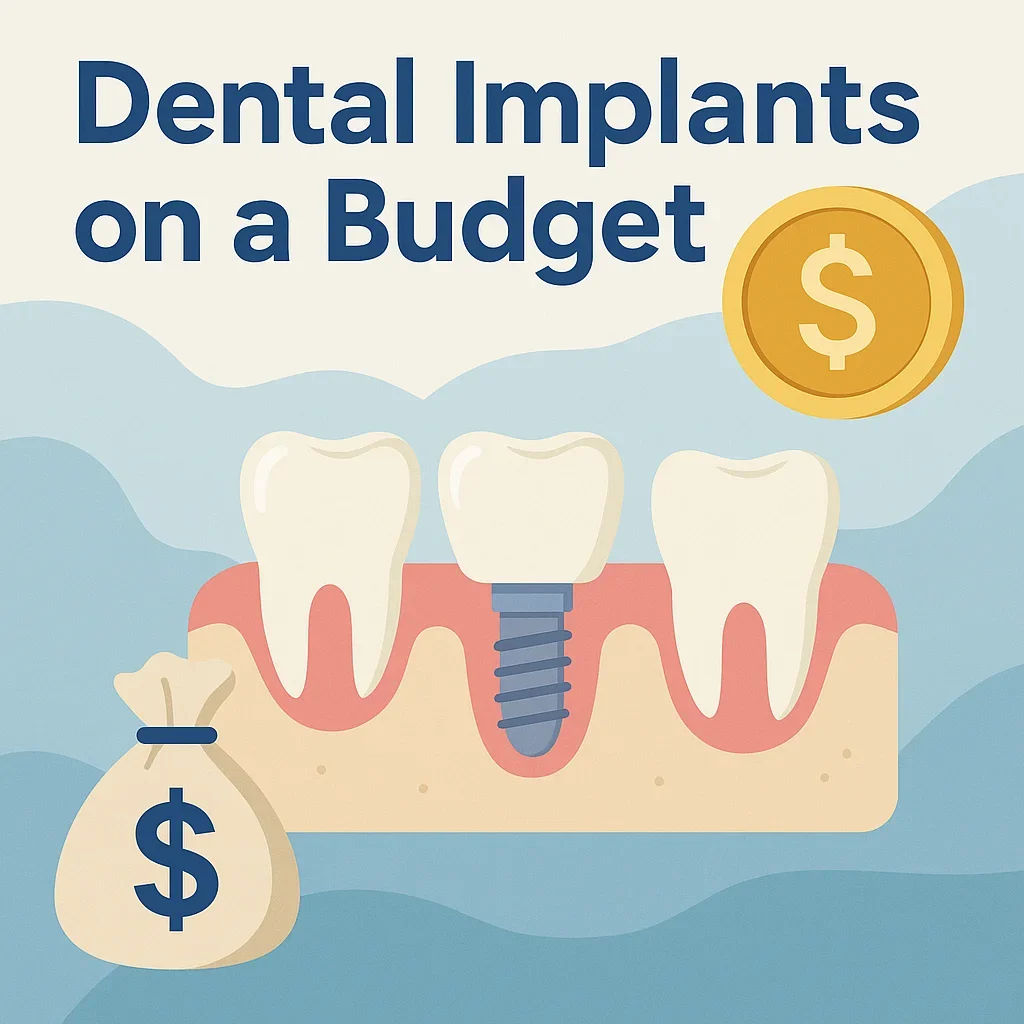
A dental implant is an artificial tooth root — usually made from titanium — that’s surgically placed into your jawbone. This root serves as a solid foundation for a prosthetic tooth (called a crown) that looks, feels, and functions just like a natural tooth. Unlike removable dentures, implants are fixed permanently and integrate with the bone through a process called osseointegration. This means the implant literally becomes part of your body, creating unmatched stability and durability.
Each implant typically has three components:
- Implant Fixture: The titanium screw that’s inserted into the bone.
- Abutment: A connector piece that joins the implant to the crown.
- Crown: The visible artificial tooth that’s custom-designed to match your smile.
High-quality implants are precision-engineered to mimic the structure and function of natural teeth. For those seeking dental implants on a budget, understanding these components helps you evaluate what you’re paying for and where cost differences come from.
Why Are Dental Implants a Long-Term Investment?
Although dental implants may seem costly upfront, they often prove to be the most economical solution over time. Traditional dentures or bridges need frequent replacements or repairs, whereas implants can last for decades — sometimes even a lifetime — with proper maintenance. This longevity makes them a financial win in the long term.
Think of it as investing in a reliable asset rather than spending on short-term fixes. While exploring dental implants on a budget, patients often realize that choosing quality materials and experienced specialists prevents future costs associated with repairs or complications.
Example of Longevity in Action
Consider two patients: one opts for removable dentures, the other for dental implants. After 10 years, the denture wearer may have replaced their appliance twice, experienced bone shrinkage, and faced recurring discomfort. The implant patient, however, enjoys stable bone health, full chewing power, and zero replacement costs — demonstrating that the initial investment pays for itself over time.
How Dental Implants Improve Oral Health and Lifestyle
Beyond the financial aspect, dental implants improve overall oral health. They prevent the bone deterioration that naturally occurs when teeth are missing. This preservation of bone structure keeps your face looking youthful and prevents the “sunken” appearance often seen with denture wearers. Implants also help maintain the alignment of neighboring teeth, preventing shifting or bite issues.
From a lifestyle perspective, implants restore complete chewing ability — so you can enjoy all your favorite foods again without discomfort or fear. They also improve speech, confidence, and self-esteem. For patients seeking dental implants on a budget, this means more than just saving money — it’s about regaining quality of life and psychological well-being. 😊
Factors That Influence Implant Costs
Understanding what drives implant pricing can help you plan effectively and make smarter financial decisions. Here are the main factors affecting costs:
- Material Quality: Titanium and zirconia are the most common materials. Zirconia, being metal-free and more aesthetic, can cost slightly more.
- Number of Implants: Replacing multiple teeth naturally increases total cost, though many clinics offer package deals for full-mouth restorations.
- Pre-Surgical Procedures: Bone grafts, sinus lifts, or extractions can add to the expense but are often necessary for long-term stability.
- Clinic Location: Prices vary drastically by country. For example, treatments in Turkey or Eastern Europe can cost 60–70% less than in the U.S. or U.K.
That’s why patients exploring dental implants on a budget often look to reputable international clinics where labor and operational costs are lower but medical standards remain high.
Choosing Quality Without Overpaying
Many assume that lower prices automatically mean lower quality — but that’s not always true. Affordable clinics often operate in countries with favorable currency exchange rates or government-supported healthcare tourism. For example, Turkey has become a global hub for dental tourism, offering advanced facilities, certified surgeons, and personalized care at accessible prices. Clinics such as Redent Klinik maintain European hygiene standards while reducing overall costs for patients worldwide.
You can reach out to trusted dental professionals directly via the Redent Klinik Contact Page to discuss custom treatment plans. They provide detailed cost breakdowns and transparent communication to ensure you understand every step of your journey toward dental implants on a budget.
Technology’s Role in Cost Reduction
Modern implantology uses digital scanning, CAD/CAM technology, and 3D-printed surgical guides to increase precision while lowering operation time. This reduces the number of visits and minimizes human error, which in turn lowers costs for patients. Clinics that utilize these innovations are often able to offer more competitive pricing without sacrificing outcomes.
Professional Endorsements and Safety
According to the American Dental Association, dental implants are among the safest and most predictable treatments in modern dentistry, boasting a success rate above 95%. Even for patients looking for dental implants on a budget, maintaining this success rate depends on choosing certified professionals and following proper aftercare routines.
Expert guidance, sterilized environments, and advanced surgical tools all ensure long-term stability and safety. Remember, while cost matters, professional reliability should always come first.
Final Thoughts: Balancing Cost and Quality
In conclusion, understanding dental implants is the foundation for making smart financial and health decisions. When you know how implants work, what affects their pricing, and which options provide the best value, you can confidently pursue dental implants on a budget that truly transform your smile. The key lies in choosing a reputable clinic, confirming credentials, and viewing your treatment not as an expense — but as a life-enhancing investment that pays off every time you smile. 😁
Why Dental Implants on a Budget Don’t Mean Low Quality
It’s a common misconception that choosing dental implants on a budget automatically means settling for poor materials or unqualified dentists. In reality, affordability and excellence can absolutely coexist in modern implant dentistry. With advancements in technology, global competition, and transparent treatment plans, patients now have access to world-class implant services at prices that were once unimaginable. Let’s explore why low-cost dental implant solutions can still offer top-tier quality, safety, and long-lasting results. 🌟
The Global Shift Toward Affordable Dental Care
Over the past decade, the dental industry has undergone a significant transformation. Clinics worldwide are investing in automation, digital dentistry, and efficient workflows that reduce both labor time and material waste. This shift allows clinics to offer dental implants on a budget while maintaining the same quality standards as more expensive counterparts. The growing trend of dental tourism also plays a crucial role. Patients travel to countries like Turkey, Hungary, and Thailand to receive treatments at 50–70% lower costs compared to Western nations — without any compromise in materials or hygiene.
In countries where healthcare costs are lower, dentists are still trained under internationally recognized programs. Many professionals in clinics like Redent Klinik have studied or practiced in Europe and the U.S., ensuring the same clinical excellence at reduced operational expenses. This global competition benefits patients directly, giving them affordable access to premium-quality dental care.
Breaking Down the Myth: Cheap vs. Affordable
It’s important to differentiate between “cheap” and “affordable.” Cheap implies cutting corners, while affordable means optimizing efficiency without reducing quality. Clinics offering dental implants on a budget achieve this through smarter resource management, not by compromising on medical integrity. They may use advanced procurement systems, local suppliers, and cost-effective facility operations — all of which contribute to lower patient fees while maintaining excellence.
Key Differences Between Cheap and Affordable Clinics
- Cheap Clinics: Often lack transparency, use uncertified materials, or have limited aftercare services.
- Affordable Clinics: Provide cost breakdowns, certified implant brands, and comprehensive post-surgery follow-ups.
Reputable clinics emphasize that being affordable is about accessibility and sustainability, not sacrificing patient safety. For those researching dental implants on a budget, this distinction is essential for making informed decisions.
How Technology Ensures High Standards
One of the biggest reasons affordability no longer equates to poor quality is the integration of dental technology. Digital dentistry has revolutionized every aspect of implantology. High-resolution 3D scanners, computer-guided surgery, and AI-based diagnostic tools eliminate errors and improve accuracy. This means faster recovery times, fewer complications, and better long-term results. Moreover, technology streamlines procedures, allowing clinics to handle more patients efficiently — lowering overall costs without affecting results.
For example, digital implant planning software allows dentists to map out the perfect implant position before the surgery begins. This minimizes the risk of nerve damage or implant failure. Clinics offering dental implants on a budget can still use these same digital tools, proving that affordability doesn’t restrict access to innovation.
The Role of Certified Materials and Brands
Another assurance of quality is the use of globally recognized implant brands. Whether a clinic is in Germany or Turkey, many use implants from the same manufacturers — such as Nobel Biocare, Straumann, or MIS Implants. These brands comply with international safety standards and offer lifetime warranties. Choosing dental implants on a budget doesn’t mean accepting unknown or low-grade products; rather, it means benefiting from the cost advantages of clinics that buy in bulk or operate in lower-cost regions.
Material Transparency Builds Trust
Ethical clinics are transparent about the materials they use and are always willing to show certificates of authenticity. This level of openness builds patient trust and eliminates the stigma often associated with lower-priced procedures. Before committing to treatment, ask for details about the implant brand, abutment materials, and lab procedures. The more information provided, the more confident you can be in the outcome.
How Experience and Skill Outweigh Cost
One of the most overlooked factors in determining treatment success is the dentist’s skill, not the price tag. Experienced oral surgeons perform thousands of implant procedures annually, making them experts in precision and problem-solving. These professionals are often found in clinics offering dental implants on a budget because they operate in regions with lower living costs — not because they lack expertise. Many of these surgeons are internationally certified and continue to attend global dental conferences to stay updated on the latest techniques.
Training and Accreditation
Clinics that specialize in dental tourism must adhere to strict global standards to maintain accreditation. These include hygiene certifications, international patient safety protocols, and continuing education requirements. Partnering with such facilities ensures that patients receive the same (or even higher) quality of care as they would in their home country.
Patient Testimonials and Case Studies
Real-life patient stories provide the best evidence that affordable care doesn’t equal poor outcomes. Thousands of satisfied patients share their experiences of undergoing dental implants on a budget abroad and achieving life-changing results. Photos, videos, and reviews demonstrate the effectiveness of the procedures and the professionalism of international dental teams. This transparency empowers future patients to make confident, educated choices.
Trust and Communication Make the Difference
The hallmark of a quality yet affordable dental clinic is open communication. Reliable clinics provide complete cost estimates upfront, including all necessary procedures such as X-rays, anesthesia, and aftercare. They also offer online consultations, helping patients understand their treatment options before traveling. These steps make the experience smoother, safer, and more personalized — proving that saving money doesn’t have to mean sacrificing care.
Final Thoughts: Redefining Value in Dental Care
Affordability in healthcare is not about cutting corners; it’s about maximizing efficiency and global cooperation. By leveraging advanced technology, certified materials, and skilled professionals, today’s clinics make dental implants on a budget both accessible and high-quality. The combination of lower overhead costs, global expertise, and patient-centered ethics is transforming the dental industry — one confident smile at a time. 😁
For more information about trustworthy, affordable treatment options, visit the Redent Klinik Contact Page or consult organizations like the American Dental Association to verify international standards. When planned correctly, affordability is no longer a compromise — it’s a smarter, more sustainable way to invest in your oral health. 🌍
Comparing Dental Implant Costs Across Countries
The global market for dental implants on a budget has expanded dramatically as patients increasingly explore international options for high-quality yet affordable dental care. 🌍 With growing awareness of dental tourism and cost transparency, people now realize that the same implant procedure can vary in cost by thousands of dollars depending on where it’s performed. In this section, we’ll compare the price structures, quality standards, and patient experiences in different countries, showing how location plays a crucial role in achieving affordable yet premium dental results.
Understanding the Cost Gap Between Countries
When analyzing why implant prices differ, several factors come into play — including local labor costs, clinic overhead, import taxes, and currency exchange rates. These economic variables significantly affect the total cost of dental implants on a budget, even when clinics use the same materials and implant systems. For example, a top-tier dental implant brand such as Straumann or Nobel Biocare can cost the same to purchase worldwide, but the surgeon’s fee, anesthesia, and laboratory expenses vary dramatically by region.
Patients from the U.S., Canada, and the U.K. are often shocked to find that they can save up to 70% by traveling abroad for the exact same procedure. The concept of “medical value travel” has turned cities like Istanbul, Budapest, and Cancun into global dental hubs, where clinics combine luxury-level care with affordable pricing. ✈️
Example Price Comparison Table (Estimated Averages per Single Implant)
| Country | Average Cost (USD) | Quality & Accreditation |
|---|---|---|
| United States | $3,000 – $5,500 | High-quality, ADA-certified; high labor costs |
| United Kingdom | $2,500 – $4,000 | Strong regulations, but expensive due to overhead |
| Germany | $2,000 – $3,500 | Top-tier technology, strict standards |
| Turkey | $700 – $1,200 | Internationally accredited clinics, affordable |
| Mexico | $800 – $1,500 | Popular for U.S. travelers, modern equipment |
| Hungary | $900 – $1,400 | EU-certified clinics, highly experienced dentists |
As evident, regions such as Turkey and Hungary offer exceptional value without compromising quality. Patients seeking dental implants on a budget often find that these clinics provide the same implant brands and materials as those used in Western countries, but at a fraction of the cost due to lower operational expenses.
Turkey: The Epicenter of Affordable Excellence
Turkey has become a global leader in dental tourism. Clinics like Redent Klinik are equipped with cutting-edge 3D imaging systems, CAD/CAM design tools, and digital surgery guides. 🇹🇷 Patients receive individualized care, comfortable recovery environments, and even assistance with hotel and transportation arrangements — all within budget-friendly packages. What makes Turkey particularly appealing for dental implants on a budget is the combination of certified materials, English-speaking specialists, and government-regulated sterilization standards.
Why Turkey Dominates the Dental Tourism Market
- Highly qualified dentists trained in Europe and the U.S.
- Affordable due to lower clinic overhead and currency differences.
- High patient satisfaction and lifetime implant guarantees.
- Tourism-friendly visa policies and all-inclusive packages.
Patients not only save money but also enjoy cultural experiences in world-famous cities like Istanbul and Antalya. The overall value proposition makes Turkey the ultimate destination for dental implants on a budget that doesn’t compromise results or comfort.
Central Europe: The Reliability of Hungary and Poland
Hungary, often called the “Dental Capital of Europe,” has decades of experience in restorative and implant dentistry. The country’s clinics are internationally accredited, and many dentists speak fluent English and German. With its central location and EU membership, Hungary upholds strict medical standards comparable to those in Western Europe but at much lower costs. A single implant procedure can cost under $1,500 — a fraction of what patients would pay in London or New York.
Poland also competes in this space, offering professional dental care, advanced materials, and seamless logistics for international patients. Both destinations are popular among Europeans seeking dental implants on a budget without traveling too far from home.
Mexico: North America’s Budget-Friendly Alternative
For North American patients, Mexico remains the go-to destination for affordable dental treatments. Cities like Tijuana, Cancun, and Los Algodones host hundreds of certified clinics catering to U.S. and Canadian clients. These clinics often use FDA-approved implant brands and adhere to international sterilization standards. The close proximity to the U.S. border means easy access and reduced travel expenses, making it a prime choice for dental implants on a budget within the same continent.
Cost Efficiency Without Cutting Corners
Mexican dental clinics lower their prices not by sacrificing quality but by operating under reduced administrative costs and lower insurance premiums. Many offer bilingual staff, comfortable waiting areas, and free consultations — proving that affordability and professionalism can coexist beautifully.
United States and United Kingdom: Premium Quality at Premium Prices
While dental technology in the U.S. and U.K. is among the best in the world, the cost structure is heavily influenced by insurance, labor, and facility expenses. Clinics must adhere to strict regulations and licensing, which can increase overall pricing. Although patients receive exceptional care, the expense often becomes a barrier for those looking for dental implants on a budget. This is why many choose to travel abroad, realizing they can achieve the same outcome for less than half the price.
Ensuring Quality When Traveling Abroad
Regardless of the destination, patients should always prioritize certified clinics and experienced dentists. Before scheduling a trip, verify the clinic’s accreditation, patient reviews, and implant system brands. Websites like the American Dental Association provide valuable information for evaluating international dental standards. Transparency and trust remain essential, no matter how affordable the treatment is.
Final Thoughts: Finding Balance Between Price and Excellence
Today’s global dental landscape offers patients an unprecedented opportunity to receive top-quality care at affordable prices. By comparing treatment options across countries, individuals can strategically plan for dental implants on a budget that suit their financial goals without compromising health or aesthetics. Whether it’s a weekend in Istanbul, a clinic visit in Budapest, or a sunny recovery in Cancun, the key takeaway is clear: the world is full of safe, cost-effective, and life-changing solutions for restoring your smile. 😁
How to Find Affordable Yet Trustworthy Implant Clinics
Finding reliable clinics that offer dental implants on a budget requires careful research, smart comparisons, and an understanding of what truly defines quality dental care. 🦷 Many patients focus solely on price and overlook essential details such as accreditation, technology, and the dentist’s expertise — factors that can determine whether your investment leads to a lifelong smile or costly repairs later. In this section, we’ll break down how to identify reputable, affordable clinics without falling into common traps that compromise safety or results.
Start With Verified Credentials and Licensing
The first and most important step in your search for dental implants on a budget is verifying a clinic’s credentials. Trustworthy dental centers proudly display their certifications and professional affiliations. Look for clinics that are accredited by internationally recognized dental boards or organizations such as the American Dental Association or ISO (International Organization for Standardization). These certifications indicate that the clinic adheres to strict hygiene standards, follows safety protocols, and uses approved medical-grade materials.
In addition, ensure that the dentist performing the procedure is an oral surgeon or implantologist with specialized training in implant dentistry. Check for memberships in professional bodies like the European Association for Osseointegration (EAO) or the International Congress of Oral Implantologists (ICOI). Clinics offering dental implants on a budget should never compromise on the expertise of their medical staff.
Checklist for Verifying a Clinic’s Legitimacy:
- Valid operating license and transparent registration number.
- Recognized certifications from national or international dental authorities.
- Evidence of continuous professional training for dental staff.
- Clear communication about procedures, costs, and warranties.
Evaluate Technology and Equipment
Modern technology is one of the main reasons affordable implant clinics can deliver high-quality results. Advanced equipment reduces surgical time, improves precision, and enhances patient comfort. When researching dental implants on a budget, pay attention to whether the clinic uses:
- 3D Cone Beam CT Scans for detailed imaging and treatment planning.
- CAD/CAM Systems for designing perfectly fitted crowns and abutments.
- Guided Implant Surgery to ensure optimal implant placement.
- Digital Impressions that eliminate the discomfort of traditional molds.
These technologies not only enhance accuracy but also lower overall costs by minimizing complications and reducing the need for repeated visits. Clinics like Redent Klinik utilize these innovations to provide efficient, affordable care that meets international standards.
Review Real Patient Experiences
One of the most reliable indicators of trustworthiness is patient feedback. Before booking your treatment, look for reviews on Google, Trustpilot, or independent dental tourism websites. Pay attention to recurring themes — cleanliness, professionalism, and aftercare support. Video testimonials are particularly valuable, as they offer genuine insight into what you can expect from your chosen provider.
When selecting dental implants on a budget, avoid clinics that hide or disable reviews, or that have overwhelmingly generic testimonials. Authentic clinics welcome transparency and proudly showcase their success stories, including before-and-after photos and documented patient journeys.
Red Flags to Watch Out For 🚩
- Unrealistically low prices without clear explanations.
- Lack of a detailed treatment plan or cost breakdown.
- High-pressure sales tactics or limited-time offers.
- No mention of post-surgical support or warranties.
Understand What’s Included in the Quoted Price
Comparing quotes can be tricky because not all clinics include the same services. Some prices may only cover the implant itself, while others include the abutment, crown, and follow-up appointments. To accurately evaluate dental implants on a budget, ask for a written estimate that outlines:
- Consultation and diagnostic imaging costs (X-rays, CT scans).
- Surgical placement and anesthesia fees.
- Temporary and final prosthetics.
- Medications, post-op care, and follow-up visits.
- Warranty period and coverage details.
Transparent pricing not only protects your wallet but also ensures peace of mind. Ethical clinics will never surprise you with hidden fees or additional charges mid-treatment.
Explore Internationally Accredited Dental Tourism Programs
Many patients seeking dental implants on a budget opt for accredited dental tourism programs that handle everything from travel to recovery. Countries like Turkey, Mexico, and Hungary offer specialized dental packages that include airport transfers, hotel accommodations, and full treatment coordination. These programs ensure patients receive consistent, high-quality care while minimizing logistical stress.
When booking through such a program, confirm that all partner clinics are licensed and certified. Agencies that partner with institutions like Redent Klinik guarantee reputable service, advanced technology, and multilingual staff — perfect for international patients who want seamless communication and trustworthy care.
Benefits of Dental Tourism Packages
- Pre-arranged appointments with verified implant specialists.
- All-inclusive pricing for travel, accommodation, and treatment.
- 24/7 assistance and English-speaking coordinators.
- Access to clinics that specialize in international patients.
Prioritize Aftercare and Long-Term Support
True quality extends beyond surgery. Aftercare and maintenance are vital components of implant success. Before committing to any clinic, ask about follow-up appointments, cleaning sessions, and guarantee policies. A trustworthy provider offering dental implants on a budget will have clear aftercare guidelines, including how to handle emergencies once you return home.
Some clinics even partner with local dentists in your home country to provide continued support, ensuring that your treatment remains worry-free long after completion. This added layer of care reflects professionalism and accountability.
Final Thoughts: Affordable Care Without Risk
Finding a trustworthy yet affordable implant clinic requires diligence, but it’s entirely possible in today’s global dental landscape. By verifying credentials, assessing technology, reading authentic reviews, and comparing transparent pricing, you can confidently choose a clinic that offers dental implants on a budget without sacrificing quality or safety. The goal isn’t simply to save money — it’s to invest wisely in a treatment that restores both your smile and your confidence. 🌟
When you’re ready to take the next step, reach out to the experienced team at Redent Klinik Contact Page for personalized guidance and an honest cost assessment. Combining affordability with excellence, they exemplify how modern dentistry can deliver world-class care within your financial reach. 💎
Hidden Costs to Watch Out For When Choosing Budget Implants
When planning to get dental implants on a budget, many patients focus solely on the advertised price. However, what often seems like an affordable deal can quickly escalate once hidden costs and unexpected fees come into play. 💸 To avoid unpleasant surprises, it’s essential to understand all potential expenses involved in your implant journey — from consultation to aftercare. In this section, we’ll uncover the most common hidden costs, explain why they occur, and show how to protect your budget while maintaining high-quality care.
Understanding the True Cost of Dental Implants
While many clinics advertise prices as low as a few hundred dollars per implant, this figure rarely includes the full treatment plan. The total cost of dental implants on a budget typically involves multiple stages: diagnostic imaging, implant surgery, abutment placement, and crown restoration. Each phase carries its own fee, and skipping details in the early quotation can lead to misunderstandings later. Transparent clinics provide an itemized estimate that lists every component of the procedure — something every patient should demand before committing.
Here’s a simple breakdown of what’s often not included in the “base price”:
- Diagnostic procedures like panoramic X-rays or 3D cone-beam CT scans.
- Pre-treatment extractions or root removals.
- Bone grafting or sinus lift surgery (if needed for jaw support).
- Temporary crowns or healing abutments.
- Anesthesia and sedation fees.
- Post-operative medications and check-ups.
Pre-Surgical Procedures: The Common Cost Traps
Bone grafting and sinus lifts are two of the most common add-on costs for implant patients. When there isn’t enough bone density in the jaw, these procedures become necessary to ensure the implant can be anchored securely. While some clinics include these in package prices, others charge separately, which can add $200–$1,000 or more to the total bill. Patients seeking dental implants on a budget should always ask whether their quote includes bone assessment and any necessary preparatory surgeries.
Tip 💡:
Request a 3D scan before committing to treatment. It provides a clear picture of your bone structure and helps you understand whether additional procedures are required — preventing surprise costs later on.
Material and Brand-Related Fees
The choice of implant brand and material significantly affects the total cost. Premium brands like Straumann or Nobel Biocare are known for longevity and superior integration, but they often come with higher price tags. Clinics that advertise dental implants on a budget sometimes use lesser-known brands, which can still be safe and reliable if they have proper CE or FDA certification. However, some clinics charge extra for specific brands, custom abutments, or aesthetic zirconia crowns, which might not be included in the original quote.
To stay within budget while ensuring quality, always ask for a list of available implant systems, along with their respective warranties. A reputable clinic will provide documentation proving the authenticity and origin of each material used.
Anesthesia, Sedation, and Facility Fees
Another hidden cost often overlooked involves anesthesia and surgical facilities. Some clinics charge separately for local or general anesthesia, while others include it in their all-inclusive packages. If your treatment requires conscious sedation or general anesthesia for multiple implants, the cost could increase substantially. Patients traveling abroad for dental implants on a budget should confirm whether operating room fees, sterilization costs, and medication are included in the quoted amount.
Why These Costs Vary:
- Different anesthesia methods require varying levels of medical supervision.
- Clinic overhead costs (especially in Western countries) are significantly higher.
- Some clinics partner with external anesthesiologists, leading to separate billing.
Temporary Restorations and Healing Components
While permanent crowns take several weeks to be fabricated, patients often receive temporary crowns or healing abutments in the meantime. These components protect the implant site and preserve aesthetics — but they aren’t always included in budget packages. In some cases, clinics charge between $100–$300 per temporary crown. For those seeking dental implants on a budget, it’s crucial to ask whether provisional restorations are covered to avoid unexpected bills mid-treatment.
Travel and Accommodation for Dental Tourism
For patients traveling abroad, travel-related expenses are another hidden element that must be considered. Even though treatments in destinations like Turkey, Hungary, or Mexico are far cheaper than in the U.S. or U.K., airfare, hotel stays, and meals can add to the total cost. Fortunately, many international clinics — including Redent Klinik — offer bundled dental tourism packages that include accommodations and local transfers. Such arrangements help keep dental implants on a budget predictable and transparent.
To manage travel-related costs effectively, always plan at least two visits: one for implant placement and another for crown fitting. Ask the clinic for a detailed itinerary, so you can estimate the total number of nights needed. 🌍
Aftercare and Maintenance Costs
The implant process doesn’t end when your new teeth are placed. Follow-up appointments, professional cleanings, and regular check-ups are essential to long-term success. While these are usually inexpensive, neglecting them can lead to implant failure and much higher replacement costs later on. A reputable clinic offering dental implants on a budget will provide clear aftercare instructions and may include at least one post-treatment check-up free of charge.
Also, be sure to ask about warranty policies. Some clinics offer lifetime guarantees on the implant body but charge for crown replacements. Understanding these distinctions helps you accurately evaluate the real long-term value of your treatment.
Hidden Exchange Rate and Payment Fees
Patients paying in foreign currencies should also consider potential exchange rate fluctuations and payment processing fees. Some clinics add a small surcharge for credit card transactions or international transfers. To minimize this, consider paying in cash or using a trusted intermediary payment platform. Confirm all payment terms in writing before you arrive for treatment.
Final Thoughts: Transparency Equals Trust
The secret to successfully getting dental implants on a budget lies in transparency and preparation. Don’t hesitate to ask for a full cost breakdown before signing any treatment agreement. Reliable clinics are upfront about what’s included, provide signed estimates, and guide patients through every step of the process. Hidden costs aren’t necessarily a sign of dishonesty — but unexpected charges can easily turn an affordable treatment into an expensive ordeal if you’re not well-informed. 🧾
Choosing an ethical, transparent provider like Redent Klinik Contact Page ensures you know exactly what you’re paying for, from consultation to completion. Combined with expert guidance from organizations such as the American Dental Association, this approach safeguards both your health and your wallet — proving that smart planning and clear communication make dental implants on a budget a truly stress-free investment in your smile. 😁
Financing and Payment Plans for Dental Implants on a Budget
Many people delay getting dental implants because they assume it’s an unaffordable luxury. The truth is, with the rise of flexible financing options and tailored payment plans, dental implants on a budget have become more accessible than ever. 💳 Patients can now restore their smiles without paying the entire cost upfront, thanks to financing models that spread expenses over time. This section will help you understand how dental implant financing works, what to watch for, and how to choose the right plan for your financial situation.
Why Financing Makes Sense for Implant Patients
Dental implants are a long-term investment — not a short-term expense. They improve oral health, prevent bone loss, and enhance confidence for decades. That’s why financing options make practical sense for individuals seeking dental implants on a budget. By dividing the total cost into manageable monthly installments, patients can undergo necessary treatment now rather than postponing it and risking further dental complications or bone deterioration. This approach promotes both financial stability and oral health continuity.
Key Benefits of Implant Financing
- Immediate Treatment: Begin your implant procedure without waiting to save the full amount.
- Predictable Payments: Monthly installments help you budget more effectively.
- Preserved Savings: Financing allows you to keep emergency funds intact.
- Better Oral Health: Early treatment prevents complications that could increase costs later.
Simply put, well-structured financing plans make dental implants on a budget a realistic and sustainable option for virtually everyone.
Types of Dental Implant Financing Options
Before deciding on a financing plan, it’s important to understand the types available and their pros and cons. Here are the most common options clinics offer to make dental implants on a budget possible:
1. In-House Financing from Dental Clinics
Many reputable clinics now offer in-house payment plans that allow patients to pay in installments over a set period. These plans usually come with low or zero interest for short-term arrangements. Clinics like Redent Klinik provide transparent financing structures that include clear repayment schedules and no hidden fees. Patients can begin treatment after paying a small initial deposit, followed by monthly or quarterly payments tailored to their financial situation.
2. Third-Party Dental Financing Companies
Specialized healthcare finance providers such as CareCredit, LendingClub, and United Medical Credit offer loans specifically for dental procedures. These companies partner with clinics worldwide to help patients access dental implants on a budget without upfront payment barriers. Depending on your credit score, you can choose from interest-free or low-interest options. Applications are quick, and approval can often happen within minutes.
3. Credit Cards with Promotional Interest Rates
Some patients choose to finance their implants using credit cards offering 0% APR introductory rates. This strategy works well if you can repay the balance within the promotional period. It’s a flexible way to spread costs and accumulate reward points, though it requires discipline to avoid accumulating interest later. Always compare interest rates and payment deadlines to ensure your dental investment remains within budget.
4. Personal or Medical Loans
Another option for dental implants on a budget is taking out a personal loan through your bank or a medical financing institution. These loans typically come with fixed interest rates and defined repayment terms, offering predictability and structure. They are ideal for patients who prefer a lump-sum payment to the clinic while repaying the lender directly over time.
International Payment Flexibility for Dental Tourism
For patients traveling abroad for affordable care, international clinics often offer multi-stage payment plans. For instance, in Turkey or Hungary, clinics typically divide the total cost into two or three parts — paid during each treatment visit. This staged approach aligns with the natural timeline of implant healing and prosthesis fabrication, making dental implants on a budget more convenient for travelers.
Some clinics even accept foreign financing arrangements or partnerships with international payment platforms. It’s best to confirm currency conversion rates, payment deadlines, and refund policies before finalizing your booking. 🌍
Zero-Interest and Low-Interest Options: What to Know
When evaluating financing plans, the key consideration is the Annual Percentage Rate (APR). A zero-interest plan sounds appealing, but it usually applies only for a limited time — often 6, 12, or 18 months. If you miss a payment or fail to pay off the balance within that period, interest can accumulate retroactively. Always read the fine print carefully and ask your clinic for written documentation of all terms.
Questions to Ask Before Signing Any Financing Agreement
- Is there a prepayment penalty if I pay early?
- What happens if I miss a monthly payment?
- Are there late payment or administrative fees?
- Does the plan cover follow-up treatments or emergencies?
Government and Insurance Assistance Programs
In certain regions, public health programs or dental insurance may partially cover implant procedures. While most standard insurance policies classify implants as elective, some plans offer reimbursement for medically necessary cases (such as trauma or severe bone loss). Patients pursuing dental implants on a budget should contact their insurance providers to explore coverage options or flexible spending accounts (FSAs) that can offset costs.
Additionally, some governments and non-profit organizations run subsidy programs or offer low-interest medical loans for essential dental procedures. Checking these resources in your country can make a significant difference in affordability.
Smart Budgeting Strategies for Implant Financing
Beyond financing, responsible budgeting ensures you stay on track with payments. Here are a few expert tips:
- Set aside a fixed monthly amount dedicated to your dental care fund.
- Track expenses through budgeting apps to stay within your repayment plan.
- Combine financing with dental tourism to further lower total treatment costs.
- Use flexible payment platforms like Wise or Revolut to save on international transaction fees.
Final Thoughts: Making Quality Care Financially Accessible
Today, affordability no longer stands in the way of achieving a perfect smile. With a wide range of financing options, dental implants on a budget are now within reach for nearly anyone willing to plan strategically. The key lies in choosing transparent providers, reading contracts carefully, and staying disciplined with repayments. Whether through in-house plans, third-party lenders, or medical credit programs, modern financing has made high-quality implant care a realistic and sustainable goal. 🦷
To explore flexible payment options tailored to your situation, contact the experts at Redent Klinik Contact Page. Their patient-centered approach ensures financial comfort without compromising treatment quality. With the right financing plan and professional guidance — supported by credible organizations like the American Dental Association — your dream of dental implants on a budget can become a confident, lasting reality. 💎
The Role of Technology in Reducing Implant Costs
Modern dentistry has transformed dramatically over the last two decades, thanks to digital innovation and advanced surgical tools. Today, technology plays a critical role in making dental implants on a budget not only possible but also safe, efficient, and long-lasting. ⚙️ By reducing human error, optimizing precision, and streamlining production processes, cutting-edge dental technologies have significantly lowered the overall cost of implant treatments while improving patient outcomes. In this section, we’ll explore exactly how these innovations work to make quality care more affordable.
How Digital Dentistry Revolutionized Implantology
Digital dentistry has reshaped nearly every aspect of implant treatment — from initial diagnosis to final crown placement. With technologies such as intraoral scanning, 3D imaging, and CAD/CAM systems, clinics can now perform implant procedures with unmatched accuracy and speed. These tools reduce the number of manual steps, minimize material waste, and shorten chair time — all of which contribute to lowering costs for patients seeking dental implants on a budget.
For example, digital impressions eliminate the discomfort and time-consuming process of traditional molds. The result is a faster, cleaner workflow that allows dentists to produce precise digital models in minutes, ensuring a perfect fit for each implant component. This efficiency translates into reduced labor and material costs — savings that are often passed directly to patients.
3D Cone Beam CT Scanning: Precision That Saves Money
One of the most revolutionary tools in modern implantology is the 3D Cone Beam Computed Tomography (CBCT) scanner. This imaging system produces detailed three-dimensional views of the patient’s jaw, teeth, and surrounding bone structures. By using CBCT technology, dentists can accurately plan implant placement, avoiding complications and reducing the risk of costly surgical revisions. 🌐
When pursuing dental implants on a budget, this precision becomes invaluable. Traditional 2D X-rays can sometimes lead to guesswork, increasing the likelihood of improper implant positioning or the need for corrective procedures. With 3D CBCT, clinicians can map out nerve locations, bone density, and ideal implant angles, ensuring a predictable outcome from the start. This digital precision minimizes wasted time and materials — two of the biggest factors in treatment cost.
Key Benefits of CBCT for Budget-Conscious Patients
- Fewer surgical complications and revisions, reducing extra costs.
- Shorter treatment timelines through accurate planning.
- Enhanced safety and comfort during surgery.
- Improved long-term implant stability.
CAD/CAM Systems: Customization Meets Efficiency
CAD/CAM (Computer-Aided Design/Computer-Aided Manufacturing) technology has revolutionized how dental restorations are created. With this technology, crowns, abutments, and even full bridges can be designed digitally and milled automatically within hours. The result? Perfectly customized restorations at lower production costs. For those seeking dental implants on a budget, this technology ensures that every component fits seamlessly — without expensive manual adjustments or laboratory delays.
Previously, dental labs would take weeks to produce a single crown. Today, CAD/CAM systems allow clinics to create restorations on-site, saving time and money. These savings accumulate across multiple stages of the implant process, helping clinics offer more competitive pricing without compromising quality.
Guided Implant Surgery: Accuracy That Reduces Risk
Guided implant surgery combines 3D imaging and digital planning to create surgical templates that guide the dentist during the procedure. These guides ensure that the implant is placed with millimeter-level precision, reducing surgery time and minimizing post-operative complications. ⏱️
For patients considering dental implants on a budget, this method offers peace of mind. Guided surgery reduces the likelihood of costly mistakes and follow-up visits. Because the surgery is faster and less invasive, recovery time shortens, and patients need fewer medications or secondary treatments — all of which lower total expenses.
Advantages of Guided Implant Placement
- Predictable, minimally invasive procedures.
- Shorter chair time and faster recovery periods.
- Reduced need for bone grafting due to optimal placement.
- Higher success rates, leading to long-term cost savings.
3D Printing: The Future of Affordable Dentistry
3D printing is rapidly becoming one of the most transformative technologies in dentistry. It allows clinics to print custom surgical guides, temporary crowns, and even denture frameworks at a fraction of traditional costs. By using biocompatible resins and titanium printing techniques, dental professionals can fabricate precise, durable components directly in the clinic. This reduces the need for third-party labs and expensive shipping, making dental implants on a budget far more achievable.
Moreover, 3D printing accelerates turnaround time. Instead of waiting weeks for lab-fabricated restorations, patients can receive same-day or next-day crowns. This efficiency not only lowers operational expenses but also enhances patient satisfaction — a win-win for both clinic and patient. 🦷
Artificial Intelligence (AI) in Treatment Planning
Artificial intelligence now supports implant dentistry by analyzing patient data, predicting outcomes, and optimizing surgical workflows. AI-powered software can automatically identify ideal implant positions, detect bone deficiencies, and recommend treatment options based on thousands of prior successful cases. This eliminates guesswork and reduces time spent on manual planning — helping clinics streamline procedures and maintain high success rates even for dental implants on a budget.
AI Tools in Modern Dentistry Include:
- Predictive implant success modeling based on patient anatomy.
- Automated treatment simulations for accurate case planning.
- Enhanced diagnostics to prevent costly complications.
Digital Workflow Integration and Cost Optimization
One of the most significant technological advantages today is the fully digital workflow — a seamless integration from diagnostics to restoration. Clinics like Redent Klinik utilize complete digital ecosystems, where every stage of implant treatment is interconnected. This minimizes human error, reduces manual labor, and enhances precision. For patients, this means receiving dental implants on a budget that maintain premium quality while eliminating inefficiencies that used to inflate costs.
Digital workflows also improve patient communication. Dentists can show 3D treatment simulations, helping patients visualize results before surgery. This transparency fosters trust and ensures informed decision-making — another key factor in maximizing treatment value.
Tele-Dentistry and Remote Consultations
Tele-dentistry has become a game-changer for international patients exploring dental implants on a budget. Virtual consultations allow individuals to discuss treatment plans, send imaging data, and receive cost estimates without traveling. This early communication saves both time and money, allowing clinics to pre-plan surgeries and streamline travel schedules for dental tourists.
Through secure online platforms, patients can share their dental scans and receive expert opinions from abroad. This not only cuts down unnecessary trips but also ensures better planning and accurate budgeting before arrival.
Final Thoughts: Technology Makes Affordable Care Possible
The evolution of dental technology has revolutionized affordability, precision, and patient satisfaction. What once required multiple visits, high lab costs, and lengthy recovery times can now be completed faster, safer, and more economically. Thanks to 3D imaging, guided surgery, CAD/CAM production, and AI-driven planning, achieving dental implants on a budget no longer means compromising on quality. 🦾
Clinics that embrace these digital solutions, such as Redent Klinik, represent the new standard of excellence in implantology. Supported by authoritative organizations like the American Dental Association, these innovations continue to make world-class care accessible to more people each year. The result is simple yet powerful: beautiful smiles, restored confidence, and the assurance that advanced technology truly makes affordable dentistry a reality. 🌟
Real Patient Stories: Transformations Without Breaking the Bank
One of the most powerful ways to understand the true value of dental implants on a budget is by hearing from real patients who have experienced life-changing transformations. Behind every new smile lies a unique story — people who once struggled with missing teeth, low confidence, or chewing difficulties and found a second chance thanks to affordable, high-quality implant treatments. 🦷 In this section, we’ll explore real-world case studies, emotional journeys, and inspiring results that prove beautiful smiles don’t have to come with a premium price tag.
From Anxiety to Confidence: The Journey of Affordable Renewal
Many patients begin their implant journey feeling anxious or even hopeless. Years of avoiding the dentist, financial concerns, or previous failed dental work can create hesitation. However, the availability of dental implants on a budget has opened the door for millions of people to restore their smiles with confidence. For example, Maria, a 52-year-old teacher from Spain, had struggled with loose dentures for years. After researching cost-effective options, she traveled to Turkey and chose Redent Klinik for her full-mouth implant treatment. Within one week, she received her fixed teeth and described the experience as “life-changing and surprisingly affordable.” 🌍
Emotional Impact and Self-Confidence Boost
Beyond aesthetics, dental implants restore a person’s self-esteem. Patients report smiling more, eating comfortably in public, and speaking without fear of dentures slipping. These emotional benefits are priceless — and they demonstrate why pursuing dental implants on a budget can profoundly improve quality of life. A bright, confident smile has the power to influence social interactions, professional opportunities, and overall mental well-being.
International Patients Embracing Dental Tourism
Globalization has made dental tourism more accessible, enabling patients to combine treatment and travel at a fraction of Western prices. 🌴 For example, Thomas, a 46-year-old engineer from the U.K., received two implants in Budapest for 70% less than the cost quoted in London. The clinic used the same German-made implants found in the U.K., performed the procedure in a high-tech facility, and provided a 10-year warranty. His total experience, including flights and accommodation, remained far below the initial domestic price estimate.
Such stories highlight how dental implants on a budget can deliver excellent results without cutting corners. International clinics often collaborate with renowned organizations like the American Dental Association to maintain standardized protocols and high safety levels.
Example: Full-Mouth Restoration Case Study
One of Redent Klinik’s recent patients, an entrepreneur from Germany, underwent a full-mouth implant restoration. The treatment plan included eight implants per jaw, digitally guided placement, and same-day temporary teeth. The total cost was roughly one-third of German prices. Post-surgery, he returned home with renewed confidence, better digestion due to restored chewing ability, and a smile that radiated natural beauty. His story demonstrates that investing in dental implants on a budget can yield premium, long-term results when handled by experienced specialists.
Why Patients Choose Budget-Friendly Clinics Abroad
Affordable clinics are not just about low cost — they focus on efficiency, quality materials, and patient experience. Clinics like Redent Klinik employ European-trained doctors and state-of-the-art technology to ensure safe, predictable outcomes. Patients appreciate transparent pricing, multilingual staff, and supportive care coordinators who guide them through every stage of their treatment journey. This holistic approach proves that dental implants on a budget can be both medically sound and emotionally fulfilling.
Before-and-After Transformations
Visual evidence speaks louder than words. Patients who previously avoided photos or social gatherings now proudly show their before-and-after results. These visible transformations — often shared on clinic websites and review platforms — build trust and inspire others to pursue affordable treatment options. The success rate of dental implants exceeds 95%, which means that most people who invest in dental implants on a budget enjoy permanent, natural-looking smiles for decades. 📸
Patient Reviews: The Real Measure of Quality
Online testimonials and independent reviews are invaluable resources for evaluating clinics. Many patients share detailed accounts of their experience, from initial consultation to aftercare. Consistently positive feedback, especially regarding cleanliness, professionalism, and follow-up care, is a strong indicator of reliability. Conversely, a lack of transparency or vague promises should raise red flags. When choosing where to get dental implants on a budget, authentic patient feedback provides more assurance than advertisements ever could.
Key Themes Found in Successful Patient Stories
- Professional, friendly, and English-speaking staff.
- Transparent and honest communication about costs.
- Comfortable, hygienic, and modern clinic environments.
- Personalized treatment planning supported by advanced technology.
Longevity and Maintenance: Real Results That Last
Affordable implants don’t just look great initially — they also stand the test of time. Real-world evidence shows that patients who follow post-treatment care guidelines can enjoy functional, stable implants for 20 years or more. Clinics offering dental implants on a budget emphasize long-term maintenance, scheduling regular check-ups and providing detailed oral hygiene advice. With proper care, these implants perform just as well as those placed in high-cost clinics.
Final Thoughts: Inspiration for Your Own Smile Journey
Every testimonial underscores one simple truth — affordability does not mean compromise. People from all walks of life are now achieving healthy, radiant smiles through dental implants on a budget. Whether it’s a retiree regaining confidence to socialize again or a young professional investing in their appearance, these stories prove that modern implant dentistry is inclusive and empowering. 🌟
If you’re ready to begin your own success story, reach out through the Redent Klinik Contact Page. Their international expertise, transparent pricing, and compassionate care make them a trusted choice for patients worldwide. With advanced technology and globally recognized standards set by institutions like the American Dental Association, your transformation with dental implants on a budget can be as inspiring — and lasting — as the patient stories that paved the way. 💎
Long-Term Care Tips to Protect Your Budget-Friendly Implants
Getting dental implants on a budget is just the beginning of your smile restoration journey. 🦷 To make sure your investment lasts for decades, you must follow proper maintenance and oral care routines. Long-term success depends on daily hygiene, lifestyle habits, professional check-ups, and awareness of potential risks. This section provides a complete, evidence-based guide to protecting your implants and keeping your new smile healthy, functional, and beautiful — without unexpected costs down the road.
Why Maintenance Matters for Dental Implants
Dental implants are designed to last a lifetime, but like natural teeth, they require consistent care. The titanium post that anchors the implant is biocompatible and strong, yet the surrounding gum tissue and bone must remain healthy to support it. Neglecting oral hygiene can lead to peri-implantitis — an inflammatory condition similar to gum disease — which may cause bone loss and implant failure. For patients who have chosen dental implants on a budget, preventive care ensures that cost savings are not offset by future repair expenses.
Proper maintenance not only extends implant life but also preserves your appearance and chewing comfort. Implants that are well cared for maintain their color, alignment, and function, allowing you to eat, speak, and smile confidently for many years. 🌟
Daily Oral Hygiene Routine
Your home care routine is the foundation of implant longevity. Follow these daily steps to keep your implants clean and infection-free:
- Brush twice a day with a soft-bristled toothbrush or an electric brush designed for implants.
- Use low-abrasive toothpaste to avoid scratching the implant surface or damaging the crown glaze.
- Floss daily with implant-safe floss, interdental brushes, or water flossers to remove plaque around the abutment area.
- Rinse with an antibacterial mouthwash to reduce bacterial buildup and maintain gum health.
These simple steps significantly reduce the risk of infection and inflammation. For individuals with dental implants on a budget, prevention is far more affordable than corrective treatment — a few minutes a day can save thousands over time. 💧
Professional Tip:
Use a water flosser (oral irrigator) once a day to clean deep areas around your implants where traditional floss might not reach. This technique removes 99% of plaque biofilm, preserving both gum and bone integrity.
Routine Dental Check-Ups and Cleanings
Even if your implants feel perfect, regular dental visits are essential. Schedule professional cleanings at least twice a year to ensure early detection of any problems. During these visits, your dentist will check for bone density stability, gum inflammation, and bite alignment. If you have multiple implants or full-arch restorations, quarterly cleanings may be recommended.
Patients with dental implants on a budget should view professional maintenance as a form of insurance. Routine check-ups help identify minor issues — such as loose abutments or minor gum irritation — before they become costly complications. Many clinics, including Redent Klinik, offer maintenance packages for international patients, ensuring ongoing care even after you return home.
Healthy Lifestyle Habits That Protect Implants
Beyond brushing and flossing, lifestyle choices have a major impact on implant longevity. Smoking, poor diet, and teeth grinding (bruxism) are among the biggest threats to implant stability.
Quit Smoking 🚭
Smoking restricts blood flow to gum tissues, delaying healing and increasing infection risk. Studies show that smokers have up to twice the implant failure rate compared to non-smokers. If you’ve chosen dental implants on a budget, quitting smoking is one of the most effective ways to protect your long-term results.
Eat a Balanced, Nutrient-Rich Diet 🥦
Calcium, vitamin D, and protein are vital for bone health. A balanced diet supports osseointegration — the process by which your implant fuses with bone. Avoid excessive sugar, as it promotes bacterial growth that can cause peri-implant inflammation. Incorporate leafy greens, dairy, fish, and nuts into your daily meals for optimal results.
Protect Against Teeth Grinding
Bruxism can cause micro-movements that loosen implants over time. If you grind your teeth, wear a nightguard provided by your dentist. This simple device acts as a cushion, absorbing excess pressure and protecting your dental implants on a budget from long-term wear.
Recognizing Early Warning Signs of Trouble
Detecting small problems early prevents major complications. Be aware of these potential warning signs:
- Persistent swelling or redness around the implant area.
- Bleeding during brushing or flossing.
- Minor movement or a “loose” feeling in the implant.
- Pain or discomfort when biting.
- Bad breath that doesn’t improve with cleaning.
If any of these symptoms occur, contact your dental provider immediately. Quick intervention can often reverse the problem before it leads to implant failure — protecting your smile and your investment in dental implants on a budget.
Traveling for Follow-Up Care
For patients who underwent treatment abroad, ongoing communication with the original clinic is essential. Reputable facilities like Redent Klinik maintain detailed treatment records and offer virtual follow-up consultations. Through secure online channels, you can share X-rays, ask questions, and get professional guidance without costly travel. 🌐
Additionally, the American Dental Association recommends maintaining documentation of your implant type and placement details for future reference — a best practice that applies especially to international patients.
Using Technology for Maintenance
Digital tools are making implant maintenance easier and more precise than ever. Smart toothbrushes with pressure sensors, app-guided hygiene tracking, and digital follow-up consultations are helping patients maintain consistent oral care. These tools are particularly helpful for those managing dental implants on a budget, as they reduce unnecessary clinic visits and prevent complications through early detection.
Emerging Innovations:
- AI-assisted oral hygiene apps that monitor brushing technique.
- Smart flossers that record cleaning frequency.
- Virtual implant monitoring systems that connect patients directly with their dentist.
Final Thoughts: Longevity Is the Real Return on Investment
Affordable dental care doesn’t end when your procedure is complete — it’s sustained through smart, consistent maintenance. With proper hygiene, healthy habits, and regular follow-ups, dental implants on a budget can deliver decades of function, comfort, and confidence. 💎
Clinics such as Redent Klinik provide comprehensive aftercare guidance and follow-up programs to help patients maintain excellent results. Supported by credible institutions like the American Dental Association, these practices ensure that your implants remain as strong and beautiful as the day they were placed. By treating your implants with the same care as natural teeth, you preserve not only your smile but also the true value of your investment in dental implants on a budget. 🌿