
In recent years, the demand for an Invisalign alternative has grown rapidly as more people seek affordable, convenient, and discreet ways to achieve a straighter smile 😁. Invisalign revolutionized orthodontics with its clear aligner system, but not every patient finds it the perfect fit — whether due to cost, treatment length, or lifestyle preferences. This has led to the rise of multiple clear aligner competitors offering similar or even improved results at a fraction of the price. In this detailed guide, we’ll explore what makes an Invisalign alternative appealing, who it’s best for, and how you can choose the right one for your smile goals.
Clear aligners have completely changed how we approach orthodontic treatment. Traditional metal braces, while effective, often create discomfort, social insecurity, and difficulty in maintaining oral hygiene. The Invisalign alternative options now available provide nearly invisible solutions that fit seamlessly into your daily routine. Patients can remove their aligners while eating, brushing, or attending special events — offering a level of flexibility unmatched by fixed brackets. These alternatives use advanced 3D imaging and custom plastic trays to gradually move teeth into the desired position.
One major reason individuals explore an Invisalign alternative is cost. Invisalign treatments often range between $3,000 and $8,000 depending on complexity and geographic location. Many competitors now offer similar treatments for under $2,000. This affordability makes professional-grade smile correction accessible to a much wider audience 🌍. However, it’s important to balance price with quality — not every cheaper option guarantees the same precision or clinical supervision. Always choose a brand that collaborates with licensed orthodontists or dentists, such as those approved by the American Dental Association.
Another growing motivation behind seeking an Invisalign alternative is convenience. Traditional Invisalign requires in-person dental visits every few weeks for monitoring, which can be difficult for people with busy schedules or limited access to orthodontic clinics. Many new alternatives, such as at-home aligner systems, now allow remote monitoring using mobile apps or photo-based progress checks 📱. This approach enables faster treatment updates and reduces the need for frequent appointments. For instance, companies like Byte and Candid provide remote consultations and AI-assisted tracking tools, ensuring that your progress stays on schedule.
Comfort also plays a significant role. Patients who experience gum irritation, dry mouth, or tray tightness often look for a more comfortable Invisalign alternative. Some new aligner brands use thinner, more flexible materials that adapt to your gum line better. Others introduce “hyperbyte” or vibration technology to accelerate tooth movement and reduce discomfort. These innovations show how the orthodontic field continues to evolve, combining science and user experience for the best possible outcomes.
Moreover, choosing an Invisalign alternative may also depend on aesthetic goals. Some individuals prefer a more minimal look with fewer attachments, while others value faster treatment times over invisible aligners. Alternatives such as Candid, Byte, and SmileDirectClub have become popular not only because they’re affordable but also because they cater to specific lifestyles — like remote workers, students, or frequent travelers. Whether you’re aiming to fix minor crowding, close gaps, or achieve a more symmetrical smile, these systems provide a personalized approach that fits your daily life.
However, it’s essential to remember that not everyone is a suitable candidate for every Invisalign alternative. Severe bite issues, jaw misalignment, or complex orthodontic needs may still require traditional braces or in-office Invisalign treatment under direct supervision. The best step before making any decision is to consult a professional. You can easily book an appointment through the Redent Klinik Contact Page to discuss your unique dental goals and receive a customized treatment recommendation. An experienced dentist can determine whether a remote aligner system or in-clinic approach will give you the best long-term results.
In summary, the growing popularity of every new Invisalign alternative shows that dental innovation continues to advance rapidly. Patients now have more control, comfort, and affordability when it comes to orthodontic care. Whether you’re looking for an invisible option, a faster solution, or a cost-effective system, the market now offers something for everyone. By comparing features, reading verified reviews, and consulting professionals, you can confidently choose the right path toward your dream smile ✨.
As we move deeper into this guide, we’ll explore the main reasons why people are searching for Invisalign alternative treatments in 2025, analyze their advantages, and review the top-performing aligner brands shaping the future of orthodontics. Understanding your choices will help ensure your journey toward a perfect smile is not only successful but also enjoyable.
Why People Are Searching for Invisalign Alternatives in 2025
As we step into 2025, the search for an effective Invisalign alternative has surged across the globe 🌎. People are increasingly aware of their dental aesthetics and are seeking affordable, convenient, and fast solutions to achieve a straight, confident smile. While Invisalign has been the pioneer of clear aligner technology for more than two decades, the growing diversity of needs and budgets has created a strong demand for alternative brands and systems. From cost-conscious consumers to those who prefer remote treatments, the motivations behind exploring an Invisalign alternative have become multifaceted and practical.
The Cost Factor: Making Orthodontics More Accessible
One of the most significant reasons individuals look for an Invisalign alternative is the cost of treatment. Invisalign typically ranges from $3,000 to $8,000, depending on case complexity and geographic location. For many people, that’s a major financial commitment. In contrast, competitors such as Byte, Candid, and SmileDirectClub have made teeth straightening available at half or even a third of that cost 💰. These companies often offer monthly installment options, making professional-grade orthodontics achievable without straining one’s budget.
With the growing awareness of affordable dentistry options worldwide, people are no longer limited to a single brand. Instead, they are empowered to compare features, technology, and pricing to find a personalized Invisalign alternative that aligns with both their goals and finances. This democratization of orthodontic care has been fueled by digital consultations and the expansion of remote dental monitoring tools.
Convenience and Lifestyle Fit: Orthodontics for the Modern Era
Convenience is another major driver in the search for an Invisalign alternative. Traditional Invisalign requires in-office checkups every few weeks to monitor progress, which can be challenging for professionals, travelers, or students with tight schedules. Many newer aligner systems are designed for remote management, where users simply upload progress photos through a mobile app 📱. AI-based systems and licensed orthodontists evaluate the results online and provide guidance without the need for frequent physical visits.
This flexibility appeals especially to digital natives who prefer managing their healthcare virtually. The modern patient values time and efficiency, and companies offering remote treatments are capitalizing on that trend. Moreover, direct-to-consumer brands have simplified the process further by allowing customers to order impression kits online, complete their scans at home, and start their treatment journey without visiting a dental office — a revolution in the world of cosmetic dentistry.
Comfort and Material Innovation: Beyond Traditional Invisalign
Comfort is an essential factor influencing people to seek an Invisalign alternative. Some patients experience mild gum irritation, speech adjustment difficulties, or pressure discomfort with traditional aligners. Newer brands have responded by engineering softer, thinner, and more adaptive materials that fit snugly without sacrificing effectiveness. These materials often include flexible polymer composites designed to apply gentler yet consistent pressure on the teeth, reducing the soreness that can occur during the first few days of wearing new trays.
Technology Advancements in Clear Aligners
The innovation behind each new Invisalign alternative is driven by technology. Companies like Byte use high-frequency vibration devices to accelerate tooth movement, reportedly reducing treatment time by up to 50%. Others use digital scans instead of physical impressions, ensuring higher accuracy and fewer fitting errors. This technological evolution means that patients today can enjoy faster, more predictable results while maintaining comfort throughout the treatment period.
Aesthetic Appeal: The Discreet Path to Confidence
Today’s generation values subtlety — especially when it comes to dental aesthetics. Unlike braces, clear aligners are virtually invisible, allowing users to undergo treatment without drawing attention. People in professional settings or public-facing roles often prefer an Invisalign alternative that is even less noticeable or comes with fewer attachments. The ability to remove aligners for special occasions or during meals also adds to their popularity.
As social media continues to influence beauty and self-image trends, having a picture-perfect smile has become a global aspiration 📸. This cultural shift further amplifies the desire for quick, discreet, and affordable orthodontic solutions. Clear aligner alternatives not only meet these expectations but often exceed them with faster results and enhanced convenience.
Environmental and Ethical Awareness
An emerging reason for the popularity of every Invisalign alternative in 2025 is sustainability. Many modern aligner companies are adopting eco-friendly materials and packaging, appealing to consumers who prioritize environmentally responsible products 🌿. Additionally, some brands focus on ethical manufacturing and community-based dental outreach programs. This ethical dimension resonates strongly with younger demographics, who prefer supporting companies that align with their values.
Professional Supervision and Safety Concerns
While affordability and accessibility are key, the role of professional supervision cannot be ignored. Some consumers initially try at-home aligners but later realize the importance of periodic dental checkups to avoid complications. Clinics like Redent Klinik Contact Page emphasize combining remote convenience with expert guidance to ensure safe and predictable results. Consulting with a certified orthodontist helps determine if a particular Invisalign alternative is suitable for your dental condition and ensures that your treatment doesn’t compromise oral health.
The Post-Pandemic Effect: Tele-Dentistry on the Rise
The COVID-19 pandemic accelerated the growth of tele-dentistry, making online dental consultations a mainstream option. As a result, people have grown comfortable managing health-related services digitally. This trend has greatly contributed to the rise of Invisalign alternative systems offering fully remote treatment experiences — including AI-assisted tracking, mail-in impression kits, and virtual progress reports. The future of orthodontics now lies in hybrid models where patients enjoy both digital convenience and in-person professional oversight.
In conclusion, the growing interest in every Invisalign alternative in 2025 reflects a broader transformation in how people view dental care. It’s no longer about choosing a single brand but about selecting a treatment that matches one’s lifestyle, budget, and personal values. With the rapid advancement of technology, material science, and telehealth, patients have more power than ever to craft their ideal smile journey confidently and comfortably. The next section will dive deeper into how clear aligners work compared to traditional braces — helping you understand the science behind your smile transformation.
How Clear Aligners Work Compared to Traditional Braces
Understanding how clear aligners work compared to traditional braces is essential for anyone considering an Invisalign alternative in 2025 🦷. Both methods share the same goal — aligning teeth for better aesthetics and function — but they differ dramatically in comfort, technology, and treatment experience. Clear aligners represent a modern, digital approach to orthodontics, while braces have a more mechanical foundation. Let’s explore in detail how each method works, their pros and cons, and what makes an Invisalign alternative so appealing to modern patients.
The Mechanism Behind Traditional Braces
Traditional braces have been the cornerstone of orthodontic treatment for decades. They use a system of metal brackets, wires, and elastic bands to apply steady pressure, gradually moving teeth into the desired position. Adjustments are made manually during in-office appointments every few weeks. These periodic tightening sessions allow orthodontists to control tooth movement precisely. However, despite their effectiveness, braces come with notable drawbacks — visible metal components, discomfort, and dietary restrictions 🍬.
Patients wearing braces often experience irritation of the gums and inner cheeks, making it difficult to enjoy certain foods or maintain oral hygiene. Cleaning around brackets requires extra effort, and food particles can easily get trapped, leading to plaque buildup or staining. For individuals who value discretion and convenience, this is where an Invisalign alternative becomes a game-changer.
The Science of Clear Aligners
Clear aligners, including every popular Invisalign alternative, use advanced 3D imaging technology to design a series of transparent trays customized for each patient. Each tray is worn for about one to two weeks before moving on to the next in the sequence. The aligners gently apply pressure to targeted areas, gradually shifting teeth into alignment. Unlike braces, which rely on fixed metal hardware, aligners achieve results through controlled digital precision. This makes them both aesthetic and comfortable while reducing the number of clinic visits needed 🪥.
Step-by-Step Process of Clear Aligner Treatment
The journey to a straighter smile through an Invisalign alternative typically follows these key steps:
- Initial Consultation: Patients begin by consulting a dentist or orthodontist who assesses dental alignment and bite structure.
- Digital Scanning: 3D scans replace traditional molds, capturing precise tooth impressions for custom tray creation.
- Custom Aligner Production: A complete set of aligners is fabricated using BPA-free, medical-grade plastic.
- Treatment Plan: Each aligner is designed to move teeth incrementally, typically by 0.25mm per stage.
- Wear and Replace: Patients wear aligners for 20–22 hours per day, replacing them biweekly or as directed by their provider.
- Retention: After completing treatment, retainers help maintain the final tooth positions.
This process highlights why modern consumers choose an Invisalign alternative — efficiency, transparency, and reduced discomfort. Each aligner is smooth-edged and removable, meaning you can eat, brush, and floss normally without worrying about damaging brackets or wires.
Technology at the Core of Modern Orthodontics
Unlike braces, clear aligners leverage the power of computer-aided design (CAD) and artificial intelligence (AI). Most Invisalign alternative systems use digital modeling software to predict tooth movement and simulate final results before treatment even begins. Patients can see a 3D preview of their future smile, which boosts motivation and compliance 💻. Moreover, AI-driven algorithms ensure precision in tooth movement, reducing the chances of misalignment or overcorrection.
Many aligner brands now use mobile tracking apps, allowing users to upload progress photos for dentist review. This remote-monitoring capability ensures your treatment stays on track even if you don’t visit a clinic regularly. It’s a level of convenience that traditional braces simply can’t match.
Comfort and Aesthetics: The Modern Patient’s Priority
Comfort is one of the biggest differences between braces and any Invisalign alternative. Metal braces can cause mouth sores and require orthodontic wax to prevent irritation. In contrast, aligners are made from smooth, flexible materials that contour precisely to your gum line. They exert consistent, gentle force without the need for painful adjustments. The nearly invisible appearance of aligners also provides a psychological advantage — wearers feel more confident during treatment because others rarely notice they’re undergoing orthodontic correction 😄.
Dietary Freedom and Oral Hygiene Benefits
Traditional braces come with food restrictions: sticky candies, hard nuts, popcorn, and chewy foods can damage brackets or wires. With clear aligners, including any leading Invisalign alternative, there are no dietary limitations. Simply remove the trays while eating and reinsert them afterward. Cleaning is also much easier — you can brush and floss as usual, maintaining excellent oral hygiene throughout your treatment.
Effectiveness and Limitations
While clear aligners are effective for most mild to moderate orthodontic cases, traditional braces may still be necessary for severe misalignments, large gaps, or complex bite corrections. However, newer Invisalign alternative systems continue to expand their capabilities. Some now incorporate attachments or precision wings that replicate the control of braces while keeping the transparent appearance. This hybrid technology bridges the gap between aesthetics and advanced tooth movement control.
Duration of Treatment: Faster Results with Technology
In general, the duration of treatment varies depending on complexity. Braces often require 18–24 months, while most clear aligner treatments, including an Invisalign alternative, can deliver results in 4–12 months on average. Some systems, like Byte’s HyperByte, use micro-vibration devices to accelerate tooth movement safely, potentially reducing treatment time by several months ⏱️. The shorter timeline, combined with comfort and convenience, continues to attract more patients to aligner-based orthodontics.
Professional Oversight and Follow-Up
Although clear aligners promote independence, professional supervision remains vital. Clinics such as Redent Klinik Contact Page provide expert monitoring, ensuring that patients choosing an Invisalign alternative receive proper guidance and adjustments if needed. Regular evaluations — whether in person or through remote uploads — safeguard long-term success and help prevent potential misalignments or bite issues.
In conclusion, clear aligners have revolutionized modern orthodontics by merging aesthetics, comfort, and technology into one seamless experience. The Invisalign alternative movement continues to grow as patients demand more personalized, efficient, and discreet dental solutions. Compared to braces, clear aligners represent a paradigm shift — one that prioritizes convenience, confidence, and customization. The next section will uncover the top Invisalign alternative brands that are transforming smiles in 2025 and beyond 🌟.
Top 5 Invisalign Alternative Brands You Should Know
When considering an invisalign alternative, it’s helpful to know which brands are leading the pack in terms of innovation, affordability, and dental-professional oversight. Here we present five of the strongest contenders in the market today — each is a viable option for many cases of teeth straightening, though suitability will always depend on your individual orthodontic needs.
1. ClearCorrect
ClearCorrect offers a professional in-office clear aligner system that is often cited as a strong invisalign alternative. According to sources, its tri-layer ClearQuartz plastic material holds force well and is managed through dentist oversight, offering results closer to what one expects from traditional braces or high-end aligners. [oai_citation:0‡Thurman Orthodontics](https://www.thurmanortho.com/invisalign-vs-other-clear-aligner-brands/?utm_source=chatgpt.com)
In terms of treatment scope, ClearCorrect can handle mild to moderately complex cases — spacing, crowding, some bite issues — with the advantage of being somewhat more affordable than the flagship brand. One site notes estimated cost ranges around USD 2,000–6,000 depending on case complexity. [oai_citation:1‡happysmilewashington.com](https://happysmilewashington.com/blog/invisalign-alternatives-that-straighten-smiles-and-fit-your-budget/?utm_source=chatgpt.com)
As such, for someone seeking an invisalign alternative with direct in-office supervision, ClearCorrect is a strong candidate. The trade-off may be slightly longer treatment time or needing attachments comparable to the leading brand, but the cost savings or flexibility often justify the choice.
2. Byte (At-Home/Hybrid Model)
Byte is frequently mentioned among at-home aligner systems and considered an invisalign alternative for users prioritizing convenience and speed. According to comparative reviews, Byte promises faster treatment (in some cases) and remote monitoring, which appeals to busy adults or those who travel often. [oai_citation:2‡Lakewood Dental Group](https://www.lwdentist.com/the-best-clear-aligner-brand-comparing-invisalign-byte-alignerco-and-more/?utm_source=chatgpt.com)
Its model typically involves an impression or scan at home (or via a partner location), then aligner trays shipped to the patient. Because of this remote-first model, Byte is best suited for mild to moderate alignment issues rather than highly complex bite corrections. [oai_citation:3‡Dietrich & Kelso Orthodontics](https://dkosmiles.com/5-best-invisalign-alternatives-cheap-trusted/?utm_source=chatgpt.com)
For those who value an invisalign alternative that disrupts fewer appointments and offers flexibility, Byte may be a strong fit — but ensure your dental evaluation confirms it is appropriate for your needs.
3. Motto Clear Aligners
Motto positions itself explicitly as a cost-effective alternative to the flagship aligner systems: “a cost-effective alternative to Invisalign® … delivering high quality results without the added cost.” [oai_citation:4‡Aspen Dental](https://www.aspendental.com/mottoaligners/pricing/?utm_source=chatgpt.com)
Their pricing begins significantly lower (for example USD 2,999 mentioned in the U.S. market) compared to typical flagship aligner treatments, making it a compelling choice for budget-conscious patients. While the treatment types and candidate eligibility vary, Motto’s offering is clearly marketed as an invisalign alternative for less complex cases.
Keep in mind: when choosing a lower-cost brand like Motto as an invisalign alternative, you’ll want to check the level of professional supervision, any inclusion of in-office visits, and the fine print regarding case complexity and follow-up care.
4. Candid & Hybrid Options
Candid represents a hybrid model: part in-office, part remote, making it a practical choice when you want something between fully in-office and fully at-home. Many users view it as an invisalign alternative that offers more oversight than purely at-home models. [oai_citation:5‡Dietrich & Kelso Orthodontics](https://dkosmiles.com/5-best-invisalign-alternatives-cheap-trusted/?utm_source=chatgpt.com)
The model generally involves an initial visit to the dental office (scan/impression), full treatment planning overseen by a dentist/orthodontist, and then remote check-ins. This can reduce office appointments while still retaining professional supervision. For many adults with mild-to-moderate alignment, a hybrid aligner system like Candid becomes an attractive balance of cost, convenience and safety.
5. SureSmile / Other Clinic-Based Brands
While not always marketed as a direct contender to the most widely known aligner, SureSmile (and other clinic-based aligner brands) serve as viable invisalign alternative options for patients who prefer traditional in-office visits, high levels of professional control, and treatment of more complex cases. [oai_citation:6‡Lakewood Dental Group](https://www.lwdentist.com/the-best-clear-aligner-brand-comparing-invisalign-byte-alignerco-and-more/?utm_source=chatgpt.com)
For example, dental professionals comparing aligner systems note that SureSmile uses advanced 3D technology and offers a balance between cost and professional oversight — a key consideration when selecting an invisalign alternative. The benefit: you get more control, frequent in-office check-ups, and a system that may handle more difficult alignment or bite issues than typical mail-order models.
How to Interpret These Brand Options
- Case complexity: For mild to moderate alignment, many of these alternatives represent viable invisalign alternative options. For complex bite issues or jaw alignment problems, stick with in-office brands or consult an orthodontist.
- Professional supervision: The more oversight and in-office involvement, the more similar the experience becomes to the flagship aligner system. If you opt for a remote or at-home model, ensure you are comfortable with the level of supervision.
- Cost vs. treatment time: Lower-cost aligner brands may offer shorter timelines, fewer visits, but may also have limitations in terms of aligner strength or complexity of cases treated.
- User lifestyle: If you travel or have scheduling constraints, a remote-friendly option may make an invisalign alternative a better fit — but ensure you’re a good candidate.
Before committing to any of these brands as your preferred invisalign alternative, it’s wise to have a comprehensive consultation with a qualified dental professional. Many providers will evaluate your bite, alignment issues, oral-health baseline and then recommend which system (if any) is appropriate. In fact, they’ll often show you the projected timeline, and expected results, and compare cost vs. value.
By reviewing these top five aligner brands, you’re better equipped to weigh your options: whether you prioritize lowest cost, fastest turnaround, maximum oversight, or minimal disruption to your daily life. In the next section, we’ll dive into detailed cost comparisons between flagship and alternative aligner systems — helping you make an informed decision about your smile transformation journey ✨.
Cost Comparison: Invisalign vs. Leading Alternatives
When considering an invisalign alternative, one of the most important factors for most patients is cost. Understanding how much orthodontic treatment might set you back—and how alternatives compare to the well-known Invisalign system—helps you make an informed decision. In this section, we’ll unpack typical price ranges, what drives cost differences, and how alternatives stack up in terms of value, supervision, and outcomes.
Typical Cost Ranges for Invisalign and Alternatives
The average cost of Invisalign treatment in the United States typically falls in the range of **$3,000 to $8,000**, varying based on complexity, location and provider. [oai_citation:0‡Healthline](https://www.healthline.com/health/invisalign-cost?utm_source=chatgpt.com) Clear aligner treatments overall may run from as low as **$1,500** to as high as **$9,000 or more**, depending on case severity and brand. [oai_citation:1‡Sunbit](https://sunbit.com/knowledge-center/dental/dental-tips/clear-aligner-cost/?utm_source=chatgpt.com)
For example, some budget-friendly alternatives to Invisalign begin around **$1,150** for simple cases. [oai_citation:2‡Smile Point Dental Clinic](https://smilepointdental.ca/invisalign-alternatives-comparison/?utm_source=chatgpt.com) Other mid-range alternatives—for instance brands offering dentist-supervised clear aligners rather than purely at-home models—often fall in the ~$2,000-$6,000 range. [oai_citation:3‡happysmilewashington.com](https://happysmilewashington.com/blog/invisalign-alternatives-that-straighten-smiles-and-fit-your-budget/?utm_source=chatgpt.com)
Sample Price Comparison Table
| Treatment Type | Typical Cost (USD) |
|---|---|
| Invisalign (brand) for mild/moderate cases | $3,000 – $8,000 |
| Professional clear aligner alternative (dentist-supervised) | $2,000 – $6,000 |
| Remote/at-home clear aligner alternative | $1,150 – $2,500 |
These are ballpark figures and your actual cost may differ significantly depending on your region (urban vs rural), provider experience, treatment duration, the complexity of tooth movement, and whether you need bite correction or jaw adjustments. [oai_citation:4‡porth.io](https://porth.io/education-hub/understanding-cost-of-invisalign/?utm_source=chatgpt.com)
Factors That Influence the Cost of an Invisalign Alternative
When evaluating a treatment labeled as an invisalign alternative, consider the following cost-drivers:
- Complexity of the case: If you have moderate to severe crowding, overbite or underbite correction needs, more aligners, attachments, refinements and time are required—raising costs. [oai_citation:5‡porth.io](https://porth.io/education-hub/understanding-cost-of-invisalign/?utm_source=chatgpt.com)
- Level of professional supervision: Aligners treated purely remotely (impression kits mailed to you, minimal office visits) tend to cost less. In-office or hybrid models where an orthodontist monitors progress cost more but may handle more complex cases. [oai_citation:6‡Tencza & Pugliese Dental](https://tenczadental.com/clear-aligners-vs-invisalign/?utm_source=chatgpt.com)
- Material and technology used: Some brands use premium plastics, proprietary materials, vibration devices or advanced scanning/AI systems which may add cost. [oai_citation:7‡Aspen Dental](https://www.aspendental.com/mottoaligners/pricing/?utm_source=chatgpt.com)
- Geographic location and provider fees: Practices in high cost-areas or specialists (orthodontists versus general dentists) often charge more. [oai_citation:8‡Executive Dentistry](https://www.executivedentistry.com/services/orthodontics/invisalign/cost/?utm_source=chatgpt.com)
- Post-treatment requirements: Retainers, refinements, additional aligners might incur extra cost. Lower-cost alternatives may omit these or charge separately. [oai_citation:9‡daltonfamilydentistry.com](https://daltonfamilydentistry.com/blog/affordable-clear-aligners/?utm_source=chatgpt.com)
Value-Driven Considerations: What Are You Really Paying For?
When you select an invisalign alternative, price is certainly significant—but value matters too. A lower upfront cost might feel good, but you’ll want to be sure you’re not compromising quality, oversight or long-term results.
Professional Oversight vs. At-Home Models
At-home aligner models (commonly lower cost) emphasize convenience and minimal office visits, but some dental professionals caution about their limitations—especially with more complex cases. [oai_citation:10‡Reddit](https://www.reddit.com/r/askdentists/comments/176q8sl/what_is_the_best_cheap_alternative_to_invisalign/?utm_source=chatgpt.com) A system that combines virtual monitoring plus periodic in-office visits may cost slightly more, but offers added security. When choosing any clear aligner, ask: “Who is supervising my case? How often will I be checked? What happens if my teeth don’t track as planned?”
Hidden Costs and Long-Term Maintenance
Lower cost treatments may appear attractive, but sometimes they omit key components—like a free retainer, complimentary refinements, or follow-up check-ups. For example, some sources note that budget clear aligners begin around $995 for mild cases, but this may not include ongoing support. [oai_citation:11‡daltonfamilydentistry.com](https://daltonfamilydentistry.com/blog/affordable-clear-aligners/?utm_source=chatgpt.com) It’s wise to budget for potential extras—even with an affordable alternative.
Additionally, if teeth shift after treatment due to inadequate retention, you may incur further cost. Choosing an alternative to Invisalign should include asking about what is included in the fee, and what might be extra.
Guidance for International Patients and Non-US Contexts
If you’re based outside the USA—such as Türkiye—you’ll want to adjust cost expectations accordingly. Studies show aligner therapy in Europe runs from approx. €1,600 to €6,500 in Germany and Austria for aligners. [oai_citation:12‡Vikipedi](https://de.wikipedia.org/wiki/Aligner-Therapie?utm_source=chatgpt.com) When you compare local pricing with international averages, check currency, local regulation, expertise of the provider, and whether the model involves mailing trays, remote supervision or in-office treatment.
Summary: What to Ask When Comparing an Invisalign Alternative
To make the most of your budget—and ensure you’re selecting a good quality invisalign alternative—ask the following:
- What is the total cost for my individual case (based on my scan) and what does it include (aligners, retainers, refinements, office visits)?
- How many office visits or remote check-ins are included? Who is supervising the treatment—dentist or orthodontist?
- What is the estimated treatment duration and number of aligners required?
- What happens if my teeth don’t move as planned—are refinements included? What extra cost might arise?
- Is my post-treatment maintenance (retainers, follow-up) included in the cost?
By aligning your expectations with clear answers, you can confidently choose an invisalign alternative that fits both your smile goals and your budget. In the next section, we’ll explore how these alternatives work for teens—highlighting comfort, compliance and lifestyle fit for younger patients. 👦👧
Invisalign Alternative for Teens: Comfort and Confidence
For many teenagers, a straight smile is more than just an aesthetic goal — it’s a source of confidence, self-expression, and identity 😁. However, traditional metal braces often bring discomfort, embarrassment, and difficulty in maintaining oral hygiene. That’s why parents and teens alike are now looking for an Invisalign alternative that combines comfort, affordability, and discretion. Modern orthodontic technology has made it possible for teens to straighten their teeth effectively without feeling self-conscious in social or academic settings.
Why Teens Prefer Clear Aligners Over Metal Braces
Teenagers today live in a visual, fast-paced world where social appearance matters more than ever. School photos, social media, and daily peer interactions can make the visibility of metal braces a major concern. Clear aligners, such as any leading Invisalign alternative, offer a virtually invisible treatment experience. These aligners allow teens to smile, speak, and eat without the metallic shine of traditional braces — a huge confidence boost during those formative years 🌟.
Beyond appearance, comfort plays a critical role. Metal braces can irritate the inner cheeks and gums, while aligners are smooth and customized to the individual’s teeth. This makes them ideal for active teens who participate in sports, music, or performing arts. There’s no risk of brackets breaking during a soccer match or getting in the way of playing a wind instrument.
How Invisalign Alternatives Are Designed for Teen Use
Most reputable Invisalign alternative brands have developed specific programs for teens. These systems often include compliance indicators — small blue dots that fade with wear — so both parents and orthodontists can track whether the aligners are being worn as prescribed (typically 20–22 hours per day). Such smart designs encourage responsibility and adherence without constant reminders.
Some brands also offer replacement trays at no extra cost for lost or damaged aligners — a common concern among younger users. This feature not only provides peace of mind for parents but also helps maintain treatment progress without costly interruptions. For instance, brands like Byte and Candid now include optional teen programs with shorter treatment durations and online progress monitoring via smartphone apps 📱.
Customized Treatment and Digital Oversight
Before beginning treatment, most Invisalign alternative systems start with digital scanning. This creates a 3D model of the teen’s teeth, eliminating messy impressions and ensuring high precision. The orthodontist or dentist then designs a customized treatment plan that predicts tooth movement at every stage. Teens and parents can even preview the expected smile results before treatment begins — a motivating experience that fosters excitement and commitment.
With modern remote monitoring tools, teens can now submit monthly progress photos directly from home. AI-assisted software checks the alignment accuracy, and orthodontists provide feedback remotely. This combination of digital supervision and at-home convenience minimizes the need for frequent clinic visits — an excellent benefit for families with busy schedules.
Maintaining Oral Hygiene During Treatment
Maintaining clean teeth is far easier with an Invisalign alternative compared to metal braces. Since aligners are removable, teens can brush and floss normally without struggling around brackets or wires. This significantly reduces the risk of cavities, gum inflammation, and enamel discoloration. For active teens who snack frequently or have irregular eating schedules, the ability to remove aligners before meals also helps maintain proper hygiene and prevents food buildup.
Parents should still emphasize good habits, like brushing after meals and cleaning the aligners daily using specialized solutions or gentle toothpaste. A simple cleaning routine ensures the trays remain clear and odor-free, maintaining a polished, confident smile throughout the process 🪥.
Affordability and Parental Considerations
Cost is another factor that leads families to explore an Invisalign alternative. While traditional Invisalign can be more expensive, other aligner systems often provide comparable results at a lower price point — sometimes saving families thousands. Additionally, many brands now offer flexible payment plans and insurance compatibility, making clear aligner therapy more accessible for teens from diverse backgrounds.
When choosing a treatment, parents should confirm that the provider offers proper orthodontic supervision. Reputable clinics like Redent Klinik Contact Page combine the advantages of modern aligner technology with professional oversight, ensuring that your child’s treatment is both safe and effective.
Boosting Confidence and Emotional Well-Being
Teenage years are filled with social pressures and self-image concerns. Having misaligned teeth can sometimes affect self-esteem and social participation. The discreet design of every Invisalign alternative helps teens feel comfortable and confident in any situation — whether they’re giving a presentation, taking school photos, or attending a social event. Many patients report improved self-confidence within just a few weeks of starting treatment as they notice visible progress and a clearer smile.
Psychologically, knowing they are taking active steps toward self-improvement can also motivate teens to care more about their health overall. Some even adopt better dental hygiene and dietary habits as part of their orthodontic journey — a long-term win for both the teen and their parents 💪.
Encouraging Compliance and Responsibility
One of the main challenges for teens using an Invisalign alternative is maintaining consistent wear time. Parents and orthodontists can encourage this by setting reminders, using mobile tracking apps, or offering positive reinforcement for good habits. Some aligner systems send daily notifications through mobile devices, helping users stay consistent. Over time, this fosters responsibility and self-discipline — valuable life skills that extend beyond dental care.
When to Choose Professional Guidance
While remote aligner brands may appeal to tech-savvy teens, not every case is suitable for at-home treatment. Complex issues like severe crowding or bite misalignment still require in-office orthodontic management. Consulting a professional before deciding on an Invisalign alternative ensures the treatment is safe and suitable for your teen’s needs. Clinics specializing in aligner therapy can tailor the treatment plan to the child’s facial growth, ensuring optimal, long-term results.
In summary, choosing an Invisalign alternative for teens is about finding the perfect balance between comfort, confidence, and care. Today’s clear aligner systems empower young people to achieve beautiful smiles without the inconvenience or self-consciousness associated with traditional braces. As technology and digital supervision continue to improve, aligner therapy for teens has become more efficient, affordable, and motivating than ever before. ✨
Invisalign Alternative for Adults: Subtle and Professional Smile Solutions
For adults seeking a confident, healthy smile without the metallic look of braces, choosing an Invisalign alternative can be a life-changing decision. As workplace dynamics, social presence, and personal branding have become more important than ever, the demand for discreet and comfortable orthodontic options has skyrocketed. Modern clear aligners cater perfectly to adult lifestyles—balancing professionalism, comfort, and long-term dental health.
Why Adults Are Turning to Clear Aligners
Adults often delay orthodontic care due to the fear of wearing noticeable braces in professional or social environments. The subtle design of every Invisalign alternative allows individuals to straighten teeth without anyone noticing. These aligners are nearly invisible and removable, letting users maintain a polished, confident appearance at work, during meetings, or on special occasions 💼.
Furthermore, many adults choose clear aligners for convenience. Unlike braces, which require frequent adjustments, modern aligner systems demand minimal in-office visits—saving time for people with demanding schedules. With remote monitoring options now available, it’s possible to manage progress through digital scans and virtual consultations, reducing interruptions to daily routines.
Professional and Aesthetic Benefits
In the modern corporate world, appearance plays a subtle yet undeniable role in communication and confidence. Having straight, healthy teeth can enhance first impressions, improve speech clarity, and boost self-esteem during presentations or interviews. An Invisalign alternative allows adults to achieve this transformation discreetly—without wires or brackets interfering with professional interactions or public speaking.
Another advantage for adults is oral health improvement. Misaligned teeth can lead to uneven wear, gum recession, and jaw discomfort. Straightening teeth with aligners not only enhances aesthetics but also supports long-term dental health by improving bite alignment and making oral hygiene easier 🪥.
Balancing Aesthetics and Functionality
While braces are still effective for complex orthodontic cases, they can disrupt speech and cause self-consciousness. By contrast, clear aligners, including any leading Invisalign alternative, provide smooth, transparent trays that don’t impact daily communication. Adults can continue networking, attending client meetings, or social gatherings without feeling restricted or awkward.
Popular Invisalign Alternatives for Adults
Several clear aligner systems specifically target adult users who prioritize discretion and flexibility. Brands such as ClearCorrect, Byte, Candid, and SureSmile have positioned themselves as reliable Invisalign alternative options. Each offers unique benefits:
- ClearCorrect: Ideal for adults seeking dentist-supervised, in-office treatment with slightly lower costs than Invisalign.
- Byte: Appeals to busy professionals with fast treatment times and optional night-only aligners that can be worn during sleep 😴.
- Candid: Offers hybrid monitoring—combining virtual check-ins with occasional in-office visits, perfect for adults balancing work and family life.
- SureSmile: Focuses on precision-fit technology and advanced materials for comfort and control during treatment.
These options demonstrate how modern technology is redefining orthodontics, making it more adaptive to adult lifestyles without compromising results.
Managing Oral Hygiene and Maintenance
Adults often juggle multiple responsibilities, so convenience and hygiene are vital considerations when choosing an Invisalign alternative. Since aligners are removable, brushing and flossing remain simple and efficient. This eliminates the food restrictions associated with braces, allowing users to enjoy coffee, tea, or business lunches freely—just remove the trays beforehand.
However, diligence is key. Aligners should be cleaned daily with mild soap or cleaning crystals to prevent bacterial buildup. Adults tend to have higher coffee or wine intake, so maintaining clear, stain-free aligners requires consistent hygiene habits. Unlike braces, there’s no risk of wire staining or bracket corrosion—just a commitment to proper care.
Practical Tip:
Always carry a small aligner case and travel toothbrush to maintain routine care on the go. This small habit ensures your Invisalign alternative stays fresh and odor-free throughout the day.
Affordability, Insurance, and Payment Plans
Budget is often a key factor for adults evaluating orthodontic treatment. While Invisalign tends to be among the more expensive aligner systems (averaging $3,000–$8,000), many alternatives offer cost-effective solutions ranging from $1,200 to $4,000 depending on treatment complexity. Several clinics, including Redent Klinik Contact Page, offer customized installment plans, making aligner therapy accessible to a wider range of patients.
Additionally, many dental insurance providers now recognize clear aligner treatments under orthodontic coverage. Some even offer flexible spending accounts (FSA) or health savings accounts (HSA) options for tax-advantaged payments. Adults can therefore select an Invisalign alternative that aligns with both financial and medical priorities.
Timeframe and Expected Results
Adults tend to be highly compliant with wearing aligners the recommended 20–22 hours per day, leading to excellent outcomes. Treatment times can range from 4 to 12 months for most mild to moderate cases, though severe crowding or rotation may take longer. Some systems like Byte promise faster progress with high-frequency vibration devices designed to speed tooth movement safely.
Regular virtual check-ins or in-office evaluations ensure that your chosen Invisalign alternative continues to deliver predictable, efficient progress. Many patients start noticing visible changes within six to eight weeks, which boosts motivation and treatment satisfaction.
Emotional and Lifestyle Impact
Beyond straight teeth, adult orthodontic treatment can profoundly impact self-confidence and mental well-being. Straightening your smile often leads to improved communication, better posture, and even enhanced social confidence 🌟. Unlike teenage treatments, adults often view orthodontic care as a form of self-investment — an empowerment decision that reflects both health consciousness and personal growth.
Many professionals report that completing an Invisalign alternative treatment boosts their confidence in leadership roles, public speaking, and networking. The sense of accomplishment that comes from improving one’s smile contributes positively to mental and emotional wellness.
Final Thoughts
Choosing the right Invisalign alternative for adults is about aligning aesthetics, comfort, and practicality. Whether you’re a business executive, a teacher, or a freelancer, clear aligners offer the freedom to enhance your smile without disrupting your lifestyle. With advances in digital orthodontics, results are now faster, more predictable, and more affordable than ever before. Consult a qualified professional to determine which system best fits your goals—and take the first step toward a brighter, more confident future.
How to Choose the Right Invisalign Alternative for You
Selecting the best Invisalign alternative can feel overwhelming, especially with so many brands, technologies, and treatment models available today. However, choosing the right option doesn’t have to be confusing if you know which factors to evaluate. The key is understanding your dental needs, lifestyle preferences, and budget — and then matching those with a system that offers the best balance of convenience, clinical supervision, and results.
Step 1: Evaluate Your Orthodontic Needs
Before committing to any Invisalign alternative, start with a professional evaluation. Clear aligners work best for mild to moderate cases such as minor crowding, spacing, or mild bite corrections. If your teeth require major realignment or jaw adjustments, traditional braces or in-office aligner systems may still be necessary. Digital scans or 3D imaging can reveal the precise level of correction required and help you identify which brands are suitable for your case 🦷.
During this stage, ask your dentist or orthodontist for an honest opinion about your candidacy for remote vs. in-office treatments. Some individuals may not be ideal for mail-order systems due to bite irregularities, previous dental work, or gum conditions. By clarifying this early, you can focus on safe and effective Invisalign alternative options.
Step 2: Compare Professional Supervision Levels
One of the biggest distinctions among aligner brands is the level of professional involvement. Some Invisalign alternative systems — like ClearCorrect or Candid — include direct oversight from licensed orthodontists. Others, particularly remote-only systems, rely on virtual progress monitoring through photos or mobile apps. While remote care can be convenient, cases that require close observation often benefit from in-person supervision.
Why Supervision Matters
Professional guidance ensures that tooth movement happens safely and efficiently. Improper alignment can lead to uneven pressure on teeth, gum recession, or jaw discomfort. An orthodontist-monitored Invisalign alternative minimizes these risks by adjusting your treatment plan as your smile progresses. Even hybrid models, where patients visit the dentist only at the start and end of treatment, offer more reliability than fully remote systems.
Step 3: Assess Comfort and Material Quality
Comfort is one of the biggest advantages of clear aligners, but not all materials feel the same. Premium Invisalign alternative systems use multi-layer thermoplastics that maintain consistent pressure while remaining smooth against your gums. This helps reduce irritation and ensures that each aligner feels natural to wear, even for extended periods.
Some brands invest in advanced technologies, such as scalloped-edge designs or flexible polymers that adapt precisely to your gum line. If comfort and aesthetics are your top priorities, prioritize these features when selecting your aligner provider. A well-fitting tray not only shortens adjustment time but also improves compliance — a crucial factor for successful results.
Step 4: Consider Treatment Duration and Lifestyle Fit
Different aligner systems have different timelines. For instance, an at-home Invisalign alternative may offer accelerated treatment plans lasting 4–6 months, while more comprehensive in-office programs can extend to 12–18 months depending on complexity. Understanding your expected treatment duration helps set realistic goals and prevents frustration midway through the process.
Your lifestyle also matters. If you travel frequently or have limited time for office visits, remote aligner systems may suit you best. On the other hand, if you prefer face-to-face reassurance and adjustments, an in-office or hybrid model like Candid or SureSmile may offer more peace of mind.
Tip:
Teens and professionals who need flexibility should look for an Invisalign alternative with a mobile tracking app, automated reminders, and remote progress checks. These features help ensure compliance without adding to your daily stress.
Step 5: Evaluate Cost and Payment Options
Cost remains a defining factor for many people exploring clear aligners. While Invisalign tends to be the premium option, most Invisalign alternative brands provide similar outcomes at significantly lower prices — sometimes 30–60% less. Compare the full package cost (including retainers, refinements, and follow-up care) instead of focusing only on the starting price.
Ask if the provider offers flexible payment plans or accepts insurance. Many clinics now work with financing programs that allow monthly payments, making treatment more accessible. A reliable clinic, such as Redent Klinik Contact Page, can help you review all costs upfront, ensuring transparency and affordability.
Step 6: Read Reviews and Verify Credentials
Before selecting your preferred Invisalign alternative, research patient testimonials and independent reviews. Look for consistent themes around comfort, effectiveness, and customer support. If the aligner brand partners with licensed orthodontists and has been reviewed by reputable organizations like the American Dental Association, that’s a strong indication of reliability.
Additionally, be cautious with overly cheap offers or unverified online systems. Aligners directly affect your dental structure, so it’s crucial to choose a trusted provider backed by certified dental professionals.
Step 7: Check Post-Treatment Care and Retainers
Finishing treatment doesn’t mean the journey is over. Most patients require retainers to keep teeth from shifting back. Ensure that your chosen Invisalign alternative includes post-treatment retention as part of the plan. Some brands provide lifetime retainers or discounted replacements, while others sell them separately. Regular maintenance ensures your results last for years.
Step 8: Schedule a Consultation Before You Decide
Finally, schedule an initial consultation — either virtual or in person — to discuss your treatment goals and get personalized recommendations. A reputable dental provider can evaluate your bite alignment, explain potential limitations, and estimate treatment duration. You’ll also learn which Invisalign alternative fits your oral health condition, lifestyle, and budget best.
Final Thoughts
Choosing the right Invisalign alternative requires thoughtful comparison, not just between brands but between levels of care and comfort. A system that perfectly suits one person might not be ideal for another. By assessing clinical supervision, cost, comfort, and long-term reliability, you can confidently select a treatment plan that delivers the smile you’ve always wanted. Whether you opt for an in-office system or a convenient at-home aligner brand, remember that success ultimately depends on consistency, hygiene, and professional guidance. Take your time, do your research, and step into your smile transformation with confidence ✨.
Aftercare and Maintenance for Long-Lasting Results
Completing your clear aligner treatment is a milestone worth celebrating 🎉 — but to maintain those perfect results, proper aftercare is essential. Whether you used Invisalign or another Invisalign alternative, post-treatment care determines how long your new smile lasts and how healthy your teeth remain over time. Neglecting this phase could cause your teeth to shift back, undoing months of effort. In this guide, we’ll explore effective aftercare routines, retention strategies, and professional follow-ups to protect your investment.
The Importance of Retainers After Aligner Treatment
Once your teeth reach their final position, your orthodontist will provide retainers to maintain alignment. Most Invisalign alternative systems include retainers designed to hold your teeth in place while your jawbone and gums adapt to the new alignment. Typically, you’ll wear these retainers full-time for the first few months, then gradually shift to nighttime wear. This transition period helps your mouth stabilize naturally.
Just like aligners, retainers are made of clear thermoplastic and should be cleaned daily. Skipping retainer use for even a few nights can lead to noticeable shifting. If your retainers feel tight, it’s a sign that your teeth have begun to move — a reminder to stay consistent with your wear schedule.
Fixed vs. Removable Retainers
- Removable Retainers: Made from clear plastic, they’re easy to clean and convenient for daily use. However, they require consistent wear and care.
- Fixed Retainers: These are thin metal wires bonded behind the teeth. They offer continuous retention without daily effort but need meticulous cleaning to prevent plaque buildup.
Depending on your Invisalign alternative and treatment type, your orthodontist will recommend the best retainer option for you. Many adults prefer removable types for convenience, while teens benefit from fixed retainers due to lower compliance risk.
Daily Cleaning Routine and Maintenance
Maintaining clean teeth and retainers is crucial to preserve your smile’s brightness and health. Food particles, bacteria, and plaque can accumulate quickly without regular cleaning. Follow this simple, effective routine:
- Brush and floss your teeth after every meal to prevent food debris from getting trapped.
- Rinse your retainers or aligners in lukewarm water — never hot, as heat can deform the plastic.
- Use a gentle antibacterial soap or specialized cleaning tablets to remove odor and buildup.
- Avoid using toothpaste on retainers; abrasives can scratch the surface, leading to discoloration.
For those using an Invisalign alternative with night-only retainers, consider a weekly deep clean using sonic cleaners or effervescent tablets. These tools ensure a hygienic and odor-free experience, keeping your retainers clear and fresh.
Regular Check-Ups and Professional Support
Even after completing your treatment, scheduling check-ups with your orthodontist every six months is essential. These visits help identify early signs of shifting or gum issues before they escalate. Your dental professional can also replace worn retainers and ensure that your Invisalign alternative results remain intact.
At reputable clinics like Redent Klinik Contact Page, professionals emphasize post-treatment care as part of comprehensive orthodontic health. Regular monitoring ensures the longevity of your investment and prevents regression.
What to Expect During Follow-Ups
During follow-ups, the dentist may scan your teeth digitally to check for micro-movements, inspect the condition of your retainers, and adjust them if needed. Some modern clinics also use AI-based comparison tools to detect alignment changes early. If relapse is noticed, minor corrective aligners — essentially a short Invisalign alternative course — can restore your smile quickly.
Oral Health and Lifestyle Tips Post-Treatment
Maintaining straight teeth isn’t just about retainers — it’s also about adopting healthy daily habits. Here are some expert recommendations to protect your alignment:
- Stay hydrated: Dry mouth promotes bacterial growth that weakens enamel and gums.
- Limit sugary or acidic drinks: Sodas and citrus juices can erode enamel, increasing sensitivity.
- Wear a mouthguard if you grind teeth: Bruxism can shift teeth and damage retainers over time.
- Continue regular dental cleanings: Professional scaling removes plaque your toothbrush can’t reach.
Following these habits will ensure your Invisalign alternative results remain flawless and long-lasting.
Replacing or Repairing Retainers
Retainers naturally wear out after several months or years, depending on usage. Cracks, looseness, or discoloration are common signs that it’s time for replacement. Most dental professionals recommend changing retainers every 9–12 months for optimal hygiene and retention.
If your retainers are lost or broken, contact your orthodontist immediately. Many aligner brands offer easy reordering of replacement retainers at a reduced price. Delaying replacement can cause your teeth to relapse, requiring a partial realignment with an Invisalign alternative — an unnecessary expense and inconvenience.
Nighttime Retention: The Secret to Lasting Results
Long-term success with your Invisalign alternative depends heavily on nighttime retention. Wearing retainers while you sleep allows the ligaments and bone around your teeth to fully stabilize. Most orthodontists recommend lifelong nighttime use, though the frequency may reduce to every other night over time.
Think of retainers as part of your permanent dental care routine, much like brushing and flossing. Consistency now prevents major orthodontic expenses later.
Comfort Tips for Retainer Use
- Keep two sets of retainers in case of emergency loss or damage.
- Store retainers in a ventilated case to avoid moisture buildup.
- If discomfort occurs, visit your dentist to check the fit rather than forcing the device.
Psychological Impact of Post-Treatment Success
Completing a smile transformation with an Invisalign alternative can be profoundly rewarding. The sense of achievement and improved self-confidence often motivate patients to maintain their results diligently. Smiling freely without concern enhances social interactions, workplace confidence, and overall quality of life 🌟.
In psychological studies, individuals who adhere to post-treatment routines report higher satisfaction rates and lower relapse risks. The simple act of caring for your retainers becomes symbolic of self-care — reinforcing the positive mindset that began with your decision to transform your smile.
Conclusion: Protecting Your Smile for Life
Your journey doesn’t end when you remove the last aligner — it enters a new phase of maintenance and preservation. With the right care routine, regular follow-ups, and consistent retainer use, your Invisalign alternative results can last a lifetime. Treat your smile as an ongoing investment in your confidence, appearance, and well-being. When maintained correctly, those months of dedication will reward you with a radiant, healthy smile that truly lasts forever ✨.
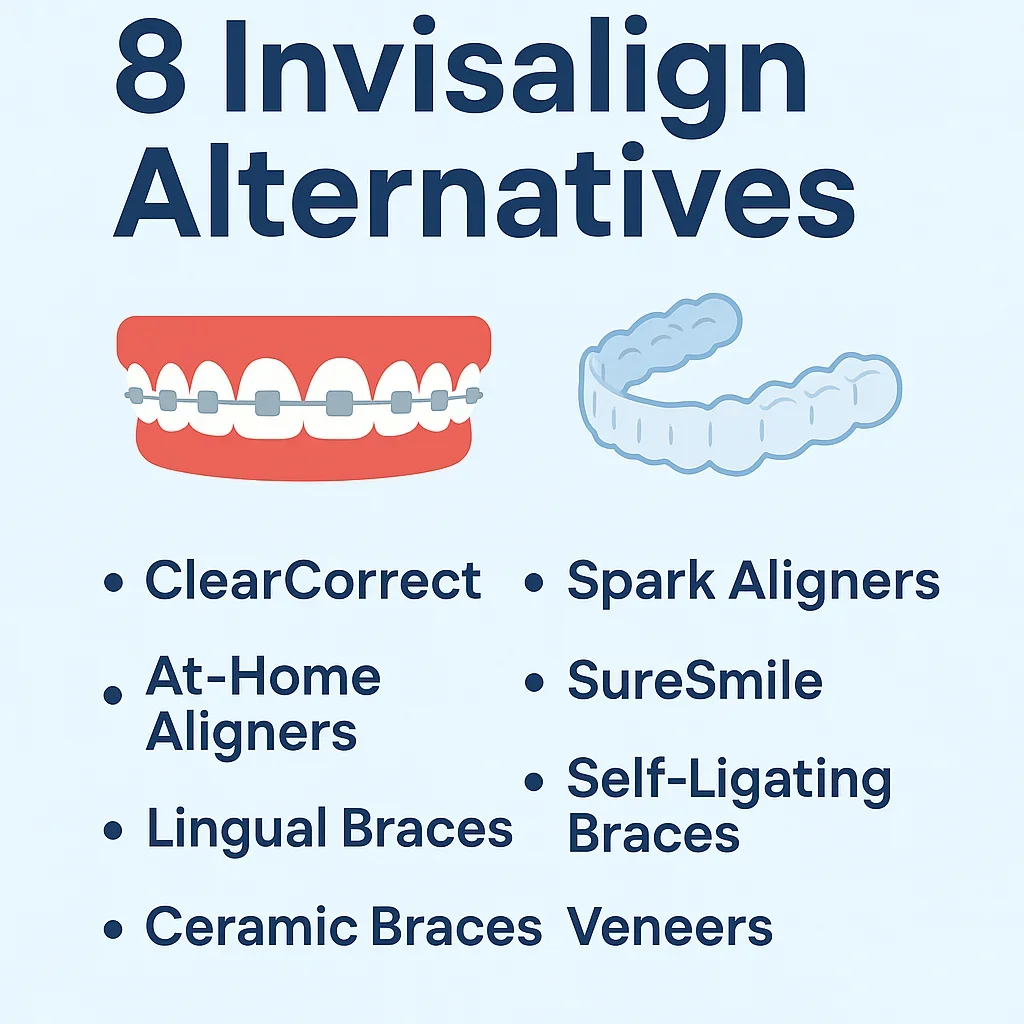
Future of Orthodontics: Innovations in Invisalign Alternatives
The field of orthodontics is evolving faster than ever before, driven by breakthroughs in materials science, digital imaging, and artificial intelligence. As these technologies advance, every new Invisalign alternative becomes more efficient, affordable, and patient-friendly. From AI-guided treatment planning to biodegradable aligners and smart sensors, the future of clear aligners promises to redefine how people achieve beautiful smiles — without the inconvenience of traditional braces.
Technological Evolution in Clear Aligner Systems
Over the past decade, the orthodontic industry has shifted toward digital-first workflows. In the early 2000s, aligners like Invisalign revolutionized the market with 3D modeling and computer-generated tooth movement predictions. Today, competing brands are taking this concept even further, integrating advanced imaging, machine learning, and real-time data tracking into their systems.
For instance, modern Invisalign alternative platforms now use ultra-precise intraoral scanners to capture the smallest details of tooth surfaces — far more accurate than traditional impressions. This precision ensures better-fitting aligners and fewer refinements, saving time for both patients and practitioners. AI algorithms then simulate treatment outcomes, allowing dentists to make predictive adjustments before treatment begins 🤖.
Smart Aligner Technology and Wear Tracking
One of the most exciting developments in the Invisalign alternative landscape is smart tracking technology. Some emerging systems embed micro-sensors within aligners that monitor wear time and temperature. These sensors communicate with mobile apps, ensuring that patients meet their recommended daily wear goals (usually 20–22 hours). By improving compliance, these innovations increase the likelihood of achieving faster, more predictable results.
Imagine aligners that alert your phone when it’s time to switch trays or remind you to reinsert them after meals — that’s the level of interactivity future orthodontics is moving toward. This not only supports accountability but also empowers users with real-time data on their treatment progress.
AI-Powered Orthodontic Planning
Artificial intelligence is transforming how orthodontists design and monitor clear aligner treatments. Instead of relying solely on manual adjustments, AI systems analyze vast datasets from thousands of successful cases to predict the most efficient tooth movement sequence for each patient. These “smart aligners” enable orthodontists to design hyper-personalized treatment plans that minimize discomfort and maximize speed.
In the context of an Invisalign alternative, AI-guided modeling means fewer errors, better aligner fit, and optimized force application on each tooth. The system can also predict which teeth might resist movement and recommend additional refinements before the issue even arises. This predictive capability marks a massive leap forward in orthodontic precision and reliability.
Biocompatible and Sustainable Materials
As environmental awareness grows, manufacturers are exploring sustainable materials for future aligners. Biodegradable plastics and recyclable thermopolymers are emerging as the next generation of materials used in Invisalign alternative production. These eco-friendly options reduce plastic waste while maintaining the transparency, flexibility, and durability that patients expect.
Some companies are even testing plant-based polymers and water-soluble packaging to reduce the carbon footprint of orthodontic treatments. In the near future, it’s likely that environmentally conscious clinics will be able to offer “green orthodontics” — combining cutting-edge technology with sustainability 🌱.
Comfort Enhancements Through Material Science
Another area of progress is material comfort. Advanced polymers can now deliver controlled, consistent pressure while remaining soft on the gums. The latest Invisalign alternative systems use multilayer materials that gradually adjust force levels, minimizing initial discomfort and enhancing patient tolerance during the first few days of each aligner cycle.
Remote Monitoring and Teleorthodontics
Teleorthodontics — virtual monitoring of patients through apps and photo submissions — is transforming the doctor-patient relationship. Instead of requiring monthly visits, AI-driven image recognition systems can detect tooth movement from uploaded photos and alert dentists when adjustments are needed. Patients receive faster feedback, while orthodontists can manage more cases efficiently.
For individuals using a remote Invisalign alternative, this approach provides convenience without compromising safety. Some clinics, like Redent Klinik Contact Page, already use hybrid monitoring systems that combine digital oversight with periodic in-person evaluations. This blended model ensures professional accuracy alongside patient comfort.
3D Printing and Customization
3D printing technology has become a cornerstone of modern orthodontics. Unlike traditional manufacturing, where each aligner tray takes days to mold, 3D printing allows near-instant customization. Each Invisalign alternative can be printed directly from a digital model with micron-level accuracy, drastically reducing turnaround times and production costs.
Future aligners may even feature micro-attachments or pressure zones printed directly into the tray, enabling complex tooth movements previously achievable only with braces. The flexibility and precision of 3D printing ensure that every aligner fits perfectly, minimizing discomfort and treatment delays.
Virtual Reality (VR) and Patient Engagement
Emerging clinics are using virtual reality and augmented reality tools to visualize smile transformations before treatment even begins. Patients can “try on” their future smiles in a digital simulation, helping them stay motivated throughout the process. When paired with an advanced Invisalign alternative, this technology makes orthodontic care more interactive and emotionally rewarding 😍.
These immersive experiences not only enhance trust between patients and practitioners but also encourage compliance, as patients become more invested in their own progress.
The Role of Big Data in Orthodontics
Data aggregation from millions of aligner treatments worldwide enables researchers to refine algorithms, predict relapse rates, and improve aligner design. Big Data allows manufacturers of every major Invisalign alternative to evolve faster, incorporating real-world results into every new generation of products. This collective intelligence means that each new system learns from the experiences of previous patients, creating a continuous cycle of improvement.
Final Outlook: The Future Smile Experience
The orthodontic future is bright — and nearly invisible. As AI, 3D printing, and biocompatible materials continue to advance, the next generation of Invisalign alternative systems will deliver faster, smarter, and more sustainable results than ever before. The combination of precision, comfort, and digital monitoring ensures that orthodontic treatment will soon become as seamless as routine dental hygiene.
Patients can look forward to shorter treatment times, eco-friendly aligners, and highly personalized care backed by data and intelligent technology. The future of orthodontics isn’t just about straighter teeth — it’s about smarter smiles and a more connected experience for everyone ✨.