
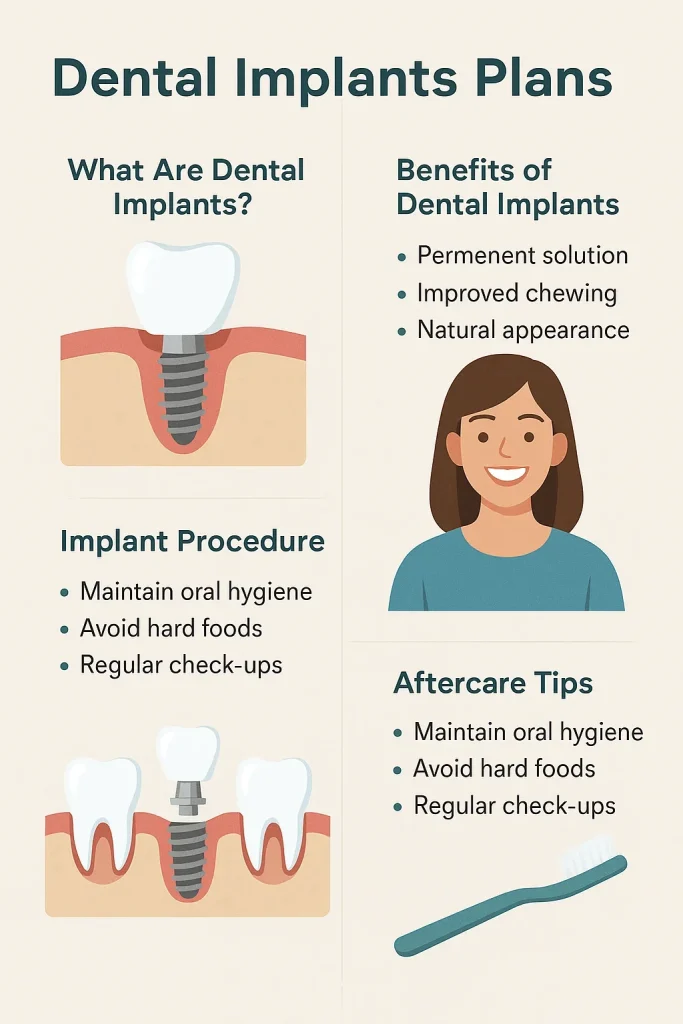
When it comes to restoring your smile and achieving lasting confidence, dental implants plans play a crucial role in modern dentistry. Unlike removable dentures or short-term fixes, implants offer a permanent solution that looks, feels, and functions like natural teeth 🦷. But before starting your journey, understanding how these plans work, what they include, and how to choose the right one is essential. This guide will help you explore every aspect of dental implants plans — from procedure details to cost factors, care, and benefits — so you can make a confident and informed decision.
Dental implants are titanium posts surgically placed into your jawbone, serving as artificial tooth roots. Once the implant fuses with your bone through a process called osseointegration, a crown or bridge is attached to create a natural-looking replacement. A proper dental implants plan is not just about the surgery itself — it’s a roadmap for the entire process: consultation, diagnosis, treatment planning, surgery, and aftercare. Each stage must be tailored to your oral health, budget, and long-term goals.
At Redent Klinik Contact Page, patients receive personalized implant plans based on their bone density, medical history, and smile expectations. Every individual’s oral structure is unique, and that’s why cookie-cutter solutions rarely work. Instead, dental professionals create dental implants plans that ensure long-term comfort and stability, supported by advanced 3D imaging, guided surgery, and biocompatible materials that integrate naturally with your bone.
Why Planning Is the Foundation of Success
Many patients believe dental implants are a one-step procedure, but success depends heavily on planning. A dental implants plan defines not only how many implants you’ll need but also their type, angle, and placement depth. It also includes scheduling multiple stages of care, from pre-surgical bone grafting to post-procedure maintenance. Well-structured planning minimizes the risk of complications such as implant failure, infection, or bone loss. Think of your plan as a blueprint that guides every decision — ensuring precision, efficiency, and long-term success 💎.
Understanding Your Treatment Options
There are several variations of dental implants plans depending on your needs:
- Single-tooth implant plans – ideal for replacing one missing tooth.
- Multiple-tooth implants – for patients with several missing teeth.
- Full-arch or All-on-4 plans – for complete smile restorations.
- Mini implants – smaller versions used when bone volume is limited.
Each option requires different healing times, costs, and maintenance levels. The best dental implants plan should consider your oral anatomy, budget, and desired results. Patients who plan carefully with their dentist often enjoy faster recovery and more durable results compared to those who skip the initial planning phase.
Cost Considerations and Long-Term Value
While the upfront investment for dental implants plans may seem higher than other treatments, their long-term durability makes them cost-effective over time. Traditional bridges might last 10 years, while implants can last decades — sometimes for life. According to the American Dental Association, well-maintained implants show success rates of over 95%. When evaluating your plan, consider both short-term expenses and lifetime benefits: improved chewing, preserved bone density, and better facial aesthetics.
Estimated cost range (based on 2025 data):
- Single-tooth implant: $1,500 – $3,000 (excluding crown)
- All-on-4 full mouth plan: $15,000 – $30,000 per arch
- Bone grafting or sinus lift (if required): $500 – $2,500
These numbers vary by country, clinic reputation, and materials used.
Long-Term Maintenance and Lifestyle Impact
Once your dental implants plan is complete, daily care becomes just as important as the surgery itself. Implants should be brushed and flossed like natural teeth, and regular dental checkups are essential. Avoiding smoking and maintaining a balanced diet improves healing and bone health. Patients who commit to proper hygiene and routine follow-ups typically experience implant longevity well beyond two decades 🌿.
Why Choose a Personalized Approach?
Generic solutions rarely produce the best results. A personalized dental implants plan considers your bone density, gum health, and cosmetic goals. Some patients need bone augmentation or soft tissue grafts before the implant, while others may qualify for immediate-load implants. Working with an experienced implantologist ensures each phase aligns perfectly with your biological and aesthetic needs.
Final Thoughts
Choosing the right dental implants plan is an investment in your health, confidence, and quality of life. With careful planning, professional guidance, and proper aftercare, implants can restore not only your smile but your ability to eat, speak, and live freely. Whether you’re replacing a single tooth or your full set, the key to success lies in a well-structured, individualized approach. Always consult a licensed dental specialist and make sure your plan is designed around your unique smile goals — because your confidence deserves nothing less 😄.
Understanding Dental Implants: The Basics You Should Know
Before you commit to any dental implants plans, it’s crucial to understand the fundamental science and process behind dental implants themselves. This section explains what they are, how they work, and why they have become the gold standard for tooth replacement in modern dentistry 🦷. Knowledge is the foundation of smart decisions — and when it comes to your oral health, knowing the details can mean the difference between an average and an exceptional outcome.
What Are Dental Implants and How Do They Work?
Dental implants are small titanium or zirconia posts inserted surgically into the jawbone. They act as artificial tooth roots, providing a stable base for crowns, bridges, or dentures. Over a few months, the implant fuses naturally with the bone through a process known as osseointegration. This creates an incredibly strong foundation that mimics the function and feel of natural teeth. Unlike traditional bridges, implants don’t rely on adjacent teeth for support, which makes them a more conservative and long-term solution.
Every successful implant journey starts with a carefully designed dental implants plan. Such a plan takes into account bone density, gum condition, oral hygiene habits, and the desired aesthetic outcome. Without this structured plan, even the most advanced implant procedure risks complications. That’s why professional consultation and digital planning tools are essential in achieving predictable, lasting results 🌟.
The Anatomy of a Dental Implant
A typical dental implant consists of three main components:
- Implant fixture: The screw-like post inserted into the jawbone.
- Abutment: The connector piece that links the implant to the final restoration.
- Crown or bridge: The visible prosthetic tooth that completes your smile.
Together, these components form a stable and natural-looking replacement tooth. When integrated into a comprehensive dental implants plan, each part is customized to fit the patient’s jaw structure, bite, and color preferences. This ensures that the final result not only restores function but also blends seamlessly with surrounding teeth for an aesthetic, natural look.
Why Dental Implants Are Superior to Other Treatments
Unlike dentures or bridges, dental implants provide a permanent and secure solution. They prevent bone loss, preserve facial structure, and allow you to eat and speak confidently. With proper care, implants can last for decades — in many cases, a lifetime. According to the American Dental Association, implants boast success rates exceeding 95%, making them one of the most predictable dental treatments available today.
Comparing Options: Implants vs. Dentures vs. Bridges
| Treatment Type | Longevity | Comfort | Maintenance | Bone Preservation |
|---|---|---|---|---|
| Dental Implants | 20+ years (often lifetime) | Feels natural | Easy, like normal teeth | Yes ✅ |
| Bridges | 10–15 years | Moderate | Requires special cleaning | No ❌ |
| Dentures | 5–10 years | Can slip or irritate | High maintenance | No ❌ |
This comparison highlights why well-structured dental implants plans have become the preferred choice for patients worldwide. They combine aesthetic appeal with structural integrity, giving you a durable and comfortable alternative to traditional replacements.
The Role of Bone Health in Dental Implants Plans
Bone density plays a critical role in determining whether you’re a good candidate for implants. If the jawbone has deteriorated due to tooth loss or gum disease, bone grafting might be necessary before implant placement. A high-quality dental implants plan always includes bone evaluation through 3D scans or cone-beam CT imaging. This allows the dental surgeon to assess bone height, width, and density, ensuring the implant integrates properly and remains stable over time 🧠.
Patients with adequate bone mass can often undergo immediate implant placement, whereas those with deficiencies may require staged treatment over several months. Regardless of your starting point, proper planning ensures that bone health and implant strength remain optimal throughout your treatment journey.
Digital Dentistry and 3D Imaging in Modern Implant Planning
Technology has revolutionized the creation of dental implants plans. Today, dentists use digital scanning, computer-aided design (CAD), and 3D printing to simulate your final results before the surgery even begins. Guided implant surgery allows precise placement at the correct angle and depth, reducing recovery time and improving accuracy. These innovations not only enhance safety but also deliver predictable aesthetic outcomes that align perfectly with your facial structure.
In advanced clinics like Redent Klinik Contact Page, such digital systems ensure that your implants are customized to perfection. The result? A smile that feels natural, functions efficiently, and looks flawless from every angle ✨.
Healing, Integration, and Long-Term Success
After the implant placement, the osseointegration phase begins — this is when the implant bonds to the bone, typically over 3 to 6 months. A well-prepared dental implants plan includes this waiting period to ensure proper stability before the final restoration is attached. During this time, patients are advised to maintain gentle oral hygiene, follow dietary guidelines, and attend follow-up appointments to monitor healing progress.
Common Myths About Dental Implants
Some patients worry that implant surgery is painful or risky. However, with modern anesthesia and advanced planning, discomfort is minimal. Another misconception is that implants are only for older adults — in reality, anyone with fully developed jawbones and good oral health can benefit from dental implants plans. It’s not just about replacing teeth; it’s about restoring confidence, improving chewing function, and preventing further oral deterioration.
Conclusion: Knowledge Empowers Your Smile
Understanding the fundamentals of dental implants plans empowers you to make better decisions for your health and appearance. From bone structure analysis to digital precision and personalized aftercare, each step contributes to a lifelong investment in your well-being. The more you know about how implants work, the better prepared you are to achieve that confident, radiant smile you’ve always wanted 😁.
Why Dental Implants Plans Are Essential for Long-Term Oral Health
When considering options for restoring missing teeth, investing in structured dental implants plans is one of the smartest long-term health decisions you can make. These plans go beyond simple tooth replacement — they serve as comprehensive strategies for maintaining bone health, gum integrity, bite balance, and overall oral function. By approaching implants with a personalized, step-by-step plan, you set the stage for a lifetime of confident smiles, stronger chewing ability, and preserved facial structure 🦷.
The Connection Between Missing Teeth and Bone Loss
When a natural tooth is lost, the jawbone beneath it begins to shrink due to lack of stimulation. This process, known as alveolar bone resorption, can cause the face to sag and other teeth to shift out of alignment over time. A detailed dental implants plan addresses this issue by reintroducing artificial roots into the bone. These implants stimulate bone growth through natural pressure when chewing, effectively halting and even reversing bone loss. In contrast, dentures and bridges do not provide this stimulation, leaving the jawbone to deteriorate slowly.
How Implants Preserve Facial Aesthetics
As bone loss progresses, the lower half of the face may appear sunken, adding years to one’s appearance. Dental implants prevent this by maintaining jaw density and facial height. In well-structured dental implants plans, placement angles and bone augmentation strategies are designed to reinforce both function and facial harmony. This not only restores your smile but also protects your youthful appearance 💎.
Improved Chewing Function and Digestive Health
One of the most overlooked advantages of dental implants plans is how they enhance overall digestive wellness. Missing teeth make it difficult to chew food thoroughly, leading to poor digestion and nutritional deficiencies. Implants, however, allow you to bite and chew as effectively as with natural teeth, ensuring that food is broken down properly. This helps your body absorb nutrients more efficiently, improving your energy levels and overall health.
Patients who follow customized dental implants plans often report enjoying foods they once avoided — like apples, nuts, or steak — without pain or embarrassment. The improved diet diversity supports stronger immunity, healthier skin, and even better mood due to balanced nutrition 🍎.
Protecting Adjacent Teeth from Damage
Traditional dental bridges require grinding down neighboring teeth to anchor the prosthetic. This weakens otherwise healthy enamel and can lead to decay or fracture. A comprehensive dental implants plan eliminates that problem by standing independently in the jawbone, leaving adjacent teeth intact. Over time, this approach significantly reduces the risk of secondary dental issues and ensures overall oral harmony.
Long-Term Stability and Lower Maintenance Costs
While the initial cost of dental implants plans might appear higher than dentures or bridges, they actually save money over time. Unlike removable solutions that require frequent adjustments or replacements, implants can last decades with proper care. Routine checkups and professional cleanings are typically all that’s needed to maintain them.
According to the American Dental Association, implants maintain a success rate above 95% even after ten years. This durability translates into lower lifetime costs, fewer complications, and consistent peace of mind. Many dental insurance companies now recognize the long-term cost-effectiveness of implants and offer partial coverage for implant components within well-documented dental implants plans.
Better Speech and Self-Confidence
Another powerful advantage of structured dental implants plans lies in the psychological and functional improvements they offer. Missing teeth or ill-fitting dentures can cause slurred speech, whistling, or mumbling. Implants eliminate these issues by anchoring prosthetics firmly in place, restoring clear and confident pronunciation. Patients often describe a profound boost in self-esteem once their implants are complete — they smile more freely, laugh without hesitation, and socialize with renewed assurance 😁.
Enhanced Gum Health and Oral Hygiene
Gum health plays a critical role in the long-term success of any implant. A personalized dental implants plan includes regular hygiene protocols, such as professional cleanings and home care routines. Since implants don’t decay like natural teeth, they are easier to maintain with proper brushing and flossing. However, gum inflammation (peri-implantitis) can still occur if bacteria build up around the implant base.
Preventive Steps for Lasting Implant Health
- Use a soft-bristle toothbrush and non-abrasive toothpaste.
- Floss or use interdental brushes daily to remove plaque.
- Avoid smoking, as it reduces blood flow and hinders healing.
- Schedule biannual checkups for professional monitoring.
These steps, when incorporated into your personalized dental implants plans, significantly reduce the risk of complications and prolong implant longevity.
Impact on Overall Systemic Health
The health of your mouth is closely linked to the health of your entire body. Chronic infections, missing teeth, and poor oral hygiene can contribute to systemic inflammation, increasing risks for heart disease, diabetes, and respiratory problems. By replacing missing teeth with implants through a structured dental implants plan, you help prevent bacterial overgrowth and maintain better oral microbiome balance. This contributes to improved overall wellness and a lower risk of chronic conditions 💚.
Why a Professional Plan Is Non-Negotiable
DIY or low-cost implant solutions often lead to failure due to lack of proper diagnostics, poor material quality, or incorrect placement. In contrast, a detailed dental implants plan created by qualified professionals involves digital imaging, medical history analysis, and customized treatment phases. This precision ensures proper osseointegration and bite alignment — two critical factors for lasting success.
Reputable clinics such as Redent Klinik Contact Page emphasize that every successful implant journey begins with a personalized plan. From evaluating bone structure to post-operative care, their holistic approach safeguards both aesthetics and health, delivering results that truly last.
Conclusion: The Foundation of Lasting Oral Wellness
In summary, dental implants plans are not just about aesthetics — they’re a gateway to complete oral and systemic health. They preserve bone density, protect neighboring teeth, improve digestion, and enhance confidence. With the right plan, patients experience life-changing benefits that extend far beyond their smile. Investing in a well-designed implant plan today ensures that your oral foundation remains strong, functional, and beautiful for decades to come 🌿.
Types of Dental Implants and How to Choose the Right Plan
Choosing the best dental implants plans begins with understanding the different types of implants available and how they align with your oral anatomy, lifestyle, and aesthetic expectations. Modern implant dentistry offers a variety of solutions that cater to unique needs — from replacing a single missing tooth to restoring an entire arch. Selecting the right type requires collaboration between you and your implant specialist, supported by advanced diagnostic imaging and customized treatment design 🦷.
Overview of Implant Types in Modern Dentistry
There are several main categories of dental implants, each designed to address different oral conditions and restoration goals. Your dental implants plan will be built around these core options:
- Endosteal Implants: These are the most common type, placed directly into the jawbone using titanium screws or cylinders. Ideal for patients with healthy bone density.
- Subperiosteal Implants: These sit on top of the jawbone but underneath the gum tissue, suitable for patients with insufficient bone height who cannot undergo grafting.
- Zygomatic Implants: Used in severe bone loss cases, these longer implants anchor into the cheekbone (zygoma) instead of the jawbone.
- Mini Implants: Smaller versions of endosteal implants, often used for stabilizing dentures or when space is limited.
Each type carries its own set of advantages, healing requirements, and suitability factors. A well-structured dental implants plan helps determine which system offers the safest and most predictable outcome for your specific case.
Single-Tooth vs. Multiple-Tooth Implants
The scale of your tooth loss largely defines which dental implants plans are appropriate. For instance, if you’ve lost only one tooth due to decay or trauma, a single implant with a custom crown is the most straightforward option. However, if multiple teeth are missing, implant-supported bridges or overdentures may be recommended.
Single-Tooth Implant Plans
This approach replaces one missing tooth without disturbing adjacent ones. The process involves placing a single titanium screw, followed by a custom abutment and crown. These are ideal for patients seeking a natural look without compromising neighboring teeth. Healing time is typically shorter, and maintenance is simple — brush, floss, and attend regular checkups.
Full Mouth or All-on-4 Implant Plans
For patients missing all teeth in one or both arches, dental implants plans like the All-on-4 or All-on-6 systems offer comprehensive restoration. In these procedures, four to six strategically placed implants support an entire arch of prosthetic teeth. This method provides superior stability compared to traditional dentures, improving both comfort and chewing efficiency. It also minimizes the need for extensive bone grafting by placing implants in areas with the most bone volume.
Choosing Between Titanium and Zirconia Implants
Material selection is another critical element of your dental implants plan. Titanium implants are the industry standard due to their biocompatibility and strength. They integrate naturally with bone tissue, ensuring excellent stability and longevity. Zirconia implants, on the other hand, are metal-free alternatives favored for their aesthetic appeal and hypoallergenic properties. While slightly less flexible than titanium, zirconia offers a whiter base that blends better with natural gum color, especially in patients with thin or receding gums.
Your implant specialist will recommend the material based on your allergies, cosmetic preferences, and medical history. In most cases, titanium remains the preferred option due to its proven track record of over 30 years.
Bone Grafting and Sinus Lift Options
Not all patients have sufficient bone density to support implants right away. In such cases, a complete dental implants plan may include bone grafting or a sinus lift to strengthen the jaw structure. Bone grafting involves adding synthetic or natural bone material to deficient areas, creating a stable base for implant placement. Sinus lifts are performed in the upper jaw to raise the sinus membrane and increase bone height for better implant anchorage.
When Are These Procedures Necessary?
These procedures become essential when patients have experienced:
- Tooth loss for several years without replacement
- Chronic gum disease (periodontitis)
- Bone resorption due to ill-fitting dentures
- Facial trauma affecting bone structure
Incorporating grafting or sinus augmentation into your dental implants plan ensures that implant placement is both durable and biologically compatible for long-term success 🌿.
Immediate Load vs. Traditional Implants
Immediate-load (same-day) implants have gained popularity due to their convenience. These allow the placement of a temporary crown immediately after surgery. However, not all patients qualify — adequate bone strength and stability are required. Traditional implants, by contrast, involve a healing period of several months to allow osseointegration before final restoration. A detailed dental implants plan determines which timeline suits your case best, balancing convenience with safety.
Guided Implant Surgery and Precision Technology
Today’s advanced dental implants plans rely on 3D imaging, digital scans, and computer-guided surgery to ensure pinpoint accuracy. Guided implant placement reduces surgical time, minimizes tissue trauma, and guarantees that each implant is positioned for maximum longevity and comfort. Clinics like Redent Klinik Contact Page utilize these technologies to create fully customized surgical templates, ensuring your new smile fits harmoniously with your natural features 🌟.
How to Choose the Right Plan for You
Selecting the right dental implants plan depends on a combination of medical, aesthetic, and financial factors. Here’s what professionals typically evaluate:
- Bone quality and density: Determines the need for grafting.
- Number of missing teeth: Affects the choice between single, multiple, or full-arch implants.
- Gum condition: Healthy gums are essential for proper integration.
- Budget and time frame: Comprehensive planning ensures affordability and realistic scheduling.
- Cosmetic expectations: Color, shape, and alignment considerations play a major role.
Professional Consultation and Decision-Making
A proper consultation involves digital imaging, oral scans, and sometimes physical impressions. Your dentist will use this data to simulate your results before the surgery even begins. The best dental implants plans prioritize transparency — your specialist should walk you through the timeline, costs, and expected outcomes so that you feel confident every step of the way. According to the American Dental Association, clear communication between patient and provider is a major factor in implant success rates exceeding 95%.
Conclusion: The Right Plan for a Perfect Smile
In summary, understanding the various types of implants and selecting the right dental implants plan ensures your treatment is safe, effective, and aesthetically pleasing. Whether you need a single implant, full-arch restoration, or advanced bone reconstruction, proper planning backed by modern technology leads to superior outcomes. With the guidance of a qualified implantologist and a personalized approach, your journey toward a strong, beautiful, and lasting smile begins confidently — and ends with success 😁.
The Step-by-Step Process of Getting Dental Implants
Understanding the detailed process of dental implants plans is essential before beginning your smile restoration journey. Each step plays a vital role in ensuring successful results — from initial consultation to final restoration and long-term maintenance. The process may seem complex, but when approached systematically with a personalized treatment plan, it becomes a predictable and rewarding experience 🦷.
Step 1: Comprehensive Consultation and Diagnosis
Every effective dental implants plan begins with a thorough consultation. During this phase, your implant dentist evaluates your overall oral health, reviews your medical history, and performs diagnostic imaging such as panoramic X-rays or 3D cone-beam CT scans. These images reveal the precise condition of your bone, gums, and remaining teeth, helping the dentist determine whether implants are the most suitable solution.
The consultation phase may also include impressions or digital scans of your mouth, allowing the dentist to create a virtual model for precise planning. Patients with gum disease or bone loss may need preparatory treatments before moving forward. The goal of this phase is to eliminate any underlying issues that could compromise the success of your dental implants plan.
Important Pre-Treatment Evaluations
- Assessment of bone density and jaw structure
- Review of existing medical conditions (e.g., diabetes, heart disease)
- Gum health and infection control
- Discussion of treatment expectations and timeline
By the end of this stage, your dentist will have developed a fully personalized dental implants plan outlining every step of your treatment journey.
Step 2: Treatment Planning and Digital Simulation
Once diagnostics are complete, the next phase involves digital planning and simulation. Using 3D software, your dentist virtually positions the implants to determine the most optimal angles and depths. This ensures that implants are placed with precision, minimizing risk and maximizing longevity. Guided surgery technology allows for surgical templates to be created — physical guides used during the operation to ensure flawless placement.
Modern clinics, such as Redent Klinik Contact Page, use cutting-edge imaging and CAD/CAM design tools to create precise surgical guides. This high level of planning is what distinguishes professional dental implants plans from basic treatments. It ensures functional, aesthetic, and biological harmony throughout the procedure ✨.
Step 3: Preparatory Procedures (If Needed)
Before the implant surgery, some patients may require preparatory treatments. Bone grafting, sinus lifts, or gum therapy are often necessary when there’s insufficient bone mass or infection. A comprehensive dental implants plan always accounts for these steps, scheduling them in advance to ensure optimal bone healing and strength before implant placement.
Common Preparatory Treatments
- Bone Grafting: Adds volume to areas with bone loss.
- Sinus Lift: Raises the sinus membrane for upper jaw implant placement.
- Soft Tissue Graft: Improves gum thickness for aesthetic balance.
- Tooth Extraction: Removes damaged or decayed teeth prior to implant surgery.
Skipping these stages can lead to implant instability or early failure. Therefore, a professional dental implants plan prioritizes biological readiness as much as procedural timing.
Step 4: Implant Placement Surgery
The actual placement of the implant is a precise surgical procedure typically performed under local anesthesia or mild sedation. The dentist makes a small incision in the gum tissue to expose the jawbone, drills a tiny hole, and places the titanium implant post. Once positioned, the site is sutured and left to heal.
Depending on your plan, one or multiple implants may be placed in a single session. Guided surgery ensures accuracy and reduces tissue trauma, resulting in a quicker recovery. Pain and discomfort are minimal and can be managed easily with prescribed medications and cold compresses. The implant then begins the process of osseointegration — bonding with the bone for long-term stability.
Step 5: Healing and Osseointegration Period
Healing is a crucial phase in every dental implants plan. Over the course of 3 to 6 months, the implant integrates with the bone, creating a stable foundation for the future crown or bridge. During this time, you may receive a temporary restoration to maintain aesthetics and function. Proper oral hygiene and regular follow-up visits are essential during this stage to ensure successful healing and prevent infection.
Tips for Successful Healing
- Avoid hard or sticky foods for the first few weeks.
- Maintain gentle brushing and antiseptic rinses.
- Refrain from smoking or alcohol consumption during recovery.
- Attend every scheduled checkup for monitoring and adjustments.
The body’s natural bone regeneration ability is what makes implants so effective — and this period is the cornerstone of a successful dental implants plan.
Step 6: Abutment and Crown Placement
After osseointegration, the implant is ready to support an abutment — a small connector piece that attaches the final crown or bridge to the implant. This stage completes the visible portion of your new smile. Custom crowns are created to match the exact color, shape, and alignment of your natural teeth, ensuring seamless aesthetics.
Once installed, the final restoration feels and functions exactly like a natural tooth. At this point, your dental implants plan transitions into a maintenance phase focused on long-term care and preservation.
Step 7: Follow-Up and Long-Term Maintenance
After completing your restoration, your dentist will provide a maintenance schedule. This includes professional cleanings, biannual checkups, and digital imaging to monitor implant stability. Proper aftercare is vital for maintaining both the health of your gums and the longevity of your implants.
According to the American Dental Association, patients who adhere to structured maintenance within their dental implants plans experience over 95% long-term success rates. This proves that implants, when combined with good hygiene and professional oversight, are among the most durable dental solutions available.
Conclusion: From Start to Smile
The journey through dental implants plans is a combination of science, precision, and artistry. Each stage — from digital planning to crown placement — builds upon the previous one, ensuring safety, beauty, and longevity. By following each step carefully and partnering with an experienced implant specialist, you can achieve a life-changing transformation. A healthy, radiant smile not only boosts confidence but also contributes to better chewing, speech, and overall well-being 😁.
Cost Breakdown: What Affects the Price of Dental Implants Plans?
When exploring dental implants plans, one of the first questions patients ask is: “How much will it cost?” While there’s no universal answer, understanding the key factors that influence pricing helps you make informed, confident decisions. Dental implants represent a long-term investment in oral health and self-confidence — and their cost reflects the precision, materials, and expertise required to ensure lasting success 🦷.
Understanding the Components of Dental Implant Costs
To truly grasp how dental implants plans are priced, it’s important to break down the individual components. A comprehensive plan includes several stages, each contributing to the total cost. These components often include:
- Initial Consultation & Diagnostics: This covers dental imaging (X-rays, 3D scans), treatment planning, and oral examinations. These assessments help design a customized plan suited to your specific needs.
- Surgical Placement of the Implant: This step involves inserting the titanium or zirconia post into the jawbone. The complexity of the surgery, anesthesia, and the number of implants significantly affect the cost.
- Abutment & Crown Fabrication: These elements form the visible and functional part of the restoration. Custom abutments and crowns made from high-quality ceramics or porcelain can influence total expenses.
- Follow-up Appointments: Aftercare, healing assessments, and adjustments are integral parts of well-structured dental implants plans.
Each element is meticulously calculated in professional implant clinics. This ensures that the patient understands where every portion of the investment goes — from diagnostics to final restoration.
Key Factors That Influence Dental Implant Pricing
Many patients assume that all implants cost the same, but several factors determine the final price of dental implants plans. Understanding these variables helps you avoid unrealistic expectations and budget wisely.
1. Number of Implants Required
The most obvious factor is the number of implants being placed. A single-tooth implant costs significantly less than a full-mouth restoration. However, multiple implants often qualify for bundle pricing, especially with systems like All-on-4 or All-on-6 that restore entire arches using fewer implants strategically positioned.
2. Material and Brand Used
Titanium implants are typically more affordable than zirconia options, although both offer excellent biocompatibility. Premium brands — such as Straumann, Nobel Biocare, and Astra Tech — are known for their proven longevity and precision engineering, which can add to the price. A quality-driven dental implants plan will always use certified materials backed by scientific research and warranty coverage.
3. Need for Bone Grafting or Sinus Lifts
Patients with insufficient bone density may require bone grafting or sinus augmentation prior to implant placement. These preparatory procedures add to the cost but are essential for ensuring implant stability and longevity. Neglecting them would compromise the entire dental implants plan and risk future implant failure.
4. Type of Restoration
The restoration type (crown, bridge, or denture) significantly impacts total cost. Implant-supported dentures and full-arch prosthetics require advanced lab work and multiple components. The materials used for these prosthetics — such as porcelain, zirconia, or acrylic — also affect pricing. A durable restoration contributes to both aesthetic appeal and functional strength 💎.
5. Dentist’s Experience and Clinic Location
Highly experienced implantologists charge more, but their skill greatly reduces complications and guarantees long-term results. Additionally, the geographic location of the clinic affects pricing; major urban centers tend to have higher costs compared to smaller towns. For example, Redent Klinik Contact Page offers internationally competitive rates while maintaining top-tier standards of care and technology.
Average Global Cost Range
Prices vary widely depending on country, clinic reputation, and case complexity. Below is a general breakdown of average costs in 2025:
| Procedure Type | Estimated Cost (USD) | Notes |
|---|---|---|
| Single-Tooth Implant | $1,500 – $3,000 | Includes implant, abutment, and crown |
| Implant-Supported Bridge | $4,000 – $8,000 | Replaces 3–4 missing teeth with 2 implants |
| All-on-4 Full-Arch Restoration | $15,000 – $30,000 per arch | Complete fixed bridge for upper or lower jaw |
| Bone Grafting (if required) | $500 – $2,500 | Depends on graft material and scope |
Although the upfront cost may appear high, long-term durability and minimal maintenance make implants a cost-effective solution compared to bridges or dentures, which often require replacements every 5–10 years.
Insurance and Financing Options
Most dental insurance plans do not fully cover implants, but some may reimburse part of the restoration cost. Flexible payment options and financing plans can make high-quality dental implants plans more affordable. Some clinics also offer installment payments or dental credit programs to spread costs over several months or years.
Patients should always confirm with their insurance provider which components are covered — for example, diagnostics, surgery, or crown placement. Having a clear financial plan avoids unexpected surprises and ensures smooth progress from consultation to completion.
Long-Term Value and Return on Investment
While comparing prices, it’s vital to consider the lifetime value of implants. A well-executed dental implants plan can last decades with proper care, making it a one-time investment. In contrast, cheaper alternatives may lead to additional expenses in repairs, adjustments, or replacements over time. Implants not only enhance your quality of life but also prevent future oral health issues such as bone loss or misalignment — saving you money in the long run 🌿.
How to Find the Right Balance Between Quality and Cost
When choosing a clinic, prioritize expertise, technology, and transparent communication over low pricing. Avoid “one-size-fits-all” offers, as true success lies in personalized planning and follow-up care. Clinics with proven experience in dental implants plans provide detailed cost breakdowns upfront and use FDA-approved materials. Always request before-and-after photos and check the dentist’s certifications.
Conclusion: Smart Investment in a Healthier Future
Ultimately, the cost of dental implants plans represents a meaningful investment in both oral and overall well-being. Every dollar spent translates into restored confidence, proper chewing function, and a more youthful appearance. By choosing a transparent, experienced provider and understanding each cost component, you can enjoy the lifelong benefits of a strong, beautiful smile. The right plan doesn’t just restore teeth — it restores quality of life 💖.
Comparing Dental Implants Plans: Single vs. Full Mouth Options
When deciding which dental implants plans best fit your oral health goals, one of the most critical distinctions to understand is between single-tooth implants and full-mouth restorations. Both serve unique purposes, depend on different clinical needs, and vary in cost, recovery time, and maintenance. Choosing wisely requires understanding the benefits and limitations of each option, as well as how they affect comfort, aesthetics, and long-term oral stability 🦷.
Single-Tooth Dental Implants: Precision and Simplicity
Single-tooth implants are designed to replace individual missing teeth with unmatched natural aesthetics and durability. They consist of a titanium or zirconia implant, an abutment, and a custom-made crown. When integrated into your personalized dental implants plan, they restore your smile without compromising adjacent teeth.
Advantages of Single-Tooth Implants
- Natural Feel and Function: Feels and looks like a real tooth, allowing normal biting and speaking.
- Bone Preservation: Prevents bone loss by stimulating the jaw through chewing.
- Independent Support: Unlike bridges, single implants do not rely on neighboring teeth for stability.
- Long-Term Durability: Can last decades with proper maintenance.
Single-tooth implants are ideal when one or a few teeth are missing, and the surrounding bone is strong enough to support the implant. These dental implants plans typically require minimal surgery and shorter healing periods compared to full-mouth procedures.
Full Mouth Dental Implants: Total Smile Restoration
Full-mouth implant solutions — also known as All-on-4, All-on-6, or full-arch restorations — are designed for patients who have lost most or all of their teeth. These advanced dental implants plans replace an entire arch of teeth using four to six strategically placed implants that support a fixed bridge or denture. The result is a stable, natural-looking smile that restores full functionality and confidence.
Benefits of Full-Mouth Implant Solutions
- Stability and Comfort: Unlike removable dentures, full-arch implants stay firmly in place, eliminating slippage or discomfort.
- Enhanced Aesthetics: Custom prosthetics match facial features and create a youthful appearance.
- Faster Results: Some full-arch systems allow same-day placement of temporary teeth, offering immediate improvements in function and appearance.
- Long-Term Investment: With proper care, full-arch implants can last decades and often require fewer replacements than traditional dentures.
These systems are particularly beneficial for patients suffering from widespread tooth decay, gum disease, or bone loss. A properly designed dental implants plan ensures that even those with limited bone volume can enjoy a permanent, stable smile through techniques like angled implant placement or zygomatic anchoring.
Comparing Single vs. Full-Mouth Options
Both treatment types share the same foundational principles — titanium root replacement and natural-looking crowns — but differ in scope, timeline, and post-treatment maintenance. The right choice depends on how many teeth you’ve lost, your bone health, and your aesthetic goals. Below is a detailed comparison:
| Feature | Single-Tooth Implants | Full-Mouth (All-on-4/6) Implants |
|---|---|---|
| Teeth Replaced | 1 to 3 teeth | Full arch (upper or lower jaw) |
| Implants Used | 1 implant per tooth | 4 to 6 implants per arch |
| Healing Time | 3 to 6 months | 3 to 8 months |
| Cost Range (USD) | $1,500 – $3,000 per tooth | $15,000 – $30,000 per arch |
| Maintenance | Simple, like natural teeth | Special tools and hygiene routines |
| Ideal Candidates | Patients missing 1–3 teeth | Patients missing most or all teeth |
Material Considerations for Each Type
Material choice also influences how effective your dental implants plans will be. Titanium remains the most common option due to its strength and high success rate. Zirconia implants, meanwhile, appeal to patients seeking a metal-free, hypoallergenic solution. Full-mouth systems often use titanium frameworks with ceramic or acrylic prosthetic teeth, balancing durability and aesthetics. Single implants may use zirconia for enhanced color matching and reduced gum visibility near the gumline.
Who Should Choose Single-Tooth Implants?
Patients with isolated tooth loss due to injury, decay, or extraction typically benefit from single-tooth implants. The surrounding teeth remain untouched, preserving their natural structure. These dental implants plans also help prevent bone loss localized to the missing tooth area. Candidates should have good bone density and healthy gums, as stability depends heavily on natural tissue support.
Who Should Choose Full-Mouth Implants?
Full-mouth restorations are ideal for individuals suffering from widespread tooth loss, advanced gum disease, or severe wear. They are also beneficial for those frustrated with removable dentures. A professionally developed dental implants plan assesses factors like bite alignment, facial structure, and bone quality before recommending a full-arch solution. Clinics such as Redent Klinik Contact Page provide customized full-mouth implant systems that restore both appearance and function with long-term predictability 🌟.
Recovery and Maintenance Comparison
Recovery for single implants is generally faster, requiring fewer appointments and a smaller surgical area. Full-mouth systems, while more complex, often involve shorter overall treatment timelines because multiple implants are placed simultaneously. Maintenance routines differ slightly: single implants are cleaned like natural teeth, while full-arch prosthetics may require special brushes and water flossers to keep the gumline free of plaque.
Professional Care Guidelines
- Attend dental checkups every six months.
- Use non-abrasive toothpaste to protect prosthetic surfaces.
- Avoid smoking, which can impair healing and bone integration.
- Schedule professional cleanings to ensure the longevity of your restoration.
Long-Term Outcomes and Durability
According to the American Dental Association, both single and full-mouth implants maintain success rates above 95% when properly maintained. However, full-mouth implants may offer better bite distribution, minimizing stress on individual implants. A well-executed dental implants plan ensures each component — from implant placement to crown fabrication — is tailored for long-term performance.
Conclusion: Choosing the Best Option for Your Smile
Deciding between single-tooth and full-mouth implants is a highly individual process that depends on oral health, lifestyle, and financial considerations. A personalized dental implants plan helps you weigh each factor and select the approach that delivers the most comfort, stability, and confidence. Whether restoring a single tooth or an entire arch, both options offer life-changing results that look and feel natural — giving you the power to smile, eat, and speak freely once again 😄.
Aftercare and Maintenance Tips for Your Dental Implants
Completing your dental implants plans is only the beginning of your long-term oral health journey. The success of your implants depends heavily on proper aftercare and consistent maintenance. Even though implants are highly durable and resistant to decay, neglecting post-treatment care can lead to complications like inflammation, infection, or bone loss. To ensure your investment lasts a lifetime, this section provides a detailed, step-by-step guide to maintaining strong, healthy implants 🦷.
The Importance of Post-Implant Aftercare
Proper aftercare is essential during the healing period immediately following surgery. Once your dental implants plan has reached the placement phase, the implant undergoes osseointegration — a natural bonding process with the jawbone that provides strength and stability. This integration typically takes several months, and during that time, maintaining cleanliness and avoiding physical stress on the implant area are critical.
Patients who follow professional aftercare instructions are far more likely to experience long-term success. In fact, studies published by the American Dental Association show that over 95% of implants remain stable for decades when supported by good hygiene and regular dental visits. A personalized maintenance plan ensures that your dental implants plans deliver both functional and aesthetic excellence for many years to come.
Immediate Aftercare Following Surgery
The first 24 to 72 hours after surgery are crucial. Minor bleeding, swelling, or discomfort are normal, but proper care minimizes these symptoms and speeds recovery. Here’s what your dentist typically recommends right after implant placement:
- Apply ice packs to reduce swelling during the first 24 hours.
- Follow a soft-food diet — soups, mashed potatoes, smoothies, and yogurt are ideal options.
- Avoid hot or spicy foods to prevent irritation around the surgical site.
- Refrain from smoking or alcohol consumption, as these slow down healing and bone integration.
- Take prescribed antibiotics or pain medication exactly as directed by your dental specialist.
These early steps form the foundation for a smooth recovery. Clinics such as Redent Klinik Contact Page provide detailed post-operative care guides tailored to each patient’s unique dental implants plan, ensuring a safe and comfortable healing process 🌿.
Oral Hygiene Practices During Healing
While implants themselves cannot decay, the surrounding gum tissue remains vulnerable to infection. Proper oral hygiene prevents bacterial buildup that could lead to peri-implantitis, a condition similar to gum disease. Follow these best practices during your healing phase:
Recommended Cleaning Routine
- Brush your teeth twice daily with a soft-bristle toothbrush to avoid damaging healing tissue.
- Use non-abrasive toothpaste without harsh whitening agents.
- Rinse with antibacterial mouthwash to reduce microbial growth.
- Clean around the implant site using interdental brushes or water flossers to remove plaque buildup.
Maintaining this level of care not only supports healing but also establishes habits that will protect your implants for life. Consistency is the key to ensuring that your dental implants plans remain successful for the long term.
Dietary Recommendations for Implant Longevity
What you eat greatly impacts the health of your implants. During the early stages of recovery, avoid foods that require excessive chewing or may disturb the implant site. Even after full integration, maintaining a balanced diet promotes overall oral health and bone density. Include calcium-rich foods like dairy, leafy greens, and fish to strengthen bone around your implants. Hydration also plays an essential role — drink plenty of water to support saliva production and maintain a healthy pH balance in your mouth.
Common Mistakes to Avoid After Implant Placement
Even the best dental implants plans can fail if post-treatment care is neglected. Avoiding these common mistakes can help preserve your results:
- Ignoring follow-up appointments: These visits allow your dentist to monitor healing and catch potential issues early.
- Smoking: Nicotine restricts blood flow and can significantly slow osseointegration.
- Brushing too aggressively: This may irritate the surgical site or damage surrounding tissue.
- Skipping professional cleanings: Even with good home care, tartar can accumulate around implants over time.
Preventing these mistakes ensures your dental implants plans remain effective, functional, and visually appealing for decades.
Professional Maintenance and Long-Term Follow-Up
After full recovery, ongoing professional maintenance becomes the cornerstone of implant success. Dentists typically recommend semiannual checkups, including X-rays and periodontal assessments. These allow early detection of issues like bone loss or gum inflammation. Regular cleanings remove plaque and calculus from areas that home brushing may miss, preserving implant integrity and gum health.
Key Aspects of Professional Follow-Up
- Comprehensive implant stability checks.
- Assessment of soft tissue health around abutments.
- Digital imaging to verify bone density and alignment.
- Polishing and cleaning using specialized instruments that won’t scratch implant surfaces.
These clinical evaluations are integral parts of structured dental implants plans and ensure that your smile remains as strong and radiant as the day your treatment was completed ✨.
Long-Term Lifestyle Adjustments
Maintaining a healthy lifestyle supports your implants just as much as brushing or flossing. Avoid habits like teeth grinding (bruxism), which can exert excessive pressure on implants. If you grind your teeth at night, your dentist may recommend a custom mouthguard. Regular exercise, a balanced diet, and quitting smoking contribute to stronger bone health and improved implant performance.
Patients who combine professional care with these lifestyle choices experience significantly higher implant survival rates. The longevity of your dental implants plans ultimately depends on daily discipline and mindful living 💪.
Conclusion: Protecting Your Investment for Life
Your dental implants plans don’t end when your new smile is complete — they continue through diligent aftercare and lifelong maintenance. By following proper hygiene practices, scheduling routine checkups, and living a healthy lifestyle, you protect your investment and ensure decades of confident smiles. Remember, dental implants aren’t just restorations — they’re a partnership between you and your dental specialist. With consistent care, your implants can remain as strong, stable, and stunning as the day they were placed 😄.
How to Choose the Right Dentist for Your Dental Implants Plans
Selecting the right dentist or clinic is one of the most crucial steps in ensuring the success of your dental implants plans. While modern implant technology provides a solid foundation for long-lasting results, the skill, experience, and approach of your dental professional ultimately determine the quality and longevity of your new smile. This section provides an in-depth look at the essential factors to consider when choosing your implant specialist, ensuring you make an informed and confident decision 🦷.
Why Choosing the Right Implant Dentist Matters
A dental implant is not a routine procedure — it’s a sophisticated, multi-step treatment that requires precision, advanced training, and aesthetic understanding. A properly executed dental implants plan must account for bone density, gum health, bite alignment, and even facial symmetry. The right dentist will ensure that each of these variables is addressed before and during surgery, minimizing risks and maximizing long-term comfort and success.
Patients who choose experienced implant specialists tend to experience shorter recovery times, fewer complications, and superior aesthetic outcomes. Beyond surgical expertise, a good dentist ensures seamless coordination between diagnostic imaging, lab work, and follow-up care. Essentially, your implant dentist is the architect of your new smile — and choosing the wrong one could lead to avoidable problems or implant failure.
Credentials and Experience to Look For
The first step in evaluating a dental professional is verifying their credentials and experience with implantology. A well-qualified dentist will have undergone specialized training and hold certifications from reputable dental associations. Here are some key aspects to review:
1. Specialized Education and Training
- Look for dentists who have completed advanced programs in implant dentistry or oral surgery.
- Membership in organizations such as the American Dental Association or the International Congress of Oral Implantologists (ICOI) is a positive sign of professional commitment.
- Continuous education and attendance at implant seminars reflect dedication to staying updated with the latest techniques.
2. Proven Clinical Experience
- Ask how many implant procedures the dentist performs annually and what types (single, multiple, or full-arch restorations).
- Request before-and-after photos of previous patients to assess aesthetic quality.
- Check patient reviews and testimonials for insight into satisfaction rates and professionalism.
In the context of modern dental implants plans, practical experience often matters more than theoretical knowledge. A dentist who has successfully managed hundreds of implant cases is far more prepared to handle potential complications than one who performs them occasionally.
Technology and Techniques Used
The tools and technology used by your dentist can greatly influence both the precision of the procedure and the comfort of your recovery. Leading implant centers use digital planning tools such as 3D cone-beam CT scanners, intraoral scanners, and guided surgery software. These innovations reduce risks, improve implant placement accuracy, and allow for quicker healing times.
Technological Standards to Expect
- 3D Imaging and Digital Mapping: Enables precise assessment of bone structure and nerve positioning.
- Guided Implant Surgery: Uses computer-generated templates to ensure perfect implant alignment.
- CAD/CAM Prosthetics: Produces crowns and bridges that fit seamlessly and mimic natural teeth.
Clinics like Redent Klinik Contact Page integrate these cutting-edge technologies into their dental implants plans, guaranteeing safer surgeries, faster healing, and aesthetically superior outcomes.
Evaluating the Consultation Process
An initial consultation should be comprehensive and patient-focused. Beware of clinics offering “one-size-fits-all” packages without personalized assessments. A reliable dentist will take time to review your medical history, conduct digital imaging, and discuss your goals in detail. Transparency is key — your specialist should clearly explain each phase of the procedure, expected timelines, and associated costs.
During your consultation, assess how well the dentist communicates. Are your questions answered clearly and respectfully? Do they discuss potential risks and realistic results? Personalized dental implants plans should be based on honest conversations, not rushed decisions.
Clinic Reputation and Safety Standards
Safety and hygiene should be non-negotiable factors when choosing a dental clinic. Ensure the facility adheres to strict sterilization protocols and uses only certified implant materials. Clinics that comply with international healthcare standards (such as ISO or ADA guidelines) demonstrate a strong commitment to patient safety and quality assurance. The environment should feel clean, professional, and well-organized — these are strong indicators of operational excellence.
Communication and Patient Support
Effective communication is essential throughout your treatment. The best dental implants plans include clear post-operative support and follow-up guidance. A great dentist will remain accessible for questions and adjustments even after your procedure is complete. Clinics offering multilingual support or online follow-up options add convenience, especially for international patients traveling for dental care.
Key Qualities in a Supportive Clinic
- Friendly and knowledgeable staff who explain procedures and aftercare clearly.
- Transparent cost estimates and itemized treatment plans.
- Dedicated patient coordinators for scheduling and travel assistance.
- Comprehensive warranty or follow-up coverage for implant restorations.
Red Flags to Avoid
When evaluating clinics, certain warning signs should immediately raise concern. Be cautious of providers who promise “instant implants” without proper diagnostic evaluation, or who offer unusually low prices. High-quality dental implants plans involve time, expertise, and genuine materials — shortcuts often result in implant failure, infections, or aesthetic dissatisfaction. Also, avoid clinics unwilling to share treatment documentation or explain procedures clearly.
Making Your Final Decision
After comparing multiple clinics, narrow down your choice based on transparency, expertise, and trust. The right dentist will customize a plan that fits your oral health needs, budget, and lifestyle. Remember, implants are a lifelong investment — prioritize quality and professionalism over cost. A skilled specialist provides not just a restoration, but a renewed sense of confidence and well-being 🌟.
Conclusion: Partnering for Long-Term Success
Your dentist plays a vital role in the long-term success of your dental implants plans. From diagnosis to final restoration, a dedicated professional ensures every detail aligns with your goals. Choosing a clinic that values precision, safety, and open communication is the key to a lasting, beautiful smile. When you place your trust in qualified hands, your dental implant journey becomes not just a procedure, but a life-changing transformation that restores both function and confidence 😁.
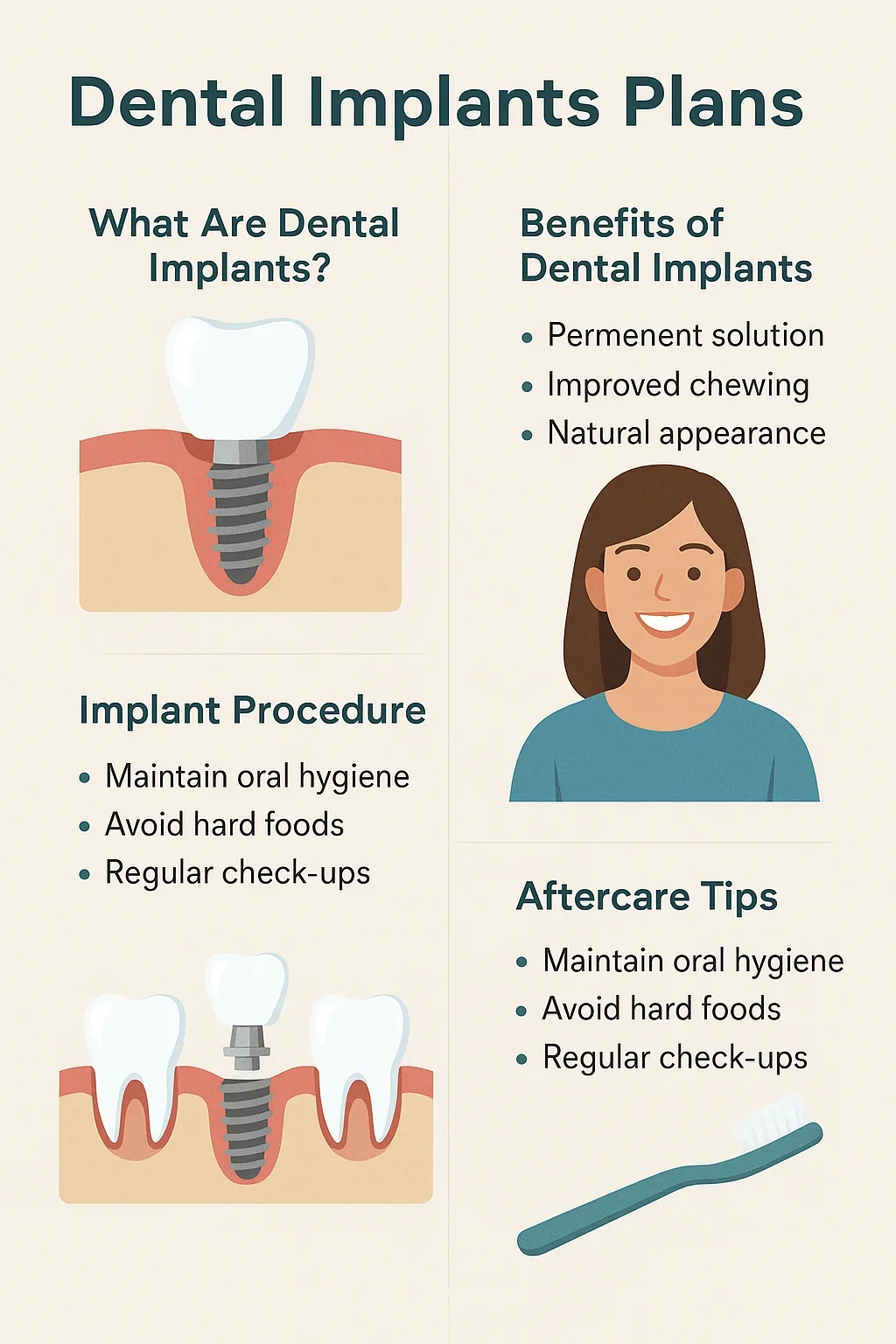
Long-Term Benefits and Success Rates of Dental Implants Plans
One of the most compelling reasons people choose dental implants plans over other restorative options is their remarkable longevity and success rate. Unlike removable dentures or bridges that may require replacements every few years, dental implants are designed to last decades — often a lifetime — when properly maintained. This durability not only offers an exceptional return on investment but also provides emotional and physical benefits that profoundly improve quality of life 🦷.
Understanding the Long-Term Success of Dental Implants
Dental implants are composed of biocompatible materials, typically titanium or zirconia, that fuse naturally with the jawbone through a process called osseointegration. This biological bond allows the implant to function as a natural tooth root, supporting the overlying crown or bridge with exceptional stability. Because of this integration, well-planned dental implants plans can achieve success rates as high as 95–98%, according to research from the American Dental Association.
However, the longevity of dental implants depends on several factors: surgical precision, bone quality, oral hygiene, and adherence to professional maintenance schedules. A personalized plan that addresses these aspects significantly enhances long-term performance and prevents complications like bone resorption or implant loosening.
Key Long-Term Benefits of Dental Implants Plans
1. Permanent and Stable Tooth Replacement
Unlike dentures that can slip or cause discomfort, implants are securely anchored in the jaw. Once osseointegration is complete, they become a permanent part of your mouth. Patients who follow structured dental implants plans enjoy a natural feel when speaking, eating, and smiling — without worrying about movement or adhesives.
2. Prevention of Bone Loss and Facial Sagging
Tooth loss often leads to bone deterioration because the jawbone is no longer stimulated by chewing forces. Dental implants mimic the function of natural roots, preserving bone density and facial structure. Over time, this helps maintain youthful facial contours and prevents the “sunken” appearance common with prolonged denture use.
3. Enhanced Chewing Efficiency and Nutrition
Chewing is a critical part of digestion and overall health. Dental implants restore full bite strength, allowing you to enjoy all types of food without restriction. Patients who follow personalized dental implants plans often report better digestion, improved nutrition, and renewed enjoyment of eating — key factors that contribute to overall wellness.
4. Longevity and Cost-Effectiveness
While implants may initially seem expensive, their lifespan makes them a financially wise choice. With proper care, they can last 20 years or more — often for life. In comparison, bridges and dentures typically require costly replacements and repairs every few years. Over time, well-executed dental implants plans prove to be the most sustainable solution in both function and value 💎.
5. Improved Speech and Confidence
Tooth loss or ill-fitting dentures can cause slurred speech or self-consciousness. Dental implants eliminate these issues by offering firm, natural support. Patients regain the ability to speak clearly and smile freely, often experiencing a significant boost in self-esteem. The psychological benefits of implants are equally transformative — restoring not just the smile, but also confidence and social comfort.
Clinical Evidence Supporting Implant Success
Numerous long-term studies affirm the reliability of dental implants. Research spanning 20–30 years shows consistently high survival rates above 95%. Even in patients with minor bone deficiencies, guided bone regeneration and advanced surgical planning tools ensure optimal integration. According to data reviewed by the ADA and the European Association for Osseointegration, structured dental implants plans are among the most predictable treatments in modern dentistry.
Factors That Influence Long-Term Success
Several key factors affect how well your implants perform over time. Understanding and managing these ensures your investment yields lasting benefits:
- Oral Hygiene: Regular brushing, flossing, and professional cleanings are essential to prevent peri-implant disease.
- Lifestyle Choices: Avoiding smoking and limiting alcohol intake enhances healing and bone stability.
- Bone Density: Strong, healthy bone tissue provides a stable foundation for the implant structure.
- Regular Checkups: Professional maintenance visits every six months allow early detection of potential issues.
Patients who adhere to these habits can extend the lifespan of their implants indefinitely. Personalized dental implants plans take all these factors into account to create a sustainable framework for oral health.
Psychological and Emotional Benefits
The benefits of implants go far beyond physical restoration. Many patients describe the experience as life-changing — regaining their ability to smile confidently, eat comfortably, and participate fully in social interactions. This improved self-image positively impacts relationships, careers, and overall mental well-being. In this sense, dental implants plans contribute not just to oral health, but to holistic wellness and emotional balance 🌿.
Comparing Longevity: Implants vs. Other Restorations
| Restoration Type | Average Lifespan | Maintenance Requirements | Success Rate |
|---|---|---|---|
| Dental Implants | 20+ years (often lifetime) | Biannual checkups, daily hygiene | 95–98% |
| Fixed Bridge | 7–10 years | Regular flossing and replacements | 75–85% |
| Removable Denture | 5–8 years | Frequent adjustments and adhesives | 60–70% |
This comparison highlights why most modern patients prefer dental implants plans as the gold standard of tooth replacement. Their combination of aesthetics, durability, and functionality remains unmatched in restorative dentistry.
Role of Professional Follow-Up and Monitoring
Regular checkups are essential for maintaining implant health. Professional cleaning removes plaque buildup, and X-rays verify the stability of both bone and implant components. Many clinics schedule annual or semiannual reviews as part of structured dental implants plans to ensure ongoing success. Ignoring these follow-ups can lead to preventable issues such as gum inflammation or early implant loosening.
Conclusion: A Lifetime Investment in Your Smile
The long-term benefits of dental implants plans extend far beyond replacing missing teeth — they restore confidence, preserve health, and enhance quality of life. With success rates approaching perfection, dental implants represent one of the most reliable and rewarding medical advancements of modern times. By partnering with an experienced clinic, following aftercare protocols, and maintaining healthy habits, you can enjoy a radiant, functional smile for decades to come. Investing in implants isn’t just about your teeth — it’s about your future, your health, and your happiness 😁.
Disclosure: this page may contain affiliate links. We may earn a commission if you use them, at no extra cost to you.