
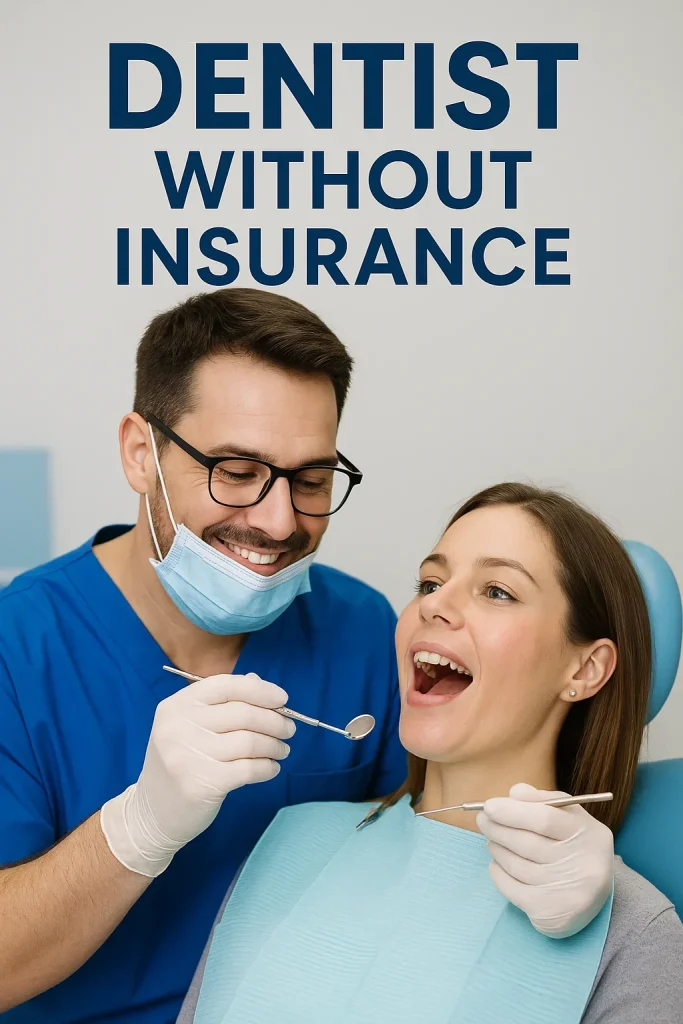
Finding a dentist without insurance can feel overwhelming — especially when unexpected dental pain strikes or you’re due for a routine cleaning. 🦷 But here’s the good news: access to quality dental care doesn’t have to depend on an insurance card. Whether you’re a student, freelancer, retiree, or simply between jobs, there are multiple ways to receive professional care while keeping costs under control. In this comprehensive guide, we’ll explore how to navigate the dental system, discover affordable options, and maintain your oral health without financial stress.
First, let’s debunk a common myth: visiting a dentist without insurance doesn’t mean settling for low-quality service. In fact, many clinics, nonprofit organizations, and local health programs are specifically designed to help patients without dental coverage. These services range from basic preventive care — like cleanings and X-rays — to complex procedures such as fillings, root canals, and crowns. The goal is to make dental health accessible for everyone, regardless of their financial background or employment situation.
In the United States, millions of adults postpone dental visits because of cost concerns. According to the American Dental Association, over 30% of adults skip or delay care each year due to financial barriers. However, delaying dental visits can lead to even higher costs later. Small cavities can become painful infections, and gum disease can cause long-term damage. By learning about affordable care strategies, you can take control of your oral health — even without a traditional insurance plan.
One of the best first steps is to research community dental clinics. These are often funded by federal or state programs and charge on a sliding fee scale based on income. For example, a cleaning that might cost $120 at a private practice could be as low as $30–$50 at a community clinic. Some dental schools also provide low-cost treatments performed by supervised students. These schools offer everything from cleanings to crowns, typically charging 40–60% less than private clinics. 🪥
Another smart option is enrolling in a dental savings plan. Unlike insurance, these plans don’t require deductibles or waiting periods. Instead, you pay an annual fee (often around $100–$200) and receive discounted rates from participating dentists — sometimes up to 60% off standard fees. If you need care from a dentist without insurance, this approach can save hundreds of dollars per year and make dental care more predictable and manageable.
For patients facing unexpected dental emergencies — like a broken tooth or severe infection — urgent care dental clinics can be a lifesaver. Many of these facilities offer same-day treatment and payment plans. It’s also worth noting that some dental offices are open to negotiation. Don’t hesitate to ask about cash discounts or in-house financing. Dentists understand that not every patient has coverage, and many prefer flexible payment arrangements over losing patients altogether.
To further minimize costs, adopt a proactive home care routine. Brush twice daily, floss once per day, and limit sugary foods and acidic beverages. Simple habits like using fluoride toothpaste and drinking plenty of water can significantly reduce the need for expensive procedures. Prevention is your most effective form of insurance! 🪥✨
Lastly, always maintain open communication with your chosen provider. Discuss your financial situation honestly, and ask about available options before starting treatment. Some clinics can tailor your treatment plan to prioritize essential work first and delay elective procedures until later. This strategy helps spread out costs while ensuring your oral health doesn’t deteriorate.
If you’re currently seeking a compassionate dentist without insurance, consider reaching out through the Redent Klinik Contact Page. Many clinics like Redent specialize in helping patients find affordable, high-quality care regardless of insurance status. Your smile deserves professional attention — and with the right resources, you can achieve it without financial hardship.
To summarize, finding a dentist without insurance doesn’t have to be stressful. With community clinics, dental schools, savings plans, and smart self-care habits, you can maintain excellent oral health on any budget. Dental care is not a luxury — it’s a necessity that can be made accessible for everyone with a bit of planning, research, and proactive care. 🌟
Understanding the Challenges of Visiting a Dentist Without Insurance
For many people, scheduling an appointment with a dentist without insurance can feel intimidating — not because of fear of the dentist, but because of the potential cost. 💸 Dental care in the U.S. is expensive, and without the cushion of insurance, patients often face difficult decisions about when and how to seek help. Understanding these challenges is the first step toward finding solutions that make dental care both affordable and accessible.
The Financial Burden of Dental Treatments
Let’s start with the biggest challenge — cost. Routine cleanings, X-rays, and exams can range between $100 and $300, while more complex treatments like fillings, crowns, or root canals can climb into the thousands. When you visit a dentist without insurance, you typically pay out of pocket for everything, which can quickly add up. According to the American Dental Association, over 40% of adults delay dental treatment due to financial concerns. This leads to a dangerous cycle: the longer care is postponed, the worse oral health becomes, and the higher future costs climb.
Dental insurance often spreads these expenses over time, but for uninsured patients, every procedure must be paid upfront. This financial strain can discourage preventive care, leading to emergency visits that are far more costly. For instance, treating a small cavity early might cost $150, but if ignored, it could require a root canal costing $1,000 or more. 🦷
Emotional Stress and Dental Anxiety
Visiting a dentist without insurance isn’t just about money; it also involves emotional stress. Patients may feel embarrassed about discussing their financial limits or fear being judged for delaying care. Unfortunately, this hesitation can cause more serious dental issues over time. It’s important to remember that dental professionals are accustomed to helping patients from all financial backgrounds and can often recommend cost-effective treatment options. Confidence and open communication go a long way in ensuring you receive the right care at the right price.
Limited Access to Preventive Care
Preventive dentistry is one of the most important components of oral health, yet uninsured individuals often skip regular cleanings and checkups. This is a major problem because preventive care helps detect early signs of tooth decay, gum disease, and oral cancer. When you see a dentist without insurance less frequently, you increase the risk of more severe conditions developing unnoticed. Early detection can save both your smile and your wallet, but it requires consistent visits — something that can be difficult without coverage.
Public Health Clinics and Community Barriers
Public health dental clinics are an excellent option, but availability varies by location. Many cities have waiting lists for reduced-cost dental services, and appointments may take weeks or even months. Furthermore, some clinics offer limited procedures, meaning patients must still pay full price for specialized care elsewhere. If you rely solely on these services, you might find that access and variety are restricted compared to private practices.
Impact on Long-Term Health
Dental health isn’t isolated from the rest of your body — it’s closely linked to cardiovascular, metabolic, and immune health. Neglecting regular checkups can increase risks of infections, gum inflammation, and even systemic diseases. For example, untreated gum disease has been linked to heart problems and diabetes complications. Choosing to visit a dentist without insurance for regular cleanings, even if it means paying out of pocket occasionally, can significantly reduce the likelihood of serious medical issues later on. 🫶
Strategies to Overcome These Challenges
The good news is that there are several ways to address these issues. Many dentists offer sliding scale payment systems, where fees are adjusted based on income. Some even provide in-house memberships that mimic insurance — you pay an annual fee (e.g., $150–$200) and receive discounts on every treatment. You can also look into dental schools where supervised students perform procedures for a fraction of the usual price. While visiting a dentist without insurance might seem daunting, these programs make care much more manageable.
Additionally, preventive self-care plays a major role. Brushing twice daily with fluoride toothpaste, flossing regularly, and limiting sugary foods can drastically reduce your need for professional treatment. Pair this with annual or biannual visits, and you can maintain strong oral health even without traditional insurance coverage.
Why Awareness Is Key
One of the most empowering steps you can take as an uninsured patient is to educate yourself. Understanding how dental pricing works, which procedures are essential, and what alternatives exist helps you make informed decisions. Being proactive rather than reactive keeps you in control. By knowing your options, you can approach a dentist without insurance confidently and avoid unnecessary stress or overpayment.
For those seeking compassionate care tailored to individual needs, clinics like Redent Klinik Contact Page can be a helpful resource. Many international dental centers specialize in providing high-quality, affordable treatments for patients without insurance or with limited coverage options. 🌍
In short, visiting a dentist without insurance presents real challenges — financial, emotional, and practical — but it’s far from impossible. With proper research, communication, and preventive care, you can protect your oral health affordably. Remember: your smile deserves professional attention, and there are always solutions available for those who seek them. 💪
Why Regular Dental Checkups Matter Even Without Coverage
Seeing a dentist without insurance might feel optional when your teeth seem fine — but skipping routine checkups can have serious long-term consequences. Dental care is preventive by nature, meaning that small problems are easier and cheaper to fix early on. Regular visits keep your mouth healthy, your smile bright, and your medical expenses under control. 🦷 In this section, we’ll explore why maintaining dental checkups is vital even without coverage, what can happen when you delay care, and how you can make routine visits more affordable.
The Hidden Value of Preventive Dentistry
Preventive dentistry is the cornerstone of oral health. It involves regular cleanings, X-rays, and checkups to detect problems before they become painful or expensive. When you see a dentist without insurance, you might assume these preventive services are luxuries — but they actually save money in the long run. For example, a small cavity can cost around $150 to treat, but if ignored, it can lead to a root canal or extraction that may exceed $1,000. Regular cleanings remove plaque and tartar buildup that toothbrushes can’t reach, reducing the risk of gum disease and tooth decay.
How Often Should You Visit?
Most dental professionals recommend visiting at least once every six months. However, if you have a history of cavities, gum problems, or chronic conditions such as diabetes, you may need more frequent visits. Even if you are a patient seeing a dentist without insurance, sticking to a consistent schedule is essential. Missing routine appointments allows small issues to progress unnoticed, leading to higher treatment costs later. ⏰
The Domino Effect of Skipping Checkups
Skipping regular visits doesn’t just affect your mouth — it impacts your overall health. Research from the American Dental Association shows clear links between oral health and systemic diseases. Inflammation from untreated gum disease has been connected to heart disease, stroke, and complications in pregnancy. When you neglect preventive care, bacteria can spread beyond your mouth, increasing risks of serious health problems. For individuals who choose to see a dentist without insurance less frequently, understanding this connection is crucial for long-term wellness.
What Happens During a Routine Checkup
Visiting a dentist without insurance for a checkup involves much more than cleaning teeth. Dentists perform a complete oral examination, check for cavities, assess gum health, and sometimes take digital X-rays. These diagnostic tools allow professionals to identify early signs of decay, infections, or bone loss. Early detection can mean the difference between a simple filling and a surgical procedure. Many people are surprised to learn that regular checkups can also reveal early signs of diabetes, vitamin deficiencies, and oral cancer — all detectable through changes in gum and tissue appearance.
Oral Cancer Screenings Save Lives
During every dental exam, dentists also screen for oral cancer — a disease that can develop silently and progress quickly. The survival rate for oral cancer increases dramatically when caught early. Patients visiting a dentist without insurance should not skip this vital screening, as it could literally save their lives. 🩺 Early detection often requires no additional charge during routine visits, making it one of the most valuable aspects of preventive dentistry.
Maintaining Oral Health on a Budget
Keeping your teeth healthy doesn’t have to break the bank. Here are several tips to make preventive care affordable:
- Look for dental schools where supervised students provide low-cost checkups and cleanings.
- Search for community dental programs that offer free or discounted exams once or twice a year.
- Ask your dentist without insurance about membership or loyalty plans — many clinics now offer in-house preventive care packages for an annual fee.
- Use fluoride mouthwash and brush with fluoride toothpaste daily to minimize future dental costs.
- Adopt a nutrient-rich diet with plenty of calcium, vitamin D, and water to strengthen teeth naturally. 🥦
The Psychological Benefits of Routine Care
There’s also an emotional side to maintaining your dental health. Regular cleanings boost confidence, improve appearance, and reduce anxiety about potential dental problems. Patients who visit a dentist without insurance consistently often report feeling more empowered and less fearful of emergencies. This proactive mindset fosters self-care and encourages healthier daily habits, leading to a stronger overall sense of well-being.
Dental Checkups vs. Emergency Visits
Some people believe they can wait until pain arises before seeing a dentist. However, emergency dental care is almost always more expensive. For instance, an emergency tooth extraction can cost up to $300, compared to $100 for a preventive checkup. Visiting a dentist without insurance regularly helps avoid urgent treatments and allows you to plan your dental spending more effectively. Prevention is not only better than cure — it’s cheaper, easier, and far less stressful. 😬
Affordable Ways to Stay Consistent
If finances are tight, you can still maintain consistent checkups through creative planning. Many clinics allow patients to split payments or use financing platforms like CareCredit. You can also ask about sliding scale fees or seasonal promotions. Some dental offices host community “free dental days” offering exams or cleanings at no cost. Keep an eye on local health department announcements and nonprofit organizations. Combining these resources helps make seeing a dentist without insurance practical year-round.
Finally, always remember that dental health is an investment, not an expense. The cost of preventive care is small compared to the cost of neglect. Whether insured or not, maintaining regular checkups protects your teeth, gums, and confidence for life. For those seeking affordable and compassionate care, clinics like Redent Klinik Contact Page can help you take that first step toward lasting oral health — even without traditional coverage. 🌟
Low-Cost and Free Dental Clinics: How to Find Them Near You
Finding a dentist without insurance doesn’t mean you’re limited to high-priced private practices. Across the U.S., thousands of low-cost and even free dental clinics operate to ensure that everyone — regardless of income or coverage — can access proper oral care. 🦷 Whether you need a cleaning, extraction, or emergency treatment, understanding how to locate and qualify for these clinics can make a life-changing difference. In this detailed guide, we’ll explore different types of affordable dental clinics, how to identify legitimate ones, and how to prepare for your visit efficiently.
Types of Low-Cost Dental Clinics
Not all affordable clinics are the same. Each operates with its own funding structure and eligibility requirements. Here are the main categories of clinics that uninsured patients can turn to:
1. Federally Qualified Health Centers (FQHCs)
Federally Qualified Health Centers are community-based organizations that provide comprehensive healthcare — including dental services — on a sliding fee scale. These centers receive government funding to serve uninsured and underinsured patients. When you visit an FQHC as a dentist without insurance patient, your costs are determined by income and family size. Services typically include cleanings, fillings, extractions, and preventive education. To find an FQHC near you, visit the official Health Resources and Services Administration (HRSA) website and search by ZIP code.
2. Dental Schools and Training Institutions
Dentistry schools are hidden gems for affordable care. Supervised students perform cleanings, fillings, and even complex treatments like root canals at significantly reduced prices. You might pay just $40–$80 for a full exam that would cost $200 or more in a private clinic. While appointments can take longer — because students work carefully under faculty supervision — the quality is often excellent. If you’re searching for a dentist without insurance, this option provides a professional and budget-friendly experience.
3. Nonprofit and Charity-Based Clinics
Many nonprofit organizations offer free or heavily discounted dental care days throughout the year. Groups like America’s Dentists Care Foundation host events such as “Mission of Mercy” where thousands of volunteers provide free dental care for uninsured individuals. These clinics focus on essential procedures like cleanings, extractions, and cavity treatments. Staying informed about local health events or checking community bulletin boards can help you find when such opportunities arise in your area. ❤️
How to Locate a Clinic Near You
Finding an affordable dentist without insurance requires strategic research. Start by searching for “low-cost dental clinic near me” or using your city’s public health department directory. You can also contact 2-1-1, a nationwide helpline that connects callers with free or low-cost health services, including dental care. Local universities and churches sometimes collaborate with medical organizations to host dental outreach programs, especially around holidays or back-to-school seasons.
Additionally, the American Dental Association website provides a “Find-A-Dentist” tool that includes listings of community dental centers that serve uninsured patients. Online platforms such as NeedyMeds.org or FreeDentalCare.us also maintain updated databases of clinics that accept walk-ins or income-based appointments. 🌍
What Services Are Typically Offered?
Affordable clinics vary in the services they provide, but most focus on preventive and basic restorative care. Common services include:
- Oral examinations and digital X-rays
- Teeth cleaning and fluoride treatments
- Fillings and sealants
- Tooth extractions and simple oral surgery
- Emergency pain relief and infection treatment
Some advanced clinics also offer dentures, crowns, or root canal therapy, often at a fraction of private-practice costs. It’s always best to call ahead and ask what’s available. Many dentists without insurance provide bundled packages — for example, a cleaning, X-rays, and consultation for one low price.
Qualifying for Reduced or Free Care
Eligibility depends on each clinic’s policies. Federally funded centers generally require proof of income or residency. Nonprofit and faith-based clinics may serve anyone who arrives, regardless of documentation. When preparing for your visit to a dentist without insurance, bring identification, proof of address, and any recent dental records. This ensures smooth registration and helps the clinic design a suitable treatment plan for your needs.
Documents You May Need
- Government-issued photo ID
- Proof of income (like pay stubs or tax returns)
- Proof of residency (utility bill, lease agreement)
- List of current medications or allergies
Being prepared with this information not only speeds up your visit but also shows the staff that you’re serious about your dental health. Many patients who visit a dentist without insurance find that clinics appreciate transparency and commitment, which sometimes leads to better scheduling or reduced fees. 📝
Tips for Making the Most of Low-Cost Care
Even at affordable clinics, it’s wise to make every visit count. Here are some tips to maximize your experience:
- Schedule appointments early in the day — low-cost clinics often book quickly.
- Ask about treatment prioritization. Start with urgent needs like cavities or gum infections.
- Take advantage of preventive advice — ask your dentist how to avoid future issues.
- Keep a personal dental record so you can share it across different clinics if necessary.
Combining Affordable Options
It’s often possible to combine different cost-saving strategies. For instance, you can use a dental savings plan to lower rates at community clinics, or alternate between a university clinic for cleanings and a local nonprofit for emergency care. The key is flexibility. With proper planning, you can maintain your oral health effectively — even if you regularly see a dentist without insurance.
Finding Compassionate Care
Affordability shouldn’t mean sacrificing quality or comfort. Many low-cost clinics are staffed by experienced dentists passionate about community health. If you’re searching for a trusted provider who understands your needs, consider reaching out through the Redent Klinik Contact Page. Clinics like Redent are dedicated to helping patients without insurance receive excellent care in a supportive, judgment-free environment.
In summary, locating a dentist without insurance is entirely possible with a bit of research and preparation. From federally funded health centers to nonprofit initiatives, the resources available today ensure that cost doesn’t have to stand in the way of a healthy, confident smile. 😄 Prevention, awareness, and persistence are your greatest tools for affordable dental wellness.
Dental Savings Plans vs. Insurance: Which Is Better for You?
When you’re searching for a dentist without insurance, one of the first questions that comes up is whether a dental savings plan can replace traditional insurance. The short answer? In many cases, yes — and sometimes it can even be better. Dental savings plans (also known as dental discount plans) are becoming increasingly popular among patients who need affordable care without dealing with complex insurance paperwork. 🦷 This section explores how these plans work, how they compare to standard insurance policies, and which option best fits your dental and financial needs.
Understanding Dental Savings Plans
A dental savings plan isn’t insurance — it’s a membership-based program that provides discounted rates for various dental services. You pay an annual or monthly fee (typically between $100–$250 per year), and in return, you gain access to a network of participating dentists who offer lower prices on treatments. When you visit a dentist without insurance, you simply present your membership card at the time of service and pay the discounted rate directly to the provider. There are no claim forms, deductibles, or waiting periods — which makes it ideal for people who need immediate treatment.
How It Works
Most plans offer 10%–60% savings on common dental procedures, including cleanings, fillings, extractions, and even cosmetic services like whitening or veneers. For example, a standard cleaning that might cost $120 could be reduced to $60–$70 through a savings plan. Some plans also include coverage for family members at no additional charge or with a minimal fee. This can be especially valuable if multiple people in your household need regular dental care.
Because dental savings plans are not insurance, there are no limitations based on pre-existing conditions, and you can start using the benefits immediately after enrollment. This flexibility is why many people searching for a dentist without insurance find savings plans a practical alternative to traditional coverage. 🪥
Comparing Dental Savings Plans and Traditional Insurance
To make the best decision, it’s important to understand the differences between the two systems. Below is a breakdown of key factors that distinguish dental savings plans from standard insurance:
| Feature | Dental Savings Plan | Traditional Insurance |
|---|---|---|
| Enrollment Cost | $100–$250 per year | $400–$600 per year (on average) |
| Waiting Period | None | 3–12 months for major procedures |
| Pre-Existing Conditions | Always accepted | Often excluded or limited |
| Discount vs. Coverage | Discount on every service | Partial coverage (up to 80%) |
| Paperwork | None | Requires claim forms |
| Network Flexibility | Moderate — select providers only | Varies — limited by insurance plan |
Advantages of Dental Savings Plans
For many patients, especially those seeking a dentist without insurance, dental savings plans provide simplicity and affordability. Here are the major benefits:
- No waiting periods: You can start using your benefits immediately after signing up, making it ideal for urgent dental needs.
- No claim process: You pay your dentist directly — no forms, no approvals, no denials.
- Flexible usage: Plans can be used as often as needed throughout the year.
- Inclusive for families: Many plans allow spouses and children to join for one low fee.
- Discounts on cosmetic treatments: Some plans offer savings on services not typically covered by insurance, like whitening or veneers. ✨
Limitations of Dental Savings Plans
Despite their advantages, dental savings plans do have limitations. For example, discounts apply only to participating providers. If your preferred dentist doesn’t accept the plan, you’ll need to switch clinics. Additionally, while savings can be substantial, there’s no financial reimbursement — you pay all costs out of pocket, even at a reduced rate. Patients who require extensive dental work should calculate potential savings to determine whether a savings plan is sufficient or if partial insurance coverage would be more cost-effective.
Who Should Choose a Dental Savings Plan?
If you’re a healthy adult with minimal dental issues who mainly needs preventive care, a savings plan can be perfect. It’s also a smart choice if you’re self-employed, retired, or between jobs and temporarily uninsured. On the other hand, if you expect to need major dental work — such as implants, bridges, or orthodontics — a combination of a savings plan and flexible financing might offer better long-term protection. 🧾
Hybrid Approach: Combining Strategies
Some individuals combine both systems — maintaining a basic dental savings plan while purchasing supplemental insurance for major procedures. This hybrid approach ensures affordability for routine care while providing extra security for emergencies. Many dentists without insurance partnerships support this dual setup, allowing patients to enjoy year-round flexibility and peace of mind.
Choosing the Right Plan
Before enrolling, research the network and read the fine print. Look for plans with a wide range of local providers and transparent pricing. You can compare plans online or through trusted sources such as the American Dental Association. Always confirm that your chosen dentist without insurance participates in the plan before signing up. Some plans even include tele-dentistry consultations, letting you speak with professionals virtually for advice on minor issues.
Real-World Example
Let’s take an example: Sarah, a freelance designer, needed two fillings and a cleaning. Without coverage, her total estimate was $450. After joining a dental savings plan for $120 a year, she paid $260 for all procedures — saving nearly $200 in one visit. Over 12 months, she scheduled two more checkups and saved over $600 in total. Her experience shows that working with a dentist without insurance can still be financially smart when paired with the right plan.
Final Thoughts
Dental savings plans have transformed how patients manage oral care costs. For anyone searching for a reliable dentist without insurance, these plans offer flexibility, simplicity, and significant savings. However, the best option depends on your personal health needs, location, and budget. If you need expert guidance or help connecting with affordable providers, reach out via the Redent Klinik Contact Page. By taking advantage of cost-saving programs and making informed choices, you can enjoy comprehensive dental care without financial strain — and without sacrificing your smile. 😄
Negotiating Dental Costs: How to Save Money Without Insurance
Visiting a dentist without insurance doesn’t mean you have to accept the first price you’re quoted. Dental costs can be negotiated — just like any other professional service. Many people are unaware that dentists have flexibility when setting their fees, and by communicating clearly, comparing options, and planning strategically, you can significantly lower your expenses. This guide explains proven techniques for negotiating dental care costs, getting transparent pricing, and building strong relationships with dental professionals who respect your budget. 💬
Understanding How Dental Pricing Works
Before you negotiate, it’s essential to understand how dental pricing structures operate. Dentists typically base their fees on national averages, local market costs, and procedure complexity. However, these fees are not set in stone. If you’re a dentist without insurance patient paying out of pocket, you actually have more leverage because you’re offering immediate payment — eliminating billing delays or insurance processing costs. This often motivates clinics to offer a discount of 10–30% off the standard rate.
Factors That Affect Costs
- Geographic location: Urban clinics charge more than rural ones due to overhead expenses.
- Materials used: High-end materials like ceramic crowns cost more than metal ones.
- Technology level: Clinics with advanced digital equipment may charge extra for precision imaging.
- Experience and specialization: Highly skilled dentists often command higher rates.
When discussing fees with your dentist without insurance, ask for a complete treatment plan that breaks down costs by procedure. This allows you to identify where negotiation is possible — such as elective add-ons or cosmetic upgrades that may not be medically necessary.
How to Negotiate Dental Costs Effectively
Negotiating doesn’t have to be awkward. Dentists appreciate honest communication, and most are willing to discuss options when approached respectfully. Here’s a step-by-step approach to help you save money while maintaining quality care:
1. Do Your Research
Start by researching typical dental fees in your area. The American Dental Association publishes annual fee surveys that give an idea of average procedure costs across the U.S. You can also compare rates on dental cost estimator websites. When you’re informed, you can confidently discuss pricing with a dentist without insurance and avoid overpaying.
2. Ask for an Itemized Estimate
Before agreeing to treatment, request an itemized estimate. This breakdown allows you to understand exactly what you’re paying for — from exams and X-rays to anesthesia and lab fees. You can then discuss removing or postponing optional items if necessary. For instance, you might delay whitening treatments until essential work like fillings is complete.
3. Offer Immediate Payment
Many dental offices provide discounts (often 5–20%) for patients who pay upfront. When you visit a dentist without insurance, offering immediate payment can make a strong impression and help secure lower rates. Cash payments eliminate credit card processing fees and administrative tasks, benefiting both sides.
4. Ask About In-House Membership Plans
Some dental offices now offer “membership plans” that function like simplified dental savings programs. You pay an annual fee — typically between $150 and $250 — and receive free exams and cleanings, plus discounts on all other services. If you plan to see the same dentist without insurance regularly, this can result in significant long-term savings.
5. Negotiate a Payment Plan
If your dental bill is too high to pay at once, most clinics allow you to split it into monthly installments. Payment plans can be arranged directly with the office or through third-party financing like CareCredit. These options often include zero or low interest for several months. Don’t be afraid to explain your situation — most dental teams value retaining patients and will accommodate reasonable requests. 🪙
Using Written Quotes to Your Advantage
When comparing multiple dentists, always ask for written treatment estimates. This allows you to present competing offers when negotiating. For example, if one clinic quotes $1,200 for a crown and another offers $950, you can politely ask whether your preferred dentist without insurance can match or beat that price. Written quotes make negotiations transparent and professional, avoiding misunderstandings.
Exploring Dental Tourism and Cross-Border Care
For extensive dental work, traveling abroad can offer major savings. Many international clinics — including reputable facilities like Redent Klinik Contact Page — provide top-quality care at a fraction of U.S. prices. Dental tourism destinations such as Turkey, Mexico, and Thailand are known for affordable procedures and highly skilled professionals. However, ensure that the clinic is accredited, uses modern sterilization standards, and communicates clearly in English. 🌍
Understanding Discount Days and Community Offers
Some dental offices host annual “free dental days” or reduced-fee events for uninsured patients. These community outreach programs may include basic cleanings, exams, or extractions at little to no cost. Check local news boards or the ADA’s community listings for upcoming opportunities. Participating in such events can help you maintain your oral health without spending much.
Long-Term Cost Reduction Strategies
Beyond negotiation, practicing preventive care is the ultimate money-saving strategy. Brushing twice daily, flossing, and eating a low-sugar diet can prevent costly procedures. Regular checkups — even once per year — with a dentist without insurance ensure early detection and smaller bills. 🦷 You can also invest in affordable home care tools such as an electric toothbrush or fluoride rinse to extend the time between professional cleanings.
Final Thoughts
Negotiating dental costs is about communication, preparation, and persistence. Don’t hesitate to ask for price adjustments, payment plans, or alternative treatments. Most dentists respect patients who take initiative and are open about their financial situation. When you combine negotiation tactics with preventive care, dental visits become far more manageable — even without traditional coverage. If you’re looking for affordable options or personalized guidance, contact the professionals at Redent Klinik. They specialize in helping patients find high-quality, budget-friendly dental solutions. 🌟
Ultimately, visiting a dentist without insurance doesn’t have to break the bank. With smart negotiation, research, and the right care strategy, you can protect your smile and your savings at the same time. 💪
Common Dental Treatments and Their Typical Costs in the U.S.
When visiting a dentist without insurance, understanding the average costs of common procedures can help you plan and budget effectively. 🦷 Dental prices vary depending on your location, the clinic’s experience level, and the materials used, but having a general estimate allows you to make informed choices. This section breaks down typical treatment categories, what they include, and how much you can expect to pay for each — with practical advice on keeping costs low and maintaining long-term oral health.
Routine Preventive Care
Preventive treatments are the foundation of oral health and the most affordable type of dental care. For patients visiting a dentist without insurance, preventive care is the first step toward avoiding expensive complications later.
Dental Exams and Cleanings
Most adults should visit their dentist twice a year for a cleaning and checkup. Without insurance, this typically costs between $100–$250 per visit, depending on whether X-rays are included. A full set of bitewing X-rays may cost an additional $50–$100. If you maintain consistent visits, you’ll likely spend less on more serious procedures over time — prevention always saves money in the long run. 🪥
Fluoride Treatments and Sealants
Fluoride varnish applications, which strengthen enamel and help prevent decay, usually cost $20–$50 per session. Dental sealants — protective coatings applied to the molars — average around $30–$60 per tooth. For children or adults with cavity-prone teeth, these small preventive investments can drastically reduce future expenses when visiting a dentist without insurance.
Restorative Procedures
Restorative treatments are designed to repair or replace damaged teeth. These are usually more expensive than preventive care, but costs can still be managed through dental savings plans or negotiations.
Fillings
When a cavity develops, it must be treated quickly to avoid infection. For a dentist without insurance, composite (tooth-colored) fillings typically range from $150–$300 per tooth, while silver (amalgam) fillings cost about $100–$200. Prices depend on cavity size and location. Choosing composite materials offers better aesthetics but comes at a slightly higher cost.
Root Canal Therapy
Root canals save severely decayed or infected teeth. These treatments can cost anywhere from $600–$1,500 per tooth, depending on complexity and tooth type (molars are more expensive). Without coverage, some patients travel abroad to reduce costs, but local clinics often offer payment plans for this essential procedure. Regular visits to a dentist without insurance can catch early signs of decay, potentially avoiding the need for root canals altogether.
Dental Crowns
After a root canal or large filling, a crown may be necessary to protect the tooth. Crowns made of porcelain or ceramic cost $800–$1,800 each, while metal crowns range from $600–$1,200. Ask your dentist if they offer discounts for multiple crowns or if alternative materials could lower your price. 🧾
Cosmetic Dentistry Options
Even patients seeing a dentist without insurance often consider cosmetic procedures for improved confidence and aesthetics. These are typically elective treatments and not covered by insurance — but some clinics offer package deals to make them more affordable.
Teeth Whitening
Professional whitening can range between $200–$600 for in-office treatments and $100–$300 for take-home kits. Whitening performed by a dentist delivers faster and longer-lasting results compared to over-the-counter alternatives. Maintaining good oral hygiene and limiting coffee or tobacco use extends the effects. ✨
Veneers
Porcelain veneers can transform a smile but come with a higher price tag. Expect to pay $900–$2,500 per tooth at a dentist without insurance. Some clinics offer composite veneers for $400–$800 as a more budget-friendly alternative. While cosmetic, veneers also strengthen enamel and close gaps — offering both beauty and protection.
Tooth Replacement and Advanced Care
Missing teeth can impact chewing, speech, and confidence. Fortunately, even if you’re working with a dentist without insurance, there are several restorative options that balance quality and affordability.
Dental Implants
Implants are the gold standard for replacing lost teeth. A single implant, including the crown, can cost $3,000–$5,000 in the U.S. However, some international clinics (such as Redent Klinik) offer comparable treatments for up to 60% less. When evaluating options, confirm that your clinic uses FDA-approved materials and provides post-surgery follow-up care. 🌍
Bridges and Dentures
A traditional three-unit bridge averages $2,000–$3,000. Full dentures range from $1,000–$4,000 depending on materials and design. For partial dentures, the price can be as low as $500–$1,500. If you’re consulting a dentist without insurance, ask about flexible materials like nylon-based dentures, which are comfortable and more affordable than porcelain options.
Emergency Dental Procedures
Dental emergencies, such as cracked teeth or infections, require immediate attention. Emergency exams cost $100–$150, while extractions can range from $150–$400 for simple cases and up to $700–$1,000 for surgical removals. If you’re visiting a dentist without insurance, ask whether emergency fees can be applied toward your treatment cost — many clinics accommodate this request.
Ways to Reduce Out-of-Pocket Costs
Even without insurance, there are multiple ways to manage dental expenses:
- Enroll in a dental savings plan for discounted rates on all services.
- Ask your dentist for a bundled package if you need multiple treatments.
- Use financing options like CareCredit or clinic-specific payment plans.
- Compare local prices online before booking an appointment.
- Practice daily preventive care to minimize major procedures later.
Final Thoughts
Knowing the typical costs of dental procedures empowers you to make smarter financial decisions. Whether you’re getting a filling, a crown, or an implant, transparency and planning are key. Discuss all estimates with your dentist without insurance beforehand, and don’t hesitate to ask for itemized breakdowns or payment flexibility. With the right approach and a focus on prevention, you can maintain excellent oral health and a confident smile without draining your savings. 😄
Payment Plans and Financing Options for Uninsured Patients
Finding a dentist without insurance can be stressful when you’re worried about high treatment costs. However, many clinics understand that not everyone has dental coverage — and they’ve created flexible payment and financing solutions to make oral care accessible for everyone. Whether you’re dealing with an emergency, planning cosmetic improvements, or simply trying to maintain your dental health, there are several ways to manage expenses without sacrificing quality care. 💳
Understanding Why Financing Matters
Dental procedures can add up quickly, especially if multiple treatments are needed. For instance, fillings, root canals, and crowns can easily exceed $1,500 when combined. Paying this upfront might not be realistic for most patients, which is why flexible financing options exist. If you’re visiting a dentist without insurance, you can still access affordable care by dividing your total cost into manageable payments over time. The key is knowing which options are available and how to qualify for them.
In-House Payment Plans Offered by Dental Clinics
Many dental offices offer in-house payment plans that let you spread out costs interest-free over several months. These are ideal if you already have a relationship with your dentist and need predictable payments. For example, a $1,200 treatment could be divided into six payments of $200 each. This structure makes it easier for patients to commit to necessary treatments immediately. 🦷
How to Qualify for In-House Payment Plans
- Most clinics require a small down payment (usually 10–20% of the total bill).
- You’ll likely need to sign a payment agreement outlining monthly amounts and due dates.
- Some offices perform a soft credit check, but many rely on good-faith arrangements.
- Late payments might incur small fees, but generally no high-interest penalties.
When you’re working with a dentist without insurance, ask early about payment flexibility. Many clinics would rather create a custom plan than risk losing a patient due to affordability concerns.
Third-Party Financing Options
Beyond in-house plans, several third-party companies specialize in medical and dental financing. These programs let you receive care immediately and pay it off over several months or years. Some popular options include:
- CareCredit: One of the most widely used healthcare financing tools, offering 6–24 month interest-free plans for qualifying patients.
- LendingClub Patient Solutions: Provides low-interest installment plans, often used for larger procedures like implants or orthodontics.
- Sunbit: Designed for patients with limited credit history, offering high approval rates and flexible terms.
Advantages of Using Third-Party Financing
These companies work directly with your dentist’s office, so you don’t need to handle complex paperwork. Once approved, payments are made automatically, and you can focus on your treatment. Patients who use such financing when visiting a dentist without insurance often report less stress and better long-term outcomes, as they can complete treatment plans without financial interruption. 🧾
Credit Cards and Health Savings Accounts (HSAs)
If third-party financing isn’t available, you can also use a regular credit card or Health Savings Account (HSA). Many clinics accept major credit cards and even provide small discounts for cash payments. An HSA or FSA (Flexible Spending Account) allows you to use pre-tax dollars for qualified medical and dental expenses. If you often visit a dentist without insurance, contributing regularly to one of these accounts can help offset future costs.
Dental Membership and Subscription Plans
More dental offices now offer in-house membership programs that function like simplified insurance. For a fixed annual or monthly fee, you receive preventive care (cleanings, exams, and X-rays) plus discounts on all other services. For instance, a plan may cost $25 per month and include two annual cleanings and 20% off all other treatments. This setup is perfect for patients who frequently see a dentist without insurance and want predictable pricing.
Typical Benefits of Dental Membership Plans
- Annual exams and cleanings included in the price
- Discounts on major procedures (fillings, crowns, dentures)
- No waiting periods or deductibles
- Immediate activation — you can use benefits right away
Unlike traditional insurance, these plans have no claim forms or confusing rules. They are straightforward, affordable, and designed for convenience.
Nonprofit and Government Assistance Programs
If you’re facing serious financial hardship, nonprofit organizations and state health programs can provide additional help. Programs like Medicaid (for qualifying low-income individuals) or local public health departments often include partial dental coverage. Even if you’re not eligible for full benefits, they may subsidize specific procedures. The American Dental Association also maintains listings of community clinics that provide free or low-cost dental care to uninsured patients.
Negotiating Your Payment Terms
When working with a dentist without insurance, don’t hesitate to discuss payment flexibility. Be transparent about your financial situation. Many offices appreciate honesty and will help design a custom solution. Some may even allow service-by-service payments, letting you address the most urgent issues first and postpone elective treatments until later. Always request written confirmation of agreed terms to avoid confusion.
Tips for Successful Payment Negotiation
- Ask about cash discounts — often 5–10% savings.
- Offer to set up automatic payments for convenience.
- Bundle multiple procedures to negotiate a lower overall price.
- Stay consistent with your payments to build trust for future visits.
Combining Payment Methods
You don’t have to rely on one solution. Many patients combine options — for instance, paying part upfront, financing the rest, and using a savings account for preventive visits. With smart planning, even costly dental work becomes manageable. If you’re unsure where to start, clinics like Redent Klinik can guide you through all available options and recommend the best approach for your budget and treatment needs. 🌟
Final Thoughts
Accessing quality dental care doesn’t require insurance — it requires awareness and smart financial planning. From in-house payment plans to nonprofit support, there are multiple paths to affordable oral care. Discuss your options openly, use financing strategically, and stay proactive with preventive checkups. With these steps, visiting a dentist without insurance becomes not only possible but stress-free, allowing you to protect your smile and your finances for years to come. 😁
Preventive Dental Care Tips When You Don’t Have Insurance
Even if you’re visiting a dentist without insurance, maintaining excellent oral health is absolutely achievable — and more affordable than you might think. Preventive care is the key to avoiding expensive procedures, painful emergencies, and long-term dental issues. By investing time in daily hygiene habits, nutrition, and smart professional care choices, you can protect your teeth and gums for life. 🦷 This section explores practical, evidence-based preventive strategies for keeping your smile healthy, even when you’re managing dental expenses on your own.
The Importance of Prevention Over Treatment
Dental prevention focuses on avoiding problems before they start. Regular cleanings, proper brushing, and a balanced diet can prevent 80–90% of common oral issues like cavities, gum disease, and bad breath. When you consistently apply these practices, you reduce your reliance on costly treatments. For those seeing a dentist without insurance, prevention is not only a health goal but also a financial strategy. Prevention costs pennies a day compared to the thousands spent on restorations, implants, or surgeries. 🌟
Establishing a Consistent Oral Hygiene Routine
Good oral hygiene begins at home. By following a disciplined daily routine, you can keep bacteria and plaque at bay, reducing the need for complex treatments later.
Brushing the Right Way
Brush your teeth at least twice daily for two full minutes each time. Use a soft-bristled toothbrush and fluoride toothpaste to strengthen enamel. Electric toothbrushes can remove more plaque than manual brushes, but either can work effectively when used correctly. Pay special attention to the gum line, where bacteria tend to accumulate. Patients who visit a dentist without insurance should especially prioritize proper brushing — it’s the most affordable preventive tool available. 🪥
Flossing Daily
Flossing removes food particles and plaque between teeth that brushing alone cannot reach. Skipping this step can lead to gum disease and decay between teeth. If traditional floss is difficult to use, consider floss picks or water flossers for better access. These tools are cost-effective investments that significantly reduce the need for deep cleanings or fillings later on.
Using Mouthwash for Added Protection
An antibacterial or fluoride mouthwash helps fight germs and strengthens enamel. Choose alcohol-free formulas to avoid irritation. Rinsing once daily reduces plaque and keeps your breath fresh. This small step, combined with brushing and flossing, can save hundreds in future dental costs when you’re managing care through a dentist without insurance.
Nutrition and Lifestyle Habits for Oral Health
Your diet plays a direct role in dental wellness. Sugary and acidic foods erode enamel and feed harmful bacteria. Replacing sodas and sweets with water, dairy, fruits, and vegetables can prevent decay naturally.
Best Foods for Strong Teeth
- Dairy products like yogurt and cheese provide calcium and phosphates that rebuild enamel.
- Leafy greens (spinach, kale) deliver vitamins essential for gum health.
- Crunchy fruits and vegetables like apples, carrots, and celery naturally clean teeth and stimulate saliva flow.
- Green tea contains antioxidants that reduce inflammation and bacteria levels in the mouth.
Habits to Avoid
Cut back on tobacco, alcohol, and excessive coffee. These substances stain teeth and contribute to gum disease and oral cancer. If you smoke, schedule regular oral screenings — even at a dentist without insurance — to detect early warning signs of complications.
Scheduling Regular Checkups — Even Without Coverage
While home care is essential, professional checkups remain a vital part of prevention. Aim to see your dentist without insurance at least once a year for a cleaning and examination. Many clinics offer discounted preventive packages or loyalty programs that include X-rays, cleanings, and fluoride treatments. Staying consistent prevents small issues from turning into major, costly procedures later.
Affordable Ways to Access Preventive Visits
- Enroll in a dental savings plan to receive discounted routine care.
- Check dental schools that offer low-cost preventive services supervised by professionals.
- Look for community health fairs or free dental screening days in your area.
- Use the American Dental Association website to locate local affordable dental programs.
Early Detection: Spotting Warning Signs at Home
Preventive care also means recognizing early signs of dental problems. Catching symptoms early can help you visit a dentist without insurance before the issue escalates. Watch for:
- Bleeding gums when brushing or flossing
- Persistent bad breath or metallic taste
- Sensitivity to hot, cold, or sweet foods
- Visible holes, chips, or discoloration in teeth
Don’t ignore these signs. Early intervention is far cheaper and easier than emergency treatment later.
Natural Remedies That Support Oral Health
For those seeking holistic or low-cost approaches, several natural remedies can complement professional care. Rinsing with warm saltwater can soothe gum inflammation and kill bacteria. Oil pulling with coconut oil once a week may reduce plaque and improve freshness. Chewing sugar-free xylitol gum after meals also helps neutralize acid and stimulate saliva flow — a natural defense against decay.
Creating a Personalized Prevention Plan
Each person’s oral health needs are unique. Consult with your dentist without insurance to develop a plan tailored to your habits, age, and dental history. For instance, if you’re prone to gum inflammation, your dentist may recommend specialized mouthwash or scaling more frequently. Patients with sensitive enamel may need fluoride varnishes twice a year. A personalized prevention plan ensures consistent protection within your budget. 🗓️
Final Thoughts
Preventive dental care is the smartest investment you can make — especially when you’re seeing a dentist without insurance. By brushing, flossing, eating well, and visiting your dentist regularly, you can prevent 90% of dental issues before they start. Small daily actions lead to massive long-term savings and a healthier, more confident smile. For affordable professional advice or cleanings, you can reach out via the Redent Klinik Contact Page. Prevention doesn’t just save your teeth — it saves your money, too. 😁
When to Seek Urgent Dental Care Without Coverage
Knowing when to visit a dentist without insurance for urgent dental care can make the difference between saving a tooth and facing serious infection or pain. Dental emergencies don’t wait for insurance approval — and untreated problems can quickly escalate into severe complications affecting your overall health. This section provides a detailed guide to recognizing true dental emergencies, what immediate actions to take, and how to access affordable urgent care even when you don’t have insurance. 🦷
Understanding What Counts as a Dental Emergency
Many patients aren’t sure when pain or swelling requires immediate attention. A dentist without insurance often treats patients who delay care, only to face higher costs later. True dental emergencies involve situations where you risk permanent damage or intense discomfort. Examples include:
- Severe toothache or abscess: Persistent throbbing pain often indicates infection.
- Knocked-out tooth: Immediate treatment within 30–60 minutes increases survival chances.
- Broken or cracked teeth: Sharp edges or exposed nerves require urgent repair.
- Excessive bleeding after extraction or trauma: May need sutures or clotting intervention.
- Facial swelling or fever: Signs of spreading infection that can threaten your airway.
If you’re unsure whether your issue qualifies as an emergency, contact a dental office or urgent care line for advice. Most clinics offer same-day appointments for uninsured patients in critical condition.
Common Dental Emergencies and Immediate Actions
1. Toothache or Dental Abscess
Severe, persistent pain or swelling near a tooth may mean there’s an infection inside the root or gums. If untreated, it can spread to the jaw or bloodstream. Rinse your mouth with warm saltwater, take an over-the-counter pain reliever, and apply a cold compress. Then, contact a dentist without insurance right away — many clinics offer emergency slots with discounted fees for urgent cases.
2. Broken, Chipped, or Cracked Tooth
If a tooth cracks or breaks, gently rinse your mouth and save any fragments. Cover sharp edges with dental wax or sugar-free gum to prevent injury. For pain, apply a cold compress. Schedule an immediate visit to your dentist without insurance — early bonding or repair is far cheaper than waiting until the pulp becomes infected, which would require a root canal or extraction later.
3. Knocked-Out Tooth (Avulsed Tooth)
This is one of the most time-sensitive dental emergencies. Pick up the tooth by the crown (not the root), gently rinse it with water, and try placing it back in the socket if possible. If not, store it in milk or a saline solution until you can reach a dentist. Every minute counts — after 60 minutes, survival chances drop drastically. Even if you’re visiting a dentist without insurance, most will prioritize reimplantation immediately and discuss payment options later. ⏱️
4. Lost Filling or Crown
If a filling or crown comes off, the exposed tooth can be sensitive or painful. Clean the area and cover it with dental cement (available at most pharmacies). Avoid chewing on that side until a dentist without insurance can replace it. A temporary solution prevents infection and saves you from more expensive repairs later.
5. Swelling, Fever, or Gum Infection
Swelling in the face or neck accompanied by fever is a sign of a serious infection, such as a dental abscess. This requires professional drainage and antibiotics. Ignoring it can lead to systemic infection (sepsis). Visit an emergency dental clinic or, if symptoms are severe, go directly to the nearest emergency room. Always inform them that you’re a dentist without insurance patient — many hospitals and urgent care centers have sliding-scale payment systems.
How to Find Affordable Emergency Dental Services
Dental Schools and Community Clinics
Many dental schools operate clinics offering low-cost emergency care supervised by experienced professionals. Appointments may take longer, but quality remains high. Community clinics also provide urgent services, often charging based on your income. You can locate such facilities through the American Dental Association’s community dental programs directory.
After-Hours and Walk-In Clinics
Some clinics specialize in after-hours emergency care. They typically handle cases like extractions, infections, and trauma-related issues. Although prices are higher at night, many offer payment flexibility for dentist without insurance patients. Calling ahead ensures faster service and clear pricing.
Tele-Dentistry Consultations
For less severe cases, tele-dentistry is an excellent option. You can consult a licensed dentist online, share photos, and receive immediate guidance on whether you need in-person treatment. It’s a cost-effective first step, particularly for patients without insurance coverage. Average consultation fees range from $30–$75 — much cheaper than an emergency visit.
Managing Pain and Preventing Future Emergencies
Once your immediate dental issue is resolved, take preventive measures to avoid recurrence. Patients seeing a dentist without insurance should maintain a consistent hygiene routine, including brushing twice daily, flossing, and limiting sugary foods. Schedule at least one professional cleaning per year, even at a reduced-cost clinic. Preventive habits drastically lower the risk of emergencies.
DIY Remedies to Avoid
While waiting for care, avoid using aspirin directly on gums (it burns tissue), superglue for broken crowns, or makeshift tools to remove debris. These actions can worsen damage or cause infections. Always follow safe at-home care until you can reach a professional.
Preparing for Future Dental Emergencies
Emergencies are unpredictable, but you can prepare by building a dental savings fund or enrolling in a low-cost dental discount plan. Keep the contact information of your preferred dentist without insurance handy, along with nearby urgent care numbers. Store a small dental emergency kit at home containing gauze, salt packets, clove oil, and temporary cement. Being prepared ensures you can act fast — potentially saving both your teeth and money. 💡
Final Thoughts
Facing a dental emergency without insurance can feel overwhelming, but quick action and the right knowledge can minimize damage and cost. Whether it’s a chipped tooth, infection, or severe pain, always seek professional help as soon as possible. Clinics like Redent Klinik and community dental programs specialize in helping patients access immediate, affordable treatment. Remember: the sooner you act, the better your outcome. With preparation and awareness, visiting a dentist without insurance during emergencies doesn’t have to be a financial burden — it’s a step toward protecting your health and peace of mind. 😷
Disclosure: this page may contain affiliate links. We may earn a commission if you use them, at no extra cost to you.