
When you hear the term orofacial dentist, it might sound highly specialized — and that’s because it is! This branch of dentistry focuses on diagnosing, preventing, and treating conditions that affect the mouth, jaw, face, and associated structures. From chronic jaw pain to facial muscle tension and oral sleep disorders, an orofacial dentist provides comprehensive care that bridges the gap between general dentistry and neuromuscular medicine 🦷.
An orofacial dentist specializes in the complex relationship between the teeth, jaws, joints, and facial muscles. Unlike general dentists who primarily focus on teeth and gums, orofacial experts delve deeper into how these systems interact. They address not only the symptoms — such as pain or misalignment — but also the root causes. This makes them invaluable for patients suffering from headaches, TMJ (temporomandibular joint) issues, facial asymmetry, and even unexplained facial discomfort.
Imagine waking up every morning with jaw stiffness or tension headaches. These symptoms are often overlooked or misdiagnosed, leading patients to seek help from multiple specialists. However, an orofacial dentist is trained to see the full picture. They analyze muscle behavior, joint function, bite alignment, and even posture to determine the origin of discomfort. The ultimate goal is to restore balance and harmony to the orofacial system, which in turn improves both function and aesthetics 😁.
The role of an orofacial dentist extends beyond pain relief. These specialists also work on preventive strategies to avoid the recurrence of muscle strain, tooth wear, and jaw dysfunction. They might use advanced diagnostic tools such as electromyography (EMG) or digital bite analysis to understand how your jaw moves during chewing and resting phases. With this data, they design personalized treatment plans that could include oral appliances, physiotherapy exercises, or even lifestyle modifications.
Many patients confuse orofacial dentistry with cosmetic dentistry. While both fields share a focus on facial balance and aesthetics, the orofacial dentist prioritizes functional health first. A perfectly aligned smile is not just beautiful — it’s also an indicator of a healthy orofacial system. In fact, many cosmetic results last longer and look more natural when they’re supported by a stable, pain-free jaw and muscle structure.
Let’s take a closer look at some of the most common conditions treated by orofacial dentists. These include bruxism (teeth grinding), TMJ dysfunction, myofascial pain, sleep apnea, and even certain types of neuralgia. Orofacial specialists often collaborate with ENT doctors, neurologists, and physical therapists to create a holistic care plan. This interdisciplinary approach ensures that each component of the orofacial complex — teeth, joints, and muscles — works together seamlessly 🩺.
Modern orofacial dentist practices also integrate cutting-edge technology. 3D imaging, laser therapy, and computer-guided bite analysis are commonly used to achieve precision in diagnosis and treatment. These tools help patients visualize their condition, understand the cause of their symptoms, and see measurable improvements over time. Moreover, many clinics now use minimally invasive techniques, allowing for quicker recovery and reduced discomfort.
If you’re wondering when to visit an orofacial dentist, the answer is simple: whenever you experience chronic facial pain, difficulty chewing, or unexplained jaw tension. Early intervention prevents more serious issues like joint degeneration or tooth misalignment. For example, a patient who grinds their teeth at night can benefit from a custom-designed oral splint that not only protects the teeth but also rebalances jaw movement. Such tailored solutions can drastically improve sleep quality and overall well-being 🌙.
At Redent Klinik Contact Page, patients can easily schedule consultations with experts in orofacial dentistry. These professionals use a patient-first approach, taking time to educate individuals about their conditions and how lifestyle factors — such as stress or poor posture — can affect facial health. Education is key to preventing future problems, and this is where reputable clinics make a lasting difference.
Furthermore, the importance of ongoing professional development in this field cannot be overstated. According to the American Dental Association, specialized training and research in orofacial pain management are essential for ensuring effective and evidence-based treatment. This highlights how the discipline continues to evolve, embracing innovation and new methodologies to serve patients better each year.
In summary, an orofacial dentist is not just a dental professional but a comprehensive facial health expert. By focusing on the intricate connections between the jaw, muscles, and teeth, these specialists provide solutions that go far beyond traditional dentistry. Whether you’re struggling with TMJ pain, facial asymmetry, or chronic headaches, visiting an orofacial dentist could be the first step toward a more comfortable, confident, and healthier smile 🌟.
What Does an Orofacial Dentist Do?
An orofacial dentist is a highly specialized dental professional who focuses on the interconnected systems of the mouth, face, jaw, and head. Their expertise goes beyond the teeth — they diagnose and treat disorders involving muscles, joints, nerves, and the skeletal structures of the face. Unlike general dentists who handle fillings or cleanings, an orofacial dentist evaluates the entire orofacial complex to ensure proper harmony, function, and comfort 🦷.
The Core Responsibilities of an Orofacial Dentist
The primary role of an orofacial dentist is to understand how the various components of the orofacial region work together. They analyze how your bite, jaw movement, and muscle coordination affect each other. When something goes wrong — such as a misaligned jaw joint or chronic muscle tension — it can lead to pain, dysfunction, and even secondary issues like migraines or earaches.
To address these challenges, orofacial dentists often perform detailed assessments, including 3D imaging, joint vibration analysis, and electromyographic studies. These diagnostic tools help identify subtle imbalances that may not be visible during a routine dental exam. The findings guide the dentist in creating a treatment plan that restores symmetry and function. This comprehensive approach improves oral health, posture, and even sleep quality.
For example, someone experiencing chronic jaw clicking may assume it’s harmless, but an orofacial dentist understands it could be an early sign of temporomandibular joint (TMJ) dysfunction. Early detection allows for conservative treatments like oral appliances, muscle therapy, or posture correction exercises before more invasive procedures become necessary.
Conditions Commonly Treated by Orofacial Dentists
Orofacial dentists manage a wide variety of conditions affecting the facial and oral systems. Some of the most common include:
- Temporomandibular Joint Disorders (TMJ/TMD): Pain, stiffness, or clicking in the jaw joint.
- Bruxism: Teeth grinding or clenching, especially during sleep.
- Myofascial Pain Syndrome: Chronic muscle tension or trigger points in the face and neck.
- Orofacial Neuropathic Pain: Nerve-related pain conditions like trigeminal neuralgia.
- Sleep-Related Disorders: Issues like snoring or mild sleep apnea caused by airway obstruction.
Because these conditions often overlap, the orofacial dentist must look at the full system rather than isolated symptoms. They may collaborate with other specialists such as neurologists, physiotherapists, or ENT doctors to ensure comprehensive care. This multidisciplinary approach ensures patients receive targeted treatments for long-term relief 🩺.
Advanced Diagnostic Techniques
Modern orofacial dentistry relies heavily on advanced diagnostic technologies to deliver precise and individualized care. These may include:
1. Digital Jaw Tracking
This system maps jaw movements in real time, revealing asymmetries or irregular motion patterns that might lead to joint strain or discomfort. By studying these movements, the orofacial dentist can adjust bite alignment or recommend corrective devices.
2. Electromyography (EMG)
EMG measures the electrical activity of facial and masticatory muscles. High or unbalanced readings indicate muscle tension or overcompensation. An orofacial dentist uses these readings to pinpoint stress areas and guide therapy plans aimed at restoring balance.
3. Cone Beam Computed Tomography (CBCT)
This 3D imaging technology offers a detailed look at the bone structures, nerves, and soft tissues of the face. It allows the orofacial dentist to visualize problems such as joint degeneration or misalignment in remarkable detail — a crucial step in crafting accurate treatment strategies.
Treatment Approaches and Patient Care
Treatment by an orofacial dentist is rarely one-size-fits-all. Instead, it’s a combination of scientifically backed methods customized to each patient’s anatomy and condition. Common interventions include:
- Occlusal Therapy: Adjusting how upper and lower teeth meet to relieve pressure on the jaw joints.
- Oral Appliances: Custom mouthguards that prevent grinding and reduce muscle strain.
- Physical Therapy: Exercises to relax tight muscles and enhance mobility.
- Laser Therapy: To improve blood flow and reduce inflammation in the facial muscles.
- Stress Management: Since emotional tension often contributes to muscle tightness, patients are advised on relaxation techniques and ergonomic posture.
All these strategies aim to bring the orofacial system into equilibrium. Once that balance is achieved, the pain subsides, jaw motion becomes smoother, and patients often notice secondary improvements — like reduced headaches or improved facial symmetry 😊.
The Preventive Role of Orofacial Dentistry
Another major aspect of an orofacial dentist’s work is prevention. Even small misalignments or habits like gum chewing on one side can, over time, lead to serious joint and muscle strain. Regular evaluations can help catch these signs early. Orofacial dentists often recommend posture correction, dietary advice, and nighttime appliance use to maintain long-term stability and prevent relapse.
Education also plays a crucial role in prevention. Clinics such as Redent Klinik Contact Page emphasize patient awareness, teaching individuals how lifestyle factors like stress, sleep habits, and ergonomics influence orofacial health. By understanding these connections, patients become active participants in their own recovery and maintenance.
Professional Guidelines and Continuing Education
According to the American Dental Association, continuous education in orofacial pain and dysfunction is vital for dentists seeking to specialize in this area. As the field evolves, new technologies and evidence-based practices are emerging, allowing orofacial dentists to provide more effective, minimally invasive treatments.
For patients, this means that visiting an orofacial dentist ensures access to the most current and scientifically validated care. It’s not just about treating pain — it’s about restoring comfort, confidence, and functionality to your entire facial system. Whether you’re dealing with a persistent clicking jaw, facial tightness, or muscle fatigue, these experts offer solutions that look beyond the surface, addressing the underlying cause to achieve lasting results 🌟.
In conclusion, an orofacial dentist is both a detective and a healer, using advanced diagnostics, multidisciplinary collaboration, and customized treatment plans to enhance quality of life. By bridging dentistry, medicine, and physical therapy, they ensure that every patient regains not just a pain-free smile but a healthier, more balanced facial structure for the long term.
Top Conditions Treated by Orofacial Dentists
An orofacial dentist is uniquely qualified to diagnose and manage a wide range of conditions that affect the jaw, mouth, and face. These disorders are often interrelated, meaning that a single symptom—such as jaw pain or chronic headaches—can have multiple underlying causes. By addressing these problems comprehensively, orofacial dentists restore balance and functionality to the orofacial system, providing patients with long-lasting relief and improved quality of life 🦷.
Understanding the Scope of Orofacial Conditions
The field of orofacial dentistry overlaps with neurology, physical medicine, and even sleep medicine. This is because many facial disorders stem from misalignment, muscular dysfunction, or nerve irritation. The orofacial dentist takes a holistic approach, identifying not just the visible dental issue but the muscular and neurological components that drive it. Let’s explore the top conditions that orofacial specialists commonly treat and how their advanced expertise can make a profound difference.
1. Temporomandibular Joint Disorders (TMJ/TMD)
Among the most common problems seen by an orofacial dentist are temporomandibular joint disorders, known as TMJ or TMD. These occur when the hinge connecting the jawbone to the skull becomes inflamed, misaligned, or overused. Symptoms include jaw clicking, facial pain, earaches, and difficulty opening or closing the mouth. TMJ disorders can be triggered by teeth grinding, arthritis, trauma, or even stress-related muscle tension.
Diagnosis often involves 3D imaging and jaw tracking technology to assess joint movement. Treatment options may include oral appliances, bite adjustments, or muscle relaxation therapies. In some cases, the orofacial dentist collaborates with physiotherapists to strengthen jaw muscles and improve coordination. Patients who complete therapy often report reduced pain and greater comfort while speaking, chewing, or yawning 😊.
2. Bruxism (Teeth Grinding and Clenching)
Bruxism is another major concern that leads patients to seek out an orofacial dentist. It involves involuntary grinding or clenching of the teeth, especially during sleep. Over time, this habit can cause enamel erosion, jaw pain, tooth sensitivity, and headaches. Many patients are unaware they have bruxism until a dentist identifies worn tooth surfaces or muscle tension.
Treatment typically includes the use of a custom-made nightguard that cushions the teeth and relaxes jaw muscles. However, an orofacial dentist goes beyond the surface by investigating stress levels, bite misalignment, and muscle coordination. They may recommend mindfulness practices or posture correction to prevent recurrence. This integrated approach ensures both short-term protection and long-term prevention 🌙.
3. Myofascial Pain Syndrome
Myofascial pain syndrome occurs when tight, overworked muscles in the jaw and face develop “trigger points,” causing localized or radiating pain. Patients often describe it as a dull ache that spreads to the temples, ears, or neck. The orofacial dentist identifies these patterns using palpation and muscle mapping to determine which muscles are hyperactive.
Treatment involves techniques like muscle relaxation therapy, ultrasound stimulation, and stretching exercises. In some cases, the dentist may collaborate with physiotherapists or chiropractors to improve posture and muscle balance. Early intervention prevents chronic tension and helps maintain overall facial symmetry.
4. Orofacial Neuropathic Pain
Sometimes, the discomfort isn’t caused by muscles or joints but by irritated nerves. Orofacial neuropathic pain includes conditions such as trigeminal neuralgia, burning mouth syndrome, or post-surgical nerve injuries. These disorders can cause severe, shooting pain that affects daily life.
An orofacial dentist with training in neuropathic conditions conducts detailed nerve assessments, often using digital pain mapping or sensory tests. Treatment can involve medication, low-level laser therapy, or desensitization exercises designed to calm overactive nerves. Collaboration with neurologists ensures accurate diagnosis and effective long-term management.
5. Sleep-Related Orofacial Disorders
Sleep apnea and snoring are also within the expertise of an orofacial dentist. These issues often result from restricted airflow caused by improper tongue position, jaw misalignment, or muscle weakness. Unlike general sleep specialists who focus on respiratory function, orofacial dentists assess how the jaw and mouth structure contribute to breathing difficulties.
They may prescribe oral sleep appliances that reposition the jaw to open the airway, ensuring better oxygen flow. Patients often notice improved sleep quality, reduced snoring, and greater energy levels during the day. This holistic management not only benefits dental health but also supports cardiovascular and neurological well-being 💤.
6. Postural and Musculoskeletal Problems
Many facial pain issues originate from poor posture or spinal misalignment. When neck and shoulder muscles are strained, they can pull on facial muscles, altering bite alignment. The orofacial dentist assesses body posture during diagnosis, as improper spinal positioning can lead to jaw dysfunction or chronic pain. Corrective exercises and ergonomic adjustments often form part of the treatment plan.
Integrative Therapy for Comprehensive Healing
Modern orofacial dentistry embraces a multidisciplinary philosophy. The orofacial dentist often works closely with physiotherapists, chiropractors, and psychologists to manage both the physical and emotional components of pain. Stress management, posture correction, and relaxation techniques all contribute to sustained results.
For example, clinics such as Redent Klinik Contact Page provide patients with integrated solutions that address muscle, joint, and nerve imbalances simultaneously. This approach ensures that healing occurs on multiple levels — physical, functional, and emotional 🩵.
7. Facial Trauma and Rehabilitation
After accidents or surgeries, patients may experience jaw stiffness, asymmetry, or difficulty chewing. The orofacial dentist plays a vital role in rehabilitation by designing customized therapy plans to restore muscle coordination and joint movement. This not only improves function but also helps patients regain confidence in their appearance and daily comfort.
The Role of Education and Prevention
Education is the foundation of orofacial health. By teaching patients how habits like nail biting, stress clenching, or poor sleeping posture affect their jaw, the orofacial dentist empowers them to prevent relapse. Regular follow-ups and lifestyle coaching ensure the improvements are maintained over time.
According to the American Dental Association, ongoing education in orofacial pain management helps dentists stay up to date with the latest diagnostic and therapeutic advances. This ensures that patients always receive scientifically validated care tailored to their individual needs.
In conclusion, the conditions treated by an orofacial dentist go far beyond typical dental issues. From TMJ dysfunction and bruxism to nerve pain and sleep disorders, their expertise addresses both the mechanical and neurological causes of discomfort. This holistic approach not only eliminates pain but enhances daily life — allowing patients to smile, speak, and live freely without the burden of chronic facial tension 🌟.
How Orofacial Pain Differs from Regular Dental Pain
Many people assume that all facial or jaw discomfort stems from tooth problems, but in reality, orofacial pain is far more complex. While general dental pain often originates from tooth decay, gum inflammation, or infection, orofacial pain can involve muscles, joints, nerves, and even posture. This is where an orofacial dentist steps in — to uncover the root cause of discomfort that may go undiagnosed by traditional dental examinations 🦷.
The Key Difference Between Orofacial and Dental Pain
Regular dental pain is typically localized and easy to identify. For example, a cavity causes sharp discomfort in a specific tooth, and treating that tooth usually resolves the issue. In contrast, pain evaluated by an orofacial dentist often has multiple origins. A person might feel pain in their jaw or temple, but the true source could be muscle tension, nerve compression, or a misaligned bite.
Orofacial pain is therefore multifactorial. It may not respond to conventional dental treatments such as fillings or root canals because the problem lies outside the teeth. Patients often visit multiple specialists — from neurologists to ENT doctors — before realizing that their symptoms fall within the expertise of an orofacial dentist. These dentists are trained to distinguish between dental and non-dental pain using advanced diagnostic tools, ensuring the right treatment is provided the first time.
Understanding the Sources of Orofacial Pain
To understand how orofacial pain differs, it helps to look at the main systems involved. The orofacial dentist evaluates the following areas:
- Muscular System: Overactive or strained facial and jaw muscles can radiate pain to the head, neck, and ears.
- Temporomandibular Joints (TMJ): Dysfunction or inflammation in these joints can cause clicking, limited motion, and referred pain in nearby areas.
- Nervous System: Nerve compression or irritation can lead to shooting, burning, or tingling sensations often mistaken for tooth pain.
- Dental Structures: Although not always the cause, misaligned bites or worn teeth can trigger a chain reaction of muscle and joint stress.
Because all of these systems interact, diagnosing orofacial pain requires a comprehensive approach that goes beyond X-rays and cavity checks. The orofacial dentist uses specialized testing, such as electromyography (EMG), joint vibration analysis, or digital bite mapping, to pinpoint dysfunctions with precision 🎯.
Why Traditional Dental Treatments May Fail
When a patient with orofacial pain undergoes standard dental procedures, they might experience only temporary relief — or none at all. That’s because the root cause isn’t the tooth itself, but how the facial structures function together. For example, a person with constant jaw soreness may think they need a filling, but the true culprit could be nocturnal bruxism or stress-related muscle tension. Without identifying the underlying imbalance, pain inevitably returns.
This is precisely why consulting an orofacial dentist is essential. They focus on the functional and anatomical relationships within the orofacial region. Treatments often include physical therapy, oral appliances, and relaxation strategies rather than drilling or extraction. By targeting the cause, not just the symptom, patients achieve lasting comfort and improved facial balance.
Neuropathic vs. Musculoskeletal Orofacial Pain
Orofacial pain can be categorized into two major types: neuropathic and musculoskeletal. Each type requires a distinct diagnostic and therapeutic approach.
1. Neuropathic Orofacial Pain
This form originates from nerve dysfunction, such as trigeminal neuralgia or nerve injury after dental procedures. Symptoms are often sharp, burning, or electric shock-like sensations. Traditional painkillers are rarely effective because the issue is neurological. An orofacial dentist may recommend laser therapy, desensitization exercises, or collaboration with a neurologist to stabilize nerve activity.
2. Musculoskeletal Orofacial Pain
This type is linked to muscle or joint strain, such as TMJ disorders or chronic facial tension. Pain tends to be dull, aching, and worsens with movement. Treatments include jaw exercises, custom splints, and physiotherapy. The goal is to re-establish healthy muscle coordination and relieve pressure on the joints.
By distinguishing between these pain types, the orofacial dentist ensures that each patient receives tailored treatment — something a general dentist may not be trained to provide.
Diagnostic Approaches Used by Orofacial Dentists
Accurate diagnosis is the foundation of effective treatment. Orofacial dentists employ a combination of advanced imaging and functional assessments:
- CBCT (Cone Beam CT): Offers 3D visualization of jaw structures and joints.
- Electromyography: Measures facial muscle tension and activity.
- Jaw Tracking Systems: Monitors bite patterns and jaw movement in real time.
- Palpation and Muscle Mapping: Identifies tight, inflamed, or fatigued muscle groups.
These diagnostic tools enable the orofacial dentist to detect problems invisible to the naked eye, leading to more effective and personalized care plans 🩺.
Emotional and Psychological Factors in Orofacial Pain
Another distinguishing factor is the connection between emotional health and orofacial pain. Stress, anxiety, and depression can intensify muscle tension and alter bite patterns. The orofacial dentist often integrates behavioral therapy or stress management into the treatment plan, acknowledging that long-term healing requires both physical and psychological balance. This holistic approach ensures patients don’t just treat pain — they transform their lifestyle and wellbeing.
Collaborative Treatment for Complex Cases
Because orofacial pain can overlap with conditions treated by other medical fields, collaboration is vital. The orofacial dentist frequently works with ENT specialists, neurologists, and physiotherapists. For example, a patient suffering from ear pain may be referred to an orofacial dentist when the cause is traced to jaw misalignment rather than ear infection. This teamwork delivers faster diagnosis and more effective outcomes.
Patients can learn more about comprehensive orofacial care by visiting the Redent Klinik Contact Page, where multidisciplinary collaboration ensures personalized treatment plans for lasting relief.
Trusted Guidelines and Scientific Backing
The American Dental Association emphasizes evidence-based practices in orofacial pain management. Continuous professional education allows orofacial dentists to stay updated with emerging diagnostic methods and treatment innovations. This commitment to research-driven care ensures that patients receive accurate diagnoses and safe, effective therapies that address both the source and impact of their pain.
Conclusion: Why Seeing an Orofacial Dentist Matters
In summary, while regular dental pain stems from tooth or gum issues, orofacial pain is a complex interplay of muscles, joints, and nerves. Only an orofacial dentist has the training to untangle these interactions and provide holistic care that restores harmony to the entire facial system. Through advanced technology, personalized treatment, and interdisciplinary collaboration, they not only relieve pain but also enhance your quality of life — helping you smile, speak, and live with confidence once again 🌟.
Diagnosis Techniques Used by Orofacial Specialists
When a patient experiences chronic jaw discomfort, headaches, or unexplained facial pain, a visit to an orofacial dentist can provide much-needed answers. Orofacial disorders are often complex, involving muscles, joints, nerves, and even psychological factors. To identify the root cause accurately, these specialists employ a combination of modern imaging tools, muscle analysis technologies, and detailed clinical evaluations. The diagnostic process is both scientific and holistic, ensuring that each patient receives a treatment plan tailored precisely to their condition 🩺.
The Importance of Accurate Orofacial Diagnosis
Unlike routine dental issues where a cavity or infection can be identified visually or via a simple X-ray, orofacial conditions demand a deeper level of analysis. Pain may be referred from another region of the body, or it might stem from a combination of muscular and skeletal imbalances. An orofacial dentist must therefore study how the jaw, teeth, and facial muscles interact dynamically during functions like chewing, swallowing, and speaking. Without a proper diagnosis, treatments may only provide temporary relief rather than resolving the true cause.
Accurate diagnosis enables early intervention and prevents the progression of issues such as TMJ degeneration or chronic headaches. The process typically starts with a comprehensive patient interview, followed by functional tests and imaging. Let’s explore the core diagnostic techniques that define modern orofacial dentistry.
Comprehensive Clinical Evaluation
Before using technology, an orofacial dentist begins with a detailed clinical evaluation. This includes:
- Patient History: Understanding symptoms, lifestyle habits, stress levels, and past treatments.
- Palpation Tests: Gently pressing on facial and neck muscles to detect tenderness or asymmetry.
- Range of Motion (ROM): Measuring how far the jaw can open, close, and move laterally.
- Joint Sounds: Listening for clicking or popping noises that indicate joint misalignment.
- Facial Symmetry Analysis: Observing alignment between the upper and lower jaws and overall balance.
These initial observations often give the orofacial dentist vital clues about the underlying dysfunction. For instance, limited jaw mobility might point toward muscle contracture or joint inflammation. Each sign is recorded meticulously to form a baseline for further examination.
Advanced Imaging and Scanning Technologies
Technology plays a crucial role in diagnosing orofacial conditions. With the help of advanced imaging tools, the orofacial dentist can visualize structures that are otherwise hidden beneath soft tissue or bone.
1. Cone Beam Computed Tomography (CBCT)
CBCT provides a 3D view of the jaw, teeth, and temporomandibular joints (TMJ). It allows precise assessment of bone density, joint shape, and surrounding nerves. Unlike traditional X-rays, CBCT gives a complete picture, enabling accurate identification of misalignments, bone lesions, or degenerative changes 🦷.
2. Magnetic Resonance Imaging (MRI)
For soft tissue evaluation, MRI is the gold standard. It helps visualize ligaments, cartilage discs, and joint capsules within the TMJ. An orofacial dentist uses MRI results to assess the condition of these structures, ensuring that treatment addresses both hard and soft tissue abnormalities.
3. Ultrasound and Thermography
Ultrasound imaging is sometimes used to detect inflammation or fluid buildup within the jaw joints. Thermography measures surface temperature differences across facial regions, helping to identify areas of chronic inflammation or muscle tension. Together, these non-invasive tools allow for real-time monitoring of orofacial function.
Functional and Biomechanical Tests
The dynamic function of the jaw and muscles is as important as static imaging. Functional diagnostics help determine how well the orofacial system operates under normal conditions.
Electromyography (EMG)
EMG measures the electrical activity of facial and jaw muscles during rest and movement. High or asymmetric readings indicate overactive muscles, which can lead to pain or misalignment. The orofacial dentist uses these results to balance muscle function through targeted therapies or custom oral appliances.
Jaw Tracking Systems
Digital jaw tracking records the path and motion of the jaw during speech and chewing. It reveals patterns such as deviation or deflection that might suggest joint dysfunction. By analyzing these movements, an orofacial dentist can fine-tune occlusal adjustments or recommend corrective therapies for smoother function.
Bite Force and Occlusal Analysis
This test evaluates how evenly force is distributed across the teeth when biting or chewing. Uneven pressure can strain muscles and joints. Using computerized bite sensors, the orofacial dentist measures and corrects imbalances to prevent long-term wear and discomfort.
Psychological and Behavioral Assessment
Because stress and anxiety can significantly influence muscle tension, an orofacial diagnosis isn’t complete without evaluating mental and emotional health. The orofacial dentist may ask about sleep patterns, daily posture, or clenching habits under stress. This holistic evaluation recognizes that the brain and body work in unison — tension in one area can manifest as pain in another.
Collaboration in Diagnostic Precision
Modern orofacial diagnosis often involves collaboration with other specialists. For instance, neurologists assist in identifying nerve-related pain, while physiotherapists evaluate muscle coordination. Such cooperation ensures that all contributing factors are accounted for, producing a comprehensive diagnosis and effective treatment plan 🤝.
Patients seeking advanced diagnostic expertise can consult the Redent Klinik Contact Page, where multidisciplinary teams apply state-of-the-art technology and evidence-based approaches to detect even the most subtle orofacial irregularities.
Guidelines and Continuing Education in Diagnosis
According to the American Dental Association, orofacial pain and dysfunction should always be diagnosed using a combination of imaging, functional testing, and clinical evaluation. This ensures not only precision but also safety in treatment. The ADA encourages ongoing professional development so that every orofacial dentist remains proficient in the latest diagnostic tools and techniques.
Conclusion: The Science Behind a Precise Diagnosis
The diagnostic methods used by an orofacial dentist go beyond standard dentistry. They blend advanced imaging, functional assessments, and psychological insights to uncover the true cause of facial and jaw pain. By interpreting how each structure interacts — from teeth and muscles to joints and nerves — these specialists deliver personalized, lasting solutions. Accurate diagnosis is the foundation of healing, and in the hands of an experienced orofacial dentist, it marks the first step toward restoring balance, comfort, and confidence in every smile 🌟.
The Role of Orofacial Dentists in TMJ Disorders
The temporomandibular joint (TMJ) is one of the most complex joints in the human body, connecting the jawbone to the skull and allowing for essential movements like speaking, chewing, and yawning. When this joint malfunctions or becomes inflamed, it leads to temporomandibular joint disorder (TMD), a condition that affects millions of people worldwide. An orofacial dentist plays a crucial role in diagnosing, managing, and treating TMJ disorders by addressing the mechanical, muscular, and neurological factors that contribute to discomfort and dysfunction 🦷.
Understanding TMJ Disorders
TMJ disorders can arise from various causes including trauma, stress, misaligned teeth, arthritis, or chronic habits such as teeth grinding (bruxism). Symptoms often include jaw pain, clicking or popping sounds, restricted movement, and even headaches or earaches. Because these symptoms overlap with many other medical conditions, it takes the specialized knowledge of an orofacial dentist to identify the true source of the problem.
The TMJ functions as a sliding hinge, cushioned by a small disc that allows smooth movement. When this disc becomes displaced or when the muscles surrounding the joint tighten excessively, normal motion is disrupted. The result is discomfort and limited function — an issue that can significantly affect daily activities like eating or speaking.
The Diagnostic Role of the Orofacial Dentist
Before any treatment begins, the orofacial dentist conducts a thorough diagnostic evaluation. This involves analyzing the jaw’s range of motion, listening for joint noises, palpating the muscles, and assessing bite alignment. In some cases, advanced imaging tools like MRI or CBCT scans are used to examine joint structures and disc positioning in detail.
Comprehensive TMJ Assessment Techniques
- Joint Vibration Analysis: Detects internal joint irregularities by recording vibrations produced during movement.
- Digital Jaw Tracking: Measures jaw movement patterns and detects deviations.
- Electromyography (EMG): Evaluates muscle tension and activity levels around the TMJ.
- Bite Force Distribution: Determines how evenly forces are applied during chewing to identify imbalance.
By combining these techniques, an orofacial dentist can accurately diagnose whether the issue is muscular, skeletal, or joint-based. This precision prevents unnecessary procedures and ensures that the treatment targets the exact cause of discomfort 🩺.
Treatment Methods for TMJ Disorders
TMJ management focuses on restoring balance to the jaw joint and surrounding muscles. The orofacial dentist typically employs conservative and non-invasive techniques before considering surgical options. These methods may include:
- Occlusal Splints: Custom-made mouthguards that reposition the jaw, reduce clenching, and relieve joint stress.
- Physical Therapy: Stretching and strengthening exercises to improve muscle coordination and joint flexibility.
- Behavioral Modification: Addressing habits such as gum chewing, nail biting, or jaw tension under stress.
- Medication Management: Anti-inflammatory drugs or muscle relaxants prescribed to alleviate pain and inflammation.
- Laser or Ultrasound Therapy: Used to promote healing by enhancing blood circulation and reducing muscle spasm.
Each treatment plan is highly individualized, as no two TMJ disorders are exactly alike. The orofacial dentist continuously monitors the patient’s progress, adjusting the approach based on improvement in jaw function and comfort.
Muscle Rehabilitation and Neuromuscular Balance
TMJ disorders often involve not only joint dysfunction but also muscle imbalance. Overactive or tense facial muscles can exacerbate pain. The orofacial dentist uses neuromuscular techniques to retrain these muscles and promote proper alignment between the jaw and skull. Techniques may include muscle relaxation exercises, posture correction, and the use of low-frequency stimulation to reprogram muscle activity.
Integrating Physiotherapy and Relaxation Techniques
In many cases, an orofacial dentist collaborates with physiotherapists or chiropractors to enhance treatment outcomes. Relaxation techniques such as deep breathing and progressive muscle relaxation are often integrated into the therapy plan. This combination helps relieve stress — a major contributor to TMJ tension — and accelerates recovery.
Long-Term TMJ Care and Lifestyle Adjustments
Since TMJ disorders can be recurrent, preventive care is essential. The orofacial dentist educates patients on maintaining proper posture, avoiding hard foods, and using stress management strategies. Nighttime appliances may be recommended for those who grind their teeth during sleep, while regular check-ups ensure that early warning signs are addressed promptly.
Dietary advice is also part of TMJ management. Patients are encouraged to eat soft foods during flare-ups and gradually reintroduce firmer textures as healing progresses. This approach prevents strain on the joint and aids long-term stabilization.
Collaborative Care and the Role of Multidisciplinary Treatment
For complex TMJ cases, collaboration between medical fields becomes essential. The orofacial dentist may work with neurologists, rheumatologists, or psychologists when symptoms involve nerve pain, arthritis, or stress-related behaviors. This holistic, team-based approach ensures that both physical and emotional aspects of TMJ dysfunction are addressed comprehensively 🤝.
Patients seeking expert TMJ evaluation can visit the Redent Klinik Contact Page to connect with professionals experienced in orofacial and temporomandibular care. The clinic’s interdisciplinary framework ensures that patients receive coordinated and advanced treatments tailored to their unique needs.
Scientific Standards and Professional Guidelines
The American Dental Association emphasizes evidence-based approaches for diagnosing and treating TMJ disorders. According to ADA recommendations, interventions should prioritize non-invasive methods and emphasize individualized patient care. This aligns perfectly with the philosophy of the orofacial dentist, whose mission is to restore pain-free function while minimizing the risk of complications.
Conclusion: The Central Role of the Orofacial Dentist in TMJ Health
The TMJ is vital to everyday life, influencing how we eat, speak, and express emotion. When pain or dysfunction arises, an orofacial dentist provides the expertise needed to restore balance and comfort. Through advanced diagnostics, personalized therapy, and collaboration across medical disciplines, these specialists achieve what many conventional treatments cannot — long-term relief and improved quality of life. By treating the TMJ as part of the broader orofacial system, they ensure every patient regains not only function but confidence in their smile and wellbeing 🌟.
Advanced Treatment Methods for Orofacial Problems
Once an accurate diagnosis is established, the next critical phase in care involves treatment. An orofacial dentist uses a comprehensive and multidisciplinary approach to address dysfunctions affecting the jaw, face, and oral structures. These treatments not only alleviate pain but also restore balance, improve muscle coordination, and enhance overall facial harmony. From non-invasive therapies to cutting-edge technologies, modern orofacial dentistry offers numerous solutions tailored to each patient’s specific needs 🦷.
The Philosophy of Orofacial Treatment
Unlike traditional dental procedures that focus solely on teeth, an orofacial dentist aims to restore harmony across the entire orofacial system — including muscles, joints, ligaments, and nerves. The philosophy centers on long-term correction rather than temporary relief. This holistic perspective ensures that treatments are effective, sustainable, and minimally invasive. The main goals are to eliminate pain, reestablish functional stability, and prevent recurrence.
Each patient’s plan begins with a full evaluation of posture, muscle tone, and bite alignment. The orofacial dentist then combines therapeutic exercises, oral appliances, and advanced technologies to rebalance the jaw and surrounding tissues. By addressing root causes, the outcomes extend beyond pain relief — they contribute to better sleep, improved digestion, and enhanced facial aesthetics 🌟.
Non-Invasive and Conservative Therapies
Most orofacial conditions can be effectively managed using non-surgical methods. These conservative treatments are designed to minimize risk and support natural healing mechanisms. Common approaches include:
- Oral Splints and Appliances: Custom-made devices that stabilize the jaw, reduce clenching, and relieve pressure on the temporomandibular joint (TMJ).
- Physiotherapy: Manual and exercise-based therapies to strengthen weak muscles and relax overactive ones.
- Trigger Point Therapy: Used to deactivate painful muscle knots responsible for chronic tension.
- Massage and Stretching: Targeted techniques that promote circulation and improve muscle elasticity.
- Behavioral Training: Educating patients on proper jaw use, posture, and relaxation techniques.
These methods form the foundation of treatment for most patients. The orofacial dentist emphasizes consistency — small daily improvements lead to long-term recovery without invasive interventions 🩺.
High-Tech Modalities in Orofacial Therapy
In addition to traditional therapies, an orofacial dentist may use advanced technology to accelerate healing and improve precision. These innovations allow for more comfortable, predictable, and efficient outcomes.
1. Low-Level Laser Therapy (LLLT)
Low-Level Laser Therapy is a modern pain management tool used to reduce inflammation and stimulate tissue repair. By delivering specific light wavelengths to affected areas, the therapy enhances cell metabolism, increases oxygen flow, and alleviates muscle soreness. It’s especially effective in TMJ disorders and post-surgical recovery.
2. Ultrasound Therapy
This method uses high-frequency sound waves to penetrate deep muscle tissues, promoting relaxation and reducing stiffness. The orofacial dentist applies ultrasound therapy for conditions like myofascial pain syndrome or chronic jaw fatigue. It’s a non-invasive solution that delivers measurable improvement after only a few sessions.
3. Neuromuscular Stimulation
Using mild electrical currents, neuromuscular stimulation re-educates facial and jaw muscles to function in balance. This method corrects improper movement patterns, improves muscle tone, and restores natural jaw alignment. It’s particularly helpful for patients with asymmetrical chewing patterns or recurrent jaw locking.
4. 3D Digital Bite Adjustment
By using 3D scanners and pressure sensors, an orofacial dentist can analyze bite force distribution with extreme accuracy. Adjustments are made digitally, ensuring perfect harmony between the upper and lower arches. This reduces strain on the TMJ and enhances overall comfort while eating or speaking.
Integrating Physical and Psychological Therapies
Since orofacial pain often involves both physical and emotional components, treatment frequently incorporates stress management and cognitive approaches. Chronic jaw tension, for example, is often linked to anxiety or poor posture. The orofacial dentist may collaborate with psychologists, physiotherapists, or sleep specialists to create a holistic care plan.
Relaxation exercises such as progressive muscle relaxation, biofeedback, and mindfulness training can significantly reduce tension-related pain. Combined with physical therapy, these methods provide a dual benefit — relieving discomfort while promoting emotional wellbeing 🧘♀️.
Minimally Invasive Interventions
For more complex cases, minimally invasive treatments may be necessary. These procedures aim to restore function without extensive surgery. Examples include:
- Intra-articular Injections: Hyaluronic acid or platelet-rich plasma (PRP) injections to lubricate and regenerate the TMJ.
- Arthrocentesis: A gentle flushing of the joint to remove inflammatory substances and restore smoother motion.
- Botulinum Toxin Therapy (Botox): Used in controlled doses to relax overactive facial muscles and reduce pain.
Each of these procedures is performed with precision and guided imaging when needed. The orofacial dentist always opts for the least invasive solution to ensure patient safety and fast recovery.
Long-Term Maintenance and Follow-Up
Recovery from orofacial disorders requires ongoing care and commitment. Patients are often scheduled for follow-up evaluations to monitor progress and prevent relapse. The orofacial dentist teaches patients self-management strategies such as daily stretching, hydration, and maintaining correct head posture. Consistency with home exercises greatly enhances treatment results and ensures long-lasting stability.
For those seeking comprehensive and individualized treatment options, visiting the Redent Klinik Contact Page provides access to professionals who combine advanced technology with compassionate care. Their integrative approach guarantees that every aspect of facial health is addressed.
Standards and Best Practices in Orofacial Treatment
The American Dental Association promotes evidence-based methods for managing orofacial disorders. Following these guidelines, the modern orofacial dentist continuously updates their techniques through ongoing research and clinical education. The focus is always on patient safety, minimal invasiveness, and functional restoration rather than aesthetic correction alone.
Conclusion: Innovation Meets Compassion
Advanced treatments in orofacial dentistry are a blend of science, technology, and artistry. The orofacial dentist leverages digital diagnostics, muscle retraining, and minimally invasive therapy to provide results that last. By combining medical expertise with empathy, these specialists restore not only facial function but also a patient’s confidence and quality of life. Through personalized care and innovative approaches, orofacial dentistry continues to set new standards for holistic, effective, and patient-centered treatment 🌟.
When Should You Visit an Orofacial Dentist?
Many people live with chronic facial tension, jaw pain, or headaches without realizing that these symptoms often have a dental or muscular origin. Knowing when to seek help from an orofacial dentist can prevent years of unnecessary discomfort and more serious health issues. These specialists are trained to detect early warning signs of orofacial disorders, diagnose underlying causes, and design treatment plans that restore harmony between the jaw, muscles, and facial structures 🦷.
Recognizing the Early Signs
The first signs that you might need to visit an orofacial dentist are usually subtle. You may notice clicking sounds when opening your mouth, mild tension when chewing, or headaches that seem to start near the temples. Many people dismiss these symptoms as stress-related or temporary, but persistent discomfort often points to deeper dysfunction within the jaw or facial muscles. Addressing such issues early can prevent long-term damage to the temporomandibular joint (TMJ) and surrounding structures.
Other common symptoms include jaw stiffness upon waking, difficulty opening the mouth fully, or ear discomfort without infection. Since these symptoms can mimic ENT or neurological problems, patients often consult multiple doctors before realizing that an orofacial dentist is the most qualified professional to assess and treat the root cause.
Physical Indicators You Shouldn’t Ignore
- Chronic Facial Pain: Constant or intermittent pain in the cheeks, jaw, or temples may indicate muscle overuse or TMJ dysfunction.
- Teeth Grinding or Clenching: If your partner notices grinding sounds at night or your teeth appear worn down, an orofacial dentist can help control the condition before permanent enamel loss occurs.
- Jaw Clicking or Popping: Audible noises during mouth movement are often signs of disc displacement or misalignment in the joint.
- Unexplained Headaches or Earaches: These are frequently linked to tension in the jaw or surrounding facial muscles.
- Facial Asymmetry: Subtle shifts in facial balance, such as one side appearing tighter or lower, may indicate chronic muscular imbalance.
Emotional and Behavioral Signs
Orofacial conditions aren’t always purely physical — emotional stress plays a major role in their development. People who experience anxiety or high stress levels may unconsciously clench their jaws, grind their teeth, or tighten facial muscles. Over time, this tension can cause headaches, fatigue, and even changes in facial appearance. An orofacial dentist identifies these behavior-linked patterns and recommends relaxation techniques, lifestyle adjustments, and muscle rehabilitation therapies.
How an Orofacial Dentist Evaluates Your Condition
When you visit an orofacial dentist, the appointment usually begins with a detailed discussion of your symptoms, medical history, and daily habits. The dentist will assess jaw movement, check muscle tenderness, and observe posture to determine possible causes. If needed, they may use imaging technologies such as CBCT scans, electromyography, or jaw tracking systems to analyze joint and muscle behavior in detail.
Functional Assessment and Diagnostic Tools
- Digital Jaw Analysis: Tracks the motion of the jaw to detect irregularities during chewing and speaking.
- Muscle Mapping: Identifies overactive or fatigued muscles contributing to imbalance.
- Occlusal Force Testing: Measures bite pressure to identify uneven load distribution across teeth.
These tools allow the orofacial dentist to provide precise and personalized treatment, preventing unnecessary procedures and ensuring long-term results 🩺.
Common Scenarios That Require an Orofacial Dentist
1. Persistent Headaches or Neck Pain
Chronic tension headaches or neck stiffness can be linked to misaligned jaws or tight masticatory muscles. In such cases, the orofacial dentist designs a multidisciplinary treatment plan involving muscle relaxation, posture correction, and possibly an oral appliance.
2. Difficulty Chewing or Speaking
If you find it hard to chew evenly or feel pain while speaking for long periods, your bite alignment might be off. A skilled orofacial dentist evaluates how your teeth and jaw interact, ensuring that muscles are not overcompensating during movement.
3. Sleep-Related Problems
Snoring, jaw tension during sleep, or morning jaw fatigue often indicate sleep bruxism or airway obstruction. Orofacial dentists frequently collaborate with sleep specialists to design oral appliances that open the airway and promote deeper, healthier sleep 🌙.
Preventive Visits for Long-Term Wellness
Even if you don’t experience significant pain, visiting an orofacial dentist for preventive evaluation is wise — especially if you have habits like gum chewing, resting your chin on your hand, or working long hours at a computer. These actions subtly alter jaw alignment over time, creating tension that may develop into chronic issues. Preventive care ensures that muscle balance and joint function remain optimal.
At clinics such as Redent Klinik Contact Page, patients are encouraged to schedule regular orofacial health checkups. These visits include functional tests, bite assessments, and muscle relaxation guidance — all aimed at maintaining long-term facial wellness.
Benefits of Early Intervention
Seeing an orofacial dentist early can save time, discomfort, and money. Early detection allows for simple, non-invasive treatments like physiotherapy, splint therapy, or habit modification before more complex issues develop. Moreover, correcting muscle imbalances and bite problems enhances overall posture, reduces headaches, and even improves facial aesthetics.
Scientific Backing and Professional Recommendations
The American Dental Association highlights the importance of early orofacial assessments for individuals with chronic facial pain or TMJ-related symptoms. According to ADA research, early intervention by an orofacial dentist significantly lowers the risk of degenerative joint changes and long-term muscle dysfunction. This evidence supports a proactive rather than reactive approach to orofacial health.
Conclusion: Don’t Wait for Pain to Become Chronic
Visiting an orofacial dentist isn’t just for treating existing pain — it’s about preserving balance and preventing future problems. Whether you’re dealing with mild discomfort or recurring facial tension, seeking professional evaluation ensures you maintain optimal function and comfort. Early diagnosis, guided exercises, and customized appliances can transform your quality of life, helping you eat, speak, and smile freely without pain or restriction 🌟.
Differences Between an Orofacial Dentist and a General Dentist
While both professionals work to ensure oral health, an orofacial dentist has a far broader and more specialized focus than a general dentist. Understanding the distinction between these two types of practitioners helps patients make informed decisions about where to seek treatment. Orofacial dentistry bridges the gap between dentistry, neurology, and physical medicine — providing comprehensive care for patients with facial pain, joint dysfunction, and muscular disorders, rather than focusing only on teeth 🦷.
Scope of Practice: A Broader Medical Focus
A general dentist typically focuses on preventive and restorative dental care. This includes procedures such as fillings, crowns, cleanings, and addressing gum disease. The primary goal is to maintain healthy teeth and gums. In contrast, an orofacial dentist treats the entire facial system — the teeth, jaw joints, muscles, and nerves — and how they work together. Their training allows them to diagnose and manage complex conditions like temporomandibular joint (TMJ) disorders, bruxism, orofacial pain, and facial asymmetry.
While a general dentist might address a chipped tooth or cavity, an orofacial dentist looks deeper, identifying how bite misalignment, posture, or muscle tension could be contributing factors. This systems-based approach ensures the root cause of discomfort or dysfunction is properly treated, not just the symptoms.
Training and Educational Background
Education is one of the most significant differences between the two professions. After completing a Doctor of Dental Surgery (DDS) or Doctor of Dental Medicine (DMD) degree, a general dentist can begin practicing immediately. However, an orofacial dentist undergoes additional postgraduate training focused on pain management, neuromuscular function, and facial anatomy. This specialization often includes courses in neurology, biomechanics, sleep medicine, and physical therapy integration.
According to the American Dental Association, dentists pursuing certification in orofacial pain or TMJ management must meet rigorous education and clinical experience standards. This advanced training enables an orofacial dentist to handle complex cases that lie outside the scope of general dentistry.
Diagnostic Approach: Surface vs. Systemic Analysis
Another key distinction lies in the diagnostic methods used. A general dentist typically relies on visual examinations, X-rays, and bite analysis to detect dental issues. An orofacial dentist, however, uses advanced diagnostic technologies to analyze jaw movement, muscle tension, and joint function. These include:
- 3D Cone Beam CT Scans: Provides detailed imaging of bone structure and TMJ alignment.
- Electromyography (EMG): Measures electrical activity in facial and masticatory muscles.
- Digital Jaw Tracking: Maps jaw movement in real time to detect imbalances.
- Bite Force Analysis: Evaluates pressure distribution to prevent long-term joint strain.
These diagnostic tools help the orofacial dentist identify subtle abnormalities invisible during a routine dental exam, ensuring accurate and targeted treatment plans 🎯.
Treatment Focus and Methods
The treatment philosophy of an orofacial dentist differs significantly from that of a general dentist. General dentistry focuses on restorative and aesthetic solutions — such as fillings, implants, veneers, and orthodontic corrections. While these are vital for oral health, they often address only the visible components of the mouth.
An orofacial dentist focuses on functional balance. Their goal is to optimize how the teeth, joints, and muscles interact, ensuring pain-free and efficient movement. Common treatments include:
- Custom Oral Appliances: Designed to stabilize the jaw and alleviate TMJ or bruxism-related discomfort.
- Physical Therapy and Muscle Training: Exercises and physiotherapy to restore natural jaw alignment and reduce tension.
- Neuromuscular Adjustment: Correcting bite and muscle imbalances to promote healthy function.
- Laser and Ultrasound Therapy: Non-invasive treatments to improve circulation and reduce inflammation.
In short, where a general dentist focuses on dental structure, the orofacial dentist ensures the harmony of the entire orofacial system.
Conditions Treated: Beyond Teeth and Gums
Patients who experience chronic pain, muscle tension, or jaw-related issues often need specialized care beyond what a general dentist can provide. The orofacial dentist manages conditions such as:
- Temporomandibular Joint Disorders (TMD)
- Bruxism (teeth grinding and clenching)
- Facial nerve pain and neuralgia
- Headaches linked to jaw dysfunction
- Myofascial pain syndrome
- Sleep apnea and snoring caused by airway obstruction
In contrast, general dentists address issues like cavities, gum disease, cosmetic corrections, and tooth restoration. The distinction lies in the complexity and interconnected nature of the conditions managed by an orofacial dentist.
Collaborative Care and Holistic Integration
Another defining feature of an orofacial dentist is their collaborative approach. Because facial pain and dysfunction often involve multiple systems, they work closely with medical doctors, neurologists, physiotherapists, and sleep specialists. This integrated approach ensures that all aspects of the patient’s condition — physical, emotional, and functional — are considered.
For instance, someone suffering from tension headaches due to jaw misalignment might receive a combination of oral appliance therapy, posture correction, and stress management techniques. Such collaboration allows the orofacial dentist to deliver long-term relief and prevent recurrence.
Patient Experience: Personalized and Preventive Care
When visiting a general dentist, appointments often center around cleaning, checkups, and specific treatments. At an orofacial clinic, however, the focus is on comprehensive assessment and preventive care. The orofacial dentist dedicates time to understanding lifestyle habits, emotional stressors, and posture — factors that directly impact facial health.
At facilities like Redent Klinik Contact Page, patients receive customized treatment plans designed to address not only immediate discomfort but also long-term functional balance. This ensures sustained results and an improved quality of life 🩺.
Choosing the Right Professional for Your Needs
If your concern involves cavities, routine cleanings, or cosmetic improvements, a general dentist is the right choice. However, if you experience chronic facial pain, jaw tension, or difficulty opening your mouth, an orofacial dentist offers the specialized expertise you need. Understanding this difference prevents misdiagnosis and ensures the most effective care pathway.
Conclusion: A Broader Vision for Oral and Facial Health
While both general and orofacial dentists play vital roles in oral care, their scopes differ dramatically. A general dentist ensures healthy teeth and gums, while an orofacial dentist focuses on the integrated function of the jaw, muscles, and nerves. By merging dental science with medical precision, orofacial dentists deliver not just pain relief but total harmony between the mouth and face. For anyone seeking long-lasting comfort and improved function, consulting an orofacial dentist is a life-changing step toward true holistic health 🌟.
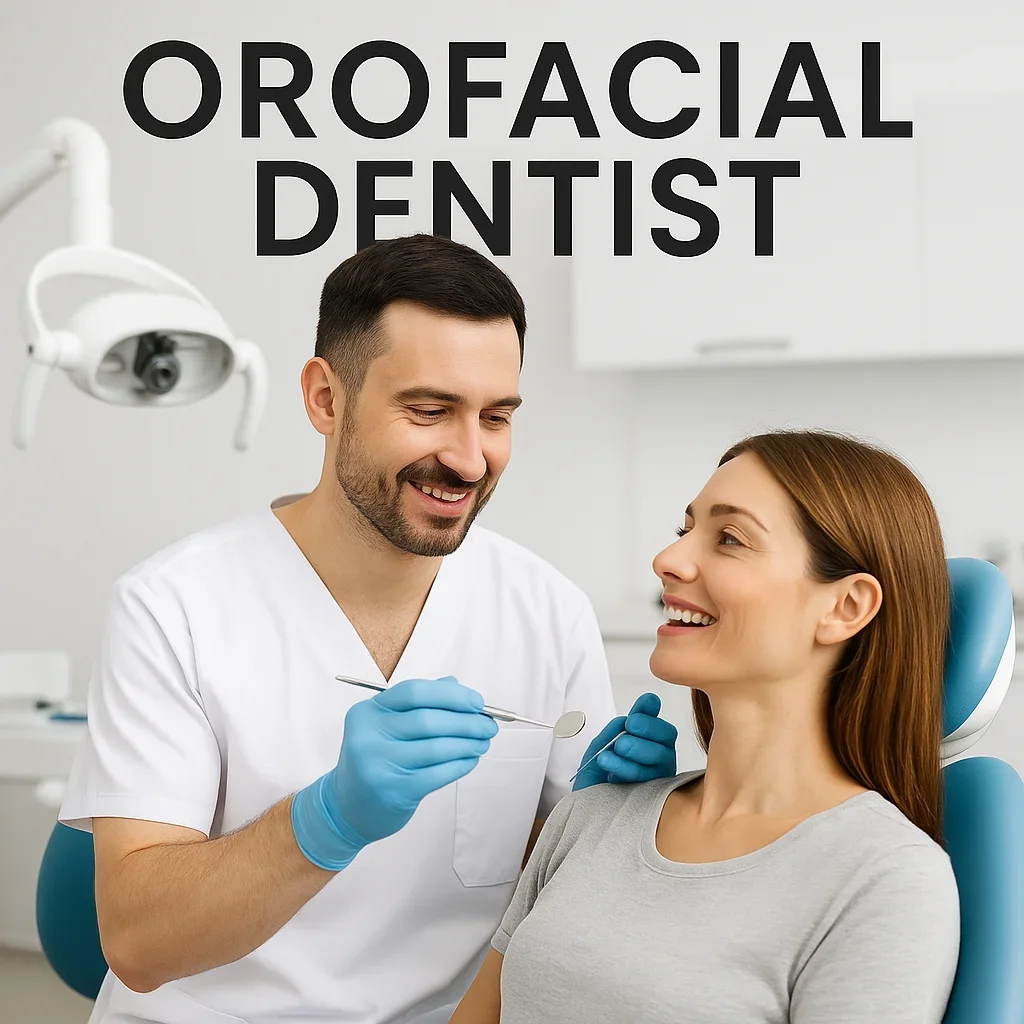
The Future of Orofacial Dentistry: Innovations and Trends
As medical science continues to evolve, the field of orofacial dentistry is rapidly transforming. The modern orofacial dentist is no longer limited to diagnosing and treating facial pain or temporomandibular disorders (TMD). Today, they integrate advanced technology, neuroscience, digital design, and regenerative medicine to create a more precise, efficient, and patient-centered form of care. Understanding these innovations provides valuable insight into how the profession is reshaping the future of oral and facial health 🦷.
Digital Transformation in Orofacial Diagnosis
Digitalization has become the backbone of modern orofacial care. Through 3D imaging, intraoral scanning, and motion tracking, the orofacial dentist can visualize every aspect of the jaw, teeth, and facial muscles in unprecedented detail. This allows for more accurate diagnosis, faster treatment planning, and greater patient comfort.
1. 3D Cone Beam Computed Tomography (CBCT)
CBCT provides a full 3D visualization of bone structure and joint alignment. For the orofacial dentist, this tool enables precise analysis of temporomandibular joint (TMJ) health, sinus cavities, and surrounding nerves — information that’s critical for both diagnosis and surgical planning. CBCT images can be rotated and sliced digitally, helping to detect even microscopic irregularities.
2. Digital Jaw Tracking Systems
Modern jaw-tracking devices record the movement of the mandible in real-time. This data is analyzed by the orofacial dentist to evaluate how efficiently the jaw functions during chewing, speaking, or swallowing. These insights lead to personalized therapy strategies, ensuring each patient achieves balanced motion without strain.
3. Artificial Intelligence in Orofacial Analytics
AI-assisted diagnostic systems are revolutionizing the way facial and jaw data are interpreted. Algorithms can identify abnormal patterns in muscle function, occlusion, or posture within seconds — providing the orofacial dentist with predictive insights. This technology reduces human error and enhances precision in diagnosis and treatment customization 🤖.
Regenerative Medicine and Tissue Engineering
One of the most promising advancements in orofacial dentistry lies in regenerative medicine. Scientists and clinicians are exploring how to restore damaged bone, cartilage, and muscle tissue through biological means. The orofacial dentist is now incorporating stem cell therapy, platelet-rich plasma (PRP), and biomimetic materials to accelerate natural healing processes.
1. Stem Cell-Based Therapies
Stem cells have the potential to regenerate joint cartilage and facial muscle tissue. For patients with TMJ degeneration or post-traumatic injuries, an orofacial dentist can apply stem cell injections derived from the patient’s own body to stimulate tissue repair. Early research shows promising results in reducing inflammation and restoring jaw mobility.
2. Platelet-Rich Plasma (PRP) Treatments
PRP therapy involves injecting concentrated platelets into affected areas to promote healing. Since it’s derived from the patient’s blood, PRP offers a safe, natural way to repair soft tissues and reduce pain. Many orofacial dentist clinics now use PRP as a minimally invasive option for chronic muscle or joint issues 🩸.
3. Biocompatible Implants and Materials
New implant materials mimic the flexibility and resilience of natural bone and cartilage. These biocompatible innovations allow for seamless integration within facial structures. The orofacial dentist uses such materials in TMJ prosthetics or reconstructive procedures, ensuring better comfort and longevity.
Integration of Digital Dentistry and Facial Aesthetics
Modern orofacial care extends beyond functionality to include aesthetics. The orofacial dentist now works with digital smile design software that maps facial symmetry, muscle dynamics, and bite patterns. This integration allows for cosmetic improvements that also enhance joint and muscle function.
By merging aesthetic dentistry with neuromuscular balance, the orofacial dentist ensures that cosmetic results do not compromise comfort or natural movement. This balance between beauty and function represents one of the most important evolutions in dental medicine 🌟.
Neuroscience and Pain Management Advances
Understanding how the brain interprets pain has changed how facial discomfort is treated. Neuroscientific research now enables the orofacial dentist to apply targeted neuromodulation techniques, helping manage chronic facial pain at its source rather than masking symptoms.
Neuromodulation and Biofeedback
Through non-invasive electrical stimulation or biofeedback training, patients learn to control muscle tension and neural response. This innovation helps individuals suffering from tension headaches, bruxism, or facial dystonia find relief without dependency on medication.
Virtual Reality (VR) in Pain Management
VR therapy is being used to distract patients during procedures and retrain the brain’s perception of pain. Some forward-thinking orofacial dentist clinics integrate VR for patient relaxation, providing both psychological comfort and reduced anxiety during treatment 🧠.
Tele-Dentistry and Global Accessibility
The rise of telemedicine has extended into orofacial dentistry as well. Patients can now consult an orofacial dentist remotely for symptom evaluation, follow-up appointments, or digital therapy guidance. This accessibility ensures that individuals from rural or underserved areas receive specialized care without geographic limitations.
Digital monitoring tools even allow the dentist to track muscle activity and jaw position remotely through wearable sensors — a remarkable leap forward in long-term care management.
Sustainability and Eco-Friendly Practices
The future orofacial dentist also embraces sustainability. From digital impressions that eliminate physical molds to eco-friendly sterilization systems, the industry is minimizing waste while maximizing precision. Environmentally conscious materials are replacing traditional plastics, contributing to a greener and healthier planet 🌿.
Collaborative and Multidisciplinary Future
As the boundaries between medicine, technology, and dentistry continue to blur, the orofacial dentist of the future will work in even closer collaboration with neurologists, physiotherapists, and engineers. This multidisciplinary model ensures that patients benefit from holistic, integrated, and science-backed treatment solutions.
Institutions like the American Dental Association are already supporting research in these areas, promoting continuous education and standardization for upcoming generations of specialists. For those seeking the latest in advanced orofacial care, clinics such as Redent Klinik Contact Page continue to implement these innovations into real-world treatments.
Conclusion: A Vision of Precision, Comfort, and Healing
The future of orofacial dentistry is one of integration, innovation, and compassion. With breakthroughs in AI, regenerative medicine, and digital diagnostics, the modern orofacial dentist is redefining what it means to treat the face, mouth, and jaw. Patients can look forward to faster healing, less invasive procedures, and care that prioritizes both physical comfort and emotional wellbeing. As technology and science advance hand-in-hand, the next decade promises a future where orofacial health and overall quality of life are seamlessly intertwined 💫.