
Getting a dental implants replacement can completely transform your oral health, restore your confidence, and bring back your natural smile 😊. Over the past few decades, dental implants have become one of the most successful solutions for missing teeth. However, just like any long-term dental restoration, implants sometimes require replacement due to wear, bone loss, or damage. Understanding how, when, and why this process occurs helps patients make informed decisions about maintaining their oral health and smile aesthetics.
In simple terms, dental implants replacement refers to the procedure of removing an existing implant and placing a new one in its place. This may be needed if the old implant has failed, loosened, or no longer functions properly. For many patients, it’s an opportunity to upgrade to newer implant technology that offers better integration, durability, and comfort. In fact, thanks to recent advancements, modern replacements are safer, faster, and more natural-looking than ever before.
There are several reasons why a dental implant might need to be replaced. One of the most common is peri-implantitis — a type of gum infection that affects the tissues surrounding the implant. If untreated, it can lead to bone loss and implant failure. Another reason could be mechanical issues such as a fractured post, damaged crown, or poor bite alignment. Additionally, lifestyle factors like smoking, teeth grinding, or poor oral hygiene may also affect the longevity of implants. Understanding these causes allows both patients and dentists to prevent future complications.
When planning for dental implants replacement, your dentist will first perform a detailed examination, including X-rays or 3D imaging. This helps determine whether the bone structure is sufficient to support a new implant. In some cases, bone grafting might be required to rebuild lost bone and ensure proper anchorage for the replacement implant. The dentist will then remove the old implant carefully and prepare the site for a new titanium or zirconia implant fixture.
The replacement process may vary depending on individual cases. If the implant site is healthy and has enough bone, a same-day replacement might be possible — meaning the old implant is removed and a new one is placed immediately. However, if bone or gum infection is present, the dentist may recommend a healing period before the new implant can be installed. This waiting phase allows the tissue to recover, minimizing the risk of implant failure later.
For many patients, the idea of undergoing a dental implants replacement can sound overwhelming 😬. However, it’s important to remember that the procedure is far less painful and more predictable than it used to be. Modern dental technology, such as guided surgery and 3D imaging, ensures maximum precision with minimal discomfort. Dentists today can tailor the replacement process to each patient’s needs, providing natural-looking results and strong functional outcomes.
One of the most common questions patients ask is, “How long does a dental implant last before it needs replacement?” Generally, implants can last 15–25 years or even longer with proper care. However, the artificial crown attached to the implant may need replacement every 10–15 years due to normal wear and tear. Regular dental checkups, good oral hygiene, and avoiding excessive pressure on the implant area can significantly prolong its lifespan.
In addition to restoring function, dental implants replacement plays a major role in preserving facial structure. When an implant fails and is not replaced, the underlying jawbone can begin to deteriorate. This leads to facial sagging and premature aging. By promptly replacing a failing implant, patients maintain bone density, prevent shifting of adjacent teeth, and preserve the natural contours of their face. In essence, timely replacement not only improves oral health but also contributes to better facial aesthetics and self-esteem 🌟.
When considering any dental procedure, always consult a qualified implant specialist. The team at Redent Klinik Contact Page can help you assess whether you need an implant replacement and guide you through every step of the process with modern diagnostic tools and personalized care. It’s also helpful to review resources from trusted organizations such as the American Dental Association for scientific insights into implant maintenance and replacement standards.
In conclusion, dental implants replacement is a transformative procedure designed to restore full oral function, aesthetics, and comfort. Whether your old implant has failed or you simply wish to upgrade to newer, more advanced technology, replacement offers a long-lasting solution that keeps your smile beautiful and your mouth healthy. With proper aftercare, routine professional cleanings, and attention to oral hygiene, you can expect your new dental implant to serve you reliably for decades to come 🦷✨.
What Is Dental Implants Replacement and When Is It Needed?
Dental implants replacement is a specialized dental procedure that involves removing an existing implant and inserting a new one in the same or a different location in the jaw. This process is typically performed when the original implant has failed or when it no longer provides adequate support for a dental crown, bridge, or denture. While dental implants are designed to last for decades, several biological and mechanical factors can make a replacement necessary over time. Understanding these causes, the treatment process, and the right time to seek replacement can help patients preserve their oral health and confidence for life 🦷.
Defining Dental Implants Replacement in Simple Terms
In dentistry, a dental implants replacement means restoring a failed or damaged implant with a new one that can properly integrate with the bone. The implant itself consists of three main parts: the fixture (the titanium or zirconia post inserted into the jawbone), the abutment (which connects the implant to the restoration), and the crown (the visible artificial tooth). When any of these components fail or degrade, replacement becomes essential to maintain oral stability and chewing function. The procedure is safe and predictable when performed by an experienced implantologist who uses modern diagnostic tools like 3D cone-beam CT scans for precise planning.
When Is Dental Implants Replacement Necessary?
There are several clinical and practical reasons for undergoing dental implants replacement. Below are the most common scenarios where a dentist may recommend replacement:
1. Implant Failure or Poor Osseointegration
Implant failure occurs when the titanium post doesn’t properly fuse with the bone during the healing process — a process known as osseointegration. This can result from poor bone quality, infection, or excessive bite pressure. In such cases, replacing the implant with improved material or after bone grafting can restore proper integration and functionality.
2. Peri-Implantitis and Bone Loss
Peri-implantitis is an inflammatory condition that affects the gum and bone tissue surrounding the implant. If left untreated, it can lead to severe bone loss, requiring the removal and replacement of the implant. Regular cleaning, gum therapy, and antibiotics are sometimes necessary before placing the new implant to ensure a healthy environment for healing.
3. Mechanical Damage or Fracture
Over time, implants may face mechanical issues such as a fractured screw, worn abutment, or cracked crown. These issues might require partial or full dental implants replacement to ensure long-term durability and comfort. Modern implant systems are designed to be modular, allowing dentists to replace individual parts without removing the entire fixture when possible.
4. Upgrading to Modern Technology
Sometimes, the reason for replacement isn’t failure but progress! Patients who received older-generation implants may opt for dental implants replacement to benefit from today’s advanced materials and designs. For example, zirconia implants offer superior aesthetics and biocompatibility compared to traditional titanium ones. This can be particularly beneficial for patients with metal sensitivities or those seeking a more natural gum appearance.
How Dentists Diagnose the Need for Replacement
Diagnosis for dental implants replacement typically begins with a comprehensive oral examination. Your dentist may use digital radiographs, panoramic X-rays, or cone-beam CT imaging to assess bone density, gum health, and the stability of your existing implant. Signs that may indicate the need for replacement include:
- Persistent pain or swelling around the implant site
- Implant mobility or loosening
- Gum recession exposing the implant threads
- Bone loss visible on radiographs
- Discomfort while chewing or biting
These indicators often point to mechanical instability or infection. Early detection is crucial, as addressing problems before they progress can prevent bone damage and reduce the complexity of replacement surgery.
The Role of Bone Grafting in Replacement
In some cases, before a dental implants replacement can occur, the jawbone must be rebuilt using bone grafting materials. This procedure helps strengthen and regenerate lost bone tissue, creating a stable base for the new implant. Depending on the amount of bone loss, healing can take anywhere from three to six months before the replacement implant is placed. Advanced biomaterials and growth factors have made bone grafting highly successful, even in complex cases.
Biocompatibility and Materials Used
Modern replacement implants are made from materials that ensure excellent biocompatibility and long-term success. Titanium remains the gold standard due to its strength and integration properties, but zirconia is becoming more popular among patients seeking metal-free options. Both materials are non-reactive and promote bone attachment, reducing the risk of allergic reactions or tissue inflammation. The right choice depends on individual preferences, medical history, and aesthetic goals.
Why Timely Replacement Matters
Delaying dental implants replacement can cause bone resorption, shifting of adjacent teeth, and bite misalignment. Moreover, an infected or failing implant can affect nearby tissues and compromise future implant success. Acting promptly ensures that bone and soft tissue remain healthy enough for a straightforward replacement procedure. The longer a failing implant stays in place, the more complicated the corrective surgery can become.
Consultation and Planning for Replacement
Choosing a skilled dentist or implant specialist is key to a successful outcome. A personalized treatment plan will include bone assessment, infection control (if necessary), and the selection of the ideal implant type and size. At this stage, patients should ask questions about the procedure timeline, materials used, and recovery expectations. Reputable clinics like Redent Klinik Contact Page provide full consultation services to evaluate your individual case using digital scans and 3D modeling. For scientific guidelines and implant care recommendations, you can refer to the American Dental Association.
Conclusion: Understanding the Value of Replacement
In summary, dental implants replacement is more than just a corrective procedure—it’s a proactive investment in your long-term oral health. Whether due to implant failure, infection, or the desire for improved aesthetics, timely replacement restores both function and confidence. With modern surgical techniques, enhanced implant materials, and guided digital planning, today’s replacements are safer, quicker, and more durable than ever before. Maintaining good oral hygiene, avoiding smoking, and scheduling regular checkups will ensure that your new implant lasts for many years while keeping your smile bright and strong 😁.
How the Dental Implant Replacement Procedure Works Step-by-Step
The process of dental implants replacement follows a carefully structured and medically precise approach. Each step is designed to ensure the highest level of safety, comfort, and long-term success for the patient. While the exact treatment plan can vary depending on individual factors like bone density, gum health, and the reason for replacement, the overall sequence remains similar. This section provides a detailed breakdown of the procedure — from diagnosis to final restoration — so you know exactly what to expect when undergoing dental implant replacement 🦷.
Initial Consultation and Assessment
The journey toward a successful dental implants replacement always begins with an in-depth consultation. During this stage, your implant specialist conducts a complete evaluation of your oral condition. This typically includes:
- Comprehensive dental examination and medical history review
- Digital X-rays and 3D cone-beam CT imaging for bone assessment
- Periodontal health check to rule out gum disease
- Evaluation of the old implant’s condition, integration, and surrounding tissues
The goal is to determine whether the existing implant can be preserved or if full replacement is necessary. In cases where infection or bone loss is detected, the dentist may recommend preliminary treatments before proceeding. This diagnostic phase ensures that every patient receives a customized plan suitable for their unique needs.
Step 1: Removal of the Old Implant
The first surgical stage of dental implants replacement involves removing the old or failed implant fixture. Depending on how firmly it is integrated into the bone, the dentist may use specialized tools such as trephine burs or ultrasonic instruments to minimize trauma to the surrounding bone. The aim is to preserve as much healthy bone tissue as possible to create a stable foundation for the new implant.
If infection or inflammation is present, the dentist thoroughly cleans and disinfects the area. Sometimes, a temporary healing cap may be placed while waiting for the tissue to recover before inserting the new implant. In less complicated cases, the new implant can be positioned immediately after the old one is removed — a method known as immediate implant replacement.
Immediate vs. Delayed Replacement
In an immediate dental implants replacement, the new implant is placed on the same day as removal. This approach saves time and helps maintain bone structure. However, it’s only possible when there’s no active infection and sufficient bone remains to support the new fixture.
Alternatively, in a delayed replacement, the site is left to heal for several weeks or months before the new implant is placed. This waiting period allows the bone to regenerate naturally or through bone grafting, leading to a more secure long-term result.
Step 2: Bone Grafting and Site Preparation (If Needed)
When bone loss has occurred due to implant failure or infection, a bone graft may be required. This step in the dental implants replacement process involves using synthetic bone material or a patient’s own bone (autograft) to rebuild the affected area. The graft acts as a scaffold for new bone growth, enhancing stability for the upcoming implant. Healing from a graft procedure typically takes three to six months, depending on individual healing capacity and graft size.
Advanced dental clinics use cutting-edge regenerative techniques, such as platelet-rich plasma (PRP) or bone morphogenetic proteins (BMPs), to accelerate bone formation and ensure successful integration.
Step 3: Placement of the New Implant
Once the site is fully prepared, the new implant fixture is inserted into the jawbone. This stage is the core of the dental implants replacement procedure. Using digital surgical guides ensures precision placement, ideal angulation, and depth. The implant is gently screwed into the bone to achieve primary stability, which is critical for long-term success.
The procedure is typically performed under local anesthesia, though sedation or general anesthesia may be used for anxious patients or complex cases. Modern implant surgeries are minimally invasive, often completed in under an hour per implant with little postoperative discomfort.
Healing and Osseointegration Phase
After placement, the implant enters a healing period called osseointegration, where the surrounding bone fuses tightly to the implant’s surface. This biological bonding usually takes 3–6 months. During this time, patients must maintain excellent oral hygiene and avoid putting excessive pressure on the implant site. The success of dental implants replacement largely depends on how well osseointegration occurs.
Step 4: Abutment Connection
Once the implant is securely integrated, an abutment is attached. The abutment acts as the connecting piece between the implant and the final restoration (the visible crown). It’s usually made of titanium, zirconia, or gold. In some cases, the abutment is placed during the initial surgery; in others, it’s attached after healing is complete. The gums are then shaped around the abutment to create a natural contour that mimics real teeth.
Step 5: Fabrication and Placement of the Final Crown
The last step in dental implants replacement is crafting and fitting the permanent crown. Using digital impressions or intraoral scanners, your dentist designs a customized crown that perfectly matches your bite, color, and facial symmetry. The crown may be cemented or screwed onto the abutment. High-quality materials such as porcelain-fused-to-zirconia or all-ceramic crowns ensure exceptional strength and lifelike appearance.
Once fitted, the dentist verifies alignment, bite comfort, and aesthetics. Patients can immediately resume normal eating and speaking activities after the final restoration. For most people, the end result feels and looks indistinguishable from a natural tooth ✨.
Step 6: Post-Operative Care and Maintenance
After your dental implants replacement is complete, proper maintenance is crucial. Regular brushing, flossing, and professional cleanings help prevent complications such as peri-implantitis. Your dentist may also recommend specialized implant brushes or water flossers for optimal hygiene. Routine checkups every six months allow for early detection of potential issues.
At clinics such as Redent Klinik Contact Page, patients receive personalized post-operative guidance and follow-up care to ensure successful healing and long-term function. Additionally, trusted sources like the American Dental Association provide valuable insights into implant care and professional maintenance guidelines.
Conclusion: A Predictable and Lifelong Solution
The dental implants replacement procedure may sound complex, but with modern technology and skilled hands, it is a safe, efficient, and life-changing solution. Each step — from diagnosis to final restoration — is backed by scientific precision and designed for patient comfort. By choosing an experienced implant specialist and adhering to proper aftercare, you can expect your new implant to function beautifully for decades, giving you the confidence to smile, speak, and eat freely once again 😁.
Common Reasons Why Dental Implants Need Replacement
Although dental implants are designed to last for many years, there are circumstances where a dental implants replacement becomes necessary. Implants are incredibly durable, but they are not entirely immune to complications. Over time, mechanical stress, gum disease, or improper oral care can affect their longevity. Understanding the main causes of implant failure helps patients prevent issues early and ensures long-lasting success after placement. This detailed section explores both biological and mechanical factors that can lead to the need for replacement, providing practical advice on prevention and management 🦷.
1. Biological Factors Affecting Implant Longevity
Biological complications are among the most common reasons why patients may need a dental implants replacement. These issues often involve infection, inflammation, or bone deterioration that compromise the stability of the implant. Below are the main biological causes:
Peri-Implantitis (Gum Infection Around Implants)
Peri-implantitis is a bacterial infection that affects the gum and bone tissue surrounding a dental implant. It develops similarly to periodontitis (gum disease), leading to inflammation, bleeding, and bone loss around the implant. Over time, the infection can loosen the implant, requiring replacement. Risk factors include poor oral hygiene, smoking, diabetes, and irregular dental cleanings. Early detection through professional maintenance and laser treatment can often save the implant before replacement becomes necessary.
Bone Loss or Insufficient Bone Density
Healthy bone structure is crucial for implant stability. If the jawbone starts to deteriorate — a process known as bone resorption — it can lead to implant failure. Bone loss may result from trauma, infection, or prolonged use of an ill-fitting denture before implant placement. When bone density falls below acceptable levels, the existing implant may no longer be supported, making a dental implants replacement combined with bone grafting the only viable option.
Gum Recession and Soft Tissue Problems
Gum recession around an implant can expose the underlying metal or zirconia post, compromising aesthetics and comfort. It can also allow bacteria to accumulate under the gum line, increasing the risk of infection. Recession often occurs due to aggressive brushing, thin gingival tissue, or poor implant angulation. If severe, replacement may be required to reposition the implant and restore proper gum coverage for a natural look.
2. Mechanical and Technical Failures
Even though modern dental implants are manufactured with exceptional precision, mechanical failures can occur. These problems are usually related to wear and tear or incorrect bite forces rather than biological conditions. Let’s review the most common mechanical reasons for dental implants replacement:
Implant Fracture or Structural Damage
While rare, implant fractures can happen due to excessive bite pressure, teeth grinding (bruxism), or trauma. The fracture may occur in the implant screw, abutment, or crown. If the internal structure of the implant is damaged, replacement is often the only solution. To prevent this, dentists may recommend night guards for bruxism or adjust bite alignment to distribute pressure evenly.
Loose Abutment or Screw Failure
In some cases, the implant itself remains intact, but the connecting screw or abutment becomes loose. This can cause instability, discomfort, or difficulty chewing. If tightening or replacing the screw doesn’t solve the issue, a complete dental implants replacement might be necessary to restore proper function. High-quality implant systems now use anti-rotation designs that reduce the risk of such mechanical issues.
Worn or Damaged Crown
Dental crowns attached to implants can wear down over time due to chewing, grinding, or accidental trauma. Though replacing the crown is a simpler process than replacing the entire implant, neglecting a worn crown may cause bite imbalances or excessive strain on the implant fixture. Regular checkups can help detect these early and prevent more serious problems that lead to full replacement.
3. Aesthetic Concerns and Technological Upgrades
Sometimes, a dental implants replacement isn’t caused by failure — it’s simply a choice for improvement. Over the years, implant materials and techniques have evolved dramatically. Many patients who received older titanium implants may opt to replace them with zirconia implants for a more natural gum tone and metal-free structure. Similarly, advancements in digital dentistry and 3D-guided implantology allow for more precise placement, reducing long-term complications and improving appearance.
Upgrading to Advanced Materials
Modern replacement implants offer improved durability, corrosion resistance, and aesthetics. Zirconia, for example, is highly biocompatible and eliminates the grayish tint that sometimes appears with titanium under thin gums. Patients who value holistic or metal-free dentistry may consider upgrading through a dental implants replacement to achieve optimal results.
Replacing Poorly Positioned or Misaligned Implants
Implants placed in incorrect angles or depths may cause bite problems, gum irritation, or aesthetic issues. In such cases, even if the implant is structurally sound, replacement is often the best solution to correct alignment and achieve a symmetrical smile. Digital planning tools and computer-guided surgery now make re-placement procedures more accurate than ever before.
4. Systemic Health and Lifestyle Factors
General health and lifestyle play a crucial role in implant longevity. Conditions such as uncontrolled diabetes, osteoporosis, or autoimmune disorders can interfere with bone healing and cause implant loosening. Smoking, excessive alcohol use, and poor diet further increase the risk of implant failure. Patients with these risk factors often require close monitoring and may eventually need a dental implants replacement to restore stability and comfort.
5. Preventing the Need for Replacement
The good news is that most of these issues can be prevented with proper care and regular dental visits. Here are key recommendations for extending the life of your implant:
- Brush and floss daily, paying special attention to the implant area.
- Schedule professional cleanings every 6 months.
- Avoid smoking and excessive caffeine or alcohol consumption.
- Use a night guard if you grind your teeth.
- Visit your implant dentist immediately if you notice pain, movement, or swelling.
For professional evaluation and long-term care, consider visiting the Redent Klinik Contact Page. Their specialists provide personalized maintenance programs to prevent early implant failure. For additional evidence-based recommendations, consult the American Dental Association, which publishes updated implant care guidelines for both patients and practitioners.
Conclusion: Knowing the Warning Signs Saves Your Smile
Recognizing the causes of implant failure early can save time, money, and discomfort. Whether due to infection, bone loss, or mechanical wear, a timely dental implants replacement can restore both function and beauty. Today’s advanced techniques and materials have made replacement procedures highly predictable, with success rates exceeding 95%. Maintaining excellent oral hygiene, attending regular checkups, and adopting a healthy lifestyle are the best ways to ensure your implant remains strong and your smile stays radiant for decades 😁.
Comparing Old vs. New Dental Implants: What’s the Difference?
The field of dental implantology has evolved tremendously in recent decades, and patients undergoing dental implants replacement often benefit from this rapid progress. Older-generation implants, while effective for their time, cannot match the precision, comfort, and aesthetic quality of today’s modern systems. Understanding the differences between old and new implant designs helps patients appreciate the advantages of upgrading their dental work. Let’s take a deep dive into how technology, materials, and techniques have revolutionized implant dentistry 🦷.
1. Evolution of Implant Design and Structure
The earliest dental implants used in the 1960s and 70s were bulky, single-piece systems with limited adaptability. They were primarily made of titanium but lacked the refined surface textures and modular components available today. Modern dental implants replacement systems, by contrast, are built for precision, flexibility, and biocompatibility. They feature multi-part designs that allow dentists to customize every stage of the treatment — from the fixture and abutment to the crown itself.
From One-Piece to Two-Piece Systems
Old implant systems were typically one-piece structures, meaning the implant and abutment were a single unit. While this simplified placement, it limited flexibility for restoration and made repair difficult. In contrast, modern two-piece implants allow independent replacement of each part. If a crown or abutment is damaged, it can be repaired without disturbing the main implant fixture. This modular design has significantly improved the convenience and cost-efficiency of dental implants replacement.
Improved Thread Geometry and Bone Integration
Earlier implants featured smooth or coarse threading, which sometimes resulted in poor bone anchorage or slow healing. Today’s implants have precisely engineered thread geometries that promote better load distribution and faster osseointegration. Advanced surface treatments, such as sandblasting, acid etching, and plasma spraying, enhance bone bonding and long-term stability. This means new implants fuse more effectively with bone, reducing the risk of movement or failure.
2. Advances in Materials and Biocompatibility
Material science plays a crucial role in implant success. Traditional implants were made primarily from pure titanium, a strong and biocompatible metal. However, even high-grade titanium can occasionally cause aesthetic issues, such as a grayish tint under thin gums. Modern dental implants replacement options now include zirconia and titanium-zirconium alloys, which combine superior strength with better aesthetics and tissue compatibility.
Zirconia Implants: The Metal-Free Revolution
Zirconia, also known as ceramic, has become increasingly popular in recent years. It’s white, non-metallic, and hypoallergenic — making it ideal for patients with metal sensitivities. Zirconia implants also resist corrosion and plaque buildup, reducing inflammation risk. For patients who prioritize aesthetics, zirconia replacements deliver a more natural gum color transition, creating a flawless smile.
Titanium-Zirconium Alloys
Another innovation in dental implants replacement materials is the development of titanium-zirconium alloys. These blends retain titanium’s strength while offering greater elasticity and bone compatibility. They are also lighter in weight, providing a more comfortable experience for patients with multiple implants. This new generation of alloys helps reduce implant fatigue and failure over time.
3. Surgical Precision Through Digital Technology
One of the most remarkable differences between old and new implants lies in the placement process. In the past, implant surgery relied heavily on the dentist’s manual skill and 2D X-rays, leaving more room for error. Today, digital dentistry has transformed the accuracy and safety of dental implants replacement.
3D Imaging and Cone-Beam CT Scanning
Modern implant clinics now use 3D cone-beam computed tomography (CBCT) to map out the exact anatomy of a patient’s jaw. This enables precise measurements of bone volume, nerve locations, and sinus structures, minimizing surgical risks. With this level of precision, implant failure rates have dropped significantly, and healing times have shortened.
Computer-Guided and Robotic-Assisted Surgery
Digital planning software and robotic systems now allow dentists to perform guided surgery with micrometer-level accuracy. In dental implants replacement, guided systems ensure that the new implant fits perfectly into the pre-existing bone structure, even when dealing with old implant sites. This minimizes trauma, reduces swelling, and leads to faster recovery and superior functional results.
4. Aesthetic Improvements and Customization
Modern implantology also excels in aesthetics. Older implants often looked artificial, especially in patients with gum recession or thin bone. Today’s replacements integrate seamlessly with surrounding tissues, both in color and contour. Digital smile design tools allow dentists to preview the final result before the procedure, ensuring that every dental implants replacement enhances not just function but also beauty.
Natural-Looking Crowns
Advancements in crown materials — such as porcelain-fused zirconia or full ceramic — provide unmatched translucency and shade-matching to natural teeth. These restorations are milled using CAD/CAM technology, achieving perfect symmetry and bite alignment. Patients can smile confidently, knowing their implants are indistinguishable from real teeth 😁.
Soft Tissue Management for Realistic Gums
New implant techniques emphasize soft tissue shaping and gum sculpting. Special abutments encourage healthy gum growth around the implant, giving it a lifelike emergence profile. Combined with improved materials, modern dental implants replacement results in a more natural and harmonious appearance.
5. Durability, Longevity, and Maintenance
Old implants typically lasted 10–15 years, depending on oral hygiene and bone stability. Today’s implants, when properly maintained, can last 25 years or more. Improved biocompatibility and precision manufacturing have drastically reduced complication rates. New implants also require less maintenance, though patients must still follow regular hygiene practices and attend professional checkups.
Proper aftercare is key. Professional cleaning every six months and daily use of implant-safe floss or water flossers can prevent issues like peri-implantitis. Clinics such as Redent Klinik Contact Page provide personalized care plans to ensure long-term success. For expert resources and educational material, the American Dental Association offers detailed guidelines on implant maintenance and safety.
6. Cost vs. Value: The Long-Term Investment
While modern implants may appear more costly at first glance, their long-term benefits make them a superior investment. Patients save on future repairs, enjoy better oral comfort, and benefit from cutting-edge biocompatible materials. A high-quality dental implants replacement not only restores chewing ability but also prevents bone loss and premature aging, providing both functional and aesthetic value for decades to come.
Conclusion: Why Upgrading Matters
In summary, the difference between old and new implants is the difference between traditional engineering and digital precision. Today’s dental implants replacement systems are more natural-looking, stronger, and biologically integrated than ever before. With innovations in materials, 3D planning, and guided surgery, patients can expect faster healing, fewer complications, and stunning cosmetic outcomes. Whether you’re replacing a failing implant or simply seeking an upgrade, the modern era of implantology guarantees a brighter, healthier, and more confident smile 🌟.
Best Materials Used in Modern Dental Implant Replacements
Choosing the right material is one of the most critical factors that determine the success, longevity, and comfort of a dental implants replacement. Over the years, advances in biomaterials and surface technology have revolutionized how implants interact with bone and soft tissues. Today’s implants are lighter, stronger, more biocompatible, and capable of integrating naturally with the human body. Understanding the properties, advantages, and applications of these materials helps patients make informed decisions and ensures that their new implants last a lifetime 🦷.
1. Titanium: The Gold Standard of Dental Implants
Since the 1960s, titanium has been the most widely used material for dental implants. It remains the benchmark for dental implants replacement because of its exceptional strength, corrosion resistance, and ability to bond with bone through a process known as osseointegration. This bond allows the implant to act like a natural tooth root, offering stability and durability that can last for decades.
Advantages of Titanium Implants
- Biocompatibility: Titanium is well-tolerated by the human body, with minimal risk of allergic reaction or rejection.
- Lightweight Strength: Despite being strong enough to withstand chewing forces, titanium is surprisingly lightweight.
- Long Lifespan: With proper oral care, titanium-based dental implants replacement can last 20–30 years or more.
- Flexibility: Titanium implants can be used in both one-piece and two-piece systems, allowing for more surgical versatility.
However, one limitation of titanium implants is their metallic color, which can sometimes show through thin or receding gums. This aesthetic concern has led to the rise of ceramic and hybrid implant alternatives.
2. Zirconia: The Metal-Free Revolution
In recent years, zirconia has emerged as a powerful alternative in the field of dental implants replacement. Made from zirconium dioxide, zirconia implants are metal-free, hypoallergenic, and naturally white—making them a preferred option for patients who prioritize aesthetics or have metal sensitivities. They are especially popular in holistic and cosmetic dentistry due to their seamless integration with surrounding gum tissue.
Benefits of Zirconia Implants
- Superior Aesthetics: The white, tooth-colored surface eliminates any risk of dark shadows under the gums.
- Excellent Biocompatibility: Zirconia encourages gum tissue adhesion and reduces inflammation risk.
- Corrosion and Plaque Resistance: Unlike metals, zirconia does not corrode or attract bacterial buildup.
- Thermal Neutrality: Zirconia implants do not conduct heat or cold, preventing temperature sensitivity.
Although zirconia is slightly more brittle than titanium, improvements in manufacturing and design have greatly enhanced its fracture resistance. Today, full-ceramic dental implants replacement systems offer strength comparable to traditional titanium fixtures while maintaining superior aesthetics.
3. Titanium-Zirconium Alloys: The Perfect Balance
For patients seeking the best of both worlds, titanium-zirconium alloys represent a remarkable breakthrough. By combining titanium’s durability with zirconium’s biocompatibility, these alloys achieve higher fatigue strength and improved osseointegration. They are also less prone to corrosion and exhibit lower allergic potential compared to pure titanium. Many advanced dental implants replacement systems now feature this hybrid material to deliver maximum longevity and comfort.
Key Features
- Enhanced resistance to bending and cracking under heavy bite pressure
- Reduced metallic ion release into surrounding tissues
- Improved color that blends better with natural gums
- Ideal for patients with previous metal sensitivity or failed titanium implants
These alloys are particularly beneficial in replacing older implants or for patients with thin bone structure, where mechanical strength and precision are essential.
4. Surface Treatments and Coatings
The surface of an implant plays an equally vital role in its success. Modern dental implants replacement materials undergo surface modifications to enhance bone bonding and accelerate healing. Some of the most common treatments include:
- Sandblasted and Acid-Etched (SLA): Creates micro-roughness for stronger bone attachment.
- Plasma-Sprayed Coating: Adds a titanium or hydroxyapatite layer that improves biocompatibility.
- Nanostructured Surfaces: Encourages faster osseointegration by mimicking natural bone texture.
- Laser-Machined Surfaces: Provides precision texture control for enhanced gum tissue integration.
Each of these methods contributes to faster recovery times, improved stability, and longer-lasting results for patients undergoing implant replacement.
5. Emerging Materials and Technologies
The future of dental implants replacement is exciting, with research focusing on advanced biomaterials that further mimic natural bone behavior. Scientists are currently experimenting with carbon-fiber composites, bioactive ceramics, and nanostructured titanium to improve mechanical performance and healing. Some laboratories are even developing bioengineered implants capable of releasing growth factors that stimulate bone regeneration during recovery.
Smart and Antibacterial Implants
Another innovation involves antibacterial coatings that prevent infections such as peri-implantitis. These coatings use silver nanoparticles or bioactive glass to kill bacteria and reduce inflammation. Similarly, “smart implants” embedded with micro-sensors are being tested to monitor healing progress and stress distribution, offering real-time data to dentists and patients.
6. Selecting the Right Material for Your Needs
Choosing the best implant material depends on multiple factors, including gum thickness, bone density, aesthetic goals, and personal health. For most people, titanium remains an excellent choice due to its proven track record. However, patients seeking a more natural or hypoallergenic alternative may prefer zirconia or titanium-zirconium alloys. Consulting a qualified implant specialist ensures the material chosen aligns perfectly with your oral anatomy and lifestyle habits.
Clinics like Redent Klinik Contact Page specialize in personalized implant planning, using digital imaging and bone analysis to recommend the optimal material for each patient. For scientifically verified insights into implant safety and material standards, refer to resources from the American Dental Association, which regularly updates implant material guidelines.
Conclusion: The Foundation of a Lifelong Smile
In conclusion, selecting the right material for your dental implants replacement is the cornerstone of long-term oral health and aesthetics. Modern biomaterials such as titanium, zirconia, and hybrid alloys offer unmatched strength, beauty, and compatibility with the human body. With advances in surface engineering, nanotechnology, and digital precision, today’s implant materials ensure faster healing, greater comfort, and lifelike results. By working closely with your implant specialist and maintaining excellent oral hygiene, you can enjoy a natural-looking smile that stands the test of time 😁.
How Long Do Dental Implant Replacements Last?
When considering a dental implants replacement, one of the most common questions patients ask is: “How long will it last?” The answer depends on several biological, mechanical, and lifestyle factors. In general, dental implants are designed to last for decades — often 20 years or more — when placed and maintained properly. However, understanding what influences implant lifespan helps patients protect their investment and enjoy their restored smile for a lifetime 🦷.
1. Expected Lifespan of Modern Dental Implants
Modern implant systems have an exceptional success rate of 95–98%. On average, a dental implants replacement can last 15 to 30 years, while the crown attached to it may need replacement every 10–15 years due to normal wear and tear. With proper care and routine checkups, many patients retain their implants for life. The longevity of an implant depends on three core components — the fixture (post), abutment, and crown — each with different durability levels.
Implant Fixture
The titanium or zirconia fixture that fuses with the jawbone is the longest-lasting component. If osseointegration (bone bonding) occurs successfully, the fixture can remain in place permanently, functioning like a natural tooth root.
Abutment and Crown
The abutment connects the fixture to the crown, while the crown itself handles daily chewing and grinding. These components endure more wear, and while they can last over a decade, they may eventually need replacement to maintain aesthetics and bite alignment.
2. Factors That Influence Implant Longevity
Several factors directly impact how long a dental implants replacement lasts. These include oral hygiene, surgical expertise, material selection, and patient lifestyle habits. Let’s break down the main influences below:
Oral Hygiene and Maintenance
Just like natural teeth, implants require daily cleaning to prevent plaque buildup and gum inflammation. Neglecting oral hygiene can lead to peri-implantitis — a bacterial infection that damages surrounding bone and soft tissue. Regular brushing, flossing, and professional dental cleanings significantly extend the lifespan of any implant.
Bone Quality and Quantity
Successful dental implants replacement depends on the quality and density of the jawbone. Patients with healthy bone structures experience stronger osseointegration and longer-lasting results. If bone loss occurs over time, bone grafting procedures may be needed to maintain support.
Material Used in the Implant
The type of material — titanium, zirconia, or titanium-zirconium alloy — can influence longevity. Titanium implants typically last the longest due to their strength and corrosion resistance, while zirconia offers aesthetic benefits with comparable durability when properly maintained.
Surgeon Skill and Technology
Precision plays a major role in the success of dental implants replacement. When implants are placed using digital planning, 3D imaging, and guided surgery, they align perfectly with bone structures, reducing the risk of failure. Poor angulation or inadequate bone contact during placement can shorten the implant’s life span.
Lifestyle Habits
Smoking, bruxism (teeth grinding), and excessive alcohol consumption can shorten implant lifespan. Smoking restricts blood flow and slows healing, while grinding exerts stress on the crown and screw components. Patients who wear night guards and quit smoking generally enjoy much longer-lasting results.
3. The Importance of Regular Dental Checkups
Routine dental visits are crucial in ensuring the long-term success of a dental implants replacement. During these checkups, your dentist examines the stability of the implant, monitors gum health, and ensures that no mechanical or biological issues are developing. Early detection of inflammation or crown damage allows for simple corrections before serious problems occur. Ideally, patients should schedule professional cleanings every six months and comprehensive implant assessments annually.
Professional Cleaning and Maintenance
Dentists use specialized tools, such as titanium or plastic scalers, to clean around implants without scratching their surfaces. They also check occlusion (bite alignment) and retighten abutment screws if necessary. This preventive care helps maintain the integrity of your dental implants replacement for decades.
4. When to Replace an Implant or Its Components
Even the best implants may eventually require repair or replacement. Signs that indicate a potential issue include pain while chewing, implant mobility, gum recession, or visible dark lines near the crown. In such cases, your dentist will perform a thorough evaluation to determine whether only the crown or the entire implant needs replacement.
Replacing a Damaged Crown
If the implant fixture remains stable, only the prosthetic crown is replaced — a relatively simple process that restores appearance and function. Advances in CAD/CAM technology allow new crowns to be fabricated with exact precision and color matching for natural results.
Replacing a Failed Implant Fixture
If the bone around an implant deteriorates or the fixture fails, a full dental implants replacement may be necessary. The old fixture is removed, the area is treated, and a new implant is placed after healing. Modern surgical methods ensure that this process is safe, minimally invasive, and successful in over 95% of cases.
5. How to Extend the Life of Your Dental Implant
Long-term success depends heavily on consistent care and healthy habits. To maximize the lifespan of your dental implants replacement, follow these essential guidelines:
- Brush and floss daily with implant-safe products.
- Use an antibacterial mouthwash to reduce bacterial buildup.
- Avoid biting hard foods like ice or nuts that can crack crowns.
- Wear a night guard if you clench or grind your teeth.
- Quit smoking and limit alcohol consumption.
- Schedule professional cleanings twice a year.
Specialized dental clinics such as Redent Klinik Contact Page offer follow-up programs and maintenance plans tailored to each patient’s needs. For additional implant longevity standards, visit the American Dental Association, which provides scientifically backed implant care recommendations.
6. The Science Behind Long-Term Success
Recent studies show that properly maintained implants have a 90–95% success rate even after 25 years. Modern materials and surface technologies play a major role in this achievement. Titanium-zirconium alloys and nanostructured surfaces promote strong bone bonding and resist bacterial accumulation, leading to longer implant life. The biological process of osseointegration ensures that once bonded, the implant essentially becomes part of your body — making dental implants replacement one of the most reliable dental treatments available today.
Conclusion: A Lifetime Smile Is Within Reach
In conclusion, the longevity of your dental implants replacement depends on how well you care for it, the materials used, and the expertise of your dental team. With advanced surgical planning, modern materials, and consistent maintenance, today’s implants can easily last several decades — often a lifetime. By combining professional care with good home hygiene, you ensure that your investment continues to deliver a confident, functional, and beautiful smile for many years to come 😁.
Recovery and Aftercare Tips After a Dental Implant Replacement
The recovery period following a dental implants replacement is a critical stage that determines the long-term success of the procedure. While modern techniques have made implant surgery minimally invasive, the body still needs time to heal and allow osseointegration — the fusion between the bone and implant. Proper aftercare ensures a smooth recovery, prevents infection, and extends the lifespan of your new implant. This comprehensive guide covers everything you need to know about recovery stages, pain management, dietary guidelines, hygiene routines, and professional follow-ups 🦷.
1. Immediate Post-Surgery Phase (First 24–48 Hours)
Immediately after your dental implants replacement procedure, it’s normal to experience mild discomfort, swelling, and minor bleeding. These are part of the body’s natural healing response. Dentists typically provide detailed post-operative instructions tailored to each patient’s case, but the following general steps apply to most situations:
Managing Bleeding and Swelling
After surgery, small traces of blood may appear in your saliva for several hours. Gently biting down on sterile gauze pads for 30–45 minutes helps control bleeding. Avoid spitting or using straws, as suction can dislodge blood clots. To reduce swelling, apply an ice pack to your cheek for 10–15 minutes at a time during the first 24 hours. Swelling usually peaks on the second day and begins to subside by the third.
Pain Management and Medication
Mild pain or soreness is common after a dental implants replacement. Your dentist may prescribe pain relievers or recommend over-the-counter options like ibuprofen or acetaminophen. Always follow the dosage instructions carefully. In some cases, antibiotics are prescribed to prevent infection, especially if bone grafting or multiple implants were placed.
2. First Week: Healing and Comfort Care
During the first week, the focus is on reducing inflammation and promoting tissue recovery. Patients are advised to rest, stay hydrated, and avoid physical exertion. Smoking and alcohol should be strictly avoided, as both delay healing and increase the risk of implant failure.
Dietary Guidelines
Nutrition plays a vital role in recovery. A soft-food diet is recommended for at least the first 5–7 days after a dental implants replacement. Ideal foods include yogurt, soups, mashed potatoes, oatmeal, smoothies, and scrambled eggs. Avoid crunchy, spicy, or sticky foods that can irritate the surgical site. As healing progresses, you can gradually reintroduce solid foods, beginning with soft fruits and cooked vegetables.
Hydration and Oral Hygiene
Drink plenty of water to aid tissue repair, but avoid using straws as suction may disturb the implant site. For oral hygiene, gentle rinsing with warm salt water (after 24 hours) helps keep the area clean. Brush surrounding teeth carefully with a soft-bristled toothbrush, avoiding direct contact with the surgical site for the first few days. Antibacterial mouthwashes prescribed by your dentist can also help prevent infection during the initial healing period.
3. The Osseointegration Phase (Weeks 2–12)
After the first week, the body enters the osseointegration phase, during which the implant fuses with the jawbone. This is the foundation of long-term success for a dental implants replacement. Most patients experience little to no pain during this stage, but consistency in care remains essential.
Maintaining Oral Hygiene
Continue brushing and flossing twice a day, using implant-safe floss or water flossers to clean around the abutment. Avoid applying excessive pressure to the implant site. Specialized brushes designed for implants can help clean hard-to-reach areas without irritation.
Monitoring Healing Progress
It’s normal for the gums around the implant to feel tight or tender during this period. However, if you experience persistent swelling, pus, or unusual discomfort, contact your dentist immediately. Early intervention prevents complications such as peri-implantitis or bone loss, both of which could endanger the implant’s stability.
4. Lifestyle and Habits That Support Recovery
Your daily habits have a significant impact on how well your dental implants replacement heals. Healthy routines and small adjustments can speed up recovery and ensure lasting success.
Quit Smoking and Limit Alcohol
Smoking restricts blood flow and reduces oxygen supply to healing tissues, delaying bone integration. Quitting smoking before and after implant surgery dramatically improves outcomes. Similarly, alcohol interferes with medication absorption and can irritate the gums. Avoid both during the healing period for optimal recovery.
Sleep and Stress Management
Rest is an often-overlooked factor in recovery. Sleep helps the body regenerate tissue and strengthen the immune system. Try sleeping with your head slightly elevated for the first few nights to minimize swelling. Reducing stress also supports faster healing — meditation, gentle walks, and deep breathing can help maintain calm and balance during this time.
5. Professional Follow-Up Appointments
Regular dental visits are essential after a dental implants replacement. Your dentist will schedule checkups to monitor bone healing, gum health, and implant integration. These follow-ups usually occur at one week, one month, three months, and six months post-surgery. During these visits, digital scans or X-rays help assess whether the implant is bonding properly with the jawbone.
Adjustments and Cleaning
Professional cleaning around the implant prevents bacteria buildup and inflammation. If the dentist notices uneven pressure or bite issues, minor adjustments can be made to the crown or abutment. This proactive maintenance helps preserve implant stability and comfort for years.
6. Long-Term Aftercare and Maintenance
Once healing is complete, maintaining the health of your implant becomes a lifelong responsibility. Proper aftercare ensures that your dental implants replacement remains functional and aesthetically pleasing. Daily oral hygiene, balanced nutrition, and regular professional cleanings all contribute to long-term success.
- Brush gently with a soft-bristled or electric toothbrush twice daily.
- Floss using implant-specific tools to clean under the crown edges.
- Use non-abrasive toothpaste to avoid scratching implant surfaces.
- Schedule biannual dental exams for preventive maintenance.
For ongoing care and personalized guidance, contact Redent Klinik Contact Page. Their experienced dental team offers follow-up evaluations and maintenance programs to ensure optimal implant health. For general implant care and clinical research updates, refer to the American Dental Association.
7. Possible Complications and When to Seek Help
Although rare, complications can occur during recovery. These include prolonged pain, swelling, or signs of infection such as pus discharge and fever. If any of these symptoms appear, contact your dental provider immediately. Prompt treatment ensures that minor issues don’t evolve into major problems requiring another dental implants replacement.
Conclusion: Healing Leads to a Stronger Smile
Recovery from a dental implants replacement is a gradual process, but following professional advice and maintaining good habits guarantee long-lasting success. With proper aftercare, most patients experience smooth healing, minimal discomfort, and excellent aesthetic results. Remember — your body needs time to integrate the implant fully. Be patient, stay consistent with care, and rely on professional support for the best outcome. Within a few months, you’ll enjoy the comfort, strength, and confidence of a smile that feels completely natural 😁.
Risks, Complications, and How to Avoid Them
Even though dental implants replacement is a highly successful and safe procedure, like any surgical treatment, it carries certain risks and potential complications. The good news is that with proper planning, modern technology, and careful aftercare, most of these risks can be minimized or entirely avoided. Understanding the possible challenges allows patients to take proactive measures, ensuring the longevity and success of their new implant. In this section, we’ll explore common and rare risks, their causes, and the best strategies to prevent or manage them effectively 🦷.
1. Common Short-Term Side Effects After Implant Surgery
It’s important to distinguish between normal post-operative reactions and true complications. Immediately following a dental implants replacement, mild pain, swelling, and bruising are normal and usually subside within a few days. These temporary effects are part of the healing process and can be managed easily with medication and proper care.
Pain and Discomfort
Some soreness at the implant site is expected, particularly during the first 48 hours. Over-the-counter painkillers like ibuprofen or acetaminophen usually provide sufficient relief. However, persistent or severe pain beyond the initial healing period may indicate infection or implant instability and should be examined promptly.
Swelling and Bruising
Swelling and bruising of the gums or cheeks are typical after a dental implants replacement. Applying cold compresses intermittently during the first day helps reduce swelling. Most inflammation peaks within two days and resolves naturally within a week.
Minor Bleeding
Slight bleeding or blood-tinged saliva is common during the first 24 hours after surgery. Avoiding spitting, smoking, and hot beverages helps maintain the blood clot essential for healing. If bleeding continues for more than a day, contact your dentist for evaluation.
2. Potential Biological Complications
Biological complications occur when the body reacts unfavorably to the implant or surrounding tissues. These are among the main reasons for implant failure if not managed early.
Peri-Implantitis (Gum and Bone Infection)
Peri-implantitis is one of the most common biological issues associated with dental implants replacement. It’s an inflammatory condition caused by bacterial buildup around the implant, leading to gum recession and bone loss. Symptoms include swelling, bleeding while brushing, and bad breath. Without intervention, the infection can loosen the implant. Regular cleaning, proper brushing techniques, and professional maintenance are the best preventive measures.
Osseointegration Failure
Successful implants depend on osseointegration — the fusion between the implant and bone. If this process fails, the implant becomes loose or painful. Causes may include poor bone quality, excessive movement during healing, smoking, or infection. When osseointegration fails, the implant must often be removed and replaced after the site has healed. Using high-quality materials and following post-operative care instructions significantly improves fusion rates.
Nerve Damage
Nerve injury is rare but possible if an implant is placed too close to a nerve channel. This may result in temporary or permanent numbness, tingling, or pain in the lips, chin, or tongue. To avoid this risk, dentists use 3D cone-beam CT imaging before a dental implants replacement to precisely map nerve locations and plan optimal implant placement.
Sinus Complications
For implants in the upper jaw, improper placement can cause intrusion into the sinus cavity, leading to sinusitis or discomfort. A sinus lift procedure — adding bone beneath the sinus — can prevent this issue by ensuring sufficient bone support. Guided surgery systems now make such complications extremely rare.
3. Mechanical and Structural Risks
While biological complications involve tissues, mechanical issues affect the implant components themselves. Fortunately, modern engineering and materials have reduced these risks significantly.
Implant Fracture or Screw Loosening
Implant fractures are uncommon but can occur under extreme bite pressure or in patients who grind their teeth. Similarly, the small screws that connect the crown and abutment may loosen over time. Dentists can easily tighten or replace these components without removing the entire implant. Custom night guards and periodic bite adjustments protect against mechanical strain and extend the life of your dental implants replacement.
Prosthetic Complications
Problems with the prosthetic crown — such as chipping, cracking, or detachment — are more common than fixture failure. These are typically aesthetic issues and can be corrected by replacing the crown without disturbing the implant post. Using high-quality ceramics and maintaining proper bite alignment helps prevent such issues.
4. Lifestyle and Systemic Risk Factors
Personal health and lifestyle choices play a major role in implant success. Patients with certain medical conditions or habits are more prone to complications.
Smoking
Smoking constricts blood vessels and reduces oxygen delivery to healing tissues, which significantly increases the risk of implant failure. Studies show that smokers have nearly twice the failure rate compared to non-smokers. Quitting before and after a dental implants replacement dramatically improves success rates and overall oral health.
Uncontrolled Medical Conditions
Diseases such as diabetes, osteoporosis, and autoimmune disorders can delay bone healing and affect osseointegration. Patients with these conditions should consult both their physician and dentist to ensure stability before undergoing implant surgery. Strict glucose control and healthy diet management can help mitigate risks.
Bruxism (Teeth Grinding)
Chronic grinding or clenching places excessive pressure on implants, leading to wear or structural stress. Custom-made night guards and bite adjustment therapy are effective preventive measures.
5. How to Prevent Complications
Prevention is always better than treatment when it comes to implants. The following best practices significantly reduce the risk of failure:
- Choose a qualified implant specialist with experience in digital planning and guided surgery.
- Follow all post-operative care instructions carefully after your dental implants replacement.
- Maintain meticulous oral hygiene with implant-safe brushes and flossers.
- Attend regular follow-up visits for professional cleaning and monitoring.
- Quit smoking and limit alcohol consumption.
- Address any health conditions that may affect bone healing or immunity.
6. Early Detection and Professional Monitoring
Early diagnosis of minor issues prevents major failures. Dentists use advanced imaging tools to detect bone loss or implant movement long before symptoms appear. Clinics such as Redent Klinik Contact Page provide periodic checkups and cleaning protocols to keep implants healthy. For updated safety guidelines and research on implant risk management, refer to the American Dental Association.
7. Managing Rare or Severe Complications
Although rare, severe complications like implant migration or allergic reactions can occur. If a patient experiences chronic pain, swelling, or systemic symptoms, immediate professional evaluation is necessary. Most modern implant systems are made from biocompatible materials like titanium and zirconia, minimizing allergic risks, but sensitivity testing may be performed before surgery to confirm compatibility.
Conclusion: Prevention Is the Key to Long-Term Success
While complications from a dental implants replacement are possible, they are largely preventable with proper planning, hygiene, and regular follow-ups. The combination of advanced surgical technology, precise imaging, and high-quality materials ensures that modern implants are safer and more reliable than ever. By following your dentist’s instructions, maintaining a healthy lifestyle, and addressing early warning signs promptly, you can enjoy a lifetime of confident smiles with your new dental implant 😁.
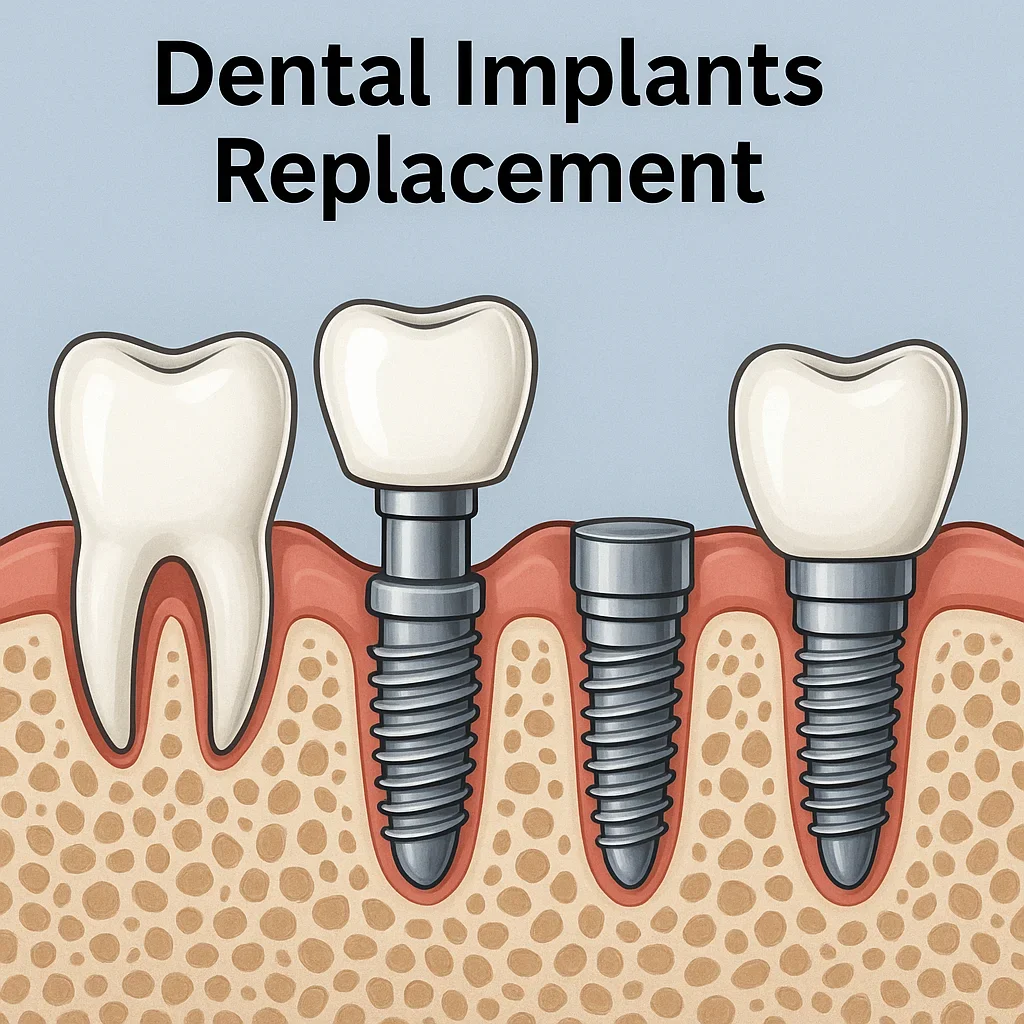
Comparing Dental Implants Replacement with Other Tooth Restoration Options
When it comes to restoring missing teeth, patients today have more choices than ever before — from dentures and bridges to advanced implant systems. However, not all solutions offer the same level of comfort, functionality, or long-term results. Understanding how dental implants replacement compares with traditional tooth restoration methods helps patients make informed decisions that fit their health goals, aesthetic preferences, and lifestyle. In this section, we’ll take an in-depth look at the similarities, differences, and overall advantages of implants compared to bridges and dentures 🦷.
1. Dental Implants Replacement vs. Dental Bridges
Before the rise of implants, fixed bridges were the most popular way to replace missing teeth. A dental bridge uses adjacent teeth as anchors to support an artificial tooth in between. While bridges remain an effective solution, they have several limitations compared to modern dental implants replacement.
Procedure and Structural Differences
A bridge requires grinding down healthy adjacent teeth to hold the restoration in place, which permanently alters their structure. In contrast, implants are standalone replacements that do not affect neighboring teeth. This preservation of natural enamel is one of the biggest advantages of implants. Furthermore, bridges rely on the gum and bone beneath for support, while implants directly integrate with the jawbone through osseointegration — creating a much stronger and more natural foundation.
Durability and Maintenance
Bridges typically last between 10–15 years before needing replacement due to wear or decay around the supporting teeth. A well-maintained dental implants replacement, on the other hand, can last several decades — often for life. Bridges require meticulous cleaning with floss threaders to prevent plaque accumulation, while implants can be cleaned just like natural teeth.
Aesthetic and Functional Benefits
While modern bridges are visually appealing, they cannot match the natural appearance and bite strength provided by implants. Implants restore full chewing power and mimic real tooth roots, preventing jawbone loss and facial sagging over time. This makes them a superior long-term investment for both function and aesthetics.
2. Dental Implants Replacement vs. Dentures
Dentures — both partial and full — are removable prosthetics designed to replace missing teeth. They are typically the most affordable option upfront but come with several disadvantages in terms of stability, comfort, and bone health when compared to a dental implants replacement.
Comfort and Fit
Because dentures rest on the gums, they can slip or move while eating or speaking, leading to discomfort and embarrassment. Implants, on the other hand, are permanently anchored to the jawbone, providing unmatched stability and a natural feel. Many patients who switch from dentures to implants describe it as life-changing, as they can once again enjoy their favorite foods without fear of slipping or irritation.
Impact on Jawbone and Oral Health
One of the most significant drawbacks of dentures is bone resorption. When teeth are missing, the jawbone no longer receives stimulation from chewing forces, causing it to shrink over time. This leads to facial collapse and a prematurely aged appearance. Dental implants replacement prevents this problem entirely by stimulating the bone, maintaining natural facial structure and oral strength.
Longevity and Maintenance
Dentures require regular relining or replacement every 5–8 years as the jawbone changes shape. They must be removed nightly for cleaning and soaked in a disinfectant solution. Implants, in contrast, are permanent and require only regular brushing, flossing, and dental checkups. Over a lifetime, implants are more cost-effective because they rarely need replacement or repair.
3. Cost Comparison and Long-Term Value
At first glance, dental implants replacement may seem more expensive than bridges or dentures. However, when considering longevity and maintenance, implants often prove to be the most economical choice over time. Bridges and dentures require frequent replacements, adjustments, and professional maintenance, while implants — once placed successfully — can last a lifetime with proper care.
Average Lifespan and Total Cost Over Time
| Restoration Type | Average Lifespan | Maintenance Needs | Long-Term Cost |
|---|---|---|---|
| Dental Implants Replacement | 20+ years to lifetime | Low (routine cleanings) | High initial, low lifetime cost |
| Dental Bridge | 10–15 years | Moderate (tooth protection, flossing) | Moderate initial, higher lifetime cost |
| Dentures | 5–8 years | High (relining, adhesives) | Low initial, high lifetime cost |
Ultimately, implants deliver better value because they maintain bone health, do not require adhesives, and eliminate the recurring costs of replacements or repairs common with dentures and bridges.
4. Functionality and Quality of Life
Patients who choose dental implants replacement often report significant improvements in their daily quality of life. Implants allow for confident speech, unrestricted eating, and a natural bite force comparable to real teeth. Unlike dentures, there’s no need to worry about slippage or discomfort during meals or conversations. This sense of stability and confidence makes implants the closest possible solution to having natural teeth again.
Psychological and Social Benefits
The emotional impact of a restored smile cannot be overstated. Patients frequently describe renewed self-esteem, improved social interactions, and greater professional confidence after implant treatment. With implants, patients can smile, laugh, and eat freely — regaining their quality of life without the limitations of removable prosthetics.
5. Combining Treatments: Hybrid Solutions
In some cases, dentists may recommend hybrid treatments that combine the advantages of implants with other methods. For example, “implant-supported dentures” use two to six implants to secure a full denture plate, providing greater stability while reducing cost compared to individual implants. This option bridges the gap between affordability and functionality, offering a comfortable compromise for many patients considering dental implants replacement.
6. Expert Recommendations and Professional Guidance
The best restoration method depends on individual factors such as bone density, gum health, medical history, and budget. Implant specialists carefully assess these criteria before recommending the optimal treatment plan. Clinics such as Redent Klinik Contact Page offer personalized consultations and 3D imaging diagnostics to determine which option suits each patient’s anatomy and expectations. For additional data on comparative implant studies, the American Dental Association provides detailed insights and success statistics.
Conclusion: The Modern Gold Standard in Tooth Restoration
In conclusion, dental implants replacement stands out as the superior solution among all tooth restoration methods. Unlike bridges or dentures, implants preserve bone health, maintain facial structure, and deliver lifelong stability and comfort. Though the upfront investment is higher, their long-term durability, aesthetic perfection, and minimal maintenance make them the most advanced and rewarding choice for patients seeking permanent tooth restoration. With modern materials and expert care, dental implants not only restore smiles — they restore confidence, function, and a better quality of life for decades to come 😁.