
When it comes to restoring a missing tooth, dental implants single tooth treatment has become the gold standard for patients seeking both function and aesthetics. Unlike removable dentures or bridges that can weaken neighboring teeth, a single tooth implant provides a permanent and natural-looking replacement that feels and functions just like a real tooth. In this detailed guide, we’ll explore what makes this procedure so effective, how it works, and why it’s often considered the most advanced dental restoration option available today. 🦷
To begin, a single tooth dental implant is a titanium post surgically placed into the jawbone where the missing tooth root once was. Over time, this titanium fixture fuses with the bone through a biological process known as osseointegration, creating a strong and stable foundation. Once the implant has fully integrated, a custom-made crown is attached to the top, perfectly matching the color and shape of the surrounding teeth. This process not only restores your smile but also prevents bone loss, gum recession, and facial sagging that can occur when a tooth is missing for too long.
Patients often wonder why dental implants single tooth are preferred over traditional dental bridges. The answer lies in their ability to preserve oral health. A bridge typically requires grinding down adjacent healthy teeth to anchor the replacement tooth, which can lead to long-term structural weakening. Implants, however, are independent restorations — they do not rely on other teeth for support. This means your natural teeth remain untouched and your jawbone stays stimulated, maintaining both your oral structure and facial symmetry. 😁
Another major advantage of dental implants single tooth treatments is their durability. With proper care, they can last a lifetime. The titanium post acts as a new tooth root, integrating with your bone and providing unmatched stability for chewing, speaking, and smiling confidently. Whether you lost your tooth due to decay, injury, or gum disease, this modern approach ensures that your new tooth looks completely natural while offering full bite strength and comfort. According to the American Dental Association, dental implants boast a success rate of over 95%, making them one of the most reliable procedures in restorative dentistry.
From an aesthetic standpoint, dental implants single tooth solutions are crafted to blend seamlessly with your natural teeth. Dental professionals use advanced 3D imaging and computer-guided planning to ensure that the implant placement is perfectly aligned with your existing bite. The final crown is usually made of high-quality ceramic or zirconia, materials that mimic the translucency and shine of real enamel. This makes your smile restoration not just functional but artistically perfect. 🌟
Furthermore, choosing to invest in dental implants single tooth treatment can significantly improve your overall quality of life. Patients report easier eating, clearer speech, and improved self-confidence after completing the procedure. The implant also stimulates your jawbone every time you chew, preventing the bone resorption that typically follows tooth loss. This biological advantage ensures that your facial features remain youthful and well-supported over the years.
It’s important to understand that dental implants single tooth placement is a multi-step process that requires expertise and precision. The journey begins with a detailed consultation where your dentist evaluates your oral health and bone density through digital scans. If you are a good candidate, the implant is placed under local anesthesia or sedation, followed by a healing period of 3 to 6 months. Once the implant integrates with the jawbone, the abutment and crown are placed, completing your smile restoration. Throughout this process, communication with a skilled implant dentist is crucial to ensure the best aesthetic and functional outcomes. 🩺
For anyone considering dental implants single tooth treatment, visiting a reputable clinic with experienced professionals makes all the difference. If you’re ready to take the next step, we recommend contacting our specialists through the Redent Klinik Contact Page to schedule a personalized consultation. During your visit, your dental team can discuss available options, recovery expectations, and how to maintain your new implant for lifelong success.
In summary, dental implants single tooth procedures combine science, artistry, and precision to create a permanent, beautiful, and functional replacement for a lost tooth. They help preserve bone, protect your surrounding teeth, and restore the natural harmony of your smile. With advancements in technology and surgical techniques, achieving a flawless result has never been more accessible. So, if you’re missing just one tooth, a single dental implant might be the life-changing solution that gives you back your confidence and health — one smile at a time. 😊
What Is a Single Tooth Dental Implant? 🦷
A dental implants single tooth procedure is a modern restorative solution designed to replace one missing tooth with a long-lasting, natural-looking artificial replacement. It is considered the most advanced method available in restorative dentistry because it not only replaces the visible part of the tooth (the crown) but also restores the root structure beneath the gum line. This dual restoration helps maintain the jawbone’s health and provides a stable foundation for the new tooth. In essence, a single dental implant is a small titanium post surgically placed into the jawbone, onto which a customized dental crown is attached once healing is complete.
Understanding the Core Components of a Single Tooth Implant
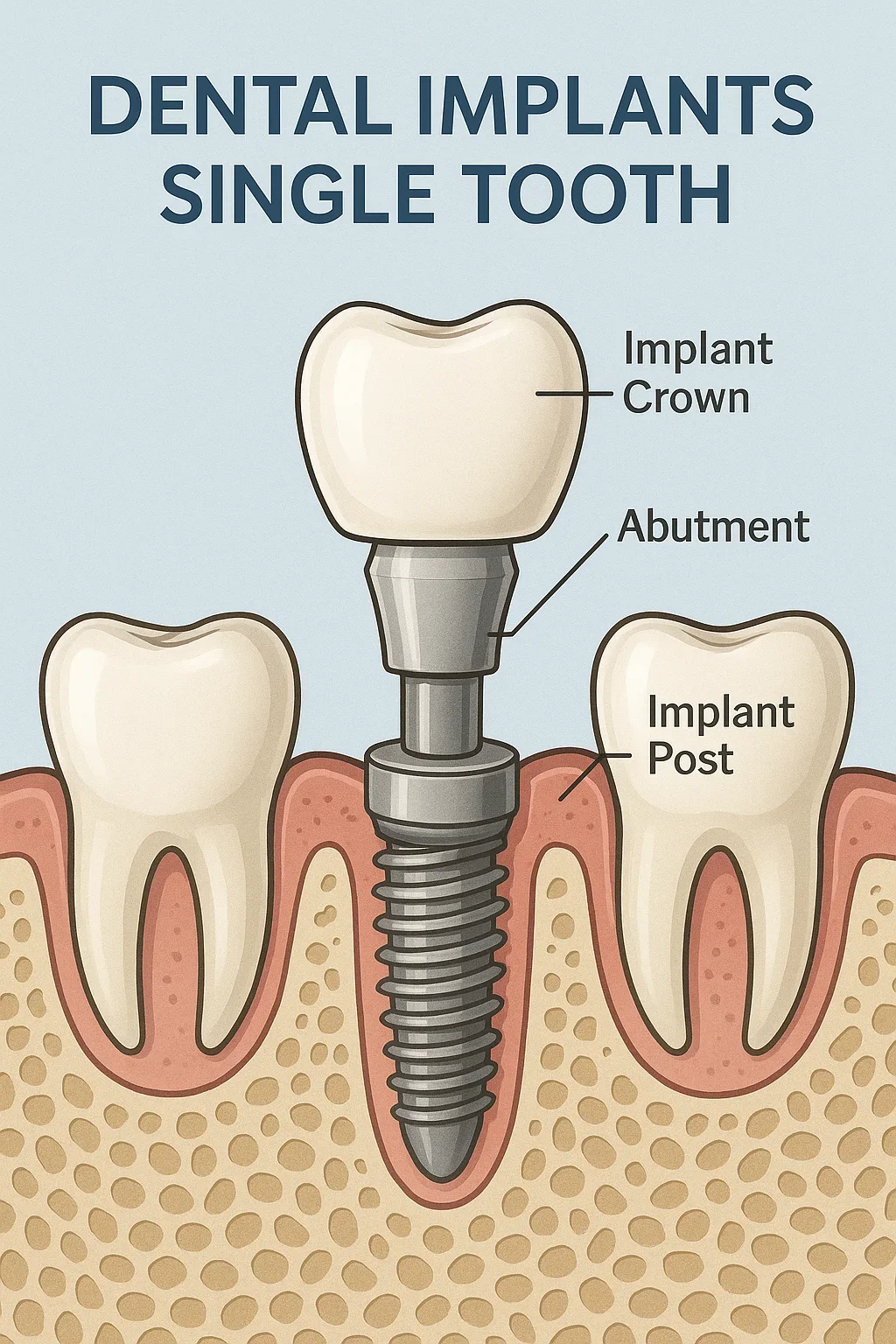
The dental implants single tooth system is composed of three primary components: the implant post, the abutment, and the crown. The implant post serves as the artificial root and is made of titanium — a biocompatible material that naturally bonds with bone. This process, called osseointegration, ensures the implant remains secure for decades. The abutment acts as a connector between the implant and the crown, while the crown is the visible portion that looks and feels just like a real tooth. Together, these parts create a strong, functional, and aesthetic replacement for your missing tooth.
1. The Titanium Implant Post
This is the foundation of the entire dental implants single tooth procedure. Titanium’s unique properties allow it to fuse with bone tissue, creating a stable and permanent bond. Once the implant post is placed, it becomes part of your jawbone, much like the root of a natural tooth. This stability allows for normal chewing and prevents bone deterioration — a common issue with traditional bridges or dentures.
2. The Abutment Connector
The abutment is a small connector placed on top of the implant once the healing phase is complete. It serves as the base for the dental crown, ensuring a tight and secure fit. This component is crucial because it supports the visible part of the implant and guarantees that your bite remains natural and well-balanced. A properly designed abutment helps distribute chewing forces evenly, extending the lifespan of your dental implants single tooth treatment.
3. The Custom-Made Dental Crown
The crown is the final and most visible component. Crafted from ceramic or zirconia, it is custom-shaped and color-matched to blend seamlessly with your surrounding teeth. The goal is to make the implant indistinguishable from your natural teeth, giving you the confidence to smile without hesitation. Modern dental technologies such as CAD/CAM design ensure that your crown fits perfectly and enhances your overall oral harmony. 😁
Why Is a Single Tooth Implant Considered the Best Option?
Many patients wonder why dentists prefer recommending dental implants single tooth over bridges or partial dentures. The reason lies in their ability to preserve both the aesthetics and health of your mouth. Traditional bridges require grinding down adjacent teeth to support the artificial tooth, which can weaken healthy enamel. Implants, however, are standalone restorations — they do not rely on neighboring teeth. This independence helps maintain the integrity of your natural teeth while preventing bone loss in the jaw. Additionally, implants provide a more stable bite and prevent teeth from shifting into the gap created by the missing tooth.
The Science Behind Osseointegration
One of the most fascinating aspects of dental implants single tooth procedures is the biological process of osseointegration. After the titanium post is placed into the jawbone, the bone cells begin to grow and attach to the implant’s surface. This process typically takes several months, during which the implant becomes securely anchored. Once fully integrated, the implant acts like a natural tooth root, providing unmatched stability. This is why dental implants have a success rate exceeding 95%, as confirmed by research from the American Dental Association. 🧬
Advantages Beyond Aesthetics
While the aesthetic results of dental implants single tooth treatments are impressive, the benefits extend far beyond appearance. They help prevent jawbone resorption, maintain facial structure, and restore natural speech and chewing ability. Patients also experience improved oral hygiene because implants are easy to clean — simply brush and floss as you would with natural teeth. Moreover, implants are resistant to decay, meaning you’ll never have to worry about cavities in your restored tooth. This combination of beauty, durability, and health preservation makes them the most holistic tooth replacement solution available today.
Who Can Benefit From a Single Tooth Implant?
Ideal candidates for dental implants single tooth are individuals who have lost a single tooth due to trauma, decay, or gum disease but still have sufficient bone density in the jaw. Non-smokers, individuals with healthy gums, and those committed to good oral hygiene practices achieve the best outcomes. Even if bone loss has occurred, modern dentistry offers bone grafting techniques that can rebuild sufficient bone for implant placement. Consulting with an experienced dental surgeon is the best way to determine eligibility.
Maintaining Your Implant for Life
After receiving a dental implants single tooth restoration, long-term success depends on proper care. Daily brushing, flossing, and regular dental checkups are essential. Avoiding smoking and limiting sugary foods can further protect your investment. Implants are incredibly durable — with proper care, many last a lifetime without complications. Patients who maintain good oral hygiene and visit their dentist twice a year are far more likely to enjoy decades of trouble-free use.
For personalized guidance, you can schedule an appointment with our specialists via the Redent Klinik Contact Page. During your consultation, your dentist will assess your oral health, discuss your aesthetic goals, and develop a customized treatment plan tailored specifically to your smile.
In conclusion, dental implants single tooth treatments represent the perfect fusion of science, precision, and artistry. They offer a permanent, natural-looking replacement that safeguards oral health, restores confidence, and enhances quality of life. Whether you lost a tooth yesterday or years ago, a single dental implant can help you regain the function, balance, and beauty of your smile — one perfectly designed tooth at a time. 🌟
How Does the Single Tooth Implant Procedure Work?
The dental implants single tooth procedure is a carefully orchestrated treatment plan that combines surgical precision with advanced dental technology to restore both the root and crown of a missing tooth. This process involves multiple stages, each essential for ensuring stability, natural aesthetics, and long-term success. While every patient’s case is unique, the core steps typically include assessment, surgical placement, healing, and final restoration. Understanding how each phase works allows you to feel confident and informed before beginning your implant journey. 🦷
Step 1: Comprehensive Consultation and Evaluation
The first stage of any dental implants single tooth procedure begins with a detailed consultation. During this visit, your dentist or oral surgeon will assess your oral health, bone density, and gum condition using digital X-rays or 3D CBCT scans. This imaging allows for precise planning of implant placement, ensuring that it will be inserted at the perfect angle and depth. The dentist also evaluates your medical history, as certain conditions such as uncontrolled diabetes or heavy smoking can affect healing. If bone density is insufficient, a bone graft may be recommended before implant placement to build a stronger foundation for the implant.
Step 2: Treatment Planning and Custom Design
Once your mouth and jawbone are deemed suitable, the next step in the dental implants single tooth process is creating a customized treatment plan. Using computer-guided planning software, your dentist can virtually simulate the implant’s placement, helping minimize surgical risks and ensure accuracy. The crown that will eventually replace your missing tooth is also designed during this phase, with careful attention to color, size, and shape for a natural look. 🖥️
Step 3: Implant Placement Surgery
The actual surgical phase of dental implants single tooth involves placing the titanium implant post into the jawbone. This is performed under local anesthesia or conscious sedation to ensure comfort. The dentist makes a small incision in the gum to expose the bone, then drills a precisely measured socket into which the implant is inserted. The titanium post acts as the artificial tooth root and serves as the anchor for the future crown. Once placed, the gum is sutured back over the implant, allowing it to heal beneath the surface. Most patients report minimal discomfort, similar to a simple tooth extraction. ⚙️
What Happens During Healing?
After the implant placement, the body begins an incredible process known as osseointegration. During this phase, the bone cells gradually attach to the implant’s surface, anchoring it firmly in place. This typically takes 3 to 6 months, depending on individual healing rates and bone quality. During this period, your dentist may provide a temporary tooth replacement so you can smile and eat normally while the dental implants single tooth integrates with your jawbone.
Step 4: Attaching the Abutment
Once osseointegration is complete, the next phase involves attaching an abutment — a small connector piece that links the implant post to the crown. To do this, the dentist reopens the gum to expose the implant and places the abutment securely on top. This minor procedure typically requires only local anesthesia and minimal healing time. The abutment serves as the foundation for the final crown, ensuring that your dental implants single tooth restoration is both strong and perfectly aligned with adjacent teeth.
Healing Cap and Soft Tissue Shaping
In some cases, a healing cap is temporarily placed on top of the abutment to help shape the surrounding gum tissue. This ensures that once the crown is placed, the gums frame it naturally and beautifully. Proper soft tissue management is key to achieving a lifelike result that blends seamlessly with your natural smile.
Step 5: Crafting and Placing the Final Crown
The final phase of the dental implants single tooth procedure involves placing a custom-made dental crown. This crown is usually crafted from durable, aesthetic materials such as zirconia or porcelain. Dental technicians use 3D scans of your mouth to design a crown that perfectly matches your other teeth in size, shape, and color. Once ready, the crown is either screwed or cemented onto the abutment. The result is a fully restored tooth that feels completely natural and functions flawlessly in daily life. 🌟
Step 6: Aftercare and Recovery
After your crown is placed, your dentist will provide specific aftercare instructions to ensure long-term success. This includes brushing twice daily, flossing around the implant carefully, and visiting your dentist for regular checkups. During the initial weeks, you may be advised to avoid hard or sticky foods to prevent undue pressure on the new implant. Maintaining excellent oral hygiene is crucial for the longevity of your dental implants single tooth restoration, as healthy gums support long-term implant stability.
Step 7: Long-Term Maintenance and Monitoring
Though dental implants single tooth are designed to last decades, they require proper maintenance. Your dentist may schedule periodic X-rays to check bone stability and ensure that no peri-implant inflammation has developed. Regular professional cleanings and at-home care help prevent complications like peri-implantitis, a gum infection similar to periodontitis that can threaten implant stability. Patients who maintain consistent dental care routines typically enjoy implants that last 25 years or more.
Modern Innovations in Implant Technology
Modern advancements have made the dental implants single tooth process more predictable and efficient than ever. Technologies such as guided implant surgery, digital impressions, and same-day implants have streamlined the entire experience. Some clinics now offer immediate-load implants, allowing the crown to be placed on the same day as surgery. While not suitable for every patient, this approach significantly reduces treatment time and provides an instant cosmetic improvement. These innovations have helped make implants more accessible and appealing to patients worldwide. 🚀
If you’re considering this life-changing procedure, don’t hesitate to schedule an appointment with our experienced team through the Redent Klinik Contact Page. Our specialists can evaluate your unique case, explain each stage in detail, and guide you toward achieving a healthier, more confident smile.
In conclusion, the dental implants single tooth procedure is a remarkable blend of science and art — a treatment that restores not just your tooth but your comfort, functionality, and confidence. From consultation to final crown placement, every step is designed to ensure precision, longevity, and a result that looks completely natural. With proper care, a single dental implant can serve you beautifully for a lifetime, giving you every reason to smile with pride. 😄
Top Benefits of Dental Implants for a Single Missing Tooth
The dental implants single tooth procedure offers a remarkable combination of health, aesthetic, and functional advantages that no other tooth replacement option can match. From preserving your jawbone structure to restoring natural speech and confidence, this advanced solution is designed to mimic a real tooth in every aspect. Whether you lost a tooth due to injury, decay, or gum disease, a single dental implant restores not just your smile — but also your overall oral health and quality of life. 🦷
1. Restores Full Functionality and Natural Bite
One of the most important benefits of dental implants single tooth is the ability to restore complete chewing and biting efficiency. Traditional dentures or bridges often shift or feel unstable during eating, but implants integrate directly with the jawbone, providing solid support for everyday functions. This means you can enjoy hard, crunchy, and chewy foods — such as apples, nuts, and steak — without fear of discomfort or slippage. The implant functions like a natural root, transmitting bite forces evenly across the jaw and preventing strain on adjacent teeth.
Better Nutrition and Digestion
With dental implants single tooth, you can chew your food properly, allowing better digestion and nutrient absorption. People who have missing teeth often avoid certain foods, which can lead to nutritional deficiencies over time. By restoring your full chewing capability, implants contribute to a healthier diet and improved overall wellness. 🥦
2. Prevents Jawbone Loss and Gum Recession
When a natural tooth is lost, the bone that once supported it begins to deteriorate due to lack of stimulation — a process known as bone resorption. Over time, this can lead to facial sagging and a prematurely aged appearance. Dental implants single tooth act as artificial roots, stimulating the jawbone every time you chew. This stimulation signals the bone to remain strong and healthy. Unlike traditional bridges that sit above the gumline, implants preserve both the bone and gum tissue, helping maintain facial volume and structure.
The Role of Osseointegration
Osseointegration is the process through which the titanium implant fuses with the jawbone, creating a stable foundation. This bond mimics the natural relationship between tooth roots and bone, ensuring that your implant remains secure and functional for decades. The scientific foundation behind this process makes dental implants single tooth the most durable and biologically compatible solution available today.
3. Protects Adjacent Teeth from Damage
Traditional dental bridges require grinding down healthy neighboring teeth to serve as anchors for the replacement tooth. This weakens natural enamel and increases the risk of decay and long-term sensitivity. In contrast, dental implants single tooth do not depend on adjacent teeth for support. Instead, the implant stands independently in the jawbone, maintaining the health and integrity of surrounding teeth. This conservative approach ensures that your natural teeth remain untouched and strong, contributing to better oral health in the long term.
4. Offers Superior Aesthetic Appeal
From an aesthetic perspective, dental implants single tooth restorations are indistinguishable from natural teeth. The custom-made crown is color-matched and shaped to blend seamlessly with your existing smile. High-quality materials like zirconia or porcelain replicate the translucency and shine of real enamel, providing an incredibly lifelike appearance. Whether you’re speaking, laughing, or smiling for photos, your implant will look natural from every angle. ✨
Maintaining Facial Symmetry
Another aesthetic benefit of implants is their ability to maintain proper facial support. When teeth are missing, the jawbone can shrink, causing the lips to collapse inward and the cheeks to appear hollow. By replacing the missing tooth root, dental implants single tooth help preserve your natural facial contours, keeping your appearance youthful and balanced.
5. Long-Term Durability and Cost-Effectiveness
Although implants may initially seem more expensive than other tooth replacement options, they are far more durable and cost-effective over time. With proper care, dental implants single tooth can last a lifetime, whereas bridges and dentures often require replacement every 5–10 years. The titanium post resists decay and does not require special maintenance — simple brushing, flossing, and routine dental visits are sufficient. In the long run, patients save money by avoiding repeated replacements, adhesive costs, and repair visits associated with other dental solutions.
6. Improved Speech and Comfort
Missing teeth or poorly fitting dentures can cause slurred speech, clicking sounds, or difficulty pronouncing certain words. Because dental implants single tooth are anchored firmly in the bone, they do not shift or slip, allowing for clear and confident communication. Furthermore, the implant crown feels completely natural inside the mouth — there’s no bulky plastic base or adhesive to cause irritation. Most patients report forgetting they even have an implant after a few weeks of use!
7. Enhanced Oral Hygiene and Health
Maintaining good oral hygiene with dental implants single tooth is simple. You can brush and floss just as you would with natural teeth. Unlike bridges, implants do not require special cleaning tools or threading floss under artificial teeth. Additionally, because implants are resistant to decay, the surrounding teeth and gums are easier to keep clean. A healthy mouth also supports overall systemic health, reducing the risk of chronic inflammation linked to heart disease and diabetes. 🩺
8. Boosts Confidence and Psychological Well-being
The emotional benefits of dental implants single tooth cannot be overstated. Tooth loss can impact your self-esteem, making you hesitant to smile or speak in public. A well-placed implant restores not only your appearance but also your confidence. Patients often describe feeling more youthful, outgoing, and comfortable in social settings after their treatment. The natural appearance and secure fit allow for a carefree smile in both professional and personal interactions. 😊
9. Supported by Clinical Research and Global Standards
According to studies from the American Dental Association, the success rate of dental implants single tooth exceeds 95% when performed by experienced professionals. Modern implant materials are biocompatible and have been extensively tested for safety and longevity. As technology evolves, innovations like 3D imaging, laser surgery, and digital planning continue to enhance precision and patient comfort. These advancements ensure that implants remain the most predictable and effective method for single-tooth replacement worldwide.
For patients interested in personalized consultation or to learn about eligibility, you can reach our specialists through the Redent Klinik Contact Page. Our team will guide you through every step — from diagnosis to final restoration — ensuring optimal outcomes tailored to your unique dental needs.
In conclusion, the dental implants single tooth approach is much more than a cosmetic fix. It’s a scientifically proven, life-enhancing solution that restores health, confidence, and beauty. With proper care, your implant can serve as a permanent part of your smile — a symbol of both technological excellence and natural harmony. 🌟
Single Tooth Implant vs Bridge: Which Is Better?
When it comes to replacing a missing tooth, most patients face a common dilemma — should they choose dental implants single tooth or a traditional dental bridge? Both treatments aim to restore function and aesthetics, but they differ significantly in terms of procedure, longevity, oral health impact, and overall value. To help you make an informed decision, this detailed comparison explores every important aspect, from structural integrity and comfort to cost efficiency and long-term benefits. 🦷
Understanding the Difference Between the Two Options
A dental implants single tooth restoration replaces the entire tooth — root and crown — by inserting a titanium post into the jawbone that acts as an artificial root. Once the implant integrates with the bone, a custom crown is attached, mimicking a natural tooth in both appearance and function. In contrast, a dental bridge fills the gap using an artificial tooth (pontic) supported by crowns cemented onto the adjacent teeth. This requires reshaping healthy neighboring teeth to create support for the bridge structure. The key distinction lies in how each option interacts with your natural teeth and jawbone.
Structural Support and Stability
Dental implants single tooth provide superior stability because they are anchored directly into the bone. This creates a foundation that can withstand the same biting and chewing forces as a natural tooth. A bridge, however, relies on adjacent teeth for support, which can strain those teeth over time and potentially cause them to weaken. Implants act independently, preserving the strength and alignment of your remaining teeth — a clear advantage for long-term oral health.
Impact on Jawbone Health
Perhaps the most significant biological difference between dental implants single tooth and bridges lies in their effect on the jawbone. When a tooth root is lost, the underlying bone begins to resorb (shrink) due to lack of stimulation. Since bridges only replace the visible part of the tooth and not the root, bone loss continues beneath the missing tooth area. Implants, on the other hand, stimulate the bone during chewing, preventing deterioration and preserving facial structure. This is why implant patients often maintain a more youthful appearance even decades after treatment. 💪
Preventing Facial Sagging and Bone Resorption
By acting like natural tooth roots, dental implants single tooth keep your jawbone active and healthy. Without this stimulation, bone loss can lead to a sunken facial profile and altered bite alignment. A bridge cannot prevent this issue since it doesn’t interact with the jawbone. For patients prioritizing long-term oral health and facial aesthetics, implants are the clear winner.
Preservation of Natural Teeth
To fit a bridge, dentists must file down the enamel of the adjacent teeth to accommodate crowns — an irreversible process that can make those teeth more vulnerable to decay, fractures, and sensitivity. With dental implants single tooth, the surrounding teeth remain completely intact. The implant stands alone, protecting your natural dental structure and reducing the risk of secondary damage. This conservative approach is highly recommended by professionals worldwide, including the American Dental Association.
Aesthetics and Comfort Comparison
While both bridges and implants can look natural, the lifelike realism of dental implants single tooth is unmatched. Because implants emerge from the gums like real teeth, they provide superior aesthetics with no visible metal or artificial connectors. Bridges can sometimes leave a small gap between the prosthetic and the gums, creating a less natural look and trapping food particles. Additionally, implants feel more comfortable since they do not rely on other teeth or adhesives for stability — they truly become part of your mouth’s anatomy.
Gum Fit and Aesthetic Harmony
Over time, bridges can cause gum recession around the supporting crowns, exposing metal edges and altering your smile’s uniformity. Dental implants single tooth maintain a perfect gum line, ensuring long-term symmetry and color consistency. Modern implant crowns are individually crafted using digital imaging to match surrounding teeth, giving an invisible, harmonious finish.
Longevity and Maintenance
One of the most compelling advantages of dental implants single tooth is their exceptional lifespan. With proper care, implants can last 25 years or more — often for life. Bridges typically need replacement every 7–10 years due to wear, gum changes, or decay beneath the supporting crowns. Additionally, implants are easier to clean; you can brush and floss them just like natural teeth, whereas bridges require special floss threaders or interdental brushes to clean underneath the pontic. Long-term, implants prove to be a low-maintenance and cost-effective investment.
Cost Efficiency Over Time
While the upfront cost of dental implants single tooth may be higher, they become more economical over the years due to their durability and reduced maintenance needs. Bridges, although cheaper initially, often lead to recurring dental expenses for repairs and replacements. When considering the lifetime cost of care, implants frequently emerge as the smarter financial choice. Patients also report higher satisfaction and fewer complications, which translates into long-term savings and peace of mind. 💰
Comfort and Speech Quality
Unlike bridges, which can sometimes feel bulky or unnatural, dental implants single tooth integrate seamlessly with your bite. Because implants are anchored directly in the bone, they eliminate the risk of slippage or discomfort during speaking and eating. Patients often describe their implants as feeling indistinguishable from their real teeth. The result is not only comfort but also improved clarity of speech — since there are no loose or shifting components to interfere with pronunciation.
When a Bridge Might Be Preferred
Although implants offer superior benefits, bridges may still be appropriate for certain patients. For example, if bone density is insufficient and bone grafting is not an option, a bridge provides a faster, less invasive alternative. Bridges may also be recommended for patients with multiple adjacent missing teeth in a small area. However, for most single-tooth replacements, dental implants single tooth remain the gold standard in both function and appearance.
Final Verdict: The Clear Winner
When comparing dental implants single tooth vs bridges, implants consistently outperform bridges in every major category — longevity, aesthetics, comfort, oral health preservation, and natural feel. They protect surrounding teeth, prevent bone loss, and maintain perfect alignment, ensuring that your smile stays beautiful and functional for decades. Bridges may serve as a temporary fix, but implants provide a permanent, life-enhancing solution.
If you’re ready to find out which option is best for you, we invite you to consult our specialists at Redent Klinik Contact Page. Our experienced implantologists can assess your dental structure and help you choose a solution tailored to your needs and long-term goals.
In conclusion, dental implants single tooth represent the pinnacle of modern dentistry — combining durability, aesthetics, and health preservation in one elegant solution. While bridges can restore a smile temporarily, implants create a lasting foundation for confidence, comfort, and beauty that truly stands the test of time. 🌟
Who Is the Ideal Candidate for a Single Tooth Implant?
Not everyone who loses a tooth automatically qualifies for dental implants single tooth treatment. While implants are the most advanced and long-lasting solution for replacing missing teeth, their success depends on several individual factors such as bone health, gum condition, and overall medical stability. Understanding what makes someone an ideal candidate can help you determine if this transformative procedure is right for you. In this section, we’ll explore the essential criteria, medical considerations, and lifestyle habits that influence implant suitability. 🦷
General Requirements for Candidacy
The best candidates for dental implants single tooth are individuals who have lost a single tooth due to trauma, decay, or gum disease and wish to restore both function and aesthetics. To be eligible, patients should have good oral hygiene, sufficient jawbone density, and healthy gums. Age is not a barrier; adults of all ages can receive implants, provided their jawbone has fully developed. The primary goal is to ensure that the implant post has enough bone support to integrate securely through the process of osseointegration.
1. Adequate Jawbone Density and Volume
The strength and volume of the jawbone play a critical role in the success of dental implants single tooth. If the bone is too thin or weak, the implant may not properly integrate or remain stable. This issue is often caused by long-term tooth loss, where the bone gradually resorbs in the absence of root stimulation. Fortunately, modern dentistry offers bone grafting or sinus lift procedures to rebuild bone and create a solid foundation for the implant. A 3D CBCT scan is typically used to measure bone quality and ensure precise planning.
2. Healthy Gums and Soft Tissue
Healthy gum tissue is essential for supporting the structure and longevity of dental implants single tooth. Patients with active periodontal (gum) disease must undergo treatment before implantation. Inflammation or infection can compromise the healing process and reduce implant success rates. Once gums are healthy and free of disease, the risk of complications such as peri-implantitis (implant gum infection) significantly decreases.
Medical and Lifestyle Considerations
Beyond oral health, several systemic and lifestyle factors influence candidacy for dental implants single tooth. Since the treatment involves a surgical component, the body’s ability to heal properly is crucial. Chronic illnesses or harmful habits may affect recovery or integration success.
Systemic Health Conditions
Patients with well-controlled diabetes, hypertension, or autoimmune disorders can still receive dental implants single tooth with proper medical management. However, uncontrolled diabetes, blood clotting disorders, and immune deficiencies may delay healing and increase infection risk. Before surgery, your dentist may coordinate with your physician to evaluate and stabilize these conditions. Pregnant women are generally advised to postpone implant surgery until after childbirth.
Lifestyle Habits and Healing
Smoking and heavy alcohol consumption are known to interfere with the success of dental implants single tooth. Nicotine constricts blood vessels, reducing oxygen supply to the healing tissues, which slows osseointegration. Patients who stop smoking before and after surgery experience significantly higher success rates. Similarly, maintaining a balanced diet rich in calcium, vitamin D, and protein helps strengthen bone structure and supports faster recovery. 🍎
Age and Growth Considerations
Implants are ideal for adults whose jawbones have fully developed, typically after age 18. Performing a dental implants single tooth procedure on a still-growing jaw can result in misalignment as the facial bones continue to change. However, there is no upper age limit — older adults can safely undergo implant surgery if they are in good general and oral health. In fact, implants are an excellent option for seniors who wish to improve chewing ability and maintain facial structure without resorting to removable dentures.
Psychological and Commitment Factors
Successful dental implants single tooth treatment also depends on a patient’s willingness to commit to proper oral care and follow-up visits. Candidates should be patient and understand that the implant process may take several months to complete. Commitment to good hygiene habits — brushing twice daily, flossing, and attending regular dental checkups — is vital for long-term success. Patients who are proactive about maintaining their dental health are ideal candidates for this procedure.
When Additional Procedures Are Required
Not every patient is ready for immediate implant placement. Some individuals may require preparatory treatments to optimize oral health before receiving a dental implants single tooth. These include:
- Bone grafting: Strengthens thin jawbone areas to support the implant post.
- Sinus lift: Elevates the sinus membrane to create space for implants in the upper jaw.
- Tooth extraction and healing: If infection is present, extraction and healing may precede implantation.
- Gum therapy: Treats periodontal inflammation to ensure a stable foundation for the implant.
These procedures ensure that your dental implants single tooth integrates smoothly and remains stable for years to come.
Evaluating Candidacy: The Diagnostic Process
The journey toward dental implants single tooth starts with a comprehensive diagnostic process. Your dentist will take detailed impressions, digital X-rays, and 3D scans to map your jaw anatomy. A thorough bite analysis ensures that your new implant crown will align properly with opposing teeth. The goal is to design a restoration that looks natural, functions perfectly, and lasts for decades. Once planning is complete, your dentist will create a personalized treatment timeline and explain each step of the process.
Emotional and Functional Benefits of Being a Good Candidate
Becoming an ideal candidate for dental implants single tooth is not just about having the right physical conditions — it’s also about achieving emotional and functional satisfaction. Patients who qualify for implants enjoy renewed confidence, improved speech, and the ability to eat without restriction. The procedure helps restore not just a smile but also self-esteem, social comfort, and long-term health. 😊
If you believe you meet these qualifications or want to find out for sure, reach out through our Redent Klinik Contact Page to schedule a personalized consultation. Our implant specialists will perform a complete assessment and design a treatment plan tailored specifically to your oral anatomy and aesthetic goals.
In conclusion, the best candidates for dental implants single tooth are individuals with healthy gums, sufficient bone, and a strong commitment to oral care. Even if you don’t initially meet all the criteria, modern advancements like bone grafting and laser-assisted surgery can make implants accessible to almost everyone. With professional guidance and proper preparation, a single dental implant can restore your smile, health, and confidence for life. 🌟
Step-by-Step Recovery After Single Tooth Implant Surgery
The recovery process after a dental implants single tooth procedure is just as important as the surgery itself. Proper post-operative care ensures that the implant integrates successfully with your jawbone and remains healthy for years to come. Understanding what to expect at each stage of recovery helps patients minimize discomfort, prevent complications, and maintain excellent oral hygiene. In this detailed guide, we’ll walk you through the healing phases, dietary recommendations, pain management strategies, and essential care tips following implant placement. 🦷
Phase 1: Immediate Post-Surgery Period (First 24–48 Hours)
Right after your dental implants single tooth surgery, your body begins its natural healing process. It’s normal to experience mild swelling, tenderness, or minor bleeding during this period. Your dentist will place gauze over the surgical site to help control bleeding and may prescribe antibiotics or anti-inflammatory medications to prevent infection. Applying an ice pack for 10–15 minutes at a time during the first 24 hours helps reduce swelling. Avoid touching the surgical site with your fingers or tongue, as this can interfere with clot formation and slow recovery.
Key Aftercare Tips During the First Day
- Do not rinse or spit forcefully for the first 24 hours.
- Avoid hot drinks, alcohol, and smoking, as they delay healing.
- Stick to a soft food diet (soups, mashed potatoes, yogurt, or smoothies).
- Take all prescribed medications as directed by your dentist.
Following these instructions helps the dental implants single tooth site stabilize and allows the initial clot to form properly, which is essential for the next stage of healing.
Phase 2: Early Healing (Days 3–10)
During the first week, inflammation and discomfort typically begin to subside. The gums start healing around the implant, forming a protective seal. You may be advised to use a saline rinse or an antimicrobial mouthwash to keep the surgical area clean. Gentle brushing can resume, but it’s crucial to avoid the implant site directly. Patients should also maintain a soft diet, gradually introducing foods like scrambled eggs, pasta, or steamed vegetables as tolerated. 🍲
Managing Discomfort and Swelling
Mild soreness is expected, but over-the-counter pain medication (such as ibuprofen or paracetamol) can help manage discomfort. Keeping your head elevated while sleeping reduces swelling. If significant pain, persistent bleeding, or fever occurs, contact your dentist immediately, as these may be signs of infection. Most patients report that pain from a dental implants single tooth surgery is significantly less than that of a tooth extraction.
Phase 3: Osseointegration Period (Weeks 2–12)
After the initial healing period, the implant begins the crucial process of osseointegration — where the titanium post fuses with your jawbone. This stage is the foundation of long-term success for your dental implants single tooth. Although you may feel completely healed externally, the bone underneath is still adapting. Maintaining good oral hygiene and attending follow-up visits during this time is vital. Your dentist may take X-rays to monitor bone integration and confirm that the implant is stable before proceeding to the next step.
How to Support Bone Healing
Healthy nutrition plays a major role in successful osseointegration. A diet rich in calcium, vitamin D, and protein supports bone regeneration. Dairy products, leafy greens, eggs, and lean meats are excellent choices. Avoid hard, crunchy, or sticky foods that could stress the implant. Staying hydrated and refraining from smoking also significantly improves healing outcomes.
Phase 4: Gum Tissue Maturation and Abutment Placement
Once the implant has bonded with the jawbone, your dentist will schedule a minor follow-up procedure to attach the abutment — the connector between the implant and the crown. This step is typically painless and performed under local anesthesia. After abutment placement, the surrounding gum tissue will heal around it over the next few weeks, creating a natural contour. During this phase, your dentist may also take impressions or 3D scans to design your permanent crown. 🖥️
Temporary Crown or Healing Cap
In some cases, a temporary crown or healing cap is placed on top of the abutment to help shape the gums properly. This ensures that when the final crown is attached, it looks symmetrical and blends seamlessly with adjacent teeth. Patients should continue gentle brushing and rinsing to keep the area clean and avoid infection around the healing abutment.
Phase 5: Placement of the Final Crown
After full gum healing, your dentist will attach the final crown — the visible part of the dental implants single tooth. This crown is custom-made from porcelain or zirconia to match your natural teeth in color, shape, and size. Once cemented or screwed into place, your smile is fully restored both functionally and aesthetically. Most patients describe this as a transformative moment, as they regain not just the ability to chew naturally but also their confidence to smile freely. 😁
Phase 6: Long-Term Maintenance and Care
Recovery doesn’t end after the crown placement; maintaining your implant over the long term is crucial. Brush twice a day using a soft-bristle toothbrush and floss carefully around the implant. Special interdental brushes can help clean hard-to-reach areas. Regular dental checkups (at least twice a year) allow your dentist to examine the implant’s stability and the health of your gums. Patients who practice consistent care enjoy dental implants single tooth that last for decades or even a lifetime.
Things to Avoid Post-Surgery
- Do not bite hard objects (ice, pens, or hard candy).
- Avoid grinding or clenching teeth — consider a nightguard if necessary.
- Stay away from smoking, as it reduces blood flow and weakens gum tissue.
- Limit sugary and acidic foods that can damage the surrounding gum environment.
Signs of Successful Recovery
Successful dental implants single tooth recovery can be identified by several indicators: the absence of pain or swelling, a firm and stable implant, and healthy pink gums surrounding the crown. You should also feel confident chewing on both sides of your mouth without discomfort. Your implant should look indistinguishable from your natural teeth and feel like part of your smile. In contrast, signs such as mobility, redness, or persistent discomfort require immediate dental evaluation.
When to Contact Your Dentist
If you experience severe pain, continuous bleeding, bad taste, or visible implant loosening, contact your dental provider right away. While complications are rare, early detection is key to resolving any issue before it affects your implant’s longevity. Clinics like ours are committed to providing continuous aftercare support for all dental implants single tooth patients.
To receive personalized post-surgery guidance or to discuss your healing progress, visit our Redent Klinik Contact Page. Our team ensures you receive detailed follow-up care instructions and routine evaluations to guarantee your implant’s long-term success.
In conclusion, the recovery journey following a dental implants single tooth surgery requires patience, diligence, and professional follow-up. By adhering to post-operative care guidelines, maintaining oral hygiene, and attending regular dental visits, patients can enjoy a perfectly restored smile that feels natural, strong, and confident for decades. 🌟
Longevity and Maintenance of Dental Implants Single Tooth
The long-term success of dental implants single tooth depends on a combination of expert surgical placement, proper oral hygiene, and consistent aftercare. When maintained correctly, dental implants can last a lifetime, providing both durability and natural aesthetics. Unlike dentures or bridges that may require replacement every few years, implants integrate with your jawbone and become a permanent part of your oral structure. This section explains how long single-tooth implants can last, the key factors affecting their lifespan, and the best maintenance practices to keep them strong and healthy for decades. 🦷
Expected Lifespan of a Single Tooth Implant
With proper care, dental implants single tooth are designed to last 25 years or more, and in many cases, they last a lifetime. The titanium implant post itself rarely fails since it fuses directly with the bone through osseointegration. The dental crown, however, may require replacement after 10–15 years due to normal wear and tear. Patients who follow excellent oral hygiene and attend regular checkups tend to enjoy longer-lasting results. Clinical studies have shown that implants have a success rate of over 95%, making them one of the most reliable restorative treatments available today.
Key Components Affecting Longevity
- Implant post: The titanium base can remain stable for life with good bone support.
- Abutment: This connector may need replacement after many years of use due to mechanical stress.
- Crown: Although durable, the crown might eventually need renewal to maintain aesthetics.
Each of these elements works together to ensure the long-term stability and natural appearance of dental implants single tooth.
Factors That Influence Implant Longevity
While dental implants single tooth are known for their exceptional success rate, several factors can influence how long they last. The patient’s oral hygiene habits, general health, and even lifestyle choices play a role in determining the overall durability of the implant. Understanding these factors can help maximize lifespan and prevent complications.
1. Oral Hygiene and Routine Care
Good oral hygiene is the cornerstone of implant longevity. Brushing twice a day, flossing around the implant, and using an antibacterial mouthwash prevent plaque buildup that could lead to peri-implantitis — an inflammatory condition similar to gum disease. Patients who maintain a clean oral environment are far less likely to experience implant failure.
2. Bone Health and Density
The strength of your jawbone is crucial for supporting the dental implants single tooth. Adequate bone density ensures that the implant remains firmly anchored. Over time, the natural stimulation provided by the implant prevents bone loss, which is one reason why implants last longer than traditional restorations. If bone quality declines due to osteoporosis or trauma, regular dental monitoring is essential to prevent complications.
3. Lifestyle Habits: Smoking and Alcohol
Smoking restricts blood flow and impairs healing, significantly reducing implant success rates. Similarly, excessive alcohol consumption can interfere with calcium absorption and weaken the jawbone over time. Patients who avoid these habits typically enjoy long-lasting, healthy dental implants single tooth results.
4. Diet and Nutrition
Balanced nutrition supports bone and gum health. A diet rich in vitamin D, calcium, magnesium, and protein promotes long-term implant stability. Consuming crunchy vegetables and fiber-rich foods helps naturally clean the mouth and stimulate saliva production, which keeps bacteria in check. 🥦
Routine Maintenance and Dental Visits
Regular professional cleanings and checkups are vital to maintaining dental implants single tooth. Dentists use special instruments to clean around the implant without scratching the titanium surface. Periodic X-rays can confirm that the bone remains stable and no inflammation is present. Ideally, patients should visit their dentist every six months to monitor implant health and detect early signs of potential problems.
Professional Maintenance Schedule
- Routine cleaning every 6 months.
- X-ray and occlusion (bite) check annually.
- Comprehensive evaluation every 3–5 years.
These proactive steps help ensure that dental implants single tooth remain structurally sound and function flawlessly over time.
Common Issues and How to Prevent Them
Although rare, issues such as gum inflammation, bone loss, or loose crowns can occur if maintenance is neglected. The most common complication is peri-implantitis — a bacterial infection affecting the tissues around the implant. Prevention involves proper cleaning, avoiding smoking, and immediate dental attention if swelling or bleeding appears. Another issue may be mechanical wear of the crown or abutment, especially in patients who grind their teeth (bruxism). A nightguard can be used to protect against this risk.
Recognizing Warning Signs
Patients should be aware of potential warning symptoms such as:
- Persistent gum redness or tenderness around the implant.
- Mobility or slight movement of the implant crown.
- Bleeding during brushing or flossing.
- Bad breath or unusual taste near the implant site.
If any of these occur, visiting your dental professional immediately is essential. Early intervention prevents small problems from escalating and protects the integrity of your dental implants single tooth.
Long-Term Benefits of Proper Maintenance
With diligent care, patients enjoy lifelong benefits from their dental implants single tooth. These include improved chewing ability, clear speech, stable jawbone structure, and a consistently bright smile. The restored tooth feels completely natural and allows you to eat, laugh, and speak without fear of movement or discomfort. Properly maintained implants also contribute to better overall oral health by preventing the shifting of neighboring teeth and supporting a balanced bite.
Modern Technologies That Enhance Longevity
Today’s innovations, such as laser-assisted cleaning, digital bite analysis, and AI-driven diagnostic tools, allow dentists to monitor implant health with remarkable precision. Some clinics even use 3D imaging to assess micro-changes in bone density over time, ensuring early detection of potential issues. These technologies make dental implants single tooth safer, more predictable, and longer-lasting than ever before. 🚀
For personalized care and long-term implant monitoring, you can reach our specialists through the Redent Klinik Contact Page. Our experts provide professional maintenance plans, advanced diagnostic imaging, and tailored oral health advice to maximize the life of your implant.
In conclusion, dental implants single tooth offer unmatched durability and performance when properly maintained. By following your dentist’s care instructions, attending regular checkups, and adopting healthy habits, you can ensure your implant remains strong, functional, and beautiful for life. A single implant isn’t just a replacement — it’s a lifelong investment in your smile and confidence. 🌟
Potential Risks and Complications You Should Know
While the success rate of dental implants single tooth is extremely high—over 95% according to global research—patients should still be aware that, like any surgical procedure, it carries certain risks. These risks are generally rare, but understanding them ensures that patients can take the right preventive measures and recognize early warning signs if complications arise. In this section, we will explore the possible surgical, biological, and mechanical risks of single-tooth dental implants and explain how to minimize them through proper care and professional guidance. 🦷
Understanding Implant-Related Risks
The success of dental implants single tooth depends on the delicate balance between surgical precision, biological healing, and patient aftercare. Most complications occur when one of these elements is compromised. The key is prevention—through detailed pre-operative planning, sterile surgical techniques, and disciplined post-surgery care. While complications can be corrected, early detection always leads to better outcomes.
1. Surgical Complications
During the placement of dental implants single tooth, a minor surgical procedure is performed to insert a titanium post into the jawbone. As with any surgery, there’s a small risk of infection, bleeding, or nerve irritation. Infection typically results from poor oral hygiene or contamination during surgery. Dentists mitigate this risk through sterilization and antibiotic prophylaxis. Nerve irritation, while rare, may cause temporary numbness or tingling in the lip or chin area if the implant is placed too close to the mandibular nerve. This is why precise 3D imaging and surgical planning are essential to avoid nerve proximity. 🧠
2. Sinus Complications (Upper Jaw Implants)
When placing implants in the upper jaw, particularly near the molar region, there is a slight risk of penetrating the sinus cavity. To prevent this, dentists often perform a sinus lift before the dental implants single tooth placement if bone height is insufficient. The sinus lift procedure safely raises the sinus membrane and adds bone graft material, providing the necessary support. Modern guided surgery techniques have significantly minimized this complication, making it a rare occurrence in experienced hands.
Biological Risks and Healing Issues
After implant placement, the body begins a healing process called osseointegration. Occasionally, this process can be disrupted, leading to early implant failure. Understanding the biological risks helps patients know what to expect and how to support proper healing.
1. Implant Rejection or Failure
Although true allergic rejection is almost unheard of, some implants fail to integrate properly with the bone. Factors such as smoking, uncontrolled diabetes, and insufficient bone density can affect the bonding process. When osseointegration fails, the dental implants single tooth may feel loose or unstable. The good news is that a failed implant can often be replaced after the area has healed and the cause has been addressed. Maintaining overall health and following all post-surgery instructions drastically reduces the likelihood of this problem.
2. Peri-Implantitis (Gum Infection)
Peri-implantitis is one of the most common complications associated with dental implants single tooth. It’s an inflammatory condition affecting the soft and hard tissues surrounding the implant. The main cause is bacterial plaque accumulation, often due to inadequate oral hygiene. Early symptoms include red, swollen gums, bleeding while brushing, and bad breath. If untreated, it can lead to bone loss and eventual implant failure. Regular dental visits and professional cleanings are the best defense against peri-implantitis. 🩺
Mechanical and Technical Risks
Implants are engineered to withstand daily chewing and biting forces, but like any mechanical system, they can occasionally face issues related to stress or material fatigue. These mechanical complications are rare but important to understand.
1. Loose Abutment or Crown
Over time, the abutment screw that connects the implant post to the crown can loosen due to repetitive chewing forces. If this happens, patients may notice a slight movement or clicking sound while biting. In most cases, the dentist can easily tighten or replace the screw. Ensuring proper bite alignment during installation helps prevent this from happening. Regular checkups are crucial to maintaining the stability of dental implants single tooth.
2. Crown Fracture or Wear
The visible crown of the implant, though strong, can experience chipping or wear—especially in patients who grind their teeth (bruxism). A nightguard is often recommended to protect the implant from excessive stress. Using materials like zirconia or high-strength porcelain also improves long-term durability.
3. Bone Resorption or Gum Recession
Although rare, bone loss around the implant may occur due to infection, overloading, or improper bite forces. Gum recession can also expose part of the implant, affecting aesthetics. Regular monitoring and early intervention prevent these complications from progressing. Advanced bone regeneration and soft tissue grafting techniques can also restore affected areas successfully.
Risk Factors That Increase Implant Complications
Several personal and medical factors can increase the risk of complications for dental implants single tooth. The most common include:
- Smoking or tobacco use, which slows healing and increases infection risk.
- Poor oral hygiene habits or infrequent dental visits.
- Systemic diseases such as diabetes or osteoporosis.
- Bruxism (teeth grinding), which adds stress to the implant components.
- Insufficient jawbone density or untreated gum disease before surgery.
How to Prevent Implant Complications
Prevention is the best strategy for ensuring the long-term success of dental implants single tooth. Here are some of the most effective ways to avoid complications:
- Attend all scheduled checkups and follow your dentist’s aftercare instructions carefully.
- Maintain impeccable oral hygiene with daily brushing and flossing around the implant.
- Avoid smoking and excessive alcohol consumption, especially during healing.
- Wear a nightguard if you grind your teeth.
- Eat a nutrient-rich diet that supports bone and gum health (calcium, vitamin D, and omega-3 fatty acids).
Additionally, selecting a qualified implant specialist significantly reduces risks. A skilled surgeon will use advanced diagnostic tools such as 3D imaging and digital planning software to ensure precise placement and minimize surgical trauma. 🧬
When to Seek Immediate Dental Attention
If you experience persistent pain, swelling, bleeding, or movement of your implant, contact your dentist immediately. Early intervention can resolve most issues without long-term effects. Clinics like ours emphasize ongoing care and patient education to ensure every dental implants single tooth treatment remains successful for life.
For expert advice or if you suspect any implant-related issue, reach out through the Redent Klinik Contact Page. Our experienced dental professionals will perform a detailed evaluation and provide tailored solutions to restore your implant’s function and comfort.
In conclusion, while dental implants single tooth are highly safe and effective, awareness of potential risks empowers you to take proactive steps toward prevention. With proper hygiene, regular professional care, and adherence to post-surgical guidance, you can enjoy the benefits of a stable, natural-looking implant for decades—without complications. 🌟
Cost and Value of Dental Implants Single Tooth: Is It Worth It?
When considering dental implants single tooth treatment, one of the most common questions patients ask is about cost — and whether the investment truly justifies the benefits. While dental implants are typically more expensive upfront compared to bridges or dentures, they offer unparalleled longevity, comfort, and natural aesthetics that make them a superior long-term value. In this section, we’ll break down the average cost range, the factors that influence pricing, financing options, and the long-term return on investment this treatment offers for your smile, confidence, and overall oral health. 💎
Understanding the True Value of a Single Tooth Implant
The cost of dental implants single tooth extends beyond the physical implant itself. You’re investing in advanced surgical precision, biocompatible materials, and a permanent solution that prevents bone loss and maintains your facial structure. Unlike traditional restorations that may need replacement every 5–10 years, a well-maintained dental implant can last a lifetime, making it the most cost-effective option in the long run. Think of it not as an expense, but as a lifelong investment in oral health and self-confidence.
How Dental Implants Compare to Other Tooth Replacement Options
- Traditional bridge: Lower initial cost but requires grinding healthy teeth and typically lasts 7–10 years.
- Partial denture: Cheaper but less stable and may cause discomfort or bone shrinkage over time.
- Dental implant: Higher upfront cost, but the only permanent, natural-feeling, and bone-preserving solution.
When evaluating value, dental implants single tooth consistently rank highest in both durability and aesthetics, providing unmatched functional and emotional benefits. 🌟
Average Cost Breakdown of a Single Tooth Implant
The total price of dental implants single tooth treatment varies depending on the clinic, materials used, and any additional procedures required. Based on current global averages, the breakdown typically includes the following components:
- Initial Consultation & 3D Scan: $100–$300
- Titanium Implant Post: $1,000–$2,000
- Abutment (Connector Piece): $300–$600
- Porcelain or Zirconia Crown: $800–$1,500
- Total Estimated Cost: $2,200–$4,500 per tooth*
*Prices vary by region, dentist experience, and materials. In Turkey, for example, dental implants single tooth procedures tend to be more affordable while maintaining European quality standards, attracting thousands of medical tourists each year. 🇹🇷
Additional Procedures That Affect Cost
In some cases, preparatory procedures may be necessary before the implant can be placed. These can slightly increase the total cost but are essential for ensuring the long-term success of the implant.
- Bone grafting: $300–$800 (for patients with bone loss)
- Sinus lift: $700–$1,200 (for upper jaw implant cases)
- Tooth extraction: $100–$250 (if the damaged tooth remains)
While these procedures add to the initial cost, they ensure that your dental implants single tooth has the optimal conditions to integrate successfully and last for decades.
Why the Investment Pays Off Long-Term
Although the initial price of dental implants single tooth may seem high, it offers lifelong value. Bridges and dentures often require regular adjustments or replacements, leading to higher cumulative costs over time. Implants, on the other hand, rarely need replacement and prevent additional dental expenses by preserving jawbone health and neighboring teeth.
Long-Term Financial Benefits
- No repeated replacements every 5–10 years (unlike bridges).
- No adhesive costs or discomfort (unlike dentures).
- Reduced likelihood of bone loss or gum disease-related expenses.
- Improved oral function reduces need for future dental interventions.
Ultimately, the lifetime cost of maintaining dental implants single tooth is often lower than alternative restorations when viewed over decades of use. 💰
Financing and Payment Options
Many dental clinics, including Redent Klinik Contact Page, offer flexible financing plans to make dental implants single tooth more accessible. These options may include:
- Interest-free monthly installment plans.
- Medical loans or health credit cards.
- Discounts for multiple implants or complete mouth restorations.
Some insurance plans also provide partial coverage for implant restorations, particularly when the procedure is deemed medically necessary rather than cosmetic.
Factors That Influence the Final Price
Every patient’s case is unique, and the cost of dental implants single tooth depends on several key variables:
- Material Quality: Premium-grade titanium and zirconia components last longer and resist corrosion.
- Dentist Experience: Highly trained implantologists may charge more but deliver superior precision and success rates.
- Location: Prices differ widely between countries and even within cities.
- Technology: Clinics using 3D-guided surgery and laser techniques often provide better outcomes with fewer complications.
Balancing quality with cost is crucial. Cheaper options can be appealing, but cutting corners on materials or expertise can lead to long-term failure and additional corrective costs.
Is It Worth the Price?
From a functional and emotional standpoint, the answer is almost always yes. Patients who choose dental implants single tooth consistently report greater satisfaction with their oral health, appearance, and confidence compared to those with traditional restorations. Being able to eat, speak, and smile naturally without fear of slipping or discomfort offers immeasurable psychological and social benefits. 🌟
Emotional and Lifestyle Advantages
- Eat all types of food comfortably — from crunchy apples to juicy steaks.
- Speak clearly and confidently without slurring or whistling.
- Smile without worrying about gaps or shifting dentures.
- Enjoy improved self-esteem and long-term oral wellness.
Global Perspective: Affordable Excellence in Turkey
Turkey has become one of the leading destinations for affordable dental implants single tooth treatments, combining advanced technology with internationally trained specialists. Clinics like Redent Klinik offer world-class services at a fraction of Western European costs, making high-quality dental care accessible to international patients seeking both affordability and excellence. 🌍
Final Thoughts: Balancing Cost, Quality, and Results
When evaluating the price of dental implants single tooth, it’s essential to consider both tangible and intangible benefits — longevity, natural aesthetics, and the confidence of a fully restored smile. While initial costs may seem higher, the lifelong advantages, reduced maintenance, and prevention of further oral damage make implants one of the wisest investments in dental medicine today.
For an accurate quote and personalized assessment, visit the Redent Klinik Contact Page. Our team provides transparent cost estimates and explains every step of the process, helping you make an informed decision about restoring your smile for life. 😁
In conclusion, dental implants single tooth treatment isn’t just about replacing a tooth — it’s about reclaiming your ability to eat, speak, and smile with complete confidence. Considering their durability, health benefits, and natural aesthetics, the value far exceeds the cost. It’s truly an investment in both your appearance and your long-term well-being. 🦷✨